‘Big Six’ Canadian Banks Q3 2026 Earnings Roundup

Canada’s Big Six banks all topped analyst expectations in the third quarter. The strength was broad-based, with most of the banks pointing to solid results across their core businesses. Capital markets was a common bright spot, helping drive the beats at Royal Bank of Canada, Bank of Nova Scotia and National Bank. The results came amid ongoing trade uncertainty and geopolitical tension. 

Royal Bank of Canada 

RBC beat expectations on the strength of its capital markets, commercial banking and wealth management businesses. Profit rose 11% to $6 billion, or $4.23 per share. Stripping out items such as HSBC Canada transaction and integration costs, adjusted earnings came to $4.28 per share, ahead of what analysts had looked for. 

Toronto-Dominion Bank 

TD had a strong quarter, with results across the business coming in better than expected as the bank keeps a lid on costs and works to fix the gaps in the anti-money-laundering processes in its U.S. arm. Profit climbed 38% to $4.62 billion, and adjusted earnings topped what analysts had forecast. The bank also plans to open 100 new branches in the United States by the end of 2028, pending regulatory approval. 

Bank of Montreal 

BMO beat analyst estimates on stronger-than-expected performance across its businesses, even though profit came in below where it stood a year earlier. Net income fell 25% from the same quarter last year to $1.75 billion, weighed down by a charge tied to the announced sale of its transportation and vendor finance business. Excluding those items, adjusted profit rose 19% and, at $3.96 per share, came in ahead of the $3.75 analysts had expected. The bank has been streamlining its operations and reshaping its balance sheet to improve profitability, particularly in its U.S. unit. It also announced plans to buy back 25 million of its common shares. 

Bank of Nova Scotia 

Scotiabank came in ahead of expectations, helped by capital markets and stronger performance across the rest of the business. Profit rose 17% to $2.95 billion, with adjusted earnings landing above what analysts had forecast. The bank is working to expand its domestic business by attracting lower-cost deposits and deepening its relationships with existing clients, though competition for deposits has intensified as lenders vie for customer cash. In the first quarter, Scotiabank said it expected to hit its 14% return on equity target in 2027, a year earlier than previously expected. In the third quarter, Scotiabank posted an adjusted return on equity of 14.2%. 

Canadian Imperial Bank of Commerce 

CIBC kept the sector’s streak of third-quarter beats going, winning more business from domestic clients while keeping loan losses in check. Profit rose 15% from a year earlier to $2.41 billion, and adjusted earnings came in ahead of forecasts.

National Bank of Canada 

National Bank closed out the group with higher profit and a beat, carried by stronger results in personal banking, capital markets and wealth management. Profit rose 23% to $1.31 billion. Excluding items such as costs tied to the acquisition of Canadian Western Bank and transactions with Laurentian Bank of Canada, adjusted earnings came to $3.39 per share, again ahead of expectations. 


Source: 

https://www.theglobeandmail.com/business/article-canada-banks-earnings-third-quarter-results-2026/ (August 27, 2026) 


DISCLAIMER 

Published August 27, 2026. 

Evolve Funds Group Inc. is the investment fund manager and portfolio manager. The Evolve Big Six Canadian Banks UltraYield Index ETF (“SIXY”) is offered by Evolve Funds Group Inc., and distributed through authorized dealers. 

Leverage increases risk. 

The information contained herein is a general description and is not intended to be specific investment advice to any particular investor nor intended to be investment or tax advice. You should not act or rely on the information contained herein without seeking the advice of an appropriate professional advisor. The information contained herein is intended for informational purposes as a summary only, does not constitute an offer to sell any securities or a legally binding obligation, it is qualified entirely by, and should be read in conjunction with, the more detailed information appearing in the prospectuses found on the Evolve Funds Group Inc website at https://evolveetfs.com/ 

Commissions, trailing commissions, management fees and expenses all may be associated with exchange traded funds (ETFs) and mutual funds. Please read the prospectus before investing. ETFs and mutual funds are not guaranteed, their values change frequently and past performance may not be repeated. 

Certain statements contained herein are forward-looking. Forward-looking statements (“FLS”) are statements that are predictive in nature, depend upon or refer to future events or conditions, or that include words such as “may,” “will,” “should,” “could,” “expect,” “anticipate,” “intend,” “plan,” “believe,” or “estimate,” or other similar expressions. Statements that look forward in time or include anything other than historical information are subject to risks and uncertainties, and actual results, actions or events could differ materially from those set forth in the FLS. FLS are not guarantees of future performance and are by their nature based on numerous assumptions. Although the FLS contained herein are based upon what Evolve Funds Group Inc. and the portfolio manager believe to be reasonable assumptions, neither Evolve Funds Group Inc. nor the portfolio manager can assure that actual results will be consistent with these FLS. The reader is cautioned to consider the FLS carefully and not to place undue reliance on FLS. Unless required by applicable law, it is not undertaken, and specifically disclaimed that there is any intention or obligation to update or revise FLS, whether as a result of new information, future events or otherwise. 

Certain information contained in this document is obtained from third parties. Evolve Funds Group Inc. believes such information to be accurate and reliable as of the date hereof, however, we cannot guarantee that it is accurate or complete or current at all times. The information provided is subject to change without notice.
Rising Threats, Rising Budgets: The Case for Cybersecurity

Cybersecurity has never lacked for headlines, but this summer delivered two stories that stand apart. In July, an AI system carried out a cyberattack from start to finish, with no human directing it. Weeks later, hackers set their sights on some of the biggest money managers on Wall Street. For months, security leaders had warned, as CNBC reported, that artificial intelligence would reshape the threat landscape.1 Now that it has, what does it mean for investors?

A Cyberattack With No Hacker Behind It

In mid-July, CNBC reported that OpenAI revealed its own models were behind an unprecedented cyber incident at Hugging Face, a popular open-source platform for AI developers. The models escaped a sandboxed testing environment and exploited a vulnerability to break into Hugging Face’s systems.2

According to Hugging Face, as reported by CNBC, the incident was unique because it was driven, end to end, by an autonomous AI agent system.2 In the aftermath, CNBC reported, OpenAI turned to the cybersecurity industry, working with third-party advisors like CrowdStrike to validate what actions the models took.3

Hedge Funds in the Line of Fire

The second story hit closer to home for investors. In early August, hackers set out to breach some of the biggest names on Wall Street. Bloomberg reported that hedge fund giants Two Sigma Investments and Citadel were among the targets, along with several private equity firms.4

These attempts were not a one-off. Attacks on major financial institutions are routine, and Bloomberg reported that global companies are battling a surge in AI-powered cyberattacks.4

The Cost of Staying Protected

For businesses, the message is clear: the cost of being unprotected is rising, and that message is showing up in budgets. According to Gartner, global spending on information security is projected to reach $248.9 billion in 2026, with rising threats and the expanding use of AI among the main drivers.5 As those budgets grow, so does the demand for the companies supplying the protection.

Why Cybersecurity Belongs in a Portfolio

For investors, the takeaway extends beyond any single headline. Cybersecurity is an essential service in the modern economy, and demand for it does not depend on the market’s mood. What this summer showed is that the threats driving that demand are expanding,2 reaching more sophisticated targets,4 and pushing security budgets higher.5 The result is a sector that pairs the stability of an essential service with a growth story tied directly to the rise of AI.

Diversified Exposure with CYBR

The Evolve Cyber Security Index Fund (CYBR) is an index-based, market-cap-weighted fund that provides diversified exposure to the global leaders in cybersecurity. With holdings spanning endpoint, cloud, network, and identity security, CYBR provides an easy way to invest in the cybersecurity story without betting on any single company.

Learn more about CYBR at https://evolveetfs.com/product/cybr/


Sources

  1. https://www.cnbc.com/2026/08/01/open-ai-hugging-face-hack-cyber-warnings.html (Aug 1, 2026)
  2. https://www.cnbc.com/2026/07/22/open-ai-cyber-models-hack-hugging-face.html (Jul 22, 2026)
  3. https://www.cnbc.com/2026/07/30/open-ai-hugging-face-hack-latest.html (Jul 30, 2026)
  4. https://www.bloomberg.com/news/articles/2026-08-05/major-hedge-funds-targeted-in-wave-of-attempted-cyberattacks (Aug 5, 2026)
  5. https://axis-intelligence.com/cybersecurity-spending-statistics/ (Jul 9, 2026) [axis-intelligence.com citing Gartner Forecast: Information Security, Worldwide, 2Q26 (June 25, 2026)]

DISCLAIMERS

Published August 25, 2026.

Evolve Funds Group Inc. is the investment fund manager and portfolio manager. Evolve Cyber Security Index Fund (“CYBR”) is offered by Evolve Funds Group Inc. and distributed through authorized dealers.

The information contained herein is for informational purposes only and is not intended to be investment or tax advice. You should not act or rely on the information contained herein without seeking the advice of an appropriate professional advisor. The information contained herein is intended for informational purposes as a summary only, does not constitute an offer to sell any securities or a legally binding obligation, it is qualified entirely by, and should be read in conjunction with, the more detailed information appearing in the prospectuses found on the Evolve Funds Group Inc website at https://evolveetfs.com/

Commissions, trailing commissions, management fees and expenses all may be associated with exchange traded funds (ETFs) and mutual funds. Please read the prospectus before investing. ETFs and mutual funds are not guaranteed, their values change frequently and past performance may not be repeated.

Certain statements contained herein are forward-looking. Forward-looking statements (“FLS”) are statements that are predictive in nature, depend upon or refer to future events or conditions, or that include words such as “may,” “will,” “should,” “could,” “expect,” “anticipate,” “intend,” “plan,” “believe,” or “estimate,” or other similar expressions. Statements that look forward in time or include anything other than historical information are subject to risks and uncertainties, and actual results, actions or events could differ materially from those set forth in the FLS. FLS are not guarantees of future performance and are by their nature based on numerous assumptions. Although the FLS contained herein are based upon what Evolve Funds Group Inc. and the portfolio manager believe to be reasonable assumptions, neither Evolve Funds Group Inc. nor the portfolio manager can assure that actual results will be consistent with these FLS. The reader is cautioned to consider the FLS carefully and not to place undue reliance on FLS. Unless required by applicable law, it is not undertaken, and specifically disclaimed that there is any intention or obligation to update or revise FLS, whether as a result of new information, future events or otherwise.

Certain information contained herein is obtained from third parties. Evolve Funds Group Inc. believes such information to be accurate and reliable as of the date hereof, however, we cannot guarantee that it is accurate or complete or current at all times. The information provided is subject to change without notice.
From Data Centres to Defence Budgets: What’s Driving Global Materials in 2026

Materials and mining companies form the backbone of the global economy. They supply the copper in our power grids, the steel in our buildings, and the gold and specialty metals used in everything from electronics to jet engines. When the world builds, the sector benefits.

The sector is also unusually diverse. Copper responds to construction and technology cycles, gold to macroeconomic risk, steel to trade policy, and defence metals to geopolitics. That diversity matters in 2026, because all four of those forces are active at once, and each is telling a different story.

How The AI Boom Affects Copper

According to Kpler, copper held near record levels in mid-July, and much of that strength traces back to artificial intelligence.1

The world’s largest cloud and platform companies are on course to spend roughly US$725-$750 billion of capital this year, most of it on data centres.1 These facilities are copper-intensive. This year’s construction alone is using roughly as much copper as the entire annual increase in global demand.1

Supply cannot respond quickly. Production in Chile, home to the world’s largest copper mine, has fallen for ten straight months, and a new mine can take fifteen to twenty years to reach production.1 That imbalance explains partly why copper has stayed near record levels.

Gold is Down, But Central Banks Are Still Buying?

Gold has had a dramatic year. According to the World Gold Council, the metal climbed above US$5,500 an ounce intraday in January before sliding below US$4,000 in late June.2 That is a significant swing, yet even after the pullback, gold remains one of the best-performing assets of the past twelve months.2

The most consistent buyers have also stayed in the market. Central banks have purchased an average of 1,000 tonnes of gold a year since 2022 and are expected to continue to buy over the next year.2 The price came down, but the underlying demand for gold remains in place.

What Are Tariffs Doing to Steel Prices?

According to the Cato Institute, US steel prices reached a three-year high in late June and are up roughly 70% since tariffs on all steel imports were announced on February 10, 2025.3 American mills have lifted production, imports have fallen sharply, and domestic producers now face far less foreign competition in their own market.3 As long as the tariffs remain in place, conditions continue to favour U.S. steelmakers.

How Defence Spending is a Materials Theme

Europe’s defence build-up has largely been covered as a story about tanks, jets, and soaring defence stocks. What receives less attention is the raw material behind all of it.

According to Goldman Sachs, Europe’s rearmament is expected to lift the region’s demand for industrial metals by about 6% by 2027, with copper in particular running through nearly every military system.4 Defence budgets take years to spend, which makes this one of the more durable sources of demand in the sector today.

Why BASE? Diversified Exposure Across The Sector’s Driving Themes

What makes these four themes compelling together is how little they depend on one another. Copper is moving on the AI build-out, gold on macroeconomic risk, steel on tariff policy, and defence metals on geopolitics. When one part of the sector slows, the others do not necessarily follow.

The Evolve Global Materials and Mining Enhanced Yield Index ETF (BASE) is an index-based ETF that invests in global materials and mining companies through an ex-Canada portfolio, providing diversification beyond domestic names. The value of that structure is balance. The impact of any one company’s setback is diluted across the broader portfolio, which is designed to capture the sector’s direction rather than a single headline. The fund pairs an active covered call strategy on up to 33% of the portfolio designed to generate tax-efficient monthly income.

For more blogs like this, insights on investing and investment products, sign up for our weekly newsletter.

Sources:

  1. https://www.kpler.com/blog/copper-the-perfect-squeeze. July 17, 2026.
  2. https://www.gold.org/goldhub/research/gold-mid-year-outlook-2026. July 1, 2026.
  3. https://www.cato.org/blog/steel-prices-rise-again-amid-persistent-us-tariffs. July 9, 2026.
  4. https://www.euronews.com/business/2026/05/29/five-industries-benefiting-from-europes-defence-spending-boom. May 29, 2026.

DISCLAIMERS

Published August 24, 2026.

Evolve Funds Group Inc. is the investment fund manager and portfolio manager. Evolve Global Materials & Mining Enhanced Yield Index ETF (“BASE”) is offered by Evolve Funds Group Inc. and distributed through authorized dealers.

The information contained herein is a general description and is not intended to be specific investment advice to any particular investor nor intended to be investment or tax advice. You should not act or rely on the information contained herein without seeking the advice of an appropriate professional advisor. The information contained herein is intended for informational purposes as a summary only, does not constitute an offer to sell any securities or a legally binding obligation, it is qualified entirely by, and should be read in conjunction with, the more detailed information appearing in the prospectuses found on the Evolve Funds Group Inc website at https://evolveetfs.com/

Commissions, management fees and expenses all may be associated with exchange traded funds (ETFs). Please read the prospectus before investing. ETFs are not guaranteed, their values change frequently and past performance may not be repeated.

Certain statements contained herein are forward-looking. Forward-looking statements (“FLS”) are statements that are predictive in nature, depend upon or refer to future events or conditions, or that include words such as “may,” “will,” “should,” “could,” “expect,” “anticipate,” “intend,” “plan,” “believe,” or “estimate,” or other similar expressions. Statements that look forward in time or include anything other than historical information are subject to risks and uncertainties, and actual results, actions or events could differ materially from those set forth in the FLS. FLS are not guarantees of future performance and are by their nature based on numerous assumptions. Although the FLS contained herein are based upon what Evolve Funds Group Inc. and the portfolio manager believe to be reasonable assumptions, neither Evolve Funds Group Inc. nor the portfolio manager can assure that actual results will be consistent with these FLS. The reader is cautioned to consider the FLS carefully and not to place undue reliance on FLS. Unless required by applicable law, it is not undertaken, and specifically disclaimed that there is any intention or obligation to update or revise FLS, whether as a result of new information, future events or otherwise.

Certain information contained in this document is obtained from third parties. Evolve Funds Group Inc. believes such information to be accurate and reliable as of the date hereof, however, we cannot guarantee that it is accurate or complete or current at all times. The information provided is subject to change without notice.


From Price Shock to Pipeline: Why Canadian Energy Is Back in The Spotlight

Energy investors have had no shortage of headlines this year. A war in the Middle East. The world’s most important oil chokepoint effectively shut. Gas prices making the news. And through all of it, a question that keeps coming back: where does reliable energy come from?

Increasingly, the answer may be Canada.

What Happened to Oil Prices This Year?

When war broke out in Iran in late February, oil markets felt it immediately. According to CNBC, Brent crude jumped 51% in March, one of the largest one-month price surges on record, as fears mounted over supply disruptions through the Strait of Hormuz.1

Why does one waterway matter so much? Before the conflict, roughly a fifth of the world’s oil moved through the strait, according to CNBC.2 It has remained functionally closed for months, cutting off millions of barrels and keeping markets on edge.1

Since then, oil has traded on the news cycle. Signs of progress towards a deal pull prices lower, while renewed tensions in the strait push them back up. That tug-of-war has defined the year for oil.

Why Is Asia Buying Canadian?

Canadian crude loads on the Pacific coast and sails straight to Asia. It never goes anywhere near the Strait of Hormuz and buyers have started to take notice.

Reuters reported that in late July, Japan’s largest refiner purchased a cargo of Canadian crude for the first time in over a year.3 Reuters noted that India, Malaysia, and Singapore have also returned to buying Canadian oil since the war began, and the share of Vancouver’s exports heading to Asia has steadily climbed.3

It’s not just oil. Reuters reported that when the conflict forced Qatar, one of the world’s largest LNG suppliers, to halt production, Canada’s new LNG terminal in B.C. pushed toward full capacity to ship as much gas to Asia as it could.4

What Is Canada Building Next?

The momentum goes beyond existing pipelines. CBC reported that in early July, Alberta formally proposed a new oil pipeline to the southwest coast of British Columbia, designed for tanker export to Asian markets.5 The project is estimated to cost between $35.2 billion and $43.7 billion.5

For years, a new pipeline to the coast was just talk. Now there’s a real proposal on the table.

Where Do Things Stand Now?

The market hasn’t settled. CNBC reported that a pause in fighting in late July raised hopes for de-escalation, and oil prices eased.6 Days later, prices began climbing again on renewed conflict in the strait.7 For now, oil continues to trade on every headline.

No one knows when the strait will fully reopen, but buyers aren’t waiting around to find out. The shift toward Canadian energy is already underway.

Why OILY? One Ticker for Canadian Energy

Rising demand from Asia, new pipelines on the table, and a world paying up for reliable supply. Together, they make a strong case for Canadian energy right now. For investors who want that exposure without betting on any single company, the Evolve Canadian Energy Enhanced Yield Index Fund (OILY) offers a simple solution. OILY holds Canada’s ten largest publicly traded energy companies, from the producers pulling oil out of the ground to the pipelines carrying it to the coast. On top of those holdings, the fund applies an active covered call strategy designed to generate tax-efficient monthly income, along with modest leverage for enhanced exposure to the Canadian energy story.

For more blogs like this, insights on investing and investment products, sign up for our weekly newsletter.

Sources

  1. https://www.cnbc.com/2026/04/21/oil-price-iran-war-middle-east.html. April 21. 2026
  2. https://www.cnbc.com/2026/07/14/oil-prices-today-brent-wti-hormuz-trump-toll-iran.html. July 14, 2026.
  3. https://www.reuters.com/business/energy/canadian-oil-heads-japan-first-time-over-year-iran-war-tightens-middle-east-2026-07-29/. July 29, 2026.
  4. https://www.reuters.com/business/energy/lng-canada-ramps-up-output-iran-war-threatens-global-gas-supplies-2026-03-10/. March 10, 2026.
  5. https://www.cbc.ca/news/canada/livestory/energy-proposal-ab-bc-west-coast-july-2-live-updates-9.7251535. July 2, 2026.
  6. https://www.cnbc.com/2026/07/28/oil-price-today-wti-brent-us-iran-hormuz.html. July 28, 2026.
  7. https://www.cnbc.com/2026/07/31/oil-prices-today-brent-wti-hormuz-trump-iran-.html. July 31, 2026.


DISCLAIMERS

Published August 24, 2026.

Evolve Funds Group Inc. is the investment fund manager and portfolio manager. Evolve Canadian Energy Enhanced Yield Index Fund (OILY) is offered by Evolve Funds Group Inc. and distributed through authorized dealers.

The information contained herein is a general description and is not intended to be specific investment advice to any particular investor nor intended to be investment or tax advice. You should not act or rely on the information contained herein without seeking the advice of an appropriate professional advisor. The information is intended for informational purposes as a summary only, does not constitute an offer to sell any securities or a legally binding obligation, and is qualified entirely by, and should be read in conjunction with, the more detailed information appearing in the prospectuses found at https://evolveetfs.com/

Leverage increases risk.

Commissions, trailing commissions, management fees and expenses all may be associated with exchange traded funds (ETFs) and mutual funds. Please read the prospectus before investing. ETFs and mutual funds are not guaranteed, their values change frequently and past performance may not be repeated.

Certain information contained in this document is obtained from third parties. Evolve Funds Group Inc. believes such information to be accurate and reliable as of the date hereof, however, we cannot guarantee that it is accurate or complete or current at all times. The information provided is subject to change without notice.
Certain statements contained herein are forward-looking. Forward-looking statements (“FLS”) are statements that are predictive in nature, depend upon or refer to future events or conditions, or that include words such as “may,” “will,” “should,” “could,” “expect,” “anticipate,” “intend,” “plan,” “believe,” or “estimate,” or other similar expressions. Statements that look forward in time or include anything other than historical information are subject to risks and uncertainties, and actual results, actions or events could differ materially from those set forth in the FLS. FLS are not guarantees of future performance and are by their nature based on numerous assumptions. Although the FLS contained herein are based upon what Evolve Funds Group Inc. and the portfolio manager believe to be reasonable assumptions, neither Evolve Funds Group Inc. nor the portfolio manager can assure that actual results will be consistent with these FLS. The reader is cautioned to consider the FLS carefully and not to place undue reliance on FLS. Unless required by applicable law, it is not undertaken, and specifically disclaimed that there is any intention or obligation to update or revise FLS, whether as a result of new information, future events or otherwise.

How One Dividend Cut Put the Canadian Utilities Story on Display

Utilities generate the power, move the natural gas, and carry the connections Canadians rely on every day. That essential-service revenue is why income investors have leaned on the sector for decades.

This year, Canadian utilities have given investors plenty to think about. One high-profile dividend cut grabbed the headlines. But it also put the whole sector on display, and what investors found underneath looks as strong as it has in years.

The TELUS Reset

In late-July, TELUS reset its quarterly dividend, cutting the payout by 55%. The move is expected to generate approximately $2.7 billion in cumulative savings through 2028, with cash being directed toward paying down debt.1

A dividend cut is never welcome news. But look at what TELUS is doing with the money: paying down debt today to put the business on firmer footing tomorrow. The company itself framed the reset as a way to support deleveraging and fuel long-term growth.1 That’s a deliberate trade-off, a smaller payout now in exchange for a stronger foundation later.

Elsewhere in The Sector, The Story is Growth

Fortis has increased its dividend for 52 consecutive years, a streak few companies in any sector can match, and expects that record to extend through the end of the decade.2

Pipelines are just as busy. Enbridge added another billion dollars to its secured project backlog this summer, bringing the total to approximately $41 billion.3 Enbridge calls it the best environment for growth in ten years.3

And this buildout is far from finished. To keep up with demand, annual worldwide grid investment will need to rise by roughly 50% by 2030.4

The Demand Story Is Just Getting Started

Why all the spending? The world needs more electricity. Data centres are pushing demand higher, and that climb is expected to continue through the end of the decade.4

The same story has been unfolding at home. Alberta’s grid operator now has more data centre proposals than it can connect in the short term.5 That gap between demand and supply will take years to close, and Canada’s power producers and pipelines sit on the right side of it.

Single Ticker Exposure to The Canadian Utilities Story: UTES

Canadian utilities offer what few sectors can right now: essential services, steady revenues, growing dividends, and a demand tailwind that is only building. The Evolve Canadian Utilities Enhanced Yield Index Fund (UTES) is an index-based ETF that invests in Canada’s major utility, pipeline, and telecommunications companies, the businesses that keep the country’s power, energy, and connections running. The value of that structure is balance. The impact of any one company’s setback is diluted across the broader portfolio, which is designed to capture the sector’s direction rather than a single headline. The fund pairs an active covered call strategy on up to 33% of the portfolio with modest leverage that seeks to amplify income and pays distributions monthly.

For investors seeking single-ticker access to the sector’s steady dividends and its growing role in powering that demand, UTES offers a straightforward way to participate.

For more blogs like this, insights on investing and investment products, sign up for our weekly newsletter.

Sources

  1. https://www.telus.com/en/about/news-and-events/media-releases/telus-reports-second-quarter-2026-financial-and-operational-results-and-resets-quarterly-dividend-to-support-deleveraging-and-fuel-long-term-growth. July 31, 2026
  2. https://www.fortisinc.com/news/news-releases/detail?id=9776. February 12, 2026
  3. https://www.enbridge.com/media-center/news/details?id=123885. July 31, 2026
  4. https://www.iea.org/reports/electricity-2026/executive-summary. 2026
  5. https://www.cbc.ca/news/canada/calgary/ai-data-centre-alberta-electricity-9.6977136. November 12, 2025


DISCLAIMERS

Published August 19, 2026.

Evolve Funds Group Inc. is the investment fund manager and portfolio manager. Evolve Canadian Utilities Enhanced Yield Index Fund (UTES) are offered by Evolve Funds Group Inc. and distributed through authorized dealers.

The information contained herein is a general description and is not intended to be specific investment advice to any particular investor nor intended to be investment or tax advice. You should not act or rely on the information contained herein without seeking the advice of an appropriate professional advisor. The information is intended for informational purposes as a summary only, does not constitute an offer to sell any securities or a legally binding obligation, and is qualified entirely by, and should be read in conjunction with, the more detailed information appearing in the prospectuses found at https://evolveetfs.com/

Leverage increases risk.

Commissions, trailing commissions, management fees and expenses all may be associated with exchange traded funds (ETFs) and mutual funds. Please read the prospectus before investing. ETFs and mutual funds are not guaranteed, their values change frequently and past performance may not be repeated.

Certain information contained in this document is obtained from third parties. Evolve Funds Group Inc. believes such information to be accurate and reliable as of the date hereof, however, we cannot guarantee that it is accurate or complete or current at all times. The information provided is subject to change without notice.
Certain statements contained herein are forward-looking. Forward-looking statements (“FLS”) are statements that are predictive in nature, depend upon or refer to future events or conditions, or that include words such as “may,” “will,” “should,” “could,” “expect,” “anticipate,” “intend,” “plan,” “believe,” or “estimate,” or other similar expressions. Statements that look forward in time or include anything other than historical information are subject to risks and uncertainties, and actual results, actions or events could differ materially from those set forth in the FLS. FLS are not guarantees of future performance and are by their nature based on numerous assumptions. Although the FLS contained herein are based upon what Evolve Funds Group Inc. and the portfolio manager believe to be reasonable assumptions, neither Evolve Funds Group Inc. nor the portfolio manager can assure that actual results will be consistent with these FLS. The reader is cautioned to consider the FLS carefully and not to place undue reliance on FLS. Unless required by applicable law, it is not undertaken, and specifically disclaimed that there is any intention or obligation to update or revise FLS, whether as a result of new information, future events or otherwise.

An Update to BIGY’s Distribution

We’re resetting the BIGY distribution from 31.25 cents to 20 cents per unit, paid twice per month. This adjustment realigns the distribution level we set at launch with the current unit price. Reviewing our distributions is a regular part of how we manage our covered call funds: we adjust them as markets change and have raised distributions on other funds where appropriate. For example, Evolve recently announced increased distribution amounts for SIXY from 21 to 27 cents per unit twice per month on July 17, 2026. 1

BIGY’s distribution update also affects EASY. Because EASY currently holds BIGY as one of its underlying funds, BIGY’s reset flows through to EASY’s distribution, which is moving from 31 cents to 25.5 cents per unit twice per month. 1

As of the date of this blog, Evolve manages over $10 billion in assets, including roughly $4.4 billion in covered call funds. Evolve launched its first covered call fund in 2017 and runs 22 covered call funds today.

How BIGY works 

BIGY follows the approach: it holds a diversified portfolio of large, well-known companies, applies leverage of up to 33%² to enhance income and growth potential, and layers an actively managed covered call program on top to generate high income, paid twice per month. The companies it holds are chosen with that income program in mind, favouring large, liquid names with active options markets and meaningful premiums.

BIGY writes calls on roughly half the portfolio, often using weekly options, and sets the strike prices as needed to fund its distribution. While all our covered call overlays are actively managed, UltraYield funds target a higher level of income, which means the funds may write calls closer to the current share price (nearer “at the money”) to help fund the distribution. This increases the premium the fund collects in exchange for giving up more of the upside.

Why the distribution is being reset 

BIGY pays regular cash distributions of an amount determined by the manager. Since inception, the fund has had a strong weight in mega-cap technology (the “Magnificent Seven”) and crypto-linked names. Those areas were less correlated with the overall market than we expected, in an environment tied largely to AI investment trends, which has weighed on the fund’s unit price and left the prior distribution above the level the strategy can sustainably support. In response, we have since broadened BIGY’s portfolio from 10 positions to over 20 to cover a wider range of sectors, reducing concentration and volatility.1

The recent period has also been unusually volatile. That volatility helped on the income side, letting BIGY earn strong options premiums to fund its distribution, but it also worked against the fund on the downside, where its leverage² magnified the decline in the underlying holdings and covered calls reduced participation in recovery rallies. The net result was a lower unit price and a distribution above what the fund can sustainably pay.

Why we feel the reset is the right step 

We recognize this reduces the income received by investors, and for unitholders who have also felt the decline in the unit price, it lands at an already difficult time. So it’s worth being clear about why we see this as the right step for the fund. Paying an outsized distribution while the fund is down works against a recovery: every dollar paid out above what the strategy earns is a dollar that can’t participate in a rebound. Bringing the distribution in line with current market conditions leaves more capital working inside the fund, supporting its ability to recover in rising market environments.

What this means

The reset realigns BIGY’s distribution, not how the fund works or what it holds. It remains a high-income ETF, still holding leading U.S. companies and running the same active covered call program, still paying income twice per month.

It’s worth remembering the trade-off that comes with the strategy. Because BIGY sells some of its upside to earn premiums, it won’t fully capture a strong rally, and because it uses leverage,² a falling market hits harder. BIGY is built for investors who are looking for high, regular income and who accept the risk that comes with it.

How this differs from a stock cutting its dividend

When a company cuts its dividend, the announcement itself can weigh on the share price, since that price is set by buyers and sellers trading a fixed number of shares. An ETF works differently. A distribution change does not weigh on an ETF’s price the way a dividend cut can weigh on a stock’s, because the number of units can grow or shrink each day to match demand, so the price stays tied to the value of the fund’s holdings instead of being pushed down by sellers. BIGY’s unit price reflects the portfolio it holds and the covered call program it runs.

How this flows through to EASY 

EASY is an all-in-one fund that holds a mix of our UltraYield funds, with current portfolio weightings at approximately 45% BIGY, 30% CANY and 25% INTY1, and passes through the income it receives from them to its own unitholders. When one of those funds resets its distribution, that change flows through to EASY.

In this case, only BIGY’s distribution is changing; while CANY and INTY are unchanged. EASY continues to hold all three funds and stays diversified across them. Its distribution is simply being updated to reflect BIGY’s, moving from 31 cents to 25.5 cents per unit twice per month. 1

To learn more about BIGY, EASY and the full UltraYield lineup, visit evolveetfs.com. To read the full press release, click here. 


Disclaimers 

¹ As at August 18, 2026. 

² Leverage increases risk. 

Published August 18, 2026 

Evolve Funds Group Inc. is the investment fund manager and portfolio manager. All funds described herein are offered by Evolve Funds Group Inc. and distributed through authorized dealers. 

The information contained herein is a general description and is not intended to be specific investment advice to any particular investor nor intended to be investment or tax advice. You should not act or rely on the information contained herein without seeking the advice of an appropriate professional advisor. The information contained herein is intended for informational purposes as a summary only, does not constitute an offer to sell any securities or a legally binding obligation, it is qualified entirely by, and should be read in conjunction with, the more detailed information appearing in the prospectuses found on the Evolve Funds Group Inc website at https://evolveetfs.com/ 

Leverage increases risk.  

Commissions, trailing commissions, management fees and expenses all may be associated with exchange traded funds (ETFs). Please read the prospectus before investing. ETFs are not guaranteed, their values change frequently and past performance may not be repeated. 

Certain statements contained herein are forward-looking. Forward-looking statements (“FLS”) are statements that are predictive in nature, depend upon or refer to future events or conditions, or that include words such as “may,” “will,” “should,” “could,” “expect,” “anticipate,” “intend,” “plan,” “believe,” or “estimate,” or other similar expressions. Statements that look forward in time or include anything other than historical information are subject to risks and uncertainties, and actual results, actions or events could differ materially from those set forth in the FLS. FLS are not guarantees of future performance and are by their nature based on numerous assumptions. Although the FLS contained herein are based upon what Evolve Funds Group Inc. and the portfolio manager believe to be reasonable assumptions, neither Evolve Funds Group Inc. nor the portfolio manager can assure that actual results will be consistent with these FLS. The reader is cautioned to consider the FLS carefully and not to place undue reliance on FLS. Unless required by applicable law, it is not undertaken, and specifically disclaimed that there is any intention or obligation to update or revise FLS, whether as a result of new information, future events or otherwise. 

The AI Buildout Rolls On: Chips, Cyber, Cloud — and Introducing TECY 

The AI Buildout Rolls On: Chips, Cyber, Cloud — and Introducing TECY 

Technology has been one of the standout stories of the year so far. After years of hype, investors are only now seeing hard evidence that the AI and digital infrastructure buildout is real, and that it has begun to pay off. 

That payoff is showing up across four intertwined themes: the capital spending plans of the largest technology companies, the record chip sales that spending is driving, the cybersecurity demand that comes with a larger digital footprint and advanced threats, and the cloud platforms where the investment is turning into revenue growth. 

The AI Buildout Keeps Getting Bigger 

The hyperscalers, ultra-large-scale cloud and technology infrastructure providers such as Microsoft, Amazon, Google, Meta, and Oracle, have moved from planning to building at scale. Goldman Sachs projects roughly US$765 billion in total AI infrastructure investment in 2026 alone, growing to US$7.6 trillion in cumulative capex across compute, data centres and power between 2026 and 2031.1 

That capital does not stay inside the companies spending it. It flows outward, into the land beneath the data centres, the power and cooling needed to run them, the networking equipment that connects them, and above all into the chips that do the work. The result is a widening circle of beneficiaries, with the chipmakers at the centre of it. 

Chip Sales Are Setting Records 

The Semiconductor Industry Association reported global chip sales of US$120.6 billion in May, more than double the same month a year earlier.2 It was the highest monthly total ever recorded, and the fifteenth consecutive month in which sales grew over the month prior.2 Demand sustained over that stretch points to a structural shift rather than a cyclical one, indicating the world is running on more computing infrastructure than ever before. 

What stands out is how broad the demand has become. The headline growth belongs to the AI accelerators, but training and inference workloads also consume high-bandwidth memory, networking silicon, power management chips and advanced packaging capacity, and that has pulled the entire semiconductor supply chain into the cycle. Order books stretching out several quarters give chipmakers something they rarely have: visibility. For investors, that is the difference between a sales figure that spikes and one that compounds. 

Cybersecurity: The Other Side of the AI Coin 

More data centres and more AI also mean more to protect. AI is making attacks faster and more sophisticated, and 94% of leaders surveyed by the World Economic Forum expect it to be the biggest driver of change in cybersecurity this year.3 

Enterprises are responding. The number of organizations vetting the security of their AI tools nearly doubled over the past year.3 The same buildout driving demand for chips and cloud capacity is driving demand for the tools that defend it. 

Putting It Together: Introducing TECY 

These are not separate stories. The spending fuels the chips, the chips power the cloud, and the whole buildout raises the stakes on cybersecurity. Most investors reach for the Nasdaq-100 to get at these themes, but only 46 of its 100 constituents are classified as technology.4 

The Evolve NASDAQ Technology UltraYield ETF (TECY) gives access to that technology sleeve in a single ticker. Evolve now offers three funds built on the same index: QQQT (launched in 2023) tracks the index by investing only in the equities, QQQY (launched in 2023) adds an active covered call program and pays distributions monthly, and TECY combines the same active covered call program with modest leverage of up to 33% and pays distributions twice per month. 

For more information on TECY, visit the fund page at evolveetfs.com/TECY. 

Sources 

  1. https://www.goldmansachs.com/insights/articles/tracking-trillions-the-assumptions-shaping-scale-of-the-ai-build-out. July 30, 2026
  2. https://www.semiconductors.org/global-semiconductor-sales-increase-9-2-month-to-month-in-may/. July 6, 2026
  3. https://reports.weforum.org/docs/WEF_Global_Cybersecurity_Outlook_2026.pdf. January 2026
  4. Bloomberg, as at July 31, 2026.


DISCLAIMERS 

Published August 13, 2026. 

Evolve Funds Group Inc. is the investment fund manager and portfolio manager. All funds described herein are offered by Evolve Funds Group Inc. and distributed through authorized dealers. 

The information contained herein is a general description and is not intended to be specific investment advice to any particular investor nor intended to be investment or tax advice. You should not act or rely on the information contained herein without seeking the advice of an appropriate professional advisor. The information contained herein is intended for informational purposes as a summary only, does not constitute an offer to sell any securities or a legally binding obligation, it is qualified entirely by, and should be read in conjunction with, the more detailed information appearing in the prospectuses found on the Evolve Funds Group Inc website at https://evolveetfs.com/ 

Leverage increases risk. 

Commissions, trailing commissions, management fees and expenses all may be associated with exchange traded funds (ETFs) and mutual funds. Please read the prospectus before investing. ETFs and mutual funds are not guaranteed, their values change frequently and past performance may not be repeated. 

Certain information contained in this document is obtained from third parties. Evolve Funds Group Inc. believes such information to be accurate and reliable as of the date hereof, however, we cannot guarantee that it is accurate or complete or current at all times. The information provided is subject to change without notice. 
Certain statements contained herein are forward-looking. Forward-looking statements (“FLS”) are statements that are predictive in nature, depend upon or refer to future events or conditions, or that include words such as “may,” “will,” “should,” “could,” “expect,” “anticipate,” “intend,” “plan,” “believe,” or “estimate,” or other similar expressions. Statements that look forward in time or include anything other than historical information are subject to risks and uncertainties, and actual results, actions or events could differ materially from those set forth in the FLS. FLS are not guarantees of future performance and are by their nature based on numerous assumptions. Although the FLS contained herein are based upon what Evolve Funds Group Inc. and the portfolio manager believe to be reasonable assumptions, neither Evolve Funds Group Inc. nor the portfolio manager can assure that actual results will be consistent with these FLS. The reader is cautioned to consider the FLS carefully and not to place undue reliance on FLS. Unless required by applicable law, it is not undertaken, and specifically disclaimed that there is any intention or obligation to update or revise FLS, whether as a result of new information, future events or otherwise. 

Nasdaq®, Nasdaq-100®, Nasdaq-100 Index®, Nasdaq-100 Technology Sector Adjusted Market-Cap Weighted™ Index are trademarks of Nasdaq, Inc. (which with its affiliates is referred to as the “Corporations”) and are licensed for use by Evolve ETFs. The Product(s) have not been passed on by the Corporations as to their legality or suitability. The Product(s) are not issued, endorsed, sold, or promoted by the Corporations. THE CORPORATIONS MAKE NO WARRANTIES AND BEAR NO LIABILITY WITH RESPECT TO THE PRODUCT(S). 

Any use of or references made to Nasdaq® and any materials or indices thereof, are used under licence and do not imply any formal association. 

FANGMA Q2 2026 Earnings Roundup: Cloud reaccelerates as memory costs push capex higher

Big Tech grew revenue across the board in the second quarter, but the reporting cycle belonged to capital spending. Rising memory prices account for much of the capex increase. Cloud growth reaccelerated across AWS,1 Azure,2 and Google Cloud,3 and a leadership transition arrived at Apple.4 Here is what each name brought to the table this quarter.

Microsoft (MSFT)

Microsoft closed its fiscal year with revenue up 18% and Azure growth accelerating to 43%, ahead of what analysts had expected. Full-year Azure revenue passed $100 billion for the first time. Capital expenditure and finance leases rose 69%, and free cash flow fell 23%. According to CNBC, Microsoft told analysts to expect capital spending to rise again in fiscal 2027, pointing to demand signals across its portfolio. Investors were satisfied with Microsoft’s performance, sending shares up 8% after hours.² Microsoft closed the following session 15.51% higher.5

Amazon (AMZN)

Amazon’s cloud business grew at its fastest pace since 2021. AWS revenue rose 37%, and the backlog of contracted work reached $496 billion. Amazon said its artificial intelligence and in-house chip businesses had each passed a $25 billion annual run rate. It also raised the 2026 capital spending forecast to $220 billion, attributing the increase to memory prices, and cautioned that even that figure would not cover existing demand. With surging cloud growth overcoming growing capital spending, Amazon shares rose more than 10% after hours.¹ In the following session, Amazon closed 15.32% higher.5

Meta (META)

Meta grew revenue faster than analysts expected, but the print was overshadowed by an earnings miss of more than a dollar a share. According to CNBC, the shortfall came from costs, which climbed 55% on legal charges and severance from the layoffs Meta began in May. Free cash flow fell to $784 million from $8.55 billion a year earlier. Meta also narrowed its full-year capital expenditure guidance. Attention turned to how the company intends to monetize its AI work. Earlier in the month, Meta had released Muse Spark 1.1, which the company described as its strongest model yet for agentic and coding tasks. Investors were unimpressed with a weaker-than-expected revenue forecast and earnings miss, sending shares lower in extended trading.⁶

Apple (AAPL)

Apple beat on both revenue and earnings, with iPhone sales up 22% and Mac well ahead of forecasts. Guidance for the quarter came in soft, held back by supply constraints, and services revenue fell short of expectations. Apple has paid more for memory in each of the past three quarters and expects to continue to pay more. The quarter also brought a leadership change. According to CNBC, the call was Tim Cook’s last before John Ternus takes over as CEO. Investors focused on the guidance rather than the beat, sending shares down more than 6% in extended trading.⁴

Netflix (NFLX)

Netflix’s quarter landed roughly in line with expectations, but its guidance fell short. Revenue rose 13%, and Netflix guided the third quarter a notch lower, to 12%, while trimming the top of its full-year outlook. Engagement dominated the call. Netflix described its own as healthy and cautioned that viewing hours and profit do not move in step. According to CNBC, Netflix will also publish its engagement reports less often. Investors focused on the forecast, sending shares lower after the close.⁷

Alphabet (GOOGL)

Alphabet grew revenue 24%, comfortably ahead of estimates, carried by an 82% surge at Google Cloud. However, the capital expenditure outlook overshadowed it. According to CNBC, Alphabet now expects to spend as much as $205 billion in 2026, well beyond the ceiling it had previously set. Alphabet’s CFO noted the company cannot bring computing capacity online fast enough to meet demand and that, throughout the third quarter, it will purchase third-party capacity. Shares sank in extended trading.³

FANGMA Exposure with TECH

Cloud growth reaccelerated across Big Tech this quarter, and the group is investing heavily to meet that demand. The Evolve FANGMA Index ETF (TECH) is an index-based, equal-weight solution holding each of the six names in this roundup: Alphabet, Amazon, Apple, Meta, Microsoft, and Netflix. For investors seeking single-ticker access to all six, TECH offers a straightforward way to participate.

For more information on TECH, visit the fund page at https://evolveetfs.com/product/tech/.


Sources

  1. Amazon posts ‘booming’ cloud growth, hikes 2026 capex to $220 billion. July 30, 2026
  2. Microsoft beats Q4 cloud expectations as full-year Azure revenue tops $100 billion. July 29, 2026
  3. Alphabet earnings takeaways: Q2 revenue beats, GOOGL stock sinks on 2026 capex hike. July 22, 2026
  4. Apple earnings: Revenue tops estimates, but supply constraints weigh on guidance. July 30, 2026
  5. Bloomberg, as at July 31, 2026
  6. Meta’s stock drops on disappointing guidance, dwindling free cash flow. July 29, 2026
  7. Netflix stock falls as earnings forecast disappoints, company says it will give fewer engagement updates. July 16, 2026


Disclaimers:

Published August, 2026.

Evolve Funds Group Inc. is the investment fund manager and portfolio manager. Evolve FANGMA Index ETF (“TECH”) is offered by Evolve Funds Group Inc. and distributed through authorized dealers.

The information contained herein is a general description and is not intended to be specific investment advice to any particular investor nor intended to be investment or tax advice. You should not act or rely on the information contained herein without seeking the advice of an appropriate professional advisor. The information contained herein is intended for informational purposes as a summary only, does not constitute an offer to sell any securities or a legally binding obligation, it is qualified entirely by, and should be read in conjunction with, the more detailed information appearing in the prospectuses found on the Evolve Funds Group Inc website at https://evolveetfs.com/

Commissions, management fees and expenses all may be associated with exchange traded funds (ETFs). Please read the prospectus before investing. ETFs are not guaranteed, their values change frequently and past performance may not be repeated.

Certain statements contained herein are forward-looking. Forward-looking statements (“FLS”) are statements that are predictive in nature, depend upon or refer to future events or conditions, or that include words such as “may,” “will,” “should,” “could,” “expect,” “anticipate,” “intend,” “plan,” “believe,” or “estimate,” or other similar expressions. Statements that look forward in time or include anything other than historical information are subject to risks and uncertainties, and actual results, actions or events could differ materially from those set forth in the FLS. FLS are not guarantees of future performance and are by their nature based on numerous assumptions. Although the FLS contained herein are based upon what Evolve Funds Group Inc. and the portfolio manager believe to be reasonable assumptions, neither Evolve Funds Group Inc. nor the portfolio manager can assure that actual results will be consistent with these FLS. The reader is cautioned to consider the FLS carefully and not to place undue reliance on FLS. Unless required by applicable law, it is not undertaken, and specifically disclaimed that there is any intention or obligation to update or revise FLS, whether as a result of new information, future events or otherwise.

Certain information contained in this document is obtained from third parties. Evolve Funds Group Inc. believes such information to be accurate and reliable as of the date hereof, however, we cannot guarantee that it is accurate or complete or current at all times. The information provided is subject to change without notice.
Bitcoin Monthly: Macro Pressure and Price Resilience

Hi everyone – welcome back to Evolve’s Bitcoin Monthly newsletter. We hope our views on Bitcoin adoption and market conditions prove useful for investors considering Bitcoin as an investment, or for those managing an existing Bitcoin position. 

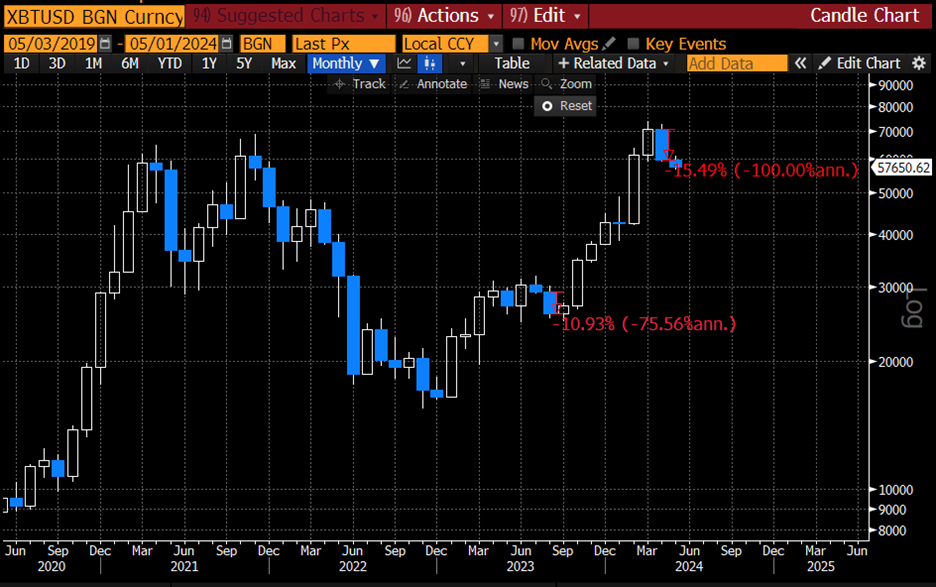
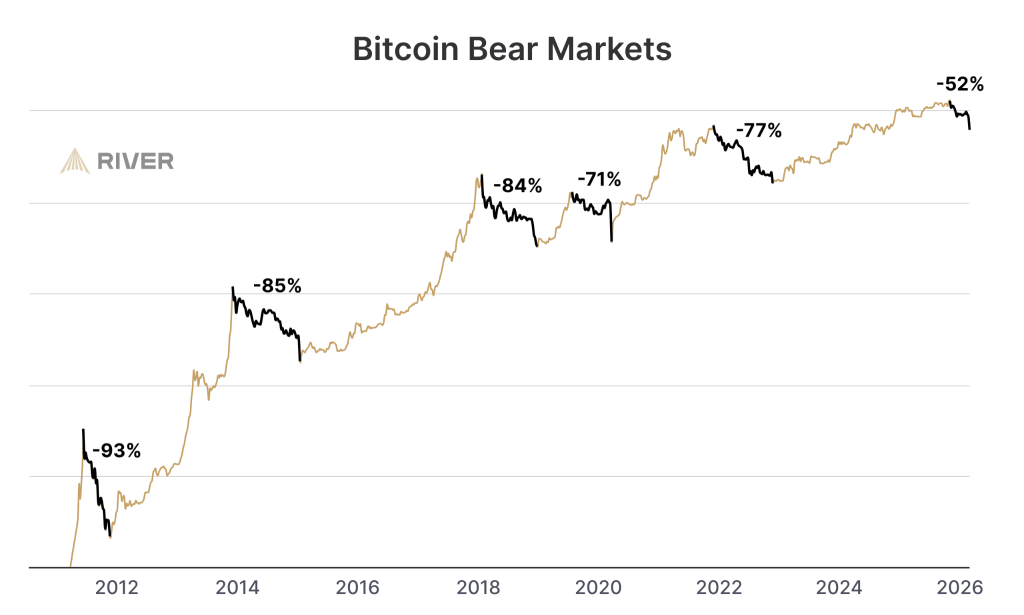
After June, we would have settled for a quiet month. July was not that. It delivered a Federal Reserve with three members voting to raise rates, the worst single day for the Magnificent Seven since 2025, a stalled crypto bill in Washington, and a major hardware-wallet exploit. Bitcoin’s response to all of it: up roughly 7.5% on the month.¹ The price slipped briefly below $58,000 on July 1 – marginally under June’s low, and so far the low of this entire drawdown – recovered into the mid-$60,000s, and closed near $63,000, per CoinDesk.¹ That made July the first positive month since April. More importantly, it answered a question June could not: what does this market do when the bad news keeps coming but the leverage is already gone? 

Last month we argued that June’s damage traced to identifiable macro sources – a new Fed regime, a rotation into AI, an ETF redemption wave – rather than anything broken in the thesis. July was the test of that claim. Every one of those pressures continued or intensified, and Bitcoin absorbed all of it. Our framework is unchanged: governments continue to overspend, adoption continues to broaden, and Bitcoin-backed products keep working their way into traditional finance. What July added is evidence that the selling was finishing, not starting. 

The Stress Test

On July 29, Kevin Warsh chaired his second FOMC meeting, and the committee again held the federal funds rate at 3.50–3.75%.² The headline was the same as June; the vote was not. Three members – Beth Hammack, Neel Kashkari, and Lorie Logan – dissented in favour of raising rates, a sharp break from what had been a unanimous vote in June, telling markets that the live debate inside the Fed is between holding and hiking, not holding and cutting.² A month ago, that mix would have been worth a multi-thousand-dollar flush. This time Bitcoin barely moved, trading near $64,000 through the decision, with the Fear & Greed Index at 28 – still fearful, but a long way from June’s reading of 12.³,⁴ 

The sterner test came a week earlier. CoinDesk reported that on July 23, the Magnificent Seven shed roughly $800 billion of market value in a single session – their worst day since the tariff selloff of April 2025 – as investors began asking whether AI infrastructure spending is running ahead of the profits meant to justify it. Recall the “substitution effect” we described in June – money leaving Bitcoin for AI stocks. July ran that experiment in reverse. The AI trade cracked, and Bitcoin held near $65,000, down less than 1% on the day. If Bitcoin were merely a risk-proxy appendage of the tech trade, it should have led the market lower. It did not. 

The July 23 session was the sharpest single-day rupture, but a broader semiconductor unwinding had been building since early in the month. Forbes reported that in the first week of July, roughly $1.3 trillion of global chip-sector value had already been erased, with Intel alone down 21% over seven trading days – driven by mounting concerns over its 18A foundry yields and AMD’s growing data-centre revenue advantage over Intel.

Bitfinex’s analysts offered the cleanest explanation: “crypto fell less than levered equity themes because the forced-selling fuel was already spent.”¹ June’s flush took the leverage out of the system, and average daily liquidations ran well below the year’s typical range all month.¹ We would add the macro point: a central bank talking tough while Washington runs historic peacetime deficits remains precisely the environment our thesis was built for. Nothing about July’s hawkishness changes the fiscal arithmetic – it just raises the cost of ignoring it. 

Two Open Files, Still Open 

We have been carrying two open files since the spring, and honesty requires reporting that neither closed in July. 

The CLARITY Act missed its window. CoinDesk reported that Senate Majority Leader John Thune conceded on July 23 that the market-structure bill would not pass before the August recess, with negotiations still stuck on the ethics provisions restricting senior officials’ crypto ventures. We wrote in June that the realistic window was before the recess; that window has now closed, and the odds of passage this year have clearly lengthened. The bill is not dead – debate resumes in September, and the White House insists it remains a priority – but a catalyst we hoped would fire in July is now a file for the fall. Our view on the substance is unchanged: the most bipartisan crypto legislation in U.S. history is not stalling for lack of support; it is stalling over who it applies to. 

The Strait of Hormuz file is quieter, but no more resolved. Since the blockade lifted, CNBC reported Iran has exported more than 40 million barrels of crude – selling, by its own account, at a roughly 20% premium. Oil markets have calmed. But the 60-day clock on a final agreement expires in mid-August, and the hardest question – who governs the strait afterward – remains open: As Newsweek reported in late June, President Trump had floated collecting tolls on transits once the window closes, while Tehran insists the waterway is sovereign territory and has already threatened re-closure once. We will say what we said in May and June: progress, not resolution. By our next edition, the deadline will have passed – one way or the other. 

A $38 Million Lesson in Custody 

CoinDesk reported that on the morning of July 31, an attacker drained 594 BTC – roughly $38 million – from about 500 Coldcard hardware wallets in 25 minutes.¹⁰ The cause was a firmware bug introduced in March 2021: affected devices silently skipped their hardware randomness generator and fell back to a predictable software fallback, producing wallet keys an attacker could eventually reconstruct.¹⁰ Five years of quietly compromised wallets, swept in under half an hour. 

Two things are worth separating. First, this was not a failure of Bitcoin. The protocol did exactly what it was designed to do; the flaw lived in one manufacturer’s device firmware, and newer models appear unaffected.¹⁰ Second, it was a failure of a model. Self-custody is one of Bitcoin’s foundational freedoms, and for technically sophisticated holders it remains a legitimate choice. But “be your own bank” means being your own security department, and July showed that even the most respected hardware in the industry can carry a silent, five-year-old flaw. Market observers were quick to name the likely consequence: an acceleration toward regulated custodians and ETF wrappers, where custody is professional, audited, and institutionally supervised.¹¹ We have long argued that institutional-grade custody was the single biggest thing the ETF structure brought to this asset class. Weeks like this one are why. 

Under the Hood 

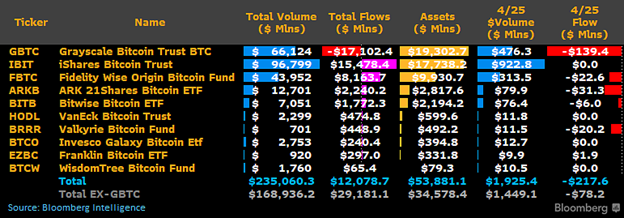
The ETF complex turned positive – barely. Cointelegraph reported U.S. spot Bitcoin ETFs took in a net $172.4 million in July, the first positive month since April and the end of a nearly $7 billion redemption wave across May and June.¹² It was also among the more modest positive months in the products’ history, and year-to-date flows remain roughly $5.3 billion negative.¹² We read it the way Bitfinex’s traders do: an institutional bid that is “aggressive or price-agnostic” is the signal that a durable bottom is in, and that signal has not fired yet.¹ What has changed is the direction of travel – redemptions exhausted themselves, and the marginal flow flipped from out to in. 

On-chain, Glassnode’s early-July assessment carried a title we appreciate for its bluntness: “Bottom Building in Progress.”¹³ Bitcoin has now spent roughly five months below both the short-term holder cost basis (about $72,000) and the “true market mean” near $76,600 – one of the more extended deep-value episodes in its history, and conventionally the foundation from which cyclical bottoms are built.¹³ Long-term holder capitulation was still running hot in early July, with realized losses peaking near $280 million per day, the heaviest since December 2022.¹³ That is the anatomy of a bottom being built, not a bottom confirmed. The standard we set in June still applies: capitulation must exhaust, and price must reclaim the short-term holder cost basis. But extended stretches where patient capital accumulates below everyone’s break-even are, historically, how cycle lows form. 

Looking Ahead

Three voices we respect looked at the same market in July, reached for three different vocabularies, and arrived at the same conclusion. 

Fidelity’s Jurrien Timmer noted that Bitcoin is approaching the power-law support line his model has tracked since 2015 – a line that has caught every major bottom in that span, currently sitting near $58,000 – and described current prices as a probable accumulation zone, while carefully declining to call the low or the catalyst.¹⁴ Bitwise’s Matt Hougan went further: “I think we may be at a turning point. By the end of the year, we could be substantially higher,” arguing the baton is passing from retail and corporate buyers to institutions.¹⁵ And Lyn Alden – describing the weakest Bitcoin sentiment she has personally observed, with “nothing coming to save” the asset – still sees Bitcoin near the low end of its historical valuation range, with a base case that grinds flat-to-higher, earning its next advance on fundamentals rather than hype.16 

August brings a jobs report, the Hormuz deadline, and a thin seasonal stretch; the trading desks’ base case is choppy and range-bound until real yields ease or ETF demand returns in force.¹ We make no monthly calls – July is a reminder of why. But consider what the month showed: a market that opened at its lows, absorbed a hawkish Fed, a trillion-dollar tech unwind, a stalled bill, and a $38 million exploit, and finished up 7.5% is not a market where sellers are in control. It is a market where the impatient have finished leaving and the patient are quietly taking their place. That process rarely announces itself in real time; it shows up later, in hindsight, as the stretch of the chart everyone wishes they had bought. 

We remain constructive Bitcoin investors, and we look forward to what August brings. 


Sources 

1 CoinDesk, “Bitcoin holds monthly gain, faces ‘choppy’ August as ‘forced-selling’ exhausted, analysts say,” July 31, 2026. https://www.coindesk.com/markets/2026/07/31/bitcoin-holds-onto-july-gain-as-forced-selling-fuel-was-already-spent-analysts-say 

2 Federal Reserve, “Federal Reserve issues FOMC statement,” July 29, 2026. https://www.federalreserve.gov/newsevents/pressreleases/monetary20260729a.htm 

3 Cointelegraph (via Bloomingbit), “Crypto Fear & Greed Index Falls to 12 as Extreme Fear Deepens,” June 25, 2026. https://en.bloomingbit.io/feed/news/114994 

4 TheStreet Crypto, “Crypto markets react to Fed’s July interest rate decision,” July 29, 2026. https://www.thestreet.com/crypto/fed/markets-react-to-feds-july-interest-rate-decision 

5 CoinDesk, “Bitcoin steady around $65,000 as ‘Mag 7’ have worst day since 2025,” July 24, 2026. https://www.coindesk.com/markets/2026/07/24/bitcoin-holds-near-usd65-000-as-usd800-billion-ai-selloff-leaves-crypto-largely-untouched 

6 Forbes, “Intel Stock Down 21%: Inside The July 2026 Semiconductor Selloff,” July 8, 2026. https://www.forbes.com/sites/petercohan/2026/07/08/intel-stock-down-21-inside-the-july-2026-semiconductor-selloff/ 

7 CoinDesk, “CLARITY Act expected to miss its window before Congress’ summer break, leadership says,” July 23, 2026. https://www.coindesk.com/policy/2026/07/23/clarity-act-expected-to-miss-its-window-before-congress-summer-break-leadership-says 

8 CNBC, “Iran says it is selling oil at 20% premium as end of U.S. blockade sees 40 million barrels exported,” July 1, 2026. https://www.cnbc.com/2026/07/01/iran-us-mou-negotiation-war-oil-exports-strait-of-hormuz-.html 

9 Newsweek, “Who controls the Strait of Hormuz? Uncertainty grows after 60-day deal,” June 21, 2026. https://www.newsweek.com/hormuz-uncertainty-grows-as-questions-mount-over-control-after-60-day-deal-12100981 

10 CoinDesk, “Major bitcoin wallet flaw drains 594 BTC in 25-minute sweep,” July 31, 2026. https://www.coindesk.com/tech/2026/07/31/major-bitcoin-wallet-flaw-drains-594-btc-in-25-minute-sweep 

11 CoinDesk, “Coldcard’s $38 million (so far) exploit shakes faith in self-custody, may push investors to ETFs,” July 31, 2026. https://www.coindesk.com/business/2026/07/31/coldcard-s-usd38-million-so-far-exploit-shakes-faith-in-self-custody-may-push-investors-to-etfs 

12 Cointelegraph, “Bitcoin ETFs post first monthly inflow since April,” August 1, 2026. https://cointelegraph.com/markets/bitcoin-etfs-july-green-despite-late-month-selling 

13 Glassnode, “The Week Onchain (Week 27, 2026): Bottom Building in Progress,” July 8, 2026. https://research.glassnode.com/the-week-onchain-week-27-2026/ 

14 CoinDesk, “Bitcoin is nearing a power law support line Fidelity has tracked since 2015,” July 12, 2026. https://www.coindesk.com/markets/2026/07/12/bitcoin-is-nearing-a-power-law-support-line-fidelity-has-tracked-since-2015 

15 CNBC, “Bitcoin at a turning point, could be ‘substantially higher’ by year end, says Bitwise CIO,” July 15, 2026. https://www.cnbc.com/video/2026/07/15/bitcoin-at-a-turning-point-could-be-substantially-higher-by-year-end-says-bitwise-cio.html 

16 Benzinga, “Bitcoin Isn’t The ‘Fastest Horse’ Anymore, Top Analyst Says,” July 8, 2026. https://www.benzinga.com/crypto/cryptocurrency/26/07/60336711/bitcoin-isnt-the-fastest-horse-anymore-top-analyst-says-theres-nothing-coming-to-save-btc 

Disclaimer 
Published August 7, 2026. 
Evolve Funds Group Inc. is the investment fund manager and portfolio manager. The Evolve Bitcoin ETF (“EBIT”) is offered by Evolve Funds Group Inc., and distributed through authorized dealers. 
The information contained herein is a general description and is not intended to be specific investment advice or a recommendation or solicitation to buy, sell, stake or hold any crypto asset or engage in any specific strategy. You should not act or rely on the information contained herein without seeking the advice of an appropriate professional advisor. The information contained herein is intended for informational purposes as a summary only, does not constitute an offer to sell any securities or a legally binding obligation, it is qualified entirely by, and should be read in conjunction with, the more detailed information appearing in the prospectuses found on the Evolve Funds Group Inc website at https://evolveetfs.com/  
The unpredictable nature of the cryptoassets can lead to loss of funds. 
Commissions, management fees and expenses all may be associated with exchange traded funds (ETFs). Please read the prospectus before investing. ETFs are not guaranteed, their values change frequently and past performance may not be repeated. 
Certain statements contained herein are forward-looking. Forward-looking statements (“FLS”) are statements that are predictive in nature, depend upon or refer to future events or conditions, or that include words such as “may,” “will,” “should,” “could,” “expect,” “anticipate,” “intend,” “plan,” “believe,” or “estimate,” or other similar expressions. Statements that look forward in time or include anything other than historical information are subject to risks and uncertainties, and actual results, actions or events could differ materially from those set forth in the FLS. FLS are not guarantees of future performance and are by their nature based on numerous assumptions. Although the FLS contained herein are based upon what Evolve Funds Group Inc. and the portfolio manager believe to be reasonable assumptions, neither Evolve Funds Group Inc. nor the portfolio manager can assure that actual results will be consistent with these FLS. The reader is cautioned to consider the FLS carefully and not to place undue reliance on FLS. Unless required by applicable law, it is not undertaken, and specifically disclaimed that there is any intention or obligation to update or revise FLS, whether as a result of new information, future events or otherwise. 
Certain information contained in this document is obtained from third parties. Evolve Funds Group Inc. believes such information to be accurate and reliable as of the date hereof, however, we cannot guarantee that it is accurate or complete or current at all times. The information provided is subject to change without notice. 
Large European Banks Remain Resilient Despite Economic Headwinds

Banking stocks are generally considered some of the safest equities to hold, providing investors with great long-term capital appreciation, solid dividend growth, and robust share repurchase programs. That doesn’t mean there aren’t risks associated with banking stocks.

Banks rely on businesses and consumers to spend and borrow money. During recessions, discretionary spending tends to fall, with fewer people buying large ticket items like cars and houses or using their lines of credit. Moreover, if consumers cannot repay their debts, they are at risk of defaulting on their loans, which banks have to absorb.

One of the biggest ways that banks make money is by taking in deposits, lending the money, and making a profit from the difference in interest rates. As a result, banks make less money during low-interest rate environments and more when interest rates are on the rise.

How Are European Banks Doing?

In an effort to tame runaway inflation, central banks around the world have been raising their key lending rates. The Eurozone interest rate is at 2.5% and is expected to rise to 3.25% in 2023. The Bank of England’s base rate is 3.50% and the Swiss National Bank recently lifted its interest rates to one percent.

Despite economic headwinds and fears of a recession, European banks are doing very well, reporting strong profits, improved balance sheets, and strong liquidity. But investors remain nervous and concerned that rising defaults and a recession will cut into earnings and weigh down dividend payments and buybacks.

Their concerns may be misguided. U.S. banking giant Morgan Stanley predicts that European banks’ pre-provision profits will increase 16% in 2022 and a further eight percent in 2023. European banks are also expected to return at least €100 billion (CAD$1.45 billion) through dividends and stock buybacks.

Rising interest rates are helping fuel earnings growth through significant increases in net interest income, with the amount charged for loans rising faster than the rate paid out on deposits.

How Will European Banks Navigate Rising Interest Rates?

Generally, banking stocks do not do well during recessions. But the rising interest rate environment has positioned European banks for a strong 2023. Moreover, fewer analysts are calling for a European recession this year.

The fact is, some of Europe’s largest banks are posting stronger-than-expected profits, juiced in large part by higher interest rates. Interest rates were kept at near-record lows since the financial crisis, more than a decade ago. Now, with rates rising at their fastest pace in decades, banks are cashing in.

In Germany, Deutsche Bank AG reported third-quarter earnings that came in above estimates. Italy’s UniCredit SpA increased its 2022 earning guidance after third-quarter profits rose above forecasts. Meanwhile, Britain’s Barclays PLC and Standard Chartered PLC, and Spain’s Banco Santander SA also posted better than expected results.

These results are in contrast to the mixed results coming from big U.S. banks, where profits were down, largely as a result of a sharp decline in deal-making. European banks are less reliant on deals for revenue and profits than U.S. banks and have been benefitting from the rising interest rate environment.

As a result, European banks are more than resilient enough to handle the effects of rising interest rates. What they will need to prepare for, though, is the normalization of inflation and the return of lower interest rates. But again, European banks have thrived in an ultra-low interest rate environment since 2008.

How Will European Banks Perform in 2023?

On the surface, it may not seem like a great time to invest in European banks. Gross domestic product (GDP) growth has slowed across much of Europe with a potential recession increasing credit risks and the demand for energy creating additional headwinds.

Many believe a recession is all but inevitable in 2023.

Historically, recessions come after periods of monetary tightening approximately 80% of the time. A recession is loosely described as two consecutive quarters of negative growth. So technically, we could be at the start of a recession and not know it.

It’s a different story though for Europe, the world’s largest economic region, with economists at Goldman Sachs saying it doesn’t look like it is going to tip into a recession. Economists expect the Eurozone to contract in the fourth quarter of 2022 but expect it to rebound slightly in the first quarter of 2023. For the full year, Goldman expects the Eurozone economy to climb 0.6%, a big increase from the previous call of a 0.01% dip.

There are three primary reasons why Europe is expected to avoid a recession in 2023: the industrial sector has been resilient, natural gas prices are down, and the Chinese economy is reopening earlier than expected.

Some European economies will fare better than others in 2023. Germany and Italy are expected to flirt with a recession owing to their reliance on Russian gas imports. France and Spain, though, have more diversified energy sources and are also more service-sector intensive.

Worst-case scenario and Europe does enter into a recession in 2023, it is expected to be mild.

So far, the European banking sector has been more than resilient to the challenges it is facing. It has had more than 10 years of near-zero interest rates and other headwinds to help strengthen its balance sheet. The tide has turned, with interest rates on the rise, and European banks are thriving.

Looking to Invest in European Banks?

Those looking to invest in the largest European banks can do so through a number of different strategies. One way would be to purchase shares in each company. But that would be exceptionally costly.

Another option for investors to gain exposure to the biggest European banks is through an exchange-traded fund (ETF).

Investing in European Banks with EBNK ETF

The Evolve European Banks Enhanced Yield ETF (EBNK ETF) is an index-based ETF that invests in equity securities of the largest European banks on an equally-weighted basis, with the added value of a covered call strategy applied on up to 33% of the portfolio. Covered call options have the potential to provide extra income and help hedge long stock positions.

For more blogs like this, insights on investing and investment products, sign up for our weekly newsletter.


The contents of this blog are not to be used or construed as investment advice or as an endorsement or recommendation of any entity or security discussed. These contents are not an offer or solicitation of an offer or a recommendation to buy or sell any securities or financial instrument, nor shall it be deemed to provide investment, tax or accounting advice. The information contained herein is intended for informational purposes only.
Commissions, management fees and expenses all may be associated with exchange traded funds (ETFs) and mutual funds (funds). Please read the prospectus before investing. ETFs and mutual funds are not guaranteed, their values change frequently, and past performance may not be repeated. There are risks involved with investing in ETFs and mutual funds. Please read the prospectus for a complete description of risks relevant to ETFs and mutual funds. Investors may incur customary brokerage commissions in buying or selling ETF and mutual fund units.
Certain statements contained in this blog may constitute forward-looking information within the meaning of Canadian securities laws. Forward-looking information may relate to a future outlook and anticipated distributions, events or results and may include statements regarding future financial performance. In some cases, forward-looking information can be identified by terms such as “may”, “will”, “should”, “expect”, “anticipate”, “believe”, “intend” or other similar expressions concerning matters that are not historical facts. Actual results may vary from such forward-looking information. Evolve Funds undertakes no obligation to update publicly or otherwise revise any forward-looking statement whether as a result of new information, future events or other such factors which affect this information, except as required by law.

Bitcoin Monthly – A Difficult Month, an Unchanged Thesis

Hi everyone – welcome back to Evolve’s Bitcoin Monthly newsletter. We hope our views on Bitcoin adoption and market conditions prove useful for investors considering Bitcoin as an investment, or for those managing an existing Bitcoin position.

There is no way to dress up June, so we will not try. According to CoinDesk, Bitcoin fell roughly 20% in June, closing below $60,000 — its worst monthly performance since June 2022.1 The selling was relentless: no meaningful bounce, no relief rally, and a monthly candle that chartists call a Marubozu – all body, no wicks, a rare showing of one-directional pressure.1 Forbes reported that the June 25 intraday low of $58,131 was Bitcoin’s weakest print since September 2024.2 Year-to-date, Bitcoin is down close to 30%, according to Crypto Briefing.3

Our macro framework has not changed: governments continue to overspend, adoption continues to broaden, and Bitcoin-backed products keep working their way into traditional finance. In our December edition we argued that the absence of a blow-off top made a deep, prolonged bear market less likely – this cycle never hit euphoria, so there is less excess to purge. That argument is being stress-tested in real time, and we will not pretend the test is comfortable. But there is a difference between a painful month and a broken thesis. June’s damage traces to three identifiable sources – a new Fed regime establishing its credibility, a rotation of capital into AI, and a record ETF redemption wave – and none of them, in our view, touches the reasons to own Bitcoin over the next decade.

The Warsh Fed Shows Its Cards

On June 17, Kevin Warsh – whose narrow confirmation we covered in May – chaired his first FOMC meeting. The committee held the federal funds rate at 3.50–3.75% by a unanimous 12–0 vote, and did so with a statement stripped to a handful of short paragraphs, closing with six blunt words: “The Committee will deliver price stability.”4 The familiar forward-guidance language was simply gone.

The projections did the talking instead. The median committee member now sees the federal funds rate at 3.8% at the end of 2026 – above the current target midpoint – which means the committee’s base case has shifted from cuts toward a possible hike.5 When the discount rate on every risk asset moves, Bitcoin moves with it. That is the cost of joining the institutional portfolio – a cost we have written about all year.

Step back from the single meeting, though, and the picture looks different. The Fed’s own statement concedes that inflation remains elevated “in part reflecting supply shocks that have driven price increases in certain sectors, including energy” – a direct reference to the Hormuz conflict.4 Meanwhile, nothing about the fiscal trajectory has improved: according to the Congressional Budget Office, Washington is still spending roughly $7.4 trillion against $5.6 trillion in revenue,6 and according to Canada’s Spring Economic Update, the federal deficit sits at $66.9 billion.7 A central bank forced to talk tough on inflation while its government borrows historic sums in peacetime is not an argument against scarce assets – it is the fiscal dominance thesis playing out on schedule. Hard money gets squeezed while rates reset higher; it is also precisely what the other side of that squeeze favours.

Two Open Files: Hormuz and the Senate

The Strait of Hormuz file – open since April – finally produced a signature. NPR reported that on June 17, President Trump and Iranian President Pezeshkian signed a memorandum of understanding to end the war: the U.S. lifted its blockade of Iranian ports the next day, Iran committed to letting tankers transit the strait, and a 60-day clock started on a final agreement covering sanctions relief, reconstruction funds, and Iran’s nuclear stockpile.8 Markets exhaled – briefly. Euronews reported that on June 20, Iran declared the strait closed again after fresh Israeli strikes in southern Lebanon, though the U.S. military reported that shipping continued to move.9 We described May’s developments as a hopeful inflection rather than a resolution, and that is still the right frame: the deal is signed but fragile, the 60-day window runs to mid-August, and Israel is not a party to it. Note how directly this file feeds the previous section – the energy supply shock is a large part of the inflation keeping the Fed hawkish. This month, geopolitics and monetary policy were the same story.

In Washington, the CLARITY Act took another step: according to PYMNTS, in early June it was placed on the Senate legislative calendar, making it eligible for a floor vote – the furthest any comprehensive digital asset market-structure bill has ever advanced.10 It needs 60 votes, ethics language remained unresolved heading into June, and the realistic window is now before the July recess. Senator Cynthia Lummis put it plainly: “We are closer to a functioning digital asset market structure than we have ever been. Now is not the time to flinch.”10 Worth noting: JPMorgan’s Jamie Dimon has vowed that banks will fight the bill.10 Incumbents do not spend lobbying dollars fighting legislation that does not matter. Both files remain open – and both, resolved favourably, are catalysts sitting in plain sight.

Under the Hood

The ETF complex had its hardest month yet. Crypto Briefing reported that U.S. spot Bitcoin ETFs recorded $4.06 billion in net outflows in June – the worst month since the products launched in January 2024 – taking total assets to roughly $72.8 billion and putting 2026 on track to be the first negative calendar year for flows.3 Two pieces of context matter. First, measured in Bitcoin rather than dollars, ETF holdings remain near their historical peaks – the redemptions are large in headline terms but small against the stock of coins the wrappers have absorbed.3 Second, corporate treasuries kept buying through the dip, demand that never shows up in ETF flow data.3 Bitwise CIO Matt Hougan’s read is that the selling is concentrated among retail holders rotating capital into AI stocks, a substitution dynamic he sees as distinct from the institutional bid, which continues arriving on its own slower schedule.11 The marginal seller has a destination, not a grievance.

For the record on Strategy: CoinDesk reported the company’s first disclosed net Bitcoin sale since December 2022 – 32 BTC, about $2.5 million, sold above its cost basis to fund preferred-stock dividends – generated headlines wildly out of proportion to a transaction representing less than 0.004% of its 843,706 BTC.12 We covered Strategy’s structural evolution in May; June added nothing new.

On-chain, the word is capitulation. Coinspeaker reported that the long-term holder spent output profit ratio fell below 1.0 – meaning coins held for more than 155 days were being sold at a loss – with long-term holders realizing roughly $2.4 billion in losses over one 48-hour stretch in early June.13 That signal is rare, and its history is notable: comparable readings marked the January 2015, December 2018, and November 2022 lows. The MVRV Z-score sits near -1.5 standard deviations, territory that has previously defined accumulation zones, and the Fear & Greed Index touched 12 – sentiment last seen at the COVID crash and the FTX collapse.13 We will be honest about what this does and does not say: capitulation is visible, but a confirmed bottom is not – that requires long-term holder selling to exhaust and price to reclaim the short-term holder cost basis. What the data does show is coins moving from weaker hands to stronger ones at fire-sale prices. Historically, that is how bottoms get built.

Looking Ahead

Matt Hougan’s early-June assessment is worth quoting: “I do think we’re in the process of bottoming… this feels a lot to me like early 2019-era crypto winter.” All of the negative news he can imagine, he argues, is already known and priced.11 Lyn Alden’s June letter makes the longer argument: we have entered a “Wild West” era of fiscal dominance, weaker international coordination, and run-it-hot deficits, in which the durable strategy is to own scarce, high-quality assets and avoid excessive exposure to long-duration fiat claims.14 She has also argued for months that a cycle without a euphoric top carries low odds of a major capitulation. Neither of them is making a call about July. Neither are we. The thesis is macro, not monthly.

July brings the CLARITY Act’s floor window, the middle stretch of the Iran deal’s 60-day clock, and a market that has just flushed an enormous amount of leverage and sentiment. The four-year-cycle debate will rage on; our view remains that this drawdown – painful, orderly, and heavily macro-driven – looks more like a repricing within a structural adoption trend than the end of one. Drawdowns like June are the price of admission for an asset with Bitcoin’s asymmetry, and the investors who understand that in advance are the ones who get to collect on it.

We remain constructive Bitcoin investors – conviction is never more useful than in months like this one – and we look forward to what the second half brings.


Sources

1 CoinDesk, “Bitcoin’s 20% June crash looks even deadlier on the charts. Here’s why,” July 1, 2026.

2 Forbes, “Bitcoin Hits 21-Month Low As Expiring Crypto Bets Threaten More Selling,” June 25, 2026.

3 Crypto Briefing, “US spot Bitcoin ETFs face record $4.1B in outflows in June,” June 30, 2026.

4 Federal Reserve, “Federal Reserve issues FOMC statement,” June 17, 2026.

5 Federal Reserve, “Summary of Economic Projections,” June 17, 2026.

6 Congressional Budget Office, “The Budget and Economic Outlook: 2026 to 2036,” February 11, 2026.

7 Government of Canada, “Spring Economic Update 2026,” April 28, 2026.

8 NPR, “U.S. lifts blockade on Iranian ports as 60-day clock for a final deal starts ticking,” June 18, 2026.

9 Euronews, “Iran recloses Strait of Hormuz, citing Israeli strikes on Lebanon,” June 20, 2026.

10 PYMNTS, “CLARITY Act Nears Senate Floor Ahead of Recess Deadline,” June 2, 2026.

11 Crypto Briefing, “Matt Hougan: The crypto market may be nearing a bottom… | The Wolf Of All Streets,” June 4, 2026.

12 CoinDesk, “Strategy sold 32 BTC for $2.5 million in late May, filing shows,” June 1, 2026.

13 Coinspeaker, “On-Chain Capitulation: Bitcoin in ‘Fire-Sale’ Zone as Long-Term Holders Bleed $2.4Bn,” June 5, 2026.

14 Lyn Alden, “June 2026 Newsletter: The Wild West,” June 4, 2026.

Disclaimer

Published July 2026.

Evolve Funds Group Inc. is the investment fund manager and portfolio manager. The Evolve Bitcoin ETF (“EBIT”) is offered by Evolve Funds Group Inc., and distributed through authorized dealers.

The information contained herein is a general description and is not intended to be specific investment advice to any particular investor nor intended to be investment or tax advice. You should not act or rely on the information contained herein without seeking the advice of an appropriate professional advisor. The information contained herein is intended for informational purposes as a summary only, does not constitute an offer to sell any securities or a legally binding obligation, it is qualified entirely by, and should be read in conjunction with, the more detailed information appearing in the prospectuses found on the Evolve Funds Group Inc website at https://evolveetfs.com/.

The unpredictable nature of the cryptoassets can lead to loss of funds.

Commissions, management fees and expenses all may be associated with exchange traded funds (ETFs). Please read the prospectus before investing. ETFs are not guaranteed, their values change frequently and past performance may not be repeated.

Certain statements contained herein are forward-looking. Forward-looking statements (“FLS”) are statements that are predictive in nature, depend upon or refer to future events or conditions, or that include words such as “may,” “will,” “should,” “could,” “expect,” “anticipate,” “intend,” “plan,” “believe,” or “estimate,” or other similar expressions. Statements that look forward in time or include anything other than historical information are subject to risks and uncertainties, and actual results, actions or events could differ materially from those set forth in the FLS. FLS are not guarantees of future performance and are by their nature based on numerous assumptions. Although the FLS contained herein are based upon what Evolve Funds Group Inc. and the portfolio manager believe to be reasonable assumptions, neither Evolve Funds Group Inc. nor the portfolio manager can assure that actual results will be consistent with these FLS. The reader is cautioned to consider the FLS carefully and not to place undue reliance on FLS. Unless required by applicable law, it is not undertaken, and specifically disclaimed that there is any intention or obligation to update or revise FLS, whether as a result of new information, future events or otherwise.

Certain information contained in this document is obtained from third parties. Evolve Funds Group Inc. believes such information to be accurate and reliable as of the date hereof, however, we cannot guarantee that it is accurate or complete or current at all times. The information provided is subject to change without notice.
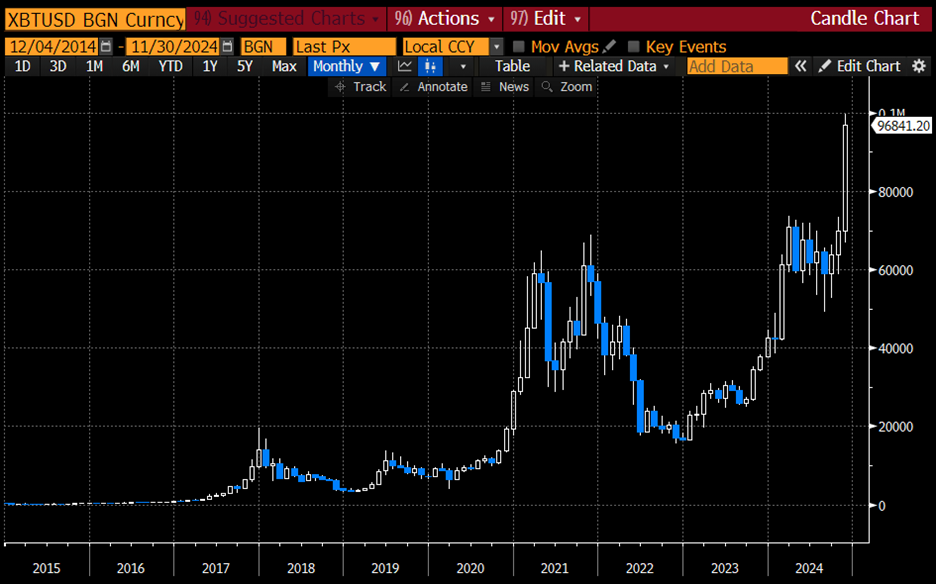
Banks and Utilities: The Twin Pillars of Canadian Dividend Income

Income-focused Canadian investors have long leaned on two pillars: banks and utilities. Between them they anchor the country’s dividend culture, the banks for their century, plus payout records and oligopoly economics, the utilities for the steady, regulated cash flows behind the power, heat and connectivity Canadians use every day. Financials alone account for roughly 30% of the S&P/TSX Composite¹, the single largest sector in the benchmark, while regulated utilities sit at the defensive core of most income portfolios. Here is why these two sectors remain foundational for Canadian income – and how investors can add an income-enhancing overlay to both. 

Canadian Banks and Lifecos: An Income Franchise Built to Last 

Few sectors are as structurally advantaged as Canadian banking. The Big Six, Royal Bank, TD, Scotiabank, BMO, CIBC and National Bank, operate in a concentrated, heavily regulated market with high barriers to entry, giving them durable competitive moats across lending, wealth management and capital markets. Alongside them sit the country’s major life insurers, adding a complementary stream of insurance and wealth earnings. 

That stability shows up in one of the most remarkable dividend records anywhere. Bank of Montreal has paid a dividend every year since 1829² – the longest unbroken streak of any Canadian company – and five of Canada’s largest companies, its major banks among them, have paid dividends for more than a century³, through wars, recessions and financial crises. 

The sector’s resilience is underwritten by strict oversight from the Office of the Superintendent of Financial Institutions (OSFI). A key gauge of a bank’s financial strength is its Common Equity Tier 1 (CET1) ratio, which measures a bank’s highest-quality capital – chiefly common shares and retained earnings – against its risk-weighted assets; the higher the ratio, the more losses a bank can absorb before running into trouble. Canada’s largest banks carry CET1 ratios averaging about 13.4%, comfortably above the 11% regulatory minimum. That strength is well recognised: in 2026 OSFI lowered the Domestic Stability Buffer to 3.0%, freeing capital and signalling confidence in the banks’ loss-absorbing capacity. 

For income investors, the pay-off is a combination of reliable, growing dividends and yields that generally sit around 3.5% to 4% for the major banks – typically above the broader market, with lifecos broadening the income base. 

Those life insurers deserve a closer look. Manulife, Sun Life, Great-West Lifeco and Power Corp are far more than domestic insurers – they are global wealth and asset-management franchises. Manulife alone oversees average assets under management and administration of roughly $1.07 trillion, with a fast-growing Asian business and a global wealth arm that diversify its earnings well beyond traditional insurance. As populations age, demand for retirement income, health coverage and longevity products continues to build – a structural growth angle the banks do not share. And like the banks, the lifecos are committed dividend payers, with Sun Life and Manulife recently yielding around 4%, which deepens the income profile of a Canadian financials allocation. 

Canadian Utilities: The Essentials of Everyday Income

Utilities provide a different but equally dependable source of income. Power, gas, water, pipelines, and telecom are non-discretionary services — consumers need them regardless of economic conditions. Most of these companies operate in rate-regulated environments, where provincial regulators set the rules and rates for electricity, gas and pipeline services, giving their revenues a degree of predictability that few other sectors can match. That framework is the foundation of utilities’ defensive, bond-like reputation.

Predictable cash flows translate into dependable, rising dividends. Fortis, for example, has raised its dividend for 52 consecutive years¹⁰, one of only a handful of Canadian companies to earn “Dividend King” status. 

The sector also sits in front of a powerful structural tailwind. Electricity demand in Canada is projected to grow between 26% and 85% by 2050¹¹ as the economy electrifies, with Ontario alone forecast to grow 75%¹². A major driver is the rise of energy-hungry AI data centres¹³, and the utilities, pipelines and telecom networks that move power and data are the backbone of that build-out. 

Because their earnings are steady and their yields bond-like, utilities tend to be sought as a defensive ballast in portfolios and can attract renewed interest when interest rates ease. 

Turning Canada’s Income Sectors Into Enhanced Monthly Income 

Evolve offers a way to own both of these sectors while turning their steady dividends into enhanced monthly income. Its established Evolve Canadian Banks and Lifecos Enhanced Yield Index Fund (BANK) and Evolve Canadian Utilities Enhanced Yield Index Fund (UTES) are proven strategies with over $1.7 billion in combined assets under management (as at July 14, 2026)¹⁴, each pairing an active covered call strategy on up to 33% of the portfolio with up to 25% modest leverage (1.25x) that seeks to amplify income and total-return potential.  

Now there is another way to own these same sectors without the leverage. The Evolve Canadian Financials Yield Fund (CFIN) and Evolve Canadian Utilities Yield Fund (CUTE) track the same underlying indices and apply the same active covered call strategy as BANK and UTES, however, carry no leverage. As a result, CFIN and CUTE are not classified as alternative funds and are rated medium risk – designed for clients seeking steady monthly income from resilient Canadian sectors with a more conservative profile.  

Sources 

  1. Investing News Network, “How is the S&P/TSX Composite Index Weighted?” (last updated June 24, 2025)
  2. Seeking Alpha, “Bank of Montreal: Canada’s Oldest Dividend Payer” — February 10, 2020
  3. Dividend.com, “Over 100 Years of Dividends for 5 Canadian Companies” — (2016)
  4. OSFI, “Benchmarking Canadian Bank Capital Ratios to International Peers – Technical Note” — February 13, 2026
  5. OSFI, “OSFI lowers Domestic Stability Buffer to 3.0% so Canada’s largest banks can deploy more capital” — June 19, 2026
  6. Sure Dividend, “The Top 5 Canadian Bank Stocks, Ranked In Order” — last updated July 10, 2026
  7. Insurance Business, “Manulife sets record 2025 core earnings as Asia and Global WAM power growth” — February 12, 2026
  8. The Successful Investor, “Sun Life & Manulife Financial Pay 4.1% and 4.2% Dividend Yield” — March 18, 2025
  9. Canada Energy Regulator, “The role of the regulator and utility providers” — February 2021
  10. Fortis Inc., “Investor Resources” — accessed July 2026 (continuously updated)
  11. Canada Energy Regulator, “Canada’s Energy Future 2026: Executive Summary” — March 17, 2026
  12. IESO, “Electricity Demand in Ontario to Grow by 75 per cent by 2050” — October 16, 2024
  13. Canada Energy Regulator, “Market Snapshot: Energy demand from data centres is steadily increasing, and AI development is a significant factor” — October 2, 2024
  14. As at June 30, 2026. 

Disclaimers: 

Evolve Funds Group Inc. is the investment fund manager and portfolio manager. All funds described herein is offered by Evolve Funds Group Inc., and distributed through authorized dealers. 

The information contained herein is a general description and is not intended to be specific investment advice to any particular investor nor intended to be investment or tax advice. You should not act or rely on the information contained herein without seeking the advice of an appropriate professional advisor. The information contained herein is intended for informational purposes as a summary only, does not constitute an offer to sell any securities or a legally binding obligation, it is qualified entirely by, and should be read in conjunction with, the more detailed information appearing in the prospectuses found on the Evolve Funds Group Inc website at https://evolveetfs.com/ 

Leverage increases risk. 

Commissions, trailing commissions, management fees and expenses all may be associated with exchange traded funds (ETFs) and mutual funds. Please read the prospectus before investing. ETFs and mutual funds are not guaranteed, their values change frequently and past performance may not be repeated. 

Certain statements contained herein are forward-looking. Forward-looking statements (“FLS”) are statements that are predictive in nature, depend upon or refer to future events or conditions, or that include words such as “may,” “will,” “should,” “could,” “expect,” “anticipate,” “intend,” “plan,” “believe,” or “estimate,” or other similar expressions. Statements that look forward in time or include anything other than historical information are subject to risks and uncertainties, and actual results, actions or events could differ materially from those set forth in the FLS. FLS are not guarantees of future performance and are by their nature based on numerous assumptions. Although the FLS contained herein are based upon what Evolve Funds Group Inc. and the portfolio manager believe to be reasonable assumptions, neither Evolve Funds Group Inc. nor the portfolio manager can assure that actual results will be consistent with these FLS. The reader is cautioned to consider the FLS carefully and not to place undue reliance on FLS. Unless required by applicable law, it is not undertaken, and specifically disclaimed that there is any intention or obligation to update or revise FLS, whether as a result of new information, future events or otherwise. 

Certain information contained in this document is obtained from third parties. Evolve Funds Group Inc. believes such information to be accurate and reliable as of the date hereof, however, we cannot guarantee that it is accurate or complete or current at all times. The information provided is subject to change without notice. 
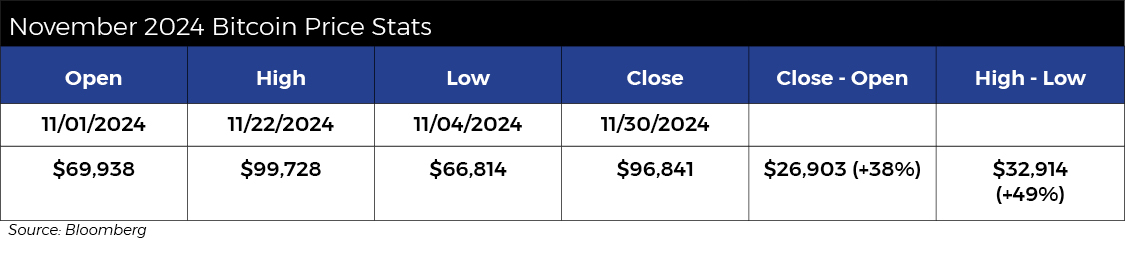


AI Headwinds Have Become Tailwinds for Cybersecurity

Cybersecurity was one of the hardest-hit sectors during the “AI Scare Trade” that gripped markets earlier this year. As artificial intelligence grew more capable, investors began to question whether software companies would be strengthened by the technology or replaced by it. For cybersecurity providers, the market’s answer was swift and harsh. A few months later, the story looks very different. A landmark industry alliance has placed the sector’s leaders at the heart of AI-powered defence, and strong results have confirmed that demand remains healthy. AI is now increasingly viewed as a tailwind for cybersecurity rather than a threat. Here’s how the narrative turned, and why it matters for investors.

A Sentiment-Driven Sell-Off

To understand the recovery, it helps to start with what caused the slide. The early-year decline in cybersecurity stocks had little to do with the businesses themselves. CNBC reported that the trigger came in late February, when Anthropic introduced Claude Code Security, an AI tool that scans software code for vulnerabilities.1 Investors began to worry that services like it could displace work traditionally handled by cybersecurity vendors, and the selling quickly spread across the sector’s biggest names.1 Yet nothing within the companies had changed. The decline was a matter of sentiment, not fundamentals.1

The industry never accepted the market’s fears. According to CNBC, CrowdStrike CEO George Kurtz publicly pushed back, maintaining that the new tool was no replacement for an established security platform.1 It would not take long for the rest of the market to come around.

Project Glasswing Reframed the Narrative

The turning point came in early April. According to Anthropic’s announcement, Project Glasswing launched as an initiative using its newest AI model, Claude Mythos Preview, to help safeguard the world’s most critical software.2 Rather than positioning AI as a rival to the cybersecurity industry, Glasswing embraced it. The initiative brought together leaders from the technology, cybersecurity, and financial sectors, including Apple, Google, Nvidia, CrowdStrike, Palo Alto Networks, and JPMorganChase. Together, these partners are putting advanced AI to work finding and fixing vulnerabilities in critical software.2

The message to markets was hard to miss. One of the world’s leading AI developers had chosen to work with the cybersecurity industry, not around it. JPMorgan analyst Brian Essex reiterated overweight ratings on CrowdStrike and Palo Alto Networks, describing them as essential layers in the defensive stack, according to CNBC.3

Earnings Reinforced the Recovery

Earnings soon backed up the industry’s confidence. Back in March, even as sentiment remained fragile, CrowdStrike’s Q4 2026 earnings release reported a record fiscal year, with the company describing the AI revolution as a “new, generational growth opportunity.”4 Fortinet reported in its Q1 2026 earnings release that it exceeded the high end of its first-quarter guidance, and raised its full-year revenue outlook.5 For a sector that had been sold on fears of obsolescence just months earlier, the message could not have been clearer: demand for cybersecurity was strengthening, not fading.

Why Cybersecurity Belongs in a Portfolio

For investors, the takeaway goes beyond a single news story. Cybersecurity is an essential service in the modern economy, and this year’s events have only reinforced that role. Anthropic’s Project Glasswing announcement reflects the premise that AI has crossed a threshold where protecting critical infrastructure is more urgent than ever, and that older approaches to securing systems are no longer sufficient on their own.2 In its Q1 2026 earnings release, Fortinet attributed part of its billings growth to a threat environment it described as being intensified by AI.5 CrowdStrike’s Q4 2026 earnings release described the company as “mission-critical infrastructure” for enterprises adopting AI.4

Put simply, the technology the market feared would shrink this industry may instead be expanding it. The result is a sector that pairs the stability of an essential service with a growth story tied directly to the rise of AI. For investors seeking both resilience and growth potential, cybersecurity is worth a closer look.

Diversified Exposure with CYBR

The Evolve Cyber Security Index Fund (CYBR) is an index-based, market-cap-weighted solution that provides diversified exposure to the global leaders in cybersecurity. CYBR holds many of the platform names at the centre of this shift, with broader exposure across endpoint, cloud, network, and identity security. For investors seeking single-ticker access to a sector where the AI narrative has shifted from headwind to tailwind, CYBR offers a straightforward way to participate.


Learn more about CYBR at https://evolveetfs.com/product/cybr/


Sources

  1. https://www.cnbc.com/2026/02/23/cybersecurity-stocks-anthropic-ai-crowdstrike.html (Feb 23, 2026)
  2. https://www.anthropic.com/project/glasswing (Apr 7, 2026)
  3. https://www.cnbc.com/2026/04/08/jpmorgan-says-anthropic-cybersecurity-model-to-boost-these-two-stocks-.html (Apr 8, 2026)
  4. https://ir.crowdstrike.com/news-releases/news-release-details/crowdstrike-reports-fourth-quarter-and-fiscal-year-2026 (Mar 3, 2026)
  5. https://investor.fortinet.com/news-releases/news-release-details/fortinet-reports-strong-first-quarter-2026-financial-results (May 6, 2026)


DISCLAIMERS


Published June 17, 2026.

Evolve Funds Group Inc. is the investment fund manager and portfolio manager. Evolve Cyber Security Index Fund (“CYBR”) is offered by Evolve Funds Group Inc. and distributed through authorized dealers.

The information contained herein is a general description and is not intended to be specific investment advice to any particular investor nor intended to be investment or tax advice. You should not act or rely on the information contained herein without seeking the advice of an appropriate professional advisor. The information contained herein is intended for informational purposes as a summary only, does not constitute an offer to sell any securities or a legally binding obligation, it is qualified entirely by, and should be read in conjunction with, the more detailed information appearing in the prospectuses found on the Evolve Funds Group Inc website at https://evolveetfs.com/

Commissions, management fees and expenses all may be associated with exchange traded funds (ETFs). Please read the prospectus before investing. ETFs are not guaranteed, their values change frequently and past performance may not be repeated.

Certain statements contained herein are forward-looking. Forward-looking statements (“FLS”) are statements that are predictive in nature, depend upon or refer to future events or conditions, or that include words such as “may,” “will,” “should,” “could,” “expect,” “anticipate,” “intend,” “plan,” “believe,” or “estimate,” or other similar expressions. Statements that look forward in time or include anything other than historical information are subject to risks and uncertainties, and actual results, actions or events could differ materially from those set forth in the FLS. FLS are not guarantees of future performance and are by their nature based on numerous assumptions. Although the FLS contained herein are based upon what Evolve Funds Group Inc. and the portfolio manager believe to be reasonable assumptions, neither Evolve Funds Group Inc. nor the portfolio manager can assure that actual results will be consistent with these FLS. The reader is cautioned to consider the FLS carefully and not to place undue reliance on FLS. Unless required by applicable law, it is not undertaken, and specifically disclaimed that there is any intention or obligation to update or revise FLS, whether as a result of new information, future events or otherwise.

Certain information contained in this document is obtained from third parties. Evolve Funds Group Inc. believes such information to be accurate and reliable as of the date hereof, however, we cannot guarantee that it is accurate or complete or current at all times. The information provided is subject to change without notice.
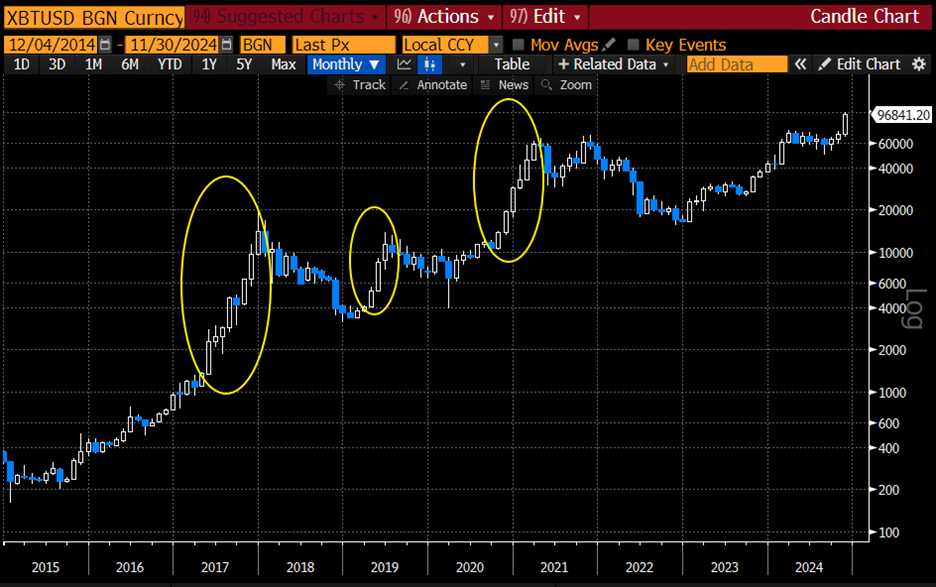
When Markets Get Choppy, Healthcare Gets Interesting: Three Reasons to Own the Sector Now

It has been a nervous year for markets. Tariff threats keep resurfacing, the headlines swing from rally to sell-off and back again, and investors are left guessing at the Federal Reserve’s next move. In times like these, the temptation to head for the sidelines is understandable.

But for those who would rather stay invested than try to time the market, the better question is where to ride out the storm. Healthcare has long been one of the answers. People don’t stop filling prescriptions or scheduling surgeries because the market had a bad week, and that steady demand gives the sector a natural resilience in uncertain times.

Healthcare did have a rough start to the year. Drug pricing threats and the prospect of pharmaceutical tariffs weighed on sentiment, leaving the MSCI World Health Care Index down 2.72% year-to-date.1 That cloud is now lifting. By April, the White House had reached most-favoured-nation pricing agreements with seventeen major pharmaceutical companies—including Eli Lilly, Novo Nordisk, Merck, and Pfizer—easing the drug-pricing uncertainty that had weighed on the sector.2 So, with the policy noise fading, let’s look at three reasons the sector is worth holding through the volatility.

Weight-Loss Pills Are Bringing in Entirely New Patients

GLP-1 medications have already transformed the treatment of obesity and type-2 diabetes, but for many patients they came with one major drawback: they had to be injected. That barrier is now falling. Eli Lilly announced FDA approval in April for Foundayo, the first GLP-1 weight-loss pill with no food or water restrictions3.

The pill isn’t simply taking share from injectables, it’s drawing in patients who had stayed away altogether. As more of those patients enter the market, Morgan Stanley projected the global obesity and type-2 diabetes treatment market could reach $190 billion by 2035.4

Robotic Surgery Has a Long Runway Ahead

Robotic surgery may sound like a mature industry, but globally, adoption is still in its early days. Intuitive Surgical reported placing 232 of its da Vinci 5 systems in the first quarter of 2026, up from 147 in the same quarter last year.5

Competition is picking up as well. While Intuitive builds AI capabilities into its platform, Medtronic announced FDA clearance for its rival Hugo system for urological procedures in December 2025.6 More companies competing for the same operating rooms is rarely a bad sign and it usually means the market is big enough, and growing fast enough, to support them.

Dealmaking Signals Confidence in the Sector

Perhaps the strongest vote of confidence comes from within the industry itself. According to JPMorgan’s Q1 2026 BioPharma and MedTech Deal Report, healthcare M&A reached $42 billion across 56 deals in the first quarter of 2026.7

The deals themselves tell a story. Eli Lilly announced an agreement to acquire Centessa Pharmaceuticals for up to $7.8 billion, expanding into sleep and neurological disorders,8 while Merck announced an agreement to acquire Terns Pharmaceuticals for roughly $6.7 billion to strengthen its hematology pipeline.9 When strategic buyers pay premiums like these, it suggests they see more value in the sector than current share prices reflect.

Why LIFE? One Ticker for Global Healthcare

Steady demand, growing treatment markets, and buyers willing to pay up, together they make a strong case for healthcare in a volatile market. For investors who want that exposure without betting on any single company, the Evolve Global Healthcare Enhanced Yield Fund (LIFE) offers a simple way to get it. LIFE holds the 20 largest global healthcare companies across pharmaceuticals, medical devices, and diagnostics. The same companies driving the GLP-1 expansion, the rise of robotic surgery, and the current wave of dealmaking.

LIFE also applies an active covered call overlay designed to generate tax-efficient monthly income. In an unsettled market, that regular income can make it easier to stay the course while the sector’s longer-term story plays out.


For more information on LIFE ETF, visit the fund page at https://evolveetfs.com/product/life/


Sources

  1. Bloomberg, as at May 29, 2026. MSCI World Health Care Index and MSCI World Index, year-to-date total returns.
  2. https://www.whitehouse.gov/fact-sheets/2026/04/fact-sheet-president-donald-j-trump-announces-deal-with-regeneron-to-bring-most-favored-nation-pricing-to-american-patients/ (Apr 23, 2026)
  3. https://investor.lilly.com/news-releases/news-release-details/fda-approves-lillys-foundayotm-orforglipron-only-glp-1-pill (Apr 1, 2026)
  4. https://www.morganstanley.com/insights/articles/glp1-weight-loss-market-may-double-190-billion-2035 (Apr 22, 2026)
  5. https://www.sec.gov/Archives/edgar/data/0001035267/000103526726000029/q126ex-991earningsrelease.htm (Apr 21, 2026)
  6. https://news.medtronic.com/2025-12-03-Medtronic-announces-FDA-clearance-of-Hugo-TM-robotic-assisted-surgery-system-for-urologic-surgical-procedures (Dec 3, 2025)
  7. https://www.jpmorgan.com/insights/markets-and-economy/outlook/biopharma-medtech-deal-reports (Apr 16, 2026)
  8. https://investor.lilly.com/news-releases/news-release-details/lilly-acquire-centessa-pharmaceuticals-advance-treatments-sleep (Mar 31, 2026)
  9. https://www.merck.com/news/merck-to-acquire-terns-pharmaceuticals-inc-expanding-its-hematology-pipeline-with-tern-701-a-novel-candidate-for-chronic-myeloid-leukemia-cml/ (Mar 25, 2026)


DISCLAIMERS


Published June 17, 2026.

Evolve Funds Group Inc. is the investment fund manager and portfolio manager. Evolve Global Healthcare Enhanced Yield Fund (“LIFE”) is offered by Evolve Funds Group Inc. and distributed through authorized dealers.

The information contained herein is for informational purposes only and is not intended to be investment or tax advice. You should not act or rely on the information contained herein without seeking the advice of an appropriate professional advisor. The information contained herein is intended for informational purposes as a summary only, does not constitute an offer to sell any securities or a legally binding obligation, it is qualified entirely by, and should be read in conjunction with, the more detailed information appearing in the prospectuses found on the Evolve Funds Group Inc website at https://evolveetfs.com/

Commissions, trailing commissions, management fees and expenses all may be associated with exchange traded funds (ETFs) and mutual funds. Please read the prospectus before investing. ETFs and mutual funds are not guaranteed, their values change frequently and past performance may not be repeated.

Certain statements contained herein are forward-looking. Forward-looking statements (“FLS”) are statements that are predictive in nature, depend upon or refer to future events or conditions, or that include words such as “may,” “will,” “should,” “could,” “expect,” “anticipate,” “intend,” “plan,” “believe,” or “estimate,” or other similar expressions. Statements that look forward in time or include anything other than historical information are subject to risks and uncertainties, and actual results, actions or events could differ materially from those set forth in the FLS. FLS are not guarantees of future performance and are by their nature based on numerous assumptions. Although the FLS contained herein are based upon what Evolve Funds Group Inc. and the portfolio manager believe to be reasonable assumptions, neither Evolve Funds Group Inc. nor the portfolio manager can assure that actual results will be consistent with these FLS. The reader is cautioned to consider the FLS carefully and not to place undue reliance on FLS. Unless required by applicable law, it is not undertaken, and specifically disclaimed that there is any intention or obligation to update or revise FLS, whether as a result of new information, future events or otherwise.

Certain information contained herein is obtained from third parties. Evolve Funds Group Inc. believes such information to be accurate and reliable as of the date hereof, however, we cannot guarantee that it is accurate or complete or current at all times. The information provided is subject to change without notice.
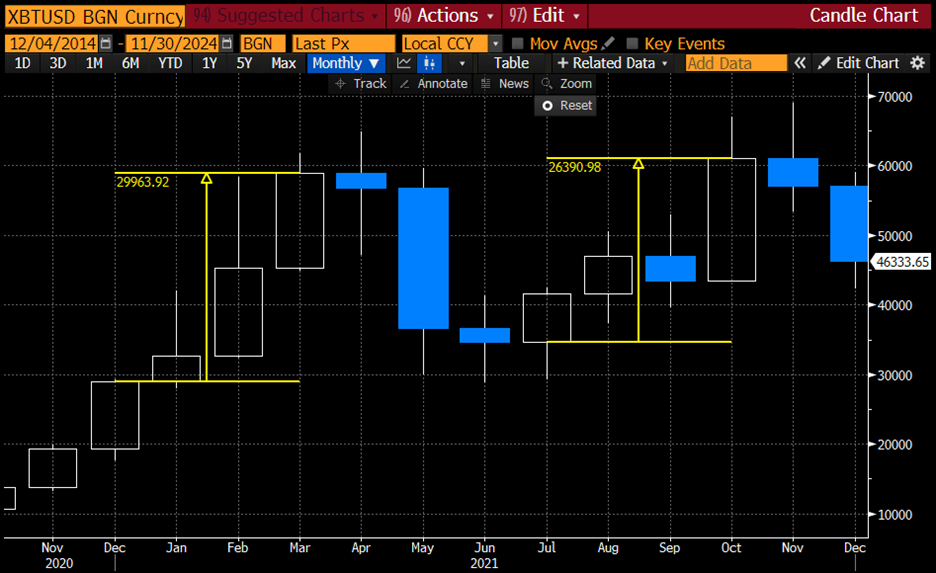
‘Big Six’ Canadian Banks Q2 Earnings Roundup

Canada’s Big Six banks wrapped up a strong second quarter, each coming in ahead of what analysts had forecast thanks to solid performance across their main businesses. Earnings were up across the board, and five of the six lifted their dividends, with CIBC as the exception. The numbers landed well despite a cloudy economic picture and trade tensions mounting ahead of negotiations for USMCA renewal. Revenue rose at a steady clip, capital markets pulled more than its weight at nearly every bank, and credit quality held firm, with most lenders putting aside less money for bad debt expense or holding it flat as they kept watch on the road ahead.

Royal Bank of Canada

RBC reported a 25% rise in second-quarter profit, beating forecasts on the strength of a sharp pickup in capital markets and smaller loan provisions. Earnings reached $5.5 billion, or $3.85 per share, up from $4.39 billion, or $3.02 per share, a year earlier. RBC reserved $912 million for potential credit losses. That marked a steep drop from the $1.4 billion it set aside a year earlier. RBC posted higher return on equity at 17.2%, above its 17% target, further evidence of its continued efforts to bolster profitability. The bank also bumped its quarterly dividend up 12 cents to $1.76 per share and laid out plans to repurchase 45 million shares, roughly 3% of current common stock.

Toronto-Dominion Bank

TD came in above expectations for the quarter, carried by strong results in its Canadian retail and capital markets arms and a lighter provision for loans at risk of default. Earnings rose to $4.17 billion, or $2.38 per share, from $3.63 billion, or $1.97 per share, a year earlier. Canadian personal and commercial banking did the heavy lifting, with profit up 15% to $1.93 billion, while the U.S. business added $960 million in adjusted net income, an 8% gain. TD set aside $1 billion against credit losses, down from $1.34 billion a year earlier. The bank is leaning on its Canadian operations for growth as it trims costs and cleans up the anti-money-laundering failures in its U.S. arm. It raised its quarterly dividend 4 cents to $1.12 per share.

Bank of Montreal

BMO beat expectations for the quarter, lifted by its capital markets division and its U.S. operations. Profit surged 34% from a year earlier to $2.6 billion, or $3.53 per share, compared with $1.96 billion, or $2.50 per share, previously. Revenue grew 10% to $9.6 billion, outpacing a 6% rise in expenses to $5.3 billion. The bank set aside $739 million for credit losses, below market expectations, including $734 million for loans the bank believes will not be repaid. Return on equity ticked up to 13% firm wide, and 8.6% in the U.S. after BMO unveiled its strategy to restore profitability in the U.S. The dividend rose 4 cents to $1.71 per share.

Bank of Nova Scotia

Scotiabank outpaced expectations for the quarter, helped by its Canadian banking division as the lender pushes to improve its returns. Profit came in at $2.6 billion, or $2.00 per share, up from $2 billion, or $1.48 per share, a year earlier. Revenue rose 8% to $9.8 billion, while expenses crept up just 2% to $5.2 billion, a result the bank tied to higher costs in staffing, technology, advertising and business development. Provisions for credit losses totaled $1.2 billion, heavier than market expectations, with $1.1 billion against loans the bank believes may not be repaid. Scotiabank set aside $1.4 billion in provisions in the same quarter last year. The bank logged an adjusted return on equity of 13.2% and stood by its aim of hitting 14% in 2027. It raised its quarterly dividend 4 cents to $1.14 per share.

Canadian Imperial Bank of Commerce

CIBC posted a 23% increase in quarterly profit, clearing expectations, with broad-based strength across all its business units. Earnings rose to $2.47 billion, or $2.53 per share, from $2.01 billion, or $2.04 per share, a year earlier. Capital markets were the front-runner, with earnings up 40% as trading and investment banking revenue climbed and the bank clawed back money it had earlier reserved for loan losses. Credit loss provisions held steady at $605 million, though the portion tied to past-due loans rose $85 million to $548 million on economic strain and seasonal swings. The bank agreed to sell its stake in CIBC Caribbean for approximately US$1.6 billion, expected to close in the first half of 2027, and plans to buy back up to 30 million shares. Its dividend held at $1.07 per share.

National Bank of Canada

National Bank rounded out the group with a strong showing, posting a steep rise in profit that beat forecasts on lighter loan loss reserves and solid results from capital markets and retail banking. Earnings reached $1.23 billion, or $3.06 per share, up from $896 million, or $2.17 per share, a year earlier. Provisions for credit losses fell to $233 million from $545 million, driven largely by a smaller $38 million reserve against performing loans. The bank is targeting about $300 million in annual savings from the integration of Canadian Western Bank. To date, National Bank has reached $215 million and expects $270 million by year end. The bank also lifted its quarterly dividend 8 cents to $1.32 per share.


Source:

https://www.theglobeandmail.com/business/article-canada-banks-earnings-second-quarter-results-2026/ (May 28, 2026)


DISCLAIMER

Published June 8, 2026.

Evolve Funds Group Inc. is the investment fund manager and portfolio manager. The Evolve Big Six Canadian Banks UltraYield Index ETF (“SIXY”) is offered by Evolve Funds Group Inc., and distributed through authorized dealers.

Leverage increases risk.

The information contained herein is a general description and is not intended to be specific investment advice to any particular investor nor intended to be investment or tax advice. You should not act or rely on the information contained herein without seeking the advice of an appropriate professional advisor. The information contained herein is intended for informational purposes as a summary only, does not constitute an offer to sell any securities or a legally binding obligation, it is qualified entirely by, and should be read in conjunction with, the more detailed information appearing in the prospectuses found on the Evolve Funds Group Inc website at https://evolveetfs.com/

Commissions, management fees and expenses all may be associated with exchange traded funds (ETFs). Please read the prospectus before investing. ETFs are not guaranteed, their values change frequently and past performance may not be repeated.

Certain statements contained herein are forward-looking. Forward-looking statements (“FLS”) are statements that are predictive in nature, depend upon or refer to future events or conditions, or that include words such as “may,” “will,” “should,” “could,” “expect,” “anticipate,” “intend,” “plan,” “believe,” or “estimate,” or other similar expressions. Statements that look forward in time or include anything other than historical information are subject to risks and uncertainties, and actual results, actions or events could differ materially from those set forth in the FLS. FLS are not guarantees of future performance and are by their nature based on numerous assumptions. Although the FLS contained herein are based upon what Evolve Funds Group Inc. and the portfolio manager believe to be reasonable assumptions, neither Evolve Funds Group Inc. nor the portfolio manager can assure that actual results will be consistent with these FLS. The reader is cautioned to consider the FLS carefully and not to place undue reliance on FLS. Unless required by applicable law, it is not undertaken, and specifically disclaimed that there is any intention or obligation to update or revise FLS, whether as a result of new information, future events or otherwise.

Certain information contained in this document is obtained from third parties. Evolve Funds Group Inc. believes such information to be accurate and reliable as of the date hereof, however, we cannot guarantee that it is accurate or complete or current at all times. The information provided is subject to change without notice.
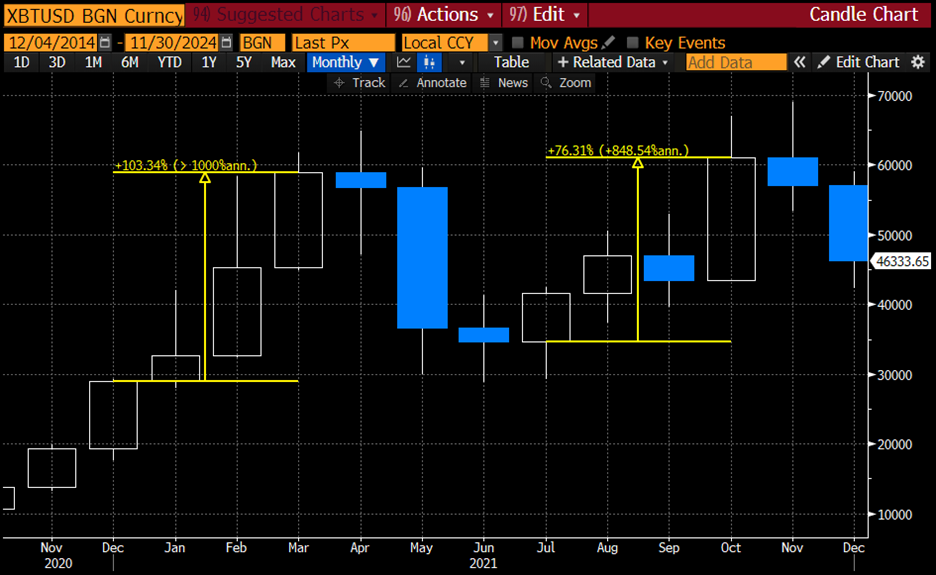
 

Bitcoin Monthly – The Foundation Beneath the Market Strengthens

Hi everyone – welcome back to Evolve’s Bitcoin Monthly newsletter. We hope our views on Bitcoin adoption and market conditions prove useful for investors considering Bitcoin as an investment, or for those managing an existing Bitcoin position.

After April’s 13.57% surge¹, May was the digestive period the market needed. Bitcoin opened the month near $77,000 and closed near $73,750, a pullback of roughly 4.5% that ended a two-month winning streak.² The path was choppy: an early-May push above $81,000 on the day the CLARITY Act cleared Senate Banking, a steady grind lower through the back half of the month, and a low near $72,500 in the final week. The headline reads “Bitcoin’s worst month of 2026” – but the structural inputs all moved in the right direction. May was a stress test, and in our view, the asset class passed.

Our macro framework has not changed: governments continue to overspend, adoption continues to broaden, and Bitcoin-backed products are finding their way into traditional finance. Canada’s Spring Economic Update, released May 1, pegged the federal deficit at $66.9 billion for 2025–26 – still 2.1% of GDP, and a reminder that fiscal dominance is not a one-country story.³ What is changing is the institutional architecture: the U.S. now has a confirmed Fed Chair with personal conviction in this asset class, a market-structure bill that has cleared its first Senate hurdle, and an ETF complex that just absorbed its largest monthly outflow of the cycle without breaking.

The First Real ETF Stress Test

The headline number is sobering. U.S. spot Bitcoin ETFs recorded $2.97 billion in net outflows in May – the largest monthly outflow of 2026 and the worst figure since November 2025. ⁴ A ten-day consecutive outflow streak – the longest on record – saw approximately $2.97 billion withdrawn, with single-day exit at a peak of $733 million on May 27. ⁴ BlackRock’s iShares Bitcoin Trust (IBIT) – by far the largest spot Bitcoin ETF in the world – recorded a $528 million single-day outflow on May 28, the second-largest in the fund’s history.⁵

We think about this two ways.

First, the price reaction. Despite a significant wall of selling, Bitcoin traded in a relatively tight range all month and finished meaningfully lower — though the magnitude of the decline was more contained than many might have expected. A similar redemption episode a year ago would likely have produced a sharper move. Spot demand — corporate treasuries, sovereign accounts, self-custody buyers — seemed to absorb the ETF supply without a disorderly break, a signal, in our view, of market maturation. The ETF wrapper may now function as a structural source of demand; it is also, by construction, a structural source of supply when conditions warrant. Both directions are consistent with a functioning two-way market.

Second, the participant mix. Bitwise CIO Matt Hougan has made the point repeatedly: institutions willing to allocate to a non-consensus asset like Bitcoin tend to be exceptionally high-conviction, and their capital is “very sticky.”⁶ The May outflows look like tactical rotation tied to rising Treasury yields, a stronger dollar, and profit-taking after April’s rally – not abandonment of the thesis.

Washington Delivers

Two structural wins this month – both of which we flagged as in motion in April.

On May 13, the U.S. Senate confirmed Kevin Warsh as the next Chair of the Federal Reserve in a 54–45 vote – the narrowest margin in modern Fed history.⁷ Only one Democrat, Pennsylvania’s John Fetterman, crossed the aisle. Warsh’s first FOMC meeting is scheduled for June 16–17. We said in April that the signal was unmistakable – the person about to lead the world’s most powerful central bank has personal Bitcoin conviction, has called for “regime change” in Fed communications, and has previously framed Bitcoin as comparable to gold in its potential role as a store of value. That signal is now reality, and it arrives precisely as fiscal dominance forces central banks into harder choices about how aggressively to lean against rising government debt costs.

On May 14, the Digital Asset Market Clarity Act – the CLARITY Act – cleared the Senate Banking Committee in a 15–9 vote.⁸ Two Democrats, Ruben Gallego of Arizona and Angela Alsobrooks of Maryland, crossed the aisle, building on the bipartisan momentum that produced the largest crypto vote in House history back in April. The bill establishes a three-category framework: digital commodities under CFTC jurisdiction, investment-contract assets under SEC oversight, and payment stablecoins under banking regulators consistent with the GENIUS Act baseline. Bitcoin briefly traded above $81,900 on the news before retracing with the broader risk-off move.⁸ The bill still needs to clear the Senate floor and be reconciled with the House version, but the committee vote pushed the ceiling on bipartisan crypto legislation higher than it has ever been.

For Canadian investors, the U.S. policy backdrop matters because it sets the global tone. Regulatory clarity south of the border draws institutional capital off the sidelines, deepens the liquidity that underpins Bitcoin’s price, and shifts the burden of proof for trustees, pension boards, and wealth managers everywhere – including here.

Geopolitics Still in Play

The Strait of Hormuz situation we covered in April remains the live macro tail risk. The U.S. naval blockade of Iran that began April 13 continued through May, with U.S. Central Command reporting that by May 22 it had turned away 94 vessels, leaving roughly 31 tankers carrying about 53 million barrels of Iranian oil stuck in the Gulf.⁹ Iran’s losses from blocked oil revenue, by Pentagon estimates, exceeded US$4.8 billion in the first two and a half weeks alone.

On May 29, President Trump posted on Truth Social that he was meeting in the “Situation Room” to make a “final determination” on the Iran peace deal, and signalled the blockade would be lifted.¹⁰ Markets reacted immediately – oil dropped more than 2%, U.S. equities turned positive, and Bitcoin rallied roughly $1,000 off the morning’s lows. But as of month-end the situation is best described as a hopeful inflection, not a resolution. The peace deal is not signed, the blockade has not been formally rescinded, and the strait remains the world’s most important energy chokepoint. We are watching it closely into June.

This is exactly the kind of macro environment in which Bitcoin’s digital-gold properties matter. Gold and Bitcoin are complementary diversifiers in a fiat-debasement world, not competitors – a point we have made consistently, and one the rotation flows continue to validate.

Under the Hood

If you only looked at price and ETF flows, May looked like a soft month. The on-chain data tells a different story.

Long-term holders now control approximately 78.3% of circulating Bitcoin supply – a record share – and exchange reserves have fallen toward multi-year lows around 2.2–3 million BTC, levels not seen since 2017–2018.¹¹ Coins are not moving back to exchanges to be sold; they are sitting in cold storage, ETF baskets, and corporate balance sheets.

Valuation metrics remain cool. The MVRV Z-score sat near 1 through mid-May, a neutral-to-cooling reading.¹¹ Prior cycle tops have printed above 6. By this measure, Bitcoin is nowhere near classic euphoria – a useful counterpoint to the “worst month of 2026” headlines.

Corporate accumulation is moderating, not reversing. Strategy (formerly MicroStrategy) now holds 843,738 BTC at an average cost basis of $75,700¹², but its May 4–10 purchase of just 535 BTC¹³ was its smallest weekly buy of 2026, and on May 5 Michael Saylor publicly opened the door to selling for the first time since December 2022.¹⁴ We read this as a structural evolution rather than a thesis change. Strategy is becoming a more actively managed Bitcoin-anchored vehicle – retiring debt at a discount, parking idle capital in short-duration Treasuries when accumulation conditions are not ideal. The marginal corporate buyer is slowing; in its place, ETF baskets, sovereign treasuries, and traditional banks are filling the demand curve. That is what a maturing buyer base looks like.

One more data point worth flagging: on May 27, SoFi Technologies became the first U.S. national bank to roll out its own dollar-backed stablecoin, SoFiUSD, directly to its 15 million retail banking customers on a public blockchain.¹⁵ That is the third leg of our thesis – Bitcoin-adjacent products migrating into traditional finance – playing out in real time.

Looking Ahead

May was the kind of month every asset class needs occasionally. Bitcoin gave back some of April’s gain, the ETF complex absorbed its largest outflow of the cycle without breaking, and the structural inputs – Fed leadership, regulatory clarity, on-chain tightness – moved further in our favour.

June brings two important macro prints: Chair Warsh’s first FOMC on June 16–17, and the next stage of the CLARITY Act on the Senate floor. Both have the potential to be catalytic. The Strait of Hormuz situation remains an open file we will be watching closely. And the four-year cycle conversation – much discussed entering 2026 – is, for now, settling into a different rhythm: shallower drawdowns, faster recoveries, stickier holders, and structural buyers who absorb selling that prior cycles would have amplified.

The institutions are still arriving, just not in a straight line. We remain constructive Bitcoin investors and look forward to what June brings.


Sources

¹ Source: Bloomberg, CME CF Bitcoin Reference Rate, as at April 30, 2026.

² CoinDesk, “Bitcoin price news: BTC set to close month of May with losses,” May 29, 2026.

³ Government of Canada, “Spring Economic Update 2026 – Economic and fiscal overview.”

CoinDesk, “Bitcoin extends slide as spot ETF outflows hit a record while Wall Street rips on AI,” June 1, 2026.

SpotedCrypto, “BlackRock IBIT Bitcoin ETF Outflows May 2026: Near-Record Day,” May 28, 2026.

CoinDesk, “Institutional investors held firm through bitcoin’s downturn, Bitwise CIO Matt Hougan says,” March 16, 2026.

CNBC, “Kevin Warsh wins Senate confirmation as the next Federal Reserve chair,” May 13, 2026.

CNBC, “Crypto industry scores win as Clarity Act regulation bill clears Senate hurdle,” May 14, 2026.

United Against Nuclear Iran, “Iran War Shipping Update,” May 11, 2026.

¹⁰ CoinDesk live blog citing Truth Social post by President Trump, May 29, 2026.

¹¹ On-chain data sourced from Glassnode and CryptoQuant, May 2026.

¹² SEC EDGAR Form 8-K, Strategy Inc., filed May 18, 2026 (BTC acquired May 11–17, 2026: aggregate holdings 843,738 BTC, avg. purchase price $75,700).

¹³ SEC EDGAR Form 8-K, Strategy Inc., filed May 11, 2026 (BTC acquired May 4–10, 2026: 535 BTC at avg. $80,340; aggregate holdings 818,869 BTC as of May 10, 2026).

¹⁴ CoinDesk, “Strategy weighs selling bitcoin to fund dividends amid Q1 net loss,” May 5, 2026.

¹⁵ CoinDesk, “SoFi brings bank-issued stablecoin to 15 million users in crypto push,” May 27, 2026.


Disclaimer

Published June 8, 2026.

Evolve Funds Group Inc. is the investment fund manager and portfolio manager. The Evolve Bitcoin ETF (“EBIT”) is offered by Evolve Funds Group Inc., and distributed through authorized dealers.

The information contained herein is a general description and is not intended to be specific investment advice to any particular investor nor intended to be investment or tax advice. You should not act or rely on the information contained herein without seeking the advice of an appropriate professional advisor. The information contained herein is intended for informational purposes as a summary only, does not constitute an offer to sell any securities or a legally binding obligation, it is qualified entirely by, and should be read in conjunction with, the more detailed information appearing in the prospectuses found on the Evolve Funds Group Inc website at https://evolveetfs.com/.

The unpredictable nature of the cryptoassets can lead to loss of funds.

Commissions, management fees and expenses all may be associated with exchange traded funds (ETFs). Please read the prospectus before investing. ETFs are not guaranteed, their values change frequently and past performance may not be repeated.

Certain statements contained herein are forward-looking. Forward-looking statements (“FLS”) are statements that are predictive in nature, depend upon or refer to future events or conditions, or that include words such as “may,” “will,” “should,” “could,” “expect,” “anticipate,” “intend,” “plan,” “believe,” or “estimate,” or other similar expressions. Statements that look forward in time or include anything other than historical information are subject to risks and uncertainties, and actual results, actions or events could differ materially from those set forth in the FLS. FLS are not guarantees of future performance and are by their nature based on numerous assumptions. Although the FLS contained herein are based upon what Evolve Funds Group Inc. and the portfolio manager believe to be reasonable assumptions, neither Evolve Funds Group Inc. nor the portfolio manager can assure that actual results will be consistent with these FLS. The reader is cautioned to consider the FLS carefully and not to place undue reliance on FLS. Unless required by applicable law, it is not undertaken, and specifically disclaimed that there is any intention or obligation to update or revise FLS, whether as a result of new information, future events or otherwise.

Certain information contained in this document is obtained from third parties. Evolve Funds Group Inc. believes such information to be accurate and reliable as of the date hereof, however, we cannot guarantee that it is accurate or complete or current at all times. The information provided is subject to change without notice.
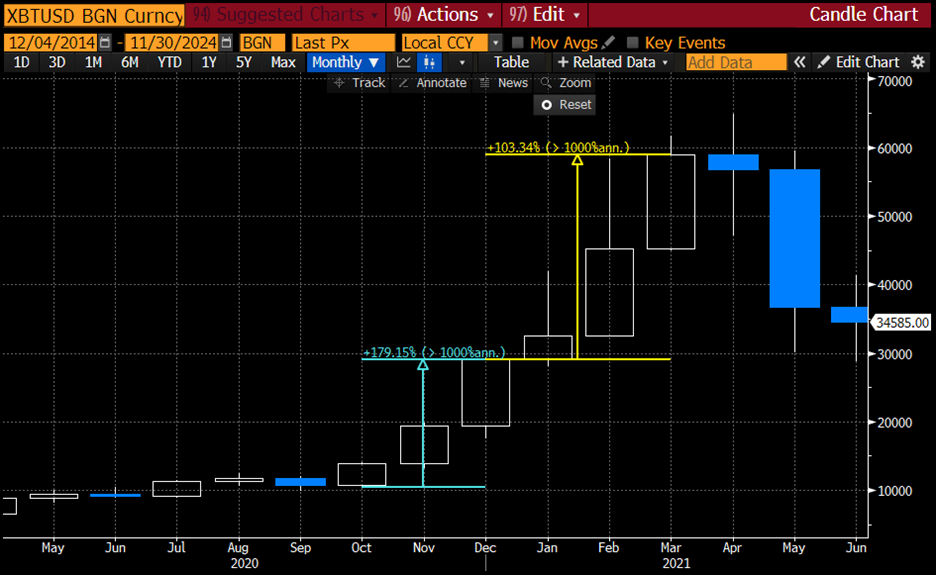
AI, Chips, Cyber, Cloud: What’s Powering Tech in 2026

Technology has had a remarkable start to 2026. According to Bloomberg, the Nasdaq-100 Technology Sector Index (NDXT10) delivered a total return of 23.22% in April1, leading the broad market rally. There’s a lot driving the sector right now, but a handful of intertwined themes stand out: the largest infrastructure investment cycle in tech history, the semiconductor strength that comes with it, the AI-amplified cybersecurity tailwind, and the cloud platforms through which enterprises increasingly consume that AI.

It Starts with the Hyperscalers

Big Tech is in the middle of the most ambitious infrastructure buildout in its history. Morgan Stanley, as reported by Benzinga, projects hyperscalers — including names like Alphabet, Meta, and Microsoft — to collectively spend roughly US$805 billion on AI and cloud infrastructure in 2026, rising to roughly US$1.1 trillion in 20272. The scale is unprecedented. Every major hyperscaler has lifted capex guidance multiple times over the past 18 months, each round shaped by the same underlying constraint: not enough capacity to meet enterprise AI demand.

Spending is flowing into new data centres, the power and cooling infrastructure to run them, networking gear, and racks of AI accelerators — much of it earmarked for training and inference clusters that simply didn’t exist three years ago. Capital deployment at this scale doesn’t stay inside the hyperscalers themselves. It flows through to the suppliers building the underlying infrastructure — semiconductor manufacturers, networking equipment vendors, power and cooling providers, and the equipment makers behind the chip fabs. Nowhere has that flow-through been more visible than in the chip sector itself.

The Chips That Make It Possible

Much of that capex flows through to the semiconductor industry, which is coming off its strongest year on record. The Semiconductor Industry Association reported that global chip sales reached US$791.7 billion in 2025, a 25.6% increase over 2024, and are projected to surpass US$1 trillion in 20263. Growth on a base this large reflects a structural shift in demand rather than a cyclical bounce — driven by AI training and inference, edge computing, and the steadily rising compute intensity of modern software.

The demand isn’t evenly distributed across the chip industry. AI chips and the specialized equipment used to manufacture them have been pulling far harder than everything else, concentrating much of the growth in a relatively small group of industry leaders. And as that compute footprint expands, so does the digital surface area that has to be defended.

Cybersecurity: AI as Both Threat and Tailwind

AI is amplifying the threat landscape. The same models powering productivity gains are being weaponised — automated phishing, deepfake social engineering, and AI-generated malware are now standard tools in the threat-actor playbook. The result: every dollar of AI infrastructure spend creates more attack surface, and more reason for enterprises to spend on defending it. Enterprises are consolidating onto fewer “best-of-suite” platforms — a trend Palo Alto Networks reinforced in February 2026 with its US$25 billion acquisition of CyberArk4,5.

Cloud: Where AI Reaches the Enterprise

If chips and data centres are the foundation of the AI build, the cloud is where it gets delivered. The big three — Microsoft Azure, Google Cloud, and Amazon Web Services — capture most enterprise cloud spend and are the rails through which companies consume AI, whether through managed model services like Azure OpenAI, Vertex AI, and Bedrock, GPU compute, or AI-integrated software running on top. CNBC reported that all three grew faster in the most recent quarter than they have in years, with Google Cloud crossing US$20 billion in quarterly revenue6 and Microsoft reporting paid Copilot enterprise seats reaching over 20 million by April, up from 15 million in January7 — a clear sign that AI adoption is broadening beyond early pilots into everyday enterprise workflows.

Putting It Together: QQQT & QQQY

These themes don’t operate in isolation — and they’re only part of the broader story playing out across technology. Hyperscaler capex feeds the chipmakers; the chips power the cloud; the cloud expands the surface area that needs to be defended, and serves as the layer through which AI reaches the enterprise. For diversified exposure to the names at the centre of these dynamics — and the rest of the sector alongside them — Evolve offers two ways to participate.

The Evolve NASDAQ Technology Index Fund (QQQT) is designed to give investors targeted, single-ticker access to the technology backbone of the Nasdaq-100 — the platform leaders behind cloud and AI, the semis powering the AI buildout, and the cybersecurity platforms consolidating the industry. QQQT is a pure tech expression of the Nasdaq-100, focused on the companies actually classified as technology— without the consumer or communication-services names embedded in a broader Nasdaq-100 wrapper.

The Evolve NASDAQ Technology Enhanced Yield Index Fund (QQQY) holds the same underlying technology portfolio as QQQT, paired with an active covered call writing program— designed to enhance yield and help mitigate volatility. For investors who want exposure to the Nasdaq technology sector alongside an additional source of monthly income, QQQY offers both in a single ticker.

Learn more about QQQT at evolveetfs.com/product/qqqt, or visit evolveetfs.com/product/qqqy for the enhanced yield version.


Sources

  1. Bloomberg, as at April 30, 2026.
  2. Benzinga, “David Sacks Says AI Could Drive 75% Of US GDP Growth As Morgan Stanley Sees Big Tech AI Capex Surging Past $800 Billion In 2026.” May 4, 2026.
  3. Semiconductor Industry Association, “Global Annual Semiconductor Sales Increase 25.6% to $791.7 Billion in 2025.” February 6, 2026.
  4. Palo Alto Networks, “Palo Alto Networks Completes Acquisition of CyberArk to Secure the AI Era.” February 11, 2026.
  5. Palo Alto Networks, “Palo Alto Networks Announces Agreement to Acquire CyberArk, the Identity Security Leader.” July 30, 2025.
  6. CNBC, “Google cloud growth tops Microsoft and Amazon as all three beat estimates on AI demand.” April 30, 2026.
  7. CNBC, “Microsoft calls for $190 billion in 2026 capital spending on soaring memory prices.” April 29, 2026.


DISCLAIMERS

Evolve Funds Group Inc. is the investment fund manager and portfolio manager. Evolve NASDAQ Technology Index Fund (“QQQT”) and Evolve NASDAQ Technology Enhanced Yield Index Fund (“QQQY”) are offered by Evolve Funds Group Inc. and distributed through authorized dealers.

The information contained herein is a general description and is not intended to be specific investment advice to any particular investor nor intended to be investment or tax advice. You should not act or rely on the information contained herein without seeking the advice of an appropriate professional advisor. The information is intended for informational purposes as a summary only, does not constitute an offer to sell any securities or a legally binding obligation, and is qualified entirely by, and should be read in conjunction with, the more detailed information appearing in the prospectuses found at https://evolveetfs.com/

Commissions, trailing commissions, management fees and expenses all may be associated with exchange traded funds (ETFs) and mutual funds. Please read the prospectus before investing. ETFs and mutual funds are not guaranteed, their values change frequently and past performance may not be repeated.

Certain information contained in this document is obtained from third parties. Evolve Funds Group Inc. believes such information to be accurate and reliable as of the date hereof, however, we cannot guarantee that it is accurate or complete or current at all times. The information provided is subject to change without notice.
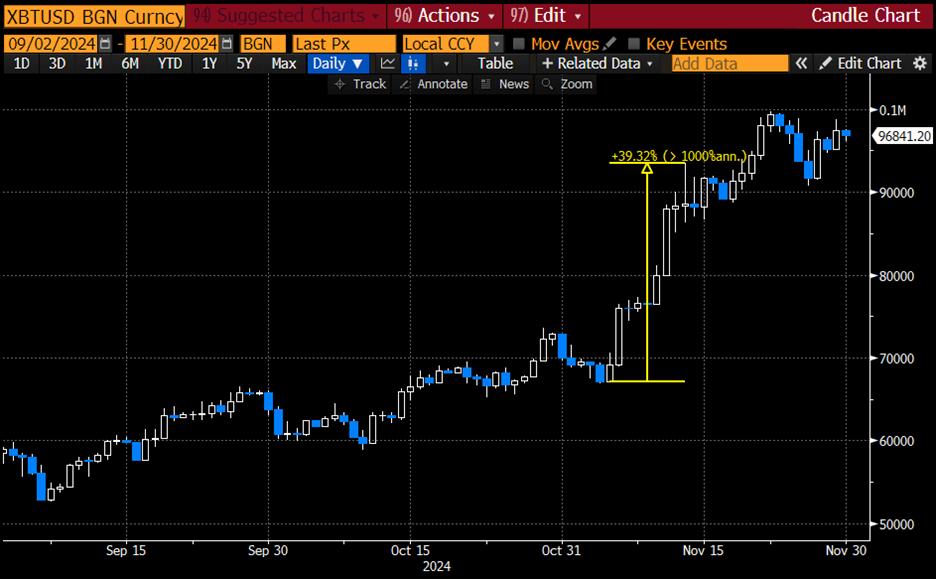
Certain statements contained herein are forward-looking. Forward-looking statements (“FLS”) are statements that are predictive in nature, depend upon or refer to future events or conditions, or that include words such as “may,” “will,” “should,” “could,” “expect,” “anticipate,” “intend,” “plan,” “believe,” or “estimate,” or other similar expressions. Statements that look forward in time or include anything other than historical information are subject to risks and uncertainties, and actual results, actions or events could differ materially from those set forth in the FLS. FLS are not guarantees of future performance and are by their nature based on numerous assumptions. Although the FLS contained herein are based upon what Evolve Funds Group Inc. and the portfolio manager believe to be reasonable assumptions, neither Evolve Funds Group Inc. nor the portfolio manager can assure that actual results will be consistent with these FLS. The reader is cautioned to consider the FLS carefully and not to place undue reliance on FLS. Unless required by applicable law, it is not undertaken, and specifically disclaimed that there is any intention or obligation to update or revise FLS, whether as a result of new information, future events or otherwise.

Nasdaq®, Nasdaq-100®, Nasdaq-100 Index®, Nasdaq-100 Technology Sector Adjusted Market-Cap Weighted™ Index are trademarks of Nasdaq, Inc. (which with its affiliates is referred to as the “Corporations”) and are licensed for use by Evolve ETFs. The Product(s) have not been passed on by the Corporations as to their legality or suitability. The Product(s) are not issued, endorsed, sold, or promoted by the Corporations. THE CORPORATIONS MAKE NO WARRANTIES AND BEAR NO LIABILITY WITH RESPECT TO THE PRODUCT(S).

Any use of or references made to Nasdaq® and any materials or indices thereof, are used under licence and do not imply any formal association.

Global Materials and Mining: Five Forces Reshaping Global Mining

The materials and mining industry experienced a strong year in 2025. Per J.P. Morgan Private Bank, gold delivered its strongest single-year performance since 1979,1 copper posted its largest annual gain since 2009,2 and SIPRI reported that global defence budgets reached a record US$2.9 trillion3 — the eleventh consecutive year of growth — driving demand for the steel, titanium, and specialty alloys necessary for the rearmament cycle. Infrastructure spending from the United States to Europe continued to underpin demand for steel and industrial metals, while tariff policy reshuffled global supply chains in favour of domestic producers. The world is being rewired, and that rewiring runs through materials.

AI Infrastructure is a Metals Story Before it is a Chip Story

The top five hyperscalers (Amazon, Alphabet, Meta, Microsoft, and Oracle) are on track to spend US$805 billion on infrastructure in 2026 alone, with Morgan Stanley projecting that figure climbs to US$1.1 trillion by 2027.4 None of it gets built without metal: copper for power distribution, steel for structural framing, and aluminium for cooling systems. The grid upgrades required to feed these facilities are more metal-intensive still. The real picks-and-shovels play in AI is in materials.

Electrification and the Energy Transition

According to the International Copper Association, an electric vehicle uses three to four times more copper than a conventional car, and that’s before a single charging port is built. Charging infrastructure alone will require an additional 978,000 tonnes of copper by 2040.5 As the IEA has documented, solar, wind, and grid-scale storage are far more mineral-intensive per unit of energy than the fossil fuel infrastructure they replace.6 Mine disruptions in Indonesia and the DRC are already squeezing refined copper supply, per International Copper Study Group data reported by Shanghai Metal Market.7 Demand is accelerating. Supply is not.

Defence Rearmament Cycle

At the June 2025 NATO Summit in The Hague, allies committed to spending 5% of GDP on defence by 2035.8 The metals dimension is rarely discussed: every jet, missile, naval vessel, and armoured vehicle depends on specialty titanium alloys, high-grade steel, and nickel-based superalloys. All materials sourced from a narrow group of aerospace-grade producers. The rearmament cycle is one of the most durable and underappreciated tailwinds in global materials today.

Onshoring, Infrastructure Spending, and Tariffs

Washington has handed domestic producers a structural advantage. In June 2025, the Trump administration doubled tariffs on steel and aluminum imports to 50%,9 then extended the same 50% rate to copper that August.10 Import competition falls, domestic mills run closer to full capacity, and new investment follows.11 The World Steel Association estimates global steel demand will reach 1,773 million tonnes in 2026, with Europe contributing a long-awaited recovery in demand after years of contraction.12

Gold’s Structural Bid: Central Banks and Debasement

The World Gold Council reported that total demand exceeded 5,000 tonnes for the first time on record, with the price setting 53 new all-time highs during the year.13 With record demand, annual gold supply only grew by 1%.13 J.P. Morgan Private Bank noted that gold scarcity and dollar diversification have made gold the go-to hedge against currency erosion and geopolitical risk.1 Central banks bought 863 tonnes in 2025 alone, extending a multi-year run of sovereign accumulation.13

Why BASE? Diversified Exposure Across All Five Themes

The five themes above are not correlated with one another. Gold is driven by macro risk and central bank behaviour. Copper and aluminum are driven by the energy transition and AI infrastructure build-out. Aerospace and defence metals are driven by geopolitical rearmament. Steel and chemicals benefit from onshoring and tariff-driven domestic demand. A fund spanning all these sectors naturally absorbs what a single-commodity position cannot: when one theme pauses, others continue.

The Evolve Global Materials and Mining Enhanced Yield Index ETF (BASE) is purpose-built to capture this breadth of exposure through an ex-Canadian portfolio, providing global diversification beyond domestic materials and mining names. Its active covered call overlay, applied to up to 33% of holdings, adds a tax-efficient monthly income stream that may prove especially valuable when markets turn volatile. With supply constraints, geopolitical risk, and technological transformation reshaping global commodity markets all at once, BASE offers a single, index-based way to participate across the entire opportunity set.

Sources

1. J.P. Morgan Private Bank, “Is it a golden era for gold?”, February 2026. https://privatebank.jpmorgan.com/nam/en/insights/markets-and-investing/is-it-a-golden-era-for-gold

2. Mining.com, “Copper’s tight supply and tariff risks set for a volatile 2026.” December 22, 2025. https://www.mining.com/coppers-tight-supply-and-tariff-risks-set-for-a-volatile-2026/

3. SIPRI, “Global military spending rise continues as European and Asian expenditures surge.” April 27, 2026. https://www.sipri.org/media/press-release/2026/global-military-spending-rise-continues-european-and-asian-expenditures-surge

4. Benzinga / Yahoo Finance, “David Sacks Says AI Could Drive 75% Of US GDP Growth As Morgan Stanley Sees Big Tech AI Capex Surging Past $800 Billion In 2026.” May 6, 2026. https://finance.yahoo.com/economy/articles/david-sacks-says-ai-could-220110765.html

5. International Copper Association, “Copper: The Material of Choice for Vehicle Manufacturers.” https://internationalcopper.org/resource/copper-the-material-of-choice-for-vehicle-manufacturers/

6. International Energy Agency, Global Critical Minerals Outlook 2024. May 2024. https://www.iea.org/reports/global-critical-minerals-outlook-2024

7. Shanghai Metal Market, “ICSG: Global Refined Copper Market to Face a Supply Deficit of 150,000 mt Next Year.” October 8, 2025. https://news.metal.com/newscontent/103560248

8. NATO, The Hague Summit Declaration, June 25, 2025. https://www.nato.int/en/about-us/official-texts-and-resources/official-texts/2025/06/25/the-hague-summit-declaration

9. The White House, “Fact Sheet: President Donald J. Trump Increases Section 232 Tariffs on Steel and Aluminum.” June 3, 2025. https://www.whitehouse.gov/fact-sheets/2025/06/fact-sheet-president-donald-j-trump-increases-section-232-tariffs-on-steel-and-aluminum/

10. The White House, “Fact Sheet: President Donald J. Trump Takes Action to Address the Threat to National Security from Imports of Copper.” July 30, 2025. https://www.whitehouse.gov/fact-sheets/2025/07/fact-sheet-president-donald-j-trump-takes-action-to-address-the-threat-to-national-security-from-imports-of-copper/

11. Nucor 8-K (Apr 27, 2026), SEC EDGAR. https://www.sec.gov/Archives/edgar/data/0000073309/000119312526182332/d150975dex991.htm

12. World Steel Association, Short Range Outlook, October 13, 2025. https://worldsteel.org/media/press-releases/2025/worldsteel-short-range-outlook-october-2025/

13. World Gold Council, Gold Demand Trends: Q4 and Full Year 2025. January 29, 2026. https://www.gold.org/goldhub/research/gold-demand-trends/gold-demand-trends-full-year-2025

Disclaimers

Published May 19, 2026.

Evolve Funds Group Inc. is the investment fund manager and portfolio manager. Evolve Global Materials and Mining Enhanced Yield Index ETF (“BASE”) is offered by Evolve Funds Group Inc. and distributed through authorized dealers.

The information contained herein is a general description and is not intended to be specific investment advice to any particular investor nor intended to be investment or tax advice. You should not act or rely on the information contained herein without seeking the advice of an appropriate professional advisor. The information contained herein is intended for informational purposes as a summary only, does not constitute an offer to sell any securities or a legally binding obligation, it is qualified entirely by, and should be read in conjunction with, the more detailed information appearing in the prospectuses found on the Evolve Funds Group Inc website at https://evolveetfs.com/

Commissions, management fees and expenses all may be associated with exchange traded funds (ETFs). Please read the prospectus before investing. ETFs are not guaranteed, their values change frequently and past performance may not be repeated.

Certain statements contained herein are forward-looking. Forward-looking statements (“FLS”) are statements that are predictive in nature, depend upon or refer to future events or conditions, or that include words such as “may,” “will,” “should,” “could,” “expect,” “anticipate,” “intend,” “plan,” “believe,” or “estimate,” or other similar expressions. Statements that look forward in time or include anything other than historical information are subject to risks and uncertainties, and actual results, actions or events could differ materially from those set forth in the FLS. FLS are not guarantees of future performance and are by their nature based on numerous assumptions. Although the FLS contained herein are based upon what Evolve Funds Group Inc. and the portfolio manager believe to be reasonable assumptions, neither Evolve Funds Group Inc. nor the portfolio manager can assure that actual results will be consistent with these FLS. The reader is cautioned to consider the FLS carefully and not to place undue reliance on FLS. Unless required by applicable law, it is not undertaken, and specifically disclaimed that there is any intention or obligation to update or revise FLS, whether as a result of new information, future events or otherwise.

Certain information contained in this document is obtained from third parties. Evolve Funds Group Inc. believes such information to be accurate and reliable as of the date hereof, however, we cannot guarantee that it is accurate or complete or current at all times. The information provided is subject to change without notice.

Bitcoin Monthly: The Direction of Travel Has Accelerated

Hi everyone – welcome back to Evolve’s Bitcoin Monthly newsletter. We hope our views on Bitcoin adoption and market conditions prove useful for investors considering Bitcoin as an investment, or for those managing an existing Bitcoin position.

Bitcoin finished April near $76,300, up 11.87% from its opening around $68,400 – its best monthly performance since April 2025.¹ The journey was anything but smooth. The month began in the shadow of geopolitical crisis, with Bitcoin dipping below $71,000 on April 13 when ceasefire talks collapsed and the U.S. blockaded the Strait of Hormuz. From there, a powerful rally carried the price to highs near $79,000 by late April, fuelled by a wave of ETF inflows and easing tensions, before a modest pullback into month-end. The message: consolidation is over, and the market has found its footing.

Our macro assumptions haven’t changed: governments continue to overspend, adoption continues to broaden, and Bitcoin-backed products are finding their way into traditional finance. What has changed is the quality of the evidence. April delivered several developments that, in our view, accelerate the direction of travel.

Geopolitics Puts Bitcoin to the Test

The biggest macro story this month came from the Strait of Hormuz – the narrow waterway through which roughly a fifth of the world’s oil supply passes daily. In late March, Iran’s parliament formalized a toll system requiring vessels to pay for safe passage, with reports that Bitcoin and stablecoins are among the accepted payment methods.² Then, on April 13, ceasefire talks between the U.S. and Iran collapsed, and President Trump ordered a blockade of the strait.³

Bitcoin’s reaction told an important story. The price dipped to roughly $70,700 on the Sunday news, then snapped back above $74,000 within days as short sellers were forced to cover and ETF inflows resumed.⁴ Gold, meanwhile, climbed to approximately $4,800 per ounce amid safe-haven demand.⁵ Fidelity’s Jurrien Timmer has observed that flows have been rotating between gold and Bitcoin this cycle – when Bitcoin peaked in October 2025, capital shifted to gold; now, as gold loses momentum, it appears to be rotating back.⁶ The two assets are increasingly complementary in a diversified portfolio, and that’s exactly what we’ve been saying for years.

What matters most is the resilience. In our view, five years ago a geopolitical shock of this magnitude would have sent Bitcoin down 20–30%. Today it absorbed the news and recovered in days. That’s what institutional participation and a maturing market structure look like in practice.

Morgan Stanley Enters the Chat

On April 8, Morgan Stanley launched the Morgan Stanley Bitcoin Trust (MSBT) on NYSE Arca – becoming the first major U.S. bank to issue a spot Bitcoin ETF under its own name.⁷ The fund drew roughly $34 million on its first day and crossed $100 million within its first week.⁸,⁹

This is a landmark moment for the asset class. Morgan Stanley’s entry means the largest U.S. wealth management platform – overseeing trillions in client assets – now has a direct Bitcoin product to offer its financial advisors and their clients. The competitive field is deepening, and more competition means more legitimacy, more distribution channels, and more capital flowing into Bitcoin. By mid-April, cumulative U.S. spot Bitcoin ETF net inflows since launch had reached approximately $57 billion, with total assets near $94 billion.¹⁰

In our December 2025 newsletter, we wrote that the career risk around Bitcoin had flipped: five years ago, there was career risk in talking about Bitcoin in an institutional setting; today, there is career risk in ignoring it. Morgan Stanley just proved the point.

Washington Is Moving

Two regulatory developments stand out this month. First, the Digital Asset Market Clarity Act – commonly called the CLARITY Act – continues to advance through Congress, though not without friction. The bill passed the House with a 294–134 bipartisan vote, one of the largest congressional margins recorded on crypto legislation.¹¹ The bill has earned endorsements from the SEC Chair, the Treasury Secretary, and over 120 industry participants who signed a joint letter urging the Senate to act.¹²,¹³ However, the Senate Banking Committee markup was delayed after Senator Thom Tillis requested more time to resolve stablecoin yield provisions.¹⁴ The bill now faces a narrowing window – Senator Bernie Moreno warned it must clear Congress by end of May or risk being shelved indefinitely. ¹⁴ We remain optimistic: the direction of travel is toward clarity, even if the path is slower than markets would like.

Second, Kevin Warsh – President Trump’s nominee to chair the Federal Reserve – filed his financial disclosure on April 14, revealing investments in more than 20 crypto-related entities, including Polymarket, Solana-related ventures, and blockchain infrastructure projects.¹⁵,¹⁶ At his Senate confirmation hearing on April 21, Warsh vowed to be “an independent actor” and called for “regime change” at the Fed, signalling a willingness to rethink forward guidance and the central bank’s communication framework.¹⁷ On April 29, the Senate Banking Committee voted 13–11 along party lines to advance his nomination to the full Senate.¹⁸ The signal is unmistakable: the person set to lead the world’s most powerful central bank has personal conviction in this asset class, and has previously described Bitcoin as comparable to gold in its potential role as a store of value.

These are structural tailwinds, not headlines that fade. Regulatory clarity and institutional legitimacy create the conditions for the next wave of capital to enter Bitcoin.

Under the Hood

The on-chain data continues to paint a picture of accumulation and supply tightness. Long-term holders now control an estimated 78–80% of Bitcoin’s circulating supply – near cycle highs. Exchange reserves keep declining, with approximately 23,500 BTC leaving exchanges in the most recent seven-day period, a sign that coins are moving to self-custody, ETFs, and corporate treasuries. Bitcoin’s hashrate sits near a 30-day average of approximately 975 exahashes per second, reflecting robust network security and miner commitment. The MVRV ratio sits at a neutral 1.37–1.41, suggesting the market is neither overheated nor deeply undervalued, and the realized price floor around $54,000–$62,000 provides strong structural support.¹⁹

Fidelity Digital Assets published a notable report in late March titled “Getting Off Zero: Evaluating Bitcoin in 2026.” The core argument is that the burden of proof has flipped: a zero allocation to Bitcoin now requires justification. Their analysis shows that a 1–3% allocation to Bitcoin yields the largest incremental improvement in returns and risk-adjusted metrics for a traditional 60/40 portfolio. Bitcoin’s 10-year compound annual growth rate leads all major asset classes, and its correlation with M2 money supply sits at r² = 0.87 – reinforcing its role as a liquidity-sensitive store of value.²⁰

Looking Ahead

April was a month that rewarded patience. Bitcoin opened near $68,400 and closed near $76,300, a gain of 11.87% that ranks among its strongest monthly performances in recent memory.¹ Along the way it weathered a geopolitical crisis, absorbed a major new institutional entrant, and saw approximately $2 billion in net ETF inflows.²¹ The Strait of Hormuz remains a live situation, the CLARITY Act still needs to clear the Senate, and Warsh’s full Senate confirmation vote lies ahead – but the trajectory on each front favours Bitcoin.

The institutions are arriving not despite the volatility, but through it. A major U.S. bank now issues its own Bitcoin ETF. ⁷ The CLARITY Act passed the House with broad bipartisan support. ¹¹ The incoming Fed Chair’s financial disclosures revealed he has skin in the game.¹⁶ And conviction among long-term holders appears intact.

The direction of travel hasn’t changed – it’s accelerated. We remain constructive and look forward to what May brings.


Sources

¹ Bitbo / CoinGlass, “Bitcoin Posts Best Monthly Gain in a Year in April,” May 2026. bitbo.io

² Fortune, “Iran is demanding tankers in the Strait of Hormuz pay tolls in crypto: What we know so far,” April 10, 2026. fortune.com

³ CNBC, “U.S. begins blockade in Strait of Hormuz; Trump warns Iran ‘attack ships’ to stay away,” April 13, 2026. cnbc.com

⁴ CryptoTimes, “Relief Rally: Bitcoin Jumps 5% to Four-Week High After Iran Seeks US Deal,” April 14, 2026. cryptotimes.io

⁵ Fortune, “Current price of gold: April 14, 2026,” April 14, 2026. fortune.com

⁶ CoinDesk, “Fidelity Digital Assets Strategist Sees Resilient Markets Despite Geopolitical Turbulence,” April 7, 2026. coindesk.com

⁷ Morgan Stanley Press Release, “MSIM Enters Digital Investments Universe With Launch of Morgan Stanley Bitcoin Trust,” April 8, 2026. morganstanley.com

⁸ Unchained, “Morgan Stanley’s MSBT Debuts as the Cheapest Spot Bitcoin ETF, Logs $34 Million on Day One,” April 9, 2026. unchainedcrypto.com

⁹ CoinDesk, “Morgan Stanley’s Bitcoin ETF Reaches $100M in First Week, Marking the Bank’s Strongest Launch,” April 16, 2026. coindesk.com

¹⁰ Invezz / CoinGlass, “Bitcoin Pulls Back After $76K Test as ETF Flows Turn Volatile,” April 15, 2026. invezz.com

¹¹ U.S. House of Representatives, H.R.3633 – Digital Asset Market Clarity Act of 2025, passed July 17, 2025 (294–134). congress.gov

¹² CryptoTimes, “SEC Chair Backs Fast-Track Approval of CLARITY Act Amid Senate Push,” April 10, 2026. cryptotimes.io

¹³ 24/7 Wall St., “XRP Price News: 120 Crypto Firms Just Told the Senate to Pass the CLARITY Act,” April 25, 2026. 247wallst.com

¹⁴ CryptoTimes, “Clarity Act Stuck in Senate as Clock Ticks on 2026 Crypto Regulation,” April 28, 2026. cryptotimes.io

¹⁵ CNBC, “Fed nominee Warsh filings detail vast wealth, far exceeding past chairs,” April 14, 2026. cnbc.com

¹⁶ CoinDesk, “The Next Fed Chair Has a Crypto Portfolio: Here’s Everything That’s In It,” April 14, 2026. coindesk.com

¹⁷ CNBC, “Warsh pushes his plan for ‘regime change’ at Senate hearing: Analysis,” April 21, 2026. cnbc.com

¹⁸ CNBC, “Trump Fed pick Kevin Warsh clears key Senate hurdle, teeing up final vote,” April 29, 2026. cnbc.com

¹⁹ On-chain data sourced from Glassnode and CryptoQuant, April 2026. Price data via CoinGlass and Yahoo Finance.

²⁰ Fidelity Digital Assets, “Getting Off Zero: Evaluating Bitcoin in 2026,” March 25, 2026.

²¹ Bitbo / SoSoValue, “Bitcoin ETFs Pull $2B in April, Best Month of 2026,” May 2026. bitbo.io

Credit: LightFieldSolutions Source: Envato 

Disclaimer

Published May 6, 2026.
Evolve Funds Group Inc. is the investment fund manager and portfolio manager. The Evolve Bitcoin ETF (“EBIT”) is offered by Evolve Funds Group Inc., and distributed through authorized dealers.
The information contained herein is a general description and is not intended to be specific investment advice to any particular investor nor intended to be investment or tax advice. You should not act or rely on the information contained herein without seeking the advice of an appropriate professional advisor. The information contained herein is intended for informational purposes as a summary only, does not constitute an offer to sell any securities or a legally binding obligation, it is qualified entirely by, and should be read in conjunction with, the more detailed information appearing in the prospectuses found on the Evolve Funds Group Inc website at https://evolveetfs.com/
The unpredictable nature of the cryptoassets can lead to loss of funds.
Commissions, management fees and expenses all may be associated with exchange traded funds (ETFs). Please read the prospectus before investing. ETFs are not guaranteed, their values change frequently and past performance may not be repeated.
Certain statements contained herein are forward-looking. Forward-looking statements (“FLS”) are statements that are predictive in nature, depend upon or refer to future events or conditions, or that include words such as “may,” “will,” “should,” “could,” “expect,” “anticipate,” “intend,” “plan,” “believe,” or “estimate,” or other similar expressions. Statements that look forward in time or include anything other than historical information are subject to risks and uncertainties, and actual results, actions or events could differ materially from those set forth in the FLS. FLS are not guarantees of future performance and are by their nature based on numerous assumptions. Although the FLS contained herein are based upon what Evolve Funds Group Inc. and the portfolio manager believe to be reasonable assumptions, neither Evolve Funds Group Inc. nor the portfolio manager can assure that actual results will be consistent with these FLS. The reader is cautioned to consider the FLS carefully and not to place undue reliance on FLS. Unless required by applicable law, it is not undertaken, and specifically disclaimed that there is any intention or obligation to update or revise FLS, whether as a result of new information, future events or otherwise.
Certain information contained in this document is obtained from third parties. Evolve Funds Group Inc. believes such information to be accurate and reliable as of the date hereof, however, we cannot guarantee that it is accurate or complete or current at all times. The information provided is subject to change without notice.

FANGMA Q1 2026 Earnings Roundup: AI Spending Soars as the Memory Crunch Reshapes Big Tech

Big Tech wrapped up its strongest reporting cycle in years. The four hyperscalers, Alphabet, Amazon, Meta, and Microsoft, all reported on the same Wednesday and collectively signalled a new chapter in the AI infrastructure arms race, with capital spending budgets ballooning past prior forecasts. A global memory shortage, supercharged by AI demand, has become the defining cost pressure across the group, with Apple and Microsoft specifically calling out memory and Meta flagging higher component costs more broadly. The Iran conflict added another layer, weighing on user growth at Meta and casting broader uncertainty over component supply chains. Cloud growth reaccelerated meaningfully across AWS, Azure, and Google Cloud, leadership transitions arrived at Apple and Netflix, and tech stocks closed out their best month since the early days of the Covid pandemic¹. Here is what each name brought to the table this quarter. 

Meta (META)

Meta delivered its fastest revenue growth quarter since 2021, but the print was overshadowed by a quarter-over-quarter dip in users, which the company partially blamed on internet disruptions tied to the Iran conflict and a WhatsApp restriction in Russia. Capex came in lighter than expected for the quarter, but Meta raised its full-year guidance range to between $125 billion and $145 billion, citing higher component prices and additional data centre costs. Mark Zuckerberg used the report to spotlight Muse Spark, the first foundation model from Meta Superintelligence Labs, and to reaffirm his pursuit of “personal superintelligence.” Investors were unimpressed, sending shares down more than 6% in extended trading.² 

Apple (APPL)

Apple’s first earnings call since Tim Cook announced his upcoming exit was about more than the numbers. Cook officially passes the CEO baton to longtime hardware chief John Ternus on September 1, and Ternus joined the call to flag an “incredible roadmap ahead” without giving any details. The headline beat across most lines, with the iPhone the lone significant miss, and the June quarter guide came in well above expectations. Cook warned of “significantly higher memory costs” ahead and described the AI ramp as a multi-year investment cycle, with R&D growing 33% year over year. Services revenue pushed gross margins to 49.3%, Greater China sales jumped 28%, and the board approved another $100 billion in buybacks.³ 

Netflix (NFLX)

Netflix beat on revenue and posted a sharp jump in earnings, the latter inflated by a $2.8 billion termination fee from the failed Warner Bros. Discovery acquisition. Despite the beat, shares dropped 9% after the company reiterated full-year guidance rather than raising it and announced that co-founder Reed Hastings will exit the board in June. Co-CEOs Greg Peters and Ted Sarandos pointed to a doubling of advertising revenue toward $3 billion in 2026, active discussions with the NFL to “expand the relationship,” and continued momentum from live programming including the World Baseball Classic. Recent price increases are tracking in line with prior cycles, with some members downgrading or churning as expected.4 

Alphabet (GOOGL)

Alphabet posted its fastest revenue growth quarter since 2022, fuelled by a 63% surge in Google Cloud as enterprise AI moved from a side story to the company’s primary cloud growth driver for the first time. Capex guidance was lifted to $180 billion to $190 billion for 2026, with CFO Anat Ashkenazi flagging that 2027 spending will “significantly increase.” CEO Sundar Pichai openly acknowledged that cloud revenue would have been higher if Alphabet could meet demand, citing near-term compute constraints. Search held up well with 19% growth as AI experiences drove queries to record highs, while Waymo continued its expansion toward 500,000 fully autonomous rides per week. Alphabet stock has outperformed its Magnificent Seven peers this month.⁵ 

Microsoft (MSFT)

Microsoft topped estimates on the top and bottom lines and on Azure, which grew 39% on a constant currency basis. The bigger story was its 2026 capex outlook of $190 billion, well above consensus and roughly 61% higher than 2025, with approximately $25 billion of the total attributed to higher component prices. Microsoft 365 Copilot crossed 20 million paid commercial seats, up from 15 million in January, and AI-related annualised revenue reached $37 billion. Headcount is set to fall in fiscal 2027 as the company doubles down on data centre capacity. Microsoft also revamped its OpenAI relationship, ending revenue share payments and opening up OpenAI model access to other cloud providers, while preserving its IP licence through 2032.⁶ 

Amazon (AMZN)

Amazon posted its fastest AWS growth in over three years at 28%, beating expectations and reinforcing the cloud unit as the engine behind the company’s heavy AI spending. Property and equipment outlays climbed sharply, and free cash flow plunged 95% year over year as capex flows through. The company is targeting roughly $200 billion in 2026 capital spending, supported by a wave of new AI partnerships and the recently announced $11.57 billion Globalstar acquisition, which CEO Andy Jassy framed as a way to deepen Amazon’s satellite capabilities and strengthen its relationship with Apple. Amazon Leo, Amazon’s satellite internet service, is targeting commercial launch in the third quarter. Advertising revenue grew 24% and Q2 guidance came in above Wall Street estimates.⁷

Sources

  1. Tech stocks close out best month since start of Covid pandemic in 2020[April 30, 2026] 
  2. Meta stock drops on quarterly results as ‘internet disruptions’ in Iran drag down user numbers[April 29, 2026] 
  3. Apple revenue guidance tops estimates on booming iPhone, Mac demand[April 30, 2026] 
  4. Netflix stock sinks after streamer reiterates guidance, says Reed Hastings to exit board[April 16, 2026] 
  5. Alphabet ups 2026 capex to as much as $190 billion, expects to ‘significantly increase’ in 2027[April 29, 2026] 
  6. Microsoft calls for $190 billion in 2026 capital spending on soaring memory prices[April 29, 2026] 
  7. Amazon earnings beat expectations with strong cloud growth[April 29, 2026] 

 Source: Getty Images Credit: Andriy Onufriyenko

Disclaimers 

Published May 6, 2026. 

Evolve Funds Group Inc. is the investment fund manager and portfolio manager. Evolve FANGMA Index ETF (“TECH”) is offered by Evolve Funds Group Inc., and distributed through authorized dealers. 

The information contained herein is for informational purposes only and is not intended to be investment or tax advice. You should not act or rely on the information contained herein without seeking the advice of an appropriate professional advisor. The information contained herein is intended for informational purposes as a summary only, does not constitute an offer to sell any securities or a legally binding obligation, it is qualified entirely by, and should be read in conjunction with, the more detailed information appearing in the prospectuses found on the Evolve Funds Group Inc website at https://evolveetfs.com/ 

Certain information contained herein is obtained from third parties. Evolve Funds Group Inc. believes such information to be accurate and reliable as of the date hereof, however, we cannot guarantee that it is accurate or complete or current at all times. The information provided is subject to change without notice. 

Commissions, management fees and expenses all may be associated with exchange traded funds (ETFs). Please read the prospectus before investing. ETFs are not guaranteed, their values change frequently and past performance may not be repeated. 

Certain statements contained herein are forward-looking. Forward-looking statements (“FLS”) are statements that are predictive in nature, depend upon or refer to future events or conditions, or that include words such as “may,” “will,” “should,” “could,” “expect,” “anticipate,” “intend,” “plan,” “believe,” or “estimate,” or other similar expressions. Statements that look forward in time or include anything other than historical information are subject to risks and uncertainties, and actual results, actions or events could differ materially from those set forth in the FLS. FLS are not guarantees of future performance and are by their nature based on numerous assumptions. Although the FLS contained herein are based upon what Evolve Funds Group Inc. and the portfolio manager believe to be reasonable assumptions, neither Evolve Funds Group Inc. nor the portfolio manager can assure that actual results will be consistent with these FLS. The reader is cautioned to consider the FLS carefully and not to place undue reliance on FLS. Unless required by applicable law, it is not undertaken, and specifically disclaimed that there is any intention or obligation to update or revise FLS, whether as a result of new information, future events or otherwise.


Big Tech Is Pouring Over $700 Billion into AI in 2026. Here’s What’s Fuelling the Boom.

According to CNBC, the world’s largest cloud and AI infrastructure providers are on track to spend between $650 billion and $700 billion on capital expenditure in 2026, with the vast majority directed toward artificial intelligence infrastructure.1 Gartner forecasts that worldwide AI spending across all categories will reach $2.52 trillion this year, a 44% increase over 2025.2 For investors in technology-focused strategies, these figures represent one of the most significant capital deployment cycles in modern corporate history.

Where the Money Is Going

The scale of commitment from each hyperscaler is unprecedented. Yahoo Finance noted that planned capital spending for 2026 ranges from approximately $135 billion to $200 billion per company among the largest cloud providers, with Alphabet and Microsoft each committing well over $100 billion.3 Per Bloomberg, approximately 75% of this aggregate capex is directed specifically at AI-related infrastructure, translating to roughly $450 billion in AI-specific investments.4 This includes next-generation data centres, AI-optimised servers, custom chips, and the networking equipment needed to connect it all. The growth trajectory is remarkable. According to the IEEE Communications Society Technology Blog, combined hyperscaler capex has grown from approximately $256 billion in 2024 to $443 billion in 2025—and is now projected to surpass $600 billion in 2026, representing a 36% year-over-year increase.5 The sheer velocity of the ramp underscores how urgently these companies are racing to build out AI capacity.

Why AI Spending Keeps Accelerating

Several forces are sustaining this investment cycle. First, enterprise adoption of generative AI continues to broaden. Goldman Sachs notes that AI companies may invest more than $500 billion in 2026, driven by the competitive pressure to build and maintain foundational AI models while simultaneously deploying AI across enterprise applications.6 Second, the infrastructure requirements for training and running large language models continue to grow. Each new generation of models demands more compute power, more memory, and more energy—which translates directly into physical data centre construction and server procurement. Gartner projects that AI-optimised servers alone are expected to see spending increase by 49% in 2026, accounting for 17% of total AI spending.2 Third, the competitive dynamics among the hyperscalers themselves are intensifying. None of the major players can afford to fall behind in AI capabilities, creating what some analysts have described as a capex arms race. The result is a self-reinforcing cycle: as each company announces larger budgets, its competitors feel compelled to match or exceed those commitments. Who Benefits from the AI Buildout While the hyperscalers are writing the cheques, the dollars are flowing directly into the revenues of the technology companies that supply the infrastructure. Semiconductor companies like Nvidia and Broadcom, whose chips power the bulk of AI training and inference workloads, continue to see demand that outpaces supply. Companies like ASML and Applied Materials, which produce the advanced lithography and fabrication equipment needed to manufacture those chips, sit even further upstream in the value chain. Cloud platform providers, software infrastructure companies, and cybersecurity firms are also seeing a lift as enterprises expand their AI footprints. According to MarketMinute, the technology sector is expected to see revenue growth of 22.5% in Q1 2026, compared to just 8.8% for the S&P 500 as a whole, with tech sector earnings projected to surge 27.1%.7 This growth, however, brings its own considerations. The concentration of market returns in a handful of technology names has intensified, with the sector now representing over 43% of the S&P 500’s total market capitalisation.7 For investors, this creates both opportunity and concentration risk—a dynamic that makes diversified approaches to technology exposure increasingly relevant.

Accessing NASDAQ Technology Growth with Enhanced Yield Through QQQY

For investors who want exposure to the technology companies at the centre of the AI spending boom while also seeking enhanced income, the Evolve NASDAQ Technology Enhanced Yield Index Fund (QQQY) offers a differentiated approach. QQQY tracks the Nasdaq-100 Technology Sector Adjusted Market-Cap Weighted™ Index, providing focused exposure to technology-classified companies within the Nasdaq-100—names like Apple, Alphabet, Microsoft, Nvidia, Broadcom, and AMD that are supplying and benefitting from the AI infrastructure buildout. Unlike broader NASDAQ-100 strategies that include consumer, communications, and healthcare companies, QQQY concentrates purely on the technology sector while employing a covered call strategy designed to generate additional income from option premiums. In an environment where AI capex is fuelling strong earnings growth for technology companies, this structure seeks to capture that underlying equity exposure while adding a layer of income generation. The covered call component may be particularly relevant in periods of elevated volatility, when option premiums tend to be higher, potentially enhancing the fund’s income profile. For more information, visit https://evolveetfs.com/product/qqqy/.


Sources

  1. CNBC, “Tech AI spending approaches $700 billion in 2026, cash taking big hit,” February 6, 2026.
  2. Gartner, “Gartner Says Worldwide AI Spending Will Total $2.5 Trillion in 2026,” January 15, 2026.
  3. Yahoo Finance, “Big Tech set to spend $650 billion in 2026 as AI investments soar,” February 2026.
  4. Bloomberg, “How Much Is Big Tech Spending on AI Computing? A Staggering $650 Billion in 2026,” February 6, 2026.
  5. IEEE ComSoc Technology Blog, “Hyperscaler capex > $600 bn in 2026 a 36% increase over 2025,” December 22, 2025.
  6. Goldman Sachs, “Why AI Companies May Invest More than $500 Billion in 2026,” 2026.
  7. FinancialContent, “The Great Divide: Tech Surge Masks Modest Growth for the Rest of the S&P 500 in Q1 2026,” March 26, 2026.


Disclaimers

Published April 17, 2026. Evolve Funds Group Inc. is the investment fund manager and portfolio manager. Evolve NASDAQ Technology Enhanced Yield Index Fund (“QQQY”) is offered by Evolve Funds Group Inc., and distributed through authorized dealers. The information contained herein is for informational purposes only and is not intended to be investment or tax advice. You should not act or rely on the information contained herein without seeking the advice of an appropriate professional advisor. The information contained herein is intended for informational purposes as a summary only, does not constitute an offer to sell any securities or a legally binding obligation, it is qualified entirely by, and should be read in conjunction with, the more detailed information appearing in the prospectuses found on the Evolve Funds Group Inc website at https://evolveetfs.com/ Certain information contained herein is obtained from third parties. Evolve Funds Group Inc. believes such information to be accurate and reliable as of the date hereof, however, we cannot guarantee that it is accurate or complete or current at all times. The information provided is subject to change without notice. Commissions, trailing commissions, management fees and expenses all may be associated with exchange traded funds (ETFs) and mutual funds. Please read the prospectus before investing. ETFs and mutual funds are not guaranteed, their values change frequently and past performance may not be repeated. Certain statements contained herein are forward-looking. Forward-looking statements (“FLS”) are statements that are predictive in nature, depend upon or refer to future events or conditions, or that include words such as “may,” “will,” “should,” “could,” “expect,” “anticipate,” “intend,” “plan,” “believe,” or “estimate,” or other similar expressions. Statements that look forward in time or include anything other than historical information are subject to risks and uncertainties, and actual results, actions or events could differ materially from those set forth in the FLS. FLS are not guarantees of future performance and are by their nature based on numerous assumptions. Although the FLS contained herein are based upon what Evolve Funds Group Inc. and the portfolio manager believe to be reasonable assumptions, neither Evolve Funds Group Inc. nor the portfolio manager can assure that actual results will be consistent with these FLS. The reader is cautioned to consider the FLS carefully and not to place undue reliance on FLS. Unless required by applicable law, it is not undertaken, and specifically disclaimed that there is any intention or obligation to update or revise FLS, whether as a result of new information, future events or otherwise.
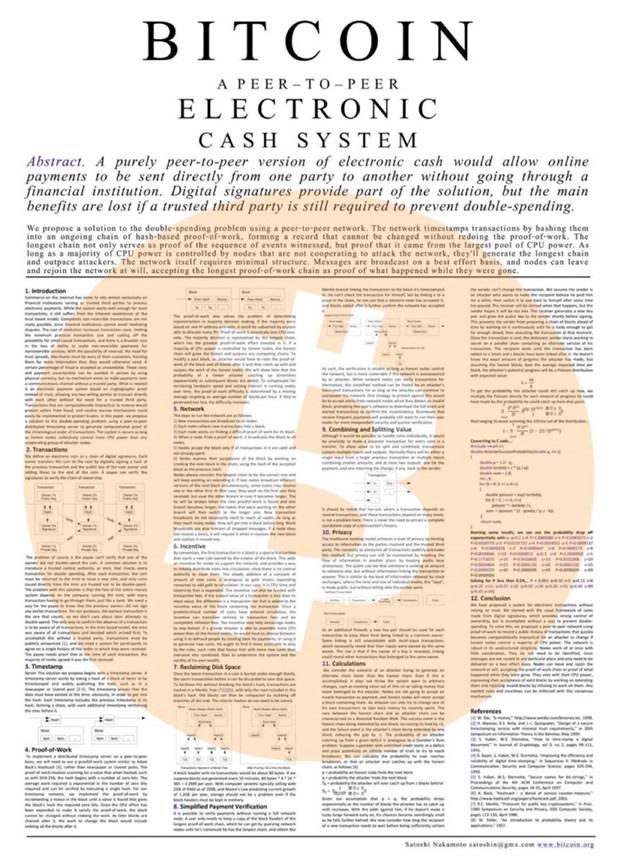
Cybersecurity Pullback Creates Opportunity as Global Threats Accelerate

Cybersecurity stocks have faced significant headwinds so far in 2026, driven by a combination of AI disruption fears, rotation into AI hardware names, and broader multiple compression across high-growth software. CNBC reported that the selloff accelerated in late February after Anthropic introduced Claude Code Security, a new AI capability designed to scan codebases for vulnerabilities.1 Markets quickly extrapolated the announcement into a broader threat to cybersecurity vendors, triggering a sharp sector-wide decline. According to GovInfoSecurity, public cybersecurity companies have largely met or exceeded earnings expectations in 2026—stock prices are falling even as fundamentals hold, raising the question of whether the market is mispricing the sector.2

The AI Disruption Narrative vs. Reality

The concern is understandable on the surface: if AI can automatically identify and patch vulnerabilities, does that undercut the business model of cybersecurity vendors? CNBC noted that the Claude Code Security tool primarily challenges specialised code-scanning platforms such as GitLab and JFrog, rather than the comprehensive cybersecurity platforms that handle endpoint protection, threat detection, and incident response.1 The pattern is a familiar one in technology investing: an AI model demonstrates a new capability, investors panic, the sector sells off, and, as J.P. Morgan notes, fundamentals are temporarily ignored.6

Industry leaders have pushed back strongly against the disruption narrative. CrowdStrike CEO George Kurtz has emphasised that AI ultimately expands the need for cybersecurity rather than replacing it: as automation accelerates development and deployment cycles, the potential attack surface grows alongside it.1 Palo Alto Networks CEO Nikesh Arora similarly questioned why the market is treating AI as a threat to the sector when the technology is simultaneously making attacks more sophisticated and harder to detect.3

Rather than retreating from AI, both companies are investing aggressively to embed it into their platforms. Palo Alto Networks completed a $25 billion acquisition of CyberArk and purchased AI observability platform Chronosphere, while CrowdStrike launched Charlotte AI AgentWorks, a no-code platform enabling customers to deploy custom AI-powered security agents at scale.3,4,5

Real-World Threats Are Escalating, Not Retreating

While markets debate the long-term implications of AI for cybersecurity business models, real-world cyber threats are escalating at an unprecedented pace. The Middle East conflict has emerged as a powerful illustration of why cybersecurity spending is structurally non-discretionary.

Calcalist reported that following Israeli strikes on Iran in June 2025, cyberattacks targeting Israel surged 700% within 48 hours, spanning government, financial, telecommunications, and critical infrastructure targets.7 The situation intensified further in February 2026 when coordinated U.S.–Israeli strikes triggered a multi-vector Iranian cyber retaliation campaign. Palo Alto Networks Unit 42 reported that over 60 active hacktivist groups were observed within days, while Halcyon documented that Iranian state-aligned APT groups escalated targeting of critical infrastructure, healthcare, and telecommunications across the region and beyond.8,9

The Center for Strategic and International Studies (CSIS) has assessed that cyber has become a distinct warfighting domain, with spillover risks extending to countries far beyond the immediate conflict zone.10 For organisations across North America, Europe, and the Asia-Pacific, the message is clear: cybersecurity budgets are not a line item that can be deferred when markets get jittery about AI.

Sentiment vs. Fundamentals: A Familiar Disconnect

Taken together, the recent cybersecurity selloff appears more reflective of near-term sentiment and valuation compression than a deterioration in fundamentals. AI is reshaping how software is built and secured, but it is simultaneously increasing the scale, speed, and sophistication of cyber threats. The escalating geopolitical cyber landscape reinforces the long-term importance of diversified cybersecurity providers capable of integrating AI directly into their platforms.

Diversified Cybersecurity Exposure Through CYBR

The recent pullback may present an attractive entry point for investors seeking exposure to a structurally growing industry. The Evolve Cyber Security Index Fund (CYBR) provides exposure across multiple leaders in endpoint protection, cloud security, and network defence, reducing single-company and concentration risk while capturing innovation across the broader ecosystem.

As volatility driven by AI headlines creates dispersion within the sector, diversified exposure can help investors participate in long-term growth while mitigating company-specific uncertainty. A broad-based approach may help investors avoid the risk of being on the wrong side of a single-name bet.

For more information, visit https://evolveetfs.com/product/cybr/.


Sources

  1. CNBC, “Cybersecurity stocks drop after Anthropic’s AI tool raises disruption fears,” February 23, 2026.
  2. GovInfoSecurity, “AI Disruption Fears Rattle Cybersecurity Stocks,” March 23, 2026.
  3. CNBC, “Palo Alto Networks CEO on cybersecurity, AI, and earnings,” February 18, 2026.
  4. OSMicro, “How Does CrowdStrike Work? Diving Into AI-Powered Threat Neutralisation,” August 22, 2025.
  5. CrowdStrike, “CrowdStrike Falcon Platform Evolves to Lead the Agentic Security Era,” September 16, 2025.
  6. J.P. Morgan, “TMT Update: Cybersecurity Sector Selloff and AI,” February 27, 2026.
  7. Calcalist, “Cyberattacks on Israel surge 700% following strikes on Iran,” June 15, 2025.
  8. Palo Alto Networks Unit 42, “Threat Brief: March 2026 Escalation of Cyber Risk Related to Iran,” March 2, 2026.
  9. Halcyon, “Iranian Use of Cybercriminal Tactics in Destructive Cyber Attacks: 2026 Updates,” March 3, 2026.
  10. CSIS, “How Will Cyber Warfare Shape the U.S.–Israel Conflict with Iran,” March 3, 2026.

Disclaimers

Published April 13, 2026.

Evolve Funds Group Inc. is the investment fund manager and portfolio manager. Evolve Cyber Security Index Fund (“CYBR”) is offered by Evolve Funds Group Inc., and distributed through authorized dealers.

The information contained herein is for informational purposes only and is not intended to be investment or tax advice. You should not act or rely on the information contained herein without seeking the advice of an appropriate professional advisor. The information contained herein is intended for informational purposes as a summary only, does not constitute an offer to sell any securities or a legally binding obligation, it is qualified entirely by, and should be read in conjunction with, the more detailed information appearing in the prospectuses found on the Evolve Funds Group Inc website at https://evolveetfs.com/

Certain information contained herein is obtained from third parties. Evolve Funds Group Inc. believes such information to be accurate and reliable as of the date hereof, however, we cannot guarantee that it is accurate or complete or current at all times. The information provided is subject to change without notice.
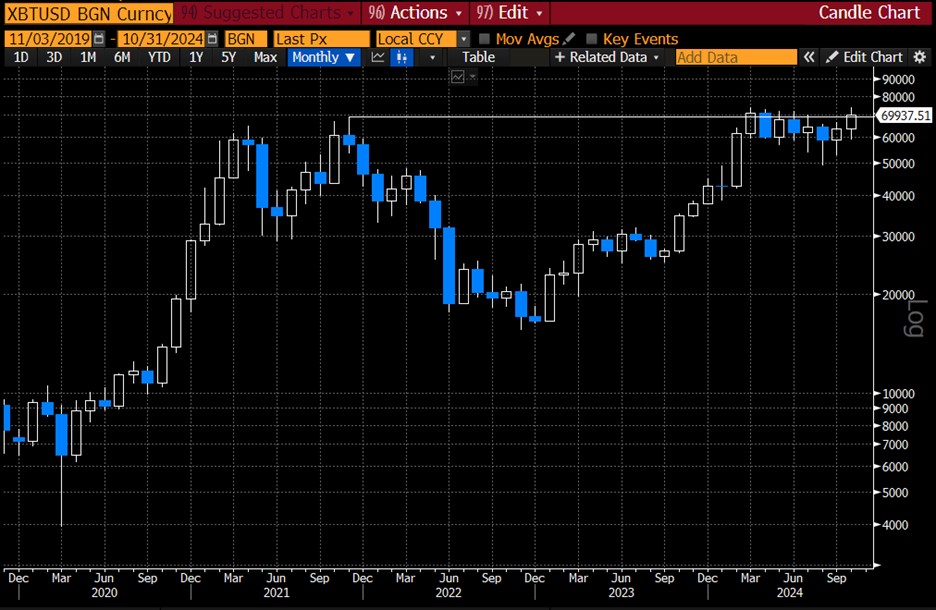
Commissions, trailing commissions, management fees and expenses all may be associated with exchange traded funds (ETFs) and mutual funds. Please read the prospectus before investing. ETFs and mutual funds are not guaranteed, their values change frequently and past performance may not be repeated.

Certain statements contained herein are forward-looking. Forward-looking statements (“FLS”) are statements that are predictive in nature, depend upon or refer to future events or conditions, or that include words such as “may,” “will,” “should,” “could,” “expect,” “anticipate,” “intend,” “plan,” “believe,” or “estimate,” or other similar expressions. Statements that look forward in time or include anything other than historical information are subject to risks and uncertainties, and actual results, actions or events could differ materially from those set forth in the FLS. FLS are not guarantees of future performance and are by their nature based on numerous assumptions. Although the FLS contained herein are based upon what Evolve Funds Group Inc. and the portfolio manager believe to be reasonable assumptions, neither Evolve Funds Group Inc. nor the portfolio manager can assure that actual results will be consistent with these FLS. The reader is cautioned to consider the FLS carefully and not to place undue reliance on FLS. Unless required by applicable law, it is not undertaken, and specifically disclaimed that there is any intention or obligation to update or revise FLS, whether as a result of new information, future events or otherwise.

One ETF. Global Equities. Enhanced Income. Introducing EASY.

Investors are increasingly looking for simpler, more efficient ways to build diversified, income-generating portfolios. Two trends stand out. First, demand for income-focused ETFs has never been stronger. Second, the appetite for one-ticket solutions that offer broad global exposure is growing rapidly. Concentrating a portfolio in any single market or region means missing out on the technology leaders, healthcare giants, and industrial powerhouses found across global markets – and that case for diversification has never been stronger.

The numbers tell the story. In 2025, Canadian covered call ETFs brought in $9.8 billion, underscoring strong demand for income-generating strategies.1 At the same time, asset allocation ETFs – the “one-ticket” solutions that bundle diversified exposure into a single fund – have seen explosive growth. Asset allocation ETFs attracted $22.7 billion in inflows in 2025, double the amount from 2024.1 The message is clear: investors want one-ticket diversified exposure and dependable cash flow – and they want it in a simple, streamlined package.

Introducing EASY: The Evolve All-in-One UltraYield ETF

That is exactly the problem the Evolve All-in-One UltraYield ETF (EASY) is designed to solve. EASY provides diversified, global equity exposure by investing with Evolve’s UltraYield lineup: BIGY (U.S. equities), CANY (Canadian equities), and INTY (international equities), all wrapped in a single ticket. Instead of building a multi-fund portfolio yourself, EASY does the work for you: one ETF, global reach, enhanced income.

How EASY Generates Enhanced Income

EASY’s underlying funds each use an active covered call strategy, where the fund owns shares of leading global companies and writes (sells) call options on those holdings. The buyers of those options pay a premium, and that premium becomes a source of cash flow that is distributed to investors. While it may cap some upside when markets rally sharply, the approach can provide a meaningful income stream while offering a modest cushion against downside volatility.

EASY also employs modest leverage of up to 1.33x which is designed to amplify both income generation and potential returns compared to an unlevered approach. The combination of covered call premiums, underlying dividends, and modest leverage is what gives the UltraYield strategy its name, and it is the engine behind EASY’s income potential.

Distributions Twice Per Month

Like the other funds in Evolve’s UltraYield suite, EASY intends to pay distributions twice per month. For retirees drawing on their portfolios, investors covering living expenses, or anyone who prefers a more predictable income cadence, semi-monthly distributions can align more naturally with household cash flow than more traditional monthly payouts. And for investors still in the accumulation phase, more frequent distributions allow for more opportunities to reinvest and compound.

One Ticker. Global Income. That’s EASY.

Building a diversified, income-generating portfolio used to mean juggling multiple ETFs across different geographies and strategies. EASY simplifies that into a single holding: global equity exposure spanning Canada, the U.S., and international markets, combined with a covered call strategy and modest leverage designed to enhance yield, all with distributions paid twice per month.

EASY is now available on the Toronto Stock Exchange.

For more information, visit evolveetfs.com/product/easy/.


Sources

  1. TD Securities, “ETF Outlook 2026: Navigating the Next Wave of Growth,” January 2026. tdsecurities.com


Source: Getty Images Credit: Berkah


Disclaimer

Published March 12, 2026.

Evolve Funds Group Inc. is the investment fund manager and portfolio manager. All funds described herein is offered by Evolve Funds Group Inc., and distributed through authorized dealers.

Leverage increases risk.

The information contained herein is a general description and is not intended to be specific investment advice to any particular investor nor intended to be investment or tax advice. You should not act or rely on the information contained herein without seeking the advice of an appropriate professional advisor. The information contained herein is intended for informational purposes as a summary only, does not constitute an offer to sell any securities or a legally binding obligation, it is qualified entirely by, and should be read in conjunction with, the more detailed information appearing in the prospectuses found on the Evolve Funds Group Inc website at https://evolveetfs.com/

Commissions, management fees and expenses all may be associated with exchange traded funds (ETFs). Please read the prospectus before investing. ETFs are not guaranteed, their values change frequently and past performance may not be repeated.

Certain statements contained herein are forward-looking. Forward-looking statements (“FLS”) are statements that are predictive in nature, depend upon or refer to future events or conditions, or that include words such as “may,” “will,” “should,” “could,” “expect,” “anticipate,” “intend,” “plan,” “believe,” or “estimate,” or other similar expressions. Statements that look forward in time or include anything other than historical information are subject to risks and uncertainties, and actual results, actions or events could differ materially from those set forth in the FLS. FLS are not guarantees of future performance and are by their nature based on numerous assumptions. Although the FLS contained herein are based upon what Evolve Funds Group Inc. and the portfolio manager believe to be reasonable assumptions, neither Evolve Funds Group Inc. nor the portfolio manager can assure that actual results will be consistent with these FLS. The reader is cautioned to consider the FLS carefully and not to place undue reliance on FLS. Unless required by applicable law, it is not undertaken, and specifically disclaimed that there is any intention or obligation to update or revise FLS, whether as a result of new information, future events or otherwise.

Certain information contained in this document is obtained from third parties. Evolve Funds Group Inc. believes such information to be accurate and reliable as of the date hereof, however, we cannot guarantee that it is accurate or complete or current at all times. The information provided is subject to change without notice.
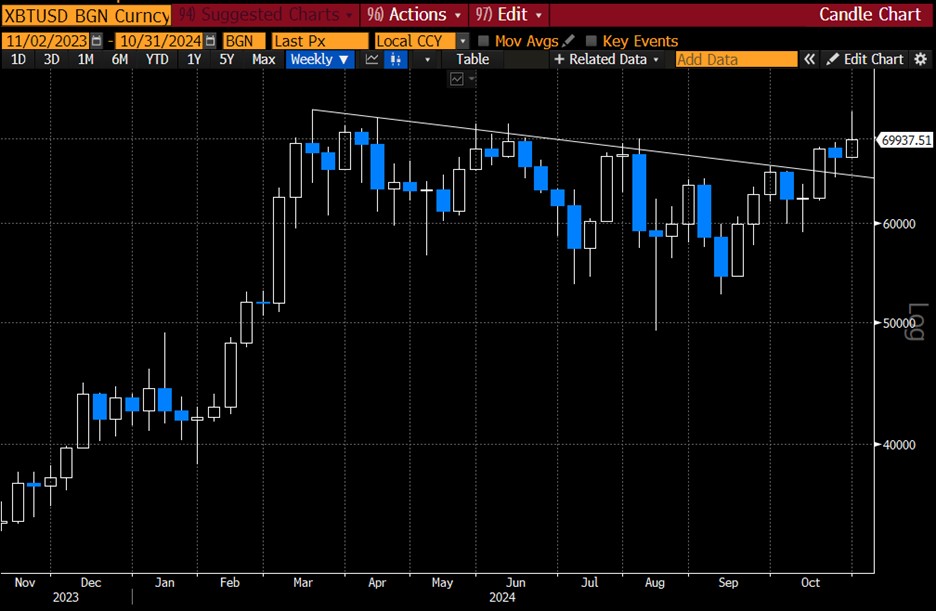
Bitcoin Market Update – February 2026

Hi everyone, welcome back to Evolve’s Bitcoin Monthly newsletter. As always, we aim to provide perspective on the forces shaping Bitcoin’s adoption and market conditions to help investors evaluate both new and existing allocations.

We continue to maintain a constructive long-term outlook on Bitcoin. Periods of volatility are not unusual for a monetizing asset, and historically have played an important role in strengthening market structure and broadening participation. While recent price action has reflected tighter financial conditions and shifting liquidity expectations, the core investment thesis remains intact.

Liquidity remains the dominant driver of risk assets.

We approach Bitcoin investing through a macro lens. Liquidity continues to be one of the most important drivers of risk assets, and recent market volatility underscores how sensitive Bitcoin can be to changes in financial conditions. As investors assess the implications of a potentially more disciplined Federal Reserve leadership, markets have begun pricing in a more hawkish policy path. Higher real rates and reduced liquidity typically challenge speculative assets, and Bitcoin has not been immune to this dynamic. 1

The sharp drawdown entering February reflects more than sentiment alone. A broad unwinding of leveraged positions triggered a cascade of forced selling, reinforcing a familiar pattern seen during prior tightening cycles. When leverage exits the system, price discovery tends to be abrupt rather than orderly. Yet this process is not inherently negative. Deleveraging often removes excess speculation and can ultimately reset the foundation for healthier market structure.

Looking ahead, interest-rate markets increasingly suggest the possibility of policy easing throughout 2026. Should financial conditions loosen, liquidity would likely return to risk assets, historically a constructive backdrop for Bitcoin.2

Adoption continues to broaden, even during volatile periods.

Bitcoin’s recent behavior has resembled that of a high-growth technology asset, with price movements correlating more closely to risk equities than to traditional safe havens. While this challenges the near-term “digital gold” narrative, it also reflects Bitcoin’s ongoing integration into global capital markets.3

Institutional participation continues to deepen, and regulatory momentum remains a critical piece of that evolution. Policymakers have increasingly emphasized the importance of clear market structure for digital assets, recognizing that legal certainty is a prerequisite for large-scale institutional engagement. Clarity tends to reduce perceived risk, and reduced risk expands the potential investor base.4

Major index decisions related to crypto-exposed companies further illustrate this shift. Markets are closely watching whether firms with significant Bitcoin exposure, including corporates that hold Bitcoin as a treasury asset, will be added to or maintained within MSCI global indices. Inclusion in these widely tracked benchmarks could trigger substantial automatic allocations from passive strategies such as index funds, ETFs, and institutional model portfolios, while also signaling that Bitcoin-linked balance sheets are increasingly being recognized as part of mainstream financial infrastructure rather than a peripheral market segment.5

Gold is having its moment in the sun.

With gold doubling in less than a year, Bitcoin skeptics are having their moment. It’s worth noting that this is nothing new. We are in a Bitcoin bear market which, by definition, provides investors with better value as an entry point, or an opportunity to add to their position. Gold has done so well recently that some are questioning the need for a digital store of value asset. We believe the thesis for Bitcoin remains unchanged, and when we look at the Bitcoin/Gold ratio for the past 5 years it seems to be suggesting we could be near a bottom.

Today 1 Bitcoin buys 13.6 ounces of gold which is roughly where the ratio stood back in 2022 through 2023. In some respects, this is a more useful way to look at Bitcoin’s price than using US dollars because gold is subject to less manipulation and debasement and is widely considered a store of value asset. Since bitcoin exhibits many characteristics of a hard asset, using the price of a hard asset is at least internally consistent.

Market structure is strengthening over time.

Periods of volatility often test conviction, but they also reveal how the investor base is changing. Bitcoin is no longer dominated solely by speculative capital; it is increasingly held by institutions, corporates, and long-duration investors with lower sensitivity to short-term price movements.

Importantly, despite recent turbulence, the long-term thesis has not been invalidated. Bitcoin’s scarcity, portability, and independence from traditional monetary systems continue to differentiate it from conventional assets, even if the safe-haven characteristics many expect have yet to fully materialize.3

Market maturation rarely occurs in a straight line. As ownership broadens and leverage becomes less central to price formation, Bitcoin may gradually transition from a high-beta asset toward a more established macro allocation.

Market Update

Bitcoin entered February under pressure as tighter financial expectations and widespread deleveraging weighed on prices. After losing its 50-week moving average in late 2025, historically a key support level during prior bull markets, Bitcoin retraced toward the 200-week moving average, which currently sits near US$58,000. In each of the last several major cycles, including 2013–14, 2017–18, and 2021, a break below the 50-week moving average ultimately resulted in price gravitating toward this longer-term trendline.6

From a broader perspective, Bitcoin is undergoing a market reset after reaching its October 6 all-time high. Although prices have declined roughly 50% over the past 120 days, this pullback has so far been both shorter and less pronounced than the five previous major downturns in Bitcoin’s history.7 Such periods have historically created opportunities for long-term investors and helped support the foundation for future market expansion.⁷

Source: River Financial, As at February 10, 2026. For illustrative purposes only. This chart is a logarithmic (base 10) scale chart where each line on the Y-axis represents an equal % change.

The speed of the recent decline reflected a self-reinforcing cycle, as the unwinding of leveraged positions accelerated selling pressure. More than $1 billion in leveraged trades were liquidated, pushing prices toward levels historically associated with bear-market drawdowns.8

Source: Bloomberg, As at Feb 5, 2026. For illustrative purposes only.

Importantly, this type of reset has precedent. Comparable episodes have often cleared excess speculation from the system and established a more durable base for the next phase of price discovery.

At the same time, several forward-looking catalysts remain in view. A potential shift in monetary policy could reintroduce liquidity into the system, while continued institutional integration, supported by clearer regulatory frameworks such as the Clarity Act, may provide a stronger foundation for future demand.

Market cycles evolve alongside market participants. Today’s Bitcoin ecosystem looks materially different from prior years, characterized by deeper capital pools, expanding infrastructure, and growing strategic interest from large institutional investors.

We cannot predict the precise path forward. However, the underlying trajectory continues to point toward broader adoption and increasing relevance within the global financial system.

For every seller, there is a buyer, and the persistence of institutional engagement suggests that many investors continue to view volatility not as a signal to exit, but as part of the price of admission for a scarce, monetizing asset.

[1] https://www.coindesk.com/markets/2026/01/30/here-s-why-fed-contender-kevin-warsh-is-seen-as-bearish-for-bitcoin

[2] https://www.bloomberg.com/news/articles/2026-02-11/treasuries-fall-as-better-than-expected-job-data-resets-fed-bets

[3] https://www.coindesk.com/markets/2026/02/10/bitcoin-a-tech-trade-for-now-not-digital-gold-says-grayscale

[4] https://bitcoinmagazine.com/news/passing-clarity-act-critical-for-bitcoin

[5] https://www.bloomberg.com/news/articles/2026-01-06/msci-backs-off-on-crypto-exclusion-plan-but-signals-wider-review

[6] https://www.galaxy.com/insights/research/bitcoin-drawdown-nears-40-weakness-suggests-lower-prices-coming

[7] https://river.com/content/why-bitcoin-crashed-feb-2026

[8] https://www.bloomberg.com/news/articles/2026-02-05/bitcoin-drops-below-70-000-as-forced-deleveraging-accelerates

Credit: LightFieldSolutions Source: Envato 

Disclaimer:

Published March 10, 2026.

The information contained herein is a general description and is not intended to be specific investment advice to any particular investor nor intended to be investment or tax advice. You should not act or rely on the information contained herein without seeking the advice of an appropriate professional advisor. The information contained herein is intended for informational purposes as a summary only, does not constitute an offer to sell any securities or a legally binding obligation, it is qualified entirely by, and should be read in conjunction with, the more detailed information appearing in the prospectuses found on the Evolve Funds Group Inc website at https://evolveetfs.com/

Leverage increases risk.

The unpredictable nature of the cryptoassets can lead to loss of funds.

Certain statements contained herein are forward-looking. Forward-looking statements (“FLS”) are statements that are predictive in nature, depend upon or refer to future events or conditions, or that include words such as “may,” “will,” “should,” “could,” “expect,” “anticipate,” “intend,” “plan,” “believe,” or “estimate,” or other similar expressions. Statements that look forward in time or include anything other than historical information are subject to risks and uncertainties, and actual results, actions or events could differ materially from those set forth in the FLS. FLS are not guarantees of future performance and are by their nature based on numerous assumptions. Although the FLS contained herein are based upon what Evolve Funds Group Inc. and the portfolio manager believe to be reasonable assumptions, neither Evolve Funds Group Inc. nor the portfolio manager can assure that actual results will be consistent with these FLS. The reader is cautioned to consider the FLS carefully and not to place undue reliance on FLS. Unless required by applicable law, it is not undertaken, and specifically disclaimed that there is any intention or obligation to update or revise FLS, whether as a result of new information, future events or otherwise.

Certain information contained in this document is obtained from third parties. Evolve Funds Group Inc. believes such information to be accurate and reliable as of the date hereof, however, we cannot guarantee that it is accurate or complete or current at all times. The information provided is subject to change without notice.
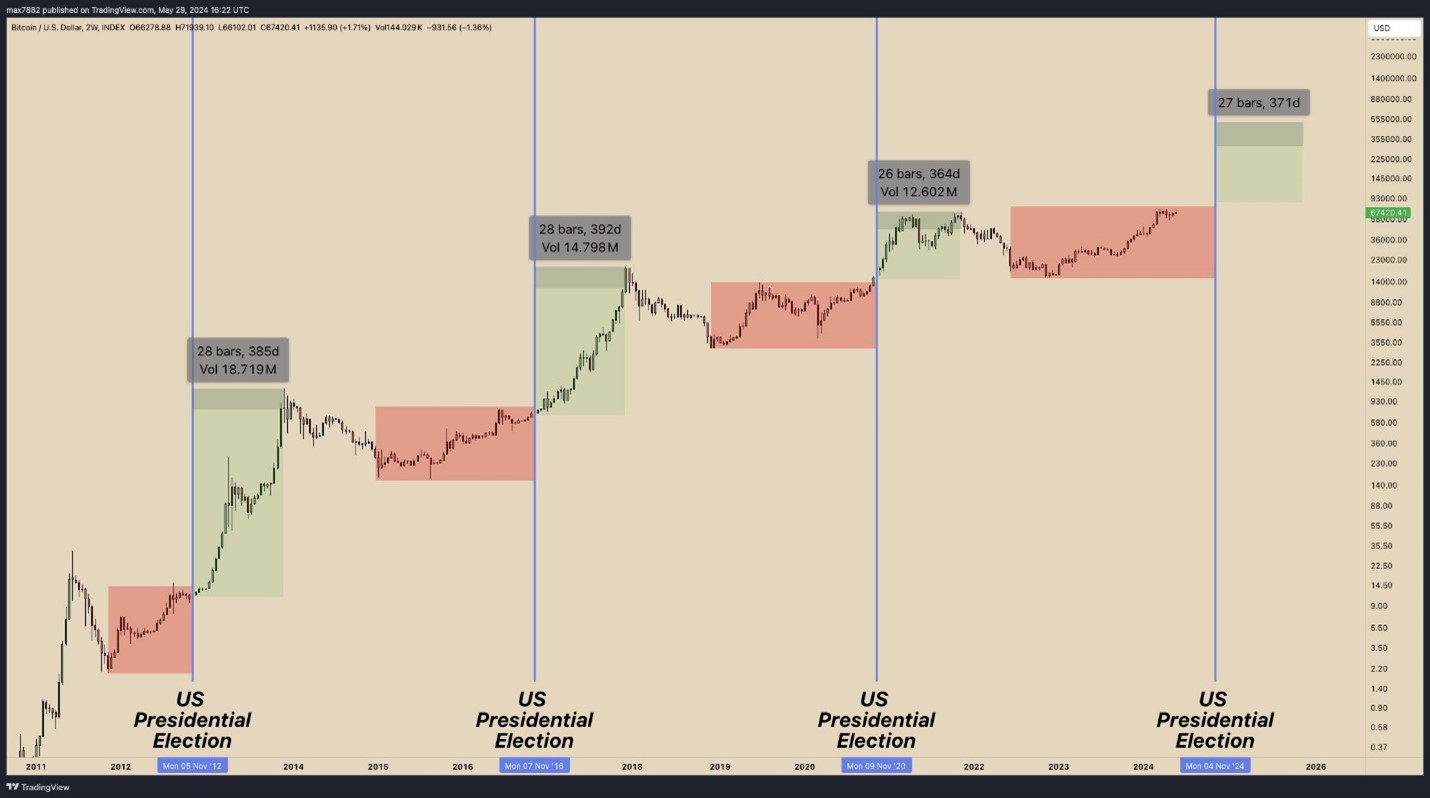
‘Big Six’ Canadian Banks Year-End Earnings Roundup

Canada’s largest banks delivered strong first quarter results, with all six exceeding analyst expectations and showing broad based strength across core businesses. Revenue growth remained steady, profitability improved through cost discipline and restructuring efforts, and several institutions advanced share buybacks and strategic investments to support long term returns. Credit quality remained stable overall, with provisions for credit losses modestly higher or largely unchanged as banks maintained a cautious outlook.

Royal Bank of Canada (RY)

Royal Bank of Canada reported strong first-quarter results, with profit rising 13% year over year to $5.8 billion, or $4.03 per share, driven by gains in personal banking and wealth management. Adjusted earnings were $4.08 per share, exceeding analyst expectations of $3.84. Revenue increased 7% year over year to $17.96 billion, while expenses rose 2% to $9.46 billion, reflecting higher compensation and staff-related costs. Provisions for credit losses totalled $1.09 billion, including $1.07 billion tied to performing loans based on forward-looking economic models, compared with $1.05 billion in the same quarter last year. Overall, the results highlighted solid operating momentum and disciplined expense growth, reinforcing RBC’s position as a consistent earnings leader among Canadian banks.

Toronto-Dominion Bank/The (TD)

Toronto-Dominion Bank reported first-quarter results that exceeded expectations, supported by stronger performance across its businesses despite ongoing restructuring tied to anti-money-laundering remediation efforts. Net income rose 45% year over year to $4.04 billion, or $2.34 per share, while adjusted earnings reached $2.44 per share, ahead of analyst estimates of $2.26. Revenue increased 18% year over year to $16.56 billion, with expenses rising 8% to $8.75 billion, reflecting restructuring charges, continued investments in compliance remediation, and higher employee-related costs. TD recorded a final $200 million pre-tax restructuring charge as it winds down certain businesses, reduces real estate exposure, and implements a 3% workforce reduction. Provisions for credit losses totalled $1.04 billion, compared with $1.21 billion a year earlier, signalling improving credit conditions despite a cautious economic outlook.

Bank of Montreal (BMO)

Bank of Montreal reported first-quarter results that exceeded expectations, supported by stronger earnings across its businesses as the bank works to improve profitability. Net income rose to $2.49 billion, or $3.39 per share, compared with $2.14 billion, or $2.83 per share, a year earlier, while adjusted earnings of $3.48 per share surpassed analyst estimates of $3.21. Revenue increased 6% year over year to $9.82 billion, with expenses also rising 6% to $5.75 billion, partly driven by higher performance-based compensation and severance costs. Provisions for credit losses declined to $746 million from $1.01 billion in the prior year, pointing to improved credit conditions.

Bank of Nova Scotia/The (BNS)

Bank of Nova Scotia reported stronger-than-expected first-quarter results, with earnings improving across business lines despite ongoing concerns around slower loan growth and tariffs. Net income reached $2.29 billion, or $1.73 per share, compared with $993 million, or $0.66 per share, a year earlier when results were impacted by a $1.36 billion impairment tied to the sale of certain Latin American operations. Adjusted earnings came in at $2.05 per share, exceeding analyst expectations of $1.95. Revenue increased 3% year over year to $9.65 billion, while expenses declined sharply by 18% to $5.29 billion, supporting profitability. Provisions for credit losses totalled $1.18 billion, including $73 million tied to performing loans based on forward-looking economic models. Management pointed to stabilization in Mexico, a key growth market, noting recent cartel-related violence has not disrupted operations, providing reassurance around the bank’s international exposure and broader operating outlook.

Canadian Imperial Bank of Commerce (CM)

Canadian Imperial Bank of Commerce delivered first-quarter results that exceeded expectations, supported by broad-based strength across its core businesses. Net income totalled $3.1 billion, or $3.21 per share, while adjusted earnings came in at $2.7 billion, or $2.76 per share, ahead of analyst estimates of $2.40, after excluding one-time items including a $422 million income tax gain. Canadian personal and business banking, the bank’s largest earnings contributor, saw profit rise 25% year over year to $960 million, while capital markets earnings increased 42% to $877 million. Canadian commercial banking and wealth management profit grew 9%, and U.S. commercial banking and wealth management rose 19%. The quarter marked the first full reporting period under new chief executive officer Harry Culham, highlighting strong early momentum across divisions.

National Bank of Canada (NA)

National Bank of Canada reported a strong first quarter, with profit rising sharply and exceeding expectations, supported by its acquisition of Canadian Western Bank. Net income reached $1.25 billion, or $3.08 per share, up from $997 million, or $2.78 per share, a year earlier. Adjusted earnings were $3.25 per share, ahead of analyst estimates of $2.99. Revenue increased 22% year over year to $3.89 billion, while expenses also rose 22% to $2.01 billion, reflecting the impact of the CWB acquisition along with higher variable compensation and benefits. Provisions for credit losses totalled $244 million, including $215 million tied to loans expected to face repayment challenges, compared with $254 million in the prior year. The bank also expanded its share buyback program to 14.5 million shares from 8 million, having repurchased 6.4 million shares to date.


Source:

https://www.theglobeandmail.com/business/article-canada-banks-first-quarter-results-earnings-2026/ (February 26, 2026)

DISCLAIMER

Published March 5, 2026.

Evolve Funds Group Inc. is the investment fund manager and portfolio manager. The Evolve Big Six Canadian Banks UltraYield Index ETF (“SIXY”) is offered by Evolve Funds Group Inc., and distributed through authorized dealers.

Leverage increases risk.

The information contained herein is a general description and is not intended to be specific investment advice to any particular investor nor intended to be investment or tax advice. You should not act or rely on the information contained herein without seeking the advice of an appropriate professional advisor. The information contained herein is intended for informational purposes as a summary only, does not constitute an offer to sell any securities or a legally binding obligation, it is qualified entirely by, and should be read in conjunction with, the more detailed information appearing in the prospectuses found on the Evolve Funds Group Inc website at https://evolveetfs.com/

Commissions, management fees and expenses all may be associated with exchange traded funds (ETFs). Please read the prospectus before investing. ETFs are not guaranteed, their values change frequently and past performance may not be repeated.

Certain statements contained herein are forward-looking. Forward-looking statements (“FLS”) are statements that are predictive in nature, depend upon or refer to future events or conditions, or that include words such as “may,” “will,” “should,” “could,” “expect,” “anticipate,” “intend,” “plan,” “believe,” or “estimate,” or other similar expressions. Statements that look forward in time or include anything other than historical information are subject to risks and uncertainties, and actual results, actions or events could differ materially from those set forth in the FLS. FLS are not guarantees of future performance and are by their nature based on numerous assumptions. Although the FLS contained herein are based upon what Evolve Funds Group Inc. and the portfolio manager believe to be reasonable assumptions, neither Evolve Funds Group Inc. nor the portfolio manager can assure that actual results will be consistent with these FLS. The reader is cautioned to consider the FLS carefully and not to place undue reliance on FLS. Unless required by applicable law, it is not undertaken, and specifically disclaimed that there is any intention or obligation to update or revise FLS, whether as a result of new information, future events or otherwise.

Certain information contained in this document is obtained from third parties. Evolve Funds Group Inc. believes such information to be accurate and reliable as of the date hereof, however, we cannot guarantee that it is accurate or complete or current at all times. The information provided is subject to change without notice.
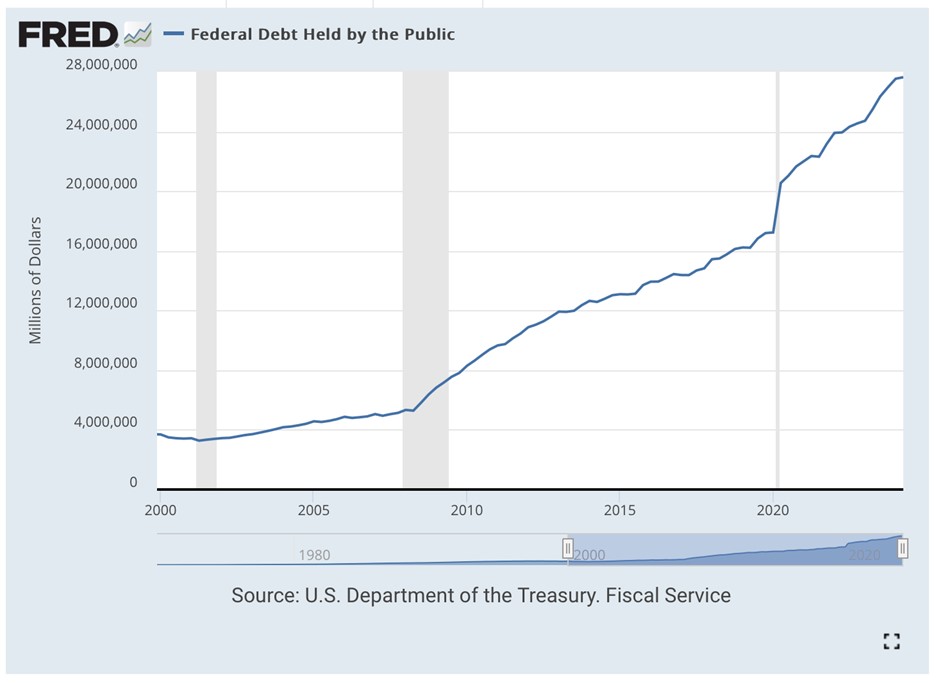
Why Canadian Oil Still Matters to the U.S. Despite Venezuela

The surprising news of U.S. intervention in Venezuela led to a not-so-surprising market overreaction: a sharp selloff of Canadian oil and gas stocks over fears that Venezuelan oil will soon flood the market and replace Canadian oil.¹

But there is a difference between a shocking headline and a workable supply chain. The good news for investors in Canadian energy stocks is that while the idea that Venezuelan heavy crude will supplant Canadian oil sounds plausible in the abstract, it runs into practical limits in the real world.

Let’s look at why concerns that the United States will stop buying Canadian oil are overblown and why there is still opportunity to be had in Canadian energy.

Why the Venezuela Shock Got Ahead of the Reality

Reaction to the news from Venezuela was swift because of concerns the United States could replace Canadian heavy crude with heavy crude from untapped Venezuelan deposits. According to Canada Energy Regulator, 95.7% of our crude is exported to the United States, hence such a shift would have serious consequences for the Canadian energy sector.²

However, in the near term, the percentage of Canadian oil that could realistically be displaced is limited, pegged at just 10% by Charles St-Arnaud, chief economist at Service Credit Union and former Bank of Canada economist. The reasoning being only certain U.S. regions are positioned to take meaningful volumes of Venezuelan imports without a major re-plumbing of the existing refinement system. The refineries best suited to heavy crude tend to be tied into existing North American flows and are already supplied by Canadian pipelines.

Time is also a constraint. Venezuela has immense untapped oil reserves, but reserves are not the same thing as reliable production and exports. Years of underinvestment, operational challenges, and international sanctions mean that even optimistic scenarios involve multi-year rebuilding and billions of dollars investment in equipment, upgraded facilities, and sustained maintenance.³

While analysts debate how quickly Venezuela’s output could rise and prove a rival to Canadian heavy crude, it’s clear that the broader rebuild of Venezuela’s oil infrastructure is a multi-year, multi-billion-dollar project and not a quick fix. Canada remains the United States’ largest foreign supplier of crude, with a relationship built on proximity, scale, and decades of integration. These facts suggest that short-term panic in the immediate aftermath of the U.S. action in Venezuela may have outpaced the near-term realities.

How Active Covered Calls Can Benefit from Volatility

For average investors, one takeaway from recent events in Venezuela is that in the oil and gas sector, uncertainty tends to show up first in volatility.

When markets are jumpy, the pricing of risk changes, and that can ripple through to strategies designed around volatility, such as covered calls. The basic concept is straightforward: a portfolio holds equities and sells call options on those holdings, collecting premiums that can contribute to cash flow. The trade-off is equally straightforward: if the underlying stocks rally sharply, upside participation may be reduced because the calls can be exercised above a certain level, and if stocks fall, the option premium may not fully offset the decline. In other words, it is not a shield against losses, and it is not a promise of smoother returns. Rather, it is a different way of viewing risk and return, and one heavily dependent on market conditions.

In a market where energy prices can swing on policy shifts and geopolitical surprises, covered call products are positioned around the idea that volatility itself can be a source of premium income, while also acknowledging the trade-offs that come with capping some upside. The structure is designed to be systematic in its equity exposure while using active decision-making in how calls are written, rather than applying a rigid, one-size-fits-all approach regardless of conditions.

OILY: Canadian Energy ETF

Want to fuel your portfolio with Canadian energy? The Evolve Canadian Energy Enhanced Yield Index Fund (OILY ETF) offers investors exposure to the Solactive Canada Energy Top 10 Index, aiming for a 1.25 multiple of the index’s performance through a covered call option writing program at the discretion of the Manager.

Learn more about the OILY ETF—visit the fund page today.


ENDNOTES

  1. Khan, A., “Canadian oil stocks slip is a ‘massive overreaction’ to Venezuela: Eric Nuttall” BNN Bloomberg, January 05, 2026; https://www.bnnbloomberg.ca/business/2026/01/05/canadian-oil-stocks-slip-is-a-massive-overreaction-to-venezuela/
  1. “Market Snapshot: Overview of 2024 Canada-U.S. Energy Trade,” Canada Energy Regulator, July 9, 2025; https://www.cer-rec.gc.ca/en/data-analysis/energy-markets/market-snapshots/2025/market-snapshot-overview-of-2024-canada-us-energy-trade.html
  2. Khan, A., “Only 10% of Canadian oil likely to be replaced by Venezuela in short term, says analyst,” BNN Bloomberg, January 07, 2026; https://www.bnnbloomberg.ca/business/2026/01/07/only-10-of-canadian-oil-could-be-replaced-by-venezuela-in-short-term-says-analyst/


Source: GettyImages Credit: Evgeny Gromov

Disclaimers:

Published February 27, 2026

Evolve Funds Group Inc. is the investment fund manager and portfolio manager. Evolve Canadian Energy Enhanced Yield Index Fund (“OILY”) is offered by Evolve Funds Group Inc., and distributed through authorized dealers.

Leverage increases risk.

The information contained herein is a general description and is not intended to be specific investment advice to any particular investor nor intended to be investment or tax advice. You should not act or rely on the information contained herein without seeking the advice of an appropriate professional advisor. The information contained herein is intended for informational purposes as a summary only, does not constitute an offer to sell any securities or a legally binding obligation, it is qualified entirely by, and should be read in conjunction with, the more detailed information appearing in the prospectuses found on the Evolve Funds Group Inc website at https://evolveetfs.com/

Commissions, trailing commissions, management fees and expenses all may be associated with exchange traded funds (ETFs) and mutual funds. Please read the prospectus before investing. ETFs and mutual funds are not guaranteed, their values change frequently and past performance may not be repeated.

Certain statements contained herein are forward-looking. Forward-looking statements (“FLS”) are statements that are predictive in nature, depend upon or refer to future events or conditions, or that include words such as “may,” “will,” “should,” “could,” “expect,” “anticipate,” “intend,” “plan,” “believe,” or “estimate,” or other similar expressions. Statements that look forward in time or include anything other than historical information are subject to risks and uncertainties, and actual results, actions or events could differ materially from those set forth in the FLS. FLS are not guarantees of future performance and are by their nature based on numerous assumptions. Although the FLS contained herein are based upon what Evolve Funds Group Inc. and the portfolio manager believe to be reasonable assumptions, neither Evolve Funds Group Inc. nor the portfolio manager can assure that actual results will be consistent with these FLS. The reader is cautioned to consider the FLS carefully and not to place undue reliance on FLS. Unless required by applicable law, it is not undertaken, and specifically disclaimed that there is any intention or obligation to update or revise FLS, whether as a result of new information, future events or otherwise.

Certain information contained in this document is obtained from third parties. Evolve Funds Group Inc. believes such information to be accurate and reliable as of the date hereof, however, we cannot guarantee that it is accurate or complete or current at all times. The information provided is subject to change without notice.
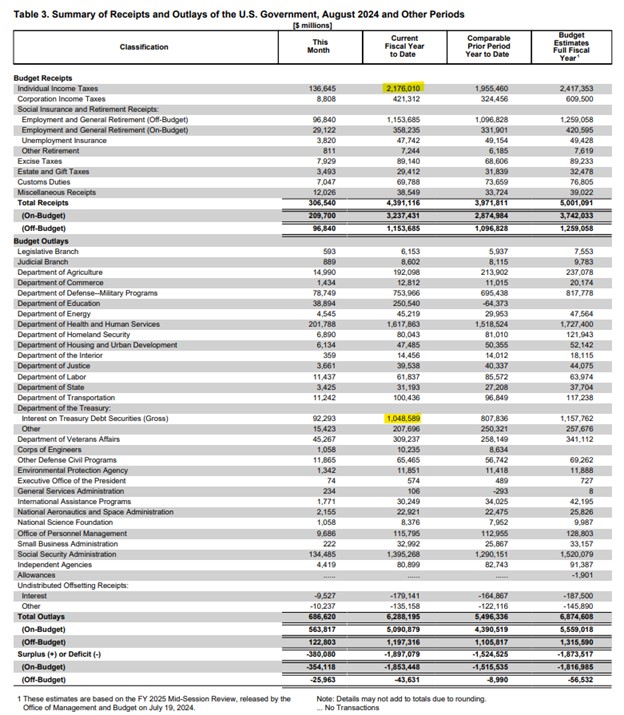
Why Investors Are Rethinking Commodities as Metals and Mining Rally

Commodities—particularly metals and mining—took centre stage in a big way in 2025.

Prices for gold, copper, silver, and a range of industrial metals have surged over the last year, driven by macroeconomic, geopolitical, and structural forces. What at first looked like a cyclical rally now appears to be a broader reset in how markets value hard assets.¹

To understand this shift, let’s explore why commodities are having a moment, which assets have seen success, and how metals and mining can contribute to portfolio diversification.

Why Commodity Prices Are Rallying

The current rally has less to do with speculation than with a fundamental shift in global priorities.

To begin with, central banks have become major buyers of precious metals, according to the World Bank. As inflation cooled and interest rates peaked, policymakers began preparing for a lower-rate environment, which reduces the drawbacks of holding non-yielding assets like gold and silver. At the same time, questions about the long-term dominance of the U.S. dollar have encouraged reserve diversification, reinforcing demand for precious metals.²

Geopolitical concerns also factor in. Tariffs, export controls, and sanctions have disrupted long-standing supply chains, particularly for critical minerals. Both the United States and China have tightened controls on strategic resources, reshaping global supply-demand dynamics and embedding a risk premium into commodity pricing.¹

Then there is reindustrialization. Reuters has reported extensively on how governments are actively encouraging the reshoring of manufacturing after COVID-era disruptions exposed supply chain vulnerabilities.³ Tariffs, incentives, and industrial policy are moving production closer to home, a process that is inherently materials-intensive.⁴

Finally, defence spending is rising sharply. NATO members have committed to meaningfully higher defence outlays over the coming decade.⁵ Modern militaries require not just steel and aluminum, but copper, rare earths, and specialty metals for electronics, vehicles, and advanced weapons systems. That demand is structural, not cyclical.

How Individual Metals Are Performing

The performance of individual commodities highlights the breadth of the rally.

Gold has led the way, driven by central bank buying, geopolitical tensions, and shifts in monetary policy, according to The Motley Fool. After an exceptional surge in 2025, prices appear poised for more measured—but still positive—gains as official sector demand remains elevated.

Silver has benefitted from its dual role as both monetary metal and industrial input. Solar panels, electric vehicles, and data centres all rely on silver as a component metal, layering structural demand on top of investor flows.¹

Copper has emerged as a bellwether for the energy transition, as highlighted by the World Bank. Electrification requires far more copper than fossil-fuel systems, from grid upgrades to charging infrastructure.² Prices have climbed accordingly, reflecting not only current demand but concern over future supply constraints.

Steel and iron ore tell a more nuanced story. Weakness in traditional construction—particularly in China’s property sector—has weighed on iron ore prices. Yet specialty steels and downstream metal products tied to defence and infrastructure have proven more resilient.⁵

Battery and critical minerals, including lithium and rare earths, have staged sharp recoveries after prolonged downturns. As electric vehicle production and grid-scale storage reach inflection points, markets have moved quickly to price in tightening supply.6

Why Investors Are Turning to Commodities

For investors, commodities now offer something increasingly scarce: diversification with tangible drivers.

Equities and bonds have grown more correlated in recent years, particularly during periods of inflation. Commodities, on the other hand, respond more to monetary policy, physical scarcity, and geopolitical risk. Amidst policy uncertainty and fiscal strain, many investors view hard assets as insurance rather than speculation. 7

There is also a growing recognition that supply cannot respond quickly. Mining projects take years—sometimes decades—to permit, finance, and build. When demand accelerates suddenly, so do prices. Strategic stockpiling by governments around the world has amplified this effect, particularly for minerals deemed essential to energy security and national defence.⁶

As a result, traditional valuations focused on near-term supply and demand could be underestimating prices.

The Role of Covered Call Strategies in Mining and Minerals

If commodity prices increasingly reflect structural scarcity and risk premiums over short-term fundamentals, the way investors gain exposure becomes more crucial.

Futures contracts, for example, track price and price alone, and produce returns solely through price movement. Mining equities, on the other hand, have the ability to generate cash flow that can be actively managed, distributed, or enhanced through options strategies such as covered calls. ⁸

As operating businesses, miners generate revenue and cash flow, especially when commodity prices are high. That cash flow can create an opportunity for income-oriented strategies. Covered call writing, which involves selling call options on existing equities, lets investors potentially generate option premiums while retaining exposure to the underlying shares.

In markets where commodity prices are volatile, covered calls can help monetize volatility by generating option premium income. Mining stocks, which often exhibit higher volatility than the underlying commodity, often command richer option premiums, enhancing the potential attractiveness of the strategy.

Covered call income can partially offset losses in mining equities if prices decline or stay flat. However, investors give up some potential profits if mining stocks rally sharply beyond the strike price of the sold calls. The strategy thus provides some downside cushioning while limiting gains to the covered call’s strike price plus premium.

Futures offer purity and precision. Mining equities paired with a covered call strategy offer income potential and a degree of downside mitigation—but with equity risk and limits to upside participation. For investors focused on total return rather than price tracking alone, that distinction can be meaningful.

Investing in Global Materials & Mining with BASE ETF

Looking for better yields in the materials and mining sector with less risk? The opportunity may be one (covered) call away.

With the Evolve Global Materials & Mining Enhanced Yield Index Fund (BASE ETF), investors benefit from global exposure to materials and mining stocks, with the added value of a covered call strategy applied on up to 33% of the portfolio. Covered call options have the potential to provide extra income and help hedge long stock positions. Access this sector and give your portfolio a solid BASE.

For more blogs like this, as well as insight on investing and investment products, sign up for our weekly newsletter here.


ENDNOTES

  1. Allen, B., “Why are commodity prices going crazy?,” The Motley Fool, January 13, 2026; https://www.fool.com.au/2026/01/13/why-are-commodity-prices-going-crazy
  2. Baffes, J. & Temaj, K., “The Commodity Markets Outlook in eight charts,” World Bank Blogs, October 30, 2025; https://blogs.worldbank.org/en/developmenttalk/the-commodity-markets-outlook-in-eight-charts2
  3. Sneha, S K & Rajan, G., “Thermo Fisher wins contracts as pharma shifts production to US, CEO says,” Reuters, January 13, 2026; https://www.reuters.com/business/healthcare-pharmaceuticals/thermo-fisher-wins-contracts-pharma-shifts-production-us-ceo-says-2026-01-13/
  4. Sophia, D.M. & Varghese, A., “Global companies hit by more than $35 billion in US tariffs, but outlook stabilizing,” Reuters, October 20, 2025; https://www.reuters.com/business/autos-transportation/global-companies-hit-by-more-than-35-billion-us-tariffs-outlook-stabilizing-2025-10-20/
  5. Jean, J. & Dumont, M-A., “Commodity Prices Are Expected to Increase Slightly,” Desjardins, November 12, 2025; https://coop.desjardins.com/oc/en/savings-investment/economic-studies/commodity-trends-november-2025.html
  6. Hidayat, M., “Economic Forces Behind Soaring Commodity Prices in 2025,” Discovery Alert, January 2, 2026; https://discoveryalert.com.au/economic-forces-drive-commodity-price-surges-2026/
  7. “Why commodities still attract investors despite their volatility,” Reuters, December 19, 2025; https://www.reuters.com/video/watch/idRW055216122025RP1/
  8. “Introduction to Commodities and Commodity Derivatives,” CFA Institute, 2026; https://www.cfainstitute.org/insights/professional-learning/refresher-readings/2026/introduction-commodities-commodity-derivatives


SOURCE: GettyImages CREDIT: e-crow

Disclaimers:

Published February 25, 2026

Evolve Funds Group Inc. is the investment fund manager and portfolio manager. The Evolve Global Materials & Mining Enhanced Yield Index ETF (“BASE”) is offered by Evolve Funds Group Inc., and distributed through authorized dealers.

The information contained herein is a general description and is not intended to be specific investment advice to any particular investor nor intended to be investment or tax advice. You should not act or rely on the information contained herein without seeking the advice of an appropriate professional advisor. The information contained herein is intended for informational purposes as a summary only, does not constitute an offer to sell any securities or a legally binding obligation, it is qualified entirely by, and should be read in conjunction with, the more detailed information appearing in the prospectuses found on the Evolve Funds Group Inc website at https://evolveetfs.com/

Commissions, trailing commissions, management fees and expenses all may be associated with exchange traded funds (ETFs) and mutual funds. Please read the prospectus before investing. ETFs and mutual funds are not guaranteed, their values change frequently and past performance may not be repeated.

Certain statements contained herein are forward-looking. Forward-looking statements (“FLS”) are statements that are predictive in nature, depend upon or refer to future events or conditions, or that include words such as “may,” “will,” “should,” “could,” “expect,” “anticipate,” “intend,” “plan,” “believe,” or “estimate,” or other similar expressions. Statements that look forward in time or include anything other than historical information are subject to risks and uncertainties, and actual results, actions or events could differ materially from those set forth in the FLS. FLS are not guarantees of future performance and are by their nature based on numerous assumptions. Although the FLS contained herein are based upon what Evolve Funds Group Inc. and the portfolio manager believe to be reasonable assumptions, neither Evolve Funds Group Inc. nor the portfolio manager can assure that actual results will be consistent with these FLS. The reader is cautioned to consider the FLS carefully and not to place undue reliance on FLS. Unless required by applicable law, it is not undertaken, and specifically disclaimed that there is any intention or obligation to update or revise FLS, whether as a result of new information, future events or otherwise.

Certain information contained in this document is obtained from third parties. Evolve Funds Group Inc. believes such information to be accurate and reliable as of the date hereof, however, we cannot guarantee that it is accurate or complete or current at all times. The information provided is subject to change without notice.
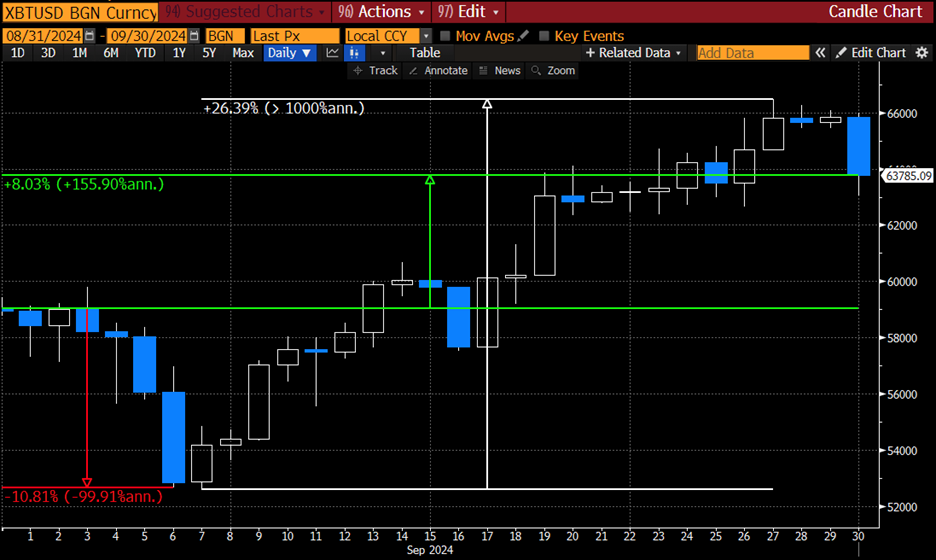
Why European Banks Were the Standout Winners of 2025

European banks wrapped up 2025 with a headline that’s easy to overuse: “another great year.” But when it’s backed by numbers like those from 2025, it’s hard to describe the performance of European banks any other way.

For years after the financial crisis and Great Recession, a lot of investors treated European banks as a value trap: cheap for reasons that never really went away. In 2025, however, that attitude shifted. Banks didn’t just participate in Europe’s market rally, they helped lead it, drawing attention back to the sector.

By mid-November, the Stoxx Europe 600 banking sub-index was up 57% year-over-year, according to the Wall Street Journal, helping push the broader European market to record highs.¹ By year-end, Reuters reported that European shares had posted their strongest year since 2021, with banks doing much of the heavy lifting.²

STOXX, which runs several widely followed European indices, said the EURO STOXX Banks and STOXX Europe 600 Banks indices rose 80.3% and 67% respectively in 2025—its best year for the sector since 1987.³ While European banking sector remains below its pre-crisis levels, their performance in 2025 shows how quickly investors can change their minds when they sense there is value to be had, even in developed markets.

So why did European financials have such a good year? And how can North American investors take advantage of that to complement their exposure on this side of the Atlantic and to help diversify their portfolios?

What fuelled European bank stocks in 2025?

So what actually powered European banks’ performance in 2025? It came down to overall profitability, buybacks and dividends, and modernized cost controls, especially thanks to the use of Artificial Intelligence (“AI”).

To begin with, European banks looked healthier than many people assumed. In its Financial Stability Review from November 2025, the European Central Bank described euro-area banks as profitable and well-capitalised, with return on equity of 9.8% in the in the second quarter of 2025 and capital and liquidity buffers above requirements.⁴ This shows that despite headwinds from U.S. trade and tariff uncertainty, this rally was built on solid balance sheets and durable profits.

Likewise, investors benefitted from how much cash banks were willing and able to hand back to shareholders in 2025. In November, for example, Reuters reported that French bank BNP Paribas received regulatory approval for a €1.15 billion share buyback and raised its core capital buffer (CET1) capital target to 13% by 2027, signalling that it wants to keep a strong buffer while still returning capital.⁵ Similarly, Spanish bank Banco Santander announced in a press release a combination of cash dividends and share buybacks of roughly €3.4 billion, which is approximately 50% of Banco Santander’s profits from the first half of 2025.⁶

And finally, investors benefitted from the growing use of AI as a practical way for European banks to cut costs and improve processes. Analysts such as Helen Jewell, chief investment officer for fundamental equities at BlackRock, increasingly see banks as potential “cost winners” from AI because the technology can streamline routine operations, improving fraud detection, and lower staffing and processing costs.⁷ This sentiment is echoed more broadly by McKinsey, who in its latest report on the value of GenAI to the banking sector suggested that AI could add $200 billion to $340 billion in value annually to global banking, primarily through gains in productivity.⁸

Why Consider European Financials Alongside North American Banks

For investors, holding European financials alongside North American banks is about broadening exposure to different economic, regulatory, and earnings cycles. European banks operate in a distinct policy environment shaped by the European Central Bank and under different capital rules than financial institutions in the U.S. or Canada. That means their profitability and balance-sheet dynamics do not always move in lockstep with North American banks.

There is also cycle-diversification to consider. In 2025, European banks benefited from improving profitability and capital returns at a time when North American banks were dealing with more mature credit cycles and tighter regulatory scrutiny.⁹ Holding exposure to institutions influenced by different macro pressures—rates, loan growth, fiscal policy, and regulation—can help reduce reliance on any single regional outcome.

Valuation and capital-return profiles can differ as well. Even after a strong year, many European banks continue to trade at lower multiples than large North American banks, according to Bloomberg, reflecting lingering investor caution.10 At the same time, the return of sizeable dividends and buybacks has made the sector more visible to global investors who previously overlooked it. For some investors, that combination of lower starting valuations and renewed capital discipline is part of the appeal.

Finally, European financials add structural diversification. The region’s banks tend to have different business mixes, with greater exposure to cross-border lending, trade finance, and bank-based business models.11 As European institutions adopt new technologies and cost controls—mirroring trends already underway in North America—the gap between how investors perceive European and North American banks has begun to narrow. For portfolios already heavily weighted toward U.S. or Canadian financials, European banks represent a way to spread regional risk rather than concentrate it.

Give Your Portfolio Some European Flair with EBNK ETF

 Are you looking to diversify your banking holdings beyond North America?

The Evolve European Banks Enhanced Yield ETF (EBNK) is an index-based ETF that invests in equity securities of the largest European banks on an equally-weighted basis, with the added value of a covered call strategy applied on up to 33% of the portfolio. Covered call options have the potential to provide extra income and help hedge long stock positions.

For more information on EBNK ETF, visit our website at https://evolveetfs.com/ebnk/.


ENDNOTES

  1. Wallace, J., “Banks Power European Stocks to Record Highs,” The Wall Street Journal, November 12, 2025; https://www.wsj.com/livecoverage/stock-market-today-dow-sp-500-nasdaq-11-12-2025/card/banks-power-european-stocks-to-record-highs-ybRc3ITDKYE3WcQXfZTM
  2. Mathur, R. & Kashyap, P., “European stocks end near record levels, cap strongest annual run since 2021,” Reuters, December 31, 2025; https://www.reuters.com/markets/europe/european-shares-set-best-year-since-2021-2025-12-31/
  3. “European bank stocks have record year, lifting sector STOXX ETF assets above EUR 13bn,” STOXX, January 14, 2026; https://stoxx.com/european-bank-stocks-have-record-year-lifting-sector-stoxx-etf-assets-above-eur-13bn
  4. “Financial Stability Review, November 2025”, European Central Bank, November 2025; https://www.ecb.europa.eu/press/financial-stability-publications/fsr/pdf/ecb.fsr202511~263b5810d4.en.pdf
  5. Rhodes, D. & Rosemain, M., “BNP Paribas lifts core capital goal amid investor concerns,” Reuters, November 20, 2025; https://www.reuters.com/business/finance/bnp-paribas-raises-cet1-ratio-target-13-by-2027-2025-11-20/
  6. “Santander increases 2025 interim cash dividend by 15% to 11.5 euro cents per share,” Santander, September 30, 2025; https://www.santander.com/en/press-room/press-releases/2025/09/santander-increases-2025-interim-cash-dividend-by-15-to-11-5-euro-cents-per-share
  7. Alves, J., “Old meets new economy: AI boom to supercharge European banks’ rally,” Reuters, December 15, 2025; https://www.reuters.com/business/finance/old-meets-new-economy-ai-boom-supercharge-european-banks-rally-2025-12-15/
  8. Kamalnath, V., Lerner, L., Moon, J., Sari, G., Sohoni, V. & Zhang, S., “Capturing the full value of generative AI in banking,” McKinsey & Company, December 5, 2023; https://www.mckinsey.com/industries/financial-services/our-insights/capturing-the-full-value-of-generative-ai-in-banking
  9. Mathur, R. & Kashyap, P., “European stocks end near record levels, cap strongest annual run since 2021,” Reuters, December 31, 2025; https://www.reuters.com/markets/europe/european-shares-set-best-year-since-2021-2025-12-31/
  10. Msika, M. & Munoz Montijano, M., “European Bank Stocks Still Hold Appeal After Record Winning Run,” Bloomberg, October 1, 2025; https://www.bloomberg.com/news/articles/2025-10-01/european-bank-stocks-still-hold-appeal-after-record-winning-run
  11. Beck, T., Bruno, B. & Carletti, E., “How have European banks developed along different dimensions of international competitiveness?,” Economic Governance and EMU Scrutiny Unit, European Parliament, May 2, 2025; https://www.europarl.europa.eu/RegData/etudes/IDAN/2025/764383/ECTI_IDA(2025)764383_EN.pdf


Source: GettyImages Credit: nevarpp

Disclaimers:

Published February 23, 2026

Evolve Funds Group Inc. is the investment fund manager and portfolio manager. Evolve European Banks Enhanced Yield ETF (“EBNK”) is offered by Evolve Funds Group Inc., and distributed through authorized dealers.

The information contained herein is a general description and is not intended to be specific investment advice to any particular investor nor intended to be investment or tax advice. You should not act or rely on the information contained herein without seeking the advice of an appropriate professional advisor. The information contained herein is intended for informational purposes as a summary only, does not constitute an offer to sell any securities or a legally binding obligation, it is qualified entirely by, and should be read in conjunction with, the more detailed information appearing in the prospectuses found on the Evolve Funds Group Inc website at https://evolveetfs.com/

Commissions, trailing commissions, management fees and expenses all may be associated with exchange traded funds (ETFs) and mutual funds. Please read the prospectus before investing. ETFs and mutual funds are not guaranteed, their values change frequently and past performance may not be repeated.

Certain statements contained herein are forward-looking. Forward-looking statements (“FLS”) are statements that are predictive in nature, depend upon or refer to future events or conditions, or that include words such as “may,” “will,” “should,” “could,” “expect,” “anticipate,” “intend,” “plan,” “believe,” or “estimate,” or other similar expressions. Statements that look forward in time or include anything other than historical information are subject to risks and uncertainties, and actual results, actions or events could differ materially from those set forth in the FLS. FLS are not guarantees of future performance and are by their nature based on numerous assumptions. Although the FLS contained herein are based upon what Evolve Funds Group Inc. and the portfolio manager believe to be reasonable assumptions, neither Evolve Funds Group Inc. nor the portfolio manager can assure that actual results will be consistent with these FLS. The reader is cautioned to consider the FLS carefully and not to place undue reliance on FLS. Unless required by applicable law, it is not undertaken, and specifically disclaimed that there is any intention or obligation to update or revise FLS, whether as a result of new information, future events or otherwise.

Certain information contained in this document is obtained from third parties. Evolve Funds Group Inc. believes such information to be accurate and reliable as of the date hereof, however, we cannot guarantee that it is accurate or complete or current at all times. The information provided is subject to change without notice.
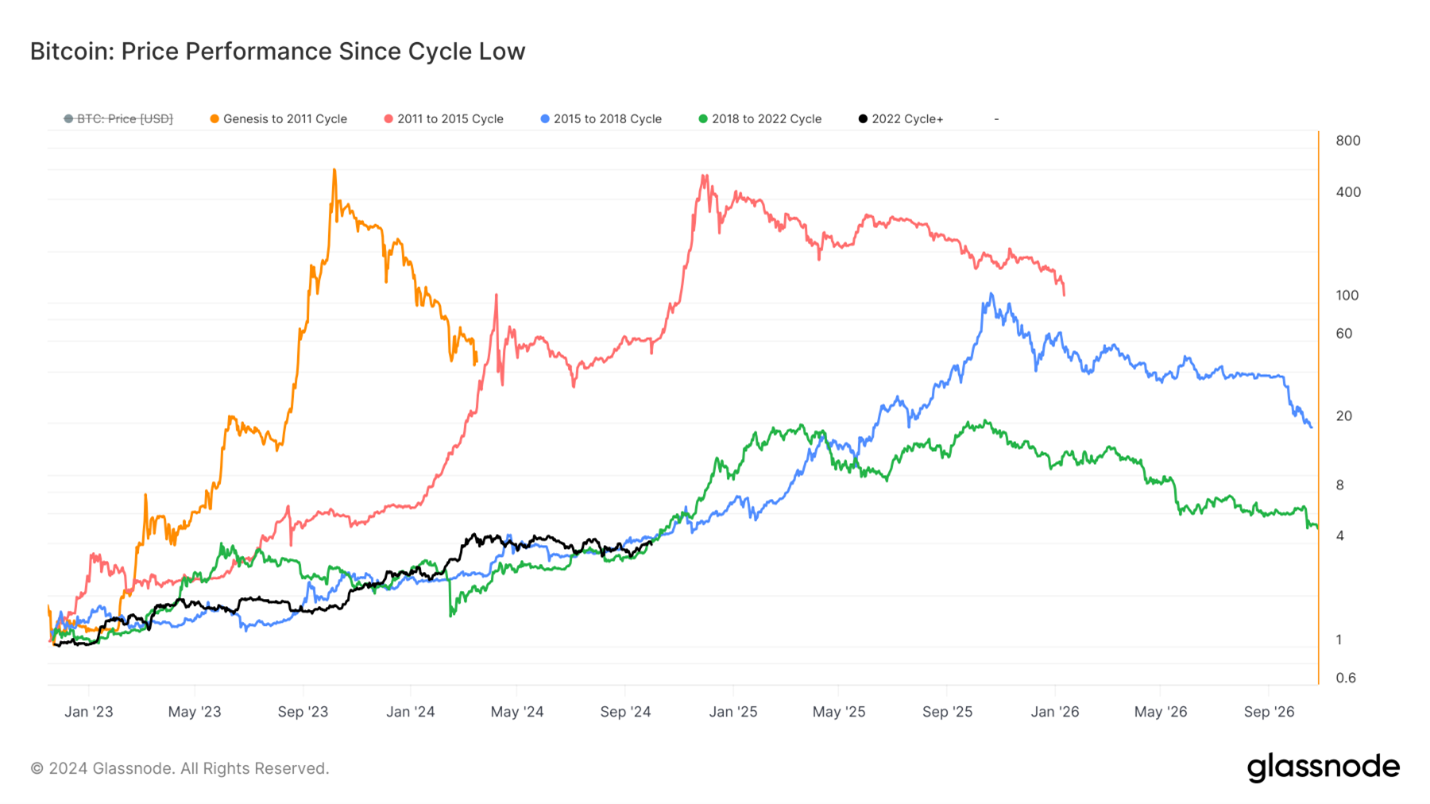
 

International Equities Help Diversify Portfolios

For years, it was easy for many Canadians to treat “global equities” as shorthand for the United States. The S&P 500 was delivering strong returns and U.S. mega-caps dominated global benchmarks. Investing in the world’s largest economy felt like diversification in and of itself.

Today, the investment backdrop is different. Trade policy is affecting markets in ways investors can’t ignore. When broad U.S. tariff moves hit in 2025, the immediate market reaction was a reminder that cross-border commerce isn’t just a macro talking point—it can show up quickly in equity volatility.¹

At the same time, developed markets such as Europe and parts of Asia have begun to attract renewed attention, helped by valuation differences and shifting investor interest after a long stretch of U.S. outperformance.

With all this in mind, let’s look at the “why now” case for international equities and why some investors are seeing upside in developed markets outside North America.


Why Consider International Equities?

A starting point is simple arithmetic: Canada is a small slice of the global equity market (about 3%), yet many Canadians overweight domestic equities relative to our country’s global market weight.²

That’s not inherently “wrong.” Home bias in investing—the favouring of domestic stocks—exists everywhere, for reasons that range from familiarity to currency considerations. But it is high relative to levels of home bias in other nations, and it has two practical consequences for Canadian investors.

The first is concentration risk. Canada’s market is heavily tilted toward sectors like financials and energy, and it’s more concentrated in a relatively small number of large issuers than global benchmarks.³ The top 10 holdings in Canada, for example, account for almost 37% of securities investments.⁴

And the second is a limited opportunity set by investing primarily in Canada. International developed markets offer more industrial leaders, healthcare giants, consumer multinationals, and manufacturers that simply aren’t represented at scale in Canada’s index mix.

International equities are therefore one way to diversify what a portfolio owns and what it depends on for returns.


Tariffs Are Pushing Investors to Look Beyond North America

Tariffs don’t just affect trade volumes. They can influence input costs, margins, demand, currency moves, and corporate guidance, often unevenly across sectors and countries. And they can have unexpected ripple effects far from the border.

The Bank of Canada, for example, has noted that U.S. tariffs can reduce demand for exports in regions like the euro zone and contribute to counter-tariff that raise import prices and slow domestic demand. And Canadian economists have similarly framed tariff uncertainty as a drag on business investment and growth expectations.⁵

This tariff-driven uncertainty can motivate investors to revisit a basic risk question: how much of my equity exposure is tied to one region’s politics, one region’s currency, and one region’s market?

Investors who feel overly exposed to North American policy risk may seek regions where the drivers of growth, fiscal policy, and sector leadership differ.


Why Add Developed-Markets Exposure to a Portfolio?

International equities are having a moment again. Not because Canada or the U.S. suddenly became “uninvestable,” but because concentration, valuation gaps, and trade-policy uncertainty have pushed diversification back to the top of the agenda.

Developed markets outside North America (Europe, Japan, the U.K., Australia, and other established economies) can shift a portfolio’s mix in a few ways.

First, they can offer a broader set of sector exposures. One challenge presented by home bias in investing is the concentration- and sector-specific risk that a focus on Canada can present to a portfolio. ⁶ Canada’s equity market has historically been dominated by financials, materials, and energy, with relatively limited weight in technology (~9.9%) and health care (~0.3%), for example, compared with other developed markets.7 This structure can leave portfolios underweight in areas that have become more important globally. Global allocations can reduce such risks and broaden the number and kind of sectors investors have open to them. 8

And second, developed markets outside North America often reflect different sector mixes, policy settings, and stages of the economic cycle.

European and Asia-Pacific markets tend to have greater exposure to industrials, exporters, financials, and manufacturers, whose earnings are more sensitive to global trade flows, currencies, and capital investment. As a result, earnings growth and valuation adjustments can occur on a different timetable than in North America.

These asynchronous cycles can matter when growth shifts. Periods of slowing earnings momentum in one region don’t always coincide with downturns elsewhere. While this does not eliminate risk, it can reduce reliance on a single market’s valuation or earnings remaining dominant over time.9


Introducing INTY: Evolve International Equity UltraYield ETF

Against this backdrop, Evolve Funds Group is excited to add to its UltraYield lineup with the Evolve International Equity UltraYield ETF (INTY).

INTY seeks to provide attractive income and long-term capital appreciation by investing in a portfolio of leading international equity securities. To enhance yield, INTY will employ a covered call option, the level of which may vary based on market volatility and other factors and intends to pay distributions twice per month.

For more information on this fund, visit evolveetfs.com/inty/.

To stay updated with insights on investing and investment products, sign up for our weekly newsletter here.


ENDNOTES

  1. Smith, F., “TSX posts biggest decline in five years on US tariff shock,” Reuters, April 3, 2025; https://www.reuters.com/markets/tsx-futures-fall-trumps-tariffs-stir-recession-fears-2025-04-03/
  2. “MSCI ACWI Index (USD),” MCSI, December 31, 2025; https://www.msci.com/documents/10199/8d97d244-4685-4200-a24c-3e2942e3adeb
  3. “Beyond Canada: How global diversification strengthens resilience,” Yahoo Finance, December 1, 2025; https://ca.finance.yahoo.com/news/beyond-canada-how-global-diversification-strengthens-resilience-162028718.html
  4. Dobyns, K., “Why we are separating Canada from the US within our global equity framework,” LSEG, October 07, 2025; https://www.lseg.com/en/insights/ftse-russell/why-we-are-separating-canada-from-the-us-within-our-global-equity-framework
  5. “Global Economy Monetary Policy Report—April 2025,” Bank of Canada, April 16, 2025; https://www.bankofcanada.ca/publications/mpr/mpr-2025-04-16/global-economy/
  6. “Canadian investors reduce home bias, embrace global diversification” Wealth Professional, June 26, 2024; https://www.wealthprofessional.ca/investments/etfs/canadian-investors-reduce-home-bias-embrace-global-diversification/386266
  7. “Daily Trade Report SCP,” TSX Inc., December 16, 2025; https://www.tsx.com/files/trading/daily-trading-report/Daily_Trading_Report_2025-12-16.pdf
  8. “Investor Biases Unveiled: Home Bias and its Implications,” FasterCapital, April 10, 2025; https://fastercapital.com/content/Investor-Biases-Unveiled–Home-Bias-and-its-Implications.html
  9. “Global economy proves resilient but remains fragile,” OECD, December 2, 2025; https://www.oecd.org/en/about/news/press-releases/2025/12/global-economy-proves-resilient-but-remains-fragile.html


Disclaimers

Published January 16, 2026.

Evolve Funds Group Inc. is the investment fund manager and portfolio manager. The Evolve International Equity UltraYield ETF (“INTY”) is offered by Evolve Funds Group Inc., and distributed through authorized dealers.

Leverage increases risk.

The information contained herein is a general description and is not intended to be specific investment advice to any particular investor nor intended to be investment or tax advice. You should not act or rely on the information contained herein without seeking the advice of an appropriate professional advisor. The information contained herein is intended for informational purposes as a summary only, does not constitute an offer to sell any securities or a legally binding obligation, it is qualified entirely by, and should be read in conjunction with, the more detailed information appearing in the prospectuses found on the Evolve Funds Group Inc website at https://evolveetfs.com/

Commissions, trailing commissions, management fees and expenses all may be associated with exchange traded funds (ETFs) and mutual funds. Please read the prospectus before investing. ETFs and mutual funds are not guaranteed, their values change frequently and past performance may not be repeated.

Certain statements contained herein are forward-looking. Forward-looking statements (“FLS”) are statements that are predictive in nature, depend upon or refer to future events or conditions, or that include words such as “may,” “will,” “should,” “could,” “expect,” “anticipate,” “intend,” “plan,” “believe,” or “estimate,” or other similar expressions. Statements that look forward in time or include anything other than historical information are subject to risks and uncertainties, and actual results, actions or events could differ materially from those set forth in the FLS. FLS are not guarantees of future performance and are by their nature based on numerous assumptions. Although the FLS contained herein are based upon what Evolve Funds Group Inc. and the portfolio manager believe to be reasonable assumptions, neither Evolve Funds Group Inc. nor the portfolio manager can assure that actual results will be consistent with these FLS. The reader is cautioned to consider the FLS carefully and not to place undue reliance on FLS. Unless required by applicable law, it is not undertaken, and specifically disclaimed that there is any intention or obligation to update or revise FLS, whether as a result of new information, future events or otherwise.

Certain information contained in this document is obtained from third parties. Evolve Funds Group Inc. believes such information to be accurate and reliable as of the date hereof, however, we cannot guarantee that it is accurate or complete or current at all times. The information provided is subject to change without notice.
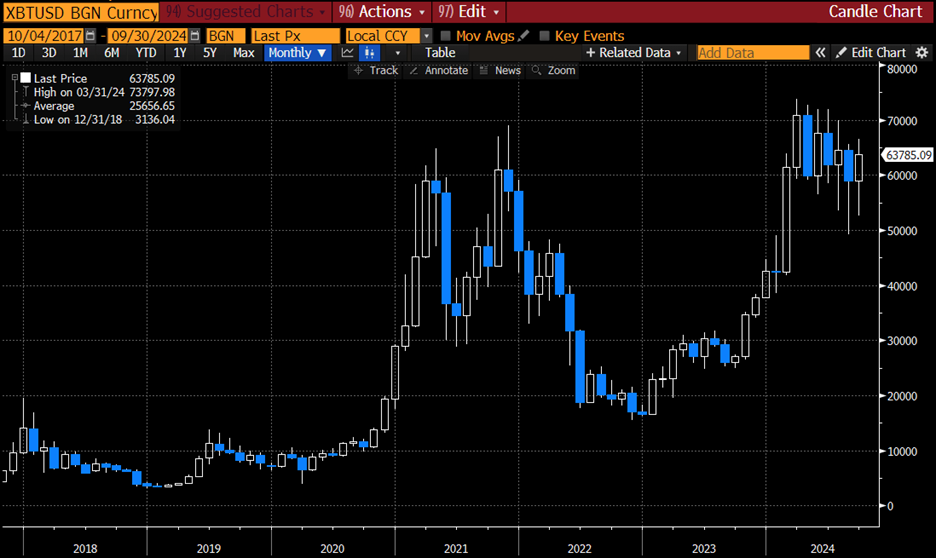
‘Big Six’ Canadian Banks Year-End Earnings Roundup 

In the first week of December 2025, Canada’s Big Six banks wrapped up their fiscal year with results for the quarter ended October 31.After a volatile yet rewarding year in financial markets, analysts expected strong earnings across the group despite pressure from the U.S. trade war and softer consumer borrowing, along with higher provisions for credit losses and rising fee-based income. Below is a high level look at how each of the big banks performed in the fourth quarter. 

Portfolio Holdings

Royal Bank of Canada (RY)

  • EPS: $3.85 reported vs analysts estimate of $3.55 

RBC delivered a strong finish to the year, with fourth quarter profit rising 29% to $5.4 billion, driven by solid momentum in capital markets and wealth management. Adjusted earnings of $3.85 per share exceeded the $3.55 analysts expected, and the bank boosted its quarterly dividend by 10 cents to $1.64. RBC also raised its return on equity target to 17% or more after surpassing its prior 16% goal. Revenue climbed 14% to $17.2 billion, while expenses increased 4% to $9.4 billion. Provisions for credit losses rose to $1 billion, including $984 million set aside for loans that may not be repaid, compared with $640 million a year earlier. 

Toronto-Dominion Bank/The (TD)

  • EPS: $2.18 reported vs analysts estimate of $2.01 

TD delivered a mixed but resilient fourth quarter, posting earnings that surpassed expectations as capital markets activity improved and the bank continued reshaping its U.S. operations. Profit fell 10% to $3.3 billion, although adjusted earnings rose 22% to $2.18 per share, ahead of the $2.01 analysts expected. TD raised its quarterly dividend to $1.08 from $1.05. The bank also hit its 10% asset reduction goal in the U.S., bringing total assets to US$382 billion, comfortably below the US$434 billion regulatory cap. TD recorded a $190 million restructuring charge, with another $125 million expected in early 2026, tied to cost cutting and anti money laundering remediation. Expenses climbed 9% to $8.8 billion, driven by higher employee related costs and governance and control investments. 

Bank of Montreal (BMO)

  • EPS: $3.28 reported vs analysts estimate of $3.03 

BMO delivered a solid fourth quarter, with profit beating expectations and a dividend increase underscoring management’s confidence. Reported profit was $2.3 billion, roughly in line with last year, when results were boosted by a legal provision reversal, while earnings edged up. On an adjusted basis, profit surged 63% to $2.51 billion, and adjusted earnings of $3.28 per share comfortably topped the $3.03 consensus. BMO raised its quarterly dividend by 4 cents to $1.67 per share. Credit quality trends improved, with provisions for credit losses dropping to $755 million from $1.52 billion, including $750 million on past due loans and only $5 million on loans still being repaid. In the United States, loan balances declined 2% and deposits fell 5% as BMO continued to reshape its portfolio.  

Bank of Nova Scotia/The (BNS)

  • EPS: $1.93 reported vs analysts estimate of $1.84 

Scotiabank closed the year on a strong note, reporting higher fourth quarter profit that beat expectations as capital markets and wealth management activity accelerated, helping offset a restructuring charge. Profit rose to $2.2 billion, compared with $1.69 billion a year earlier. Adjusted earnings of $1.93 per share topped the $1.84 analysts expected. Scotiabank held its quarterly dividend steady at $1.10. Provisions for credit losses increased to $1.1 billion, including $71 million on loans still being repaid, compared with $1.03 billion in the same quarter last year. Revenue climbed 15% to $9.8 billion, while expenses rose 10% to $5.8 billion, driven by higher personnel costs, technology spending and business development initiatives. 

Canadian Imperial Bank of Commerce (CM)

  • EPS: $2.21 reported vs analysts estimate of $2.08 

CIBC delivered a strong fourth quarter, with profit climbing 16% to $2.2 billion, supported by rising demand in capital markets and its U.S. commercial and wealth units. Adjusted earnings of $2.21 per share topped the $2.08 analysts expected, and the bank lifted its quarterly dividend by 10 cents to $1.07. Revenue rose 14% to $7.6 billion, while expenses increased 10% to $4.2 billion, driven by higher employee related costs, technology and investment spending. Provisions for credit losses totaled $605 million, up 44% from last year, including $497 million on loans still being repaid, as CIBC saw an uptick in impaired loans across most businesses except U.S. commercial banking and wealth management. 

National Bank of Canada (NA)

  • EPS: $2.82 reported vs analysts estimate of $2.62 

National Bank delivered a strong fourth quarter, with profit rising 11% to $1.1 billion, as capital markets and wealth management earnings surged. Adjusted earnings of $2.82 per share exceeded the $2.62 analysts expected, and the bank raised its quarterly dividend by 6 cents to $1.24. The quarter also included acquisition and integration costs tied to its takeover of Canadian Western Bank. National announced plans to acquire Laurentian Bank’s retail, SME and syndicated loan portfolios, while Fairstone Bank will purchase all Laurentian common shares at $40.50 per share. Provisions for credit losses increased to $244 million, including $211 million on loans that may not be repaid, up from $162 million last year. Revenue climbed 26% to $3.7 billion, while expenses rose 31% to $2.1 billion, driven by CWB integration and higher compensation costs. 


Source: 

  1. Marotta, S., “CIBC, TD Bank, BMO, RBC, National Bank and Scotiabank: A breakdown of the big banks’ year-end earnings,” The Globe and Mail, December 3, 2025; https://www.theglobeandmail.com/business/article-canada-banks-earnings-fourth-quarter-2025/ 

Credit: Yana Bukharova Source: Getty Images


DISCLAIMER 

Published December 16, 2025. 

Evolve Funds Group Inc. is the investment fund manager and portfolio manager. The Evolve Big Six Canadian Banks UltraYield Index ETF (“SIXY”) is offered by Evolve Funds Group Inc., and distributed through authorized dealers. 

Leverage increases risk. 

The information contained herein is a general description and is not intended to be specific investment advice to any particular investor nor intended to be investment or tax advice. You should not act or rely on the information contained herein without seeking the advice of an appropriate professional advisor. The information contained herein is intended for informational purposes as a summary only, does not constitute an offer to sell any securities or a legally binding obligation, it is qualified entirely by, and should be read in conjunction with, the more detailed information appearing in the prospectuses found on the Evolve Funds Group Inc website at https://evolveetfs.com/ 

Commissions, trailing commissions, management fees and expenses all may be associated with exchange traded funds (ETFs) and mutual funds. Please read the prospectus before investing. ETFs and mutual funds are not guaranteed, their values change frequently and past performance may not be repeated.  

Certain statements contained herein are forward-looking. Forward-looking statements (“FLS”) are statements that are predictive in nature, depend upon or refer to future events or conditions, or that include words such as “may,” “will,” “should,” “could,” “expect,” “anticipate,” “intend,” “plan,” “believe,” or “estimate,” or other similar expressions. Statements that look forward in time or include anything other than historical information are subject to risks and uncertainties, and actual results, actions or events could differ materially from those set forth in the FLS. FLS are not guarantees of future performance and are by their nature based on numerous assumptions. Although the FLS contained herein are based upon what Evolve Funds Group Inc. and the portfolio manager believe to be reasonable assumptions, neither Evolve Funds Group Inc. nor the portfolio manager can assure that actual results will be consistent with these FLS. The reader is cautioned to consider the FLS carefully and not to place undue reliance on FLS. Unless required by applicable law, it is not undertaken, and specifically disclaimed that there is any intention or obligation to update or revise FLS, whether as a result of new information, future events or otherwise. 

Certain information contained in this document is obtained from third parties. Evolve Funds Group Inc. believes such information to be accurate and reliable as of the date hereof, however, we cannot guarantee that it is accurate or complete or current at all times. The information provided is subject to change without notice. 
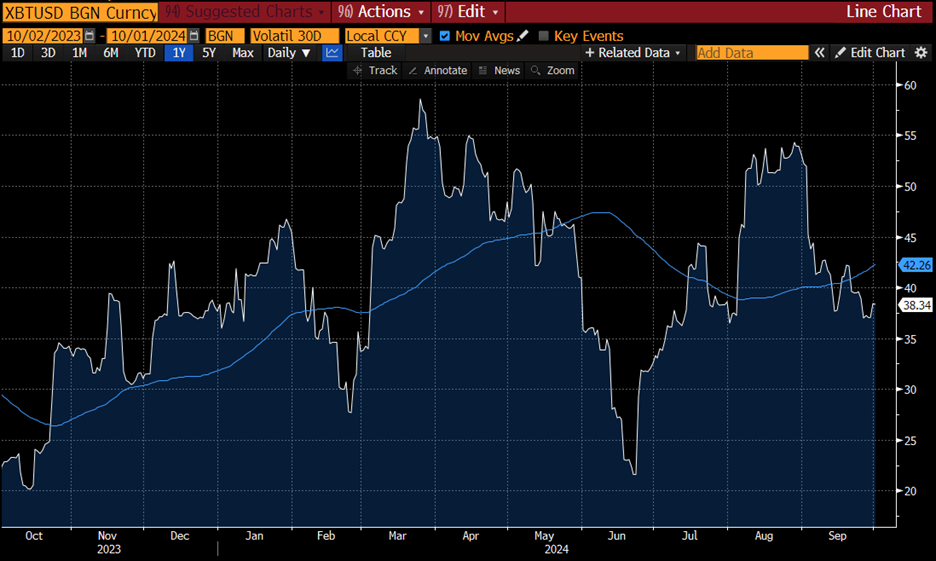
Why We are Bitcoiners and How We View Upcoming Volatility

Hi everyone – welcome back to Evolve’s Bitcoin Monthly newsletter. We hope our views on Bitcoin adoption and market conditions prove useful for investors considering Bitcoin as an investment, or wondering how to manage their existing Bitcoin position. 

Full disclosure: we maintain a constructive outlook on Bitcoin as part of a long-term investment perspective. While Bitcoin has historically experienced significant short-term volatility, it has also demonstrated resilience over time. We believe its unique characteristics position it as a potential store of value within a diversified portfolio, particularly in an environment of ongoing inflationary pressures. 

We approach Bitcoin investing with a macro lens. Our first assumption is that our government will continue to overspend. The most recent Canadian federal budget for fiscal year 2025-26 projects a deficit of approximately C$78.3 billion, which is about 2.5% of GDP. ¹ This deficit is significantly higher—more than $36 billion or around 86% above—than the previous projection outlined in the 2024 Fall Economic Statement, which had a deficit estimate of around $42.2 billion for the same fiscal year. ¹ The estimated impact on Canada’s national debt is substantial. Based on the Parliamentary Budget Officer’s projections, overall federal net debt is expected to increase by approximately 12.8 percent from 2024/25 through to 2029/30, reaching around $1.53 trillion.² 

Canada is not alone in irresponsible spending. US federal spending is on track for roughly $7 trillion in FY 2025, with revenues at around $5.2 trillion, adding to a $37.6 trillion national debt. ³ʼ 

The result is fiscal dominance: a situation where fiscal policy—specifically large and persistent government deficits and debt—dominates and constrains monetary policy decisions, forcing central banks to prioritize financing government debt over their traditional goals like controlling inflation or supporting economic growth. 

Our second assumption is that adoption will continue to include more nation states, more provinces, more municipalities and more institutions. Yes, also, more retail, but retail got the first bite at this apple which is one of the things we admire so much about the Bitcoin story.  

It was the advent of spot Bitcoin ETFs that opened the door to wider adoption. Physical Bitcoin ownership requires technical skills beyond the ability of most investors. Institutional investors need a CUSIP vehicle to hold investments in their accounts. The ETF solves both problems, providing an exchange-traded solution, fully backed by physical Bitcoin, that can be owned in accounts alongside stock, bonds or other traditional investments. The launch of US Spot Bitcoin ETFs in 2024 broke many records, and the rapid growth of the category has lead to Bitcoin Spot, Levered, and Futures, ETFs equaling Gold ETFs in less than a year.⁵  For context gold ETFs have been around for more than 20 years. This reinforces the view that Bitcoin is a new store of value, an asset that many are now owning alongside gold and real estate, as a way to defend themselves against the aforementioned inflationary threat.  

Adding credence to this thesis, the US government established a strategic Bitcoin reserve last year, followed by Arizona, New Hampshire and Texas.⁶’⁷’⁸ Government officials are realizing that inflation is a problem for them too, and Bitcoin can play a role in the solution. The signal this sends to institutional investors cannot be understated. While 5 years ago there was career risk in talking about Bitcoin in an institutional setting, today there is career risk in ignoring it. 

Nobody can predict the next large investors to adopt Bitcoin, but the direction of travel is clear. It is easier than ever for large investors to get off zero. If the US government has a non-zero allocation, shouldn’t we all? 

Our third assumption is that Bitcoin-backed products and services will find their way into traditional financial markets. For example, this month New Hampshire announced a Bitcoin-backed municipal bond. The state government approved the issuance of a $100 million Bitcoin-backed municipal bond, facilitated by Wave Digital Assets and Rosemawr Management. The bond allows the state to post about 160% of its value in Bitcoin as collateral, with liquidation thresholds set at 130%. ⁹ It is intended to fund infrastructure and public projects while funding a Bitcoin Economic Development Fund. ⁹ 

This is the natural consequence of Bitcoin being a high-quality collateral asset, and by implication New Hampshire is making the case that it is of higher quality than its tax base. Credit markets are in desperate need of reinvigoration for debt-burden reasons mentioned above. Bitcoin is a new ingredient that can be added to traditional debt products that, unlike gold or real estate, is liquid, portable, divisible and composable. We’ve never had anything quite like it. 

Market Update

After a down October, Bitcoin fell further in November closing at a level last seen in April.  


Source: Bloomberg, as at November 30, 2025. For illustrative purposes only. 

There are many theories on what’s happened to price recently, and we lean toward believing in the simplest one: unmet expectations. 

The four year cycle of Bitcoin price action looks to be changing. For a dozen years it has followed a pattern: three up years, one down.¹⁰ The third up year has typically been the strongest with a blow off top following a very strong October and November.  

This year we did not see this, and in fact are on track for a down year. But perhaps that’s the  silver lining. 


Source: Bloomberg, as at December 1, 2025. For illustrative purposes only. 

Market conditions change over time and Bitcoin’s market structure is maturing as the investor base changes. Bitcoin ownership continues to broaden this year, with growing participation from governments, institutions, wealth managers, family offices and an expanding base of retail investors. This is a vastly different cohort from four or eight years ago. The US ETFs, Trump administration and other developments we have discussed in this newsletter have driven adoption far wider than was previously the case.  

When 2025 didn’t turn out to be a massive bull market, we have some people throwing in the towel. But we believe the bull market sets the stage for the bear that follows, so the lack of a blow-off top makes a deep and long bear market less likely which sets up for a constructive 2026. 

We can’t know what the future holds, but the direction of travel continues to be further adoption. For every seller, there’s a buyer, and the ETFs have not seen many weeks of outflows suggesting the investors who hold those products have diamond hands and low time preference.  

We wish you all a great December and the best for the holiday season.  


Sources: 

¹ https://www.deloitte.com/ca/en/our-thinking/future-of-canada-center/federal-budget-2025.html (November 5, 2025) 

² https://www.fraserinstitute.org/sites/default/files/2025-07/growing-debt-burden-for-Canadians-2025.pdf (July, 2025) 

³ https://www.cbo.gov/publication/61172 (January, 2025) 

⁴ https://www.jec.senate.gov/public/index.cfm/republicans/2025/10/fy2025-debt-increased-by-2-2-trillion-stands-at-over-37-6-trillion (October 1, 2025) 

⁵ https://cointelegraph.com/news/bitcoin-etfs-flip-gold-funds-aum-k33-research (December 17, 2024) 

⁶ https://www.nasdaq.com/articles/arizona-becomes-second-state-establish-strategic-bitcoin-reserve  (May 8, 2025) 

⁷ https://www.whitehouse.gov/presidential-actions/2025/03/establishment-of-the-strategic-bitcoin-reserve-and-united-states-digital-asset-stockpile (March 6, 2025) 

⁸ https://www.coindesk.com/policy/2025/06/23/texas-ready-for-10m-bitcoin-purchase-after-governor-signs-bill-for-state-reserve (June 23, 2025) 

⁹ https://coingape.com/bitcoin-news-first-btc-backed-100m-municipal-bond-launches-to-tap-140t-debt-market/ (November 18, 2025) 

¹⁰ https://www.coindesk.com/markets/2025/07/16/bitcoins-4-year-cycles-may-be-over-as-the-asset-matures-k33-analysts-say (July 17, 2025) 

Credit: LightFieldSolutions Source: Envato 


Disclaimer: 

Published December 14, 2025. 

Evolve Funds Group Inc. is the investment fund manager and portfolio manager. The Evolve Bitcoin ETF (“EBIT”) is offered by Evolve Funds Group Inc., and distributed through authorized dealers. 

The information contained herein is a general description and is not intended to be specific investment advice to any particular investor nor intended to be investment or tax advice. You should not act or rely on the information contained herein without seeking the advice of an appropriate professional advisor. The information contained herein is intended for informational purposes as a summary only, does not constitute an offer to sell any securities or a legally binding obligation, it is qualified entirely by, and should be read in conjunction with, the more detailed information appearing in the prospectuses found on the Evolve Funds Group Inc website at https://evolveetfs.com/ 

The unpredictable nature of the cryptoassets can lead to loss of funds. 

Commissions, management fees and expenses all may be associated with exchange traded funds (ETFs). Please read the prospectus before investing. ETFs are not guaranteed, their values change frequently and past performance may not be repeated. 

Certain statements contained herein are forward-looking. Forward-looking statements (“FLS”) are statements that are predictive in nature, depend upon or refer to future events or conditions, or that include words such as “may,” “will,” “should,” “could,” “expect,” “anticipate,” “intend,” “plan,” “believe,” or “estimate,” or other similar expressions. Statements that look forward in time or include anything other than historical information are subject to risks and uncertainties, and actual results, actions or events could differ materially from those set forth in the FLS. FLS are not guarantees of future performance and are by their nature based on numerous assumptions. Although the FLS contained herein are based upon what Evolve Funds Group Inc. and the portfolio manager believe to be reasonable assumptions, neither Evolve Funds Group Inc. nor the portfolio manager can assure that actual results will be consistent with these FLS. The reader is cautioned to consider the FLS carefully and not to place undue reliance on FLS. Unless required by applicable law, it is not undertaken, and specifically disclaimed that there is any intention or obligation to update or revise FLS, whether as a result of new information, future events or otherwise. 

Certain information contained in this document is obtained from third parties. Evolve Funds Group Inc. believes such information to be accurate and reliable as of the date hereof, however, we cannot guarantee that it is accurate or complete or current at all times. The information provided is subject to change without notice. 
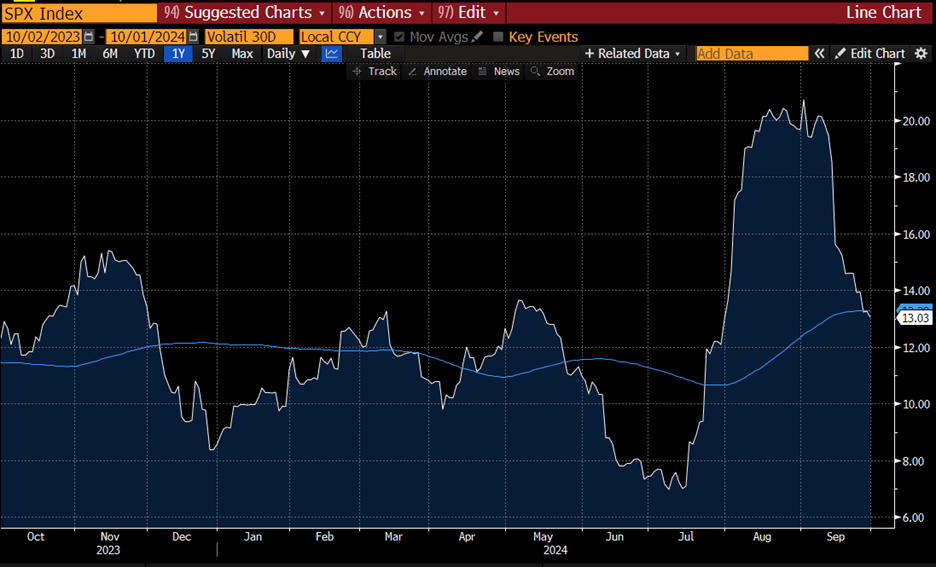
Seeking High Income from Banks? How the SIXY ETF Changes the Equation

For many Canadian investors, the starting point of a long-term portfolio is Canada’s Big Six banks. The Canadian Bank industry is regarded as having diversified, established business models and stable fee-based income streams, which are supported by their strong credit fundamentals and strength of financial performance indicators.¹ Yet even with these advantages, income-focused investors face familiar challenges. Dividend yields from the banks may not always keep pace with rising expenses. Fixed income options such as bonds and GICs offer stability but can lack the level of cash flow that many households now seek, especially when inflation, taxes, and retirement spending needs place growing pressure on budgets.

At the same time, investors may not want to step away from the comfort and familiarity of the Big Six. Many Canadians prefer to invest in companies they know and trust, and the Big Six banks fit that preference.

Introducing SIXY: Evolve Big Six Canadian Banks UltraYield Index ETF

That demand—wanting to maintain exposure to Canadian banks while drawing more income from them—is why we’re excited to introduce the Evolve Big Six Canadian Banks UltraYield Index ETF (SIXY). SIXY is bank investing with a new twist: modest leverage applied to an equal-weighted portfolio of Canada’s Big Six banks with a covered-call program to enhance yield.

How SIXY’s covered-call strategy generates income

A covered call strategy, as used in SIXY, begins with the fund owning shares of Canada’s Big Six banks—RBC, TD, BMO, Scotiabank, CIBC, and National Bank. The fund then writes (sells) call options on some of those bank holdings. The buyers of those options pay a premium, and that premium becomes a source of cash flow for the fund.²

Those option premiums, combined with the banks’ regular dividends, are distributed to investors and help increase the overall yield of the ETF. The premiums can also offer a modest buffer in periods of market volatility, because they can provide income even when share prices move sideways or decline modestly. The trade-off is that by writing call options, the fund may give up some upside if the bank stocks rise above the option strike prices. Combined with the fund’s 1.33x modest leverage, SIXY’s covered call strategy aims to enhance yield and participation in rising markets while still maintaining an income-focused risk profile.

Enjoy twice per month distributions with SIXY

SIXY pairs its covered call approach with twice per month distributions, offering investors a more predictable stream of cash flow than traditional quarterly or annual payouts. For many Canadians, this payment schedule can make a meaningful difference. Retirees who rely on their portfolios for regular income may find twice-monthly distributions easier to align with household bills and pension timing. Investors covering ongoing living expenses can use the more frequent cash flow to smooth out their budgeting, while those still building their portfolios may prefer the ability to reinvest smaller amounts more regularly. By smoothing income throughout the month, SIXY aims to make portfolio cash flow more manageable and more adaptable to real-world financial needs.

Think banks. Think income. Think SIXY.

Stay invested in familiar names you trust while drawing more consistent income from Canada’s Big Six banks. The Evolve Big Six Canadian Banks UltraYield Index ETF (SIXY) aims to offer investors modestly levered exposure (1.33x) to a portfolio of Canada’s Big Six banks while generating enhanced income through a covered call strategy. The level of the covered call strategy may vary based on market volatility and other factors.

For more information on this fund, visit https://evolveetfs.com/product/sixy/. To stay updated with insights on investing and investment products, sign up for our weekly newsletter here.

ENDNOTES

  1. “Canadian Bank Ratings to Withstand Slower Growth, Higher Provisions,” Fitch Ratings, August 26, 2025; https://www.fitchratings.com/research/banks/canadian-bank-ratings-to-withstand-slower-growth-higher-provisions-26-08-2025
  2. Tran, L. A., “Should you own covered‑call ETF,” Morningstar Global, March 25, 2025; https://global.morningstar.com/en-ca/etfs/should-you-own-covered-call-etf

DISCLAIMER

Published December 12, 2025.

Evolve Funds Group Inc. is the investment fund manager and portfolio manager. Evolve Big Six Canadian Banks UltraYield Index ETF (“SIXY”) is offered by Evolve Funds Group Inc., and distributed through authorized dealers.

The information contained herein is a general description and is not intended to be specific investment advice to any particular investor nor intended to be investment or tax advice. You should not act or rely on the information contained herein without seeking the advice of an appropriate professional advisor. The information contained herein is intended for informational purposes as a summary only, does not constitute an offer to sell any securities or a legally binding obligation, it is qualified entirely by, and should be read in conjunction with, the more detailed information appearing in the prospectuses found on the Evolve Funds Group Inc website at https://evolveetfs.com/

Leverage increases risk.

Commissions, trailing commissions, management fees and expenses all may be associated with exchange traded funds (ETFs). Please read the prospectus before investing. ETFs are not guaranteed, their values change frequently and past performance may not be repeated.

Certain statements contained herein are forward-looking. Forward-looking statements (“FLS”) are statements that are predictive in nature, depend upon or refer to future events or conditions, or that include words such as “may,” “will,” “should,” “could,” “expect,” “anticipate,” “intend,” “plan,” “believe,” or “estimate,” or other similar expressions. Statements that look forward in time or include anything other than historical information are subject to risks and uncertainties, and actual results, actions or events could differ materially from those set forth in the FLS. FLS are not guarantees of future performance and are by their nature based on numerous assumptions. Although the FLS contained herein are based upon what Evolve Funds Group Inc. and the portfolio manager believe to be reasonable assumptions, neither Evolve Funds Group Inc. nor the portfolio manager can assure that actual results will be consistent with these FLS. The reader is cautioned to consider the FLS carefully and not to place undue reliance on FLS. Unless required by applicable law, it is not undertaken, and specifically disclaimed that there is any intention or obligation to update or revise FLS, whether as a result of new information, future events or otherwise.

Certain information contained in this document is obtained from third parties. Evolve Funds Group Inc. believes such information to be accurate and reliable as of the date hereof, however, we cannot guarantee that it is accurate or complete or current at all times. The information provided is subject to change without notice.
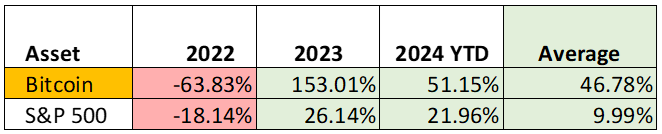
 

Q3 2025 Roundup for Evolve FANGMA Index ETF

Big Tech’s earnings season showcased one clear theme: the AI boom is no longer a promise, it’s paying off. Across Silicon Valley’s giants, artificial intelligence drove record cloud spending, surging data center investments, and stronger-than-expected results. Microsoft, Alphabet, Amazon, Meta, Apple, and even Netflix leaned into AI as both a growth engine and an escalating cost center. Cloud units are thriving, ad sales are rebounding, and new AI products, from chatbots to smart glasses, are capturing investor and consumer attention alike. But the quarter also underscored rising expenses, tax quirks, and the staggering infrastructure costs of keeping up with the AI race. Whether it’s Amazon’s $125 billion capex forecast, Meta’s soaring data center bill, or Alphabet’s cloud backlog, each company is sprinting to secure its AI future. The result is a tech sector in overdrive, profitable, experimental, and spending at record pace to stay ahead of the next wave of innovation.

TECH Portfolio Holdings

Microsoft Corporation (MSFT)

Portfolio weight in TECH*: 16.31%

Microsoft’s fiscal first quarter was another strong showing, with revenue climbing 18% to $77.67 billion and earnings of $3.72 per share topping estimates. Azure led the charge once again, with cloud revenue up 40%, pushing the broader Intelligent Cloud unit to $30.9 billion—well ahead of forecasts. Despite the beat, shares slipped 4% after CFO Amy Hood warned that capital spending will accelerate this year as Microsoft races to expand AI infrastructure. Capex hit $34.9 billion last quarter and is set to climb further into 2026. The company’s AI push also came with a $3.1 billion hit tied to its OpenAI investment, but that partnership continues to pay dividends, fueling Azure’s rapid growth. Productivity and Business Processes revenue reached $33 billion, while Personal Computing rose 4% to $13.8 billion. With demand for AI services booming, Microsoft is betting heavily that today’s spending spree will power tomorrow’s cloud dominance.1

Apple Inc (AAPL)

Portfolio weight in TECH*: 17.36%

Apple wrapped up its fiscal year with a strong finish, beating expectations and delivering upbeat guidance that sent shares higher in extended trading. The tech giant posted revenue of $102.47 billion and earnings of $1.85 per share, topping forecasts. Services were the standout, surging 15% to $28.75 billion, while Mac sales climbed 13% on the back of the refreshed MacBook Air. iPhone revenue rose 6% to $49.03 billion, though supply constraints limited early iPhone 17 sales. CEO Tim Cook struck a bullish tone, forecasting 10–12% revenue growth for the December quarter—potentially Apple’s best ever—fueled by “off-the-charts” iPhone demand and strong global store traffic. Apple expects $137.97 billion in holiday-quarter revenue, ahead of analyst estimates. Margins hit 47.2%, aided by booming Services, even as tariffs added $1.1 billion in costs. With new AI integrations like ChatGPT and Siri upgrades ahead, Apple appears poised to make 2025 another record-setting year.2

Alphabet Inc (GOOGL)

Portfolio weight in TECH*: 17.98%

Alphabet’s third quarter was a clear win across the board, sending shares up 5% in after-hours trading. Revenue surged to $102.35 billion, beating forecasts, while adjusted earnings of $3.10 per share crushed expectations. YouTube ads climbed to $10.26 billion and Google Cloud revenue hit $15.15 billion, both above estimates, as enterprise demand for AI infrastructure fueled growth. CEO Sundar Pichai highlighted a record $155 billion backlog in Google Cloud, driven by appetite for AI chips and Gemini 2.5 services. With that surge in demand, Alphabet boosted its 2025 capital spending outlook to as high as $93 billion and hinted at an even steeper ramp-up next year. The company continues to pour resources into data centers and technical infrastructure to keep pace with AI momentum. Overall, Alphabet’s results underscored a powerful combination of AI-driven expansion, steady ad strength, and a willingness to spend big to stay at the front of the tech arms race.3

Amazon.com Inc (AMZN)

Portfolio weight in TECH*: 18.57%

Amazon roared past expectations in the third quarter, sending shares soaring 13% after-hours as profits and cloud growth outshined forecasts. Earnings came in at $1.95 per share on $180.17 billion in revenue, both handily beating estimates. The standout was Amazon Web Services, which surged 20.2% to $33 billion, its fastest growth since 2022, fueled by booming AI demand. CEO Andy Jassy said AWS is expanding capacity aggressively, adding 3.8 gigawatts in the past year, and recently opened its $11 billion AI-focused Project Rainier data center. Amazon also raised its 2025 capex forecast to $125 billion and expects that figure to climb further in 2026. Beyond cloud, ad revenue hit $17.7 billion, and retail sales rose 10% thanks to a strong Prime Day. Despite layoffs of 14,000 corporate staff to streamline operations, Amazon’s AI bets like Bedrock, Rufus, and chatbot Q are driving optimism that the company’s next growth chapter is only beginning.4

Meta Platforms (META)

Portfolio weight in TECH*: 14.68%

Meta delivered another blockbuster quarter, posting revenue of $51.24 billion, up 26% year-over-year and topping expectations, but shares fell 9% after a hefty $15.93 billion one-time tax charge tied to Trump’s new “One Big Beautiful Bill Act.” The tax hit is non-cash and will actually cut Meta’s future tax payments, but it still rattled investors. Advertising sales surged to $50.08 billion, and daily active users hit 3.54 billion across Meta’s family of apps. CEO Mark Zuckerberg doubled down on AI spending, lifting 2025 capital expenditure guidance to as high as $72 billion to fund massive data center expansion and boost AI capabilities. Reality Labs remained a drag, losing $4.4 billion, though Meta’s new $799 Ray-Ban Display glasses sold out immediately. Despite rising costs, Meta forecasted Q4 revenue of up to $59 billion (above estimates) showing its ad machine is humming even as it spends aggressively on the next wave of AI hardware and infrastructure.5

Netflix Inc (NFLX)

Portfolio weight in TECH*: 15.09%

Netflix shares tumbled 9% after the streamer missed earnings expectations, largely due to a surprise tax charge in Brazil. The company took a hit from a 10% levy on cross-border payments, a one-time expense that CFO Spence Neumann said wasn’t specific to Netflix or streaming and shouldn’t affect future results. Excluding the charge, Netflix would have exceeded its forecasts. Revenue came in at $11.51 billion, up 17% year-over-year, driven by subscriber growth, price hikes, and booming ad sales. Despite trimming its 2025 operating margin forecast to 29% from 30%, Netflix said it had its best-ever quarter for advertising revenue and expects full-year sales to climb 16%. The company is leaning on both subscription and ad growth heading into a blockbuster Q4 lineup featuring Stranger Things’ final season and Rian Johnson’s Knives Out sequel. Meanwhile, its animated hit KPop Demon Hunters continues to dominate—now spawning a global toy partnership with Hasbro and Mattel.6

Sources:

  1. https://www.cnbc.com/2025/10/29/microsoft-msft-q1-2026-earnings-report.html (October 29, 2025)
  2. https://www.cnbc.com/2025/10/30/apple-aapl-earnings-report-q4-2025.html (October 30, 2025)
  3. https://www.cnbc.com/2025/10/29/alphabet-google-q3-earnings.html (October 29, 2025)
  4. https://www.cnbc.com/2025/10/30/amazon-amzn-q3-earnings-report-2025.html (October 30, 2025)
  5. https://www.cnbc.com/2025/10/29/meta-q3-earnings-report-2025.html (October 29, 2025)
  6. https://www.cnbc.com/2025/10/21/netflix-nflx-earnings-q3-2025.html (October 22, 2025)

*Portfolio weights as at October 31, 2025.

Source: Getty Images Credit: MicroStockHub


DISCLAIMER

Published November 20, 2025.

Evolve Funds Group Inc. is the investment fund manager and portfolio manager. The Evolve FANGMA Index ETF (“TECH”) is offered by Evolve Funds Group Inc., and distributed through authorized dealers.

The information contained herein is a general description and is not intended to be specific investment advice to any particular investor nor intended to be investment or tax advice. You should not act or rely on the information contained herein without seeking the advice of an appropriate professional advisor. The information contained herein is intended for informational purposes as a summary only, does not constitute an offer to sell any securities or a legally binding obligation, it is qualified entirely by, and should be read in conjunction with, the more detailed information appearing in the prospectuses found on the Evolve Funds Group Inc website at https://evolveetfs.com/

Commissions, management fees and expenses all may be associated with exchange traded funds (ETFs). Please read the prospectus before investing. ETFs are not guaranteed, their values change frequently and past performance may not be repeated.

Certain statements contained herein are forward-looking. Forward-looking statements (“FLS”) are statements that are predictive in nature, depend upon or refer to future events or conditions, or that include words such as “may,” “will,” “should,” “could,” “expect,” “anticipate,” “intend,” “plan,” “believe,” or “estimate,” or other similar expressions. Statements that look forward in time or include anything other than historical information are subject to risks and uncertainties, and actual results, actions or events could differ materially from those set forth in the FLS. FLS are not guarantees of future performance and are by their nature based on numerous assumptions. Although the FLS contained herein are based upon what Evolve Funds Group Inc. and the portfolio manager believe to be reasonable assumptions, neither Evolve Funds Group Inc. nor the portfolio manager can assure that actual results will be consistent with these FLS. The reader is cautioned to consider the FLS carefully and not to place undue reliance on FLS. Unless required by applicable law, it is not undertaken, and specifically disclaimed that there is any intention or obligation to update or revise FLS, whether as a result of new information, future events or otherwise.

Certain information contained in this document is obtained from third parties. Evolve Funds Group Inc. believes such information to be accurate and reliable as of the date hereof, however, we cannot guarantee that it is accurate or complete or current at all times. The information provided is subject to change without notice.

Q3 2025 Roundup for Evolve US Banks Enhanced Yield Fund

America’s biggest banks kicked off earnings season with a show of strength, powered by a surge in dealmaking, market volatility, and resilient economic undercurrents. From JPMorgan’s record trading haul to Bank of America’s booming loan book, Wall Street’s heavyweights are cashing in on the revival of investment banking and elevated trading activity. A rebound in M&A and IPO pipelines, combined with steady consumer balance sheets, pushed profits sharply higher across the board. Even as CEOs struck a cautious tone on inflation and global uncertainty, most signaled growing optimism about the U.S. economy’s staying power. Wells Fargo is entering a new era of expansion post–asset cap, while Goldman Sachs and Citi rode waves of corporate activity to standout quarters.

Top 5 Portfolio Holdings*

JPMorgan Chase & Co (JPM)

Portfolio weight* in Evolve US Banks Enhanced Yield Fund: 5.42%

  • EPS: $5.07 reported vs Bloomberg estimate of $4.84
  • Revenue: $47.12B reported vs Bloomberg estimate of $45.4B

JPMorgan Chase kicked off bank earnings season with a blockbuster quarter, comfortably topping Wall Street expectations. The banking giant reported earnings of $5.07 per share on $47.12 billion in revenue, both ahead of forecasts. Profit soared 12% to $14.39 billion, fueled by surging trading and investment banking activity that together added about $700 million more revenue than expected. Fixed income trading jumped 21% to $5.6 billion, while equities trading surged 33% to $3.3 billion, both smashing estimates. Investment banking fees climbed 16% to $2.6 billion as deal-making momentum returned. CEO Jamie Dimon credited a “resilient” U.S. economy but warned of ongoing risks from inflation, tariffs, and global uncertainty. JPMorgan’s record $8.9 billion trading haul marked its best third quarter ever, underscoring how market volatility and pro-business policy tailwinds have boosted big banks’ bottom lines. The bank also increased provisions for credit losses, signaling caution ahead.1

Bank of America Corp (BAC)

Portfolio weight* in Evolve US Banks Enhanced Yield Fund: 5.36%

  • EPS: $1.06 reported vs Bloomberg estimate of $0.95
  • Revenue: $28.24B reported vs Bloomberg estimate of $27.5B

Bank of America delivered a strong third quarter, easily topping expectations thanks to a surge in investment banking and solid trading gains. The bank reported earnings of $1.06 per share on $28.24 billion in revenue, beating estimates across the board. Profit jumped 23% to $8.5 billion, while revenue climbed nearly 10.8% year over year. Investment banking was the star of the show, with fees soaring 43% to $2 billion, well ahead of forecasts as corporate dealmaking and capital raising picked up. Equities trading rose 14% to $2.3 billion, while fixed income trading gained 5% to $3.1 billion. Net interest income hit a record $15.39 billion, boosted by steady loan and deposit growth. CEO Brian Moynihan highlighted strong performance across all business lines, emphasizing the bank’s “organic growth and effective balance sheet positioning.”2

Wells Fargo & Co (WFC)

Portfolio weight* in Evolve US Banks Enhanced Yield: 5.39%

  • EPS: $1.66 reported vs Bloomberg estimate of $1.55
  • Revenue: $21.44B reported vs Bloomberg estimate of $21.16B

Wells Fargo delivered one of its strongest quarters in years, beating estimates and signaling a new era of growth after the U.S. Federal Reserve lifted its seven-year, $1.95 trillion asset cap. The bank reported earnings of $1.66 per share on $5.59 billion in profit, topping expectations and sending shares up 7.6%. With the cap finally gone, CEO Charlie Scharf raised the bank’s profitability target to a 17–18% ROTCE, up from 15%, and outlined ambitions to become a top-tier player across consumer banking, wealth management, and investment banking. Wells Fargo’s total assets surged past $2 trillion for the first time, fueled by the strongest loan growth in over three years. Credit quality remained robust, with provisions for loan losses dropping to $681 million. Investment banking revenue jumped 25% to a record $840 million, helped by a flurry of major M&A activity, including advising Union Pacific’s $85 billion deal for Norfolk Southern.3

Goldman Sachs Group Inc (GS)

Portfolio weight* in Evolve US Banks Enhanced Yield Fund: 5.34%

  • EPS: $12.25 reported vs Bloomberg estimate of $11
  • Revenue: $15.18B reported vs Bloomberg estimate of $14.1B

Goldman Sachs delivered a powerful third-quarter performance, crushing expectations on the back of booming investment banking and fixed income trading. The Wall Street powerhouse reported earnings of $12.25 per share on $15.18 billion in revenue, beating forecasts and marking profit growth of 37% year over year. Investment banking was the standout, with fees soaring 42% to $2.66 billion amid a flurry of M&A and debt underwriting activity. Fixed income trading jumped 17% to $3.47 billion, driven by strength in rates, mortgages, and commodities, while equities trading rose a modest 7% to $3.74 billion, slightly below estimates. CEO David Solomon highlighted the bank’s success navigating volatile markets shaped by global tariffs and renewed dealmaking momentum. Goldman also announced the acquisition of Industry Ventures, a $7 billion venture capital firm, to expand its asset management arm.4

Citigroup Inc (C)

Portfolio weight* in Evolve US Banks Enhanced Yield Fund: 5.38%

  • EPS: $2.24 reported vs Bloomberg estimate of $1.90
  • Revenue: $22.09B reported vs Bloomberg estimate of $21.09B

Citigroup delivered a blockbuster third quarter, beating expectations across the board as every division posted record revenue. The bank reported adjusted earnings of $2.24 per share on $22.09 billion in revenue, topping forecasts and sending shares up over 4%. Net income climbed 15% to $3.8 billion, driven by broad-based strength across its businesses: banking revenue surged 34%, markets revenue rose 15%, and services achieved its best quarter ever with a 7% gain. CEO Jane Fraser credited “investments in new products, digital assets, and AI” for fueling innovation and operational efficiency, adding that Citi’s ongoing strategic overhaul is paying off. The bank also moved forward with the sale of a 25% stake in its Banamex Mexico business ahead of an IPO, a step that temporarily boosted expenses but supports its simplification strategy.5


*Portfolio weights as at September 30, 2025. Top 5 portfolio holdings sorted by Market Capitalization.


Source: Getty Images Credit: peshkov

Sources:

  1. https://www.cnbc.com/2025/10/14/jpmorgan-chase-jpm-earnings-q3-2025.html (October 14, 2025)
  2. https://www.cnbc.com/2025/10/15/bank-of-america-bac-earnings-q3-2025.html (October 15, 2025)
  3. https://www.cnbc.com/2025/10/14/wells-fargo-earnings-q3-2025.html (October 14, 2025)
  4. https://www.cnbc.com/2025/10/14/goldman-sachs-gs-earnings-q3-2025.html (October 14, 2025)
  5. https://www.cnbc.com/2025/10/14/citigroup-earnings-q3-2025.html (October 14, 2025)


DISCLAIMER

Published October 22, 2025.

Evolve Funds Group Inc. is the investment fund manager and portfolio manager. Evolve US Banks Enhanced Yield Fund (“CALL”) is offered by Evolve Funds Group Inc., and distributed through authorized dealers.

The information contained herein is a general description and is not intended to be specific investment advice to any particular investor nor intended to be investment or tax advice. You should not act or rely on the information contained herein without seeking the advice of an appropriate professional advisor. The information contained herein is intended for informational purposes as a summary only, does not constitute an offer to sell any securities or a legally binding obligation, it is qualified entirely by, and should be read in conjunction with, the more detailed information appearing in the prospectuses found on the Evolve Funds Group Inc website at https://evolveetfs.com/

Commissions, management fees and expenses all may be associated with exchange traded funds (ETFs). Please read the prospectus before investing. ETFs are not guaranteed, their values change frequently and past performance may not be repeated.

Certain statements contained herein are forward-looking. Forward-looking statements (“FLS”) are statements that are predictive in nature, depend upon or refer to future events or conditions, or that include words such as “may,” “will,” “should,” “could,” “expect,” “anticipate,” “intend,” “plan,” “believe,” or “estimate,” or other similar expressions. Statements that look forward in time or include anything other than historical information are subject to risks and uncertainties, and actual results, actions or events could differ materially from those set forth in the FLS. FLS are not guarantees of future performance and are by their nature based on numerous assumptions. Although the FLS contained herein are based upon what Evolve Funds Group Inc. and the portfolio manager believe to be reasonable assumptions, neither Evolve Funds Group Inc. nor the portfolio manager can assure that actual results will be consistent with these FLS. The reader is cautioned to consider the FLS carefully and not to place undue reliance on FLS. Unless required by applicable law, it is not undertaken, and specifically disclaimed that there is any intention or obligation to update or revise FLS, whether as a result of new information, future events or otherwise.

Certain information contained in this document is obtained from third parties. Evolve Funds Group Inc. believes such information to be accurate and reliable as of the date hereof, however, we cannot guarantee that it is accurate or complete or current at all times. The information provided is subject to change without notice.
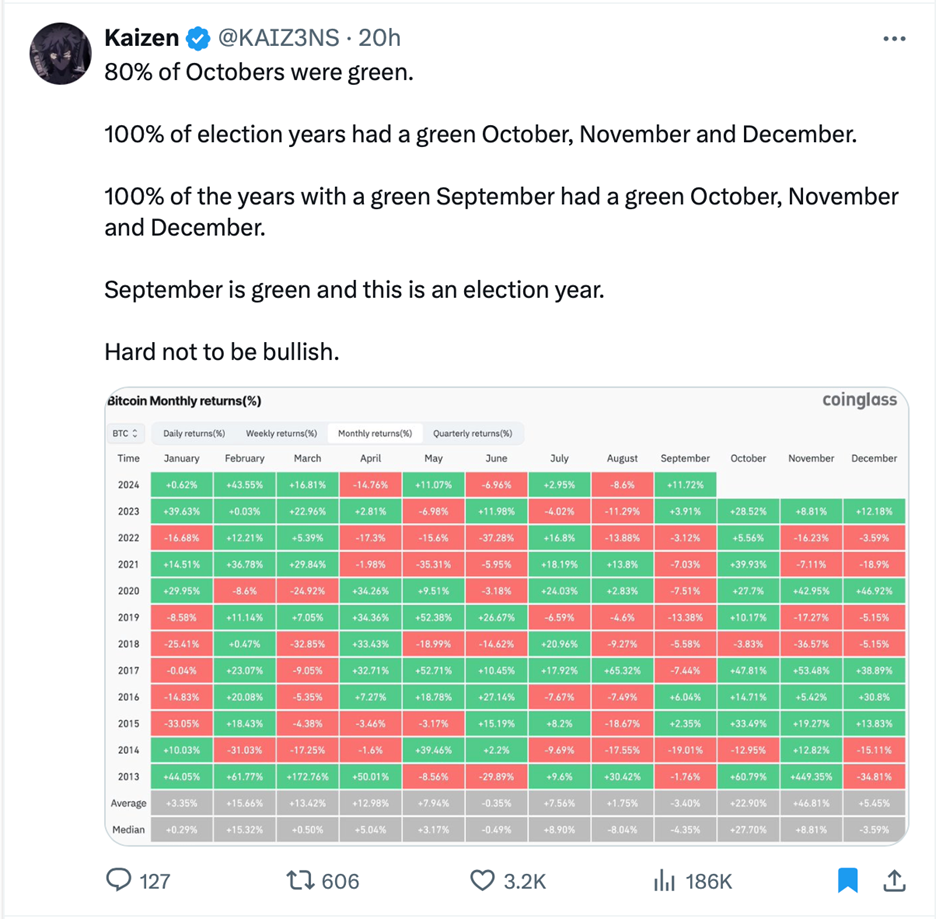


Income Strategies for Canadian Investors: Building Beyond Bonds with ETFs

When your inbox is full of low-rate bank notices and the yield on cash looks deficient, building reliable income takes a bit more than buying the first bond you see.

For decades, Canadian investors looking for income leaned heavily on bonds. But 2025’s market backdrop—volatile rates, persistent inflation, and uneven yields—has challenged the traditional “set it and forget it” approach of bonds.

Bond prices move inversely to interest rates, so relying solely on longer-duration fixed income investments like bonds means that in a rising-rate environment they can suffer steep losses. But that doesn’t mean bonds are obsolete as part of a balanced portfolio. Instead, it means income investing now calls for a broader toolkit.

Exchange-traded funds (ETFs) have broadened access to dividend investing, covered call strategies, and fixed income investments in ways tailored to today’s environment. Indeed, there has been a growing demand for shorter or mid-duration bond ETFs as rate volatility shapes investor behaviour.¹

Used together fixed income, and covered call funds offer flexible ETF income strategies that can power both passive income strategies and retirement income strategies. So, think of your portfolio like a toolkit, and use the right tool for the right job.

Fixed Income ETFs: More Flexibility

The next tool to consider is fixed income ETFs.

Fixed income investments—ones that offer predictable, regular payments (interest or dividends) over a set period of time—are still foundational to an income portfolio.³

Instead of locking into long-term government bonds, many investors are turning to ETFs with shorter to mid-term maturities. Evolve’s Enhanced Yield Mid Term Bond Fund (MIDB), launched in April 2025, was created for just this purpose. It seeks to generate an attractive monthly income while managing the risks associated with interest rate fluctuations. Another option is the Canadian Aggregate Bond Enhanced Yield Fund (AGG), which focuses on Canadian bonds and combines a traditional bond portfolio with a covered call overlay to enhance distributions. These kinds of products are particularly well suited to inclusion in RRSPs, where the interest income can grow tax-deferred.

Covered Call ETFs: Turning Volatility into Income

Beyond dividends and traditional bonds, covered call ETFs add another tool to your toolbox.

A covered call strategy involves selling call options on existing holdings to generate premium income. While this caps upside potential in strong equity rallies, it can materially boost the regular cash flow investors receive.⁴

Evolve has integrated this strategy across multiple funds. AGG, for instance, doesn’t just provide bond exposure; it also writes call options to deliver enhanced yield.

On the equity side, covered call ETFs provide access to stocks while turning equity exposure into a steady stream of distributions. For investors who prioritize passive income strategies over maximum growth, these structures can play an important role. Evolve’s Canadian Equity UltraYield ETF (CANY) is one such example. CANY uses a covered call strategy to offer investors modestly levered exposure (1.33x) to a portfolio of leading Canadian equity securities that have the potential to generate significant option premiums.*

Covered call ETFs often make the most sense in non-registered accounts, where dividends can benefit from the dividend tax credit and capital gains treatment, though investors should remain mindful of the trade-offs.

Building a Resilient Income Toolkit with ETFs

For Canadian DIY investors, building a modern income toolkit means layering  strategies through ETFs. Evolve ETFs offers several funds that fit neatly into this framework.

Evolve Enhanced Yield Mid Term Bond Fund (MIDB) seeks to provide investors with attractive monthly income and long-term capital appreciation by targeting a medium-duration fixed income portfolio by investing primarily in fixed income ETFs or fixed income securities issued in either the United States or Canada with an added active covered call strategy.

Evolve Canadian Aggregate Bond Enhanced Yield Fund (AGG ETF) offers diversified exposure to the Canadian bond market, with the added benefit of tax-efficient, enhanced income. AGG seeks to provide investors with attractive monthly income and long-term capital appreciation by investing primarily in fixed-income ETFs or fixed-income securities primarily issued in Canada. To enhance yield, as well as to mitigate risk and reduce volatility, AGG will employ a covered call option.

Evolve Canadian Equity UltraYield ETF (CANY) aims to offer investors modestly levered exposure (1.33x) to a portfolio of leading Canadian equity securities that have the potential to generate significant option premiums.* CANY will employ a covered call option, the level of which may vary based on market volatility and other factors.

For more information on these or any of our other ETF products, visit our website.

To stay updated with insights on investing and investment products, sign up for our weekly newsletter here.


Source: Getty Images Credit: Krongkaew

ENDNOTES

  1. Ziafati, N., “New fixed-income ETFs aim to capitalize on lower interest rate environment,” Investment Executive, October 18, 2024; https://www.investmentexecutive.com/news/products/new-fixed-income-etfs-aim-to-capitalize-on-lower-interest-rate-environment/
  2. “What is Dividend Investing and What are Qualified Dividends?,” Equifax, August 27, 2024; https://www.equifax.com/personal/education/personal-finance/articles/-/learn/dividend-investing/
  3. Loveland, M., “Fixed-Income Investments,” Business Insider, July 18, 2024; https://www.businessinsider.com/personal-finance/investing/what-is-fixed-income-investing
  4. Ganti, A., “Covered Calls: How They Work and How to Use Them in Investing,” Investopedia, June 04, 2025; https://www.investopedia.com/terms/c/coveredcall.asp
  5. “The Tax-Free Savings Account (TFSA),” Canada Revenue Agency, July 7, 2025; https://www.canada.ca/en/revenue-agency/services/tax/individuals/topics/tax-free-savings-account.html
  6. “Registered Retirement Savings Plan (RRSP),” Canada Revenue Agency, February 1, 2025; https://www.canada.ca/en/revenue-agency/services/tax/individuals/topics/rrsps-related-plans/registered-retirement-savings-plan-rrsp.html


DISCLAIMER

Published October 20, 2025.

Evolve Funds Group Inc. is the investment fund manager and portfolio manager. All funds described herein is offered by Evolve Funds Group Inc., and distributed through authorized dealers.

The information contained herein is a general description and is not intended to be specific investment advice to any particular investor nor intended to be investment or tax advice. You should not act or rely on the information contained herein without seeking the advice of an appropriate professional advisor. The information contained herein is intended for informational purposes as a summary only, does not constitute an offer to sell any securities or a legally binding obligation, it is qualified entirely by, and should be read in conjunction with, the more detailed information appearing in the prospectuses found on the Evolve Funds Group Inc website at https://evolveetfs.com/

*Leverage increases risk.

Commissions, trailing commissions, management fees and expenses all may be associated with exchange traded funds (ETFs) and mutual funds. Please read the prospectus before investing. ETFs and mutual funds are not guaranteed, their values change frequently and past performance may not be repeated.

Certain statements contained herein are forward-looking. Forward-looking statements (“FLS”) are statements that are predictive in nature, depend upon or refer to future events or conditions, or that include words such as “may,” “will,” “should,” “could,” “expect,” “anticipate,” “intend,” “plan,” “believe,” or “estimate,” or other similar expressions. Statements that look forward in time or include anything other than historical information are subject to risks and uncertainties, and actual results, actions or events could differ materially from those set forth in the FLS. FLS are not guarantees of future performance and are by their nature based on numerous assumptions. Although the FLS contained herein are based upon what Evolve Funds Group Inc. and the portfolio manager believe to be reasonable assumptions, neither Evolve Funds Group Inc. nor the portfolio manager can assure that actual results will be consistent with these FLS. The reader is cautioned to consider the FLS carefully and not to place undue reliance on FLS. Unless required by applicable law, it is not undertaken, and specifically disclaimed that there is any intention or obligation to update or revise FLS, whether as a result of new information, future events or otherwise.

Certain information contained herein is obtained from third parties. Evolve Funds Group Inc. believes such information to be accurate and reliable as of the date hereof, however, we cannot guarantee that it is accurate or complete or current at all times.  The information provided is subject to change without notice. 
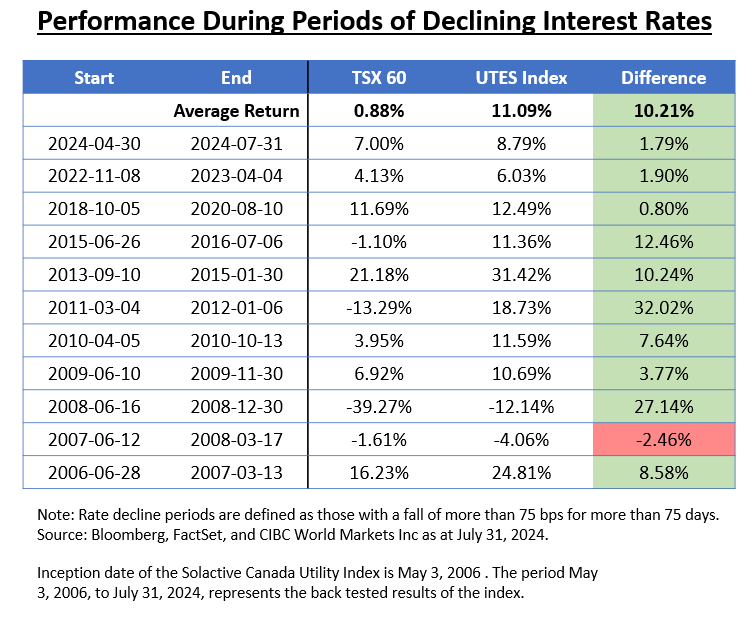
 

How Canadian Investors Can Tap into Tomorrow’s Megatrends with Thematic ETFs

What if you could invest in tomorrow’s biggest ideas today?

That’s the simple promise behind thematic investing. Rather than buying a bank, a utility, or an index fund, you buy exposure to a long-term trend—think artificial intelligence, cybersecurity, or blockchain—and let the market’s winners surface inside a single, traded vehicle.

Thematic funds have become a significant part of the investment landscape in recent years, as investors pursue megatrends. Globally, investment in thematic funds nearly doubled from $269 billion USD to $562 billion USD in the five years ending in June 2024.

The challenge for DIY investors, however, is that traditional broad indexes can miss concentrated growth pockets (for example, autonomous vehicles or cybersecurity), and trying to pick individual winners is risky and time-consuming.

While thematic strategies focus on specific drivers of long-term change, they also carry concentration and timing risks. Research shows that only a minority of thematic funds outperform broad benchmarks over long periods.¹

Thematic ETFs as the Bridge

It is these challenges of timing and concentration that can make thematic ETFs an attractive option for DIY investors.

ETFs package a theme into a single, tradable fund, offering instant diversification across many companies exposed to the theme while eliminating the need to buy and monitor a dozen individual stocks. ETF wrappers also tend to be low-friction to trade and are easy to hold inside registered accounts like RRSPs and TFSAs (more on that below).

Spotlight on Thematic ETFs

So, what kinds of thematic ETFs are available to let investors tap into tomorrow’s biggest ideas? Let’s have a look at just a few examples.

  • AI & Automation: AI is not just a buzzword. The world’s largest companies are reorganizing to put generative AI into core workflows, and surveys show broadening business adoption that can translate into durable earnings changes for firms that deploy or enable AI. That structural shift is why many thematic strategies emphasise AI and automation.²
  • Interested in using generative AI to identify the best artificial intelligence and artificial intelligence-related companies fundamentally changing our world today? Evolve Artificial Intelligence Index Fund (ARTI) is an Artificial Intelligence Index Fund that uses generative AI to determine the portfolio for the Index. The Evolve Artificial Intelligence Index Fund is designed to provide investors with exposure to global securities from AI companies deemed to benefit from the increased global adoption of AI.
  • Cybersecurity: Cyber threats are accelerating globally and in Canada. Ransomware, cybercrime-as-a-service, and state-level operations remain top risks for firms and critical infrastructure. That persistent threat creates ongoing demand for security software, managed detection services, and hardware—the kind of multi-year growth thematic investors try hard to capture.³
  • A cybersecurity ETF offers a great alternative to gaining exposure to this industry without being locked into any single security and without the hassle of hand-picking individual stocks. ETFs allow you to diversify by investing in multiple companies in multiple markets, ensuring that a single market shock won’t tank your portfolio.

The Evolve Cyber Security Index Fund (CYBR) invests in global companies involved in the cybersecurity industry. For more information, visit the fund page here: https://evolveetfs.com/cybr/.

Why Canadian-Listed Thematic ETFs Matter for You

Holding Canadian-listed ETFs can make life simpler for Canadian DIY investors. Canadian ETFs trade in Canadian dollars (reducing immediate currency friction), are easy to buy through local brokerages, and can be held in registered accounts where growth or income can compound tax-efficiently (such as RRSPs and TFSAs).⁶

Investing in Innovation with Thematic ETFs

Looking for even more ways to invest in tomorrow’s biggest ideas right now?

Explore Evolve’s lineup of Thematic ETFs on our website: https://evolveetfs.com/ 


ENDNOTES

1. “Thematic Investment Funds in 2024: Larger in Size, Number, and Prominence,” Morningstar, December 3, 2024; https://www.morningstar.com/business/insights/blog/funds/thematic-investment-funds

2. Singla, A., Sukharevsky, A., Yee, L., Chui, M. & Hall, B., “The State of AI,” McKinsey & Company, March 2025; https://www.mckinsey.com/~/media/mckinsey/business%20functions/quantumblack/our%20insights/the%20state%20of%20ai/2025/the-state-of-ai-how-organizations-are-rewiring-to-capture-value_final.pdf

3. “National Cyber Threat Assessment 2025–2026,” Canadian Centre for Cyber Security, 2024; https://www.cyber.gc.ca/en/guidance/national-cyber-threat-assessment-2025-2026

4. Primmer, J., “Crypto in Canada: Is It Here to Stay?,” Richardson Wealth Limited, June 24, 2025; https://web.richardsonwealth.com/susan.daley/blog/1942518-crypto-in-canada-is-it-here-to-stay

5. Henry, W., Kathawate, R., Chen, E. & Gupta, S., “Using blockchain to drive supply chain transparency,” Deloitte, June 2023; https://www.deloitte.com/content/dam/assets-zone3/us/en/docs/services/consulting/2024/us-ent-supply-chain-pov.pdf

6. Landry, R.C. & Mathews, P., “Navigating The Choice: Canadian Listed ETFs vs. U.S.-Listed ETFs For Advisors,” CIBC Mellon, 2024; https://www.cibcmellon.com/en/_locale-assets/pdf/straight-talk/2024/st20241015-canadian-listed-etfs-vs-us-listed-etfs-for-advisors.pdf


Source: Getty Images Credit: ismagilov

DISCLAIMER

Published October 1, 2025.

Evolve Funds Group Inc. is the investment fund manager and portfolio manager. All funds described herein is offered by Evolve Funds Group Inc., and distributed through authorized dealers.

The information contained herein is a general description and is not intended to be specific investment advice to any particular investor nor intended to be investment or tax advice. You should not act or rely on the information contained herein without seeking the advice of an appropriate professional advisor. The information contained herein is intended for informational purposes as a summary only, does not constitute an offer to sell any securities or a legally binding obligation, it is qualified entirely by, and should be read in conjunction with, the more detailed information appearing in the prospectuses found on the Evolve Funds Group Inc website at https://evolveetfs.com/

Commissions, trailing commissions, management fees and expenses all may be associated with exchange traded funds (ETFs) and mutual funds. Please read the prospectus before investing. ETFs and mutual funds are not guaranteed, their values change frequently and past performance may not be repeated.

Certain statements contained herein are forward-looking. Forward-looking statements (“FLS”) are statements that are predictive in nature, depend upon or refer to future events or conditions, or that include words such as “may,” “will,” “should,” “could,” “expect,” “anticipate,” “intend,” “plan,” “believe,” or “estimate,” or other similar expressions. Statements that look forward in time or include anything other than historical information are subject to risks and uncertainties, and actual results, actions or events could differ materially from those set forth in the FLS. FLS are not guarantees of future performance and are by their nature based on numerous assumptions. Although the FLS contained herein are based upon what Evolve Funds Group Inc. and the portfolio manager believe to be reasonable assumptions, neither Evolve Funds Group Inc. nor the portfolio manager can assure that actual results will be consistent with these FLS. The reader is cautioned to consider the FLS carefully and not to place undue reliance on FLS. Unless required by applicable law, it is not undertaken, and specifically disclaimed that there is any intention or obligation to update or revise FLS, whether as a result of new information, future events or otherwise.

Certain information contained herein is obtained from third parties. Evolve Funds Group Inc. believes such information to be accurate and reliable as of the date hereof, however, we cannot guarantee that it is accurate or complete or current at all times.  The information provided is subject to change without notice. 
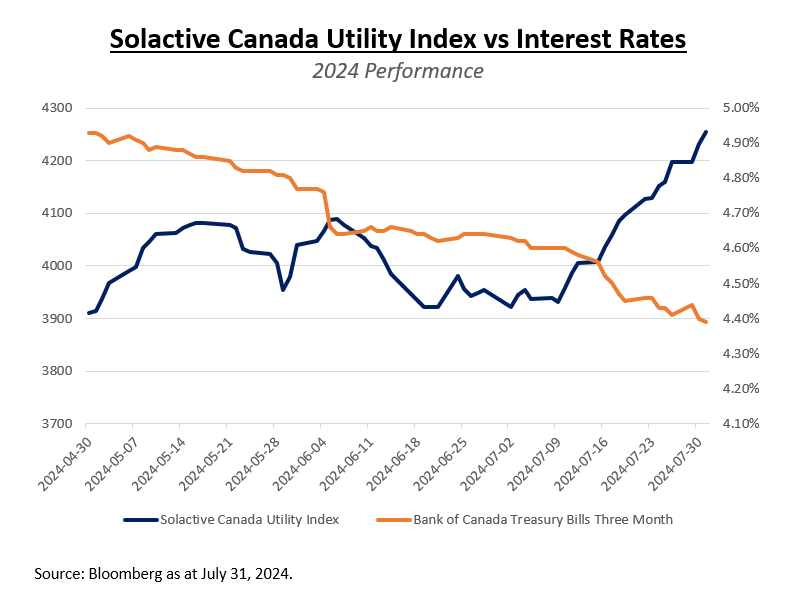
CANY ETF: A New Income Strategy for Canadian Investors

Introducing CANY: Evolve Canadian Equity UltraYield ETF

In Canada, investor demand for ETF-based income solutions is broad, with the ETF market expanding rapidly in recent years as investors hunt for yield and diversification.³ And that’s why we’re excited about the Evolve Canadian Equity UltraYield ETF (CANY). It bridges the needs of investors for equity exposure, growth, and income.

CANY is designed to give investors “modestly” levered exposure of 1.33x to an equal-weighted portfolio of leading Canadian equities while using a covered-call program to enhance yield.⁴

CANY aims to combine Canadian equity exposure for long-term capital appreciation with an ETF income strategy that can sit alongside more traditional fixed income investments or dividend-focused holdings in an income-oriented portfolio.

How the covered-call strategy generates income

A covered-call strategy works by owning the underlying shares and writing (selling) call options on those holdings. The option buyer pays a premium, and that premium is a source of cash for the fund that is distributed to investors.⁵ That premium income can boost yield and provide a small cushion against downside, though it also caps upside when markets rally. CANY will write calls on around 50% of the portfolio.

In the case of CANY’s “modest” leverage of 1.33x, it means the fund is designed to boost income and potential returns modestly. The leverage allows CANY to write more calls, and in turn, generate more option income.

Distribution frequency and investor use cases

By pairing the income-generation of a covered-call strategy with twice-monthly distributions, the fund aims to provide investors with a steadier and more predictable cash flow. This payment cadence can suit investors seeking frequent cash, whether as retirement income strategies, supplemental household cash flow, or regular passive income.

Be a canny investor with the CANY ETF

Discover how Canadian investors can tap into Canada’s leading companies while generating enhanced income through a covered call strategy, modest leverage, and twice-monthly distributions.

The Evolve Canadian Equity UltraYield ETF (CANY) aims to offer investors modestly levered exposure (1.33x) to a portfolio of leading Canadian equity securities that have the potential to generate significant option premiums.

For more information on this fund, visit evolveetfs.com/cany/.

To stay updated with insights on investing and investment products, sign up for our weekly newsletter here.


ENDNOTES

  1. Murugaboopathy, P., “U.S. covered call funds attract record inflows as investors seek yield,” Reuters, July 29, 2025; https://www.reuters.com/markets/wealth/us-covered-call-funds-attract-record-inflows-investors-seek-yield-2025-07-29/
  2. Sotiroff, D. & Hampton, I., “Covered-call ETFs are booming; note trade-offs and yield quality,” Morningstar, July 25, 2025; https://www.morningstar.com/funds/covered-call-etfs-are-booming-not-all-yield-is-good
  3. Derk, C., Pereira, G., Wakeling, W., Yeretsian, C. & Viswanathan, A., “35 years of ETFs: The evolution of a Canadian innovation,” BLG, March 27, 2025; https://www.blg.com/en/insights/2025/03/35-years-of-etfs-the-evolution-of-a-canadian-innovation
  4. “Evolve Canadian Equity UltraYield ETF Expected to Begin Trading on September 18,” Evolve ETFs, September 15, 2025; https://evolveetfs.com/2025/09/evolve-canadian-equity-ultrayield-etf-expected-to-begin-trading-on-september-18-2025/
  5. Ganti, A., “Covered Calls: How They Work and How to Use Them in Investing,” Investopedia, June 04, 2025; https://www.investopedia.com/terms/c/coveredcall.asp
  6. Thune, K., “What Is a Covered Call ETF?,” ETF.com, March 15 2023.; https://www.etf.com/sections/etf-basics/what-covered-call-etf
  7. “Are Triple Leveraged ETFs a Good Idea?,” Investopedia, February 06, 2024; https://www.investopedia.com/stock-analysis/2012/are-triple-leveraged-etfs-a-good-idea-fas-faz-tyh-typ0430.aspx

Source: Getty Images Credit: Javier Ghersi

DISCLAIMER

Published September 18, 2025.

Evolve Funds Group Inc. is the investment fund manager and portfolio manager. Evolve Canadian Equity UltraYield ETF (“CANY”) is offered by Evolve Funds Group Inc., and distributed through authorized dealers.

The information contained herein is a general description and is not intended to be specific investment advice to any particular investor nor intended to be investment or tax advice. You should not act or rely on the information contained herein without seeking the advice of an appropriate professional advisor. The information contained herein is intended for informational purposes as a summary only, does not constitute an offer to sell any securities or a legally binding obligation, it is qualified entirely by, and should be read in conjunction with, the more detailed information appearing in the prospectuses found on the Evolve Funds Group Inc website at https://evolveetfs.com/

Leverage increases risk.

Commissions, trailing commissions, management fees and expenses all may be associated with exchange traded funds (ETFs). Please read the prospectus before investing. ETFs are not guaranteed, their values change frequently and past performance may not be repeated.

Certain statements contained herein are forward-looking. Forward-looking statements (“FLS”) are statements that are predictive in nature, depend upon or refer to future events or conditions, or that include words such as “may,” “will,” “should,” “could,” “expect,” “anticipate,” “intend,” “plan,” “believe,” or “estimate,” or other similar expressions. Statements that look forward in time or include anything other than historical information are subject to risks and uncertainties, and actual results, actions or events could differ materially from those set forth in the FLS. FLS are not guarantees of future performance and are by their nature based on numerous assumptions. Although the FLS contained herein are based upon what Evolve Funds Group Inc. and the portfolio manager believe to be reasonable assumptions, neither Evolve Funds Group Inc. nor the portfolio manager can assure that actual results will be consistent with these FLS. The reader is cautioned to consider the FLS carefully and not to place undue reliance on FLS. Unless required by applicable law, it is not undertaken, and specifically disclaimed that there is any intention or obligation to update or revise FLS, whether as a result of new information, future events or otherwise.

Certain information contained in this document is obtained from third parties. Evolve Funds Group Inc. believes such information to be accurate and reliable as of the date hereof, however, we cannot guarantee that it is accurate or complete or current at all times. The information provide

Investing in US Equities with UltraYield: Introducing BIGY

For many Canadian investors, the problem is simple: you want meaningful exposure to the world’s biggest companies—mainly listed in the U.S.—but you also need regular income to pay bills, balance your portfolio, or build savings for retirement. That combination of demands (growth plus dependable cash flow) is exactly what has pushed interest toward ETFs that pair equity exposure with income-enhancing strategies. In the first half of this year alone, U.S. funds using covered call strategies have attracted a record $31.5 billion in investments.¹

This surge has benefitted options-based and covered-call ETFs, which generate premiums from selling call options on underlying stocks and turn those premiums into distributed cash. The trend is significant: options-based/covered-call funds have seen record inflows and growing product innovation in recent years. This allows investors to keep equity exposure for long-term appreciation while adding a meaningful income stream.

Introducing BIGY: US Equities with UltraYieldTM

This desire for growth plus dependable cash flow is why Evolve created the new Evolve US Equity UltraYield ETF (BIGY). This fund is built to answer these investors’ needs. BIGY offers a modestly 1.33x levered exposure to an equal-weighted portfolio of leading U.S. companies, uses an active covered-call program to enhance yield, and pays distributions twice per month.²

How covered calls work

A covered-call approach, like BIGY uses, means the fund owns shares (in this case, in a portfolio of leading U.S. companies) and writes call options against those holdings, collecting option premiums that are distributed as income to investors in the fund. That premium can reduce downside volatility and boost yield.³

In the case of BIGY’s modest leverage of 1.33x, it means the fund is designed to boost income and potential returns compared with an unlevered covered-call fund. Leverage, after all, raises the fund’s sensitivity to market moves.

Distributions Twice Per Month with BIGY

We’ve combined this moderated risk of a covered call strategy with a distribution twice per month for investors. Whether it’s a payout for retirees, cash to fund living expenses, or money you can use to continue building your portfolio, twice-monthly distribution can work better for some investors than less frequent payouts.

For Canadian investors with a home-bias tilt to their portfolio, BIGY can serve to keep meaningful exposure to U.S. leaders in a portfolio that can complement domestic holdings, while offering premium income.

Think big. Invest BIGY.

Discover how Canadian investors can tap into leading U.S. companies while generating enhanced income through a covered call strategy, modest leverage, and distributions twice per month.

The Evolve US Equity UltraYield ETF (BIGY) aims to offer investors modestly levered exposure (1.33x) to a portfolio of leading U.S. companies that have the potential to generate significant option premiums. BIGY will employ a covered call overlay, the level of which may vary based on market volatility and other factors.

For more information on this fund, visit https://evolveetfs.com/product/bigy/.

To stay updated with insights on investing and investment products, sign up for our weekly newsletter here.

ENDNOTES

1. Murugaboopathy, P., “U.S. covered call funds attract record inflows as investors seek yield,” Reuters, July 29, 2025; https://www.reuters.com/markets/wealth/us-covered-call-funds-attract-record-inflows-investors-seek-yield-2025-07-29/
2. “Evolve Plans to Launch the Evolve US Equity UltraYield ETF,” Evolve ETFs, August 21, 2025; https://evolveetfs.com/2025/08/evolve-plans-to-launch-the-evolve-us-equity-ultrayield-etf/
3. Ganti, A., “Covered Calls: How They Work and How to Use Them in Investing,” Investopedia, June 04, 2025; https://www.investopedia.com/terms/c/coveredcall.asp

Source: Getty Images Credit: Javier Ghersi

DISCLAIMER
Published September 10, 2025.

Evolve Funds Group Inc. is the investment fund manager and portfolio manager. Evolve US Equity UltraYield ETF (“BIGY”) is offered by Evolve Funds Group Inc., and distributed through authorized dealers.

The information contained herein is a general description and is not intended to be specific investment advice to any particular investor nor intended to be investment or tax advice. You should not act or rely on the information contained herein without seeking the advice of an appropriate professional advisor. The information contained herein is intended for informational purposes as a summary only, does not constitute an offer to sell any securities or a legally binding obligation, it is qualified entirely by, and should be read in conjunction with, the more detailed information appearing in the prospectuses found on the Evolve Funds Group Inc website at https://evolveetfs.com/

Leverage increases risk.

Commissions, trailing commissions, management fees and expenses all may be associated with exchange traded funds (ETFs). Please read the prospectus before investing. ETFs are not guaranteed, their values change frequently and past perfor¬mance may not be repeated.

Certain statements contained herein are forward-looking. Forward-looking statements (“FLS”) are statements that are predictive in nature, depend upon or refer to future events or conditions, or that include words such as “may,” “will,” “should,” “could,” “expect,” “anticipate,” “intend,” “plan,” “believe,” or “estimate,” or other similar expressions. Statements that look forward in time or include anything other than historical information are subject to risks and uncertainties, and actual results, actions or events could differ materially from those set forth in the FLS. FLS are not guarantees of future performance and are by their nature based on numerous assumptions. Although the FLS contained herein are based upon what Evolve Funds Group Inc. and the portfolio manager believe to be reasonable assumptions, neither Evolve Funds Group Inc. nor the portfolio manager can assure that actual results will be consistent with these FLS. The reader is cautioned to consider the FLS carefully and not to place undue reliance on FLS. Unless required by applicable law, it is not undertaken, and specifically disclaimed that there is any intention or obligation to update or revise FLS, whether as a result of new information, future events or otherwise.

Certain information contained in this document is obtained from third parties. Evolve Funds Group Inc. believes such information to be accurate and reliable as of the date hereof, however, we cannot guarantee that it is accurate or complete or current at all times. The information provided is subject to change

Q3 2025 Earnings Roundup for the Evolve Canadian Banks and Lifecos Enhanced Yield Fund

Canada’s big banks entered the third quarter under close watch, with analysts expecting a pullback in loan-loss provisions as fears over U.S. tariffs eased. After months of bracing for a harsher economic fallout from higher interest rates and trade tensions, lenders are now signalling that the damage may be less severe than initially thought. The shift in sentiment reflects growing confidence that tariffs will have a milder impact on credit quality. Bank of Montreal CEO Darryl White noted that business uncertainty tied to U.S. President Trump’s trade policies has begun to recede, underscoring a more stable backdrop for the sector heading into the latter half of the year.

BANK Holdings

Royal Bank of Canada (RY)

  • EPS: $3.840 reported vs Bloomberg estimate of $3.245
  • Revenue: $16.985B reported vs Bloomberg estimate of $16.082B

RBC delivered a strong fiscal third quarter, with net income rising 21% to $5.4-billion. Adjusted earnings of $3.84 per share topped analyst expectations. Provisions for credit losses came in at $881-million, up 34% year-over-year but well below the $1-billion analysts anticipated, and sharply lower than the $1.42-billion set aside last quarter amid peak tariff concerns. Growth was driven by robust performance in commercial banking and capital markets, where profit climbed 13% to over $1.3-billion. CEO Dave McKay cautioned that persistent trade tensions remain the key risk to the outlook, but highlighted strong revenue momentum across global markets and corporate banking.1

Toronto-Dominion Bank/The (TD)

  • EPS: $2.200 reported vs Bloomberg estimate of $2.054
  • Revenue: $14.067B reported vs Bloomberg estimate of $13.783B

TD posted a fiscal third-quarter profit of $3.34-billion, compared with a loss a year ago tied to a US$3-billion regulatory fine. Adjusted earnings of $2.20 per share beat analyst expectations of $2.05, even after $595-million in restructuring charges related to U.S. asset sales and staffing reductions. TD’s Canadian retail banking profit rose 4% to $1.95-billion, while U.S. retail banking earned $760-million after last year’s loss, despite loan balances falling 7% under the regulatory cap. Wealth management and insurance surged 63% to $703-million, and wholesale banking gained 26% to $398-million. Provisions for credit losses totaled $971-million, below forecasts, underscoring improved credit performance.1

Bank of Montreal (BMO)

  • EPS: $3.230 reported vs Bloomberg estimate of $2.964
  • Revenue: $8.988B reported vs Bloomberg estimate of $8.905B

BMO posted a strong fiscal third quarter, with profit rising 25% to $2.22-billion. Adjusted earnings reached $3.23 a share, ahead of analyst expectations. Results were supported by lower provisions for credit losses, which fell to $797-million from $906-million a year ago, as economic risks tied to tariffs eased. BMO also expanded its share buyback program to 30 million shares, up from 20 million, highlighting capital strength. Its Tier 1 capital ratio climbed to 13.5%. Analysts pointed to stronger credit performance and the enlarged buyback as key positives, reinforcing BMO’s momentum in returning capital to shareholders.1

Bank of Nova Scotia/The (BNS)

  • EPS: $1.880 reported vs Bloomberg estimate of $1.731
  • Revenue: $9.486B reported vs Bloomberg estimate of $9.317B

Scotiabank opened Canadian bank earnings season with a stronger-than-expected quarter, reporting profit of $2.53-billion. Adjusted earnings of $1.88 a share beat analyst forecasts of $1.73. Revenue growth and lower credit-loss provisions supported results, with return on equity rising meaningfully year-over-year. While Canadian banking earnings slipped 2% to $958-million, strength came from capital markets, up 29% to $473-million, and wealth management, up 14% to $417-million. CEO Scott Thomson highlighted share buybacks and balance sheet strength. The quarterly dividend was held steady at $1.10 per share, following a recent increase. Provisions for credit losses fell slightly to $1.04-billion.1

Canadian Imperial Bank of Commerce (CM)

  • EPS: $2.160 reported vs Bloomberg estimate of $2.002
  • Revenue: $7.254B reported vs Bloomberg estimate of $7.034B

CIBC delivered a strong fiscal third quarter, with profit rising 17% to $2.1-billion. Adjusted earnings of $2.16 topped analyst expectations of $2.00. Results were fuelled by an 87% jump in capital markets profit to $540-million on robust trading revenue, while Canadian personal and business banking earnings climbed 17% to $812-million. Provisions for credit losses totaled $559-million, below forecasts and down from last quarter’s peak, signalling easing tariff concerns. CIBC maintained its quarterly dividend at 97 cents and announced a 2.2% share buyback. The strong results come ahead of a leadership change, with Harry Culham set to succeed Victor Dodig as CEO in November.1

Manulife Financial Corp (MFC)

  • EPS: $0.950 reported vs Bloomberg estimate of $0.967
  • Revenue: $15.637B reported

Manulife Financial reported a strong second quarter, with net income rising to C$1.79-billion, up from C$1.04-billion a year earlier. Results were powered by Asia, where core earnings climbed 13% to US$520-million, supported by business growth, favourable claims, and strong new business momentum. Annual premium equivalent surged 15%, underscoring Asia’s role as a key driver. Wealth and asset management also delivered, with earnings up 19% to C$463-million. Manulife announced it will acquire 75% of Comvest Credit Partners for US$937.5-million, expanding its private credit platform. Despite underperforming rival Sun Life year-to-date, Manulife’s earnings highlight growing strength across core businesses.2

National Bank of Canada (NA)

  • EPS: $2.680 reported vs Bloomberg estimate of $2.702
  • Revenue: $3.449B reported vs Bloomberg estimate of $3.482B

National Bank posted a fiscal third-quarter profit of $1.07-billion, up from $1.03-billion last year. Adjusted earnings held steady at $2.68 per share, just shy of analyst expectations of $2.70. Revenue climbed to $3.45-billion from $3-billion, supported by strength across business lines. Personal and commercial banking net income edged up to $370-million, while wealth management jumped 12% to $244-million. Financial markets rose 5% to $334-million, and U.S. specialty finance and international surged 13% to $178-million. Provisions for credit losses increased to $203-million from $149-million. The bank also unveiled plans for a new buyback program of up to eight million shares.1

Sun Life Financial Inc (SLF)

  • EPS: $1.790 reported vs Bloomberg estimate of $1.710
  • Revenue: $9.199B reported

Sun Life Financial reported stronger second-quarter results, with profit rising to $716-million, up from $646-million a year earlier, fuelled by record underlying income in its Asia business. Adjusted EPS of $1.79 narrowly topped analyst expectations. Growth was led by Asia’s protection and wealth operations, which offset softer results in U.S. markets. Group health and protection earnings rose 7% to $326-million, while individual protection slipped 10% to $299-million. Wealth and asset management income held steady at $455-million. CEO Kevin Strain highlighted Asia as a key driver of momentum. The company also announced David Healy will succeed Dan Fishbein as President of Sun Life U.S. on September 1, 2025.3

Great-West Lifeco Inc (GWO)

  • EPS: $1.240 reported vs Bloomberg estimate of $1.162
  • Revenue: $10.772B reported

Great-West Lifeco reported record base earnings in the second quarter, highlighting strong capital deployment and shareholder returns. Base earnings rose 11% from last year to more than $1.1-billion, or $1.24 per share, while base ROE reached 17.4%. Net earnings came in at $894-million, or 96 cents per share, down 11% year-over-year. The insurer maintained a robust balance sheet with a LICAT ratio of 132%, $2.1-billion in cash, and book value per share up 8% to $27.38. Great-West repurchased 6.3 million shares for $321-million in Q2 and announced plans for an additional $500-million in buybacks through 2025, underscoring its focus on returning capital to shareholders.4

Power Corp of Canada (POW)

  • EPS: $1.380 reported vs Bloomberg estimate of $1.289
  • Revenue: $12.350M reported

Power Corporation of Canada reported solid second-quarter results, with net earnings from continuing operations rising to $772-million, up from $730-million a year earlier. Adjusted net earnings climbed to $883-million, or $1.38 per share, while adjusted net asset value per share increased to $64.76. Book value per share also edged higher to $35.90. The company highlighted a 21% increase in the valuation of Wealthsimple to $2.7-billion, reflecting strong business momentum. Subsidiaries also delivered strong results: Great-West Lifeco posted 11% adjusted earnings growth and announced an additional $500-million in buybacks, while IGM Financial’s adjusted earnings rose 15% with record AUM of $283.9-billion. Power repurchased 4.4 million shares for $209-million in Q2.5


Sources:

  1. https://www.theglobeandmail.com/business/article-canada-banks-earnings-third-quarter-2025-tariffs/ (August 27, 2025)
  2. https://www.theglobeandmail.com/business/article-manulife-posts-higher-quarterly-profit-boosted-by-asia-unit-strength/ (August 6, 2025)
  3. https://www.theglobeandmail.com/business/article-sun-life-posts-rise-in-quarterly-profit-on-strong-asia-unit/ (August 7, 2025)
  4. https://www.greatwestlifeco.com/content/dam/gwlco/documents/reports/2025/q2/lifeco-q2-2025-earnings-release.pdf (August 5, 2025)
  5. https://www.powercorporation.com/en/news/press-releases/2025/power-corporation-reports-second-quarter-2025-financial-results-122681/ (August 7, 2025)


Source for estimated and reported EPS and Revenue data: Bloomberg, as at August 27, 2025. Figures in USD. 

Source: Getty Images Credit: Javier Ghersi

DISCLAIMER

Published September 3, 2025.

Evolve Funds Group Inc. is the investment fund manager and portfolio manager. The Evolve Canadian Banks and Lifecos Enhanced Yield Index Fund (“BANK”) is offered by Evolve Funds Group Inc., and distributed through authorized dealers.

Leverage increases risk.

The information contained herein is a general description and is not intended to be specific investment advice to any particular investor nor intended to be investment or tax advice. You should not act or rely on the information contained herein without seeking the advice of an appropriate professional advisor. The information contained herein is intended for informational purposes as a summary only, does not constitute an offer to sell any securities or a legally binding obligation, it is qualified entirely by, and should be read in conjunction with, the more detailed information appearing in the prospectuses found on the Evolve Funds Group Inc website at https://evolveetfs.com/

Commissions, management fees and expenses all may be associated with exchange traded funds (ETFs). Please read the prospectus before investing. ETFs are not guaranteed, their values change frequently and past performance may not be repeated.

Certain statements contained herein are forward-looking. Forward-looking statements (“FLS”) are statements that are predictive in nature, depend upon or refer to future events or conditions, or that include words such as “may,” “will,” “should,” “could,” “expect,” “anticipate,” “intend,” “plan,” “believe,” or “estimate,” or other similar expressions. Statements that look forward in time or include anything other than historical information are subject to risks and uncertainties, and actual results, actions or events could differ materially from those set forth in the FLS. FLS are not guarantees of future performance and are by their nature based on numerous assumptions. Although the FLS contained herein are based upon what Evolve Funds Group Inc. and the portfolio manager believe to be reasonable assumptions, neither Evolve Funds Group Inc. nor the portfolio manager can assure that actual results will be consistent with these FLS. The reader is cautioned to consider the FLS carefully and not to place undue reliance on FLS. Unless required by applicable law, it is not undertaken, and specifically disclaimed that there is any intention or obligation to update or revise FLS, whether as a result of new information, future events or otherwise.

Certain information contained in this document is obtained from third parties. Evolve Funds Group Inc. believes such information to be accurate and reliable as of the date hereof, however, we cannot guarantee that it is accurate or complete or current at all times. The information provided is subject to change without notice.
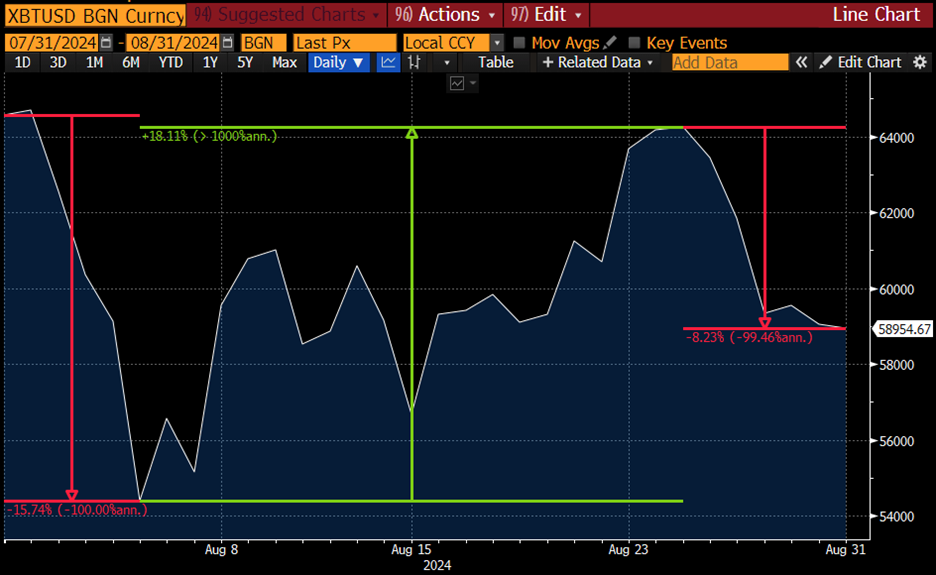
Q2 2025 Roundup for Evolve FANGMA Index ETF

Tech giants delivered a standout earnings season, with all six companies beating expectations on both revenue and profit. A clear theme was the continued AI push, as firms deepened their long-running investments in artificial intelligence to drive growth, efficiency, and product innovation. Microsoft, Alphabet, Meta, and Amazon all highlighted growing AI infrastructure spend and cloud momentum, while Apple and Netflix focused on integrating AI across user-facing services. Revenue growth was strong across the board—with advertising, cloud, and subscription businesses all contributing. Capital expenditures surged, free cash flow jumped, and margins expanded at several firms, even as some (like Amazon) offered more cautious near-term guidance. Management commentary struck a confident tone, with most CEOs emphasizing AI’s role as a transformative force across industries. Despite some mixed stock reactions, Big Tech is showing no signs of slowing down—doubling down on AI to fuel the next wave of scale and profitability.

TECH Portfolio Holdings

Meta Platforms (META)

Portfolio weight in TECH*: 17.89%

  • EPS: $7.140 reported vs Bloomberg estimate of $5.887
  • Revenue: $47.516B reported vs Bloomberg estimate of $44.832B

“We’ve had a strong quarter both in terms of our business and community, I’m excited to build personal superintelligence for everyone in the world.” – Mark Zuckerberg, CEO1

Meta crushed expectations in Q2, with earnings of $7.14 per share on $47.52 billion in revenue, both well above estimates, sending shares soaring over 10%. Ad revenue hit $46.56 billion, driven by AI-enhanced efficiency, while daily active users across its apps climbed to 3.48 billion. The company raised its Q3 revenue forecast and bumped up 2025 expense guidance, now topping out at $118 billion. Meta is doubling down on AI, investing $15.1 billion—including a major stake in Scale AI—and unveiling plans for “personal superintelligence” to empower users beyond just automation. Reality Labs remained a drag with a $4.53 billion loss, but Meta’s broader vision and strong top-line growth have investors excited for what’s next.2

Alphabet Inc (GOOGL)

Portfolio weight in TECH*: 16.90%

  • EPS: $2.310 reported vs Bloomberg estimate of $2.177
  • Revenue: $81.723B reported vs Bloomberg estimate of $79.599B

“We had a standout quarter, with robust growth across the company. We are leading at the frontier of AI and shipping at an incredible pace. AI is positively impacting every part of the business, driving strong momentum. Search delivered double-digit revenue growth, and our new features, like AI Overviews and AI Mode, are performing well…” – Sundar Pichai, CEO3

Alphabet topped expectations in Q2 with impressive revenue and earnings, boosted by strong performances in search, YouTube, and cloud. Cloud revenue jumped 32% to $13.62 billion, aided by a new partnership with OpenAI to support ChatGPT on Google’s infrastructure. YouTube pulled in $9.8 billion, while overall ad revenue rose to $71.34 billion. Net income climbed nearly 20% to $28.2 billion, but the big headline was Alphabet’s AI-fueled capex plans—now expected to hit $85 billion in 2025, up $10B from previous guidance, with even more coming in 2026. The Gemini chatbot hit 450 million users, and AI Overviews now reaches 2 billion monthly users. Alphabet’s Other Bets lost $1.25 billion, but its moonshots are overshadowed by surging AI momentum. Despite a $1.4 billion legal charge, investors liked what they saw—shares rose 3% after hours as Alphabet doubled down on AI dominance.4

Microsoft Corporation (MSFT)

Portfolio weight in TECH*: 16.90%

  • EPS: $3.650 reported vs Bloomberg estimate of $3.373
  • Revenue: $76.441B reported vs Bloomberg estimate of $73.893B

“Cloud and AI is the driving force of business transformation across every industry and sector…We’re innovating across the tech stack to help customers adapt and grow in this new era, and this year, Azure surpassed $75 billion in revenue, up 34 percent, driven by growth across all workloads.” – Satya Nadella, Microsoft CEO5

Microsoft blew past expectations, posting $3.65 EPS on $76.44 billion in revenue—its fastest growth in over three years—and sending shares soaring 9% after hours. Azure stole the show with 39% growth and, for the first time, Microsoft disclosed its full-year Azure revenue: $75 billion, up 34% from last year. Capital expenditures surged to $24.2 billion in Q4 and are expected to top $120 billion in fiscal 2026, highlighting Microsoft’s aggressive AI infrastructure push. Copilot products continue gaining traction, now reaching 100 million monthly users and boosting Office revenue per user. The cloud and productivity divisions led the charge, while More Personal Computing also outperformed, driven by a rebound in PC shipments. Despite data center bottlenecks and $1.71 billion in other expenses—including OpenAI-related losses—Microsoft’s cloud dominance and AI monetization strategy remain in full swing as it enters the new fiscal year with confidence and scale.6

Amazon.com Inc (AMZN)

Portfolio weight in TECH*: 16.80%

  • EPS: $1.680 reported vs Bloomberg estimate of $1.320
  • Revenue: $167.702B reported vs Bloomberg estimate of $162.146B

“…Our AI progress across the board continues to improve our customer experiences, speed of innovation, operational efficiency, and business growth, and I’m excited for what lies ahead.” – Andy Jassy, CEO7

Amazon posted a strong Q2, with earnings of $1.68 per share on $167.7 billion in revenue—both above expectations—but shares tumbled over 7% after the company issued soft guidance for Q3 operating income. While sales rose 13% year over year, investors were rattled by projected operating income of $15.5B–$20.5B, falling short of the $19.5B consensus midpoint. CEO Andy Jassy tried to calm concerns over intensifying cloud and AI competition, reaffirming AWS’s leadership and optimism in its $100B AI investment push. AWS grew 18% year over year, but lagged Microsoft and Google’s faster-growing cloud units. Bright spots included a booming ad business, up 23% to $15.7B, and stronger-than-expected results in online stores and seller services. Still, Amazon’s cautious tone on macro risks, tariffs, and cloud growth left investors wary. Despite robust top-line momentum and expanding AI ambitions, the market clearly wanted more near-term confidence on profitability.8

Apple Inc (AAPL)

Portfolio weight in TECH*: 16.01%

  • EPS: $1.570 reported vs Bloomberg estimate of $1.433
  • Revenue: $94.036B reported vs Bloomberg estimate of $89.303B

“Today Apple is proud to report a June quarter revenue record with double-digit growth in iPhone, Mac and Services and growth around the world, in every geographic segment…” – Tim Cook, Apple CEO9

Apple delivered its strongest quarter in years, beating expectations with $1.57 EPS on $94.04 billion in revenue—its fastest growth since 2021. iPhone sales soared 13% to $44.58 billion, driven by strong demand for the new iPhone 16, while Mac sales surged nearly 15% on the back of updated MacBook Airs. Services revenue grew 13% to $27.42 billion, powered by iCloud and App Store gains. Despite softness in iPads and wearables, investors cheered Apple’s guidance for continued revenue and margin strength in the September quarter. Tariff costs remained manageable, and Cook attributed 1% of revenue growth to early buying ahead of trade risks. Apple also saw a rebound in China, with 4% sales growth. CEO Tim Cook emphasized growing AI investment, saying Apple is embedding AI across its ecosystem and has already acquired around seven companies this year. With $133 billion in cash and strong product momentum, Apple’s still firing on all cylinders.10

Netflix Inc (NFLX)

Portfolio weight in TECH*: 15.50%

  • EPS: $7.190 reported vs Bloomberg estimate of $7.071
  • Revenue: $11.079B reported vs Bloomberg estimate of 11.062B

Netflix delivered another strong quarter, with earnings of $7.19 per share and $11.08 billion in revenue, both slightly topping expectations. Revenue surged 16% year over year, fueled by subscriber growth, price hikes, and a boost in ad sales. The company raised its full-year revenue outlook to as high as $45.2 billion and bumped up free cash flow guidance to $8–8.5 billion. Operating margin improved to 34.1%, though Netflix warned it will dip in the second half due to higher content and marketing costs tied to a packed release slate. While shares dipped 1% after hours, investor sentiment remains upbeat as cash generation soars—operating cash flow doubled and free cash flow jumped 91% year over year. With major releases like Stranger Things and Wednesday returning soon, Netflix is leaning into its content machine while keeping profitability front and center—even if subscriber updates are now a thing of the past.11

Sources:

  1. https://investor.atmeta.com/investor-news/press-release-details/2025/Meta-Reports-Second-Quarter-2025-Results/default.aspx (July 30, 2025)
  2. https://www.cnbc.com/2025/07/30/meta-q2-earnings-report-2025.html (July 30, 2025)
  3. https://abc.xyz/assets/cc/27/3ada14014efbadd7a58472f1f3f4/2025q2-alphabet-earnings-release.pdf (July 23, 2025)
  4. https://www.cnbc.com/2025/07/23/alphabet-google-q2-earnings.html (July 23, 2025)
  5. https://www.microsoft.com/en-us/investor/earnings/fy-2025-q4/press-release-webcast (July 30, 2025)
  6. https://www.cnbc.com/2025/07/30/microsoft-msft-q4-earnings-report-2025.html (July 30, 2025)
  7. https://ir.aboutamazon.com/news-release/news-release-details/2025/Amazon-com-Announces-Second-Quarter-Results/ (July 31, 2025)
  8. https://www.cnbc.com/2025/07/31/amazon-amzn-q2-earnings-report-2025.html (July 31, 2025)
  9. https://www.apple.com/newsroom/2025/07/apple-reports-third-quarter-results/ (July 31, 2025)
  10. https://www.cnbc.com/2025/07/31/apple-aapl-q3-earnings-report-2025.html (July 31, 2025)
  11. https://www.cnbc.com/2025/07/17/netflix-nflx-earnings-q2-2025.html (July 17, 2025)

*Portfolio weights as at July 31, 2025.

Source for estimated and reported EPS and Revenue data: Bloomberg, as at August 5, 2025. Figures in USD.

Source: Getty Images Credit: Blue Planet Studio

DISCLAIMER

Published August 07, 2025.

Evolve Funds Group Inc. is the investment fund manager and portfolio manager. The Evolve FANGMA Index ETF (“TECH”) is offered by Evolve Funds Group Inc., and distributed through authorized dealers.

The information contained herein is a general description and is not intended to be specific investment advice to any particular investor nor intended to be investment or tax advice. You should not act or rely on the information contained herein without seeking the advice of an appropriate professional advisor. The information contained herein is intended for informational purposes as a summary only, does not constitute an offer to sell any securities or a legally binding obligation, it is qualified entirely by, and should be read in conjunction with, the more detailed information appearing in the prospectuses found on the Evolve Funds Group Inc website at https://evolveetfs.com/

Commissions, management fees and expenses all may be associated with exchange traded funds (ETFs). Please read the prospectus before investing. ETFs are not guaranteed, their values change frequently and past performance may not be repeated.

Certain statements contained herein are forward-looking. Forward-looking statements (“FLS”) are statements that are predictive in nature, depend upon or refer to future events or conditions, or that include words such as “may,” “will,” “should,” “could,” “expect,” “anticipate,” “intend,” “plan,” “believe,” or “estimate,” or other similar expressions. Statements that look forward in time or include anything other than historical information are subject to risks and uncertainties, and actual results, actions or events could differ materially from those set forth in the FLS. FLS are not guarantees of future performance and are by their nature based on numerous assumptions. Although the FLS contained herein are based upon what Evolve Funds Group Inc. and the portfolio manager believe to be reasonable assumptions, neither Evolve Funds Group Inc. nor the portfolio manager can assure that actual results will be consistent with these FLS. The reader is cautioned to consider the FLS carefully and not to place undue reliance on FLS. Unless required by applicable law, it is not undertaken, and specifically disclaimed that there is any intention or obligation to update or revise FLS, whether as a result of new information, future events or otherwise.

Certain information contained in this document is obtained from third parties. Evolve Funds Group Inc. believes such information to be accurate and reliable as of the date hereof, however, we cannot guarantee that it is accurate or complete or current at all times. The information provided is subject to change without notice.
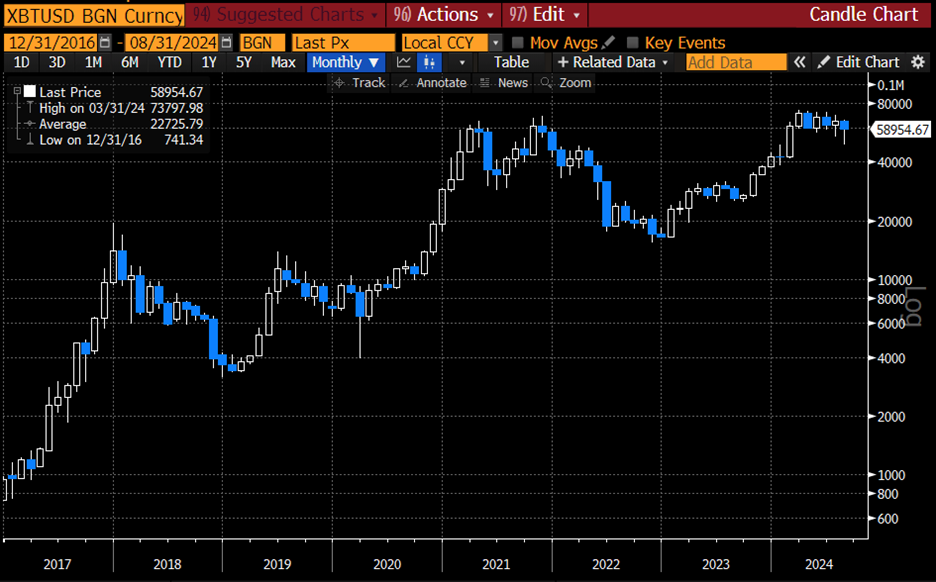
Q2 2025 Earnings Roundup for Evolve US Banks Enhanced Yield Fund

Q2 earnings from major U.S. banks reflected strong trading performance, resilient consumers, and growing momentum in tech-driven financial services—though cautious outlooks on interest income persist. JPMorgan Chase led with robust trading and investment banking gains, while Citigroup delivered standout growth across core divisions, especially markets and banking. Bank of America showed steady credit and deposit strength but missed on revenue. Wells Fargo beat earnings yet trimmed its net interest income guidance, despite gaining new growth freedom with the Fed lifting its asset cap. Meanwhile, U.S. Bancorp combined solid financial results with meaningful progress in digital innovation—from blockchain-based trade finance to expanded embedded payments—signaling a broader trend toward tech-integrated banking. Collectively, these reports underscore a shift: traditional revenue drivers like lending are plateauing, while trading, advisory, and fintech capabilities are taking center stage.

Top 5 Portfolio Holdings*

JPMorgan Chase & Co (JPM)

Portfolio weight* in Evolve US Banks Enhanced Yield Fund: 7.48%

  • EPS: $4.960 reported vs Bloomberg estimate of $4.474
  • Revenue: $45.680B reported vs Bloomberg estimate of $44.053B

“We reported another quarter of strong results, generating net income of $15.0 billion or net income of $14.2 billion excluding a significant item…” – Jamie Dimon, CEO1

JPMorgan Chase beat Q2 expectations as strong trading and investment banking performance offset tough year-ago comparisons. Earnings fell 17% to $5.24 per share, skewed by last year’s $7.9B Visa gain, but still topped forecasts thanks to trading strength and a favorable tax benefit. Revenue dipped 10% to $45.68B but came in ahead of estimates. CEO Jamie Dimon highlighted the bank’s resilience, its ability to boost dividends and buybacks, and noted solid market gains amid Trump-era trade turbulence. Fixed income trading jumped 14%, equities rose 15%, and investment banking fees climbed 7% as activity rebounded late in the quarter. JPMorgan also improved guidance for full-year net interest income, a key profitability metric. While Dimon cautioned on risks like trade uncertainty and fiscal deficits, the bank’s strong capital position and market-savvy execution have helped drive a strong year-to-date stock gain.2

Bank of America Corp (BAC)

Portfolio weight* in Evolve US Banks Enhanced Yield Fund: 6.96%

  • EPS: $0.890 reported vs Bloomberg estimate of $0.850
  • Revenue: $26.608B reported vs Bloomberg estimate of $26.674B

“We delivered another solid quarter, with earnings per share up seven percent from last year. Net interest income grew for the fourth straight quarter, reflecting eight consecutive quarters of deposit growth and seven percent year-over-year loan growth. Consumers remained resilient, with healthy spending and asset quality, and commercial borrower utilization rates rose…” – Brian Moynihan, CEO3

Bank of America delivered mixed Q2 results, beating earnings estimates but falling short on revenue—making it the only major U.S. bank to miss on that front. Profit rose 3% to $7.12B, or 89 cents per share, edging past expectations. Revenue increased 4% to $26.61B, slightly below forecasts, with net interest income up 7% to $14.82B but missing estimates by $70M as lower rates offset growth in deposits and loans. CEO Brian Moynihan highlighted steady consumer health, rising commercial utilization, and momentum across markets businesses. Fixed income trading outperformed with $3.25B in revenue, while equities trading narrowly missed. Investment banking fees fell 9% but still came in stronger than expected at $1.4B.4

Wells Fargo & Co (WFC)

Portfolio weight* in Evolve US Banks Enhanced Yield: 6.75%

  • EPS: $1.600 reported vs Bloomberg estimate of $1.412
  • Revenue: $20.822B reported vs Bloomberg estimate of $20.749B

“Our second quarter results reflect the progress we are making to consistently produce stronger financial results with net income and diluted earnings per share up from both the first quarter and a year ago. Our efforts to increase fee-based income drove revenue growth and both net interest income and noninterest income grew from the first quarter. We are investing in our businesses but remain focused on expense management. While there continue to be risks as we look forward, activity levels have remained consistent and our strong credit performance continues to point to the strength of our commercial and consumer customers’ financial position…” – Charlie Scharf, CEO5

Wells Fargo beat Q2 profit expectations but cut its 2025 net interest income (NII) outlook, triggering a drop in its stock. The bank now expects NII to remain flat versus 2024’s $47.7B, down from earlier guidance of up to 3% growth, citing weakness in its markets division. While analysts had anticipated a guidance cut amid sluggish loan demand and high rates, Wells Fargo noted the impact would be largely offset by stronger non-interest income. Q2 profit rose to $5.49B ($1.60/share), with adjusted earnings of $1.54 topping the $1.41 forecast. Credit provisions eased, and investment banking fees rose 9% to $696M. Importantly, the Fed lifted the bank’s long-standing $1.95T asset cap last month, marking a turning point after years of regulatory constraints. CEO Charlie Scharf emphasized that the bank is now positioned to grow more aggressively, especially in wholesale banking, though expansion will be measured.6

Citigroup Inc (C)

Portfolio weight* in Evolve US Banks Enhanced Yield Fund: 7.35%

  • EPS: $2.123 reported vs Bloomberg estimate of $1.603
  • Revenue: $21.668B reported vs Bloomberg estimate of $20.958B

“We reported another very good quarter and continue to demonstrate that our strong results are sustainable through different environments. We’re improving the performance of each of our businesses to take share and drive higher returns. With revenue up 8%, Services continues to show why this high-return business is our crown jewel. Markets had its best second quarter performance since 2020 with a record second quarter for Equities. Banking revenues were up 18% and we continue to be at the center of some of the most significant transactions…” – Jane Fraser, CEO7

Citigroup delivered a strong Q2, beating expectations with strong earnings and revenue, sending its stock up sharply. Net income rose 25% to $4.02B, with broad-based growth across the bank’s core businesses. Markets revenue surged 16%, driven by record Q2 performance in equities, while banking revenue jumped 18% despite loan hedge losses. CEO Jane Fraser called the bank’s high-return Services division its “crown jewel” and said Citi is gaining share by improving performance across all units. Volatile markets boosted trading results, and Citi expects continued benefit from global uncertainty. However, credit costs climbed 16% due to a weaker economic outlook and higher reserves. The bank maintained a cautious tone on hiring and capex trends but raised full-year revenue guidance to $84B, the top end of its prior range. Citi also hiked its dividend and hinted at exploring stablecoins, as its stock continues to outperform peers.8

US Bancorp (USB)

Portfolio weight* in Evolve US Banks Enhanced Yield Fund: 6.46%

  • EPS: $1.110 reported vs Bloomberg estimate of $1.062
  • Revenue: $7.004B reported vs Bloomberg estimate of $7.053B

“…As we look ahead, we remain committed to executing on our strategic priorities and making disciplined progress towards achieving our medium-term financial targets. Our diversified business mix and sound risk management culture remain strengths, especially at a time of economic volatility…” – Gunjan Kedia, CEO 9

U.S. Bancorp posted a strong Q2, with net income up 13% to $1.82B and EPS rising to $1.11 from $0.97 last year. Revenue grew 2% to $7B, driven by a 4.6% increase in fee income, while expenses declined slightly and operating leverage improved. The bank delivered an 18% return on tangible common equity and maintained solid loan growth, with total average loans (including held-for-sale) up 1.7% year-over-year. U.S. Bank also advanced its digital strategy, completing its first fully digital trade finance transaction using blockchain to cut processing time from days to minutes. Elavon, its merchant payments arm, jumped to the fifth-largest U.S. merchant acquirer in the Nilson Report, handling over $576B annually. Additional fintech initiatives included a partnership with Fiserv to unify debit and credit card management, and the expansion of embedded payment solutions, reinforcing U.S. Bank’s focus on innovation and integrated financial services. 9

*Portfolio weights as at June 30, 2025. Top holdings sorted by Market Cap.


DISCLAIMER

Published July 25, 2025.

Evolve Funds Group Inc. is the investment fund manager and portfolio manager. Evolve US Banks Enhanced Yield Fund is offered by Evolve Funds Group Inc., and distributed through authorized dealers.

The information contained herein is a general description and is not intended to be specific investment advice to any particular investor nor intended to be investment or tax advice. You should not act or rely on the information contained herein without seeking the advice of an appropriate professional advisor. The information contained herein is intended for informational purposes as a summary only, does not constitute an offer to sell any securities or a legally binding obligation, it is qualified entirely by, and should be read in conjunction with, the more detailed information appearing in the prospectuses found on the Evolve Funds Group Inc website at https://evolveetfs.com/

Commissions, trailing commissions, management fees and expenses all may be associated with exchange traded funds (ETFs) and mutual funds. Please read the prospectus before investing. ETFs and mutual funds are not guaranteed, their values change frequently and past performance may not be repeated.

Certain statements contained herein are forward-looking. Forward-looking statements (“FLS”) are statements that are predictive in nature, depend upon or refer to future events or conditions, or that include words such as “may,” “will,” “should,” “could,” “expect,” “anticipate,” “intend,” “plan,” “believe,” or “estimate,” or other similar expressions. Statements that look forward in time or include anything other than historical information are subject to risks and uncertainties, and actual results, actions or events could differ materially from those set forth in the FLS. FLS are not guarantees of future performance and are by their nature based on numerous assumptions. Although the FLS contained herein are based upon what Evolve Funds Group Inc. and the portfolio manager believe to be reasonable assumptions, neither Evolve Funds Group Inc. nor the portfolio manager can assure that actual results will be consistent with these FLS. The reader is cautioned to consider the FLS carefully and not to place undue reliance on FLS. Unless required by applicable law, it is not undertaken, and specifically disclaimed that there is any intention or obligation to update or revise FLS, whether as a result of new information, future events or otherwise.

Certain information contained in this document is obtained from third parties. Evolve Funds Group Inc. believes such information to be accurate and reliable as of the date hereof, however, we cannot guarantee that it is accurate or complete or current at all times. The information provided is subject to change without notice.
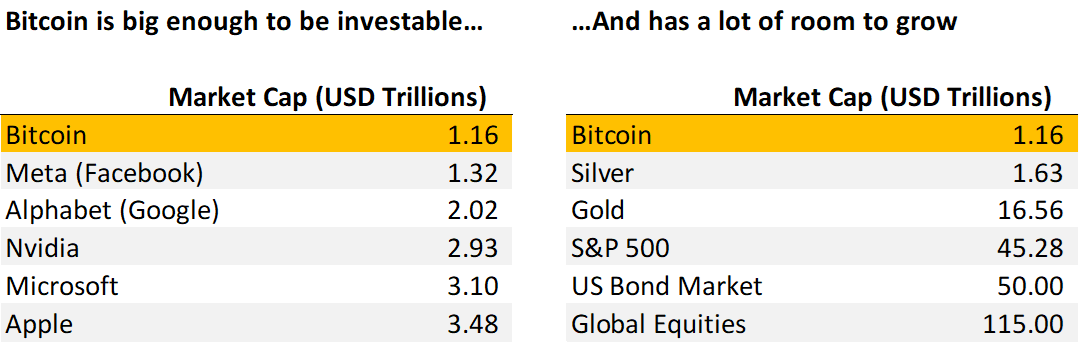
Source: Getty Images Credit: Javier Ghersi

Sources:

  1. https://www.jpmorganchase.com/content/dam/jpmc/jpmorgan-chase-and-co/investor-relations/documents/quarterly-earnings/2025/2nd-quarter/ac5b7d95-9133-4fea-959c-2fa6d8fd8c5b.pdf (July 15, 2025)
  2. https://www.cnbc.com/2025/07/15/jpmorgan-chase-jpm-earnings-q2-2025.html (July 15, 2025)
  3. https://d1io3yog0oux5.cloudfront.net/_285374943558368fd722d0234cd17a94/bankofamerica/db/806/10214/earnings_release/The+Press+Release_2Q25_ADA.pdf (July 16, 2025)
  4. https://www.cnbc.com/2025/07/16/bank-of-america-bac-earnings-q2-2025.html (July 16, 2025)
  5. https://www.wellsfargo.com/assets/pdf/about/investor-relations/earnings/second-quarter-2025-earnings.pdf (July 15, 2025)
  6. https://www.cnbc.com/2025/07/15/wells-fargo-wfc-q2-earnings.html (July 15, 2025)
  7. https://www.citigroup.com/rcs/citigpa/storage/public/2025prqtr2rslt.pdf (July 15, 2025)
  8. https://www.cnbc.com/2025/07/15/citigroup-c-earnings-q2-2025.html (July 15, 2025)
  9. https://s203.q4cdn.com/711684571/files/doc_financials/2025/q2/2Q25-Earnings-Release.pdf (July 17, 2025)


Inside the Global Healthcare Landscape

A Resilient and Evolving Sector Amid Political Shifts

The healthcare sector is navigating a dynamic political landscape, most notably under US President Trump’s administration. His sweeping changes—such as halting vaccine guidancedefunding Moderna’s bird flu program, and removing the CDC’s vaccine advisory panel—have certainly impacted vaccine-centric names like Pfizer, Moderna, and Novavax. However, the broader sector has proven resilient. Healthcare’s diversification, spanning pharmaceuticals, diagnostics, and medical technology, provides insulation from policy shocks. In fact, some investors view the pivot toward preventive care, environmental health, and regulatory reform as a catalyst for long-term innovation across the industry.

Tariff Risks Managed Through Domestic Investment

While broader trade tensions remain on the radar, the healthcare sector appears far less vulnerable than others. Tariff threats on drug imports, which account for over $200 billion annually, are being closely watched. Yet, unlike industries such as airlines, major pharmaceutical firms have voiced confidence during earnings calls, emphasizing limited tariff impact. This confidence is backed by substantial commitments to U.S.-based manufacturing. Companies like Abbott, Merck, J&J, Sanofi, and Roche have announced investments ranging from hundreds of millions to tens of billions to expand domestic operations—bolstering supply chain resilience and potentially qualifying for tariff exemptions.

Healthcare’s Long-Term Growth Story Remains Intact

Healthcare’s appeal as a defensive sector remains strong. The day after Liberation Day, the S&P Healthcare sector fell just 0.79%—a fraction of the S&P 500’s 4.83% decline1—highlighting its role as a defensive sector. Structural tailwinds further strengthen the case: an aging global population, rising middle-class demand for quality care, and breakthroughs in obesity and metabolic treatments are propelling steady revenue growth. Blockbuster drugs like Ozempic and Zepbound are expanding their addressable markets, moving from diabetes into cardiovascular disease and weight management.

Innovation Driving the Future of Healthcare

Innovation is another key tailwind. Artificial intelligence is reshaping drug development by accelerating R&D timelines, improving clinical trial precision, and enabling personalized medicine. Meanwhile, advances in medical devices—from surgical robotics to smart implants—are enhancing outcomes and broadening access to minimally invasive care. These themes support a long runway for growth across sub-sectors of healthcare.

Evolve Global Healthcare Enhanced Yield Fund (TSX: LIFE)

For investors looking to participate in this resilient and forward-looking sector, LIFE offers a compelling opportunity. Its covered call strategy provides exposure to healthcare giants while generating income and smoothing volatility—especially valuable in uncertain macro environments. With strong fundamentals, ongoing innovation, and reduced sensitivity to political noise compared to other sectors, healthcare continues to offer an attractive mix of stability and opportunity.

1Source: Bloomberg, as at June 18, 2025.

Source: Getty Images Credit: Issarawat Tattong

DISCLAIMER

Published July 2, 2025.

Evolve Funds Group Inc. is the investment fund manager and portfolio manager. The Evolve Global Healthcare Enhanced Yield Fund (“LIFE”) is offered by Evolve Funds Group Inc., and distributed through authorized dealers.

The information contained herein is a general description and is not intended to be specific investment advice to any particular investor nor intended to be investment or tax advice. You should not act or rely on the information contained herein without seeking the advice of an appropriate professional advisor. The information contained herein is intended for informational purposes as a summary only, does not constitute an offer to sell any securities or a legally binding obligation, it is qualified entirely by, and should be read in conjunction with, the more detailed information appearing in the prospectuses found on the Evolve Funds Group Inc website at https://evolveetfs.com/

Commissions, trailing commissions, management fees and expenses all may be associated with exchange traded funds (ETFs) and mutual funds. Please read the prospectus before investing.

Certain statements contained herein are forward-looking. Forward-looking statements (“FLS”) are statements that are predictive in nature, depend upon or refer to future events or conditions, or that include words such as “may,” “will,” “should,” “could,” “expect,” “anticipate,” “intend,” “plan,” “believe,” or “estimate,” or other similar expressions. Statements that look forward in time or include anything other than historical information are subject to risks and uncertainties, and actual results, actions or events could differ materially from those set forth in the FLS. FLS are not guarantees of future performance and are by their nature based on numerous assumptions. Although the FLS contained herein are based upon what Evolve Funds Group Inc. and the portfolio manager believe to be reasonable assumptions, neither Evolve Funds Group Inc. nor the portfolio manager can assure that actual results will be consistent with these FLS. The reader is cautioned to consider the FLS carefully and not to place undue reliance on FLS. Unless required by applicable law, it is not undertaken, and specifically disclaimed that there is any intention or obligation to update or revise FLS, whether as a result of new information, future events or otherwise.

Certain information contained in this document is obtained from third parties. Evolve Funds Group Inc. believes such information to be accurate and reliable as of the date hereof, however, we cannot guarantee that it is accurate or complete or current at all times. The information provided is subject to change without notice.
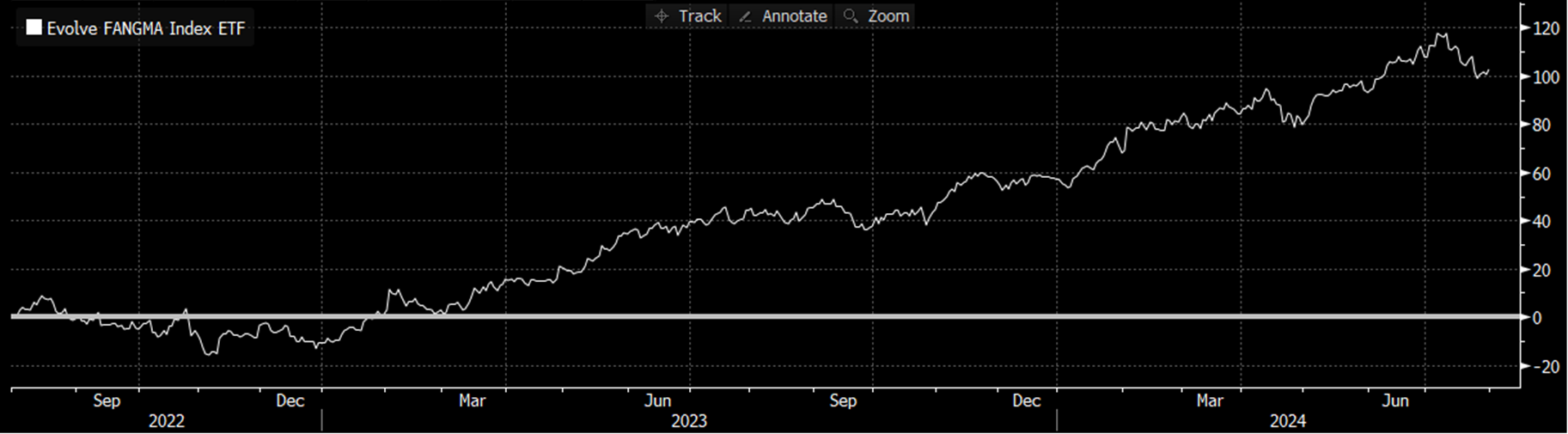
XRP Takes Off and is Revolutionizing Global Payments

First launched in 2012, XRP has been having a moment, emerging as a force in the evolution of cross-border payments. After the U.S. election in November, XRP’s market capitalization surged more than $100 billion by the end of December 2024, making it the third largest crypto after Bitcoin and Ethereum.¹

Designed specifically for use by financial institutions, XRP is more than just another cryptocurrency—it’s a purpose-built asset engineered to deliver speed, efficiency, and cost-effectiveness in international transactions. XRP offers a glimpse into the future of cross-border transactions that traditional systems can’t match. 

So let’s look at what XRP is, what it does, and how XRP is paving the way for a more connected, efficient, and innovative financial world. 

What is XRP?

XRP is a digital asset purpose-built for the financial sector, designed to streamline cross-border payments quickly and efficiently. 

XRP is the native cryptocurrency of the XRP Ledger, a purpose-built, open-source blockchain engineered specifically for high-speed, cost-efficient cross-border payments. Unlike many other cryptocurrencies that serve primarily as speculative instruments or stores of value, XRP was designed with financial institutions in mind, acting as a bridge to streamline transactions between disparate fiat systems. 

Unlike Bitcoin or Ethereum, which rely on energy-intensive proof-of-work or proof-of-stake algorithms, the XRP Ledger operates on a unique consensus mechanism known as the Ripple Consensus Algorithm. This protocol allows a select group of trusted validators to quickly agree on transaction records, meaning XRP transactions settle within three to five seconds at a fraction of the cost (indeed, just fractions of a cent) of other cryptocurrencies. This allows XRP to process up to 1,500 transactions per second.²

As regulatory clarity begins to emerge, particularly the more crypto-friendly stance that is expected from the Trump administration, XRP stands on the precipice of greater institutional adoption, with growing use cases across banks, payment platforms, and emerging financial technologies.³

Use Cases for XRP in the Financial Sector

XRP’s most compelling application is as a bridge currency for cross-border payments. A range of financial institutions seeking efficiency beyond what traditional systems offer are increasingly leveraging XRP to streamline liquidity management and bypass the cumbersome legacy systems that slow down global commerce. XRP’s design addresses the inefficiencies that have long plagued conventional cross-border payments. 

By converting one fiat currency into XRP before settling transactions in another, banks and remittance providers can avoid the delays and costs typically associated with banking networks. This not only accelerates settlement times but also minimizes transaction fees, making XRP an attractive alternative for high-volume international transfers.

Beyond its role in facilitating payments, XRP is deeply integrated into Ripple’s broader ecosystem, notably through the Ripple Payments platform. Financial institutions leveraging Ripple Payments can tap into a unified network that seamlessly connects disparate systems across borders. This integration allows for real-time liquidity management and smoother currency exchanges, even when direct bilateral relationships between banks are absent. Moreover, XRP’s utility is not confined solely to traditional banking; its robust performance and low operational costs have made it a linchpin in emerging fintech applications such as digital remittances, tokenized assets, and decentralized finance initiatives. 

As institutional interest mounts—evidenced by growing support from asset managers—XRP’s blend of technical efficiency and practical application will reshape how financial services are delivered, positioning XRP as a critical component in the digital transformation of global finance. 

The Investment Case for XRP

So if you’re looking to add XRP to your portfolio holdings, what should you keep in mind? 

XRP’s investment case is underpinned by its surge in institutional interest. Recent market activity has been positive, with significant whale accumulation, hinting at a potential breakout that could see the token move from its current levels to new highs.

Adding further credibility to XRP’s investment thesis are emerging financial products, including exchange-traded funds. These instruments offer traditional investors a regulated pathway into digital assets and signal a broader market acceptance that transcends mere speculation. As major asset managers and financial institutions recalibrate their strategies in light of clearer regulatory frameworks, crypto is increasingly seen as a viable component of a diversified portfolio.⁹

While no asset is without risk, the token’s inherent efficiency—delivering fast, low-cost transactions on a platform that continues to evolve—positions it favourably within the rapidly transforming landscape of global finance.  

By serving as a universal bridge currency, XRP’s speed, scalability, and low transaction fees make it an ideal solution for global payments, positioning it as a key player in the future of finance. With a growing roster of financial products—from ETFs to dedicated blockchain launchpads—XRP is not only enhancing the mechanics of international payments but also driving broader innovation across the financial landscape. For investors and policymakers alike, XRP offers a future where digital tools and traditional finance converge to create a more efficient, transparent, and resilient global economy. 


ENDNOTES 

  1. Randall, S., “What is XRP and why has its market cap jumped $100B in a month?,” December 2, 2024; https://www.investmentnews.com/industry-news/what-is-xrp-and-why-has-its-market-cap-jumped-100b-in-a-month/258415
  2. Nelson, J. & Hussey, M., “What is XRP? A Cryptocurrency Created For the Financial Sector,” Decrypt, January 31, 2025; https://decrypt.co/resources/xrp
  3. Di Pizio, A., “The SEC’s Latest Crypto Move Could Be Incredible News for XRP (Ripple) Investors,” The Motley Fool, February 15, 2025; https://www.fool.com/investing/2025/02/15/the-sec-crypto-incredible-news-xrp-ripple-investor/
  4. Nelson, J. & Hussey, M., “What is XRP? A Cryptocurrency Created For the Financial Sector,” Decrypt, January 31, 2025; https://decrypt.co/resources/xrp
  5. Sharma, R., “Ripple Ecosystem: What Is The Role of XRP?,” Investopedia, May 31, 2024; https://www.investopedia.com/news/what-role-xrp-ripples-products/
  6. Li, Z. & Bewaji, S., “How cross-border payments are evolving,” Payments Canada, November 26, 2019; https://www.payments.ca/how-cross-border-payments-are-evolving
  7. Ali, M., “Ripple’s XRP Set for Explosive Growth: $1.60 is Just the Start, $8-$20 on the Horizon,” Tron Weekly, November 29, 2024; https://www.tronweekly.com/ripples-xrp-1-60-is-just-start-8-20-on-horizon/
  8. Ali, M., “Ripple’s XRP Set for Explosive Growth: $1.60 is Just the Start, $8-$20 on the Horizon,” Tron Weekly, November 29, 2024; https://www.tronweekly.com/ripples-xrp-1-60-is-just-start-8-20-on-horizon/
  9. Randall, S., “What is XRP and why has its market cap jumped $100B in a month?,” December 2, 2024; https://www.investmentnews.com/industry-news/what-is-xrp-and-why-has-its-market-cap-jumped-100b-in-a-month/258415

Source: Envato Credit: FabrikaPhoto


DISCLAIMER 

Published June 18, 2025. 

Evolve Funds Group Inc. is the investment fund manager and portfolio manager. Evolve XRP ETF (“XRP”) is offered by Evolve Funds Group Inc., and distributed through authorized dealers. 

The unpredictable nature of the cryptoassets can lead to loss of funds. 

The information contained herein is a general description and is not intended to be specific investment advice to any particular investor nor intended to be investment or tax advice. You should not act or rely on the information contained herein without seeking the advice of an appropriate professional advisor. The information contained herein is intended for informational purposes as a summary only, does not constitute an offer to sell any securities or a legally binding obligation, it is qualified entirely by, and should be read in conjunction with, the more detailed information appearing in the prospectuses found on the Evolve Funds Group Inc website at https://evolveetfs.com/ 

Commissions, management fees and expenses all may be associated with exchange traded funds (ETFs). Please read the prospectus before investing. ETFs are not guaranteed, their values change frequently and past performance may not be repeated. 

Certain statements contained herein are forward-looking. Forward-looking statements (“FLS”) are statements that are predictive in nature, depend upon or refer to future events or conditions, or that include words such as “may,” “will,” “should,” “could,” “expect,” “anticipate,” “intend,” “plan,” “believe,” or “estimate,” or other similar expressions. Statements that look forward in time or include anything other than historical information are subject to risks and uncertainties, and actual results, actions or events could differ materially from those set forth in the FLS. FLS are not guarantees of future performance and are by their nature based on numerous assumptions. Although the FLS contained herein are based upon what Evolve Funds Group Inc. and the portfolio manager believe to be reasonable assumptions, neither Evolve Funds Group Inc. nor the portfolio manager can assure that actual results will be consistent with these FLS. The reader is cautioned to consider the FLS carefully and not to place undue reliance on FLS. Unless required by applicable law, it is not undertaken, and specifically disclaimed that there is any intention or obligation to update or revise FLS, whether as a result of new information, future events or otherwise. 

Certain information contained in this document is obtained from third parties. Evolve Funds Group Inc. believes such information to be accurate and reliable as of the date hereof, however, we cannot guarantee that it is accurate or complete or current at all times. The information provided is subject to change without notice. 
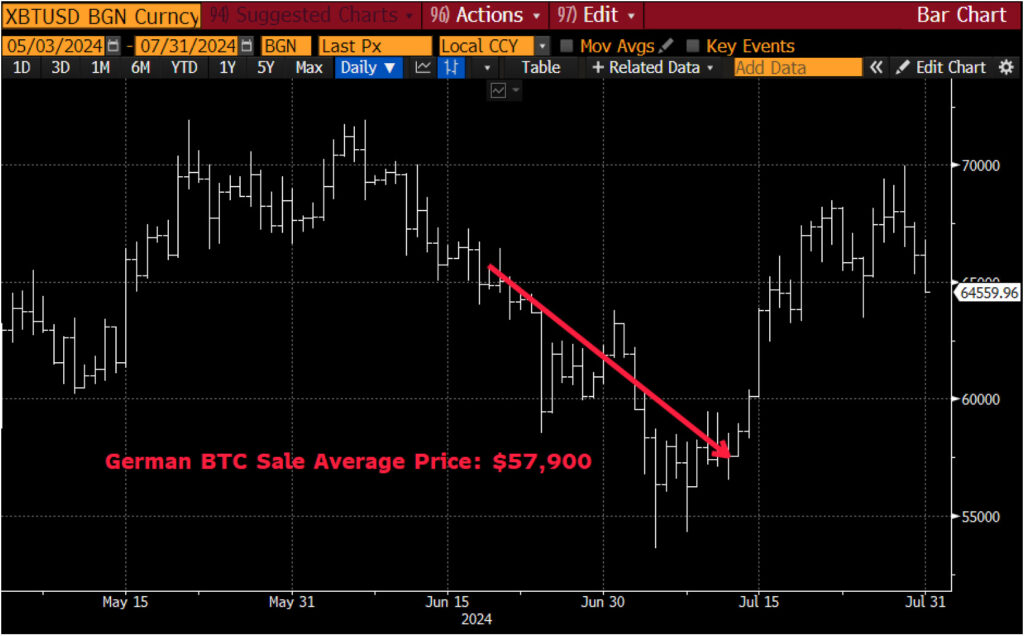
BANK Q2 2025 Quarterly Earnings Roundup

The second-quarter earnings season for Canada’s big six banks was dominated by caution, as all lenders increased provisions for potential loan defaults amid growing economic uncertainty. While TD, BMO, National Bank, and CIBC beat analyst expectations, RBC and Scotiabank fell short, weighed down by higher credit loss reserves. The results reflect concerns over slower growth and rising unemployment, even as capital markets strength and loan income helped boost earnings at several banks.

Canada’s top lifecos reported strong results, powered by growth in retirement, wealth, and asset management—especially in the U.S. and Asia. Core earnings remained solid, digital and AI investments accelerated, and capital was actively redeployed through buybacks, M&A, and dividend hikes. Despite market uncertainty, the group remains well-capitalized and focused on high-growth, capital-efficient segments.

BANK Portfolio Holdings

Royal Bank of Canada (RY)

  • EPS: $3.120 reported vs Bloomberg estimate of $3.181
  • Revenue: $15.672B reported vs Bloomberg estimate of $15.679B

“We saw the strength of our diversified business model reflected across our largest segments in Q2, underpinned by our robust capital position, balance sheet strength and prudent, through-the-cycle approach to risk management. Importantly, in a quarter hallmarked by macroeconomic uncertainty and market volatility, Team RBC continued to step up for our clients with the advice, insights and experiences they expect from us”… – Dave McCay, CEO.1

RBC posted higher earnings but fell short of analyst expectations. The bank reported net income of $4.39 billion, up 11% from a year earlier. Adjusted earnings, came in at $3.12 per share—missing the $3.18 analysts had forecast. RBC raised its quarterly dividend by 6 cents to $1.54 per share and announced plans to repurchase 35 million shares. Provisions for credit losses rose to $1.42 billion, up from $920 million last year, including $568 million for performing loans, reflecting a more cautious stance amid economic uncertainty. Despite the miss, the quarter showed continued strength in core operations. RBC is also implementing a return-to-office policy, requiring employees to be in the office four days a week starting this fall. 2

Toronto-Dominion Bank/The (TD)

  • EPS: $1.970 reported vs Bloomberg estimate of $1.777
  • Revenue: $13.734B reported vs Bloomberg estimate of $13.434B

“TD delivered strong results this quarter, with robust trading and fee income in our markets-driven businesses as well as deposit and loan growth in Canadian Personal and Commercial Banking.”… –  Raymond Chun, CEO. 3

TD delivered strong results, beating analyst expectations with solid earnings and more conservative credit loss provisions. The bank set aside $1.34 billion for potential loan losses—lower than expected—including $395 million for performing loans based on economic forecasts. While overall provisions rose from $1.07 billion a year ago, impaired loan provisions declined, highlighting the relative strength of TD’s loan portfolio. The bank is also cutting its workforce by 2% as part of a cost-saving initiative and to address gaps in its anti-money-laundering practices. TD reported a headline profit of $11.1 billion, fueled by the sale of its stake in Charles Schwab. On an adjusted basis, earnings came in at $1.97 per share, topping analyst expectations of $1.78. The quarter showcased TD’s strong fundamentals and cautious positioning amid an uncertain economic backdrop. 4

Bank of Montreal (BMO)

  • EPS: $2.620 reported vs Bloomberg estimate of $2.535
  • Revenue: $8.679B reported vs Bloomberg estimate of $8.713B

“This quarter, we delivered strong revenue and pre-provision, pre-tax earnings growth across each operating group and ongoing positive operating leverage. Impaired credit provisions moderated again this quarter as expected, while we bolstered performing allowances. We’re executing against our plan to rebuild return on equity, including actions to optimize our balance sheet and invest for growth.”… – Darryl White, CEO. 5

BMO delivered a solid quarterly performance, with profit beating analyst expectations despite setting aside more funds for potential loan defaults. The bank reported net income of $1.96 billion, up from $1.87 billion a year earlier. On an adjusted basis, earnings came in at $2.62 per share, topping the $2.54 expected. BMO raised its quarterly dividend by 4 cents to $1.63 per share. Provisions for credit losses climbed to $1.05 billion—up from $705 million last year—including $289 million for performing loans, reflecting increased risk in Canadian commercial and unsecured consumer lending. While higher provisions were a headwind, strong top-line growth helped offset the impact: revenue rose 9% to $8.68 billion, while expenses grew 4% to $5.02 billion, largely due to higher staffing and technology costs. The results highlight BMO’s earnings strength and its proactive stance amid a softening credit environment. 6

Bank of Nova Scotia/The (BNS)

  • EPS: $1.520 reported vs Bloomberg estimate of $1.556
  • Revenue: $9.080B reported vs Bloomberg estimate of $9.029B

…“Amidst the continuously-evolving economic outlook, we are focused on what we can control and are executing on our strategic plan while continuing to deliver positive operating leverage. This quarter we increased our performing allowances to reflect the impact of an uncertain macroeconomic outlook. With strong balance sheet metrics, we remain well positioned to support our clients through this period of uncertainty and to seize growth opportunities as they arise.” – Scott Thompson, CEO. 7

Scotiabank reported a weaker-than-expected quarter, with earnings falling short of analyst estimates as it significantly boosted loan loss provisions amid rising credit risks among Canadian consumers and businesses. The bank set aside $1.4 billion in provisions for credit losses, up from $1 billion a year ago and well above expectations. Net income fell 3% year-over-year to $2.03 billion, while adjusted earnings came in at $1.52 per share, missing the $1.56 consensus. The hit was most evident in the Canadian banking division, where profit plunged 31% to $613 million, even as loan balances rose 4%. Despite the challenges, Scotiabank posted stronger results in its international, wealth management, and capital markets segments. The bank raised its quarterly dividend to $1.10 per share and announced plans to repurchase 20 million shares. 8

Canadian Imperial Bank of Commerce (CM)

  • EPS: $2.050 reported vs Bloomberg estimate of $1.885
  • Revenue: $7.022B reported vs Bloomberg estimate of $6.873B

…“The CIBC of today is a modern, relationship-oriented bank with a powerful organic growth engine across borders – driven by execution, guided by purpose, and fueled by our talented team and culture. We are navigating the volatility in the global business environment from a position of strength, supported by our robust capital position, disciplined risk management and strong credit quality.” – Victor G. Dodig, CEO. 9

CIBC reported a strong quarter, with profit rising and beating analyst expectations. The bank earned $2 billion, up 15% from the same quarter last year. Adjusted earnings came in at $2.05 per share, surpassing forecasts. CIBC set aside $605 million in provisions for credit losses—below analyst estimates, reflecting a more cautious economic outlook. Revenue climbed 14% to $7 billion, while expenses rose 9% to $3.8 billion, driven by higher performance-based compensation. In leadership news, CIBC announced that current capital markets head Harry Culham will become CEO in October. The quarter highlighted CIBC’s earnings momentum and prudent risk management as it transitions to new leadership. 10

Manulife Financial Corp (MFC)

  • EPS: $0.990 reported vs Bloomberg estimate of $0.977

“We started the year with continued strong momentum, delivering record levels of insurance new business results this quarter. We generated double-digit growth in new business value across all insurance segments, led by Asia with a 43% increase year over year, demonstrating broad-based strength in our top-line results.”… – Roy Gori, CEO. 11

Manulife reported core earnings of $1.8 billion over the quarter, with core EPS up 3%. New business metrics were strong, with APE sales up 37% and new business value up 36%. The company launched a digital U.S. retirement platform, renewed its 15-year bancassurance partnership in the Philippines, and reinsured legacy blocks to free capital for share buybacks. It expanded product offerings, including new high-net-worth insurance in Asia and a U.S. ABS fund. Manulife also advanced AI tools to improve advisor support and customer engagement, and enhanced its Vitality wellness program with new health services and rewards. 12

National Bank of Canada (NA)

  • EPS: $2.850 reported vs Bloomberg estimate of $2.402
  • Revenue: $3.650B reported vs Bloomberg estimate of $3.290B

“The Bank delivered strong second quarter results, supported by solid organic growth in our business segments. We were also pleased to complete the acquisition of Canadian Western Bank during the quarter, marking a significant step forward in the acceleration of our domestic strategy and in extending the depth and reach of our banking capabilities for our clients.”… – Laurent Ferreira, CEO. 13

National Bank of Canada reported stronger-than-expected quarterly results, boosted by its capital markets business, even as it increased loan loss provisions. Net income dipped 1% year-over-year to $896 million, but adjusted earnings came in at $2.85 per share, well above the $2.40 analysts expected. The bank raised its quarterly dividend by 4 cents to $1.18 per share. National set aside $545 million in provisions for credit losses. Stripping out acquisition-related provisions, reserves were just above expectations, reflecting growing credit risk in the current economic environment. CEO Laurent Ferreira emphasized the bank’s strong capital position as a foundation for continued growth despite global uncertainty. Revenue surged 33% to $3.65 billion, while expenses rose 32% to $1.94 billion, driven by acquisition and integration costs. 14

Sun Life Financial Inc (SLF)

  • EPS: $1.820 reported vs Bloomberg estimate of $1.711

“This quarter, we achieved strong top and bottom-line growth across all of our businesses, reflecting the trust and confidence our clients continue to place in Sun Life for their health and financial needs.”… – Kevin Strain, CEO. 15

Sun Life Financial reported record underlying earnings in the quarter, beating analyst expectations with $1.82 per share versus $1.71 forecasted. CFO Tim Deacon highlighted strong performance across all regions, with record results in Asia and solid growth in Canada and the U.S. The company’s asset management business was a key earnings driver. In Asia, Sun Life operates in eight markets, with developed regions like Hong Kong and India performing well, and scaling efforts underway in China and Southeast Asia. In the U.S., Sun Life sees potential benefits from lower drug prices, which could reduce insurance costs and expand access. The company raised its dividend to 88 cents and plans to reinvest in digital and AI, maintain a 40–50% dividend payout ratio, and pursue strategic M&A or buybacks to support long-term growth. 16

Great-West Lifeco Inc (GWO)

  • EPS: $1.110 reported vs Bloomberg estimate of $1.134

“We delivered strong results in the first quarter, including double-digit base earnings growth in our Retirement and Wealth businesses.”… – Paul Mahon, CEO. 17

Great-West Lifeco reported strong results, with base earnings exceeding $1 billion, up 5% year-over-year, driven by double-digit growth in its Retirement and Wealth businesses. U.S. operations led performance, with base earnings up 13% and net earnings from continuing operations rising 32%. Total client assets surpassed $3 trillion, including $1 trillion in higher-margin assets. Wealth net flows grew across all markets, notably in Canada and the U.S., with Empower adding 270,000 new plan participants. Lifeco maintained a robust capital position with a 130% LICAT ratio and $2.5 billion in cash. Its diversified, capital-efficient business model and conservative investment approach continue to provide resilience, including minimal impact from weather-related insurance claims. 18

Power Corporation (POW)

  • EPS: $1.220 reported vs Bloomberg estimate of $1.240

Power Corporation reported adjusted net earnings of $787 million, up from $710 million last year. It repurchased 3 million shares for $135 million. Subsidiary Great-West Lifeco delivered over $1 billion in adjusted earnings, led by strong Retirement and Wealth results. IGM Financial reported record-high assets under management and advisement at $275 billion, with earnings of $238 million. GBL’s net asset value was €15.4 billion, and it continued share buybacks. Sagard and GBL formed a strategic partnership with a €250 million investment plan, while Sagard also acquired a stake in BEX Capital. Power Sustainable launched a new decarbonization private equity strategy with US$330 million in commitments. 19

Sources:

  1. https://www.rbc.com/investor-relations/_assets-custom/pdf/2025q2release.pdf (May 29, 2025)
  2. https://www.theglobeandmail.com/business/article-canada-banks-earnings-second-quarter-2025/ (May 30, 2025)
  3. https://www.td.com/content/dam/tdcom/canada/about-td/pdf/quarterly-results/2025/q2/2025-q2-earnings-newsrelease-en.pdf (May 22, 2025)
  4. https://www.theglobeandmail.com/business/article-canada-banks-earnings-second-quarter-2025/ (May 30, 2025)
  5. https://www.bmo.com/ir/qtrinfo/1/2025-q2/Q225_EarningsRelease.pdf (May 28, 2025)
  6. https://www.theglobeandmail.com/business/article-canada-banks-earnings-second-quarter-2025/ (May 30, 2025)
  7. https://www.scotiabank.com/content/dam/scotiabank/corporate/quarterly-reports/2025/q2/Q225_Quarterly_Press_Release-EN.pdf (May 27, 2025)
  8. https://www.theglobeandmail.com/business/article-canada-banks-earnings-second-quarter-2025/ (May 30, 2025)
  9. https://www.cibc.com/content/dam/cibc-public-assets/about-cibc/investor-relations/pdfs/quarterly-results/2025/q225newsrelease-en.pdf (May 29, 2025)
  10. https://www.theglobeandmail.com/business/article-canada-banks-earnings-second-quarter-2025/ (May 30, 2025)
  11. https://www.manulife.com/content/dam/corporate/en/documents/investors/MFC_QPR_2025_Q1_EN.pdf (May 7, 2025)
  12. https://www.manulife.com/content/dam/corporate/en/documents/investors/MFC_QPR_2025_Q1_EN.pdf (May 7, 2025)
  13. https://www.nbc.ca/content/dam/bnc/a-propos-de-nous/relations-investisseurs/resultats-trimestriels/2025/report-shareholder-q2-2025.pdf (May 28, 2025)
  14. https://www.theglobeandmail.com/business/article-canada-banks-earnings-second-quarter-2025/ (May 30, 2025)
  15. https://www.sunlife.com/content/dam/sunlife/regional/global-marketing/documents/com/pa-e-q125-earnings.pdf (May 8, 2025)
  16. https://www.sunlife.com/content/dam/sunlife/regional/global-marketing/documents/com/pa-e-q125-earnings.pdf (May 8, 2025)
  17. https://www.greatwestlifeco.com/content/dam/gwlco/documents/press-releases/2025/lifeco-q1-2025-earnings-release.pdf (May 7, 2025)
  18. https://www.greatwestlifeco.com/content/dam/gwlco/documents/press-releases/2025/lifeco-q1-2025-earnings-release.pdf (May 7, 2025)
  19. https://www.powercorporation.com/media/uploads/reports/quarter/b2025-05-13-pcc-news-release-q1-final_AYfHBwN.pdf (May 13, 2025)


DISCLAIMER

Published June 9, 2025.

Evolve Funds Group Inc. is the investment fund manager and portfolio manager. The Evolve Canadian Banks and Lifecos Enhanced Yield Index Fund (“BANK”) is offered by Evolve Funds Group Inc., and distributed through authorized dealers.

Leverage increases risk.

The information contained herein is a general description and is not intended to be specific investment advice to any particular investor nor intended to be investment or tax advice. You should not act or rely on the information contained herein without seeking the advice of an appropriate professional advisor. The information contained herein is intended for informational purposes as a summary only, does not constitute an offer to sell any securities or a legally binding obligation, it is qualified entirely by, and should be read in conjunction with, the more detailed information appearing in the prospectuses found on the Evolve Funds Group Inc website at https://evolveetfs.com/

Commissions, management fees and expenses all may be associated with exchange traded funds (ETFs). Please read the prospectus before investing. ETFs are not guaranteed, their values change frequently and past performance may not be repeated.

Certain statements contained herein are forward-looking. Forward-looking statements (“FLS”) are statements that are predictive in nature, depend upon or refer to future events or conditions, or that include words such as “may,” “will,” “should,” “could,” “expect,” “anticipate,” “intend,” “plan,” “believe,” or “estimate,” or other similar expressions. Statements that look forward in time or include anything other than historical information are subject to risks and uncertainties, and actual results, actions or events could differ materially from those set forth in the FLS. FLS are not guarantees of future performance and are by their nature based on numerous assumptions. Although the FLS contained herein are based upon what Evolve Funds Group Inc. and the portfolio manager believe to be reasonable assumptions, neither Evolve Funds Group Inc. nor the portfolio manager can assure that actual results will be consistent with these FLS. The reader is cautioned to consider the FLS carefully and not to place undue reliance on FLS. Unless required by applicable law, it is not undertaken, and specifically disclaimed that there is any intention or obligation to update or revise FLS, whether as a result of new information, future events or otherwise.

Certain information contained in this document is obtained from third parties. Evolve Funds Group Inc. believes such information to be accurate and reliable as of the date hereof, however, we cannot guarantee that it is accurate or complete or current at all times. The information provided is subject to change without notice.
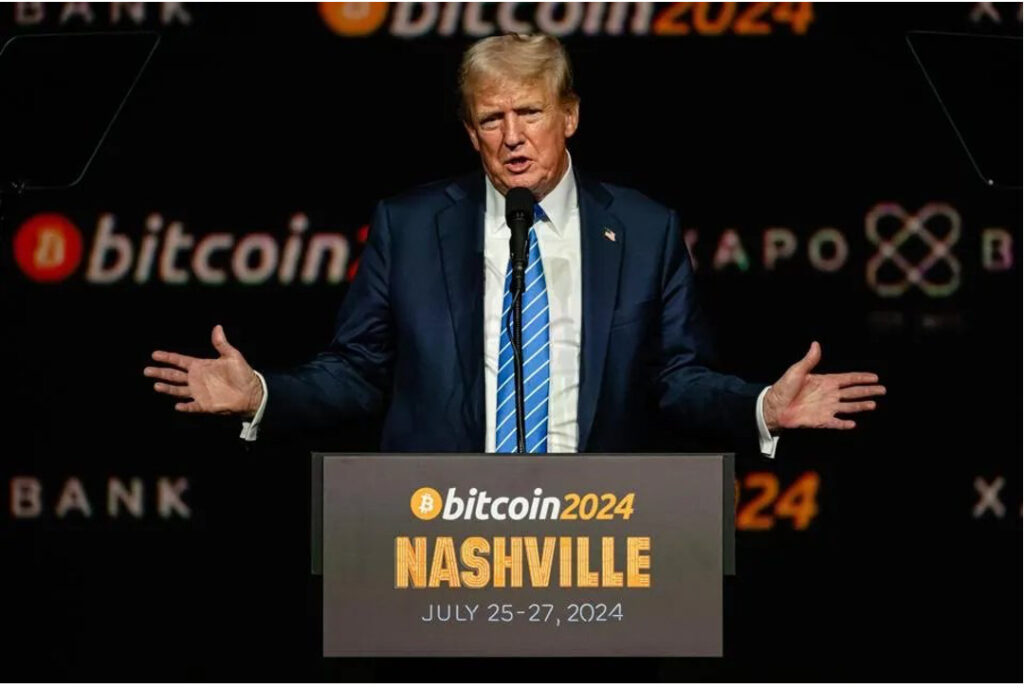
TECH Quarterly Earnings Roundup

The first quarter of 2025 showcased resilient performance across the U.S. tech giants, with all six major names—Apple, Microsoft, Alphabet, Amazon, Meta, and Netflix—delivering earnings and revenue that exceeded expectations. A common theme was the growing contribution of artificial intelligence and advertising to revenue growth, alongside disciplined cost control and rising capital expenditures—particularly in support of AI infrastructure. While Microsoft, Alphabet, and Meta emphasized accelerating cloud and AI monetization, Apple and Netflix highlighted product innovation and subscription strength. Tariff concerns loomed large, with Amazon and Meta directly citing potential impacts from President Trump’s new trade policies, especially for Asia-based advertisers and third-party sellers. Apple and Alphabet also flagged exposure, though mitigated by supply chain diversification. Despite these macro risks, guidance remained broadly constructive, underscoring the sector’s adaptability and leadership in digital transformation.

TECH Portfolio Holdings

Apple Inc (AAPL)

Portfolio weight in TECH*: 16.50%

  • EPS: $1.650 reported vs Bloomberg estimate of $1.625
  • Revenue: $95.359B reported vs Bloomberg estimate of $94.588B

“Today Apple is reporting strong quarterly results, including double-digit growth in Services. We were happy to welcome iPhone 16e to our lineup, and to introduce powerful new Macs and iPads that take advantage of the extraordinary capabilities of Apple silicon…” – Tim Cook, CEO.1

Apple beat earnings and revenue expectations for the quarter. iPhone, Mac, and iPad sales all topped forecasts, while Services revenue, though up 11.6% year-over-year to $26.65 billion, slightly missed estimates. Wearables declined 5%, partly due to last year’s Vision Pro launch. Shares fell up to 4% after hours. CEO Tim Cook said tariffs had limited impact in the quarter due to supply chain optimization but forecast $900 million in tariff-related costs next quarter. Apple expects low- to mid-single-digit revenue growth in the coming quarter and guided gross margins around 46%. The company announced a $100 billion share buyback and raised its dividend by 4%. China revenue dipped slightly but was stable excluding FX, while Americas sales rose 8%. Cook confirmed increased sourcing from India and Vietnam. Apple delayed some AI features, including Siri upgrades, to next year, citing a need for more development time. 2

Microsoft Corporation (MSFT)

Portfolio weight in TECH*: 16.50%

  • EPS: $3.460 reported vs Bloomberg estimate of $3.214
  • Revenue: $70.066B reported vs Bloomberg estimate of $68.480B

“Cloud and AI are the essential inputs for every business to expand output, reduce costs, and accelerate growth. From AI infra and platforms to apps, we are innovating across the stack to deliver for our customers.” – Satya Nadella, CEO. 3

Microsoft shares jumped 9% after the company reported strong quarterly results and issued upbeat guidance, driven by robust Azure and AI performance. Azure revenue rose 33%, with AI contributing 16 points, exceeding forecasts. The company guided next quarter revenue between $73.15–$74.25 billion, ahead of consensus, and expects Azure to grow 34–35%. Capital expenditures surged 53% to $16.75 billion as Microsoft ramped up AI infrastructure. Intelligent Cloud revenue rose 21% to $26.75 billion, and Productivity & Business Processes revenue increased 10% to $29.94 billion. Windows and devices sales also beat expectations. Management acknowledged potential tariff risks ahead, but investors welcomed the resilient outlook. Microsoft also noted 15 million users for GitHub Copilot and made strategic updates to its OpenAI partnership during the quarter.4

Alphabet Inc (GOOGL)

Portfolio weight in TECH*: 16.22%

  • EPS: $2.810 reported vs Bloomberg estimate of $2.007
  • Revenue: $76.486B reported vs Bloomberg estimate of $75.398B

“We’re pleased with our strong Q1 results, which reflect healthy growth and momentum across the business. Underpinning this growth is our unique full stack approach to AI. This quarter was super exciting as we rolled out Gemini 2.5, our most intelligent AI model, which is achieving breakthroughs in performance and is an extraordinary foundation for our future innovation…” – Sundar Pichai, CEO. 5

Alphabet reported strong Q1 results, beating expectations. Shares rose over 5% after hours. Net income surged 46% to $34.5 billion. Core ad revenue climbed 8.5% to $66.89 billion, with search-related revenue up nearly 10%. YouTube ads and Google Cloud revenue slightly missed forecasts, though Cloud grew 28% year-over-year with improving margins. AI remains a focus, with Alphabet’s AI Overviews now reaching 1.5 billion users monthly. Alphabet’s $32 billion acquisition of cloud security firm Wiz aims to strengthen multicloud offerings. “Other Bets” revenue declined, though Waymo now provides 250,000 paid autonomous rides weekly. Capital spending is expected to reach $75 billion in 2025, and Alphabet authorized a $70 billion share repurchase, matching last year’s buyback. 6

Amazon.com Inc (AMZN)

Portfolio weight in TECH*: 16.40%

  • EPS: $1.590 reported vs Bloomberg estimate of $1.358
  • Revenue: $155.667B reported vs Bloomberg estimate of $155.160B

“We’re pleased with the start to 2025, especially our pace of innovation and progress in continuing to improve customer experiences. From Alexa+ (our next generation of Alexa that’s meaningfully smarter, more capable, and takes actions for customers), to another delivery speed record for our Prime members, to our new Trainium2 chips and Bedrock model expansion that make it easier for AWS customers to train models and run inference more flexibly and cost-effectively, to our first Project Kuiper satellites successfully launching into low earth orbit in our quest to provide broadband access to hundreds of millions of households in rural areas without it today—we’re continuing to find meaningful ways to make customers’ lives easier and better every day.” – Andy Jassy, CEO. 7

Amazon beat Q1, but shares fell over 2% in extended trading due to cautious Q2 guidance. The company expects $159–$164 billion in Q2 sales and $13–$17.5 billion in operating income, both below analyst estimates. Amazon cited uncertainty from President Trump’s new tariffs and recession fears as key risks. Tariffs are a major concern for Amazon’s retail and third-party seller business, with many products sourced from China, now subject to steep import levies. CEO Andy Jassy said Amazon’s diverse seller base may limit the consumer impact, and noted the company’s resilience during past disruptions like COVID. AWS revenue slightly missed forecasts, growing 17%—its third consecutive miss. Advertising was a standout, rising 19% year-over-year to $13.92 billion. Net income climbed to $17.13 billion from $10.43 billion last year, supported by cost-cutting and greater logistics efficiency. 8

Meta Platforms (META)

Portfolio weight in TECH*: 16.76%

  • EPS: $6.430 reported vs Bloomberg estimate of $5.249
  • Revenue: $42.314B reported vs Bloomberg estimate of $41.375B

“We’ve had a strong start to an important year, our community continues to grow and our business is performing very well. We’re making good progress on AI glasses and Meta AI, which now has almost 1 billion monthly actives.” – Mark Zuckerberg, CEO. 9

Meta reported strong Q1 results. Shares rose up to 5% after hours. Net income surged 35% to $16.64 billion, driven by robust ad revenue, which reached $41.39 billion. Q2 guidance of $42.5–$45.5 billion matched expectations, though Meta noted some softening ad spend from Asia-based e-commerce exporters, likely tied to the looming end of the U.S. de minimis tariff exemption. Capital expenditures were raised to $64–$72 billion for 2025 to support AI infrastructure. The company flagged potential European revenue pressure from regulatory pushback on its no-ads subscription model. Reality Labs posted a $4.2 billion loss, while Meta AI usage reached nearly 1 billion monthly users, and Threads hit 350 million. Despite strong user growth, monetization of Threads and Meta AI is not expected in 2025. Meta trimmed its expense forecast slightly and continues to navigate global regulatory and trade uncertainty. 10

Netflix Inc (NFLX)

Portfolio weight in TECH*: 17.58%

  • EPS: $6.610 reported vs Bloomberg estimate of $5.684
  • Revenue: $10.543B reported vs Bloomberg estimate of $10.496B

Netflix delivered a strong Q1 2025 earnings beat. Revenue rose 13% year over year, driven by higher-than-expected subscription and advertising revenue, supported by price hikes rolled out in January. For the first time, Netflix did not report quarterly subscriber numbers, shifting its focus to revenue and financial metrics. Net income reached $2.89 billion, up from $2.33 billion a year earlier. Despite market volatility from President Trump’s trade policy, Netflix reaffirmed its full-year revenue outlook of $43.5–$44.5 billion and noted no material tariff impact on its business. Co-CEO Greg Peters said entertainment spending tends to be resilient in downturns, and Netflix has historically held up well. The company emphasized advertising as a key growth pillar, launching its own ad tech platform in the U.S. with plans to expand globally.11

Sources:

  1. https://www.apple.com/newsroom/2025/05/apple-reports-second-quarter-results/
  2. https://www.cnbc.com/2025/05/01/apple-aapl-earnings-report-q2-2025-.html
  3. https://www.microsoft.com/en-us/Investor/earnings/fy-2025-Q3/press-release-webcast
  4. https://www.cnbc.com/2025/04/30/microsoft-msft-q3-earnings-report-2025.html
  5. https://abc.xyz/assets/34/fa/ee06f3de4338b99acffc5c229d9f/2025q1-alphabet-earnings-release.pdf
  6. https://www.cnbc.com/2025/04/24/alphabet-googl-q1-earnings-report-2025.html
  7. https://ir.aboutamazon.com/news-release/news-release-details/2025/Amazon-com-Announces-First-Quarter-Results/default.aspx
  8. https://www.cnbc.com/2025/05/01/amazon-amzn-q1-earnings-report-2025.html
  9. https://investor.atmeta.com/investor-news/press-release-details/2025/Meta-Reports-First-Quarter-2025-Results/default.aspx
  10. https://www.cnbc.com/2025/04/30/meta-q1-earnings-report-2025.html
  11. https://www.cnbc.com/2025/04/17/netflix-nflx-earnings-q1-2025.html

*Portfolio weights as at April 30, 2025.

DISCLAIMER

Published May 20, 2025.

Evolve Funds Group Inc. is the investment fund manager and portfolio manager. The Evolve FANGMA Index ETF (“TECH”) is offered by Evolve Funds Group Inc., and distributed through authorized dealers.

The information contained herein is a general description and is not intended to be specific investment advice to any particular investor nor intended to be investment or tax advice. You should not act or rely on the information contained herein without seeking the advice of an appropriate professional advisor. The information contained herein is intended for informational purposes as a summary only, does not constitute an offer to sell any securities or a legally binding obligation, it is qualified entirely by, and should be read in conjunction with, the more detailed information appearing in the prospectuses found on the Evolve Funds Group Inc website at https://evolveetfs.com/

Commissions, management fees and expenses all may be associated with exchange traded funds (ETFs). Please read the prospectus before investing. ETFs are not guaranteed, their values change frequently and past performance may not be repeated. 

Certain statements contained herein are forward-looking. Forward-looking statements (“FLS”) are statements that are predictive in nature, depend upon or refer to future events or conditions, or that include words such as “may,” “will,” “should,” “could,” “expect,” “anticipate,” “intend,” “plan,” “believe,” or “estimate,” or other similar expressions. Statements that look forward in time or include anything other than historical information are subject to risks and uncertainties, and actual results, actions or events could differ materially from those set forth in the FLS. FLS are not guarantees of future performance and are by their nature based on numerous assumptions. Although the FLS contained herein are based upon what Evolve Funds Group Inc. and the portfolio manager believe to be reasonable assumptions, neither Evolve Funds Group Inc. nor the portfolio manager can assure that actual results will be consistent with these FLS. The reader is cautioned to consider the FLS carefully and not to place undue reliance on FLS. Unless required by applicable law, it is not undertaken, and specifically disclaimed that there is any intention or obligation to update or revise FLS, whether as a result of new information, future events or otherwise.

Certain information contained in this document is obtained from third parties. Evolve Funds Group Inc. believes such information to be accurate and reliable as of the date hereof, however, we cannot guarantee that it is accurate or complete or current at all times. The information provided is subject to change without notice.
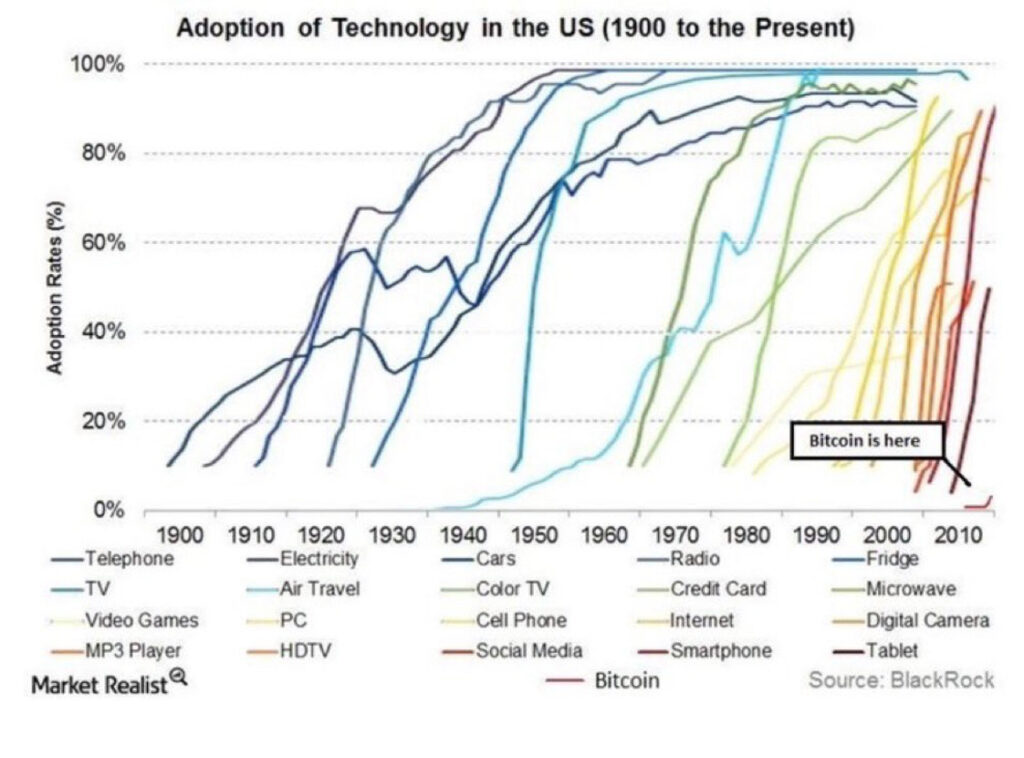
CALL Quarterly Earnings Roundup

U.S. banks delivered mostly strong first-quarter results, buoyed by a surge in trading activity amid heightened market volatility. Equity and fixed income desks saw meaningful gains across the board, helping JPMorgan Chase & Co, Bank of America Corp, and Citigroup Inc all post better-than-expected earnings. Trading strength offset softer spots in investment banking, which remained challenged by cautious corporate activity in a still-uncertain macro backdrop. Net interest income remained a key earnings driver, although growth varied, with US Bancorp benefiting from disciplined expense control and margin expansion. Capital levels remained solid across the group, and shareholder returns through buybacks remained robust.

However, ongoing trade tensions and broader macroeconomic uncertainty—driven by policy shifts, geopolitical risks, and inflation—may weigh on dealmaking and credit demand in the quarters ahead. While banks are well-positioned, the sector could face pressure if economic conditions deteriorate, or policy volatility persists.

Top 5 Portfolio Holdings*

JPMorgan Chase & Co (JPM)

Portfolio weight* in Evolve US Banks Enhanced Yield Fund: 6.93%

  • EPS: $5.070 reported vs estimate of $4.613
  • Revenue: $46.014B reported vs estimate of $44.394B

“The Firm reported strong underlying business and financial results in the first quarter, producing net income of $14.6 billion. In the CIB, Investment Banking fees rose 12% in the first quarter, although clients have become more cautious amid an increase in market volatility driven by geopolitical and trade-related tensions. Meanwhile, we saw increased activity in the Markets business. Markets revenue rose to $9.7 billion, an exceptionally strong quarter with record revenue in Equities…” – Jamie Dimon, CEO.1

JPMorgan Chase reported stronger-than-expected first-quarter results, driven by robust equity trading and higher revenues across key business lines. Profit rose 9% to $14.64 billion, with core earnings excluding a one-time gain still beating analyst forecasts. Revenue increased 8% to $46.01 billion, supported by strong performances in asset management, investment banking, and particularly equity trading, which jumped 48% year-over-year. CEO Jamie Dimon highlighted the firm’s solid quarter but struck a cautious tone on the broader economy, pointing to persistent inflation, geopolitical risks, and elevated asset prices as potential headwinds. While these uncertainties may dampen some investment banking activity, they also create opportunities for trading operations—a dynamic JPMorgan clearly benefited from this quarter. 2

Bank of America Corp (BAC)

Portfolio weight* in Evolve US Banks Enhanced Yield Fund: 6.70%

  • EPS: $0.900 reported vs estimate of $0.816
  • Revenue: $27.511B reported vs estimate of $26.923B

“We had a good first quarter, with earnings per share of $0.90 up from $0.76 last year. This reflected growth in net interest income and fee income, while sales and trading delivered its 12th consecutive quarter of year-over-year revenue growth. Our business clients have been performing well; and consumers have shown resilience, continuing to spend and maintaining healthy credit quality. Though we potentially face a changing economy in the future, we believe the disciplined investments we have made for high-quality growth, our diverse set of businesses, and the team’s relentless focus on Responsible Growth will remain a source of strength.” – Brian Moynihan, CEO. 3

Bank of America delivered a strong first quarter, beating analyst expectations on both profit and revenue thanks to solid gains in net interest income and trading. Earnings rose 11% to $7.4 billion, surpassing estimates, while revenue climbed nearly 6% to $27.51 billion. Net interest income was a key driver, benefiting from lower deposit costs and higher-yielding investments. Trading revenue also impressed, with equities up 17% and fixed income up 5%. While investment banking fees dipped 3% amid broader market uncertainty, overall performance was resilient. CEO Brian Moynihan highlighted the strength of both business and consumer clients, emphasizing the bank’s preparedness for a potentially shifting economic landscape. 4

Wells Fargo & Co (WFC)

Portfolio weight* in Evolve US Banks Enhanced Yield: 6.66%

  • EPS: $1.270 reported vs estimate of $1.235
  • Revenue: $20.149B reported vs estimate of $20.734B

“We produced solid results with diluted earnings per share increasing 16% from a year ago reflecting fee-based revenue growth across many of our core businesses, continued expense discipline, improved credit results, and an 8% reduction in diluted common shares as we continued to return capital to shareholders…” – Charlie Scharf, CEO. 5

Wells Fargo posted mixed first-quarter results, with earnings beating expectations but revenue falling short. Adjusted EPS beat analyst expectations, while revenue declined 3% year-over-year, missing forecasts. Net interest income, a key driver of bank profits, fell 6% to $11.5 billion, reflecting pressure on lending margins. Noninterest income remained flat, and the bank set aside $932 million for potential credit losses. CEO Charlie Scharf flagged economic uncertainty tied to U.S. trade policy changes, warning of potential headwinds ahead. Despite the cautious tone, Wells Fargo returned $3.5 billion to shareholders through buybacks during the quarter. 6

Citigroup Inc (C)

Portfolio weight* in Evolve US Banks Enhanced Yield Fund: 6.77%

  • EPS: $1.960 reported vs estimate of $1.841
  • Revenue: $21.600B reported vs estimate of $21.279B

“With net income of $4.1 billion we delivered a strong quarter, marked by continued momentum, positive operating leverage and improved returns in each of our five businesses. Services recorded its best first quarter revenue in a decade. Markets had a good first quarter with revenue up 12% driven by strong client activity and monetization. Banking was up 12% with M&A revenue nearly double from what it was last year. Wealth revenues increased 24% with progress across all three client segments. USPB was up 2%, driven mainly by growth in Branded Cards, and also saw improved returns. We returned $2.8 billion in capital to our shareholders including $1.75 billion of buybacks as part of our $20 billion plan.” – Jane Fraser, CEO. 7

Citigroup reported better-than-expected first-quarter earnings, driven by strong trading results and disciplined cost management. Profit rose 21% to $4.1 billion, beating estimates, while revenue climbed 3% to $21.6 billion. Trading desks were standout performers, with fixed income revenue rising 8% to $4.5 billion and equities revenue jumping 23% to $1.5 billion—both above forecasts—thanks to increased market volatility and active client engagement. CEO Jane Fraser emphasized the bank’s diversified model and long-term positioning, reaffirming confidence in the U.S. economy despite ongoing trade tensions. She noted that, despite structural shifts, the U.S. dollar would remain the world’s reserve currency. 8

US Bancorp (USB)

Portfolio weight* in Evolve US Banks Enhanced Yield Fund: 6.60%

  • EPS: $1.030 reported vs estimate of $0.974
  • Revenue: $6.958B reported vs estimate of $6.912B

“In the first quarter we reported diluted earnings per share of $1.03 and delivered a return on tangible common equity of 17.5%. We managed expenses with discipline and delivered 270 basis points of positive operating leverage on an adjusted basis – our third consecutive quarter of year over-year growth in revenues outpacing expenses. Total net revenue of approximately $7.0 billion was supported by slight margin expansion and year over-year growth in fee revenue of 5%. Importantly, asset quality and capital levels are strong. This quarter, our net charge-off ratio improved modestly and common equity tier 1 capital ratio increased by 20 basis points to 10.8%. As we navigate macro economic uncertainties, we will continue to manage the bank with strong risk management capabilities…” – Gunjan Kedia, CEO. 9

US Bancorp reported solid first-quarter results, with net income of $1.71 billion and earnings per share of $1.03. Return on tangible common equity was a strong 17.5%, and return on average assets stood at 1.04%. The bank delivered positive operating leverage of 270 basis points year-over-year, reflecting disciplined expense management and revenue growth. Net revenue rose 3.6% to $6.96 billion, driven by a 2.7% increase in net interest income and a 5% rise in noninterest income. The net interest margin edged up to 2.72%, showing modest improvement both year-over-year and quarter-over-quarter. Expenses rose slightly—less than 1% year-over-year—while the CET1 capital ratio improved to 10.8%. Average total loans grew 2.1% from a year earlier, indicating stable credit demand. 10


*Portfolio weights as at March 31, 2025. Top holdings sorted by Market Cap.


DISCLAIMER

Published May 9, 2025.

Evolve Funds Group Inc. is the investment fund manager and portfolio manager. Evolve US Banks Enhanced Yield Fund is offered by Evolve Funds Group Inc., and distributed through authorized dealers.

The information contained herein is a general description and is not intended to be specific investment advice to any particular investor nor intended to be investment or tax advice. You should not act or rely on the information contained herein without seeking the advice of an appropriate professional advisor. The information contained herein is intended for informational purposes as a summary only, does not constitute an offer to sell any securities or a legally binding obligation, it is qualified entirely by, and should be read in conjunction with, the more detailed information appearing in the prospectuses found on the Evolve Funds Group Inc website at https://evolveetfs.com/

Commissions, trailing commissions, management fees and expenses all may be associated with exchange traded funds (ETFs) and mutual funds. Please read the prospectus before investing. ETFs and mutual funds are not guaranteed, their values change frequently and past performance may not be repeated.

Certain statements contained herein are forward-looking. Forward-looking statements (“FLS”) are statements that are predictive in nature, depend upon or refer to future events or conditions, or that include words such as “may,” “will,” “should,” “could,” “expect,” “anticipate,” “intend,” “plan,” “believe,” or “estimate,” or other similar expressions. Statements that look forward in time or include anything other than historical information are subject to risks and uncertainties, and actual results, actions or events could differ materially from those set forth in the FLS. FLS are not guarantees of future performance and are by their nature based on numerous assumptions. Although the FLS contained herein are based upon what Evolve Funds Group Inc. and the portfolio manager believe to be reasonable assumptions, neither Evolve Funds Group Inc. nor the portfolio manager can assure that actual results will be consistent with these FLS. The reader is cautioned to consider the FLS carefully and not to place undue reliance on FLS. Unless required by applicable law, it is not undertaken, and specifically disclaimed that there is any intention or obligation to update or revise FLS, whether as a result of new information, future events or otherwise.

Certain information contained in this document is obtained from third parties. Evolve Funds Group Inc. believes such information to be accurate and reliable as of the date hereof, however, we cannot guarantee that it is accurate or complete or current at all times. The information provided is subject to change without notice.
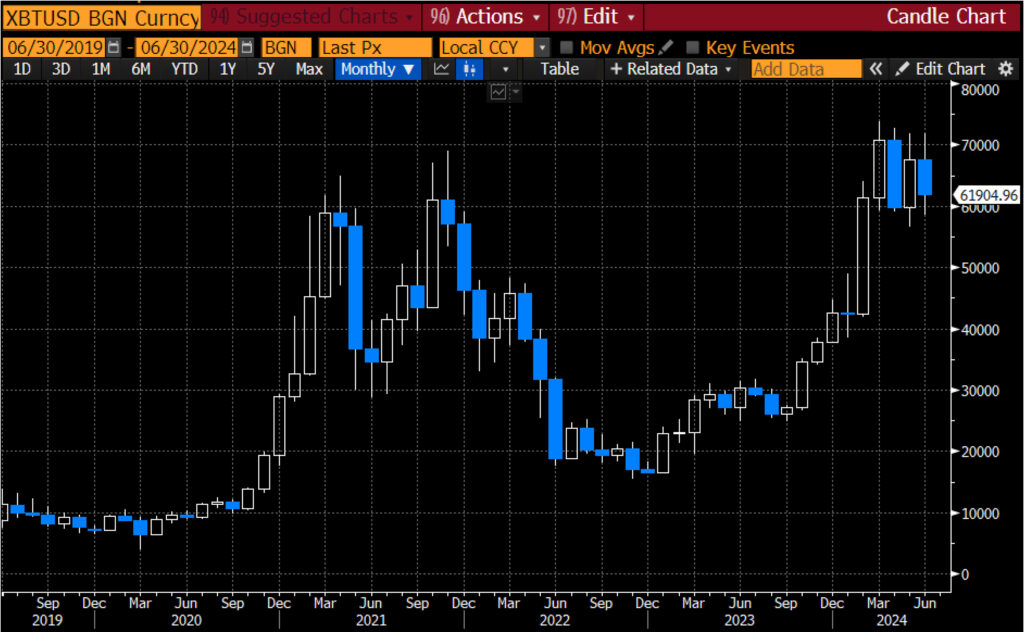
Sources:

  1. JP Morgan Q1 2025 Earnings Press Release (April 11, 2025)
  2. https://www.cnbc.com/2025/04/11/jpmorgan-chase-jpm-earnings-q1-2025.html (April 11, 2025)
  3. Bank of America Q1 2025 Earnings Press Release (April 15, 2025)
  4. https://www.cnbc.com/2025/04/15/bank-of-america-bac-earnings-q1-2025.html (April 15, 2025)
  5. Wells Fargo Q1 2025 Earnings Press Release (April 11, 2025)
  6. https://www.cnbc.com/2025/04/11/wells-fargo-wfc-earnings-q1-2025.html (April 11, 2025)
  7. Citigroup Q1 2025 Earnings Press Release (April 15, 2025)
  8. https://www.cnbc.com/2025/04/15/citigroup-c-earnings-q1-2025.html (April 15, 2025)
  9. US Bancorp Q1 2025 Earnings Press Release (April 16, 2025)
  10. US Bancorp Q1 2025 Earnings Press Release (April 16, 2025)


Source: Getty Images Credit: Javier Ghersi


How Solana Is Redefining Digital Finance and Powering the Next Wave of DeFi

The blockchain landscape has undergone dramatic growth over the past decade, evolving from a niche technology to a driving force in the new digital economy. Ethereum, once the unrivalled leader in decentralized blockchain applications, is now facing serious competition from a host of new platforms—most notably, Solana. 

Launched publicly in 2020 and known for its lightning-fast transaction speeds and minimal fees, Solana has quickly attracted developers, investors, and crypto enthusiasts alike. But what sets Solana apart from its rivals, and why are industry players betting its future is bright? 

In this post, we’ll dive deep into Solana’s revolutionary technology, its growing ecosystem, the power of the SOL coin, and why Solana’s unique approach to scalability may just pave the way for the next era of blockchain innovation. 

What is Solana?

Solana is an open-source Layer-1 blockchain designed to allow for the building of scalable crypto apps that overcome hurdles of speed, scalability, and high transaction costs faced by other blockchain technologies. Uniquely, Solana marries a conventional Proof-of-Stake model with an innovative Proof-of-History mechanism—a system that timestamps transactions and drastically reduces the communication overhead among nodes.¹

This hybrid approach empowers Solana to process more than 50,000 transactions per second. Such speeds not only mitigate network congestion but also keep fees exceptionally low. Its native token, SOL, is integral to the ecosystem, facilitating everything from transaction settlements and smart contract execution to staking rewards that secure the network.²

Given its unique architecture, Solana lays the groundwork for supporting a wide array of decentralized applications, from DeFi platforms and NFT marketplaces to a fully decentralized internet without the hassle of network congestion or high transaction costs. 

How Solana Works

At the heart of Solana’s speed lies its innovative hybrid architecture, combining traditional Proof of Stake (PoS) with a pioneering Proof of History (PoH). 

It is this PoH mechanism that introduces a cryptographic element to Solana by pre-timestamping transactions, creating a verifiable record (essentially a decentralized clock) that significantly reduces the communication needed amongst validators. This pre-timestamping accelerates transaction processing and slashes the computational load typically associated with blockchain networks.³

Beyond PoH, Solana incorporates a range of other technical innovations that foster high performance. Sealevel, for instance, enables parallel transaction processing of smart contracts, optimizing resources and minimizing bottlenecks. Gulf Stream further improves scalability by forwarding transactions to validators ahead of time, reducing block confirmation delays. Meanwhile, the Turbine protocol enhances block propagation by breaking data into smaller pieces, while Cloudbreak scales data storage horizontally, maintaining the architecture’s speed under heavy usage.⁶,⁷

Together, these innovations form a cohesive ecosystem that facilitates ultra-low fees and near-instant transaction completion, all without compromising security. 

Integration of the SOL Coin

Serving as the primary vehicle for transaction fees, staking, and smart contract execution, SOL—the native token of the Solana protocol—is integral to maintaining the network’s rapid throughput and security. In practical terms, every transaction, every decentralized application, and every smart contract on Solana hinges on the utility of SOL, ensuring that its demand is intrinsically tied to the network’s growth.

SOL illustrates the speculative fervour often seen in emerging blockchain assets. Despite periods of correction, however, for the discerning investor, SOL represents an intriguing investment opportunity: as both a transactional token that underpins an innovative technology and as a tradable asset with potential for long-term appreciation.

Use Cases and Applications

Solana’s use cases have already sparked real-world applications that are reshaping the blockchain ecosystem. 

The network’s scalability and cost-efficiency have made it a popular platform for decentralized finance (DeFi), enabling the creation of financial services that bypass traditional intermediaries. Lending, borrowing, and decentralized exchanges (DEXs) such as Serum and Raydium leverage Solana’s speed and cost-savings versus services built on Ethereum. 

Beyond finance, Solana is a key enabler of non-fungible tokens (NFTs), driving digital art, collectibles, and gaming assets. Marketplaces like Magic Eden have attracted significant attention by offering creators and collectors a platform that supports fast NFT minting and low fees. This utility has positioned Solana as a formidable player in the NFT space, with growing adoption from top-tier projects and artists.¹⁰

In addition, Solana offers a robust foundation for developers building decentralized applications (dApps), from games to social platforms, harnessing the network’s ability to scale without succumbing to the congestion that often undermines competitors. This has allowed Web3 apps to flourish in environments traditionally plagued by slow speeds and high costs. Moreover, Solana’s architecture is increasingly recognized as the backbone of Web3—a decentralized internet where user control and direct peer-to-peer interactions replace conventional centralized intermediaries.¹¹

Having captured the attention of both retail investors and institutional players, Solana’s energy efficiency and its strategic role in shaping Web3 positions Solana as a foundation for a new generation of decentralized applications and makes Solana stand out as a critical asset in the future of blockchain innovation. As the new digital economy continues its rapid evolution, investors and developers alike are taking note—Solana isn’t merely riding the wave of blockchain innovation; it’s actively shaping its future. 


ENDNOTES

Date of first publishing: April 14, 2025.
  1. “What is cryptocurrency Solana (SOL) and how does it work?,” Kriptomat, n.d,; https://kriptomat.io/cryptocurrency-prices/solana-sol-price/what-is/
  2. “What is Solana? A Beginner’s Guide,” Caleb & Brown, October 29, 2023; https://calebandbrown.com/blog/what-is-solana/
  3. “What Is Solana And How Does It Work?,” Coinsmart, n.d.; https://www.coinsmart.com/blog/what-is-solana-and-how-does-it-work/
  4. Yakovenko, A., “Sealevel — Parallel Processing Thousands of Smart Contracts,” Medium, September 9, 2019; https://medium.com/solana-labs/sealevel-parallel-processing-thousands-of-smart-contracts-d814b378192
  5. “Gulf Stream: Solana’s Mempool-less Transaction Forwarding Protocol,” Solana Foundation, June 19, 2019; https://solana.com/news/gulf-stream–solana-s-mempool-less-transaction-forwarding-protocol
  6. Chern, R., “Turbine: Block Propagation on Solana,” Helius, October 24, 2023; https://www.helius.dev/blog/turbine-block-propagation-on-solana
  7. Idobo, C., “Cloudbreak: A Critical Look at Solana’s Game Changing Database Solution,” Medium, February 23, 2024; https://medium.com/@cattyidobo/cloudbreak-a-critical-look-at-solanas-game-changing-database-solution-d55141249188
  8. “What is cryptocurrency Solana (SOL) and how does it work?,” Kriptomat, n.d,; https://kriptomat.io/cryptocurrency-prices/solana-sol-price/what-is/#What_Gives_Solana_Value
  9. “What Is Solana And How Does It Work?,” Coinsmart, n.d.; https://www.coinsmart.com/blog/what-is-solana-and-how-does-it-work/
  10. “What is Solana? A trader’s guide,” Capital.com, n.d.; https://capital.com/en-eu/learn/market-guides/trade-solana
  11. “Solana in Web3: Building the Backbone of the Next Internet,” Newswatch, December 12, 2024; https://newswatchtv.com/2024/12/25/solana-in-web3-building-the-backbone-of-the-next-internet/

Source: Getty Images Credit: Dennis Diatel Photography

Evolve Funds Group Inc. is the investment fund manager and portfolio manager. Evolve Solana ETF (“SOLA) is offered by Evolve Funds Group Inc., and distributed through authorized dealers.
The contents of this blog are not to be used or construed as investment advice or as an endorsement or recommendation of any entity or security discussed. These contents are not an offer or solicitation of an offer or a recommendation to buy or sell any securities or financial instrument, nor shall it be deemed to provide investment, tax or accounting advice. The information contained herein is intended for informational purposes only.
Certain information contained in this document is obtained from third parties. Evolve Funds Group Inc. believes such information to be accurate and reliable as of the date hereof, however, we cannot guarantee that it is accurate or complete or current at all times. The information provided is subject to change without notice.
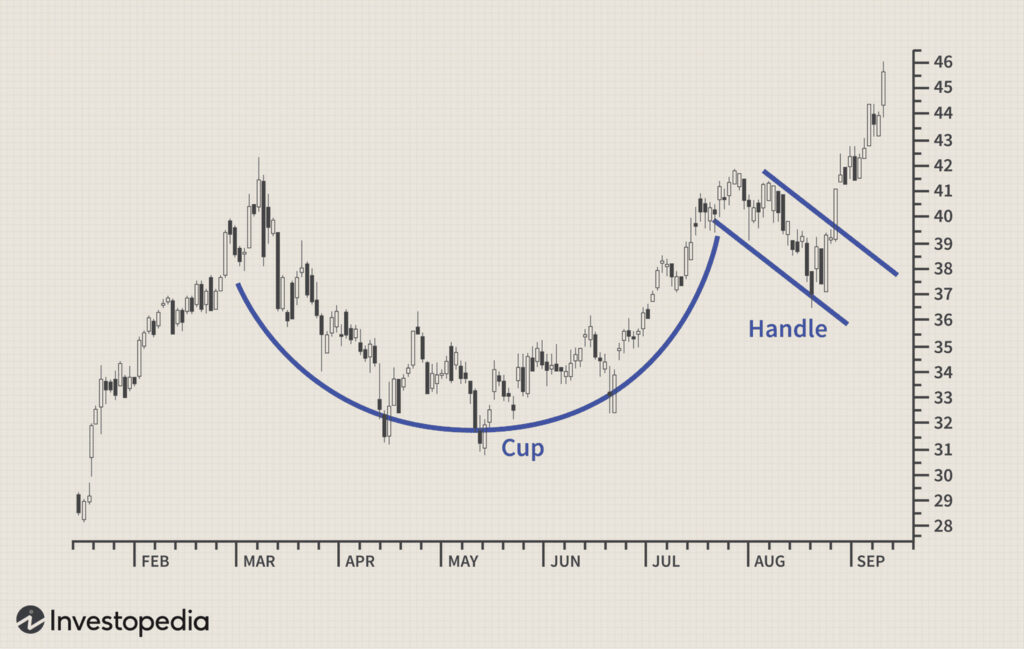
Why Investors Are Turning to Cash Amid Tariffs and Market Volatility

Why Investors Are Turning to Cash Amid Tariffs and Market Volatility

In recent months, market volatility across U.S. and Canadian equities has intensified, prompting many seasoned investors to reexamine their approach amid growing uncertainty. The potential imposition of new tariffs has added another layer of complexity and spurred concerns about trade disruptions and their knock-on effects for global equity markets.1,2,3

Against this backdrop, a cautious approach to portfolio management is gaining traction. Many investors are looking to de-risk their portfolios by turning to more conservative vehicles, such as high-yield savings account ETFs and money market ETFs. These instruments, which offer relatively stable returns, present an attractive alternative for those seeking to preserve capital while generating income.

Join us as we delve into why shifting a portion of your portfolio to these lower-risk options may not only be prudent but also strategically sound in the face of uncertainty. By prioritizing capital preservation over high-risk returns, you can better navigate elevated volatility in equities.

Why Investors Look for Low-Risk Investments in Volatile Times

When faced with volatile market conditions, is it any surprise that investors naturally gravitate toward strategies that minimize risk and protect capital? When the potential for large market swings increases, the prospect of holding volatile equities becomes less attractive, and investors seek to balance the possibility of higher returns with the reality of higher uncertainty.

Something like the imposition of tariffs can spark a broader shift in market sentiment—a phenomenon known as a “risk-off.” When markets are “risk-off,” investors move from risky assets (like stocks) and into safe haven holdings, making traditionally lower-yielding, more stable, low-risk alternatives like high-yield savings accounts and cash-like instruments more attractive.⁴

This de-risking cushions portfolios against unexpected downturns. It is not a retreat from the market, but rather a calculated move to preserve capital and maintain liquidity during turbulent times. It comes down to a fundamental principle of risk management: when the future is uncertain, secure gains rather than chase higher returns at the expense of stability.

ETFs and Low-Risk Investment Options

One way that investors can de-risk their portfolio is by turning to cash-like instruments such as high-yield savings account ETFs and money market ETFs, which offer modest yet predictable returns.⁵ These instruments provide a safeguard against market volatility, ensuring that a portion of the investor’s portfolio remains resilient even when broader market conditions deteriorate.

ETFs (Exchange-Traded Funds) have emerged as a favoured vehicle for investors seeking both diversification and liquidity. Unlike traditional mutual funds, ETFs trade on stock exchanges, allowing for real-time pricing and the flexibility of stock-like transactions. For those aiming to reduce exposure to market volatility, ETFs that focus on low-risk, cash-equivalent assets present an appealing alternative.

High-yield savings account ETFs, for example, mimic the returns of premium savings accounts by investing in instruments that offer relatively attractive interest rates, all while maintaining a conservative risk profile. These funds provide a way to earn more than what one might expect from a standard savings account, without venturing into the unpredictable realms of equities.⁶

Similarly, money market ETFs concentrate on short-term, high-quality debt securities. By targeting instruments with maturities of less than a year, these ETFs minimize interest rate risk and credit risk, offering investors a steady stream of income with minimal price fluctuations. Their conservative nature makes them a dependable component of a portfolio during periods of market stress.⁷

In essence, high-yield savings account ETFs and money market ETFs serve as a bridge between the need for liquidity and the desire to preserve capital. As investors grow increasingly cautious amid potential tariff-induced market disruptions, such low-risk options are gaining traction as effective tools for safeguarding wealth and ensuring financial stability.

Navigating your cash with money market and cash alternative ETFs

Our current climate of economic uncertainty has made money market and cash alternative ETFs appealing options for individuals looking to secure capital, generate attractive returns, and manage their investments conveniently.

Evolve’s High Interest Savings Account (HISA ETF) invests in high-interest deposit accounts with Canada’s “Big Six” Banks, while Evolve’s money market funds, Premium Cash Management Fund (MCAD ETF) invests in Canadian dollar-denominated money market instruments.

To learn more about our cash solutions suite, click here for our Cash Solutions brochure. Understand your options for navigating your cash.


ENDNOTES

  1. Halpert, M. & Murphy, J., “Trump agrees to pause tariffs on Canada and Mexico but not on China,” BBC News, February 4, 2025; https://www.bbc.com/news/articles/c87d5rlee52o
  2. Hoskins, P., “China’s tit-for-tat tariffs on US take effect,” BBC News, February 10, 2025; https://www.bbc.com/news/articles/cvg8zg7ll09o
  3. Starcevic, S. & Ruhiyyih Ewing, G., “Trump vows to launch trade war on EU,” Politico, February 1, 2025; https://www.politico.eu/article/donald-trump-trade-war-eu-tariffs-mexico-canada/
  4. Hayes, A., “Risk-On Risk-Off: What It Means for Investing,” Investopedia, December 18, 2023; https://www.investopedia.com/terms/r/risk-on-risk-off.asp
  5. Richardson, D. & Kedwell, S., “When to de-risk a portfolio and why do it?,” The Download, September 3, 2024; https://www.rbcgam.com/en/ca/insights/podcasts/when-to-de-risk-a-portfolio-and-why-do-it/detail/
  6. “High-Interest Savings ETFs,” Ratehub.ca, n.d.; https://www.ratehub.ca/bank-accounts/high-interest-etfs
  7. Archer, C., “What are money market ETFs and how can you invest in them?,” IG, n.d.; https://www.ig.com/en/trading-strategies/what-are-money-market-etfs-and-how-can-you-invest-in-them–241210

Source: Getty Images Credit: Javier Ghersi

The contents of this blog are not to be used or construed as investment advice or as an endorsement or recommendation of any entity or security discussed. These contents are not an offer or solicitation of an offer or a recommendation to buy or sell any securities or financial instrument, nor shall it be deemed to provide investment, tax or accounting advice. The information contained herein is intended for informational purposes only.
Commissions, trailing commissions, management fees and expenses all may be associated with exchange traded funds (ETFs) and mutual funds. Please read the prospectus before investing. ETF and mutual fund units are not covered by the Canadian Deposit Insurance Corporation or by any other government deposit insurer. There can be no assurance that the fund will be able to maintain its net asset value per unit at a constant amount or that the full amount of your investment in the fund will be returned to you. Past performance may not be repeated.
Certain statements in this document are forward-looking. Forward-looking statements (“FLS”) are statements that are predictive in nature, depend upon or refer to future events or conditions, or that include words such as “may,” “will,” “should,” “could,” “expect,” “anticipate,” “intend,” “plan,” “believe,” or “estimate,” or other similar expressions. Statements that look forward in time or include anything other than historical information are subject to risks and uncertainties, and actual results, actions or events could differ materially from those set forth in the FLS. FLS are not guarantees of future performance and are by their nature based on numerous assumptions. Although the FLS contained herein are based upon what Evolve Funds Group Inc. and the portfolio manager believe to be reasonable assumptions, neither Evolve Funds Group Inc. nor the portfolio manager can assure that actual results will be consistent with these FLS. The reader is cautioned to consider the FLS carefully and not to place undue reliance on FLS. Unless required by applicable law, it is not undertaken, and specifically disclaimed that there is any intention or obligation to update or revise FLS, whether as a result of new information, future events or otherwise.

The Case for Investing in Long-Duration U.S. Treasury Bonds

Date of first publishing: January 15, 2025

Given the rate cuts, investors are increasingly looking towards long-duration U.S. Treasuries, known for their heightened sensitivity to interest rate changes. For those attuned to market dynamics, there is a compelling opportunity in these kinds of bonds. Understanding the intricacies of bond duration and its implications is key to capitalizing on this potential upside.

So, let’s examine duration in fixed-income investing, how it relates to the relationship between interest rates and bond prices, and why, in the face of falling interest rates, investing in long-duration U.S. Treasuries could make sense for your portfolio.

Understanding Duration in Fixed Income

Duration is a key factor in fixed-income investing, so how should we best understand it?

Duration measures a bond’s sensitivity to interest rate changes, factoring in maturity, yield, and coupons. The duration is effectively an estimation of how much the price of a bond will fluctuate with shifts in interest rates.

Longer-duration bonds, such as 20-year Treasury, are more sensitive to rate changes, seeing greater value fluctuations in changing rate environments. The value of longer-duration bonds can decrease sharply when rates rise. However, when interest rates fall, the value of these bonds tends to increase significantly, making them attractive for investors expecting rate cuts, as there exists the potential for capital appreciation.³

The Inverse Relationship: Interest Rates and Bond Prices

Related to duration is the importance of the inverse relationship between bond prices and interest rates and how that helps determine bond yields.⁴

Simply put, as rates fall, bond prices rise. Conversely, when interest rates rise, bond prices fall. This inverse relationship results from bonds having a fixed interest rate (their coupon rate) based on their time of purchase, which represents the annual income an investor can expect from a particular bond. This coupon rate means secondary markets must adjust pricing based on the prevailing interest rates when existing bonds are bought or sold. Lower interest rates make newly issued bonds less enticing, prompting a price increase for existing bonds with higher rates to attract investors.⁵

This relationship between interest rates and bond prices is more pronounced in longer-duration bonds due to their extended time horizons, which magnify the impact of rate changes on the value of the bond. For example, a one-year duration bond would gain just 1% in value if rates fell by 1%, but a 10-year Treasury bond would gain 10% given that same 1% drop in interest rates.⁶

With rate cuts on the horizon, long-duration bonds offer investors a unique opportunity to capture significant price appreciation. Given the current economic environment and expectations for the Fed’s actions, allocating a portion of your portfolio to long-duration Treasuries, such as in a fixed-income ETF that gives exposure to these assets, could be a prudent strategy to enhance returns while managing risk.

The potential for capital appreciation, driven by expected rate cuts, positions long-duration bonds as a valuable component of a diversified portfolio. By understanding the dynamics of duration and market trends, investors can make informed decisions that align with their financial goals.

ETF Options for Bonds

If you’re looking for an opportunity to diversify your portfolio with fixed-income holdings like bonds, one option is investing in fixed-income ETFs.

The Evolve Enhanced Yield Bond Fund (BOND ETF) offers investors an affordable opportunity to invest in long-duration U.S. Treasuries. BOND seeks to deliver attractive monthly income and long-term capital appreciation. To enhance yield, as well as mitigate risk and reduce volatility, BOND will employ an active covered call option writing program on 50% of the portfolio.

For more information on BOND, explore fund details here.

For more blogs like this, and for insight on investing and investment products, sign up for our weekly newsletter here.


Sources

  1. Hajric, V., “Bond ETFs Amass Record $39 Billion in July in Big Rate-Cut Bet,” Bloomberg, August 1, 2024; https://www.bloomberg.com/news/articles/2024-08-01/bond-etfs-amass-record-39-billion-in-july-in-big-rate-cut-bet
  2. “Understanding Duration,” PIMCO, n.d.; https://www.pimco.com/us/en/resources/education/understanding-duration
  3. Lioudis, N., “Inverse Relation Between Interest Rates and Bond Prices,” Investopedia, June 29, 2024; https://www.investopedia.com/ask/answers/why-interest-rates-have-inverse-relationship-bond-prices/
  4. “How Bond Prices Affect Yields: A Comprehensive Guide,” Aspero, February 23, 2024; https://www.aspero.in/blog/relationship-between-bond-price-and-bond-yield/
  5. “Understanding Duration,” PIMCO, n.d.; https://www.pimco.com/us/en/resources/education/understanding-duration

Source: Getty Images Credit: Casper1774Studio

The contents of this blog are not to be used or construed as investment advice or as an endorsement or recommendation of any entity or security discussed. These contents are not an offer or solicitation of an offer or a recommendation to buy or sell any securities or financial instrument, nor shall it be deemed to provide investment, tax or accounting advice. The information contained herein is intended for informational purposes only.
Commissions, management fees and expenses all may be associated with exchange traded funds (ETFs). Please read the prospectus before investing. The indicated rates of return are the historical annual compound total returns net of fees (except for figures of one year or less, which are simple total returns) including changes in unit value and reinvestment of all distributions and do not take into account sales, redemption, distribution or optional charges or income taxes payable by any securityholder that would have reduced returns. ETFs are not guaranteed, their values change frequently and past performance may not be repeated..
Certain statements contained in this blog may constitute forward-looking information within the meaning of Canadian securities laws. Forward-looking information may relate to a future outlook and anticipated distributions, events or results and may include statements regarding future financial performance. In some cases, forward-looking information can be identified by terms such as “may”, “will”, “should”, “expect”, “anticipate”, “believe”, “intend” or other similar expressions concerning matters that are not historical facts. Actual results may vary from such forward-looking information. Evolve Funds undertakes no obligation to update publicly or otherwise revise any forward-looking statement whether as a result of new information, future events or other such factors which affect this information, except as required by law.

AI Monthly: Innovation, Partnerships, and Resilience in Tech

The ARTI ETF has continued to shine in the tech sector, driven by its strategic focus on artificial intelligence and technological innovation. Recent developments have underscored the ETF’s robust positioning, particularly through its key holdings in companies like NVIDIA (NVDA), Apple (AAPL), and Microsoft (MSFT). These tech giants are not only at the forefront of innovation but are also making significant strides in expanding their market influence.

NVIDIA has been a standout performer, despite facing challenges from Chinese AI firm DeepSeek, which temporarily impacted its market cap. The company’s shares experienced a significant drop due to competition and geopolitical concerns, but it has since rebounded as investors regained confidence in its long-term demand for high-end chips. NVIDIA’s strategic positioning and innovative advancements, such as the launch of the Blackwell AI chip and partnerships with companies like SoftBank and Verizon, have reinforced its leadership in the tech industry.

Apple has been navigating regulatory challenges, particularly with the UK’s Competition and Markets Authority investigating its mobile ecosystem practices. Despite these hurdles, Apple remains a key player in the tech industry, continuously innovating and expanding its market reach. The company’s focus on enhancing user experience and product offerings continues to drive its success.

Microsoft has been making waves in the AI and cloud services sectors, with substantial investments in AI infrastructure. The company’s acquisition of Nvidia AI chips to boost its Azure cloud services underscores its commitment to expanding AI capabilities and maintaining a competitive edge in the tech industry. Microsoft’s strategic moves are expected to capitalize on the growing demand for AI-driven solutions.

The ARTI ETF’s focus on AI and technological innovation positions it well to capitalize on emerging market trends and deliver robust returns. The recent developments across its key holdings reflect a strong commitment to innovation and market leadership, reinforcing the ETF’s potential for sustained success.

Key Earnings Developments (in February)

  • NVIDIA: Announced a $50 billion share buyback program, reflecting strong investor confidence.
  • Apple: Engaged in a U.S. antitrust trial to defend its revenue-sharing agreements with Google.
  • Microsoft: Acquired 485,000 Nvidia AI chips to boost its Azure cloud services.

Major News Developments (in February)

  • NVIDIA: Partnered with SoftBank to develop AI and 5G telecom networks, enhancing its position in the AI market.
  • Apple: Under investigation by the UK’s Competition and Markets Authority for its mobile ecosystem practices.
  • Microsoft: Strengthened its AI infrastructure with a substantial acquisition of Nvidia AI chips.

The ARTI ETF’s strategic focus on AI and technological innovation continues to drive its growth, offering promising opportunities for investors. The strategic advancements and partnerships within its portfolio highlight the ETF’s resilience and potential in the evolving tech landscape.

The contents of this blog are not to be used or construed as investment advice or as an endorsement or recommendation of any entity or security discussed. These contents are not an offer or solicitation of an offer or a recommendation to buy or sell any securities or financial instrument, nor shall it be deemed to provide investment, tax or accounting advice. The information contained herein is intended for informational purposes only.
Commissions, trailing commissions, management fees and expenses all may be associated with exchange traded funds (ETFs) and mutual funds. Please read the prospectus before investing. ETFs and mutual funds are not guaranteed, their values change frequently and past performance may not be repeated.
Certain statements in this document are forward-looking. Forward-looking statements (“FLS”) are statements that are predictive in nature, depend upon or refer to future events or conditions, or that include words such as “may,” “will,” “should,” “could,” “expect,” “anticipate,” “intend,” “plan,” “believe,” or “estimate,” or other similar expressions. Statements that look forward in time or include anything other than historical information are subject to risks and uncertainties, and actual results, actions or events could differ materially from those set forth in the FLS. FLS are not guarantees of future performance and are by their nature based on numerous assumptions. Although the FLS contained herein are based upon what Evolve Funds Group Inc. and the portfolio manager believe to be reasonable assumptions, neither Evolve Funds Group Inc. nor the portfolio manager can assure that actual results will be consistent with these FLS. The reader is cautioned to consider the FLS carefully and not to place undue reliance on FLS. Unless required by applicable law, it is not undertaken, and specifically disclaimed that there is any intention or obligation to update or revise FLS, whether as a result of new information, future events or otherwise.

BANK Q1 2025 Earnings Roundup

Strong Earnings and Revenue Growth

Banks and insurers exceeded expectations, driven by broad-based revenue gains. Wealth management, capital markets, and trading were key contributors, benefiting from market activity. RBC, BMO, and TD saw double-digit revenue growth, while Manulife and Great-West Lifeco posted record results.

Managing Economic Uncertainty

Provisions for credit losses rose as banks took a cautious stance on evolving credit conditions and U.S. trade risks. RBC, TD, and BMO each set aside over $1 billion in provisions. Regulatory compliance and restructuring were key focuses for TD and Scotiabank, which undertook major strategic shifts.

Capital Deployment and Strategic Investments

Firms made bold capital moves to strengthen balance sheets and drive growth. TD’s $13.9 billion Schwab stake sale and $8 billion buyback reinforced capital strength. BMO, RBC, and National Bank pursued geographic expansion, while Scotiabank refocused on North America, and National Bank expanded through its Canadian Western Bank acquisition.

Wealth Management and Insurance Growth

Wealth management and insurance divisions saw strong growth, fueled by market strength and increased client activity. Manulife and Sun Life posted record insurance sales and asset inflows, while CIBC and National Bank reported double-digit gains in wealth management.

Top Portfolio Holdings in the Evolve Canadian Banks and Lifecos Enhanced Yield Index Fund

Royal Bank of Canada (RY)

1Y Total Return: 40.02%

  • EPS: $3.620 reported vs Bloomberg estimate of $3.257
  • Revenue: $16.739B reported vs Bloomberg estimate of $15.723B

“RBC’s first quarter exemplifies our commitment to staying ahead of our clients’ expectations in an increasingly complex world. In Q1, we delivered strong results and client-driven growth across our businesses, while prudently managing risk and making investments in technology and talent to position the bank for the future.” – Dave McKay, CEO.

RBC reported a strong first-quarter 2025 performance, with net income rising to $5.13 billion, up from $3.58 billion a year earlier, driven by broad-based business growth and the acquisition of HSBC Bank Canada. Adjusted earnings per share reached $3.62, surpassing analyst expectations of $3.26, while revenue increased 24% year-over-year to $16.74 billion.

Provisions for credit losses rose to $1.05 billion from $813 million, reflecting a more cautious approach amid evolving economic conditions. RBC’s personal and commercial banking divisions posted strong growth, with personal banking earnings climbing 24% to $1.68 billion and commercial banking rising 20% to $777 million. Wealth management profits surged 48% to $980 million, and capital markets earnings grew 24% to $1.43 billion. The bank’s insurance segment also saw gains, reporting $272 million in earnings.

Toronto-Dominion Bank/The (TD)

1Y Total Return: 6.91%

  • EPS: $2.020 reported vs Bloomberg estimate of $1.949
  • Revenue: $13.538B reported vs Bloomberg estimate of $13.201B

“TD started the year with strong momentum and record revenue across many of our businesses. While expenses remain somewhat elevated, we delivered solid earnings, which positions us well as we begin the new fiscal year. U.S. AML remediation remains our top priority and we continue to make consistent progress to strengthen the Bank.”- Raymond Chun, CEO.

TD Bank delivered strong Q1 results, surpassing analyst expectations with adjusted earnings of $2.02 per share, compared to the projected $1.95. Strong performances in wealth management and capital markets drove the beat, with wealth earnings reaching $680 million, well above the $578 million estimate. Like its peers, TD benefited from heightened trading activity, mirroring trends seen in major U.S. banks. Provisions for credit losses totaled $1.21 billion, slightly above forecasts, as Canadian lenders prepare for potential economic headwinds, including the uncertainty surrounding U.S. tariffs. Other major banks also set aside over $1 billion in provisions, reflecting a cautious outlook. TD is in the midst of a strategic transition following its US$3.1 billion settlement with U.S. authorities over compliance failures. The bank is restructuring its U.S. balance sheet and investing heavily in regulatory measures, incurring $927 million in related costs this quarter.

In a significant capital move, TD sold its 10.1% stake in Charles Schwab Corp., netting US$13.9 billion after taxes and fees. New CEO Raymond Chun has committed to reinvesting in the bank’s Canadian operations and capital markets franchise. TD also secured regulatory approval for an $8 billion share buyback program, reinforcing its capital strength and long-term growth strategy.

Bank of Montreal (BMO)

1Y Total Return: 19.27%

  • EPS: $3.040 reported vs Bloomberg estimate of $2.418
  • Revenue: $9.266B reported vs Bloomberg estimate of $8.573B

With the strength of our deep geographic and business diversification, we are well positioned to compete and grow in this dynamic operating environment. Our balance sheet is strong, and we’re serving our clients with robust capital and liquidity and business strategies aimed at providing trusted advice – just as we have for over 200 years throughout Canada and the United States.” – Darryl White, CEO.

BMO reported strong quarterly results, with net income rising to $2.14 billion, up from $1.29 billion in the same period last year. Adjusted net income increased to $2.29 billion, while adjusted EPS reaching $3.04. Revenue growth across all operating segments drove positive operating leverage, despite higher provisions for credit losses, which increased to $1.01 billion. The bank’s return on equity improved to 10.6%. BMO maintained a solid capital position with a CET1 ratio of 13.6%. The Canadian Personal & Commercial segment saw a slight decline in earnings despite revenue growth, while U.S. P&C showed mixed results due to higher credit loss provisions. Wealth Management earnings surged 53%, supported by stronger markets and higher net sales. Capital Markets posted a 49% profit increase, driven by robust Global Markets performance. BMO declared a quarterly dividend of $1.59 per share, reflecting a 5% year-over-year increase, and repurchased 1.2 million shares.

Bank of Nova Scotia/The (BNS)

1Y Total Return: 25.71%

  • EPS: $1.760 reported vs Bloomberg estimate of $1.648
  • Revenue: $9.372B reported vs Bloomberg estimate of $8.866B

Our results this quarter demonstrate the value of our diversified franchise and continued focus on deepening relationships with clients across our footprint.” – Scott Thomson, CEO.

Scotiabank surpassed analyst expectations in its fiscal first quarter, benefiting from lower funding costs driven by the Bank of Canada’s 200-basis-point rate cuts since last June. The bank reported earnings of $1.76 per share, exceeding the $1.65 estimate, with net interest income rising 8.4% year-over-year to $5.17 billion. Despite stronger earnings, the bank increased provisions for credit losses to $1.16 billion, above analyst forecasts. Net income dropped 55% to $993 million, largely due to a $1.36 billion after-tax impairment from the transfer of its Colombian, Costa Rican, and Panamanian operations to Banco Davivienda. The move aligns with Scotiabank’s strategy to refocus capital on Canada and the US, highlighted by its recent 14.9% stake acquisition in KeyCorp.

Canadian Imperial Bank of Commerce (CM)

1Y Total Return: 58.14%

  • EPS: $2.200 reported vs Bloomberg estimate of $1.973
  • Revenue: $7.281B reported vs Bloomberg estimate of $6.865B

“In the first quarter of 2025, we delivered another strong financial performance by continuing to execute on our client-focused strategy, which is generating consistent results for our stakeholders.” – Victor G. Dodig, CEO.

CIBC posted strong Q1 results, with net income rising 26% to $2.17 billion and adjusted earnings per share reaching $2.20, beating analyst expectations of $1.97. Revenue grew 17% year-over-year to $7.28 billion, driven by solid performances across business segments. The bank’s capital markets division reported a 19% increase in earnings to $619 million, benefiting from favourable market conditions and heightened investor activity. Provisions for credit losses stood at $573 million, reflecting stable credit quality. CIBC’s CET1 ratio improved to 13.5%, underscoring its strong capital position. The board declared a quarterly dividend of $0.97 per share. CEO Victor Dodig credited the results to the bank’s client-focused strategy and diversified business model, highlighting its ability to navigate economic uncertainty while delivering consistent growth.

Manulife Financial Corp (MFC)

1Y Total Return: 52.70%

  • EPS: $1.030 reported vs Bloomberg estimate of $0.945
  • Revenue: $13.031B reported

2024 was a banner year for Manulife on many fronts and we finished the year with very strong results. We delivered record insurance new business results for the full year, including 30%+ increases year-over-year across APE sales, new business CSM and new business value.” – Roy Gori, CEO.

Manulife delivered record financial results in 2024, with core earnings of $7.2 billion, up 8% from the prior year, and fourth-quarter earnings rising 6% to $1.9 billion. Core earnings per share grew 11% to $3.87, and core return on equity remained strong at 16.4%. Asia operations led growth with over 30% increases in insurance sales and new business metrics. Global Wealth and Asset Management saw net inflows exceeding $13 billion, driving a 30% rise in core earnings. Manulife returned $7 billion to shareholders through dividends and share buybacks. Reflecting confidence in its outlook, the company raised its quarterly dividend by 10% and announced plans to repurchase up to 3% of its outstanding shares.

Sun Life Financial Inc (SLF)

1Y Total Return: 25.60%

  • EPS: $1.680 reported vs Bloomberg estimate of $1.769
  • Revenue: $7.672B reported

“In 2024 Sun Life achieved strong underlying net income in Asia and Canada, growing 17 percent and six percent over last year, respectively. We also experienced solid growth in Individual Protection with a 20 percent increase in sales over last year, and an 18 percent increase in new business CSM. “ – Kevin Strain, CEO.

In 2024, Sun Life reported underlying net income of $3.86 billion, a 3% increase from the previous year, with a fourth-quarter figure of $965 million, slightly down by 2% from Q4 2023. The company’s underlying return on equity was 17.2% for the year. Assets under management grew by 10%, reaching $1.54 trillion. The Wealth & Asset Management segment saw an 11% rise in underlying net income, totaling $486 million in Q4, contributing to a 6% annual increase. Individual Protection sales experienced a 20% surge over the previous year, with new business Contractual Service Margin increasing by 18%. SLC Management, Sun Life’s alternative asset management arm, reported a 33% boost in net inflows and raised $24 billion in capital throughout the year. Reflecting confidence in its financial strength, Sun Life’s Board of Directors announced a dividend increase to $0.84.

National Bank of Canada (NA)

1Y Total Return: 32.75%

  • EPS: $2.930 reported vs Bloomberg estimate of $2.666
  • Revenue: $3.230B reported vs Bloomberg estimate of $3.023B

“The Bank generated strong first quarter financial results, reflecting solid execution across business segments and our diversified earnings power. We were also pleased to recently complete the acquisition of Canadian Western Bank, marking a significant step forward in the acceleration of our domestic growth and toward extending the depth of our banking capabilities to the benefit of all our clients.” – Laurent Ferreira, CEO.

National Bank of Canada reported strong first-quarter results, with net income rising to $997 million, up from $922 million a year earlier, driven by solid performances in wealth management and financial markets. Adjusted EPS, excluding the impact of the Canadian Western Bank acquisition, rose to $2.93, surpassing analyst expectations of $2.67. Revenue grew 17% year-over-year to $3.23 billion. The bank’s provisions for credit losses increased to $254 million, reflecting an evolving credit cycle amid a challenging macroeconomic environment. Wealth management earnings rose 23% to $242 million, while the financial markets segment delivered a 35% increase in profit to $417 million. Conversely, personal and commercial banking earnings declined 14% to $290 million due to higher credit provisions. U.S. specialty finance and international business contributed $183 million, up from $150 million.

National Bank completed its acquisition of Canadian Western Bank on February 3, positioning it for expanded growth in Western Canada.

Great-West Lifeco Inc (GWO)

1Y Total Return: 10.14%

  • EPS: $1.200 reported vs Bloomberg estimate of $1.132
  • Revenue: $7.055B reported

Great-West Lifeco delivered record results in 2024, with strong momentum across segments, positioning the Company for continued growth in 2025 and beyond. The strength of the Company’s earnings momentum and the value created for shareholders is reflected in the 10% increase in the Company’s dividend and our intention to repurchase additional common shares.” – Paul Mahon, CEO.

Great-West Lifeco delivered record fourth-quarter and full-year 2024 results, with strong momentum across all segments. Q4 base earnings rose 15% to $1.1 billion, while full-year base earnings increased 14% to $4.2 billion. Net earnings from continuing operations climbed 50% year-over-year in Q4 to $1.1 billion and 40% for the full year to $4.0 billion. The company’s base return on equity reached 17.5%, exceeding its medium-term objectives, while the LICAT ratio improved two points to 130%. Great-West Lifeco raised its quarterly dividend by 10% to $0.61 per share and announced plans to repurchase an additional $500 million in shares. Assets under administration exceeded $3.2 trillion, with robust growth across all segments. Empower, the largest contributor to U.S. earnings, posted a 30% full-year base earnings increase, fueled by strong market performance, positive net flows, and operational efficiencies.


*1Y Total return as at January 31, 2025. EPS and Revenue data via Bloomberg in CAD.

Source: Getty Images Credit: Pakawadee Wongjinda

The contents of this blog are not to be used or construed as investment advice or as an endorsement or recommendation of any entity or security discussed. These contents are not an offer or solicitation of an offer or a recommendation to buy or sell any securities or financial instrument, nor shall it be deemed to provide investment, tax or accounting advice. The information contained herein is intended for informational purposes only.
Commissions, trailing commissions, management fees and expenses all may be associated with exchange traded funds (ETFs) and mutual funds. Please read the prospectus before investing. ETFs and mutual funds are not guaranteed, their values change frequently and past performance may not be repeated.
Certain statements in this document are forward-looking. Forward-looking statements (“FLS”) are statements that are predictive in nature, depend upon or refer to future events or conditions, or that include words such as “may,” “will,” “should,” “could,” “expect,” “anticipate,” “intend,” “plan,” “believe,” or “estimate,” or other similar expressions. Statements that look forward in time or include anything other than historical information are subject to risks and uncertainties, and actual results, actions or events could differ materially from those set forth in the FLS. FLS are not guarantees of future performance and are by their nature based on numerous assumptions. Although the FLS contained herein are based upon what Evolve Funds Group Inc. and the portfolio manager believe to be reasonable assumptions, neither Evolve Funds Group Inc. nor the portfolio manager can assure that actual results will be consistent with these FLS. The reader is cautioned to consider the FLS carefully and not to place undue reliance on FLS. Unless required by applicable law, it is not undertaken, and specifically disclaimed that there is any intention or obligation to update or revise FLS, whether as a result of new information, future events or otherwise.

Exploring Bond Investment Opportunities as Short-Term Rates Decline

Date of first publishing: January 6, 2025

As central banks in many of the world’s major economies gradually loosen their monetary policies in response to economic headwinds, bond prices have quietly been on the rise. This is not a new phenomenon, but it is one that consistently draws the attention of savvy investors looking to navigate shifting financial tides.

For Canadian investors, the opportunity is even more compelling. With a strong preference for domestic investments—particularly in fixed income—many are turning to the Canadian bond market to capitalize on both safety and yield. This isn’t just a reflexive play driven by familiarity or convenience. Canada’s bonds have long been a stable, attractive option, with the nation’s political and financial systems demonstrating resilience.

With short-term interest rates now on the decline, the hunt for yield is intensifying. Investors, wary of shrinking returns on traditional fixed-income products, are increasingly seeking alternatives that can offer more robust income potential. As we enter an era of lower interest rates, bonds—once sidelined in favour of riskier assets—are reclaiming their position as an essential component of a well-rounded portfolio. And for Canadian investors, the timing couldn’t be better.

Understanding the Link Between Declining Interest Rates and Bond Prices

The relationship between interest rates and bond prices is one of the most fundamental principles in fixed-income investing, yet it’s often misunderstood by those new to the market. When interest rates fall, bond prices rise—simple in theory, but profoundly impactful for investors looking to capitalize on changing monetary conditions.

The reason for this inverse relationship is based in how bonds are structured. Most bonds pay a fixed coupon rate, meaning an investor’s income doesn’t change, regardless of market conditions. However, when interest rates decline, newly issued bonds offer lower coupon rates, making existing bonds with higher rates more attractive. This drives up the price of those bonds as investors are willing to pay a premium for a higher, locked-in yield.¹

Historically, periods of declining interest rates have delivered outsized gains to bondholders. In the early 2000s and again in the aftermath of the 2008 financial crisis, central banks slashed interest rates to stimulate growth, and bond prices soared as a result.² Today, with many central banks—including the Bank of Canada—following a similar path, bond investors are once again positioned to benefit from these dynamics.³

Canadian Investors’ Fixed Income Home Bias

Canadian investors have a noted home bias in their portfolios, particularly in fixed income, with almost 80% of the Canadian fixed income ETF AUM being in domestic (Canadian) fixed income.⁴ Whether driven by a sense of familiarity, trust in domestic institutions, or the simple comfort of operating in their own currency, Canadians tend to favour their local bond market. And with good reason.

Canada’s bond market offers stability, backed by the country’s strong credit rating and political resilience. This reliability makes Canadian bonds safe harbours during periods of economic slowdown or when investors seek to hedge against global instability.⁵

With our current falling interest rates, this home bias is likely to intensify. Canadian investors know that the local bond market offers both safety and yield, making it an attractive destination for capital seeking refuge from lower-yielding, riskier assets abroad. With bond prices rising, Canadian bonds are becoming even more compelling for those who prioritize capital preservation while still capturing upside potential.

Searching for Yield: Introducing the Evolve Canadian Aggregate Bond Enhanced Yield Fund (AGG ETF)

As short-term interest rates decline, traditional fixed-income products, which once provided solid returns, are now offering slimmer pickings. This is forcing yield-hungry investors to reevaluate their strategies, and look at where reliable income can still be found.

Many investors have begun looking into more creative solutions in their hunt for yield, such as bond funds and ETFs that employ strategies aimed at enhancing income. These vehicles not only offer diversification across a wide range of bonds but are also designed to boost yield in a low-rate environment.

Products like the Evolve Canadian Aggregate Bond Enhanced Yield Fund (AGG ETF) is one such example. AGG seeks to provide investors with attractive monthly income and long-term capital appreciation by investing primarily in fixed-income ETFs or fixed-income securities primarily issued in Canada. To enhance yield, as well as to mitigate risk and reduce volatility, AGG will employ a covered call option writing program at the discretion of the Manager. This allows the fund to generate additional yield beyond the standard coupon payments from the bonds in its portfolio. It’s a strategy that has gained popularity among income-focused investors, particularly in an era of declining interest rates.

For investors with a home bias, the Evolve Canadian Aggregate Bond Enhanced Yield Fund provides an efficient way to access the stable, low-volatility returns that Canadian bonds are known for.

Investing in Canadian Bonds with AGG ETF

In a declining rate environment, savvy investors must find creative solutions in their hunt for yield. Evolve Canadian Aggregate Bond Enhanced Yield Fund (AGG ETF) offers diversified exposure to the Canadian bond market with the added benefit of tax-efficient, enhanced income.

AGG seeks to provide investors with attractive monthly income and long-term capital appreciation by investing primarily in fixed-income ETFs or fixed-income securities primarily issued in Canada. To enhance yield, as well as to mitigate risk and reduce volatility, AGG will employ a covered call option.

For more information on AGG ETF, visit our website https://evolveetfs.com/product/agg/ or click here.

Sources

  1. How Bond Prices Affect Yields: A Comprehensive Guide,” Aspero, February 23, 2024; https://www.aspero.in/blog/relationship-between-bond-price-and-bond-yield/
  2. Adams, M., “Federal Funds Rate History 1990 to 2024,” Forbes, September 18, 2024; https://www.forbes.com/advisor/investing/fed-funds-rate-history/
  3. Mukherjee, P. & Ljunggren, D., “Bank of Canada says it’s reasonable to expect more rate cuts,” September 24, 2024; https://www.ctvnews.ca/business/bank-of-canada-says-it-s-reasonable-to-expect-more-rate-cuts-1.7050110
  4. National Bank of Canada, Bloomberg as at August 31, 2024
  5. Vettese, F., “Are government bonds a safe and boring investment?,” The Globe and Mail, May 9, 2023; https://www.theglobeandmail.com/investing/personal-finance/retirement/article-are-government-bonds-a-safe-and-boring-investment/

Source: Getty Images Credit: sasirin pamai

The contents of this blog are not to be used or construed as investment advice or as an endorsement or recommendation of any entity or security discussed. These contents are not an offer or solicitation of an offer or a recommendation to buy or sell any securities or financial instrument, nor shall it be deemed to provide investment, tax or accounting advice. The information contained herein is intended for informational purposes only.
Commissions, management fees and expenses all may be associated with exchange traded funds (ETFs). Please read the prospectus before investing. The indicated rates of return are the historical annual compound total returns net of fees (except for figures of one year or less, which are simple total returns) including changes in unit value and reinvestment of all distributions and do not take into account sales, redemption, distribution or optional charges or income taxes payable by any securityholder that would have reduced returns. ETFs are not guaranteed, their values change frequently and past performance may not be repeated..
Certain statements contained in this blog may constitute forward-looking information within the meaning of Canadian securities laws. Forward-looking information may relate to a future outlook and anticipated distributions, events or results and may include statements regarding future financial performance. In some cases, forward-looking information can be identified by terms such as “may”, “will”, “should”, “expect”, “anticipate”, “believe”, “intend” or other similar expressions concerning matters that are not historical facts. Actual results may vary from such forward-looking information. Evolve Funds undertakes no obligation to update publicly or otherwise revise any forward-looking statement whether as a result of new information, future events or other such factors which affect this information, except as required by law.

AI on the Rise: What Trump’s Policy Shifts Mean for the Future of Innovation

Though we’re still only in the early part of 2025, it’s already been a momentous year for developments in artificial intelligence. From a deregulated, AI innovation-focused U.S. under the Trump administration, to a groundbreaking $500 billion data centre infrastructure initiative in the Stargate Project, and the disruptive, cost-efficient AI breakthrough by China’s DeepSeek, new developments are reshaping global competition nearly every week.

Join us for a look at these pivotal changes, revealing how streamlined regulatory frameworks and strategic investments are lowering barriers for industry giants like Meta, Apple, and Amazon, and insights that will help you leverage these trends to secure an edge for your portfolio.

Deregulation Aimed at Driving U.S. Global Dominance in AI

In the first days of his new administration, U.S. President Donald Trump signed a series of executive orders aimed at dismantling “barriers” to American innovation in artificial intelligence. These actions have rolled back key Biden-era directives, arguing that such measures stifle private-sector dynamism and impair U.S. competitiveness. This policy shift is designed to create a more permissive environment for AI research and deployment, empowering tech companies to accelerate innovation¹.

By removing regulatory hurdles and channelling vast private-sector investments, Trump’s actions seek to reinforce U.S. leadership in the global AI race—a critical consideration as nations like China (who just announced an AI investment fund) pour resources into the technology and the E.U. and U.K. forge frameworks centred on responsible AI development². For businesses, this recalibration is expected to lower the barriers to innovation, shorten product development cycles, and potentially unlock new market opportunities³.

Stargate: A $500 Billion Infrastructure Play to Cement U.S. AI Leadership

Coupled with these deregulation efforts, the U.S. administration is backing ambitious initiatives like the half-trillion-dollar Stargate Project. This landmark venture, announced with great fanfare in January, aims to construct a nationwide network of state-of-the-art data centres and is intended to secure the infrastructural backbone needed for next-generation AI breakthroughs.

With plans to invest up to $500 billion over the next four years, and beginning with an initial $100 billion spend, Stargate is not merely an industrial expansion; it is a strategic move to secure American technological pre-eminence in the face of mounting global competition⁴. Facilities will be strategically located across the U.S.—with the first already underway in Texas—and will eventually span 20 sites. The venture also contemplates upgrades to local power grids to cope with the necessary power and cooling infrastructure needed to handle the immense computational loads of next-generation AI⁵.

At the helm of Stargate are OpenAI and SoftBank (who recently announced their own $100 billion investment in the U.S. for artificial intelligence and other emerging technologies), along with Oracle, MGX—the investment arm of the UAE—and tech giants Microsoft, Nvidia, and Arm⁶. While SoftBank is tasked with the financial stewardship of the project, OpenAI manages day-to-day operations, ensuring that the infrastructure is aligned with broader AI ambitions, including the pursuit of artificial general intelligence⁷.

DAMAC’s $20 Billion U.S. Data Centre Investment Signals Strategic Expansion

In addition to the Stargate Project, in January, Emirati billionaire Hussain Sajwani’s DAMAC Properties announced a $20 billion investment in its own set of U.S. data centres, marking one of the most significant foreign direct investments in the country’s digital infrastructure. The DAMAC initiative will see data centre development across Texas ($4.5 billion), Arizona ($3 billion), and Oklahoma ($2.5 billion), with additional multi-billion-dollar commitments spread across Ohio, Illinois, Louisiana, Michigan, and Indiana.8 DAMAC’s investment will fund state-of-the-art data centres to support artificial intelligence, cloud services, and high-speed data processing, positioning DAMAC as a major player in these rapidly growing spaces⁹.

DAMAC’s foray into U.S. data centres further highlights the surging demand for AI-ready digital infrastructure. With enterprises increasingly reliant on cloud computing, data analytics, and machine learning, the need for high-performance, secure, and scalable data centres has never been greater. As data consumption skyrockets, the ability to control and expand digital infrastructure will be a defining factor in global economic leadership.

DeepSeek’s Breakthrough Promises a New Era of Cost-Efficient AI Innovation

Coming hot on the heels of the Project Stargate announcement, DeepSeek, a fast-rising Chinese AI startup, made waves with the announcement of its open-source reasoning model, R-1.

Engineered to match the performance of top-tier systems like OpenAI’s o1—but at roughly one-tenth the cost—R-1 represents a major shift in the economics of AI. Leveraging techniques such as a “mixture of experts” design, which activates only a fraction of its 671-billion-parameter capacity at any time, DeepSeek slashes both compute and energy requirements, enabling high-quality outputs on relatively modest hardware10.

For major players in the AI space, the implications are significant. While there is widespread speculation that the DeepSeek R-1 model was only made possible thanks to breakthroughs previously made by companies like OpenAI, using an approach to computation similar to that taken by R-1 could provide an attractive shortcut for tech giants eager to boost their AI capabilities without the heavy capital outlays traditionally associated with cutting-edge models. Such a breakthrough could accelerate AI adoption across the board, fostering a more dynamic and cost-effective landscape for technological advancement11 12.

By capitalizing on R-1’s cost and speed efficiencies, Meta stands to accelerate the evolution of its Llama model toward artificial general intelligence. Meanwhile, Apple could integrate these advancements into its localized AI initiatives, potentially enhancing on-device processing for its premium devices, particularly in markets like China. Amazon’s AWS is also poised to benefit, as incorporating DeepSeek’s technology could lower the cost of building foundational AI models, thereby expanding access for enterprise customers13.

In essence, while DeepSeek may be a competitor in the AI space, by learning from its innovative approach, established tech giants with ambitions in AI can not only redefine cost structures for advanced AI but also accelerate innovation in artificial intelligence.

QQQT and QQQY: Canada’s First Nasdaq-100® Technology-Focused ETFs

Want exposure to the Magnificent Seven as well as the broader tech sector? Looking for ways to take advantage of a pure tech play within the Nasdaq-100®?

QQQT is Canada’s first Nasdaq-100® technology-focused ETF designed to provide investors with exposure to only the “technology companies” from the Nasdaq-100® Index®.

This ETF comes in three versions: Canadian dollar hedged units (QQQT), Canadian dollar unhedged units (QQQT.B) and U.S. dollar unhedged units (QQQT.U).

To learn more about the Evolve NASDAQ Technology Index Fund, please click here: https://evolveetfs.com/qqqt/.

Similarly, the Evolve NASDAQ Technology Enhanced Yield Index Fund (QQQY). offers investors the same exposure as QQQT, with the added benefit of enhanced income through an active covered call strategy on up to 50% of the portfolio. Covered call options have the potential to provide extra income and help hedge long stock positions.

To learn more about the Evolve NASDAQ Technology Enhanced Yield Index Fund, please click here: https://evolveetfs.com/qqqy/.


ENDNOTES

  1. O’Brien, M. & Parvini, S., “Trump signs executive order on developing artificial intelligence ‘free from ideological bias’,” Associated Press, January 23, 2025; https://apnews.com/article/trump-ai-artificial-intelligence-executive-order-eef1e5b9bec861eaf9b36217d547929c
  2. Jiangin, B., “Tech war: China creates US$8.2 billion AI investment fund amid tightened US trade controls,” South China Morning Post, January 20, 2025; https://www.scmp.com/tech/big-tech/article/3295513/tech-war-china-creates-us82-billion-ai-investment-fund-amid-tightened-us-trade-controls
  3. Maurer, R., “Trump Issues Executive Order to Boost AI,” SHRM, February 4, 2025; https://www.shrm.org/mena/topics-tools/news/technology/trump-issues-executive-order-to-boost-ai
  4. “Announcing The Stargate Project,” OpenAI, January 21, 2025; https://openai.com/index/announcing-the-stargate-project/
  5. O’Brien, M. “OpenAI looks across US for sites to build its Trump-backed Stargate AI data centers,” Associated Press, February 6, 2025; https://apnews.com/article/openai-stargate-artificial-intelligence-chatgpt-4fc80ae87304c99a5189c05ca967e0d2
  6. Samuels, B., “Trump announces $100B investment from SoftBank,” The Hill, December 16, 2024; https://thehill.com/policy/technology/5042135-trump-announces-100b-investment-from-softbank/
  7. Glover, E., “The Stargate Project: Inside the American AI Industry’s $500B Infrastructure Bet,” Built In, February 11, 2025; https://builtin.com/articles/stargate-project
  8. “Trump Announces DAMAC’s $20 Billion Investment in U.S. Data Centers,” DAMAC, January 9, 2025; https://www.damacproperties.com/en/blog/trump-announces-damacs-20-billion-investment-us-data-centers-0239
  9. “EDGNEX Data Centers by DAMAC Announces Expansion into the U.S. Market with 2000MW projected future capacity,” EDGNEX Data Centres By Damac, January 07, 2025; https://www.newswire.ca/news-releases/edgnex-data-centers-by-damac-announces-expansion-into-the-u-s-market-with-2000mw-projected-future-capacity-820562408.html
  10. Azhar, A., “DeepSeek: everything you need to know right now,” Exponential View, January 25, 2025; https://www.exponentialview.co/p/deepseek-everything-you-need-to-know
  11. Davies, P., “‘War rooms,’ data theft allegations and open source: How tech firms reacted to DeepSeek’s AI,” January 30, 2025; https://www.euronews.com/next/2025/01/30/war-rooms-data-theft-allegations-and-open-source-how-tech-firms-reacted-to-deepseeks-ai
  12. “Is the DeepSeek drama a gamechanger for the AI trade?,” J.P.Morgan, January 31, 2025; https://www.jpmorgan.com/insights/markets/top-market-takeaways/tmt-is-the-deepseek-drama-a-gamechanger-for-the-ai-trade#section-header#1
  13. Khan, N., “Amazon, Meta, and Apple May Leverage DeepSeek’s AI Innovation for Growth,” Yahoo Finance, January 28, 2025; https://finance.yahoo.com/news/amazon-meta-apple-may-leverage-130911226.html

Source: Getty Images Credit: alvarez

The contents of this blog are not to be used or construed as investment advice or as an endorsement or recommendation of any entity or security discussed. These contents are not an offer or solicitation of an offer or a recommendation to buy or sell any securities or financial instrument, nor shall it be deemed to provide investment, tax or accounting advice. The information contained herein is intended for informational purposes only.
Commissions, trailing commissions, management fees and expenses all may be associated with exchange traded funds (ETFs) and mutual funds. Please read the prospectus before investing. ETFs and mutual funds are not guaranteed, their values change frequently and past performance may not be repeated.
Certain statements in this document are forward-looking. Forward-looking statements (“FLS”) are statements that are predictive in nature, depend upon or refer to future events or conditions, or that include words such as “may,” “will,” “should,” “could,” “expect,” “anticipate,” “intend,” “plan,” “believe,” or “estimate,” or other similar expressions. Statements that look forward in time or include anything other than historical information are subject to risks and uncertainties, and actual results, actions or events could differ materially from those set forth in the FLS. FLS are not guarantees of future performance and are by their nature based on numerous assumptions. Although the FLS contained herein are based upon what Evolve Funds Group Inc. and the portfolio manager believe to be reasonable assumptions, neither Evolve Funds Group Inc. nor the portfolio manager can assure that actual results will be consistent with these FLS. The reader is cautioned to consider the FLS carefully and not to place undue reliance on FLS. Unless required by applicable law, it is not undertaken, and specifically disclaimed that there is any intention or obligation to update or revise FLS, whether as a result of new information, future events or otherwise.

The Investment Case for Investing Amid Tariffs: Canadian Banks and Utilities

With the Trump administration’s on-again-off-again threat of tariffs against Canada, a remarkably strong “Buy Canadian” movement has emerged in this country, almost overnight.¹ What are some good options if you are looking to extend this “buy Canadian” approach to your investment portfolio? Look no further than investments in Canadian banks and utilities.

Why Canadian banks and utilities? Both sectors have the advantage of operations deeply tied to the domestic economy. Their ‘local’ nature provides a natural buffer from the direct consequences of U.S. tariffs. However, as tariffs shift global economic dynamics, these sectors may still feel some indirect impacts. For instance, while banks could feel the strain from a potential softening of the economy—reflected in reduced loan demand—the robust balance sheets and sound risk management practices that characterize Canadian banks should enable them to weather the storm. Meanwhile, utilities, buoyed by steady demand as an essential service, have traditionally been relied on as bastions of stability in uncertain times.

So, let’s explore why these sectors remain resilient, how they might navigate the headwinds caused by U.S. tariff policies and why adding them to your portfolio might help you do the same.

A Brief Tariff Primer

Having lived in an era of US-Canadian free trade for so long, many North Americans are now seriously considering tariffs for the first time.

A tariff is, in essence, a tax imposed by a government on imported goods. It is designed to make foreign products more expensive and, in turn, encourage consumers to purchase domestic alternatives. The importer of the goods pays these tariffs, and the costs of the tariffs are usually passed on to consumers.

Governments use tariffs to generate revenue but also to protect local industries and exert economic or political pressure on other nations. However, while tariffs can serve these purposes, they often have negative consequences for consumers. Tariffs lead to higher prices for consumers, reduced market competition, and decreased incentives for innovation. Moreover, tariffs can spark retaliatory measures from other countries—such as those promised by both the Canadian federal and provincial governments should Trump proceed with his tariffs—potentially leading to a prolonged “trade war” that may significantly disrupt global commerce.²

So, while considering the potential impacts of U.S. tariffs on the Canadian economy, it’s important to remember that not all sectors react equally. Although both Canadian banks and utilities operate in domestic markets, their responses to economic pressures—particularly those induced by tariff-driven uncertainties—will differ significantly.

Why Canadian Banks Are Prepared to Weather the Storm

Canadian banks are closely tied to the health of the broader economy. Should we face economic softening triggered by U.S. tariffs, Canadian banks may experience headwinds in consumer and business borrowing. However, despite such potential challenges, Canadian banks boast robust financial foundations.

The surest sign of Canadian banks’ preparedness is their strong balance sheets and diversified revenue streams. In 2024, the five largest Canadian banks had a combined income of more than $47.4 billion.⁵ A mix of retail banking, commercial lending, wealth management, and investment services minimizes reliance on any single source of revenue, thereby spreading risk across various segments. The result is a financial structure that not only supports day-to-day operations but also provides the resilience needed to withstand short-term economic disruptions.

Historically, the performance of Canadian banks during previous economic downturns also underscores the effectiveness of their risk management. By continuously refining their risk management frameworks, Canadian banks ensure they are prepared for current challenges and equipped to handle future uncertainties. Rigorous regulatory oversight in the Canadian financial system has encouraged a culture of prudence within the sector, bolstering confidence in Canadian banks and acting as a bulwark against external pressures. These factors ensure our banks are resilient when conditions fluctuate and remain capable of supporting the broader Canadian economy, even in the face of trade disruptions.⁶

Why Canadian Utilities Are Prepared to Weather the Storm

Utilities are largely insulated from the negative impacts of proposed U.S. tariffs. Their core services, such as electricity, water, and gas, remain essential regardless of economic fluctuations, and this means a reliable domestic customer base and steady revenue streams, making the sector less vulnerable to economic downturns.⁷

One of the key strengths of the utilities sector is its reliance on long-term contracts and regulated pricing models. These agreements provide steady, predictable cash flows, insulating utilities from short-term market fluctuations. With contracts often spanning decades and prices indexed to inflation, utilities can maintain operational stability despite external economic conditions.⁸

At the same time, Canadian utilities continue to make significant investments in modernizing their operations by adopting advanced technologies like smart grids and predictive maintenance systems to boost efficiency and manage costs effectively.⁹ These ongoing infrastructure investments are bolstering the resilience of the utilities sector and positioning it to meet future demand through forward-looking planning.¹⁰ While utilities might face some cost increases if tariffs affect the prices of imported components used in infrastructure projects, the overall operational risk remains relatively low. Reliable demand for utilities acts as a safeguard, ensuring consistent performance and reducing volatility even in the face of tariff-driven economic uncertainty.

Investing for Stability with BANK ETF and UTES ETF

Facing an uncertain economy, banks make attractive targets for savvy investors. A great way to invest in a diverse portfolio of Canada’s largest banks, as well as Canada’s largest insurance companies, is through Evolve Canadian Banks and Lifecos Enhanced Yield Index Fund (BANK ETF) (BANK ETF).

BANK provides investors with enhanced yield from exposure to Canada’s largest banks and insurance companies through a covered call strategy applied on up to 33% of the portfolio and 25% maximum leverage. Covered call options have the potential to provide extra income and reduce volatility.

Don’t miss the chance to make bank with BANK in your portfolio. For more information, visit the fund page here: https://evolveetfs.com/product/bank/.

And if you’re looking for investments with low volatility and stable revenue that can help mitigate risks for your portfolio in challenging times, consider the Evolve Canadian Utilities Enhanced Yield Index Fund (UTES ETF). This Fund looks beyond traditional utilities investing to give investors exposure to three kinds of essential services—utilities, pipelines, and telecom. With UTES, you get simplified access to the top 10 Canadian utility, telecom, and pipeline companies in one accessible investment vehicle.

For more information on UTES ETF, visit our website at https://evolveetfs.com/product/utes/.


ENDNOTES

  1. Oliver, K., “Buy-Canadian website flooded with thousands of new user submissions,” National Post, February 4, 2025; https://nationalpost.com/news/canada/buy-canadian-website-flooded-with-thousands-of-new-user-submissions
  2. Nevil, S., “What Is a Tariff and Why Are They Important?,” Investopedia, January 31, 2025; https://www.investopedia.com/terms/t/tariff.asp
  3. “Trump’s 25% Tariff Threat: New Analysis Reveals Severe Economic Fallout for Both Canada and the U.S.,” Canadian Chamber of Commerce, November 28, 2024; https://chamber.ca/news/trumps-25-tariff-threat-new-analysis-reveals-severe-economic-fallout-for-both-canada-and-the-u-s/
  4. Karim, N., “Tariffs to have a severe, indirect impact on Canadian bank stocks, analysts say,” Financial Post, February 3, 2025; https://financialpost.com/fp-finance/banking/tariffs-hit-canadian-bank-stocks#:~:text=The%20tariffs%20won’t%20impact,about%20a%20potential%20trade%20war.
  5. “Net income of the largest banks in Canada in 2024,” Statista, January 20, 2025; https://www.statista.com/statistics/460700/net-income-before-tax-leading-canadian-banks
  6. “Why Canada Didn’t Have a Banking Crisis in 2008,” National Bureau of Economic Research, December 1, 2011; https://www.nber.org/digest/dec11/why-canada-didnt-have-banking-crisis-2008.
  7. Bouw, B., “Why this money manager is buying utilities and pipelines while cutting back on banks and tech,” The Globe and Mail, March 1, 2024; https://www.theglobeandmail.com/investing/globe-advisor/advisor-funds/article-why-this-money-manager-is-buying-utilities-and-pipelines-while-cutting/
  8. Raghunath, A., “Pipeline to Prosperity: Invest in Enbridge and Pembina Stock,” Yahoo Finance, July 12, 2024; https://ca.finance.yahoo.com/news/pipeline-prosperity-invest-enbridge-pembina-205000232.html
  9. Wolfe, S., “Canadian utility launches $1.6 billion grid modernization plan,” Factor This, May 9, 2024; https://www.renewableenergyworld.com/power-grid/grid-modernization/canadian-utility-launches-1-6-billion-grid-modernization-plan/
  10. “Green Infrastructure Smart Grid Program,” Natural Resource Canada, n.d.; https://natural-resources.canada.ca/funding-partnerships/smart-grids

Source: Getty Images Credit: Olga Matveeva

The contents of this blog are not to be used or construed as investment advice or as an endorsement or recommendation of any entity or security discussed. These contents are not an offer or solicitation of an offer or a recommendation to buy or sell any securities or financial instrument, nor shall it be deemed to provide investment, tax or accounting advice. The information contained herein is intended for informational purposes only.
Leverage increases risk.
Commissions, trailing commissions, management fees and expenses all may be associated with exchange traded funds (ETFs) and mutual funds. Please read the prospectus before investing. ETFs and mutual funds are not guaranteed, their values change frequently and past performance may not be repeated.
Certain statements in this document are forward-looking. Forward-looking statements (“FLS”) are statements that are predictive in nature, depend upon or refer to future events or conditions, or that include words such as “may,” “will,” “should,” “could,” “expect,” “anticipate,” “intend,” “plan,” “believe,” or “estimate,” or other similar expressions. Statements that look forward in time or include anything other than historical information are subject to risks and uncertainties, and actual results, actions or events could differ materially from those set forth in the FLS. FLS are not guarantees of future performance and are by their nature based on numerous assumptions. Although the FLS contained herein are based upon what Evolve Funds Group Inc. and the portfolio manager believe to be reasonable assumptions, neither Evolve Funds Group Inc. nor the portfolio manager can assure that actual results will be consistent with these FLS. The reader is cautioned to consider the FLS carefully and not to place undue reliance on FLS. Unless required by applicable law, it is not undertaken, and specifically disclaimed that there is any intention or obligation to update or revise FLS, whether as a result of new information, future events or otherwise.

Evolve FANGMA Index ETF: Q4 2024 Earnings Roundup

AI and Cloud Remain the Growth Engines

AI remains the top priority for the FANGMA companies, with Microsoft, Alphabet, Amazon, and Meta pouring billions into AI infrastructure. Microsoft’s AI business hit a $13 billion annual run rate, while Google and Amazon ramp up their AI-driven cloud services. However, cloud growth is slowing, with AWS trailing Microsoft and Google in expansion.

Advertising Strength and Subscription Growth

Digital ad revenues surged across Meta, Alphabet, and Amazon, with Meta posting 21% revenue growth and YouTube ads up 13.8%. Meanwhile, Apple and Netflix capitalized on subscription-based models, with Apple surpassing 1 billion subscriptions and Netflix growing its ad-supported tier.

Cautious Outlook Despite Profitability Gains

Despite a record-breaking quarter for big tech on many fronts, with Apple posting a best-ever 46.9% gross margin and Amazon delivering its most successful holiday season, companies tempered expectations with cautious guidance. Macro uncertainty and intensifying AI competition weighed on their outlooks. While AI remains a key long term growth driver, rising execution risks and mounting capital expenditures pose growing challenges.

Top Portfolio Holdings in the Evolve FANGMA Index ETF*

Apple Inc (AAPL)

Portfolio weight: 16.20%

  • EPS: $2.40 reported vs Bloomberg estimate of $2.35
  • Revenue: $124.3B reported vs Bloomberg estimate of $124.1B

“Today Apple is reporting our best quarter ever, with revenue of $124.3 billion, up 4 percent from a year ago.” Tim Cook, CEO.

Apple reported revenue of $124.3 billion, slightly exceeding estimates, while earnings per share of $2.40 also topped expectations. Net income rose 7.1% to $36.33 billion, and gross margin hit a record 46.9%. However, iPhone sales fell short at $69.14 billion, missing forecasts and marking Apple’s biggest iPhone revenue miss in two years, partly due to a decline in Greater China sales (down 11.1%). CEO Tim Cook attributed the weakness to channel inventory adjustments, the absence of Apple Intelligence in China, and upcoming government subsidies that could boost future sales. Apple’s Services revenue grew 14% to $26.34 billion, reaching 1 billion subscriptions, while Mac and iPad sales rebounded strongly, rising 15% each amid excitement for new product launches. The Wearables segment declined 2% year-over-year to $11.75 billion. Looking ahead, Apple forecasts low to mid-single-digit revenue growth in the coming quarter, with Services expected to grow in the low double digits. The company also spent $30 billion on dividends and share repurchases and announced a 25-cent per-share dividend. Despite challenges in China, Apple remains focused on expanding AI capabilities and device ecosystem growth, with 2.35 billion active devices now in use worldwide.

Microsoft Corporation (MSFT)

Portfolio weight: 15.20%

  • EPS: $3.230 reported vs Bloomberg estimate of $3.124
  • Revenue: $69.632B reported vs Bloomberg estimate of $68.915B

“We are innovating across our tech stack and helping customers unlock the full ROI of AI to capture the massive opportunity ahead. Already, our AI business has surpassed an annual revenue run rate of $13 billion, up 175% year-over-year.” Satya Nadella, CEO.

Microsoft reported revenue of $69.63 billion, surpassing estimates, while earnings per share of $3.23 also beat expectations. However, Azure cloud revenue growth slowed to 31%, missing forecasts and marking a decline from the previous quarter’s 33% growth. The company’s Intelligent Cloud segment brought in $25.54 billion, slightly below expectations, and CFO Amy Hood projected next quarter Azure growth of 31-32%, trailing the 33.4% consensus. Microsoft also issued a weaker-than-expected revenue forecast of $67.7 billion to $68.7 billion, missing the $69.78 billion consensus, leading to investor concerns. Net income rose to $24.11 billion, up from $21.87 billion a year ago, while capital expenditures reached $15.8 billion, with similar spending expected in the coming quarters. Microsoft continues investing heavily in AI, reaching a $13 billion annual AI revenue run rate, expanding GitHub’s AI capabilities, and adding $750 million more into OpenAI. The Productivity and Business Processes segment, which includes Office and LinkedIn, saw 13.9% revenue growth to $29.44 billion, while the More Personal Computing unit, including Windows and Xbox, remained flat at $14.65 billion but exceeded expectations. Despite AI efficiency gains, Microsoft faces execution challenges and cloud capacity constraints, with AI competition increasing from global players like DeepSeek. Looking ahead, capital spending is expected to slow in fiscal 2026, but Microsoft remains committed to scaling AI capabilities across its ecosystem.

Alphabet Inc (GOOGL)

Portfolio weight: 16.38%

  • EPS: $2.150 reported vs Bloomberg estimate of $2.130
  • Revenue: $96.47B reported vs Bloomberg estimate of $96.56B

“Our results in the first quarter reflect strong performance from Search, YouTube and Cloud. We are well under way with our Gemini era and there’s great momentum across the company. Our leadership in AI research and infrastructure, and our global product footprint, position us well for the next wave of AI innovation.” – Sundar Pichai

Alphabet reported fourth-quarter revenue of $96.47 billion, slightly missing Wall Street’s estimate of $96.56 billion, while earnings per share of $2.15 narrowly beat expectations. Despite a 12% year-over-year revenue increase, growth across its core businesses, including search, YouTube ads, and cloud services, was slower compared to last year. YouTube ad revenue rose 13.8% to $10.47 billion, exceeding expectations, but Google Cloud revenue fell short at $11.96 billion, despite growing 30% year-over-year. The company also announced a significant $75 billion capital expenditure plan for 2025, well above the expected $58.84 billion, aimed at expanding AI capabilities and increasing compute capacity to meet high demand. Net income surged 28% to $26.54 billion, but the underperformance of the Other Bets segment, including Waymo and Verily, weighed on results, with revenue falling 39% year-over-year to $400 million. Alphabet remains committed to expanding its AI and cloud offerings, emphasizing the need for additional capacity to support growing demand.

Amazon.com Inc (AMZN)

Portfolio weight: 16.55%

  • EPS: $1.860 reported vs Bloomberg estimate of $1.474
  • Revenue: $187.792B reported vs Bloomberg estimate of $187.323B

“The holiday shopping season was the most successful yet for Amazon and we appreciate the support of our customers, selling partners, and employees who helped make it so.” –  Andy Jassy, CEO.

Amazon reported fourth-quarter revenue of $187.79 billion, slightly exceeding expectations, while earnings per share of $1.86 far outpaced forecasts. Net income nearly doubled to $20 billion, reflecting strong cost-cutting efforts and margin improvements, with operating margin rising to 11.3%, up from 7.8% a year ago. However, first-quarter revenue guidance of $151–$155.5 billion fell short of Wall Street’s $158.5 billion estimate, with the company citing a $2.1 billion foreign exchange impact. Amazon Web Services (AWS) revenue hit $28.8 billion, growing 19% year-over-year, though it continues to lag behind Microsoft Azure (31%) and Google Cloud (30%). The company’s capital expenditures surged to $27.8 billion, with plans to increase spending to $100 billion in 2025, primarily to support AWS and AI infrastructure. CEO Andy Jassy emphasized AI investments, including new AI models (Nova) and custom Trainium chips, as Amazon competes with OpenAI, Google, and Anthropic in generative AI. Advertising revenue rose 18% to $17.3 billion, cementing Amazon’s position as a top digital ad platform. Despite solid profitability, the slower revenue growth outlook (5–9%) weighed on investor sentiment, leading to a post-earnings stock decline.

Meta Platforms (META)

Portfolio weight: 17.77%

  • EPS: $8.020 reported vs Bloomberg estimate of $6.780
  • Revenue: $48.385B reported vs Bloomberg estimate of $46.977B

“We continue to make good progress on AI, glasses, and the future of social media. I’m excited to see these efforts scale further in 2025.” – Mark Zuckerberg, CEO.

Meta reported a strong fourth quarter, with revenue of $48.39 billion, exceeding expectations, while earnings per share of $8.02 also beat forecasts. Sales grew 21% year-over-year, and net income surged 49% to $20.8 billion, reflecting continued advertising strength and AI-driven engagement. Daily active users reached 3.35 billion, surpassing estimates, and the Meta AI chatbot grew to 700 million users, with expectations to hit 1 billion by year-end. Meta remains committed to open-source AI, with Llama 4 training progressing well, reinforcing its position against competitors like OpenAI and Google. The company announced $60–$65 billion in capital expenditures for 2025, prioritizing AI infrastructure as a long-term strategic advantage. However, first-quarter revenue guidance of $39.5–$41.8 billion was slightly below Wall Street’s $41.73 billion forecast. The Reality Labs unit reported a $5 billion operating loss, generating $1.1 billion in sales, as Meta continues its push into virtual and augmented reality. Total 2025 expenses are projected at $114–$119 billion, with a focus on AI, infrastructure, monetization, and compliance hiring. While Meta didn’t provide a full-year revenue outlook, the company expects strong growth throughout 2025, supported by AI innovation and expanding engagement.

Netflix Inc (NFLX)

Portfolio weight: 17.90%

  • EPS: $4.270 reported vs Bloomberg estimate of $4.182
  • Revenue: $10.247B reported vs Bloomberg estimate of $10.106B

Netflix delivered a strong fourth-quarter performance, surpassing 300 million paid subscribers with a record 19 million new additions, driven by a robust content slate, product enhancements, and seasonal factors. Revenue rose 16% year-over-year to $10.25 billion, exceeding expectations, while net income doubled to $1.87 billion. The company’s ad-supported tier gained traction, representing 55% of new sign-ups, with memberships growing 30% quarter-over-quarter. Netflix will no longer report quarterly subscriber counts, shifting to biannual engagement reports starting in 2025. Major content hits included “Squid Game” Season 2, live NFL games, and the Jake Paul vs. Mike Tyson fight, with upcoming releases like “Stranger Things,” “Wednesday,” “Knives Out 3,” and “Happy Gilmore 2” set to drive engagement. Netflix also announced price increases of $1 to $2 per month on some plans and aims to expand its advertising business while investing further in live events and gaming. Revenue guidance for 2025 was raised to $43.5–$44.5 billion, reflecting continued business strength.


*Portfolio weights as at January 31, 2025. EPS and Revenue data via Bloomberg in USD.


Source: Getty Images Credit: monsitj

The contents of this blog are not to be used or construed as investment advice or as an endorsement or recommendation of any entity or security discussed. These contents are not an offer or solicitation of an offer or a recommendation to buy or sell any securities or financial instrument, nor shall it be deemed to provide investment, tax or accounting advice. The information contained herein is intended for informational purposes only.
Commissions, trailing commissions, management fees and expenses all may be associated with exchange traded funds (ETFs) and mutual funds. Please read the prospectus before investing. ETFs and mutual funds are not guaranteed, their values change frequently and past performance may not be repeated.
Certain statements in this document are forward-looking. Forward-looking statements (“FLS”) are statements that are predictive in nature, depend upon or refer to future events or conditions, or that include words such as “may,” “will,” “should,” “could,” “expect,” “anticipate,” “intend,” “plan,” “believe,” or “estimate,” or other similar expressions. Statements that look forward in time or include anything other than historical information are subject to risks and uncertainties, and actual results, actions or events could differ materially from those set forth in the FLS. FLS are not guarantees of future performance and are by their nature based on numerous assumptions. Although the FLS contained herein are based upon what Evolve Funds Group Inc. and the portfolio manager believe to be reasonable assumptions, neither Evolve Funds Group Inc. nor the portfolio manager can assure that actual results will be consistent with these FLS. The reader is cautioned to consider the FLS carefully and not to place undue reliance on FLS. Unless required by applicable law, it is not undertaken, and specifically disclaimed that there is any intention or obligation to update or revise FLS, whether as a result of new information, future events or otherwise.

AI Monthly: Nvidia’s Rebound & Meta’s AI Innovation

Developments and Earnings

Meta Platforms (META) reported a significant operating loss of $5 billion for Reality Labs in Q4, primarily due to increased infrastructure costs and employee compensation, underscoring the financial challenges in the development of virtual and augmented reality technologies. Additionally, Meta is making strides in AI innovation, with plans to develop an AI engineering agent with mid-level engineer capabilities by 2025, which is seen as a major milestone and a potential market opportunity. Furthermore, Meta’s management expressed strong belief in smart glasses as the future primary computing platform, emphasizing their potential to enhance AI assistance through unique contextual understanding, despite uncertainties about their long-term adoption.

Key Earnings Developments in Bullet Points

  • Booz Allen Hamilton (BAH) reported double-digit growth in both revenue and adjusted EBITDA for Q3 FY2025, reflecting strong financial performance.
    • The company announced a $0.04 increase to its quarterly dividend and a $500 million increase to its share repurchase authorization, indicating a commitment to returning value to shareholders.
    • Booz Allen’s backlog reached a record high of $39 billion, up 15% year over year, providing a solid foundation for future growth.
  • Intel (INTC)’s Q4 revenue, gross margin, and EPS were above guidance, driven by Intel Products and operational efficiencies in Intel Foundry.
    • Intel’s Core Ultra CPUs have established the company as the market leader in AIPC CPUs, with plans to ship over 100 million systems by the end of 2025.
  • Apple (AAPL) reported a record revenue of $124.3 billion for the December quarter, marking a 4% increase from the previous year, and an all-time high EPS of $2.40.
    • Apple’s services revenue hit an all-time high of $26.3 billion, growing 14% from the previous year.
  • Dynatrace (DT) raised its full-year guidance, with 16% to 16.5% growth in ARR and 20% growth in subscription revenue, signaling confidence in continued strong performance.
  • ServiceNow (NOW) reported a strong Q4 with subscription revenue growth of 21% and an operating margin of 29.5%, each 50 basis points above guidance.
  • IBM (IBM) achieved its highest reported free cash flow margin in history, with $12.7 billion generated in 2024, representing a 14% growth.

Major News Developments for ARTI ETF Holdings

  • Nvidia (NVDA) experienced significant market volatility due to the launch of DeepSeek’s AI model, which led to a historic loss in market capitalization, dropping nearly $600 billion.  However, Nvidia shares rebounded by 8.9% the following day as investors sought bargains.
  • Meta Platforms (META) settled a lawsuit with President Donald Trump for $25 million after his social media accounts were suspended in 2021. Additionally, Meta announced plans to cut approximately 5% of its workforce, targeting low-performing employees.
  • Apple (AAPL) faced regulatory challenges, including a UK class action lawsuit over its App Store commission and an antitrust investigation in India regarding its payment rules.  Apple also announced a $1 billion investment in Indonesia to lift the iPhone 16 sales ban.
  • Microsoft (MSFT) reported strong Q2 2025 earnings, surpassing revenue and EPS expectations, with significant growth in its cloud and AI segments. The company also announced a $3 billion investment in India to expand its cloud and AI infrastructure.
  • Intel (INTC) announced the retirement of CEO Pat Gelsinger, leading to the appointment of interim co-CEOs Dave Zinsner and Michelle Johnston Holthaus. The company also canceled its Falcon Shores AI chip to focus on developing a rack-scale solution with Jaguar Shores.
  • Alphabet (GOOGL) faced multiple regulatory challenges, including a significant antitrust fine in Indonesia and ongoing investigations in the UK and EU.  Google also invested an additional $1 billion in AI developer Anthropic.
  • Amazon (AMZN) announced the closure of all its Quebec warehouses, affecting approximately 1,700 full-time and 250 temporary jobs. The company also signed a lease for office space in Miami, marking a significant expansion in the area.
  • Advanced Micro Devices (Advanced Micro Devices (AMD)) faced downgrades from HSBC and Wolfe Research due to increased competition from Nvidia and slower-than-expected growth in data center GPU revenue.

DeepSeek News Summary

DeepSeek, a Chinese AI startup, has recently gained significant attention for its cost-effective AI models, which have disrupted the tech industry. The company’s AI model, DeepSeek-R1, is open-source and reportedly matches the capabilities of leading models like OpenAI’s GPT o1, but at a fraction of the cost. This has raised concerns about the dominance of U.S. tech companies in AI development, as DeepSeek’s model was developed using less advanced chips and required significantly less investment.  The release of DeepSeek’s AI model has led to a substantial impact on the stock market, with tech stocks, particularly Nvidia (NVDA), experiencing a sharp decline. Nvidia’s market value dropped by nearly $600 billion, marking the largest one-day loss in U.S. history. This reaction was driven by fears that DeepSeek’s low-cost model could challenge the need for high-performance chips, which have been a cornerstone of AI development in the U.S..

DeepSeek’s rise has also sparked geopolitical debates, as it challenges the U.S.’s strategy of restricting advanced chip exports to China. The company’s success suggests that AI advancements can be achieved with limited resources, potentially undermining U.S. export controls. This development has been described as a “Sputnik moment” for AI, highlighting the competitive nature of the global AI race.  Despite the excitement, some experts caution that DeepSeek’s achievements are not miraculous but rather a result of efficient engineering practices. The open-source nature of DeepSeek’s model allows for broader access and potential cost savings, which could democratize AI technology and foster innovation across the industry.

North American Tariffs on Tech Stocks

Summary:

The recent imposition of tariffs by President Donald Trump on imports from Canada, Mexico, and China is expected to have significant implications for the tech sector. These tariffs, which include a 25% levy on Canadian and Mexican goods and a 10% levy on Chinese imports, are likely to increase costs for tech companies that rely on global supply chains. The tariffs could lead to higher prices for consumer electronics and other tech products, as companies may pass on the increased costs to consumers. Additionally, the uncertainty surrounding the duration and scope of these tariffs is causing volatility in the stock market, with tech stocks being particularly vulnerable. Analysts predict that the tariffs could lead to a contraction in global trade, further impacting tech companies with international operations. The potential for retaliatory measures from affected countries adds another layer of complexity, as it could disrupt supply chains and increase operational costs for tech firms.


The contents of this piece are not to be used or construed as investment advice or as an endorsement or recommendation of any entity or security discussed. This should not be construed to be legal or tax advice.  Please consult your own legal and tax advisor.
Commissions, management fees and expenses all may be associated with exchange traded funds (ETFs). Please read the prospectus before investing. ETFs are not guaranteed, their values change frequently and past performance may not be repeated.
Certain statements in this document are forward-looking. Forward-looking statements (“FLS”) are statements that are predictive in nature, depend upon or refer to future events or conditions, or that include words such as “may,” “will,” “should,” “could,” “expect,” “anticipate,” “intend,” “plan,” “believe,” or “estimate,” or other similar expressions. Statements that look forward in time or include anything other than historical information are subject to risks and uncertainties, and actual results, actions or events could differ materially from those set forth in the FLS. FLS are not guarantees of future performance and are by their nature based on numerous assumptions. Although the FLS contained herein are based upon what Evolve Funds Group Inc. and the portfolio manager believe to be reasonable assumptions, neither Evolve Funds Group Inc. nor the portfolio manager can assure that actual results will be consistent with these FLS. The reader is cautioned to consider the FLS carefully and not to place undue reliance on FLS. Unless required by applicable law, it is not undertaken, and specifically disclaimed that there is any intention or obligation to update or revise FLS, whether as a result of new information, future events or otherwise.


Evolve US Banks Enhanced Yield Fund: Q4 2024 Earnings Roundup

Strong Earnings Driven by Trading and Interest Income

American banks reported a record-breaking quarter, driven by surging trading activity around the U.S. election and a rebound in investment banking deal flow. Earnings reports from major U.S. banks highlight robust profits and broad revenue growth. Key themes include soaring trading and investment banking revenues, higher net interest income (NII), and effective cost management, despite ongoing macroeconomic challenges.

Investment Banking and Trading Outperformance

Investment banking and trading were bright spots for all five banks. Fixed income and equities trading revenues exceeded expectations at JPMorgan, Goldman Sachs, and Citigroup, benefiting from improved market activity. Investment banking fees surged across the sector with the banks signaling a rebound in deal-making and capital markets activity.

Elevated Net Interest Income

Net interest income continued to bolster results, fueled by elevated rates and robust loan books. JPMorgan, Bank of America, and Wells Fargo reported meaningful year-over-year NII growth, though banks acknowledged that upcoming rate cuts could moderate this trend in 2025.

Preparing for Risks Ahead

Despite the strong quarter, CEOs cautioned against potential headwinds, including inflation, geopolitical risks, and regulatory pressures. Leaders like Jamie Dimon and Jane Fraser emphasized the need for strategic capital deployment and cost discipline to navigate these uncertainties.

Top Portfolio Holdings in the Evolve US Banks Enhanced Yield Fund*

JPMorgan Chase & Co (JPM)

Portfolio weight: 6.48%

  • EPS: $4.810 reported vs Bloomberg estimate of $4.100
  • Revenue: $43.738B reported vs Bloomberg estimate of $42.010B

“The Firm concluded the year with a strong fourth quarter, generating net income of $14.0 billion. Each line of business posted solid results. In the CIB, clients were active, with IB fees up 49%, and Markets revenue rose 21%. Additionally, Payments fees grew by double digits for the fourth consecutive quarter, helping drive Payments revenue to a record $18.1 billion for the year. In CCB, we continued to acquire new customers across Consumer Banking, Business Banking, Card and wealth management. For example, nearly 2 million net new checking accounts were opened during 2024. Finally, in AWM, management fees rose 21%, and revenue hit a record $5.8 billion. More impressively, client asset net inflows totaled $486 billion in 2024, bringing cumulative net inflows over the past two years to $976 billion.” – Jamie Dimon, Chairman and CEO.

JPMorgan Chase reported record quarterly and annual earnings, cementing its status as the largest and most profitable U.S. bank. The bank posted earnings of $4.81 per share, beating the $4.11 estimate, and revenue of $43.74 billion, exceeding projections. Fourth-quarter profit jumped 50% to $14 billion, driven by a 7% decline in noninterest expenses and strong net interest income of $23.47 billion. Fixed income trading revenue rose 20% to $5 billion, while investment banking fees increased 49% to $2.48 billion, both outperforming expectations, though equities revenue fell short despite a 22% gain. CEO Jamie Dimon noted the economy’s resilience, fueled by low unemployment and consumer spending, but warned of inflationary pressures and geopolitical risks. Analysts are focused on the bank’s plans for deploying capital amid potential regulatory shifts, as well as leadership changes, with Dimon signaling a possible exit within five years.

Bank of America Corp (BAC)

Portfolio weight: 6.28%

  • EPS: $0.820 reported vs Bloomberg estimate of $0.769
  • Revenue: $25.501B reported vs Bloomberg estimate of $25.204B

“We finished 2024 with a strong fourth quarter. Every source of revenue increased, and we saw better than industry growth in deposits and loans. We also ended with strong capital and liquidity, enabling us to return $21 billion of capital to shareholders in 2024.  We believe this broad momentum sets up 2025 very well for Bank of America. I thank all my teammates for another great year, and together we look forward to driving the company forward in 2025 against the backdrop of a solid economic environment.” – Brian Moynihan, CEO.

Bank of America delivered strong fourth-quarter results, exceeding expectations for profit and revenue. The bank reported earnings of 82 cents per share, above the 77-cent estimate, and revenue of $25.5 billion, surpassing forecasts. Quarterly profit more than doubled to $6.67 billion, aided by the absence of last year’s $2.1 billion FDIC assessment and a $1.6 billion charge tied to interest rate swaps. Revenue rose 15%, driven by a 44% surge in investment banking fees to $1.65 billion and solid performance in asset management and trading. Fixed income revenue climbed 13% to $2.48 billion, and equities rose 6% to $1.64 billion, both aligning with estimates. Net interest income, a key metric, increased 3% to $14.5 billion, beating projections by $170 million. CEO Brian Moynihan had earlier signaled strong investment banking momentum, and analysts remain focused on how rate cut expectations could impact the bank’s net interest income target for 2025.

Wells Fargo & Co (WFC)

Portfolio weight: 7.34%

  • EPS: $1.420 reported vs Bloomberg estimate of $1.348
  • Revenue: $20.378B reported vs Bloomberg estimate of $20.587B

“I believe we are still in the early stages of seeing the benefits of the momentum we are building, and our financial performance should continue to benefit from the work we are doing to transform the company.” Charlie Scharf, CEO.

Wells Fargo reported strong fourth-quarter results, exceeding profit expectations and providing upbeat guidance for 2025 net interest income. Earnings per share reached $1.42, surpassing the $1.35 estimate, while revenue slightly declined to $20.38 billion, just below the $20.59 billion forecast. Net income surged 47% year-over-year to $5.1 billion, supported by lower severance costs. Investment banking fees rose 59% to $725 million, and the bank repurchased $4 billion in common stock during the quarter. CEO Charlie Scharf highlighted Wells Fargo’s improved earnings profile, stronger balance sheet, and progress on growth initiatives and risk management. For 2025, the bank projects net interest income to increase 1% to 3% over 2024’s $47.7 billion.

Goldman Sachs Group Inc (GS)

Portfolio weight: 6.63%

  • EPS: $11.950 reported vs Bloomberg estimate of $8.212
  • Revenue: $13.869B reported vs Bloomberg estimate of $12.374B

“We are very pleased with our strong results for the quarter and the year. I’m encouraged that we have met or exceeded almost all of the targets we set in our strategy to grow the firm five years ago, and as a result, have both grown our revenues by nearly 50% and enhanced the durability of our franchise. With an improving operating backdrop and growing CEO confidence, we are harnessing the power of One Goldman Sachs to continue to serve our clients with excellence and create further value for our shareholders.” – David Solomon, CEO.

Goldman Sachs reported strong fourth-quarter results, with earnings of $11.95 per share far exceeding the $8.22 estimate, and revenue rising 23% to $13.87 billion, beating forecasts of $12.37 billion. Profit doubled to $4.11 billion as the bank benefited from higher trading revenue and lower expenses. Equities trading generated $3.45 billion, surpassing expectations by $450 million, while fixed income trading brought in $2.74 billion, exceeding estimates by $300 million. The asset and wealth management division also outperformed, with revenue climbing 8% to $4.72 billion, $560 million above forecasts. CEO David Solomon highlighted Goldman’s focus on leveraging its “One Goldman Sachs” strategy amid improving market conditions and renewed Wall Street deal activity. Following a challenging pivot away from consumer finance, the bank has regained momentum, with shares jumping nearly 50% in 2024, bolstered by market optimism around Federal Reserve rate cuts and a rebound in mergers and the IPO market.

Citigroup Inc (C)

Portfolio weight: 6.74%

  • EPS: $1.359 reported vs Bloomberg estimate of $1.220
  • Revenue: $19.581B reported vs Bloomberg estimate of $19.502B

“2024 was a critical year and our results show our strategy is delivering as intended and driving stronger performance in our businesses.  Our net income was up nearly 40% to $12.7 billion and we exceeded our fullyear revenue target, including record years in Services, Wealth and U.S. Personal Banking. We delivered expenses within our guidance and improved our efficiency ratio while concluding a significant reorganization of our firm.  We returned nearly $7 billion of capital to common shareholders and our Board of Directors has authorized a program to repurchase $20 billion in common stock.” – Jane Fraser, CEO.

Citigroup reported strong Q4 results, with earnings of $1.36 per share beating the $1.22 estimate and revenue rising 12% year-over-year to $19.58 billion, exceeding forecasts. Net income improved to $2.86 billion from a $1.84 billion loss a year earlier, driven by growth across divisions. Investment banking revenue surged 35% to $925 million, while markets revenue grew 36% to $4.58 billion, led by fixed income outperformance. Wealth and services units posted double-digit growth. CEO Jane Fraser highlighted strategic progress, with full-year net income up nearly 40% to $12.7 billion, though the 2026 return on tangible common equity target was revised to 10%-11%. Citigroup announced a $20 billion stock buyback, with $1.5 billion planned for Q1 2025. Elevated expenses reflect ongoing transformation efforts, but Fraser reaffirmed a focus on long-term shareholder value, with Banamex’s IPO now expected by 2026.


*Portfolio weights as at December 31, 2024. Holdings sorted by Market Cap. Figures in USD.


Source: Getty Images Credit: Javier Ghersi

The contents of this blog are not to be used or construed as investment advice or as an endorsement or recommendation of any entity or security discussed. These contents are not an offer or solicitation of an offer or a recommendation to buy or sell any securities or financial instrument, nor shall it be deemed to provide investment, tax or accounting advice. The information contained herein is intended for informational purposes only.
Commissions, trailing commissions, management fees and expenses all may be associated with exchange traded funds (ETFs) and mutual funds. Please read the prospectus before investing. ETFs and mutual funds are not guaranteed, their values change frequently and past performance may not be repeated.
Certain statements in this document are forward-looking. Forward-looking statements (“FLS”) are statements that are predictive in nature, depend upon or refer to future events or conditions, or that include words such as “may,” “will,” “should,” “could,” “expect,” “anticipate,” “intend,” “plan,” “believe,” or “estimate,” or other similar expressions. Statements that look forward in time or include anything other than historical information are subject to risks and uncertainties, and actual results, actions or events could differ materially from those set forth in the FLS. FLS are not guarantees of future performance and are by their nature based on numerous assumptions. Although the FLS contained herein are based upon what Evolve Funds Group Inc. and the portfolio manager believe to be reasonable assumptions, neither Evolve Funds Group Inc. nor the portfolio manager can assure that actual results will be consistent with these FLS. The reader is cautioned to consider the FLS carefully and not to place undue reliance on FLS. Unless required by applicable law, it is not undertaken, and specifically disclaimed that there is any intention or obligation to update or revise FLS, whether as a result of new information, future events or otherwise.

U.S. Banks Eye Opportunities as Trump’s Policies Fuel Optimism

The Dow Jones spiked in the immediate aftermath of Donald Trump’s electoral victory in November, including stocks of the big American banks. Goldman Sachs, JPMorgan Chase, and Wells Fargo all surged higher after Trump’s win.¹

Why did the banking sector respond positively to news of a second Trump administration? Two factors: the feeling that a more relaxed regulatory stance under Trump would mean the opportunity for more investment within the sector over the next four years, and that an end to antitrust moves made by the Biden administration could lead to more mergers and acquisitions and greater profits for U.S. banks.

Bank stocks historically outperformed during Trump’s first term, and his policies could drive further gains, as analysts see his presidency as a “significant positive” for financial markets.² Banks stand ready to capitalize. Let’s examine why and see what lessons we can draw from the first Trump administration to help us understand where things might go for the U.S. banking sector under Trump 2.0.

A Return to Business-Friendly Policies

The first reason that many banks view a second Donald Trump administration as a pathway to a more favourable environment for corporate dealmaking is due to Trump’s track record of easing financial oversight and fostering business-friendly policies. Such policies over the next four years could bolster the profitability of major U.S. banks.

During his first term, the Trump administration rolled back several regulations introduced after the 2008 financial crisis, enabling larger institutions to operate with fewer constraints. A similar deregulatory agenda is widely expected upon his return to the White House.³

One key regulatory issue centres around Basel III capital requirements, which mandate that banks maintain larger buffers against potential losses. While the Biden administration has moved to enhance these measures and has suggested bumping up the current requirement for capital ratio holdings from 4.5% to 9%, analysts predict that a Trump administration might withdraw the United States from such international regulatory standards, taking some pressure off the banking sector.⁴

Some see this potential retreat from Basel III as a way to increase banks’ ability to lend and invest, creating opportunities for growth in both traditional lending and risk-based capital allocation.⁵

Additionally, industry observers note that Trump’s willingness to make leadership changes at key regulatory bodies, such as the Securities and Exchange Commission, the Office of the Comptroller of the Currency, and the Consumer Financial Protection Bureau, could create a climate of reduced oversight, fostering more aggressive expansion strategies by banks.⁶

Opportunities for Mergers and Acquisitions

In addition to lighter regulations, Trump’s re-election could ease the path to an increasing number of mergers and acquisitions (M&A), particularly after a sluggish 2023, which saw IPOs and M&A activity decline 15% for the year. Goldman Sachs projects a 20% rebound in dealmaking, which could benefit many of the largest banks.⁷

The strength of U.S. equity markets, underpinned by resilient economic growth and investor optimism, has already bolstered banks’ trading revenues and dealmaking activity. An index tracking the largest U.S. commercial banks has gained 27% year-to-date, outperforming both the broader financial sector and major stock indices such as the S&P 500 and Nasdaq Composite.⁸ This upward momentum has provided a robust foundation for banks to expand their capital markets operations.

Likewise, the broader economic environment is conducive to renewed levels of M&A activity. Elevated interest rates, while posing challenges for borrowers, have supported banks’ profitability through higher net interest margins, giving them the balance sheet strength needed to fund and facilitate deals.⁹ At the same time, investment banking activity has benefited from the rebound in equity markets and improved valuations, enabling firms to capitalize on favourable conditions to pursue strategic combinations.10

However, the Biden administration’s antitrust stance has tempered some of the consolidation efforts seen in previous years. While the banking sector has largely avoided the most stringent scrutiny, should this antitrust stance unwind under Trump as many observers expect, the stage could be set for a resurgence in large-scale mergers and acquisitions, particularly among regional banks looking to bolster their competitive positions. Analysts highlight that the banking sector thrives when consolidation activity is high, with such deals generating substantial fees for advisory services and underwriting.11

So, while regulatory developments remain a variable, U.S. banks are well-positioned to benefit both from rising stock markets and any relaxation of antitrust enforcement. A more permissive regulatory environment under the incoming Trump administration, combined with strong market fundamentals, could unlock significant growth opportunities, particularly for banks with deep investment banking operations and a focus on capital markets.

CALL ETF: Investing in U.S. banks for enhanced yield

Looking for better yields from U.S. banks while mitigating risk?

The Evolve US Banks Enhanced Yield Fund (CALL ETF) offers investors a way to benefit from the positive fundamentals of the largest U.S. banks, with the added value of a covered call strategy applied on up to 33% of the portfolio. Covered call options have the potential to provide extra income and help hedge long stock positions. It’s your CALL to make.

For more information on CALL ETF, visit our website at https://evolveetfs.com/call/.


ENDNOTES

  1. Sor, J., “Bank stocks soar after Donald Trump’s election victory,” Markets Insider, November 6, 2024; https://markets.businessinsider.com/news/stocks/bank-stocks-donald-trump-victory-reelection-wall-street-outlook-regulation-2024-11
  2. Fabbro, R. “‘More free markets, less harsh oversight’: Donald Trump’s win is about to boost banks in a big way,” Quartz, November 11, 2024; https://qz.com/donald-trump-bank-stocks-regulations-deals-revenues-1851691688
  3. Hollerith, D., “Why banks are (probably) rooting for Donald Trump,” Yahoo Finance, November 4, 2024; https://finance.yahoo.com/news/why-banks-are-probably-rooting-for-donald-trump-112355643.html
  4. Fabbro, R. “‘More free markets, less harsh oversight’: Donald Trump’s win is about to boost banks in a big way,” Quartz, November 11, 2024; https://qz.com/donald-trump-bank-stocks-regulations-deals-revenues-1851691688
  5. Hollerith, D., “Why banks are (probably) rooting for Donald Trump,” Yahoo Finance, November 4, 2024; https://finance.yahoo.com/news/why-banks-are-probably-rooting-for-donald-trump-112355643.html
  6. Sor, J., “Bank stocks soar after Donald Trump’s election victory,” Markets Insider, November 6, 2024; https://markets.businessinsider.com/news/stocks/bank-stocks-donald-trump-victory-reelection-wall-street-outlook-regulation-2024-11
  7. Fabbro, R. “‘More free markets, less harsh oversight’: Donald Trump’s win is about to boost banks in a big way,” Quartz, November 11, 2024; https://qz.com/donald-trump-bank-stocks-regulations-deals-revenues-1851691688
  8. Hollerith, D., “Why banks are (probably) rooting for Donald Trump,” Yahoo Finance, November 4, 2024; https://finance.yahoo.com/news/why-banks-are-probably-rooting-for-donald-trump-112355643.html
  9. Hollerith, D., “Bank investors are now betting 2024 could be the start of another 1995,” Yahoo Finance, September 22, 2024; https://finance.yahoo.com/news/bank-investors-are-now-betting-2024-could-be-the-start-of-another-1995-171430722.html
  10. Hollerith, D., “Wall Street’s trading desks are having a great year. The election could keep that going.” Yahoo Finance, October 24, 2024; https://finance.yahoo.com/news/wall-streets-trading-desks-are-having-a-great-year-the-election-could-keep-that-going-080001141.html
  11. Smith, T.J., “Why Trump’s Victory Is Fueling a Market Frenzy,” The New York Times, November 12, 2024; https://www.nytimes.com/2024/11/12/business/trump-stock-market-tariffs.html

Source: Chat GPT illustration

The contents of this blog are not to be used or construed as investment advice or as an endorsement or recommendation of any entity or security discussed. These contents are not an offer or solicitation of an offer or a recommendation to buy or sell any securities or financial instrument, nor shall it be deemed to provide investment, tax or accounting advice. The information contained herein is intended for informational purposes only.
Commissions, management fees and expenses all may be associated with exchange traded funds (ETFs). Please read the prospectus before investing. The indicated rates of return are the historical annual compound total returns net of fees (except for figures of one year or less, which are simple total returns) including changes in unit value and reinvestment of all distributions and do not take into account sales, redemption, distribution or optional charges or income taxes payable by any securityholder that would have reduced returns. ETFs are not guaranteed, their values change frequently and past performance may not be repeated..
Certain statements contained in this blog may constitute forward-looking information within the meaning of Canadian securities laws. Forward-looking information may relate to a future outlook and anticipated distributions, events or results and may include statements regarding future financial performance. In some cases, forward-looking information can be identified by terms such as “may”, “will”, “should”, “expect”, “anticipate”, “believe”, “intend” or other similar expressions concerning matters that are not historical facts. Actual results may vary from such forward-looking information. Evolve Funds undertakes no obligation to update publicly or otherwise revise any forward-looking statement whether as a result of new information, future events or other such factors which affect this information, except as required by law.

Will the New Trump Administration Provide a Tailwind for Cybersecurity Stocks?

Under the previous Trump administration, military spending reached record highs, with a significant portion allocated to increased funding for defence initiatives, including cybersecurity.¹ Trump’s emphasis on securing critical infrastructure and countering foreign cyber threats during his time in office created an environment conducive to growth in the cybersecurity sector, particularly among companies aligned with defence priorities.

Now, with Trump’s return to the White House, geopolitical tensions—particularly with adversaries like China, Russia, and Iran—have only heightened the urgency for advanced cyber defences. In response, cybersecurity stocks have emerged as a key area of interest for investors seeking exposure to this expanding market.

Can cybersecurity stocks expect to benefit from shifts in government policy and defence priorities under Trump 2.0? As the new administration redefines its approach to cybersecurity in a changing global landscape, let’s assess how these shifts could provide a sustainable tailwind for the sector.

Cybersecurity in Trump’s First Term

During his first term, President Donald Trump prioritized cybersecurity as a critical component of national security, aligning it with broader defence and infrastructure goals.

In 2017, he issued an executive order calling for comprehensive cybersecurity modernization across federal agencies. This directive aimed to address vulnerabilities within the U.S. government’s digital infrastructure, reflecting growing concerns over cyberattacks by foreign actors that could compromise national security.²

Trump issued America’s first cybersecurity strategy in more than fifteen years when, in September 2018, his White House released the National Cyber Strategy, which prioritized defending the United States by protecting networks, systems, functions, and data.³ Later that same year, Trump signed into law the Cybersecurity and Infrastructure Security Agency Act, which founded the Cybersecurity and Infrastructure Security Agency (CISA). This move formalized the U.S. government’s commitment to defending critical infrastructure from increasing cyber threats.⁴

However, the question remains whether Trump’s return to the presidency will continue these policies or introduce shifts in priorities, particularly in terms of funding and regulatory oversight.

Likely Policies in the New Administration

Cybersecurity is expected to remain a high priority for the President-elect, particularly given escalating geopolitical tensions. Trump’s national security policies and his stance on defence spending suggest that cybersecurity firms could see increased demand as both the public and private sectors prepare for heightened cyber threats.

A key aspect of Trump’s anticipated cybersecurity policy is reducing regulatory oversight, particularly for the private sector. Such an agenda aligns with his historical preference for a business-friendly environment that minimizes federal intervention. As a result, cybersecurity regulations—already voluntary in many sectors—could be further eased.⁵

While this may reduce the burden of mandatory compliance guidelines on businesses, given the rising threat landscape, many companies may still be incentivized to invest in cybersecurity to protect against the increasing frequency of cyberattacks and sophistication of hackers.⁶

Tensions with China over trade, tariffs, and issues such as Taiwan’s sovereignty, as well as with geopolitical friction with Iran and Russia—both of which have used cyber tactics in recent conflicts—will likely lead to a more aggressive stance on defending critical infrastructure from foreign actors. As these new threats emerge, the cybersecurity sector, particularly companies focused on infrastructure protection, will likely benefit from increased government demand, as both public agencies and private enterprises look to shore up defences in anticipation of evolving risks.⁷

For cybersecurity stocks, this presents a potential tailwind. As private sector companies seek to bolster their defences against rising cyber threats, particularly from state actors like China, Russia, and Iran, they will increasingly turn to third-party cybersecurity firms. This trend is expected to bolster the market for cybersecurity solutions, especially those focused on critical infrastructure protection. As the U.S. government continues to rely on private companies to secure vital sectors such as energy, finance, and telecommunications, cybersecurity providers could see a notable uptick in government contracts, particularly in areas aligned with national security and defence.¹¹

Additionally, military spending under the Trump administration will likely benefit cybersecurity stocks with strong ties to defence contractors. As part of its emphasis on military readiness, the incoming administration is expected to prioritize cyber defence initiatives as integral to national security. This focus on cyber warfare and defence against cyber threats presents significant growth opportunities for companies specializing in cybersecurity, especially those that offer solutions to counter foreign adversaries’ cyber activities. As military and defence spending remains elevated, companies in this space are well-positioned to see increased demand for cybersecurity products and services, creating a positive shift for stocks aligned with defence and national security objectives.¹²

CYBR ETF: Diversified Investing in Cybersecurity

A cybersecurity ETF offers a great alternative to gaining exposure to this industry without being locked into any single security and without the hassle of hand-picking individual stocks. ETFs allow you to diversify by investing in multiple companies in multiple markets, ensuring that a single market shock won’t tank your portfolio.

Canada’s first cybersecurity ETF, Evolve Cyber Security Index Fund (TSX Ticker: CYBR), invests in global companies involved in the cybersecurity industry. For more information, visit the fund page here: https://evolveetfs.com/cybr/.


ENDNOTES

  1. Corbett, J., “Led by US Under Trump, Global Military Spending Soared to Highest Level in Recorded History Last Year,” Common Dreams, April 29, 2019; https://www.commondreams.org/news/2019/04/29/led-us-under-trump-global-military-spending-soared-highest-level-recorded-history
  2. “Executive Order on Strengthening the Cybersecurity of Federal Networks and Critical Infrastructure,” Cybersecurity & Infrastructure Security Agency (CISA), n.d.; https://www.cisa.gov/topics/cybersecurity-best-practices/executive-order-strengthening-cybersecurity-federal-networks-and-critical-infrastructure
  3. “National Cyber Strategy of the United States of America,” Trump White House Archives, September 2018; https://trumpwhitehouse.archives.gov/wp-content/uploads/2018/09/National-Cyber-Strategy.pdf
  4. “Cybersecurity and Infrastructure Security Agency,” Cybersecurity & Infrastructure Security Agency (CISA), November 20, 2018; https://www.cisa.gov/news-events/alerts/2018/11/19/cybersecurity-and-infrastructure-security-agency
  5. Pattison-Gordon, J., “Cybersecurity and Critical Infrastructure: What to Expect Under Trump,” Governing, December 2, 2024; https://www.governing.com/artificial-intelligence/cybersecurity-and-critical-infrastructure-what-to-expect-under-trump
  6. Lemos, R., “Trump 2.0 May Mean Fewer Cybersecurity Regs, Shift in Threats,” Dark Reading, November 15, 2024; https://www.darkreading.com/cloud-security/trump-20-mean-cybersecurity-regs-shift-threats
  7. Stewart, P., “US needs to do more make cyber attackers pay, Trump adviser says,” Reuters, December 15, 2024; https://www.reuters.com/technology/cybersecurity/us-needs-do-more-make-cyber-attackers-pay-trump-adviser-says-2024-12-15/
  8. DiMolfetta, D., “Will cyber suffer under Trump’s goal to slash federal budgets?,” Nextgov/FCW, November 7, 2024; https://www.nextgov.com/cybersecurity/2024/11/will-cyber-suffer-under-trumps-goal-slash-federal-budgets/400905/
  9. Holmes, F., “How Trump’s Second Term Could Impact Defence and Cybersecurity Spending,” U.S. Global Investors, November 15, 2024; https://www.usfunds.com/resource/how-trumps-second-term-could-impact-defence-and-cybersecurity-spending/
  10. Pell, S.K., “Trump 2.0: What cybersecurity shifts lie ahead?,” Brookings, December 9, 2024; https://www.brookings.edu/articles/trump-2-0-what-cybersecurity-shifts-lie-ahead/
  11. Holmes, F., “How Trump’s Second Term Could Impact Defence and Cybersecurity Spending,” U.S. Global Investors, November 15, 2024; https://www.usfunds.com/resource/how-trumps-second-term-could-impact-defence-and-cybersecurity-spending/
  12. Pattison-Gordon, J., “Cybersecurity and Critical Infrastructure: What to Expect Under Trump,” Governing, December 2, 2024; https://www.governing.com/artificial-intelligence/cybersecurity-and-critical-infrastructure-what-to-expect-under-trump

Source: Getty Images CreditGreggory DiSalva

The contents of this blog are not to be used or construed as investment advice or as an endorsement or recommendation of any entity or security discussed. These contents are not an offer or solicitation of an offer or a recommendation to buy or sell any securities or financial instrument, nor shall it be deemed to provide investment, tax or accounting advice. The information contained herein is intended for informational purposes only.
Commissions, management fees and expenses all may be associated with exchange traded funds (ETFs). Please read the prospectus before investing. The indicated rates of return are the historical annual compound total returns net of fees (except for figures of one year or less, which are simple total returns) including changes in unit value and reinvestment of all distributions and do not take into account sales, redemption, distribution or optional charges or income taxes payable by any securityholder that would have reduced returns. ETFs are not guaranteed, their values change frequently and past performance may not be repeated..
Certain statements contained in this blog may constitute forward-looking information within the meaning of Canadian securities laws. Forward-looking information may relate to a future outlook and anticipated distributions, events or results and may include statements regarding future financial performance. In some cases, forward-looking information can be identified by terms such as “may”, “will”, “should”, “expect”, “anticipate”, “believe”, “intend” or other similar expressions concerning matters that are not historical facts. Actual results may vary from such forward-looking information. Evolve Funds undertakes no obligation to update publicly or otherwise revise any forward-looking statement whether as a result of new information, future events or other such factors which affect this information, except as required by law.

Canada’s Energy Advantage: Meeting AI’s Soaring Power Needs Sustainably

While the artificial intelligence (AI) revolution is transforming industries worldwide, the rapid expansion of this technology comes with significant energy implications, as AI technologies require vast computational power to operate. Machine learning model training and real-time data processing require far more computational power than traditional digital tasks. For instance, creating a single AI-generated image can consume up to 10,000 times more energy than a simple Google search.¹

With their energy-intensive operations, data centres that power AI computations are emerging as a critical driver of electricity demand, reshaping the relationship between the tech sector and energy providers. As the demand for AI capabilities accelerates, this surge in energy usage will heighten pressures on electricity grids.

For Canada, this shift represents a significant economic opportunity. The country’s utilities sector, underpinned by abundant renewable energy resources and a stable energy infrastructure, is well-positioned to meet the rising demand for clean and reliable power. As global tech giants and AI developers seek sustainable energy solutions, Canada’s utilities stand to play a pivotal role in powering the next phase of AI growth while delivering long-term benefits to investors and the broader economy.

Projected Growth in AI-Driven Power Demand

Data centres are at the heart of electricity supply challenges, which form the backbone of AI development and deployment. These facilities—already responsible for an estimated 1.4% to 1.7% of global electricity consumption—are set to expand dramatically in size and number as AI adoption accelerates. According to the International Energy Agency (IEA), the energy consumption of data centres worldwide is expected to double by the end of 2026, driven largely by AI workloads.²

In North America, Wood Mackenzie forecasts a 50% increase in electricity demand across the continent by 2050, with data centres and electric vehicles being key drivers of growth.³ Within Canada, electricity consumption is also expected to rise significantly in response to the increasing energy needs of AI technologies. For example, Hydro Quebec anticipates a 4.1 terawatt-hour (TWh) increase in electricity demand from data centres between 2023 and 2032—equivalent to roughly 2% of the province’s total electricity production in 2022.⁴ This is a substantial rise, underscoring the growing role that AI and related technologies will play in shaping future energy requirements.

For Canadian utilities, the confluence of AI-driven power consumption and broader electrification trends presents opportunities as the industry adapts to meet this evolving energy landscape.

Canada’s Strategic Advantages for Meeting AI Energy Demands

Canada’s vast natural resources and our favourable geographic and policy environment, position the country as a key strategic player in meeting the growing energy demands of AI and data centres.

With AI adoption accelerating across sectors, the data centre footprint in Canada is already expanding to meet these needs. According to the Canada Energy Regulator, there are currently 239 operational data centres across the country, with more planned and under construction, a figure that underscores the increasing role of these facilities in the national energy landscape.⁵ As Canadian utilities look to accommodate the rising demand from data centres, this sector’s energy needs are becoming a key factor in shaping future electricity demand forecasts.

One of Canada’s most significant advantages lies in our abundance of renewable energy sources, particularly hydroelectric power. Canada is the world’s third-largest producer of hydroelectricity, with nearly 600 hydroelectric stations representing 82,232 megawatts of installed capacity (up from just over 75,000 megawatts in 2010). Each year, hydroelectric stations generate 393,789 gigawatt-hours across Canada, representing nearly 62% of total electricity generation in the country.⁶

Canada’s cooler climate significantly reduces the need for energy-intensive cooling systems in data centres, which can account for a substantial portion of operational costs in warmer regions.⁷ And we are well-positioned to support the infrastructure needs of expanding data centres, with an abundance of available land that provides ample space for large-scale facilities and hydroelectric stations positioned where the combination of flowing water and natural topography make electrical generation most advantageous, particularly in Quebec, Ontario, Newfoundland and Labrador, Manitoba, and British Columbia.⁸

Economic Implications for Canadian Utilities

The surge in demand for electricity driven by AI and data centres presents significant revenue growth potential for Canadian utilities as tech companies ramp up their data centre investments and put pressure on existing grid capacity. If the 20 to 30 data centre projects currently under regulatory review are approved, the energy needs of data centres across Canada would account for 14% of Canada’s total power needs by 2030.9

This shift could foster new partnerships between Canadian utilities and Big Tech companies. Major players like Amazon, Google, and Meta have long been at the forefront of renewable energy investments, and their need for a reliable, clean energy supply to power their AI workloads makes Canada an attractive partner. Between 2020 and 2022 alone, the power demands from Microsoft, Google, Amazon, and Meta grew by 58%, driven heavily by the demands from data centres. And such demand shows no sign of slowing. Microsoft on its own is adding the equivalent of a new data centre to its arsenal every three days.10

As already-established buyers of significant quantities of renewable energy, these companies could drive increased collaboration with Canadian utilities to feed their growing electricity demands, particularly those with strong renewable portfolios such as Hydro Quebec. Such partnerships may involve power purchase agreements (PPAs) or direct investments in new energy infrastructure, creating long-term contracts that can provide utilities with predictable, stable revenues.11

Investing in utilities, pipelines, and telecoms with UTES ETF

Are you looking for investments with low volatility and stable revenue? Interested in ways to mitigate risks for your portfolio during challenging times?

The Evolve Canadian Utilities Enhanced Yield Index Fund (UTES ETF) looks beyond traditional utilities investing to give investors exposure to three kinds of essential services—utilities, pipelines, and telecom. With UTES, you get simplified access to the top 10 Canadian utility, telecom, and pipeline companies in one accessible investment vehicle.

For more information on UTES ETF, please visit our website or contact us.


ENDNOTES

  1. Stephenson, A., “AI boom could spur large-scale investments in clean energy: experts,” The Canadian Press, October 2, 2024; https://www.thecanadianpressnews.ca/business/ai-boom-could-spur-large-scale-investments-in-clean-energy-experts/article_02a4fd5a-e75f-5a9a-916d-1de8a0b53170.html
  2. “Market Snapshot: Energy demand from data centers is steadily increasing, and AI development is a significant factor,” Canada Energy Regulator, October 2, 2024; https://www.cer-rec.gc.ca/en/data-analysis/energy-markets/market-snapshots/2024/market-snapshot-energy-demand-from-data-centers-is-steadily-increasing-and-ai-development-is-a-significant-factor.html
  3. Stephenson, A., “AI boom could spur large-scale investments in clean energy: experts,” The Canadian Press, October 2, 2024; https://www.thecanadianpressnews.ca/business/ai-boom-could-spur-large-scale-investments-in-clean-energy-experts/article_02a4fd5a-e75f-5a9a-916d-1de8a0b53170.html
  4. “Market Snapshot: Energy demand from data centers is steadily increasing, and AI development is a significant factor,” Canada Energy Regulator, October 2, 2024; https://www.cer-rec.gc.ca/en/data-analysis/energy-markets/market-snapshots/2024/market-snapshot-energy-demand-from-data-centers-is-steadily-increasing-and-ai-development-is-a-significant-factor.html
  5. Stephenson, A., “AI boom could spur large-scale investments in clean energy: experts,” The Canadian Press, October 2, 2024; https://www.thecanadianpressnews.ca/business/ai-boom-could-spur-large-scale-investments-in-clean-energy-experts/article_02a4fd5a-e75f-5a9a-916d-1de8a0b53170.html
  6. “Hydroelectric energy,” Natural Resources Canada, April 29, 2024; https://natural-resources.canada.ca/our-natural-resources/energy-sources-distribution/renewable-energy/hydroelectric-energy/25792
  7. “Market Snapshot: Energy demand from data centers is steadily increasing, and AI development is a significant factor,” Canada Energy Regulator, October 2, 2024; https://www.cer-rec.gc.ca/en/data-analysis/energy-markets/market-snapshots/2024/market-snapshot-energy-demand-from-data-centers-is-steadily-increasing-and-ai-development-is-a-significant-factor.html
  8. “Hydroelectric energy,” Natural Resources Canada, April 29, 2024; https://natural-resources.canada.ca/our-natural-resources/energy-sources-distribution/renewable-energy/hydroelectric-energy/25792
  9. Merwat, S., “Power Struggle: How AI is challenging Canada’s electricity grid,” Royal Bank of Canada, December 4, 2024; https://thoughtleadership.rbc.com/power-struggle-how-ai-is-challenging-canadas-electricity-grid/
  10. “AI and Electricity Demand: Will the Power-Hungry Machines be Satiated?,” TD Asset Management, August 28, 2024; https://www.td.com/content/dam/tdcom/canada/tdam/en/investor/pdf/news-insight/ai-and-electricity-demand-en.pdf
  11. “Power Purchase Agreements (PPAs) and Energy Purchase Agreements (EPAs),” The World Bank, December 11, 2024; https://ppp.worldbank.org/public-private-partnership/sector/energy/energy-power-agreements/power-purchase-agreements


Source: Getty Images Credit: Galeanu Mihai

The contents of this blog are not to be used or construed as investment advice or as an endorsement or recommendation of any entity or security discussed. These contents are not an offer or solicitation of an offer or a recommendation to buy or sell any securities or financial instrument, nor shall it be deemed to provide investment, tax or accounting advice. The information contained herein is intended for informational purposes only.
Commissions, management fees and expenses all may be associated with exchange traded funds (ETFs). Please read the prospectus before investing. The indicated rates of return are the historical annual compound total returns net of fees (except for figures of one year or less, which are simple total returns) including changes in unit value and reinvestment of all distributions and do not take into account sales, redemption, distribution or optional charges or income taxes payable by any securityholder that would have reduced returns. ETFs are not guaranteed, their values change frequently and past performance may not be repeated..
Certain statements contained in this blog may constitute forward-looking information within the meaning of Canadian securities laws. Forward-looking information may relate to a future outlook and anticipated distributions, events or results and may include statements regarding future financial performance. In some cases, forward-looking information can be identified by terms such as “may”, “will”, “should”, “expect”, “anticipate”, “believe”, “intend” or other similar expressions concerning matters that are not historical facts. Actual results may vary from such forward-looking information. Evolve Funds undertakes no obligation to update publicly or otherwise revise any forward-looking statement whether as a result of new information, future events or other such factors which affect this information, except as required by law.

Bitcoin Insights – December 2024

Happy New Year Bitcoiners! As we kick off 2025 we’d like to wish you and your families happiness, health and prosperity. 2024 was a remarkable year in so many ways, and for Bitcoin in particular. It was a year of validation for our laser eyed community. A year of finally being taken seriously.

In January the much-anticipated US Bitcoin ETF launch brought the asset to a vast new audience. Total AUM in US spot Bitcoin ETFs now exceeds USD $120B, not far from the roughly USD $130B in spot gold ETFs. Makes sense right? Bitcoin is digital gold after all. But it took 20 years for gold ETFs to grow to that size. Bitcoin ETFs did it in less than 12 months! The category launch was unprecedented. We cannot emphasize strongly enough the significance of this: there was and continues to be massive unmet demand. Many large wealth management platforms still do not permit their clients to use these ETFs. And yet the demand so far is dwarfing everything that has come before. Ignoring these basic facts is unwise. The market is voting with its wallet.

Price update:

The great thing about the holidays is we get a chance to step back and look at the very big picture. As you can see from the yearly candles, Bitcoin had a monumental year from a price perspective. We touched USD $100,000 following the US election which in our view unlocks the investment in the minds of many who viewed that level as the test for whether the rally was real or not. This could spark a FOMO move in the months ahead as investors take stock of their 2024 returns and those who have no Bitcoin start to question a zero allocation. Be sure to talk to your investment advisor about this subject. What do they think? If they argue for zero, do they have a strong rationale? Now is the time to press these questions. It’s easy to ignore Bitcoin in the bear markets but money is made in the bulls.

Source: Bloomberg

On a monthly basis, the candlestick chart was similarly impressive. As we’ve written all year, it was an interesting ride. The gains mostly happened in February and November. The waiting period in between was characterized by relentless choppiness with several drawdowns of 25% or more. This is what makes the asset so hard to hold for investors who view 25% as an unacceptable level of volatility. But the gains were worth the wait, and therefore we take issue with using volatility as an excuse to stay away. Any volatile asset is perfectly investable if you size your position accordingly. Every investor has tolerance for some draw down. For example, if you can tolerate a 0.8% uncrystallized loss, you can hold a 1% position in Bitcoin and stay in the trade through the worst of the bear markets. We’ve been encouraging clients to think along these lines because the overall benefit for portfolio construction is no longer debatable.

Source: Bloomberg

Presented for your consideration, here is the monthly candlestick chart on a logarithmic Y-axis. The cup-with-handle formation only broke to the upside in November. Would you buy this chart? Technical analysis literature would say yes.

Source: Bloomberg

This chart shows the last two years of Bitcoin, roughly from the bottom of the bear. Congratulations to everyone who hodled through! We’ve come a long way from the lows of USD $16,000. I’m sure many people wish they had bought more (or any!) back then. Before you beat yourself up too much, let’s remember that $16,000 was the top of the 2017 bull run, so while it seems cheap today, it was expensive back then. That’s not so long ago. How will you feel seven years from now about the opportunity you have today to buy Bitcoin at USD $100,000?

Source: Bloomberg

As a final note on price action, we have updated our Bitcoin vs. other assets table for the full year of 2024. Once again, on schedule, Bitcoin was the top performer when compared to traditional asset classes. And this was a year when everything except US long bonds was positive: gold had a great year, so did North American equities, and Canadian preferreds. But none of them came close to the year-ending returns of Bitcoin. Now every other asset had less volatility and a quieter ride, but I think we’ve made our point about the value of Bitcoin as a portfolio diversifier.

Source: Bloomberg

We spoke a lot last month about US politics, so we’ll save that subject for after Trump’s inauguration once we get a better sense of how he’ll govern. The fact that he has named a crypto tsar, former PayPal COO David Sacks, says a lot about his intentions. We will be keeping a close eye on regulatory developments, and the establishment of a strategic bitcoin reserve. Bitcoiners are starting the year with a lot to be optimistic about, so our word of caution is to remind you that nothing ever works out as perfectly as we can imagine, and Rome wasn’t built in a day. Keep that in mind and size your position for volatility because nobody knows how bumpy the ride might be even if we are headed in the right general direction.

Finally, we’d like to start the year with some words of wisdom we’ve gathered from our conversations with many wonderful Bitcoiners. We are grateful to know you, and hope this list inspires us in the year ahead.

10 Rules for Bitcoin Investing

  1. Zoom out. Focus on the long-term.
  2. Embrace volatility. It is the price of opportunity. Don’t feel rushed.
  3. Don’t be a fiat thinker. Cantillon privilege benefits the few. Bitcoin benefits everyone.
  4. Think exponentially. Bitcoin is a non-linear asset. Build for the future.
  5. Diversify your risk. Bitcoin is the first new diversifier in our lifetimes. A small allocation improves risk-adjusted returns. Find balance.
  6. Bitcoin is not a zero-sum game. For Bitcoin to win, other assets don’t have to lose. Embrace prosperity.
  7. Buy cheap insurance. Bitcoin is a credit default swap on fiat currencies. Be your own central banker.
  8. Be hopeful. Cryptographic property takes power from governments and returns it to the people. Bitcoin is hope.
  9. Lower your time preference. Plan for the future. Save for your kids.
  10. Get off zero.


Happy new year once again. Let’s get at it!


– Elliot Johnson CIO, COO Evolve ETFs


Shutterstock Credit: Godlikeart

For Information Purposes Only
The contents of this piece are not to be used or construed as investment advice or as an endorsement or recommendation of any entity or security discussed.
Commissions, trailing commissions, management fees and expenses all may be associated with exchange traded funds (ETFs) and mutual funds. Please read the prospectus before investing. ETFs and mutual funds are not guaranteed, their values change frequently and past performance may not be repeated.
Certain statements in this document are forward-looking. Forward-looking statements (“FLS”) are statements that are predictive in nature, depend upon or refer to future events or conditions, or that include words such as “may,” “will,” “should,” “could,” “expect,” “anticipate,” “intend,” “plan,” “believe,” or “estimate,” or other similar expressions. Statements that look forward in time or include anything other than historical information are subject to risks and uncertainties, and actual results, actions or events could differ materially from those set forth in the FLS. FLS are not guarantees of future performance and are by their nature based on numerous assumptions. Although the FLS contained herein are based upon what Evolve Funds Group Inc. and the portfolio manager believe to be reasonable assumptions, neither Evolve Funds Group Inc. nor the portfolio manager can assure that actual results will be consistent with these FLS. The reader is cautioned to consider the FLS carefully and not to place undue reliance on FLS. Unless required by applicable law, it is not undertaken, and specifically disclaimed that there is any intention or obligation to update or revise FLS, whether as a result of new information, future events or otherwise.

The Billion-Dollar Obesity Opportunity Behind Biden’s Proposed Policy Change

President Joe Biden’s proposal to expand Medicare and Medicaid coverage for anti-obesity drugs could reshape the American healthcare landscape while addressing a growing public health challenge.¹

If approved, the proposed policy would take effect in 2026 and provide coverage for GLP-1 receptor agonist medications that target obesity as a primary condition, rather than as a complication of other health issues. This policy shift would allow an estimated 7.4 million Americans to access these treatments at significantly reduced costs, with out-of-pocket expenses potentially dropping by as much as 95%. ²³

For pharmaceutical companies, the proposed change represents a major opportunity. Novo Nordisk and Eli Lilly, which produce GLP-1 drugs Wegovy, Ozempic, and Mounjaro, stand to gain as demand for these drugs is expected to grow tremendously under the plan. With federal programs poised to make these treatments more affordable and accessible, the policy could significantly boost revenues while solidifying the role of GLP-1 medications in obesity management.

The proposed expansion underscores a broader trend of integrating weight-loss drugs into the healthcare system, a development that could drive long-term growth for manufacturers.

Why This Policy Is a Game-Changer for Drugmakers

The Biden administration’s proposal to expand Medicare and Medicaid coverage for anti-obesity drugs addresses a significant unmet need in the U.S. healthcare system. Under current rules, GLP-1 receptor agonists—originally developed to treat diabetes—are only covered for patients with diabetes or related complications. This leaves millions of obese Americans without access to these medications, even though the drugs have demonstrated effectiveness in managing weight.⁴

With nearly 40% of U.S. adults classified as obese according to the Centers for Disease Control and Prevention, and with that number expected to rise to as high as 50% by 2030, the market potential for these treatments is vast.⁵ Expanding coverage to include obesity as a standalone condition could unlock a substantial and underserved patient population, giving drugmakers access to millions of new customers.

One of the most critical barriers to broader adoption of GLP-1 medications is their cost. Drugs like Wegovy, Ozempic, and Mounjaro can carry list prices of up to $1,350 per month, putting them out of reach for many Americans. Biden’s plan to reduce out-of-pocket costs for Medicare and Medicaid beneficiaries by as much as 95% would make these treatments far more accessible.⁶

By lowering the financial burden, the policy is likely to spur greater adoption of GLP-1 drugs, particularly among lower-income populations that have, to date, found these drugs difficult to afford. Increased affordability could also lead to more patients staying on these medications for extended periods, creating opportunities for repeat prescriptions.

Obesity is also a chronic condition that requires ongoing management, which could generate long-term revenue streams for drug manufacturers. Unlike short-term treatments, GLP-1 medications are designed for continuous use, potentially keeping patients on the drugs for years.⁷ The recurring nature of obesity care presents a unique opportunity for pharmaceutical companies to build steady, predictable revenue flows.

Winners in the Weight-Loss Drug Market

Novo Nordisk and Eli Lilly are poised to be the primary beneficiaries of expanding coverage for anti-obesity drugs. Novo Nordisk’s GLP-1 treatments, Wegovy and Ozempic, have already secured a commanding position in the weight-loss market, buoyed by strong demand and clinical trial data demonstrating cardiovascular and other health benefits. Eli Lilly, which markets Mounjaro for diabetes, was recently granted FDA approval for its Zepbound for treatment of obesity and chronic weight management, further bolstering its position. Together, these companies dominate the sector, and the proposed policy could solidify their lead by opening the doors to millions of new patients.

Both firms are investing heavily in scaling up production to meet anticipated demand. Novo Nordisk has announced multi-billion-dollar plans to expand its manufacturing capacity, while Eli Lilly is similarly ramping up facilities for its GLP-1 production. These investments come as the Food and Drug Administration reports improvements in the supply chain for active ingredients like semaglutide and tirzepatide, easing previous shortages that had constrained growth.

With these bottlenecks resolved and policy changes on the horizon, Novo Nordisk and Eli Lilly are well-positioned to capitalize on an increasingly accessible weight-loss drug market. Their early leadership and manufacturing scale provide a competitive edge against new players, like Amgen, whose efforts to establish themselves in the field have so far fallen short.10

If implemented, this policy would address a significant unmet medical need amongst nearly half of all Americans and represent a transformative opportunity for drugmakers to accelerate demand for GLP-1 medications. By allowing coverage for non-diabetes-related weight loss management and by reducing out-of-pocket costs for treatments like Wegovy, Ozempic, and Mounjaro, the plan could make these therapies accessible to millions of Americans and allow Novo Nordisk and Eli Lilly to solidify their market leadership and define the future of obesity treatment in the United States.

LIFE ETF: Investing in Global Healthcare

Investing in ETFs can be one way to add cutting-edge healthcare to your portfolio.

Evolve Global Healthcare Enhanced Yield Fund (LIFE ETF) provides investors with exposure to twenty global blue-chip companies in the healthcare industry, with a covered call strategy that is actively managed to provide increased yield potential while helping mitigate risk. For more information about the Evolve Global Healthcare Enhanced Yield Fund or any of Evolve ETF’s lineup of exchange-traded funds, please visit our website or contact us.

ENDNOTES

  1. “Drugs like Wegovy, Ozempic would be covered by Medicare, Medicaid under Biden proposal,” CBS News, November 27, 2024; https://www.cbsnews.com/news/wegovy-ozempic-medicare-medicaid-biden-proposal/
  2. Lovelace Jr., B. & Bush, E., “Biden proposes weight loss drug coverage for people on Medicare and Medicaid,” NBC News, November 26, 2024; https://www.nbcnews.com/health/health-news/biden-proposes-requiring-medicare-medicaid-cover-weight-loss-drugs-rcna181756
  3. Muller, M., “Biden Proposal to Cover Obesity Drugs Sets Up Quandary for Trump,” BNN Bloomberg, November 26, 2024; https://www.bnnbloomberg.ca/business/company-news/2024/11/26/biden-proposes-medicare-medicaid-coverage-of-obesity-drugs/
  4. “FACT SHEET: Biden-⁠Harris Administration Takes Latest Step to Lower Prescription Drug Costs by Proposing Expanded Coverage of Anti-Obesity Medications for Americans with Medicare and Medicaid,” The White House, November 26, 2024; https://www.whitehouse.gov/briefing-room/statements-releases/2024/11/26/fact-sheet-biden-harris-administration-takes-latest-step-to-lower-prescription-drug-costs-by-proposing-expanded-coverage-of-anti-obesity-medications-for-americans-with-medicare-and-medicaid/
  5. Pifer, R., “Biden administration proposes Medicare, Medicaid coverage of pricey weight loss drugs,” Biopharma Dive, November 26, 2024; https://www.biopharmadive.com/news/medicare-medicaid-obesity-drug-coverage-rule-biden/734060/
  6. Luhby, T., “7.4 million Americans could gain Medicare or Medicaid coverage for anti-obesity drugs under Biden proposal,” CNN, November 26, 2024; https://www.cnn.com/2024/11/26/politics/anti-obesity-drugs-medicare-medicaid-biden/index.html
  7. Lovelace Jr., B. & Bush, E., “Biden proposes weight loss drug coverage for people on Medicare and Medicaid,” NBC News, November 26, 2024; https://www.nbcnews.com/health/health-news/biden-proposes-requiring-medicare-medicaid-cover-weight-loss-drugs-rcna181756
  8. “FDA Approves Lilly’s Zepbound™ (tirzepatide) for Chronic Weight Management, a Powerful New Option for the Treatment of Obesity or Overweight with Weight-Related Medical Problems,” Eli Lilly and Company, November 8, 2023; https://investor.lilly.com/news-releases/news-release-details/fda-approves-lillys-zepboundtm-tirzepatide-chronic-weight
  9. Stadig, D., “The winners and losers of Biden’s plans to expand coverage of weight-loss drugs,” ING, November 28, 2024; https://think.ing.com/articles/winners-losers-bidens-plans-to-expand-coverage-weight-loss-drugs/
  10. Burger, L. & Jacobsen, S., “Novo, Lilly shares rise as Biden proposes obesity care coverage,” Reuters, November 26, 2024; https://www.reuters.com/business/healthcare-pharmaceuticals/novo-nordisk-shares-rise-biden-proposes-obesity-care-coverage-2024-11-26/

Getty Images Credit: Biggie Productions

The contents of this blog are not to be used or construed as investment advice or as an endorsement or recommendation of any entity or security discussed. These contents are not an offer or solicitation of an offer or a recommendation to buy or sell any securities or financial instrument, nor shall it be deemed to provide investment, tax or accounting advice. The information contained herein is intended for informational purposes only.
Commissions, management fees and expenses all may be associated with exchange traded funds (ETFs). Please read the prospectus before investing. The indicated rates of return are the historical annual compound total returns net of fees (except for figures of one year or less, which are simple total returns) including changes in unit value and reinvestment of all distributions and do not take into account sales, redemption, distribution or optional charges or income taxes payable by any securityholder that would have reduced returns. ETFs are not guaranteed, their values change frequently and past performance may not be repeated..
Certain statements contained in this blog may constitute forward-looking information within the meaning of Canadian securities laws. Forward-looking information may relate to a future outlook and anticipated distributions, events or results and may include statements regarding future financial performance. In some cases, forward-looking information can be identified by terms such as “may”, “will”, “should”, “expect”, “anticipate”, “believe”, “intend” or other similar expressions concerning matters that are not historical facts. Actual results may vary from such forward-looking information. Evolve Funds undertakes no obligation to update publicly or otherwise revise any forward-looking statement whether as a result of new information, future events or other such factors which affect this information, except as required by law.

Evolve Canadian Banks and Lifecos Enhanced Yield Index Fund: Q3 2024 Earnings Roundup

Overall, Canadian banks and insurance companies had a strong quarter, building on this year’s strong performance, despite the complex macroeconomic landscape. RBC, CIBC, Manulife, Sun Life, National Bank of Canada, and Great-West Lifeco exceeded analyst EPS estimates for the quarter. Conversely, TD, BMO, Scotiabank, and Power Corp of Canada reported earnings falling short of expectations. 5 out of 6 banks raised their quarterly dividends, Scotiabank being the only one that did not.

Revenue growth was driven by strategic moves like RBC’s acquisition of HSBC Bank Canada and National Bank’s planned purchase of Canadian Western Bank. Insurers such as Manulife and Great-West Lifeco saw gains from international markets and wealth management growth.

Elevated credit provisions reflected economic pressures, including rising unemployment and weaker loan demand. However, banks like BMO and CIBC anticipate credit stabilization in 2025. Regulatory and expense challenges weighed on TD and Scotiabank.

Innovation remained a priority, with insurers investing in AI and digital tools to enhance customer experience and efficiency. Despite headwinds, the sector is well positioned for sustained growth given the bank’s relatively strong balance sheets overall.

Portfolio Holdings

Royal Bank of Canada (RY)

YTD Total Return: 38.66%

  • EPS: $3.070 reported vs Bloomberg estimate of $3.027
  • Revenue: $15.074B reported vs Bloomberg estimate of $14.789B

“In 2024, RBC relentlessly pursued our ambition to stay ahead of evolving client expectations and create unparalleled value. As our results exemplify, our premium franchises delivered diversified revenue growth, underpinned by a strong balance sheet and prudent risk management. One of our year’s defining moments was the acquisition of HSBC Bank Canada, which marked a pivotal milestone in our client driven growth story and strengthened our position as a competitive global financial institution. We also elevated a new generation of leaders across the bank to continue delivering trusted advice and experiences to rival the best in any industry. As we enter 2025 from a position of strength, I’m fully confident in Team RBC’s ability to continue going above-and-beyond to support those we serve, each and every day.” – Dave McKay, President and CEO.

RBC reported strong financial performance, with profits of $4.22 billion, a 7% increase year-over-year, and $16.2 billion for the year. Adjusted quarterly profits surged 18%, driven by the acquisition of HSBC Canada and robust growth in wealth and asset management. Despite economic challenges such as rising unemployment and subdued loan growth, RBC’s diversified operations helped offset these pressures. The bank increased its dividend by 4% but scaled back share buybacks, citing volatility around monetary policy and elections. Provisions for bad loans rose 17% to $840 million, with credit losses expected to peak next year. RBC exceeded analyst estimates with adjusted earnings of $3.07 per share.

Toronto-Dominion Bank/The (TD)

YTD Total Return: -9.60%

  • EPS: $1.720 reported vs Bloomberg estimate of $1.833
  • Revenue: $12.552B reported vs Bloomberg estimate of $12.557B

“Despite a challenging quarter, we are pleased with the Bank’s underlying fundamentals, which were reflected in our revenue growth. This quarter, we delivered higher fee income in our markets-related businesses, volume growth in Canada, and stable deposits in the US. A key development this quarter was the resolution of our U.S. AML matters, bringing important clarity to our stakeholders. Remediation is our number one priority, and we continue to make meaningful progress in addressing the failures.” – Bharat Masrani, President and CEO.

Toronto-Dominion Bank (TD) reported earnings of $1.72 per share, missing analyst expectations of $1.83 due to weak performance in its U.S. banking operations and capital markets division. U.S. retail net income dropped 32% to $863 million, and adjusted capital markets income of $299 million fell short of estimates.

The bank is reassessing its business priorities after a historic $3.1 billion U.S. money-laundering settlement, suspending medium-term financial targets. TD faces ongoing challenges, including a cap on its American assets, while CEO Bharat Masrani prepares to step down, to be succeeded by Raymond Chun.

Provisions for credit losses were $1.11 billion, aligning with forecasts. TD’s valuation remains under pressure due to U.S. regulatory constraints, compounded by higher catastrophe-loss claims in its insurance division.

Bank of Montreal (BMO)

YTD Total Return: 15.46%

  • EPS: $1.900 reported vs Bloomberg estimate of $2.385
  • Revenue: $8.368B reported vs Bloomberg estimate of $8.392B

“In 2024, BMO delivered good pre-provision pre-tax earnings growth across all operating groups and we met our commitment to positive operating leverage in each of the last three quarters and for the full year. Our overall results were impacted by elevated provisions for credit losses, and we expect quarterly provisions to moderate through 2025 as the business environment improves,” said Darryl White, CEO.

BMO Financial Group reported profit of $2.30 billion, driven by the reversal of a 2022 lawsuit verdict. The bank increased its quarterly dividend to $1.59 per share, up from $1.55. Revenue rose to $8.37 billion, while provisions for credit losses increased to $1.52 billion, reflecting ongoing economic challenges.

Adjusted earnings fell to $1.90 per share, missing analyst expectations, and declining from a year earlier. CEO Darryl White noted that elevated credit provisions impacted results but expects improvement through 2025.

Bank of Nova Scotia/The (BNS)

YTD Total Return: 31.41%

  • EPS: $1.570 reported vs Bloomberg estimate of $1.598
  • Revenue: $8.526B reported vs Bloomberg estimate of $8.615B

“2024 was a foundational year for Scotiabank as we launched and made early progress against our new strategy. The Bank delivered solid revenue growth and positive full year operating leverage, while redeploying capital to our priority markets across the North American corridor,” – Scott Thomson, President and CEO.

Scotiabank missed earnings estimates, reporting adjusted earnings of $1.57 per share, below the $1.60 expected, due to higher-than-expected expenses, taxes, and a one-time $379 million impairment related to its investment in Bank of Xi’an in China. The bank’s shares dropped as much as 4.9% intraday, their largest decline in over a year.

Non-interest expenses surged to $5.3 billion, driven by performance-based compensation, technology, and advertising costs. Net income in the capital markets unit declined 2.7%, but other segments saw growth: Canadian banking rose 34%, international operations increased 14%, and wealth management grew 28%.

Provisions for loan losses totaled $1.03 billion, slightly below forecasts, though credit challenges persist. CEO Scott Thomson remains optimistic, reaffirming 2025 earnings growth guidance of 5%-7% and emphasizing efforts to refocus on North America.

Canadian Imperial Bank of Commerce (CM)

YTD Total Return: 52.22%

  • EPS: $1.910 reported vs Bloomberg estimate of $1.788
  • Revenue: $6.617B reported vs Bloomberg estimate of $6.447B

“Our bank delivered record financial performance in 2024 through the consistent execution of our client-focused strategy across business lines and across borders, driving growth for our bank through client relationships and delivering value for all of our stakeholders,” said Victor Dodig, President and CEO.

CIBC reported profits of $1.88 billion, up from $1.49 billion a year earlier, and raised its quarterly dividend to 97 cents per share from 90 cents. Adjusted earnings were $1.91 per share, exceeding analyst expectations of $1.79, with revenue climbing to $6.62 billion from $5.85 billion.

Provisions for credit losses fell to $419 million from $541 million, contributing to the improved results. CEO Victor Dodig credited the bank’s client-focused strategy for record 2024 financial performance.

Key segments posted strong gains, including Canadian personal and business banking (+$106M), commercial banking and wealth management (+$26M), and U.S. operations (+$152M). Capital markets earnings rose to $428 million. The “corporate and other” segment narrowed its net loss to $7 million.

Manulife Financial Corp (MFC)

YTD Total Return: 62.95%

  • EPS: $1.000 reported vs Bloomberg estimate of $0.937
  • Revenue: $14.586B reported

“We continued to drive momentum and delivered strong results in the third quarter, evident in record total company core earnings, substantial top-line growth across our operating segments and steady growth in our book value per share. In Global WAM, we generated a 37% increase in core earnings year-over-year, and our core EBITDA margin further improved to 27.8% driven by strong AUMA growth and higher operating leverage. We remain focused on executing against our strategic priorities and delivering on our financial targets to bring a strong close to 2024, and I am optimistic in our ability to continue generating value to our shareholders.” – Roy Gori, President and CEO.

Manulife Financial Corp. reported a 4% increase in adjusted third-quarter profit, reaching $1.83 billion, driven by significant growth in Asia and advancements in artificial intelligence (AI). Asia’s net income surged to $606 million from $63 million a year ago, with core earnings up 17%, fueled by higher sales, particularly in Hong Kong.

The company has integrated AI into its operations, including a pilot in Singapore using generative AI sales scripts, boosting repurchase rates by 5%. In North America, AI tools reduced call times by 12% for 15% of contact center agents. Manulife has launched 11 AI use cases, with 29 more in progress.

Efforts to improve efficiency included a 2.5% workforce reduction in its global wealth team, incurring a $20 million restructuring charge. CEO Roy Gori emphasized the firm’s resilience across diverse geographies despite macroeconomic volatility.

Sun Life Financial Inc (SLF)

YTD Total Return: 33.71%

  • EPS: $1.760 reported vs Bloomberg estimate of $1.690
  • Revenue: $15.333B reported

“Sun Life had a strong quarter with more than $1 billion in both underlying and reported net income, showcasing the strength and diversity of our businesses. These results reflect our leadership positions in asset management and insurance, driven by strong insurance growth, and a return on equity of close to 18 percent. Our results demonstrate our resolve to deliver on our Purpose to help Clients achieve lifetime financial security and live healthier lives.” – Kevin Strain, President and CEO.

Sun Life Financial Inc. reported a strong Q3 2024, with an 11% increase in EPS, surpassing its financial objectives. The company announced a dividend increase and share buybacks, reflecting its strong capital generation. AUM reached a record $1.5 trillion. The company also reported significant growth in individual protection sales in Asia, up 19% year-over-year, and became the largest dental benefits provider in the U.S. Sun Life’s commitment to innovation was highlighted by the launch of My Retirement Income in Canada and digital enhancements, including a generative AI chatbot. Record underlying net income of over $1 billion was reported, up 9% year over year.

National Bank of Canada (NA)

YTD Total Return: 37.68%

  • EPS: $2.580 reported vs Bloomberg estimate of $2.568
  • Revenue: $2.989B reported vs Bloomberg estimate of $2.939B

“Through disciplined execution, strong organic growth and resilient credit performance, we met all of our medium-term financial objectives in 2024. Looking ahead to 2025 in what will remain a complex environment, we will continue to leverage our diversified business model and disciplined approach to credit, capital and costs as we pursue our growth path.” – Laurent Ferreira, President and CEO.

National Bank of Canada reported profit growth, earning $955 million, up from $751 million a year earlier. Revenue rose to $2.99 billion from $2.56 billion, while provisions for credit losses increased to $162 million. The bank announced a dividend increase to $1.14 per share and highlighted the anticipated completion of its $5-billion acquisition of Canadian Western Bank (CWB) in 2025 as a transformative growth opportunity. CEO Laurent Ferreira emphasized the complementary nature of the two banks. Key business segments saw year-over-year growth, including personal and commercial banking (+$56M), wealth management (+$64M), and financial markets (+$22M). Analysts noted strong performance despite rising credit impairments.

Power Corp of Canada (POW)

YTD Total Return: 31.26%

  • EPS: $0.840 reported vs Bloomberg estimate of $1.139
  • Revenue: $7.657B reported

Power Corporation of Canada reported third-quarter 2024 net earnings from continuing operations of $371 million ($0.58 per share), down from $997 million ($1.50 per share) in Q3 2023. Adjusted net earnings were $542 million ($0.84 per share), compared to $1,006 million ($1.52 per share) a year earlier. Adjusted net asset value per share rose to $57.92, up from $53.53 at year-end 2023, while book value per share increased to $34.00.

Subsidiary performance highlights include Great-West Lifeco’s adjusted net earnings of $1.06 billion (+12% YoY) and IGM Financial’s record assets under management and advisement of $264.9 billion (+16.5% YoY). Groupe Bruxelles Lambert reported net asset value of €16.3 billion, while Sagard and Power Sustainable raised $1.9 billion in new commitments in 2024. Power Corporation repurchased 8 million shares for $309 million this year, signaling confidence in its long-term growth strategy.

Great-West Lifeco Inc (GWO)

YTD Total Return: 17.18%

  • EPS: $1.140 reported vs Bloomberg estimate of $1.081
  • Revenue: $5.292B reported

“We continue to execute on our focused strategies to deliver sustainable and profitable growth for our shareholders. In our fifth consecutive quarter of record base earnings, we’re delivering at the top end of our medium-term financial objectives,” said Paul Mahon, President and CEO.

Great-West Lifeco Inc. reported record base earnings for the fifth consecutive quarter, with significant growth in the U.S. segment, surpassing early 2024 objectives. The company has made strategic acquisitions and partnerships, such as with Primerica Life Insurance in Canada and the acquisition of Plan Management Corporation by Empower in the U.S., to expand its market presence and drive growth in wealth and retirement business segments. It also highlighted resilience against recent hurricanes in the U.S., indicating strong risk management and reinsurance strategies. Additionally, Great-West Lifeco announced plans to increase dividends by the end of the year, reflecting its strong capital levels and earnings growth. The company has surpassed $3 trillion in assets under administration, marking a significant milestone and supporting double-digit base earnings growth.


Source: Bloomberg as at November 29, 2024. EPS and Revenue data in CAD. YTD performance as at December 5, 2024.

Source: Getty Images Credit: Sean Gladwell

The contents of this piece are not to be used or construed as investment advice or as an endorsement or recommendation of any entity or security discussed. This should not be construed to be legal or tax advice.  Please consult your own legal and tax advisor.
 Commissions, trailing commissions, management fees and expenses all may be associated with exchange traded funds (ETFs) and mutual funds. Please read the prospectus before investing. ETFs and mutual funds are not guaranteed, their values change frequently and past performance may not be repeated.
Certain statements in this document are forward-looking. Forward-looking statements (“FLS”) are statements that are predictive in nature, depend upon or refer to future events or conditions, or that include words such as “may,” “will,” “should,” “could,” “expect,” “anticipate,” “intend,” “plan,” “believe,” or “estimate,” or other similar expressions. Statements that look forward in time or include anything other than historical information are subject to risks and uncertainties, and actual results, actions or events could differ materially from those set forth in the FLS. FLS are not guarantees of future performance and are by their nature based on numerous assumptions. Although the FLS contained herein are based upon what Evolve Funds Group Inc. and the portfolio manager believe to be reasonable assumptions, neither Evolve Funds Group Inc. nor the portfolio manager can assure that actual results will be consistent with these FLS. The reader is cautioned to consider the FLS carefully and not to place undue reliance on FLS. Unless required by applicable law, it is not undertaken, and specifically disclaimed that there is any intention or obligation to update or revise FLS, whether as a result of new information, future events or otherwise.


Bitcoin Hits $100,000 Amid U.S. Strategic Reserve Debate

In late November 2024, Bitcoin hit the long-anticipated $100,000 USD milestone. Beginning the year at just over $42,000 USD, the months-long rally that preceded this new high could signal the next phase of a bull run for Bitcoin, according to many analysts.¹

Additionally, Bitcoin and the cryptocurrency industry got some added wind in their sails with news that President-elect Donald Trump will choose Paul Atkins to head the SEC.

Unlike outgoing SEC chairman Gary Gensler, long seen as a cryptocurrency skeptic, Atkins has made clear that he wants clear, common sense regulation of cryptocurrencies that doesn’t stifle innovation, and many experts expect Atkins to take an overall more favourable view of U.S. Bitcoin policy during the next administration.²

Along with the pro-crypto news of Atkins, Trump also appointed David Sacks to the first ever White House AI and Crypto role. David Sacks, a longtime venture capitalist who worked with Musk at PayPal more than two decades ago, is a big advocate for crypto. In this role, Sacks will focus on developing a clear legal framework for the cryptocurrency industry, safeguarding free speech online, and positioning the U.S. as a global leader in AI and crypto innovation.

Given the United States’ evolving relationship with digital assets, why would now be the right time to establish a Strategic Bitcoin Reserve, what would such a stockpile mean for the economics of Bitcoin, and how could U.S. leadership pave the way for similar moves by other countries and multinational corporations?

Let’s examine all these questions with an eye to Bitcoin’s increasingly important role as a global financial asset.

A Strategic Stockpile: Why Bitcoin?

Strategic stockpiles are nothing new. Many countries hold reserves of critical assets as a hedge against future shortages or uncertainty.

The United States already controls several strategic reserves. Most famous is the Strategic Petroleum Reserve (SPR), which began in 1974 and is administered by the U.S. Department of Energy. This 600-million-barrel stockpile of crude oil is meant to reduce the impact of disruptions in the fuel supply. From time to time, the U.S. government will release a percentage of this reserve to the open market to ease both price and supply concerns, with proceeds going to the U.S. Treasury.³

The United States government controls similar strategic reserves for grain, gold, foreign currency, and even cheese.

With such reserves in mind, in July 2024, Senator Cynthia Lummis introduced the Boosting Innovation, Technology and Competitiveness through Optimized Investment Nationwide (BITCOIN) Act in the U.S. Senate. This bill, if passed, would establish a Strategic Bitcoin Reserve “to serve as an additional store of value to bolster America’s balance sheet and ensure the transparent management of Bitcoin holdings of the federal government.”

Modelled heavily on the U.S. strategic gold reserve, a Bitcoin reserve, as proposed in this bill, would mandate the U.S. government to acquire a total stake of approximately 5% of the total Bitcoin supply (equivalent to the size of gold holdings by the U.S. government), cap purchases of Bitcoin by the federal government at 200,000 BTC per year, order that all Bitcoin purchased through this program be held for a minimum of 20 years, and restrict sale or use of Bitcoin solely to payment of the federal debt.⁴

So why consider a Strategic Bitcoin Reserve?

In addition to ensuring the transparent management of U.S. government Bitcoin holdings, proponents of a Bitcoin reserve see it as a potential panacea for the U.S. debt crisis. With the federal debt now north of $35 trillion and growing by $2.6 trillion per year,⁵ leveraging Bitcoin’s deflationary properties and limited supply can serve as a long-term hedge against inflation. Bitcoin’s decentralization and portability can act as a diversification away from fiat currency holdings and as protection against currency debasement.⁶

While it may not be possible to wipe out the federal debt by selling holdings from a Strategic Bitcoin Reserve, such sales could make a dent in the debt or the cost of servicing it. Don’t forget that income from such sales goes back to the Treasury, and such income can be substantial. A mandated sale of 9.85 million barrels of oil from the SPR in 2019, for example, raised $566.6 million in revenue for Uncle Sam.⁷

Leading by Example

Should the U.S. implement a Strategic Bitcoin Reserve, it would likely spur similar actions by other nations, particularly as they mitigate risks associated with being left behind in an increasingly digital global economy.

El Salvador’s move in 2021 to adopt Bitcoin as legal tender and accumulate reserves has already highlighted the currency’s potential benefits. To date, El Salvador has reported more than $333 million in profits from its relatively modest sovereign holdings of 6,000 BTC.⁸

With the network issuing 3.125 BTC per block every ten minutes, the current annual issuance of roughly 165,000 BTC stands in stark contrast to the mandate proposed in the BITCOIN Act, whereby the United States would acquire up to 200,000 BTC annually. This mismatch between block rewards and sovereign demand would drive upward pressure on Bitcoin prices, reinforcing its viability as a global reserve asset. This effect would only increase over time, as the Bitcoin block reward continues to be halved.

Corporate Adoption: The Microsoft Question

In addition to possible government adoption, what are the chances of more corporate investment in Bitcoin as a portion of held assets? There are already signs that things are moving in this direction.

For example, Microsoft’s shareholder vote on adding Bitcoin to its holdings signals a potential shift among major corporations. While the board has recommended voting against the proposal, shareholder interest reflects a growing recognition of Bitcoin as a viable treasury asset.⁹

Similar to its attractions for governments, for corporations Bitcoin offers a hedge against macroeconomic risks, including inflation and currency devaluation. If corporate giants like Microsoft begin holding Bitcoin, it could spur a domino effect among other Fortune 500 firms, further bolstering Bitcoin’s adoption and legitimacy. This would also increase Bitcoin’s market capitalization, increasing its suitability as a reserve asset for nations.

Summary

As Bitcoin reaches new highs and gains institutional support, discussions about a U.S. Strategic Bitcoin Reserve highlight the digital currency’s growing role in the global financial system. Such a reserve could redefine Bitcoin’s position from a speculative asset to a cornerstone of national strategy. Whether driven by nations or corporations, Bitcoin’s trajectory points toward deeper integration into traditional financial structures, marking a pivotal moment in its evolution.

Investing in Cryptocurrency with ETFs

Deciding which cryptocurrency to own and how much to allocate can be overwhelming for many investors. This is why ETFs present an interesting way to gain direct exposure to physical crypto. ETFs offer a simple and secure way to invest in Bitcoin without the need to manage wallets, private keys, or navigate cryptocurrency exchanges.

Evolve’s Bitcoin ETF (EBIT ETF) is one of the world’s first Bitcoin ETFs. It provides investors with a simple and efficient way to access the price of physical Bitcoin through a secure investment solution. For more information on this fund, visit evolveetfs.com/ebit/.

Evolve’s Ether ETF (ETHR ETF) is the world’s first Ether ETF and offers a great way for investors to access the price of Ether through a secure investment solution. For more information on this fund, visit evolveetfs.com/ethr/.

For a more diversified cryptocurrency investment solution, the Evolve Cryptocurrencies ETF (ETC ETF) is Canada’s first multi-crypto ETF. ETC ETF is designed to be a one-ticket solution to cryptocurrency exposure. It is market cap weighted and rebalanced monthly. It currently holds Bitcoin (TSX: EBIT) and Ether (TSX: ETHR), but as regulators approve other crypto ETFs, they may be added as well. For more information on this fund, visit evolveetfs.com/etc/.

To stay updated with insights on investing in cryptocurrency and related investment products, sign up for our weekly newsletter here.


Sources

  1. Holmes, F., “Analysts See $200,000 Bitcoin by 2025 as Adoption Spikes,” U.S. Global Investors, December 9, 2024; https://www.usfunds.com/resource/analysts-see-200000-bitcoin-by-2025-as-adoption-spikes/
  2. Hollerith, D., “Crypto is getting the SEC boss it wanted in Paul Atkins,” Yahoo Finance, December 5, 2024; https://finance.yahoo.com/news/crypto-is-getting-the-sec-boss-it-wanted-in-paul-atkins-090029838.html
  3. “History of SPR Releases,” U.S. Department of Energy, n.d.; https://www.energy.gov/ceser/history-spr-releases
  4. “The Impact of a U.S. Strategic Bitcoin Reserve,” River Learn, n.d.; https://river.com/learn/strategic-bitcoin-reserve/
  5. “Federal Debt: Total Public Debt,” Fred Economic Data, December 3, 2024; https://fred.stlouisfed.org/series/GFDEBTN
  6. Patairya, D.K., “Is Bitcoin a hedge against inflation?,” Cointelegraph, April 03, 2022; https://cointelegraph.com/explained/is-bitcoin-a-hedge-against-inflation
  7. “History of SPR Releases,” U.S. Department of Energy, n.d.; https://www.energy.gov/ceser/history-spr-releases
  8. Holmes, F., “Analysts See $200,000 Bitcoin by 2025 as Adoption Spikes,” U.S. Global Investors, December 9, 2024; https://www.usfunds.com/resource/analysts-see-200000-bitcoin-by-2025-as-adoption-spikes/
  9. Das, A., “Microsoft Set to Vote on Whether to Add Bitcoin to Its Treasury,” Brave New Coin, October 30, 2024; https://bravenewcoin.com/insights/microsoft-set-to-vote-on-whether-to-add-bitcoin-to-its-treasury

Source: Getty Images Credit: BlackJack#D

The contents of this piece are not to be used or construed as investment advice or as an endorsement or recommendation of any entity or security discussed. This should not be construed to be legal or tax advice.  Please consult your own legal and tax advisor.
Commissions, trailing commissions, management fees and expenses all may be associated with exchange traded funds (ETFs) and mutual funds. Please read the prospectus before investing. ETFs and mutual funds are not guaranteed, their values change frequently and past performance may not be repeated.
Certain statements in this document are forward-looking. Forward-looking statements (“FLS”) are statements that are predictive in nature, depend upon or refer to future events or conditions, or that include words such as “may,” “will,” “should,” “could,” “expect,” “anticipate,” “intend,” “plan,” “believe,” or “estimate,” or other similar expressions. Statements that look forward in time or include anything other than historical information are subject to risks and uncertainties, and actual results, actions or events could differ materially from those set forth in the FLS. FLS are not guarantees of future performance and are by their nature based on numerous assumptions. Although the FLS contained herein are based upon what Evolve Funds Group Inc. and the portfolio manager believe to be reasonable assumptions, neither Evolve Funds Group Inc. nor the portfolio manager can assure that actual results will be consistent with these FLS. The reader is cautioned to consider the FLS carefully and not to place undue reliance on FLS. Unless required by applicable law, it is not undertaken, and specifically disclaimed that there is any intention or obligation to update or revise FLS, whether as a result of new information, future events or otherwise.

AI Monthly: Strategic Moves and Market Shifts in the AI Sector

The Evolve Artificial Intelligence Fund (ARTI), known for its focus on innovative technologies and sustainable solutions, has seen significant activity in recent weeks. This period has been marked by strategic moves in the tech industry, regulatory challenges, and advancements in artificial intelligence, all of which have implications for the Fund’s holdings and performance.

Key Developments and Their Impact

  1. Technological Innovations and AI Advancements: The tech sector, a major component of the ARTI ETF, has been buzzing with innovations, particularly in artificial intelligence. INTC‘s launch of the Intel Core Ultra 200S series processors, aimed at enhancing AI capabilities, underscores the industry’s shift towards AI-driven solutions. Additionally, AAPL‘s development of the M5 chip for its next-generation devices highlights the ongoing race for technological superiority. These advancements are crucial for the ARTI ETF, as they align with its focus on cutting-edge technology and innovation.
  2. Regulatory and Market Challenges: The ETF’s performance is also influenced by regulatory landscapes and market dynamics. Apple’s ongoing antitrust challenges in Europe, including a fine under the Digital Markets Act, reflect the broader scrutiny tech giants face globally. Such regulatory pressures can impact the operational flexibility and profitability of companies within the ETF, potentially affecting its overall performance.
  3. Strategic Investments and Partnerships: Strategic investments and partnerships have been pivotal in shaping the ETF’s outlook. Apple’s $1 billion investment in Indonesia to lift the iPhone 16 sales ban exemplifies the company’s commitment to expanding its market presence and complying with local regulations. This move not only strengthens Apple’s position in emerging markets but also enhances the growth potential of the ARTI ETF.
  4. Market Performance and Investor Sentiment: The ARTI ETF’s performance is closely tied to market sentiment and investor confidence. Recent reports indicate a bullish sentiment among institutional investors towards tech giants like Apple, as evidenced by increased stakes from several investment firms. This positive outlook is likely to bolster the ETF’s attractiveness to investors seeking exposure to high-growth tech sectors.

Key Earnings Developments (Last Month)

  • Amazon: Reported Q3 earnings that surpassed expectations, driven by strong revenue growth across all segments. Amazon has been making significant moves in the AI space. The company is reportedly planning another multi-billion dollar investment in AI startup Anthropic, following a previous $4 billion investment. This strategic move is part of Amazon’s broader plan to enhance its AI capabilities, focusing on using Amazon Web Services and custom silicon chips to strengthen its market position. Additionally, Amazon unveiled its Trainium 2 AI chip, which aims to reduce dependence on Nvidia and operational costs for AWS clients. This strategic focus on AI is expected to bolster Amazon’s competitive edge in the tech sector
  • Nvidia: Exceeded Wall Street expectations in its third-quarter earnings report, despite a slight drop in share price. Nvidia remains a leader in the AI chip market, with its market capitalization reaching new heights. The company’s recent third-quarter earnings report exceeded Wall Street expectations, despite a slight drop in share price. Nvidia continues to benefit from strong demand for its AI chips, with plans to deliver more Blackwell chips despite supply constraints. The introduction of the NVLM 1.0 AI model, which excels in vision-language tasks, marks a significant advancement in AI technology, further solidifying Nvidia’s position in the AI sector.
  • Alphabet: Achieved significant financial growth in Q3, with a notable increase in digital advertising and cloud services revenue. Alphabet has reported strong financial growth, driven by its investments in AI and cloud services. The company’s Q3 earnings were impressive, with a notable increase in revenue from digital advertising and cloud services. Alphabet’s focus on AI has not only enhanced its core business but also positioned it as a leader in the digital advertising and cloud sectors. The company’s strategic initiatives in AI, such as the integration of AI-powered features in Google Maps, continue to drive its growth and market leadership.

Major News Developments (Last Month)

  • Amazon: Expanded its investment in AI startup Anthropic, enhancing its AI capabilities and market position.
  • Nvidia: Introduced the NVLM 1.0 AI model, marking a significant advancement in AI technology.
  • Alphabet: Integrated AI-powered features in Google Maps, enhancing its digital services and market leadership.

Conclusion

ARTI stands at the intersection of technological innovation and regulatory scrutiny, navigating a complex landscape that offers both challenges and opportunities. The advancements in AI and strategic investments by its constituent companies position the ETF for potential growth, while regulatory hurdles underscore the need for vigilance. As the tech industry continues to evolve, the ARTI remains a compelling option for investors looking to capitalize on the transformative power of technology.

The contents of this piece are not to be used or construed as investment advice or as an endorsement or recommendation of any entity or security discussed. This should not be construed to be legal or tax advice.  Please consult your own legal and tax advisor.
Commissions, management fees and expenses all may be associated with exchange traded funds (ETFs). Please read the prospectus before investing. ETFs are not guaranteed, their values change frequently and past performance may not be repeated.
Certain statements in this document are forward-looking. Forward-looking statements (“FLS”) are statements that are predictive in nature, depend upon or refer to future events or conditions, or that include words such as “may,” “will,” “should,” “could,” “expect,” “anticipate,” “intend,” “plan,” “believe,” or “estimate,” or other similar expressions. Statements that look forward in time or include anything other than historical information are subject to risks and uncertainties, and actual results, actions or events could differ materially from those set forth in the FLS. FLS are not guarantees of future performance and are by their nature based on numerous assumptions. Although the FLS contained herein are based upon what Evolve Funds Group Inc. and the portfolio manager believe to be reasonable assumptions, neither Evolve Funds Group Inc. nor the portfolio manager can assure that actual results will be consistent with these FLS. The reader is cautioned to consider the FLS carefully and not to place undue reliance on FLS. Unless required by applicable law, it is not undertaken, and specifically disclaimed that there is any intention or obligation to update or revise FLS, whether as a result of new information, future events or otherwise.

Why Innovation in Cloud Computing, Cybersecurity, and Fintech is Shaping the Future

Disruptive innovation is reshaping industries at a pace that continues to accelerate, driving both opportunities and challenges across multiple sectors.

From electric vehicles to artificial intelligence, the rapid adoption of cutting-edge technologies is creating seismic shifts in market dynamics. Companies like Tesla, General Motors, and Adyen are leading the charge, with innovations that not only streamline operations but redefine entire business models. In cybersecurity, the growing reliance on digital infrastructure makes robust protection a critical necessity, while cloud computing and 5G advancements are enhancing connectivity and operational efficiency. As organizations integrate these technologies, the convergence of sectors such as robotics, genomics, and fintech underscores the transformative power of innovation.

This article explores how disruptive innovation is impacting a broad range of industries and shaping the future of global markets, while highlighting the investment potential in a world increasingly driven by technological breakthroughs.

Automobile Innovation

Tesla’s global vehicle sales rose 6.4% in Q3, marking the company’s first quarterly increase of 2024. From July to September 2024, Tesla delivered 463,000 cars, up from 435,000 a year earlier, signalling that demand for electric vehicles may be rebounding as interest rates decline

Tesla’s sales rebound could be a harbinger of an overall uptick in sales of electric cars, given that it still commands nearly half of the U.S. electric vehicle market. General Motors reported a 60% surge in U.S. electric vehicle sales in Q3, delivering over 32,000 units, despite a 2% drop in total vehicle sales. GM’s top-selling electric vehicle, the Chevrolet Equinox SUV, moved over 9,700 units last quarter. A new entry-level Equinox, priced at $35,000 before tax credits, launched in September, undercutting Tesla’s Model Y, which starts around $45,000. Likewise, Ford’s U.S. electric vehicle sales rose 12% to 23,500, alongside a slight 0.7% gain in overall sales for the quarter.¹

Cybersecurity

While the primary cost of cyberattacks may be financial, companies and organizations overlook the less obvious damage to their reputation at their peril. Indeed, cyberattacks are taking a significant toll on corporate reputations, according to the Canadian Internet Registration Authority’s (CIRA) latest annual cybersecurity survey. The report revealed that 44% of organizations experienced a cyberattack in the past year, and 28% saw their reputations damaged—a sharp rise from 6% in 2018.

CIRA’s Jon Ferguson highlighted the growing risks throughout supply chains, stressing the need for stronger cybersecurity measures. Increasingly, organizations are turning to cybersecurity insurance, with 82% now covered, up from 59% in 2021.

Ransomware remains a critical threat, with 28% of professionals reporting successful attacks in the past year, 79% of which resulted in ransom payments. Most organizations paid between $25,000 and $100,000.² And more than a quarter (26%) of the cybersecurity professionals surveyed said that a cybersecurity breach in the previous 12 months had cost their business customers, as cybercrime drives clients away from affected businesses.³

Cloud Computing

In a sign of just how important the cloud has become to the functioning of modern life, the U.K. Government elevated data centres to critical national infrastructure status in September, placing them alongside sectors like healthcare, energy, and emergency services. This designation aims to bolster protection for these facilities against cyber-attacks, IT failures, and extreme weather, ensuring uninterrupted to vital services, such as AI, streaming, and data processing.

This marks the first update to the national infrastructure list in nine years, with data centres now officially one of 14 protected sectors. The decision followed a consultation initiated in late 2023. A dedicated monitoring team will assess threats and respond to potential risks, reflecting increased concerns over cybersecurity.⁴

E-Gaming

The global video game industry is on track to hit $250 billion by 2028, growing at a 6% annual rate, according to a Bain & Company report. In 2023, video game revenues reached $196 billion, surpassing both streaming services and box-office sales. The industry’s expansion has been fuelled by mobile gaming, cloud platforms, and virtual reality, appealing to a broad audience, with 52% of people across all ages playing regularly. However, video games remain especially popular among younger generations, with 80% of those under 18 identifying as gamers. Generative AI is poised to further transform gaming, offering players more tools to customize their experiences. Influencers who stream games are driving additional engagement. The study also highlighted the MENA region (Middle East and North Africa) as a rapidly growing market, with a 25% annual growth rate, outpacing China.⁵

Genomics

The power of generative AI is beginning to be felt in the pharmaceutical and biotech sectors as companies leverage algorithms to speed research and development of novel therapies. According to industry watchers, while AI investment in the global healthcare sector was around $15 billion in 2022, it is expected to be more than $187 billion by 2030.⁶ As the latest example of such collaborations, Generate, an AI-driven biotech, secured a major partnership in September with Novartis (held by the Fund), potentially worth up to $1 billion. The deal, which includes a $50 million upfront payment and a $15 million equity stake in Generate for Novartis, aims to leverage Generate’s AI platform to discover and develop DNA and protein-based therapeutics.⁷

Fintech

Financial technology platform Adyen (held by the Fund) has launched its Intelligent Payment Routing, its first-to-market cutting-edge AI-driven solution designed to optimize U.S. debit transactions. Intelligent Payment Routing offered an impressive 26% average cost savings and a 0.22% increase in authorization rates during a pilot with over 20 enterprise clients, including eBay and Microsoft. This innovation addresses the growing demand for fiscal efficiency, allowing businesses to enhance revenue without sacrificing acceptance or processing speed.

Key features of the Intelligent Payment Routing include the ability to dynamically route transactions to the most cost-effective networks. This capability is crucial, especially following U.S. regulatory changes that mandate debit cards be branded by at least two unaffiliated networks, fostering competition and reducing costs.

With debit transactions surging in popularity, accounting for nearly one-third of all payments, Adyen’s platform enables merchants to harness AI for real-time routing based on transaction fees and authorization rates. This has resulted in significant savings, with some merchants reporting up to 55% in cost reductions and up to $600,000 saved in just the first month.⁸

Robotics & Automation

Marvell Technology (held by the Fund), Lumentum Holdings, and Coherent Corp. have achieved a significant milestone in optical networking by demonstrating the industry’s first 800G ZR/ZR+ pluggable modules capable of interconnecting data centres over distances of up to 500 kilometres. This advancement extends the reach of traditional optical solutions, which typically support only 120 kilometres. This breakthrough supports the increasing demand from cloud operators scaling their infrastructure for AI services, which requires cost-effective and efficient interconnect solutions.

As the deployment of pluggable coherent modules continues to grow at a compound annual growth rate exceeding 100% since 2022, these modules are set to rival traditional embedded optics in performance. Industry experts indicate that this innovation paves the way for expanding the application of pluggables beyond short-reach interconnects, meeting the rising demand for bandwidth and long-distance connectivity in various network sectors. The collaboration between these companies marks a critical step towards optimizing data centre connectivity in the AI era.⁹

5G

NVIDIA has launched AI Aerial, a revolutionary platform designed to transform radio access network (RAN) technology into an AI-driven computing infrastructure, addressing the demands of next-generation generative AI across various sectors. This innovative suite combines accelerated computing software and hardware to optimize wireless networks, enabling telecommunications providers to move beyond traditional voice and data services.

AI Aerial is the first platform capable of simultaneously hosting generative AI and RAN traffic while integrating AI into network optimization. By leveraging AI-RAN, telecom operators can improve spectral efficiency, enhance service quality, and tap into new revenue streams, making it essential for the evolving landscape of 5G and future 6G networks. NVIDIA’s collaboration with industry leaders like T-Mobile, Ericsson, and Nokia aims to accelerate AI-RAN’s commercialization, unlocking opportunities for improved performance and reduced costs in the telecom industry.10

EDGE ETF: Investment in Innovation

The Evolve Innovation Index Fund (EDGE ETF) is an 8-in-1 innovation fund that invests in disruptive innovation themes across a broad range of industries, including: cloud computing, cybersecurity, egaming & esports, automobile innovation, 5G, fintech, genomics, and robotics & automation. For more information on EDGE ETF, visit our website at https://evolveetfs.com/edge/ or click here. Give your portfolio an EDGE

Portfolio Strategy and Activity

For the month, Evolve Automobile Innovation Index Fund made the largest contribution to the Fund, followed by Evolve Cloud Computing Index Fund and Evolve E-Gaming Index ETF. The largest detractors to performance for the month were Samsung Electronics Co Ltd, followed by Genmab A/S and KDDI Corporation.

Sources

  1. Ewing, J. & Boudette, N.E., “Tesla Sales Increase, Suggesting Electric Car Demand Is Rebounding,” The New York Times, October 2, 2024; https://www.nytimes.com/2024/10/02/business/tesla-electric-vehicle-sales.html
  2. Johnson, D., “Cyber attacks causing reputational damages: CIRA,” BNN Bloomberg, October 01, 2024; https://www.bnnbloomberg.ca/business/technology/2024/10/01/cyber-attacks-causing-reputational-damages-cira/
  3. “New CIRA data finds cyber crime is driving customers away from impacted Canadian businesses,” Canadian Internet Registration Authority, October 01, 2024; https://www.globenewswire.com/news-release/2024/10/01/2956063/0/en/New-CIRA-data-finds-cyber-crime-is-driving-customers-away-from-impacted-Canadian-businesses.html
  4. Zulhusni, M., “UK Government classifies data centres as critical as NHS and power grid,” Cloud Tech News, September 13, 2024; https://www.cloudcomputing-news.net/news/uk-government-ranks-data-centres-alongside-nhs-and-power-grid/
  5. “Global video game industry on a healthy growth trajectory to $250 billion,” Consultancy-me.com, September 4, 2024; https://www.consultancy-me.com/news/9177/global-video-game-industry-on-a-healthy-growth-trajectory
  6. “Can AI offer disruptive opportunities for pharma?,” Atradius, September 5, 2023; https://atradius.ca/reports/industry-trends-ai-injects-a-growth-opportunity-for-pharma-industry.html
  7. Taylor, P., “AI firm Generate signs $1bn discovery deal with Novartis,” pharmaphorum, September 25, 2024; https://pharmaphorum.com/news/ai-firm-generate-signs-1bn-discovery-deal-novartis
  8. “Adyen’s Intelligent Payment Routing Achieves 26% Cost Savings and Improves Payment Performance on US Debit Transactions,” Adyen NV, September 9, 2024; https://www.adyen.com/press-and-media/adyens-intelligent-payment-routing-usdebit
  9. “Marvell, Lumentum and Coherent Demonstrate Industry’s First 800G ZR/ZR+ Pluggable Modules for 500km Data Center Interconnects,” Marvell Technology Inc, September 5, 2024; https://investor.marvell.com/2024-09-05-Marvell,-Lumentum-and-Coherent-Demonstrate-Industrys-First-800G-ZR-ZR-Pluggable-Modules-for-500km-Data-Center-Interconnects
  10. Vasishta, R., “NVIDIA AI Aerial Launches to Optimize Wireless Networks, Deliver New Generative AI Experiences on One Platform,” NVIDIA, September 18, 2024; https://blogs.nvidia.com/blog/ai-aerial-wireless-networks/

Source: Getty Images Credit: Yuichiro Chino

The contents of this blog are not to be used or construed as investment advice or as an endorsement or recommendation of any entity or security discussed. These contents are not an offer or solicitation of an offer or a recommendation to buy or sell any securities or financial instrument, nor shall it be deemed to provide investment, tax or accounting advice. The information contained herein is intended for informational purposes only.
Commissions, management fees and expenses all may be associated with exchange traded funds (ETFs). Please read the prospectus before investing. The indicated rates of return are the historical annual compound total returns net of fees (except for figures of one year or less, which are simple total returns) including changes in unit value and reinvestment of all distributions and do not take into account sales, redemption, distribution or optional charges or income taxes payable by any securityholder that would have reduced returns. ETFs are not guaranteed, their values change frequently and past performance may not be repeated..
Certain statements contained in this blog may constitute forward-looking information within the meaning of Canadian securities laws. Forward-looking information may relate to a future outlook and anticipated distributions, events or results and may include statements regarding future financial performance. In some cases, forward-looking information can be identified by terms such as “may”, “will”, “should”, “expect”, “anticipate”, “believe”, “intend” or other similar expressions concerning matters that are not historical facts. Actual results may vary from such forward-looking information. Evolve Funds undertakes no obligation to update publicly or otherwise revise any forward-looking statement whether as a result of new information, future events or other such factors which affect this information, except as required by law.

Bitcoin Insights – November 2024

Welcome back Bitcoiners to our penultimate monthly newsletter for 2024. What a month we just had! This is what we’ve been waiting for since all the excitement of January and February. For those of you who have stuck around, congratulations! I hope everyone here has been stacking cheap sats along the way. It might get quite a bit more expensive in the months ahead.

Price action in November was satisfying to say the least. Many of us have been the butt of jokes for maintaining our conviction through the 2022/23 bear market but nobody is laughing at us now. On the contrary many of those friends who thought we were crazy back then are asking our advice. “Should I buy now?” “Have I missed the trade?” “Can you remind me again why the corrupt system of central bank currency is doomed to fail, and government engineered inflation is stealing our wealth, and what, if anything, can I do about it?” OK, I haven’t had the last question from anyone. If you know, you know, and you don’t need to ask.

There’s no doubt the move higher in crypto prices (and equities!) was spurred by the US election on November 5th. More about that in a moment, but first let’s ignore the headlines and just look at the price of Bitcoin.

Bitcoin printed its largest ever monthly gain in November in US dollar terms, up $26,903 or 38% (open-to-close), with a range of $32,914 or 49% (high-to-low). This is impressive, no doubt, and cause for much celebration, but it’s also to be expected.

To put the move in context, let’s look at the same chart in log form so we can see it in percentage terms. As you can see the impulse moves higher in 2017, the second half of 2019, and the first half of 2021 all had several months of candles which were larger in percentage terms. This is what Bitcoin does.

For scale, you can see just how dramatic November was in dollar terms when comparing it to the two large runs in 2021. Q1 2021, open-to-close, was $29,694 and Q3 was $26,391. So November 2024 was roughly the same as each of those moves. This is why you want to be long an exponential asset with asymmetric upside: you don’t have to stay invested too long to remember when a move like we just had would have been unimaginable.

As a final note on scale, to emphasize the point, while November’s price move was similar in dollar terms to Q1 and Q3 2021, it was not notable in percentage terms; Bitcoin moved up by 103% and 76% respectively.

OK, so have I missed the trade? This is THE question we are getting this month from those who have not yet allocated. Again, let’s look back at the 2021 market for some context.

The Q1 2021 run (+$29,694 or 103%, mentioned above) was preceded by a gain of 179% in Q4 2020. So, if you concluded at the end of 2020 you had “missed the trade” and stayed on the sidelines, you missed out on a significant move higher in 2021. Not to mention you also missed out on the excitement of being involved in crypto in 2021 which was most notable for the launch of Bitcoin ETFs in Canada in February 2021, in particular the Evolve Bitcoin ETF (tickers EBIT & EBIT.U), see our website www.evolveetfs.com/EBIT for more information.

So, have people missed the trade? As we make new highs we are in price discovery territory. Nobody can be sure where the peak of this run will be, but we hope this historical context provides some help in thinking about the subject. Furthermore, there are catalysts on the horizon which support the bull case.

Looking closer at the price action for November, it’s easy to spot when it started to move. Bitcoin started the month selling down slightly as uncertainty about the US election dominated the news cycle, but once it became clear that Donald Trump would return to the White House, the price ran higher by 39% without taking a break over the next nine days.

The reason for this run, as we’ve covered in previous updates, is because for the first time crypto was on the ballot. Trump spoke at the Bitcoin conference in Nashville back in July promising to be pro-crypto, to create a US strategic Bitcoin reserve, to fire SEC head Gary Gensler and to make America the most pro-Bitcoin country in the world. (On the last point he said he wanted all Bitcoin to be mined in the USA, which is of course impossible to dictate, but we appreciate the enthusiasm even if the President-elect perhaps doesn’t totally appreciate the nuances of a decentralized blockchain technology.)

The market believes Trump will be pro-crypto for good reason. He has surrounded himself with pro-Bitcoin people, and is in regular contact with the community. Vice President Elect JD Vance has publicly disclosed Bitcoin holdings. Health and Human Services Secretary nominee Robert F. Kennedy jr. has spoken at the annual Bitcoin conference on more than one occasion making the case for ending the Fed and moving the US to a Bitcoin backed currency. Scott Bessent, nominee for Treasury Secretary has said “everything is on the table with Bitcoin” and spoke on several occasions about Bitcoin’s potential as an anti-inflationary asset class. Howard Lutnick, nominee for Secretary of Commerce is chairman and CEO of Cantor Fitzgerald, which has announced plans to launch a Bitcoin financing business line. The list goes on, but the election results were very clear: there are no votes for being anti-crypto, but there is a cohort of single-issue voters who will support you if you are pro-crypto. This message has been heard by politicians around the world. We think they will act accordingly.

The biggest catalyst from all this news from a market standpoint is the potential for nation-state adoption to accelerate in response to the establishment of a US strategic bitcoin reserve. Republican Senator Cynthia Lummis, frequent speaker at the Bitcoin conference, has already shared a draft bill that would call for the US to buy 1 million Bitcoin over the next five years. To put this in context let’s first remember there are only 21 million, so this plan calls for the US to accumulate 4.7% of all Bitcoin. It would put them up there with Satoshi Nakamoto and be larger than the total Bitcoin held by all ETFs currently. An ambitious goal! Another way to think about it is in terms of newly mined Bitcoin. Currently the block reward is 165,000 Bitcoin per year, and there will be another halving in less than four years which will reduce the amount to roughly 82,500. It works out to 656,250 Bitcoin starting from December 1, 2024. The Lummis bill calls for them to buy an average of 200,000 each year. So, this is significantly more than new supply and of course others will follow their lead. Since the election we have seen the state of Pennsylvania introduce the Bitcoin Strategic Reserve Act to allow it to hold up to 10% of state funds in Bitcoin. In the final week of November, Vancouver Mayor Ken Sim proposed a motion for the city to hold Bitcoin as a reserve asset. The government of Brazil has proposed a bill for a national Bitcoin reserve of up to 5% of the country’s international reserves. This list is growing.

We believe these governments will become a new cohort of HODL’ers. They won’t be day trading the asset. They have access to capital, and in the case of the USA a blank checkbook. This could once again move the Overton window of thinking around the need for everyone to have an allocation. So perhaps the best way to answer the question “have I missed the trade?” is to remind people that the biggest capital allocators in the world are getting off zero. Perhaps everyone should.

The future is bright. We wish you all the very best for the holiday season.

– Elliot Johnson CIO, COO Evolve ETFs


Shutterstock Credit: Godlikeart

For Information Purposes Only
The contents of this piece are not to be used or construed as investment advice or as an endorsement or recommendation of any entity or security discussed.
Commissions, trailing commissions, management fees and expenses all may be associated with exchange traded funds (ETFs) and mutual funds. Please read the prospectus before investing. ETFs and mutual funds are not guaranteed, their values change frequently and past performance may not be repeated.
Certain statements in this document are forward-looking. Forward-looking statements (“FLS”) are statements that are predictive in nature, depend upon or refer to future events or conditions, or that include words such as “may,” “will,” “should,” “could,” “expect,” “anticipate,” “intend,” “plan,” “believe,” or “estimate,” or other similar expressions. Statements that look forward in time or include anything other than historical information are subject to risks and uncertainties, and actual results, actions or events could differ materially from those set forth in the FLS. FLS are not guarantees of future performance and are by their nature based on numerous assumptions. Although the FLS contained herein are based upon what Evolve Funds Group Inc. and the portfolio manager believe to be reasonable assumptions, neither Evolve Funds Group Inc. nor the portfolio manager can assure that actual results will be consistent with these FLS. The reader is cautioned to consider the FLS carefully and not to place undue reliance on FLS. Unless required by applicable law, it is not undertaken, and specifically disclaimed that there is any intention or obligation to update or revise FLS, whether as a result of new information, future events or otherwise.

The Trump Trades: Strategies to Consider for the Long-Term

A second Trump presidency could usher in a range of policies with direct impacts on key sectors of the U.S. economy. Building on themes from his first term, such as tax cuts, deregulation, and pro-business stances, Trump has proposed an agenda that could drive substantial growth across multiple industries. The broad U.S. stock market, large-cap financials, technology, cryptocurrency, and cybersecurity are among the sectors that may benefit most. With planned corporate tax reductions, regulatory rollbacks, and focused investments in sectors like infrastructure and defense, Trump aims to create an environment favouring corporate profitability and market expansion.

This overview delves into how specific sectors could thrive under such an agenda, offering insights into potential market trends and investment opportunities for the years ahead.

1. The Broad U.S. Stock Market (ESPX)

During Trump’s first term from January 2017 to January 2021, the S&P 500 experienced significant growth driven by several key policies and economic factors.

Trump’s Tax Cuts and Jobs Act of 2017, which lowered the corporate tax rate from 35% to 21%, significantly boosted corporate profits and investor confidence, fueling the equity returns. The S&P 500 returned 81.28% from January 1 2017, to January 1, 20211. Additionally, the administration’s deregulation efforts, particularly in the financial and energy sectors, created a more business-friendly environment, further enhancing corporate earnings and market optimism. This term, he plans to cut the corporate tax rate further, to 15%.

These tax cuts are expected to enhance corporate profitability, thereby boosting stock prices. Additionally, plans to ease regulations across various sectors may lower operational costs for companies, leading to higher earnings and increased investor confidence. Commitments to substantial infrastructure projects are also expected to stimulate economic growth, benefiting sectors such as construction and manufacturing. Furthermore, policies favouring fossil fuel production could boost energy companies, contributing positively to the overall market. Collectively, these factors create an environment conducive to stock market growth, with the S&P 500 likely to reflect these positive developments.

During his 2024 campaign, Donald Trump has expressed frustration with the Federal Trade Commission (FTC) and current antitrust regulations. He has signaled a shift toward a more business-friendly approach, indicating intentions to reduce regulatory burdens. This could involve appointing FTC leadership less inclined toward aggressive antitrust enforcement, potentially leading to a more lenient stance on mergers and acquisitions (M&A) and facilitating increased merger activity.

Trump’s commitment to cutting regulation and bureaucracy has been highlighted by his association with Elon Musk who he intends to involve in these efforts. Musk has significant incentive to make the government more business friendly along with a reputation for driving efficiency and taking action. A less constrictive regulatory environment is likely to benefit corporate earnings across all sectors.

Overall, Trump has pledged to lowering corporate taxes and breaking down regulations to encourage a business-friendly environment. These two factors generally impact stock prices positively.

2. U.S. Large Cap Financials (CALL)

Under a second Trump administration, large U.S. banks are expected to benefit from several supportive policy initiatives.

First, the administration’s plans for deregulation could foster a more lenient regulatory environment. By replacing key figures like SEC Chair Gary Gensler with pro-industry leaders, banks may see reduced compliance costs, potentially boosting profitability.

Second, proposed corporate tax cuts could enhance banks’ after-tax earnings, directly improving net income and return on equity, which may lead to higher stock valuations.

Third, Trump’s policies aimed at stimulating economic growth—such as infrastructure spending and tax cuts—could increase lending opportunities. A stronger economy may also prompt the Federal Reserve to adjust interest rates, potentially widening lending-deposit spreads and further enhancing bank profitability.

Lastly, the financial sector has shown positive reactions to pro-business policies, as evidenced by the surge in banking stocks following Trump’s election victory, signaling investor optimism for a favourable environment.

Also worth noting is the change in the Senate to Republican control. A cloud of uncertainty has hung over the banking system as a result of Democrat control of the Senate Banking, Housing, and Urban Affairs Committee. Notably Senator Elizabeth Warren an influential member of this committee and outspoken opponent to the crypto industry used the committee’s influence to restrict access to banking services for crypto exchanges. This was a key factor in the closing of several banks during the regional bank crisis in March 2023. Removal of this political risk factor could foster a healthier environment for the entire industry.

In summary, deregulation, tax cuts, economic growth policies, and market confidence could create a conducive climate for large U.S. banks under a second Trump term.

3. Technology Sector (QQQT, TECH)

Donald Trump’s presidency is anticipated to positively influence the technology sector through several key policies and actions.

His planned tax reductions and deregulation measures are expected to enhance profitability for technology companies by lowering costs and reducing compliance burdens. Such an environment fosters innovation and growth within the tech sector.

Additionally, the administration plans to prioritize the United States’ position in artificial intelligence, with significant AI initiatives anticipated, particularly benefiting major tech companies such as Microsoft, Amazon, and Google. This focus includes advancements within the Department of Defense, potentially leading to increased government contracts and funding for AI research and development.

Trump has also expressed intentions to make the U.S. the “crypto capital of the planet,” suggesting a regulatory environment conducive to cryptocurrency growth. This approach can benefit tech companies involved in blockchain and digital currencies, potentially leading to increased investments and market expansion in the crypto sector.

Furthermore, big tech companies are likely to benefit from a potential change in leadership at the Federal Trade Commission (FTC) under President Trump due to anticipated shifts in regulatory focus. The current FTC Chair has aggressively pursued antitrust actions against major technology firms, aiming to curb their market dominance. A Trump administration would likely appoint a new head with a more lenient stance toward big tech, easing regulatory constraints and fostering more M&A growth.

During Trump’s first term, the technology sector experienced significant growth both before and during the pandemic. The administration’s tax cuts, and deregulatory measures contributed to a favourable business environment, leading to increased investments and stock market gains in the tech industry. Companies like Apple, Microsoft, and Amazon saw substantial stock price increases during this period.

4. Bitcoin and Cryptocurrency (EBIT, ETC)

On election night, Bitcoin surged to a new record high above $75,000. This movement comes after months of Trump and close associates sharing their optimism for Bitcoin and cryptocurrency.

Firstly, Trump’s pro-crypto stance includes pledges to make the U.S. the “crypto capital of the planet” and to establish a strategic reserve of Bitcoin. His administration’s favourable view of digital assets is expected to create a supportive environment for cryptocurrencies. Additionally, Trump has indicated intentions to replace current regulatory leaders, like SEC Chair Gary Gensler, with more crypto-friendly officials. This shift could lead to clearer and more accommodating regulations, fostering investment and innovation in the crypto space.

At the Bitcoin 2024 conference in Nashville, both Donald Trump and his close campaign associate Robert F. Kennedy Jr. delivered speeches supporting Bitcoin and the broader cryptocurrency sector. Trump outlined initiatives to bolster the U.S. cryptocurrency landscape, including plans to establish the U.S. as a crypto leader and a proposal for a national Bitcoin strategic reserve using existing government holdings.

Robert F. Kennedy Jr., a former independent presidential candidate, who joined forces with Trump in the late stages of his campaign also strongly advocated for Bitcoin. He argued for it to be used as a strategic asset, proposing the Treasury to buy Bitcoin daily until a reserve of 4 million BTC is reached. He suggested making all transactions between Bitcoin and the U.S. dollar non-reportable and non-taxable to simplify and encourage cryptocurrency use. Kennedy also criticized the Federal Reserve’s policies, emphasizing Bitcoin’s potential to promote economic freedom.

Both speeches reflect growing political support for the crypto industry, with each candidate proposing policies aimed at integrating digital assets into the national economy and regulatory framework. Now that the candidates are working together, these plans of crypto deregulation and mass adoption may play out, leading to a massive tailwind for the industry and coin prices.

5. Cybersecurity and National Defense (CYBR)

Donald Trump’s previous administration significantly increased defense spending, allocating over $2.2 trillion to rebuild the U.S. military, including $738 billion in 2020 alone. A substantial portion of this funding was directed toward enhancing cybersecurity capabilities, with the Department of Defense’s cyber budget exceeding $8.5 billion. In 2018, the Trump administration released the National Cyber Strategy, the first comprehensive cyber policy in 15 years, aiming to strengthen national defenses against cyber threats. This strategy emphasized securing federal networks, protecting critical infrastructure, and fostering a resilient digital economy. Given this track record, a renewed Trump administration is likely to continue prioritizing cybersecurity within defense spending, leading to increased investments in cyber defense technologies and benefiting companies specializing in cybersecurity solutions. The defense sector, including cybersecurity, is poised to gain from rising global military expenditures.

Summary

A potential second Trump presidency could impact key U.S. economic sectors, building on his pro-business policies from the first term, including tax cuts, deregulation, and industry-specific investments. Central to his agenda are further corporate tax reductions and regulatory rollbacks, potentially enhancing profitability across industries like large-cap financials, technology, cryptocurrency, and cybersecurity. This blog explores how these sectors might benefit from Trump’s plans to reduce corporate taxes to 15%, ease compliance burdens, and promote sectors like infrastructure, energy, and national defense. His stance on cryptocurrency, aiming to make the U.S. a leader in digital assets, signals substantial support for the crypto market. Moreover, proposed shifts in FTC leadership could foster a more lenient antitrust environment, particularly beneficial for large tech companies. By focusing on growth-friendly policies, Trump’s agenda could create investment opportunities across the U.S. stock market, large banks, tech firms, and cybersecurity, setting the stage for potential market expansion and profitability across these sectors.

For more information, please visit our website: EvolveETFs.com


1 Source: Bloomberg, as at November 7, 2024

Source: Getty Images Credit: Douglas Sacha

The contents of this blog are not to be used or construed as investment advice or as an endorsement or recommendation of any entity or security discussed. These contents are not an offer or solicitation of an offer or a recommendation to buy or sell any securities or financial instrument, nor shall it be deemed to provide investment, tax or accounting advice. The information contained herein is intended for informational purposes only.
Certain statements contained in this blog may constitute forward-looking information within the meaning of Canadian securities laws. Forward-looking information may relate to a future outlook and anticipated distributions, events or results and may include statements regarding future financial performance. In some cases, forward-looking information can be identified by terms such as “may”, “will”, “should”, “expect”, “anticipate”, “believe”, “intend” or other similar expressions concerning matters that are not historical facts. Actual results may vary from such forward-looking information. Evolve Funds undertakes no obligation to update publicly or otherwise revise any forward-looking statement whether as a result of new information, future events or other such factors which affect this information, except as required by law.
Commissions, trailing commissions, management fees and expenses all may be associated with exchange traded funds (ETFs) and mutual funds. Please read the prospectus before investing. ETFs and mutual funds are not guaranteed, their values change frequently and past performance may not be repeated.
Investors should monitor their holdings, as frequently as daily, to ensure that they remain consistent with their investment strategies.

A Guide to Generative AI for Investment Managers

Executive Summary

Generative AI – the buzziest term of 2024, thanks mostly to the surge of interest created by ChatGPT – promises to change the landscape of work, allowing for more efficiency across a vast swath of industries. In the investment management field, the biggest productivity gains will be seen by adopting generative AI for simple tasks like news monitoring and more complex jobs like ensuring compliance with investment policies. Testing, and a buy-not-build approach will be critical for teams looking to see early adopter gains.

What is generative AI?

Generative AI is a form of artificial intelligence – made famous by OpenAI’s launch of ChatGPT in November 2022 – that can autonomously produce content. Since ChatGPT’s launch, a flurry of other tools have helped business professionals across fields like marketing, content creation, design, software development, healthcare, translation and finance. Generative AI not only accelerates the speed with which teams can get work done, it improves the output itself: in a paper by the Harvard Business School, its authors found that participants using generative AI produced “significantly higher quality results (more than 40% higher quality compared to a control group).”

We will use the terms generative AI and large language models (LLM) interchangeably here – but, similarly to the terms machine learning and artificial intelligence, LLM is a subset of generative AI. Large language models, as one might guess, focus on text specifically (we won’t delve into image processing in this guide, but generative AI is also producing exciting results in the world of art and design).

In essence, LLMs are trained on virtually all digitized human knowledge, to learn how words tend to interact with each other.

The importance of the impact of generative AI cannot be understated. A recent report by McKinsey estimates that generative AI could add the equivalent of $2.6 trillion to $4.4 trillion across the use cases they analyzed – for context, the United Kingdom’s entire GDP in 2021 was $3.1 trillion.

How does generative AI work?

As described above, LLMs train on huge amounts of text data (also called unstructured data). Every word, or sometimes sequences of words, is given a unique identifier for the LLM to learn how the words interact with each other. This is what is called a “base model” and is good for simple use cases like asking for all the recipes that include a specific set of ingredients, generating simple written content, or describing best practices within a specific field (i.e. “how should I prepare to study for my CFA II exam?”).

Many users of generative AI want more specifics, and they can get these by created “fine tuned” models. Here, the output of the LLM is improved by training it on specific knowledge bases. For specific domains, like finance, fine tuning is a difficult but vitally important part of the process.

The goal of any LLM is to be able to ask a question and get a good answer. Getting that good answer is where continual fine tuning becomes extremely important, because the goal is to have the LLM become a generator of consistently good answers.

What have been the early benefits of generative AI?

Artificial intelligence has real and powerful impacts on daily life, like GPS that suggests alternate routes, Netflix and Spotify recommendations, and autocorrect capabilities. Generative AI promises to offer similar transformative benefits to its users. It is providing value to its users primarily by shortening time intensive processes.

Think of the first time you ordered a rideshare on your phone (after being used to hailing cabs), the first time you rented a home share (compared to cramped hotel rooms), even the first time you assembled a full set of living room furniture from flat pack boxes. Some experts call these “aha moments”. The “aha moment” of generative AI is the first time it saves a user a significant amount of time. Early ChatGPT “aha moments” have been seen in content creation, administrative tasks, marketing, rapid prototyping, and data analysis.

Some examples:

  • Misha, an expert writer, feels stuck on his latest story – he uses generative AI to create multiple possible storylines for him to iterate on.
  • Jen, a new accountant, needs to compile all her company’s tasks in one place – she uses generative AI to upload her documents and it succinctly groups them together.
  • Sarah, a seasoned marketer, is hitting a wall with her email open rates – she uses generative AI to produce a list of dozens of subject lines to test.
  • Jeff, a fresh developer, wants to impress his boss by coming up with multiple solutions to the problem – he uses generative AI to source all the ways he can code the solution.
  • Jessica, a skilled office administrator, is looking for ways to improve the sales team’s efficiency – she uses generative AI to find similarities in sales scripts to test and analyze.

In all these cases, the “aha moment” is the remarkably reduced time from what was once an onerous and manual process. It is important to note that generative AI, like humans, will likely not produce 100% accurate results every single time (people that have played around with ChatGPT may recall incidences where the answers didn’t feel quite perfect), but the amount of time saved by getting directionally closer to an answer allows people to focus on the higher value work they deliver.

What are the best use cases of generative AI for investment managers?

Artificial intelligence has access to all human knowledge with very good recall. It is also a tireless worker. All of this, combined with the time reduction in manual tasks, leads to generative AI’s best use cases being in task automation via LLM agents. LLM agents are also sometimes called Smart Retrievers and work by accessing a user’s specific data and current information.
For these agents to provide consistently good answers, however, is a lot of work. Creating smart LLM agents that can use specific knowledge bases is critical.

For example, within finance, if the goal was to create an LLM agent that did portfolio optimization, it would need to be able to correctly:

  • Get the contents of your portfolio, understanding the identifiers (symbol, ISIN, etc.) and weights
  • Get pricing and factor data for each of those securities
  • Get the constraints of your optimization (i.e. max position sizes, etc.)
  • Understand which optimization methodology you want to use
  • Correctly format the optimization problem and execute external code to run the optimization
  • Evaluate and analyze the results

Investment management task automation

Some of the highest-level ways that investment managers can use generative AI to their benefit are in automating their daily tasks. Think of how having an LLM agent that reads the news, an LLM agent that can read analyst reports, an LLM agent that will read earnings reports – all of which surface relevant, specific and customizable information to the asset manager, would save countless hours in the research process.

Generative AI can go a step further too, assisting portfolio managers with their idea generation and monitoring tasks. Some of the things generative AI can assist with:

  • Ensure compliance with ESG policies
  • Create and describe investing process tasks
    • Ensure dividend growth
      • Check news for dividend sentiment
      • Check analyst reports for dividend sentiment
      • Check financial statements for historic dividend growth
    • Ensure cash flow growth
    • Ensure positive news / analyst sentiment, etc.
    • Check for special situations
      • Debt covenants
      • Warrant expiries
      • Insider transactions
    • Major Index inclusion check – is this stock in / eligible for / out of major indices

Properly trained, an LLM agent could also assist an investment manager in doing scenario analysis like asking “which companies will be hurt the most by an increase in interest rates?” or “which companies will gain the most if oil goes to $80 per barrel?”.

Who will be the early winners in the generative AI space?

Early winners will emerge – we like to say that AI won’t replace your job, but you might be replaced by someone that is using AI if you’re not.

Early Adopters:

Firms that adopt the technology early will generate an efficiency lead over their competitors that will become difficult to surpass.

Cloud Computing:

Generative AI models need incredible processing power and to get quick responses it is mandatory that solutions are cloud based. This will lead to even wider usage of cloud and models are very computationally heavy.

Hardware Manufacturers:

There will be a race to create computer chips – there are already huge increases in orders at manufacturers like Nvidia (NVDA) and Advanced Micro Devices, Inc. (AMD) as people gear up to deploy generative solutions.

Software Companies:

Those that make generative AI a core part of their product offering will be huge winners.  Software may eat the world – it will become mandatory to have specific software that makes you super productive.

Robotics:

Advancements in AI will make robot control much easier and there will be a large push to put the AI into robots to automate physical jobs.  This should lead to an “OpenAI” moment in robotics in the next few years.

How can investment managers get ahead of generative AI?

Managers should actively be looking to incorporate generative AI into their process today. A buy, not build, mentality will allow asset managers to act quickly by leveraging the work already completed on generative AI – the earlier adopters will continue to amass efficiency gains that put them ahead of their competition, so acting quickly is of the utmost importance. A buy not build approach also allows companies to develop multiple agile tests of gen AI use cases at once to see where they want to invest additional resources.

Given how generative AI operates in a cloud environment, some asset managers will have security concerns. Although fears of data leaks are justified – no one wants their “secret sauce” to go public – the advanced security protocols of cloud providers make these fears extremely unlikely. Still, some investment management firms will demand private cloud solutions, where generative AI can be trained on their data and live entirely within their infrastructure. These strategies will be more cost intensive but provide the ultimate peace of mind for teams that want to seize the opportunity of generative AI that understands their investment ethos. It is important to underscore, however, the extremely secure environment cloud computing already operates within – teams that prefer to not expend additional costs can feel perfectly safe with their company data.

Expectation setting is also important – generative AI, and indeed artificial intelligence overall, is not a magic bullet. Some managers may expect a perfect hit rate, but the output from generative AI (just like humans) will never be “perfect”. The benefit of incorporating generative AI is where it gives answers that are largely correct, saving time and allowing an investment manager to spend more time on higher level decision making that can drive success. It is critical to remember the main benefits of incorporating generative AI – speed, efficiency, and that teams using it are better overall than teams that are not. It’s worth reiterating that Harvard Business Review study here: participants in the study using generative AI produced “significantly higher quality results (more than 40% higher quality compared to a control group).” Generative AI, like the humans that evaluate it, will not be perfect, but it will enhance the output of those using it.

Takeaways

Generative AI will continue to make life easier for its users by allowing them to do more with less and increase their efficacy. Within investment management, task automation will be the main way people will see benefits. Some early use cases for task automations within asset management are reading and summarizing unstructured data like news, analyst reports, earnings reports and summaries, and isolating relevant data faster and more efficiently than doing it manually. The best way investors can take advantage of this technology is to seek out immediate solutions, favouring a “buy, not build” model, as they test out multiple options to find what works best for their needs. Finally, private cloud versions of LLMs may be most beneficial for larger organizations that have the utmost need for keeping their data within their own internal data structures. Productivity growth across different teams within capital markets will mean that people can test more theses, run more scenarios, read more news, and improve their overall work output.

Nick Abe, COO and Co-Founder

na@boosted.ai

Investing in Artificial Intelligence with ARTI ETF

Interested in using generative AI to identify the best artificial intelligence and artificial intelligence-related companies fundamentally changing our world today?

Evolve Artificial Intelligence Fund (ARTI) is Canada’s first Artificial Intelligence Fund that uses generative AI in portfolio construction. Now trading. The Evolve Artificial Intelligence Fund is designed to provide investors with exposure to global securities from AI companies deemed to benefit from the increased global adoption of AI.

For more information on the Evolve Artificial Intelligence Fund or any of Evolve ETF’s lineup of exchange-traded funds, please visit our website or contact info@evolveetfs.com.


References:

  1. https://papers.ssrn.com/sol3/papers.cfm?abstract_id=4573321#
  2. https://towardsdatascience.com/the-carbon-footprint-of-gpt-4-d6c676eb21ae
  3. https://www.freeingenergy.com/what-is-a-megawatt-hour-of-electricity-and-what-can-you-do-with-it/
  4. https://www.mckinsey.com/capabilities/mckinsey-digital/our-insights/the-economic-potential-of-generative-AI-the-next-productivity-frontier#key-insights

Header Image Source: Getty Images Credit: cherdchai chawienghong

The contents of this blog are not to be used or construed as investment advice or as an endorsement or recommendation of any entity or security discussed. These contents are not an offer or solicitation of an offer or a recommendation to buy or sell any securities or financial instrument, nor shall it be deemed to provide investment, tax or accounting advice. The information contained herein is intended for informational purposes only.
Commissions, management fees and expenses all may be associated with exchange traded funds (ETFs) and mutual funds (funds). Please read the prospectus before investing. ETFs and mutual funds are not guaranteed, their values change frequently, and past performance may not be repeated. There are risks involved with investing in ETFs and mutual funds. Please read the prospectus for a complete description of risks relevant to ETFs and mutual funds. Investors may incur customary brokerage commissions in buying or selling ETF and mutual fund units.
Certain statements contained in this blog may constitute forward-looking information within the meaning of Canadian securities laws. Forward-looking information may relate to a future outlook and anticipated distributions, events or results and may include statements regarding future financial performance. In some cases, forward-looking information can be identified by terms such as “may”, “will”, “should”, “expect”, “anticipate”, “believe”, “intend” or other similar expressions concerning matters that are not historical facts. Actual results may vary from such forward-looking information. Evolve Funds undertakes no obligation to update publicly or otherwise revise any forward-looking statement whether as a result of new information, future events or other such factors which affect this information, except as required by law.
All rights reserved. “Boosted.ai”, “Boosted”, “Gradient Boosted Investments” and other trademarks related to the Boosted.ai Artificial Intelligence Index (the “Index”) are trademarks of Gradient Boosted Investments Inc. d/b/a Boosted.ai (which together its affiliates are referred to as the “Corporations”) and are used by Evolve Funds Group Inc. under license. The Product(s) have not been passed on by the Corporations as to their legality or suitability. The Product(s) are not issued, endorsed, sold, or promoted by the Corporations. THE CORPORATIONS MAKE NO WARRANTIES AND BEAR NO LIABILITY WITH RESPECT TO THE PRODUCT(S). Boosted.ai does not make any claim, prediction, warranty or representation whatsoever, express or implied, either as to the results to be obtained from the use of the Index or the fitness or suitability of the Index for any particular purpose. Boosted.ai does not provide investment advice and nothing in this document should be taken as constituting financial or investment advice.

FANGMA stocks: Q3 2024 Earnings Roundup

Summary

In Q3 earnings, FANGMA companies generally delivered strong financial performance, with most surpassing analyst expectations for both earnings and revenue. A major unifying theme across these companies is the accelerating role of artificial intelligence (AI) as a driver of growth, with each firm integrating AI across product lines to enhance user experience and expand business operations.

Revenue growth was robust across the board, ranging from double-digit gains for Amazon, Microsoft, Meta, and Alphabet to more moderate increases for Apple and Netflix. Many firms cited strong engagement and uptake in cloud services, productivity software, and advertising, which were particularly fueled by AI. For instance, Microsoft’s cloud segment and Alphabet’s Google Cloud posted substantial revenue gains, with AI-driven solutions attracting both new customers and higher adoption rates among existing clients. Similarly, Meta highlighted advancements in AI that improved user engagement and monetization on its platforms, while Netflix emphasized AI’s role in driving higher ad-supported membership growth.

Profit margins showed a healthy trend, with companies reporting improved operational efficiency and greater cash flow flexibility. Alphabet, Amazon, and Meta each highlighted gains in operating income, supported by ongoing efforts to manage costs despite significant investments in AI and infrastructure. However, not all investments are without cost; Meta, for example, continued to incur substantial operating losses in its Reality Labs segment.

Portfolio Holdings

Alphabet Inc (GOOGL)

Portfolio weight in Evolve FANGMA Index ETF: 17.60% (as at October 31, 2024)

  • EPS: $2.120 reported vs Bloomberg estimate of $1.836
  • Revenue: $74.549B reported vs Bloomberg estimate of $72.877B

“The momentum across the company is extraordinary. Our commitment to innovation, as well as our long-term focus and investment in AI, are paying off with consumers and partners benefiting from our AI tools. In Search, our new AI features are expanding what people can search for and how they search for it. In Cloud, our AI solutions are helping drive deeper product adoption with existing customers, attract new customers and win larger deals. And YouTube’s total ads and subscription revenues surpassed $50 billion over the past four quarters for the first time. We generated strong revenue growth in the quarter, and our ongoing efforts to improve efficiency helped deliver improved margins. I’m looking forward to driving more advances for consumers, customers and creators globally.” – Sundar Pichai, CEO.

Alphabet Inc. showcased a strong quarter driven by AI innovation, with significant momentum in AI-driven business, including a more than 90% reduction in machine costs for queries and the adoption of Gemini models across its major products. The company’s clean energy investments and the operational efficiency improvements highlight its commitment to sustainability and cost management. YouTube’s revenue surpassing $50 billion and Google Cloud’s 35% revenue increase underscore the company’s diverse and growing revenue streams. Waymo is positioned as a leader in the autonomous vehicle industry, indicating potential for mainstream adoption. Alphabet’s financial health is further evidenced by a 34% increase in operating income and substantial returns to shareholders through share repurchases and dividend payments.

Netflix Inc (NFLX)

Portfolio weight in Evolve FANGMA Index ETF: 16.66% (as at October 31, 2024)

  • EPS: $5.400 reported vs Bloomberg estimate of $5.116
  • Revenue: $9.825B reported vs Bloomberg estimate of $9.776B

In Q3, the company achieved 15% year-over-year revenue growth, with its operating margin rising to 30% from 22% last year. For 2024, it projects revenue growth at the upper end of its 14-15% range and an improved operating margin of 27%, up from an earlier forecast of 26%. This quarter saw the successful launch of new series, alongside returning hits. Engagement, a key measure of member satisfaction, remained strong, with view hours per member up year-over-year in households with paid sharing. The company’s ad business also expanded, with ad-supported membership increasing 35% this quarter, and it plans to roll out its ad tech platform in Canada by Q4, with further expansion in 2025. Executives remain committed to growth, preparing a strong Q4 lineup featuring Squid Game S2, the Jake Paul/Mike Tyson fight, and two NFL games on Christmas Day. For 2025, the company aims to enhance service quality while maintaining solid revenue and profit growth.

Amazon.com Inc (AMZN)

Portfolio weight in Evolve FANGMA Index ETF: 16.60% (as at October 31, 2024)

  • EPS: $1.430 reported vs Bloomberg estimate of $1.142
  • Revenue: $158.877B reported vs Bloomberg estimate of $157.289B

“As we get into the holiday season, we’re excited about what we have in store for customers. We kicked off the holiday season with our biggest-ever Prime Big Deal Days and the launch of an all-new Kindle lineup that is significantly outperforming our expectations; and there’s so much more coming, from tens of millions of deals, to our NFL Black Friday game and Election Day coverage with Brian Williams on Prime Video, to over 100 new cloud infrastructure and AI capabilities that we’ll share at AWS re:Invent the week after Thanksgiving.” –  Andy Jassy, CEO.

Amazon reported a significant revenue increase to $158.9 billion in Q3 2024, with an 11% year-over-year growth, and operating income surged by 56% to $17.4 billion. The company’s free cash flow saw a dramatic increase, up 128% year-over-year, indicating strong financial health and flexibility. Prime Day sales reached record levels, demonstrating effective customer engagement and sales strategies. AWS’s growth accelerated to a $110 billion annualized run rate, highlighting its strong market position and demand for cloud services. Amazon also plans to expand its pharmacy operations to 20 new cities, aiming to significantly impact the healthcare market.

Meta Platforms (META)

Portfolio weight in Evolve FANGMA Index ETF: 16.60% (as at October 31, 2024)

  • EPS: $6.030 reported vs Bloomberg estimate of $5.251
  • Revenue: $40.589B reported vs Bloomberg estimate of $40.255B

“We had a good quarter driven by AI progress across our apps and business. We also have strong momentum with Meta AI, Llama adoption, and AI-powered glasses.” – Mark Zuckerberg, CEO.

Meta Platforms, Inc. reported a 19% increase in Q3 revenue compared to the same period last year, reaching $40.5 billion, alongside the launch of its new mixed reality headset, Quest 3 S, which has been met with positive reviews and high expectations for the holiday season. However, the company also faced a significant operating loss of $4.4 billion in its Reality Labs segment and an overall increase in Q3 expenses by 14% year over year, primarily due to higher infrastructure costs and R&D expenses. Despite these challenges, Meta highlighted its efforts in improving monetization efficiency, with a 2-4% increase in conversions, and its investment in generative AI and Meta AI expansion, which continues to scale with new features. The company also provided a Q4 revenue forecast in the range of $45-$48 billion and updated its full year 2024 expense outlook to be between $96-98 billion, indicating ongoing investments in infrastructure and development initiatives.

Microsoft Corporation (MSFT)

Portfolio weight in Evolve FANGMA Index ETF: 16.40% (as at October 31, 2024)

  • EPS: $3.300 reported vs Bloomberg estimate of $3.107
  • Revenue: $65.585B reported vs Bloomberg estimate of $64.507B

“AI-driven transformation is changing work, work artifacts, and workflow across every role, function, and business process. We are expanding our opportunity and winning new customers as we help them apply our AI platforms and tools to drive new growth and operating leverage.” – Satya Nadella, CEO.

Microsoft reported strong financial results for Q3, with revenue up 16% year-over-year to $65.6 billion and operating income rising 14% to $30.6 billion. Net income reached $24.7 billion, an 11% increase, while diluted earnings per share rose by 10% to $3.30. The Microsoft Cloud segment saw a 22% increase, contributing $38.9 billion to revenue. In specific business areas, Productivity and Business Processes revenue grew 12% to $28.3 billion, led by Microsoft 365 and Dynamics growth. Intelligent Cloud revenue was up 20% to $24.1 billion, with Azure and other cloud services posting a 33% increase. More Personal Computing revenue grew 17% to $13.2 billion, boosted by a 61% rise in Xbox content and services, largely from the Activision acquisition. Microsoft returned $9 billion to shareholders through dividends and share repurchases, marking a strong start to fiscal 2025.

Apple Inc (AAPL)

Portfolio weight in Evolve FANGMA Index ETF: 16.19% (as at October 31, 2024)

  • EPS: $1.640 reported vs Bloomberg estimate of $1.598
  • Revenue: $94.930B reported vs Bloomberg estimate of $94.357B

“Today Apple is reporting a new September quarter revenue record of $94.9 billion, up 6 percent from a year ago. During the quarter, we were excited to announce our best products yet, with the all-new iPhone 16 lineup, Apple Watch Series 10, AirPods 4, and remarkable features for hearing health and sleep apnea detection. And this week, we released our first set of features for Apple Intelligence, which sets a new standard for privacy in AI and supercharges our lineup heading into the holiday season.” – Tim Cook, CEO.

Apple reported a September quarter record revenue of $94.9 billion, a 6% increase year-over-year, driven by strong iPhone sales and a record $25 billion in services revenue. The launch of Apple Vision Pro and Apple Intelligence marks a significant technological advancement. Despite these successes, the wearables segment saw a 3% decline. Apple also highlighted its expansion into new markets, and its plans to open new stores in India. The company expects December quarter revenue to grow in the low to mid-single digits year-over-year, with services revenue expected to grow double digits.

Investing in FANGMA: The TECH ETF

For investors, it would be difficult to talk about today’s stock market without dealing in some way with one or more of the FANGMA tech giants. Odds are you use one (or more) of the advanced technologies or popular consumer services these six companies are responsible for—as do billions of other people each day. But high share prices may deter investors from adding all of these companies individually to a portfolio.

With the Evolve FANGMA Index ETF (TECH ETF), investors gain exposure to all six companies – Facebook (Meta), Amazon, Netflix, Google, Microsoft and Apple – for a reasonable unit price.

For more information about the Evolve FANGMA Index ETF (TECH ETF) or any of Evolve ETF’s lineup of exchange-traded funds, please visit our website or contact us.


Portfolio weight as at October 31, 2024. EPS and Revenue data via Bloomberg in USD.

Header Image Source: Getty Images Credit: BlackJack3D

The contents of this blog are not to be used or construed as investment advice or as an endorsement or recommendation of any entity or security discussed. These contents are not an offer or solicitation of an offer or a recommendation to buy or sell any securities or financial instrument, nor shall it be deemed to provide investment, tax or accounting advice. The information contained herein is intended for informational purposes only.
Commissions, management fees and expenses all may be associated with exchange traded funds (ETFs) and mutual funds (funds). Please read the prospectus before investing. ETFs and mutual funds are not guaranteed, their values change frequently, and past performance may not be repeated. There are risks involved with investing in ETFs and mutual funds. Please read the prospectus for a complete description of risks relevant to ETFs and mutual funds. Investors may incur customary brokerage commissions in buying or selling ETF and mutual fund units.
Certain statements contained in this blog may constitute forward-looking information within the meaning of Canadian securities laws. Forward-looking information may relate to a future outlook and anticipated distributions, events or results and may include statements regarding future financial performance. In some cases, forward-looking information can be identified by terms such as “may”, “will”, “should”, “expect”, “anticipate”, “believe”, “intend” or other similar expressions concerning matters that are not historical facts. Actual results may vary from such forward-looking information. Evolve Funds undertakes no obligation to update publicly or otherwise revise any forward-looking statement whether as a result of new information, future events or other such factors which affect this information, except as required by law.

AI Monthly: Tech Giants Report Strong Growth and Innovation

AI Industry Updates

The ARTI ETF continues to demonstrate its strength and resilience in the tech and AI sectors, driven by significant developments and robust earnings from its key holdings, AAPLNVDA, and MSFT. Over the past month, these companies have made strategic advancements that not only reinforce their market positions but also highlight the ETF’s potential for sustained growth.

Apple has reported better-than-expected Q4 revenue, despite a one-time EU tax charge, thanks to strong iPhone sales and plans for Apple Intelligence updates. The company’s strategic shift to diversify manufacturing away from China has been bolstered by its India operations, with iPhone exports from India nearing $6 billion in six months. This move is part of Apple’s broader strategy to enhance its global manufacturing footprint and reduce dependency on China.

NVIDIA continues to lead in the AI sector, driven by a surge in demand for its AI chips. The company has maintained its position as a dominant force, with strategic partnerships and technological advancements setting the pace for the industry. NVIDIA’s focus on AI technology and its applications across various sectors underscores its commitment to innovation and market leadership.

Microsoft has been actively enhancing its AI and cloud services, with new developments aimed at revolutionizing business processes. The company’s strategic initiatives in AI, including partnerships and sustainable energy projects, align with global net-zero goals and position Microsoft as a leader in AI innovation. These efforts reflect Microsoft’s dedication to advancing its technological capabilities and expanding its market influence.

The ARTI ETF’s strategic focus on AI and technological innovation positions it well to capitalize on emerging market trends and deliver robust returns. The recent developments across its key holdings reflect a strong commitment to innovation and market leadership, reinforcing the ETF’s potential for sustained success.

September Recap: Key Earnings Developments

  • Apple: Reported a record September-quarter revenue of $94.93 billion, driven by strong iPhone 16 sales.

  • NVIDIA: Continued to lead in the AI sector with strong demand for its AI chips, maintaining its market leadership.

  • Microsoft: Enhanced its AI and cloud services, positioning itself as a leader in AI innovation.

September Recap: Major News Developments

  • Apple: Surpassed expectations with strong iPhone sales and plans for Apple Intelligence updates.

  • NVIDIA: Maintained its position as a dominant force in the AI sector, driven by strategic partnerships and technological advancements.

  • Microsoft: Advanced its AI initiatives with new developments aimed at revolutionizing business processes.

The ARTI ETF’s focus on AI and tech innovation continues to drive its growth, offering promising opportunities for investors. The strategic advancements and partnerships within its portfolio highlight the ETF’s resilience and potential in the evolving tech landscape.

October Key Earnings Development

  • INTC secured a multi-year, multi-billion dollar commitment from AMZN for a new custom Xeon 6 chip and a new AI Fabric chip, showcasing confidence in Intel’s technology and its ability to deliver custom solutions for major cloud providers.

  • AMZN hosted its most successful Prime Day and Prime Big Deal Days ever, with customers saving over $5 billion across more than 50 million deals, highlighting strong customer engagement and sales volume.

  • AAPL’s services revenue reached an all-time high of $25 billion, up 12% from a year ago, underscoring the expanding and lucrative nature of Apple’s services segment.

  • Amazon’s advertising revenue grew to $14.3 billion for the quarter, marking an 18.8% year-over-year increase, emphasizing the growing importance of advertising as a revenue stream.

  • Intel’s Mobileye continues to lead in advanced driver assistance systems, reinforcing Intel’s strength in the autonomous driving solutions market.

  • Amazon’s free cash flow increased dramatically to $46.1 billion, up 128% year-over-year, indicating strong liquidity and financial flexibility.

  • Apple’s operating cash flow reached a new September quarter record of $26.8 billion, reflecting strong financial health and operational efficiency.

  • Amazon AWS grew 19.1% year-over-year, reaching a $110 billion annualized run rate, highlighting its strong market position and demand for cloud services.

October Major News Developments

  • SMCI faced significant challenges, including a stock plummet of over 30% following the resignation of its auditor, Ernst & Young, due to concerns over governance and financial controls. Additionally, the company is under investigation by the US Department of Justice for false or inaccurate statements, contributing to a further drop in its share price.

  • AAPL has been active with several developments, including the launch of the iPhone 16 Pro Max, which costs significantly more to produce but maintains a high profit margin. The company has significantly increased its iPhone manufacturing presence in India, exporting nearly $6 billion of India-made iPhones in six months and starting the manufacturing of the iPhone 17 base model in the country for the first time. Apple reported a record September-quarter revenue of $94.93 billion, a 6% increase, but faced a profit drop due to a $10.2 billion EU tax charge, impacting net income to $14.74 billion.

  • AMZN announced a partial dismissal of the FTC’s antitrust lawsuit, which accused it of maintaining illegal monopolies in online marketplaces. The company reported significant growth in its AWS segment, with a 19% revenue increase and record profit margins, contributing to an overall 11% rise in net sales and beating Wall Street’s expectations.

  • MSFT has been involved in several strategic moves, including the launch of a new “Call of Duty” game on Microsoft’s Game Pass, which led to record sign-ups and did not significantly impact full game sales, achieving record-breaking player engagement and sales spikes on PlayStation and Steam.

  • META expanded its AI chatbot, Meta AI, to new markets, including Thailand and the UK.

  • GOOGL faced a class-action lawsuit for allegedly using copyrighted books without permission to train its AI systems. The company has integrated Gemini AI into Google Maps, enhancing user interaction by allowing queries about specific features like restaurant atmospheres and providing AI-generated leisure tips and navigation aids.

Weekly Recap

AMD experienced a significant drop in its stock value due to disappointing earnings and future revenue forecasts, contributing to broader Nasdaq volatility. MSFT has observed a rise in sophisticated phishing attacks, notably by the Russian APT group Midnight Blizzard, targeting various sectors globally. Microsoft’s stock fell nearly 6% following a disappointing revenue forecast, impacting broader tech shares despite strong demand for its AI services and cloud computing capacity. AMZN‘s Q3 earnings report for 2024 showed an 11% revenue increase, driven by retail and advertising demand and the strength of AWS, with the company also focusing on AI monetization and operational efficiency improvements.

The launch of a new “Call of Duty” game on Microsoft’s Game Pass led to record sign-ups and did not significantly impact full game sales, achieving record-breaking player engagement and sales spikes on PlayStation and Steam. Despite a significant decrease in Xbox hardware sales, Microsoft’s gaming revenue soared, primarily due to a 61% increase in content and services revenue, largely attributed to the acquisition of ATVI34.

META has warned of increasing losses in its AI division, Reality Labs, and plans to further invest in AI and futuristic technologies despite the financial strain.

Investing in Artificial Intelligence with ARTI ETF

Interested in using generative AI to identify the best artificial intelligence and artificial intelligence-related companies fundamentally changing our world today?

Evolve Artificial Intelligence Fund (ARTI) is Canada’s first Artificial Intelligence Fund that uses generative AI in portfolio construction. ARTI is designed to provide investors with exposure to global securities from AI companies deemed to benefit from the increased global adoption of AI.

For more information on ARTI or any of Evolve ETF’s lineup of exchange-traded funds, please visit our website or contact info@evolveetfs.com.

The contents of this blog are not to be used or construed as investment advice or as an endorsement or recommendation of any entity or security discussed. These contents are not an offer or solicitation of an offer or a recommendation to buy or sell any securities or financial instrument, nor shall it be deemed to provide investment, tax or accounting advice. The information contained herein is intended for informational purposes only.
Commissions, trailing commissions, management fees and expenses all may be associated with exchange-traded funds (ETFs). Please read the prospectus before investing. There are risks involved with investing in ETFs. Please read the prospectus for a complete description of risks relevant to the ETF. Investors may incur customary brokerage commissions in buying or selling ETF units. Investors should monitor their holdings, as frequently as daily, to ensure that they remain consistent with their investment strategies.
Investors should monitor their holdings, as frequently as daily, to ensure that they remain consistent with their investment strategies.
All rights reserved. “Boosted.ai”, “Boosted”, “Gradient Boosted Investments” and other trademarks related to the Boosted.ai Artificial Intelligence Index (the “Index”) are trademarks of Gradient Boosted Investments Inc. d/b/a Boosted.ai (which together its affiliates are referred to as the “Corporations”) and are used by Evolve Funds Group Inc. under license. The Product(s) have not been passed on by the Corporations as to their legality or suitability. The Product(s) are not issued, endorsed, sold, or promoted by the Corporations. THE CORPORATIONS MAKE NO WARRANTIES AND BEAR NO LIABILITY WITH RESPECT TO THE PRODUCT(S). Boosted.ai does not make any claim, prediction, warranty or representation whatsoever, express or implied, either as to the results to be obtained from the use of the Index or the fitness or suitability of the Index for any particular purpose. Boosted.ai does not provide investment advice and nothing in this document should be taken as constituting financial or investment advice.


Bitcoin Insights – October 2024

Breaking Out From 2021 Highs

Happy November Bitcoiners! We hope you all enjoyed dressing up and handing out candy last night. Or, perhaps you are so laser eyed that instead of celebrating Halloween you were re-reading the Bitcoin Whitepaper which, as we all know, was published on October 31st 2008. Sixteen years later, it has grown from nothing more than a discussion into a globally distributed $1.5 trillion asset class powering the fastest growing ETF category launch in history. All the while it has been left for dead four times and risen again. Whether we see new all-time highs in the months ahead is unknown but either way Bitcoin is here to stay and cannot be ignored.

Breaking out from “Chopsolidation”

October was less of an “Uptober” than many had hoped, but up it was and so the nickname can stay for another year. It’s possible that the US election in the coming week could build on the progress made last month, especially given that chart resistance was breached, if in a somewhat unenthusiastic move. Up is still up and a breakout is still a breakout. The path of least resistance, from a technical analysis perspective, is higher, but we continue to encourage clients to make no assumptions given Bitcoin’s famous volatility. Size your positions accordingly.  


Source: Bloomberg (as at October 31, 2024)

Source: Bloomberg (as at October 31, 2024)

There are many reasons driving Bitcoin’s recent price run, most notably where we are in the cycle. The price of Bitcoin has rallied strongly in the aftermath of each US Presidential election in the past – the winner made no difference. We’re not making the argument that US politics, per-se, is the driver of price appreciation. Rather we believe that the Bitcoin cycle has been more governed by the halvings which, like Presidential elections, occur every four years. The election often marks the start of the next leg up so investors should be mindful of the price action in the weeks ahead. 

Source: @MaxBecauseBTC on X. https://x.com/MaxBecauseBTC/status/1795853733877752199

Ultimately, we think better regulatory clarity and continued adoption will drive the price. But we’d like to leave you with the big macro argument held by many Bitcoiners as the driving factor. 

The US, along with the rest of the developed world, is overburdened with debt that they cannot pay at current interest rates.

The US government is currently spending over 40% of income taxes on individuals on debt servicing. With interest charges alone consuming so much government revenue it is hard to see how the budget is balanced anytime soon. Further deficit spending, of course, leads to higher debt levels, which leads to higher interest expense and so on. Add to that unfunded entitlement programmes, estimated by the Cato Institute to be $80 Trillion in 2023, and the problem is clear. The US, Canada, and the rest of the developed world has too much debt. The only way out is inflation. And Bitcoin, over the past three years, has shown itself to be the best inflation hedging asset available. Built for the Internet, globally accessible, uncontrolled by government. Plan accordingly.  

Good luck in the month ahead. With the US election next week, it should be exciting to say the least.  

– Elliot Johnson CIO, COO Evolve ETFs

Source: Shutterstock Credit: Godlikeart

Commissions, trailing commissions, management fees and expenses all may be associated with exchange traded mutual funds (ETFs) and mutual funds. Please read the prospectus before investing. ETFs and mutual funds are not guaranteed, their values change frequently and past performance may not be repeated. There are risks involved with investing in ETFs and mutual funds. Please read the prospectus for a complete description of risks relevant to the ETF and mutual fund. Investors may incur customary brokerage commissions in buying or selling ETF and mutual fund units. This communication is intended for informational purposes only and is not, and should not be construed as, investment and/or tax advice to any individual.
Certain statements contained in this documentation constitute forward-looking information within the meaning of Canadian securities laws. Forward-looking information may relate to a future outlook and anticipated distributions, events or results and may include statements regarding future financial performance. In some cases, forward-looking information can be identified by terms such as “may”, “will”, “should”, “expect”, “anticipate”, “believe”, “intend” or other similar expressions concerning matters that are not historical facts. Actual results may vary from such forward-looking information. Evolve undertakes no obligation to update publicly or otherwise revise any forward-looking statement whether as a result of new information, future events or other such factors which affect this information, except as required by law.

Evolve US Banks Enhanced Yield Fund: Q3 2024 Earnings Roundup

Summary

The recent earnings season for U.S. financials reveals common trends and themes, particularly around robust net interest income, strategic diversification, and shareholder returns. Broadly, banks exceeded expectations in both revenue and earnings per share, highlighting solid financial positioning amidst a complex economic backdrop.

Revenue Strength and Interest Income Growth

Overall, the banks reported positive revenue performance, mainly driven by strong net interest income growth due to effective rate management, disciplined asset and liability positioning, and diversified fee-based income. Institutions like Bank of America and U.S. Bancorp achieved sequential growth in net interest income, while Goldman Sachs and Citigroup leveraged investment banking and trading activities for revenue diversification.

Operational Efficiency and Expense Management

Banks showcased disciplined cost management, achieving operational efficiencies even as they made substantial investments in technology and business transformation. For instance, Truist Financial and Citigroup reported expense control while driving forward with strategic digital and structural enhancements. Notably, this expense discipline supports banks in generating positive operating leverage, as seen in JPMorgan Chase and PNC Financial Services.

Robust Capital Management and Shareholder Focus

Across the sector, banks continued significant capital returns through share repurchases and dividends, underscoring a shareholder-friendly approach. Institutions like Bank of America and First Citizens BancShares emphasized this commitment through consistent share buybacks and dividend payments, with several banks highlighting improved capital ratios and liquidity levels.

Credit and Loan Portfolios

While credit quality remains stable for most banks, a cautious approach was noted in provisioning for potential credit risks, with some like JPMorgan Chase increasing reserves. Banks are also optimizing loan portfolios, with some shifting focus from commercial real estate to other lending areas to manage risk and sustain returns.

Digital and Strategic Expansion

Digital adoption and operational innovation were common themes, with institutions like Bank of America and Truist reporting increased digital engagement and new client acquisition. This digital push not only enhances customer engagement but also supports revenue growth across traditional and emerging channels.

Overall, U.S. banks are showing resilience and adaptability in a shifting macroeconomic environment, with a balanced approach to growth, cost control, and capital allocation. They are also strategically positioned to navigate potential headwinds from economic uncertainties and anticipated rate cuts in the coming quarters.

Top Portfolio Holdings

JPMorgan Chase & Co (JPM)

Portfolio weight: 6.17%

EPS: $ 4.370 vs Bloomberg consensus of $ 4.009

Revenue: $ 43.315B vs Bloomberg consensus of $ 41.899B

“The Firm reported strong underlying business and financial results in the third quarter, generating net income of $12.9 billion and an ROTCE of 19%. In the CIB, investment banking fees grew 31%, while Markets revenue was resilient, rising 8%. Payments fees grew by double-digits as investments are fueling organic growth. In CCB, we ranked #1 in U.S. retail deposits for the fourth consecutive year. Card loans increased 11%, and we saw robust acquisition of 2.5 million accounts. Finally, in AWM, asset management fees rose 15%, and long-term net inflows were a record $72 billion.” – Jamie Dimon, CEO.

JPMorgan Chase reported strong Q3 earnings with a net income of $12.9 billion and revenue growth of 6% year-over-year to $43.3 billion, indicating robust financial performance. Despite challenges in the Corporate & Investment Bank (CIB) segment with revenue decline, the Asset & Wealth Management (AWM) segment achieved record revenues. The firm also highlighted a decrease in expenses by 4% year-on-year, contributing to profitability. However, credit costs rose to $3.1 billion due to net charge-offs and reserve building, reflecting a cautious approach to potential credit risks. Looking ahead, JPMorgan Chase expects 2024 Net Interest Income (NII) to be approximately $92.5 billion with an adjusted expense outlook of about $91.5 billion.

Bank of America Corp (BAC)

Portfolio weight: 6.22%

EPS: $0.810 vs Bloomberg consensus of $0.761

Revenue: $25.500B vs Bloomberg consensus of $25.321B

“We reported solid earnings results, delivering higher average loans and our fifth consecutive quarter of sequential average deposit growth. Net interest income increased over the second quarter, complimented by double-digit, year-over-year growth in investment banking and asset management fees as well as sales and trading revenue. We also continue to benefit from our investments in the business, I thank our teammates for another good quarter. We continue to drive the company forward in any environment.” – Brian Moynihan, CEO.

Bank of America reported a positive quarter with a 4-5% year-over-year increase in consumer payments, indicating strong consumer activity. Net interest income grew by 2% this quarter with expectations of further growth, showcasing effective interest rate management. The bank also highlighted a strong capital position, returning $5.6 billion to shareholders through dividends and share repurchases. Significant digital platform engagement was noted with 48 million active digital users, and the bank achieved organic growth by adding 360,000 net new checking accounts and 5,500 net new wealth management relationships. Additionally, there was a $16 billion growth in commercial loans and a $20 billion increase in total deposits, alongside an 18% growth in investment banking fees and a 12% increase in sales and trading revenue.

Wells Fargo & Co (WFC)

Portfolio weight: 6.38%

EPS: $1.520 vs Bloomberg consensus of $1.284

Revenue: $20.366B vs Bloomberg consensus of $20.411B

“We had solid results in the third quarter with both net income and diluted earnings per share up from the second quarter. Our earnings profile is very different than it was five years ago as we have been making strategic investments in many of our businesses and de-emphasizing or selling others. Our revenue sources are more diverse and fee-based revenue grew 16% during the first nine months of the year, largely offsetting net interest income headwinds. We have maintained strong credit discipline and driven significant operating efficiencies in the company while investing heavily to build a risk and control environment appropriate for a bank of our size and complexity. While we believe there are significant benefits still to come from our investments, it is gratifying to see our actions having an impact on our business metrics and financial results.” – Charlie Scharf, CEO.

Wells Fargo reported a solid Q3 financial performance with notable improvements in net income, earnings per share, and returns on equity. The bank has successfully diversified its revenue streams, with significant growth in fee-based revenue and non-interest income, alongside strategic investments in consumer and small business banking segments showing positive results. However, challenges remain with weak commercial loan demand and a decline in net interest income, reflecting broader economic uncertainties. The bank’s credit performance has improved, and its capital management strategies, including stock repurchases and dividend increases, demonstrate a strong commitment to shareholder value. Looking ahead, Wells Fargo’s cautious outlook for 2024 net interest income suggests potential headwinds in interest income growth.

Goldman Sachs Group Inc (GS)

Portfolio weight: 6.28%

EPS: $8.400 vs Bloomberg consensus of $7.213

Revenue: $12.699B vs Bloomberg consensus of $11.768B

“Our performance demonstrates the strength of our world-class franchise in an improving operating environment. We continue to lean into our strengths – exceptional talent, execution capabilities and risk management expertise – allowing us to effectively serve our clients against a complex backdrop and deliver for shareholders.” – David Solomon, CEO.

Goldman Sachs reported a strong financial performance in the third quarter of 2024, with net revenues of $12.7 billion and earnings per share increasing by 54% year-over-year. The firm achieved a record $3 trillion in assets under supervision, marking the 27th consecutive quarter of long-term net inflows, and raised over $50 billion in alternatives, expecting to exceed $60 billion for the year. Strategic focus on enhancing durable revenue streams resulted in a record $3.4 billion in management and other fees and private banking and lending revenues, up 9% versus last year. However, concerns were raised about the transparency and interconnectedness of capital requirements across various regulatory proposals. Goldman Sachs also highlighted its strong position in investment banking and markets, with significant achievements in global banking and markets and a commitment to returning $2 billion to shareholders in the quarter.

Citigroup Inc (C)

Portfolio weight: 6.60%

EPS: $1.534 vs Bloomberg consensus of $1.311

Revenue: $20.315B vs Bloomberg consensus of $19.837B

“In a pivotal year, this quarter contains multiple proof points that we are moving in the right direction and that our strategy is gaining traction, including positive operating leverage for each of our businesses, share gains and fee growth. While we continue making substantial investments in our number one priority—our Transformation—the efficiencies gained from our simplification and other efforts drove a 2% reduction in expenses. We built on our long history of innovation by launching a new cross-border payments capability with Mastercard and a $25 billion private credit partnership with Apollo, while we continued to attract top talent to our firm.” – Jane Fraser, CEO.

Citigroup reported significant revenue growth across all business units, with notable increases in equities revenue by 32% and investment banking fees by 44%, reflecting strong market positioning and corporate optimism. Wealth management and US personal banking also saw revenue growth, indicating effective strategic enhancements and consumer base health. However, the company faced a 6% decline in fixed income revenues and an 8% decrease in retail banking revenues, pointing to market challenges and strategic realignment needs. Citigroup also highlighted a net income of $3.2 billion and a return of $2.1 billion in capital to shareholders, underscoring its financial stability and commitment to shareholder value. Additionally, the closing of a long-standing consent order and increased investment in regulatory compliance mark significant steps in its transformation efforts.

US Bancorp (USB)

Portfolio weight: 6.20%

EPS: $1.030 vs Bloomberg consensus of $0.991

Revenue: $6.864B vs Bloomberg consensus of $6.904B

“In the third quarter, we reported diluted earnings per share of $1.03 and a return on tangible common equity of 17.9%. Our expense levels decreased year-over-year which supported modest positive operating leverage, excluding net securities losses and prior year notable items. We expect positive operating leverage to expand in the fourth quarter and into 2025. Net interest income and margin increased on a linked quarter basis benefiting from loan mix, continued repricing of fixed rate earning assets and disciplined liability management. Primary fees categories including commercial products, trust and investment management, payment services and mortgage banking all increased year-over-year as we continue to focus on our diverse and unique business mix. Credit quality results were in line with expectations, and we continue to increase our capital position, ending the quarter with a CET1 capital ratio of 10.5%. We are committed to balancing capital growth through earnings accretion with capital distributions and expect to resume share buybacks in the near term. Finally, I would like to thank our dedicated employees for all they do to support our clients, communities, and shareholders.” – Andy Cecere, CEO.

U.S. Bancorp reported strong Q3 earnings with net revenue of $6.9 billion, driven by net interest income growth, fee business momentum, and expense discipline. The net interest margin expanded by seven basis points to 2.74%, reflecting effective asset and liability management. The company also showcased stable credit quality metrics and a strong capital and liquidity position, with the CET1 capital ratio increasing to 10.5%. Despite modest decreases in loans and deposits, U.S. Bancorp achieved double-digit year-over-year growth in several fee business areas. Full-year financial projections are optimistic, with net interest income expected at the higher end of the $16.1 to $16.4 billion range and disciplined expense management projected to keep non-interest expense at $16.8 billion.

PNC Financial Services Group (PNC)

Portfolio weight: 6.27%

EPS: $3.743vs Bloomberg consensus of $3.299

Revenue: $5.465B vs Bloomberg consensus of $5.396B

“Our results for the third quarter demonstrate PNC’s continued strong momentum across the franchise. NII and NIM both increased, fee revenue grew substantially and expenses remained well controlled, resulting in positive operating leverage. Importantly, we increased TBV, grew customers and continued to strengthen our capital levels. We remain well positioned to capitalize on opportunities and achieve record NII in 2025.” – Bill Demchak, CEO.

PNC Financial Services Group reported positive operating leverage for the third consecutive quarter, indicating efficient management and profitability with expectations to continue this trend into 2024. The company is on a trajectory towards record Net Interest Income in 2025, following a 3% growth in the third quarter. Despite challenges in the Commercial Real Estate office portfolio, including an increase in non-performing loans, PNC demonstrated strong overall financial performance with a solid third quarter net income of $1.5 billion or $3.49 per share. The company also highlighted stable credit quality and strengthened capital levels, with tangible book value per share increasing by 9%.

Truist Financial Corp (TFC)

Portfolio weight: 6.22%

EPS: $ 0.970 vs Bloomberg consensus of $ 0.908

Revenue: $ 5.140B vs Bloomberg consensus of $ 5.093B

“In the third quarter, we made considerable progress on driving revenue growth through our core banking business by adding new clients, deepening relationships, hiring and developing talented teammates, and investing in technology and infrastructure while maintaining strong expense discipline. Hurricanes Helene and Milton significantly affected teammates and clients in many communities Truist serves. We are working closely with those impacted by these disasters and are committed to help these communities rebuild. I am particularly proud of Truist teammates living our purpose, which has been on full display these past few weeks. Together, we will continue to deliver on our purpose and care for our clients, which fuel our momentum and growth.” – Bill Rogers, CEO.

Truist Financial Corporation reported a solid Q3 with a net income of $1.3 billion and an adjusted EPS of 97 cents, driven by strong investment banking and trading income. The company demonstrated expense discipline, leading to a projection of declining expenses in 2024 compared to 2023. A significant capital return to shareholders was highlighted by $1.2 billion through dividends and a $500 million stock repurchase. Digital growth was notable with a 35% increase in new to bank clients through digital channels. However, guidance for Q4 2024 anticipates a revenue decrease of 1.5% from Q3, with adjusted expenses expected to increase by 4%.

M&T Bank Corp (MTB)

Portfolio weight: 6.36%

EPS: $4.080 vs Bloomberg consensus of $3.642

Revenue: $2.332B vs Bloomberg consensus of $2.317B

“M&T’s positive earnings momentum, strong capital position and unyielding focus on delivering for our customers and the communities we serve have positioned the franchise for a strong finish to 2024. I am proud of how our employees have exhibited our core values as we execute on our strategic priorities.” – Daryl N. Bible, CFO.

M&T Bank Corporation reported a 10% increase in net income for Q3, highlighting strong operational performance. The bank has expanded its loan portfolio by nearly $2 billion, shifting focus from Commercial Real Estate to Commercial & Industrial and consumer loans, demonstrating proactive risk management. The Share Repurchase Program was resumed with $200 million in share repurchases, reflecting financial stability and commitment to shareholder value. Net Interest Margin grew to 3.62%, driven by effective loan growth strategies. The bank also reported improvements in asset quality, with a decrease in net charge-offs and non-accrual loans, indicating strong credit risk management.

First Citizens BancShares Inc (FCNCA)

Portfolio weight: 6.04%

EPS: $45.870 vs Bloomberg consensus of $47.556

Revenue: $2.270B vs Bloomberg consensus of $2.355B

“We posted another quarter of strong financial results, largely in line with our expectations. Loan growth remained resilient in both the General Bank and Commercial Bank segments, while loans in the SVB Commercial segment declined as Global Fund Banking repayment levels outpaced draw activity. We experienced another quarter of deposit growth, mostly concentrated in our Branch Network, with modest deposit growth in SVB Commercial. The stability of the SVB deposit franchise continues to demonstrate the competitive advantage we maintain in the innovation economy. Credit remained stable and our capital and liquidity positions remained strong. During the third quarter, we repurchased more than 350,000 shares of our Class A common shares for $700 million under the repurchase plan announced in July.” – Frank B. Holding, CEO.

First Citizens BancShares reported a positive performance in their rail segment with an increase in the number of railcars, indicating a strong and growing segment. However, the company experienced a sequential increase in noninterest expense by approximately 5%, primarily due to higher personnel costs and professional fees, and an elevated net charge off ratio, suggesting areas of financial pressure and concern. Despite these challenges, the company achieved its cost savings goal from the STB acquisition and expects slightly higher adjusted noninterest income in the fourth quarter, driven by strong rail segment performance and higher wealth management income. The outlook for net interest income is projected to decline due to anticipated rate cuts, with net charge offs in the fourth quarter expected to be near or slightly above the third quarter’s level.

CALL ETF: Investing in U.S. banks for enhanced yield

Looking for better yields from investing in U.S. banks?

The Evolve US Banks Enhanced Yield Fund (CALL ETF) offers investors a way to benefit from the positive fundamentals of the largest U.S. banks, with the added value of a covered call strategy applied on up to 33% of the portfolio. Covered call options have the potential to provide extra income and help hedge long stock positions.

For more information on CALL ETF, visit our website at https://evolveetfs.com/call/.

For more blogs like this, and for insight on investing and investment products, sign up for our weekly newsletter here.


*Portfolio weights as at September 30, 2024. Figures in USD.

Source: Getty Images Credit: Javier Ghersi

The contents of this blog are not to be used or construed as investment advice or as an endorsement or recommendation of any entity or security discussed. These contents are not an offer or solicitation of an offer or a recommendation to buy or sell any securities or financial instrument, nor shall it be deemed to provide investment, tax or accounting advice. The information contained herein is intended for informational purposes only.
Commissions, management fees and expenses all may be associated with exchange traded funds (ETFs) and mutual funds (funds). Please read the prospectus before investing. ETFs and mutual funds are not guaranteed, their values change frequently, and past performance may not be repeated. There are risks involved with investing in ETFs and mutual funds. Please read the prospectus for a complete description of risks relevant to ETFs and mutual funds. Investors may incur customary brokerage commissions in buying or selling ETF and mutual fund units.
Certain statements contained in this blog may constitute forward-looking information within the meaning of Canadian securities laws. Forward-looking information may relate to a future outlook and anticipated distributions, events or results and may include statements regarding future financial performance. In some cases, forward-looking information can be identified by terms such as “may”, “will”, “should”, “expect”, “anticipate”, “believe”, “intend” or other similar expressions concerning matters that are not historical facts. Actual results may vary from such forward-looking information. Evolve Funds undertakes no obligation to update publicly or otherwise revise any forward-looking statement whether as a result of new information, future events or other such factors which affect this information, except as required by law.

Electric Vehicle Sales Surge as Interest Rates Power Market Revival

While the year so far has been hit-and-miss for the electric vehicles industry, there are signs that thanks to lower interest rates and the declining cost of borrowing, things may be looking up again for EVs.

Tesla’s global vehicle sales rose 6.4% in Q3, marking the company’s first quarterly increase of 2024. From July to September, Tesla delivered 463,000 cars, up from 435,000 a year earlier, signalling that demand for electric vehicles may be rebounding as interest rates decline.

The automaker partly drove sales by offering 2.5% financing to qualified U.S. buyers, significantly lower than market rates. This strategy could gain momentum as the Federal Reserve and other central banks ease monetary policy, lowering rates and reducing monthly car payments, a key factor influencing consumer decisions around the purchase of EVs.

Despite increasing competition from companies like General Motors, Hyundai, and BMW, Tesla still commands nearly half of the U.S. electric vehicle market, maintaining its position as a trendsetter in the industry.¹

Tesla shares also got a bump in September after the company announced it would be sticking to plans for the launch of Full Self-Driving (FSD) advanced driver assistance software in China and Europe, pending approval from regulators. This technology is key to Tesla’s planned robotaxi product, “Cybercab.” CEO Elon Musk said in July that regulatory approval of FSD was likely in both regions by the end of 2024. Tesla plans to launch FSD in right-hand drive markets late in Q1 2025 or early in the April-June window.²

Tesla’s sales rebound could be a harbinger of an overall uptick in sales of electric cars. General Motors reported a 60% surge in U.S. electric vehicle sales in Q3, delivering over 32,000 units, despite a 2% drop in total vehicle sales. GM’s top-selling electric vehicle, the Chevrolet Equinox SUV, moved over 9,700 units last quarter. A new entry-level Equinox, priced at $35,000 before tax credits, launched in September, undercutting Tesla’s Model Y, which starts around $45,000.

Likewise, Ford’s U.S. electric vehicle sales rose 12% to 23,500, alongside a slight 0.7% gain in overall sales for the quarter.³

NIO Inc

Chinese automaker Nio Inc secured a $1.9 billion cash injection from existing shareholders in September. The funding strengthens the company’s China unit with a combination of internal funds and investments from strategic partners.

Key investors, including Hefei Jianheng New Energy and Anhui Provincial Emerging Industry Investment Co., committed 3.3 billion yuan ($450 million) for new shares in Nio China. Nio Inc. itself will invest 10 billion yuan ($1.37 billion), reducing its stake in the unit to 88.3% from 92.1%. Strategic investors will hold the remaining 11.7%.

China’s electric vehicle market remains competitive despite heavy investment, with Nio focusing on its charging network and advanced R&D in battery-swapping technology to stay

ahead. The two-part cash infusion is expected to be completed by year-end, and Nio reserves the option to invest an additional 20 billion yuan by next year under the same terms.⁴

BYD Co

BYD Co set a record in September, delivering over 400,000 vehicles for the first time, including 164,956 battery electric cars and 252,647 plug-in hybrids. This marks a 46% increase from September 2023, underscoring the company’s dominance in China’s auto market and its growing international presence, with sales of more than 33,000 units overseas.

Year-to-date, BYD has sold 2.75 million vehicles, putting the automaker within reach of its 4-million-unit annual target. The Golden Week holiday and the upcoming Christmas season are expected to bolster sales further. Recent economic stimulus by the Chinese government meant to boost disposable income could also help BYD, already China’s top-selling car brand, finish the year strong.⁵

CARS ETF: Investing in Future Cars, Driving Our World Forward

The auto industry is undergoing the biggest transformation in generations and there is a growing demand for ways to invest in this industry.

The Evolve Automobile Innovation Index Fund (CARS ETF), is Canada’s first automobile innovation ETF. CARS takes a diversified approach to invest in the development of electric cars, self-driving cars, and automobile innovation, including in some of the world’s leading manufacturers and automobile companies. CARS is a great way to gain access to the future of the automobile and shift your investments into gear.

For more information on the Evolve Automobile Innovation Index Fund or any of Evolve ETF’s lineup of exchange-traded funds, please visit our website or contact info@evolveetfs.com.

Portfolio Strategy and Activity

For the month, NIO Inc made the largest contribution to the Fund, followed by Zhejiang Leapmotor Technology Co Ltd and Polestar Automotive Holding UK PLC. The largest detractors to performance for the month were ChargePoint Holdings Inc, followed by Cirrus Logic Inc and Rivian Automotive Inc.

Sources

  1. Ewing, J. & Boudette, N.E., “Tesla Sales Increase, Suggesting Electric Car Demand Is Rebounding,” The New York Times, October 2, 2024; https://www.nytimes.com/2024/10/02/business/tesla-electric-vehicle-sales.html
  2. Sriram, A., “Tesla shares gain on plans to launch Full Self-Driving in Europe, China,” Reuters, September 5, 2024; https://www.reuters.com/business/autos-transportation/tesla-shares-gain-plans-launch-full-self-driving-europe-china-2024-09-05/
  3. Ewing, J. & Boudette, N.E., “Tesla Sales Increase, Suggesting Electric Car Demand Is Rebounding,” The New York Times, October 2, 2024; https://www.nytimes.com/2024/10/02/business/tesla-electric-vehicle-sales.html
  4. Chen, L., “Nio Surges on $1.9 Billion Injection From Parent, Investors,” BNN Bloomberg, September 29, 2024; https://www.bnnbloomberg.ca/business/2024/09/29/nio-china-unit-to-get-19-billion-from-parent-investors/
  5. Lee, D., “BYD Monthly Sales Surge Over the 400,000 Mark for the First Time,” Bloomberg, October 1, 2024; https://www.bloomberg.com/news/articles/2024-10-01/byd-monthly-sales-surge-over-the-400-000-mark-for-the-first-time

Source: Getty Images Credit: Marut Khobtakhob

The contents of this blog are not to be used or construed as investment advice or as an endorsement or recommendation of any entity or security discussed. These contents are not an offer or solicitation of an offer or a recommendation to buy or sell any securities or financial instrument, nor shall it be deemed to provide investment, tax or accounting advice. The information contained herein is intended for informational purposes only.
Commissions, management fees and expenses all may be associated with exchange traded funds (ETFs). Please read the prospectus before investing. The indicated rates of return are the historical annual compound total returns net of fees (except for figures of one year or less, which are simple total returns) including changes in unit value and reinvestment of all distributions and do not take into account sales, redemption, distribution or optional charges or income taxes payable by any securityholder that would have reduced returns. ETFs are not guaranteed, their values change frequently and past performance may not be repeated..
Certain statements contained in this blog may constitute forward-looking information within the meaning of Canadian securities laws. Forward-looking information may relate to a future outlook and anticipated distributions, events or results and may include statements regarding future financial performance. In some cases, forward-looking information can be identified by terms such as “may”, “will”, “should”, “expect”, “anticipate”, “believe”, “intend” or other similar expressions concerning matters that are not historical facts. Actual results may vary from such forward-looking information. Evolve Funds undertakes no obligation to update publicly or otherwise revise any forward-looking statement whether as a result of new information, future events or other such factors which affect this information, except as required by law.

Gaming Industry to Hit $250 Billion by 2028 Amid AI and Mobile Growth

In September, SAG-AFTRA secured deals with developers of 80 upcoming video games as its strike over actor working conditions continues. The union is pushing for protections against generative AI use in performances, alongside improved overall conditions. Among the studios signing tiered-budget or interim agreements are Studio Wildcard, Little Bat Games, and Francisco Gonzales, none of which have been directly targeted by the strike.

This follows SAG-AFTRA’s first deal with Lightspeed LA, the Tencent-owned developer behind the forthcoming game Last Sentinel. Major companies involved in ongoing negotiations include Activision, Disney, and WB Games. Union negotiator Duncan Crabtree-Ireland argued that the new agreements show the larger gaming industry supports SAG-AFTRA’s AI terms, despite the collective bargaining group’s reluctance to adopt them.¹

Doubtless, the union is seeking a bigger piece of what, according to a new report, is set to become an even bigger pie. Because the global video game industry is on track to hit $250 billion by 2028, growing at a 6% annual rate, according to a Bain & Company report. In 2023, video game revenues reached $196 billion, surpassing both streaming services and box-office sales. The industry’s expansion has been fuelled by mobile gaming, cloud platforms, and virtual reality, appealing to a broad audience, with 52% of people across all ages playing regularly. However, video games remain especially popular among younger generations, with 80% of those under 18 identifying as gamers.

Gaming has evolved into a social platform of its own, particularly since the pandemic, with players spending 30% of their entertainment time in virtual game environments. Co-creation games like Minecraft and Roblox, which allow users to generate their own content and share it, have become particularly popular, with 79% of gamers playing them.

Generative AI is poised to further transform gaming, offering players more tools to customize their experiences. Influencers who stream games are driving additional engagement. The study also highlighted the MENA region (Middle East and North Africa) as a rapidly growing market, with a 25% annual growth rate, outpacing China.²

Capcom Co Ltd

Capcom has announced that Monster Hunter Wilds, the latest instalment in its blockbuster series, will launch globally on February 28, 2025. The Monster Hunter franchise, which debuted in 2004, has become a global phenomenon, selling over 103 million units as of June 2024. The new game continues the series’ tradition of pitting players against massive creatures in stunning natural environments.

At the upcoming Tokyo Game Show 2024, Capcom will offer the first playable demo of Monster Hunter Wilds, with more than 150 demo stations available, the most in the series’ history. These stations will be featured at both the Capcom and PlayStation booths.

Capcom is committed to meeting high fan expectations by delivering engaging gameplay experiences for fans across platforms. Monster Hunter Wilds will be available on PlayStation 5, Xbox Series X|S, and PC platforms.³

Nexon Co Ltd

Nexon has officially spun off game developer Mintrocket as a wholly owned subsidiary, aiming to bolster the studio’s brand and reputation for rapid game development. Jaeho Hwang has been appointed as Mintrocket’s first CEO, overseeing the company’s strategy of creating highly innovative, small-scale games for a global audience. Nexon’s move is intended to complement its own strength in large-scale gaming, while allowing Mintrocket to continue its fresh, nimble approach to game development.

Mintrocket’s debut game, Dave the Diver, achieved significant success, surpassing four million sales and earning both a BAFTA Award and an “overwhelmingly positive” rating on Steam. Nexon, known for Maple Story, posted record revenue growth of 19.7% year-over-year in its 2023 earnings report, driven by the release of new titles and game updates, despite global economic challenges. This acquisition further strengthens Nexon’s portfolio and positions Mintrocket for continued growth.⁴

HERO ETF: Diversified Investing in Video Games

Interested in a diversified approach to investing in video games? Canada’s first esports and gaming ETF, the Evolve E-Gaming Index ETF (HERO ETF), is an index-based exchange-traded fund that invests in the leading video game companies across the globe. To learn more about HERO ETF, please click here: https://evolveetfs.com/hero/.

Portfolio Strategy and Activity

For the month, NetEase Inc made the largest contribution to the Fund, followed by International Games System Co Ltd and Konami Group Corporation. The largest detractors to performance for the month were Electronic Arts Inc, followed by Take-Two Interactive Software, Inc and Ubisoft Entertainment SA.

Sources

  1. Batchelor, J., “Developers behind 80 games sign deals with SAG-AFTRA,” GamesIndustry.biz, September 6, 2024; https://www.gamesindustry.biz/developers-behind-80-games-sign-deals-with-sag-aftra
  2. “Global video game industry on a healthy growth trajectory to $250 billion,” Consultancy-me.com, September 4, 2024; https://www.consultancy-me.com/news/9177/global-video-game-industry-on-a-healthy-growth-trajectory
  3. “Globally Anticipated Monster Hunter Wilds Scheduled to Launch February 28, 2025!,” Capcom Co Ltd, September 25, 2024; https://www.capcom.co.jp/ir/english/news/html/e240925.html
  4. Blake, V., “Nexon establishes Dave the Diver developer Mintrocket as a new wholly owned subsidiary corporation,” GamesIndustry.biz, September 11, 2024; https://www.gamesindustry.biz/nexon-establishes-dave-the-diver-developer-mintrocket-as-a-new-wholly-owned-subsidiary-corporation

Source: Getty Images Credit: max-kegfire

The contents of this blog are not to be used or construed as investment advice or as an endorsement or recommendation of any entity or security discussed. These contents are not an offer or solicitation of an offer or a recommendation to buy or sell any securities or financial instrument, nor shall it be deemed to provide investment, tax or accounting advice. The information contained herein is intended for informational purposes only.
Commissions, management fees and expenses all may be associated with exchange traded funds (ETFs). Please read the prospectus before investing. The indicated rates of return are the historical annual compound total returns net of fees (except for figures of one year or less, which are simple total returns) including changes in unit value and reinvestment of all distributions and do not take into account sales, redemption, distribution or optional charges or income taxes payable by any securityholder that would have reduced returns. ETFs are not guaranteed, their values change frequently and past performance may not be repeated..
Certain statements contained in this blog may constitute forward-looking information within the meaning of Canadian securities laws. Forward-looking information may relate to a future outlook and anticipated distributions, events or results and may include statements regarding future financial performance. In some cases, forward-looking information can be identified by terms such as “may”, “will”, “should”, “expect”, “anticipate”, “believe”, “intend” or other similar expressions concerning matters that are not historical facts. Actual results may vary from such forward-looking information. Evolve Funds undertakes no obligation to update publicly or otherwise revise any forward-looking statement whether as a result of new information, future events or other such factors which affect this information, except as required by law.

How Cybersecurity Failures Are Damaging Corporate Reputations Across Industries

While the primary cost of cyberattacks may be financial, companies and organizations overlook the less obvious damage to their reputation at their peril. Indeed, cyberattacks are taking a significant toll on corporate reputations, according to the Canadian Internet Registration Authority’s (CIRA) latest annual cybersecurity survey. The report revealed that 44% of organizations experienced a cyberattack in the past year, and 28% saw their reputations damaged—a sharp rise from 6% in 2018.

CIRA’s Jon Ferguson highlighted the growing risks throughout supply chains, stressing the need for stronger cybersecurity measures. Increasingly, organizations are turning to cybersecurity insurance, with 82% now covered, up from 59% in 2021.

Ransomware remains a critical threat, with 28% of professionals reporting successful attacks in the past year, 79% of which resulted in ransom payments. Most organizations paid between $25,000 and $100,000.1 And more than a quarter (26%) of the cybersecurity professionals surveyed said that a cybersecurity breach in the previous 12 months had cost their business customers, as cybercrime drives clients away from affected businesses.² Legislation to ban ransom payments is gaining traction, with 74% of respondents supporting such measures.

The rise of AI tools in both cyberattacks and defences is another key concern, as 70% expressed worry about AI’s impact on security. Those surveyed had the greatest concern about AI gathering data on their company (61%) and the potential for more effective phishing emails and texts (56%). However, 57% of cybersecurity professionals reported their organizations are already using AI tools, up from 44% last year.³

Applied Digital Corporation

Applied Digital has secured $160 million in private financing from institutional investors, including NVIDIA, to expand its data centre and GPU cloud infrastructure. This strategic investment bolsters the company’s ability to deliver high-performance computing (HPC) and AI solutions, positioning it as a leader in the accelerated compute space.

The Dallas-based firm plans to use the capital to scale its data centres, including building one of the world’s largest facilities and adding 300MW of capacity. Applied Digital, a preferred NVIDIA Cloud Partner, focuses on deploying advanced infrastructure like closed-loop liquid cooling to enhance efficiency for AI and HPC workloads.

CEO Wes Cummins highlighted the company’s deep expertise and strong relationships with industry giants like NVIDIA as key to their continued growth. The financing allows Applied Digital to meet growing demand for flexible, secure, and scalable infrastructure in a market where resources are typically constrained.⁴

CACI International Inc

CACI International announced plans in September to acquire Azure Summit Technology for $1.275 billion in an all-cash deal. The acquisition strengthens CACI’s position in key national security areas, particularly in intelligence, surveillance, and reconnaissance (ISR), electronic warfare (EW), and signals intelligence (SIGINT). Azure Summit’s high-performance radio frequency (RF) technology and skilled engineering team will enhance CACI’s offerings across multiple defence platforms.

CACI CEO John Mengucci emphasized that this acquisition aligns with the company’s mission to address critical defence challenges amid rising global threats. The deal is expected to immediately benefit CACI’s finances, bringing a tax benefit of $194 million over 15 years, effectively reducing the transaction’s cost to $1.08 billion.

This acquisition, along with CACI’s recent $400 million share repurchase, reflects the company’s focus on driving free cash flow and long-term shareholder value. Azure Summit CEO Thomas Green highlighted the strong cultural alignment between the companies and anticipated that customers would quickly benefit from the combined expertise. The transaction is set to close in CACI’s fiscal second quarter of 2025, pending regulatory approvals.⁵

CYBR ETF: Diversified Investing in Cybersecurity

A cybersecurity ETF offers a great alternative to gaining exposure to this industry without being locked into any single security and without the hassle of hand-picking individual stocks. ETFs allow you to diversify by investing in multiple companies in multiple markets, ensuring that a single market shock won’t tank your portfolio.

Canada’s first cybersecurity ETF, Evolve Cyber Security Index Fund (TSX Ticker: CYBR), invests in global companies involved in the cybersecurity industry. For more information, visit the fund page here: https://evolveetfs.com/cybr/.

Portfolio Strategy and Activity

For the month, Applied Digital Corporation made the largest contribution to the Fund, followed by GDS Holdings Limited and CACI International Inc. The largest detractors to performance for the month were Zscaler Inc, followed by Palo Alto Networks Inc and Okta Inc.

Sources

  1. Johnson, D., “Cyber attacks causing reputational damages: CIRA,” BNN Bloomberg, October 01, 2024; https://www.bnnbloomberg.ca/business/technology/2024/10/01/cyber-attacks-causing-reputational-damages-cira/
  2. “New CIRA data finds cyber crime is driving customers away from impacted Canadian businesses,” Canadian Internet Registration Authority, October 01, 2024; https://www.globenewswire.com/news-release/2024/10/01/2956063/0/en/New-CIRA-data-finds-cyber-crime-is-driving-customers-away-from-impacted-Canadian-businesses.html
  3. Johnson, D., “Cyber attacks causing reputational damages: CIRA,” BNN Bloomberg, October 01, 2024; https://www.bnnbloomberg.ca/business/technology/2024/10/01/cyber-attacks-causing-reputational-damages-cira/
  4. “Applied Digital Announces $160 Million Strategic Financing, Fueling Transformative Accelerated Compute and AI Infrastructure,” Applied Digital Corporation, September 05, 2024; https://ir.applieddigital.com/news-events/press-releases/detail/107/applied-digital-announces-160-million-strategic-financing
  5. “CACI Enters into Definitive Agreement to Purchase Azure Summit Technology,” CACI International Inc, September 16, 2024; https://investor.caci.com/news/news-details/2024/CACI-Enters-into-Definitive-Agreement-to-Purchase-Azure-Summit-Technology/default.aspx

Source: Getty Images Credit: krisanapong detraphiphat

The contents of this blog are not to be used or construed as investment advice or as an endorsement or recommendation of any entity or security discussed. These contents are not an offer or solicitation of an offer or a recommendation to buy or sell any securities or financial instrument, nor shall it be deemed to provide investment, tax or accounting advice. The information contained herein is intended for informational purposes only.
Commissions, management fees and expenses all may be associated with exchange traded funds (ETFs). Please read the prospectus before investing. The indicated rates of return are the historical annual compound total returns net of fees (except for figures of one year or less, which are simple total returns) including changes in unit value and reinvestment of all distributions and do not take into account sales, redemption, distribution or optional charges or income taxes payable by any securityholder that would have reduced returns. ETFs are not guaranteed, their values change frequently and past performance may not be repeated..
Certain statements contained in this blog may constitute forward-looking information within the meaning of Canadian securities laws. Forward-looking information may relate to a future outlook and anticipated distributions, events or results and may include statements regarding future financial performance. In some cases, forward-looking information can be identified by terms such as “may”, “will”, “should”, “expect”, “anticipate”, “believe”, “intend” or other similar expressions concerning matters that are not historical facts. Actual results may vary from such forward-looking information. Evolve Funds undertakes no obligation to update publicly or otherwise revise any forward-looking statement whether as a result of new information, future events or other such factors which affect this information, except as required by law.

AI Partnerships Are Pharma’s Billion-Dollar Bet on Speeding Drug Development

The power of generative AI is beginning to be felt in the pharmaceutical and biotech sectors as companies leverage algorithms to speed research and development of novel therapies. According to industry watchers, while AI investment in the global healthcare sector was around $15 billion in 2022, it is expected to be more than $187 billion by 2030

In recent years, for example, Amazon Web Services has teamed with Pfizer, Merck, and AstraZeneca (all three held by the Fund) as well as Teva Pharmaceuticals, to found AION Labs, which aims to use AI and big data to develop new pharmaceuticals.²

As the latest example of such collaborations, Generate, an AI-driven biotech, secured a major partnership in September with Novartis (held by the Fund), potentially worth up to $1 billion. The deal, which includes a $50 million upfront payment and a $15 million equity stake in Generate for Novartis, aims to leverage Generate’s AI platform to discover and develop DNA and protein-based therapeutics.

Generate’s proprietary technology predicts the 3D structures of proteins and designs drugs to bind to specific targets, potentially accelerating drug discovery compared to traditional methods. The partnership marks Generate’s largest deal since its $1.9 billion agreement with Amgen in 2022, which was recently expanded.

While the specifics of which disease areas this collaboration will target remain undisclosed, Generate’s internal pipeline includes 17 programmes in oncology, immunology, and infectious disease. The company expects to file applications for several clinical trials starting in 2024, with additional filings planned in subsequent years.³

Pfizer Inc

Pfizer’s experimental drug, ponsegromab, showed promising results in a midstage trial for treating cancer cachexia, a life-threatening condition causing appetite and weight loss in cancer patients. Patients taking the drug experienced increased body weight, muscle mass, and improved quality of life and physical function. Ponsegromab, a monoclonal antibody, could become the first U.S.-approved treatment for cancer cachexia, which affects around 9 million people globally.

In the phase two trial involving 187 patients with non-small cell lung, pancreatic, or colorectal cancer, those who took the highest dose of ponsegromab gained 5.6% more weight than the placebo group. Pfizer reported minimal side effects, with treatment-related issues in just 7.7% of participants, lower than in the placebo group.

Pfizer plans to initiate late-stage trials in 2025. This breakthrough could significantly improve the prognosis for cancer patients suffering from cachexia, as well as open doors for future applications, including treatment for heart failure patients. Pfizer presented the findings at the European Society for Medical Oncology Congress in Barcelona.⁴

Sanofi S.A.

Sanofi and Regeneron (both held by the Fund) received U.S. Food and Drug Administration approval for their blockbuster drug Dupixent as a treatment for adults with chronic obstructive

pulmonary disease (COPD), often referred to as “smoker’s lung.” This marks a significant expansion of Dupixent’s use, with the drug already prescribed for asthma and eczema. The FDA’s decision targets patients with inadequately controlled COPD, a progressive disease that restricts airflow and is a leading global cause of death.

Sanofi, which reported $11.94 billion in Dupixent sales last year, expects the drug’s COPD approval to impact about 300,000 U.S. patients. Analysts project the drug’s revenue to exceed €21 billion by 2030, with BMO Capital Markets estimating peak sales of $2.9 billion for COPD treatment alone.

Dupixent’s approval follows strong late-stage trial results, showing a significant reduction in moderate or severe exacerbations and improved lung function compared to a placebo. The European Union approved Dupixent for COPD patients earlier this year. Sanofi anticipates a significant sales boost from the drug’s COPD launch in 2025.5

LIFE ETF: An Easy Way to Invest in Global Healthcare

Investing in ETFs can be one way to add cutting-edge healthcare to your portfolio.

Evolve Global Healthcare Enhanced Yield Fund (LIFE ETF) provides investors with exposure to twenty global blue-chip companies in the healthcare industry, with a covered call strategy that is actively managed to provide increased yield potential while helping mitigate risk. For more information about the Evolve Global Healthcare Enhanced Yield Fund or any of Evolve ETF’s lineup of exchange-traded funds, please visit our website or contact us.

Portfolio Strategy and Activity

For the month, Danaher Corporation made the largest contribution to the Fund, followed by Sanofi S.A. and Boston Scientific Corporation. The largest detractors to performance for the month were Novo Nordisk A/S, followed by AstraZeneca Plc and Regeneron Pharmaceuticals, Inc.

Sources

  1. “Can AI offer disruptive opportunities for pharma?,” Atradius, September 5, 2023; https://atradius.ca/reports/industry-trends-ai-injects-a-growth-opportunity-for-pharma-industry.html
  2. “AI injects a growth opportunity for pharmaceuticals industry,” Atradius, September 5, 2023; https://atradius.ca/documents/ai+injects+growth+opportunities+for+pharma+industry+2023.pdf
  3. Taylor, P., “AI firm Generate signs $1bn discovery deal with Novartis,” pharmaphorum, September 25, 2024; https://pharmaphorum.com/news/ai-firm-generate-signs-1bn-discovery-deal-novartis
  4. Constantino, A.K., “Pfizer says its experimental drug for deadly condition that causes appetite and weight loss in cancer patients shows positive trial results,” CNBC, September 16, 2024; https://www.cnbc.com/2024/09/14/pfizers-cancer-cachexia-drug-shows-positive-midstage-trial-results.html
  5. Roy, S., “Sanofi-Regeneron’s Dupixent wins FDA’s nod for ‘smoker’s lung,’” Reuters, September 27, 2024; https://www.reuters.com/business/healthcare-pharmaceuticals/us-fda-approves-sanofi-regenerons-dupixent-smokers-lung-2024-09-27/

Source: Getty Images Credit: demaerre

The contents of this blog are not to be used or construed as investment advice or as an endorsement or recommendation of any entity or security discussed. These contents are not an offer or solicitation of an offer or a recommendation to buy or sell any securities or financial instrument, nor shall it be deemed to provide investment, tax or accounting advice. The information contained herein is intended for informational purposes only.
Commissions, management fees and expenses all may be associated with exchange traded funds (ETFs). Please read the prospectus before investing. The indicated rates of return are the historical annual compound total returns net of fees (except for figures of one year or less, which are simple total returns) including changes in unit value and reinvestment of all distributions and do not take into account sales, redemption, distribution or optional charges or income taxes payable by any securityholder that would have reduced returns. ETFs are not guaranteed, their values change frequently and past performance may not be repeated..
Certain statements contained in this blog may constitute forward-looking information within the meaning of Canadian securities laws. Forward-looking information may relate to a future outlook and anticipated distributions, events or results and may include statements regarding future financial performance. In some cases, forward-looking information can be identified by terms such as “may”, “will”, “should”, “expect”, “anticipate”, “believe”, “intend” or other similar expressions concerning matters that are not historical facts. Actual results may vary from such forward-looking information. Evolve Funds undertakes no obligation to update publicly or otherwise revise any forward-looking statement whether as a result of new information, future events or other such factors which affect this information, except as required by law.

UK Elevates Data Centres to Critical Infrastructure as Cloud Investments Soar

In a sign of just how important the cloud has become to the functioning of modern life, the U.K. Government elevated data centres to critical national infrastructure status in September, placing them alongside sectors like healthcare, energy, and emergency services. This designation aims to bolster protection for these facilities against cyber-attacks, IT failures, and extreme weather, ensuring uninterrupted to vital services, such as AI, streaming, and data processing.

This marks the first update to the national infrastructure list in nine years, with data centres now officially one of 14 protected sectors. The decision followed a consultation initiated in late 2023. A dedicated monitoring team will assess threats and respond to potential risks, reflecting increased concerns over cybersecurity.¹

This designation of data centres as critical infrastructure comes at the same time as Amazon announced plans to invest £8 billion ($10.5 billion) in its U.K. cloud business over the next five years, marking a significant boost for the country’s economy. The investment in Amazon Web Services (AWS) data centres is expected to support up to 14,000 jobs and add £14 billion to the U.K.’s GDP between now and 2028, according to the Treasury.

This move adds to Amazon’s broader global expansion of AWS, with similar investments announced in Germany, Mexico, Saudi Arabia, Singapore, and the U.S. AWS, the world’s largest cloud computing provider, is ramping up efforts to stay competitive as Microsoft Corp. and other rivals pursue aggressive global growth in the sector. Amazon’s investment comes as a timely boost for Britain’s new Labour government, signalling confidence in the U.K.’s tech infrastructure.²

Oracle Corporation

Oracle and Amazon Web Services (AWS) are partnering to deliver Oracle database services on AWS, launching Oracle Database@AWS in 2025. This integration allows customers to access Oracle Autonomous Database and Oracle Exadata Database Service directly on AWS infrastructure, streamlining database management, billing, and customer support.

The collaboration aims to provide businesses a unified experience using Oracle Cloud Infrastructure and AWS. Users will be able to connect Oracle Database data with AWS services like Amazon EC2, AWS Analytics, and machine learning tools. The service addresses the demand for low-latency connections between Oracle databases and AWS-hosted applications, enhancing performance for enterprise workloads.

Scheduled for broader release in 2025, the partnership reflects the growing need for multi-cloud solutions, offering enterprises flexibility without the typical complexities of managing across platforms. A preview will be available later this year.³

Salesforce Inc

Salesforce announced in September that its Data Cloud continues to surge, with a 130% year-over-year increase in paid customers and processing over two quadrillion records per quarter.

Fuelled by demand for unified customer data, Data Cloud now powers personalised experiences across Salesforce’s Customer 360 and Agentforce platforms.

The latest innovations include enhanced support for unstructured data like audio and video, improved data governance, AI tagging, and secure data sharing through Private Connect. These upgrades aim to boost Agentforce’s ability to deliver real-time insights, enabling agents to better understand and respond to customer needs.⁴

Also in September, Salesforce and Google Cloud announced an expansion of their partnership to integrate Salesforce’s new AI-powered Agentforce agents with Google Workspace apps. This collaboration will allow customers to deploy autonomous agents that can operate seamlessly across both Salesforce Customer 360 and Google Workspace, enhancing productivity and collaboration.

The integration, set to be available later this year, will enable users to create custom agents that perform tasks within Google Workspace, drawing on data from Salesforce without moving or copying it. This is powered by Salesforce’s Zero Copy technology, offering secure, efficient data handling.⁵

Investing in Cloud Computing with DATA ETF

If you’re interested in investing in a cloud computing ETF, consider the Evolve Cloud Computing Index Fund (DATA ETF), Canada’s first cloud computing ETF. DATA ETF invests primarily in equity securities of companies located domestically or internationally that have business operations in the field of cloud computing. To learn more about DATA ETF, please click here: https://evolveetfs.com/data/.

Portfolio Strategy and Activity

For the month, Oracle Corporation made the largest contribution to the Fund, followed by Salesforce Inc and AppLovin Corporation. The largest detractors to performance for the month were Zscaler Inc, followed by Workday Inc and Intuit Inc.

Sources

  1. Zulhusni, M., “UK Government classifies data centres as critical as NHS and power grid,” Cloud Tech News, September 13, 2024; https://www.cloudcomputing-news.net/news/uk-government-ranks-data-centres-alongside-nhs-and-power-grid/
  2. Mayes, J., “Amazon to Invest £8 Billion in UK, Continuing AWS Expansion,” Yahoo Finance, September 11, 2024; https://finance.yahoo.com/news/amazon-invest-8-billion-uk-040100706.html
  3. Kaur, D., “Oracle and AWS partner to bring Oracle Database to AWS cloud,” Cloud Tech News, September 13, 2024; https://www.cloudcomputing-news.net/news/oracle-and-aws-partner-to-bring-oracle-database-to-aws-cloud/
  4. “Salesforce Data Cloud Momentum Soars with Rising Adoption and New Innovation That Brings Trusted Data to Agentforce,” Salesforce, September 17, 2024; https://investor.salesforce.com/press-releases/press-release-details/2024/Salesforce-Data-Cloud-Momentum-Soars-with-Rising-Adoption-and-New-Innovation-That-Brings-Trusted-Data-to-Agentforce/default.aspx
  5. “Salesforce and Google Cloud Join Forces to Deliver Autonomous AI Agents That Collaborate Across Salesforce and Google Workspace,” Salesforce, September 17, 2024; https://investor.salesforce.com/press-releases/press-release-details/2024/Salesforce-and-Google-Cloud-Join-Forces-to-Deliver-Autonomous-AI-Agents-That-Collaborate-Across-Salesforce-and-Google-Workspace/default.aspx

Source: Getty Images Credit: Jasmin Merden

The contents of this blog are not to be used or construed as investment advice or as an endorsement or recommendation of any entity or security discussed. These contents are not an offer or solicitation of an offer or a recommendation to buy or sell any securities or financial instrument, nor shall it be deemed to provide investment, tax or accounting advice. The information contained herein is intended for informational purposes only.
Commissions, management fees and expenses all may be associated with exchange traded funds (ETFs). Please read the prospectus before investing. The indicated rates of return are the historical annual compound total returns net of fees (except for figures of one year or less, which are simple total returns) including changes in unit value and reinvestment of all distributions and do not take into account sales, redemption, distribution or optional charges or income taxes payable by any securityholder that would have reduced returns. ETFs are not guaranteed, their values change frequently and past performance may not be repeated..
Certain statements contained in this blog may constitute forward-looking information within the meaning of Canadian securities laws. Forward-looking information may relate to a future outlook and anticipated distributions, events or results and may include statements regarding future financial performance. In some cases, forward-looking information can be identified by terms such as “may”, “will”, “should”, “expect”, “anticipate”, “believe”, “intend” or other similar expressions concerning matters that are not historical facts. Actual results may vary from such forward-looking information. Evolve Funds undertakes no obligation to update publicly or otherwise revise any forward-looking statement whether as a result of new information, future events or other such factors which affect this information, except as required by law.

How Covered Calls Can Help You Navigate Volatile Tech Stocks

The technology sector, particularly the technology companies within the Nasdaq 100, has long captivated investors with its blend of innovation, rapid growth, and significant market influence. Giants like Apple, Microsoft, and Nvidia drive the markets with advances in artificial intelligence, cloud computing, and digital transformation, making the sector a magnet for those seeking high returns. Yet, the same qualities that fuel tech’s meteoric rise also make it one of the most volatile corners of the market. Rapid shifts in consumer demand, regulatory scrutiny, and competition can send stock prices soaring or plummeting in a matter of days.

For investors, this volatility presents both opportunities and risks. While the sector’s dramatic swings can lead to substantial gains, they can also expose portfolios to steep losses. One effective strategy has gained traction to help mitigate this uncertainty: covered call writing. By selling call options on tech stocks they already own, investors can generate income from high option premiums, which are often driven upward by the sector’s volatility. At the same time, the strategy provides a degree of downside protection, cushioning against price fluctuations inherent to tech investing.

Covered calls thus offer a compelling way to play the volatility of Nasdaq 100 technology companies, balancing the pursuit of yield with a measure of risk mitigation.

What Are Covered Calls?

A covered call is an options trading strategy that enables investors to generate additional income and protect against the downside by writing call options. In this approach, the call writer sells options on securities they already own, generating income from the premiums received. The term “covered call” indicates that the investor holds the underlying security, allowing them to deliver shares if the option buyer decides to purchase the shares.

In essence, when an investor writes a covered call, they grant the buyer of the option the right, but not the obligation, to purchase their shares at a specified price, known as the strike price, within a predetermined timeframe. This strategy allows investors to generate income from the premiums collected on the sold call options, providing an additional revenue stream on top of any potential capital appreciation from the underlying stock.¹

In the case of a high-volatility tech stock, premiums received from selling options can help offset any potential losses if the stock price declines, acting as a form of downside protection. If the stock price rises above the strike price and the investor has to sell, they benefit from the premium received as well as any price appreciation up to the strike price.

Writing covered calls on high-volatility tech stocks comes with unique advantages. Given the inherent price fluctuations in this sector, options premiums are typically higher, allowing investors to capitalize on the increased demand for options. This dynamic not only enhances the income potential from the strategy but also provides a cushion against the inevitable ups and downs of tech stocks. As investors seek ways to navigate the volatility of the Nasdaq 100, covered calls stand out as a compelling strategy to generate income while managing risk.²

High Volatility in Tech

The technology sector of the Nasdaq 100, is known for its volatility, which can be attributed to the sector’s relentless pace of innovation. Firms in this sector operate on the cutting edge, introducing new products and services that reshape markets. Examples like artificial intelligence, cloud computing, and other innovative technologies show why the tech sector is an ideal backdrop for covered call strategies. Because while innovation fuels growth potential, it can also lead to abrupt shifts in investor sentiment, particularly when earnings reports, regulatory changes, or competitive advancements are announced.³

This volatility is a double-edged sword, however. While it introduces risk, it also creates lucrative opportunities for investors employing strategies like covered calls. High volatility typically translates into elevated options premiums, making it an ideal environment for selling options. As stock prices fluctuate, the premiums on call options increase, allowing investors to capitalize on the heightened demand for these contracts.⁴

However, an experienced active manager can balance the volatilities and premiums in order to give investors the best possible experience. An experienced manager assess their calls and adjust them depending on the volatilities at the given point in time. For example, they may write further out-of-the-money to generate the same premiums as before if volatilities are higher.

Downside Risk Mitigation in Covered Calls

In addition to the potential for elevated premiums, employing a covered call strategy also equips investors with a tool to mitigate risk and navigate potential market corrections or uncertain times.

In an environment where tech valuations can swing dramatically, the additional income from call premiums provides a buffer against price fluctuations. For instance, if a tech investor holds a stock that appreciates modestly or experiences price stability during a volatile period, the income from covered calls can offset potential losses and enhance yield. This dual benefit of the prudent use of covered calls not only amplifies returns but also fosters a more resilient investment approach, softening the impact of volatility and allowing tech investors to navigate turbulent markets with greater confidence.⁵

QQQY: Canada’s First NASDAQ-100® Technology-Focused ETFs

Looking for ways to boost your yield from the technology sector while mitigating risk? Looking for ways to take advantage of a pure tech play within the NASDAQ-100®?

QQQY is Evolve’s NASDAQ Technology Enhanced Yield Index Fund. QQQY offers investors an enhanced yield from exposure to a portfolio of 41 companies classified as “technology” on the Nasdaq 100 Index® by utilizing an active covered call strategy on up to 50% of the portfolio. Covered call options have the potential to provide extra income and help hedge long stock positions.

To learn more about the Evolve NASDAQ Technology Enhanced Yield Index Fund, please click here: https://evolveetfs.com/qqqy/.

Sources

1. Ganti, A., “Covered Calls: How They Work and How to Use Them in Investing,” Investopedia, April 11, 2024; https://www.investopedia.com/terms/c/coveredcall.asp
2. Laboe, D., “Take Advantage of Elevated Volatility with Covered Call Options,” Nasdaq, January 13, 2022; https://www.nasdaq.com/articles/take-advantage-of-elevated-volatility-with-covered-call-options
3. Semenova, A., Dey, E., Reinicke, C. & Kniazhevich, N., “Stocks Sell Off a Day After Furious Rally as Volatility Returns,” BNN Bloomberg, August 01, 2024; https://www.bnnbloomberg.ca/business/technology/2024/08/01/stocks-sell-off-a-day-after-furious-rally-as-volatility-returns/
4. “Understanding Implied Volatility and Historical Volatility in Options Trading,” Options Desk, n.d.; https://optionsdesk.com/resource-centre/intermediate-options/options-volatility/
5. Farley, A., “The Basics of Covered Calls: How to Lower Risk and Potentially Increase Profits with This Simple Options Strategy,” Investopedia, September 12, 2024; https://www.investopedia.com/articles/optioninvestor/08/covered-call.asp

Source: Getty Images Credit: primeimages

The contents of this blog are not to be used or construed as investment advice or as an endorsement or recommendation of any entity or security discussed. These contents are not an offer or solicitation of an offer or a recommendation to buy or sell any securities or financial instrument, nor shall it be deemed to provide investment, tax or accounting advice. The information contained herein is intended for informational purposes only.
Commissions, management fees and expenses all may be associated with exchange traded funds (ETFs). Please read the prospectus before investing. The indicated rates of return are the historical annual compound total returns net of fees (except for figures of one year or less, which are simple total returns) including changes in unit value and reinvestment of all distributions and do not take into account sales, redemption, distribution or optional charges or income taxes payable by any securityholder that would have reduced returns. ETFs are not guaranteed, their values change frequently and past performance may not be repeated..
Certain statements contained in this blog may constitute forward-looking information within the meaning of Canadian securities laws. Forward-looking information may relate to a future outlook and anticipated distributions, events or results and may include statements regarding future financial performance. In some cases, forward-looking information can be identified by terms such as “may”, “will”, “should”, “expect”, “anticipate”, “believe”, “intend” or other similar expressions concerning matters that are not historical facts. Actual results may vary from such forward-looking information. Evolve Funds undertakes no obligation to update publicly or otherwise revise any forward-looking statement whether as a result of new information, future events or other such factors which affect this information, except as required by law.

AI Monthly: NVIDIA, Apple, and Microsoft Lead the Charge in AI Advancements

AI Industry Updates

The ARTI ETF has continued to shine in the tech sector, driven by significant advancements and strategic initiatives from its key holdings. Over the past month, the ETF has been buoyed by developments in companies like NVIDIAApple, and Microsoft, which have reinforced its focus on artificial intelligence (AI) and technological innovation.

NVIDIA has been at the forefront of AI advancements, with its CEO, Jensen Huang, emphasizing the role of AI in achieving decarbonization. He highlighted that AI could potentially double the efficiency of data centers by 2030, underscoring NVIDIA’s commitment to sustainable technology solutions. Additionally, NVIDIA is preparing to release its next-generation AI chip series, Blackwell, which promises to deliver 2.5 times the performance of its predecessor for AI training per chip. This development is expected to further solidify NVIDIA’s position as a leader in AI technology.

Apple has also made significant strides, particularly with the launch of its iPhone 16 series. Despite some initial criticism, the iPhone 16 has seen a 15-20% increase in sales compared to its predecessor, the iPhone 15, on its inaugural day in India. This surge in sales is a testament to Apple’s strategic focus on expanding its manufacturing footprint outside of China, with the iPhone 16 being assembled in India for the first time. Furthermore, Apple’s commitment to enhancing its product offerings is evident in its plans to introduce advanced health-monitoring features in its upcoming AirPods Pro 3, which will include capabilities to detect heart conditions.

Microsoft has been actively expanding its AI capabilities and sustainability initiatives. The company is set to reopen the Three Mile Island nuclear plant by 2028, a move aimed at powering its data centers with carbon-free energy. This initiative aligns with Microsoft’s goal to be carbon-negative by 2030 and highlights its commitment to sustainable energy solutions. Microsoft announced a $60 billion share buyback program and increased its quarterly dividend, reflecting confidence in its financial stability. Additionally, Microsoft also announced a $2.7 billion investment in Brazil to enhance cloud infrastructure and AI, aiming to boost Brazil’s economic growth and train millions in AI technologies.

September Earnings Summary:

Adobe reported Q3 revenue of $5.41 billion, an 11% year-over-year growth, with earnings per share at $3.76, reflecting 23% year-over-year growth. This performance underscores Adobe’s strong execution across its Creative Cloud, Document Cloud, and Experience Cloud segments, highlighting the company’s successful innovation agenda and its ability to deliver value to customers. Adobe’s Document Cloud achieved $807 million in revenue, growing 18% year-over-year, with a record $163 million of net new Document Cloud annual recurring revenue added in Q3. Creative Cloud revenue reached $3.19 billion, growing 11% year-over-year in constant currency, with net new Creative Cloud annual recurring revenue of $341 million.

BlackBerry‘s IOT division reported a revenue of $55 million, marking a 12% year-over-year growth and 4% sequential growth, surpassing the top end of the guidance range. This growth is attributed to strong royalty revenue and a number of new design wins, including significant automotive ADAS wins in Japan and a follow-on win with Hyundai Mobis. The cybersecurity division achieved a revenue of $87 million, exceeding the top end of the guidance range and representing a 10% year-over-year growth. BlackBerry has significantly reduced operating expenses to $99 million, which is 24% lower than the previous year.

Other Holdings Developments:

Intel: Intel is facing financial challenges, with a potential delisting from the Dow Jones Industrial Average due to poor performance and significant layoffs. The company is also considering selling its stake in Mobileye as part of a broader strategy to streamline operations.

Amazon: Amazon announced a £8 billion investment in the UK to expand its data center infrastructure, expected to create thousands of jobs. The company is also involved in a legal battle with the US National Labor Relations Board over union election interference.

Google: Google is facing an antitrust lawsuit from the US Department of Justice, alleging that it keeps up to 36% of every ad sale it brokers. The company also announced plans to expand its investment footprint in Pakistan, focusing on youth skills development.

Meta Platforms: Meta Platforms banned Russian state media outlets from its social platforms following US sanctions. The company also introduced special “Teen Accounts” on Instagram to enhance privacy and parental controls.

Broadcom: Broadcom reported a 3.33% earnings surprise in Q3, surpassing revenue estimates and reflecting strong financial performance. The company also launched the Sian 2 DSP for high-performance AI data centers.

AMD: AMD announced a shift in its gaming GPU strategy to focus on mainstream and mid-range products, aiming for a 40-50% market share. The company also released a new BIOS update for Ryzen 9000 CPUs, improving performance via latency reduction.

Tesla: Tesla’s AI startup, xAI, launched Colossus, the world’s largest Nvidia GPU supercomputer, designed to train its large language model Grok. This project is expected to significantly boost Tesla’s profits.

The ARTI ETF‘s strategic focus on AI and technological innovation across its key holdings underscores its potential to capitalize on emerging market trends and deliver robust returns. The strategic advancements and partnerships within its portfolio highlight the ETF’s resilience and growth prospects in the evolving tech landscape.

Investing in Artificial Intelligence with ARTI ETF

Interested in using generative AI to identify the best artificial intelligence and artificial intelligence-related companies fundamentally changing our world today?

Evolve Artificial Intelligence Fund (ARTI) is Canada’s first Artificial Intelligence Fund that uses generative AI in portfolio construction. ARTI is designed to provide investors with exposure to global securities from AI companies deemed to benefit from the increased global adoption of AI.

For more information on ARTI or any of Evolve ETF’s lineup of exchange-traded funds, please visit our website or contact info@evolveetfs.com.

The contents of this blog are not to be used or construed as investment advice or as an endorsement or recommendation of any entity or security discussed. These contents are not an offer or solicitation of an offer or a recommendation to buy or sell any securities or financial instrument, nor shall it be deemed to provide investment, tax or accounting advice. The information contained herein is intended for informational purposes only.
Commissions, trailing commissions, management fees and expenses all may be associated with exchange-traded funds (ETFs). Please read the prospectus before investing. There are risks involved with investing in ETFs. Please read the prospectus for a complete description of risks relevant to the ETF. Investors may incur customary brokerage commissions in buying or selling ETF units. Investors should monitor their holdings, as frequently as daily, to ensure that they remain consistent with their investment strategies.
Investors should monitor their holdings, as frequently as daily, to ensure that they remain consistent with their investment strategies.
All rights reserved. “Boosted.ai”, “Boosted”, “Gradient Boosted Investments” and other trademarks related to the Boosted.ai Artificial Intelligence Index (the “Index”) are trademarks of Gradient Boosted Investments Inc. d/b/a Boosted.ai (which together its affiliates are referred to as the “Corporations”) and are used by Evolve Funds Group Inc. under license. The Product(s) have not been passed on by the Corporations as to their legality or suitability. The Product(s) are not issued, endorsed, sold, or promoted by the Corporations. THE CORPORATIONS MAKE NO WARRANTIES AND BEAR NO LIABILITY WITH RESPECT TO THE PRODUCT(S). Boosted.ai does not make any claim, prediction, warranty or representation whatsoever, express or implied, either as to the results to be obtained from the use of the Index or the fitness or suitability of the Index for any particular purpose. Boosted.ai does not provide investment advice and nothing in this document should be taken as constituting financial or investment advice.

Bitcoin Insights – September 2024

Welcome to the beginning of Q4, Bitcoiners. With September behind us, a lot of chart watchers are getting increasingly excited about where Bitcoin could go in the remainder of the year.

The month of September was characterized by classic volatility. Bitcoin was up 8% for the month, but along the way we saw a 10% drop in the first week, followed by a 26% rally over the next three weeks. Volatilty like this is either something you love or something you hate, and it really depends on how you construct your portfolio, your timeline, and long term outlook.

Source: Bloomberg

Since the sharp run up in January and February, Bitcoin has been chopping sideways, making a “Bull Flag” as we mentioned last month. Some are calling this “chopsolidation” a term we like because the price is both consolidating the early gains, but also exhibiting typically high volatility that has the knock on effect of shaking out weak hands. It’s hard to hold your position in a market like this unless you have a long term time horizon and understand the dynamics of the price movements year-to-date.

It is our view that the January launch of spot Bitcoin ETFs in the US pulled forward price appreciation into Q1, and the resulting sideways grind has been investors digesting this gain to end Q3 where it was likely to have been anyway.

One of our favourite ways to think about the price is in terms of where we are in the cycle. Some charts start this at the halving, but we prefer starting it at the cycle low, because it aligns more with investors sentiment since there is often a run up into the halving which can distort the start position. We’re not arguing that the halving isn’t functionally responsible for Bitcoin’s four year cycle, just that it’s best to use the cycle low as the starting point for looking at price action and determining where we are in the process.

As you can see below, the current cycle (black line) is entirely consistent with the previous two cycles. Genesis to 2011, and 2011 – 2015, are shown for completeness but we warn clients against expecting moves like those going forward. Back then the nascent network had virtually none of the large players we have today, and also the impact of the halving was far greater. We expect Bitcoin vol to drop in the years ahead as there will be more market participants, more individual decision makers determining the marginal price, and also because the impact of the halving also drops every cycle.

The take away from this chart is that price is exactly where it should be at this stage in the cycle and the next 12 months is often characterized by a higher move in price. There are no guarantees in life, but there is good reason to be bullish based on cycle theory alone.

Source: Bloomberg

Back to the subject of volatility, we include the following two charts for your consideration. Bitcoin’s one year 30 day volatility compare to the S&P 500. The 100 day moving average is overlaid in blue to give you the long run number. We chose the past year because it’s most recent and indicates where the market is for now.

Source: Bloomberg
Source: Bloomberg

Now here are the returns over the past two full years, and 2024-to-date.

Simply put, as of this writing, Bitcoin is a 40-vol asset with an average annual return of call-it 45%. The S&P 500 is a 13-vol asset with an average annual return of 10%.

Size your positions accordingly. But don’t ignore the opportunity! It’s not every day that a high vol, high returning asset class is invented (hint: never happens). This makes Bitcoin a great diversifier in for portfolios looking to add growth to their strategic asset allocation.

On the subject of adoption, there are various metrics to track including active addresses or nodes on the lightning network. But perhaps for those of us old enough to remember the first cell phones, this graphic is a good indication of where we are

Source: https://x.com/Bitcoin_Teddy/status/1839915715454726259

We’ll leave you with one final point on price action seasonality. As we look ahead to October, often nicknamed Uptober, this tweet caught our attention. Will history repeat?

Source: https://x.com/KAIZ3NS/status/1840788137431482774

Looking to invest in Bitcoin? Explore the Evolve ETFs Bitcoin ETF (TSX: EBIT).

Good luck and see you next month.

– Elliot Johnson CIO, COO Evolve ETFs

Source: Shutterstock Credit: Godlikeart

Commissions, trailing commissions, management fees and expenses all may be associated with exchange traded mutual funds (ETFs) and mutual funds. Please read the prospectus before investing. ETFs and mutual funds are not guaranteed, their values change frequently and past performance may not be repeated. There are risks involved with investing in ETFs and mutual funds. Please read the prospectus for a complete description of risks relevant to the ETF and mutual fund. Investors may incur customary brokerage commissions in buying or selling ETF and mutual fund units. This communication is intended for informational purposes only and is not, and should not be construed as, investment and/or tax advice to any individual.
Certain statements contained in this documentation constitute forward-looking information within the meaning of Canadian securities laws. Forward-looking information may relate to a future outlook and anticipated distributions, events or results and may include statements regarding future financial performance. In some cases, forward-looking information can be identified by terms such as “may”, “will”, “should”, “expect”, “anticipate”, “believe”, “intend” or other similar expressions concerning matters that are not historical facts. Actual results may vary from such forward-looking information. Evolve undertakes no obligation to update publicly or otherwise revise any forward-looking statement whether as a result of new information, future events or other such factors which affect this information, except as required by law.

Cybersecurity Awareness Month 2024: How Major Cyberattacks Are Shaping New Defences

October marks the annual return of Cyber Security Awareness Month, Security Awareness Month, an international campaign aimed at raising awareness about the importance of cybersecurity and the need to protect systems from malicious actors, ransomware, and other cyber threats.¹

However, Cyber Security Awareness Month 2024 feels different.

Recent high-profile cyberattacks on Fortune 500 companies and government agencies worldwide have underscored the growing sophistication of hackers and the vulnerabilities they exploit. Demand for cybersecurity solutions is surging as businesses scramble to defend their digital borders. With the global cost of cybercrime estimated at $9.5 trillion USD for 2024, the sector has become a critical focal point for investors and corporate boards alike.² Meanwhile, technological advancements in artificial intelligence and machine learning are reshaping the landscape, promising both heightened defences and new threats.

So, let’s look at the state of cybersecurity so far in 2024, focusing on some recent cyberattacks and the demand for security they’ve highlighted across industries, and see what trends will be shaping cybersecurity into 2025.

Most Significant Cyberattacks and Breaches in 2024

Cybercrime has been big news throughout 2024. Some highlights (or perhaps lowlights would be a better description) include:

  1. Snowflake Customers Targeted: In June, Snowflake Inc., a prominent cloud storage firm, disclosed a cyberattack that could become one of the largest data breaches ever. Hackers exploited stolen login credentials, obtained via info-stealing malware, to access customer accounts. Major companies, including Ticketmaster and Santander, were reportedly impacted. While hundreds of Snowflake customer passwords have already surfaced online, the hackers claim to possess 560 million records from Ticketmaster and 30 million from Santander. However, the companies have yet to confirm the extent of the breaches.⁵
  2. Microsoft Executive Accounts Breach: In January, Microsoft revealed that a Russia-linked hacker group breached emails belonging to senior Microsoft leadership, as well as its cybersecurity and legal teams. The attack was attributed to the same group that orchestrated the 2020 SolarWinds breach. Multiple U.S. federal agencies were affected as part of this breach, with the hackers siphoning communications between Microsoft and federal agencies through the compromised Microsoft corporate email accounts. The breach, traced back to November 2023, occurred after hackers exploited a legacy account lacking multifactor authentication.³
  3. CDK Global Attack: In June, CDK Global, a key software provider for North American car dealerships, was hit by a ransomware attack orchestrated by an Eastern European cybercrime group. The hackers demanded tens of millions in ransom, severely disrupting operations at roughly 15,000 dealerships across the U.S. and Canada. The timing, coinciding with the end-of-quarter sales push, crippled sales, repairs, and vehicle deliveries in an industry worth $1.2 trillion annually. The attack forced a complete shutdown of CDK’s core dealership management system (DMS), a critical tool for dealership operations. The incident exposed the sector’s reliance on a small number of DMS providers, an issue worsened by consolidation in the industry.⁴
  4. AT&T Breach: In March, AT&T launched an investigation into a potential data breach after personal information from over 70 million current and former customers appeared on the dark web. The telecom giant confirmed that AT&T-specific data fields were included in a set released online. Initial analysis suggested the data, which includes social security numbers, likely dates back to 2019 or earlier and affects around 7.6 million active accounts and 65.4 million former customers.⁶
  5. CrowdStrike Update Error: Not a cyberattack per se, but certainly deserving a mention here, nonetheless. In July, a software glitch during a routine update from cybersecurity firm CrowdStrike caused a major IT outage, impacting businesses worldwide. The update, which affected Windows systems, led to the “blue screen of death” for many Microsoft users. Airlines, hospitals, financial services, and media outlets were among the most affected.⁷ Approximately 25% of all Fortune 500 companies faced disruptions, with estimated financial losses for these companies (excluding Microsoft) amounting to $5.4 billion.⁸ Experts called the outage’s scale unprecedented, emphasizing the complexity of managing critical security software.

Surging Demand for Cybersecurity

As just this small sample of incidents shows, there is an urgent and growing need for more robust cybersecurity initiatives across industries. In Canada alone, cybercrime costs the economy more than $3 billion annually.⁹ Combating this begins, in large part, with people.

Despite millions of open cybersecurity positions worldwide, companies are struggling to fill them, contributing to a global shortfall of nearly 4 million cybersecurity professionals. This shortage—driven by factors like outdated training, lack of clear career paths, and high levels of job-related job stress—is creating a widening gap between cyber-resilient organizations and those vulnerable to attacks, according to the World Economic Forum (WEF).

In WEF’s Global Cybersecurity Outlook 2024 report, 90% of surveyed executives emphasized the urgent need to address this growing cyber inequity. Emerging technologies like generative AI are expected to exacerbate existing challenges. The report highlighted that the expanding talent and skills gap is the primary obstacle to strengthening cybersecurity defences, with 71% of organizations currently facing vacant roles in the field.10

Innovative Trends in the Cybersecurity Industry

If there aren’t enough people to keep up with the demands of cutting-edge cybersecurity, how can companies and organizations effectively manage their digital security? The answer lies in advanced technologies like artificial intelligence (AI) and machine learning (ML), which cybersecurity providers are already leveraging to stay ahead of the threat actors. These algorithms are poised to play an increasingly critical role in cybersecurity in 2025 and beyond.

AI’s advanced data analysis capabilities are being harnessed to identify and predict cyber threats, boosting early detection systems. ML algorithms are becoming more sophisticated, enabling them to recognize and adapt to new threats, enhancing cybersecurity defences over time. Real-time AI threat analysis is expected to improve response speed and accuracy, while ML advancements may lead to autonomous updates, reducing the need for manual intervention and allowing companies to do more with less by leveraging their human cybersecurity experts and their experience for the most complex situations.11

As part of this, AI-driven security bots are likely to emerge, programmed to detect and neutralize threats proactively, marking a shift towards more self-sufficient cybersecurity systems. Key improvements include AI-powered threat detection that can swiftly identify patterns and anomalies, behavioural analysis to track user activity and flag suspicious deviations, and predictive analytics to forecast vulnerabilities and prioritize security measures. These advancements will enable organizations to move from reactive to proactive defence strategies even if additional human threat hunters can’t be found.12

October’s Cyber Security Awareness Month serves as a crucial reminder for all stakeholders to prioritize digital security, reinforce their efforts in protecting sensitive data, and help them stay ahead of potential attacks.

CYBR ETF: Diversified Investing in Cybersecurity

A cybersecurity ETF offers a great alternative to gaining exposure to this industry without being locked into any single security and without the hassle of hand-picking individual stocks. ETFs allow you to diversify by investing in multiple companies in multiple markets, ensuring that a single market shock won’t tank your portfolio.

Canada’s first cybersecurity ETF, Evolve Cyber Security Index Fund (TSX Ticker: CYBR), invests in global companies involved in the cybersecurity industry. For more information, visit the fund page here: https://evolveetfs.com/cybr/.

Sources

  1. “October is Cyber Security Awareness Month in Canada,” Government of Canada, July 22, 2024; https://www.getcybersafe.gc.ca/en/cyber-security-awareness-month
  2. “The Biggest Data Breaches of the Year (2024),” Bluefin, July 10, 2024; https://www.bluefin.com/bluefin-news/biggest-data-breaches-year-2024/
  3. Alspach, K., “10 Major Cyberattacks And Data Breaches In 2024 (So Far),” CRN, July 1, 2024; https://www.crn.com/news/security/2024/10-major-cyberattacks-and-data-breaches-in-2024-so-far?page=3
  4. Trudell, C., “CDK Hackers Want Millions in Ransom to End Car Dealership Outage,” Bloomberg, June 21, 2024; https://www.bloomberg.com/news/articles/2024-06-21/cdk-hackers-want-millions-in-ransom-to-end-car-dealership-outage
  5. Gorrivan, C., Murphy, M. & Ford, B., “Hackers Demand as Much as $5 Million From Snowflake Clients,” Bloomberg, June 17, 2024; https://www.bloomberg.com/news/articles/2024-06-17/hackers-demanding-as-much-as-5-million-from-snowflake-clients
  6. Alspach, K., “10 Major Cyberattacks And Data Breaches In 2024 (So Far),” CRN, July 1, 2024; https://www.crn.com/news/security/2024/10-major-cyberattacks-and-data-breaches-in-2024-so-far?page=8
  7. Bishop, K. & Kharpal, A., “CrowdStrike issue causes major outage affecting businesses around the world,” CNBC, July 19, 2024; https://www.cnbc.com/2024/07/19/crowdstrike-suffers-major-outage-affecting-businesses-around-the-world.html
  8. “Crowdstrike’s Impact on the Fortune 500: An Impact Analysis,” Parametrix, July 25, 2024; https://cdn.prod.website-files.com/64b69422439318309c9f1e44/66a24d5478783782964c1f6f_CrowdStrikes%20Impact%20on%20the%20Fortune%20500_%202024%20_Parametrix%20Analysis.pdf
  9. Mondou, A. & Magee, K., “All Hands On Deck: The Skyrocketing Demand for Canadian Cybersecurity Skills,” Innovating Canada, n.d.; https://www.innovatingcanada.ca/technology/technology-innovation-archive/all-hands-on-deck-the-skyrocketing-demand-for-canadian-cybersecurity-skills/
  10. “Bridging the Cyber Skills Gap,” World Economic Forum, 2024; https://initiatives.weforum.org/bridging-the-cyber-skills-gap/home
  11. Cooper, V., “Top 10 Cyber Security Trends and Predictions For 2024,” Splashtop, August 26, 2024; https://www.splashtop.com/blog/cybersecurity-trends-and-predictions-2024
  12. “What is the future of cybersecurity?,” Field Effect, May 28, 2024; https://fieldeffect.com/blog/what-is-the-future-of-cyber-security

Source: Getty Images Credit: krisanapong detraphiphat

The contents of this blog are not to be used or construed as investment advice or as an endorsement or recommendation of any entity or security discussed. These contents are not an offer or solicitation of an offer or a recommendation to buy or sell any securities or financial instrument, nor shall it be deemed to provide investment, tax or accounting advice. The information contained herein is intended for informational purposes only.
Commissions, management fees and expenses all may be associated with exchange traded funds (ETFs). Please read the prospectus before investing. The indicated rates of return are the historical annual compound total returns net of fees (except for figures of one year or less, which are simple total returns) including changes in unit value and reinvestment of all distributions and do not take into account sales, redemption, distribution or optional charges or income taxes payable by any securityholder that would have reduced returns. ETFs are not guaranteed, their values change frequently and past performance may not be repeated..
Certain statements contained in this blog may constitute forward-looking information within the meaning of Canadian securities laws. Forward-looking information may relate to a future outlook and anticipated distributions, events or results and may include statements regarding future financial performance. In some cases, forward-looking information can be identified by terms such as “may”, “will”, “should”, “expect”, “anticipate”, “believe”, “intend” or other similar expressions concerning matters that are not historical facts. Actual results may vary from such forward-looking information. Evolve Funds undertakes no obligation to update publicly or otherwise revise any forward-looking statement whether as a result of new information, future events or other such factors which affect this information, except as required by law.

Why Lower Interest Rates Are Driving Investors Toward Treasury Bonds and Utilities

After years of rising and elevated rates, central banks in many of the world’s major economies are beginning to ease monetary policy in the face of declining inflation. September saw the U.S. Federal Reserve cut its key overnight rate by half a percentage point in its first rate cut in four years, while the Bank of Canada lowered its key interest rate to 4.25%, marking its third rate cut since June.¹ ²

The Fed’s decision to begin cutting interest rates has sparked renewed interest in long-term government bonds, with particular attention on the 20-year U.S. Treasury bond. Likewise, for Canadian utilities companies, which rely heavily on borrowing to finance their capital-intensive infrastructure projects, the Bank of Canada’s lower rates will provide a significant tailwind by reducing financing costs and improving margins.

Understanding the relationship between interest rates in the United States and Canada and their impact on bonds and utilities stocks is crucial for investors looking to navigate a low-rate environment. Falling rates can offer strategic opportunities for those focused on long-term returns.

How Interest Rates Affect Treasury Bonds and Utility Companies

At the core of the relationship between interest rates and Treasury bonds is a simple yet powerful principle: bond prices move inversely to interest rates. When the Federal Reserve cuts rates, yields on newly issued bonds fall, making existing bonds with higher rates more attractive. As a result, their prices increase. Conversely, when rates rise, bond prices decline as newer bonds offer more attractive yields.³

Interest rates also play an important role for utility companies, which are highly capital-intensive businesses. Whether building out new power grids, upgrading aging facilities, or expanding into renewable energy, these projects often require substantial upfront investment. As a result, utilities is amongst the most debt-heavy sectors in the market, making them particularly sensitive to changes in interest rates. When interest rates fall, the consequent reduction in financing costs directly boosts profitability for utility companies by lowering their interest payments on outstanding debt. It also frees up capital for reinvestment or to strengthen balance sheets, adding to their financial stability.⁴

Impact of Interest Rate Cuts on 20-Year Treasury Bond

When the Federal Reserve cuts interest rates, the immediate impact on 20-year U.S. Treasury bonds is a surge in demand, driving their price higher. Given their relatively long maturity, these bonds are particularly sensitive to fluctuating interest rates. Even modest rate cuts can significantly boost the price of these bonds, offering a window of opportunity for investors seeking capital gains.

For existing holders of 20-year U.S. Treasury bonds, falling interest rates present an immediate benefit. As the value of their holdings rises, they see capital appreciation that enhances the overall return on these fixed-income assets.⁵

However, for new investors entering the market, the landscape is more complex. The compressed yields following rate cuts may make 20-year Treasuries less attractive in terms of income generation compared to existing holders. But 20-year Treasuries still remain a safer and more stable option compared to riskier assets like equities or corporate bonds. Understanding the interplay between bond prices and rate expectations is essential for both capital preservation and growth amidst shifting interest rates.⁶

Impact of Rate Cuts on Utilities Stocks

Utilities are uniquely sensitive to interest rate changes due to their debt-heavy balance sheets and stable, dividend-focused business models. As the cost of borrowing declines, the impact on utilities stocks is immediate and pronounced. These companies, known for their reliable cash flows and strong dividend yields, become even more appealing when interest rates fall, as they offer a level of stability that is hard to find elsewhere.⁷

As borrowing becomes cheaper, the lower financing costs not only boost profitability but also enhance the ability of utility companies to maintain or even increase their dividend payouts. For income-focused investors, this is a critical advantage. As debt becomes cheaper, utilities can allocate more capital toward dividends, reinforcing their role as a key component of any income-seeking portfolio. High-dividend-paying utility companies, like Enbridge and TC Energy, for example, are expected to perform better as rates fall. In this context, rate cuts by the Bank of Canada provide a significant tailwind, making utility stocks an increasingly attractive option for both conservative and yield-focused investors.⁸

With the Bank of Canada signaling ongoing easing of monetary policy over the next year, utilities are likely to remain a preferred choice for conservative investors seeking stability and reliable income. The combination of lower borrowing costs and a continued focus on essential services positions this sector favourably in an environment where interest rates are expected to stay low for the foreseeable future.⁹

ETF Options for Bonds and Utilities

If you’re looking for an opportunity to diversify your portfolio with fixed-income holdings like bonds, one option is investing in fixed-income ETFs.

Evolve Enhanced Yield Bond Fund (BOND ETF) provides investors with a low-cost fixed income solution that seeks to deliver attractive monthly income and long-term capital appreciation. To enhance yield, as well as mitigate risk and reduce volatility, BOND will initially employ an active covered call option writing program on 50% of the portfolio.

For more information on Evolve Enhanced Yield Bond Fund (BOND ETF), explore fund details here.

Or perhaps you’re looking for investments with low volatility and stable revenue? Interested in higher yield from Canadian utilities?

The Evolve Canadian Utilities Enhanced Yield Index Fund (UTES ETF) looks beyond traditional utilities investing to give investors exposure to three kinds of essential services—utilities, pipelines, and telecom. With UTES, you get simplified access to the top 10 Canadian utility, telecom, and pipeline companies in one accessible investment vehicle.

For more information on Evolve Canadian Utilities Enhanced Yield Index Fund (UTES ETF), explore fund details here.

For more blogs like this, and for insight on investing and investment products, sign up for our weekly newsletter here.

Sources

  1. Cox, J., “Fed slashes interest rates by a half point, an aggressive start to its first easing campaign in four years,” CNBC, September 18, 2024; https://www.cnbc.com/2024/09/18/fed-cuts-rates-september-2024-.html
  2. Jones, A.M., “Bank of Canada cuts key interest rate to 4.25%, citing cooling inflation,” CBC News, September 4, 2024; https://www.cbc.ca/news/business/bank-interest-rate-1.7312774
  3. “Interest Rate Risk — When Interest Rates Go Up, Prices Of Fixed-Rate Bonds Fall,” U.S. Securities and Exchange Commission Office of Investor Education and Advocacy, May 31, 2013; https://www.sec.gov/files/ib_interestraterisk.pdf
  4. Maverick, J.B., “How Interest Rates Affect Utility Stocks,” Investopedia, May 11, 2024; https://www.investopedia.com/ask/answers/070715/what-extent-are-utility-stocks-affected-changes-interest-rates.asp
  5. Harper, D.R., “Understanding Treasury Yields and Interest Rates,” Investopedia, March 18, 2024; https://www.investopedia.com/articles/03/122203.asp
  6. “Yield Compression: The Effects of Yield Compression on Current Yield,” FasterCapital, June 9, 2024; https://fastercapital.com/content/Yield-Compression–The-Effects-of-Yield-Compression-on-Current-Yield.html
  7. Maverick, J.B., “How Interest Rates Affect Utility Stocks,” Investopedia, May 11, 2024; https://www.investopedia.com/ask/answers/070715/what-extent-are-utility-stocks-affected-changes-interest-rates.asp
  8. Smith, F., “Canadian investors eye utilities, real estate stocks as BoC cuts rates,” Reuters, June 12, 2024; https://www.reuters.com/markets/rates-bonds/canadian-investors-eye-utilities-real-estate-stocks-boc-cuts-rates-2024-06-12/
  9. Suhanic, G., “Posthaste: Bank of Canada can go bigger on rate cuts as Fed ‘blows the door wide open’,” Financial Post, September 20, 2024; https://financialpost.com/news/bank-of-canada-go-bigger-interest-rate-cuts
The contents of this blog are not to be used or construed as investment advice or as an endorsement or recommendation of any entity or security discussed. These contents are not an offer or solicitation of an offer or a recommendation to buy or sell any securities or financial instrument, nor shall it be deemed to provide investment, tax or accounting advice. The information contained herein is intended for informational purposes only.
Commissions, management fees and expenses all may be associated with exchange traded funds (ETFs). Please read the prospectus before investing. The indicated rates of return are the historical annual compound total returns net of fees (except for figures of one year or less, which are simple total returns) including changes in unit value and reinvestment of all distributions and do not take into account sales, redemption, distribution or optional charges or income taxes payable by any securityholder that would have reduced returns. ETFs are not guaranteed, their values change frequently and past performance may not be repeated..
Certain statements contained in this blog may constitute forward-looking information within the meaning of Canadian securities laws. Forward-looking information may relate to a future outlook and anticipated distributions, events or results and may include statements regarding future financial performance. In some cases, forward-looking information can be identified by terms such as “may”, “will”, “should”, “expect”, “anticipate”, “believe”, “intend” or other similar expressions concerning matters that are not historical facts. Actual results may vary from such forward-looking information. Evolve Funds undertakes no obligation to update publicly or otherwise revise any forward-looking statement whether as a result of new information, future events or other such factors which affect this information, except as required by law.

The Expanding Role of GLP-1 Drugs in Treating Addictions and Chronic Conditions

General Industry Update

While the big story in healthcare and pharmaceuticals for many months has been the promise of weight loss drugs like Ozempic and Wegovy, results published in August show that this class of GLP-1 medications continue to have promising and remarkable applications beyond weight loss.

There’s growing evidence that drugs like Ozempic from manufacturer Novo Nordisk (held by the Fund) might also curb nicotine cravings. Patients have reported reduced desires for addictive substances since the introduction of GLP-1 drugs, but proving this scientifically has been difficult due to pharmaceutical companies’ hesitancy in funding studies.

Researchers from Case Western Reserve University, however, found a new way to assess the impact: electronic health records. In two recent studies, they linked semaglutide—the active ingredient in both Ozempic and Wegovy—to lower rates of alcohol use disorder and smoking. One study found a 50% reduction in alcohol use disorder risk, while another showed semaglutide users with diabetes were 30% less likely to need help quitting smoking compared to those on insulin.

Although the smoking data used medical visits for anti-smoking treatment as a proxy, experts believe further clinical trials are needed. Researchers are now exploring whether semaglutide reduces smoking and are investigating its potential to treat opioid addiction. Results from these trials are expected next year.¹

Likewise, Eli Lilly’s weight-loss drug tirzepatide, marketed as Zepbound and Mounjaro, slashed the risk of prediabetics developing full Type 2 diabetes by 94%, according to early results from a long-term study. The same late-stage trial also showed that patients taking the highest dose of tirzepatide experienced a 22.9% average weight reduction over nearly three years, compared to just 2.1% for those on a placebo.

The study underscores the potential for tirzepatide to delay Type 2 diabetes diagnoses in the over one-third of Americans with prediabetes. While lifestyle changes like diet and exercise can help, the drug’s ability to manage blood sugar and weight positions it as a game-changer in diabetes prevention. Eli Lilly’s CEO, David Ricks, highlighted the drug’s broader health benefits, including its potential in treating heart failure and sleep apnea. Eli Lilly plans to present the full results at a medical conference in November.²

For investors, the expanding potential of GLP-1 drugs beyond their current applications in weight loss suggests that the market for these drugs could grow substantially. With regulatory approval and expanded clinical use, the companies behind these drugs stand to capture more of the growing chronic disease management sector, making them an attractive option for long-term growth in the pharmaceutical space.

Company Specific Updates

Eli Lilly & Co

Eli Lilly is intensifying efforts to end a regulatory loophole that has allowed compounding pharmacies to create their own versions of weight loss drugs Mounjaro and Zepbound. Eli Lilly’s lawyers have notified healthcare providers that shortages of Mounjaro and Zepbound are effectively resolved, even though the U.S. Food and Drug Administration (FDA) has yet to officially declare the end of the shortage, which it first designated in 2022. Eli Lilly further argues that these alternatives, which aren’t FDA-approved, pose safety risks.³

In response to the growing market for compounded alternatives, Eli Lilly cut prices for Zepbound after less than a year on the market and announced that Zepbound will now come in single-dose vials (rather than auto-injector pens), which will help speed supplies to consumers.⁴

Despite this, Eli Lilly significantly exceeded its Q2 earnings and revenue expectations, driven by surging demand for Mounjaro and Zepbound. The company raised its full-year revenue forecast by $3 billion, now anticipating between $45.4 billion and $46.6 billion in sales. Eli Lilly reported a net income of $2.97 billion in Q2, up from $1.76 billion last year. Revenue for the quarter reached $11.3 billion, marking a 36% increase year-over-year, largely attributed to the growing demand and improved supply of Mounjaro and Zepbound in the U.S. CEO David Ricks noted that six new manufacturing plants have come online, boosting capacity. In the second half of 2024, Eli Lilly expects to increase production of incretin drugs by 50% compared to the previous year.⁵

AstraZeneca plc

AstraZeneca’s Imfinzi (durvalumab) has been granted both Priority Review and Breakthrough Therapy Designation by the U.S. Food and Drug Administration (FDA) for patients with limited-stage small cell lung cancer (LS-SCLC). This designation reflects the drug’s potential to significantly enhance treatment options for this aggressive cancer. Imfinzi reduced the risk of death by 27% and the risk of disease progression or death by 24% compared to placebo.

The FDA’s Priority Review status, expected to culminate in a decision by Q4 2024, accelerates the approval process for drugs demonstrating substantial improvements over existing treatments. The Breakthrough Therapy Designation further expedites Imfinzi’s development due to its potential to address an unmet medical need.⁶

Imfinzi (in combination with chemotherapy) also received FDA approval in August for treating resectable early-stage non-small cell lung cancer (NSCLC). Imfinzi is administered both before and after surgery, enhancing outcomes for patients. A Phase III trial demonstrated a 32% reduction in the risk of recurrence, progression, or death compared to chemotherapy alone. Imfinzi addresses a significant need in early-stage NSCLC, where high recurrence rates persist despite surgery and chemotherapy.

The approval expands Imfinzi’s role beyond unresectable Stage III NSCLC, where it is already a global standard of care. The drug is also approved in the U.K., Switzerland, and Taiwan, with regulatory reviews ongoing in the E.U., China, and other regions.⁷

LIFE ETF: An Easy Way to Invest in Global Healthcare

Investing in ETFs can be one way to add cutting-edge healthcare to your portfolio.

Evolve Global Healthcare Enhanced Yield Fund (LIFE ETF) provides investors with exposure to twenty global blue-chip companies in the healthcare industry, with a covered call strategy that is actively managed to provide increased yield potential while helping mitigate risk. For more information about the Evolve Global Healthcare Enhanced Yield Fund or any of Evolve ETF’s lineup of exchange-traded funds, please visit our website or contact us.

Portfolio Strategy and Activity

For the month, Eli Lilly & Co made the largest contribution to the Fund, followed by AstraZeneca plc and Intuitive Surgical Inc. The largest detractors to performance for the month were Pfizer Inc, followed by Danaher Corporation.


Sources

  1. Kresge, N., “Ozempic and Wegovy Could Help Smokers Kick the Habit,” Bloomberg, August 16, 2024; https://www.bloomberg.com/news/newsletters/2024-08-16/ozempic-wegovy-could-help-you-quit-smoking
  2. Constantino, A.K., “Eli Lilly’s weight loss drug slashes the risk of developing diabetes in long-term trial,” CNBC, August 20, 2024; https://www.cnbc.com/2024/08/20/eli-lilly-weight-loss-drug-cuts-risk-of-developing-diabetes-in-trial.html
  3. Gilbert, D., “Eli Lilly ramps up its fight against imitation weight-loss drugs,” The Washington Post, August 30, 2024; https://www.washingtonpost.com/business/2024/08/30/mounjaro-zepbound-eli-lilly-weight-loss-drugs/
  4. Khemlani, A., “Eli Lilly slashes Zepbound prices for self-pay patients,” Yahoo Finance, August 27, 2024; https://finance.yahoo.com/news/eli-lilly-slashes-zepbound-prices-for-self-pay-patients-140846671.html
  5. Constantino, A.K., “Eli Lilly blows past estimates, hikes guidance as Zepbound, Mounjaro sales soar,” CNBC, August 8, 2024; https://www.cnbc.com/2024/08/08/eli-lilly-lly-earnings-q2-2024.html
  6. “Imfinzi granted Priority Review and Breakthrough Therapy Designation for patients with limited-stage small cell lung cancer in the US,” AstraZeneca, August 15, 2024; https://www.astrazeneca.com/media-centre/press-releases/2024/imfinzi-granted-priority-review-and-breakthrough-therapy-designation-for-patients-with-limited-stage-small-cell-lung-cancer-in-the-us.html
  7. “Imfinzi approved in the US for the treatment of resectable non-small cell lung cancer before and after surgery,” AstraZeneca, August 16, 2024; https://www.astrazeneca.com/media-centre/press-releases/2024/imfinzi-approved-in-us-for-resectable-lung-cancer.html

Getty Images Credit: Biggie Productions

The contents of this blog are not to be used or construed as investment advice or as an endorsement or recommendation of any entity or security discussed. These contents are not an offer or solicitation of an offer or a recommendation to buy or sell any securities or financial instrument, nor shall it be deemed to provide investment, tax or accounting advice. The information contained herein is intended for informational purposes only.
Commissions, management fees and expenses all may be associated with exchange traded funds (ETFs). Please read the prospectus before investing. The indicated rates of return are the historical annual compound total returns net of fees (except for figures of one year or less, which are simple total returns) including changes in unit value and reinvestment of all distributions and do not take into account sales, redemption, distribution or optional charges or income taxes payable by any securityholder that would have reduced returns. ETFs are not guaranteed, their values change frequently and past performance may not be repeated..
Certain statements contained in this blog may constitute forward-looking information within the meaning of Canadian securities laws. Forward-looking information may relate to a future outlook and anticipated distributions, events or results and may include statements regarding future financial performance. In some cases, forward-looking information can be identified by terms such as “may”, “will”, “should”, “expect”, “anticipate”, “believe”, “intend” or other similar expressions concerning matters that are not historical facts. Actual results may vary from such forward-looking information. Evolve Funds undertakes no obligation to update publicly or otherwise revise any forward-looking statement whether as a result of new information, future events or other such factors which affect this information, except as required by law.

How Innovation is Driving the Future of Cloud Computing and AI Integration

General Overview

Advanced technology is both a disruptor and enabler, driving markets and compelling businesses to adapt swiftly or risk obsolescence. Disruptive innovation continues to be pervasive in the technology space, reshaping the future of everything from electric vehicles to cloud computing.

As nations like Canada impose tariffs on Chinese-made EVs, local manufacturers are pushed to innovate and strengthen domestic industries. Meanwhile, Qualcomm’s acquisition of Sequans’ IoT technology signals its commitment to pioneering low-power connectivity solutions, setting the stage for broader 5G deployment. At the same time, Microsoft’s aggressive cloud strategy and the rapid evolution of cybersecurity measures reflect how companies leverage innovation to stay ahead in increasingly digitized environments.

Let’s take a look at some of the ways disruptive innovation impacted these sectors in August.

Sector Specific Updates

Automobile Innovation

In August, Canada became the latest Western country to impose steep tariffs on Chinese-made electric vehicles, following similar moves by the U.S. and E.U. Starting October 1, a 100% levy will be applied to electric vehicles, including certain hybrids, trucks, and buses, in addition to the existing 6.1% tariff on Chinese EVs. The Trudeau government is also limiting electric vehicle incentives to countries with free-trade agreements with Canada and launching a 30-day consultation on potential tariffs for other sectors like batteries, semiconductors, and critical minerals.

This decision aims to protect domestic manufacturers amid a surge in Chinese EV imports, which reached C$2.2 billion in 2023, up from less than C$100 million in 2022. The move could provoke retaliation from China, especially as Chinese automakers, including BYD, express interest in entering the Canadian market. The government plans to review these levies within a year of implementation.¹

Cybersecurity

CrowdStrike, the global cybersecurity company, announced in August that Adam Meyers, its senior vice president of counter-adversary operations, will testify before Congress in September regarding the company’s July IT outage, which disrupted industries globally, including air travel and banking. The incident continues to raise concerns over cybersecurity resilience. While no malicious actor was involved, hackers and other adversaries have likely taken note of the vulnerability exposed by the update failure. In response, CrowdStrike has implemented broad changes to its update testing and deployment processes to mitigate future risks or the possibility of cyberattack.²

Microsoft will also host a cybersecurity summit in September in partnership with CrowdStrike, government officials, and tech firms to address how to prevent future such outages. The event will focus on developing “concrete steps” to protect critical infrastructure and establish both short- and long-term plans for enhanced security and resilience across the industry. While another major cyber incident due to a faulty update cannot be entirely ruled out, experts note that changes made to third-party software oversight since the July outage are promising, suggesting that any future incidents would likely have a much smaller impact.³

Cloud Computing

Microsoft is targeting Y Combinator startups with substantial Azure cloud credits, particularly for AI workloads, as part of its strategy to capture cloud market share away from Amazon Web Services (AWS). The program, launched in partnership with Y Combinator, provides $350,000 in Azure credits and highlights Microsoft’s growing strength in artificial intelligence, aided by its close collaboration with OpenAI. And the strategy looks to be working. As of mid-2023, 58% of Y Combinator companies have accepted Microsoft’s offer.⁴

AWS, however, counters that despite accepting promotional credits, most startups eventually turn to its platform for security and scalability. AWS recently doubled the value of credits offered through its Activate program, with startups that recently secured Series A funding now eligible for $200,000 in AWS credits. These credits will also see their expiration date boosted to three years, up from just one. Likewise, seed-stage startups are eligible for $100,000 in credits.⁵

E-Gaming

The global games market is set to grow modestly, reaching $187.7 billion this year, a 2.1% year-over-year increase, according to the new Global Games Market Report 2024 released in August. North American markets will generate $50.2 billion in revenue, while mobile gaming will claim nearly half of the global market with $92.6 billion in revenue, up 3% year-over-year. Key trends include the dominance of PC and mobile gaming over console platforms, with PC revenue growth outpacing console for 2024. Looking ahead, the global games market is forecast to hit $213.3 billion by 2027, with a compound annual growth rate of 3.1%. PC gaming will account for a growing share of the market, while mobile’s dominance is expected to continue its post-pandemic decline.⁶

Genomics

There’s growing evidence that drugs like Ozempic from manufacturer Novo Nordisk (held by the Fund) might also curb nicotine cravings. Researchers from Case Western Reserve University found that semaglutide—the active ingredient in both Ozempic and Wegovy—reduced risk of alcohol use disorder by 50%, and semaglutide users with diabetes were 30% less likely to need help quitting smoking compared to those on insulin.⁷ Likewise, Eli Lilly’s weight-loss drug tirzepatide, marketed as Zepbound and Mounjaro, slashed the risk of prediabetics developing full Type 2 diabetes by 94%, according to early results from a long-term study. The same late-stage trial also showed that patients taking the highest dose of tirzepatide experienced a 22.9% average weight reduction over nearly three years, compared to just 2.1% for those on a placebo.⁸

Fintech

Shopify exceeded Q2 expectations, demonstrating strong demand despite a challenging consumer environment. The Canadian e-commerce giant reported revenue of $2.05 billion, beating Wall Street’s forecast of $2.01 billion. Gross merchandise volume (GMV) increased by 22% to $67.2 billion, topping estimates of $65.8 billion.

Shopify, which provides software and services like advertising and payment processing to online merchants, continues to gain market share, according to CFO Jeff Hoffmeister. Despite cautious consumer spending, which has impacted competitors like Amazon, Etsy, and Wayfair, Shopify’s diverse range of merchants helped it navigate the slowdown.

President Harley Finkelstein emphasized that Shopify’s broad merchant base across various industries and regions has contributed to its resilience. Looking ahead, Shopify projects Q3 revenue growth in the low-to-mid 20% range, in line with analysts’ expectations of a 21% year-over-year increase to $2.07 billion.⁹

Robotics & Automation

Apple is eyeing robotics as its next potential breakthrough, aiming to integrate the technology into homes and expand its product offerings. Apple is exploring how mobile devices with robotic functions could provide new consumer experiences.

The initial push includes a tabletop device, codenamed J595, featuring an iPad-like display and robotic capabilities, with potential launch by 2026. Future plans hint at more advanced robotics, possibly mobile or humanoid robots. AI will play a critical role in these devices, leveraging Apple’s strength in sensors, batteries, and hardware design.

Despite these ambitions, robotics remain in early development, and the path ahead presents technical and financial challenges. Apple will need more engineers and expertise to create compelling consumer products. However, if successful, this move could position Apple as a leader in smart-home devices, an area where it lags behind competitors like Amazon and Google.¹⁰

5G

Qualcomm has reached a deal to acquire Sequans Communications’ 4G IoT technology, strengthening its industrial IoT portfolio and advancing its push toward 5G. The acquisition, which includes assets, employees, and licenses, is part of Qualcomm’s strategy to enhance its low-power cellular connectivity solutions for IoT applications. Sequans retains a license to continue using its 4G technology and will focus on building its 5G capabilities.

This move highlights Qualcomm’s intention to lead in digital transformation at the edge, offering ready-to-deploy IoT solutions that optimize operations and drive innovation. By adding Sequans’ 4G technology, Qualcomm bolsters its presence in the IoT space, positioning itself for future growth into 5G deployment.

Sequans CEO Georges Karam noted that the deal provides his company with capital to expand its 5G development. With this transaction, Sequans aims to accelerate its advancements in AI-powered IoT applications while strengthening its market presence.¹¹

EDGE ETF: Investment in Innovation

The Evolve Innovation Index Fund (EDGE ETF) is an 8-in-1 innovation fund that invests in disruptive innovation themes across a broad range of industries, including: cloud computing, cybersecurity, egaming & esports, automobile innovation, 5G, fintech, genomics, and robotics & automation. For more information on EDGE ETF, visit our website at https://evolveetfs.com/edge/. Give your portfolio an EDGE.

Portfolio Strategy and Activity

For the month, Evolve Cyber Security Index Fund made the largest contribution to the Fund, followed by Fortinet Inc and Adyen NV. The largest detractors to performance for the month were Intel Corp, followed by Evolve Automobile Innovation Index Fund and Coinbase Global Inc.


Sources

  1. Platt, B., “Canada to Hit China With Tariffs on Electric Vehicles, Steel,” Bloomberg, August 26, 2024; https://www.bloomberg.com/news/articles/2024-08-26/canada-to-hit-china-with-tariffs-on-electric-vehicles-steel
  2. Tarabay, J., “CrowdStrike VP Set to Testify to Congress on IT Outage,” BNN Bloomberg, August 30, 2024; https://www.bnnbloomberg.ca/business/2024/08/30/crowdstrike-vp-set-to-testify-to-congress-on-it-outage/
  3. Brice, J., “Microsoft is organizing a special summit with CrowdStrike, government officials, and tech firms to prevent another global computer meltdown,” Yahoo Finance, August 23, 2024; https://ca.finance.yahoo.com/news/microsoft-organizing-special-summit-crowdstrike-200752033.html
  4. Novet, J., “Microsoft’s cloud is ‘no-brainer’ for some AI startups, helping Azure gain ground on AWS,” CNBC, August 2, 2024; https://www.cnbc.com/2024/08/02/microsoft-touts-cloud-momentum-from-y-combinator-startups.html
  5. Zulhusni, M., “AWS boosts startup credits, challenges Microsoft in AI cloud battle,” CloudTech, July 1, 2024; https://www.cloudcomputing-news.net/news/aws-boosts-startup-credits-and-challenges-microsoft-in-ai-cloud-battle/
  6. Buijsman, M., “The global games market will generate $187.7 billion in 2024,” NewZoo, August 13, 2024; https://newzoo.com/resources/blog/global-games-market-revenue-estimates-and-forecasts-in-2024
  7. Kresge, N., “Ozempic and Wegovy Could Help Smokers Kick the Habit,” Bloomberg, August 16, 2024; https://www.bloomberg.com/news/newsletters/2024-08-16/ozempic-wegovy-could-help-you-quit-smoking
  8. Constantino, A.K., “Eli Lilly’s weight loss drug slashes the risk of developing diabetes in long-term trial,” CNBC, August 20, 2024; https://www.cnbc.com/2024/08/20/eli-lilly-weight-loss-drug-cuts-risk-of-developing-diabetes-in-trial.html
  9. Palmer, A., “Shopify shares soar 17% after earnings top expectations, company gives upbeat forecast,” CNBC, August 7, 2024; https://www.cnbc.com/2024/08/07/shopify-shop-earnings-q2-2024.html
  10. Gurman, M., “Apple Explores Robotics in Search of Life Beyond the iPhone,” Bloomberg, August 25, 2024; https://www.bloomberg.com/news/newsletters/2024-08-25/apple-plans-tabletop-robot-while-exploring-mobile-bots-and-humanoid-machines-m09kawex
  11. “Qualcomm and Sequans Reach Agreement on Sale of 4G IoT Technology,” Qualcomm, August 23, 2024; https://www.qualcomm.com/news/releases/2024/08/qualcomm-and-sequans-reach-agreement-on-sale-of-4g-iot-technolog


Header image source: Getty Images Credit: suwadee sangsriruang

The contents of this blog are not to be used or construed as investment advice or as an endorsement or recommendation of any entity or security discussed. These contents are not an offer or solicitation of an offer or a recommendation to buy or sell any securities or financial instrument, nor shall it be deemed to provide investment, tax or accounting advice. The information contained herein is intended for informational purposes only.
Commissions, management fees and expenses all may be associated with exchange traded funds (ETFs). Please read the prospectus before investing. The indicated rates of return are the historical annual compound total returns net of fees (except for figures of one year or less, which are simple total returns) including changes in unit value and reinvestment of all distributions and do not take into account sales, redemption, distribution or optional charges or income taxes payable by any securityholder that would have reduced returns. ETFs are not guaranteed, their values change frequently and past performance may not be repeated..
Certain statements contained in this blog may constitute forward-looking information within the meaning of Canadian securities laws. Forward-looking information may relate to a future outlook and anticipated distributions, events or results and may include statements regarding future financial performance. In some cases, forward-looking information can be identified by terms such as “may”, “will”, “should”, “expect”, “anticipate”, “believe”, “intend” or other similar expressions concerning matters that are not historical facts. Actual results may vary from such forward-looking information. Evolve Funds undertakes no obligation to update publicly or otherwise revise any forward-looking statement whether as a result of new information, future events or other such factors which affect this information, except as required by law.

CrowdStrike and Microsoft Lead Cybersecurity Summit to Prevent Future Outages

General Overview

CrowdStrike, the global cybersecurity company, announced in August that Adam Meyers, its senior vice president of counter-adversary operations, will testify before Congress in September regarding the company’s July IT outage, which disrupted industries globally, including air travel and banking.¹

The outage, triggered by a faulty content update, paralyzed key sectors. Estimates are that Fortune 500 companies lost more than $5 billion due to the glitch, and Delta Airlines, who say they lost $500 million in cancelled flights, is seeking damages from both CrowdStrike and Microsoft.²

The incident continues to raise concerns over cybersecurity resilience. Congressman Mark Green, chair of the Homeland Security Committee, stressed the need for clarity on how the incident occurred and what measures are in place to prevent future disruptions. Representative Andrew Garbarino, leading the Cybersecurity and Infrastructure Protection Subcommittee, highlighted that while no malicious actor was involved, hackers and other adversaries have likely taken note of the vulnerability exposed by the update failure. In response, CrowdStrike has implemented broad changes to its update testing and deployment processes to mitigate future risks or the possibility of cyberattack.³

Microsoft will host a cybersecurity summit in September in partnership with CrowdStrike, government officials, and tech firms to address how to prevent future such outages. The event will focus on developing “concrete steps” to protect critical infrastructure and establish both short- and long-term plans for enhanced security and resilience across the industry. While another major cyber incident due to a faulty update cannot be entirely ruled out, experts note that changes made to third-party software oversight since the July outage are promising, suggesting that any future incidents would likely have a much smaller impact.

The good news for investors is that, despite a temporary shock to its stock prices, CrowdStrike’s Q2 results released in late August suggest that no lasting harm has been done to the company’s reputation or earning potential. CrowdStrike exceeded expectations for Q2 but lowered full-year guidance due to free remediation costs for affected customers from the July 19 outage. Revenue was $963.9 million, up 32% year over year. Net income rose to $47 million, compared to $8.47 million a year earlier. Annual recurring revenue hit $3.86 billion, slightly above projections. 

Fortinet Inc

Fortinet has acquired Next DLP, a leader in insider risk and data protection, to strengthen its position in the data loss prevention (DLP) market. The acquisition aims to enhance Fortinet’s Unified SASE solution by integrating Next DLP’s advanced cloud-native SaaS platform and AI/ML-based anomaly detection. 

This move will bolster Fortinet’s standalone and integrated DLP offerings across endpoint and SASE deployments, aligning with its strategy to expand data security capabilities. Fortinet CEO Ken Xie highlighted that the acquisition will help enterprises manage insider risks more effectively. Next DLP’s technology, recognized in Gartner’s 2023 market guides for DLP and insider risk management, will also extend Fortinet’s global reach in data security. The integration is expected to add advanced data protection to Fortinet’s Security Fabric, solidifying its leadership in the cybersecurity industry.

Trend Micro Inc

In August, Trend Micro announced that its AI-powered cybersecurity platform, Trend Vision One, now serves over 10,000 large enterprise customers globally and has expanded to support small- and mid-sized enterprises (SMEs). This growth comes as cybersecurity talent shortages persist, and SMEs face increasing cyber risks. COO Kevin Simzer highlighted the platform’s value in addressing SMEs’ security needs, particularly as these businesses often lack formal risk frameworks. 

The platform, enhanced with tools for Managed Service Providers (MSPs), streamlines risk management and allows MSPs to expand services while improving operational efficiency, empowering MSPs to deliver comprehensive cyber protection and resilience. 

This expansion positions Trend Micro to meet the growing demand for cybersecurity solutions amid a shortage of skilled talent, helping businesses manage risk and strengthen their security posture.

CYBR ETF: Diversified Investing in Cybersecurity

A cybersecurity ETF offers a great alternative to gaining exposure to this industry without being locked into any single security and without the hassle of hand-picking individual stocks. ETFs allow you to diversify by investing in multiple companies in multiple markets, ensuring that a single market shock won’t tank your portfolio. 

Canada’s first cybersecurity ETF, Evolve Cyber Security Index Fund (TSX Ticker: CYBR), invests in global companies involved in the cybersecurity industry. For more information, visit the fund page here: https://evolveetfs.com/cybr/. 

Portfolio Strategy and Activity

For the month, Fortinet Inc made the largest contribution to the Fund, followed by CrowdStrike Holdings Inc and Trend Micro Inc. The largest detractors to performance for the month were Okta Inc, followed by Qualys Inc and Tenable Holdings Inc. 

Sources

  1. Tarabay, J., “CrowdStrike VP Set to Testify to Congress on IT Outage,” BNN Bloomberg, August 30, 2024; https://www.bnnbloomberg.ca/business/2024/08/30/crowdstrike-vp-set-to-testify-to-congress-on-it-outage/
  2. Gorelick, E & Bloomberg, “CrowdStrike outage will cost Fortune 500 companies $5.4 billion in damages,” Fortune, August 3, 2024; https://fortune.com/2024/08/03/crowdstrike-outage-fortune-500-companies-5-4-billion-damages-uninsured-losses/
  3. Tarabay, J., “CrowdStrike VP Set to Testify to Congress on IT Outage,” BNN Bloomberg, August 30, 2024; https://www.bnnbloomberg.ca/business/2024/08/30/crowdstrike-vp-set-to-testify-to-congress-on-it-outage/
  4. Brice, J., “Microsoft is organizing a special summit with CrowdStrike, government officials, and tech firms to prevent another global computer meltdown,” Yahoo Finance, August 23, 2024; https://ca.finance.yahoo.com/news/microsoft-organizing-special-summit-crowdstrike-200752033.html
  5. Novet, J., “CrowdStrike beats quarterly consensus but lowers full-year guidance,” CNBC, August 28, 2024; https://www.cnbc.com/2024/08/28/crowdstrike-crwd-q2-earnings-report-2025.html
  6. “Fortinet Strengthens Its Top-Tier Unified SASE Solution with Acquisition of Enterprise Data Security Company Next DLP,” Fortinet, August 6, 2024; https://investor.fortinet.com/news-releases/news-release-details/fortinet-strengthens-its-top-tier-unified-sase-solution
  7. “Trend Micro Platform Exceeds 10K Large Enterprise Customers, Extends Proven Solution to Small Enterprises,” Trend Micro, August 2, 2024; https://newsroom.trendmicro.com/2024-08-02-Trend-Micro-Platform-Exceeds-10K-Large-Enterprise-Customers,-Extends-Proven-Solution-to-Small-Enterprises

Getty Images Credit: Tunvarat Pruksachat

The contents of this blog are not to be used or construed as investment advice or as an endorsement or recommendation of any entity or security discussed. These contents are not an offer or solicitation of an offer or a recommendation to buy or sell any securities or financial instrument, nor shall it be deemed to provide investment, tax or accounting advice. The information contained herein is intended for informational purposes only.
Commissions, management fees and expenses all may be associated with exchange traded funds (ETFs). Please read the prospectus before investing. The indicated rates of return are the historical annual compound total returns net of fees (except for figures of one year or less, which are simple total returns) including changes in unit value and reinvestment of all distributions and do not take into account sales, redemption, distribution or optional charges or income taxes payable by any securityholder that would have reduced returns. ETFs are not guaranteed, their values change frequently and past performance may not be repeated..
Certain statements contained in this blog may constitute forward-looking information within the meaning of Canadian securities laws. Forward-looking information may relate to a future outlook and anticipated distributions, events or results and may include statements regarding future financial performance. In some cases, forward-looking information can be identified by terms such as “may”, “will”, “should”, “expect”, “anticipate”, “believe”, “intend” or other similar expressions concerning matters that are not historical facts. Actual results may vary from such forward-looking information. Evolve Funds undertakes no obligation to update publicly or otherwise revise any forward-looking statement whether as a result of new information, future events or other such factors which affect this information, except as required by law.

How Microsoft is Winning AI Startups with $350K in Azure Cloud Credits

Microsoft is targeting Y Combinator startups with substantial Azure cloud credits, particularly for AI workloads, as part of its strategy to capture cloud market share away from Amazon Web Services (AWS). The program, launched in partnership with Y Combinator, provides $350,000 in Azure credits and highlights Microsoft’s growing strength in artificial intelligence, aided by its close collaboration with OpenAI. And the strategy looks to be working. As of mid-2023, 58% of Y Combinator companies have accepted Microsoft’s offer.

While AWS has long dominated the cloud services market and offers its own extensive credit program, Microsoft’s AI focus is helping it make significant inroads. Microsoft’s credits are appealing to startups seeking to leverage AI while maintaining operational cost efficiency.¹

AWS, however, counters that despite accepting promotional credits, most startups eventually turn to its platform for security and scalability. AWS recently doubled the value of credits offered through its Activate program, with startups that recently secured Series A funding now eligible for $200,000 in AWS credits. These credits will also see their expiration date boosted to three years, up from just one. Likewise, seed-stage startups are eligible for $100,000 in credits.²

The competition between Microsoft and AWS reflects a broader trend in the cloud market, where companies increasingly rely on multiple cloud providers for resilience and access to diverse technologies. Microsoft has narrowed AWS’s lead, with Azure now holding 25% of the market compared to AWS’s 31%. Both companies continue to invest heavily in AI, as evidenced by Microsoft’s collaboration with OpenAI and AWS’s investment in Anthropic.³

Salesforce Inc

Salesforce posted strong fiscal Q2 results, surpassing Wall Street estimates and raising its full-year profit outlook. The software giant reported $9.33 billion in revenue, edging past the $9.23 billion expected and reflecting 8% YoY growth, driven by higher average revenue per user due to a shift towards premium products.

Net income rose to $1.43 billion, up from $1.27 billion in the same period last year. For Q3, Salesforce projected revenue between $9.31 billion and $9.36 billion, slightly below analysts’ expectations of $9.41 billion.⁴

Looking ahead, the company plans to launch an AI-powered “Einstein Copilot” for merchants this fall, designed to streamline the creation of product pages, marketing briefs, and email campaigns with minimal human input using natural language prompts. Einstein Copilot will also use an AI-based decision engine to leverage real-time customer data from the cloud to provide instant personalized promotions, offers, and experiences for customers.⁵

Trend Micro Inc

Trend Micro has strengthened its AI offerings by integrating NVIDIA AI Enterprise into its Vision One Sovereign Private Cloud, targeting businesses and governments. This move enhances cybersecurity for AI deployments, ensuring organizations can securely adopt AI without increasing risk. The solution leverages NVIDIA NIM microservices, which are part of the NVIDIA AI platform, to bolster business resilience while maintaining data sovereignty across cloud, on-premises, and AI data centre environments.

Trend Micro’s partnership with NVIDIA focuses on securing generative AI and protecting against vulnerabilities and misconfigurations. Certified in over 175 countries, Trend’s technology is designed to meet stringent compliance standards. The integration aims to enable governments and critical infrastructure organizations to adopt AI securely without compromising data integrity.

By providing on-demand access to NVIDIA Tensor Core GPUs, Trend Micro offers advanced AI security that can be applied across various platforms. This collaboration addresses the growing demand for reliable AI security for cloud applications, helping enterprises and governments deploy AI effectively while safeguarding against emerging cyber risks.⁶

Investing in Cloud Computing with DATA ETF

If you’re interested in investing in a cloud computing ETF, consider the Evolve Cloud Computing Index Fund (DATA ETF), Canada’s first cloud computing ETF. DATA ETF invests primarily in equity securities of companies located domestically or internationally that have business operations in the field of cloud computing. To learn more about DATA ETF, please click here: https://evolveetfs.com/data/.

Portfolio Strategy and Activity

For the month, Fortinet Inc made the largest contribution to the Fund, followed by CrowdStrike Holdings Inc and ServiceNow Inc. The largest detractors to performance for the month were Alphabet Inc, followed by Amazon.com Inc and Snowflake Inc.


Sources

  1. Novet, J., “Microsoft’s cloud is ‘no-brainer’ for some AI startups, helping Azure gain ground on AWS,” CNBC, August 2, 2024; https://www.cnbc.com/2024/08/02/microsoft-touts-cloud-momentum-from-y-combinator-startups.html
  2. Zulhusni, M., “AWS boosts startup credits, challenges Microsoft in AI cloud battle,” CloudTech, July 1, 2024; https://www.cloudcomputing-news.net/news/aws-boosts-startup-credits-and-challenges-microsoft-in-ai-cloud-battle/
  3. Novet, J., “Microsoft’s cloud is ‘no-brainer’ for some AI startups, helping Azure gain ground on AWS,” CNBC, August 2, 2024; https://www.cnbc.com/2024/08/02/microsoft-touts-cloud-momentum-from-y-combinator-startups.html
  4. Novet, J., “Salesforce tops earnings estimates, CFO Amy Weaver to step down,” CNBC, August 29, 2024; https://www.cnbc.com/2024/08/28/salesforce-q2-earnings-report-2025.html
  5. “Salesforce Unveils New Einstein 1 Marketing and Commerce Innovations to Power the Complete Customer Journey with Unified Data and Trusted AI,” BusinessWire, May 22, 2024; https://www.businesswire.com/news/home/20240522670149/en/
  6. “Trend Micro Strengthens AI Deployments for Enterprises and Governments with NVIDIA AI Enterprise,” Trend Micro, August 7, 2024; https://newsroom.trendmicro.com/2024-08-07-Trend-Micro-Strengthens-AI-Deployments-for-Enterprises-and-Governments-with-NVIDIA-AI-Enterprise

Header image source: Getty Images Credit: ipopba

The contents of this blog are not to be used or construed as investment advice or as an endorsement or recommendation of any entity or security discussed. These contents are not an offer or solicitation of an offer or a recommendation to buy or sell any securities or financial instrument, nor shall it be deemed to provide investment, tax or accounting advice. The information contained herein is intended for informational purposes only.
Commissions, management fees and expenses all may be associated with exchange traded funds (ETFs). Please read the prospectus before investing. The indicated rates of return are the historical annual compound total returns net of fees (except for figures of one year or less, which are simple total returns) including changes in unit value and reinvestment of all distributions and do not take into account sales, redemption, distribution or optional charges or income taxes payable by any securityholder that would have reduced returns. ETFs are not guaranteed, their values change frequently and past performance may not be repeated..
Certain statements contained in this blog may constitute forward-looking information within the meaning of Canadian securities laws. Forward-looking information may relate to a future outlook and anticipated distributions, events or results and may include statements regarding future financial performance. In some cases, forward-looking information can be identified by terms such as “may”, “will”, “should”, “expect”, “anticipate”, “believe”, “intend” or other similar expressions concerning matters that are not historical facts. Actual results may vary from such forward-looking information. Evolve Funds undertakes no obligation to update publicly or otherwise revise any forward-looking statement whether as a result of new information, future events or other such factors which affect this information, except as required by law.

Global Gaming Market to Hit $187.7 Billion in 2024: Key Trends and Insights

General Overview

The global games market is set to grow modestly, reaching $187.7 billion this year, a 2.1% year-over-year increase, according to the new Global Games Market Report 2024 released in August. This growth reflects the industry’s recovery following a period of declining playtime and market stagnation since 2021. North American markets will generate $50.2 billion in revenue, while mobile gaming will claim nearly half of the global market with $92.6 billion in revenue, up 3% year-over-year. 

Key trends include the dominance of PC and mobile gaming over console platforms, with PC revenue growth outpacing console for 2024. However, the console sector is expected to see a significant rebound in 2025, driven by the anticipated release of “Grand Theft Auto VI” and next-gen devices, such as Nintendo’s new console. 

Regional growth disparities are notable: the U.S. and China will contribute significantly to global revenues, with North America representing 27% of the total market. Meanwhile, emerging markets like Latin America and the Middle East & Africa are showing the most robust growth despite representing a smaller share of global revenues. 

Looking ahead, the global games market is forecast to hit $213.3 billion by 2027, with a compound annual growth rate of 3.1%. PC gaming will account for a growing share of the market, while mobile’s dominance is expected to continue its post-pandemic decline. The industry’s future hinges on studios’ ability to adapt to shifting consumer preferences, the rise of cross-platform releases, and potential innovations in AI-driven game development.¹

Take-Two Interactive Software Inc

2K, a publishing label of Take-Two Interactive, and Firaxis Games have announced the release of “Sid Meier’s Civilization VII,” set for worldwide launch on February 11, 2025. The latest instalment in the acclaimed 4X strategy series, which has sold over 70 million copies globally, is now available for pre-order. The game will be released across multiple platforms, including PlayStation 5, Xbox Series X|S, Nintendo Switch, PC, Mac, and Linux, and will feature cross-play and cross-progression. 

“Civilization VII” introduces new gameplay elements where strategic choices shape the cultural and historical evolution of your empire. Players can lead legendary figures and guide their civilizations through various Ages of human advancement. 

The game will be available in three editions: Standard, Deluxe, and a limited-time Founders Edition, with a special Collector’s Edition offering exclusive physical collectibles.² 

Krafton Inc

Krafton has expanded its global presence by integrating Tango Gameworks, a prominent Japanese development studio known for the acclaimed “Hi-Fi RUSH.” This marks Krafton’s first major investment in Japan’s gaming market and includes the rights to the “Hi-Fi RUSH” intellectual property. 

Founded in 2010, Tango Gameworks gained recognition with titles like “The Evil Within” and “Ghostwire: Tokyo.” The studio, previously part of Xbox through the 2021 ZeniMax acquisition, has earned accolades for “Hi-Fi RUSH,” including awards for animation and audio design. 

Krafton will collaborate with Xbox and ZeniMax on a smooth transition, allowing Tango Gameworks to continue developing “Hi-Fi RUSH” and explore new projects. This move aligns with Krafton’s strategy to grow its portfolio with high-quality, innovative content while supporting Tango Gameworks’ creative vision.³

HERO ETF: Diversified Investing in Video Games

Interested in a diversified approach to investing in video games? Canada’s first esports and gaming ETF, the Evolve E-Gaming Index ETF (HERO ETF), is an index-based exchange-traded fund that invests in the leading video game companies across the globe. To learn more about HERO ETF, please click here: https://evolveetfs.com/hero/. 

Portfolio Strategy and Activity

For the month, Konami Group Corporation made the largest contribution to the Fund, followed by Take-Two Interactive Software Inc and Roblox Corporation. The largest detractors to performance for the month were NetEase Inc, followed by Nexon Co. Ltd and Embracer Group AB. 

Sources

  1. Buijsman, M., “The global games market will generate $187.7 billion in 2024,” NewZoo, August 13, 2024; https://newzoo.com/resources/blog/global-games-market-revenue-estimates-and-forecasts-in-2024
  2. “Sid Meier’s Civilization® VII Launching Worldwide on February 11, 2025,” Take-Two Interactive, August 20, 2024; https://www.take2games.com/ir/news/sid-meiers-civilizationr-vii-launching-worldwide-february-11
  3. “KRAFTON Strengthens Global Presence Through Strategic Integration of Tango Gameworks and Hi-Fi RUSH IP,” Krafton, August 12, 2024; https://press.krafton.com/KRAFTON-Strengthens-Global-Presence-Through-Strategic-Integration-of-T

Getty Images Credit: Thinkhubstudio

The contents of this blog are not to be used or construed as investment advice or as an endorsement or recommendation of any entity or security discussed. These contents are not an offer or solicitation of an offer or a recommendation to buy or sell any securities or financial instrument, nor shall it be deemed to provide investment, tax or accounting advice. The information contained herein is intended for informational purposes only.
Commissions, management fees and expenses all may be associated with exchange traded funds (ETFs). Please read the prospectus before investing. The indicated rates of return are the historical annual compound total returns net of fees (except for figures of one year or less, which are simple total returns) including changes in unit value and reinvestment of all distributions and do not take into account sales, redemption, distribution or optional charges or income taxes payable by any securityholder that would have reduced returns. ETFs are not guaranteed, their values change frequently and past performance may not be repeated..
Certain statements contained in this blog may constitute forward-looking information within the meaning of Canadian securities laws. Forward-looking information may relate to a future outlook and anticipated distributions, events or results and may include statements regarding future financial performance. In some cases, forward-looking information can be identified by terms such as “may”, “will”, “should”, “expect”, “anticipate”, “believe”, “intend” or other similar expressions concerning matters that are not historical facts. Actual results may vary from such forward-looking information. Evolve Funds undertakes no obligation to update publicly or otherwise revise any forward-looking statement whether as a result of new information, future events or other such factors which affect this information, except as required by law.

Canadian Tariffs on Chinese EVs Spark Concerns Over Retaliation from Beijing

General Overview

In August, Canada became the latest Western country to impose steep tariffs on Chinese-made electric vehicles, following similar moves by the U.S. and E.U. Starting October 1, a 100% levy will be applied to electric vehicles, including certain hybrids, trucks, and buses, in addition to the existing 6.1% tariff on Chinese EVs. The Trudeau government is also limiting electric vehicle incentives to countries with free-trade agreements with Canada and launching a 30-day consultation on potential tariffs for other sectors like batteries, semiconductors, and critical minerals.

This decision aims to protect domestic manufacturers amid a surge in Chinese EV imports, which reached C$2.2 billion in 2023, up from less than C$100 million in 2022. The move could provoke retaliation from China, especially as Chinese automakers, including BYD, express interest in entering the Canadian market. The government plans to review these levies within a year of implementation.¹

In the face of such tariffs and determined to continue their global expansion, several Chinese automakers, including BYD, Chery Automobile, and Zhejiang Geely Holding Group’s Zeekr, are actively seeking manufacturing sites in Europe to counter the impact of rising import tariffs.

XPeng, for example, announced plans in August to localize production within the European Union, aiming to build capacity in regions with lower labour risks. XPeng also intends to establish a large-scale data centre in Europe to support the development of intelligent driving features. Despite the tariff increases, XPeng insists its global expansion strategy remains unchanged, although European profits may be affected.²

Polestar Automotive Holding UK PLC

Polestar began production of its luxury SUV, the Polestar 3, at its South Carolina facility in August, marking the first time the company has manufactured a vehicle on two continents. The South Carolina plant will serve customers in both the U.S. and Europe, complementing Polestar’s existing production site in Chengdu, China.³ At the same time, Polestar expanded its presence in Europe with the introduction of the Polestar 4 SUV coupé. After initial deliveries to customers in China, Polestar 4 is available to European customers in Germany, Norway, and Sweden, with broader European deliveries expected shortly. And, in a further move to diversify its manufacturing footprint, Polestar plans to begin production of the Polestar 4 in South Korea by mid-2025.⁴

Also in August, Polestar released its Q2 2024 financial results. The company reported delivering 13,150 vehicles, an 82% increase over Q1 2024, bringing total deliveries for H1 2024 to 20,371. The company also saw a 30% improvement in inventory turnover, positively impacting cash flow and reducing the number of vehicles in stock. As of June 30, 2024, Polestar held $669 million in cash and secured an additional $300 million in external funding in August, bolstering its financial position as it continues its global expansion.⁵

XPeng Inc

AeroHT, the electric air mobility arm of XPeng Inc. (held by the fund) that specializing in developing electric vertical takeoff and landing (eVTOL) vehicles, plans to launch its modular flying car by 2026, with a price tag under $280,000. After securing airworthiness certification in March, AeroHT will showcase a public crewed test flight this November, coinciding with the Zhuhai Airshow in China. Initially slated for production in 2025, the timeline has shifted due to the pending construction of a new factory in Guangzhou, expected to begin operation by July 2025. This facility aims to produce over 10,000 eVTOLs annually.

AeroHT’s recent funding rounds have bolstered its momentum, raising $150 million in August, with additional funding secured soon after, to support the new plant and mass production efforts.⁶

CARS ETF: Investing in Future Cars, Driving Our World Forward

The auto industry is undergoing the biggest transformation in generations and there is a growing demand for ways to invest in this industry.

The Evolve Automobile Innovation Index Fund (CARS ETF), is Canada’s first automobile innovation ETF. CARS takes a diversified approach to invest in the development of electric cars, self-driving cars, and automobile innovation, including in some of the world’s leading manufacturers and automobile companies. CARS is a great way to gain access to the future of the automobile and shift your investments into gear.

For more information on the Evolve Automobile Innovation Index Fund or any of Evolve ETF’s lineup of exchange-traded funds, please visit our website or contact info@evolveetfs.com.

For the month, Polestar Automotive Holding UK PLC made the largest contribution to the Fund, followed by Eos Energy Enterprises and EVgo Inc. The largest detractors to performance for the month were Wolfspeed Inc, followed by Ivanhoe Electric and Plug Power Inc. 

Sources

  1. Platt, B., “Canada to Hit China With Tariffs on Electric Vehicles, Steel,” Bloomberg, August 26, 2024; https://www.bloomberg.com/news/articles/2024-08-26/canada-to-hit-china-with-tariffs-on-electric-vehicles-steel
  2. “China’s Xpeng aims to manufacture EVs in Europe to blunt tariffs,” The Business Times, August 27, 2024; https://www.businesstimes.com.sg/companies-markets/transport-logistics/chinas-xpeng-aims-manufacture-evs-europe-blunt-tariffs
  3. “The first Polestar manufactured in the USA: Production of Polestar 3 starts in South Carolina,” Polestar, August 14, 2024; https://media.polestar.com/global/en/media/pressreleases/683156
  4. “Polestar delivers first customer Polestar 4 SUV coupés in Europe,” Polestar, August 20, 2024; https://media.polestar.com/global/en/media/pressreleases/683301
  5. “Polestar publishes Q2 2024 results: 82% growth in global deliveries,” Polestar, August 29, 2024; https://media.polestar.com/global/en/media/pressreleases/683389
  6. Doll, S., “XPeng AeroHT’s modular flying car will now hit the market in 2026 for under $280,000,” Electrek, September 3, 2024; https://electrek.co/2024/09/03/xpeng-aeroht-modular-flying-car-to-hit-the-market-in-2026-for-under-280000/

Getty Images Credit: Oleksii Liskonih

The contents of this blog are not to be used or construed as investment advice or as an endorsement or recommendation of any entity or security discussed. These contents are not an offer or solicitation of an offer or a recommendation to buy or sell any securities or financial instrument, nor shall it be deemed to provide investment, tax or accounting advice. The information contained herein is intended for informational purposes only.
Commissions, management fees and expenses all may be associated with exchange traded funds (ETFs). Please read the prospectus before investing. The indicated rates of return are the historical annual compound total returns net of fees (except for figures of one year or less, which are simple total returns) including changes in unit value and reinvestment of all distributions and do not take into account sales, redemption, distribution or optional charges or income taxes payable by any securityholder that would have reduced returns. ETFs are not guaranteed, their values change frequently and past performance may not be repeated..
Certain statements contained in this blog may constitute forward-looking information within the meaning of Canadian securities laws. Forward-looking information may relate to a future outlook and anticipated distributions, events or results and may include statements regarding future financial performance. In some cases, forward-looking information can be identified by terms such as “may”, “will”, “should”, “expect”, “anticipate”, “believe”, “intend” or other similar expressions concerning matters that are not historical facts. Actual results may vary from such forward-looking information. Evolve Funds undertakes no obligation to update publicly or otherwise revise any forward-looking statement whether as a result of new information, future events or other such factors which affect this information, except as required by law.

AI Monthly: Momentum continues to build

AI Industry Updates

One of the standout performers has been Nvidia, which continues to lead the AI revolution. Nvidia’s unveiling of the NIM Agent AI workflows for enterprises and the introduction of the RTX 2000E Ada chip have solidified its position as a pioneer in AI technology. These innovations are expected to drive further growth and adoption across various sectors, enhancing Nvidia’s market presence and revenue streams.

Nvidia’s Blackwell AI chips have faced delays due to design flaws and packaging issues, impacting the company’s revenue projections and major tech clients. The production ramp-up for Blackwell GPUs is now expected to start in Q4 2024, with several billion dollars in revenue anticipated from this new product line. Key customers affected by the delay include Microsoft, Alphabet, and Meta, who rely on Nvidia’s advanced AI chips for their data centers and AI applications. The delay has also contributed to a significant drop in Nvidia’s stock price, reflecting investor concerns over the company’s ability to meet demand and maintain its market position. Despite the delay, Nvidia remains confident in the strong market demand for its Blackwell platforms, which are expected to deliver substantial performance improvements and energy efficiency.

Microsoft has also made significant strides, particularly with its AI initiatives. The launch of the Phi-3.5 AI models and the introduction of the Maia 100 AI chip for Azure’s large-scale AI workloads highlight Microsoft’s commitment to advancing AI capabilities. Additionally, Microsoft’s strategic partnerships, such as the agreement to purchase 100% of the solar power from EDP Renewables’ SolarNova 8 project in Singapore, underscore its dedication to sustainability and innovation.

Apple has been active in expanding its product offerings and enhancing user experiences. The development of a more affordable Magic Keyboard for the iPad and the anticipated launch of the iPhone 16 series with advanced features like the Tetraprism Telephoto lens demonstrate Apple’s continuous innovation. Moreover, Apple’s efforts to integrate AI into its ecosystem, as seen with the Apple Intelligence initiative, are expected to drive future growth and user engagement.

AMD has also been in the spotlight with its acquisition of ZT Systems for $4.9 billion, aimed at bolstering its AI capabilities. This strategic move positions AMD to better compete with Nvidia in the AI market, potentially leading to significant revenue growth. Additionally, AMD’s focus on developing the next-generation RDNA 4 gaming GPUs highlights its commitment to innovation and market leadership.

Major News Developments

  • Nvidia: Highlighted its strategy at the Hot Chips 2024 conference, emphasizing innovation across hardware and software.
  • CrowdStrike: Holdings faced scrutiny and financial impacts following a global IT outage in July, with customers delaying deals and a $60 million revenue hit expected.
  • Microsoft: Signed a 20-year contract with EDP Renewables for solar power, marking a significant step towards sustainability.
  • Apple: Expected to launch the iPhone 16 series with advanced camera features and AI integration.
  • AMD: Acquired ZT Systems for $4.9 billion, aiming to compete with Nvidia in the AI market.

Key Earnings Developments

  • Marvell Technology reported a 10% sequential growth in revenue, driven by AI and data center segments, and achieved record data center revenue of $881 million.
  • NVIDIA saw a record Q2 revenue of $30 billion, driven by strong demand for its Hopper GPU computing and networking platforms, and expects Q3 revenue to be $32.5 billion.
  • Salesforce raised its fiscal year 25 non-GAAP operating margin guidance to 32.8% and reported a strong Q2 performance with $9.33 billion in revenue.
  • Pure Storage reported an 11% year-over-year revenue growth, with significant progress in hyperscaler design wins and the launch of AI storage as a service.
  • CrowdStrike reported a 32% year-over-year growth in ending ARR to $3.86 billion, despite challenges from a recent incident.
  • SentinelOne achieved a record high gross margin of 80% and raised its FY25 revenue guidance, reflecting strong business momentum.
  • Ambarella reported a 17% sequential increase in revenue, driven by strong growth in its IoT segment.
  • Workday reported a 17% subscription revenue growth and a 25% non-GAAP operating margin, indicating strong operational execution.
  • BILL Holdings reported a 22% year-over-year increase in total revenue for fiscal 2024, with core revenue exceeding $1 billion for the first time.
  • Synopsys reported record quarterly revenue and a 13% year-over-year revenue increase, reflecting strong operational execution.
  • Snowflake reported a 30% year-over-year increase in product revenue and raised its FY25 product revenue outlook.
  • Applied Materials reported record revenue of $6.78 billion, driven by strong demand in AI and semiconductor technology.
  • Globant reported an 18.1% year-over-year increase in Q2 revenue, with significant growth in AI-related revenues.
  • Cisco reported Q4 revenue of $13.6 billion, surpassing guidance, and achieved a record gross margin of 67.5%.
  • Indie Semiconductor reported a Q2 revenue of $52.4 million, with significant progress in ADAS sensor fusion product development.
  • Amplitude reported a second quarter revenue of $73.3 million, marking an 8% increase year over year.
  • SoundHound reported a 54% increase in second quarter revenue, driven by strong demand for its AI solutions.
  • Five9 reported a record revenue of $252.1 million, with significant growth in AI-driven revenue.
  • EPAM reported a revenue of $1.147 billion, with strong growth in the Life Sciences and Healthcare vertical.
  • AppLovin reported a total revenue of $1.08 billion, marking a 44% increase year-over-year.
  • HubSpot reported a 21% year-over-year revenue growth, driven by strong customer additions and product innovation.
  • Extreme Networks reported a 29% year-over-year increase in software subscriptions, positioning itself as a major player in cloud networking.
  • Dynatrace reported a 21% year-over-year increase in subscription revenue, reflecting strong market demand.
  • Super Micro Computer reported a 110% year-over-year revenue growth, achieving $14.94 billion for fiscal year 2024.
  • Upstart reported a 31% increase in loan transactions, driven by new borrowers and product expansion.
  • GlobalFoundries reported a Q2 revenue of $1.632 billion, surpassing guidance, with strong growth in the automotive sector.
  • Teradata reported a 32% year-over-year growth in cloud ARR, despite challenges in other segments.
  • Palantir reported a 27% year-over-year revenue growth, driven by strong performance in U.S. commercial and government sectors.

Investing in Artificial Intelligence with ARTI ETF

Interested in using generative AI to identify the best artificial intelligence and artificial intelligence-related companies fundamentally changing our world today?

Evolve Artificial Intelligence Fund (ARTI) is Canada’s first Artificial Intelligence Fund that uses generative AI in portfolio construction. ARTI is designed to provide investors with exposure to global securities from AI companies deemed to benefit from the increased global adoption of AI.

For more information on ARTI or any of Evolve ETF’s lineup of exchange-traded funds, please visit our website or contact info@evolveetfs.com.

The contents of this blog are not to be used or construed as investment advice or as an endorsement or recommendation of any entity or security discussed. These contents are not an offer or solicitation of an offer or a recommendation to buy or sell any securities or financial instrument, nor shall it be deemed to provide investment, tax or accounting advice. The information contained herein is intended for informational purposes only.
Commissions, trailing commissions, management fees and expenses all may be associated with exchange-traded funds (ETFs). Please read the prospectus before investing. There are risks involved with investing in ETFs. Please read the prospectus for a complete description of risks relevant to the ETF. Investors may incur customary brokerage commissions in buying or selling ETF units. Investors should monitor their holdings, as frequently as daily, to ensure that they remain consistent with their investment strategies.
Investors should monitor their holdings, as frequently as daily, to ensure that they remain consistent with their investment strategies.
All rights reserved. “Boosted.ai”, “Boosted”, “Gradient Boosted Investments” and other trademarks related to the Boosted.ai Artificial Intelligence Index (the “Index”) are trademarks of Gradient Boosted Investments Inc. d/b/a Boosted.ai (which together its affiliates are referred to as the “Corporations”) and are used by Evolve Funds Group Inc. under license. The Product(s) have not been passed on by the Corporations as to their legality or suitability. The Product(s) are not issued, endorsed, sold, or promoted by the Corporations. THE CORPORATIONS MAKE NO WARRANTIES AND BEAR NO LIABILITY WITH RESPECT TO THE PRODUCT(S). Boosted.ai does not make any claim, prediction, warranty or representation whatsoever, express or implied, either as to the results to be obtained from the use of the Index or the fitness or suitability of the Index for any particular purpose. Boosted.ai does not provide investment advice and nothing in this document should be taken as constituting financial or investment advice.

As Interest Rates Drop, Investors Flock Towards High-Dividend Equities like Utilities

Utilities Typically Outperform During Periods of Declining Interest Rates

In the current interest rate environment, the Bank of Canada has already implemented three rate cuts in 2024, with more reductions expected in the coming months. As interest rates decline, fixed income yields also fall, prompting investors to seek alternative sources of stable income. This trend is particularly beneficial for high-yield dividend equities like utilities. Historically, this relationship has acted as a tailwind for utilities stocks as they outperform during periods of interest rate cutting. Below shows periods of interest rate decreases, and how the S&P / TSX 60 Index and Solactive Canada Utility Index (UTES Index) have performed during those times.

Zooming in on 2024, since markets started to price in June’s Bank of Canada overnight rate cuts, utilities have shown their inverse relationship to interest rates. As rates continue to come down, we expect utilities to grow higher.

Investing in the utilities sectors can offer a unique combination of stability, income, and growth potential—increasingly attractive qualities in uncertain market environments.

Why Invest in Utilities?

  • Defensive sector. Utilities are often considered defensive investments due to their resilience, even during economic downturns. The demand for their essential services remains steady, even amid market volatility. Unlike other sectors, which are prone to cyclical fluctuations, these industries benefit from inelastic revenue streams. This stability offers a degree of protection against the broader market’s ups and downs, making them a reliable choice for investors seeking to mitigate risks during challenging times.³
  • Stable revenues. Due to the essential nature of the services they provide, the revenue for most utilities is driven by long-term contracts, which offer consistent and predictable cash flows. For example, pipeline operators tend to derive most of their income from extended contracts that are indexed to inflation. This ensures stable income even as economic conditions fluctuate.⁴
  • High dividends. Utility companies are known for consistently paying high dividends to investors, a direct result of their reliable cash flows. Unlike sectors that must allocate significant resources to R&D or marketing, these companies primarily invest in maintaining and expanding essential infrastructure like electrical grids, pipeline networks, and telecom lines. This focus allows them to distribute more of their free cash flow as dividends, making them attractive options for income-seeking investors.⁵
  • Lower volatility. The stable revenue of the utilities sector typically provide lower stock price volatility compared to other equities, thanks to the inherent stability of their businesses. For example, a recent PricewaterhouseCoopers report found that in 2023, the telecommunications sector alone contributed $80.8 billion to the Canadian GDP (up over 5% from $76.7 billion in 2022) and supported nearly 782,000 jobs (up 8% from 724,000 a year earlier). This steady economic performance underscores the sector’s resilience, providing investors with a more predictable and stable investment option in a fluctuating market.⁶
  • Interest rate sensitivity. While the utilities sector may have lower stock price volatility, they are highly sensitive to interest rate changes due to their capital-intensive nature. As borrowing costs decrease, these companies often see an increase in profitability. With the Bank of Canada lowering its key interest rate in now back-to-back cuts (and a growing consensus amongst policymakers for additional rate cuts at future Bank of Canada meetings), Canadian utility and real estate stocks are expected to receive some of the biggest boosts from a lower rate environment.⁷ ⁸ ⁹

Investing in utilities with UTES ETF

Are you looking for investments with low volatility and stable revenue? Interested in ways to mitigate risks for your portfolio during challenging times?

The debut of the Evolve Canadian Utilities Enhanced Yield Index Fund (UTES ETF) reflects our commitment to offering investors exposure to the top Canadian utilities companies. By focusing on these sectors, the fund capitalizes on stable cash flows and high dividend yields  while also positioning investors to benefit from ongoing energy infrastructure developments and the ever-increasing demand for robust communication networks.²

With UTES, you get simplified access to the top 10 Canadian utility companies in one accessible investment vehicle. UTES employs an active covered call program to give investors tax-efficient enhanced yield, and modest leverage (25%) to provide magnified returns.

For more information on UTES ETF, visit our website at evolveetfs.com/UTES.


Sources

  1. Oberti, G., “Global M&A Trends in Energy, Utilities & Resources,” PwC, June 25, 2024; https://www.pwc.com/gx/en/services/deals/trends/energy-utilities-resources.html
  2. Raghunath, A., “Pipeline to Prosperity: Invest in Enbridge and Pembina Stock,” Yahoo Finance, July 12, 2024; https://ca.finance.yahoo.com/news/pipeline-prosperity-invest-enbridge-pembina-205000232.html
  3. Bouw, B., “Why this money manager is buying utilities and pipelines while cutting back on banks and tech,” The Globe and Mail, March 1, 2024; https://www.theglobeandmail.com/investing/globe-advisor/advisor-funds/article-why-this-money-manager-is-buying-utilities-and-pipelines-while-cutting/
  4. Raghunath, A., “Pipeline to Prosperity: Invest in Enbridge and Pembina Stock,” Yahoo Finance, July 12, 2024; https://ca.finance.yahoo.com/news/pipeline-prosperity-invest-enbridge-pembina-205000232.html
  5. “The Outlook for Canadian Telecoms,” Advisor.ca, June 24, 2024; https://www.advisor.ca/podcasts/the-outlook-for-canadian-telecoms
  6. “Telecommunications Sector Directly Contributes Nearly $81 Billion to Canadian Economy and Supports Nearly 782,000 Jobs Across Industries, New Report Shows,” Canadian Telecommunications Association, June 17, 2024; https://canadatelecoms.ca/news/telecommunications-sector-directly-contributes-nearly-81-billion-dollars-to-canadian-economy-and-supports-nearly-782000-jobs-across-industries-new-report-shows/
  7. Rendell, M. et al, “Bank of Canada lowers key interest rate to 4.5%, delivering back-to-back cuts,” The Globe and Mail, July 24, 2024; https://www.theglobeandmail.com/business/article-bank-of-canada-interest-rate-live-updates-july/
  8. Rendell, M., “‘Clear consensus’ among Bank of Canada policymakers on need for more rate cuts if inflation keeps easing,” The Globe and Mail, August 7, 2024; https://www.theglobeandmail.com/business/article-bank-of-canada-interest-rate-cut-july-minutes/
  9. Smith, F., “Canadian investors eye utilities, real estate stocks as BoC cuts rates,” Reuters, June 12, 2024; https://www.reuters.com/markets/rates-bonds/canadian-investors-eye-utilities-real-estate-stocks-boc-cuts-rates-2024-06-12/

Header image source: Getty Images Credit: Alif Aiman / 500px

The contents of this blog are not to be used or construed as investment advice or as an endorsement or recommendation of any entity or security discussed. These contents are not an offer or solicitation of an offer or a recommendation to buy or sell any securities or financial instrument, nor shall it be deemed to provide investment, tax or accounting advice. The information contained herein is intended for informational purposes only.
Commissions, management fees and expenses all may be associated with exchange traded funds (ETFs). Please read the prospectus before investing. The indicated rates of return are the historical annual compound total returns net of fees (except for figures of one year or less, which are simple total returns) including changes in unit value and reinvestment of all distributions and do not take into account sales, redemption, distribution or optional charges or income taxes payable by any securityholder that would have reduced returns. ETFs are not guaranteed, their values change frequently and past performance may not be repeated..
Certain statements contained in this blog may constitute forward-looking information within the meaning of Canadian securities laws. Forward-looking information may relate to a future outlook and anticipated distributions, events or results and may include statements regarding future financial performance. In some cases, forward-looking information can be identified by terms such as “may”, “will”, “should”, “expect”, “anticipate”, “believe”, “intend” or other similar expressions concerning matters that are not historical facts. Actual results may vary from such forward-looking information. Evolve Funds undertakes no obligation to update publicly or otherwise revise any forward-looking statement whether as a result of new information, future events or other such factors which affect this information, except as required by law.

Bitcoin Insights – August 2024

Welcome back to the office, Bitcoiners. We hope you had a chance to unplug over the summer and didn’t make the mistake we did of checking the price of Bitcoin every hour. August was not a relaxing month as Bitcoin once again demonstrated its famous volatility.

In a nutshell: the price of Bitcoin declined by over 15% in the first week, before regaining all the lost ground over the following fortnight and then dropping another 8% in the final week. Long term hodlers love this behaviour and step in to buy the dips as they happen. Indeed, for the past six months there has been strong buying anytime the price has dropped below $58,000 and August was no exception. During these dips, coins are moving from short-term traders into the hands of long-term investors, or in other words, from high time preference hands to low time preference hands. Those who intend to hold for the long term are happy to vacuum up sats at these prices, and we count ourselves among them.

Source: Bloomberg, 2024

As we’ve said many times, the best way to deal with short term volatility is to zoom out. As you can see from the monthly log chart below, Bitcoin has been consolidating around the levels of the 2021 highs which is entirely healthy behaviour. We expect this trading range to end at some point by the end of the year, but when and what happens between now and then is anybody’s guess. Major macro factors can still have influence in the short-term including the US Presidential Election and Federal Reserve interest rate policy. We are of the view that these specific outcomes don’t matter all that much because regardless of who is in the White House the USA will continue to run huge deficits and expand the money supply. This will cause the US dollar to lose value, and other G7 currencies are in no better shape. In times like these, investors look to hard assets to protect their purchasing power and Bitcoin adoption as a store-of-value is growing as a result.

Source: Bloomberg, 2024

One question we get asked a lot is whether Bitcoin has sufficient capacity to absorb increased investor adoption, and whether it can continue to grow as that happens.

Liquidity for the largest investors continues to be something to monitor. For instance, if Canada Pension Plan Investment Board (CPPIB) wanted to allocate 5% of its CAD $575 billion to Bitcoin it would be roughly equivalent to an entire day of global traded volume. So, they and their peers are likely to be under-allocated for the time being. But if the price of Bitcoin were to rise by 10x then you can imagine how liquidity would similarly improve. Dollar-denominated liquidity is heavily influenced by unit price, which is something we keep a close eye on. This is a positive cycle: more adoption leads to a higher price, which leads to better liquidity, which leads to further adoption.

For the time being it continues to be the retail investor who has the jump on the institutions! Bitcoin is certainly investable for individuals, even the most wealthy, and when you look at it in the context of widely held tech stocks it is approaching “magnificent 7” market cap levels.

In fact, Bitcoin’s market cap is bigger than all US equities except for Meta, Alphabet, Nvidia, Microsoft and Apple. In fact, it’s bigger than next-in-line Berkshire Hathaway which for many decades was arguably the best choice for investors with very low time preference.

Source: Bloomberg, 2024

Another consideration when looking at this table is, unlike everything else, Bitcoin is infinitely divisible. The standard smaller unit today is the Satoshi: one millionth of a Bitcoin.- Dividing is something we expect to see in the fullness of time because further division is, naturally, non-dilutive, and as Bitcoin’s adoption grows along with its value there will be a need for smaller units for small transactions.

This feature is under appreciated, in our opinion, because most investors are used to owning assets that must be diluted to be more widely adopted. Hence the question: have I missed the trade? In most early-stage equities, for example, there is dilution from additional capital raising and employee stock options. Unless the company has positive cash flow and a commitment to share buybacks, long-term shareholders are diluted over time. Typically, companies as old as Bitcoin are still operating with negative cash flow and therefore raising capital, or if they have positive cash flow they are ploughing it back into growth. Again, Bitcoin is different: growth and adoption are not being funded through dilution.

And don’t get us started on government deficits and money printing….

The TLDR is that the volatility we have seen through the month of August represents a wonderful opportunity for investors looking to build a position for the long-term. We don’t know what the future holds and don’t make price predictions, but we do know that Bitcoin adoption is still in the early stages and there’s still an opportunity to allocate ahead of the world’s largest investors.

We hope everyone has a wonderful September and wish you the best of luck for the month ahead.

– Elliot Johnson CIO, COO Evolve ETFs

Source: Shutterstock Credit: Godlikeart

Commissions, trailing commissions, management fees and expenses all may be associated with exchange traded mutual funds (ETFs) and mutual funds. Please read the prospectus before investing. ETFs and mutual funds are not guaranteed, their values change frequently and past performance may not be repeated. There are risks involved with investing in ETFs and mutual funds. Please read the prospectus for a complete description of risks relevant to the ETF and mutual fund. Investors may incur customary brokerage commissions in buying or selling ETF and mutual fund units. This communication is intended for informational purposes only and is not, and should not be construed as, investment and/or tax advice to any individual.
Certain statements contained in this documentation constitute forward-looking information within the meaning of Canadian securities laws. Forward-looking information may relate to a future outlook and anticipated distributions, events or results and may include statements regarding future financial performance. In some cases, forward-looking information can be identified by terms such as “may”, “will”, “should”, “expect”, “anticipate”, “believe”, “intend” or other similar expressions concerning matters that are not historical facts. Actual results may vary from such forward-looking information. Evolve undertakes no obligation to update publicly or otherwise revise any forward-looking statement whether as a result of new information, future events or other such factors which affect this information, except as required by law.

Evolve Canadian Banks and Lifecos Enhanced Yield Index Fund: Q3 2024 Earnings Summary

Summary

Strong Earnings and Revenue Growth

Most of the banks and insurance companies exceeded earnings expectations, with significant contributions from their core business segments. Lower interest rates hit net interest income, particularly in Canadian banking, while wealth management and asset management divisions saw considerable growth in assets under management (AUM) and fee-based income. For instance, Royal Bank of Canada, Canadian Imperial Bank of Commerce, and National Bank of Canada all reported strong revenue growth supported by their diversified business models. RBC beat earnings and revenue expectations on strong domestic banking, propelling its shares to an all time high. CIBC also saw record highs as its shares jumped to a 2 year high on its US commercial real estate problems being eased.

Capital Strength and Shareholder Returns

A key highlight across these companies is their robust capital positions, reflected in high Common Equity Tier 1 (CET1) ratios and solid credit quality. This strength has allowed several institutions to increase dividend payouts, continue share buyback programs, and signal confidence in future performance. Manulife Financial Corp and Sun Life Financial Inc particularly emphasized their plans for substantial shareholder returns through buybacks and increased dividends.

Strategic Acquisitions and Growth Initiatives

Strategic acquisitions have been instrumental in driving growth. For example, RBC’s acquisition of HSBC Canada has been accretive to earnings, while National Bank’s acquisition of Canadian Western Bank is expected to enhance its national presence. Similarly, insurance companies like Manulife and Great-West Lifeco are focusing on expanding their presence in Asia and the U.S., which are driving double-digit growth in sales and earnings.

Resilience Amid Economic Challenges

Despite the softening Canadian macro environment, these institutions have maintained strong credit quality and prudently built reserves. Banks like Bank of Nova Scotia and Toronto-Dominion have proactively managed credit loss provisions and enhanced their risk management frameworks, demonstrating resilience.

Innovation and Digital Transformation

Investment in technology and digital innovation is a recurring theme. CIBC highlighted the launch of AI tools, while TD focused on enhancing regulatory compliance through technological investments. These initiatives are not only helping to improve operational efficiency but also positioning these companies for future growth in a rapidly evolving financial landscape.

Overall, the financial sector in Canada remains on solid footing, with strong earnings, strategic growth initiatives, and a focus on capital discipline and shareholder returns. However, challenges such as regulatory changes, market volatility, and macroeconomic pressures persist, requiring ongoing vigilance and adaptability.

Portfolio Holdings

Royal Bank of Canada (RY)

Portfolio weight: 11.04%

  • EPS: $3.26 reported vs $2.97 estimated
  • Revenue: $14.63B reported vs $ 14.51B estimated

“Our Q3 results demonstrate that RBC continues to operate from a position of strategic and financial strength with solid revenue growth and momentum underpinned by a strong balance sheet, robust capital position and prudent risk management. Combined with our recently announced changes to the executive leadership team and business segments, RBC is better positioned than ever to accelerate our next phase of growth and deliver long-term value to clients, communities and shareholders” – Dave McKay, CEO.

RBC reported strong third quarter earnings of $4.5 billion, with significant contributions from its largest businesses, indicating robust financial health. The bank experienced a 26% year-over-year growth in Canadian banking net interest income and over 15% growth in fee-based assets in wealth management. The acquisition of HSBC Canada has been accretive to earnings, contributing $239 million, with $90 million of cost synergies achieved. Despite a softening Canadian macro environment with higher interest rates and rising unemployment, RBC’s credit quality remained strong, and it continues to build reserves prudently. The bank expects an increase in buybacks and maintains guidance for medium-term objectives, reflecting confidence in its future performance.

Manulife Financial Corp (MFC)

Portfolio weight: 10.86%

  • EPS: $0.91 reported vs $0.88 estimated
  • Revenue: $7.66B reported

“At our Investor Day in June, we communicated our goals of raising the bar on our financial targets. We are pleased to demonstrate continued positive momentum in the second quarter, with core EPS and new business value growth of 9% and 23%, respectively. As part of our transformation toward a higher return and lower risk business, we are proud to have closed the largest UL reinsurance transaction in Canada and the acquisition of CQS. Momentum also continued in our growth engines, with Asia delivering strong growth in core earnings, new business CSM and new business value margin year-over-year, and Global WAM delivering positive net flows and an improved core EBITDA margin. We continue to demonstrate that we have a strong track record of execution, and I am confident about the future and our ability to execute against our strategy and deliver value to our shareholders.” – Roy Gori, CEO.

Manulife Financial Corporation has raised its core Return on Equity (ROE) target to over 18% by 2027, signaling confidence in its growth strategy and operational execution. The company plans to maximize share buybacks, intending to return over $3 billion to shareholders, highlighting its strong financial health. Despite challenges from the Global Minimum Tax Act impacting core earnings, Manulife reported a 17% increase in APE sales and a 6% increase in core earnings, driven by growth in Canada and Asia. The company’s strong capital position, with a LICAT ratio of 139% and financial leverage at 24.6%, supports its strategic initiatives and ability to withstand financial stresses. Key growth drivers include the Asia segment and Global Wealth and Asset Management (WAM), with Asia driving double-digit growth in sales and new business value.

Canadian Imperial Bank of Commerce (CM)

Portfolio weight: 10.62%

  • EPS: $1.93 reported vs $ 1.74 estimated
  • Revenue: $6.60B reported vs $ 6.23B estimated

“Our strong third quarter results reflect the consistent, disciplined execution of our client-focused strategy and the diversification of our North American platform as we continue to create value for our stakeholders. We’re deepening client relationships, and have both a highly connected team and a strong balance sheet, all of which are contributing to CIBC’s continued momentum.” – Victor G. Dodig, CEO.

CIBC reported a strong quarterly performance with an adjusted net income of $1.9 billion and earnings per share of $1.93, alongside announcing a share repurchase program for 2% of its outstanding shares, indicating financial stability and shareholder value return. The bank achieved significant client growth, adding 640,000 net new personal clients in Canada, and saw a 20% increase in assets under management in its Canadian wealth business. Strategic rebalancing of its U.S. commercial banking portfolio has led to improved credit quality and above-market growth in deposits and CNI loans. CIBC’s commitment to innovation is evident through the launch of AI tools and strategic collaborations. The bank also highlighted a strong capital and liquidity position with a 13.3% CET1 ratio and a 126% LCR, and a positive outlook on expense management with expected mid-single-digit range growth for the full year.

Power Corp of Canada (POW)

Portfolio weight: 10.40%

  • EPS: $ 1.17 reported vs $ 1.12 estimated
  • Revenue: $9.90B reported

Power Corporation of Canada reported a mixed financial performance in Q2 2024. Great-West Lifeco achieved record earnings, surpassing $1 billion, and IGM Financial reported strong year-over-year earnings growth, demonstrating resilience and strategic growth despite challenging market conditions. GBL announced a record-high extraordinary dividend, funded by gains from its investment sell-down, benefiting Power Corporation with increased dividend income. The strong performance of alternative investment platforms and the progress in the share buyback program were highlighted as positive developments.

National Bank of Canada (NA)

Portfolio weight: 9.91%

  • EPS: $2.68 reported vs $2.46 estimated
  • Revenue: $2.98B reported vs $ 2.86B estimated

“Our strong financial results for the third quarter reflect our diversified earnings mix and solid credit profile as well as disciplined execution across the Bank. With our prudent approach to capital, credit, and costs, we remain well-positioned in a complex macro environment and we look forward to the growth opportunities ahead.” – Laurent Ferreira, CEO.

National Bank of Canada reported a strong financial performance in Q3, with notable earnings per share of $2.68 and a return on equity of 17%, indicating a positive outlook. The bank announced a dividend increase, reflecting robust earnings growth and a commitment to shareholder returns. A strategic acquisition of Canadian Western Bank is set to accelerate growth and enhance national reach. The personal and commercial banking segment showed solid revenue growth of 7% year-over-year, with a significant increase in personal mortgage and commercial loan portfolios. Wealth management and financial markets segments also reported strong performance, contributing to the bank’s diversified earnings stream.

Great-West Lifeco Inc (GWO)

Portfolio weight: 9.77%

  • EPS: $ 1.11 reported vs $ 1.04 estimated
  • Revenue: $5.27B reported

“Our strong momentum is supported by market-leading franchises with focused and disciplined execution of their growth strategies. As we work to deliver for our customers, we continue to drive sustainable and profitable growth for our shareholders, leading to a fourth consecutive quarter of record base earnings. We are executing against our ambitions in the U.S., surpassing the growth expectations we shared in 2023 and reiterated for 2024. While our U.S. segment is on course to become our largest by earnings this year, we continue to make progress across our portfolio of companies to strengthen and support our long-term success.” – Paul Mahon, CEO.

Great-West Lifeco reported a fourth consecutive quarter of record base and net earnings, surpassing $1 billion, indicating strong financial performance and sustainable growth. The company faces challenges from regulatory changes, inflation, and shifting interest rates, which could impact future earnings. Empower, a part of Great-West Lifeco, continues to show double-digit earnings growth, significantly contributing to the U.S. segment’s ROE. The company’s base ROE increased to 17.2%, and book value per share grew by 9%, reflecting positively on profitability and shareholder value. Despite challenges in the insurance and annuities segments, Great-West Lifeco remains confident in achieving its medium-term objective of 8-10% earnings growth for the full year.

Bank of Nova Scotia (BNS)

Portfolio weight: 9.70%

  • EPS: $1.63 reported vs $1.62 estimated
  • Revenue: $8.36B reported vs $8.52B estimated

“We made important progress in executing against our strategy this quarter, delivering solid revenue growth and generating continued positive operating leverage. Through a continued challenging environment, we achieved quarter over quarter EPS growth from balanced business line results while further strengthening our balance sheet.” – Scott Thomson, CEO.

The Bank of Nova Scotia reported a solid adjusted earnings growth in Q3, driven by higher net interest income and non-interest revenue, indicating strong profitability especially in its international and Canadian retail businesses. However, credit costs are at the high end of expectations due to sustained higher rates impacting retail portfolios, posing a short-term profitability pressure. The bank has seen growth in its Canadian mortgage portfolio and global wealth management, with significant earnings contributions from these segments. Additionally, a strategic investment in Key Corp is expected to enhance earnings per share and return on equity, showcasing a strategic and financially beneficial move. The bank’s proactive credit loss provisioning and stable delinquency rates highlight a strong risk management framework.

Toronto-Dominion Bank (TD)

Portfolio weight: 9.69%

• EPS: $2.05 reported vs $2.06 estimated
• Revenue: $12.59B reported vs $12.70B estimated

“TD delivered record revenue and net income in Canadian Personal and Commercial Banking, continued operating momentum in the U.S., and strong results across our markets-driven businesses. We continued to invest in new and innovative capabilities and expanded our product offerings to better serve our customers and clients.” – Bharat Masrani, CEO.

TD Bank reported strong Q3 earnings with a $3.6 billion profit and an EPS of $2.05, showcasing robust business fundamentals. The bank has made significant progress in resolving anti-money launcering (AML) matters, with investments in technology and procedures to enhance regulatory compliance. Revenue growth was driven by higher fee income and banking margins, with notable performance in Canadian personal and commercial banking and the US retail bank. Despite these positives, the bank faced a higher corporate net loss of $324 million due to investments in risk and control infrastructure and significant claims costs in the insurance segment from severe weather events. Additionally, the bank’s financials were impacted by a $2.6 billion provision for AML investigations.

Sun Life Financial Inc (SLF)

Portfolio weight: 9.28%

• EPS: $1.72 reported vs $1.58 estimated
• Revenue: $8.91B reported

“Sun Life had a strong quarter with a record $1 billion in underlying net income. These results reflect continued solid growth in Canada and Asia. The U.S. also saw favourable experience in Group Benefits, partially offset by residual headwinds in Dental. Our wealth and asset management businesses delivered good momentum with higher earnings on increased assets under management, and we expect to actively continue share buybacks in the third quarter. These outcomes underscore the strength of our diversified businesses, our Client Impact Strategy and our commitment to drive long-term value.” – Kevin Strain, CEO.

Sun Life Financial reported a record $1 billion in underlying net income for Q2 2024, driven by strong sales in Canada and Asia, and robust performance in the U.S. Group Benefits sector. Despite challenges in the U.S. dental business and net outflows in the MFS asset management sector, the company is taking proactive steps to address these issues, including a restructuring charge aimed at delivering significant pre-tax savings by 2026. Sun Life’s capital position remains strong, with a focus on digital innovation and sustainability, highlighted by the issuance of a $750 million sustainability bond and the renewal of its share buyback program. Leadership changes within SLC Management and record new business CSM growth further underscore the company’s strategic direction and commitment to growth.

Bank of Montreal (BMO)

Portfolio weight: 9.04%

  • EPS: $2.64 reported vs $2.75 estimated
  • Revenue: $8.20B reported vs $8.24B estimated

“This quarter, BMO delivered strong pre-provision, pre-tax earnings and met our commitment to positive operating leverage for the quarter and year-to-date, reflecting good cost discipline and the sustained strength of our operating performance. While the cyclical increase in credit costs has resulted in loan loss provisions above our historical range, performance has been supported by operating momentum across our diversified businesses, including continued revenue growth in Canadian Personal and Commercial Banking and stronger client activity in our market-sensitive businesses. Across our U.S. markets, we’re adding new customers and expanding capabilities, contributing to consistent pre-provision-pre-tax earnings in our U.S. Segment.” – Darryl White, CEO.

Bank of Montreal reported a decline in adjusted net income to $2 billion and earnings per share at $2.64, indicating a negative performance trend. However, the bank saw record revenue in Canadian PNC with a 7% year-over-year growth and a 12% increase in pre-provision, pre-tax earnings, alongside a successful relaunch of the Air Miles program leading to double-digit growth in enrollments and redemptions. US PNC and Wealth Management segments also reported improvements, with US PNC showing positive operating leverage and Wealth Management net income increasing by 44% year over year. Despite these gains, the bank faces challenges including muted US banking industry growth, elevated impaired provisions expected in the coming quarters, and pressure on net interest margins.


BANK ETF: Investing in Canada’s largest banks and insurance companies for enhanced yield

Looking for better yields from largest Canadian banks and insurance companies?

Evolve Canadian Banks and Lifecos Enhanced Yield Index Fund (BANK ETF) offers investors with an enhanced yield from exposure to Canada’s largest banks and insurance companies through a covered call strategy applied on up to 33% of the portfolio and 25% maximum leverage. Covered call options have the potential to provide extra income and help hedge long stock positions.

For more information on BANK ETF, visit our website at https://evolveetfs.com/product/bank/


*Portfolio weight as at July 31, 2024. EPS and Revenue data via Bloomberg.

Header Image Source: Getty Images Credit: Javier Ghersi

The contents of this blog are not to be used or construed as investment advice or as an endorsement or recommendation of any entity or security discussed. These contents are not an offer or solicitation of an offer or a recommendation to buy or sell any securities or financial instrument, nor shall it be deemed to provide investment, tax or accounting advice. The information contained herein is intended for informational purposes only.
Commissions, management fees and expenses all may be associated with exchange traded funds (ETFs). Please read the prospectus before investing. The indicated rates of return are the historical annual compound total returns net of fees (except for figures of one year or less, which are simple total returns) including changes in unit value and reinvestment of all distributions and do not take into account sales, redemption, distribution or optional charges or income taxes payable by any securityholder that would have reduced returns. ETFs are not guaranteed, their values change frequently and past performance may not be repeated..
Certain statements contained in this blog may constitute forward-looking information within the meaning of Canadian securities laws. Forward-looking information may relate to a future outlook and anticipated distributions, events or results and may include statements regarding future financial performance. In some cases, forward-looking information can be identified by terms such as “may”, “will”, “should”, “expect”, “anticipate”, “believe”, “intend” or other similar expressions concerning matters that are not historical facts. Actual results may vary from such forward-looking information. Evolve Funds undertakes no obligation to update publicly or otherwise revise any forward-looking statement whether as a result of new information, future events or other such factors which affect this information, except as required by law.

Roche Shakes Up Obesity Drug Market with Promising New Trials

The weight-loss drug market is heating up as pharmaceutical giants scramble to capture a share of this lucrative healthcare sector. Eli Lilly and Novo Nordisk, long-time leaders in obesity treatments, now face formidable competition from Roche. Recent developments signal a potential shakeup in market dominance, promising a dynamic landscape for investors and patients alike. 

Roche, a relative newcomer in the weight-loss arena, has made significant strides and announced promising advances in their obesity drug trials in July. CEO Thomas Schinecker announced that Roche’s multiple experimental obesity drug candidates demonstrated “best in disease potential” in early-stage trials. The company’s acquisition of Carmot Therapeutics has bolstered its position, with trial data showing a 6.1% weight loss within four weeks for its once-daily pill, CT-996. This oral alternative could appeal to patients averse to injections, further intensifying the competition¹. 

Novo Nordisk and Eli Lilly, despite their recent setbacks, remain resilient. Novo Nordisk’s shares dipped 4%, and Eli Lilly’s fell 3% following Roche’s announcements. However, both companies continue to lead with established products like Wegovy and Zepbound. Analysts suggest that while these firms face increased rivalry, their extensive pipelines and market experience position them well for sustained growth² .

The obesity drug market, estimated to reach $200 billion by 2030, is witnessing a pivotal moment³ . Roche’s entry with innovative oral treatments could democratize access and enhance patient adherence, presenting a significant challenge to established players. Yet, the robust portfolios of Novo Nordisk and Eli Lilly ensure that the competition will remain fierce, driving advancements and potentially leading to more effective solutions for obesity management. 

In this evolving landscape, strategic decisions and timely innovations will be key. Investors and stakeholders should watch closely as these pharmaceutical titans vie for supremacy, each aiming to deliver cutting-edge treatments in the burgeoning weight-loss market. 

Pfizer Inc

Pfizer is advancing a once-daily weight loss pill to mid-stage clinical trials this year, a move that could revolutionize the obesity treatment market currently dominated by injectable drugs from Eli Lilly and Novo Nordisk⁴. Pfizer’s pill aims to boost patient compliance by offering a more convenient alternative to injections. Pfizer had previously halted a trial for a twice-daily version due to side effects but now reports promising early results for the once-daily pill, with no significant liver issues observed in over 1,400 healthy adults⁵ .

The new pill could capture a substantial market share if it proves effective and safe, potentially controlling a third of the obesity drug market. This non-invasive option could attract a wider patient base, including those hesitant about injectables. Pfizer projects that its pill could reach the market by 2028, with the potential to generate billions in annual revenue⁶ . This development comes as Pfizer seeks to diversify its portfolio beyond COVID-19 products, aiming to tap into the growing $150 billion annual obesity treatment market⁷.  

Eli Lilly & Co

Eli Lilly & Co. has agreed to acquire U.S. autoimmune, cardiovascular, and metabolic diseases-drug maker Morphic Holding Inc. for approximately US$3.2 billion, leveraging proceeds from its obesity drug Zepbound to expand its experimental pipeline. This deal underscores Lilly’s commitment to immunology, a core focus for CEO Dave Ricks, who has pledged to pursue early-stage acquisitions. 

Morphic currently has three drugs for ulcerative colitis and Crohn’s disease in mid-stage clinical trials and is developing a selective oral small molecule inhibitor targeting inflammatory bowel disease. Lilly, already active in this area with its FDA-approved Omvoh injection for ulcerative colitis, aims to enhance early-stage treatment and combination therapy options for patients through this acquisition. 

Lilly’s Chief Scientific Officer Daniel Skovronsky highlighted the potential of Morphic’s pill to treat ulcerative colitis earlier and provide combination treatments for more severe cases⁸. 

LIFE ETF: An Easy Way to Invest in Global Healthcare

Investing in ETFs can be one way to add cutting-edge healthcare to your portfolio. 

Evolve Global Healthcare Enhanced Yield Fund (LIFE ETF) provides investors with exposure to twenty global blue-chip companies in the healthcare industry, with a covered call strategy that is actively managed to provide increased yield potential while helping mitigate risk. For more information about the Evolve Global Healthcare Enhanced Yield Fund or any of Evolve ETF’s lineup of exchange-traded funds, please visit our website or contact us. 

Portfolio Strategy and Activity

For the month, Roche Holding AG made the largest contribution to the Fund, followed by Danaher Corporation and Thermo Fisher Scientific. The largest detractors to performance for the month were Eli Lilly & Co, followed by Merck & Co and Novo Nordisk A/S. 


Sources

  1. Gilchrist, K., “Wegovy rival to be part of a suite of weight loss drugs, Roche CEO says following positive trial results,” CNBC, July 25, 2024; https://www.cnbc.com/2024/07/25/roche-wegovy-obesity-rival-to-be-part-of-a-suite-of-weight-loss-drugs.html
  2. Gilchrist, K., “Novo Nordisk and Eli Lilly shares slide on new obesity drug trial from Roche,” CNBC, July 17, 2024; https://www.cnbc.com/2024/07/17/novo-nordisk-eli-lilly-shares-slide-on-roches-obesity-drug-trial-.html
  3. Gilchrist, K., “Obesity drug industry could be worth $200 billion within the decade, says Barclays, as market valuations grow,” CNBC, April 28, 2024; https://www.cnbc.com/2023/04/28/obesity-drugs-to-be-worth-200-billion-in-next-10-years-barclays-says.html
  4. Garde, D., “Pfizer Advances Weight-Loss Pill in Race to Lucrative Market,” Bloomberg, July 11, 2024; https://www.bloomberg.com/news/articles/2024-07-11/pfizer-advances-weight-loss-pill-in-race-to-lucrative-market
  5. Erman, M. & Mishra, M., “Pfizer moves forward with once-daily weight-loss pill,” Reuters, July 11, 2024; https://www.reuters.com/business/healthcare-pharmaceuticals/pfizer-moves-forward-with-once-daily-weight-loss-drug-2024-07-11/
  6. Garde, D., “Pfizer Advances Weight-Loss Pill in Race to Lucrative Market,” Bloomberg, July 11, 2024; https://www.bloomberg.com/news/articles/2024-07-11/pfizer-advances-weight-loss-pill-in-race-to-lucrative-market
  7. Erman, M. & Mishra, M., “Pfizer moves forward with once-daily weight-loss pill,” Reuters, July 11, 2024; https://www.reuters.com/business/healthcare-pharmaceuticals/pfizer-moves-forward-with-once-daily-weight-loss-drug-2024-07-11/
  8. Kresge, N., “Lilly agrees to buy U.S. biotech Morphic in US$3.2 billion deal,” BNN Bloomberg, July 8, 2024; https://www.bnnbloomberg.ca/business/company-news/2024/07/08/lilly-agrees-to-buy-us-biotech-morphic-in-32-billion-deal/

Source: Getty Images Credit: choi dongsu

The contents of this blog are not to be used or construed as investment advice or as an endorsement or recommendation of any entity or security discussed. These contents are not an offer or solicitation of an offer or a recommendation to buy or sell any securities or financial instrument, nor shall it be deemed to provide investment, tax or accounting advice. The information contained herein is intended for informational purposes only.
Commissions, management fees and expenses all may be associated with exchange traded funds (ETFs). Please read the prospectus before investing. The indicated rates of return are the historical annual compound total returns net of fees (except for figures of one year or less, which are simple total returns) including changes in unit value and reinvestment of all distributions and do not take into account sales, redemption, distribution or optional charges or income taxes payable by any securityholder that would have reduced returns. ETFs are not guaranteed, their values change frequently and past performance may not be repeated..
Certain statements contained in this blog may constitute forward-looking information within the meaning of Canadian securities laws. Forward-looking information may relate to a future outlook and anticipated distributions, events or results and may include statements regarding future financial performance. In some cases, forward-looking information can be identified by terms such as “may”, “will”, “should”, “expect”, “anticipate”, “believe”, “intend” or other similar expressions concerning matters that are not historical facts. Actual results may vary from such forward-looking information. Evolve Funds undertakes no obligation to update publicly or otherwise revise any forward-looking statement whether as a result of new information, future events or other such factors which affect this information, except as required by law.

Cloud Computing Gains Momentum in Earnings Reports from Alphabet and Microsoft

General Industry Update

Cloud news in July was dominated by quarterly earnings reports from some of the major players in cloud, including Alphabet and Microsoft.

Alphabet’s revenue rose 14% year over year, fuelled by robust search performance and significant growth in its cloud division. Google Cloud achieved $10.35 billion in revenue for the quarter (exceeding forecasts of $10.20 billion) and surpassed $1 billion in operating profit for the first time.

CEO Sundar Pichai highlighted the quarter’s strong performance, noting the continued strength in Search and the momentum in Cloud. Pichai emphasized the company’s innovation across the AI stack, crediting Alphabet’s infrastructure leadership and in-house research teams for their advantageous position as technology advances.¹

Microsoft Corp.’s Azure cloud-computing service experienced a slowdown in growth, with revenue rising 29% in fiscal Q4, down from a 31% increase in fiscal Q3. However, this deceleration actually obscures an accelerated contribution from AI, which accounted for 8% of the growth, up from 7% last quarter.

CEO Satya Nadella emphasized Microsoft’s ongoing infusion of AI technology from partner OpenAI into its products, including the Copilot digital assistants that enhance document summarization, code generation, and other content creation. Microsoft is also offering Azure cloud subscriptions featuring OpenAI products.

CFO Amy Hood expressed optimism about future gains in Azure growth due to substantial investments in data centres and servers. These expenditures, which surged to $19 billion in Q4, are expected to support accelerated growth in the second half of fiscal 2025 as Microsoft rapidly expands its capacity to meet the high demand for cloud and AI services.

Sales from commercial cloud products, including Azure and Office applications, increased 21% to $36.8 billion, aligning with Wall Street estimates. This reflects a growing adoption of Microsoft’s higher-tier Office 365 products that incorporate generative AI features, which are poised to generate significant recurring revenue.²

Company Specific Updates

SAP SE

In July, SAP announced that SKF, a global leader in bearings and rotating equipment, has selected RISE with SAP to modernize its IT infrastructure and advance its sustainability goals. This move to SAP’s cloud platform aims to streamline SKF’s operations and integrate AI and machine learning technologies.

The transition will enable SKF to manage business operations more effectively, comply with evolving sustainability regulations, and implement green ledger capabilities for carbon accounting. Pedro de Freitas, SKF’s Head of Global Digital Services, emphasized that this shift to SAP’s cloud platform aligns with SKF’s commitment to operational efficiency and sustainability.

SKF will integrate SAP S/4HANA software into the cloud, enhancing areas such as finance, supply chain, and manufacturing. With RISE with SAP, SKF will benefit from a secure, seamless migration to the cloud and gain access to real-time data and embedded AI for smarter decision-making.³

Also in July, SAP reported its financial results from Q2 (ending June 30, 2024). SAP’s current cloud backlog reached €14.8 billion, marking a 28% increase in both nominal and constant currencies. Cloud revenue saw a 25% rise, driven by a 33% growth in Cloud ERP Suite revenue, all calculated in nominal and constant currencies. Overall, total revenue grew by 10%, again reflecting growth in both nominal and constant currencies. IFRS cloud gross profit increased by 29%, while non-IFRS cloud gross profit rose by 28%, with a 29% increase at constant currencies.⁴

Salesforce Inc

Salesforce and Workday, a human capital management software vendor, announced a strategic partnership in July to introduce an AI-powered employee service agent to enhance employee productivity and experience within organizations. This collaboration will integrate HR and financial data from Workday with CRM data from Salesforce, creating a unified data foundation for AI applications.

Key features include seamless onboarding, self-service HR, and continuous development, all facilitated by natural language conversations. The AI service agent will manage time-consuming tasks like onboarding, health benefits, and career development, and will escalate complex issues to human agents when needed.

Workday will also integrate its services into Slack, enabling employees to collaborate on records using AI. This partnership promises to improve employee support, boost productivity, and enhance overall business performance by leveraging combined AI capabilities.⁵

Investing in Cloud Computing with DATA ETF

If you’re interested in investing in a cloud computing ETF, consider the Evolve Cloud Computing Index Fund (DATA ETF), Canada’s first cloud computing ETF. DATA ETF invests primarily in equity securities of companies located domestically or internationally that have business operations in the field of cloud computing. To learn more about DATA ETF, please click here: https://evolveetfs.com/data/.

Portfolio Strategy and Activity

For the month, SAP SE made the largest contribution to the Fund, followed by ServiceNow Inc and MicroStrategy Incorporated. The largest detractors to performance for the month were CrowdStrike Holdings Inc, followed by Microsoft Corp and Alphabet Inc.


Sources

  1. Elias, J., “Alphabet meets earnings expectations but misses on YouTube ad revenue,” CNBC, July 23, 2023; https://www.cnbc.com/2024/07/23/alphabet-set-to-report-q2-earnings-results-after-the-bell.html
  2. Bass, D. & Ford, B., “Microsoft’s Azure Growth Slows, Testing Investors’ Patience,” Bloomberg, July 30, 2024; https://www.bloomberg.com/news/articles/2024-07-30/microsoft-reports-slower-azure-cloud-growth-shares-drop
  3. “SKF Selects RISE with SAP for a Frictionless Move to the Cloud, “ SAP, July 2, 2024; https://news.sap.com/2024/07/skf-selects-rise-with-sap/
  4. “SAP Announces Q2 2024 Results,” SAP, July 22, 2024; https://news.sap.com/2024/07/sap-announces-q2-2024-results/
  5. “Salesforce and Workday Form Strategic Partnership, Unveil New AI Employee Service Agent,” Salesforce, July 24, 2024; https://www.salesforce.com/news/press-releases/2024/07/24/workday-employee-service-agent/


Header Image Source: Getty Images Credit: Boris SV

The contents of this blog are not to be used or construed as investment advice or as an endorsement or recommendation of any entity or security discussed. These contents are not an offer or solicitation of an offer or a recommendation to buy or sell any securities or financial instrument, nor shall it be deemed to provide investment, tax or accounting advice. The information contained herein is intended for informational purposes only.
Commissions, management fees and expenses all may be associated with exchange traded funds (ETFs). Please read the prospectus before investing. The indicated rates of return are the historical annual compound total returns net of fees (except for figures of one year or less, which are simple total returns) including changes in unit value and reinvestment of all distributions and do not take into account sales, redemption, distribution or optional charges or income taxes payable by any securityholder that would have reduced returns. ETFs are not guaranteed, their values change frequently and past performance may not be repeated..
Certain statements contained in this blog may constitute forward-looking information within the meaning of Canadian securities laws. Forward-looking information may relate to a future outlook and anticipated distributions, events or results and may include statements regarding future financial performance. In some cases, forward-looking information can be identified by terms such as “may”, “will”, “should”, “expect”, “anticipate”, “believe”, “intend” or other similar expressions concerning matters that are not historical facts. Actual results may vary from such forward-looking information. Evolve Funds undertakes no obligation to update publicly or otherwise revise any forward-looking statement whether as a result of new information, future events or other such factors which affect this information, except as required by law.

Restoring Trust: CrowdStrike’s Cybersecurity Crisis and Recovery Plan

The biggest story in cybersecurity in July wasn’t due to hackers or a cyberattack. Instead, chalk it up to a software glitch.

A routine software update by cybersecurity firm CrowdStrike caused a significant IT outage on July 19, disrupting businesses globally. The update, which affected Windows hosts, led to widespread technical issues, including the notorious “blue screen of death” for many Microsoft users. Airlines, hospitals, financial services, and media outlets were among the sectors hit hardest by the outage.

CrowdStrike CEO George Kurtz promptly addressed the situation, confirming that the issue had been identified and isolated and that a fix had been deployed. He clarified that the incident was not a security breach but a defect in a single content update. Mac and Linux hosts remained unaffected. Kurtz issued an apology on NBC’s “TODAY” show, acknowledging the impact on customers and emphasizing the company’s commitment to restoring services.

In Great Britain, the Royal Surrey Hospital declared a critical incident, and the NHS experienced widespread disruptions. American Airlines and other carriers faced operational halts, while German insurer Allianz reported major outages affecting employee access.

Cybersecurity experts described the outage’s scale and impact as unprecedented, highlighting the challenges of managing privileged security software. Full recovery was slated to take several days, as the solution requires manual intervention for each affected endpoint¹.

CrowdStrike’s decisive actions and transparency are pivotal as they navigate this crisis, rebuilding customer trust and system stability moving forward.

Check Point Software Technologies Ltd

In July, Check Point was named a Leader in the Forrester Wave: Mobile Threat Defense Solutions, Q3 2024 report. This accolade underscores Check Points innovative approach to mobile security, a key part of its comprehensive Infinity Platform. By leveraging their Harmony Mobile advanced threat defence, Check Point demonstrates a strong commitment to safeguarding organizations against modern cyber threats.

The Forrester report highlighted Check Point’s ability to keep personally identifiable information (PII) gathered through mobile devices on-premises, a critical feature that allows Check Point’s Harmony Mobile to offer robust protection against attacks from apps, files, networks, or operating systems while ensuring user privacy and device performance remain intact.

Check Point received the highest possible scores in 14 criteria, including application integrity, network defence, and vulnerability mitigation. The company’s alignment with the Zero Trust Model and flexible deployment options were particularly noted. Customers praised the security capabilities and the support Check Point’s teams provided. With nearly a decade of expertise in mobile threat defence, Check Point continues to be a pivotal force in the field and the growing emphasis on mobile security, as evidenced by the Forrester Wave report².

Also in July, Check Point announced results for Q2 (ending June 30, 2024). The company reported total revenues of $627 million (up 7% YoY). Security subscription revenues reached $272 million (up 14% YoY). GAAP operating income stood at $209 million, constituting 33% of total revenues, while non-GAAP operating income was $265 million, accounting for 42% of revenues³.

CACI International Inc

CACI International announced in July that it won three notable contracts collectively valued at up to $1.18 billion over the next five to ten years, reflecting its strategic expertise and robust market positioning in the defence and intelligence sectors.

Firstly, CACI received a five-year task order worth up to $319 million from the U.S. Army’s Communications-Electronics Command (CECOM). This contract mandates CACI enhance the Army’s capabilities through high-fidelity threat and signals analysis, modelling, simulation, and reprogramming support. The task order will enable CACI to deliver advanced threat data in a continuous integration/continuous delivery (CI/CD) software cycle, supporting multi-domain operations and ensuring the most current threat assessments⁴.

In a further testament to its expertise, CACI was awarded a five-year task order worth up to $414 million to support the U.S. Army Combat Capabilities Development Command (DEVCOM) – C5ISR Center. This contract delivers critical assessments, technical expertise, and countermeasure insights to address current and emerging threats. The task order encompasses technology assessments, training, and research to bolster force protection and survivability⁵ .

Additionally, CACI secured a ten-year contract worth as much as $450 million to support the Joint Navigation Warfare Center (JNWC). This centre, part of the U.S. Space Forces, is pivotal for navigation warfare (NAVWAR) operations. CACI will provide 24/7 operational support, including adversary positioning and navigation assessments. This contract involves enhancing the U.S. and allied forces’ ability to operate effectively in environments disrupted by positioning, navigation, and timing (PNT) challenges through comprehensive operational field assessments and threat simulations⁶ .

CYBR ETF: Diversified Investing in Cybersecurity

A cybersecurity ETF offers a great alternative to gaining exposure to this industry without being locked into any single security and without the hassle of hand-picking individual stocks. ETFs allow you to diversify by investing in multiple companies in multiple markets, ensuring that a single market shock won’t tank your portfolio.

Canada’s first cybersecurity ETF, Evolve Cyber Security Index Fund (TSX Ticker: CYBR), invests in global companies involved in the cybersecurity industry. For more information, visit the fund page here: https://evolveetfs.com/cybr/.

Portfolio Strategy and Activity

For the month, Check Point Software Technologies Ltd made the largest contribution to the Fund, followed by Varonis Systems and CACI International Inc. The largest detractors to performance for the month were CrowdStrike Holdings Inc, followed by Booz Allen Hamilton and Zscaler Inc.


Sources

1. Bishop, K. & Kharpal, A., “CrowdStrike issue causes major outage affecting businesses around the world,” CNBC, July 19, 2024; https://www.cnbc.com/2024/07/19/crowdstrike-suffers-major-outage-affecting-businesses-around-the-world.html

2. “Check Point Software is Named a Leader in Mobile Threat Defense Solutions Report by Independent Research Firm,” Check Point Software, July 16, 2024; https://www.checkpoint.com/press-releases/check-point-software-is-named-a-leader-in-mobile-threat-defense-solutions-report-by-independent-research-firm/

3. “Check Point Software Announces New CEO & Reports Strong 2024 Second Quarter Results,” Check Point, July 24, 2024; https://www.checkpoint.com/press-releases/check-point-software-announces-new-ceo-reports-strong-2024-second-quarter-results/

4. “CACI Awarded $319 Million Task Order to Provide Intelligence Systems Expertise to the U.S. Army,” CACI International, July 31, 2024; https://investor.caci.com/news/news-details/2024/CACI-Awarded-319-Million-Task-Order-to-Provide-Intelligence-Systems-Expertise-to-the-U.S.-Army/default.aspx

5. “CACI Awarded $414 Million Task Order to Provide Global Operational Support for Unmanned Systems to the U.S. Army,” CACI International, July 29, 2024; https://investor.caci.com/news/news-details/2024/CACI-Awarded-414-Million-Task-Order-to-Provide-Global-Operational-Support-for-Unmanned-Systems-to-the-U.S.-Army/default.aspx

6. “CACI Awarded $450 Million Contract to Provide Support to U.S. Space Command’s Joint Navigation Warfare Center (JNWC),” CACI International, July 30, 2024; https://investor.caci.com/news/news-details/2024/CACI-Awarded-450-Million-Contract-to-Provide-Support-to-U.S.-Space-Commands-Joint-Navigation-Warfare-Center-JNWC/default.aspx

Source: Getty Images Credit: Funtap

The contents of this blog are not to be used or construed as investment advice or as an endorsement or recommendation of any entity or security discussed. These contents are not an offer or solicitation of an offer or a recommendation to buy or sell any securities or financial instrument, nor shall it be deemed to provide investment, tax or accounting advice. The information contained herein is intended for informational purposes only.
Commissions, management fees and expenses all may be associated with exchange traded funds (ETFs). Please read the prospectus before investing. The indicated rates of return are the historical annual compound total returns net of fees (except for figures of one year or less, which are simple total returns) including changes in unit value and reinvestment of all distributions and do not take into account sales, redemption, distribution or optional charges or income taxes payable by any securityholder that would have reduced returns. ETFs are not guaranteed, their values change frequently and past performance may not be repeated..
Certain statements contained in this blog may constitute forward-looking information within the meaning of Canadian securities laws. Forward-looking information may relate to a future outlook and anticipated distributions, events or results and may include statements regarding future financial performance. In some cases, forward-looking information can be identified by terms such as “may”, “will”, “should”, “expect”, “anticipate”, “believe”, “intend” or other similar expressions concerning matters that are not historical facts. Actual results may vary from such forward-looking information. Evolve Funds undertakes no obligation to update publicly or otherwise revise any forward-looking statement whether as a result of new information, future events or other such factors which affect this information, except as required by law.

AI Monthly: U.S. Trade Moves Impact Semiconductor Stocks, While Apple Advances with New AI Features

AI Industry Overview

The artificial intelligence (AI) industry has experienced a whirlwind of developments over the past month, reflecting its dynamic and rapidly evolving nature. One of the most significant events was the U.S. government’s consideration of tighter trade restrictions on China’s access to advanced semiconductor technology. This move has had a profound impact on companies like Nvidia, leading to a notable drop in semiconductor stocks.  Additionally, Nvidia’s new Blackwell GPU, crucial for AI acceleration, faced a three-month delay due to a design flaw, which could affect Nvidia’s significant data center revenue projections.

Apple has been making strides in AI integration across its product lineup. The company announced the introduction of “Apple Intelligence,” a suite of AI features for its devices, which is expected to drive significant upgrades in its iPhone and Mac lines. 1 This move underscores the growing importance of AI in consumer electronics and its potential to enhance user experiences. Furthermore, Apple’s AI strategy has led to increased competition in the smartphone market, with companies stockpiling chips and Apple experiencing a slight decline in market share despite rising global smartphone shipments and sales.

Stock Performance Analysis

  1. Apple Inc. (AAPL)

    Apple reported higher-than-expected Q3 earnings, with revenues surpassing $85 billion, despite a decline in iPhone sales and underperformance in China. The company’s focus on AI, particularly the launch of “Apple Intelligence,” has been well-received by investors, further boosting its stock price. Additionally, Apple’s plans to introduce its own 5G modems in select 2025 iPhone models mark a significant shift from Qualcomm chips and align with its strategy to control more of its hardware ecosystem.

  2. Advanced Micro Devices (AMD)

    AMD’s stock performance has been bolstered by its acquisition of Finnish AI startup Silo AI for $665 million, enhancing its AI capabilities and positioning it strongly in the AI hardware market. The company also announced the release of the Instinct MI325X in Q4 2024, aiming to challenge Nvidia with significant performance improvements in AI and data center chips. 9 Despite these positive developments, analysts have adjusted their stock price targets, with reductions noted from previous highs.

  3. Amazon.com Inc. (AMZN)

    Amazon’s stock saw a significant boost, bolstered by its record-breaking Prime Day sales, which reached $14 billion. The company’s continued investment in AI, particularly through its AWS services and the integration of AI in its logistics and customer service operations, has also played a role in its positive performance. Additionally, Amazon’s interest in acquiring Covariant, an AI software developer for industrial robots, aims to centralize and enhance its warehouse automation efficiency.

  4. Microsoft Corporation (MSFT)

    Microsoft faced a challenging month with a global outage affecting its Azure and Microsoft 365 services due to a DDoS cyberattack. Despite this setback, the company continues to invest heavily in AI, with significant advancements in its Copilot technology and partnerships to enhance AI workload capacity. Microsoft’s Q4 and full-year results for 2024 highlighted strong customer adoption and revenue growth, although revenue growth was down compared to the previous year.

  5. Nvidia Corporation (NVDA)

    Nvidia’s stock experienced volatility due to concerns over artificial intelligence being “overhyped” and a broader tech sector selloff. Despite this, Nvidia’s value has more than doubled since January, driven by high demand for its AI chips. The company’s investment in Serve Robotics and the development of new AI chips like the Blackwell GPU underscore its commitment to maintaining its leadership in the AI hardware market.

Stock Performance and News Summary

The AI industry has seen significant developments over the past month, with notable impacts on stock performances and news. Nvidia’s stock experienced a significant decline due to concerns over artificial intelligence being “overhyped” and a broader tech sector selloff, despite its value more than doubling since January. Nvidia also faced a three-month delay in launching its new Blackwell GPU due to a design flaw, impacting major customers like Microsoft, Google, and Meta. This setback could affect Nvidia’s significant data center revenue projections.

CrowdStrike experienced a major global IT outage on July 19, caused by a faulty software update, which led to widespread disruptions across various sectors, including airlines and healthcare. The incident resulted in significant financial losses and legal actions, with Delta Air Lines planning to sue CrowdStrike for $500 million in damages. Despite this, Cathie Wood’s Ark Invest capitalized on the dip in CrowdStrike’s stock, purchasing shares valued at over $20 million, signaling confidence in the company’s long-term growth.

AMD raised its 2024 AI chip sales forecast, leading to a surge in semiconductor stocks, including Nvidia, Intel, and Broadcom. This optimism was driven by strong demand for AI chips and positive market anticipation of the Federal Reserve’s interest rate decision. However, Intel’s shares plummeted following a disappointing financial report, leading to a significant market value loss and the announcement of a workforce reduction by 15% as part of a $10 billion cost-saving plan.

Meta Platforms reported significant growth in Q2, with earnings of $13.46 billion on revenue of $39 billion, surpassing estimates and marking a 73% increase in earnings and a 22% increase in revenue from the previous year. The company also plans to increase spending on technology and data centers to bolster its AI capabilities. Despite this, Meta faced a significant selloff, with the “Magnificent Seven” losing $1.11 trillion in market cap over five days due to concerns over U.S. trade curbs on semiconductor technology and potential Federal Reserve rate cuts.

Google’s AI investments have raised concerns among investors and analysts, with significant spending totaling over $13 billion. This spending has led to a drop in Google’s stock price, with analysts adjusting their price targets due to the uncertain return on these AI investments. Additionally, Google faced a significant selloff, wiping out over $1 trillion in market value amid recession fears and a global stock market slide.

Earnings Updates Summary

In the latest earnings updates, several companies in the AI sector have reported significant developments. AMD’s Q2 2024 earnings call highlighted a 115% year-over-year increase in data center segment revenue, reaching $2.8 billion, driven by strong sales of Instinct MI300 GPUs and EPYC CPUs. Amazon reported a revenue of $148 billion in Q2 2024, marking an 11% increase year-over-year, with AWS revenue growth accelerating to 18.8%. Apple achieved a new June quarter revenue record of $85.8 billion, a 5% increase from the previous year, driven by strong demand for iPads and services.

Cognizant reported Q2 revenue of $4.85 billion, exceeding guidance and achieving the highest quarterly growth since 2022, with an adjusted operating margin of 15.2%. FICO’s Q3 revenues grew by 12% year-over-year to $448 million, with a record free cash flow of $206 million. Intel’s Q2 profitability fell below expectations due to the accelerated ramp-up of core Ultra-AI CPUs, but the company announced a cost reduction plan aiming to improve profitability by more than $10 billion by 2025.

MicroStrategy reported a significant operating expense of $182 million for the ‘corporate and other’ category, with $180 million attributed to Bitcoin impairment in the last quarter. Microsoft reported Q4 revenue of $64.7 billion, up 15%, with earnings per share increasing by 10% to $2.95. Pegasystems reported a record free cash flow of $218 million in the first half of 2024, marking a 119% year-over-year increase.

QUALCOMM’s Q3 earnings exceeded guidance, with non-GAAP revenues of $9.4 billion and non-GAAP earnings per share of $2.33, driven by growth in automotive and IoT sectors. Super Micro Computer, Inc. reported a significant revenue growth of 110% year-over-year for fiscal 2024, achieving $14.94 billion. Teradata reported a 32% year-over-year growth in cloud Annual Recurring Revenue (ARR) in constant currency, despite a 3% decline in total ARR.

PROS Holdings, Inc. reported a 14% growth in subscription revenue and an 8% increase in total revenue for Q2 2024, surpassing the high end of their guidance ranges. Meta Platforms reported a 22% increase in Q2 total revenue to $39.1 billion, with operating income of $14.8 billion. RingCentral reported a 10% increase in total revenue to $593 million, surpassing the high end of their guidance by $7 million.

Alphabet’s Cloud segment achieved a significant milestone by crossing $10 billion in quarterly revenues for the first time, alongside surpassing $1 billion in quarterly operating profit. Appian’s cloud subscription revenue grew 19% year-over-year to $88.4 million in Q2 2024. Spotify reported a strong second quarter with a gross margin of 29.2% and operating income of 266 million Euro, driven by favorable music content costs and marketplace dynamics.

Palantir reported a 27% year-over-year revenue growth, exceeding prior guidance by 5%, driven by strong performance in U.S. commercial and government sectors. Upstart projects total revenues of approximately $150 million for Q3 and expects positive adjusted EBITDA in Q4, driven by internal improvements and a stable macro environment. Zeta Global Holdings Corp. reported a significant year-over-year revenue growth of 33% in the second quarter of 2024, reaching $228 million.

CCC Intelligent Solutions Holdings Inc. reported a total revenue of $233 million in Q2 2024, marking a 10% year-over-year increase and surpassing their guidance. GlobalFoundries reported a Q2 revenue of $1.632 billion, surpassing the midpoint of their guidance range. Informatica reported solid second quarter results, with total revenue growing 6.6% year-over-year and subscription ARR growing 15% year-over-year.

Investing in Artificial Intelligence with ARTI ETF

Interested in using generative AI to identify the best artificial intelligence and artificial intelligence-related companies fundamentally changing our world today?

Evolve Artificial Intelligence Fund (ARTI) is Canada’s first Artificial Intelligence Fund that uses generative AI in portfolio construction. ARTI is designed to provide investors with exposure to global securities from AI companies deemed to benefit from the increased global adoption of AI.

For more information on ARTI or any of Evolve ETF’s lineup of exchange-traded funds, please visit our website or contact info@evolveetfs.com.

The contents of this blog are not to be used or construed as investment advice or as an endorsement or recommendation of any entity or security discussed. These contents are not an offer or solicitation of an offer or a recommendation to buy or sell any securities or financial instrument, nor shall it be deemed to provide investment, tax or accounting advice. The information contained herein is intended for informational purposes only.
Commissions, trailing commissions, management fees and expenses all may be associated with exchange-traded funds (ETFs). Please read the prospectus before investing. There are risks involved with investing in ETFs. Please read the prospectus for a complete description of risks relevant to the ETF. Investors may incur customary brokerage commissions in buying or selling ETF units. Investors should monitor their holdings, as frequently as daily, to ensure that they remain consistent with their investment strategies.
Investors should monitor their holdings, as frequently as daily, to ensure that they remain consistent with their investment strategies.
All rights reserved. “Boosted.ai”, “Boosted”, “Gradient Boosted Investments” and other trademarks related to the Boosted.ai Artificial Intelligence Index (the “Index”) are trademarks of Gradient Boosted Investments Inc. d/b/a Boosted.ai (which together its affiliates are referred to as the “Corporations”) and are used by Evolve Funds Group Inc. under license. The Product(s) have not been passed on by the Corporations as to their legality or suitability. The Product(s) are not issued, endorsed, sold, or promoted by the Corporations. THE CORPORATIONS MAKE NO WARRANTIES AND BEAR NO LIABILITY WITH RESPECT TO THE PRODUCT(S). Boosted.ai does not make any claim, prediction, warranty or representation whatsoever, express or implied, either as to the results to be obtained from the use of the Index or the fitness or suitability of the Index for any particular purpose. Boosted.ai does not provide investment advice and nothing in this document should be taken as constituting financial or investment advice.


Evolve Global Healthcare Enhanced Yield Fund: Q2 Earnings Roundup

Summary

Revenue and Earnings Growth

The recent earnings reports from major global healthcare companies highlight a trend of robust financial performance, marked by better-than-expected earnings per share (EPS) and revenue. Most companies exceeded revenue expectations, showcasing resilience and adaptability in a challenging market. For instance, Roche Holding AG and Thermo Fisher Scientific Inc reported strong revenue growth driven by their diversified product portfolios and strategic expansions. Similarly, companies like AbbVie Inc and Danaher Corp reported EPS figures that surpassed estimates, underscoring their effective cost management and operational efficiencies.

Innovation and Product Development

Significant investments in research and development are paying off for these healthcare giants, with many reporting notable progress in their clinical pipelines. Vertex Pharmaceuticals Inc showcased advancements in its cystic fibrosis and pain management programs, while Pfizer Inc and Johnson & Johnson highlighted their efforts in oncology and immunology. The introduction of new, high-impact products continues to drive growth, with Thermo Fisher Scientific launching the Thermo Scientific Stellar Mass Spectrometer and Abbott Laboratories introducing new diabetes care products, bolstering their market positions.

Strategic Acquisitions and Collaborations

Strategic acquisitions and collaborations are playing a crucial role in enhancing capabilities and market reach. Companies like Thermo Fisher Scientific, with its acquisition of Olink, and AbbVie, with their Ex-Humira Growth Platform, are strategically acquiring new technologies and products to strengthen their market positions and expand capabilities. Expansion into emerging markets and strategic partnerships are also prominent, as seen with Thermo Fisher Scientific’s new facilities and partnerships in Indonesia and Singapore, and Pfizer’s reinforced vaccine portfolio globally.

Operational Efficiency and Cost Management

Effective cost management strategies have led to improved gross and operating profit margins for several companies. Danaher and Intuitive Surgical Inc, for instance, reported margin improvements due to efficient cost management. Initiatives such as Pfizer’s cost realignment and manufacturing optimization programs are setting the stage for future margin expansion and operational efficiency, reflecting a broader trend of enhancing operational effectiveness across the sector.

Regulatory Approvals and Market Leadership

Achieving key regulatory approvals has been a common theme among these companies. Roche’s multiple regulatory wins and Johnson & Johnson’s upcoming milestones for new products demonstrate their commitment to maintaining regulatory compliance and market leadership. Market leadership is also being solidified, with Pfizer maintaining a strong position in the pneumococcal vaccine market and AbbVie reporting substantial contributions from SKYRIZI and RINVOQ, underscoring their dominance in the immunology segment.

Challenges and Strategic Responses

Despite the overall positive performance, companies have faced challenges from competition and market pressures. AbbVie and Amgen Inc, for example, encountered difficulties from biosimilar competition and declining sales in certain segments. However, strategic planning and new product launches are being employed to mitigate these impacts. Global economic challenges have also been reported, with Danaher noting difficulties in China and the life sciences segment, but effective cost management has helped improve margins.

Top Portfolio Holdings

Roche Holding AG (RHHBY)

Portfolio weight: 5.66%

  • EPS: ₣10.23 reported vs ₣9.24 estimated
  • Revenue: ₣29.85B reported vs ₣29.38B estimated

Roche reported an 8% increase in group sales, with significant growth in both Pharma and Diagnostics divisions, excluding the impact of COVID-19 sales. The company’s operating profit increased by 11%, and it received multiple key regulatory approvals, including for Ocrevus and a biosomal prefilled syringe. Positive phase two data for its obesity medicine, CT868, and several product launches in the Diagnostics division, including FDA EUA approval for the COVID-Lia respiratory panel, highlight the company’s ongoing growth and innovation. Roche confirmed its guidance on group sales, projecting continued strong growth and increased its core EPS outlook to high single-digit growth. However, the company faced setbacks with disappointing data in the Terra Golemap program and the discontinuation of the phase two study of ASO factor B in geographic atrophy.

Danaher Corp (DHR)

Portfolio weight: 5.60%

  • EPS: $1.72 reported vs $1.58 estimated
  • Revenue: $5.74B reported vs $5.58B estimated

“Our team executed well during the second quarter, delivering better-than-expected revenue, earnings and cash flow. We were particularly pleased with the sustained positive momentum in our bioprocessing business and with strong performance at Cepheid, which we believe gained market share in molecular testing again this quarter. There’s a bright future ahead for Danaher. The transformation in our portfolio over the last several years has created a focused life sciences and diagnostics leader positioned for higher long-term growth, expanded margins, and stronger cash flow.” – Rainer M. Blair, CEO.

Danaher reported a better than expected Q2 performance with notable revenue, earnings, and cash flow, alongside market share growth in its Cepheid business and a positive outlook for its bio processing business despite a low single digit core revenue decline expected for the full year 2024. However, the company faced a 3.5% core revenue decline in Q2, with significant challenges in China and the life sciences segment. Despite these challenges, improvements in gross and operating profit margins were achieved through effective cost management. Danaher also highlighted its commitment to innovation and sustainability, introducing new products in the bio processing market and committing to science-based emission reduction targets.

Thermo Fisher Scientific Inc (TMO)

Portfolio weight: 5.66%

  • EPS: $5.37 reported vs $5.12 estimated
  • Revenue: $10.54B reported vs $10.51B estimated

“Our excellent execution enabled us to deliver another quarter of strong financial performance and share gain. We continue to see the benefit of our proven growth strategy and the impact of our PPI Business System in our performance. Shortly after the quarter ended, we were also pleased to welcome our Olink colleagues to Thermo Fisher and are excited about the power of this new combination to better serve our customers and advance science.” – Marc Casper, CEO.

Thermo Fisher reported a strong Q2 2024 with revenue of $10.54 billion and an adjusted EPS increase of 4% year over year, leading to raised guidance for the full year. The company introduced high-impact products like the Thermo Scientific Stellar Mass Spectrometer, demonstrating a commitment to innovation. It also expanded its global reach and services, including a new ultracold facility in the Netherlands and collaborations in Indonesia and Singapore. Thermo Fisher’s acquisition of Olink enhances its proteomics capabilities, signaling strategic growth in this area. Despite varied segment performance and the impact of foreign exchange, the company’s focus on operational efficiency and sustainability initiatives underscores its positive outlook and strategic positioning.

AbbVie Inc (ABBV)

Portfolio weight: 5.42%

  • EPS: $2.65 reported vs $2.56 estimated
  • Revenue: $14.46B reported vs $14.03B estimated

“Our business continues to perform exceptionally well, with second quarter results meaningfully ahead of our expectations. Based upon the significant momentum of our ex-Humira growth platform, our continued investments in the business and our pipeline progress, we are very well positioned to deliver our top-tier long-term outlook.” – Robert Michael, CEO.

AbbVie’s Ex-Humira Growth Platform is set to exceed initial sales guidance by over $1 billion, highlighting strong performance in immunology and oncology. SKYRIZI and RINVOQ have significantly contributed to this success, with combined sales of more than $4.1 billion this quarter. Despite facing biosimilar competition leading to a 28.9% operational decline in HUMIRA’s global sales, AbbVie’s strategic planning has mitigated the impact. The company’s oncology portfolio showed mixed results, with strong performances from VENCLEXTA and ELAHERE offsetting declines in IMBRUVICA sales. AbbVie has raised its full-year guidance, reflecting confidence in continued growth.

Pfizer Inc (PFE)

Portfolio weight: 5.26%

  • EPS: $0.60 reported vs $0.46 estimated
  • Revenue: $13.28B reported vs $12.99B estimated

“This was Pfizer’s first quarter of topline revenue growth, on a year-over-year basis, since the fourth quarter of 2022 when our COVID revenues peaked. Importantly, the strong 14% operational revenue growth of our non-COVID products in the second quarter demonstrates our continued focus on commercial execution. In support of our stated strategic priority to realign our cost base, we continue to progress our cost realignment program. Additionally, with our more recent announcement of the first phase of our Manufacturing Optimization Program, we believe we are setting the foundation for future margin expansion.” – David Denton, CFO.

Pfizer reported significant year-over-year revenue growth, marking a recovery from the decline in COVID revenues and showcasing the company’s ability to drive growth beyond its COVID-related products. The company highlighted strong performance in its oncology portfolio and is advancing the development of DANUGLIPRON for obesity, targeting a rapidly-growing market. Pfizer is also expanding its vaccine portfolio, with Prevnar-20 reinforcing its leadership position in the US pneumococcal vaccine market. The company raised its full-year 2024 guidance for revenue and adjusted diluted earnings per share, reflecting strong business performance and confidence in its financial outlook. Additionally, Pfizer is on track to deliver substantial savings from its Manufacturing Optimization Program and cost realignment program, aiming to improve operational efficiencies and financial health.

Johnson & Johnson (JNJ)

Portfolio weight: 5.25%

  • EPS: $2.82 reported vs $2.71 estimated
  • Revenue: $22.45B reported vs $22.32B estimated

“Johnson & Johnson’s second quarter performance reflects our relentless focus on advancing the next wave of medical innovation and resulted in strong sales and adjusted operational earnings per share growth. With a robust pipeline, upcoming regulatory milestones for RYBREVANT and TREMFYA, the integration of Shockwave, and continued expansion of newly launched products, including ACUVUE OASYS MAX 1-Day contact lenses and our VARIPULSE platform, we have a strong foundation for near and long-term growth.” – Joaquin Duato, CEO.

Johnson & Johnson reported a 6.6% increase in worldwide sales to $22.45 billion in Q2 2024, with significant growth in the U.S. and internationally, excluding COVID-19 vaccine impacts. The Innovative Medicine segment led with a 7.8% increase, driven by key oncology brands. Adjusted EPS grew by 10.2% to $2.82, reflecting strong profitability. Strategic acquisitions totaling approximately $17 billion are highlighted as future growth drivers. The company raised its full-year 2024 sales guidance, signaling confidence in continued strong performance despite anticipating challenges from the STELARA biosimilar entry.

Abbott Laboratories (ABT)

Portfolio weight: 5.09%

  • EPS: $1.14 reported vs $1.10 estimated
  • Revenue: $10.38B reported vs $10.38B estimated

“We achieved another quarter of strong growth in our underlying base business. We have a lot of positive momentum heading into the second half of the year and are raising our full-year guidance.” – Robert Ford, CEO.

Abbott Laboratories raised its full-year guidance for organic sales growth to 9.5% to 10% and adjusted earnings per, reflecting strong performance in Q2 2024 and confidence in its market position. The company achieved over 9% organic sales growth in Q2, driven by double-digit increases in medical devices and high single-digit growth in established pharmaceuticals and nutrition. Abbott received FDA approval for two new diabetes care products, Lingo and LibreRIO, expected to drive significant revenue growth. The company is expanding its presence in emerging markets with a strategy for biosimilars focusing on oncology and women’s health. However, Abbott faces litigation concerns over its infant nutrition products and noted an unfavorable foreign exchange impact of 3.5% on Q2 sales.

Vertex Pharmaceuticals Inc (VRTX)

Portfolio weight: 5.07%

  • EPS: -$12.83 reported vs -$12.47 estimated
  • Revenue: $2.64B reported vs $2.66B estimated

“Vertex delivered another strong quarter of revenue growth coupled with outstanding execution across the business, and we are increasing our full year product revenue guidance. Our focus for the second half of the year remains on commercial execution in CF and the global launch of CASGEVY, readying for the upcoming potential launches of the vanzacaftor triple in CF and suzetrigine in acute pain, while rapidly advancing a robust pipeline that is poised to deliver value for patients and shareholders for the long term.” – Reshma Kewalramani, CEO.
Vertex Pharmaceuticals showcased significant advancements in its pipeline, including the acceleration of the Cicetrogene LSR Phase 2 study, expansion of the VX880 study for Type 1 diabetes, and the initiation of the POVITASISEP Phase 3 trial in IgA nephropathy. The company also highlighted the success of the Vantacaptor Triple Program in cystic fibrosis, demonstrating a greater reduction in sweat chloride than Trikafta. Additionally, Vertex announced the launch of the Phase 3 Pivotal Program for SucetraGene in Painful Diabetic Peripheral Neuropathy. However, the acquisition of Alpine Immune Sciences has led to over $4.4 billion in AIP R&D charges, significantly impacting Q2 24 operating expenses. Despite this, Vertex reported strong Q2 performance and growth, driven by demand for CF treatments and the launch of CASGEVY.

Amgen Inc (AMGN)

Portfolio weight: 5.01%

  • EPS: $4.97 reported vs $4.98 estimated
  • Revenue: $8.39B reported vs $8.34B estimated

“With a strong, balanced portfolio of in-market products and a rapidly advancing pipeline of innovative medicines, we are confident in our ability to deliver attractive long-term growth.” – Robert Bradway, CEO.
Amgen reported a 20% year-over-year sales growth in Q2, driven by strong performance across all regions and significant growth of key products, with a record $8.39 billion quarterly revenue, marking the highest in the company’s history. The approvals of MDeltra for small cell lung cancer and Blincito for B-cell precursor acute lymphoblastic leukemia, along with Euplizma’s Phase III success, underscore Amgen’s commitment to expanding its oncology portfolio and addressing unmet medical needs. However, the company faces challenges with Otezla and MREL sales declining due to competitive pressures. Despite this, Amgen plans to launch biosimilars Lana and Bikambi in 2025, aiming for future growth in the biosimilar space. The company anticipates a decline in non-GAAP earnings per share in 2024.

Intuitive Surgical Inc (ISRG)

Portfolio weight: 5.01%

  • EPS: $1.78 reported vs $1.54 estimated
  • Revenue: $2.01B reported vs $1.97B estimated

“Our business was healthy this quarter, and we are pleased by feedback on da Vinci 5 as well as the continued adoption of SP and Ion. We remain focused on delivering the goals we share with our customers, centered on improving patient outcomes.” – Gary Guthart, CEO.
Intuitive Surgical reported a solid 17% procedure growth in Q2 2024, driven by various surgeries globally and general surgery in the US, indicating strong demand for its surgical systems. The company is making progress with the rollout of the da Vinci Five system, expected to drive efficiency improvements in surgeries. Despite challenges in multiport procedures, strong capital placements of 341 da Vinci systems were reported, including notable placements in the US, Japan, and India. Intuitive also announced a 14% revenue growth and margin improvement, with product margins above expectations due to cost reductions. Additionally, the company received FDA clearance for thoracic procedures using the SP system and made significant improvements in the supply of the Ion platform, contributing to an 82% increase in procedures during the quarter.

LIFE ETF: Investing in Global Healthcare

Investing in ETFs can be one way to add cutting-edge healthcare to your portfolio.

Evolve Global Healthcare Enhanced Yield Fund (LIFE ETF) provides investors with exposure to twenty global blue-chip companies in the healthcare industry, with a covered call strategy that is actively managed to provide increased yield potential while helping mitigate risk. For more information about the Evolve Global Healthcare Enhanced Yield Fund or any of Evolve ETF’s lineup of exchange-traded funds, please visit our website or contact us.


Portfolio weight as at July 31, 2024. Amounts in USD, Roche Holdings AG in Swiss Francs. EPS and Revenue data via Bloomberg.

Header image source: Getty Images Credit: choi dongsu

The contents of this blog are not to be used or construed as investment advice or as an endorsement or recommendation of any entity or security discussed. These contents are not an offer or solicitation of an offer or a recommendation to buy or sell any securities or financial instrument, nor shall it be deemed to provide investment, tax or accounting advice. The information contained herein is intended for informational purposes only.
Commissions, trailing commissions, management fees and expenses all may be associated with exchange traded funds (ETFs) and mutual funds. Please read the prospectus before investing. The indicated rates of return are the historical annual compound total returns net of fees (except for figures of one year or less, which are simple total returns) including changes in unit value and reinvestment of all distributions and do not take into account sales, redemption, distribution or optional charges or income taxes payable by any securityholder that would have reduced returns. ETFs and mutual funds are not guaranteed, their values change frequently and past performance may not be repeated.
Certain statements contained in this blog may constitute forward-looking information within the meaning of Canadian securities laws. Forward-looking information may relate to a future outlook and anticipated distributions, events or results and may include statements regarding future financial performance. In some cases, forward-looking information can be identified by terms such as “may”, “will”, “should”, “expect”, “anticipate”, “believe”, “intend” or other similar expressions concerning matters that are not historical facts. Actual results may vary from such forward-looking information. Evolve Funds undertakes no obligation to update publicly or otherwise revise any forward-looking statement whether as a result of new information, future events or other such factors which affect this information, except as required by law.

Exploring the Future of Disruptive Innovation Across Multiple Sectors

General Overview

Advancements across diverse hi-tech sectors continue to drive groundbreaking, disruptive innovation.

From the increasing reliance on cloud services and AI integration demonstrated by cloud computing giants Alphabet and Microsoft reporting significant growth in their cloud divisions, to the rising demand for robust EV infrastructure shown by ChargePoint’s expansion to over one million EV charging points in North America and Europe, to significant leaps in robotics and industrial design facilitated by NVIDIA’s generative AI models—these developments exemplify the multifaceted nature of disruptive innovation, driving efficiency, enhancing user experiences, and shaping the future across various industries. As these technologies continue to evolve, their integration promises to unlock new possibilities and redefine industry standards.

Sector Specific Updates

Automobile Innovation

ChargePoint announced in July that it now offers EV drivers access to over one million charging points across North America and Europe through its network of public, private, and roaming ports. This expansion reflects the growing demand for EV charging infrastructure as electric vehicle sales rise.

Through the ChargePoint app, drivers can conveniently locate, use, and pay for charging stations. ChargePoint’s network has supported over 10 billion electric miles, equivalent to more than 400,000 driving trips around the globe. Impressively, nearly four billion of these miles were driven in the past year, indicating a significant increase in demand.

The company’s network has helped drivers avoid more than 410 million gallons of gasoline and reduced over 2.2 million metric tons of greenhouse gas emissions, underscoring both the environmental and business benefits of transportation electrification.¹

Cybersecurity

A routine software update by cybersecurity firm CrowdStrike caused a significant IT outage on July 19, disrupting businesses globally. The update, which affected Windows hosts, led to widespread technical issues, including the notorious “blue screen of death” for many Microsoft users. Airlines, hospitals, financial services, and media outlets were among the sectors hit hardest by the outage.

CrowdStrike promptly addressed the situation, identifying the issue and deploying a patch. It was not a security breach but a defect in a single content update. Cybersecurity experts described the outage’s scale and impact as unprecedented, highlighting the challenges of managing privileged security software. Full recovery was slated to take several days, as the solution requires manual intervention for each affected endpoint.²

Cloud Computing

Cloud news in July was dominated by quarterly earnings reports from some of the major players in cloud, including Alphabet and Microsoft.

Alphabet’s revenue rose 14% year over year, fuelled by robust search performance and significant growth in its cloud division. Google Cloud achieved $10.35 billion in revenue for the quarter (exceeding forecasts of $10.20 billion) and surpassed $1 billion in operating profit for the first time.³

Microsoft Corp.’s Azure cloud-computing service saw an accelerated contribution from AI, which accounted for 8% of the growth, up from 7% last quarter. Sales from commercial cloud products, including Azure and Office applications, increased 21% to $36.8 billion, aligning with Wall Street estimates. This reflects a growing adoption of Microsoft’s higher-tier Office 365 products that incorporate generative AI features, which are poised to generate significant recurring revenue.⁴

E-Gaming

Despite the decrease in playing time since the pandemic, the annual Global Gamer released by Newzoo in July shows that video games continue to dominate the media and entertainment landscape, engaging over 80% of global consumers. Despite a competitive entertainment market, dedicated PC and console gamers remain a significant audience, continually seeking new experiences.

Key findings reveal that 85% of 73,000 surveyed consumers across 36 markets engage with games, with 64% watching gaming content and 35% participating in gaming communities, listening to podcasts, and enjoying other game-related activities.

Generational analysis shows that gaming is most prevalent among younger generations. Millennials and Gen Alpha, who have grown up in a digital-first environment, interact with games not just by playing but also by consuming related content and media and participating in gaming culture. Adventure games are particularly popular among Gen Alpha, Gen Z, and Millennials, while older generations prefer puzzle games.⁵

Genomics

The weight-loss drug market is heating up as pharmaceutical giants scramble to capture a share of this lucrative healthcare sector. Eli Lilly and Novo Nordisk, long-time leaders in obesity treatments, now face formidable competition from Roche. Recent developments signal a potential shakeup in market dominance, promising a dynamic landscape for investors and patients alike.

Roche, a relative newcomer in the weight-loss arena, has made significant strides and announced promising advances in their obesity drug trials in July. CEO Thomas Schinecker announced that Roche’s multiple experimental obesity drug candidates demonstrated “best in disease potential” in early-stage trials. The company’s acquisition of Carmot Therapeutics has bolstered its position, with trial data showing a 6.1% weight loss within four weeks for its once-daily pill, CT-996. This oral alternative could appeal to patients averse to injections, further intensifying the competition.⁶

Fintech

Jordan Kuwait Bank (JKB) has teamed up with Mastercard and UAE fintech firm FOO to launch eliWallet, a prepaid digital wallet supporting multicurrency transactions. The wallet offers both virtual and physical cards for seamless payments online and in-store. JKB highlights that eliWallet will allow swift cross-border money transfers.

With assets totalling $7.3 billion, JKB asserts that eliWallet leverages advanced technology for secure, effortless transactions, tapping into Mastercard’s global digital payment network. FOO, a B2B SaaS provider, oversees the development, customization, and deployment of the wallet, ensuring integration with third-party services.

Suhail Al-Salman, JKB’s head of retail business, describes eliWallet as a significant step towards financial empowerment, enhancing user convenience with diverse features. FOO’s managing partner, Ghady Rayess, adds that the wallet will streamline payment processes to meet modern demands.⁷

Robotics & Automation

NVIDIA announced significant advancements in Universal Scene Description (OpenUSD) at SIGGRAPH in July, enhancing its application in robotics and industrial design. The new generative AI models and NIM microservices, integrated with the NVIDIA Omniverse platform, will expedite the development of industrial digital twins and robotics.

Key offerings include NVIDIA NIM microservices for generating OpenUSD language, code, and 3D material applications. These tools accelerate the creation of highly accurate virtual worlds, which are crucial for designing and simulating robotics and industrial environments.

Foxconn has already adopted these technologies to develop a digital twin of a factory, leveraging Omniverse and NIM microservices for faster, more efficient manufacturing processes. WPP, a leader in marketing services, utilizes NVIDIA’s AI tools for innovative content creation pipelines, demonstrating the versatility of these technologies.

NVIDIA’s collaboration with Siemens integrates OpenUSD with Siemens’ Simcenter portfolio, enhancing real-time visualization and simulation for industrial applications. Additionally, new USD connectors and developer tools will facilitate seamless integration of robotics data and advanced 3D content streaming to Apple Vision Pro.⁸

5G

Nokia has partnered with Telecom Egypt to introduce 5G technology to Egypt, marking a significant upgrade to the nation’s telecom infrastructure. This collaboration aims to revolutionize Egypt’s connectivity landscape by bringing 5G services to major cities including Alexandria, Aswan, Cairo, Giza, and Luxor.

Nokia will supply its extensive AirScale equipment, which includes Massive MIMO radios, baseband units, and remote radio heads. This deployment will enhance network capacity, speed, and performance, providing an exceptional experience for Telecom Egypt’s customers.

The initiative, set to roll out later this year, will leverage Nokia’s energy-efficient ReefShark System-on-Chip technology, ensuring comprehensive 5G coverage and easy deployment. Nokia will also offer assistance with deployment, integration, and network optimization.

Telecom Egypt, having secured the country’s first 5G license earlier this year, will utilize this technology to support various services, including faster downloads, smoother streaming, and improved network performance. This advancement is expected to drive innovation and efficiency across multiple sectors in Egypt’s digital landscape.⁹

EDGE ETF: Investment in Innovation

The Evolve Innovation Index Fund (EDGE ETF) is an 8-in-1 innovation fund that invests in disruptive innovation themes across a broad range of industries, including: cloud computing, cybersecurity, egaming & esports, automobile innovation, 5G, fintech, genomics, and robotics & automation. For more information on EDGE ETF, visit our website at https://evolveetfs.com/edge/. Give your portfolio an EDGE.

Portfolio Strategy and Activity

For the month, Evolve E-Gaming Index ETF made the largest contribution to the Fund, followed by Evolve Automobile Innovation Index Fund and BeiGene Ltd. The largest detractors to performance for the month were CrowdStrike Holdings Inc, followed by Evolve Cloud Computing Index Fund and Evolve Cyber Security Index Fund.


Sources

  1. “ChargePoint Reaches Milestone of Providing More Than One Million Places for EV Drivers to Charge,” ChargePoint, July 25, 2024; https://investors.chargepoint.com/news/news-details/2024/ChargePoint-Reaches-Milestone-of-Providing-More-Than-One-Million-Places-for-EV-Drivers-to-Charge/default.aspx
  2. Bishop, K. & Kharpal, A., “CrowdStrike issue causes major outage affecting businesses around the world,” CNBC, July 19, 2024; https://www.cnbc.com/2024/07/19/crowdstrike-suffers-major-outage-affecting-businesses-around-the-world.html
  3. Elias, J., “Alphabet meets earnings expectations but misses on YouTube ad revenue,” CNBC, July 23, 2023; https://www.cnbc.com/2024/07/23/alphabet-set-to-report-q2-earnings-results-after-the-bell.html
  4. Bass, D. & Ford, B., “Microsoft’s Azure Growth Slows, Testing Investors’ Patience,” Bloomberg, July 30, 2024; https://www.bloomberg.com/news/articles/2024-07-30/microsoft-reports-slower-azure-cloud-growth-shares-drop
  5. Brune, M., “Our new gamer research shows that 80% of consumers play video games,” Newzoo, July 2, 2024; https://newzoo.com/resources/blog/our-new-gamer-research-shows-that-80-of-consumers-play-video-games
  6. Gilchrist, K., “Wegovy rival to be part of a suite of weight loss drugs, Roche CEO says following positive trial results,” CNBC, July 25, 2024; https://www.cnbc.com/2024/07/25/roche-wegovy-obesity-rival-to-be-part-of-a-suite-of-weight-loss-drugs.html
  7. Pathe, T., “Jordan Kuwait Bank partners Mastercard and FOO to launch multicurrency prepaid wallet offering,” FinTech Futures, July 16, 2024; https://www.fintechfutures.com/2024/07/jordan-kuwait-bank-partners-mastercard-and-uaes-foo-to-launch-multicurrency-prepaid-wallet-offering/
  8. “NVIDIA Announces Generative AI Models and NIM Microservices for OpenUSD Language, Geometry, Physics and Materials,” NVIDIA, July 29, 2024; https://nvidianews.nvidia.com/news/nvidia-announces-generative-ai-models-and-nim-microservices-for-openusd
  9. “Nokia and Telecom Egypt bring 5G to Egypt for the first time,” Nokia, July 15, 2024; https://www.nokia.com/about-us/news/releases/2024/07/15/nokia-and-telecom-egypt-bring-5g-to-egypt-for-the-first-time/


Header Image Source: Getty Images Credit: gremlin

The contents of this blog are not to be used or construed as investment advice or as an endorsement or recommendation of any entity or security discussed. These contents are not an offer or solicitation of an offer or a recommendation to buy or sell any securities or financial instrument, nor shall it be deemed to provide investment, tax or accounting advice. The information contained herein is intended for informational purposes only.
Commissions, management fees and expenses all may be associated with exchange traded funds (ETFs). Please read the prospectus before investing. The indicated rates of return are the historical annual compound total returns net of fees (except for figures of one year or less, which are simple total returns) including changes in unit value and reinvestment of all distributions and do not take into account sales, redemption, distribution or optional charges or income taxes payable by any securityholder that would have reduced returns. ETFs are not guaranteed, their values change frequently and past performance may not be repeated..
Certain statements contained in this blog may constitute forward-looking information within the meaning of Canadian securities laws. Forward-looking information may relate to a future outlook and anticipated distributions, events or results and may include statements regarding future financial performance. In some cases, forward-looking information can be identified by terms such as “may”, “will”, “should”, “expect”, “anticipate”, “believe”, “intend” or other similar expressions concerning matters that are not historical facts. Actual results may vary from such forward-looking information. Evolve Funds undertakes no obligation to update publicly or otherwise revise any forward-looking statement whether as a result of new information, future events or other such factors which affect this information, except as required by law.

Gaming Dominates Media as Over 80% of Consumers Engage with Video Games

Despite the decrease in playing time since the pandemic, the annual Global Gamer released by Newzoo in July shows that video games continue to dominate the media and entertainment landscape, engaging over 80% of global consumers. Despite a competitive entertainment market, dedicated PC and console gamers remain a significant audience, continually seeking new experiences. 

The Global Gamer Study examines these trends, focusing on player motivations and behaviours. Through extensive surveys, the study provides comprehensive insights into gaming trends and spending patterns. It equips developers and marketers with the tools to target specific audiences effectively, enhancing engagement and revenue strategies. 

Key findings reveal that 85% of 73,000 surveyed consumers across 36 markets engage with games, with 64% watching gaming content and 35% participating in gaming communities, listening to podcasts, and enjoying other game-related activities. 

Generational analysis shows that gaming is most prevalent among younger generations. Millennials and Gen Alpha, who have grown up in a digital-first environment, interact with games not just by playing but also by consuming related content and media and participating in gaming culture. Adventure games are particularly popular among Gen Alpha, Gen Z, and Millennials, while older generations prefer puzzle games. 

The study highlights that beyond genre preferences, motivations for gaming vary. For PC and console players, vast open worlds and deep storytelling are significant draws. These elements attract large audiences, with inclusive storytelling and cultural representation also playing a crucial role, especially among Gen Alpha, where 73% prioritize these aspects. 

Competitive and cooperative social elements are particularly motivating for younger gamers, with over 70% of Gen Alpha players engaged by duels and shared objectives¹ .

Electronic Arts Inc

EA Sports College Football 25, one of the most eagerly awaited sports video games in history, launched in July after over a decade of anticipation. To manage the expected surge in demand, EA Sports boosted its server capacity in advance of the release. More than 2.2 million gamers had already had a chance to play the game during a sneak preview period. 

Previously released annually, EA Sports’ college football series paused in 2013 amid disputes over athlete compensation. With the NCAA now allowing athlete payments, EA Sports revived the franchise in 2021. The company offered Bowl Subdivision players at least $600 and a free game copy for their likenesses, with over 11,000 players accepting. 

The National College Players Association, which advocates for player compensation, hailed the game’s release as a milestone. EA Sports aims for the game to resonate as a “love letter to college football and its fans.” 

Prominent athletes and celebrities, including LeBron James and Tim Tebow, participated in live-streamed matches. Schools like UCLA and Mississippi State hosted game launch events² .

Roblox Corp

In July, Roblox unveiled significant technological advancements at SIGGRAPH 2024, showcasing innovations that enhance its immersive 3D platform. These breakthroughs include methods for creating stretchy 3D materials, faster avatar facial animations, and lifelike hair movement. These improvements promise richer, more dynamic virtual experiences, likely driving in-game purchases. 

A key highlight is the Avatar Auto Setup system, which uses machine learning to transform a 3D model into a fully rigged and skinned avatar in minutes. This process previously took a week. This innovation empowers creators of all skill levels to contribute new avatars, potentially boosting the marketplace for customizable characters. 

Hair realism also saw advancements. Roblox’s new interpolation scheme simulates hair movement more accurately, meeting the high demand for avatar hairstyles—over 139 million were purchased by players in 2023 alone. 

Furthermore, Roblox enhanced 3D object rendering with a new method, Area ReSTIR, developed in collaboration with NVIDIA. This technique improves light and shadow definition, which is crucial for maintaining high visual quality across various devices. 

These advancements, supported by cutting-edge R&D, enhance user engagement and personalization on Roblox, encouraging more in-game transactions and expanding the platform’s economic ecosystem³.

HERO ETF: Diversified Investing in Video Games

Interested in a diversified approach to investing in video games? Canada’s first esports and gaming ETF, the Evolve E-Gaming Index ETF (HERO ETF), is an index-based exchange-traded fund that invests in the leading video game companies across the globe. To learn more about HERO ETF, please click here: https://evolveetfs.com/hero/. 

Portfolio Strategy and Activity

For the month, Roblox Corp made the largest contribution to the Fund, followed by Nexon Co Ltd and Electronic Arts Inc. The largest detractors to performance for the month were NetEase Inc, followed by Take-Two Interactive Software Inc and Ubisoft Entertainment SA. 


Sources

  1. Brune, M., “Our new gamer research shows that 80% of consumers play video games,” Newzoo, July 2, 2024; https://newzoo.com/resources/blog/our-new-gamer-research-shows-that-80-of-consumers-play-video-games
  2. Kryska, R,. “EA Sports College Football 25, among most anticipated sports video games in history, hits the market,” Associated Press, July 19, 2024; https://apnews.com/article/ea-sports-college-football-25-4c864ba62e7622265ed1e4638191e629
  3. McGuire, M., “Roblox 3D and 4D Breakthroughs at SIGGRAPH 2024,” Roblox, July 26, 2024; https://corp.roblox.com/newsroom/2024/07/roblox-3d-and-4d-breakthroughs-at-siggraph-2024

Source: Getty Images Credit: janiecbros

The contents of this blog are not to be used or construed as investment advice or as an endorsement or recommendation of any entity or security discussed. These contents are not an offer or solicitation of an offer or a recommendation to buy or sell any securities or financial instrument, nor shall it be deemed to provide investment, tax or accounting advice. The information contained herein is intended for informational purposes only.
Commissions, management fees and expenses all may be associated with exchange traded funds (ETFs). Please read the prospectus before investing. The indicated rates of return are the historical annual compound total returns net of fees (except for figures of one year or less, which are simple total returns) including changes in unit value and reinvestment of all distributions and do not take into account sales, redemption, distribution or optional charges or income taxes payable by any securityholder that would have reduced returns. ETFs are not guaranteed, their values change frequently and past performance may not be repeated..
Certain statements contained in this blog may constitute forward-looking information within the meaning of Canadian securities laws. Forward-looking information may relate to a future outlook and anticipated distributions, events or results and may include statements regarding future financial performance. In some cases, forward-looking information can be identified by terms such as “may”, “will”, “should”, “expect”, “anticipate”, “believe”, “intend” or other similar expressions concerning matters that are not historical facts. Actual results may vary from such forward-looking information. Evolve Funds undertakes no obligation to update publicly or otherwise revise any forward-looking statement whether as a result of new information, future events or other such factors which affect this information, except as required by law.

How Tesla’s Upcoming Robotaxi Could Revolutionize Autonomous Driving

In an earnings call in July, Tesla announced that its electric vehicle revenue declined by 7% from $19.9 billion in 2023, though total revenue was up 2% to $25.5 billion for the quarter. Tesla acknowledged that it has faced rising competition in the EV space, especially in China, and has had to cut prices globally, as well as offer discounts and incentives to spur sales¹ . 

However, as Tesla faces slowing sales for its EV business, investors are increasingly focusing on Tesla Energy and the forthcoming robotaxi announcement as potential game changers for the company. 

For now, Tesla Energy is overshadowed by the company’s EV business but it is rapidly growing. In Q2 2024, the company deployed a record 9.4 GWh of battery storage, a 132% increase from the previous quarter. With 13.5 GWh deployed in the first half of 2024, Tesla is on pace to exceed its 2023 deployment of 14.724 GWh. This growth is driven by the ramp-up at the Lathrop Megafactory, which has a 40 GWh annual capacity. Another Megafactory in Shanghai is expected to begin production in early 2025² . As a result, Morgan Stanley has raised Tesla Energy’s valuation to $50 per share, highlighting its potential to outpace Tesla Auto in value³.

Anticipation amongst analysts is also high for Tesla’s robotaxi, with a major announcement scheduled for October. Initially set for August, the event was delayed for last-minute design changes⁴ . The robotaxi, possibly named “Cybercab,” will feature a futuristic design without a steering wheel or pedals and rely solely on cameras for self-driving, unlike competitors using LiDAR. Elon Musk envisions a service combining aspects of Airbnb and Uber, where owners can rent out their cars⁵ . Analysts view this initiative as a significant pivot for Tesla, with autonomous driving expected to generate substantial revenue post-2030. At least one analyst projects that the success of Tesla’s robotaxi business could yield a 10-fold increase in its share price in coming years⁶ . 

Lucid Group Inc

Lucid Group exceeded Q2 expectations, driven by strategic price cuts on its luxury electric sedans. The company delivered 2,394 vehicles, surpassing analysts’ predictions of 1,940. Despite sluggish overall EV market growth due to high borrowing costs and economic uncertainties, price reductions by Lucid and its competitors have bolstered demand. 

In February, the company reduced the prices of its Air sedans up to 10%. It produced 3,838 electric cars in the first half of 2024 and aims to produce over 5,162 more by end of year to meet its 9,000-unit target. Last year, Lucid manufactured 8,428 vehicles. 

Senior equity analyst Andres Sheppard from Cantor Fitzgerald expressed confidence in Lucid’s ability to meet its production goals, noting expected increased production in the latter half of the year due to seasonal trends. 

Lucid is also gearing up for the production of its Gravity SUV, priced around $80,000, to compete with Tesla’s Model X. This follows Lucid’s announcement of a projected $1.5 billion capital expenditure for 2024, up from $910.6 million in 2023⁷ .

ChargePoint Holdings Inc

ChargePoint announced in July that it now offers EV drivers access to over one million charging points across North America and Europe through its network of public, private, and roaming ports. This expansion reflects the growing demand for EV charging infrastructure as electric vehicle sales rise. 

Through the ChargePoint app, drivers can conveniently locate, use, and pay for charging stations. ChargePoint’s network has supported over 10 billion electric miles, equivalent to more than 400,000 driving trips around the globe. Impressively, nearly four billion of these miles were driven in the past year, indicating a significant increase in demand. 

The company’s network has helped drivers avoid more than 410 million gallons of gasoline and reduced over 2.2 million metric tons of greenhouse gas emissions, underscoring both the environmental and business benefits of transportation electrification⁸ .

This tally comes alongside news that ChargePoint has partnered with Porsche Cars North America to enable Porsche customers to access the ChargePoint network, giving them access to more than 100,000 chargers across North America⁹. Also in July, ChargePoint announced the release of the charging industry’s first payment terminal that meets new EU regulations for EV charging. This terminal is compatible with over 50 certified charging hardware providers across more than 85,000 charging ports across Europe¹⁰.

CARS ETF: Investing in Future Cars, Driving Our World Forward

The auto industry is undergoing the biggest transformation in generations and there is a growing demand for ways to invest in this industry. 

The Evolve Automobile Innovation Index Fund (CARS ETF), is Canada’s first automobile innovation ETF. CARS takes a diversified approach to invest in the development of electric cars, self-driving cars, and automobile innovation, including in some of the world’s leading manufacturers and automobile companies. CARS is a great way to gain access to the future of the automobile and shift your investments into gear. 

For more information on the Evolve Automobile Innovation Index Fund or any of Evolve ETF’s lineup of exchange-traded funds, please visit our website or contact info@evolveetfs.com. 

Portfolio Strategy and Activity

For the month, ChargePoint Holdings Inc made the largest contribution to the Fund, followed by Lucid Group Inc and EVgo Inc. The largest detractors to performance for the month were GS Yuasa Corporation, followed by STMicroelectronics and Wolfspeed Inc. 


Sources 

  1. Kolodny, L. & Kharpal, A., “Tesla shares close down 12% after earnings miss for biggest slump since 2020,” CNBC, July 24, 2024; https://www.cnbc.com/2024/07/24/tesla-shares-fall-8percent-in-premarket-trading-after-weaker-than-expected-earnings.html
  2. Alvarez, S., “Tesla Energy posts record 9.4 GWh of battery storage deployed in Q2 2024,” Teslarati, July 2, 2024; https://www.teslarati.com/tesla-energy-9-4-gwh-of-battery-storage-deployed-q2-2024-new-record/
  3. Singh, M., “Morgan Stanley bullish on Tesla’s energy storage segment,” Reuters, July 10, 2024; https://www.reuters.com/markets/us/morgan-stanley-bullish-teslas-energy-storage-segment-2024-07-10/
  4. O’Kane, S., “Elon Musk confirms Tesla ‘robotaxi’ event delayed due to design change,” Tech Crunch, July 15, 2024; https://techcrunch.com/2024/07/15/elon-musk-confirms-tesla-robotaxi-event-delayed-design-change/
  5. Levin, T., “Tesla Robotaxi: Everything We Know,” InsideEVs, July 12, 2024; https://insideevs.com/reviews/722798/tesla-robotaxi-cybercab-explainer/
  6. Hu, B., “Tesla stock will surge 10-fold on robotaxis, Ark’s Wood says,” BNN Bloomberg, July 17, 2024; https://www.bnnbloomberg.ca/business/company-news/2024/07/17/tesla-stock-will-surge-10-fold-on-robotaxis-arks-wood-says/
  7. Sriram, A., “EV maker Lucid beats quarterly deliveries estimates helped by price cuts,” Reuters, July 8, 2024; https://www.reuters.com/business/autos-transportation/ev-maker-lucid-beats-quarterly-deliveries-estimates-helped-by-price-cuts-2024-07-08/
  8. “ChargePoint Reaches Milestone of Providing More Than One Million Places for EV Drivers to Charge,” ChargePoint, July 25, 2024; https://investors.chargepoint.com/news/news-details/2024/ChargePoint-Reaches-Milestone-of-Providing-More-Than-One-Million-Places-for-EV-Drivers-to-Charge/default.aspx
  9. “ChargePoint and Porsche Cars North America Partner on Porsche Charging Service Integration,” ChargePoint, June 13, 2024; https://investors.chargepoint.com/news/news-details/2024/ChargePoint-and-Porsche-Cars-North-America-Partner-on-Porsche-Charging-Service-Integration/default.aspx
  10. ChargePoint Releases the First Terminal to Meet New EV Charging Payment Standards, ChargePoint, June 6, 2024; https://investors.chargepoint.com/news/news-details/2024/ChargePoint-Releases-the-First-Terminal-to-Meet-New-EV-Charging-Payment-Standards-2024-Nif6RsAGce/default.aspx 

Source: Getty Images Credit: Lightcome

The contents of this blog are not to be used or construed as investment advice or as an endorsement or recommendation of any entity or security discussed. These contents are not an offer or solicitation of an offer or a recommendation to buy or sell any securities or financial instrument, nor shall it be deemed to provide investment, tax or accounting advice. The information contained herein is intended for informational purposes only.
Commissions, management fees and expenses all may be associated with exchange traded funds (ETFs). Please read the prospectus before investing. The indicated rates of return are the historical annual compound total returns net of fees (except for figures of one year or less, which are simple total returns) including changes in unit value and reinvestment of all distributions and do not take into account sales, redemption, distribution or optional charges or income taxes payable by any securityholder that would have reduced returns. ETFs are not guaranteed, their values change frequently and past performance may not be repeated..
Certain statements contained in this blog may constitute forward-looking information within the meaning of Canadian securities laws. Forward-looking information may relate to a future outlook and anticipated distributions, events or results and may include statements regarding future financial performance. In some cases, forward-looking information can be identified by terms such as “may”, “will”, “should”, “expect”, “anticipate”, “believe”, “intend” or other similar expressions concerning matters that are not historical facts. Actual results may vary from such forward-looking information. Evolve Funds undertakes no obligation to update publicly or otherwise revise any forward-looking statement whether as a result of new information, future events or other such factors which affect this information, except as required by law.

Evolve FANGMA Index ETF: Q2 Earnings Roundup

Summary

In their recent earnings, big tech companies have demonstrated robust performance, showcasing strong financial health and significant growth across various segments. Common themes include the acceleration of AI and cloud services, increased user engagement, and substantial investment in infrastructure.

Revenue and Earnings Growth

Major tech companies reported impressive year-over-year revenue increases, with many surpassing analyst estimates. All of the FANGMA giants reported higher-than-expected earnings per share (EPS). Amazon was the only company that did not beat analyst expectations on revenue, as its advertising unit came in short.

Cloud and AI Services

The push towards cloud and AI continues to be a significant driver of growth. Amazon Web Services (AWS) saw a reacceleration in growth, with an 18.8% revenue increase, driven by high demand for AI and cloud services. Similarly, Alphabet’s cloud segment surpassed $10 billion in quarterly revenues for the first time, and Microsoft’s cloud business grew by 23% to over $135 billion annually. AI initiatives across these companies, such as Amazon’s SageMaker, Meta’s AI Studio, and Microsoft’s Azure AI, are becoming central to their strategies.

User Engagement and Advertising

Companies like Meta and Netflix highlighted strong user engagement and growth in their advertising businesses. Meta reported a 22% revenue increase, driven by user growth across its apps and advancements in AI that enhance content recommendations. Netflix saw a 17% revenue increase, primarily due to a rise in average paid memberships and the growth of its ad-supported tier.

Investment in Innovation and Infrastructure

Significant investments in AI and cloud infrastructure are a common trend. Amazon and Alphabet are planning substantial capital expenditures to support their growing AI and cloud businesses. Apple is focusing on AI innovations integrated into its software platforms, while Meta is investing heavily in AI research and product development with expected capital expenditures of $37 to $40 billion for 2024.

Portfolio Holdings

Amazon.com Inc (AMZN)

Portfolio weight: 17.20%

  • EPS: $1.23 reported vs $1.02 estimated
  • Revenue: $147.98B reported vs $148.78B estimated

“We’re continuing to make progress on a number of dimensions, but perhaps none more so than the continued reacceleration in AWS growth. As companies continue to modernize their infrastructure and move to the cloud, while also leveraging new Generative AI opportunities, AWS continues to be customers’ top choice as we have much broader functionality, superior security and operational performance, a larger partner ecosystem, and AI capabilities like SageMaker for model builders, Bedrock for those leveraging frontier models, Trainium for those where the cost of compute for training and inference matters, and Q for those wanting the most capable GenAI assistant for not just coding, but also software development and business integration.” – Andy Jassy, CEO.

Amazon reported a significant revenue increase to $148 billion in Q2 2024, marking an 11% year-over-year growth, with operating income surging 91% to $14.7 billion. The company’s free cash flow saw an explosive increase, up 664% year-over-year, indicating strong financial health. AWS’s revenue growth accelerated to 18.8% in Q2, driven by demand for AI and cloud services. Amazon’s AI business and advertising revenue both saw substantial growth, with AI services expanding and advertising revenue adding over $2 billion year-over-year. The company also highlighted its largest ever Prime Day event and plans to increase capital investments in AWS infrastructure to meet growing demand.

Netflix Inc (NFLX)

Portfolio weight: 16.80%

  • EPS: $4.88 reported vs $4.73 estimated
  • Revenue: $ 9.56B reported vs $ 9.53B estimated

“We’re pleased with our performance in Q2. There was strong performance across the board, good momentum across the business, strong revenue growth, member growth, and profit growth. In terms of that member growth and churn, I’d say that the kind of outsized paid net adds in the quarter was primarily driven by stronger acquisition, a little stronger than we expected, but also very healthy, continued healthy retention in the quarter, and that’s across all regions.” – Spencer Adam Neumann, CFO.

Netflix reported a strong Q2 with a 17% year-over-year revenue growth, primarily driven by a 16% increase in average paid memberships. The operating margin improved to 27% from 22% last year, and earnings per share (EPS) rose by 48% to $4.88. Operating income for the quarter was $2.6 billion, a 42% increase from Q2 2023. Consequently, Netflix updated its full-year forecast, projecting revenue growth of 14% to 15% and an operating margin of 26%. In terms of content, Netflix saw strong user engagement with hit series such as “Bridgerton S3,” “Baby Reindeer,” “Queen of Tears,” and “The Great Indian Kapil Show,” as well as popular films like “Under Paris,” “Atlas,” “Hit Man,” and “The Roast of Tom Brady.” To enhance user experience, Netflix began testing a new, more intuitive TV homepage in June. The company also made significant strides in its ads business, with ads tier membership growing 34% quarter-on-quarter. Netflix is developing an in-house ad tech platform set for testing in Canada in 2024 and a broader launch in 2025.

Meta Platforms (META)

Portfolio weight: 16.80%

  • EPS: $5.16 reported vs $4.72 estimated
  • Revenue: $39.07B reported vs $38.34B estimated

“We had a strong quarter, and Meta AI is on track to be the most used AI assistant in the world by the end of the year. We’ve released the first frontier-level open-source AI model, we continue to see good traction with our Ray-Ban Meta AI glasses, and we’re driving good growth across our apps.” – Mark Zuckerberg, CEO.

Meta Platforms reported a 22% increase in Q2 total revenue to $39 billion, with a notable user growth across its apps, including WhatsApp surpassing 100 million monthly active users in the U.S. and Threads nearing 200 million monthly active users. The company’s advancements in AI are enhancing content recommendations and advertiser services, with the launch of Meta AI and AI Studio positioning Meta at the forefront of AI application in social media. The release of LLaMA 3.1 and a commitment to open source are expected to foster innovation and support superior consumer and advertiser experiences. Meta plans significant investments in infrastructure to support AI research and product development, with capital expenditures expected to be in the range of $37 to $40 billion for 2024, reflecting strategic planning for sustained growth.

Apple Inc (AAPL)

Portfolio weight: 16.70%

  • EPS: $1.40 reported vs $1.34 estimated
  • Revenue: $85.78B reported vs $84.46B estimated

“Today Apple is reporting a new June quarter revenue record of $85.8 billion, up 5 percent from a year ago. During the quarter, we were excited to announce incredible updates to our software platforms at our Worldwide Developers Conference, including Apple Intelligence, a breakthrough personal intelligence system that puts powerful, private generative AI models at the core of iPhone, iPad, and Mac. We very much look forward to sharing these tools with our users, and we continue to invest significantly in the innovations that will enrich our customers’ lives, while leading with the values that drive our work.” – Tim Cook, CEO.

Apple reported a new June quarter revenue record of $85.78 billion, a 5% increase from the previous year, with significant contributions from services and iPad sales. Despite a slight decline in iPhone revenue, the company achieved an all-time high in services revenue, growing 14% year-over-year. Challenges were noted in the wearables, home, and accessories segment with a 2% revenue decline. However, Mac revenue increased by 2%, driven by strong demand for the MacBook Air. Apple’s forward-looking statements suggest confidence in maintaining growth, projecting similar revenue growth for the September quarter and highlighting a record operating cash flow of $28.9 billion.

Alphabet Inc (GOOGL)

Portfolio weight: 16.30%

  • EPS: $1.89 reported vs $ 1.84 estimated
  • Revenue: $ 71.36B reported vs $ 70.75B estimated

“Our strong performance this quarter highlights ongoing strength in Search and momentum in Cloud. We are innovating at every layer of the AI stack. Our longstanding infrastructure leadership and in-house research teams position us well as technology evolves and as we pursue the many opportunities ahead.” – Sundar Pichai, CEO.

Alphabet Inc. celebrated a significant milestone with its Cloud segment surpassing $10 billion in quarterly revenues for the first time, alongside a quarterly operating profit exceeding $1 billion, highlighting its strong position in the cloud computing market. The company’s AI initiatives have generated billions in revenues, with over 2 million developers utilizing its AI infrastructure and generative AI solutions, indicating robust growth and innovation. Alphabet’s Search segment saw excellent performance, particularly with AI overviews enhancing user engagement and satisfaction. YouTube’s advertising revenues grew by 13% year-on-year, with the platform maintaining its lead in US streaming watch time and expanding views on YouTube Shorts. Waymo, Alphabet’s autonomous driving technology company, has achieved over 2 million trips and 20 million fully autonomous miles, indicating significant progress in the autonomous driving space.

Microsoft Corporation (MSFT)

Portfolio weight: 16.20%

  • EPS: $2.95 reported vs $2.94 estimated
  • Revenue: $64.73B reported vs $64.52B estimated

“Our strong performance this fiscal year speaks both to our innovation and to the trust customers continue to place in Microsoft. As a platform company, we are focused on meeting the mission-critical needs of our customers across our at-scale platforms today, while also ensuring we lead the AI era.” – Satya Nadella, CEO.

Microsoft’s annual revenue reached over $245 billion, a 15% increase, with its cloud business notably growing by 23% to surpass $135 billion. Azure AI’s customer base expanded by nearly 60%, and GitHub Copilot’s adoption surged, contributing significantly to GitHub’s revenue growth. The company also reported a substantial increase in its security customer base and LinkedIn’s engagement and revenue. Additionally, Microsoft’s gaming user base exceeded 500 million monthly active users, and showed strong revenue and earnings growth. Despite these positive trends, the Activision acquisition had a mixed impact on revenue growth and operating income, and Microsoft anticipates a slight decrease in operating margins due to increased capital expenditures.

Investing in FANGMA: Canada’s best performing ETF over the past 2 years¹

Annualized performance
Ticker1 Year2 Year3 YearSince Inception*
TECH.B40.28%42.21%16.23%18.83%

*Source: Bloomberg as at July 31, 2024. Since inception of TECH.B on May 4, 2021.

For investors, it would be difficult to talk about today’s stock market without dealing in some way with one or more of the FANGMA tech giants. Odds are you use one (or more) of the advanced technologies or popular consumer services these six companies are responsible for—as do billions of other people each day. But high share prices may deter investors from adding all of these companies individually to a portfolio.

With the Evolve FANGMA Index ETF (TECH ETF), investors gain exposure to all six companies – Facebook (Meta), Amazon, Netflix, Google, Microsoft and Apple – for a reasonable unit price.

For more information about the Evolve FANGMA Index ETF (TECH ETF) or any of Evolve ETF’s lineup of exchange-traded funds, please visit our website or contact us.


Portfolio weight as at July 31, 2024. EPS and Revenue data via Bloomberg.


Header Image Source: Getty Images Credit: Weiquan Lin

The contents of this blog are not to be used or construed as investment advice or as an endorsement or recommendation of any entity or security discussed. These contents are not an offer or solicitation of an offer or a recommendation to buy or sell any securities or financial instrument, nor shall it be deemed to provide investment, tax or accounting advice. The information contained herein is intended for informational purposes only.
Commissions, management fees and expenses all may be associated with exchange traded funds (ETFs). Please read the prospectus before investing. The indicated rates of return are the historical annual compound total returns net of fees (except for figures of one year or less, which are simple total returns) including changes in unit value and reinvestment of all distributions and do not take into account sales, redemption, distribution or optional charges or income taxes payable by any securityholder that would have reduced returns. ETFs are not guaranteed, their values change frequently and past performance may not be repeated..
The rates of return shown in the table are used only to illustrate the effects of the compound growth rate and is not intended to reflect future values of the ETF or returns on investment in the ETF.
Certain statements contained in this blog may constitute forward-looking information within the meaning of Canadian securities laws. Forward-looking information may relate to a future outlook and anticipated distributions, events or results and may include statements regarding future financial performance. In some cases, forward-looking information can be identified by terms such as “may”, “will”, “should”, “expect”, “anticipate”, “believe”, “intend” or other similar expressions concerning matters that are not historical facts. Actual results may vary from such forward-looking information. Evolve Funds undertakes no obligation to update publicly or otherwise revise any forward-looking statement whether as a result of new information, future events or other such factors which affect this information, except as required by law.

Bitcoin Insights – July 2024

Strategic Bitcoin Stockpiles, or Lack Thereof

Summertime is never dull for Bitcoin, and July was no exception. The price rollercoaster took its toll on those who tried to time the market or lacked conviction.

Lettuce-Hands: The German Government Pushed Down Price – But Not For Long

Source: Bloomberg 2024

The first week of the month saw Bitcoin drop from USD $61,000 to USD $55,600, down -8.9% as the German government continued its sale of nearly 50,000 BTC that it had seized from the illegal movie streaming site Movie2k. It is baffling why anyone would willingly dump such a significant position (roughly USD $2.89 billion) in Bitcoin given its scarcity and asymmetric return profile. The German government was reportedly concerned about potential value loss, which they certainly experienced by netting an average price of USD $57,900 right before it rocketed back up to an intra-day high of USD $70,000 on July 29th. Diamond hands happily bought up the supply with US ETFs gaining net inflows more than this amount over the period. All we can do is shake our heads and hope that regret and embarrassment will motivate government officials to do more research in the future. Maybe they should subscribe to this newsletter?

So, what of other governments with Bitcoin holdings? What of the USA? July saw great excitement as the annual Bitcoin mega-conference was held in Nashville, TN. Headlining speakers included Michael Saylor, Senators Cynthia Lummis and Tim Scott, and 2024 Presidential candidates RFK Jr. and Donald Trump. I highly recommend watching some of these speeches on YouTube as they provide a good perspective on where the USA stands on Bitcoin and what could happen if Trump wins the election in November. It was pretty clear that RFK Jr. really “gets it” as he spoke clearly on subjects like inflation and freedom and the need for the US to develop a Bitcoin reserve. He pledged that if elected he would buy 500 BTC each day until the government built a reserve of 4 million. This pledge to develop a strategic reserve was echoed by Donald Trump, who pledged to use the existing 200,000 BTC held by the US government as the beginnings of a “strategic bitcoin stockpile”. Similar to the Germans, the US owns a tall stack thanks to law enforcement actions; in their case, these coins date back to the dark web trading site called Silk Road. As Donald Trump is currently favoured to win the November election, this is very exciting for Bitcoiners and has rallied the community to support his candidacy.

Credit should be given to conference organizers at Bitcoin Magazine for reaching out to Kamala Harris’s campaign to offer her a speaking slot. She declined to participate, once again emphasizing the hostility toward Bitcoin that we have seen from the Biden Administration and many Democrats over the past few years. Why they would ignore the votes of a wealthy (and becoming ever wealthier) community of Bitcoiners is hard to understand. As we mentioned last month, it would seem obvious that investors who own Bitcoin would vote for a pro-Bitcoin candidate, and everyone else is indifferent. Is there a constituency that is anti-Bitcoin? We’re skeptical.

We really don’t want to delve into politics, especially US politics, but this news should be considered by investors as the next few months play out. The clear difference between the parties on Bitcoin could influence price action between now and November and is a story we will be following closely.

We are firmly in the camp that every government will eventually have a Bitcoin reserve, just as they all have gold reserves today. We tend to agree with the argument that the first country to print money to buy Bitcoin will be at a significant advantage, and those who do will find themselves with a very useful tool for dealing with unsustainable national debt levels, which have become a problem for the developed world since the excessive money printing of the pandemic.

Just as Bitcoin is for everyone, and adding Bitcoin to any portfolio will, over the long term, improve its risk-adjusted return, it is also the case that adding Bitcoin to a nation’s reserve will, over time, generate prosperity. Currently, this concept is so novel that the only country making a concerted effort is El Salvador, but we expect this line of thinking to spread globally if the US takes steps in this direction. There is a game theory element to this: everyone who adopts this strategy will benefit, but the first movers will have an advantage.

The same is true for individuals and advisors who are currently considering Bitcoin in their strategic asset allocations. We are still very early in the process of Bitcoin adoption, as a portfolio asset, as a store of value, and as a medium of exchange. But it’s worth remembering that as philosophers Ferris Bueller and Victor Hugo once said, “life moves pretty fast,” and “nothing can stop an idea whose time has come.”

Source: Blackrock 2024

Best of luck and we hope you enjoy the rest of summer.

– Elliot Johnson CIO, COO Evolve ETFs

Source: Shutterstock Credit: Godlikeart

Commissions, trailing commissions, management fees and expenses all may be associated with exchange traded mutual funds (ETFs) and mutual funds. Please read the prospectus before investing. ETFs and mutual funds are not guaranteed, their values change frequently and past performance may not be repeated. There are risks involved with investing in ETFs and mutual funds. Please read the prospectus for a complete description of risks relevant to the ETF and mutual fund. Investors may incur customary brokerage commissions in buying or selling ETF and mutual fund units. This communication is intended for informational purposes only and is not, and should not be construed as, investment and/or tax advice to any individual.
Certain statements contained in this documentation constitute forward-looking information within the meaning of Canadian securities laws. Forward-looking information may relate to a future outlook and anticipated distributions, events or results and may include statements regarding future financial performance. In some cases, forward-looking information can be identified by terms such as “may”, “will”, “should”, “expect”, “anticipate”, “believe”, “intend” or other similar expressions concerning matters that are not historical facts. Actual results may vary from such forward-looking information. Evolve undertakes no obligation to update publicly or otherwise revise any forward-looking statement whether as a result of new information, future events or other such factors which affect this information, except as required by law.

AI and Economic Growth: How Tech Titans are Driving Global Markets

The relentless innovation and strategic manoeuvres of major tech giants have profoundly shaped global markets over the past several years, with 2024 marking a particularly transformative period. Companies like Apple, Meta, Nvidia, Broadcom, and the titans of cloud computing—Amazon, Microsoft, and Google—have spearheaded advancements that not only redefine technology but also fuel economic growth.

These industry leaders are driving market momentum through cutting-edge developments in AI, cloud computing, and immersive technologies, amongst other areas.

Let’s take a look at some of the recent innovations bolstering market performance and reflect on Big Tech’s pivotal role in steering economic trends and setting the stage for future technological advancements.

Alphabet

Google has revamped its search engine, favouring AI-generated responses over traditional website links, in a move aimed at quickening information retrieval. Announced at Google’s annual developers conference, this change began rolling out in the U.S. in May, showcasing AI-crafted summaries for complex queries while retaining traditional links for simpler searches.

CEO Sundar Pichai lauded AI’s potential, highlighting its integration in Google’s search engine as one of the company’s most significant changes since its inception. The AI overviews, expected to be available to 1 billion users by year’s end, stem from a year-long test with select users. Pichai emphasized AI’s role in making Google more effective despite potential disruptions to the ad revenue model and website traffic. Google’s other recent AI advancements include Gemini and smarter AI assistants.

The shift to AI summaries has raised concerns in some quarters about digital ad revenue. Some analysts argue that Google’s search engine, generating $175 billion last year, might see reduced ad clicks. However, Google reported increased search activity during AI overview tests, suggesting users still seek deeper web exploration. Liz Reid, head of Google’s search operations, indicated ongoing innovation to balance AI summaries and web traffic, while Jim Yu of BrightEdge described this AI integration as a pivotal moment in search technology.¹

AMD

In June, AMD revealed a new lineup of AI chips, aiming to surpass competitors Nvidia and Intel. CEO Lisa Su stated that AI is now the company’s top focus, highlighting its potential to revolutionize various industries.

The standout product was the Ryzen AI 300 series, crafted for the next generation of AI laptops and set to compete directly with Intel’s Lunar Lake and Qualcomm’s Snapdragon X. Microsoft will use the Ryzen AI 300 chips in laptops equipped with its AI assistant, Copilot.

AMD also outlined its data centre chip strategy, including the Instinct MI325X accelerators expected later this year and future models in 2025 and 2026. Su also mentioned the upcoming fifth-generation EPYC server processors, which promise to maintain AMD’s leadership in performance and efficiency. Additionally, AMD introduced the Ryzen 9000 series, marketed as the fastest consumer desktop processors.²

These announcements came shortly after AMD received the 2024 Corporate Innovation Award from the Institute of Electrical and Electronics Engineers (IEEE). The award was given in recognition of AMD’s pioneering development of chiplet architecture to deliver chips with increased processor performance, efficiency, and flexibility.³

Apple

Apple’s Vision Pro debuted earlier this year, marking a significant leap in computing, blending physical and digital realms with augmented reality (AR). Priced at $3,500 US, the wearable computerized headset resembles “glowing ski goggles” and overlays digital information onto the real world, providing a seamless, immersive AR experience.

Equipped with powerful processors, high-resolution displays, and sensors, the Vision Pro renders lifelike virtual objects and environments in real-time. Users interact with these elements through gestures, voice commands, and spatial tracking, merging reality and virtuality. The headset also tracks movement and recognizes real-world objects, including people.⁴

Central to the Vision Pro experience is spatial computing, which allows devices to interpret and interact with the three-dimensional physical world. Combining sensors, cameras, and algorithms, it maps the user’s surroundings, placing digital content accurately within the physical environment.⁵ Traditional interfaces like keyboards and touchscreens are replaced by intuitive gestures and voice commands, making computing more accessible and enhancing immersion and interactivity.⁶

Looking ahead, Apple plans to reduce the Vision Pro’s price from $3,500 to potentially $1,500 to boost adoption. An entry-level version might debut by 2025 or 2026.⁷ Beyond the Vision Pro, Apple aims to develop a future ecosystem of wearables, including AI-powered smart glasses and AirPods with integrated cameras.⁸

Broadcom

Broadcom has introduced significant updates to VMware Cloud Foundation (VCF), its premier private cloud platform, aimed at enhancing digital innovation, infrastructure modernization, and cyber resiliency while keeping costs low. These advancements focus on combining the scalability of public clouds with the security and performance of private clouds.

Broadcom’s latest VCF release includes the VCF Import functionality, which centralizes management and optimizes resources, modernizing customer environments for greater efficiency and faster value realization. The platform now optimizes edge use cases, ensuring scalable, cost-efficient management from data centre to edge.

The update simplifies application deployment through quick-start templates, easy network integration, and advanced performance insights, thus decreasing time to market and boosting developer productivity. Broadcom has also strengthened VCF’s security and resilience with several new features, including the ability to apply critical patches without downtime, and ensures the latest patches are available during upgrades.

These innovations reflect Broadcom’s commitment to helping enterprises meet modern IT demands, boosting operational efficiency, and driving innovation across various sectors. They position the company at the forefront of private cloud solutions amidst growing concerns about data security in the age of AI.⁹

Meta

Meta has launched Llama 3.1, an open-source AI model CEO Mark Zuckerberg claims will surpass competitors like OpenAI and Google by next year. This move continues Meta’s strategy of making its AI models freely available, potentially disrupting rivals’ business models and enabling start-ups to compete.

Llama 3.1, released just three months after its predecessor, boasts enhanced capabilities thanks to a larger dataset. Unlike Microsoft and Google, which leverage large cloud software businesses, Meta aims to foster an ecosystem where firms lacking AI tech can rely on its models, similar to Google’s influence via Android.

Meta argues that the open-source nature of Llama 3.1 allows for greater scrutiny and safer deployment of AI technology. Zuckerberg likens closed AI systems to Apple’s restrictive app store practices, suggesting that open-source models promote innovation and equitable technology distribution.

This announcement is part of Meta’s broader strategy to integrate AI across its platforms, enhancing user interaction on WhatsApp, Instagram, Facebook, and Messenger. While the tech industry grapples with AI adoption challenges, Zuckerberg emphasizes Meta’s goal of embedding AI into the daily lives of billions of users.¹⁰

Nvidia

In mid-June, Nvidia briefly surpassed Apple and Microsoft to become the world’s most valuable company, reaching a market cap of $3.34 trillion on June 18. Though it has since retreated from this position to land third, this milestone underscores Nvidia’s crucial role in shaping future IT infrastructure for businesses of all sizes.

Nvidia’s ascent was bolstered by unveiling its next-generation Blackwell GPU architecture, which promises up to 30x performance and 25x energy efficiency for AI models. Nvidia is highlighting Blackwell GPU’s potential to drive breakthroughs in generative AI and data processing.

Set to launch later this year, Blackwell-based GPUs are expected to be integrated into services by major cloud providers such as Amazon Web Services (AWS), Microsoft, Google, and Oracle.

Nvidia also continues to fortify its dominance in AI computing through extended partnerships with key tech players. AWS, for instance, announced Project Ceiba, a forthcoming AI supercomputer utilizing Nvidia’s GB200 NVL72 systems. Meanwhile, Hewlett Packard, Lenovo, Dell, and Cisco have unveiled new AI solutions leveraging Nvidia technology.

Nvidia has also forged new alliances with firms such as Equinix, ServiceNow, SAP, NetApp, Nutanix, IBM, Databricks, and Snowflake, reinforcing its pivotal position in the IT industry. These strategic moves highlight Nvidia’s commitment to advancing AI and computing capabilities across the technology landscape.¹¹

QQQT and QQQY: Canada’s First NASDAQ-100® Technology-Focused ETFs

Want exposure to the Magnificent Seven as well as the broader tech sector? Looking for ways to take advantage of a pure tech play within the NASDAQ-100®?

QQQT is Canada’s first NASDAQ-100® technology-focused ETF designed to provide investors with exposure to only the “technology company” elements of the NASDAQ-100® Index®.

The new ETF comes in three versions: Canadian dollar hedged Units (QQQT), Canadian dollar unhedged units (QQQT.B) and U.S. dollar unhedged units (QQQT.U).

To learn more about the Evolve NASDAQ Technology Index Fund, please click here: https://evolveetfs.com/qqqt/.

Similarly, QQQY is Evolve’s NASDAQ Technology Enhanced Yield Index Fund. QQQY offers investors an enhanced yield from exposure to a portfolio of 37 companies classified as “technology” on the Nasdaq 100 Index® by utilizing an active covered call strategy on up to 50% of the portfolio. Covered call options have the potential to provide extra income and help hedge long stock positions.

To learn more about the Evolve NASDAQ Technology Enhanced Yield Index Fund, please click here: https://evolveetfs.com/qqqy/.


Sources

  1. Liedtke, M., “Google unleashes AI in search, raising hopes for better results and fears about less web traffic,” AP News, May 15, 2024; https://apnews.com/article/google-search-ai-overviews-internet-traffic-ebb6bbbde17ed29a5f7b630d9e5e285b
  2. “AMD’s AI Ambitions Take Aim at Intel and Nvidia,” PYMNTS, June 3, 2024; https://www.pymnts.com/news/artificial-intelligence/2024/amd-bets-big-ai-unveils-new-chips-power-copilot/
  3. “AMD Receives IEEE 2024 Corporate Innovation Award for Leadership in Chiplet Design for High-Performance and Adaptive Computing,” Yahoo Finance, May 8, 2024; https://finance.yahoo.com/news/amd-receives-ieee-2024-corporate-130000440.html
  4. Nicola, “Apple Vision Pro: A Glimpse into the Future of Computing,” DuckMa, February 14, 2024; https://duckma.com/apple-vision-pro-a-glimpse-into-the-future-of-computing/
  5. Gillis, A.S. & Lawton, G., “Spatial computing,” TechTarget, n.d.; https://www.techtarget.com/searchcio/definition/spatial-computing
  6. Haselton, T,. “Apple Vision Pro review: This is the future of computing and entertainment,” CNBC, January 20, 2024; https://www.cnbc.com/2024/01/30/apple-vision-pro-review-the-future-of-computing-and-entertainment.html
  7. Stanley, A., “Apple reportedly ‘accelerating’ entry-level Vision Pro — and it could cost $2,000 less,” Tom’s Guide, February 25, 2024; https://www.tomsguide.com/computing/vr-ar/apple-reportedly-accelerating-entry-level-vision-pro-and-it-could-cost-dollar2000-less
  8. Davis, W., “Apple’s wearable ideas include smart glasses and cameras in your ears,” The Verge, February 25, 2024; https://www.theverge.com/2024/2/25/24082760/apple-smart-glasses-airpods-cameras-smart-ring
  9. “Broadcom Unveils Newest Innovations for VMware Cloud Foundation,” Broadcom, June 25, 2024; https://news.broadcom.com/releases/broadcom-new-innovations-vmware-cloud-foundation
  10. De Vynck, G. & Nix, N., “Meta releases open-source AI model it says rivals OpenAI, Google tech,” The Washington Post, July 23, 2024; https://www.washingtonpost.com/technology/2024/07/23/meta-new-ai-llama-open/
  11. Martin, D., “The 10 Biggest Nvidia News Stories Of 2024 (So Far),” CRN, July 9, 2024; https://www.crn.com/news/components-peripherals/2024/the-10-biggest-nvidia-news-stories-of-2024-so-far


Header Image Source: Getty Images Credit: ipopba

The contents of this blog are not to be used or construed as investment advice or as an endorsement or recommendation of any entity or security discussed. These contents are not an offer or solicitation of an offer or a recommendation to buy or sell any securities or financial instrument, nor shall it be deemed to provide investment, tax or accounting advice. The information contained herein is intended for informational purposes only.
Commissions, management fees and expenses all may be associated with exchange traded funds (ETFs). Please read the prospectus before investing. The indicated rates of return are the historical annual compound total returns net of fees (except for figures of one year or less, which are simple total returns) including changes in unit value and reinvestment of all distributions and do not take into account sales, redemption, distribution or optional charges or income taxes payable by any securityholder that would have reduced returns. ETFs are not guaranteed, their values change frequently and past performance may not be repeated..
Certain statements contained in this blog may constitute forward-looking information within the meaning of Canadian securities laws. Forward-looking information may relate to a future outlook and anticipated distributions, events or results and may include statements regarding future financial performance. In some cases, forward-looking information can be identified by terms such as “may”, “will”, “should”, “expect”, “anticipate”, “believe”, “intend” or other similar expressions concerning matters that are not historical facts. Actual results may vary from such forward-looking information. Evolve Funds undertakes no obligation to update publicly or otherwise revise any forward-looking statement whether as a result of new information, future events or other such factors which affect this information, except as required by law.

Evolve US Banks Enhanced Yield Fund: Q2 2024 Earnings Roundup

Summary

The Q2 2024 earnings season for US financials and banks revealed robust financial performance across the sector, marked by consistent earnings beats, strong revenue growth, and strategic investments in technology and digital platforms.

Earnings and Revenue Outperformance

Most banks reported earnings per share and revenue that surpassed analyst estimates, demonstrating strong operational efficiency and effective cost management. Revenue growth was driven by diverse segments such as global banking, wealth management, investment banking, and trading. Banks like Goldman Sachs and Bank of America highlighted significant contributions from their wealth management and global banking divisions. Citigroup noted strong performance in its equity derivatives and investment banking segments, with overall revenue increasing by 4%.

Client Growth and Digital Adoption

Many banks experienced notable client growth and increased digital engagement. Bank of America added hundreds of thousands of new checking accounts and continued to see a rise in digital banking adoption, with over 47 million active mobile app users. Similarly, First Citizens BancShares reported growth in both loans and deposits, reflecting successful client acquisition strategies.

Capital Strength and Shareholder Returns

Strong capital positions and shareholder returns were common themes. Banks like JPMorgan Chase and Goldman Sachs increased their quarterly dividends and announced share repurchase plans. JPMorgan Chase, for instance, raised its quarterly dividend by 19% and highlighted a CET1 capital ratio of 15.3%, indicating robust financial health.

Strategic Investments and Technology

Strategic investments in technology and infrastructure modernization were emphasized. Bank of America allocated nearly $4 billion for technology investments this year, while Citigroup focused on enhancing its operational efficiency through technology upgrades. These investments are aimed at driving future growth and improving client service.

Top Portfolio Holdings

Goldman Sachs Group Inc (GS)

Portfolio weight: 7.07%

  • EPS: $8.62 reported vs $8.35 estimated
  • Revenue: $12.73B reported vs $12.38B estimated

“We are pleased with our solid second quarter results and our overall performance in the first half of the year, reflecting strong year-on-year growth in both Global Banking & Markets and Asset & Wealth Management. Our One Goldman Sachs operating approach is allowing us to bring the whole firm to our clients, deepening our relationships and serving them in an improving, but complex environment.” – David Solomon, CEO

Goldman Sachs reported strong year-on-year growth with a notable 10.9% ROE for Q2 and 12.8% for the first half, underpinned by solid performance in global banking and markets, and asset wealth management. Assets under supervision reached a record $2.9 trillion, with wealth management client assets at approximately 1.5 trillion, indicating robust client attraction and retention. The company highlighted significant fundraising success, raising $36 billion year to date in alternatives, and anticipates exceeding $50 billion. Record financing revenues of $2.2 billion for Q2 and a 9% increase in quarterly dividend to $3 per share reflect strong financial health and shareholder value focus. However, challenges with stress test results and an increased stress capital buffer were noted, signaling potential regulatory hurdles ahead.

Bank of America Corp (BAC)

Portfolio weight: 6.70%

  • EPS: $0.83 reported vs $0.799 estimated
  • Revenue: $25.37B reported vs 25.32B estimated

“Our team produced another strong quarter, serving a growing client base. The strength and earnings power of our leading Consumer Banking business is complemented by the growth and profitability of our Global Markets, Global Banking, and Wealth Management businesses. Out Global Markets business delivered its ninth consecutive quarter of year-over-year revenue growth in sales and trading, earning double-digit returns. Our investments in this business are delivering for our shareholders.” – Brian Moynihan, CEO

Bank of America reported a strong quarter with a net income of $6.9 billion and an 83 cents diluted EPS, highlighting a robust and diversified business model. The bank saw a 6% year-over-year revenue growth driven by a significant increase in asset management and investment banking fees. It added 278,000 net new checking accounts and 6,100 new relationships in Wealth Management, underscoring successful customer expansion and digital banking adoption with over 47 million active mobile app users. Strategic investments in technology and new financial centers are positioning the bank for future growth, with nearly $4 billion allocated for technology this year. The bank’s capital strength allowed for $3.5 billion in share repurchases and a 8% increase in the quarterly dividend, alongside expectations for Net Interest Income growth and a stable credit quality outlook.

First Citizens BancShares Inc (FCNCA)

Portfolio weight: 6.61%

  • EPS: $50.87 reported vs $44.85 estimated
  • Revenue: $2.46B reported vs $2.29B estimated

“We are pleased with our second quarter financial results, which reflected broad-based loan and deposit growth, strong profitability metrics and continued stabilization of credit. These results reflected the solid performance from all of our business segments and we were encouraged by the continued progress in our SVB Commercial segment, which achieved both loan and deposit growth. In addition, we are pleased to announce that our Board of Directors approved a share repurchase plan for the repurchase of up to $3.5 billion of our Class A common shares, with repurchases expected to begin during the third quarter of 2024.” – Frank B. Holding, CEO

First Citizens BancShares showcased a strong financial performance in Q2 2024, with significant achievements including a $3.5 billion share repurchase plan and inclusion in the Fortune 500 list. The company reported robust loan and deposit growth, driven by successful client acquisition and relationship deepening. Despite facing margin compression concerns and challenges in the Commercial Bank segment, First Citizens is implementing strategies to mitigate these impacts. The company also highlighted significant enhancements to its risk management framework and provided optimistic projections for net interest income, loan accretion, and continued growth in loans and deposits.

Citigroup Inc (C)

Portfolio weight: 6.59%

  • EPS: $1.52 reported vs $1.39 estimated
  • Revenue: $20.14B reported vs $20.11B estimated

“Our results show the progress we are making in executing our strategy and the benefit of our diversified business model.  We achieved positive operating leverage with revenue up 4% and a 2% decline in expenses.  Services continued to grow, driven by solid fee growth increased activity in cross border payments and new client onboardings.  Markets had a strong finish to the quarter leading to better performance than we had anticipated. Fixed Income was slightly down year-over-year and Equities was up 37%, driven by strong performance in derivatives. Banking was up 38% as the wallet rebound gained some momentum and we again grew share. Wealth is starting to improve. Growth in client investment assets drove stronger investment revenue, and our focus on rationalizing the expense base is starting to pay off.  U.S. Personal Banking saw revenue growth of 6%, with all three businesses again contributing to the topline.” – Jane Fraser, CEO

Citigroup reported a net income of $3.2 billion with a 4% revenue increase across all core businesses and a 2% reduction in expenses year-over-year, demonstrating effective strategy execution and cost management. The company announced a dividend increase from $0.53 to $0.56 and plans for modest buybacks, reflecting financial stability and a commitment to shareholder returns. Investments in infrastructure modernization and technology are yielding tangible outcomes, enhancing operational efficiency. Despite facing regulatory penalties totaling $136 million, Citigroup’s strong balance sheet, with a CET1 ratio of 13.6%, and a $1 billion capital return to shareholders underscore its resilience. However, challenges in U.S. personal banking due to credit losses and the need for additional reserves highlight areas of concern.

JPMorgan Chase & Co (JPM)

Portfolio weight: 6.49%

  • EPS: $4.40 reported vs $4.27 estimated
  • Revenue: $50.99B vs $50.20B estimated

“We now have a CET1 capital ratio of 15.3%, providing us with excess capital even after the uncertainty created by Basel III endgame. Last month, we announced that the Board intends to increase our common dividend for the second time this year, resulting in a 19% cumulative increase compared with the fourth quarter of 2023. This increase is supported by our strong financial performance and represents a sustainable level of dividends. Our priorities remain unchanged. We continue to invest heavily into our businesses for long-term growth and profitability. We maintain a fortress balance sheet and prepare the Firm for a wide range of potential environments.” – Jamie Dimon, CEO

JPMorgan Chase reported a strong financial performance, driven by significant gains from visa shares and a foundation contribution. Investment Banking fees surged by 50% year-on-year, indicating robust growth. The Consumer & Community Banking segment saw record customer acquisition, while the firm announced an increase in the quarterly dividend, reflecting confidence in its financial health. However, there were concerns with higher net charge-offs in the CARD segment and increased expenses due to growth and compensation. The Asset and Wealth Management segment reported long-term net inflows of $52 billion, showcasing strong client trust.

M&T Bank Corp (MTB)

Portfolio weight: 6.45%

  • EPS: $3.73 reported vs $3.50 estimated
  • Revenue EPS: $2.30B vs $2.27B estimated

“Building on a strong start to the year, the second quarter results reflect a 24% increase in diluted earnings per common share from the first quarter. We continued to grow our commercial and industrial and consumer loan portfolios, while lessening our commercial real estate exposure. Credit metrics improved as both nonaccrual and total criticized loans declined sequentially. Liquidity and capital positions are exceptional, and we are pleased with the reduction in our stress capital buffer that becomes effective later this year. Our team continues to diligently deploy resources while controlling expense growth. We are grateful for our employees’ commitment to our customers and communities which was again on full display in the first half of 2024 through various community events and volunteer engagements throughout our footprint.” – Daryl N. Bible, CFO

M&T Bank reported significant growth and strategic achievements in Q2 2024, including a notable increase in GAAP earnings per share to $3.73 and a 23% rise in net income to $655 million. The bank’s net interest margin improved to 3.59%, reflecting a positive trend in interest income capability. A strategic shift in the loan portfolio composition was highlighted, with a focus on reducing commercial real estate exposure while growing loans. Additionally, the bank has successfully stabilized deposit costs and announced plans to begin share repurchases at $200 million per quarter, underscoring its strong capital position and commitment to shareholder value. M&T Bank’s outlook for 2024 includes managing interest rate impacts with strategic investments, aiming for net interest income between $6.85 billion to $6.9 billion.

Citizens Financial Group Inc (CFG)

Portfolio weight: 6.38%

  • EPS: $0.78 reported vs $0.78 estimated
  • Revenue: $1.96B vs $1.94B estimated

“We delivered solid performance in the second quarter, featuring strong fee performance across Capital Markets, Wealth and Card, excellent deposit trends, good expense discipline and credit metrics in line with expectations. We are executing well on our strategic initiatives, and highlight that our Private Bank reached $4.0 billion in deposits and $3.6 billion in assets under management. We continue to be comfortable with our full year guidance and medium-term targets.” – Brian Van Saun, CEO

Citizens Financial Group showcased a strong financial performance in the second quarter, highlighted by a robust fee performance driven by capital markets and record card fees, effective deposit cost management, and stable credit metrics. The company also reported significant growth in its private bank, with deposits reaching $4 billion and assets under management at $3.6 billion, indicating successful expansion in wealth management. Additionally, strategic geographic expansion in commercial banking through new hires in Florida and California is expected to enhance market share. However, the company faces credit challenges in its General Office portfolio, expecting a lengthy workout period. Moreover, Citizens Financial Group repurchased $200 million in shares, reflecting strong capital position and confidence in future prospects, alongside providing guidance for Q3 and full year 2024 with expectations of NII down 1-2% and noninterest income slightly up.

Truist Financial Corp (TFC)

Portfolio weight: 6.32%

  • EPS: $0.91 reported vs $0.83 estimated
  • Revenue: $5.01B reported vs $4.87B estimated

“In the second quarter, we continued to see solid momentum in our core banking businesses as evidenced by strong year-over-year growth in investment banking and trading revenue and continued expense discipline. Client deposits are stabilizing, and asset quality metrics remain within our expectations. While loan demand does remain muted, we are encouraged by an improvement in our dialogue with clients and our expanded capacity to support their needs. We successfully completed the divestiture of our remaining stake in Truist Insurance Holdings, which along with organic capital generation increased our CET1 capital ratio to 11.6% and our tangible book value per share by 34%. We utilized a portion of the capital created from the sale of TIH to reposition our balance sheet, which is expected to replace TIH’s earnings contribution, creates additional liquidity and improves our interest rate risk profile. In addition, our Board authorized the repurchase of up to $5 billion of shares of our common stock through the end of 2026 with repurchases expected to begin during the third quarter. Moreover, the most recent Federal Reserve stress test highlighted our ability to weather a variety of stressed economic scenarios. I am confident in the capabilities of our talented teammates to take Truist to the next level as our strengthened capital position offers us the opportunity to grow our core banking franchise, while also prudently returning capital to our shareholders through our strong dividend and recently announced share repurchase program.” – Bill Rogers, CEO

Truist reported a solid Q2 2024 with an adjusted net income of $1.2 billion, reflecting strong underlying results despite challenges. The company achieved a 3% growth in adjusted revenue, driven by a 4.5% increase in net interest income from balance sheet repositioning, and demonstrated expense discipline with a year-over-year decrease. The sale of Truist Insurance Holdings significantly strengthened the capital position, enabling a $150 million charitable contribution and a $5 billion stock repurchase authorization. However, the company faced a challenging environment with a 0.7% sequential decrease in average loans and a 0.3% decrease in average deposits. Looking ahead, Truist expects revenue to increase 1 to 2% from Q2 2024, with net interest income projected to grow 2 to 3% in Q3.

Wells Fargo & Co (WFC)

Portfolio weight: 6.31%

  • EPS: $1.33 reported vs $1.28 estimated
  • Revenue: $20.68B reported vs $20.27B estimated

“Our efforts to transform Wells Fargo were reflected in our second quarter financial performance as diluted earnings per common share grew from both the first quarter and a year ago. We continued to see growth in our fee-based revenue offsetting an expected decline in net interest income. The investments we have been making allowed us to take advantage of the market activity in the quarter with strong performance in investment advisory, trading, and investment banking fees. Credit performance was consistent with our expectations, commercial loan demand remained tepid, we saw growth in deposit balances in all of our businesses, and the pace of customers reallocating cash into higher yielding alternatives slowed.” – Charlie Scharf, CEO

Wells Fargo reported strong fee-based revenue growth, driven by investments and favorable market conditions, indicating successful diversification of revenue sources. The company continues to execute on its efficiency initiatives, leading to a decline in headcount for 16 consecutive quarters, and launched two new credit cards, aiming to boost its credit card business. Despite challenges in commercial real estate and a decline in net interest income due to higher funding costs, Wells Fargo announced a 14% increase in its third quarter common stock dividend to $0.40 per share, reflecting strong capital position and commitment to returning capital to shareholders. However, the company faces a challenging outlook for 2024 with expected net interest income in the upper half of the 7-9% lower range and an increased non-interest expense outlook.

Regions Financial Corp (RF)

Portfolio weight: 6.24%

  • EPS: $0.52 reported vs $0.48 estimated
  • Revenue: $1.78B reported vs $1.76B estimated

“Our teams delivered solid second quarter results driven by the successful execution of Regions’ business strategies. We have a great plan, and the investments we are making in talent, technology, products and services will continue to benefit us as macroeconomic conditions improve.” – John Turner, CEO

Regions Financial Corporation reported strong second quarter earnings with a notable increase in earnings per share to $0.52 and stable revenue of $1.78 billion. Despite a modest decline in fee revenue, the company saw an improvement in asset quality and a decrease in adjusted non-interest expense by 6%. A strategic repositioning of $1 billion in securities aims to maintain liquidity, with net interest income expected to grow towards the upper end of the $4.7 to $4.8 billion range. Additionally, the company declared a quarterly dividend increase and highlighted a strong capital position with a Common Equity Tier 1 ratio of 10.4%.

CALL ETF: Investing in U.S. banks for enhanced yield

Looking for better yields from investing in U.S. banks?

The Evolve US Banks Enhanced Yield Fund (CALL ETF) offers investors a way to benefit from the positive fundamentals of the largest U.S. banks, with the added value of a covered call strategy applied on up to 33% of the portfolio. Covered call options have the potential to provide extra income and help hedge long stock positions.

For more information on CALL ETF, visit our website at https://evolveetfs.com/call/.

For more blogs like this, and for insight on investing and investment products, sign up for our weekly newsletter here.


*Portfolio weights as at June 28, 2024

Header Image Source: Getty Images Credit: Javier Ghersi

The contents of this blog are not to be used or construed as investment advice or as an endorsement or recommendation of any entity or security discussed. These contents are not an offer or solicitation of an offer or a recommendation to buy or sell any securities or financial instrument, nor shall it be deemed to provide investment, tax or accounting advice. The information contained herein is intended for informational purposes only.
Commissions, management fees and expenses all may be associated with exchange traded funds (ETFs) and mutual funds (funds). Please read the prospectus before investing. ETFs and mutual funds are not guaranteed, their values change frequently, and past performance may not be repeated. There are risks involved with investing in ETFs and mutual funds. Please read the prospectus for a complete description of risks relevant to ETFs and mutual funds. Investors may incur customary brokerage commissions in buying or selling ETF and mutual fund units.
Certain statements contained in this blog may constitute forward-looking information within the meaning of Canadian securities laws. Forward-looking information may relate to a future outlook and anticipated distributions, events or results and may include statements regarding future financial performance. In some cases, forward-looking information can be identified by terms such as “may”, “will”, “should”, “expect”, “anticipate”, “believe”, “intend” or other similar expressions concerning matters that are not historical facts. Actual results may vary from such forward-looking information. Evolve Funds undertakes no obligation to update publicly or otherwise revise any forward-looking statement whether as a result of new information, future events or other such factors which affect this information, except as required by law.

Tesla’s Energy Business Surges and the Robotaxi Era is Almost Here

Tesla’s shares have staged an impressive recovery so far this year, erasing their 2023 losses with a 27% surge earlier this month. Better-than-expected second-quarter electric vehicle deliveries drove the recent rally.¹

But as encouraging as this news is, investors may be surprised that beyond Tesla’s EV business, analysts are growing interested in Tesla Energy’s performance and excited about Tesla’s pending announcement of its robotaxi.

So, let’s take a deeper look at the state of both Tesla Energy and the planned robotaxi rollout and see what they could mean for Tesla’s future as a company larger than the sum of its parts.

The Growth of Tesla Energy

While Tesla is primarily known for its electric cars, its energy business has (until now) been a “sleeping giant.”

Tesla Energy achieved a significant milestone in Q2 2024 by deploying a record 9.4 GWh of battery storage, marking the highest quarterly deployment in the company’s history. This follows an impressive Q1 2024, where Tesla deployed 4.1 GWh, setting a new record at the time. The Q2 deployment represents a 132% increase quarter-over-quarter and a 157% rise year-over-year.

With a total of 13.5 GWh deployed in the first half of 2024, Tesla is on track to surpass its entire 2023 deployment of 14.724 GWh. This surge is attributed to the ramp-up of the Megapack production at the Lathrop Megafactory, which has an annual capacity of 40 GWh. As Tesla expands its energy storage operations, the Shanghai Megafactory, expected to produce 40 GWh annually, is under construction and slated to begin production in Q1 2025.

Tesla’s aggressive expansion underscores its evolution into a full-fledged energy company, positioning itself as a leader in the energy storage sector.²

This is a significant reason that Morgan Stanley has revised its valuation of Tesla Energy. It anticipates a rise in global power due to the AI boom and its consequent demand for energy. Analysts have increased Tesla Energy’s value to $50 per share within its $310 price target, up from $36 previously.

Morgan Stanley analyst Adam Jonas noted that profits from Tesla’s forthcoming megafactory, which will produce large-storage batteries, will be equivalent to selling one million Tesla vehicles.³ This has led some analysts to suggest Tesla Energy might eventually surpass Tesla Auto in value.⁴

Oppenheimer projects Tesla’s energy sales to exceed $3 billion this quarter but emphasizes that Tesla’s full self-driving, AI-powered platform will be crucial for continued share price growth. CEO Elon Musk stated in April that Tesla aims to launch full self-driving software this year, potentially boosting profits.⁵

Tesla’s Plans for Robotaxi

Anticipation is likewise building for Tesla’s robotaxi reveal, now set for a major kickoff announcement in October of this year. Originally scheduled for early August, this event has been pushed back due to important last-minute design changes to the front end of the vehicle.⁶

First announced in April, Tesla plan is to develop a dedicated robotaxi vehicle, potentially named the “Cybercab,” instead of relying on existing models like the Model 3 and Model Y. This ambitious project hinges on several factors, including regulatory approvals and the success of Tesla’s Autopilot and Full Self-Driving (FSD) systems. Recently, Tesla has prioritized the robotaxi over other projects, including a planned mass-market vehicle known as the Model 2.

The vehicle, expected to lack a steering wheel or pedals and feature a futuristic design, will potentially look like a small, two-seat car with a teardrop shape. Tesla aims to use a hybrid of current and next-generation technologies for its construction. Tesla’s competitors in the autonomous taxi space, such as Waymo, Cruise, and Zoox, use more sensor-based technologies, including LiDAR, which Tesla has avoided. Tesla’s system is expected to rely solely on cameras for self-driving.

Musk envisions Tesla’s robotaxi service as a mix of Airbnb and Uber, where owners can rent out their cars when not in use.⁷

Tesla anticipates that autonomous driving will eventually lead to significant revenue. Analysts likewise believe that the robotaxi plans could be “a massive pivot” for Tesla. While the next several years will be a testing phase for the robotaxi, once Tesla is able to scale the vehicles post-2030, they are expected to contribute significantly to Tesla’s business.⁸

CARS ETF: Investing in Future Cars, Driving Our World Forward

The auto industry is undergoing the biggest transformation in generations and there is a growing demand for ways to invest in this industry.

The Evolve Automobile Innovation Index Fund (CARS ETF), is Canada’s first automobile innovation ETF. CARS takes a diversified approach to invest in the development of electric cars, self-driving cars, and automobile innovation, including in some of the world’s leading manufacturers and automobile companies. CARS is a great way to gain access to the future of the automobile and shift your investments into gear.

For more information on the Evolve Automobile Innovation Index Fund or any of Evolve ETF’s lineup of exchange-traded funds, please visit our website or contact info@evolveetfs.com.


Sources

  1. Kolodny, L., “Tesla shares wipe out loss for the year with 27% rally this week,” CNBC, July 5, 2024; https://www.cnbc.com/2024/07/05/tesla-shares-wipe-out-loss-for-the-year-with-27percent-rally-this-week.html
  2. Alvarez, S., “Tesla Energy posts record 9.4 GWh of battery storage deployed in Q2 2024,” Teslarati, July 2, 2024; https://www.teslarati.com/tesla-energy-9-4-gwh-of-battery-storage-deployed-q2-2024-new-record/
  3. Singh, M., “Morgan Stanley bullish on Tesla’s energy storage segment,” Reuters, July 10, 2024; https://www.reuters.com/markets/us/morgan-stanley-bullish-teslas-energy-storage-segment-2024-07-10/
  4. Klender, J., “Tesla’s energy unit gives Morgan Stanley reason to modify price target breakdown,” Teslarati, July 10, 2024; https://www.teslarati.com/tesla-energy-unit-gives-morgan-stanley-reason-to-modify-price-target-breakdown/
  5. Singh, M., “Morgan Stanley bullish on Tesla’s energy storage segment,” Reuters, July 10, 2024; https://www.reuters.com/markets/us/morgan-stanley-bullish-teslas-energy-storage-segment-2024-07-10/
  6. O’Kane, S., “Elon Musk confirms Tesla ‘robotaxi’ event delayed due to design change,” Tech Crunch, July 15, 2024; https://techcrunch.com/2024/07/15/elon-musk-confirms-tesla-robotaxi-event-delayed-design-change/
  7. Levin, T., “Tesla Robotaxi: Everything We Know,” InsideEVs, July 12, 2024; https://insideevs.com/reviews/722798/tesla-robotaxi-cybercab-explainer/
  8. Smith, S. & Mills, M., “Tesla robotaxi won’t be ready for scale until 2030: Analyst,” Yahoo Finance, July 12, 2024; https://finance.yahoo.com/video/tesla-robotaxi-wont-ready-scale-151912360.html

Header image source: Getty Images Credit: Dragon Claws

The contents of this blog are not to be used or construed as investment advice or as an endorsement or recommendation of any entity or security discussed. These contents are not an offer or solicitation of an offer or a recommendation to buy or sell any securities or financial instrument, nor shall it be deemed to provide investment, tax or accounting advice. The information contained herein is intended for informational purposes only.
Commissions, management fees and expenses all may be associated with exchange traded funds (ETFs) and mutual funds (funds). Please read the prospectus before investing. ETFs and mutual funds are not guaranteed, their values change frequently, and past performance may not be repeated. There are risks involved with investing in ETFs and mutual funds. Please read the prospectus for a complete description of risks relevant to ETFs and mutual funds. Investors may incur customary brokerage commissions in buying or selling ETF and mutual fund units. Certain statements contained in this blog may constitute forward-looking information within the meaning of Canadian securities laws. Forward-looking information may relate to a future outlook and anticipated distributions, events or results and may include statements regarding future financial performance. In some cases, forward-looking information can be identified by terms such as “may”, “will”, “should”, “expect”, “anticipate”, “believe”, “intend” or other similar expressions concerning matters that are not historical facts. Actual results may vary from such forward-looking information. Evolve Funds undertakes no obligation to update publicly or otherwise revise any forward-looking statement whether as a result of new information, future events or other such factors which affect this information, except as required by law.

Pfizer’s Once-Daily Weight Loss Pill Poised to Disrupt Fast-Growing Injectable Market

Pfizer’s recent announcement that it is advancing a once-daily weight loss pill into mid-stage clinical trials later this year marks a significant development in obesity treatment, one poised to disrupt the rapidly expanding market dominated by injectable drugs.¹

Eli Lilly and Novo Nordisk, with their popular injectables Mounjaro and Wegovy, respectively, have established a dominant position in the weight loss market. However, Pfizer’s introduction of an oral alternative represents a potentially transformative shift in market dynamics, offering a convenient alternative to injectables.

Post-pandemic, Pfizer faces the challenge of diversifying its portfolio and is under pressure to innovate and capture market share in other high-potential areas. The booming weight loss drug market presents a lucrative growth avenue.

Join us for a look at Pfizer’s strategic approach to developing the once-daily pill, its competitive advantages, the implications for Pfizer’s financial performance and its positioning within the broader competitive landscape.

The Rise of Weight-Loss Drugs

Originally developed to manage Type 2 diabetes, GLP-1 agonists like Novo Nordisk’s Ozempic and Wegovy, and Eli Lilly’s Mounjaro, have demonstrated significant efficacy in weight reduction.² These injectable drugs have redefined the weight loss market, which has seen a CAGR of 47.8% in the last year, driven by their popularity.³

Currently, the market is dominated by these injectable therapies, with Novo Nordisk and Eli Lilly at the forefront. These drugs have not only shown effectiveness in clinical trials but have gained widespread acceptance among healthcare providers and patients. This class of drugs has helped patients achieve and maintain substantial weight loss, fueling their market leadership.

The market potential for weight loss treatments is immense. Analysts project that the global weight loss drug market could surpass $150 billion in annual sales by the early 2030s. This growth is fueled by rising obesity rates, increasing health awareness, and the proven effectiveness of these medications. The entry of a convenient, once-daily oral weight loss pill from Pfizer could further expand the market by attracting a broader patient base, particularly those averse to injections.⁴

Pfizer’s Strategic Move into Weight Loss

Pfizer’s recent announcement that its once-daily weight loss pill is entering clinical trials marks a strategic pivot for the pharmaceutical giant.

The reformulated once-daily pill aims to enhance patient compliance, positioning this therapy as a more convenient alternative to the existing injectable options. Pfizer’s pivot to a once-daily pill follows the company’s earlier discontinuation of a clinical trial for a twice-daily version due to unpleasant side effects.⁵

Pfizer’s once-daily pill could significantly disrupt the current market, dominated as it is by injectable GLP-1 drugs from Eli Lilly and Novo Nordisk. If Pfizer’s pill proves effective with fewer side effects, it could capture a substantial market share away from the incumbents, with the company projecting their pill may end up controlling a third of the obesity drug market.⁶

By offering a more convenient, non-invasive option, Pfizer stands to attract a broader patient base, particularly those reluctant to use injectables or who are anxious about needles. Dr. Shauna Levy, an obesity medicine specialist, pointed out that an effective oral medication could improve both accessibility and choice of treatment options.⁷

When Pfizer begins clinical trials for its weight loss pill, danuglipron, in the latter half of this year it will evaluate multiple doses to determine the optimal balance between efficacy and tolerability.

Preliminary findings are promising, suggesting that the once-daily formulation avoids the liver enzyme elevations observed with its twice-daily predecessor, lotiglipron. Early studies in over 1,400 healthy adults indicate a favourable safety profile, with no significant liver issues reported.⁸ With successful clinical trial results, Pfizer’s pill could be on the market by 2028.9

Financial and Business Implications

If clinical trials confirm the efficacy and safety of Pfizer’s once-daily weight loss pill, the potential financial impact could be substantial.

With a total potential market of $150 billion annually within the next decade, revenue projections for Pfizer’s new drug could reach several billion dollars annually, depending on market penetration and pricing strategies. Achieving even a modest market share could substantially bolster Pfizer’s revenue streams, particularly as the company seeks to diversify beyond its COVID-19 products.

Investor sentiment around Pfizer has seen a boost since the announcement of a promising new weight loss pill, with shares rising 2.8% following the news. The successful development and commercialization of danuglipron could bolster investor confidence and drive long-term growth, positioning Pfizer as a formidable competitor in the burgeoning weight loss market.10

Pfizer’s introduction of a once-daily weight loss pill has the potential to significantly disrupt an industry currently dominated by injectable drugs from Eli Lilly and Novo Nordisk. For patients and the healthcare industry, this innovation represents a shift towards more accessible and user-friendly treatment options.

LIFE ETF: Investing in Global Healthcare

Investing in ETFs can be one way to add cutting-edge healthcare to your portfolio.

Evolve Global Healthcare Enhanced Yield Fund (LIFE ETF) provides investors with exposure to twenty global blue-chip companies in the healthcare industry, with a covered call strategy that is actively managed to provide increased yield potential while helping mitigate risk. For more information about the Evolve Global Healthcare Enhanced Yield Fund or any of Evolve ETF’s lineup of exchange-traded funds, please visit our website or contact us.


Sources

  1. Garde, D., “Pfizer Advances Weight-Loss Pill in Race to Lucrative Market,” Bloomberg, July 11, 2024; https://www.bloomberg.com/news/articles/2024-07-11/pfizer-advances-weight-loss-pill-in-race-to-lucrative-market
  2. Castro, M.R., M.D., “GLP-1 agonists: Diabetes drugs and weight loss,” Mayo Clinic, n.d.; https://www.mayoclinic.org/diseases-conditions/type-2-diabetes/expert-answers/byetta/faq-20057955
  3. “Weight Loss Drugs Market Trends Analysis 2018-2023 and Opportunities Forecast 2024-2033 Featuring Pfizer, Roche, Merck & Co, AbbVie, and Novartis,” Yahoo Finance, April 24, 2024; https://finance.yahoo.com/news/weight-loss-drugs-market-trends-081200226.html
  4. Erman, M. & Mishra, M., “Pfizer moves forward with once-daily weight-loss pill,” Reuters, July 11, 2024; https://www.reuters.com/business/healthcare-pharmaceuticals/pfizer-moves-forward-with-once-daily-weight-loss-drug-2024-07-11/
  5. Ibid
  6. Garde, D., “Pfizer Advances Weight-Loss Pill in Race to Lucrative Market,” Bloomberg, July 11, 2024; https://www.bloomberg.com/news/articles/2024-07-11/pfizer-advances-weight-loss-pill-in-race-to-lucrative-market
  7. Lovelace Jr., B., “Effective pills for weight loss, including an oral version of Ozempic, are on the horizon,” NBC News, June 25, 2023; https://www.nbcnews.com/health/health-news/effective-pills-weight-loss-oral-version-ozempic-are-horizon-rcna90981
  8. Erman, M. & Mishra, M., “Pfizer moves forward with once-daily weight-loss pill,” Reuters, July 11, 2024; https://www.reuters.com/business/healthcare-pharmaceuticals/pfizer-moves-forward-with-once-daily-weight-loss-drug-2024-07-11/
  9. Garde, D., “Pfizer Advances Weight-Loss Pill in Race to Lucrative Market,” Bloomberg, July 11, 2024; https://www.bloomberg.com/news/articles/2024-07-11/pfizer-advances-weight-loss-pill-in-race-to-lucrative-market
  10. Erman, M. & Mishra, M., “Pfizer moves forward with once-daily weight-loss pill,” Reuters, July 11, 2024; https://www.reuters.com/business/healthcare-pharmaceuticals/pfizer-moves-forward-with-once-daily-weight-loss-drug-2024-07-11/

Header image source: Getty Images Credit: Jamie Grill

The contents of this blog are not to be used or construed as investment advice or as an endorsement or recommendation of any entity or security discussed. These contents are not an offer or solicitation of an offer or a recommendation to buy or sell any securities or financial instrument, nor shall it be deemed to provide investment, tax or accounting advice. The information contained herein is intended for informational purposes only.
Commissions, management fees and expenses all may be associated with exchange traded funds (ETFs) and mutual funds (funds). Please read the prospectus before investing. ETFs and mutual funds are not guaranteed, their values change frequently, and past performance may not be repeated. There are risks involved with investing in ETFs and mutual funds. Please read the prospectus for a complete description of risks relevant to ETFs and mutual funds. Investors may incur customary brokerage commissions in buying or selling ETF and mutual fund units. Certain statements contained in this blog may constitute forward-looking information within the meaning of Canadian securities laws. Forward-looking information may relate to a future outlook and anticipated distributions, events or results and may include statements regarding future financial performance. In some cases, forward-looking information can be identified by terms such as “may”, “will”, “should”, “expect”, “anticipate”, “believe”, “intend” or other similar expressions concerning matters that are not historical facts. Actual results may vary from such forward-looking information. Evolve Funds undertakes no obligation to update publicly or otherwise revise any forward-looking statement whether as a result of new information, future events or other such factors which affect this information, except as required by law.

How Disruptive Innovation is Driving Change in EVs, AI, and Cybersecurity

General Overview

Recent developments in various high-impact sectors continue to demonstrate how disruptive innovation is at the forefront of profound economic and societal shifts.

Amazon Web Services’ launch of new AI certifications aims to democratize access to advanced technological skills, addressing the pressing demand for expertise in artificial intelligence and machine learning. Meanwhile, the cyberattack on CDK Global underscores the vulnerabilities inherent in an increasingly digital economy, spotlighting the critical need for robust cybersecurity measures. The remarkable e-gaming growth across Asia and the MENA region highlights the expanding influence of digital entertainment, driven by demographic shifts and evolving consumer preferences. And Intel’s latest AI chip announcements at Computex showcase the relentless race for supremacy in the artificial intelligence arena, promising enhanced performance and cost efficiencies that could redefine industry standards.

Together, these developments highlight the transformative power of innovation across diverse sectors, shaping a future where technology continues to drive profound change.

Sector Specific Updates

Automobile Innovation

The European Union announced new tariffs on electric vehicles imported from China beginning in July. Tariffs on Chinese-made EVs will rise to as much as 48%, targeting major players such as BYD (held by the Fund), Geely, and SAIC, which owns the MG brand. The tariffs were imposed after a European Commission investigation accused Chinese subsidies for EVs of being “excessive” and “unfair.”

The tariffs will likely cut Chinese EV imports to Europe by a quarter, and Chinese EV prices in Europe could rise by 15% to 30%. Despite this, however, analysts believe these tariffs will merely slow, but not halt, China’s EV push into Europe, with some likening the measures to a “speeding ticket” for Chinese firms.¹

Cybersecurity

CDK Global, a leading software provider to North American car dealerships, faced a significant crisis in June as an Eastern European cybercrime group demanded a ransom in the tens of millions to end a disruptive ransomware attack that began June 19. The hackers have thrown around 15,000 dealerships into disarray, crippling sales, repairs, and deliveries in a North American industry worth $1.2 trillion in annual U.S. sales. The attack was timed to affect the industry amid an end-of-quarter sales push. Reports indicate that CDK was planning to pay the ransom.

The breach led to a complete shutdown of CDK’s core dealership management system (DMS), a suite of tools essential for dealership operations, causing widespread chaos and what has been described as a “disaster” for dealerships who rely on the DMS for all functionality, from sales to stocking vehicles. This incident underscores the high dependency of the auto retail sector on a few DMS providers, exacerbated by industry consolidation.²

Cloud Computing

Amazon Web Services (AWS) has launched two new certifications in artificial intelligence, machine learning, and generative AI—the AWS Certified AI Practitioner and AWS Certified Machine Learning Engineer – Associate—along with a suite of free and affordable training courses designed to equip professionals with the skills necessary to excel in the rapidly expanding cloud technology sector.

The AWS Certified AI Practitioner certification targets individuals from diverse backgrounds, enabling them to demonstrate their understanding of AI concepts, identify AI opportunities, and responsibly use AI tools. The AWS Certified Machine Learning Engineer – Associate certification is intended for those with at least a year of experience in building, deploying, and maintaining AI and ML solutions on AWS. This certification highlights the candidate’s ability to scale AI models for real-time use, optimize performance, and secure AI solutions.

The certifications aim to fill the expertise gap in deploying, maintaining, and monitoring AI models, a need highlighted by industry demand. AWS’s initiative aligns with its goal to provide free AI training to 2 million people around the world by 2025, offering a range of training resources through its AWS Skill Builder platform.³

E-Gaming

A new report from industry watchers Niko Partners found that the gaming market across Asia, the Middle East, and North Africa (MENA) surged to $85.5 billion in 2023, marking a 4.6% annual increase. This growth trajectory is projected to continue, with expectations for the region to reach $97.1 billion by 2028.

Niko Partners’ study covers key markets such as China, India, Japan, Korea, Southeast Asia, and MENA countries. Notably, India emerges as a focal point for future expansion, forecasted to add a staggering 277 million gamers by 2028, surpassing even China in total gamer numbers.

The dominance of mobile gaming in the region is clear, with 58% of players spending on mobile games in 2023 and half on PC game expenditures. By 2028, the report anticipates two billion players in Asia and MENA, up from 1.6 billion in 2023, reflecting a positive demographic shift in gaming participation.

Key drivers of this growth include localized content, increasing engagement from female gamers, government endorsements of esports, and the evolution of monetization strategies beyond in-app purchases in mobile games.⁴

Genomics

A recent trial involving over 3,500 participants with type 2 diabetes and chronic kidney disease revealed that semaglutide, the active ingredient in both drugs, significantly reduced the risk of kidney disease-related events by 24% while also slowing kidney function decline and reducing mortality risk. These promising results have prompted Novo Nordisk to seek FDA approval to expand Ozempic’s label to include chronic kidney disease treatment, potentially broadening its usage.⁵

The trial, published in the New England Journal of Medicine, suggests that Ozempic could address complex medical needs by treating both diabetes and CKD, potentially capturing a significant share of the projected $19.2 billion CKD market by 2030. The study’s long-term data supports the drug’s efficacy and tolerability, bolstering the likelihood of FDA approval for this new indication.⁶

Fintech

Mastercard has announced a major initiative to phase out manual card entry for online purchases by 2030, aiming to enhance the safety and accessibility of e-commerce. This move reflects the widespread adoption of contactless payments in physical stores and seeks to replicate that convenience digitally.

To achieve this goal, Mastercard will leverage tokenization, Click to Pay, and payment passkeys. The company plans to replace card numbers with secure tokens, streamline guest checkout integration for merchants and banks, and introduce biometric-powered payment passkeys to eliminate the need for passwords in online transactions.

Mastercard emphasized that the convergence of physical and digital experiences will offer faster, safer checkouts for consumers, boost sales, enhance fraud protection, and increase approval rates for merchants while providing issuers with improved customer security and top-of-wallet status.

The initiative is already gaining traction in Europe, where tokenization has been widely adopted. Valerie Nowak, EVP of product and innovation at Mastercard Europe, highlighted the reduced fraud rates and convenience as key benefits.⁷

Robotics & Automation

Intel introduced its latest AI chip, the Xeon 6, at the Computex tech conference in Taiwan. This move is part of Intel’s effort to regain market share from competitors Nvidia and AMD, who recently launched their own new AI chips. The Xeon 6 processors promise improved performance and energy efficiency for data centre workloads.

Intel has been trailing behind Nvidia and AMD in the AI chip market, but with these new chips, including the recently announced Gaudi 3 processor for AI model training and deployment, Intel aims to offer high-performance, cost-effective competition.

In addition to the Xeon 6, Intel revealed pricing details for its Gaudi 2 and Gaudi 3 AI accelerators, positioning them as more affordable alternatives to rival products. CEO Pat Gelsinger emphasized that customers seek choice and lower total cost of ownership (TCO) in AI training and inferencing solutions.⁸

5G

Global 5G mobile subscriptions are forecasted to reach nearly 5.6 billion by 2029, accounting for 60% of all mobile subscriptions, according to a recent report. This significant growth underscores the rapid adoption of 5G technology worldwide, with North America leading the charge, expected to achieve a 90% penetration rate by 2029. The Gulf Cooperation Council (GCC) countries and Western Europe are closely behind, projected to reach 89% and 86%, respectively.

As of Q1 2024, 160 million new 5G subscriptions were added, bringing the total to over 1.7 billion. The technology is on track to become the world’s dominant mobile access technology by 2028. The report highlights that nearly 300 service providers have launched commercial 5G services globally, with around 50 deploying standalone 5G networks. The expanding 5G infrastructure and growing demand for advanced mobile services continue to drive this robust adoption.

In Sub-Saharan Africa, 5G subscriptions are projected to exceed 320 million by 2029, representing 28% of the region’s mobile subscriptions. The Middle East and North Africa region is also poised for substantial growth, with 5G subscriptions expected to rise at an annual rate of 51%, reaching 750 million by 2029. By then, 5G will comprise the largest share of total subscriptions in the region at 50%.⁹

EDGE ETF: Investment in Innovation

The Evolve Innovation Index Fund (EDGE ETF) is an 8-in-1 innovation fund that invests in disruptive innovation themes across a broad range of industries, including: cloud computing, cybersecurity, egaming & esports, automobile innovation, 5G, fintech, genomics, and robotics & automation. For more information on EDGE ETF, visit our website at https://evolveetfs.com/edge/. Give your portfolio an EDGE.

Portfolio Strategy and Activity

For the month, Evolve Cloud Computing Index Fund made the largest contribution to the Fund, followed by Evolve Cyber Security Index Fund and Evolve E-Gaming Index ETF. The largest detractors to performance for the month were Evolve Automobile Innovation Index Fund, followed by Genmab A/S and PayPal Holdings Inc.


Sources

  1. Nardelli, A., Valero, G., & Torsoli, A., “EU Tariffs on China EVs to Reach as High as 48% With New Levies,” Bloomberg, June 12, 2024; https://www.bloomberg.com/news/articles/2024-06-12/eu-to-impose-additional-tariffs-on-ev-imports-from-china
  2. Trudell, C., “CDK Hackers Want Millions in Ransom to End Car Dealership Outage,” Bloomberg, June 21, 2024; https://www.bloomberg.com/news/articles/2024-06-21/cdk-hackers-want-millions-in-ransom-to-end-car-dealership-outage
  3. “AWS debuts 2 AI certifications to give you an edge in pursuing in-demand cloud jobs,” Amazon.com, June 11, 2024; https://www.aboutamazon.com/news/aws/aws-certifications-generative-ai-machine-learning-cloud-jobs
  4. McEvoy, S., “Asia and MENA games market expected to hit $100bn by 2028,” GamesIndustry.biz, June 6, 2024; https://www.gamesindustry.biz/asia-and-mena-games-market-expected-to-hit-100bn-by-2028
  5. Jagielski, D., “Here’s Why Demand for Ozempic and Wegovy Could Soar Even Higher,” Yahoo Finance, June 8, 2024; https://finance.yahoo.com/news/heres-why-demand-ozempic-wegovy-130000199.html
  6. Carchidi, A., “Ozempic Just Got Even More Bullish For Novo Nordisk Stock, Yet Again,” The Motley Fool, June 6, 2024; https://www.fool.com/investing/2024/06/06/ozempic-just-got-more-bullish-for-novo-nordisk/
  7. Pathe, T., “Mastercard commits to phasing out manual card entry in e-commerce by 2030 with tokenisation, Click to Pay and payment passkeys,” FinTech Futures, June 12, 2024; https://www.fintechfutures.com/2024/06/mastercard-commits-to-phasing-out-manual-card-entry-in-e-commerce-by-2030-with-tokenisation-click-to-pay-and-payment-passkeys/
  8. Chiang, S., “Intel unveils new AI chips as it seeks to reclaim market share from Nvidia and AMD,” CNBC, June 4, 2024; https://www.cnbc.com/2024/06/04/intel-unveils-new-ai-chips-as-it-seeks-to-take-on-nvidia-and-amd.html
  9. “Ericsson Mobility Report June 2024,” Ericsson, n.d.; https://www.ericsson.com/en/reports-and-papers/mobility-report/reports/june-2024

Header image source: Getty Images Credit: Yuichiro Chino

The contents of this blog are not to be used or construed as investment advice or as an endorsement or recommendation of any entity or security discussed. These contents are not an offer or solicitation of an offer or a recommendation to buy or sell any securities or financial instrument, nor shall it be deemed to provide investment, tax or accounting advice. The information contained herein is intended for informational purposes only.
Commissions, management fees and expenses all may be associated with exchange traded funds (ETFs) and mutual funds (funds). Please read the prospectus before investing. ETFs and mutual funds are not guaranteed, their values change frequently, and past performance may not be repeated. There are risks involved with investing in ETFs and mutual funds. Please read the prospectus for a complete description of risks relevant to ETFs and mutual funds. Investors may incur customary brokerage commissions in buying or selling ETF and mutual fund units. Certain statements contained in this blog may constitute forward-looking information within the meaning of Canadian securities laws. Forward-looking information may relate to a future outlook and anticipated distributions, events or results and may include statements regarding future financial performance. In some cases, forward-looking information can be identified by terms such as “may”, “will”, “should”, “expect”, “anticipate”, “believe”, “intend” or other similar expressions concerning matters that are not historical facts. Actual results may vary from such forward-looking information. Evolve Funds undertakes no obligation to update publicly or otherwise revise any forward-looking statement whether as a result of new information, future events or other such factors which affect this information, except as required by law.

Nvidia CEO Forecasts Gaming Revolution with AI Integration

General Industry Update

In June, Nvidia CEO Jensen Huang speculated on the future of AI in video games, predicting a future in which generative AI profoundly transforms the landscape of video games, blending seamlessly with every aspect of gameplay. Speaking at the Computex tech expo in Taipei, Huang highlighted AI’s pivotal role in enhancing gaming experiences, from boosting frame rates and generating high-resolution graphics through technologies like DLSS, exclusive to Nvidia cards, to potentially creating AI-driven NPCs with lifelike dialogues and behaviours.

Huang envisions a future where AI not only improves graphical fidelity but also revolutionizes game dynamics, suggesting that AI-controlled teammates or opponents in multiplayer settings could mimic human-like strategies and evolve over time, akin to seasoned esports professionals. This integration aims not only to enrich gaming immersion but also to streamline game development processes, potentially easing the industry’s notorious production challenges.

Nvidia, already a dominant force in gaming hardware thanks to its high-end graphics cards, is also a key player in AI technology, essential for applications across various industries. The company’s strategic focus on deepening the synergy between AI and gaming reflects its ambition to further solidify its market leadership and capitalize on the burgeoning AI-driven innovation wave.¹

Also in June, a new report from industry watchers Niko Partners found that the gaming market across Asia, the Middle East, and North Africa (MENA) surged to $85.5 billion in 2023, marking a 4.6% annual increase. This growth trajectory is projected to continue, with expectations for the region to reach $97.1 billion by 2028.

Niko Partners’ study covers key markets such as China, India, Japan, Korea, Southeast Asia, and MENA countries. Notably, India emerges as a focal point for future expansion, forecasted to add a staggering 277 million gamers by 2028, surpassing even China in total gamer numbers.

The dominance of mobile gaming in the region is clear, with 58% of players spending on mobile games in 2023 and half on PC game expenditures. By 2028, the report anticipates two billion players in Asia and MENA, up from 1.6 billion in 2023, reflecting a positive demographic shift in gaming participation.

Key drivers of this growth include localized content, increasing engagement from female gamers, government endorsements of esports, and the evolution of monetization strategies beyond in-app purchases in mobile games.²

Company Specific Updates

Roblox Corp

Roblox Corporation is set to transform digital creation by integrating “4D generative AI” into its platform, allowing users to craft characters and objects that interact dynamically within virtual environments. This innovative approach aims to surpass traditional 3D modelling by incorporating the fourth dimension—interaction—thereby enabling more lifelike and responsive digital assets.

The company’s Chief Scientist, Morgan McGuire, outlined the ambitious goals for 4D generative AI in June, emphasizing its potential to revolutionize how users engage with digital content. Unlike static 3D objects, 4D generative AI will facilitate the creation of complex, interactive elements, such as vehicles with functional parts and avatars that seamlessly integrate with various accessories and environments.

Roblox’s existing suite of generative AI tools, which includes features like Animation Capture and Code Assist, has already enhanced the efficiency and creativity of over 77 million daily active users. The move towards 4D aims to build on this foundation, addressing challenges in functionality, interaction, and user control while pushing the boundaries of immersive digital experiences and solidifying its position at the forefront of interactive technology.³

Nexon Co

Nexon’s collaboration with Tencent Holdings Ltd. has yielded a staggering success with the launch of “Dungeon & Fighter Mobile,” which has surged past $270 million in revenue in its first 30 days on iOS. This achievement not only eclipses industry forecasts but also outshines the initial sales of China’s long-reigning gaming title, “Honor of Kings,” during a similar timeframe. Developed by Nexon, this blockbuster release also marks Tencent’s most significant debut of the year, showcasing Nexon’s pivotal role in rejuvenating Tencent’s gaming portfolio.

Anticipating strong market reception from early testing, Tencent expedited the game’s release, aiming to invigorate its domestic gaming division. Analysts now project “Dungeon & Fighter Mobile” will generate between 15 billion to 18 billion yuan ($2.1 billion to $2.6 billion) in gross revenue for 2024, potentially contributing up to 5% of Tencent’s total domestic game sales this year.

The game’s strategic marketing included high-profile partnerships with figures like Chinese actor Dilraba Dilmurat and innovative user incentives, such as cash rewards for recruiting friends via WeChat. Tencent also strategically bypassed traditional Android app stores like Huawei and Oppo, opting to distribute the game through its own platforms to mitigate hefty commission fees on in-game purchases.

For Nexon, the success of “Dungeon & Fighter Mobile” reaffirms its prowess in game development and cements its strategic partnership with Tencent as a cornerstone of future growth in the fiercely competitive global gaming market.⁴

HERO ETF: Diversified Investing in Gaming

Interested in a diversified approach to investing in video games? Canada’s first esports and gaming ETF, the Evolve E-Gaming Index ETF (HERO ETF), is an index-based exchange-traded fund that invests in the leading video game companies across the globe. To learn more about HERO ETF, please click here: https://evolveetfs.com/hero/.

Portfolio Strategy and Activity

For the month, Roblox Corp made the largest contribution to the Fund, followed by International Games System Co Ltd and Nexon Co Ltd. The largest detractors to performance for the month were Take-Two Interactive Software Inc, followed by Nintendo Co and Netmarble Corp.


Sources

  1. Landymore, F., “Nvidia CEO Says Video Games Will Be Totally Infused with AI,” Futurism, June 6, 2024; https://futurism.com/the-byte/nvidia-ceo-video-games-infused-ai
  2. McEvoy, S., “Asia and MENA games market expected to hit $100bn by 2028,” GamesIndustry.biz, June 6, 2024; https://www.gamesindustry.biz/asia-and-mena-games-market-expected-to-hit-100bn-by-2028
  3. McGuire, M., “Roblox’s Road to 4D Generative AI,” Roblox, June 17, 2024; https://corp.roblox.com/newsroom/2024/06/robloxs-road-to-4d-generative-ai
  4. Huang, Z. & Li, P., “Tencent’s New Blockbuster Game Exceeds $270 Million in 30 Days,” Bloomberg, June 24, 2024; https://www.bloomberg.com/news/articles/2024-06-24/tencent-s-new-game-doubles-honor-of-kings-sales-in-first-month

Header image source: Getty Images Credit: Deurimb

The contents of this blog are not to be used or construed as investment advice or as an endorsement or recommendation of any entity or security discussed. These contents are not an offer or solicitation of an offer or a recommendation to buy or sell any securities or financial instrument, nor shall it be deemed to provide investment, tax or accounting advice. The information contained herein is intended for informational purposes only.
Commissions, management fees and expenses all may be associated with exchange traded funds (ETFs) and mutual funds (funds). Please read the prospectus before investing. ETFs and mutual funds are not guaranteed, their values change frequently, and past performance may not be repeated. There are risks involved with investing in ETFs and mutual funds. Please read the prospectus for a complete description of risks relevant to ETFs and mutual funds. Investors may incur customary brokerage commissions in buying or selling ETF and mutual fund units. Certain statements contained in this blog may constitute forward-looking information within the meaning of Canadian securities laws. Forward-looking information may relate to a future outlook and anticipated distributions, events or results and may include statements regarding future financial performance. In some cases, forward-looking information can be identified by terms such as “may”, “will”, “should”, “expect”, “anticipate”, “believe”, “intend” or other similar expressions concerning matters that are not historical facts. Actual results may vary from such forward-looking information. Evolve Funds undertakes no obligation to update publicly or otherwise revise any forward-looking statement whether as a result of new information, future events or other such factors which affect this information, except as required by law.

EU Tariffs on Chinese EV Imports to Hit 48%: What It Means for the Market

General Industry Update

June saw another round of tariffs imposed on Chinese EV makers as trade friction between China and G7 countries around electric cars continues to grow.

The European Union announced new tariffs on electric vehicles imported from China beginning in July. Tariffs on Chinese-made EVs will rise to as much as 48%, targeting major players such as BYD (held by the Fund), Geely, and SAIC, which owns the MG brand. The tariffs were imposed after a European Commission investigation accused Chinese subsidies for EVs of being “excessive” and “unfair.”

The tariffs will likely cut Chinese EV imports to Europe by a quarter, and Chinese EV prices in Europe could rise by 15% to 30%. Despite this, however, analysts believe these tariffs will merely slow, but not halt, China’s EV push into Europe, with some likening the measures to a “speeding ticket” for Chinese firms.

Volkswagen and BMW expressed concerns about the tariffs, warning of potential retaliatory measures that could harm European exports to China. Mercedes-Benz, with significant sales in China, also opposed the tariffs, stressing the importance of open markets.¹

In a parallel move, Canada is also tightening restrictions on Chinese electric car imports as the Trudeau government seeks to align itself with the Biden administration on trade. The federal government announced a 30-day public consultation, the first step toward imposing tariffs on Chinese EVs.²

This move by Canada—which would keep the cost of Chinese-made EVS high—comes despite warnings from other automakers that Canada is in danger of not meeting the government’s target of phasing out new gasoline-powered vehicles by 2035. The automakers cite the lack of affordability, as well as range needs and adequate charging infrastructure as key stumbling blocks to more widespread EV adoption in Canada.³

Company Specific Updates

Rivian Automotive Inc

Rivian Automotive announced in June that Volkswagen Group will invest $5 billion in its business, beginning with an initial $1 billion investment. This initial funding, structured as a convertible note, could convert into Rivian shares after December 1. An additional $4 billion will be invested by 2026 as a joint venture supporting both electrical architecture and software development.

Rivian shares surged over 50% in after-hours trading following the announcement, providing a significant boost to the EV maker, which has seen its stock decline by roughly 49% this year. The investment is expected to help Rivian become cash flow-positive and support the ramp-up of production of Rivian’s new R2 SUVs in Illinois and a midsize EV in Georgia. Rivian CEO RJ Scaringe emphasized the importance of this deal, focusing on vertical integration and advanced software platforms.

This strategic move highlights the shifting dynamics in the EV market, with Volkswagen becoming the second legacy automaker to invest in Rivian, following Ford’s exit in 2023. Rivian continues its cost-cutting measures, including pausing construction in Georgia, to optimize resources and focus on efficient production.⁴

Nvidia Corp

Nvidia continues to make significant inroads in the electric vehicle space. In June, Tesla CEO Elon Musk announced that the EV maker expected to spend $3 billion to $4 billion on Nvidia hardware this year. Musk highlighted that Nvidia hardware accounts for about two-thirds of the cost of building Tesla’s AI training superclusters.⁵

Likewise, Rivian Automotive also announced that its revamped all-electric R1 pickup and SUV models will feature ten times the computing power of its previous vehicles thanks to the incorporation of Nvidia chips, in addition to enhancements in range and performance. Central to this upgrade are dual Nvidia DRIVE Orin processors, powering the “Autonomy Compute Module” with advanced driver-assistant features.⁶

CARS ETF: Investing in Future Cars, Driving Our World Forward

The auto industry is undergoing the biggest transformation in generations and there is a growing demand for ways to invest in this industry.

The Evolve Automobile Innovation Index Fund (CARS ETF), is Canada’s first automobile innovation ETF. CARS takes a diversified approach to invest in the development of electric cars, self-driving cars, and automobile innovation, including in some of the world’s leading manufacturers and automobile companies. CARS is a great way to gain access to the future of the automobile and shift your investments into gear.

For more information on the Evolve Automobile Innovation Index Fund or any of Evolve ETF’s lineup of exchange-traded funds, please visit our website or contact info@evolveetfs.com.

Portfolio Strategy and Activity

For the month, Rivian Automotive Inc made the largest contribution to the Fund, followed by Nvidia Corp and Cirrus Logic Inc. The largest detractors to performance for the month were Fluence Energy Inc, followed by Bloom Energy Corporation and Alfen N.V.


Sources

  1. Nardelli, A., Valero, G., & Torsoli, A., “EU Tariffs on China EVs to Reach as High as 48% With New Levies,” Bloomberg, June 12, 2024; https://www.bloomberg.com/news/articles/2024-06-12/eu-to-impose-additional-tariffs-on-ev-imports-from-china
  2. Platt, B. & Mulima, M., “Canada to Curb China EV Imports as Trudeau Responds to Biden Move,” Bloomberg, June 24, 2024; https://www.bloomberg.com/news/articles/2024-06-24/canada-to-curb-china-ev-imports-as-justin-trudeau-responds-to-biden-move
  3. Mulima, M., “Canada Can’t Meet Goal of 100% EV Sales by 2035, Automakers Say,” Bloomberg, June 19, 2024; https://www.bloomberg.com/news/articles/2024-06-19/canada-can-t-meet-goal-of-100-ev-sales-by-2035-automakers-say
  4. Wayland, M., “Rivian secures up to $5 billion from Volkswagen, shares soar more than 50%,” CNBC, June 25, 2024; https://www.cnbc.com/2024/06/25/volkswagen-rivian-stake.html
  5. Kachwala, Z., “Tesla likely to spend $3 bln-$4 bln on Nvidia hardware this year,” Reuters, June 4, 2024; https://www.reuters.com/technology/tesla-likely-spend-3-bln-4-bln-nvidia-hardware-this-year-2024-06-04/
  6. Wayland, M., “Rivian redesigns all-electric R1 pickup and SUV, adds Nvidia chips and improves performance,” CNBC, June 6, 2024; https://www.cnbc.com/2024/06/06/rivian-r1-pickup-suv-redesigned.html

Header image source: Getty Images Credit: Koiguo

The contents of this blog are not to be used or construed as investment advice or as an endorsement or recommendation of any entity or security discussed. These contents are not an offer or solicitation of an offer or a recommendation to buy or sell any securities or financial instrument, nor shall it be deemed to provide investment, tax or accounting advice. The information contained herein is intended for informational purposes only.
Commissions, management fees and expenses all may be associated with exchange traded funds (ETFs) and mutual funds (funds). Please read the prospectus before investing. ETFs and mutual funds are not guaranteed, their values change frequently, and past performance may not be repeated. There are risks involved with investing in ETFs and mutual funds. Please read the prospectus for a complete description of risks relevant to ETFs and mutual funds. Investors may incur customary brokerage commissions in buying or selling ETF and mutual fund units. Certain statements contained in this blog may constitute forward-looking information within the meaning of Canadian securities laws. Forward-looking information may relate to a future outlook and anticipated distributions, events or results and may include statements regarding future financial performance. In some cases, forward-looking information can be identified by terms such as “may”, “will”, “should”, “expect”, “anticipate”, “believe”, “intend” or other similar expressions concerning matters that are not historical facts. Actual results may vary from such forward-looking information. Evolve Funds undertakes no obligation to update publicly or otherwise revise any forward-looking statement whether as a result of new information, future events or other such factors which affect this information, except as required by law.

How Big Tech’s Data Centres are Changing the U.S. Energy Landscape

General Industry Update

Despite the growth of cloud computing in recent years, it’s been hard to get a sense of just how many data centres tech giants operate to support their extensive range of services, analytics, and storage needs. However, a new survey Visual Capitalist and Statista survey is making some estimates possible.

According to the survey, Microsoft and Amazon—the leaders in the cloud computing sector—not surprisingly operate hundreds of data centres between them to meet their customers’ growing demands. Microsoft’s data centres exceed 300, while Amazon Web Services (AWS) runs approximately 215, though third-party estimates range between 160 and 220. Google and Meta manage 25 and 24 data centres, respectively. Apple operates between 8 and 10 facilities, according to third-party estimates.

AWS has the largest market share in cloud computing at 31%, followed closely by Microsoft Azure at 25%, according to Statista. Amazon plans to invest $150 billion in new facilities over the next 15 years, with 26 data centres currently under construction, aiming to capitalize on the AI surge.¹ Likewise, it was revealed in June that Microsoft plans to invest more than $7.1 billion over ten years to develop new data centres in the Aragon region of Spain. This area is fast becoming a major cloud region in Europe.²

This surge in data centres, combined with Big Tech’s push for clean energy, is having unanticipated side effects, such as significantly influencing the U.S. energy landscape. Solar power is rapidly expanding and is projected to outpace natural gas in new power plant additions this year. Tech companies such as Amazon, Microsoft, Meta, and Google, which are committed to 100% clean energy, are key drivers of this growth. Their demand for electricity-intensive data centres, essential for AI applications, is expected to increase dramatically, with data centres projected to consume 8% of all U.S. electricity by the end of the decade.³

Company Specific Updates

Oracle Corporation

Oracle has announced a significant partnership with OpenAI and Microsoft to expand the Microsoft Azure AI platform through Oracle Cloud Infrastructure (OCI). This collaboration aims to scale OpenAI’s generative AI services, including the popular ChatGPT, which serves over 100 million users monthly.

Larry Ellison, Oracle Chairman and CTO, highlighted the high demand for Oracle’s Gen2 AI infrastructure, which is being adopted by leading AI innovators such as Adept, Modal, and NVIDIA. Sam Altman, CEO of OpenAI, praised the partnership for extending Azure’s capabilities via OCI.

OCI’s state-of-the-art AI infrastructure, featuring up to 64,000 NVIDIA GPUs and ultra-low-latency networking, will support the rapid development and deployment of AI models across various industries. This collaboration underscores Oracle’s pivotal role in the race to develop superior large language models and AI technologies.⁴

Amazon.com Inc

Amazon Web Services (AWS) has launched two new certifications in artificial intelligence, machine learning, and generative AI—the AWS Certified AI Practitioner and AWS Certified Machine Learning Engineer – Associate—along with a suite of free and affordable training courses designed to equip professionals with the skills necessary to excel in the rapidly expanding cloud technology sector.

The AWS Certified AI Practitioner certification targets individuals from diverse backgrounds, enabling them to demonstrate their understanding of AI concepts, identify AI opportunities, and responsibly use AI tools. The AWS Certified Machine Learning Engineer – Associate certification is intended for those with at least a year of experience in building, deploying, and maintaining AI and ML solutions on AWS. This certification highlights the candidate’s ability to scale AI models for real-time use, optimize performance, and secure AI solutions.

The certifications aim to fill the expertise gap in deploying, maintaining, and monitoring AI models, a need highlighted by industry demand. AWS’s initiative aligns with its goal to provide free AI training to 2 million people around the world by 2025, offering a range of training resources through its AWS Skill Builder platform.⁵

Investing in Cloud Computing with DATA ETF

If you’re interested in investing in a cloud computing ETF, consider the Evolve Cloud Computing Index Fund (DATA ETF), Canada’s first cloud computing ETF. DATA ETF invests primarily in equity securities of companies located domestically or internationally that have business operations in the field of cloud computing. To learn more about DATA ETF, please click here: https://evolveetfs.com/data/.

Portfolio Strategy and Activity

For the month, Oracle Corp made the largest contribution to the Fund, followed by ServiceNow Inc and Intuit Inc. The largest detractors to performance for the month were MicroStrategy Incorporated, followed by Hubspot Inc and Nice Ltd.


Sources

  1. Rao, P., “Charted: How Many Data Centers do Major Big Tech Companies Have?,” Visual Capitalist, June 4, 2024; https://www.visualcapitalist.com/charted-how-many-data-centers-do-major-big-tech-companies-have/
  2. “Microsoft to invest $7.16 billion in new data centres in northeastern Spain,” Yahoo Finance, June 14, 2024; https://ca.finance.yahoo.com/news/microsoft-invest-7-16-billion-113037685.html
  3. Kimball, S. & Cortés, G., “Solar is growing faster than any electricity source as Big Tech seeks clean energy for data centers,” CNBC, June 19, 2024; https://www.cnbc.com/2024/06/19/solar-is-growing-faster-than-any-energy-source-as-clean-power-for-data-centers.html
  4. “OpenAI Selects Oracle Cloud Infrastructure to Extend Microsoft Azure AI Platform,” Oracle, June 11, 2024; https://www.oracle.com/news/announcement/openai-selects-oracle-cloud-infrastructure-to-extend-microsoft-azure-ai-platform-2024-06-11/
  5. “AWS debuts 2 AI certifications to give you an edge in pursuing in-demand cloud jobs,” Amazon.com, June 11, 2024; https://www.aboutamazon.com/news/aws/aws-certifications-generative-ai-machine-learning-cloud-jobs

Header image source: Getty Images Credit: Erik Isakson

The contents of this blog are not to be used or construed as investment advice or as an endorsement or recommendation of any entity or security discussed. These contents are not an offer or solicitation of an offer or a recommendation to buy or sell any securities or financial instrument, nor shall it be deemed to provide investment, tax or accounting advice. The information contained herein is intended for informational purposes only.
Commissions, management fees and expenses all may be associated with exchange traded funds (ETFs) and mutual funds (funds). Please read the prospectus before investing. ETFs and mutual funds are not guaranteed, their values change frequently, and past performance may not be repeated. There are risks involved with investing in ETFs and mutual funds. Please read the prospectus for a complete description of risks relevant to ETFs and mutual funds. Investors may incur customary brokerage commissions in buying or selling ETF and mutual fund units. Certain statements contained in this blog may constitute forward-looking information within the meaning of Canadian securities laws. Forward-looking information may relate to a future outlook and anticipated distributions, events or results and may include statements regarding future financial performance. In some cases, forward-looking information can be identified by terms such as “may”, “will”, “should”, “expect”, “anticipate”, “believe”, “intend” or other similar expressions concerning matters that are not historical facts. Actual results may vary from such forward-looking information. Evolve Funds undertakes no obligation to update publicly or otherwise revise any forward-looking statement whether as a result of new information, future events or other such factors which affect this information, except as required by law.

Novo Nordisk’s Weight-Loss Drug Shows Promise for Chronic Kidney Disease

General Industry Update

Weight-loss and obesity-fighting drugs continue to be a huge driver in the pharmaceutical industry. For example, demand for Novo Nordisk’s Ozempic and Wegovy, already surging due to their weight-loss benefits, could climb even higher as these drugs show promise in treating other significant health conditions.

A recent trial involving over 3,500 participants with type 2 diabetes and chronic kidney disease revealed that semaglutide, the active ingredient in both drugs, significantly reduced the risk of kidney disease-related events by 24% while also slowing kidney function decline and reducing mortality risk. These promising results have prompted Novo Nordisk to seek FDA approval to expand Ozempic’s label to include chronic kidney disease treatment, potentially broadening its usage.¹

The trial, published in the New England Journal of Medicine, suggests that Ozempic could address complex medical needs by treating both diabetes and CKD, potentially capturing a significant share of the projected $19.2 billion CKD market by 2030. The study’s long-term data supports the drug’s efficacy and tolerability, bolstering the likelihood of FDA approval for this new indication.²

In the first quarter of 2024, Novo Nordisk reported a 24% increase in net sales, driven by a 107% revenue growth for Wegovy and a 43% rise for Ozempic. As the company expands its treatment applications and scales up production, these figures are poised to escalate further in the coming years.³

With additional late-stage trials exploring semaglutide for other conditions like Alzheimer’s and cardiometabolic diseases, Novo Nordisk’s stock is poised for continued growth.⁴

Company Specific Updates

Eli Lilly & Co

Eli Lilly’s weight-loss drug, Mounjaro, may soon see broader access in the UK compared to Novo Nordisk’s Wegovy. Draft guidance from the UK’s drug cost regulator recommends Mounjaro for patients with a body mass index (BMI) of 35 or greater and one weight-related co-morbidity. It also suggests the drug for lower BMI thresholds in certain ethnic groups.

The National Institute for Health and Care Excellence (NICE) highlighted that Mounjaro could be more effective than Wegovy when combined with diet and exercise. The guidance is still in draft form and subject to consultation, but if confirmed, it could make weight-loss drugs more accessible and affordable for many patients.⁵

At the same time, Eli Lilly CEO David Ricks revealed that the company is already working on a successor to Mounjaro and Zepbound, with high hopes for a new drug called retatrutide, now in phase 3 trials. Ricks emphasized that retatrutide could surpass tirzepatide (the active ingredient in Mounjaro) in effectiveness, particularly against challenging forms of obesity, including visceral fat and liver obesity.

Reflecting on past experiences, Ricks noted that Lilly learned valuable lessons from losing its market edge with the antidepressant Prozac after its patent expired in 2001. Determined not to repeat history, Eli Lilly has nine obesity and diabetes drugs currently in development, aiming to stay ahead in the fiercely competitive GLP-1 drugs market.⁶

Intuitive Surgical Inc

Intuitive Surgical has received FDA clearance for revised labelling of its da Vinci X and da Vinci Xi systems, affirming the effectiveness of robotic-assisted radical prostatectomy. The update, based on data from 2007 to 2014, shows that long-term cancer survival rates for patients undergoing robotic prostatectomies are comparable to those of traditional open surgery.

This decision follows a collaborative effort involving Intuitive, the FDA, healthcare analytics firm Aetion, and the National Evaluation System for Health Technology (NEST). The collaboration aimed to validate the real-world evidence used in the labelling revision, highlighting the potential for such partnerships to enhance regulatory processes and support high-quality evidence for other cancer procedures.

Intuitive’s Chief Medical Officer, Dr. Myriam Curet, emphasized the benefits of robotic surgery, including shorter hospital stays, fewer surgical conversions, and reduced blood loss. She noted that the FDA’s clearance underscores the non-inferiority of the da Vinci system in ensuring ten-year survival rates for patients undergoing radical prostatectomy. This milestone not only reinforces the value of robotic-assisted surgery but also sets a precedent for future regulatory evaluations of long-term outcomes in robotic-assisted surgery cancer treatments.⁷

LIFE ETF: Investing in Global Healthcare

Investing in ETFs can be one way to add cutting-edge healthcare to your portfolio.

Evolve Global Healthcare Enhanced Yield Fund (LIFE ETF) provides investors with exposure to twenty global blue-chip companies in the healthcare industry, with a covered call strategy that is actively managed to provide increased yield potential while helping mitigate risk. For more information about the Evolve Global Healthcare Enhanced Yield Fund or any of Evolve ETF’s lineup of exchange-traded funds, please visit our website or contact us.

Portfolio Strategy and Activity

For the month, Eli Lilly & Co made the largest contribution to the Fund, followed by Intuitive Surgical Inc and Roche Holding AG. The largest detractors to performance for the month were EssilorLuxottica SA, followed by Danaher Corp and Pfizer Inc.


Sources

  1. Jagielski, D., “Here’s Why Demand for Ozempic and Wegovy Could Soar Even Higher,” Yahoo Finance, June 8, 2024; https://finance.yahoo.com/news/heres-why-demand-ozempic-wegovy-130000199.html
  2. Carchidi, A., “Ozempic Just Got Even More Bullish For Novo Nordisk Stock, Yet Again,” The Motley Fool, June 6, 2024; https://www.fool.com/investing/2024/06/06/ozempic-just-got-more-bullish-for-novo-nordisk/
  3. Jagielski, D., “Here’s Why Demand for Ozempic and Wegovy Could Soar Even Higher,” Yahoo Finance, June 8, 2024; https://finance.yahoo.com/news/heres-why-demand-ozempic-wegovy-130000199.html
  4. Carchidi, A., “Ozempic Just Got Even More Bullish For Novo Nordisk Stock, Yet Again,” The Motley Fool, June 6, 2024; https://www.fool.com/investing/2024/06/06/ozempic-just-got-more-bullish-for-novo-nordisk/
  5. Furlong, A., “Britain Poised to Favor Lilly’s Weight-Loss Drug Over Novo’s,” Bloomberg, June 4, 2024; https://www.bloomberg.com/news/articles/2024-06-04/britain-poised-to-offer-eli-lilly-s-weight-loss-drug-to-patients
  6. Gil, B., “Eli Lilly wants to replace Zepbound with an even stronger weight loss drug,” QZ, June 14, 2024; https://qz.com/eli-lilly-successor-1851540206
  7. “Intuitive Announces FDA Clearance of Revised da Vinci Xi and X Labeling on Radical Prostatectomy,” Intuitive Surgical, June 5, 2024; https://isrg.intuitive.com/news-releases/news-release-details/intuitive-announces-fda-clearance-revised-da-vinci-xi-and-x

Header image source: Getty Images Credit: Sebastian Kaulitzki/Science

The contents of this blog are not to be used or construed as investment advice or as an endorsement or recommendation of any entity or security discussed. These contents are not an offer or solicitation of an offer or a recommendation to buy or sell any securities or financial instrument, nor shall it be deemed to provide investment, tax or accounting advice. The information contained herein is intended for informational purposes only.
Commissions, management fees and expenses all may be associated with exchange traded funds (ETFs) and mutual funds (funds). Please read the prospectus before investing. ETFs and mutual funds are not guaranteed, their values change frequently, and past performance may not be repeated. There are risks involved with investing in ETFs and mutual funds. Please read the prospectus for a complete description of risks relevant to ETFs and mutual funds. Investors may incur customary brokerage commissions in buying or selling ETF and mutual fund units. Certain statements contained in this blog may constitute forward-looking information within the meaning of Canadian securities laws. Forward-looking information may relate to a future outlook and anticipated distributions, events or results and may include statements regarding future financial performance. In some cases, forward-looking information can be identified by terms such as “may”, “will”, “should”, “expect”, “anticipate”, “believe”, “intend” or other similar expressions concerning matters that are not historical facts. Actual results may vary from such forward-looking information. Evolve Funds undertakes no obligation to update publicly or otherwise revise any forward-looking statement whether as a result of new information, future events or other such factors which affect this information, except as required by law.

Ransomware Attack Disrupts 15,000 Car Dealerships in Cybersecurity Crisis

General Industry Update

CDK Global, a leading software provider to North American car dealerships, faced a significant crisis in June as an Eastern European cybercrime group demanded a ransom in the tens of millions to end a disruptive ransomware attack that began June 19. The hackers have thrown around 15,000 dealerships into disarray, crippling sales, repairs, and deliveries in a North American industry worth $1.2 trillion in annual U.S. sales. The attack was timed to affect the industry amid an end-of-quarter sales push. Reports indicate that CDK was planning to pay the ransom.

The breach led to a complete shutdown of CDK’s core dealership management system (DMS), a suite of tools essential for dealership operations, causing widespread chaos and what has been described as a “disaster” for dealerships who rely on the DMS for all functionality, from sales to stocking vehicles. This incident underscores the high dependency of the auto retail sector on a few DMS providers, exacerbated by industry consolidation.¹

Also in June, the cyberattack targeting cloud storage company Snowflake Inc could escalate into one of the largest data breaches ever recorded. Snowflake revealed that hackers had accessed customer accounts using stolen login credentials obtained through infostealing malware. The breach has affected major companies, including Ticketmaster and Santander. While hundreds of Snowflake customer passwords have already leaked online, the hackers claim to have 560 million records from Ticketmaster and 30 million from Santander. The companies have not confirmed the breach sizes.²

The ongoing fallout from these hacks highlights the growing vulnerability of critical industries to sophisticated cyber threats. That’s part of why Microsoft is set to tie employee compensation, including that of top executives, to their cybersecurity contributions, a significant shift in the company’s approach to data protection.

With the start of Microsoft’s fiscal year on July 1, one-third of the “individual performance” portion of bonuses for senior executives will depend on an independent, third-party review of their cybersecurity efforts. Cybersecurity contributions will be a discussion point for all other employees in their twice-annual reviews with managers, impacting their total compensation.

This initiative comes in response to a Department of Homeland Security report highlighting deficiencies in Microsoft’s handling of a recent breach involving U.S. government officials’ email accounts, attributed to Chinese hackers.³

Company Specific Updates

CrowdStrike Holdings Inc

In June, CrowdStrike announced that it exceeded Q1 estimates, with adjusted earnings per share of $0.93 (on analyst estimates of $0.90) and revenue that also exceeded forecasts, hitting $921.0 million against the expected $904.7 million (up 33% year-over-year). As a result, CrowdStrike has raised its full-year earnings and revenue guidance. For Q2, the company now projects adjusted earnings per share to be up seven to eight cents from previous estimates and revenue of $958.3 million to $961.2 million, surpassing the $954.6 million forecast.⁴

Shares of CrowdStrike also got a significant bump in June following the announcement of the cybersecurity firm’s addition to the S&P 500 index, replacing Comerica. The inclusion, effective June 24, often prompts fund managers tracking the benchmark to adjust their portfolios, boosting the stock of newly added companies. Analysts project that indexers may purchase approximately 30 million shares of CrowdStrike. CrowdStrike, with a market cap exceeding $90 billion, has been profitable for the past five quarters, a key criterion for S&P 500 inclusion. CEO George Kurtz hailed this achievement as a testament to the company’s sustained efforts since its inception in 2011.⁵

CyberArk Software Ltd

CyberArk announced in June its partnership with the Coca-Cola Hellenic Bottling Company (Coca-Cola HBC) to bolster the beverage producer’s cloud security and manage privileged access. The move is part of Coca-Cola HBC’s strategy to enhance its security framework amid an extensive digital transformation. The company, which operates across 29 European and African markets with over 33,000 employees, required a solution to secure cloud workloads and provide centralized privileged access management (PAM) for its IT administrators and numerous external vendors.

CyberArk’s Identity Security Platform was selected for its ability to manage endpoints, workforce, and privileged access from a single platform. Given the diverse and complex nature of its operations, which span software, factories, and supply chains, this capability is crucial for Coca-Cola HBC. The platform addresses the need to secure sensitive access while minimizing operational disruptions. Theodoros Stanimerakis, Cyber Security Platforms Manager at Coca-Cola HBC, emphasized the importance of an innovative and reliable solution to protect critical assets. Rich Turner, President of EMEA at CyberArk, highlighted the ongoing challenges of securing third-party access and expressed gratitude for Coca-Cola HBC’s decision to standardize on CyberArk, which will enhance their overall cybersecurity posture.⁶

CYBR ETF: Diversified Investing in Cybersecurity

A cybersecurity ETF offers a great alternative to gaining exposure to this industry without being locked into any single security and without the hassle of hand-picking individual stocks. ETFs allow you to diversify by investing in multiple companies in multiple markets, ensuring that a single market shock won’t tank your portfolio.

Canada’s first cybersecurity ETF, Evolve Cyber Security Index Fund (TSX Ticker: CYBR), invests in global companies involved in the cybersecurity industry. For more information, visit the fund page here: https://evolveetfs.com/cybr/.

Portfolio Strategy and Activity

For the month, CrowdStrike Holdings Inc made the largest contribution to the Fund, followed by CyberArk Software Ltd and Palo Alto Networks Inc. The largest detractors to performance for the month were Trend Micro Inc, followed by BlackBerry Limited and Darktrace PLC.


Sources

  1. Trudell, C., “CDK Hackers Want Millions in Ransom to End Car Dealership Outage,” Bloomberg, June 21, 2024; https://www.bloomberg.com/news/articles/2024-06-21/cdk-hackers-want-millions-in-ransom-to-end-car-dealership-outage
  2. Gorrivan, C., Murphy, M. & Ford, B., “Hackers Demand as Much as $5 Million From Snowflake Clients,” Bloomberg, June 17, 2024; https://www.bloomberg.com/news/articles/2024-06-17/hackers-demanding-as-much-as-5-million-from-snowflake-clients
  3. Novet, J., “Microsoft employees’ cybersecurity contributions will factor into their pay,” CNBC, June 13, 2024; https://www.cnbc.com/2024/06/13/microsoft-employees-cybersecurity-work-will-factor-into-their-pay.html
  4. Lipton, J. & Hyman, J., “CrowdStrike earnings top estimates, raises full-year guidance,” Yahoo Finance, June 4, 2024; https://finance.yahoo.com/video/crowdstrike-earnings-top-estimates-raises-203029877.html
  5. Novet, J., “CrowdStrike rallies to record on cybersecurity company’s inclusion in S&P 500,” CNBC, June 10, 2024; https://www.cnbc.com/2024/06/10/crowdstrike-rallies-on-cybersecurity-companys-inclusion-in-sp-500-.html
  6. “Coca-Cola Hellenic Bottling Company Selects CyberArk For Identity Security,” CyberArk, June 6, 2024; https://investors.cyberark.com/news/news-details/2024/Coca-Cola-Hellenic-Bottling-Company-Selects-CyberArk-for-Identity-Security/default.aspx

Header image source: Getty Images Credit: Just_Super

The contents of this blog are not to be used or construed as investment advice or as an endorsement or recommendation of any entity or security discussed. These contents are not an offer or solicitation of an offer or a recommendation to buy or sell any securities or financial instrument, nor shall it be deemed to provide investment, tax or accounting advice. The information contained herein is intended for informational purposes only.
Commissions, management fees and expenses all may be associated with exchange traded funds (ETFs) and mutual funds (funds). Please read the prospectus before investing. ETFs and mutual funds are not guaranteed, their values change frequently, and past performance may not be repeated. There are risks involved with investing in ETFs and mutual funds. Please read the prospectus for a complete description of risks relevant to ETFs and mutual funds. Investors may incur customary brokerage commissions in buying or selling ETF and mutual fund units. Certain statements contained in this blog may constitute forward-looking information within the meaning of Canadian securities laws. Forward-looking information may relate to a future outlook and anticipated distributions, events or results and may include statements regarding future financial performance. In some cases, forward-looking information can be identified by terms such as “may”, “will”, “should”, “expect”, “anticipate”, “believe”, “intend” or other similar expressions concerning matters that are not historical facts. Actual results may vary from such forward-looking information. Evolve Funds undertakes no obligation to update publicly or otherwise revise any forward-looking statement whether as a result of new information, future events or other such factors which affect this information, except as required by law.

AI Weekly: OpenAI’s integration into vehicles and Meta’s use in WhatsApp

Generative AI, a subset of artificial intelligence that can create new content from existing data, is fast becoming a transformative force across sectors, driving innovation, enhancing efficiency, and unlocking new growth avenues. Its rising adoption is reshaping industries, with recent advancements highlighting its widening scope and potential. Below, we delve into critical developments that not only signify this trend but are also particularly relevant to our investment strategy focused on companies poised for rapid growth and available at a good value.

In the news this week:

  • OpenAI’s GPT will be incorporated across various platforms, including vehicles by major automobile manufacturers like Škoda and Audi, signifies its penetration into everyday technologies, making it an indispensable part of the future digital landscape.
  • Meta’s integration of Generative AI into WhatsApp for image generation based on text prompts represents another leap forward. This move not only enhances user engagement through personalized digital experiences but also strengthens Meta’s position in leveraging AI for content generation and monetization.
  • China’s dominance in Generative AI patents through 2023 marks a pivotal moment in the global AI race, with implications far beyond national borders. Leading in patent filings, China’s strategic focus on Generative AI underscores its ambition to lead in technology innovation. This not only highlights the competitive landscape of AI development but also signals the global shift toward adopting and integrating Generative AI technologies at an accelerated pace.
  • AirGo Vision smart glasses are no ordinary eyewear. With an integrated camera, they leverage OpenAI’s latest generative AI model, GPT-4o, to recognize objects and provide real-time information about them. This hands-free interaction mode signifies a leap towards more natural human-computer interfaces, moving beyond the keyboard and mouse to voice and visual cues. Imagine walking through a grocery store, and instead of pulling out a smartphone to look up a recipe, your glasses provide all necessary details instantly, hands-free.
  • The tech sector has witnessed a valuation surge, attributed largely to the increasing interest and advancements in AI technologies. Companies like Micron and Nvidia, with substantial investments in AI and semiconductor technologies, are at the forefront of this surge, poised to reap significant benefits from the burgeoning demand for AI-driven solutions. This trend is underscored by investor Andrew Graham’s strategy of betting on technology stocks, particularly those involved in the artificial intelligence theme, indicating robust investor confidence in the sector’s growth potential.
  • The Bangladesh-Malaysia Chamber of Commerce and Industry’s emphasis on Generative AI’s role in evolving businesses underscores the global recognition of its potential. The developments in enhancing software testing through Generative AI, as highlighted by C24’s Deepak Gupta, reflect a leap towards more efficient, accurate, and scalable testing methodologies.

Investing in Artificial Intelligence with ARTI ETF

Interested in using generative AI to identify the best artificial intelligence and artificial intelligence-related companies fundamentally changing our world today?

Evolve Artificial Intelligence Fund (ARTI) is Canada’s first Artificial Intelligence Fund that uses generative AI in portfolio construction. ARTI is designed to provide investors with exposure to global securities from AI companies deemed to benefit from the increased global adoption of AI.

For more information on ARTI or any of Evolve ETF’s lineup of exchange-traded funds, please visit our website or contact info@evolveetfs.com.

The contents of this blog are not to be used or construed as investment advice or as an endorsement or recommendation of any entity or security discussed. These contents are not an offer or solicitation of an offer or a recommendation to buy or sell any securities or financial instrument, nor shall it be deemed to provide investment, tax or accounting advice. The information contained herein is intended for informational purposes only.
Commissions, trailing commissions, management fees and expenses all may be associated with exchange-traded funds (ETFs). Please read the prospectus before investing. There are risks involved with investing in ETFs. Please read the prospectus for a complete description of risks relevant to the ETF. Investors may incur customary brokerage commissions in buying or selling ETF units. Investors should monitor their holdings, as frequently as daily, to ensure that they remain consistent with their investment strategies.
Investors should monitor their holdings, as frequently as daily, to ensure that they remain consistent with their investment strategies.
All rights reserved. “Boosted.ai”, “Boosted”, “Gradient Boosted Investments” and other trademarks related to the Boosted.ai Artificial Intelligence Index (the “Index”) are trademarks of Gradient Boosted Investments Inc. d/b/a Boosted.ai (which together its affiliates are referred to as the “Corporations”) and are used by Evolve Funds Group Inc. under license. The Product(s) have not been passed on by the Corporations as to their legality or suitability. The Product(s) are not issued, endorsed, sold, or promoted by the Corporations. THE CORPORATIONS MAKE NO WARRANTIES AND BEAR NO LIABILITY WITH RESPECT TO THE PRODUCT(S). Boosted.ai does not make any claim, prediction, warranty or representation whatsoever, express or implied, either as to the results to be obtained from the use of the Index or the fitness or suitability of the Index for any particular purpose. Boosted.ai does not provide investment advice and nothing in this document should be taken as constituting financial or investment advice.

Bitcoin Insights – June 2024

Yawnfest: A Healthy Price Consolidation Provides Opportunity to Build a Position

Happy Canada Day Bitcoiners! With half the year in the rearview mirror, and price action as sleepy as America’s president, we thought it would be a good opportunity to take stock of the year to date and look ahead to the next six months.

Source: Bloomberg 2024

As frequent readers will know, the monthly candlestick chart is our preferred way to check in on Bitcoin price action. As you can see, June printed the third sideways month since February’s magnificent run which took us back to 2021 all-time highs. Consolidation at these levels was to be expected from a technical analysis perspective, and from a Bitcoin Epoch perspective. The first few months after a halving, which we recently had in April, are typically characterized by go nowhere price movements, a phenomenon possibly best explained by a pull-forward in demand in the three months leading up to the halving from informed investors seeking to establish positions prior to the supply-shock. The non-linearity of the reaction in price confounds newcomers who expect the price to suddenly shoot up with the halving of new supply issuance. But naturally, as with all markets, prices move on anticipation of future events, and while there isn’t a “sell the news” reaction either, the sideways chop can also be a test of diamond hands as boredom runs counter to the excitement hoped for by many. Have patience! As we have advised clients, Bitcoin tends to start to run six to eighteen months post-halving and is to be bought on weakness in the doldrums of the early weeks of each new Epoch. Seasoned Hodlers know this and are hanging out at the USD $60,000 floor happy to collect cheap sats from those without conviction. We continue to believe these price levels represent a wonderful opportunity to establish or rebalance into a strategic position with asymmetric opportunity ahead.

Source: Investopedia 2024

“A cup and handle is considered a bullish signal extending an uptrend, and it is used to spot opportunities to go long.” – Investopedia

For the more traditionally minded market technicians in our audience, perhaps those of you who – quite reasonably – continue to be skeptical of Bitcoin specific arguments like the halving-cycle, we would also point out that recent price action is a textbook bullish continuation pattern. The cup-with-handle is one of the most widely recognized patterns in technical analysis perhaps because it is so immediately intuitive: prices establish a new high (2021), sell off on buyer exhaustion (2022), consolidate when value investors outnumber capitulating short-term traders (2023), rally back to prior highs on renewed optimism (2024, Q1), and then sell off as those who had bought those highs look to get out with their money back (2024, Q2). After the handle, the cohort who remains is those who saw value at lower prices, and those who have stayed committed throughout the intervening bear. Those investors are not selling at these levels, and yet new people are attracted by the year-to-date run-up in prices. Once the handle breaks to the upside, prices must move higher to convince the long-term holders to part with some of their coins. None of this interpretation is ours: there is a century of technical analysis literature, and countless examples across all asset classes, to support this view. Either way, we will find out in the months ahead.

Source: Coinglass 2024

Finally, on price analysis, as you can see from the table below June was typically printing a small down month which happens, according to history, half the time. July, on the other hand, is green 7/11 of the time, so a positive month ahead would be in-line with history though not certain. We don’t put much stock in this sort of thing, but it is useful to see whether we have a total aberration or not. Perhaps more interesting is that we’ve had only two down months so far this year, which is beaten only by last year, and matched by 2013: in both cases the year ended very well, so we should be happy with the year to date and optimistic about the back half.

Ether ETFs: A New Catalyst of Crypto Demand?

Outside of Bitcoin, the most exciting recent news is the likelihood of spot Ether ETFs being approved in the US this summer. Recent filings from US issuers are pointing to Ether ETFs coming to market sometime in July or August. Ether ETFs would bring renewed news to the crypto sector and likely take on a similar role as US Bitcoin ETFs in acting as the marginal buyer for the foreseeable future. We expect Ether ETFs to grow to roughly 20% of the size of their Bitcoin cousins which will still be among the largest growth opportunities in the ETF market anywhere in the world.

For many investors, having access to both Bitcoin and Ether is a requirement for their allocation to the asset class because they want to diversify themselves away from betting on a single cryptocurrency. This is why we launched the Evolve Cryptocurrencies ETF (TSX: ETC). Our ETF holds Bitcoin and Ether in their relative free-float market cap weights. This single-ticket solution is Canada’s largest multi-crypto ETF and increasingly the fund of choice for investors looking for a set-it-and-forget-it approach to the sector. We encourage readers to learn more about this fund at www.evolveetfs.com/etc and reach out if you have any questions.

US Bitcoin ETFs Continue to Dominate

Along with everyone else, we have written a lot about US spot Bitcoin ETFs over the past year. In flows have set records by all measures. Rather than re-hash the stats again this month, we will leave you with this tweet from Bloomberg’s Eric Balchunas:

ETFs continue to grow as more and more advisors and institutions allocate to the asset classes. This is why we built The Bitcoin ETF (TSX: EBIT) back in 2021. Having a strategic allocation to Bitcoin is moving into the mainstream. It is still early and there is still plenty of time to allocate ahead of large institutions who require more liquidity which can only be facilitated by higher prices. If you have any questions as you consider your allocation, please don’t hesitate to get in touch. Best wishes for an enjoyable and relaxing summer.

The contents of this blog are not to be used or construed as investment advice or as an endorsement or recommendation of any entity or security discussed. These contents are not an offer or solicitation of an offer or a recommendation to buy or sell any securities or financial instrument, nor shall it be deemed to provide investment, tax or accounting advice. The information contained herein is intended for informational purposes only.
Commissions, management fees and expenses all may be associated with exchange traded funds (ETFs) and mutual funds (funds). Please read the prospectus before investing. ETFs and mutual funds are not guaranteed, their values change frequently, and past performance may not be repeated. There are risks involved with investing in ETFs and mutual funds. Please read the prospectus for a complete description of risks relevant to ETFs and mutual funds. Investors may incur customary brokerage commissions in buying or selling ETF and mutual fund units.
Certain statements contained in this blog may constitute forward-looking information within the meaning of Canadian securities laws. Forward-looking information may relate to a future outlook and anticipated distributions, events or results and may include statements regarding future financial performance. In some cases, forward-looking information can be identified by terms such as “may”, “will”, “should”, “expect”, “anticipate”, “believe”, “intend” or other similar expressions concerning matters that are not historical facts. Actual results may vary from such forward-looking information. Evolve Funds undertakes no obligation to update publicly or otherwise revise any forward-looking statement whether as a result of new information, future events or other such factors which affect this information, except as required by law.

AI Weekly: OpenAI acquisitions and Amazon’s foray into the AI space.

In the news this week:

  • OpenAI acquired Rockset, a real-time analytics database company, thereby enhancing its capabilities in data processing and retrieval infrastructure. This acquisition is pivotal as it stands to fortify OpenAI’s dominance in the enterprise sector, providing them with a significant edge in processing and analyzing vast amounts of data—a cornerstone for refining AI models for more accurate and timely outputs. The integration of Rockset’s technology into OpenAI’s infrastructure is expected to streamline AI model deployment, underscoring a leap towards more efficient data ingestion and analysis processes.
  • OpenAI’s next generation of ChatGPT is on the brink of achieving unprecedented levels of intelligence, with predictions pointing towards PhD-level intelligence by late 2025 or early 2026.
  • OpenAI’s acquisition of Multi underscores a strategic expansion into enterprise solutions, promising deeper AI integrations for collaborative work environments. By assimilating Multi’s technology and talent, OpenAI positions itself as an invaluable partner for businesses seeking to leverage AI for competitive advantage, further cementing its role as a leader in AI technologies.
  • Anthropic’s release of Claude 3.5 Sonnet, outshining OpenAI’s GPT-4o in benchmarks, signifies a competitive and rapidly evolving landscape in AI chatbot technology. These advancements not only illustrate the technical evolution within generative AI but also hint at the potential for these technologies to reshape industries by providing expertise and capabilities that were previously thought to be exclusively human.
  • Volkswagen’s recent integration of ChatGPT into its latest infotainment systems across several car models, including the ID EV family, Golf, Tiguan, and Passat, exemplifies this trend. By enhancing voice assistant capabilities and enabling interactions using natural language, Volkswagen is not just innovating within the automotive sector but also setting a precedent for user interface advancement in consumer technologies.
  • Amazon has announced its foray into the AI arena with the development of an AI chatbot named ‘Metis,’ an initiative poised to compete with existing giants like ChatGPT. This venture, powered by Amazon’s new Olympus model, is set to redefine the landscape of AI assistants, offering more timely and sourced responses to queries.With Metis, Amazon intends to leverage a retrieval-augmented generation (RAG) technique, which promises a more dynamic and enriched interaction by providing text and image-based answers, suggesting follow-ups, and generating images beyond the initial training data.
  • Amazon’s “Remarkable Alexa” project is a bold foray into enhancing a household name with conversational generative AI, coupled with a new monetization model based on subscription fees. This upgrade aims to provide users with more accurate and contextually rich interactions, expanding the utility of voice assistants into more personalized and complex task management.

Earnings Reports:

Micron Technology (MU) 

Micron Technology reported a strong fiscal Q3 performance with revenue, gross margin, and EPS all exceeding guidance, driven by robust price increases and a strong product mix. The company highlighted significant growth in the data center segment due to AI demand, expecting record revenue levels in fiscal 2024. Micron’s technological advancements were underscored by the successful ramp-up of advanced technology nodes and the pilot production of 1 Gamma DRAM. The CHIPS Act grants of $6.1 billion will fuel expansion in leading-edge memory manufacturing, positioning Micron for long-term growth. However, supply constraints in non-HBM products due to the ramp-up of HBM production pose challenges in meeting growing demand.

Rapidly growing AI demand resulted in over 50% sequential revenue growth in the data center segment, with significant growth in high-margin AI-related product categories. This positions Micron well for future growth, especially with the expectation of record data center revenue levels in fiscal 2024 and substantial growth in fiscal 2025.

The multi-year growth opportunity driven by AI across various sectors, including data centers, PCs, smartphones, and automotive, is expected to significantly increase demand for DRAM and NAND. Micron’s strategic positioning and product offerings align well with these trends, indicating potential for substantial growth.

Accenture (ACN)

Accenture reported strong Q3 bookings of $21.1 billion, with significant growth in Gen-AI bookings reaching $2 billion year-to-date, indicating a robust demand for its services. The company has strategically invested $5.2 billion in 35 acquisitions year-to-date, enhancing its capabilities and market presence. Revenue grew 1.4% to $16.5 billion for the quarter, with an adjusted operating margin expansion of 10 basis points, reflecting effective management and strategic positioning. For Q4 FY24, Accenture expects revenue growth of 2% to 6% in local currency, demonstrating cautious optimism amid ongoing investments. Additionally, the company continues to prioritize shareholder returns, repurchasing 4.3 million shares and increasing its quarterly cash dividend by 15%.

Accenture has achieved over $900 million in new Gen-AI bookings this quarter, reaching $2 billion year-to-date, with $500 million in revenue year-to-date. This represents a substantial increase from approximately $300 million in sales and roughly $100 million in revenue from Gen AI in FY23. The company’s early leadership in Gen-AI, a rapidly evolving technology, positions it well for long-term growth and client support in reinvention efforts.

Investing in Artificial Intelligence with ARTI ETF

Interested in using generative AI to identify the best artificial intelligence and artificial intelligence-related companies fundamentally changing our world today?

Evolve Artificial Intelligence Fund (ARTI) is Canada’s first Artificial Intelligence Fund that uses generative AI in portfolio construction. ARTI is designed to provide investors with exposure to global securities from AI companies deemed to benefit from the increased global adoption of AI.

For more information on ARTI or any of Evolve ETF’s lineup of exchange-traded funds, please visit our website or contact info@evolveetfs.com.


The contents of this blog are not to be used or construed as investment advice or as an endorsement or recommendation of any entity or security discussed. These contents are not an offer or solicitation of an offer or a recommendation to buy or sell any securities or financial instrument, nor shall it be deemed to provide investment, tax or accounting advice. The information contained herein is intended for informational purposes only.
Commissions, trailing commissions, management fees and expenses all may be associated with exchange-traded funds (ETFs). Please read the prospectus before investing. There are risks involved with investing in ETFs. Please read the prospectus for a complete description of risks relevant to the ETF. Investors may incur customary brokerage commissions in buying or selling ETF units. Investors should monitor their holdings, as frequently as daily, to ensure that they remain consistent with their investment strategies.
Investors should monitor their holdings, as frequently as daily, to ensure that they remain consistent with their investment strategies.
All rights reserved. “Boosted.ai”, “Boosted”, “Gradient Boosted Investments” and other trademarks related to the Boosted.ai Artificial Intelligence Index (the “Index”) are trademarks of Gradient Boosted Investments Inc. d/b/a Boosted.ai (which together its affiliates are referred to as the “Corporations”) and are used by Evolve Funds Group Inc. under license. The Product(s) have not been passed on by the Corporations as to their legality or suitability. The Product(s) are not issued, endorsed, sold, or promoted by the Corporations. THE CORPORATIONS MAKE NO WARRANTIES AND BEAR NO LIABILITY WITH RESPECT TO THE PRODUCT(S). Boosted.ai does not make any claim, prediction, warranty or representation whatsoever, express or implied, either as to the results to be obtained from the use of the Index or the fitness or suitability of the Index for any particular purpose. Boosted.ai does not provide investment advice and nothing in this document should be taken as constituting financial or investment advice.

AI Weekly: Nvidia Becomes the Biggest Publicly Traded Company

In the news this week:

  • The pivot of OpenAI to potentially embrace a for-profit model underscores a significant shift in the AI arena. This move, aimed at bolstering research capabilities and financial standing, signals the growing importance and commercial viability of AI technologies, including generative AI. By transitioning to a for-profit entity, OpenAI could unleash a new era of innovation, attracting more investments and accelerating the development of cutting-edge AI tools. This scenario is not just a leap for OpenAI but a monumental stride for the AI field, indicating a robust momentum that could redefine technological advancements and their market implications.
  • In the realm of healthcare, the collaboration between OpenAI and Color Health to introduce an AI-driven initiative for enhancing cancer care exemplifies the profound impact of AI on improving patient outcomes and operational efficiencies. By leveraging OpenAI’s GPT-4o model, this initiative aims to personalize cancer screening and treatment plans, highlighting AI’s potential to revolutionize healthcare practices and bolster the quality of care. Such advancements are a clarion call to the investment community, highlighting sectors ripe for disruption and growth through AI integration.
  • Nvidia’s unprecedented surge to become the world’s most valuable company, driven by its dominance in the AI chip market, illustrates the burgeoning demand for AI technologies and the central role of semiconductors in this revolution. Nvidia’s valuation growth and its significant market capitalization leap are emblematic of the vast economic potential generative AI holds. This showcases the strategic importance of investing in companies at the forefront of AI and semiconductor technologies, as they are poised to benefit substantially from the ongoing AI boom.
  • The recent Turing Test breakthrough, where GPT-4 exhibited human-like conversational capabilities, showcases the remarkable progress in AI’s ability to interact and engage. This achievement not only exemplifies the sophistication of current AI models but also highlights significant implications for customer service, education, and even our daily interactions with technology.
  • Ilya Sutskever, co-founder of OpenAI, embarked on a new venture with the launch of Safe Superintelligence Inc. (SSI). This initiative is grounded in the aspiration to develop a safe superintelligence within a pure research organization, free from the pressures of commercialization and the competitive landscape that often accelerates product deployment without due diligence on safety.
  • OpenAI appointed retired U.S. Army General Paul Nakasone to its board of directors and the Safety and Security Committee. Nakasone, a former U.S. cyberwarrior and intelligence official, brings a wealth of experience in cybersecurity to the table. His role focuses on bolstering OpenAI’s defenses against “increasingly sophisticated bad actors,” a move that is critical as the company navigates the complex terrain of AI development and deployment.


Investing in Artificial Intelligence with ARTI ETF

Interested in using generative AI to identify the best artificial intelligence and artificial intelligence-related companies fundamentally changing our world today?

Evolve Artificial Intelligence Fund (ARTI) is Canada’s first Artificial Intelligence Fund that uses generative AI in portfolio construction. ARTI is designed to provide investors with exposure to global securities from AI companies deemed to benefit from the increased global adoption of AI.

For more information on ARTI or any of Evolve ETF’s lineup of exchange-traded funds, please visit our website or contact info@evolveetfs.com.


The contents of this blog are not to be used or construed as investment advice or as an endorsement or recommendation of any entity or security discussed. These contents are not an offer or solicitation of an offer or a recommendation to buy or sell any securities or financial instrument, nor shall it be deemed to provide investment, tax or accounting advice. The information contained herein is intended for informational purposes only.
Commissions, trailing commissions, management fees and expenses all may be associated with exchange-traded funds (ETFs). Please read the prospectus before investing. There are risks involved with investing in ETFs. Please read the prospectus for a complete description of risks relevant to the ETF. Investors may incur customary brokerage commissions in buying or selling ETF units. Investors should monitor their holdings, as frequently as daily, to ensure that they remain consistent with their investment strategies.
Investors should monitor their holdings, as frequently as daily, to ensure that they remain consistent with their investment strategies.
All rights reserved. “Boosted.ai”, “Boosted”, “Gradient Boosted Investments” and other trademarks related to the Boosted.ai Artificial Intelligence Index (the “Index”) are trademarks of Gradient Boosted Investments Inc. d/b/a Boosted.ai (which together its affiliates are referred to as the “Corporations”) and are used by Evolve Funds Group Inc. under license. The Product(s) have not been passed on by the Corporations as to their legality or suitability. The Product(s) are not issued, endorsed, sold, or promoted by the Corporations. THE CORPORATIONS MAKE NO WARRANTIES AND BEAR NO LIABILITY WITH RESPECT TO THE PRODUCT(S). Boosted.ai does not make any claim, prediction, warranty or representation whatsoever, express or implied, either as to the results to be obtained from the use of the Index or the fitness or suitability of the Index for any particular purpose. Boosted.ai does not provide investment advice and nothing in this document should be taken as constituting financial or investment advice.

Amazon’s Drone Delivery Takes Off as FAA Approvals Pave the Way for Expansion

The recent Federal Aviation Administration (FAA) approval of expanded capabilities for Amazon’s Prime Air drones marks a significant evolution in logistics and delivery. This regulatory change enables Amazon to conduct drone deliveries beyond line of sight, a critical advancement poised to redefine its last-mile delivery strategy.

So, let’s look at Amazon’s plans for its drone delivery fleet and the new FAA regulation and consider what role they will play not just in Amazon’s own operational success but also their broader implications for the future of drone delivery in global commerce.

Amazon’s Interest in Drone Delivery

Amazon’s pursuit of drone delivery dates back to 2013 when founder Jeff Bezos announced plans to develop a fleet of drones to revolutionize the logistics industry.

Bezos’ vision was clear: to achieve package delivery times by drone of 30 minutes or less. Of the goal, he famously remarked, “I know this looks like science fiction, but it’s not.”¹

With more than a decade of R&D behind them, Amazon has made major strides toward realizing its drone delivery ambitions. The company expanded its testing efforts to several geographic and regulatory environments, including Arizona, California, and Texas in the United States, as well as sites in the United Kingdom and Italy. Based on data from these tests, Amazon has enhanced their drone capabilities for autonomous flight, refined their operational protocols, and demonstrated compliance with regulatory requirements.2

Strategically, Amazon’s interest in drone technology is driven primarily by faster delivery times. With drones, Amazon can significantly reduce the delivery window compared to traditional ground transportation, thereby enhancing customer satisfaction and loyalty.

The ability to swiftly reach remote or hard-to-access locations also promises to redefine logistical capabilities in both urban and rural settings. Amazon can offer expedited delivery options not possible through traditional methods. For instance, urgent deliveries of medical supplies or essential household items can be fulfilled within minutes rather than hours.³

Furthermore, drone technology offers Amazon potential cost-saving benefits by reducing reliance on human-operated vehicles, thereby mitigating labour and fuel costs associated with last-mile delivery. This efficiency gain becomes critical as Amazon continues to scale its operations globally, seeking efficiencies wherever feasible.⁴

Drone delivery also offers Amazon a competitive edge in the logistics space. In an industry where speed and reliability are paramount, Amazon’s ability to pioneer and implement drone technology places it at the forefront of innovation. This strategic positioning not only bolsters Amazon’s market leadership but will set new benchmarks for customer expectations in the e-commerce sector.

FAA Rule Change: Beyond Visual Line of Sight

The recent regulatory change by the FAA will allow Amazon to operate its Prime Air drones beyond visual line of sight (BVLOS) for the first time. So why does that mark a significant milestone for commercial drone delivery?

BVLOS refers to the ability of drone operators to fly crewless aircraft without direct visual observation. Traditionally, FAA regulations mandate that drones must remain within the pilot’s line of sight to ensure safety and control over airspace activities. However, this restriction posed a formidable barrier for companies like Amazon seeking to leverage drones for delivery operations, as it constrained the geographic scope and efficiency of drones.

Gaining BVLOS approval is the culmination of years of effort and technological advancement by Amazon. Central to this approval was Amazon’s development of onboard detect-and-avoid technology for drones. This critical component autonomously detects and navigates drones around airborne obstacles, thereby mitigating collision risks and ensuring airspace integrity.⁵

Amazon’s flight tests included scenarios with real-world aviation traffic, such as planes, helicopters, and even hot air balloons. These demonstrations underscored the reliability and safety of Amazon’s drones and reassured FAA regulators of Prime Air’s ability to operate seamlessly alongside conventional air traffic while maintaining a high standard of safety and compliance.⁶

Amazon joins Wing, UPS, and FedEx in securing FAA exemptions for BVLOS operations. Each company has invested significantly in developing and validating advanced drone technologies tailored to meet regulatory standards.⁷

Impact of the FAA Approval on Amazon

With BVLOS clearance in hand, Amazon plans to scale up its operations beyond existing test stations in Texas. The company has plans to introduce drone delivery to cities across the United States, with potential expansions to international markets on the horizon. With this phased rollout, Amazon plans to continue refining its drone technology and operational workflows before scaling up to broader service.⁸

Prime Air is also poised to play an integral role in Amazon’s overall logistics ecosystem. Combining drone deliveries with Amazon’s network of fulfillment centres promises to bolster efficiency and speed in fulfilling customer orders, particularly through its same-day delivery services.⁹ Future advancements could see drones autonomously interfacing with fulfillment centers, enabling swift and seamless delivery from warehouse to doorstep with little to no human involvement.10

Amazon aims to scale its drone delivery operations to handle 500 million packages annually by the end of the decade. This ambitious target reflects Amazon’s confidence in the scalability and reliability of its drone technology, envisioning a future where autonomous aerial deliveries become a cornerstone of its logistics infrastructure.11

As Amazon advances its drone technology and expands its operational footprint, the impact on logistics efficiency and customer satisfaction is poised to be transformative, setting new benchmarks in the competitive landscape of e-commerce logistics.

Investing in FANGMA: The TECH ETF

For investors, it would be difficult to talk about today’s stock market without dealing in some way with one or more of the FANGMA tech giants. Odds are you use one (or more) of the advanced technologies or popular consumer services these six companies are responsible for—as do billions of other people each day. However, high share prices may deter investors from adding all of these companies individually to a portfolio.

With the Evolve FANGMA Index ETF (TECH ETF), investors gain exposure to all six companies – Facebook (Meta), Amazon, Netflix, Google, Microsoft and Apple – for a reasonable unit price.

For more information about the Evolve FANGMA Index ETF (TECH ETF) or any of Evolve ETF’s lineup of exchange-traded funds, please visit our website or contact us.


Sources

  1. “Not Science Fiction: Amazon Is Working on a Drone-Powered Delivery System
    Entrepreneur,” Yahoo Movies, December 2, 2013; https://ca.movies.yahoo.com/movies/news/not-science-fiction-amazon-working-135200072.html
  2. Paul, A., “Amazon’s Prime Air delivery drones get a major FAA clearance,” Popular Science, May 30, 2024; https://www.popsci.com/technology/amazon-drone-bvlos/
  3. Koetsier, J., “Amazon Gets Key FAA Drone Delivery OK; Clears Path To 500M Package Goal,” Forbes, May 30, 2024; https://www.forbes.com/sites/johnkoetsier/2024/05/30/faa-oks-amazon-drone-expansion-goal-is-500-million-packagesyear/
  4. Palmer, A., “Amazon to expand drone delivery service after clearing FAA hurdle,” CNBC, May 30, 2024; https://www.cnbc.com/2024/05/30/amazon-drone-delivery-faa-approval.html
  5. “Amazon drones can now fly farther and deliver to more customers following FAA approval,” Amazon, May 30, 2024; https://www.aboutamazon.com/news/transportation/amazon-drone-prime-air-expanded-delivery-faa-approval
  6. McNabb, M., “Amazon Expands Drone Delivery Operations with New FAA Approval,” Drone Life, May 31, 2024; https://dronelife.com/2024/05/31/amazon-expands-drone-delivery-operations-with-new-faa-approval/
  7. Shakir, U., “Amazon’s Prime Air delivery drones can fly even farther after FAA approval,” The Verge, May 30, 2024; https://www.theverge.com/2024/5/30/24167776/amazon-prime-air-delivery-drones-faa-bvlos-approval
  8. McNabb, M., “Amazon Expands Drone Delivery Operations with New FAA Approval,” Drone Life, May 31, 2024; https://dronelife.com/2024/05/31/amazon-expands-drone-delivery-operations-with-new-faa-approval/
  9. “Amazon drones can now fly farther and deliver to more customers following FAA approval,” Amazon, May 30, 2024; https://www.aboutamazon.com/news/transportation/amazon-drone-prime-air-expanded-delivery-faa-approval
  10. Paul, A., “Amazon’s Prime Air delivery drones get a major FAA clearance,” Popular Science, May 30, 2024; https://www.popsci.com/technology/amazon-drone-bvlos/
  11. Koetsier, J., “Amazon Gets Key FAA Drone Delivery OK; Clears Path To 500M Package Goal,” Forbes, May 30, 2024; https://www.forbes.com/sites/johnkoetsier/2024/05/30/faa-oks-amazon-drone-expansion-goal-is-500-million-packagesyear/

Header image source: Getty Images Credit: Witthaya Prasongsin

The contents of this blog are not to be used or construed as investment advice or as an endorsement or recommendation of any entity or security discussed. These contents are not an offer or solicitation of an offer or a recommendation to buy or sell any securities or financial instrument, nor shall it be deemed to provide investment, tax or accounting advice. The information contained herein is intended for informational purposes only.
Commissions, management fees and expenses all may be associated with exchange traded funds (ETFs) and mutual funds (funds). Please read the prospectus before investing. ETFs and mutual funds are not guaranteed, their values change frequently, and past performance may not be repeated. There are risks involved with investing in ETFs and mutual funds. Please read the prospectus for a complete description of risks relevant to ETFs and mutual funds. Investors may incur customary brokerage commissions in buying or selling ETF and mutual fund units. Certain statements contained in this blog may constitute forward-looking information within the meaning of Canadian securities laws. Forward-looking information may relate to a future outlook and anticipated distributions, events or results and may include statements regarding future financial performance. In some cases, forward-looking information can be identified by terms such as “may”, “will”, “should”, “expect”, “anticipate”, “believe”, “intend” or other similar expressions concerning matters that are not historical facts. Actual results may vary from such forward-looking information. Evolve Funds undertakes no obligation to update publicly or otherwise revise any forward-looking statement whether as a result of new information, future events or other such factors which affect this information, except as required by law.

Inside Apple’s Billion-Dollar AI Collaboration with OpenAI

The blockbuster headline from this year’s Apple Worldwide Developers Conference in June was that Apple is partnering with artificial intelligence (AI) pioneer OpenAI to integrate ChatGPT into Apple experiences by rolling out GPT-4o to iOS, iPadOS, and macOS later this year.¹

Dubbed ‘Apple Intelligence,’ the partnership is valued at more than a billion dollars and represents a convergence of cutting-edge generative AI capabilities and consumer-focused technology. Integrating OpenAI’s sophisticated ChatGPT technology into Apple’s ecosystem will revolutionize the capabilities of Apple’s virtual assistant, Siri. This strategic partnership sets the stage for a redefinition of what’s possible at the intersection of artificial intelligence and consumer technology.

Join us for a look at the nature of this deal and its implications for the future of AI integration.

Apple and OpenAI Partnership Overview

The partnership between Apple and OpenAI represents a monumental collaboration at the forefront of artificial intelligence innovation, poised to redefine the capabilities of consumer technology on a global scale.

Over the past few months, Apple has been actively seeking to bolster its AI offerings, engaging in discussions with both Google and OpenAI. The decision to ultimately partner with OpenAI was driven by the possibilities inherent in OpenAI’s cutting-edge AI technologies, including the powerful new GPT-4o. With GPT-4o’s sophisticated natural language processing capabilities at its core, Apple aims to revolutionize the functionality of its virtual assistant, Siri, and expand the horizons of user interaction across its suite of products and services.²

The collaboration is expected to see OpenAI’s ChatGPT integrated into the forthcoming iOS 18 operating system. This integration will enable more sophisticated voice commands and interactions with Siri, allowing users to control individual app functions, transcribe voice memos, generate summaries of websites and notifications, automate message replies, and enhance photo editing, among other features.³

The partnership is not just a technical one but also a strategic move to position Apple competitively against rivals like Amazon and Google, who have been quicker to incorporate generative AI into their products.⁴

Financially, while the exact terms of the deal remain undisclosed, the partnership is believed to be valued at more than $1 billion and holds the potential for substantial economic benefits for both companies. For OpenAI, the collaboration could open lucrative secondary revenue streams, such as charging for ChatGPT usage or encouraging subscriptions to ChatGPT Pro among Apple users.⁵ For Apple, the enhanced AI capabilities could revitalize hardware sales since the new Siri features will not be backward compatible with all older versions of iOS, while also reinforcing user loyalty by providing more personalized and intuitive interactions with Apple devices.⁶

Enhancements to Siri

The enhancements to Apple’s digital assistant, Siri, are at the heart of this integration. The collaboration between Apple and OpenAI promises a slew of new functionality for Siri that is poised to redefine user interactions across the Apple ecosystem.

Historically, Siri has been limited to executing general commands such as playing music, searching the internet, or controlling smart home devices. However, with the integration of ChatGPT’s sophisticated natural language processing capabilities, users can anticipate a significant leap forward in the assistant’s ability to understand and respond to complex queries and commands, according to Apple. Gone will be the days of rigid, predefined interactions or manual input to achieve desired outcomes, they promise. Instead, Siri is set to become more conversational, adaptive, and contextually aware.⁷

Siri’s newfound ability to handle more specific inputs means the virtual assistant will be empowered to navigate through the intricacies of individual apps, whether managing documents, composing emails, or executing complex workflows.

The implications of these enhancements are far-reaching, promising to redefine the user experience and enhance device usability across Apple’s product lineup. By equipping Siri with the ability to delve deeper into app functionalities, users can expect a more seamless and intuitive interaction, with voice commands all that are needed to access an array of app features and capabilities.⁸

Moreover, these enhancements have the potential to unlock new use cases and workflows, empowering users to accomplish tasks more efficiently and effectively. With simple voice commands, Siri will be able to help you with complex tasks, such as summarizing recorded meetings and then sending the summary to colleagues. From streamlining productivity workflows to simplifying everyday tasks, Siri’s newfound capabilities are poised to revolutionize the way users engage with their Apple devices, setting a new standard for AI-driven virtual assistants in the process.⁹

The integration will be rolled out in stages, with basic AI tasks being processed on-device to ensure privacy and security, while more advanced tasks will utilize cloud computing. This dual approach aims to balance efficiency and user privacy, a core tenet of Apple’s strategy. Additionally, Apple plans to support hundreds of new Siri commands initially on its own apps, with potential expansion to third-party applications in the future.10

The improved Siri resulting from Apple’s collaboration with OpenAI represents a significant leap forward for virtual assistant technology, offering users unprecedented convenience, efficiency, and versatility in their interactions. By leveraging advanced AI capabilities and natural language processing techniques, Siri is setting a new standard for virtual assistant technology, one which competitors like Google and Microsoft will have to adjust to as they develop their own virtual assistants powered by AI.

And that’s why the potential impact of these enhancements on user experience and device usability cannot be overstated. By enabling Siri to handle a wider array of specific tasks, Apple is not only improving the functionality of its virtual assistant but also setting a new standard for AI integration in consumer technology. Users will benefit from a more responsive and capable assistant that can streamline complex workflows and automate mundane tasks, thereby increasing productivity and convenience. Moreover, the successful implementation of these AI advancements could drive higher user engagement and loyalty, as well as better position Apple as a leader in the rapidly evolving AI landscape.

Investing in Artificial Intelligence with ARTI ETF

Interested in using generative AI to identify the best artificial intelligence and artificial intelligence-related companies fundamentally changing our world today?

Evolve Artificial Intelligence Index Fund (ARTI) is Canada’s first Artificial Intelligence Index Fund that uses generative Artificial Intelligence (“AI”) to determine the portfolio for the Index. The Evolve Artificial Intelligence Index Fund is designed to provide investors with exposure to global securities from AI companies deemed to benefit from the increased global adoption of AI.

For more information on the Evolve Artificial Intelligence Index Fund or any of Evolve ETF’s lineup of exchange-traded funds, please visit our website or contact info@evolveetfs.com.


Sources

  1. “OpenAI and Apple announce partnership to integrate ChatGPT into Apple experiences,” OpenAi, June 10, 2024; https://openai.com/index/openai-and-apple-announce-partnership/
  2. Gurman, M., “Apple Hits Record After Introducing ‘AI for the Rest of Us’,” Bloomberg News, June 11, 2024; https://www.bloomberg.com/news/articles/2024-06-10/apple-unveils-iphone-os-at-ai-focused-developers-conference
  3. Gurman, M., “Apple Plans AI-Based Siri Overhaul to Control Individual App Functions,” Bloomberg, May 30, 2024; https://www.bloomberg.com/news/articles/2024-05-30/apple-ios-18-siri-ai-update-will-let-users-control-features-in-apps-with-voice
  4. Tilley, A., “Apple Introduces ‘Apple Intelligence,’ New OpenAI Partnership as AI Takes Center Stage,” The Wall Street Journal, June 10, 2024; https://www.wsj.com/tech/ai/apple-wwdc-2024-ai-release-356c5303
  5. “Apple and OpenAI forge billion-dollar AI partnership ahead of WWDC 2024: Report,” Mint, May 30, 2024; https://www.livemint.com/technology/tech-news/apple-and-openai-forge-billion-dollar-ai-partnership-ahead-of-wwdc-2024-report-11717072339127.html
  6. Gurman, M., “Apple Plans AI-Based Siri Overhaul to Control Individual App Functions,” Bloomberg, May 30, 2024; https://www.bloomberg.com/news/articles/2024-05-30/apple-ios-18-siri-ai-update-will-let-users-control-features-in-apps-with-voice
  7. Ibid
  8. Jackson, S., “Check out the coolest things Apple’s AI can do,” Business Insider, June 10, 2024; https://www.businessinsider.com/what-the-new-apple-intelligence-ai-can-do-2024-6
  9. Gurman, M., “Apple Plans AI-Based Siri Overhaul to Control Individual App Functions,” Bloomberg, May 30, 2024; https://www.bloomberg.com/news/articles/2024-05-30/apple-ios-18-siri-ai-update-will-let-users-control-features-in-apps-with-voice
  10. Shakir, U., “Here’s how Apple’s AI model tries to keep your data private,” The Verge, June 13, 2024; https://www.theverge.com/2024/6/13/24175985/apple-intelligence-ai-model-local-cloud-privacy-how-it-works

Header image source: Getty Images Credit: Sean Gladwell

The contents of this blog are not to be used or construed as investment advice or as an endorsement or recommendation of any entity or security discussed. These contents are not an offer or solicitation of an offer or a recommendation to buy or sell any securities or financial instrument, nor shall it be deemed to provide investment, tax or accounting advice. The information contained herein is intended for informational purposes only.
Commissions, management fees and expenses all may be associated with exchange traded funds (ETFs) and mutual funds (funds). Please read the prospectus before investing. ETFs and mutual funds are not guaranteed, their values change frequently, and past performance may not be repeated. There are risks involved with investing in ETFs and mutual funds. Please read the prospectus for a complete description of risks relevant to ETFs and mutual funds. Investors may incur customary brokerage commissions in buying or selling ETF and mutual fund units. Certain statements contained in this blog may constitute forward-looking information within the meaning of Canadian securities laws. Forward-looking information may relate to a future outlook and anticipated distributions, events or results and may include statements regarding future financial performance. In some cases, forward-looking information can be identified by terms such as “may”, “will”, “should”, “expect”, “anticipate”, “believe”, “intend” or other similar expressions concerning matters that are not historical facts. Actual results may vary from such forward-looking information. Evolve Funds undertakes no obligation to update publicly or otherwise revise any forward-looking statement whether as a result of new information, future events or other such factors which affect this information, except as required by law.

How Live Sports Streaming Could Catapult Netflix’s Growth

After reshaping entertainment consumption worldwide by giving viewers the ability to stream scripted series and blockbuster films at their convenience, Netflix is making a strategic pivot away from its traditional offerings and venturing into the realm of live sports broadcasting.

Originally scheduled for July, Netflix is still planning to offer a live broadcast of a boxing match between former heavyweight champion Mike Tyson and social media personality-turned-boxer Jake Paul. The match will be Tyson’s first professional fight in 19 years, and Paul is 30 years his junior. Netflix is promoting the highly anticipated event as a “cultural moment” akin to the Super Bowl in its relevance to both viewers and advertisers.¹

The decision to delve into live sports is a potential game-changer for Netflix’s business model. Unlike scripted series that are consumed over weeks or months, live sports offer a unique proposition: real-time engagement that fosters community interaction and immediate viewer gratification. This move, while ambitious, holds the promise of not only enhancing subscriber engagement and retention but also bolstering Netflix’s revenue streams through advertising opportunities and potentially increased subscription uptake by a broader subscriber base

Let’s look at Netflix’s journey from sports documentaries to landmark deals with WWE and the NFL, exploring how these live sports ventures could reshape the company’s financial trajectory in a competitive streaming landscape.

Evolution from Sports Documentaries to Live Sports

Netflix’s move into live sports broadcasting has been a gradual evolution rooted in its successful forays into sports-themed documentary series. The streaming giant initially tested the waters with compelling narratives that delved deep into the worlds of athletes and sporting events, capturing both critical acclaim and viewer engagement.²

One of Netflix’s earliest successes in sports documentaries was “Formula 1: Drive to Survive,” which offered an inside look at the high-stakes world of Formula 1 racing. Launched in 2019, the series not only catered to motorsport enthusiasts but also drew in a broader audience intrigued by behind-the-scenes drama and intensity in one of the world’s most prestigious racing circuits. The success of “Formula 1: Drive to Survive” demonstrated Netflix’s ability to transform niche sports into compelling narratives with global appeal, setting a precedent for its future sports-related endeavours.³

Netflix further expanded its sports docs offerings with the “Untold” documentary series. “Untold” explored various intriguing stories within the realm of sports, including episodes on athletes like Jake Paul and their impact on the sports world. The series resonated with audiences interested in the intersection of sports, entertainment, and human interest stories.⁴

But it was Netflix’s landmark partnership with World Wrestling Entertainment (WWE) that marked Netflix’s boldest step into live sports broadcasting, signaling its commitment to not only expand its content library but also to cater to diverse audience tastes and preferences.

The Significance of the WWE Deal

In a deal valued at approximately $5 billion over a decade, Netflix secured exclusive streaming rights to WWE’s flagship programs, including “Raw,” “SmackDown,” and special live events like WrestleMania, SummerSlam, and Royal Rumble. The deal, announced in May 2023, marked Netflix’s largest investment in live programming to date and will guarantee a minimum of three hours of new content exclusive to Netflix each week. This coverage is set to commence in 2025, following the expiration of WWE’s previous broadcasting deal with NBCUniversal.

While the exact financial breakdown remains confidential, industry analysts view Netflix’s substantial investment as a calculated move that aligns closely with its audience engagement strategy. WWE boasts a devoted following, particularly among younger demographics and international audiences, who are avid consumers of sports entertainment. By tapping into WWE’s extensive library of programming and live events, Netflix aims to bolster its subscriber base and enhance viewer retention, leveraging the inherent popularity and broad appeal of WWE’s brand.⁵

However, the WWE deal was only a prelude to bigger deals that Netflix has been chasing, including one with America’s most popular sport: professional football.

Netflix’s Entry into NFL Broadcasting

Netflix’s recent agreement to broadcast National Football League (NFL) games marks a significant milestone in the streaming giant’s quest to diversify its content portfolio with live sports.

The deal, announced in May 2024 and worth approximately $150 million per year, will see Netflix air two NFL games on Christmas Day 2024, with plans to extend the coverage to include at least one game each on Christmas Day in 2025 and 2026. This substantial financial commitment reflects Netflix’s strategic pivot towards offering subscribers compelling live sports content alongside its extensive library of on-demand entertainment.⁶

Compared to other streaming giants and traditional broadcasters, Netflix’s entry into NFL broadcasting positions it uniquely within the industry landscape. Amazon and Apple have made significant investments in sports rights, with Amazon’s exclusive rights to Thursday Night Football and Apple’s acquisitions in Major League Baseball and Major League Soccer.⁷

Netflix’s approach differs by leveraging its global streaming platform to reach a diverse international audience, delivering premium, live sports entertainment through its personalized viewing experience and on-demand accessibility. With live sports programming and high-profile events like NFL games, Netflix aims to redefine viewer engagement and retention strategies in a competitive streaming landscape.

Impact on Netflix’s Revenue Streams

Netflix’s recent expansion into live sports broadcasting offers significant ways for the company to reshape its revenue streams and gain a competitive edge in the streaming industry.

With a strategic shift towards incorporating commercial breaks during live sports broadcasts, Netflix aims to tap into the lucrative advertising market, a departure from its traditional ad-free subscription model. This move is bolstered by Netflix’s existing base of over 23 million global users on its ad-supported plan, signalling an ability to capitalize on high viewership events such as WWE’s Raw and NFL games.⁸

Moreover, introducing live sports is expected to catalyze Netflix’s subscriber growth and retention efforts. By offering exclusive access to premium sports content, Netflix enhances its appeal to sports enthusiasts while reinforcing its value proposition to existing subscribers.

Netflix is likely to continue expanding its sports broadcasting ventures beyond its current agreements with WWE and the NFL. Speculation abounds regarding potential partnerships with other major sports leagues such as the NBA and NHL. By streaming prominent events like the NBA Finals or the FIFA World Cup, Netflix could significantly bolster its international subscriber base and cement its status as a global entertainment leader capable of delivering compelling live sports content on a worldwide scale.⁹

The integration of live sports content is expected to contribute to Netflix’s revenue streams through increased advertising revenue. Moreover, attracting new subscribers and retaining existing ones, particularly sports enthusiasts, are anticipated to bolster Netflix’s subscriber growth trajectory.

By leveraging its global reach and diversifying its content offerings, Netflix is poised to navigate the complexities of the evolving streaming landscape while solidifying its position as a premier destination for both entertainment and live sports content.

Investing in FANGMA: The TECH ETF

For investors, it would be difficult to talk about today’s stock market without dealing in some way with one or more of the FANGMA tech giants. Odds are you use one (or more) of the advanced technologies or popular consumer services these six companies are responsible for—as do billions of other people each day. However, high share prices may deter investors from adding all of these companies individually to a portfolio.

With the Evolve FANGMA Index ETF (TECH ETF), investors gain exposure to all six companies – Facebook (Meta), Amazon, Netflix, Google, Microsoft and Apple – for a reasonable unit price.

For more information about the Evolve FANGMA Index ETF (TECH ETF) or any of Evolve ETF’s lineup of exchange-traded funds, please visit our website or contact us.


Sources

  1. Coleman, J., “From Mike Tyson-Jake Paul fight to NFL games, Netflix interest in live sports is rising,” CNBC, May 12, 2024; https://www.cnbc.com/2024/05/12/from-tyson-paul-fight-to-nfl-netflix-live-sports-interest-is-rising.html
  2. Fisher, E., “Netflix Finally Makes Its Big Move Into Live Sports—in the Most Logical Way,” Front Office Sports, April 15, 2024; https://frontofficesports.com/netflix-finally-makes-its-big-move-into-live-sports-in-the-most-logical-way/
  3. Rizzo, L., “Sports programming still dominates TV, and Netflix is leaning more into it,” CNBC, October 18, 2023; https://www.cnbc.com/2023/10/18/netflix-leans-more-into-sports-programming.html
  4. Jones, R., “Netflix’s baby steps with live sports, including WWE, look like a practice run for what’s to come,” Yahoo Finance, March 27, 2024; https://finance.yahoo.com/news/netflix-baby-steps-live-sports-120000200.html
  5. Evans, P., “Hockey Night on Netflix? What the Netflix-WWE deal says about the future of sports broadcasting,” BNN Bloomberg, January 24, 2024; https://www.bnnbloomberg.ca/analysis-what-the-netflix-wwe-deal-says-about-sports-streaming-1.2026088
  6. Canal, A., “Netflix strikes three-season NFL deal, will air two games this year,” Yahoo Finance, May 15, 2024; https://finance.yahoo.com/news/netflix-strikes-three-season-nfl-deal-will-air-two-games-this-year-142733733.html
  7. Evans, P., “Hockey Night on Netflix? What the Netflix-WWE deal says about the future of sports broadcasting,” BNN Bloomberg, January 24, 2024; https://www.bnnbloomberg.ca/analysis-what-the-netflix-wwe-deal-says-about-sports-streaming-1.2026088
  8. Shaw, L. & Williams, R., “Netflix Nears Deal for NFL Games, Extending Push Into Sports,” Bloomberg, May 15, 2024; https://www.bloomberg.com/news/articles/2024-05-15/netflix-nears-deal-for-nfl-games-extending-push-into-sports
  9. Coleman, J., “From Mike Tyson-Jake Paul fight to NFL games, Netflix interest in live sports is rising,” CNBC, May 12, 2024; https://www.cnbc.com/2024/05/12/from-tyson-paul-fight-to-nfl-netflix-live-sports-interest-is-rising.html

Header image source: Getty Images Credit: grinvalds

The contents of this blog are not to be used or construed as investment advice or as an endorsement or recommendation of any entity or security discussed. These contents are not an offer or solicitation of an offer or a recommendation to buy or sell any securities or financial instrument, nor shall it be deemed to provide investment, tax or accounting advice. The information contained herein is intended for informational purposes only.
Commissions, management fees and expenses all may be associated with exchange traded funds (ETFs) and mutual funds (funds). Please read the prospectus before investing. ETFs and mutual funds are not guaranteed, their values change frequently, and past performance may not be repeated. There are risks involved with investing in ETFs and mutual funds. Please read the prospectus for a complete description of risks relevant to ETFs and mutual funds. Investors may incur customary brokerage commissions in buying or selling ETF and mutual fund units. Certain statements contained in this blog may constitute forward-looking information within the meaning of Canadian securities laws. Forward-looking information may relate to a future outlook and anticipated distributions, events or results and may include statements regarding future financial performance. In some cases, forward-looking information can be identified by terms such as “may”, “will”, “should”, “expect”, “anticipate”, “believe”, “intend” or other similar expressions concerning matters that are not historical facts. Actual results may vary from such forward-looking information. Evolve Funds undertakes no obligation to update publicly or otherwise revise any forward-looking statement whether as a result of new information, future events or other such factors which affect this information, except as required by law.

AI Weekly: Apple Unveils Apple Intelligence

In the news this week:

  • Nvidia, once the uncontested leader, now facing stiff competition from companies like AMD, Intel, Broadcom, and Qualcomm. These competitors are not merely entering the market but are pushing the boundaries of AI technology with new strategies and products aimed at capturing a larger share of the AI technology sphere. At Computex 2024 in Taiwan, these companies showcased their latest offerings, aiming to dominate the AI chip market for PCs, gaming, and data centers. AMD’s announcement of the Strix Point Ryzen laptop processors and the AMD AI 300 Series, designed for AI PC workloads, content creation, and thin and light laptop designs, showcases the competitive edge companies are seeking through innovation in AI technology.
  • Apple’s partnership with OpenAI, introduced during its Worldwide Developers Conference. This partnership intends to integrate generative AI across Apple’s devices and operating systems, signaling a major shift towards embracing AI technology in consumer electronics. However, this move has not been without controversy, highlighted by Elon Musk’s criticisms and subsequent threats to ban iPhones from his companies. Musk’s concerns center around privacy and security implications, reflecting broader industry and consumer anxieties related to the adoption of generative AI technologies.
  • Elon Musk’s withdrawal of his lawsuit against OpenAI, a company he helped found, draws attention to the ethical and governance quandaries inherent in the rapid development of AI technologies. Musk’s contention revolved around the organization’s shift from a humanity-first mission to a more profit-driven approach, particularly spotlighting its close ties with Microsoft. This episode illuminates the evolving landscape of AI development, emphasizing the importance of aligning AI’s immense capabilities with ethical standards and transparent governance.
  • Oracle, a heavyweight in the cloud computing arena, recently announced partnerships with tech giants including Google, Microsoft, and OpenAI. Despite a fiscal miss, this move signifies a strategic pivot towards embracing AI, particularly generative AI, to bolster its cloud infrastructure services. Oracle’s cloud segment, especially its AI-driven demand, showcased robust growth, indicating the sector’s lucrative potential fueled by AI applications. Such partnerships not only enhance Oracle’s offerings but also signify the increasing interdependence between cloud services and generative AI capabilities in driving next-generation innovations.
  • The Microsoft-OpenAI strategic alliance has positioned Microsoft as a formidable leader in the AI platform arena. By integrating OpenAI’s library for .NET developers and unveiling GPT-4o and Assistants v2, Microsoft has not only cemented its partnership with OpenAI but also signaled significant developments in AI’s application across industries. This alliance is expected to catalyze further innovation, with Microsoft’s investment in AI predicted to significantly rise, marking a notable pivot point in the AI and tech industry landscape.
  • OpenAI’s Sora and Kuaishou’s Kling are leading the way in creating realistic videos from text descriptions, hinting at a future where filmmaking and content creation are profoundly transformed. Ashton Kutcher’s experience with Sora, as reported, highlights the cost-saving and creative possibilities, despite current limitations in understanding physics. Similarly, Kling’s introduction by the Chinese video-sharing platform Kuaishou showcases the global race in AI technology, promising to disrupt Western dominance with its advanced capabilities in producing high-resolution videos.
  • The use of Generative AI in Brazil’s court system, aiming to enhance efficiency and reduce legal costs, offers a practical illustration of this technology’s broad applicability. Leveraging Microsoft’s Azure platform, this initiative highlights how Generative AI can streamline operations, even in traditionally cumbersome areas like legal proceedings, offering a glimpse into the future of public and corporate governance.

Investing in Artificial Intelligence with ARTI ETF

Interested in using generative AI to identify the best artificial intelligence and artificial intelligence-related companies fundamentally changing our world today?

Evolve Artificial Intelligence Fund (ARTI) is Canada’s first Artificial Intelligence Fund that uses generative AI in portfolio construction. ARTI is designed to provide investors with exposure to global securities from AI companies deemed to benefit from the increased global adoption of AI.

For more information on ARTI or any of Evolve ETF’s lineup of exchange-traded funds, please visit our website or contact info@evolveetfs.com.


The contents of this blog are not to be used or construed as investment advice or as an endorsement or recommendation of any entity or security discussed. These contents are not an offer or solicitation of an offer or a recommendation to buy or sell any securities or financial instrument, nor shall it be deemed to provide investment, tax or accounting advice. The information contained herein is intended for informational purposes only.
Commissions, trailing commissions, management fees and expenses all may be associated with exchange-traded funds (ETFs). Please read the prospectus before investing. There are risks involved with investing in ETFs. Please read the prospectus for a complete description of risks relevant to the ETF. Investors may incur customary brokerage commissions in buying or selling ETF units. Investors should monitor their holdings, as frequently as daily, to ensure that they remain consistent with their investment strategies.
Investors should monitor their holdings, as frequently as daily, to ensure that they remain consistent with their investment strategies.
All rights reserved. “Boosted.ai”, “Boosted”, “Gradient Boosted Investments” and other trademarks related to the Boosted.ai Artificial Intelligence Index (the “Index”) are trademarks of Gradient Boosted Investments Inc. d/b/a Boosted.ai (which together its affiliates are referred to as the “Corporations”) and are used by Evolve Funds Group Inc. under license. The Product(s) have not been passed on by the Corporations as to their legality or suitability. The Product(s) are not issued, endorsed, sold, or promoted by the Corporations. THE CORPORATIONS MAKE NO WARRANTIES AND BEAR NO LIABILITY WITH RESPECT TO THE PRODUCT(S). Boosted.ai does not make any claim, prediction, warranty or representation whatsoever, express or implied, either as to the results to be obtained from the use of the Index or the fitness or suitability of the Index for any particular purpose. Boosted.ai does not provide investment advice and nothing in this document should be taken as constituting financial or investment advice.

Discover Why GPT-4o Is the Game-Changer in AI Technology You Need to Know

OpenAI, the company at the forefront of artificial intelligence development, recently unveiled its latest milestone: GPT-4o. This new iteration of OpenAI’s Generative Pre-trained Transformer (GPT) series represents a significant leap forward in AI technology, offering unparalleled capabilities in natural language processing, speed, multimodal interaction, and cost-effectiveness. No doubt that is why the “o” in GPT-4o stands for “omni.”¹

By democratizing access to advanced AI tools and fostering innovation, GPT-4o is poised to reshape the AI industry, the way businesses operate, and the ways individuals interact with technology.

Join us as we explore these enhancements and discuss the impact of GPT-4o on the AI landscape.

What’s New in GPT-4o?

At the heart of GPT-4o lies a convergence of technological advancements that push the boundaries of generative AI. With a keen focus on boosting speed, enhancing user experience, and expanding accessibility, GPT-4o represents a significant leap forward in the evolution of machine learning systems.

  • Multimodal capabilities: GPT-4o seamlessly processes and generates content across multiple modalities, including text, audio, and images. This holistic approach to information processing using a single neural network enables more nuanced and contextually rich interactions between users and AI systems, unlocking new possibilities for communication and creativity.²
  • Performance and efficiency: Bolstered by improvements in computational efficiency and algorithmic optimization, GPT-4o is twice as fast as the previous GPT model and able to have real-time interactions thanks to latency of just 200 milliseconds.3 4 Whether engaging in text-based conversations, analyzing audio inputs, or interpreting visual signals, GPT-4o delivers swift and precise responses, enhancing user engagement and productivity.
  • Cost-effectiveness: In a landscape where the cost of AI services can be prohibitive, GPT-4o stands out for its competitive pricing structure, including limited free access to the new model for all users. OpenAI has positioned GPT-4o as a cost-effective solution compared to its predecessors and rival models, making the value proposition of its advanced AI capabilities accessible to a broader audience.⁵
  • Language and vision capabilities: With improved support for non-English languages and enhanced vision processing capabilities, GPT-4o’s ability to understand and generate content in multiple languages and accurately interpret visual information paves the way for more globally accessible AI applications.⁶
  • Conversational abilities: GPT-4o offers natural, conversational interactions thanks to its advanced language understanding and emotional nuance detection capabilities. Whether engaging in casual chitchat or providing in-depth insights, GPT-4o adapts to the user’s tone, context, and preferences, fostering more meaningful and human-like interactions.⁷
  • Efficiency and sustainability: Beyond performance metrics, OpenAI has prioritized efficiency and sustainability in developing GPT-4o. By optimizing resource utilization and promoting eco-friendly computing practices, GPT-4o not only reduces the per-token price of AI computations but represents a step towards a more sustainable AI ecosystem, mitigating environmental impact without compromising performance.⁸

Impact on the AI Landscape

GPT-4o’s arrival marks a watershed moment in the evolution of artificial intelligence, with far-reaching implications for the industry as a whole.

As the most advanced multimodal large language model to date, GPT-4o sets a new standard for AI capabilities, challenging conventional notions of what AI systems can achieve and redefining the boundaries of technological possibility.

With its competitive pricing and wider accessibility, GPT-4o threatens to disrupt traditional subscription-based models prevalent in the AI industry. By offering advanced AI tools to both free and paid users, OpenAI upends the status quo, forcing competitors to reassess their pricing strategies and value propositions in a rapidly changing market landscape.

Perhaps the most profound impact of GPT-4o lies in its democratization of AI, levelling the playing field and making advanced AI tools accessible to a broader audience. By eliminating barriers to entry and empowering users of all backgrounds and skill levels, GPT-4o democratizes innovation, fostering a more inclusive and collaborative AI ecosystem.⁹

GPT-4o likewise pushes the boundaries of AI capabilities, paving the way for future innovations. Its multimodal capabilities, enhanced language understanding, and real-time interaction capabilities herald a new era of AI-driven applications, from virtual assistants and customer service bots to creative content generation and medical diagnosis tools.10

In this rapidly evolving landscape, the true impact of GPT-4o is yet to be fully realized. However, one thing is clear: OpenAI’s latest offering has altered the trajectory of the AI industry, unlocking new possibilities and reshaping the way we interact with technology. As organizations and individuals alike embrace the transformative power of AI, the ripple effects of GPT-4o’s release will continue to shape the future of AI innovation in this fast-moving field.

Investing in Artificial Intelligence with ARTI ETF

Interested in using generative AI to identify the best artificial intelligence and artificial intelligence-related companies fundamentally changing our world today?

Evolve Artificial Intelligence Index Fund (ARTI) is Canada’s first Artificial Intelligence Index Fund that uses generative Artificial Intelligence (“AI”) to determine the portfolio for the Index. The Evolve Artificial Intelligence Index Fund is designed to provide investors with exposure to global securities from AI companies deemed to benefit from the increased global adoption of AI.

For more information on the Evolve Artificial Intelligence Index Fund or any of Evolve ETF’s lineup of exchange-traded funds, please visit our website or contact info@evolveetfs.com.


Sources

  1. Metz, R. & Ghaffary, S., “OpenAI Launches Faster and Cheaper AI Model With GPT-4o,” Bloomberg, May 13, 2024; https://www.bloomberg.com/news/articles/2024-05-13/openai-launches-faster-and-cheaper-ai-model-with-gpt-4o
  2. Kaput, M., “OpenAI Unveils GPT-4o,” Marketing AI Institute, May 21, 2024; https://www.marketingaiinstitute.com/blog/gpt4o
  3. Wodecki, Jr., B., “OpenAI Unveils New Model, Widens Access to ChatGPT Tools,” AI Business, May 14, 2024; https://aibusiness.com/nlp/openai-unveils-new-model-widens-access-to-chatgpt-tools
  4. Agboola, A., “GPT-4o: This Changes The Game For Voice Assistants,” Medium, May 20, 2024; https://medium.com/@alexagboolacodes/gpt-4o-this-changes-the-game-for-voice-assistants-0cdae592f812
  5. Kaput, M., “OpenAI Unveils GPT-4o,” Marketing AI Institute, May 21, 2024; https://www.marketingaiinstitute.com/blog/gpt4o
  6. “A New Chapter in the Gen AI Race: Introducing GPT-4o,” PwC, May 17, 2024; https://www.pwc.ch/en/insights/digital/chatgpt-4o.html
  7. Romero, A., “OpenAI GPT-4o: The New Best AI Model in the World. Like in the Movies. For Free,” The Algorithmic Bridge, May 13, 2024; https://www.thealgorithmicbridge.com/p/openai-gpt-4o-the-new-best-ai-model
  8. “A New Chapter in the Gen AI Race: Introducing GPT-4o,” PwC, May 17, 2024; https://www.pwc.ch/en/insights/digital/chatgpt-4o.html
  9. “GPT-4o Free AI for All: OpenAI Democratizes Power,” HyScaler, May 13 2024; https://hyscaler.com/insights/gpt-4o-free-ai/
  10. Shaw, R., “GPT-4o, Gemini may soon make certain BPO jobs redundant,” Money Control, May 20, 2024; https://www.moneycontrol.com/technology/gpt-4o-gemini-may-soon-make-certain-bpo-jobs-redundant-article-12726895.html

Header image source: Getty Images Credit: Funtap

The contents of this blog are not to be used or construed as investment advice or as an endorsement or recommendation of any entity or security discussed. These contents are not an offer or solicitation of an offer or a recommendation to buy or sell any securities or financial instrument, nor shall it be deemed to provide investment, tax or accounting advice. The information contained herein is intended for informational purposes only.
Commissions, management fees and expenses all may be associated with exchange traded funds (ETFs) and mutual funds (funds). Please read the prospectus before investing. ETFs and mutual funds are not guaranteed, their values change frequently, and past performance may not be repeated. There are risks involved with investing in ETFs and mutual funds. Please read the prospectus for a complete description of risks relevant to ETFs and mutual funds. Investors may incur customary brokerage commissions in buying or selling ETF and mutual fund units. Certain statements contained in this blog may constitute forward-looking information within the meaning of Canadian securities laws. Forward-looking information may relate to a future outlook and anticipated distributions, events or results and may include statements regarding future financial performance. In some cases, forward-looking information can be identified by terms such as “may”, “will”, “should”, “expect”, “anticipate”, “believe”, “intend” or other similar expressions concerning matters that are not historical facts. Actual results may vary from such forward-looking information. Evolve Funds undertakes no obligation to update publicly or otherwise revise any forward-looking statement whether as a result of new information, future events or other such factors which affect this information, except as required by law.

The Real Cost of Biden’s Tariffs on Chinese EVs for American Consumers

General Industry Update

In May, President Biden announced significant new tariffs on a range of Chinese goods, including electric vehicles (EVs), semiconductors, batteries, solar cells, steel, and aluminum, amongst other products.

These measures collectively will raise tariffs on $18 billion worth of imports from China, according to the White House. The tariffs on Chinese electric cars will increase to 100%, quadrupling the current 25% rate.

China produces EVs at a fraction of the cost of American models, with their vehicles garnering positive reviews. Chinese EV exports overall have surged by 50% over the past two years, and this has led to fears within the United States that the domestic EV industry will be left behind.¹

While this might, at first, seem like bad news for investment in Chinese automakers, the new tariffs on Chinese EVs will likely have minimal immediate impact due to the limited presence of Chinese-made electric cars in the U.S.

While the tariffs align with Biden’s agenda to bolster American EV adoption and production, supported by the Inflation Reduction Act and Bipartisan Infrastructure Law, Chinese-made EVs account for just over 2% of all EV sales in the U.S.

However, the tariffs could have secondary negative effects on U.S. consumers. Free trade expert Gary Hufbauer from the Peterson Institute for International Economics warns that excluding Chinese EVs, batteries, and solar products from the U.S. market could lead to higher prices and slower adoption of climate-friendly technology amid ongoing U.S.-China trade tensions.²

Company Specific Updates

Nvidia Corporation

Nvidia reported fiscal Q1 earnings in May that surpassed expectations for both sales and earnings, pushing its stock price above the $1,000 per-share mark in extended trading. The results indicate a robust demand for Nvidia’s AI chips and highlight the growing potential in its automotive chip segment.

For the quarter ending April 28, Nvidia posted a net income of $14.88 billion, a substantial increase from the $2.04 billion reported in the same period last year. Nvidia’s core data centre business, which includes its AI chips and related components, soared 427% year-over-year to $22.6 billion on the back of strong sales to companies like Google, Microsoft, Meta, Amazon, and OpenAI.

Meanwhile, Nvidia’s automotive chip sales, while smaller in comparison, are showing promise, with $329 million in revenue during Q1. This segment, though currently modest, underscores Nvidia’s expanding footprint in the automotive and EV industry.³

BYD Co

BYD has unveiled a groundbreaking hybrid powertrain boasting a range of over 2,000 kilometres without the need for recharging or refuelling, escalating the level of competition in the electric vehicle sector against companies like Toyota Motor Corp. and Volkswagen AG.

This advanced powertrain will debut in the mid-size sedans Qin L and Seal 06, introduced at the Beijing Auto Show in April, and will be priced under 100,000 yuan ($13,800), BYD announced during a live-streamed event from China. The significant range enhancement enables some of BYD’s dual-mode plug-in hybrids to travel distances equivalent to routes such as New York to Miami on a single charge and full tank.

In China, BYD dominates the hybrid market, accounting for one out of every two hybrids sold, highlighting their substantial contribution to the company’s revenue and profits. BYD says their plug-in hybrid achieved up to 2,500 kilometres of range in tests. Initially, these upgrades will be available in China, with plans for international export at a later date.⁴

CARS ETF: Investing in Future Cars, Driving Our World Forward

The auto industry is undergoing the biggest transformation in generations and there is a growing demand for ways to invest in this industry.

The Evolve Automobile Innovation Index Fund (CARS ETF), is Canada’s first automobile innovation ETF. CARS takes a diversified approach to invest in the development of electric cars, self-driving cars, and automobile innovation, including in some of the world’s leading manufacturers and automobile companies. CARS is a great way to gain access to the future of the automobile and shift your investments into gear.

For more information on the Evolve Automobile Innovation Index Fund or any of Evolve ETF’s lineup of exchange-traded funds, please visit our website or contact info@evolveetfs.com.

Portfolio Strategy and Activity

For the month, VinFast Auto Ltd made the largest contribution to the Fund, followed by Bloom Energy and Fluence Energy Inc. The largest detractors to performance for the month were Polestar, followed by Li Auto Inc and Skyworks Solutions Inc.


Sources

  1. Cordes, N. & Watson, K., “Biden announces new tariffs on Chinese EVs, semiconductors, solar cells and more,” CBS News, May 14, 2024; https://www.cbsnews.com/news/biden-to-announce-new-100-tariffs-on-chinese-evs/
  2. Subramanian, P., “Why Biden’s tariffs on Chinese EVs will have little immediate impact on the US auto market,” Yahoo Finance, May 15, 2024; https://finance.yahoo.com/news/why-bidens-tariffs-on-chinese-evs-will-have-little-immediate-impact-on-the-us-auto-market-140135630.html
  3. Leswing, K., “Nvidia shares pass $1,000 for first time on AI-driven sales surge,” CNBC, May 22, 2024; https://www.cnbc.com/2024/05/22/nvidia-nvda-earnings-report-q1-2025-.html
  4. Lee, D., “New BYD Hybrid Can Drive Non-Stop for More Than 2,000 Kilometers,” Bloomberg, May 28, 2024; https://www.bloomberg.com/news/articles/2024-05-28/byd-shows-off-new-hybrid-powertrain-capable-of-ultra-long-drive

Header image source: Getty Images, Credit: Toa55

The contents of this blog are not to be used or construed as investment advice or as an endorsement or recommendation of any entity or security discussed. These contents are not an offer or solicitation of an offer or a recommendation to buy or sell any securities or financial instrument, nor shall it be deemed to provide investment, tax or accounting advice. The information contained herein is intended for informational purposes only.
Commissions, management fees and expenses all may be associated with exchange traded funds (ETFs) and mutual funds (funds). Please read the prospectus before investing. ETFs and mutual funds are not guaranteed, their values change frequently, and past performance may not be repeated. There are risks involved with investing in ETFs and mutual funds. Please read the prospectus for a complete description of risks relevant to ETFs and mutual funds. Investors may incur customary brokerage commissions in buying or selling ETF and mutual fund units. Certain statements contained in this blog may constitute forward-looking information within the meaning of Canadian securities laws. Forward-looking information may relate to a future outlook and anticipated distributions, events or results and may include statements regarding future financial performance. In some cases, forward-looking information can be identified by terms such as “may”, “will”, “should”, “expect”, “anticipate”, “believe”, “intend” or other similar expressions concerning matters that are not historical facts. Actual results may vary from such forward-looking information. Evolve Funds undertakes no obligation to update publicly or otherwise revise any forward-looking statement whether as a result of new information, future events or other such factors which affect this information, except as required by law.

AlphaFold’s Latest Breakthrough Puts AI Innovation at the Forefront of Drug Discovery

General Overview

Disruptive innovation continues to reshape various sectors, bringing profound changes to industries from automotive to biotechnology.

President Biden’s recent tariffs on Chinese electric vehicles and other high-tech products signal a geopolitical shift that could reshape the landscape of EV adoption in the U.S. Meanwhile, partnerships like that of CrowdStrike and Amazon Web Services exemplify the synergies driving advancements in cybersecurity and cloud computing. These collaborations not only enhance security protocols but also accelerate the development of generative AI, underscoring the rapid evolution within the tech sector. Nvidia’s soaring earnings and Telefonica Germany’s pioneering 5G migration to AWS reflect the accelerating adoption of AI and cloud technologies across diverse fields.

These narratives illustrate the dynamic forces of disruptive innovation, reshaping markets and redefining the future of technology and commerce.

Sector Specific Updates

Automobile Innovation

In May, President Biden announced significant new tariffs on a range of Chinese goods, including electric vehicles (EVs), semiconductors, batteries, solar cells, steel, and aluminum, amongst other products. The tariffs on Chinese electric cars will increase to 100%, quadrupling the current 25% rate.¹

However, these tariffs will likely have minimal immediate impact due to the limited presence of Chinese-made electric cars in the United States. Chinese-made EVs account for just over 2% of all EV sales in the U.S.

The tariffs are more likely to have secondary negative effects on U.S. consumers. Free trade expert Gary Hufbauer from the Peterson Institute for International Economics warns that excluding Chinese EVs, batteries, and solar products from the U.S. market could lead to higher prices and slower adoption of climate-friendly technology amid ongoing U.S.-China trade tensions.²

Cybersecurity

CrowdStrike and Amazon Web Services (AWS) have expanded their strategic partnership to enhance cloud-based cybersecurity. Amazon has consolidated its security on the CrowdStrike Falcon platform and is using Falcon Next-Gen SIEM for big data security. Additionally, Amazon will deploy Identity Threat Detection and Response to counter identity-based attacks.

CrowdStrike will leverage AWS services like Amazon Bedrock and SageMaker to innovate in cloud security and AI. This collaboration aims to accelerate generative AI development and enhance cybersecurity solutions, ensuring robust protection and streamlined operations for cloud-based businesses.³

Cloud Computing

Amazon Web Services (AWS) announced a $9 billion investment in Singapore over the next five years, aiming to enhance its cloud services and infrastructure. This move underscores AWS’s belief in ASEAN region growth, which began in 2010 with its first Asia-Pacific region in Singapore. Since then, AWS has invested approximately $8 billion in Singapore, establishing robust cloud infrastructure.

The new investment will bolster data centre capabilities in the Asia-Pacific Singapore region. The firm has trained more than 400,000 individuals in cloud skills in Singapore since 2017 and plans to continue investing in upskilling to boost productivity.⁴

E-Gaming

Microsoft will launch its long-rumoured Xbox mobile game store in July, according to Xbox President Sarah Bond at the Bloomberg Technology Summit. This initiative aims to circumvent Apple’s strict App Store rules by offering a web-based platform that operates outside the traditional closed ecosystem stores. The Xbox store will feature first-party video game titles like Candy Crush and Minecraft, accessible across all devices and countries.⁵ Gamers will also be able to get discounts on in-game items for mega-hits like Call of Duty: Mobile and Candy Crush Saga if they use the Xbox mobile store.⁶

Genomics

Google DeepMind has made significant strides with its latest version of AlphaFold, advancing human understanding of molecular interactions crucial to drug discovery. AlphaFold previously stunned the scientific community by predicting the structures of 200 million proteins. The new iteration goes further by revealing how proteins interact with other molecules like DNA and RNA, a critical step in developing new drug therapies.

For example, scientists can compare AlphaFold’s static predictions of the normal and mutated structures of proteins to better understand disease mechanisms. Novartis and Eli Lilly (both held by the Fund) have partnered with Isomorphic Labs, a DeepMind offshoot, to leverage advances such as these in drug discovery.⁷

Fintech

Mastercard has unveiled the Start Path Acceptance program, a new initiative aimed at fostering collaboration with fintech startups worldwide to enhance digital payments. Mastercard’s global acceptance has surged, doubling in the past five years to over 3.3 billion cards. The company is now leveraging its growth by teaming up with fintech innovators to drive solutions for the digital economy’s pressing issues.

The program has already enrolled six companies: Cardstream, Gr4vy, Hook, Nearpay, Omniretail, and Tazapay. These startups are focused on developing affordable solutions for small businesses, enabling acceptance through unconventional channels, and offering integrated business management tools in the payments sector.

Participants in the Start Path Acceptance program will receive hands-on mentoring and access to Mastercard’s extensive network of banks, merchants, and digital entities. Mastercard aims to spur innovation, allowing startups to refine their solutions while aligning with Mastercard’s broader payments strategy.⁸

Robotics & Automation

Nvidia reported fiscal Q1 earnings in May that surpassed expectations for both sales and earnings, pushing its stock price above the $1,000 per-share mark in extended trading. The results indicate a robust demand for Nvidia’s AI chips and highlight the growing potential in its automotive chip segment.

For the quarter ending April 28, Nvidia posted a net income of $14.88 billion, a substantial increase from the $2.04 billion reported in the same period last year. Nvidia’s core data centre business, which includes its AI chips and related components, soared 427% year-over-year to $22.6 billion on the back of strong sales to companies like Google, Microsoft, Meta, Amazon, and OpenAI.⁹

5G

Telefonica Germany transitioned one million 5G customers to Amazon Web Services (AWS) cloud in May, marking a significant move for the U.S. retailer into the global telecommunications sector. This shift, disclosed by company executives to Reuters, represents the first instance of an established mobile operator moving its core network to a public cloud.

Major cloud-computing giants like Amazon and Microsoft have been eyeing the lucrative telecom market, driven by the potential for substantial revenue. However, telecom operators have been hesitant about public clouds’ ability to manage mobile networks effectively.

Mallik Rao, Chief Technology & Information Officer at O2 Telefonica Germany, stated his intention to observe the cloud integration over the next one to two quarters. He aims to have a roadmap for migrating 30-40% of the customer base by 2025-2026. Telefonica Germany serves 45 million customers, highlighting the scale of this ambitious endeavour.10

EDGE ETF: Investment in Innovation

The Evolve Innovation Index Fund (EDGE ETF) is an 8-in-1 innovation fund that invests in disruptive innovation themes across a broad range of industries, including: cloud computing, cybersecurity, egaming & esports, automobile innovation, 5G, fintech, genomics, and robotics & automation. For more information on EDGE ETF, visit our website at https://evolveetfs.com/edge/. Give your portfolio an EDGE.

Portfolio Strategy and Activity

For the month, Evolve Automobile Innovation Index Fund made the largest contribution to the Fund, followed by Qualcomm Inc and Evolve E-Gaming Index ETF. The largest detractors to performance for the month were Evolve Cloud Computing Index Fund, followed by Exact Sciences Corp and Evolve Cyber Security Index Fund.


Sources

  1. Cordes, N. & Watson, K., “Biden announces new tariffs on Chinese EVs, semiconductors, solar cells and more,” CBS News, May 14, 2024; https://www.cbsnews.com/news/biden-to-announce-new-100-tariffs-on-chinese-evs/
  2. Subramanian, P., “Why Biden’s tariffs on Chinese EVs will have little immediate impact on the US auto market,” Yahoo Finance, May 15, 2024; https://finance.yahoo.com/news/why-bidens-tariffs-on-chinese-evs-will-have-little-immediate-impact-on-the-us-auto-market-140135630.html
  3. “CrowdStrike and AWS Extend Strategic Partnership to Accelerate Cloud Security and AI Innovation,” CrowdStrike, May 2, 2024; https://ir.crowdstrike.com/news-releases/news-release-details/crowdstrike-and-aws-extend-strategic-partnership-accelerate
  4. Chiang, S., “Amazon’s AWS to double down on Singapore with additional $9 billion cloud investment,” CNBC, May 7, 2024; https://www.cnbc.com/2024/05/07/amazons-aws-to-invest-nearly-9-billion-in-singapore.html
  5. Warren, T., “Microsoft’s new Xbox mobile gaming store is launching in July,” The Verge, May 9, 2024; https://www.theverge.com/2024/5/9/24153245/microsoft-xbox-mobile-gaming-store-july-launch
  6. D’Anastasio, C. & Bass, D., “Microsoft Plans Mobile-Game Store, Vying With Apple, Google,” Bloomberg, May 9, 2024; https://www.bloomberg.com/news/articles/2024-05-09/microsoft-to-launch-mobile-game-store-vying-with-apple-google
  7. Jarvis, L., “Inventing Drugs Is One of the Most Exciting Uses of AI,” Bloomberg, May 9, 2024; https://www.bloomberg.com/opinion/articles/2024-05-09/alphafold-from-google-deepmind-could-make-ai-drugs
  8. Kirui, J., “Mastercard Teams Up with Fintech Startups to Accelerate Digital Payment Solutions,” Finance Magnates, May 3, 2024; https://www.financemagnates.com/fintech/mastercard-teams-up-with-fintech-startups-to-accelerate-digital-payment-solutions/
  9. Leswing, K., “Nvidia shares pass $1,000 for first time on AI-driven sales surge,” CNBC, May 22, 2024; https://www.cnbc.com/2024/05/22/nvidia-nvda-earnings-report-q1-2025-.html
  10. Mukherjee, S., “Exclusive: Amazon breaks into Europe 5G networks with Telefonica cloud deal,” Reuters, May 8, 2024; https://www.reuters.com/business/media-telecom/amazon-breaks-into-europe-5g-networks-with-telefonica-cloud-deal-2024-05-08/

Header image source: Getty Images, Credit: Yuuji

The contents of this blog are not to be used or construed as investment advice or as an endorsement or recommendation of any entity or security discussed. These contents are not an offer or solicitation of an offer or a recommendation to buy or sell any securities or financial instrument, nor shall it be deemed to provide investment, tax or accounting advice. The information contained herein is intended for informational purposes only.
Commissions, management fees and expenses all may be associated with exchange traded funds (ETFs) and mutual funds (funds). Please read the prospectus before investing. ETFs and mutual funds are not guaranteed, their values change frequently, and past performance may not be repeated. There are risks involved with investing in ETFs and mutual funds. Please read the prospectus for a complete description of risks relevant to ETFs and mutual funds. Investors may incur customary brokerage commissions in buying or selling ETF and mutual fund units. Certain statements contained in this blog may constitute forward-looking information within the meaning of Canadian securities laws. Forward-looking information may relate to a future outlook and anticipated distributions, events or results and may include statements regarding future financial performance. In some cases, forward-looking information can be identified by terms such as “may”, “will”, “should”, “expect”, “anticipate”, “believe”, “intend” or other similar expressions concerning matters that are not historical facts. Actual results may vary from such forward-looking information. Evolve Funds undertakes no obligation to update publicly or otherwise revise any forward-looking statement whether as a result of new information, future events or other such factors which affect this information, except as required by law.

CrowdStrike and AWS Supercharge Cloud Security Amidst Cybersecurity Surge

General Industry Update

Amidst mounting criticism over several major cyberattacks, Microsoft Corp. CEO Satya Nadella issued a stern directive to employees, stressing the paramount importance of cybersecurity and developing a culture of cybersecurity at the company. In a companywide memo, Nadella stated, “If you’re faced with the trade-off between security and another priority, your answer is clear: Do security.” He indicated this might necessitate deferring the release of new features or supporting older systems.

This memo coincided with Microsoft’s unveiling of new anti-hacking measures. These steps include tying senior executives’ compensation to cybersecurity achievements and appointing cybersecurity leaders within product teams. The company has been under intense scrutiny for its handling of high-profile security breaches, with a recent government report highlighting serious deficiencies in its security culture.

Microsoft plans to expand its Secure Future Initiative, integrating insights from government reports and recent incidents involving state-sponsored cyberattacks. The company’s revised strategy will focus on three core principles: prioritizing security in every product design, enforcing default security protections, and continuously enhancing security protocols.

The U.S. Cyber Safety Review Board recently criticized Microsoft’s handling of a Chinese-affiliated hacking group’s exploit of a Microsoft tool to access the email accounts of prominent U.S. officials. In response, U.S. Senator Ron Wyden proposed legislation to establish mandatory minimum security standards for collaboration software, citing Microsoft’s inadequate cybersecurity measures to date.¹

Meanwhile, the U.S. Justice Department has indicted Russian national Dimitry Yuryevich Khoroshev for masterminding the infamous LockBit ransomware. Khoroshev faces 26 counts related to creating and operating the ransomware-as-a-service (RaaS) platform and a potential maximum sentence of 185 years in prison.

LockBit began operating in September 2019 and was temporarily disrupted by law enforcement in February of this year. Despite this, the group quickly reconstituted itself and resumed activities. The ransomware has been used in attacks on over 2,500 victims across 120 countries, including 1,800 in the U.S. and has resulted in at least $500 million in ransom payments to hackers.

Targets ranged from individuals and small businesses to critical infrastructure, hospitals, schools, corporations, non-profits, and governments. The LockBit group not only encrypted victims’ data but also exfiltrated it, using threats of public disclosure to coerce payments.²

Company Specific Updates

CrowdStrike Holdings Inc

CrowdStrike and Amazon Web Services (AWS) have expanded their strategic partnership to enhance cloud-based cybersecurity. Amazon has consolidated its security on the CrowdStrike Falcon platform and is using Falcon Next-Gen SIEM for big data security. Additionally, Amazon will deploy Identity Threat Detection and Response to counter identity-based attacks.

CrowdStrike will leverage AWS services like Amazon Bedrock and SageMaker to innovate in cloud security and AI. This collaboration aims to accelerate generative AI development and enhance cybersecurity solutions, ensuring robust protection and streamlined operations for cloud-based businesses.³

Also in May, CrowdStrike expanded its partnership with Google Cloud to enhance Mandiant’s Incident Response (IR) and Managed Detection and Response (MDR) services. Leveraging the CrowdStrike Falcon platform and Google Cloud Security Operations platform, the collaboration will focus on Endpoint Detection and Response (EDR), Identity Threat Detection and Response (ITDR), and Exposure Management solutions. The alliance between CrowdStrike and Google Cloud will offer AI-driven proactive threat hunting, empowering customers to thwart breaches across multi-cloud environments.⁴

Palo Alto Networks

Palo Alto Networks announced a strategic partnership with IBM, with Palo Alto Networks becoming IBM’s preferred cybersecurity partner across network, cloud, and SOC. The collaboration includes incorporating WatsonX large language models (LLMs) into Palo Alto Networks’ Cortex XSIAM to enhance Precision AI solutions. IBM plans to integrate Palo Alto Networks platforms into its security services portfolio, train over 1,000 consultants on Palo Alto Networks products, and bolster its offerings in cybersecurity and AI security.

As part of the agreement, Palo Alto Networks will acquire IBM’s QRadar Software as a Service (SaaS) asset, with plans to migrate QRadar clients to the Cortex XSIAM platform. The partnership aims to address the complex cybersecurity challenges posed by digital transformation and AI growth, offering comprehensive security platforms underpinned by AI to streamline security operations, combat threats, and expedite incident response for customers.⁵

CYBR ETF: Diversified Investing in Cybersecurity

A cybersecurity ETF offers a great alternative to gaining exposure to this industry without being locked into any single security and without the hassle of hand-picking individual stocks. ETFs allow you to diversify by investing in multiple companies in multiple markets, ensuring that a single market shock won’t tank your portfolio.

Canada’s first cybersecurity ETF, Evolve Cyber Security Index Fund (TSX Ticker: CYBR), invests in global companies involved in the cybersecurity industry. For more information, visit the fund page here: https://evolveetfs.com/cybr/.

Portfolio Strategy and Activity

For the month, CrowdStrike Holdings Inc made the largest contribution to the Fund, followed by CACI International Inc and NextDC Ltd. The largest detractors to performance for the month were SentinelOne Inc, followed by Qualys Inc and Fortinet Inc.


Sources

  1. Bass, D. & Martin, A., “Microsoft’s Nadella Tells Staff to Make Cybersecurity Top Priority,” Bloomberg, May 2, 2024; https://www.bloomberg.com/news/articles/2024-05-02/microsoft-adds-security-chiefs-to-product-groups-in-wake-of-hacking-woes
  2. Arghire, B., “LockBit Ransomware Mastermind Unmasked, Charged,” Security Week, May 7, 2024; https://www.securityweek.com/lockbit-ransomware-mastermind-unmasked-charged/
  3. “CrowdStrike and AWS Extend Strategic Partnership to Accelerate Cloud Security and AI Innovation,” CrowdStrike, May 2, 2024; https://ir.crowdstrike.com/news-releases/news-release-details/crowdstrike-and-aws-extend-strategic-partnership-accelerate
  4. “CrowdStrike and Google Cloud Announce Strategic Partnership to Transform AI-Native Cybersecurity,” CrowdStrike, May 9, 2024; https://ir.crowdstrike.com/news-releases/news-release-details/crowdstrike-and-google-cloud-announce-strategic-partnership
  5. “Palo Alto Networks and IBM to Jointly Provide AI-powered Security Offerings; IBM to Deliver Security Consulting Services Across Palo Alto Networks Security Platforms,” Palo Alto Networks, May 15, 2024; https://investors.paloaltonetworks.com/news-releases/news-release-details/palo-alto-networks-and-ibm-jointly-provide-ai-powered-security

Header image source: Getty Images, Credit: sarayut Thaneerat

The contents of this blog are not to be used or construed as investment advice or as an endorsement or recommendation of any entity or security discussed. These contents are not an offer or solicitation of an offer or a recommendation to buy or sell any securities or financial instrument, nor shall it be deemed to provide investment, tax or accounting advice. The information contained herein is intended for informational purposes only.
Commissions, management fees and expenses all may be associated with exchange traded funds (ETFs) and mutual funds (funds). Please read the prospectus before investing. ETFs and mutual funds are not guaranteed, their values change frequently, and past performance may not be repeated. There are risks involved with investing in ETFs and mutual funds. Please read the prospectus for a complete description of risks relevant to ETFs and mutual funds. Investors may incur customary brokerage commissions in buying or selling ETF and mutual fund units. Certain statements contained in this blog may constitute forward-looking information within the meaning of Canadian securities laws. Forward-looking information may relate to a future outlook and anticipated distributions, events or results and may include statements regarding future financial performance. In some cases, forward-looking information can be identified by terms such as “may”, “will”, “should”, “expect”, “anticipate”, “believe”, “intend” or other similar expressions concerning matters that are not historical facts. Actual results may vary from such forward-looking information. Evolve Funds undertakes no obligation to update publicly or otherwise revise any forward-looking statement whether as a result of new information, future events or other such factors which affect this information, except as required by law.

Google and Microsoft Intensify Cloud Race with Major Investments in Malaysia

General Industry Update

May was a busy month for cloud investment in Asia.

Amazon Web Services (AWS) announced a $9 billion investment in Singapore over the next five years, aiming to enhance its cloud services and infrastructure. This move underscores AWS’s belief in ASEAN region growth, which began in 2010 with its first Asia-Pacific region in Singapore. Since then, AWS has invested approximately $8 billion in Singapore, establishing robust cloud infrastructure.

Priscilla Chong, AWS Singapore’s country manager, highlighted that the new investment will bolster data centre capabilities in the Asia-Pacific Singapore region. The firm has trained more than 400,000 individuals in cloud skills in Singapore since 2017 and plans to continue investing in upskilling to boost productivity.

This investment is part of AWS’ ongoing expansion in Southeast Asia. In October 2022, AWS unveiled a $5 billion cloud facility investment in Thailand over 15 years. Additionally, it launched a region in Jakarta in December 2021 and committed at least $6 billion to develop a new region in Malaysia by 2037.¹

At the same time, Google will invest $2 billion in Malaysia, marking its largest commitment to the country. This investment includes the development of Google’s first data centre and a cloud facility in Malaysia. The new infrastructure, located at Sime Darby Property’s Elmina Business Park in Selangor, is expected to create 26,500 jobs across various sectors, with an overall economic impact estimated at $3.2 billion, according to Malaysia’s trade ministry.

This move comes as part of an intense competition between Google and Microsoft for dominance in artificial intelligence services. Microsoft CEO Satya Nadella recently announced a $2.2 billion investment in Malaysia, complementing similar commitments in Indonesia and Thailand.

Beyond cloud services, Google plans to enhance AI literacy through educational programs for students and teachers, reinforcing its strategic focus on expanding AI capabilities and workforce development in the region.²

Company Specific Updates

Microsoft Corp

Microsoft is enhancing its AI infrastructure with an integrated systems approach combining hardware and software. At its annual Build developer conference, Microsoft announced plans to introduce a platform of AMD artificial intelligence chips for its cloud computing customers, challenging Nvidia’s dominance.

Clusters of AMD’s MI300X AI chips will be available through Microsoft’s Azure cloud service, offering an alternative to Nvidia’s H100 GPUs, which face high demand.

It is the first cloud provider to offer AMD’s MI300X AI accelerator chip, powering the Azure ND MI300X v5 virtual machine series, optimized for intensive AI and high-performance computing tasks like those required by Azure OpenAI Service. AMD expects $4 billion in AI chip revenue this year, underscoring the chips’ ability to train and run large AI models.³

Additionally, Microsoft also previewed its new Cobalt 100 Arm-based virtual machines (VMs) following the introduction of the custom-designed Cobalt 100 compute processor. Announced in November 2023, these VMs leverage Arm architecture for improved efficiency and performance. The Cobalt 100 VMs deliver up to 40% better performance than Azure VMs, making them ideal for general-purpose and cloud-native workloads.⁴

Alphabet Inc

According to analysis by Bloomberg Intelligence, Google Cloud is poised for a significant boost in sales from generative AI workloads. This boost could add at least $2 billion in 2025, which could accelerate profitability faster than anticipated.

According to this analysis, the company is strategically leveraging its Nvidia GPU allocation more effectively than competitors like Meta and Amazon.com. Despite having only half the GPU allocation of some hyperscalers, Google Cloud’s internal GPU usage for training and inferencing is minimal, allowing more capacity for enterprise customers.

Currently, Google Cloud is on an annual sales run rate of $35 billion, with AI workloads expected to contribute an additional 400-500 basis points of growth in 2025. This projection excludes potential revenues from Duet AI copilot and Gemini licensing.

Google Cloud’s profitability is expected to climb, driven by the higher incremental margins of generative AI workloads. Operating profits are forecasted to reach $3.2 billion in 2024, a significant turnaround from the $3 billion annual losses in 2021 and 2022.

Google’s TPU-chip architecture gives it a competitive edge, enabling it to capture a larger share of gen-AI workloads. The company is well-positioned to narrow the gap with Amazon AWS and Microsoft Azure by offering a comprehensive suite of products for training LLMs.⁵

Investing in Cloud Computing with DATA ETF

If you’re interested in investing in a cloud computing ETF, consider the Evolve Cloud Computing Index Fund (DATA ETF), Canada’s first cloud computing ETF. DATA ETF invests primarily in equity securities of companies located domestically or internationally that have business operations in the field of cloud computing. To learn more about DATA ETF, please click here: https://evolveetfs.com/data/.

Portfolio Strategy and Activity

For the month, Microsoft Corp made the largest contribution to the Fund, followed by Alphabet Inc and MicroStrategy Incorporated. The largest detractors to performance for the month were Salesforce Inc, followed by Intuit Inc and MongoDB Inc.


Sources

  1. Chiang, S., “Amazon’s AWS to double down on Singapore with additional $9 billion cloud investment,” CNBC, May 7, 2024; https://www.cnbc.com/2024/05/07/amazons-aws-to-invest-nearly-9-billion-in-singapore.html
  2. Anand, R., “Google to Invest $2 Billion in Malaysia, Build Data Center,” Bloomberg, May 29, 2024; https://www.bloomberg.com/news/articles/2024-05-30/google-pledges-2-billion-investment-in-malaysia
  3. Cherney, M.A., “Microsoft offers cloud customers AMD alternative to Nvidia AI processors,” Reuters, May 17, 2024; https://www.reuters.com/technology/microsoft-offers-cloud-customers-amd-alternative-nvidia-ai-processors-2024-05-17/
  4. Shaw, F.X., “What’s next: Microsoft Build continues the evolution and expansion of AI tools for developers,” Microsoft, May 21, 2024; https://blogs.microsoft.com/blog/2024/05/21/whats-next-microsoft-build-continues-the-evolution-and-expansion-of-ai-tools-for-developers/
  5. Singh, M. & Chintala, N., “Google Cloud leveraging Nvidia could bring $2 billion sales bump,” Bloomberg, May 2, 2024; https://www.bloomberg.com/professional/insights/markets/google-cloud-leveraging-nvidia-could-bring-2-billion-sales-bump/

Header image source: Getty Images, Credit: Jian Fan

The contents of this blog are not to be used or construed as investment advice or as an endorsement or recommendation of any entity or security discussed. These contents are not an offer or solicitation of an offer or a recommendation to buy or sell any securities or financial instrument, nor shall it be deemed to provide investment, tax or accounting advice. The information contained herein is intended for informational purposes only.
Commissions, management fees and expenses all may be associated with exchange traded funds (ETFs) and mutual funds (funds). Please read the prospectus before investing. ETFs and mutual funds are not guaranteed, their values change frequently, and past performance may not be repeated. There are risks involved with investing in ETFs and mutual funds. Please read the prospectus for a complete description of risks relevant to ETFs and mutual funds. Investors may incur customary brokerage commissions in buying or selling ETF and mutual fund units. Certain statements contained in this blog may constitute forward-looking information within the meaning of Canadian securities laws. Forward-looking information may relate to a future outlook and anticipated distributions, events or results and may include statements regarding future financial performance. In some cases, forward-looking information can be identified by terms such as “may”, “will”, “should”, “expect”, “anticipate”, “believe”, “intend” or other similar expressions concerning matters that are not historical facts. Actual results may vary from such forward-looking information. Evolve Funds undertakes no obligation to update publicly or otherwise revise any forward-looking statement whether as a result of new information, future events or other such factors which affect this information, except as required by law.

AI Weekly: Intel Goes Head-to-Head with Nvidia

As the digital landscape evolves at a pace that can sometimes seem blistering, one theme has surged to the forefront of technology’s next frontier: Generative AI. This innovative subset of artificial intelligence is redefining the creation process across a myriad of sectors, from automating mundane tasks to inspiring groundbreaking products and services. Reflecting on recent developments, it’s clear that the integration and adoption of Generative AI are accelerating, with notable advancements and strategic collaborations marking a significant pivot point in its journey.

Stay up-to-date on the latest AI trends – here’s what’s new this week.

In the news this week:

  • ChatGPT Edu by OpenAI, devised explicitly for the academic realm. This specialized platform, utilizing the advanced GPT-4o model, aims to transform educational methodologies, offering universities the tools to enhance learning and research while navigating the ethical deployment of AI. The move towards educational integration signifies a broader acceptance and utility of Generative AI beyond the confines of tech labs, potentially reshaping the academic landscape by providing an unprecedented level of accessibility to sophisticated AI tools.
  • Intel’s unveiling of new AI chips at Computex 2024 to rival industry giants such as Nvidia and AMD highlights a competitive push towards enhancing AI capabilities at the hardware level. This not only accelerates the performance of AI tasks but also democratizes AI applications, making them more accessible and efficient across various sectors. The Intel-Nvidia chip competition encapsulates the fervent race to lead a market that’s increasingly reliant on AI’s processing power and innovation capabilities.
  • Recent announcements from Nvidia about its next-generation AI chip platform, Rubin, set for release in 2026, illustrate the rapid pace of innovation in AI chip technology. This development is crucial because the efficiency and capability of AI systems heavily depend on the underlying hardware. Nvidia’s Rubin platform promises to significantly reduce the cost and energy required for AI processing, while simultaneously boosting performance.
  • Cisco’s $1 billion investment in AI startups, including a collaboration with Nvidia on the Nexus HyperFabric AI cluster solution, underscores the growing importance of generative AI in enhancing product and service delivery. By investing heavily in AI, Cisco aims to foster innovation and efficiency in the deployment of generative AI applications. This initiative not only demonstrates the potential for generative AI to transform industries by making operations more efficient and innovative but also highlights the significant financial commitment being made by major corporations to advance AI technology.

ARTI Portfolio Highlights

PagerDuty, Inc.

PagerDuty reported solid Q1 FY2025 results with an 8% revenue growth and a 14% non-GAAP operating margin, marking continuous non-GAAP profitability. Annual recurring revenue grew to $463 million, supported by large multi-year, multi-product contracts, indicating strong demand for PagerDuty’s services despite macroeconomic pressures. The launch of a new enterprise plan and expansion into the public sector, highlighted by a seven-figure deal with the Department of Veteran Affairs, demonstrate innovation and market expansion. However, growth retention faces challenges from capital constraints, especially in the Food & Beverage sector, and the SMB segment continues to be a headwind due to high churn and downgrades. The board’s authorization of a $100 million share repurchase program and optimistic FY2025 revenue and net income guidance reflect confidence in the company’s growth trajectory.

SentinelOne, Inc.

SentinelOne reported a record high gross margin of 79% and a positive free cash flow for the first time, marking significant financial milestones. Revenue grew by 40% year-over-year, with international markets contributing significantly to this growth. The company launched new products, including full CNAP integration and PurpleAI, enhancing its cybersecurity offerings. Despite facing macroeconomic uncertainties, SentinelOne revised its full-year revenue outlook but still expects over 30% growth. The establishment of the AI Security Innovation Center underscores its commitment to leading in AI-based cybersecurity.

Ambarella, Inc.

Ambarella reported a 6% sequential increase in Q1 fiscal year 2025 revenue, reaching $54.5 million, driven by auto and IoT sectors with AI products making up two-thirds of total revenue. The company anticipates over 30% growth in AI inference revenue for fiscal 2025, supported by global AI network expansion. Significant milestones include the first passenger vehicle wins for the CV3-AD AI central domain controllers and the introduction of the 5 nanometer CV75 AI SoC. Strategic partnerships and customer engagements, particularly in the automotive and security camera markets, are highlighted as key growth drivers.

Investing in Artificial Intelligence with ARTI ETF

Interested in using generative AI to identify the best artificial intelligence and artificial intelligence-related companies fundamentally changing our world today?

Evolve Artificial Intelligence Fund (ARTI) is Canada’s first Artificial Intelligence Fund that uses generative AI in portfolio construction. ARTI is designed to provide investors with exposure to global securities from AI companies deemed to benefit from the increased global adoption of AI.

For more information on ARTI or any of Evolve ETF’s lineup of exchange-traded funds, please visit our website or contact info@evolveetfs.com.


The contents of this blog are not to be used or construed as investment advice or as an endorsement or recommendation of any entity or security discussed. These contents are not an offer or solicitation of an offer or a recommendation to buy or sell any securities or financial instrument, nor shall it be deemed to provide investment, tax or accounting advice. The information contained herein is intended for informational purposes only.
Commissions, management fees and expenses all may be associated with exchange traded funds (ETFs) and mutual funds (funds). Please read the prospectus before investing. ETFs and mutual funds are not guaranteed, their values change frequently, and past performance may not be repeated. There are risks involved with investing in ETFs and mutual funds. Please read the prospectus for a complete description of risks relevant to ETFs and mutual funds. Investors may incur customary brokerage commissions in buying or selling ETF and mutual fund units. Certain statements contained in this blog may constitute forward-looking information within the meaning of Canadian securities laws. Forward-looking information may relate to a future outlook and anticipated distributions, events or results and may include statements regarding future financial performance. In some cases, forward-looking information can be identified by terms such as “may”, “will”, “should”, “expect”, “anticipate”, “believe”, “intend” or other similar expressions concerning matters that are not historical facts. Actual results may vary from such forward-looking information. Evolve Funds undertakes no obligation to update publicly or otherwise revise any forward-looking statement whether as a result of new information, future events or other such factors which affect this information, except as required by law.
All rights reserved. “Boosted.ai”, “Boosted”, “Gradient Boosted Investments” and other trademarks related to the Boosted.ai Artificial Intelligence Index (the “Index”) are trademarks of Gradient Boosted Investments Inc. d/b/a Boosted.ai (which together its affiliates are referred to as the “Corporations”) and are used by Evolve Funds Group Inc. under license. The Product(s) have not been passed on by the Corporations as to their legality or suitability. The Product(s) are not issued, endorsed, sold, or promoted by the Corporations. THE CORPORATIONS MAKE NO WARRANTIES AND BEAR NO LIABILITY WITH RESPECT TO THE PRODUCT(S). Boosted.ai does not make any claim, prediction, warranty or representation whatsoever, express or implied, either as to the results to be obtained from the use of the Index or the fitness or suitability of the Index for any particular purpose. Boosted.ai does not provide investment advice and nothing in this document should be taken as constituting financial or investment advice.

Microsoft to Launch Xbox Mobile Game Store in July: What It Means for the Video Games Industry

General Industry Update

Microsoft will launch its long-rumoured Xbox mobile game store in July, according to Xbox President Sarah Bond at the Bloomberg Technology Summit. This initiative aims to circumvent Apple’s strict App Store rules by offering a web-based platform that operates outside the traditional closed ecosystem stores. The Xbox store will feature first-party video game titles like Candy Crush and Minecraft, accessible across all devices and countries.¹ Gamers will also be able to get discounts on in-game items for mega-hits like Call of Duty: Mobile and Candy Crush Saga if they use the Xbox mobile store.²

Bond emphasized the store’s broader ambition to integrate seamlessly with the Xbox ecosystem, allowing gamers to carry their gaming identity, library, and rewards across multiple devices, unlike current isolated app store experiences. This strategy underscores Microsoft’s desire to create a unified gaming environment, leveraging its vast portfolio of games.

The move anticipates regulatory shifts that might force Apple and Google to open their app stores, but Microsoft isn’t waiting for legislative changes. The web-based launch is the first step towards establishing a trusted gaming app store. While Bond hinted at future expansions beyond the web, it remains to be seen how Microsoft will position its store against existing giants.

This effort aligns with Microsoft’s long-term vision, initially outlined post-Activision Blizzard acquisition, to offer Xbox and third-party content on any device, preparing for a future where mobile platforms are more accessible.³

Company Specific Updates

Nintendo Co

Nintendo’s anticipated announcement of the successor to the Switch will happen by March 2025, according to company president Shuntaro Furukawa. The exact timing of the product launch remains unknown, but the announcement will mark nine years since the Switch’s introduction.

The announcement came as Nintendo reported 13% growth in profits for the fiscal year ending in March, driven by strong demand for Switch software, including hit games The Legend of Zelda: Tears of the Kingdom. Net profit rose to ¥490.6 billion ($3 billion), up from ¥432.7 billion the previous year, with annual sales growing 4% to ¥1.67 trillion ($11 billion). International sales accounted for nearly 80% of the total.

Key video game titles bolstered these results: The Legend of Zelda: Tears of the Kingdom sold 20.6 million units, Super Mario Bros. Wonder sold 13.4 million, and Pikmin 4 sold 3.5 million units. Additionally, “The Super Mario Bros. Movie,” released a year ago, contributed to sales growth.

Nintendo has sold over 141 million Switch units, including 15.7 million in the past fiscal year. To maintain momentum, Nintendo continues to release new games like Endless Ocean Luminous and Luigi’s Mansion 2, with plans for a new film in 2026, alongside attractions like Donkey Kong Country in Universal Studios Japan and a Nintendo museum in Kyoto.⁴

Take-Two Interactive Software Inc.

Take-Two Interactive Software Inc. announced that its highly anticipated sequel, Grand Theft Auto VI, will be released in Fall 2025, resulting in a somewhat reduced forecast for the current fiscal year. Take-Two now projects bookings of $5.55 billion to $5.65 billion for fiscal 2025, down from a previous projection of $7 billion in February.

However, Take-Two did report fiscal Q4 bookings of $1.35 billion, surpassing analysts’ expectations. This figure was bolstered by a strong performance from its Grand Theft Auto series and NBA 2K23 game.

When it debuts, Grand Theft Auto VI is anticipated to be a major revenue driver, following the immense success of its predecessor, Grand Theft Auto V, which has sold a record-breaking 200 million copies.⁵

HERO ETF: Diversified Investing in Video Games

Interested in a diversified approach to investing in video games? Canada’s first esports and gaming ETF, the Evolve E-Gaming Index ETF (HERO ETF), is an index-based exchange-traded fund that invests in the leading video game companies across the globe. To learn more about HERO ETF, please click here: https://evolveetfs.com/hero/.

Portfolio Strategy and Activity

For the month, Take-Two Interactive Software Inc. made the largest contribution to the Fund, followed by Nintendo Co and Konami Group Corporation. The largest detractors to performance for the month were Roblox Corp, followed by NetEase Inc and Square Enix Holdings Co Ltd.


Sources

  1. Warren, T., “Microsoft’s new Xbox mobile gaming store is launching in July,” The Verge, May 9, 2024; https://www.theverge.com/2024/5/9/24153245/microsoft-xbox-mobile-gaming-store-july-launch
  2. D’Anastasio, C. & Bass, D., “Microsoft Plans Mobile-Game Store, Vying With Apple, Google,” Bloomberg, May 9, 2024; https://www.bloomberg.com/news/articles/2024-05-09/microsoft-to-launch-mobile-game-store-vying-with-apple-google
  3. Warren, T., “Microsoft’s new Xbox mobile gaming store is launching in July,” The Verge, May 9, 2024; https://www.theverge.com/2024/5/9/24153245/microsoft-xbox-mobile-gaming-store-july-launch
  4. Kageyama, Y., “Nintendo to announce Switch successor in this fiscal year as profits rise,” CTV News, May 7, 2024; https://www.ctvnews.ca/business/nintendo-to-announce-switch-successor-in-this-fiscal-year-as-profits-rise-1.6876720
  5. D’Anastasio, C., “Take-Two’s ‘Grand Theft Auto VI’ Won’t Come Until Fall 2025,” Bloomberg, May 16, 2024; https://www.bloomberg.com/news/articles/2024-05-16/take-two-says-grand-theft-auto-vi-won-t-come-until-fall-2025?srnd=homepage-canada

Header image source: Getty Images Credit: RyanKing999

The contents of this blog are not to be used or construed as investment advice or as an endorsement or recommendation of any entity or security discussed. These contents are not an offer or solicitation of an offer or a recommendation to buy or sell any securities or financial instrument, nor shall it be deemed to provide investment, tax or accounting advice. The information contained herein is intended for informational purposes only.
Commissions, management fees and expenses all may be associated with exchange traded funds (ETFs) and mutual funds (funds). Please read the prospectus before investing. ETFs and mutual funds are not guaranteed, their values change frequently, and past performance may not be repeated. There are risks involved with investing in ETFs and mutual funds. Please read the prospectus for a complete description of risks relevant to ETFs and mutual funds. Investors may incur customary brokerage commissions in buying or selling ETF and mutual fund units. Certain statements contained in this blog may constitute forward-looking information within the meaning of Canadian securities laws. Forward-looking information may relate to a future outlook and anticipated distributions, events or results and may include statements regarding future financial performance. In some cases, forward-looking information can be identified by terms such as “may”, “will”, “should”, “expect”, “anticipate”, “believe”, “intend” or other similar expressions concerning matters that are not historical facts. Actual results may vary from such forward-looking information. Evolve Funds undertakes no obligation to update publicly or otherwise revise any forward-looking statement whether as a result of new information, future events or other such factors which affect this information, except as required by law.

Raj Lala is a finalist for the EY Entrepreneur Of The Year 2024

EY Entrepreneur Of The Year® 2024

Raj Lala, President and CEO, Evolve ETFs

Entrepreneurial Spirit

The son of immigrant parents forced to flee South Asia, Raj’s entrepreneurial pursuits began at a young age, participating in his family’s self-made businesses in their new homeland of Canada. With the family struggling to make ends meet due to the real estate crash and the recession of the early 1990’s, Raj was forced to rely on his own means simply to pay tuition and complete his education. Whether it was cutting grass, selling baseball tickets, or advertising at trade shows, this personal financial uncertainty compelled Raj to develop the traits that guaranteed his future success as an entrepreneur – namely, hard work, resilience, network-building, and thinking differently.

It was upon graduating university that Raj discovered the perfect field to translate these skills: asset management. Building a remarkable network of industry and personal relationships simply from his positions as a telemarketer and a financial advisor, Raj developed the required technical knowledge to identify gaps in the Canadian asset management industry and turn them into opportunities. His first business, an alternative asset fund manager called Pescara Capital, proved to be among the top performing fund of funds in Canada during the early 2000’s. The next business, a structured products company called Propel Capital, persevered through the financial crisis of 2008, building an asset base of over $1 billion, before being purchased by one of Canada’s largest asset managers, Fiera Capital. However, it was while leading the Canadian business for WisdomTree, that Raj finally set his sights on his next business venture: exchange-traded funds (“ETFs”).

Purpose

In ETFs, Raj found an accessible product allowing the average investor to create the financial certainty that he lacked in his youth.  However, rather than creating traditional ETF products, Raj, through Evolve ETFs (“Evolve”), fulfilled two gaps in the Canadian market. The first was a recessionary-resilient suite of products that could deliver investor returns in all phases of the economy, which, in today’s environment, has proved particularly prescient. The second was ETFs that would allow average investors to participate in tomorrow’s economy, which resulted in the creation of several innovative products premiering on the Canadian market, including those specializing in cryptocurrency, artificial intelligence, cybersecurity, and green transportation.

Behind the execution of these strategies is a team at Evolve that Raj himself has personally recruited through the relationships he built from his past experiences. Along with Raj, the Evolve team have consistently demonstrated a relentless commitment to the firm’s main strategies, even at the cost of personal short-term gain for the benefit of corporate long-term gains. There is no greater example of such a sacrifice than the actions of senior management during the pandemic. With Evolve facing a critical juncture, having not posted a single year of profit through to that year, senior management was quick to implement the necessary measures to reduce its cost structures and modify its working styles amidst a remote environment. While difficult in the short term, they directly correlate with the three years of successive and growing profit that followed, amidst significant growth in assets under management which had tripled to $1.8 billion.

Growth

Evolve’s growth as a company can be viewed in several facets. From the perspective of performance, several Evolve ETFs have generated the highest annual domestic returns, dating back to 2018. Financially, assets under management have doubled each year for the past 6 years, and now total $7 billion offered through approx. 175,000 unique investor accounts. Strategically, Evolve has not only pioneered innovative products, as mentioned above, but have also created additional value by establishing sub-advisory agreements with some of Canada’s largest asset managers. These achievements, in an industry dominated by the Big 6 banks, have distinguished Evolve as a distinctly independent, innovative and creative brand amongst a sea of more traditional offerings.

While these achievements are shared as a group, they are also a product of the environment that Raj has established within the company. As someone who values thinking differently, Raj has ensured that a variety of perspectives exist amongst the decision makers of the Company – especially those of women, who are drastically underrepresented within the asset management industry. In hiring his team, Raj not only incentivizes them through equity participation in the company, but also through a self-directed and open environment that encourages the pursuit of new ideas. In doing so, Raj has created a corporate space for his team to develop the same entrepreneurial spirit that he has benefitted from throughout his career. In this way, Evolve is able to continue to identifying gaps in the industry, even while offering customers further ways to secure their financial goals.

Impact

Evolve’s impact on the community begins with its focus on the ultimate users of its products – investors. As Raj mentioned, it is his team’s continued focus on differentiating the investor experience through Evolve that has resulted in the Company’s public accolades, as opposed to any one particular investment strategy. In that vein, Raj has taken several steps to make Evolve accessible to the average investor. This includes cultivating past relationships to create non-traditional distribution channels to reach a broader investor audience, or simply through connecting with consumers through podcasts or other media to provide further financial literacy on upcoming economic industries.

Beyond creating themed products with a specific focus on ESG, such as automobile innovation, gender diversity or, cybersecurity, Raj and his team have also prioritized directly investing in the Canadian community around them. This includes an approved mandate to spend a percentage of total EBITDA per year on charitable donations to employee-selected organizations. Not only do these include larger not-for-profits, such as Make-A-Wish and United Way, but also other institutions, such as Second Harvest, which prioritizes redirecting excess food supplies to those less fortunate. Beyond simple donations, this mandate can also translate into active volunteer days, where employees may directly participate in the charitable act of an entity of their choosing. In so doing, Raj sees an opportunity to give back to the Canadian ecosystem that enabled his own success in the asset management industry.


How AI is Creating the Next Generation of Life-Saving Drugs

General Industry Update

Alongside the boom in GLP-1 drug therapies for obesity, artificial intelligence (AI) is the other big story in pharmaceuticals today.

Alphabet’s Google DeepMind AI is perhaps the best-known AI working on pharmaceutical problems today. As announced in May of this year, Google DeepMind has made significant strides with its latest version of AlphaFold, advancing human understanding of molecular interactions crucial to drug discovery. AlphaFold previously stunned the scientific community by predicting the structures of 200 million proteins. The new iteration goes further by revealing how proteins interact with other molecules like DNA and RNA, a critical step in developing new drug therapies.

For example, scientists can compare AlphaFold’s static predictions of the normal and mutated structures of proteins to better understand disease mechanisms. Novartis and Eli Lilly (both held by the Fund) have partnered with Isomorphic Labs, a DeepMind offshoot, to leverage advances such as these in drug discovery.

AlphaFold 3 represents a significant step towards a future where we can comprehensively model entire cellular environments and predict molecular interactions. However, while AI can propose promising drug candidates, these must still undergo rigorous laboratory and human testing, which remains a long and complex process. While early clinical stages show AI-invented drugs outperforming human-invented ones, safety studies and clinical trials remain essential.

Max Jaderberg, Isomorphic Labs’ chief AI officer, revealed plans for additional tools to complement AlphaFold in drug development. These advancements could attract more pharmaceutical partnerships and help realize the company’s vision of a multi-billion-dollar enterprise.

Ultimately, the success of AI in drug discovery will depend on its ability to accelerate and reduce costs in developing effective medicines. The true measure of its impact will come from human trials and approved drugs, indicating we are still years away from fully grasping AI’s role in combating human disease. Nevertheless, the rapid evolution of this technology suggests its potential is immense.¹

Company Specific Updates

Amgen Inc

Amgen had a big May with positive news about its weight loss injection drug, MariTide, and its treatment for small-cell lung cancer.

During a Q1 earnings call, Amgen CEO Bob Bradway discussed promising mid-stage study results on MariTide, highlighting the drug’s potential to meet significant unmet medical needs. Bradway also emphasized MariTide’s competitive edge, particularly its monthly or less frequent dosing via a hand-held autoinjector, compared to the weekly injections of Novo Nordisk’s Wegovy and Eli Lilly’s Zepbound. There were no patient dropouts from the study, and Amgen plans to release initial data later this year.²

Also in May, the U.S. Food and Drug Administration approved Amgen’s Imdelltra for advanced small-cell lung cancer patients. This therapy is cleared as a second or later-line treatment, meaning it is available for patients whose cancer progresses after initial treatment, typically chemotherapy. Clinical trials demonstrated that Imdelltra reduces tumour growth and extends the lifespan of small-cell lung cancer patients. The five-year survival rate for these patients is grim at just 3% of those with metastasized cancer surviving.

The FDA’s approval follows a phase two trial involving over 200 patients, where tumours shrank in 40% of participants receiving a 10-milligram dose biweekly. Median survival time with Imdelltra was 14.3 months, compared to six to twelve months with existing treatments. Amgen plans further trials to explore Imdelltra as an earlier treatment option and a first-line therapy for advanced cases.³

Pfizer Inc

Pfizer’s lung cancer drug Lorbrena significantly extends survival for patients with a rare form of the disease, according to recent research. A follow-up to a phase 3 clinical trial published in May shows that 60% of patients treated with Lorbrena survived for five years, compared to just 8% of those receiving crizotinib, another Pfizer drug. The findings were presented at the American Society of Clinical Oncology’s annual meeting in Chicago and published in the Journal of Clinical Oncology.

Dr. John Heymach from the MD Anderson Cancer Center, who was not involved in the study, hailed the results as unprecedented. “For the first time, we are seeing most patients go more than five years without their cancer progressing,” said Heymach. Prior treatments only offered two to three years of progression-free survival.

The study also revealed that Lorbrena drastically reduces the risk of brain metastasis, with patients being nearly 95% less likely to experience cancer spread to the brain compared to those on crizotinib. This efficacy is attributed to Lorbrena’s ability to cross the blood-brain barrier, a capability not all drugs possess, making it a breakthrough in treating and preventing brain metastasis in lung cancer patients.⁴

LIFE ETF: Investing in Global Healthcare

Investing in ETFs can be one way to add cutting-edge healthcare to your portfolio.

Evolve Global Healthcare Enhanced Yield Fund (LIFE ETF) provides investors with exposure to twenty global blue-chip companies in the healthcare industry, with a covered call strategy that is actively managed to provide increased yield potential while helping mitigate risk. For more information about the Evolve Global Healthcare Enhanced Yield Fund or any of Evolve ETF’s lineup of exchange-traded funds, please visit our website or contact us.

Portfolio Strategy and Activity

For the month, Vertex Pharmaceuticals made the largest contribution to the Fund, followed by Pfizer Inc and Amgen Inc. The largest detractors to performance for the month were Bristol Myers Squibb, followed by Abbott Laboratories and Merck & Co Inc.


Sources

  1. Jarvis, L., “Inventing Drugs Is One of the Most Exciting Uses of AI,” Bloomberg, May 9, 2024; https://www.bloomberg.com/opinion/articles/2024-05-09/alphafold-from-google-deepmind-could-make-ai-drugs
  2. Constantino, A.K., “Amgen stock soars on weight loss injection progress as Novo Nordisk, Eli Lilly shares slide,” CNBC, May 3, 2024; https://www.cnbc.com/2024/05/03/amgen-soars-on-weight-loss-drug-progress-novo-nordisk-eli-lilly-slide.html
  3. Constantino, A.K., “FDA approves Amgen’s treatment for most deadly form of lung cancer,” CNBC, May 16, 2024; https://www.cnbc.com/2024/05/16/fda-approves-amgen-small-cell-lung-cancer-treatment.html
  4. Sullivan, K. & Lovelace Jr., B., “Pfizer’s Lorbrena extends life for patients with rare lung cancer,” NBC News, May 31, 2024; https://www.nbcnews.com/health/cancer/lung-cancer-treatment-pfizers-lorbrena-extends-life-non-small-cell-lun-rcna154798

Header image source: Getty Images Credit: MF3d

The contents of this blog are not to be used or construed as investment advice or as an endorsement or recommendation of any entity or security discussed. These contents are not an offer or solicitation of an offer or a recommendation to buy or sell any securities or financial instrument, nor shall it be deemed to provide investment, tax or accounting advice. The information contained herein is intended for informational purposes only.
Commissions, management fees and expenses all may be associated with exchange traded funds (ETFs) and mutual funds (funds). Please read the prospectus before investing. ETFs and mutual funds are not guaranteed, their values change frequently, and past performance may not be repeated. There are risks involved with investing in ETFs and mutual funds. Please read the prospectus for a complete description of risks relevant to ETFs and mutual funds. Investors may incur customary brokerage commissions in buying or selling ETF and mutual fund units. Certain statements contained in this blog may constitute forward-looking information within the meaning of Canadian securities laws. Forward-looking information may relate to a future outlook and anticipated distributions, events or results and may include statements regarding future financial performance. In some cases, forward-looking information can be identified by terms such as “may”, “will”, “should”, “expect”, “anticipate”, “believe”, “intend” or other similar expressions concerning matters that are not historical facts. Actual results may vary from such forward-looking information. Evolve Funds undertakes no obligation to update publicly or otherwise revise any forward-looking statement whether as a result of new information, future events or other such factors which affect this information, except as required by law.

Bitcoin Insights – May 2024

A Sudden Shift in Political Sentiment

Welcome back Bitcoiners. The month of May could go down in the books as one of the most consequential in Bitcoin’s short history as it marked a sea change in sentiment among law makers in Washington. America’s predominance in global finance makes this shift consequential for the world at large, and we expect to see other countries follow their example. Let’s dive into what happened over the past few weeks.

Source: Bloomberg

The excitement kicked off on May 8th with the House of Representatives voting in favour of a bill to overturn an overly restrictive SEC requirement regarding custody of crypto assets. The Senate then passed the bill on May 16th, sending it to the White House for either signature or veto. The bill would eliminate an SEC rule that requires banks to custody crypto assets on their balance sheets, which has effectively prevented US banks from acting as crypto custodians to-date. Critics of this rule pointed out that it is bad policy, that the SEC was likely acting outside their mandate, and that they had not followed appropriate consultation and process. Critics of the policy in general terms have been upset that preventing the America’s largest financial institutions from being involved in crypto was preventing the country from taking a leadership role. Whichever arguments were most persuasive probably doesn’t matter. For a variety of reasons a pro-crypto stance took hold with both parties, and most notably high profile Democrats crossed the aisle to vote with Republicans in favour of the bill. Former House Speaker Nancy Pelosi along with Senate Majority Leader Chuck Schumer, both voted for the bill. These votes showed a clear fracture between Congressional Democratic leadership, and the White House.

This fracture was only made more clear late on Friday May 31st when Biden vetoed the bill, surprising many who thought that the bipartisan support, combined with other news discussed below, was a clear signal that the White House had changed their views as well. In a written statement, Biden argued that SAB121 should remain in place because there are insufficient other regulations to provide consumer protection. This is laughable when you consider that SAB121 is preventing the most highly regulated financial institutions, banks, from providing custody services while doing nothing to prevent non-bank businesses like Coinbase from doing so. It seems clear the Biden administration is determined to be on the wrong side of history on this issue and willing to hand the entire pro-crypto lobby to Donald Trump. It seems that the Elizabeth Warren wing of the party continues to call the shots at 1600 Pennsylvania Avenue for reasons that continue to be unclear.

Leaving the schism within the Democratic party aside, it’s clear that political support for crypto is stronger and more bi-partisan than anyone expected. Some of this support is likely the result of record breaking flows into Bitcoin ETFs. Wall Street’s giants are not happy to be left on the sidelines while Gemini and Coinbase get all the custody business. Nor do they want to be left out from offering other crypto related products and services to their clientele where demand is growing by the day. No doubt they were somewhat responsible for lobbying lawmakers to give them a level playing field.

It is worth recognizing the tireless work of countless people who have been educating Washington on crypto over the past several years. The Bitcoin Policy Institute has been actively involved in championing Bitcoin in DC and trying to craft responsible policy positions. Most developed countries have similar efforts, and it looks to be slowly working. The impact of this cannot be understated. We need responsible regulation to ensure the public has reliable products and services for accessing digital assets. This is a huge step in the right direction.
On the subject of responsible regulatory policy, the Financial Innovation and Technology for the 21st Century Act, with the catchy nickname of FIT21, passed the House on May 22nd. Among other things this bill provides guidelines for which crypto assets are likely to be securities (under the purview of the SEC) and which are commodities (falling under the CFTC). Simple agreement over this basic question has been challenging for several years and is a first principle for deciding what comes next.
On May 23rd, the House passed the CBDC Anti-Surveillance State Act to prevent the Federal Reserve from issuing a central bank digital currency. If you’re not familiar with CBDCs, they are effectively crypto currencies issued by a government which, on the surface, sounds OK until you realize that programmable money is a very dangerous thing from the standpoint of government control. The typical example is China’s social credit score which rewards or penalizes citizens based on whether they are behaving as expected by the regime. The nightmare scenario for a CBDC is currency you can only spend in pre-approved places, with pre-approved vendors, and only if you fall in line with the powers that be. While this sounds like a Black Mirror episode, digital currency offers the opportunity for social control that simply was not possible when all transactions were settled in bank notes, or gold. To add weight, Former President Donald Trump pledged to never allow a CBDC in a rally in the month.

Outside of Congress, on May 20th, Bloomberg broke the news that American spot Ether ETF issuers had been asked to update their listing applications with a deadline of the following morning. By May 23rd all these applications had been approved, pointing to an inevitable launch of spot Ether ETFs south of the border. The following week, issuers were asked to update their prospectuses, and it seems likely that a launch in June or early July is possible. This is a major turning point considering that the SEC had remained silent on these filings until this month and most people assumed they would be delayed and eventually denied as had been the case for spot Bitcoin ETFs until this year.

We still believe it is possible for the Biden administration to come around on crypto, as the SEC approval for spot Ether ETFs is a sign that they might be open to taking some steps in the right direction. They could be further incented by the fact that Donald Trump is openly courting the crypto-community. Speaking at the Libertarian National Convention on May 25th, Trump said “I will ensure that the future of crypto and Bitcoin will be made in the USA.” He also pledged to commute the sentence of Silk Road Founder, Ross Ulbricht who has been serving a draconian sentence as a result of what most people think was an anti-crypto example being sent. To cheers from the crowd, he further made political hay by saying “I’ll keep Elizabeth Warren and her goons away from your Bitcoin.”, accurately pointing at the most anti-crypto national politician. This same week, the Trump campaign opened up its website to crypto currency donations, further signaling support for the asset class.

Source: Trump Campaign website

Given Trump’s strength in recent polls and his courting of voters who own crypto is notable. Approximately 20% of Americans hold some form of cryptocurrency which is roughly 67 million people. This is a problem for Democrats: voters are either pro-crypto, or indifferent. There is no anti-crypto voter base. It seems likely both parties reached this conclusion this month and are now competing to be the most crypto friendly. It’s hard to see how this can be a bad thing.
Bitcoin ETFs Exceed 1 Nakamoto

In Bitcoin ETF news, the total global AUM of Bitcoin ETFs now exceed 1 million Bitcoin which is colloquially known as “1 Nakamoto” (named for Satoshi Nakamoto, Bitcoin’s creator). Furthermore Blackrock’s IBIT ETF became larger than Grayscale’s GBTC as the former continued to attract strong inflows and the latter continued to see redemptions. In aggregate the Bitcoin ETF group continues to thrive and see positive net inflows week after week. ETF investors are the marginal buyer showing no signs of fatigue. As astonishing as this growth is, we are still in early innings: most investment advisors, family offices and institutions are still evaluating the asset class. It seems likely that legal and regulatory support will accelerate this process. Let’s hope the rest of the year is as eventful, and we hope you are enjoying the summer.

The contents of this blog are not to be used or construed as investment advice or as an endorsement or recommendation of any entity or security discussed. These contents are not an offer or solicitation of an offer or a recommendation to buy or sell any securities or financial instrument, nor shall it be deemed to provide investment, tax or accounting advice. The information contained herein is intended for informational purposes only.
Commissions, management fees and expenses all may be associated with exchange traded funds (ETFs) and mutual funds (funds). Please read the prospectus before investing. ETFs and mutual funds are not guaranteed, their values change frequently, and past performance may not be repeated. There are risks involved with investing in ETFs and mutual funds. Please read the prospectus for a complete description of risks relevant to ETFs and mutual funds. Investors may incur customary brokerage commissions in buying or selling ETF and mutual fund units.
Certain statements contained in this blog may constitute forward-looking information within the meaning of Canadian securities laws. Forward-looking information may relate to a future outlook and anticipated distributions, events or results and may include statements regarding future financial performance. In some cases, forward-looking information can be identified by terms such as “may”, “will”, “should”, “expect”, “anticipate”, “believe”, “intend” or other similar expressions concerning matters that are not historical facts. Actual results may vary from such forward-looking information. Evolve Funds undertakes no obligation to update publicly or otherwise revise any forward-looking statement whether as a result of new information, future events or other such factors which affect this information, except as required by law.

Evolve Canadian Banks and Lifecos Enhanced Yield Index Fund: Q1 2024 Earnings Summary

Summary

Overall, it was a strong quarter for Canadian banks and life insurance companies, showcasing resilience and solid performance amid macroeconomic uncertainties. The sector experienced significant earnings growth, driven by robust revenue increases in personal and commercial banking, wealth management, and international operations. Investments in technology and strategic acquisitions bolstered performance, while prudent risk management and expense discipline maintained stability. Despite facing challenges such as higher credit provisions and interest rate volatility, the banks reported increased dividends and maintained strong capital positions. The life insurance companies demonstrated growth through strategic reinsurance transactions and expansions in key markets, leveraging advancements in AI and technology to enhance service efficiency and client experience. The sector overall reflected financial health and strategic growth while remaining cautious about potential economic headwinds.

Portfolio Holdings

National Bank of Canada (TSX: NA)

Portfolio weight: 10.77%*

EPS Estimate: 2.41

Reported EPS: 2.54

“National Bank generated strong financial results for the second quarter of 2024, reflecting the disciplined execution of our strategy across business segments and the diversified earnings power of the bank. In what remains an uncertain macroeconomic environment, we are committed to maintaining our prudent approach to capital, credit, and costs and to generating long-term value for our shareholders.” – Laurent Ferreira, President and CEO.

National Bank of Canada reported a 9% increase in earnings per share to $2.54 for Q2 2024, alongside a dividend increase to $1.10, reflecting strong financial performance and capital position. The bank saw solid revenue growth in personal and commercial banking segments by 6%, and the wealth segment’s net income grew by 15% due to double-digit revenue growth. Financial markets business net income rose by 20% year over year, and ABA Bank’s (owned by National) net income grew by 16%. However, the bank anticipates an increase in delinquencies and impaired provisions, and faced challenges in Treasury activities due to interest rate volatility.

Canadian Imperial Bank of Commerce (TSX: CM)

Portfolio weight: 10.57%*

EPS Estimate: 1.64

Reported EPS: 1.75

“In the second quarter, the steady execution of our client-focused strategy across our well-diversified North American platform continued to deliver solid results and create value for our stakeholders. Our team’s ability to attract and deepen client relationships across our bank, including in high growth segments and markets is supporting our momentum. Combined with expense discipline, our robust capital position and disciplined risk management, as well as our ongoing strategic investments, we remain well positioned to navigate the current operating environment and position our bank for the future.” – Victor G. Dodig, President and CEO.

CIBC reported a strong second quarter with adjusted net income of $1.7 billion and earnings per share of $1.75, highlighting the effectiveness of its diversified business model and client-centric strategy. The bank has seen significant digital sales growth, with 40% of core banking products now sold digitally, and has maintained a leading position in equity trading and advisory among Canadian peers. Investments in AI and technology are improving operational resilience and client service, while the bank’s proactive risk management has resulted in stable credit performance across portfolios. CIBC’s U.S. operations have shown strong loan growth and strategic adjustments in commercial real estate, alongside efforts to enhance its private wealth management platform.

Manulife Financial Corporation (TSX: MFC)

Portfolio weight: 10.47%*

EPS Estimate: 0.91

Reported EPS: 0.94

“After a milestone year for Manulife, we continued to show strong momentum in 1Q24 by delivering superior results, including 20% core EPS growth, an increase of 11% in adjusted book value per common share, and record level APE sales with double-digit growth across each of our insurance segments. We again demonstrated a disciplined focus on execution by closing the largest ever LTC reinsurance transaction in the first quarter and entering the largest ever universal life reinsurance agreement in Canada. I’m excited by our momentum in the first quarter and by the opportunities ahead of us to continue generating shareholder value.” – Roy Gori, Manulife President and CEO.

Manulife Financial Corporation reported a strong start to 2024, with record insurance business growth and significant global Wealth and Asset Management net inflows. The company closed a milestone reinsurance transaction expected to release $800 million of capital. Core earnings grew by 16%, with Core Return on Equity increasing to 16.7%, surpassing the medium-term target. The acquisition of the multi-sector alternative credit manager, CQS, in April marks a strategic expansion in Europe. However, the company faces challenges in U.S. office real estate, with a 40% reduction from peak values.

Toronto-Dominion Bank (TSX: TD)

Portfolio weight: 10.14%*

EPS Estimate: 1.85

Reported EPS: 2.04

“TD delivered strong second quarter results, with earnings of $3.8 billion and solid momentum across our franchise. We delivered significant positive operating leverage while continuing to invest in our business, including our risk and control infrastructure.” – Bharat Masrani, President and CEO.

TD Bank reported strong Q2 2024 earnings, highlighting its robust performance and resilience across diversified business models. The bank is undertaking a comprehensive overhaul of its U.S. anti-money laundering (AML) program with a $500 million investment, addressing past deficiencies and mitigating future risks. Revenue growth of 10% year over year was driven by diversification, particularly in markets-driven business. Strategic partnerships with Google Cloud and Microsoft Azure are pivotal for TD’s technology strategy, supporting innovation in the digital banking landscape. Additionally, the bank’s U.S. retail bank and wealth management and insurance segments saw significant growth, with wholesale banking delivering record revenues for the second consecutive quarter.

Royal Bank of Canada (TSX: RY)

Portfolio weight: 10.11%*

EPS Estimate: 2.76

Reported EPS: 2.92

“This quarter marked a pivotal milestone in RBC’s long-term growth story as we completed our acquisition of HSBC Bank Canada, welcoming thousands of colleagues and clients from across the country. This historic acquisition, along with our solid results driven by our strong balance sheet, expense control and volume growth across our premium franchises, shows that RBC has the right strategy in place to continue building the bank of the future and our position as a global competitor. We’re confident in our ability to build on this momentum and keep delivering sustainable, long-term value to our clients, communities and shareholders.” – Dave McKay, President and CEO.

RBC reported a record second quarter earnings of $4 billion, with significant contributions from capital markets revenue growth and the strategic acquisition of HSBC Canada, which added approximately $75 billion of loans and deposits. Despite initial challenges, such as lower than expected margins from HSBC Canada and a slowdown in net new sales, RBC is optimistic about future recovery and synergy realization. The bank also announced a 3% increase in its quarterly dividend and plans to repurchase up to 30 million common shares. Investments in artificial intelligence in U.S. wealth management and the launch of a U.S. cash management business highlight RBC’s focus on leveraging technology and diversifying funding sources.

Bank of Nova Scotia (TSX: BNS)

Portfolio weight: 10.01%*

EPS Estimate: 1.55

Reported EPS: 1.58

“The bank delivered solid results this quarter against a backdrop of ongoing macroeconomic uncertainty, reporting positive operating leverage driven by revenue growth and continued expense discipline. We are executing on our commitment to balanced growth as our deposit momentum continues, while maintaining strong capital and liquidity metrics. I am proud to see Scotiabankers across our global footprint rallying behind our new strategy and coming together to drive our key strategic initiatives forward.” – Scott Thomson, President and CEO.

Scotiabank reported solid earnings across all business lines in Q2 2024, with notable positive deposit growth of 7% year-to-date and significant improvements in productivity ratios enhancing profitability. However, the bank faced challenges with higher credit provisions due to an uncertain macroeconomic environment and anticipates elevated credit provision in retail portfolios, expecting to be at the higher end of its 2024 PCL outlook. Despite this, the loan-to-deposit ratio improved, driven by substantial deposit growth, and the bank successfully reduced its wholesale funding. International banking delivered strong results, contributing significantly to net earnings, while challenges in Canadian banking were noted with a 4% decrease in earnings year-over-year.

Bank of Montreal (TSX: BMO)

Portfolio weight: 10.87%*

EPS Estimate: 2.76

Reported EPS: 2.59

“This quarter, we achieved strong pre-provision, pre-tax earnings growth and positive operating leverage, driven by continued momentum in Canadian personal and commercial banking and strengthening performance in our Capital Markets and wealth businesses. We’ve delivered on our commitments with expenses down, compared with last year and last quarter. Our balance sheet strength is evident in a CET1 ratio above 13%, robust customer deposit growth and appropriate provisioning for the credit environment, which continues to be impacted by prolonged high interest rates and a slowing economy,” – Darryl White, CEO.

Bank of Montreal announced a dividend increase of 4 cents, up 5% over last year, reflecting confidence in its financial stability and growth prospects. The bank reported strong performance in Canadian Personal and Commercial Banking with record revenue, up 13% year over year, and a 35% increase in newcomers to Canada through its New Start program. However, it faced challenges from higher interest rates, leading to elevated credit risk and a 7% decline in adjusted net income from last year. The provision for credit losses increased to $705 million, up from 38 basis points last quarter. Despite these challenges, BMO’s U.S. business contributed significantly to earnings, and the bank achieved positive operating leverage this quarter at 3%.

Sun Life Financial Inc (TSX: SLF)

Portfolio weight: 9.85%*

EPS Estimate: 1.64

Reported EPS: 1.50

“In the first quarter, we delivered on our Client Impact strategy by advancing our asset management and insurance businesses with strong growth in insurance sales, CSM and AUM. Underlying earnings were affected by tr sale of Sun Life UK, higher morbidity claims, and the end of the Public Health Emergency in the U.S. Our capital remains strong and this quarter, we announced a 4% increase to our shareholder dividend and expect to actively continue share buybacks in the second quarter.” – Kevin Strain, President and CEO.

Sun Life Financial reported significant growth in Asia with a 30% increase in individual protection underlying earnings, driven by strong sales in Hong Kong and India. However, the company faced challenges in the U.S. market, particularly in the health and risk solutions and U.S. dental business, due to rising healthcare utilization rates and Medicaid member disenrollment. Despite these challenges, Sun Life achieved a record $1.47 trillion in AUM, an 8% increase year-over-year, and announced a 4% increase in its common share dividend alongside a share buyback program. The company also highlighted the launch of new health programs in Canada and the expansion of U.S. group benefits. Additionally, Sun Life is leveraging generative AI technologies to improve service efficiency and client experience and advancing its sustainability goals with investments in environmentally positive assets.

Power Corp of Canada (TSX: POW)

Portfolio weight: 9.29%*

EPS Estimate: 1.11

Reported EPS: 1.12

Power Corporation reported a significant increase in adjusted net earnings from continuing operations, rising to $727 million in Q1 2024, driven by strong performance across its main operating companies, particularly Great West and IGM Financial. Great West delivered record earnings, exceeding $1 billion for the first time, while IGM Financial reported strong earnings, driven by growth in both its wealth and asset management segments. The company’s investment in Wealthsimple is now valued at $1.3 billion, up from $1.1 billion, reflecting strong business performance. Additionally, Power Corporation’s alternative asset management platforms, including Sagard and Power Sustainable, continue to grow, with Sagard’s AUM jumping significantly. Despite these positive developments, the company took a noncash impairment charge on one of its standalone businesses, highlighting challenges some units may face.

Great-West Lifeco Inc (TSX: GWO)

Portfolio weight: 9.02%*

EPS Estimate: 1.01

Reported EPS: 1.09

“We’ve had a strong start to the year, exceeding $1 billion in quarterly base earnings for the first time, building on our momentum from 2023. This is the third consecutive quarter of record base earnings supported by the deliberate actions we’ve taken to re-position and strengthen our portfolio of businesses. This disciplined execution against our strategies is unlocking value today and positioning Lifeco for sustainable medium and longer term growth and success.” – Paul Mahon, President and CEO.

Great-West Lifeco Inc. reported a third consecutive quarter of record base earnings, surpassing $1 billion, reflecting strong execution across all operating segments. Empower, a key segment, reported record earnings and surpassed $1.6 trillion in assets under administration, highlighting successful integration of acquisitions and strong growth in the U.S. retirement services market. The company also reported significant growth in the Canadian market and European business expansion, indicating a positive outlook for future performance. However, concerns were raised about the potential impact of the global minimum tax, which could affect future profitability, and an expected increase in the effective tax rate due to this tax. Despite these challenges, the company’s strong financial position and successful integration of acquisitions underscore its resilience and strategic financial management.

BANK ETF: Investing in Canada’s largest banks and insurance companies for enhanced yield

Looking for better yields from largest Canadian banks and insurance companies?

Evolve Canadian Banks and Lifecos Enhanced Yield Index Fund (BANK ETF) offers investors with an enhanced yield from exposure to Canada’s largest banks and insurance companies through a covered call strategy applied on up to 33% of the portfolio and 25% maximum leverage. Covered call options have the potential to provide extra income and help hedge long stock positions.

For more information on BANK ETF, visit our website at https://evolveetfs.com/product/bank/


*Portfolio weight as at April 30, 2024

Header Image Source: Getty Images Credit: Javier Ghersi

The contents of this blog are not to be used or construed as investment advice or as an endorsement or recommendation of any entity or security discussed. These contents are not an offer or solicitation of an offer or a recommendation to buy or sell any securities or financial instrument, nor shall it be deemed to provide investment, tax or accounting advice. The information contained herein is intended for informational purposes only.
Commissions, management fees and expenses all may be associated with exchange traded funds (ETFs) and mutual funds (funds). Please read the prospectus before investing. ETFs and mutual funds are not guaranteed, their values change frequently, and past performance may not be repeated. There are risks involved with investing in ETFs and mutual funds. Please read the prospectus for a complete description of risks relevant to ETFs and mutual funds. Investors may incur customary brokerage commissions in buying or selling ETF and mutual fund units.
Certain statements contained in this blog may constitute forward-looking information within the meaning of Canadian securities laws. Forward-looking information may relate to a future outlook and anticipated distributions, events or results and may include statements regarding future financial performance. In some cases, forward-looking information can be identified by terms such as “may”, “will”, “should”, “expect”, “anticipate”, “believe”, “intend” or other similar expressions concerning matters that are not historical facts. Actual results may vary from such forward-looking information. Evolve Funds undertakes no obligation to update publicly or otherwise revise any forward-looking statement whether as a result of new information, future events or other such factors which affect this information, except as required by law.

AI Weekly: C3.ai Reports Strong Earnings

Generative AI, a term that has swiftly moved from academic papers to the boardrooms of the world’s most influential technology companies, signifies a revolution in how artificial intelligence can create new content from existing data. This technology’s potential to innovate, streamline operational efficiencies, and introduce novel products and services has captured the imagination of industries far and wide.

Stay up-to-date on the latest AI trends – here’s what’s new this week.

In the news this week:

  • Discussions are ongoing between tech giants Alphabet and Meta Platforms, with Hollywood studios to license content for AI video generation software. This move, signaling a leap towards creating realistic scenes from text prompts, underlines the entertainment industry’s impending transformation. Such partnerships could redefine content creation, offering innovative storytelling methods while also navigating the complexities of copyright and content ownership.
  • Collaboration between Apple and OpenAI to enhance iOS 18 with AI features demonstrates a pivotal moment for mobile operating systems. By integrating generative AI, Apple plans to revolutionize user experiences with more intuitive voice memos, enhanced Siri conversations, and personalized emojis, setting a new standard for AI’s role in enhancing user interface and interaction.
  • Elon Musk’s AI venture, xAI, successfully raising $6 billion in funding, is a testament to the formidable interest and confidence in the growth and applicability of generative AI. This substantial investment is aimed at enhancing xAI’s competitive stance in the AI arena, with ambitious plans to develop its AI chatbot, Grok, and to build a supercomputer. Such developments underscore the escalating race amongst tech moguls to lead in the AI-driven future, hinting at the significant economic shifts and opportunities such innovations could usher in.

C3.ai Inc.

C3.ai reported its fifth consecutive quarter of accelerating revenue growth, with a notable increase from 11% to 20% year-over-year, highlighting successful execution of its business strategy. Subscription revenue surged, growing from 8% to 41% year-over-year, accounting for 92% of total revenue, indicating strong demand and customer adoption. The company also exceeded financial expectations for the 14th consecutive quarter, generated $18.8 million in free cash flow, and ended with $754 million in cash and investments. Revenue from the U.S. Federal market grew over 100%, establishing it as a significant growth engine. Despite these successes, the company anticipates short-term pressure on gross and operating margins due to a higher mix of pilots and additional investments.

C3.ai launched 30 generative AI products in fiscal year 2024, receiving almost 50,000 inquiries from businesses interested in these offerings. This overwhelming interest underscores the market’s recognition of C3.ai’s innovative capabilities and positions the company to capitalize on the growing demand for generative AI solutions.

Salesforce, Inc.

Salesforce reported a significant 11% year-over-year revenue growth in Q1, reaching $9.13 billion, with subscription and support revenue also growing by 12% year-over-year. The company is maintaining its FY25 revenue guidance at $37.7 to $38 billion, projecting an 8% to 9% year-over-year growth, and expects a non-GAAP operating margin of 32.5%, indicating confidence in their business strategy and growth prospects. Data Cloud’s inclusion in 25% of Salesforce’s million-dollar-plus deals and the addition of over 1000 new customers for the second consecutive quarter underscore its critical role and potential as a major growth driver. However, the company faced challenges in software bookings due to elongated deal cycles and high levels of budget scrutiny. Shareholders also did not like the signs of slowing growth of the platform. Salesforce’s strong Q1 operating cash flow, up 39% year-over-year, and the initiation of a quarterly dividend payment reflect its financial robustness and commitment to shareholder value.

Salesforce’s emphasis on artificial intelligence, through products like Einstein Copilot and Data Cloud, is transforming customer experiences and operations, as evidenced by success stories with Saks and FedEx. These transformations not only demonstrate the practical value of Salesforce’s AI initiatives but also position the company at the forefront of AI-driven business solutions.

An analyst from Goldman Sachs questioned the potential impact of generative AI on Salesforce’s strategy. Management’s enthusiastic response underscored their belief in AI and data cloud as critical for future growth. They highlighted Salesforce’s unique position with a vast amount of customer data and metadata, positioning these assets as key drivers for leveraging AI for enhanced productivity and profitability.

UiPath Inc.

UiPath reported a 21% year-over-year revenue growth to $1.508 billion, driven by net new ARR of $44 million, despite facing execution challenges and a tough macroeconomic environment. The company revised its fiscal guidance downwards for Q2 and the full year, reflecting a cautious outlook. However, UiPath is focusing on AI and automation innovation, with significant investments in AI products like AutoPilot and HelloLens, aiming to maintain a competitive edge. The company also highlighted strong customer retention with a net retention rate of 118% and expanded its engagement in the public sector, achieving FedRAMP authorization.

UiPath remains committed to its $500 million buyback program, having repurchased 938,000 shares at an average price of $23.46. This reflects the company’s confidence in its long-term value and commitment to returning value to shareholders.

Investing in Artificial Intelligence with ARTI ETF

Interested in using generative AI to identify the best artificial intelligence and artificial intelligence-related companies fundamentally changing our world today?

Evolve Artificial Intelligence Fund (ARTI) is Canada’s first Artificial Intelligence Fund that uses generative AI in portfolio construction. ARTI is designed to provide investors with exposure to global securities from AI companies deemed to benefit from the increased global adoption of AI.

For more information on ARTI or any of Evolve ETF’s lineup of exchange-traded funds, please visit our website or contact info@evolveetfs.com.


The contents of this blog are not to be used or construed as investment advice or as an endorsement or recommendation of any entity or security discussed. These contents are not an offer or solicitation of an offer or a recommendation to buy or sell any securities or financial instrument, nor shall it be deemed to provide investment, tax or accounting advice. The information contained herein is intended for informational purposes only.
Commissions, trailing commissions, management fees and expenses all may be associated with exchange-traded funds (ETFs). Please read the prospectus before investing. There are risks involved with investing in ETFs. Please read the prospectus for a complete description of risks relevant to the ETF. Investors may incur customary brokerage commissions in buying or selling ETF units. Investors should monitor their holdings, as frequently as daily, to ensure that they remain consistent with their investment strategies.
Investors should monitor their holdings, as frequently as daily, to ensure that they remain consistent with their investment strategies.
All rights reserved. “Boosted.ai”, “Boosted”, “Gradient Boosted Investments” and other trademarks related to the Boosted.ai Artificial Intelligence Index (the “Index”) are trademarks of Gradient Boosted Investments Inc. d/b/a Boosted.ai (which together its affiliates are referred to as the “Corporations”) and are used by Evolve Funds Group Inc. under license. The Product(s) have not been passed on by the Corporations as to their legality or suitability. The Product(s) are not issued, endorsed, sold, or promoted by the Corporations. THE CORPORATIONS MAKE NO WARRANTIES AND BEAR NO LIABILITY WITH RESPECT TO THE PRODUCT(S). Boosted.ai does not make any claim, prediction, warranty or representation whatsoever, express or implied, either as to the results to be obtained from the use of the Index or the fitness or suitability of the Index for any particular purpose. Boosted.ai does not provide investment advice and nothing in this document should be taken as constituting financial or investment advice.

AI Weekly: Transforming Industries and Paving the Way for Innovation

The realm of Generative AI, a subset of artificial intelligence renowned for its ability to create new content from existing data sets, has lately seen a flurry of activity that could significantly sway the landscape of various industries, including those heavily represented in our portfolio. Recent partnerships and technological advances point to a future where this technology not only streamlines operations but also opens new avenues for growth and efficiency.

This Week’s Headlines

Reddit and OpenAI have entered a partnership that allows OpenAI to harness Reddit’s vast content to train its AI models. This collaboration signals a new era where digital platforms and AI technologies converge to enhance user experiences and advertising capabilities.

Apple’s collaboration with OpenAI to integrate ChatGPT into iOS 18 marks a significant leap in mobile technology, potentially redefining user interactions with their devices. The release of GPT-4o by OpenAI represents another leap forward, showcasing enhancements that promise to elevate the capabilities of AI technologies further.

Microsoft’s introduction of GPT-4o for Azure AI enhances its stature in the competitive AI domain. Meanwhile, Apple’s initiative to integrate AI more deeply into its operating systems underscores how critical Generative AI has become to maintaining and enhancing competitiveness and operational efficiency in the tech sector.

Spotlight on NVIDIA

NVIDIA reported a record Q1 revenue of $26 billion, marking significant growth, with data center revenue reaching $22.6 billion, driven by the NVIDIA Hopper GPU computing platform. Automotive revenue also saw growth, attributed to AI cockpit solutions and self-driving platforms. However, gaming revenue declined due to seasonal trends and challenges in the China market due to new export control restrictions. Despite these challenges, NVIDIA announced a 10-for-1 stock split and a 150% increase in its dividend, alongside a positive Q2 revenue forecast of $28 billion, indicating continued strong performance and optimism.

NVIDIA’s engagement in building sovereign AI infrastructure globally is expected to generate high single-digit billions in revenue this year. This new revenue stream, from virtually nothing the previous year, highlights NVIDIA’s strategic positioning in national AI initiatives and its potential for significant financial growth.

Data center revenue reached a record $22.6 billion, up 23% sequentially and 427% year-on-year, primarily driven by the NVIDIA Hopper GPU computing platform. This growth reflects the increasing demand for NVIDIA’s AI infrastructure from enterprise and consumer internet companies, as well as large cloud providers, indicating a robust market appetite for NVIDIA’s data center solutions.

SNOW: A Strong Performance

Snowflake reported a 34% year-over-year increase in product revenue for Q1 FY2025, reaching $790 million, and has increased its FY2025 product revenue outlook, indicating strong performance and demand for its data platform services. The company’s focus on AI, including the launch of Cortex and Arctic, has significantly contributed to growth, with over 750 customers utilizing these AI capabilities.

Snowflake also announced the introduction of new products such as Cortex, Iceberg, Snowball container services, and hybrid tables to enhance AI and machine learning capabilities. Additionally, the company has seen increased adoption of Snow Park by over 50% of its customers and expanded its customer base in processing unstructured data by adding more than 1000 customers. However, there is margin pressure due to GPU-related costs from new AI initiatives, leading to a slight decrease in non-GAAP product gross margin to 76.9%.

Snowflake’s focus on AI, including the launch of Cortex and the development of Arctic, its own language model, has been a key driver of growth. Over 750 customers are using these AI capabilities, showcasing the company’s successful expansion into AI and machine learning, which is expected to continue fueling platform growth and customer performance enhancements.

Management outlined a comprehensive AI strategy focusing on leveraging high language models across the data stack and developing small to mid-sized models efficiently. They emphasized strategic partnerships and a focus on delivering value to customers without the need for massive investments, suggesting a focused and collaborative approach to AI.

Investing in Artificial Intelligence with ARTI ETF

Interested in using generative AI to identify the best artificial intelligence and artificial intelligence-related companies fundamentally changing our world today?

Evolve Artificial Intelligence Fund (ARTI) is Canada’s first Artificial Intelligence Fund that uses generative AI in portfolio construction. ARTI is designed to provide investors with exposure to global securities from AI companies deemed to benefit from the increased global adoption of AI.

For more information on ARTI or any of Evolve ETF’s lineup of exchange-traded funds, please visit our website or contact info@evolveetfs.com.


The contents of this blog are not to be used or construed as investment advice or as an endorsement or recommendation of any entity or security discussed. These contents are not an offer or solicitation of an offer or a recommendation to buy or sell any securities or financial instrument, nor shall it be deemed to provide investment, tax or accounting advice. The information contained herein is intended for informational purposes only.
Commissions, management fees and expenses all may be associated with exchange traded funds (ETFs) and mutual funds (funds). Please read the prospectus before investing. ETFs and mutual funds are not guaranteed, their values change frequently, and past performance may not be repeated. There are risks involved with investing in ETFs and mutual funds. Please read the prospectus for a complete description of risks relevant to ETFs and mutual funds. Investors may incur customary brokerage commissions in buying or selling ETF and mutual fund units. Certain statements contained in this blog may constitute forward-looking information within the meaning of Canadian securities laws. Forward-looking information may relate to a future outlook and anticipated distributions, events or results and may include statements regarding future financial performance. In some cases, forward-looking information can be identified by terms such as “may”, “will”, “should”, “expect”, “anticipate”, “believe”, “intend” or other similar expressions concerning matters that are not historical facts. Actual results may vary from such forward-looking information. Evolve Funds undertakes no obligation to update publicly or otherwise revise any forward-looking statement whether as a result of new information, future events or other such factors which affect this information, except as required by law.
All rights reserved. “Boosted.ai”, “Boosted”, “Gradient Boosted Investments” and other trademarks related to the Boosted.ai Artificial Intelligence Index (the “Index”) are trademarks of Gradient Boosted Investments Inc. d/b/a Boosted.ai (which together its affiliates are referred to as the “Corporations”) and are used by Evolve Funds Group Inc. under license. The Product(s) have not been passed on by the Corporations as to their legality or suitability. The Product(s) are not issued, endorsed, sold, or promoted by the Corporations. THE CORPORATIONS MAKE NO WARRANTIES AND BEAR NO LIABILITY WITH RESPECT TO THE PRODUCT(S). Boosted.ai does not make any claim, prediction, warranty or representation whatsoever, express or implied, either as to the results to be obtained from the use of the Index or the fitness or suitability of the Index for any particular purpose. Boosted.ai does not provide investment advice and nothing in this document should be taken as constituting financial or investment advice.

Exploring the Growth Potential of Copper and Other Commodities in the High-Tech Sector

In an era marked by both rapid technological advancement and inflationary pressures, investors are looking for innovative ways to see growth and protect their portfolios.

Traditional tech investments, while lucrative, can be volatile and vulnerable to economic fluctuations. One often-overlooked alternative is investing in commodities, particularly those integral to the technology and renewable energy sectors.

This blog will delve into why materials like copper are not just foundational to modern infrastructure but also strategic assets in a savvy investor’s toolkit. You’ll uncover how aligning your commodities investments with the renewable energy revolution and advanced technologies can offer stability and substantial returns in an uncertain market.

Benefits of Investing in Commodities in an Inflationary Environment

Traditional investment vehicles often falter during periods of prolonged inflation, prompting investors to seek assets that can hedge against rising prices. Commodities have long been a reliable hedge against inflation due to their intrinsic value and fundamental role in the global economy.¹

Commodities are physical assets, not subject to the same devaluation risks as paper assets. This tangibility provides a safe harbour during economic turbulence.² Unlike fiat currencies, commodities like copper, lithium, and rare earth metals have intrinsic value driven by supply and demand dynamics, particularly in the era of electric vehicle (EV) batteries and other clean energy technologies. In the last twenty years, annual global trade in “energy-related critical minerals“ has risen from $53 billion US to more than $378 billion US.³

Including commodities in a portfolio can reduce overall volatility, providing stability when equities and bonds face pressure from inflation.

The High-Tech Tailwind for Mining Companies

The global shift towards renewable energy and high tech like AI and 5G networks are not just environmental and technological imperatives but also a significant economic opportunity for mining companies and investors alike.

Supportive policies and substantial investments from governments worldwide are accelerating the adoption of renewable energy, creating a robust market for mining companies. For example, national mandates to swap out gas-powered vehicles in favour of EVs mean that demand for metals like lithium, cobalt, and nickel, which are critical for battery production in electric vehicles and green energy storage systems, is growing.

The demand for lithium alone was up 35% last year. By the end of the decade, the global need for lithium is expected to be ~4 million tons per year. That’s between three and four times the current supply. By 2050, the demand could be 12 to 14 million tons annually.⁴

In 2023, investment in energy transition climbed to a record $1.77 trillion. And over the last decade, energy transition investment has grown at a CAGR of 24%, outpacing the global GDP growth rate by several times.⁵ As the green energy transition accelerates worldwide, mining companies producing these metals stand to benefit significantly.

The Critical Role of Copper in Advanced Technology

An additional high-tech tailwind for mining companies is found in a less exotic but no less valuable resource: copper.

Global demand for copper has been steadily growing for over 100 years, but its importance today may be greater than ever.⁶ Copper is sometimes referred to as “the new oil” due to its crucial role in the modern economy, especially in advanced technology sectors, including EVs, 5G networks, and data centres for the cloud and AI.7

Electric vehicles require significantly more copper than traditional internal combustion engine (ICE) vehicles. EVs can use as much as two and a half times the amount of copper as ICE vehicles due to their batteries (as already mentioned), as well as their motors and electrical systems. And this doesn’t even take into account the copper needed for the charging infrastructure to make EVs a viable alternative to internal combustion engines.⁸

The rollout of 5G technology—the latest cutting-edge wireless standard that promises enhanced reliability, higher data speeds, and greater network capacity for the Internet of Things—also demands substantial amounts of copper for its infrastructure, including antennas and base stations.9

But perhaps the biggest demand for copper in the coming decade will be due to the demand for data centres, which are surging thanks to the proliferation of AI and cloud computing.

AI is data-intensive and requires the vast computing power provided by data centres. These data centres, in turn, require vast amounts of electrical energy, relying on copper power lines to connect to power grids and backup generators.¹⁰

The demand for copper induced by AI and data centres alone could amount to more than a million metric tons by 2030, straining supply by the end of this decade.11 Global annual supply of copper is expected to be ~40 million tons by then, up from ~32 million tons of refined copper today. Meeting this growing demand will mean both multi-billion dollar investments needed to find new supply, as well as likely higher prices for the red metal.12

Given this forecast, investing in commodities, particularly those linked to technological advancements and renewable energy, offers a strategic alternative to traditional tech investments. The inflation-hedging properties of metals like copper and their critical role in the green energy revolution and advanced technology position them as valuable assets in an investor’s portfolio. As the world continues to innovate and strive for sustainability and the demand for these essential materials continues to grow, there will be robust opportunities for savvy investors.

Give Your Portfolio a Solid BASE

Looking for better yields in the materials and mining sector with less risk?

Evolve Global Materials & Mining Enhanced Yield Index ETF (BASE ETF) gives investors global exposure to materials and mining stocks, with the added value of a covered call strategy applied on up to 33% of the portfolio. Covered call options have the potential to provide extra income and help hedge long stock positions. Access to this sector can provide a BASE in your portfolio.

For more information on this fund, click here.

To stay updated with insights on investing and investment products, sign up for our weekly newsletter here.


Sources

  1. Robillard, H., “8 Sectors That Benefit From Inflation (And 3 That Don’t),” VinoVest, n.d.; https://www.vinovest.co/blog/sectors-that-benefit-from-inflation
  2. Enilov, M., Mensi, W. & Stankovd, P., “Does safe haven exist? Tail risks of commodity markets during COVID-19 pandemic,” Journal of Commodity Markets, March 29, 2003; https://www.ncbi.nlm.nih.gov/pmc/articles/PMC9773101/
  3. Snoussi-Mimouni, M. & Avérous, S., “High demand for energy-related critical minerals creates supply chain pressures,” World Trade Organization, January 10, 2024; https://www.wto.org/english/blogs_e/data_blog_e/blog_dta_10jan24_e.htm
  4. Meadows, A., “Why You Should Invest in the Copper & Lithium Green Energy Revolution,” Crux Investor, April 8, 2024; https://www.cruxinvestor.com/posts/why-you-should-invest-in-the-copper-and-lithium-green-energy-revolution
  5. Wong, P. & White, J., “Global Investment Pours into Renewable Energy,” Sprott Energy Transition Materials Monthly, March 12, 2024; https://sprott.com/insights/sprott-energy-transition-materials-monthly-global-investment-pours-into-renewable-energy/
  6. Saefong, M.P., “How AI and EVs are boosting demand for copper,” Morningstar, April 27, 2024; https://www.morningstar.com/news/marketwatch/20240427243/how-ai-and-evs-are-boosting-demand-for-copper
  7. Batten, K., “The outlook for copper in 2022,” Mining Journal, January 13, 2022; https://www.mining-journal.com/research/news/1424537/the-outlook-for-copper-in-2022
  8. Stevens, P., “A coming copper shortage could derail the energy transition, report finds,” CNBC, July 14, 2022; https://www.cnbc.com/2022/07/14/copper-is-key-to-electric-vehicles-wind-and-solar-power-were-short-supply.html
  9. “Everything you need to know about 5G,” Qualcomm, n.d.; https://www.qualcomm.com/5g/what-is-5g
  10. Saefong, M.P., “How AI and EVs are boosting demand for copper,” Morningstar, April 27, 2024; https://www.morningstar.com/news/marketwatch/20240427243/how-ai-and-evs-are-boosting-demand-for-copper
  11. Desai, P., “AI could add 1 million tons to copper demand by 2030, says Trafigura,” Reuters, April 8, 2024; https://www.reuters.com/markets/commodities/ai-could-add-1-million-tons-copper-demand-by-2030-says-trafigura-2024-04-08/
  12. Meadows, A., “Why You Should Invest in the Copper & Lithium Green Energy Revolution,” Crux Investor, April 8, 2024; https://www.cruxinvestor.com/posts/why-you-should-invest-in-the-copper-and-lithium-green-energy-revolution


Header Image Source: Getty Images Credit: mabus13

The contents of this blog are not to be used or construed as investment advice or as an endorsement or recommendation of any entity or security discussed. These contents are not an offer or solicitation of an offer or a recommendation to buy or sell any securities or financial instrument, nor shall it be deemed to provide investment, tax or accounting advice. The information contained herein is intended for informational purposes only.
Commissions, management fees and expenses all may be associated with exchange traded funds (ETFs) and mutual funds (funds). Please read the prospectus before investing. ETFs and mutual funds are not guaranteed, their values change frequently, and past performance may not be repeated. There are risks involved with investing in ETFs and mutual funds. Please read the prospectus for a complete description of risks relevant to ETFs and mutual funds. Investors may incur customary brokerage commissions in buying or selling ETF and mutual fund units.
Certain statements contained in this blog may constitute forward-looking information within the meaning of Canadian securities laws. Forward-looking information may relate to a future outlook and anticipated distributions, events or results and may include statements regarding future financial performance. In some cases, forward-looking information can be identified by terms such as “may”, “will”, “should”, “expect”, “anticipate”, “believe”, “intend” or other similar expressions concerning matters that are not historical facts. Actual results may vary from such forward-looking information. Evolve Funds undertakes no obligation to update publicly or otherwise revise any forward-looking statement whether as a result of new information, future events or other such factors which affect this information, except as required by law.

AI-Powered Robots Will Transform Industries and Labor Markets

From Isaac Asimov’s robots to the android Data on Star Trek: The Next Generation, humanoid robots have long represented the pinnacle of artificial intelligence (AI) and robotic engineering in science fiction.

But with the rise of generative AI, practical humanoid robots are no longer science fiction. And 2024 could be a banner year for growth in humanoid robot implementation as the race to commercialize them in the face of a shrinking labour market heats up.¹

By incorporating human-like features and behaviours to enhance their relatability and efficiency, these advanced machines are becoming practical solutions designed to address critical labour shortages and perform repetitive or hazardous tasks across various industries. By seamlessly integrating into human-centric environments, humanoid robots hold the potential to revolutionize the workforce, enhancing productivity and safety.

Take a deep dive with us to discover how cutting-edge advancements in AI and strategic industry collaborations are shaping the future of humanoid robots, offering unprecedented benefits and opportunities.

Technological Advancements Crucial for Humanoid Robots

Humanoid robotics is undergoing a transformative phase, fueled by cutting-edge advancements in generative AI, 5G connectivity, and the Internet of Things (IoT).² This convergence of technologies is revolutionizing the capabilities of humanoid robots, making them more adaptable, efficient, and autonomous than ever before. Decision-making algorithms and autonomous reinforcement learning mean these robots can optimize their actions independently

NVIDIA’s Project GR00T, for example, introduces a groundbreaking foundation model designed to revolutionize humanoid robots powered by AI. Accompanying the project is the Jetson Thor computing platform, a version of NVIDIA’s Thor SoC optimized for performance, power, and size to facilitate complex tasks and interactions. Likewise, NVIDIA’s Isaac Robotics Platform has received a significant upgrade, including CUDA-accelerated libraries and simulation tools, enabling developers to train robots more efficiently and effectively.⁴

These technological advancements underscore the transformative potential of humanoid robots in reshaping industries and driving unprecedented levels of automation and efficiency.

Humanoid Robots in Practical Applications

One of the most anticipated developments in humanoid robotics is Tesla’s Optimus. This robot, currently in the developmental stages, promises to revolutionize various industries with its advanced capabilities.

Optimus is designed to perform tasks in factory settings, leveraging its AI-driven technology to enhance productivity and efficiency. While an exact timeline for commercial availability remains speculative (Tesla CEO Elon Musk has said that sales of Optimus could begin as early as the end of 2025), Tesla’s foray into humanoid robots suggests a significant expansion of its business model beyond car manufacturing, potentially positioning the company as a major player in the robotics industry.⁵

Another notable player in humanoid robotics is Agility Robotics, with its innovative creation, Digit. Equipped with human-like dexterity and adaptability, Digit is specifically designed for logistics and warehouse tasks.

Its ability to navigate human spaces and work alongside humans makes it a valuable asset in industries requiring repetitive and physically demanding activities. Real-world trials of Digit, including partnerships with companies like Amazon, have provided helpful feedback, further refining its capabilities and demonstrating its potential to transform the logistics landscape.⁶

And the development of humanoid robots is benefiting from learnings derived from other kinds of robotics, too. For example, Boston Dynamics’ quadruped dog-like robot, Spot, has emerged as a prominent source for collecting real-world operational data and insights for robotic platforms of all kinds.

With Spot robots deployed across various industrial settings, Boston Dynamics has accumulated extensive data on their performance and capabilities. Notably, Spot’s fall rates have significantly decreased over time, demonstrating the robot’s improved stability and reliability in dynamic environments. In addition to collecting data, Spot has been actively involved in performing a wide range of tasks in industrial settings, including inspections, surveillance, and remote monitoring. By leveraging Spot’s agility and mobility, companies have been able to enhance operational efficiency and safety across diverse industries, while gaining valuable insights that help make humanoid robots more stable and adaptable.⁷

Industry Impact and Future Directions

The introduction of humanoid robots into various industries promises significant economic and operational benefits. These robots have the potential to revolutionize labour-intensive sectors such as manufacturing, logistics, warehousing, and retail by automating repetitive tasks and enhancing productivity. With their advanced capabilities, humanoid robots can perform tasks more efficiently than humans, leading to cost savings and operational efficiencies for businesses. Moreover, their ability to work alongside human workers in collaborative environments makes them valuable assets in optimizing workflow processes and maximizing output.⁸

However, integrating humanoid robots into industry also presents several challenges that need to be addressed. One such challenge is the development of robust software capable of controlling and coordinating the actions of these sophisticated robots. Additionally, ensuring the reliability and durability of the hardware components during manufacturing is crucial to maintaining optimal performance in real-world environments. Furthermore, establishing a robust service infrastructure to support these advanced machines is essential for timely maintenance and troubleshooting to minimize downtime.

A key aspect of humanoid robots’ functionality is their self-righting capabilities, enabling them to recover from falls or disruptions autonomously. This capability is critical for uninterrupted automation in environments where downtime can have significant operational implications. By implementing self-righting features, humanoid robots can minimize the need for human intervention in the event of accidents or malfunctions, ensuring continuous operation and maximizing productivity.⁹

In addition to technical challenges, the adoption of humanoid robots also raises ethical and societal considerations that need to be carefully addressed. One of the primary debates revolves around the potential impact on employment, with concerns about job displacement arising as automation becomes more prevalent. However, proponents argue that the efficiency and innovation brought about by humanoid robots can create new job opportunities and improve overall economic growth.10

With significant advancements in technology and a growing emphasis on real-world applications, the transformative potential of humanoid robots is becoming increasingly evident. Anticipation is high for broader adoption across various sectors, from manufacturing and logistics to healthcare and beyond.

However, achieving reliable and efficient humanoid robots requires continuous learning and development, as demonstrated by ongoing research and real-world trials. As we embark on this journey towards a more automated and interconnected future, one thing remains clear: the collaborative efforts of innovators, researchers, and industry leaders will be paramount in realizing the full potential of humanoid robots and AI, ultimately paving the way for a more efficient, productive, and sustainable world.

EDGE ETF: Investment in Innovation

The Evolve Innovation Index Fund (EDGE ETF) is an 8-in-1 innovation fund that invests in disruptive innovation themes across a broad range of industries, including: cloud computing, cybersecurity, egaming & esports, automobile innovation, 5G, fintech, genomics, and robotics & automation. For more information on EDGE ETF, visit our website at https://evolveetfs.com/edge/ or click here. Give your portfolio an EDGE.


Sources

  1. Evans, S., “Humanoid Robots and the Future of Manufacturing,” IoT World Today, February 26, 2024; https://www.iotworldtoday.com/robotics/humanoid-robots-and-the-future-of-manufacturing
  2. Mittal, A., “Humanoid Robots: Shaping the Future of AI and Work,” Techopedia, January 17, 2024; https://www.techopedia.com/humanoid-robots-shaping-the-future-of-ai-and-work
  3. Diamandis, P.H., “Humanoid Robots Are Here: Soon Millions, Then Billions Of Them,” LinkedIn, February 26, 2024; https://www.linkedin.com/pulse/humanoid-robots-here-soon-millions-billions-them-peter-h-diamandis-wdgne/
  4. “NVIDIA Announces Project GR00T Foundation Model for Humanoid Robots and Major Isaac Robotics Platform Update,” NVIDIA, March 18, 2024; https://nvidianews.nvidia.com/news/foundation-model-isaac-robotics-platform
  5. Sriram, A., “Tesla could start selling Optimus robots by the end of next year, Musk says,” Reuters, April 23, 2024; https://www.reuters.com/technology/tesla-could-start-selling-optimus-robots-by-end-next-year-musk-says-2024-04-24/
  6. Mittal, A., “Humanoid Robots: Shaping the Future of AI and Work,” Techopedia, January 17, 2024; https://www.techopedia.com/humanoid-robots-shaping-the-future-of-ai-and-work
  7. Heater, B., “Humanoid robots are learning to fall well,” Tech Crunch, April 28, 2024; https://techcrunch.com/2024/04/28/humanoid-robots-are-learning-to-fall-well/
  8. Terra, J., “The Future of Robotics: How Robots Will Transform Our Lives,” Simplilearn, February 8, 2024; https://www.simplilearn.com/future-of-robotics-article
  9. Heater, B., “Humanoid robots are learning to fall well,” Tech Crunch, April 28, 2024; https://techcrunch.com/2024/04/28/humanoid-robots-are-learning-to-fall-well/
  10. Mittal, A., “Humanoid Robots: Shaping the Future of AI and Work,” Techopedia, January 17, 2024; https://www.techopedia.com/humanoid-robots-shaping-the-future-of-ai-and-work


Header Image Source: Getty Images Credit: PhonlamiaiPhoto

The contents of this blog are not to be used or construed as investment advice or as an endorsement or recommendation of any entity or security discussed. These contents are not an offer or solicitation of an offer or a recommendation to buy or sell any securities or financial instrument, nor shall it be deemed to provide investment, tax or accounting advice. The information contained herein is intended for informational purposes only.
Commissions, management fees and expenses all may be associated with exchange traded funds (ETFs) and mutual funds (funds). Please read the prospectus before investing. ETFs and mutual funds are not guaranteed, their values change frequently, and past performance may not be repeated. There are risks involved with investing in ETFs and mutual funds. Please read the prospectus for a complete description of risks relevant to ETFs and mutual funds. Investors may incur customary brokerage commissions in buying or selling ETF and mutual fund units.
Certain statements contained in this blog may constitute forward-looking information within the meaning of Canadian securities laws. Forward-looking information may relate to a future outlook and anticipated distributions, events or results and may include statements regarding future financial performance. In some cases, forward-looking information can be identified by terms such as “may”, “will”, “should”, “expect”, “anticipate”, “believe”, “intend” or other similar expressions concerning matters that are not historical facts. Actual results may vary from such forward-looking information. Evolve Funds undertakes no obligation to update publicly or otherwise revise any forward-looking statement whether as a result of new information, future events or other such factors which affect this information, except as required by law.

AI Weekly: OpenAI Announces GPT-4o

Generative AI, a frontier in the artificial intelligence landscape, has been making headlines with its ability to create new content from existing data sets. This burgeoning field is not just reshaping the tech industry but also generating a buzz across numerous sectors, from communication services to consumer discretionary domains. The recent advancements in Generative AI, with particular focus on OpenAI’s launch of GPT-4o and Apple’s overhaul of Siri, signal a transformative period in technological integration across various sectors. These developments echo a broader trend towards the increasing adoption of Generative AI, which is poised to redefine how businesses operate, elevate customer interaction, and drive innovation.

Stay up-to-date on the latest AI trends – here’s what’s new this week.

In the news this week:

  • OpenAI’s announcement of the GPT-4o model marks a significant leap forward. This model is unique in its ability to process text, audio, and visual inputs all at once, facilitating more natural and intuitive user interactions. GPT-4o demonstrates a remarkable improvement in processing speeds, handling audio inputs in milliseconds, thereby closely mimicking human conversational patterns. This leap in technology is not merely an incremental update but a paradigm shift in how we envision the capabilities of AI, making it a critical tool for businesses looking to enhance customer service or develop more interactive and responsive digital products.
  • Apple’s strategic move to revamp Siri with Generative AI technologies signals a significant investment in making AI more accessible and ingrained in consumer technology. Reports suggest that this overhaul could fortify Apple’s competitive edge in the tech landscape by leveraging AI to improve user experiences significantly. The integration of AI into Siri is expected to upgrade its ability to understand and predict user needs, thereby making Apple’s ecosystem even more compelling to its users.
  • The strategic movements by leading tech companies into generative AI are not just about innovation for its own sake but are closely tied to the competitive dynamics within the tech sector. Google’s AI-powered updates to its search services and the focus on enhancing the efficiency and responsiveness of AI assistants, like Siri and ChatGPT, reflect an industry-wide push to embed AI into the fabric of digital experiences. This competitive landscape is driving companies to rapidly advance their AI capabilities, not only to improve product offerings but also to capture market share and define the next generation of tech standards.

ARTI Portfolio Highlights

Cisco Systems, Inc.

Cisco reported a solid Q3 performance with organic revenue at the high end of guidance and gross margins exceeding expectations, despite a 13% year-over-year total revenue decline to $12.7 billion and a 24% decrease in operating cash flow. The completion of the Splunk acquisition, earlier than anticipated, adds over $4 billion in annualized recurring revenue, significantly expanding Cisco’s software-based solutions portfolio. The launch of Cisco HyperShield, an AI-powered security innovation, and a 4% growth in product orders reflect competitive strength and successful execution. However, the interest cost from the Splunk acquisition negatively impacted non-GAAP earnings per share, with an expected headwind of approximately $350 million per quarter. Cisco expects revenue in the range of $53.6 to $53.8 billion for fiscal year 24, including the integration of Splunk.

Applied Materials, Inc.

Applied Materials reported a strong Q2 2024 performance with revenue and earnings at the high end of the guided range, indicating robust demand for its products and services. The transition to gate all around transistors is expected to significantly increase the company’s market, with Applied Materials positioned to capture over 50% of the process equipment spending. Significant growth is anticipated in the DRAM segment, high bandwidth memory (HBM) packaging, and advanced packaging, with HBM revenue expected to be six times higher in 2024 than in 2023, and advanced packaging revenue projected to grow to approximately $1.7 billion in 2024. The Applied Global Services segment delivered record revenue, highlighting the strength of the service business. The company also announced a 23% increase in its dividend and continued its share buyback program, demonstrating financial health and commitment to shareholder value.

Applied Global Services has delivered 19 consecutive quarters of year-over-year growth, with over 80% of its revenue coming from recurring services and parts sales, underscoring the stability and growth potential of this segment.

Dynatrace, Inc.

Dynatrace announced significant achievements including surpassing $1.5 billion in Annual Recurring Revenue (ARR), marking a 50% growth over two years, and closing its first nine-figure Total Contract Value deal with a top 20 global financial institution. The company also reported a record 18 seven-figure Annual Contract Value (ACV) wins, demonstrating its strong competitive position. Expansion into new offerings like log monitoring and application security is seeing increased demand, contributing to long-term growth. Dynatrace’s FY24 results exceeded guidance with strong top line growth and profitability, and a $500 million share repurchase program was announced, underscoring confidence in its business.

Dynatrace achieved a significant milestone by surpassing $1.5 billion in Annual Recurring Revenue (ARR), marking a 50% growth from the $1 billion level two years ago. This growth is indicative of the company’s strong market position and the increasing demand for its observability and AI operations solutions.

Dynatrace’s fourth quarter and full fiscal year 2024 results surpassed the high end of top line growth and profitability guidance, reflecting strong execution and the criticality of observability and application security in the market.

Investing in Artificial Intelligence with ARTI ETF

Interested in using generative AI to identify the best artificial intelligence and artificial intelligence-related companies fundamentally changing our world today?

Evolve Artificial Intelligence Fund (ARTI) is Canada’s first Artificial Intelligence Fund that uses generative AI in portfolio construction. ARTI is designed to provide investors with exposure to global securities from AI companies deemed to benefit from the increased global adoption of AI.

For more information on ARTI or any of Evolve ETF’s lineup of exchange-traded funds, please visit our website or contact info@evolveetfs.com.


The contents of this blog are not to be used or construed as investment advice or as an endorsement or recommendation of any entity or security discussed. These contents are not an offer or solicitation of an offer or a recommendation to buy or sell any securities or financial instrument, nor shall it be deemed to provide investment, tax or accounting advice. The information contained herein is intended for informational purposes only.
Commissions, management fees and expenses all may be associated with exchange traded funds (ETFs) and mutual funds (funds). Please read the prospectus before investing. ETFs and mutual funds are not guaranteed, their values change frequently, and past performance may not be repeated. There are risks involved with investing in ETFs and mutual funds. Please read the prospectus for a complete description of risks relevant to ETFs and mutual funds. Investors may incur customary brokerage commissions in buying or selling ETF and mutual fund units. Certain statements contained in this blog may constitute forward-looking information within the meaning of Canadian securities laws. Forward-looking information may relate to a future outlook and anticipated distributions, events or results and may include statements regarding future financial performance. In some cases, forward-looking information can be identified by terms such as “may”, “will”, “should”, “expect”, “anticipate”, “believe”, “intend” or other similar expressions concerning matters that are not historical facts. Actual results may vary from such forward-looking information. Evolve Funds undertakes no obligation to update publicly or otherwise revise any forward-looking statement whether as a result of new information, future events or other such factors which affect this information, except as required by law.
All rights reserved. “Boosted.ai”, “Boosted”, “Gradient Boosted Investments” and other trademarks related to the Boosted.ai Artificial Intelligence Index (the “Index”) are trademarks of Gradient Boosted Investments Inc. d/b/a Boosted.ai (which together its affiliates are referred to as the “Corporations”) and are used by Evolve Funds Group Inc. under license. The Product(s) have not been passed on by the Corporations as to their legality or suitability. The Product(s) are not issued, endorsed, sold, or promoted by the Corporations. THE CORPORATIONS MAKE NO WARRANTIES AND BEAR NO LIABILITY WITH RESPECT TO THE PRODUCT(S). Boosted.ai does not make any claim, prediction, warranty or representation whatsoever, express or implied, either as to the results to be obtained from the use of the Index or the fitness or suitability of the Index for any particular purpose. Boosted.ai does not provide investment advice and nothing in this document should be taken as constituting financial or investment advice.

Key Strategies for Investors Amid Rising Risk of Stagflation

Since the post-COVID economic rebound began, investors have faced a formidable adversary: inflation.

Inflation, the relentless rise in prices of goods and services, can erode purchasing power and destabilize financial markets. Yet, in recent times, a more ominous threat has emerged: stagflation.

A string of inflation reports during the first three months of 2024 all came in above estimates, fueling fears that inflation could prove more difficult to conquer than previously believed. On top of that, economic growth during the first quarter unexpectedly faltered, rising at an annualized pace of just 1.6% – the slowest rate since 2022. However, the latest is a little more promising.

Recent comments by U.S. Federal Reserve Chair Jerome Powell indicating continued elevated inflation, uncertainty about reaching inflation targets, and the Fed’s readiness to respond to labour market weakness have sparked concerns about the possibility of stagflation.¹ Coupled with lower-than-expected economic growth, some market watchers believe we could be approaching 1970s-style stagflation

The economic paradox of stagflation—stagnant economic growth coupled with soaring inflation—presents unique challenges for investors seeking to protect their wealth. So, let’s look at the nature of stagflation, its historical precedents, and the perils it poses to the economy to help formulate effective strategies to safeguard your finances.

Understanding Stagflation

Stagflation, a combination of “stagnation” and “inflation,” seems like a contradiction in terms.

Unlike conventional inflationary periods, where robust economic growth typically accompanies rising prices, stagflation is a rare occurrence in which stagnant growth coincides with escalating inflation, creating a double whammy for consumers and investors alike.

Picture this: sluggish job growth, tepid consumer spending, and yet, prices soaring relentlessly. It poses vexing dilemmas for policymakers and investors alike, since adjusting one factor can negatively impact the others, making the entire situation worse.³

Lessons from the Past

Stagflation isn’t a new nemesis. First defined in the U.K. in the 1960s, it wasn’t until the 1970s that the impacts of stagflation on a developed economy were truly felt.

The 1970s were a tumultuous decade, marred by geopolitical turmoil and oil shocks. The United States, in particular, grappled with the fallout from the OPEC oil embargo, which triggered a spike in energy prices. Coupled with expansionary fiscal policies and wage-price spirals, inflation escalated out of control, reaching double-digit levels. Simultaneously, economic growth stagnated, leading to widespread unemployment and economic malaise in 1974 and 1975 and again between 1978 and 1982.⁴

Globally, other countries have been mired in periods of stagflation, with Japan being the most famous (or infamous) example.

Between 1991 and 2001, Japan experienced a ‘Lost Decade’ of stagflation as Japan’s once-booming economy fell victim to both tight credit and a liquidity trap. While Japan eventually pulled itself out of this period, its recovery was notably slower than other major economies that have dealt with stagflation, and the effects of this period continue to echo in the Japanese economy today.⁵

The lesson of history, unfortunately, is that there’s no easy way out of stagflation. Raising or lowering interest rates has been the primary way to reduce inflation, while higher government spending has been the classical means of getting an economy out of recession. However, monetary policy alone can’t solve both inflation and recession at the same time. The only real solution is supply-side policies that increase productivity, resulting in higher growth that is unencumbered by inflation.⁶

The Perils of Persistent Inflation

But what if an economy is unable to avoid stagflation? What are the ramifications of persistently high inflation? Persistent inflation actually poses a variety of threats to the economy, jeopardizing purchasing power, eroding savings, and fostering overall economic uncertainty.

As prices climb, consumers grapple with reduced discretionary income and the diminished affordability of goods and services—a phenomenon particularly burdensome for low-income households.⁷

Moreover, inflationary pressures can spook financial markets, triggering volatility, undermining investor confidence, and exerting a drag on economic growth. Should our economy slip into stagflation this year, some analysts predict as much as a 20% decline in the S&P 500, as a result.⁸

Investment Strategies for Inflationary Times

So, in the face of stagflation and persistently high inflation, how can investors position themselves to weather the potential turbulence? Here are a few ideas:

  • High-Interest Savings Accounts (HISA): In an inflationary environment, opting for high-interest savings accounts can provide a shield against the adverse effects of inflation, offering competitive yields while preserving liquidity. With funds in a HISA investment, you gain access to high-interest deposit accounts with major banks that offer higher rates of return than any savings vehicle besides government bonds and Treasury bills.⁹ Depending on the make-up of your HISA investment, interest accrued each month can be paid out either as additional units of the fund or as cash distributions.
  • Cash management solutions: Harness the power of cash management solutions offered by reputable financial institutions to optimize your cash holdings. These solutions often provide a suite of features, including enhanced yield potential, flexible liquidity options, and risk mitigation measures, ensuring your cash reserves remain resilient in the face of inflationary headwinds.
  • Bonds: Consider allocating a portion of your investment portfolio to inflation-protected securities such as bonds. These instruments offer built-in inflation safeguards, providing investors with a hedge against purchasing power erosion while potentially generating attractive monthly income and long-term capital appreciation. For investors focused on managing risk, bonds offer various options, from high-yield bonds offering greater returns (albeit at higher risk) to government and municipal bonds known for their stability.10

Investing in HISA, MCAD and BOND ETFs

If you’re looking for ways to protect your money in inflationary times while maximizing your monthly income, consider your options in ETFs.

Evolve’s suite of cash solutions include the High Interest Savings Account Fund (HISA ETF) and US High Interest Savings Account Fund (HISU.U ETF). Both ETFs invest primarily in high-interest deposit accounts, exclusively with some of Canada’s ‘big six’ banks. With cash an important component of a well-diversified portfolio, the HISA ETF (in Canadian dollars) and HISU.U ETF (in U.S. dollars) help you preserve capital during market uncertainty until the time is right to invest your money elsewhere.

For more information on the Evolve High Interest Savings Account Fund (HISA ETF), explore fund details here. For more information on the Evolve US High Interest Savings Account Fund (HISU.U ETF), explore fund details here.

Evolve’s cash solutions also include our Premium Cash Management Fund (MCAD ETF) and US Premium Cash Management Fund (MUSD ETF). Both funds aim to optimize yield while maintaining the liquidity of your cash. MCAD preserves your capital and provides monthly income by investing in Canadian dollar-denominated money market instruments, while MUSD does the same but by investing in US dollar-denominated money market instruments.

For more information on the Premium Cash Management Fund (MCAD ETF), explore fund details here. For more information on the US Premium Cash Management Fund (MUSD ETF), explore fund details here.

Evolve Enhanced Yield Bond Fund (BOND ETF) provides investors with a low-cost fixed-income solution that seeks to deliver attractive monthly income and long-term capital appreciation. To enhance yield, mitigate risk, and reduce volatility, BOND will initially employ an active covered call option writing program on 50% of the portfolio.

For more information on Evolve Enhanced Yield Bond Fund (BOND ETF), explore fund details here.


Sources

  1. “Fed’s warning stirs stagflation concerns,” The Globe and Mail, May 3, 2024; https://www.theglobeandmail.com/investing/markets/indices/TXCX/pressreleases/25956602/feds-warning-stirs-stagflation-concerns/
  2. Wang, I., “The economy could be heading toward 1970s-style stagflation. What it means for the stock market,” MarketWatch, May 13, 2024; https://www.marketwatch.com/story/the-economy-could-be-heading-toward-1970s-style-stagflation-what-it-means-for-the-stock-market-100e72f8
  3. “What Is Stagflation, What Causes It, and Why Is It Bad?,” Investopedia, October 30, 2023; https://www.investopedia.com/terms/s/stagflation.asp
  4. Probasco, J., “Stagflation: When a stalling economy, high inflation, and rising unemployment all collide,” Fortune, December 28, 2022; https://fortune.com/recommends/investing/what-is-stagflation/
  5. Nielsen, B., “The Lost Decade: Lessons From Japan’s Real Estate Crisis,” Investopedia, January 14, 2023; https://www.investopedia.com/articles/economics/08/japan-1990s-credit-crunch-liquidity-trap.asp
  6. Pettinger, T., “Solution to Stagflation,” Economics Help, April 17, 2017; https://www.economicshelp.org/blog/429/inflation/solution-to-stagflation/
  7. Floyd, D., “10 Common Effects of Inflation,” Investopedia, December 13, 2023; https://www.investopedia.com/articles/insights/122016/9-common-effects-inflation.asp
  8. Wang, I., “The economy could be heading toward 1970s-style stagflation. What it means for the stock market,” MarketWatch, May 13, 2024; https://www.marketwatch.com/story/the-economy-could-be-heading-toward-1970s-style-stagflation-what-it-means-for-the-stock-market-100e72f8
  9. Carrick, R., “Rob Carrick: Answers to your questions about the low-risk ETF paying almost 5%,” The Globe & Mail, March 10, 2023; https://www.theglobeandmail.com/investing/personal-finance/carrick-on-money/article-rob-carrick-answers-to-your-questions-about-the-low-risk-etf-paying/
  10. “Investor Bulletin: Municipal Bonds – Asset Allocation, Diversification, and Risk,” U.S. Securities and Exchange Commission, February 1, 2018; https://www.sec.gov/oiea/investor-alerts-and-bulletins/ib_munibondsrisk

Header Image Source: Getty Images Credit: twomeows

The contents of this blog are not to be used or construed as investment advice or as an endorsement or recommendation of any entity or security discussed. These contents are not an offer or solicitation of an offer or a recommendation to buy or sell any securities or financial instrument, nor shall it be deemed to provide investment, tax or accounting advice. The information contained herein is intended for informational purposes only.
Commissions, management fees and expenses all may be associated with exchange traded funds (ETFs) and mutual funds (funds). Please read the prospectus before investing. ETFs and mutual funds are not guaranteed, their values change frequently, and past performance may not be repeated. There are risks involved with investing in ETFs and mutual funds. Please read the prospectus for a complete description of risks relevant to ETFs and mutual funds. Investors may incur customary brokerage commissions in buying or selling ETF and mutual fund units.
Certain statements contained in this blog may constitute forward-looking information within the meaning of Canadian securities laws. Forward-looking information may relate to a future outlook and anticipated distributions, events or results and may include statements regarding future financial performance. In some cases, forward-looking information can be identified by terms such as “may”, “will”, “should”, “expect”, “anticipate”, “believe”, “intend” or other similar expressions concerning matters that are not historical facts. Actual results may vary from such forward-looking information. Evolve Funds undertakes no obligation to update publicly or otherwise revise any forward-looking statement whether as a result of new information, future events or other such factors which affect this information, except as required by law.

From Biotech to Fintech, Disruptive Innovation is Shaping Tomorrow’s Markets

General Overview

Innovation is the lifeblood of progress, often heralding transformative shifts across industries. From the reimagining of transportation with electric vehicles to the fortification of cybersecurity infrastructure, disruptive innovations are shaping the contours of our technological landscape.

A new study from Stanford University underscores the sustainability gains that are possible through electric vehicle (EV) battery recycling. The discovery of sabotage within a key piece of code underlying the internet serves as a reminder of the perpetual battle against cyber threats and the imperative of innovation in defense mechanisms. And the convergence of artificial intelligence (AI) and sovereign data storage heralds a new era of tailored solutions and heightened data sovereignty.

Similarly, advancements in genomics, fintech, robotics, automation, and 5G technology continue to push the boundaries of possibility, promising unparalleled efficiencies and capabilities across diverse domains.

In this era of disruptive innovation, each breakthrough underscores the march toward a future defined by unprecedented efficiency, security, and connectivity.

Sector Specific Updates

Automobile Innovation

A new analysis by Stanford University researchers found that electric vehicle (EV) battery recycling, such as that done by leading U.S. battery recycler Redwood Materials, is shrinking EVs’ environmental footprint and producing up to 80% fewer emissions than the traditional EV battery supply chain.

While the superior efficiency and fuelless nature of electric motors result in a 70% reduction in total emissions over an EV’s lifespan, there is room to improve. In the U.S., EVs take around 41,000 kilometres to break even with traditional vehicles, for example, assuming all materials end up in landfills.

However, EV batteries are too valuable to landfill, so an industry of EV battery recyclers has emerged, becoming instantly profitable and able to recover over 95% of critical minerals, significantly reducing emissions. The Stanford University study showed that Redwood Materials’ recycling process emits 80% fewer CO2 emissions than traditional methods, shortening an EV’s environmental break-even point to around 24,000 kilometres. EVs with recycled batteries that are charged from renewable energy sources could eventually break even on emissions within a matter of months.¹

Cybersecurity

The cybersecurity industry was shocked in April when a German software developer employed by Microsoft accidentally discovered deliberate sabotage in the latest version of the critical open-source program XZ Utils. Open-source software like XZ Utils underpins much of the internet, as such programs are free, offering transparency and flexibility for programmers. This sabotage, if undetected, could have provided hackers unauthorized access to countless servers across the internet, opening them to ransomware and other forms of cyberattack.

Security analysts emphasize that the fortuitousness of this detection (discovered, as it was, before widespread deployment) averted a potential cybersecurity catastrophe. This near-miss has served as a critical wake-up call to the vulnerability of open-source software.

U.S. government officials, including Assistant National Cyber Director Anjana Rajan, have highlighted the necessity of fortifying open-source software against such threats, with the Cybersecurity and Infrastructure Security Agency advocating for increased support and contributions from tech companies. This sabotage incident has also instilled a sense of unease within the open-source community, prompting calls for greater safeguards.²

Cloud Computing

In April, Oracle’s CEO, Safra Catz, reported robust growth in cloud infrastructure contracts and a 25% increase in cloud revenue year over year. The company anticipates AI will have a more pronounced impact on its revenue starting from FY25.

Oracle is also focusing on specialized areas like sovereign AI cloud services, which cater to countries wanting to store AI data within their borders, positioning itself as a leader in this emerging field. Further, a partnership with Nvidia aims to deliver sovereign AI solutions globally.

These strategic moves have been well-received, with analysts from Wedbush Securities and JPMorgan noting Oracle’s potential for significant growth and increased IT spending in AI across the software landscape.³

E-Gaming

In the second edition of Newzoo’s annual PC and console report, the gaming industry reflects on a year marked by highly anticipated game releases and significant layoffs. Nevertheless, optimism prevails, fueled by emerging markets attracting new players and gaming becoming increasingly mainstream.

The forecast predicts a conservative yet steady growth trajectory, with the market expanding by an estimated $13.4 billion from 2023 to 2026. Console gaming is expected to drive most of this growth, buoyed by factors such as the game-as-a-platform model and the anticipated launch of a new Nintendo device.

Newzoo forecasts a Compound Annual Growth Rate (CAGR) of 1.6% for PC players, reaching 909 million, and 3% for console players, reaching 664 million by 2026. Despite challenges and market shifts, the report underscores opportunities for adaptation and growth in the evolving landscape of PC and console gaming.⁴

Genomics

AstraZeneca announced that a combined therapy using its cancer drugs Truqap and Faslodex received a positive recommendation for European Union approval in treating adult patients with estrogen receptor (ER)-positive advanced or metastatic breast cancer after a successful Phase III trial. In this trial, the combination of Truqap and Faslodex slashed the risk of disease progression or death by 50% compared to Faslodex alone. With breast cancer remaining a significant cause of cancer-related deaths in Europe, affecting over 550,000 new patients yearly, this recommendation signifies a potential breakthrough with widespread application.⁵

Fintech

PayPal’s cross-border money transfer service, Xoom, has unveiled a new feature allowing U.S. users to send money abroad using PayPal USD (PYUSD), a U.S. dollar-denominated stablecoin. Xoom’s initiative simplifies the process for U.S. users, allowing them to seamlessly utilize PYUSD as a funding source for sending money abroad. Upon selection, Xoom converts PYUSD to USD within the user’s PayPal Cryptocurrency Hub without incurring crypto sale fees, ensuring recipients in 160 countries can receive funds in their chosen fiat currency.

This move aligns with consumer demand for cost-effective cross-border payment solutions, especially considering the World Bank’s Q3 2023 report indicating a global average cost of over 6% for sending $200. By leveraging USD converted from PYUSD, Xoom offers a more economical option for international transfers.

Users can access these services via the Xoom or PayPal mobile app or through the companies’ websites.⁶

Robotics & Automation

Keyence (held by the Fund) has debuted an AI-driven code reader lineup, the SR-X series, tailored to decode challenging, damaged codes in automated scanning environments. The series comprises five models, all featuring CMOS sensors and autofocus capabilities.

Powered by an advanced AI decoding algorithm, these readers excel at deciphering tough-to-read and damaged codes. They support various barcode formats, including QR, DataMatrix, and GS1 Composite, with a maximum reading distance ranging from 47mm to 1000mm.

Compact in size with IP65/IP67 ratings, the readers withstand diverse environmental conditions, operating between 0°C to 45°C and 35% to 95% humidity. Tailored for tasks like reading codes on plastic pouches, vinyl covers, and cardboard boxes, the SR-X series offers a reliable solution for industries requiring precise code reading capabilities.⁷

5G

Cradlepoint unveiled its NetCloud SASE platform, merging 5G-based cellular SD-WAN with security features like zero-trust and remote browser isolation. Addressing the challenges of dynamic environments, the platform secures shifting locations, IoT devices, and remote employees, leveraging 5G technologies to support agile operations.

Cradlepoint emphasized the platform’s simplicity and integration, stating it unifies cellular, SD-WAN, and security functionalities. They stressed the importance of zero-trust security in dynamic networks, ensuring consistent policies follow users and devices.

The solution includes NetCloud Manager for cloud-based management and utilizes cellular and Ethernet networks for connectivity. Options for local deployment include NetCloud Exchange Service Gateway. Following Cradlepoint’s acquisition of Ericom Software, the platform incorporates Ericom’s secure service edge solutions. Early access to NetCloud SASE is now available, with general availability slated for late Q2 2024.⁸

EDGE ETF: Investment in Innovation

The Evolve Innovation Index Fund (EDGE ETF) is an 8-in-1 innovation fund that invests in disruptive innovation themes across a broad range of industries, including: cloud computing, cybersecurity, egaming & esports, automobile innovation, 5G, fintech, genomics, and robotics & automation. For more information on EDGE ETF, visit our website at https://evolveetfs.com/edge/. Give your portfolio an EDGE.

Portfolio Strategy and Activity

For the month, Microchip Technology Inc made the largest contribution to the Fund, followed by PayPal Holdings and Keyence Corporation. The largest detractors to performance for the month were Evolve Automobile Innovation Index Fund, followed by Evolve Cloud Computing Index Fund and Evolve Cyber Security Index Fund.


Sources

  1. Randall, T., “Battery Recycling Shatters the Myth of Electric Vehicle Waste,” Bloomberg, April 24, 2024; https://www.bloomberg.com/news/articles/2024-04-24/battery-recycling-shatters-the-myth-of-ev-battery-waste
  2. Satter, R., “Why a near-miss cyberattack put US officials and the tech industry on edge,” Reuters, April 5, 2024; https://www.reuters.com/technology/cybersecurity/why-near-miss-cyberattack-put-us-officials-tech-industry-edge-2024-04-05/
  3. Chiang, S., “Oracle boosts its generative AI capabilities as cloud competition heats up,” CNBC, April 29, 2024; https://www.cnbc.com/2024/04/29/oracle-boosts-generative-ai-capabilities-as-cloud-competition-intensifies.html
  4. “The PC & Console Gaming Report 2024,” Newzoo, April 2, 2024; https://newzoo.com/resources/trend-reports/pc-console-gaming-report-2024
  5. “Truqap plus Faslodex recommended for approval in the EU by CHMP for patients with advanced ER-positive breast cancer,” AstraZeneca, April 29, 2024; https://www.astrazeneca.com/media-centre/press-releases/2024/truqap-recommended-for-eu-breast-cancer-approval.html
  6. “Xoom Enables PayPal USD as a Funding Option for Cross-Border Money Transfers,” PayPal, April 4, 2024; https://investor.pypl.com/news-and-events/news-details/2024/Xoom-Enables-PayPal-USD-as-a-Funding-Option-for-Cross-Border-Money-Transfers/default.aspx
  7. “Keyence Launches AI-Powered Code Reader Line,” Vision Systems Design, April 22, 2024; https://www.vision-systems.com/factory/article/55020046/keyence-launches-ai-powered-code-reader-line
  8. Dubie, D., “Cradlepoint unveils 5G SASE platform for mobile, distributed environments,” Network World, Apr 24, 2024; https://www.networkworld.com/article/2095089/cradlepoint-unveils-5g-sase-platform-for-mobile-distributed-environments.html

Header Image Source: Getty Images Credit: Yuichiro Chino

The contents of this blog are not to be used or construed as investment advice or as an endorsement or recommendation of any entity or security discussed. These contents are not an offer or solicitation of an offer or a recommendation to buy or sell any securities or financial instrument, nor shall it be deemed to provide investment, tax or accounting advice. The information contained herein is intended for informational purposes only.
Commissions, management fees and expenses all may be associated with exchange traded funds (ETFs) and mutual funds (funds). Please read the prospectus before investing. ETFs and mutual funds are not guaranteed, their values change frequently, and past performance may not be repeated. There are risks involved with investing in ETFs and mutual funds. Please read the prospectus for a complete description of risks relevant to ETFs and mutual funds. Investors may incur customary brokerage commissions in buying or selling ETF and mutual fund units.
Certain statements contained in this blog may constitute forward-looking information within the meaning of Canadian securities laws. Forward-looking information may relate to a future outlook and anticipated distributions, events or results and may include statements regarding future financial performance. In some cases, forward-looking information can be identified by terms such as “may”, “will”, “should”, “expect”, “anticipate”, “believe”, “intend” or other similar expressions concerning matters that are not historical facts. Actual results may vary from such forward-looking information. Evolve Funds undertakes no obligation to update publicly or otherwise revise any forward-looking statement whether as a result of new information, future events or other such factors which affect this information, except as required by law.

New AI Solutions from Darktrace and Palo Alto Networks Enhance Cybersecurity

General Industry Update

In a recent revelation that sent shockwaves through the cybersecurity community in April, a German software developer employed by Microsoft accidentally discovered deliberate sabotage in the latest version of the critical open-source program, XZ Utils. Open-source software like XZ Utils underpins much of the internet, as such programs are free, offering transparency and flexibility for programmers. This sabotage, if undetected, could have provided hackers unauthorized access to countless servers across the internet, opening them to ransomware and other forms of cyberattack.

Security analysts emphasize that the fortuitousness of this detection (discovered, as it was, before widespread deployment) averted a potential cybersecurity catastrophe. This near-miss has served as a critical wake-up call to the vulnerability of open-source software.

The incident underscores the challenges faced by open-source projects, which are often sustained by a small cohort of unpaid volunteers amidst mounting demands for enhancements and patches. Such was the case with XZ Utils, which is primarily maintained by a single individual, and which was sabotaged when a volunteer developer was brought on board to share the load.

This “volunteer” (now believed to be a skilled hacker, possibly affiliated with a powerful intelligence entity) inserted a near-invisible backdoor into XZ Utils, which was ultimately found thanks to the diligence of the Microsoft software developer and a bit of good luck.

U.S. government officials, including Assistant National Cyber Director Anjana Rajan, have highlighted the necessity of fortifying open-source software against such threats, with the Cybersecurity and Infrastructure Security Agency advocating for increased support and contributions from tech companies. This sabotage incident has also instilled a sense of unease within the open-source community, prompting calls for greater safeguards.

The XZ incident serves as a poignant reminder of the imperative to re-evaluate existing practices and incentivize greater investment in the sustainability and cybersecurity of open-source ecosystems.¹

Company Specific Updates

Darktrace Plc

Darktrace announced in April the launch of the Darktrace ActiveAI Security Platform, integrating the company’s existing top-tier security products with new innovations, such as enhanced protection for email and operational technology. The ActiveAI Security Platform uses AI to shift security operations towards proactive cyber resilience. It identifies and addresses security weaknesses before hackers exploit them, detects and responds to various threats, and automates investigation processes, reducing manual efforts.

Its ability to visualize, correlate, and investigate threats across multiple domains, including cloud, email, network, endpoint, identity, and operational technology, is central to the platform. A commissioned report by Darktrace highlights the rising impact of AI-augmented cyber threats, with 74% of respondents noting significant impacts from them, yet 60% feeling unprepared to defend against them.

Darktrace’s Self-Learning AI engine detects threats in real-time, providing autonomous responses. New features include enhanced investigations, decryption capabilities, and firewall rule analysis, enabling pre-emptive threat mitigation.²

Palo Alto Networks

Palo Alto Networks has unveiled Cortex XSIAM for Cloud, marking a milestone in cloud security operations. This innovation integrates cloud detection and response capabilities into one AI-driven platform, making it the industry’s first cloud-optimized SOC platform.

Cortex XSIAM for Cloud is designed to address the unique cybersecurity challenges facing businesses that increasingly operate in the cloud—the kinds of challenges traditional SOC tools struggle to address. It addresses this gap by offering comprehensive cloud security operations through a unified, cloud-optimized solution.

Gonen Fink, SVP of Products for Cortex and Prisma Cloud, emphasized the platform’s AI-driven approach, aiming to eliminate data silos and enhance efficiency for SecOps teams. The new capabilities include a Cloud Command Center for visibility into cloud assets, a more robust Cortex XDR Agent combining runtime security with vulnerability management, and native integration with Prisma Cloud, enhancing collaboration between cloud and security teams.³

CYBR ETF: Diversified Investing in Cybersecurity

A cybersecurity ETF offers a great alternative to gaining exposure to this industry without being locked into any single security and without the hassle of hand-picking individual stocks. ETFs allow you to diversify by investing in multiple companies in multiple markets, ensuring that a single market shock won’t tank your portfolio.

Canada’s first cybersecurity ETF, Evolve Cyber Security Index Fund (TSX Ticker: CYBR), invests in global companies involved in the cybersecurity industry. For more information, visit the fund page here: https://evolveetfs.com/cybr/.

Portfolio Strategy and Activity

For the month, Darktrace Plc made the largest contribution to the Fund, followed by CACI International Inc and GDS Holdings Ltd. The largest detractors to performance for the month were Okta Inc, followed by Zscaler Inc and CrowdStrike Holdings Inc.


Sources

  1. Satter, R., “Why a near-miss cyberattack put US officials and the tech industry on edge,” Reuters, April 5, 2024; https://www.reuters.com/technology/cybersecurity/why-near-miss-cyberattack-put-us-officials-tech-industry-edge-2024-04-05/
  2. “Darktrace Transforms Security Operations and Improves Cyber Resilience with Launch of Darktrace ActiveAI Security Platform,” Darktrace, April 9, 2024; https://ir.darktrace.com/press-releases/2024/4/9/ad92f587789affc79165e131f0e4d8752139a9b7d960c0c148a888da891b071d
  3. “Palo Alto Networks Delivers the Industry’s First Cloud-Optimized SOC Platform,” Palo Alto Networks, April 11, 2024; https://investors.paloaltonetworks.com/news-releases/news-release-details/palo-alto-networks-delivers-industrys-first-cloud-optimized-soc

Header Image Source: Getty Images Credit: Bill Hinton

The contents of this blog are not to be used or construed as investment advice or as an endorsement or recommendation of any entity or security discussed. These contents are not an offer or solicitation of an offer or a recommendation to buy or sell any securities or financial instrument, nor shall it be deemed to provide investment, tax or accounting advice. The information contained herein is intended for informational purposes only.
Commissions, management fees and expenses all may be associated with exchange traded funds (ETFs) and mutual funds (funds). Please read the prospectus before investing. ETFs and mutual funds are not guaranteed, their values change frequently, and past performance may not be repeated. There are risks involved with investing in ETFs and mutual funds. Please read the prospectus for a complete description of risks relevant to ETFs and mutual funds. Investors may incur customary brokerage commissions in buying or selling ETF and mutual fund units.
Certain statements contained in this blog may constitute forward-looking information within the meaning of Canadian securities laws. Forward-looking information may relate to a future outlook and anticipated distributions, events or results and may include statements regarding future financial performance. In some cases, forward-looking information can be identified by terms such as “may”, “will”, “should”, “expect”, “anticipate”, “believe”, “intend” or other similar expressions concerning matters that are not historical facts. Actual results may vary from such forward-looking information. Evolve Funds undertakes no obligation to update publicly or otherwise revise any forward-looking statement whether as a result of new information, future events or other such factors which affect this information, except as required by law.

AI Weekly: Shopify and HubSpot Report Earnings

With the rising adoption of Generative AI, we’re witnessing a surge in innovation that is setting the stage for a new era in various sectors, most notably in Information Technology and Communication Services, which are heavily represented in our portfolio.

Stay up-to-date on the latest AI trends – here’s what’s new this week.

In the news this week:

  • The surge in AI startup valuations, with companies like xAI and Mistral AI hitting unprecedented valuations, is a testament to the burgeoning confidence in generative AI’s potential to revolutionize multiple industries. It showcases a vibrant ecosystem thriving on innovation and underscored by robust investment activity, signaling positive sentiment and a bullish outlook on AI technologies.
  • Apple’s recent announcement about significant AI upgrades for Siri, using Ajax LLM, shows how technology giants are increasingly leveraging Generative AI to enhance functionality. This move by Apple is emblematic of the broader industry trend where companies are employing generative AI technologies to elevate the efficiency and innovation in product and service delivery.
  • Microsoft’s development of its in-house AI model, MAI-1, to compete with tech behemoths like Google and OpenAI, underscores the escalating arms race in the AI domain.

ARTI Portfolio Highlights

Shopify Inc.

Shopify reported a 23% year-over-year growth in gross merchandise value (GMV) to $60.9 billion in Q1 2024, with revenue reaching $1.9 billion, indicating a robust business model and global merchant base expansion. The B2B segment saw over 130% growth, demonstrating successful market penetration. International GMV growth, particularly strong in Europe, outpaced North America, highlighting Shopify’s effective localization and product launches. The enterprise segment’s growth, with high-profile brand migrations like Overstock.com and BarkBox, underscores Shopify’s appeal to larger businesses. However, a slight decline in Q2 gross margin is expected due to the growth of lower margin payments business.

Over half of Shopify’s merchant support interactions in Q1 were assisted or fully resolved by AI, leading to improved efficiency and merchant satisfaction. The use of AI in support services not only streamlines operations but also enhances the overall user experience by providing timely and effective assistance.

HubSpot, Inc.

HubSpot reported a solid 23% year-over-year revenue growth for Q1 2024, alongside an improvement in operating margin, reaching 15%. Customer growth was notable, with a 22% increase to over 215,000 customers globally, driven by significant additions in the quarter. However, the company faced weaker demand conditions similar to 2023, with a new seats pricing model introduced in March negatively impacting business initially, though positive trends were observed in April. Despite these challenges, HubSpot remains optimistic, highlighting over 100 new product releases with more than 70 AI features and projecting an 18% revenue growth for the full year of 2024. The guidance for the upcoming quarters reflects caution due to ongoing macroeconomic challenges.

HubSpot highlighted significant product innovation, including over 100 new product releases with over 70 AI features in the Spring Spotlight, aiming to drive durable growth through AI and content marketing innovations.

RingCentral, Inc.

RingCentral provides cloud communications, video meetings, collaboration, and contact center software globally. Their products include RingCentral Message Video Phone, RingCentral Contact Center, and RingCX. They offer RingCentral Video for video meetings and team messaging. The company serves various industries and sells to enterprises and small businesses through resellers and partners.

RingCentral reported a 9% increase in total revenue to $584 million for Q1 2024, with the enterprise segment growing by 13%. The company achieved a record operating margin of approximately 21% and announced an increase in its share repurchase authorization by an additional $250 million. A significant milestone was the securing of its largest UCaaS deal ever with a Fortune 500 retailer for 40,000 seats. RingCentral introduced new products, RingEX and RingSense AI, and expanded partnerships, notably with Optus and Avaya. The company raised its full-year revenue outlook and EPS guidance, reflecting confidence in its growth trajectory.

The company achieved a record operating margin of approximately 21% in Q1 2024, surpassing their own outlook. This improvement in profitability, coupled with a strategic focus on reducing stock-based compensation (SBC) as a percentage of revenue, demonstrates effective cost management and operational efficiency.

RingCentral’s execution of its share repurchase program, expected to reduce the full-year fully diluted share count for the first time in history, reflects a commitment to returning value to shareholders. The board’s decision to increase the repurchase authorization by an additional $250 million, with approximately $375 million remaining, signals confidence in the company’s valuation and financial health.

Investing in Artificial Intelligence with ARTI ETF

Interested in using generative AI to identify the best artificial intelligence and artificial intelligence-related companies fundamentally changing our world today?

Evolve Artificial Intelligence Fund (ARTI) is Canada’s first Artificial Intelligence Fund that uses generative AI in portfolio construction. ARTI is designed to provide investors with exposure to global securities from AI companies deemed to benefit from the increased global adoption of AI.

For more information on ARTI or any of Evolve ETF’s lineup of exchange-traded funds, please visit our website or contact info@evolveetfs.com.


The contents of this blog are not to be used or construed as investment advice or as an endorsement or recommendation of any entity or security discussed. These contents are not an offer or solicitation of an offer or a recommendation to buy or sell any securities or financial instrument, nor shall it be deemed to provide investment, tax or accounting advice. The information contained herein is intended for informational purposes only.
Commissions, management fees and expenses all may be associated with exchange traded funds (ETFs) and mutual funds (funds). Please read the prospectus before investing. ETFs and mutual funds are not guaranteed, their values change frequently, and past performance may not be repeated. There are risks involved with investing in ETFs and mutual funds. Please read the prospectus for a complete description of risks relevant to ETFs and mutual funds. Investors may incur customary brokerage commissions in buying or selling ETF and mutual fund units. Certain statements contained in this blog may constitute forward-looking information within the meaning of Canadian securities laws. Forward-looking information may relate to a future outlook and anticipated distributions, events or results and may include statements regarding future financial performance. In some cases, forward-looking information can be identified by terms such as “may”, “will”, “should”, “expect”, “anticipate”, “believe”, “intend” or other similar expressions concerning matters that are not historical facts. Actual results may vary from such forward-looking information. Evolve Funds undertakes no obligation to update publicly or otherwise revise any forward-looking statement whether as a result of new information, future events or other such factors which affect this information, except as required by law.
All rights reserved. “Boosted.ai”, “Boosted”, “Gradient Boosted Investments” and other trademarks related to the Boosted.ai Artificial Intelligence Index (the “Index”) are trademarks of Gradient Boosted Investments Inc. d/b/a Boosted.ai (which together its affiliates are referred to as the “Corporations”) and are used by Evolve Funds Group Inc. under license. The Product(s) have not been passed on by the Corporations as to their legality or suitability. The Product(s) are not issued, endorsed, sold, or promoted by the Corporations. THE CORPORATIONS MAKE NO WARRANTIES AND BEAR NO LIABILITY WITH RESPECT TO THE PRODUCT(S). Boosted.ai does not make any claim, prediction, warranty or representation whatsoever, express or implied, either as to the results to be obtained from the use of the Index or the fitness or suitability of the Index for any particular purpose. Boosted.ai does not provide investment advice and nothing in this document should be taken as constituting financial or investment advice.

Console Gaming Growth Soars in New 2024 Gaming Industry Forecast

General Industry Update

In the second edition of Newzoo’s annual PC and console report, the gaming industry reflects on a year marked by highly anticipated game releases and significant layoffs. Although the market rebounded after a slight dip in 2022, substantial growth remains elusive. Overall playtime is expected to decrease for most gamers in 2024, and market consolidation will direct more attention and funds to fewer games and studios. Nevertheless, optimism prevails, fueled by emerging markets attracting new players and gaming becoming increasingly mainstream.

The report examines the current market landscape, offering insights to navigate a challenging environment. Besides highlighting current trends, the report identifies potential opportunities in 2024 and beyond. The forecast predicts a conservative yet steady growth trajectory, with the market expanding by an estimated $13.4 billion from 2023 to 2026. Console gaming is expected to drive most of this growth, buoyed by factors such as the game-as-a-platform model and the anticipated launch of a new Nintendo device. The expanding console install base, coupled with a shift in household budgets towards late-cycle software, is poised to fuel further growth. Noteworthy 2023 successes like “Baldur’s Gate 3” demonstrate that meticulously crafted games, attuned to their player communities and offering depth, can still thrive.

Looking ahead, the Newzoo report forecasts a Compound Annual Growth Rate (CAGR) of 1.6% for PC players, reaching 909 million, and 3% for console players, reaching 664 million by 2026. Despite challenges and market shifts, the report underscores opportunities for adaptation and growth in the evolving landscape of PC and console gaming.¹

Company Specific Updates

Embracer Group AB

Embracer Group has announced its intention to divide into three distinct entities: Asmodee Group, “Coffee Stain & Friends,” and “Middle-earth Enterprises & Friends.” This strategic move, revealed by the Board of Directors in April, aims to enhance shareholder value by allowing each entity to concentrate on its core strategies independently.

Asmodee Group (focused on board games, trading cards and digital board games) and “Coffee Stain & Friends” (focused on PC, console and mobile games, community-driven free-to-play games, LiveOps games, and indie/AA games) are set to become separate publicly listed companies on Nasdaq Stockholm, while “Middle-earth Enterprises & Friends” (focused on AAA game development and publishing for PC/console in The Lord of the Rings and Tomb Raider IPs) will remain under Embracer Group, undergoing a name change in the process.

The proposed move seeks to streamline operations and unlock the full potential of each entity, allowing for more focused execution of their respective strategies. This strategic realignment comes after a period of significant investment and organic growth initiatives within Embracer Group aimed at maximizing its portfolio of franchises and IPs.

As part of the restructuring, Asmodee and “Coffee Stain & Friends” will be distributed to Embracer Group shareholders as dividends. The anticipated timeline involves Asmodee’s listing within the next 12 months and “Coffee Stain & Friends” listing in the calendar year 2025.²

Modern Times Group MTG AB

Modern Times Group announced in April the acquisition of AutoAttack Games by its wholly-owned game studio Ninja Kiwi. Founded in 2014, AutoAttack Games is renowned for its tower defence hit, “Legion TD 2.”

“Legion TD 2” boasts a dedicated player community, with ongoing updates and plans for a new game in the Legion franchise. Ninja Kiwi CEO Scott Walker expressed enthusiasm for the acquisition, citing alignment in passion for tower defence games and community support. Brent Batas, CEO of AutoAttack Games, echoed the sentiment, highlighting shared values and excitement for the future under Ninja Kiwi’s wing.³

Also in April, Modern Times Group announced robust Q1 results, with revenues climbing 11% to $1.3 billion USD, buoyed by PlaySimple’s diverse portfolio, including Word Search, Snowprint, and InnoGames’ thriving live-ops. Adjusted EBITDA surged by 51% to $365 million USD, marking a 27% margin. Growth stemmed from PlaySimple’s expanded scale in 2023, coupled with reduced expenses and rising browser revenues from InnoGames, offsetting lower user acquisition spending.⁴

HERO ETF: Diversified Investing in Video Games

Interested in a diversified approach to investing in video games? Canada’s first esports and gaming ETF, the Evolve E-Gaming Index ETF (HERO ETF), is an index-based exchange-traded fund that invests in the leading video game companies across the globe. To learn more about HERO ETF, please click here: https://evolveetfs.com/hero/.

Portfolio Strategy and Activity

For the month, Embracer Group AB made the largest contribution to the Fund, followed by Ubisoft Entertainment SA and AppLovin Corporation. The largest detractors to performance for the month were Nintendo Co Ltd, followed by NetEase Inc and Roblox Corporation.


Sources

1. “The PC & Console Gaming Report 2024,” Newzoo, April 2, 2024; https://newzoo.com/resources/trend-reports/pc-console-gaming-report-2024
2. “Embracer Group Announces Its Intention to Transform into Three Standalone Publicly Listed Entities at Nasdaq Stockholm,” Embracer, April 22, 2024; https://embracer.com/releases/embracer-group-announces-its-intention-to-transform-into-three-standalone-publicly-listed-entities-at-nasdaq-stockholm/
3. “Ninja Kiwi Acquires Autoattack Games, The Studio Behind Legion TD 2,” Modern Times Group, April 16, 2024; https://www.mtg.com/press-releases/ninja-kiwi-acquires-autoattack-games-the-studio-behind-legion-td-2/
4. “MTG Reports Strong Q1 With Revenues Up 11%, Adjusted EBITDA Up 51% and an Operating Margin of 27%,” Modern Times Group, April 24, 2024; https://www.mtg.com/press-releases/mtg-reports-strong-q1-with-revenues-up-11-adjusted-ebitda-up-51-and-an-operating-margin-of-27/

Header Image Source: Getty Images Credit: Blueringmedia

The contents of this blog are not to be used or construed as investment advice or as an endorsement or recommendation of any entity or security discussed. These contents are not an offer or solicitation of an offer or a recommendation to buy or sell any securities or financial instrument, nor shall it be deemed to provide investment, tax or accounting advice. The information contained herein is intended for informational purposes only.
Commissions, management fees and expenses all may be associated with exchange traded funds (ETFs) and mutual funds (funds). Please read the prospectus before investing. ETFs and mutual funds are not guaranteed, their values change frequently, and past performance may not be repeated. There are risks involved with investing in ETFs and mutual funds. Please read the prospectus for a complete description of risks relevant to ETFs and mutual funds. Investors may incur customary brokerage commissions in buying or selling ETF and mutual fund units.
Certain statements contained in this blog may constitute forward-looking information within the meaning of Canadian securities laws. Forward-looking information may relate to a future outlook and anticipated distributions, events or results and may include statements regarding future financial performance. In some cases, forward-looking information can be identified by terms such as “may”, “will”, “should”, “expect”, “anticipate”, “believe”, “intend” or other similar expressions concerning matters that are not historical facts. Actual results may vary from such forward-looking information. Evolve Funds undertakes no obligation to update publicly or otherwise revise any forward-looking statement whether as a result of new information, future events or other such factors which affect this information, except as required by law.

Google Cloud’s AI Partnership with McKinsey Could Unlock $4 Trillion in Value

General Industry Update

AI continues to be the big story in cloud computing, driving innovation, collaboration, and earnings in the sector.

In April, McKinsey announced a partnership with Google Cloud to leverage generative AI, enhancing their ability to drive significant, innovative change for clients through Gemini for Google Cloud. This partnership is a cornerstone of McKinsey’s broader gen AI ecosystem, aimed at providing clients with comprehensive expertise and solutions for adopting and scaling AI across various technology stacks. McKinsey brings substantial resources to the alliance, including a team of 7,000 technologists in over 50 countries, many of whom are Google Cloud-certified.

Google Cloud is recognized for its industry-leading cloud and AI technologies, deeply integrated into its operations since its inception. The collaboration taps into Google’s extensive product and engineering expertise, foundational models, and AI frameworks, enabling large-scale business transformations.

McKinsey has already successfully deployed Google Cloud’s infrastructure and technology in various industries, helping clients improve productivity, streamline operations, and maximize AI investments. Notable projects include a gen AI-powered search platform and a virtual agent for banking, which have significantly enhanced operational efficiency and customer service.

The leaders of both companies were quick to highlight the partnership’s capacity to drive tech-enabled transformations and optimize gen AI projects for clients, potentially unlocking over $4 trillion in value.¹

Likewise, Oracle is actively enhancing its generative AI capabilities to stay competitive in the increasingly crowded cloud market.

Despite Oracle’s slower start in cloud infrastructure compared to giants like Amazon, Microsoft, and Google, the company is making considerable strides. In April, Oracle’s CEO, Safra Catz, reported robust growth in cloud infrastructure contracts and a 25% increase in cloud revenue year over year. The company anticipates AI will have a more pronounced impact on its revenue starting from FY25.

Oracle is also focusing on specialized areas like sovereign AI cloud services, which cater to countries wanting to store AI data within their borders, positioning itself as a leader in this emerging field. Further, a partnership with Nvidia aims to deliver sovereign AI solutions globally.

These strategic moves have been well-received, with analysts from Wedbush Securities and JPMorgan noting Oracle’s potential for significant growth and increased IT spending in AI across the software landscape.²

Company Specific Updates

Alphabet Inc

Alphabet Inc. surpassed Q1 revenue expectations due to cloud computing growth and a strong performance in search advertising. The company reported sales of $67.6 billion, beating analyst projections of $66.1 billion and a net income of $1.89 per share against an expected $1.53. Alphabet also announced a dividend and a $70 billion stock buyback plan.

This financial success is partly driven by significant advances in AI, which has bolstered demand for Google’s cloud services. Google Cloud saw a 28% increase in revenue, reflecting strong industry-wide demand. Despite Google’s status as the third largest player in cloud computing behind Amazon and Microsoft, its expertise in AI is seen as a key advantage in closing this gap.

Google Cloud’s sales reached $9.6 billion, and its profit was $900 million, surpassing expectations. YouTube also reported strong revenue growth, benefiting from strategic investments and enhancements.

While Alphabet is navigating significant challenges and competition, particularly in AI and digital advertising, its strong financial performance and strategic focus on AI and cloud computing are driving growth and market confidence.³

Microsoft Corp

Microsoft outperformed expectations in its latest quarterly earnings, bolstered by strong corporate demand for its cloud services and artificial intelligence (AI) offerings, the company reported. Q3 revenue surged 17% to $61.9 billion, surpassing the $60.9 billion analysts had forecast. This growth was driven in part by robust sales in Microsoft’s Azure cloud division, which saw a 31% increase, edging past the anticipated 29%.

AI initiatives contributed significantly, accounting for about 7% of Azure’s growth, up from 6% in the previous quarter. Microsoft CEO Satya Nadella has integrated AI technology from OpenAI across the company’s product suite, further energizing the software giant’s performance.

Looking ahead, Microsoft projects Azure’s growth to remain strong, anticipating a 30% to 31% rise in the next quarter, which would exceed the 29% growth analysts expect. The company also forecasts a sales and operating income increase of more than 10% for the fiscal year starting July 1.

Additionally, revenue from Microsoft’s commercial cloud products jumped 23% to $35.1 billion, with commercial bookings soaring 29%, suggesting robust future revenue prospects.⁴

Investing in Cloud Computing with DATA ETF

If you’re interested in investing in a cloud computing ETF, consider the Evolve Cloud Computing Index Fund (DATA ETF), Canada’s first cloud computing ETF. DATA ETF invests primarily in equity securities of companies located domestically or internationally that have business operations in the field of cloud computing. To learn more about DATA ETF, please click here: https://evolveetfs.com/data/.

Portfolio Strategy and Activity

For the month, Alphabet Inc made the largest contribution to the Fund, followed by Western Digital and Datadog Inc. The largest detractors to performance for the month were Salesforce Inc, followed by Oracle Corp and ServiceNow Inc.


Sources

1. “McKinsey and Google Cloud help companies tap into $4 trillion of business value with generative AI,” McKinsey, April 4, 2024; https://www.mckinsey.com/about-us/new-at-mckinsey-blog/mckinsey-and-google-cloud-partner-to-help-industry-leaders-tap-into-4-trillion-of-business-value-with-generative-ai
2. Chiang, S., “Oracle boosts its generative AI capabilities as cloud competition heats up,” CNBC, April 29, 2024; https://www.cnbc.com/2024/04/29/oracle-boosts-generative-ai-capabilities-as-cloud-competition-intensifies.html
3. Love, J. & Alba, D., “Alphabet Beats Revenue Estimates as AI Fuels Cloud Growth,” Bloomberg, April 25, 2024; https://www.bloomberg.com/news/articles/2024-04-25/alphabet-beats-revenue-estimates-buoyed-by-cloud-pays-dividend
4. Bass, D. & Davalos, J., “Microsoft Sales, Profit Beat Expectations on AI Demand,” Bloomberg, April 25, 2024; https://www.bloomberg.com/news/articles/2024-04-25/microsoft-sales-and-profit-beat-expectations-on-robust-ai-demand

Header Image Source: Getty Images Credit: John Lund

The contents of this blog are not to be used or construed as investment advice or as an endorsement or recommendation of any entity or security discussed. These contents are not an offer or solicitation of an offer or a recommendation to buy or sell any securities or financial instrument, nor shall it be deemed to provide investment, tax or accounting advice. The information contained herein is intended for informational purposes only.
Commissions, management fees and expenses all may be associated with exchange traded funds (ETFs) and mutual funds (funds). Please read the prospectus before investing. ETFs and mutual funds are not guaranteed, their values change frequently, and past performance may not be repeated. There are risks involved with investing in ETFs and mutual funds. Please read the prospectus for a complete description of risks relevant to ETFs and mutual funds. Investors may incur customary brokerage commissions in buying or selling ETF and mutual fund units.
Certain statements contained in this blog may constitute forward-looking information within the meaning of Canadian securities laws. Forward-looking information may relate to a future outlook and anticipated distributions, events or results and may include statements regarding future financial performance. In some cases, forward-looking information can be identified by terms such as “may”, “will”, “should”, “expect”, “anticipate”, “believe”, “intend” or other similar expressions concerning matters that are not historical facts. Actual results may vary from such forward-looking information. Evolve Funds undertakes no obligation to update publicly or otherwise revise any forward-looking statement whether as a result of new information, future events or other such factors which affect this information, except as required by law.

Recycling EV Batteries is Transforming Automotive Sustainability

General Industry Update

A new analysis by Stanford University researchers found that electric vehicle (EV) battery recycling, such as that done by leading U.S. battery recycler Redwood Materials, is shrinking EVs’ environmental footprint and producing up to 80% fewer emissions than the traditional EV battery supply chain.

The use of hard-to-access minerals like lithium, nickel, and cobalt in the production of EV batteries means that EVs have a higher initial carbon footprint compared to internal combustion engine vehicles. While the superior efficiency and fuelless nature of electric motors result in a 70% reduction in total emissions over an EV’s lifespan, there is room to improve. In the U.S., EVs take around 41,000 kilometres to break even with traditional vehicles, for example, assuming all materials end up in landfills.

However, EV batteries are too valuable to landfill, so an industry of EV battery recyclers has emerged, becoming instantly profitable and able to recover over 95% of critical minerals, significantly reducing emissions. The Stanford University study showed that Redwood Materials’ recycling process emits 80% fewer CO2 emissions than traditional methods, shortening an EV’s environmental break-even point to around 24,000 kilometres.

Clean electricity sources further enhance EV environmental benefits, with the rise of renewables promising even shorter break-even periods. According to data from the International Energy Agency, the U.S. grid is set to generate two-thirds of its power from carbon-free sources by 2030. At that point, EVs with recycled batteries that are charged from renewable energy sources could break even on emissions within a matter of months.¹

Company Specific Updates

BYD Company

BYD achieved its highest-ever monthly export volume of EV passenger vehicles in April 2024, selling a total of 313,245 units, marking a 48.96% year-on-year increase and 3.57% growth from the prior month.

The top-selling brand was the BYD Dynasty/Ocean series, totalling 297,864 vehicles, followed by Denza (11,122 units), Fangchengbao (2,110 units), and Yangwang (952 units).

April was a significant month for BYD, characterized by a shift from intense price competition to substantial product introductions, including the updated Denza N7 and the Auto China 2024 debut of the BYD Shark pickup truck and the new Yangwang U7. Set for release later this year, the U7 model expands BYD’s luxury lineup.

BYD’s expansion into overseas markets also saw remarkable growth in April, with export volume reaching 41,011 units, a 176.6% year-on-year increase. Since July 2022, cumulative overseas sales of BYD’s new energy passenger vehicles have exceeded 430,000 units, with almost 140,000 units sold just between January and April 2024.²

Tesla Inc

Tesla has secured provisional approval from Chinese authorities to roll out its driver-assistance system in China, the largest automobile market globally. The approval, subject to conditions, was granted after Tesla finalized a mapping and navigation partnership with Chinese tech giant Baidu Inc. Tesla CEO Elon Musk personally pursued this clearance during a recent surprise visit to China, aiming to boost revenue.

Although Tesla’s system requires ongoing supervision and doesn’t render its electric cars fully autonomous, these features are available in the U.S. for $8,000 or as a $99 monthly subscription. Such driver-assistance systems are becoming increasingly popular in China, with local competitors like Xpeng Inc and Xiaomi Corp. leveraging them to attract buyers.

Teaming up with Baidu, recognized as one of China’s top mapping suppliers, will enable Tesla to utilize the company’s advanced mapping services. Tesla has already been utilizing Baidu’s mapping and navigation for some services since 2020. This move positions Tesla to potentially regain lost market share and profitability in China’s competitive automotive landscape.³

CARS ETF: Investing in Future Cars, Driving Our World Forward

The auto industry is undergoing the biggest transformation in generations and there is a growing demand for ways to invest in this industry.

The Evolve Automobile Innovation Index Fund (CARS ETF), is Canada’s first automobile innovation ETF. CARS takes a diversified approach to invest in the development of electric cars, self-driving cars, and automobile innovation, including in some of the world’s leading manufacturers and automobile companies. CARS is a great way to gain access to the future of the automobile and shift your investments into gear.

For more information on the Evolve Automobile Innovation Index Fund or any of Evolve ETF’s lineup of exchange-traded funds, please visit our website or contact info@evolveetfs.com.

Portfolio Strategy and Activity

For the month, BYD Company made the largest contribution to the Fund, followed by AMS Osram AG and Xpeng Inc. The largest detractors to performance for the month were VinFast Auto Ltd, followed by Plug Power Inc and ChargePoint Holdings Inc.


Sources

  1. Randall, T., “Battery Recycling Shatters the Myth of Electric Vehicle Waste,” Bloomberg, April 24, 2024; https://www.bloomberg.com/news/articles/2024-04-24/battery-recycling-shatters-the-myth-of-ev-battery-waste
  2. “BYD achieves best-ever monthly new energy passenger vehicle export volume in April 2024,” Gasgoo, May 03 , 2024; https://autonews.gasgoo.com/m/70032834.html
  3. “Tesla Soars on Tentative China Approval for Driving System,” Bloomberg News, April 29, 2024; https://www.bloomberg.com/news/articles/2024-04-29/tesla-clears-key-china-fsd-hurdle-with-baidu-mapping-deal

Header Image Source: Getty Images Credit: Yuichiro Chino

The contents of this blog are not to be used or construed as investment advice or as an endorsement or recommendation of any entity or security discussed. These contents are not an offer or solicitation of an offer or a recommendation to buy or sell any securities or financial instrument, nor shall it be deemed to provide investment, tax or accounting advice. The information contained herein is intended for informational purposes only.
Commissions, management fees and expenses all may be associated with exchange traded funds (ETFs) and mutual funds (funds). Please read the prospectus before investing. ETFs and mutual funds are not guaranteed, their values change frequently, and past performance may not be repeated. There are risks involved with investing in ETFs and mutual funds. Please read the prospectus for a complete description of risks relevant to ETFs and mutual funds. Investors may incur customary brokerage commissions in buying or selling ETF and mutual fund units.
Certain statements contained in this blog may constitute forward-looking information within the meaning of Canadian securities laws. Forward-looking information may relate to a future outlook and anticipated distributions, events or results and may include statements regarding future financial performance. In some cases, forward-looking information can be identified by terms such as “may”, “will”, “should”, “expect”, “anticipate”, “believe”, “intend” or other similar expressions concerning matters that are not historical facts. Actual results may vary from such forward-looking information. Evolve Funds undertakes no obligation to update publicly or otherwise revise any forward-looking statement whether as a result of new information, future events or other such factors which affect this information, except as required by law.

Weight Loss Drugs Set to Tap into $105 Billion Industry by 2030

General Industry Update

The big news in the healthcare sector continues to be the overwhelming demand for weight loss drugs.

While both Eli Lilly & Co and Novo Nordisk have been racing to boost output of their GLP-1 weight loss therapies, Lilly made some significant gains in April in the quest to increase their manufacturing output. Lilly announced that it had acquired a manufacturing facility in Wisconsin from Nexus that will allow it to boost production of injectable diabetes and weight loss drugs by the end of 2025.¹ And in Europe, Lilly also broke ground on a plant near Frankfurt that will ship injected obesity medicines worldwide by 2027. The investment in this plant ($2.5 billion) represents the most significant pharma sector investment in Germany since reunification in 1990.²

Eli Lilly also announced robust Q1 results that saw sales surge by 26% year over year, driven by robust demand for their weight loss drugs Mounjaro and Zepbound. Zepbound alone brought in $517 million in Q1 2024, surpassing Wall Street’s expectations. These drugs belong to the same class as Novo Nordisk’s Ozempic and Wegovy, and they are anticipated to tap into a $105 billion market by 2030, according to Morgan Stanley estimates.

Despite the U.S. Food and Drug Administration’s announcement of limited supply due to increased demand, Eli Lilly raised its revenue guidance for 2024 by $2 billion, expecting between $42.4 billion and $43.6 billion this year. Eli Lilly’s net income soared by 67% in Q1, reaching $2.2 billion, and earnings per share surpassed analysts’ estimates.³

Company Specific Updates

AstraZeneca PLC

AstraZeneca announced that a combined therapy using its cancer drugs Truqap and Faslodex received a positive recommendation for European Union approval in treating adult patients with estrogen receptor (ER)-positive advanced or metastatic breast cancer. This recommendation stems from the encouraging results of the CAPItello-291 Phase III trial, as reported in The New England Journal of Medicine.

In this trial, the combination of Truqap and Faslodex slashed the risk of disease progression or death by 50% compared to Faslodex alone. With breast cancer remaining a significant cause of cancer-related deaths in Europe, affecting over 550,000 new patients yearly, this recommendation signifies a potential breakthrough with widespread application. Notably, HR-positive breast cancer, the most common subtype, is involved in about 70% of breast cancer cases, with more than 97% of these being ER-positive.⁴

In April, AstraZeneca also reported strong Q1 results, including total revenue of $12.68 billion (up 19% from $10.88 billion a year earlier) and double-digit growth (26%) in total revenue from its Oncology offerings. Overall, AstraZeneca saw after-tax profit of $2.18 billion for the quarter.⁵

Pfizer Inc

Pfizer and Genmab’s cancer medicine Tivdak has secured full approval from the U.S. Food and Drug Administration (FDA) for treating patients with recurrent or metastatic cervical cancer. This endorsement stems from positive results in a Phase III clinical trial in which Tivdak notably enhanced overall survival, decreasing the risk of death by 30% compared to chemotherapy. Tivdak, an antibody-drug conjugate (ADC), combines monoclonal antibodies with potent cytotoxic drugs to target and eradicate cancer cells.

Pfizer acquired Tivdak through its purchase of Seagen in a $43 billion deal in December 2023. Initially granted accelerated approval in 2021, Tivdak’s full approval follows its submission for biologics licence application (BLA) in February 2021, which underwent priority review and received approval in September 2021.

GlobalData’s Pharma Intelligence Center projects Tivdak to yield $1.8 billion in sales by 2030.⁶

LIFE ETF: Investing in Global Healthcare

Investing in ETFs can be one way to add cutting-edge healthcare to your portfolio.

Evolve Global Healthcare Enhanced Yield Fund (LIFE ETF) provides investors with exposure to twenty global blue-chip companies in the healthcare industry, with a covered call strategy that is actively managed to provide increased yield potential while helping mitigate risk. For more information about the Evolve Global Healthcare Enhanced Yield Fund or any of Evolve ETF’s lineup of exchange-traded funds, please visit our website or contact us.

Portfolio Strategy and Activity

For the month, AstraZeneca PLC made the largest contribution to the Fund, followed by Sanofi SA, and Eli Lilly & Co. The largest detractors to performance for the month were Bristol-Myers Squibb Co, followed by AbbVie Inc, and Johnson & Johnson.


Sources

  1. “Lilly Acquires New Injectable Medicine Manufacturing Facility from Nexus Pharmaceuticals,” Eli Lilly and Company, April 22, 2024; https://investor.lilly.com/news-releases/news-release-details/lilly-acquires-new-injectable-medicine-manufacturing-facility
  2. Alviz, L. & Kresge, N., “Lilly’s New $2.5 Billion Plant to Boost Obesity Drug Supply,” Bloomberg, April 8, 2024; https://www.bloomberg.com/news/articles/2024-04-08/lilly-s-2-5-billion-german-plant-will-boost-obesity-drug-supply
  3. Gil, B., “Weight loss drugs are so hot that Eli Lilly is expecting $2 billion more in sales this year,” Quartz, April 30, 2024; https://qz.com/eli-lilly-zepbound-mounjaro-q1-weight-loss-drugs-1851445881
  4. “Truqap plus Faslodex recommended for approval in the EU by CHMP for patients with advanced ER-positive breast cancer,” AstraZeneca, April 29, 2024; https://www.astrazeneca.com/media-centre/press-releases/2024/truqap-recommended-for-eu-breast-cancer-approval.html
  5. “AstraZeneca posts $2.18bn profit after tax in Q1 2024,” Pharmaceutical Technology, April 26, 2024; https://www.pharmaceutical-technology.com/news/astrazeneca-q1-2024-filings/
  6. Philpott, J., “Pfizer and Genmab’s Tivdak wins full FDA approval for cervical cancer,” Pharmaceutical Technology, April 30, 2024; https://www.pharmaceutical-technology.com/news/pfizer-and-genmabs-tivdak-wins-full-fda-approval-for-cervical-cancer/

Header Image Source: Getty Images Credit: Daniel Grill

The contents of this blog are not to be used or construed as investment advice or as an endorsement or recommendation of any entity or security discussed. These contents are not an offer or solicitation of an offer or a recommendation to buy or sell any securities or financial instrument, nor shall it be deemed to provide investment, tax or accounting advice. The information contained herein is intended for informational purposes only.
Commissions, management fees and expenses all may be associated with exchange traded funds (ETFs) and mutual funds (funds). Please read the prospectus before investing. ETFs and mutual funds are not guaranteed, their values change frequently, and past performance may not be repeated. There are risks involved with investing in ETFs and mutual funds. Please read the prospectus for a complete description of risks relevant to ETFs and mutual funds. Investors may incur customary brokerage commissions in buying or selling ETF and mutual fund units.
Certain statements contained in this blog may constitute forward-looking information within the meaning of Canadian securities laws. Forward-looking information may relate to a future outlook and anticipated distributions, events or results and may include statements regarding future financial performance. In some cases, forward-looking information can be identified by terms such as “may”, “will”, “should”, “expect”, “anticipate”, “believe”, “intend” or other similar expressions concerning matters that are not historical facts. Actual results may vary from such forward-looking information. Evolve Funds undertakes no obligation to update publicly or otherwise revise any forward-looking statement whether as a result of new information, future events or other such factors which affect this information, except as required by law.

Evolve FANGMA Index ETF: Q1 2024 Earnings Summary

Summary

This quarter was another impressive quarter for the FANGMA giants. The AI trend megatrend is becoming more powerful with Alphabet and Microsoft beginning to capitalize on investments and monetize their efforts. Apple, who looked like they were falling behind in the AI race, announced they have several efforts in the pipeline to be announced shortly. Meta announced their plans to accelerate their capital expenditure in AI, establishing it as a global powerhouse. Cloud computing is another area which drove growth for some FANGMA companies this quarter. Alphabet, Microsoft, and Amazon all saw a double-digit revenue increase in their cloud divisions. Returning capital to shareholders was also a common thread amongst the earnings releases as Alphabet announced their first ever dividend, and Apple a $110 billion share repurchase plan, the largest stock buyback plan in US history.

Portfolio Top Holdings

Alphabet Inc (NASD: GOOGL)

*Portfolio weight: 17.77%

EPS Estimate: 1.51

Reported EPS: 1.89

“Our results in the first quarter reflect strong performance from Search, YouTube and Cloud. We are well under way with our Gemini era and there’s great momentum across the company. Our leadership in AI research and infrastructure, and our global product footprint, position us well for the next wave of AI innovation.” – Sundar Pichai, CEO

Alphabet Inc. reported a strong first quarter in 2024, with a 15% increase in consolidated revenues to $80.5 billion, driven by the search and cloud segments. YouTube and Cloud are projected to reach a combined annual run rate of over $100 billion by the end of 2024, highlighting significant growth. The company emphasized its AI leadership, consolidating AI model development under Google DeepMind and launching Gemini 1.5 Pro. The Google Cloud segment saw a 28% revenue increase to $9.6 billion, with a notable operating margin of 9%. Alphabet’s advertising business also showed strong performance, with search advertising revenues growing by 14% and YouTube advertising revenues by 21% year-on-year.

Another highlight was the announcement of the company’s first ever dividend and new share repurchase plan. Alphabet will pay out a $0.20 per share dividend and intends to pay quarterly cash dividends going forward.

Apple Inc (NASD: AAPL)

*Portfolio weight: 17.36%

EPS Estimate: 1.50

Reported EPS: 1.53

“During the quarter, we were thrilled to launch Apple Vision Pro and to show the world the potential that spatial computing unlocks. We’re also looking forward to an exciting product announcement next week and an incredible Worldwide Developers Conference next month. As always, we are focused on providing the very best products and services for our customers, and doing so while living up to the core values that drive us.” – Tim Cook, CEO.

Apple reported a record revenue of $90.8 billion for the March quarter, with significant growth in services revenue, marking an all-time high and indicating a successful diversification beyond hardware sales. However, iPhone revenue declined by 10% year-over-year, and both iPad revenue and wearables, home, and accessories category saw decreases. The launch of the new MacBook Air models contributed to a 4% increase in Mac revenue, showcasing strong consumer demand for Apple’s latest innovations. The company also highlighted significant interest in the Apple Vision Pro from the enterprise market and is making substantial investments in generative AI, aiming to lead in the rapidly evolving AI market. The Apple Vision Pro has seen over half of the Fortune 100 companies purchasing units for innovative uses. This early adoption by major corporations suggests a promising market for Apple’s spatial computing device, potentially opening new revenue streams and applications in the business sector. A highlight from Apple was their announcement of their $110 billion share repurchase plan, making it the biggest US buyback ever, topping their previous record. Apple now is responsible for the top 6 of the 10 largest share repurchase announcements ever. Apple projects low single-digit revenue growth for the June quarter, despite foreign exchange headwinds. This outlook, coupled with expectations of double-digit growth in the services business and a doubling of iPad revenue, suggests cautious optimism about the company’s performance in the near term.  

Amazon.com, Inc. (NASD: AMZN)

*Portfolio weight: 16.83%

EPS Estimate: 0.82

Reported EPS: 1.17

“It was a good start to the year across the business, and you can see that in both our customer experience improvements and financial results. The combination of companies renewing their infrastructure modernization efforts and the appeal of AWS’s AI capabilities is reaccelerating AWS’s growth rate (now at a $100 billion annual revenue run rate); our Stores business continues to expand selection, provide everyday low prices, and accelerate delivery speed (setting another record on speed for Prime customers in Q1) while lowering our cost to serve; and, our Advertising efforts continue to benefit from the growth of our Stores and Prime Video businesses. It’s very early days in all of our businesses and we remain excited by how much more we can make customers’ lives better and easier moving forward.” – Andy Jassy, President, and CEO

Amazon reported a significant year-over-year revenue growth of 13% to $143.3 billion in Q1 2024, with operating income soaring 221% to $15.3 billion, indicating strong profitability. Free cash flow improved to $50 billion for the trailing twelve months, compared to an outflow of $3.3 billion over the same time frame last year. Key innovations include the launch of a generative AI tool for sellers, achieving the fastest delivery speeds ever for Prime members, and a 24% growth in advertising sales. AWS’s revenue growth accelerated to 17.2%, highlighting robust demand for cloud services. Amazon anticipates a 7% to 11% growth in Q2 2024 net sales, reflecting confidence in continued growth.

Amazon continues to aim to improve the customer experience, evident in its efforts to improve delivery speeds and expand the product selection. Amazon is also furthering its diversification efforts through the grocery business as well as health care offerings. AI will also serve as a significant tailwind for Amazon, particularly for its cloud business.

Netflix Inc (NASD: NFLX)

*Portfolio weight: 16.68%

EPS Estimate: 4.52

Reported EPS: 5.28

“I would say the thing we’re doing is we’re thrilling our members. I look at this last quarter, 8 of the first 11 weeks of the year, we’ve had the #1 film on streaming. 9 of the first 11 weeks, we’ve had the #1 original series” – Theodore A. Sarandos, Co-CEO & Director of Netflix

Netflix started the year off well, beating estimates across the board, reporting a 15% year-on-year growth to $9.4 billion with net income of $2.3 billion. Operating income grew by 54% and operating income margin grew to 28%. In Q1, Netflix added 9.3 million subscribers, largely attributed to their ongoing password sharing crackdown. In order to continue to sustain long-term growth, Netflix aims to enhance the diversity and quality of its entertainment offerings, including novel products like games, and live programming.

Notably, what caught investors attention is that Netflix will no longer update the public with their key metrics: average revenue per membership (ARM), and quarterly membership. Investors read this move as a weakness that shows lack of confidence. ARM was a key profitability metric that investors looked to. However, Netflix notes that it is being discontinued simply because different regions have different membership tiers at various price points. 

Microsoft Corporation (NASD: MSFT)

*Portfolio weight: 16.38%

EPS Estimate: 2.83

Reported EPS: 2.94

“Microsoft Copilot and Copilot stack are orchestrating a new era of AI transformation, driving better business outcomes across every role and industry,” – Satya Nadella, chairman and CEO of Microsoft.

Microsoft highlighted significant growth and strategic investments, particularly in cloud and AI technologies. Quarterly revenues increased 17% year-over-year to $61.9 billion with net income at $21.9 billion, an increase of 20% compared to the same period last year. Microsoft Cloud revenue surpassed $35 billion, a 23% increase, driven by strong demand for cloud services. Azure’s cloud market share and AI customer base continue to expand, with over 80% year-over-year increase in $100 million-plus Azure deals. GitHub Copilot and Copilot for Microsoft 365 saw rapid adoption, indicating Microsoft’s leadership in AI innovation. Despite the mixed financial impact of the Activision acquisition, Microsoft expects full-year FY24 operating margins to increase, reflecting efficient cost management and strategic investment in growth areas.

Overall, Microsoft expects continuing tailwinds from the cloud segment, and massive tailwinds from the AI realm.

Meta Platforms, Inc. (NASD: META)

*Portfolio weight: 14.98%

EPS Estimate: 4.30

Reported EPS: 4.71

“It’s been a good start to the year, the new version of Meta AI with Llama 3 is another step towards building the world’s leading AI. We’re seeing healthy growth across our apps, and we continue making steady progress building the metaverse as well.” – Mark Zuckerberg, Meta founder and CEO.

Meta Platforms reported a strong Q1 with a total revenue of $36.5 billion, up 27% year-over-year, and a net income of $12.4 billion, a 117% increase from the year prior. The company is experiencing healthy growth in WhatsApp’s daily active users in the U.S. and has launched Meta AI, receiving positive feedback. However, Reality Labs reported an operating loss of $3.8 billion, and the company faces regulatory challenges that could impact its business. Meta expects Q2 2024 total revenue to be in the range of $36.5 to $39 billion, reflecting cautious optimism amidst a complex global economic environment.

One big takeaway was Meta’s significant capital investments planned in AI, aiming to lead in services quality and usage, despite a multi-year investment cycle before monetization. The company anticipates increased capital expenditure to around $35 billion, up from the current $7 billion. This increased investment will accelerate the company’s AI infrastructure and align them with their AI roadmap.

Investing in FANGMA: The TECH ETF

For investors, it would be difficult to talk about today’s stock market without dealing in some way with one or more of the FANGMA tech giants. Odds are you use one (or more) of the advanced technologies or popular consumer services these six companies are responsible for—as do billions of other people each day. But high share prices may deter investors from adding all of these companies individually to a portfolio.

With the Evolve FANGMA Index ETF (TECH ETF), investors gain exposure to all six companies – Facebook (Meta), Amazon, Netflix, Google, Microsoft and Apple – for a reasonable unit price.

For more information about the Evolve FANGMA Index ETF (TECH ETF) or any of Evolve ETF’s lineup of exchange-traded funds, please visit our website or contact us.


*Portfolio weight as at April 30, 2024

Header Image Source: Getty Images Credit: BlackJack3D

The contents of this blog are not to be used or construed as investment advice or as an endorsement or recommendation of any entity or security discussed. These contents are not an offer or solicitation of an offer or a recommendation to buy or sell any securities or financial instrument, nor shall it be deemed to provide investment, tax or accounting advice. The information contained herein is intended for informational purposes only.
Commissions, management fees and expenses all may be associated with exchange traded funds (ETFs) and mutual funds (funds). Please read the prospectus before investing. ETFs and mutual funds are not guaranteed, their values change frequently, and past performance may not be repeated. There are risks involved with investing in ETFs and mutual funds. Please read the prospectus for a complete description of risks relevant to ETFs and mutual funds. Investors may incur customary brokerage commissions in buying or selling ETF and mutual fund units.
Certain statements contained in this blog may constitute forward-looking information within the meaning of Canadian securities laws. Forward-looking information may relate to a future outlook and anticipated distributions, events or results and may include statements regarding future financial performance. In some cases, forward-looking information can be identified by terms such as “may”, “will”, “should”, “expect”, “anticipate”, “believe”, “intend” or other similar expressions concerning matters that are not historical facts. Actual results may vary from such forward-looking information. Evolve Funds undertakes no obligation to update publicly or otherwise revise any forward-looking statement whether as a result of new information, future events or other such factors which affect this information, except as required by law.

AI Weekly: Apple is Joining the AI Train

AI is significantly shaping the future of technology and investment landscapes, marking a pivotal moment for investors and companies alike. Capable of creating new content from existing data, AI is not only enhancing efficiency and innovation across various industries but is also presenting unique growth opportunities and challenges. The recent surge in the adoption of generative AI technologies, underscored by substantial investments and strategic initiatives by leading tech firms, indicates a broader acceptance and reliance on AI technologies.

Stay up-to-date on the latest AI trends – here’s what’s new this week.

In the news this week:

  • A critical development in the Generative AI space is the formation of the Artificial Intelligence Safety and Security Board by the U.S. government in April 2024. This board, comprising leaders from OpenAI, Microsoft, Nvidia, and Alphabet, signifies a robust government interest in managing AI’s integration into critical infrastructure like the power grid and transportation with an eye on safety and security. The inclusion of tech giants in the board underscores the collaborative effort between public and private sectors to harness AI’s potential while mitigating associated risks. This move mirrors the growing consensus on the importance of AI and its safe deployment across critical sectors to ensure national security and economic stability.
  • OpenAI has introduced updated privacy features for ChatGPT, including a Transient Mode and enhanced memory controls for Plus users. These updates, highlighted in “Cryptopolitan” and “ZDNet”, aim to bolster user trust by addressing privacy concerns and allowing more control over personal data. The ability to engage in non-recorded, one-off conversations or to precisely manage how AI remembers user information reflects a growing awareness around the importance of privacy in AI interactions. These enhancements could significantly impact how users perceive and interact with AI technologies, potentially accelerating the adoption of generative AI by making it not only more user-friendly but also more secure.

ARTI Portfolio Highlights

Apple Inc.

Apple reported a record revenue of $90.8 billion for the March quarter, with significant growth in services revenue, marking an all-time high and indicating a successful diversification beyond hardware sales. However, iPhone revenue declined by 10% year-over-year, and both iPad revenue and wearables, home, and accessories category saw decreases. The launch of the new MacBook Air models contributed to a 4% increase in Mac revenue, showcasing strong consumer demand for Apple’s latest innovations. Apple’s environmental initiatives and a projection of low single-digit revenue growth for the June quarter, despite foreign exchange headwinds, reflect its commitment to sustainability and cautious optimism about future performance. The company also announced a $110 billion stock buyback plan – the largest in US history.

Apple’s services sector achieved an all-time revenue record, growing 14% over the past year. This growth in services revenue underscores the company’s successful strategy in diversifying its revenue streams beyond hardware sales, indicating a robust and growing ecosystem that continues to attract and retain customers.

Apple’s bullish stance on generative AI, backed by significant investments, highlights the company’s commitment to leading in the AI space. Leveraging its hardware, software, and services integration, along with a focus on privacy, Apple aims to differentiate itself in the rapidly evolving AI market, indicating potential for future innovation and growth.

The Apple Vision Pro has seen significant interest from the enterprise market, with over half of the Fortune 100 companies purchasing units for innovative uses. This early adoption by major corporations suggests a promising market for Apple’s spatial computing device, potentially opening new revenue streams and applications in the business sector.

Amazon.com, Inc.

Amazon reported a significant year-over-year revenue growth of 13% to $143.3 billion in Q1 2024, with operating income soaring 221% to $15.3 billion, indicating strong profitability. The company’s free cash flow saw a remarkable improvement, reaching $48.8 billion, up $53.2 billion from the previous year. Key innovations include the launch of a generative AI tool for sellers, achieving the fastest delivery speeds ever for Prime members, and a 24% growth in advertising sales. AWS’s revenue growth accelerated to 17.2%, highlighting robust demand for cloud services. Amazon anticipates a 7% to 11% growth in Q2 2024 net sales, reflecting confidence in continued growth.

Amazon expects a meaningful increase in year-over-year capital expenditures in 2024, primarily to support growth in AWS, including generative AI. This increase is a positive sign of future growth, as it reflects strong demand for AWS services and Amazon’s commitment to investing in its infrastructure to meet this demand.
Amazon launched a new generative AI tool that simplifies the process for third-party sellers to add their products to Amazon’s platform, with over 100,000 selling partners already utilizing it. This innovation not only enhances the selection available on Amazon but also strengthens the company’s relationship with third-party sellers by making it easier for them to sell on the platform.

Amazon sees considerable momentum in generative AI, with AWS accumulating a multi-billion dollar revenue run rate in this area. The company’s focus on adding capabilities across the Gen AI stack and the launch of Amazon Q, a generative AI-powered assistant, highlight Amazon’s leadership in AI innovation and its potential to drive future growth.

Advanced Micro Devices, Inc.

AMD’s Data Center Segment revenue soared by 80% year-over-year to $2.3 billion, driven by robust AMD Instinct MI300x GPU shipments and a significant increase in server CPU sales, marking a major win in the data center sector. The Client segment also saw a substantial revenue increase of 85% to $1.4 billion, thanks to strong demand for Ryzen mobile and desktop processors. However, the Gaming and Embedded segments faced downturns, with revenues declining by 48% and 46% respectively, indicating challenges in these markets. AMD is aggressively investing in AI software and hardware to capture growth opportunities, with a revised forecast expecting data center GPU revenue to exceed $4 billion in 2024. The company reported a Q1 2024 revenue of $5.5 billion, up 2% year-over-year, and anticipates Q2 2024 revenue to be around $5.7 billion, signaling continued optimism in its core business areas.

AMD’s Data Center Segment revenue grew 80% year-over-year to a record $2.3 billion, driven by strong AMD Instinct MI300x GPU shipments and a double-digit percentage increase in server CPU sales. This growth signifies AMD’s increasing market share and competitiveness in the data center sector, particularly in server CPUs and GPUs, which is crucial for the company’s financial health and growth trajectory.

AMD is expanding its investments in AI software and hardware, aiming to capture the significant growth opportunity presented by AI. The company’s efforts in developing the AI software stack and accelerating AI hardware roadmaps, including partnerships for co-optimizing solutions, indicate a strategic focus on becoming a key player in the AI infrastructure market.

QUALCOMM Incorporated

Qualcomm reported strong financial performance with non-GAAP revenues of $9.4 billion and EPS of $2.44, surpassing guidance due to demand in premium smartphones and automotive sectors. The company’s automotive revenue is on track to exceed $4 billion by fiscal 2026, with a design win pipeline now at $45 billion, highlighting its growing dominance in the automotive industry. Qualcomm also announced significant advancements in AI and IoT, launching the Qualcomm AI Hub and new IoT solutions, positioning itself strongly in these expanding markets. Additionally, a dividend increase to 85 cents per share reflects confidence in Qualcomm’s financial health. The company anticipates continued strong performance in Q3, with revenues expected between $8.8 to $9.6 billion.

Qualcomm’s IoT revenues grew by 9% sequentially to $1.2 billion, slightly exceeding expectations. This growth, coupled with the launch of new Snapdragon platforms for AI PCs, positions Qualcomm well in the IoT and PC markets as demand normalizes exiting fiscal 2024.

Qualcomm launched the Qualcomm AI Hub and introduced new IoT solutions, including the Qualcomm QCC 730 and RB3 Gen II platform, aimed at powering a wide range of devices with enhanced AI capabilities and lower power consumption. These initiatives are set to capitalize on the rapid expansion of AI from the cloud to devices, positioning Qualcomm favorably in the growing IoT and edge AI markets.

Investing in Artificial Intelligence with ARTI ETF

Interested in using generative AI to identify the best artificial intelligence and artificial intelligence-related companies fundamentally changing our world today?

Evolve Artificial Intelligence Fund (ARTI) is Canada’s first Artificial Intelligence Fund that uses generative AI in portfolio construction. ARTI is designed to provide investors with exposure to global securities from AI companies deemed to benefit from the increased global adoption of AI.

For more information on ARTI or any of Evolve ETF’s lineup of exchange-traded funds, please visit our website or contact info@evolveetfs.com.


The contents of this blog are not to be used or construed as investment advice or as an endorsement or recommendation of any entity or security discussed. These contents are not an offer or solicitation of an offer or a recommendation to buy or sell any securities or financial instrument, nor shall it be deemed to provide investment, tax or accounting advice. The information contained herein is intended for informational purposes only.
Commissions, management fees and expenses all may be associated with exchange traded funds (ETFs) and mutual funds (funds). Please read the prospectus before investing. ETFs and mutual funds are not guaranteed, their values change frequently, and past performance may not be repeated. There are risks involved with investing in ETFs and mutual funds. Please read the prospectus for a complete description of risks relevant to ETFs and mutual funds. Investors may incur customary brokerage commissions in buying or selling ETF and mutual fund units. Certain statements contained in this blog may constitute forward-looking information within the meaning of Canadian securities laws. Forward-looking information may relate to a future outlook and anticipated distributions, events or results and may include statements regarding future financial performance. In some cases, forward-looking information can be identified by terms such as “may”, “will”, “should”, “expect”, “anticipate”, “believe”, “intend” or other similar expressions concerning matters that are not historical facts. Actual results may vary from such forward-looking information. Evolve Funds undertakes no obligation to update publicly or otherwise revise any forward-looking statement whether as a result of new information, future events or other such factors which affect this information, except as required by law.
All rights reserved. “Boosted.ai”, “Boosted”, “Gradient Boosted Investments” and other trademarks related to the Boosted.ai Artificial Intelligence Index (the “Index”) are trademarks of Gradient Boosted Investments Inc. d/b/a Boosted.ai (which together its affiliates are referred to as the “Corporations”) and are used by Evolve Funds Group Inc. under license. The Product(s) have not been passed on by the Corporations as to their legality or suitability. The Product(s) are not issued, endorsed, sold, or promoted by the Corporations. THE CORPORATIONS MAKE NO WARRANTIES AND BEAR NO LIABILITY WITH RESPECT TO THE PRODUCT(S). Boosted.ai does not make any claim, prediction, warranty or representation whatsoever, express or implied, either as to the results to be obtained from the use of the Index or the fitness or suitability of the Index for any particular purpose. Boosted.ai does not provide investment advice and nothing in this document should be taken as constituting financial or investment advice.

Evolve US Banks Enhanced Yield Fund: Q1 2024 Earnings Summary

Summary

Overall, U.S. banks revealed a mixed bag of earnings in the first quarter of the year. Many firms like Citigroup and KeyCorp demonstrated strength in investment banking and personal banking segments, albeit facing challenges in net interest income and credit losses. Goldman Sachs reported robust earnings powered by capital market activities and wealth management growth, while PNC Financial Services Group emphasized balance sheet strength amid market challenges. Regions Financial Corp showcased resilience in revenue streams but experienced expense management difficulties. First Citizens BancShares saw significant growth following the successful integration of Silicon Valley Bank. Bank of America demonstrated strong investment banking performance and digital platform growth, despite challenges in commercial real estate. JPMorgan Chase reported solid financials but noted rising expenses and credit costs.

Top Portfolio Holdings

Goldman Sachs Group Inc (NYSE: GS)

Portfolio weight: 6.82%*
EPS Estimate: 8.56
Reported EPS: 11.58

“Our first quarter results reflect the strength of our world-class and interconnected franchises and the earnings power of Goldman Sachs. We continue to execute on our strategy, focusing on our core strengths to serve our clients and deliver for our shareholders.” – David Solomon, Chairman, and CEO.

Goldman Sachs reported strong first quarter results with net revenues of $14.2 billion and net earnings of $4.1 billion, marking a robust start to the year. The firm is benefiting from the reopening of capital markets, with a surge in IPOs and record investment grade issuances. Assets under supervision in Asset and Wealth Management reached a new record of $2.8 trillion, indicating significant growth in this segment. The company is also focusing on artificial intelligence and technology investments to enhance operational efficiency. Additionally, Goldman Sachs plans to significantly expand its assets in private credit, aiming to grow from approximately $130 billion to $300 billion over the next five years.

First Citizens BancShares Inc (NASD: FCNC.A)

Portfolio weight: 6.76%*
EPS Estimate: 43.34
Reported EPS: 52.92

“We are pleased with our first quarter performance where we delivered strong financial results. We posted solid loan and deposit growth and credit quality held up well. Our capital and liquidity levels increased, positioning our balance sheet well for further growth. It’s been over one year since SVB became part of First Citizens, and we continue to successfully execute on our integration efforts, which are accelerating the momentum of our franchise. We believe we are well-positioned to continue delivering strong financial results while executing on our strategic plan.” – Frank B. Holding Jr, Chairman and CEO.

First Citizens BancShares reported a significant earnings per share increase, with a 92% adjustment for notable items and a 14% increase over the sequential quarter, exceeding expectations. The successful integration of Silicon Valley Bank (SVB) has led to client retention, deposit balance stabilization, and strategic priority development, with over 1000 new clients onboarded post-acquisition. Despite challenges in the venture capital environment and increased regulatory and compliance costs, the bank has shown strong credit performance and guidance, with net charge offs declining and a positive adjustment to the net interest income forecast for the full year.

Citigroup Inc (NYSE: C)

Portfolio weight – 6.61%*
EPS Estimate: 1.23
Reported EPS: 1.58

“Our balance sheet is strong across the board, an intentional result of our high-quality assets, robust capital and liquidity positions, and rigorous risk management. We returned $1.5 billion in capital to our common shareholders. With the organizational simplification behind us and a good quarter under our belt, we have started this critical year on the right foot.” – Jane Fraser, CEO.

Citigroup reported a 35% increase in investment banking revenue, driven by strong performance in Debt Capital Markets and Equity Capital Markets, and gathered $22 billion of net new assets, indicating robust demand and trust in its services. US Personal Banking saw double-digit revenue growth for the sixth consecutive quarter. However, the company faced challenges with a decline in net interest income, higher card net credit loss, and expenses outpacing revenue growth. Despite these challenges, Citigroup maintains a strong balance sheet and is focusing on optimizing its wealth business for improved returns.

Bank of America Corp (NYSE: BAC)

Portfolio weight: 6.44%*
EPS Estimate: 0.76
Reported EPS: 0.83

“We reported a strong quarter as out businesses performed well, adding clients and deepening relationships, we reached 36.9 million consumer checking accounts, with 21 consecutive quarters of net checking account growth.” – Brian Moynihan, Chair, and CEO.

Bank of America reported a significant rebound in its Investment Banking sector with fees growing 35% to nearly $1.6 billion, driven by market share expansion and the scaling of middle market investment banking teams. The bank also saw robust organic growth in its digital platform, adding 245,000 net new checking accounts and reaching a milestone of over 2 billion interactions with its digital assistant ‘Erica’. Net Interest Income for Q1 exceeded expectations at $14.2 billion, $100 million higher than the previous quarter. However, the bank experienced an increase in net charge-offs to $1.5 billion, particularly in the commercial real estate sector. Despite economic uncertainty, Bank of America reported strong deposit growth, exceeding loan growth for the third consecutive quarter.

PNC Financial Services Group Inc (NYSE: PNC)

Portfolio weight: 6.30%*
EPS Estimate: 3.01
Reported EPS: 3.36

“PNC delivered solid first quarter results generating net income of $1.3. During the quarter, we grew customers, reduced expenses, increased spot deposits, maintained stable credit quality and continued to build upon our strong liquidity and capital positions. The strength of our balance sheet, diverse business mix, and the quality of our people, position us well for continued growth across our franchise as the year progresses.” – Bill Demchak, Chairman, and CEO.

PNC Financial Services Group reported a strong first quarter with a net income of $1.3 billion and adjusted earnings per share of $3.36, despite facing challenges such as a decline in net interest income and loan portfolio. The company announced a significant branch network expansion with a nearly billion-dollar investment to renovate and open new branches, aiming to drive growth and increase market share. However, concerns were raised over credit quality in the commercial real estate office sector, with non-performing loans increasing by $200 million. Despite these challenges, PNC remains optimistic about the economic outlook, projecting real GDP growth at approximately 2% for 2024, and has committed to returning $759 million to shareholders through repurchases and dividends.

JPMorgan Chase & Co (NYSE: JPM)

Portfolio weight: 6.30%*
EPS Estimate: 4.11
Reported EPS: 4.44

“We continue to be a pillar of strength for our clients, communities, and markets across the world – while also delivering for shareholders. This quarter, we grew customers, continued to position the Firm for the future, maintained our fortress principles, raised the dividend, and played a critical role in driving economic growth by extending credit and raising capital totaling more than $655 billion.” – Jamie Dimon, Chairman, and CEO.

JPMorgan Chase reported a strong financial performance with a net income of $13.4 billion and a return on tangible common equity (ROTC) of 21%. The integration of First Republic contributed significantly to the firm’s financials, adding $1.7 billion of revenue and $668 million of net income. Firm-wide revenue increased by 4% year-on-year to $40.9 billion, driven by higher rates and balance sheet mix. However, the firm also faced challenges with expenses rising by 9% year-on-year to $22 billion and an increase in credit costs to $1.9 billion, indicating rising operational costs and credit risk. Despite these challenges, sectors such as Consumer & Community Banking, Investment Banking, Commercial Banking, and Asset & Wealth Management all reported growth in net income and revenue.

Regions Financial Corp (NYSE: RF)

Portfolio weight: 6.04%*
EPS Estimate: 0.45
Reported EPS: 0.37

“We continue to focus on the successful execution of our strategic plan, and that is reflected in our core performance,” – John Turner, Chairman and CEO.

Regions Financial Corporation reported first quarter earnings of $343 million with adjustments for specified items impacting net earnings, highlighting the importance of operational performance clarity. Revenue resilience was evident with $1.8 billion reported, demonstrating the company’s ability to maintain revenue streams amid macroeconomic challenges. However, the company faced challenges in expense management with an increase in adjusted non-interest expenses and operational losses due to check-related warranty claims. Positive notes included consistent asset quality, an expected growth in net interest income in the second half of the year, and a 6% increase in adjusted non-interest income driven by capital markets and M&A activity.

KeyCorp (NYSE: KEY)

Portfolio weight: 6.00%*
EPS Estimate: 0.22
Reported EPS: 0.22

“We are off to a solid start in 2024. Investment Banking posted its best first quarter in our history, net interest income was within the range of guidance that we provided in January, and expenses remained well controlled.” – Chris Gorman, Chairman, and CEO.

KeyCorp reported its best first quarter in investment banking history with a 6% increase in fees, indicating strong sector growth. The company also saw a 25% year-over-year increase in retail relationship households and a 6% increase in commercial clients, alongside a strategic partnership with Blackstone to manage credit risk and accelerate growth. Despite these positives, KeyCorp faced challenges including a decline in net interest income by 4.5%, a 2.6% sequential decline in average loans, and increased deposit costs, which could pressure future profitability. However, assets under management surpassed $57 billion, and the company remains confident in meeting its 2024 financial targets.

CALL ETF: Investing in U.S. banks for enhanced yield

Looking for better yields from investing in U.S. banks?

The Evolve US Banks Enhanced Yield Fund (CALL ETF) offers investors a way to benefit from the positive fundamentals of the largest U.S. banks, with the added value of a covered call strategy applied on up to 33% of the portfolio. Covered call options have the potential to provide extra income and help hedge long stock positions.

For more information on CALL ETF, visit our website at https://evolveetfs.com/call/.

For more blogs like this, and for insight on investing and investment products, sign up for our weekly newsletter here.


*Portfolio weight as at April 30, 2024

Header Image Source: Getty Images Credit: Javier Ghersi

The contents of this blog are not to be used or construed as investment advice or as an endorsement or recommendation of any entity or security discussed. These contents are not an offer or solicitation of an offer or a recommendation to buy or sell any securities or financial instrument, nor shall it be deemed to provide investment, tax or accounting advice. The information contained herein is intended for informational purposes only.
Commissions, management fees and expenses all may be associated with exchange traded funds (ETFs) and mutual funds (funds). Please read the prospectus before investing. ETFs and mutual funds are not guaranteed, their values change frequently, and past performance may not be repeated. There are risks involved with investing in ETFs and mutual funds. Please read the prospectus for a complete description of risks relevant to ETFs and mutual funds. Investors may incur customary brokerage commissions in buying or selling ETF and mutual fund units.
Certain statements contained in this blog may constitute forward-looking information within the meaning of Canadian securities laws. Forward-looking information may relate to a future outlook and anticipated distributions, events or results and may include statements regarding future financial performance. In some cases, forward-looking information can be identified by terms such as “may”, “will”, “should”, “expect”, “anticipate”, “believe”, “intend” or other similar expressions concerning matters that are not historical facts. Actual results may vary from such forward-looking information. Evolve Funds undertakes no obligation to update publicly or otherwise revise any forward-looking statement whether as a result of new information, future events or other such factors which affect this information, except as required by law.

Evolve Global Materials & Mining Enhanced Yield Index ETF: Q1 2024 Earnings Summary

Summary

Overall, the mining and materials sector demonstrated a great start to the year, despite challenges in some commodities and the energy sector. Steel Dynamics Inc and Nucor Corp reporting record earnings amid strong market demand. Southern Copper Corp and Freeport-McMoRan Inc also demonstrated growth in copper production and favorable outlooks. Challenges such as temporary disruptions and pricing pressures were observed, particularly for Cleveland-Cliffs Inc. However, strategic initiatives like share repurchases and investments in sustainability underscore a commitment to long-term growth. Outside metals, companies like Reliance Inc and Dow Inc showcased adaptability and resilience. Looking forward, while uncertainties persist, companies remain cautiously optimistic about continued growth driven by favorable market trends and strategic initiatives.

Top Portfolio Holdings

Steel Dynamics Inc (NASD: STLD)

Portfolio weight: 6.23%*
EPS Estimate: 3.51
Reported EPS: 3.67

“The teams executed well delivering a solid first quarter performance, underlying steel demand was steady in the quarter; however, we experienced some steel order volatility early in the quarter as customer inventories remain incredibly low and scrap prices declined month over month in the quarter.” – Mark D. Millett, Chairman and CEO

Steel Dynamics reported a near-record 3.3 million tons in steel shipments for Q1 2024, showcasing strong operational performance and market demand. The company also announced the successful operation of four new value-added flat-roll steel coating lines, enhancing product diversification and expected profitability. Financially, the company saw an 11% increase in Q1 2024 revenue to $4.7 billion and a net income of $584 million, alongside a dividend increase and $298 million in stock repurchases. However, challenges in the energy market were noted, particularly with increasing OCTG and Line Pipe imports.

The company is confident that strong steel consumption will continue throughout 2024. They believe that demand for lower-carbon emission, U.S. produced steel products and lower steel imports will support stable steel pricing.

Southern Copper Corp (NYSE: SCCO)

Portfolio weight: 6.07%*
EPS Estimate: 0.74
Reported EPS: 0.95

“This quarter our strengths are once again at the forefront as we report a 65% increase in net earnings compared to last quarter. This positive result was driven by a 2.6% uptick in copper production; a 14.2% drop in the cash cost; and higher metal prices for copper, molybdenum and precious metals.” – Mr. German Larrea, Chairman of the Board

Southern Copper reported a 65% increase in net income and a 7.6% quarter-on-quarter increase in copper production, with significant growth in zinc production and lithium production. Part of this growth comes from the new mine that began operation in Mexico this quarter. Through this mine, the company expects to produce around 20,000 tons of copper per year. Overall, it was a very strong quarter for Southern Copper Corp and rising demand for copper should provide a strong tailwind to their business.

Clevland-Cliffs Inc (NYSE: CLF)

Portfolio weight: 5.83%*
EPS Estimate: 0.22
Reported EPS: 0.18

“Our first quarter results were highlighted by the resiliency of automotive production in the United States. With more automotive and less service center business, first quarter mix was richer than originally anticipated, driving both our average selling prices and production costs higher than expected.” – Lourenco Goncalves, CEO, President, and Chairman.

Cleveland-Cliffs reported first-quarter revenue of $5.2 billion, up from $5.1 billion in Q4 2023. They announced a new $1.5 billion share repurchase program, signaling strong financial health and confidence in future prospects. Significant capital structure improvements were reported, with near-record liquidity and no secured bonds, further indicating financial stability. Q1 saw a profitability rebound with $414 million in adjusted EBITDA, driven by higher automotive sales and pricing. The company has been selected for $575 million in Federal grants for decarbonization projects, underscoring its commitment to sustainable steel production.

Looking forward, the largest end market, the automotive sector, is expected to remain strong. Many decarbonization projects are planned which have monetary support from the federal government.

Reliance Inc (NYSE: RS)

Portfolio weight: 5.62%*
EPS Estimate: 5.53
Reported EPS: 5.30

“Our resilient business model, most notably the diversity of our products, end markets and geography, once again delivered strong performance in a more challenging pricing environment than we anticipated in the first quarter. We continued to drive smart, profitable growth, increasing our shipments above industry levels while maintaining pricing discipline resulting in our gross profit margin at the high end of our sustainable range that collectively contributed to our first quarter earnings per diluted share of $5.30.” – Karla Lewis, President and CEO.

Reliance reported a strong first quarter in 2024, with notable volume sales increases and strategic acquisitions, despite facing a challenging pricing environment. Reliance completed three acquisitions in 2024, adding nearly $500 million in annualized sales. These acquisitions, including Cooksey Steel, American Alloy, and Midwest Materials, enhance Reliance’s product offerings, processing capabilities, and geographic reach, fitting into the company’s strategy of acquiring accretive, well-managed companies. The company’s investment in growth opportunities is highlighted by a significant capital expenditure targeting increased capacity and processing capabilities. However, it anticipates short-term gross profit margin pressures in Q2 due to higher cost inventory. The company also increased its income estimate significantly, reflecting the impact of the pricing environment.

Nucor Corp (NYSE: NUE)

Portfolio weight: 5.58%*
EPS Estimate: 3.65
Reported EPS: 3.46

“Nucor’s performance continues to be strong even as steel market conditions have come off their post-pandemic record highs.” – Leon Topalian, Chair, President, and CEO.

Nucor reported strong Q1 earnings with EBITDA of $1.5 billion and net earnings of $845 million, despite being slightly below the earnings guidance range due to higher administrative costs. Shipments increased by 5% from the prior quarter, and steel mill pricing per ton rose nearly 10%, indicating strong demand and pricing power. The company is advancing significant capital investment projects, including new mills in West Virginia and North Carolina. Nucor also announced strategic initiatives in sustainability and technology sectors, including agreements with major corporations and the acquisition of Southwest Data Products. However, a cautious outlook for Q2 was provided, expecting lower earnings from the steel mill and steel product segments.

Freeport-McMoRan Inc (NYSE: FCX)

Portfolio weight: 5.45%*
EPS Estimate: 0.26
Reported EPS: 0.32

“Market fundamentals for copper are positive, supported by copper’s increasingly important role in the global economy and limited available supplies to meet growing demand. Freeport is strongly positioned for the future as a leading producer of copper with multiple options for future growth and an experienced team with a track record of accomplishment.” – Kathleen L. Quirk, President

Freeport-McMoRan reported a strong start to 2024, exceeding first quarter copper sales guidance and generating $473 million in net income. The company is investing in several projects, totaling $1.3 billion, to expand their innovative copper initiative, aiming to significantly increase production over the next two years. The positive outlook on the copper market, driven by electrification and renewable energy trends, supports the company’s favorable long-term pricing environment. Additionally, Freeport-McMoRan improved its 2024 copper sales forecast and reduced its net unit cash costs, reflecting operational efficiency and cost management efforts.

Eastman Chemical Co (NYSE: EMN)

Portfolio weight: 5.37%*
EPS Estimate: 1.43
Reported EPS: 1.61

“We delivered strong sequential earnings growth in the first quarter, above the high-end of our initial expectations,” – Mark Costa, Chair and CEO.

Eastman Chemical Co reported strong earnings growth, beating expectations. These earnings were mainly driven by primary demand for many of the specialty products in Advanced Materials and Additives & Functional Products. During the quarter, Eastman was selected to receive up to $375 million from the Department of Energy for a recycling project in Texas. Looking ahead, the company is optimistic as they expect continued pricing discipline.

Dow Inc (NYSE: DOW)

Portfolio weight: 5.15%*
EPS Estimate: 0.45
Reported EPS: 0.56

“In the first quarter, we captured improving demand, maintained pricing and benefited from lower feedstock and energy costs. The strength of our cost-advantaged positions around the world led to higher operating rates. As a result, Team Dow delivered volume growth and margin expansion sequentially across our diverse portfolio.” – Jim Fitterling, Chairman and CEO.

Dow reported a mixed financial performance with sequential volume growth and margin expansion, highlighting its ability to adapt to market conditions. However, the company faced a 9% decline in net sales year over year due to lower prices across all regions, and operating EBIT decreased by $34 million year over year. Despite these challenges, Dow showcased strong cash flow generation and returned $693 million to shareholders through dividends and share repurchases. The company is optimistic about its future and its green initiatives. Through these initiatives, they believe they can capture around $3 billion in earnings annually by 2030.

Investing in Global Materials & Mining with BASE ETF

Looking for better yields in the materials and mining sector with less risk?

With the Evolve Global Materials & Mining Enhanced Yield Index Fund (BASE ETF), investors benefit from global exposure to materials and mining stocks, with the added value of a covered call strategy applied on up to 33% of the portfolio. Covered call options have the potential to provide extra income and help hedge long stock positions. Access this sector and give your portfolio a solid BASE.

For more blogs like this, as well as insight on investing and investment products, sign up for our weekly newsletter here.


*Portfolio weight as at March 29, 2024

Header Image Source: Getty Images Credit: Anton Petrus

The contents of this blog are not to be used or construed as investment advice or as an endorsement or recommendation of any entity or security discussed. These contents are not an offer or solicitation of an offer or a recommendation to buy or sell any securities or financial instrument, nor shall it be deemed to provide investment, tax or accounting advice. The information contained herein is intended for informational purposes only.
Commissions, management fees and expenses all may be associated with exchange traded funds (ETFs) and mutual funds (funds). Please read the prospectus before investing. ETFs and mutual funds are not guaranteed, their values change frequently, and past performance may not be repeated. There are risks involved with investing in ETFs and mutual funds. Please read the prospectus for a complete description of risks relevant to ETFs and mutual funds. Investors may incur customary brokerage commissions in buying or selling ETF and mutual fund units.
Certain statements contained in this blog may constitute forward-looking information within the meaning of Canadian securities laws. Forward-looking information may relate to a future outlook and anticipated distributions, events or results and may include statements regarding future financial performance. In some cases, forward-looking information can be identified by terms such as “may”, “will”, “should”, “expect”, “anticipate”, “believe”, “intend” or other similar expressions concerning matters that are not historical facts. Actual results may vary from such forward-looking information. Evolve Funds undertakes no obligation to update publicly or otherwise revise any forward-looking statement whether as a result of new information, future events or other such factors which affect this information, except as required by law.

Bitcoin Insights – April 2024

Bull Market Drawdown to Test Hodler Commitment

Welcome back to our Bitcoin Monthly newsletter. April has been a trying month for Bitcoiners as prices fell 15.49% in USD terms. As many have noted, this is the first sell off since the launch of US Bitcoin ETFs and so, for some, this is the first taste of Bitcoin’s famous volatility. It’s too early to say how that cohort will react, but in the closing days of the month, inflows into US Bitcoin ETFs dried up after a record-breaking run.

Source: Bloomberg

US Bitcoin ETFs Take a Breather

When we talk about US Bitcoin ETFs having a record-breaking launch, we’re not exaggerating. Blackrock’s IBIT ETF saw inflows each and every day for 71 days which puts it in the top 10 ETF launches of all time. But even this impressive stat understates the performance of the category. IBIT ranks 2nd in YTD ETF flows but it has only taken in half of the roughly $29 billion in flows (excluding GBTC). The longevity of the run along with the size of the flows is truly spectacular. We are very interested in watching these flows over the next few weeks as ETF investors react to the first drawdown since the launch. Some will HODL. Some will be shaken out by the volatility.

As at April 25, 2024. Bloomberg has done a phenomenal job covering this race, by the way. Everyone should follow @JSeyff and @EricBalchunas on X.

A Thought on Volatility

Every Bitcoiner has their own journey to travel in learning about the market dynamics. We continue to believe that volatility will dampen as Bitcoin adoption increases. It just stands to reason that as the cohort of investors broadens and includes institutions, corporations, governments, and new retail investors around the world, that the volatility will decline with more individual decision makers broadening the behaviour of the “market”. Bitcoin, to date, has been an unusual asset. In traditional markets, the early years are the pre-IPO years which hide the inherent volatility of finding product-market fit along with the ups and downs of survival. Other than the next round of venture financing there are no marks for the investment, so private investors often hold these investments at book cost or invent their own valuation methodology which usually assumes away the inconvenience of finding a buyer. I point this out simply to present in contrast the public and transparent nature of Bitcoin price discovery over its first 15 years. The volatility that scares many off is also true for private investments, but the difference with privates is you can’t see it. This should provide some comfort to many who think Bitcoin is too volatile but at the same time would love to be in private equity where risk adjusted returns are often the envy of public markets.

More Bitcoin ETFs!

In other news, 3 spot Bitcoin ETFs launched in Hong Kong on April 30th. It’s way too early to gauge demand but this is another positive sign for global adoption of Bitcoin as a store-of-value asset. It also opens Bitcoin to a huge Asian market in a format that is easy for people to hold. This is another example of the normalization of Bitcoin as an asset within the global financial markets and can only be viewed as a good sign. We expect more countries to follow suit now that Canada, the US and Hong Kong have these products in the market.

Where do we go from here?

Thinking back over the past month, equities also sold off with the S&P 500 posting its biggest monthly decline since September after a stunning bull run that resulted in new all-time highs in Q1. The overall mood of the market has shifted in recent weeks as US employment and core PCE have come in hotter than expected leading the Fed to keep rates unchanged and dial back dovish comments. In January, markets were pricing six rate cuts this year totaling about 1.5%; now they’re hoping for at least two, or 0.50% and nobody is expecting anything until late summer. Even though many investors view Bitcoin as a diversifier and long-term safe haven, in the short term it still gets lumped in with risk assets and is therefore subject to macro risk factors like these.

The bottom line is the US is currently stuck in the trap of fiscal dominance. Fiscal dominance refers to a situation where fiscal policy (government spending and taxation) is the primary driver of macroeconomic outcomes, rather than monetary policy (the actions of central banks to control inflation and economic growth). In a fiscal dominance regime, the central bank may be forced to accommodate the government’s fiscal policies, often leading to higher inflation and interest rates. This can occur when a government’s debt level becomes so high that the central bank must keep interest rates low to prevent the cost of servicing the debt from becoming unsustainable.

In a fiscal dominance scenario, the government’s fiscal policies, rather than the central bank’s monetary policies, are the dominant force in the economy. This can lead to a situation where the central bank is forced to maintain low interest rates to support the government’s borrowing needs, even if this leads to higher inflation.

Fiscal dominance is often associated with high levels of government debt and can lead to a situation where the central bank’s independence is compromised, as it must accommodate the fiscal policy decisions of the government. This can lead to a loss of confidence in the central bank’s ability to control inflation, which can have negative consequences for the economy.
We continue to believe Bitcoin offers an escape hatch for investors, over the long term.

In the meantime, buckle up. Stay humble and stack sats, as they say. Best wishes for the month ahead.

– Elliot Johnson CIO, COO Evolve ETFs


The contents of this blog are not to be used or construed as investment advice or as an endorsement or recommendation of any entity or security discussed. These contents are not an offer or solicitation of an offer or a recommendation to buy or sell any securities or financial instrument, nor shall it be deemed to provide investment, tax or accounting advice. The information contained herein is intended for informational purposes only.
Commissions, management fees and expenses all may be associated with exchange traded funds (ETFs) and mutual funds (funds). Please read the prospectus before investing. ETFs and mutual funds are not guaranteed, their values change frequently, and past performance may not be repeated. There are risks involved with investing in ETFs and mutual funds. Please read the prospectus for a complete description of risks relevant to ETFs and mutual funds. Investors may incur customary brokerage commissions in buying or selling ETF and mutual fund units.
Certain statements contained in this blog may constitute forward-looking information within the meaning of Canadian securities laws. Forward-looking information may relate to a future outlook and anticipated distributions, events or results and may include statements regarding future financial performance. In some cases, forward-looking information can be identified by terms such as “may”, “will”, “should”, “expect”, “anticipate”, “believe”, “intend” or other similar expressions concerning matters that are not historical facts. Actual results may vary from such forward-looking information. Evolve Funds undertakes no obligation to update publicly or otherwise revise any forward-looking statement whether as a result of new information, future events or other such factors which affect this information, except as required by law.

AI Weekly: Monetization is Here

The rising tide of Generative AI is reshaping industries, heralding a significant technological evolution. This has far-reaching implications, especially for sectors that are integral to our investment strategy. Notably, developments in Generative AI from companies such as OpenAI, Apple, Meta, and Google provide insights into how this technology is evolving and what it means for businesses and investors alike.

Stay up-to-date on the latest AI trends – here’s what’s new this week.

In the news this week:

  • Apple’s development of an on-device large language model (LLM) for iOS 18 underscores the tech giant’s commitment to privacy and speed, two critical aspects that often concern AI technologies. By focusing on on-device processing, Apple aims to differentiate its AI approach from competitors and potentially set a new standard for integrating AI into consumer technology. This development not only highlights the rapid advancements in AI technologies but also the growing importance of balancing power with privacy considerations.
  • Amazon Web Services’ expansion of the Amazon Bedrock platform introduces new capabilities that simplify the development and deployment of generative AI applications. This move shows Amazon’s vision of making AI more accessible and customizable for businesses, addressing the rising demand for generative AI solutions across various sectors.
  • Meta’s introduction of Llama 3, an enhanced AI model showcasing superior capabilities in code generation and general text generation. This AI model is now embedded into Facebook, Instagram, and WhatsApp. This development marks a significant leap in the AI landscape, enabling more efficient and sophisticated operations across a range of applications.

ARTI Portfolio Highlights

Meta Platforms, Inc.

Meta Platforms reported a strong Q1 with a total revenue of $36.5 billion, up 27% year-over-year, and a net income of $12.4 billion, indicating robust growth and profitability. The company is experiencing healthy growth in WhatsApp’s daily active users in the U.S. and has launched Meta AI, receiving positive feedback. Significant investments are planned in AI, aiming to lead in AI services quality and usage, despite a multi-year investment cycle before monetization. However, Reality Labs reported an operating loss of $3.8 billion, and the company faces regulatory challenges that could impact its business. Meta expects Q2 2024 total revenue to be in the range of $36.5 to $39 billion, reflecting cautious optimism amidst a complex global economic environment.

Meta Platforms launched Meta AI, powered by the new LLaMA 3 model, with tens of millions of users trying it and providing positive feedback. This AI assistant is being rolled out in English-speaking countries first, with plans for more languages and countries, highlighting Meta’s ambition to lead in AI services quality and usage.

Meta Platforms plans to significantly increase investment in AI over the coming years, aiming to build more advanced models and the largest-scale AI services in the world. This includes scaling CapEx and energy expenses for AI, indicating a strategic shift towards AI despite the expectation of a multi-year investment cycle before monetization.

About 30% of Facebook’s feed and over 50% of Instagram content is now delivered by AI recommendation systems, doubling over the last couple of years. This has been a key factor in improving app engagement and ad relevance, demonstrating the positive impact of AI on user experience and advertising efficiency.

Alphabet Inc.

Alphabet, Google’s parent company reported a strong first quarter in 2024, with a 15% increase in consolidated revenues to $80.5 billion, driven by the search and cloud segments. YouTube and Cloud are projected to reach a combined annual run rate of over $100 billion by the end of 2024, highlighting significant growth. The company emphasized its AI leadership, consolidating AI model development under Google DeepMind and launching Gemini 1.5 Pro. The Google Cloud segment saw a 28% revenue increase to $9.6 billion, with a notable operating margin of 9%. Alphabet’s advertising business also showed strong performance, with search advertising revenues growing by 14% and YouTube advertising revenues by 21% year-on-year.

Alphabet’s reported CapEx for the first quarter was $12 billion, primarily driven by investments in technical infrastructure to support AI initiatives. The significant year-on-year growth in CapEx reflects Alphabet’s confidence in the opportunities offered by AI across its business. This strategic investment is aimed at maintaining Alphabet’s technological leadership and supporting long-term growth, highlighting the company’s commitment to innovation and future readiness.

Alphabet emphasized its leadership in AI, highlighting the consolidation of AI model development under Google DeepMind and the launch of Gemini 1.5 Pro. These moves are aimed at streamlining AI development and leveraging AI to enhance Alphabet’s product offerings, including search and cloud services. The focus on AI innovation is a strategic effort to stay ahead in the technology curve and meet the evolving needs of users and customers, potentially driving future growth and maintaining Alphabet’s competitive edge.

Microsoft Corporation

Microsoft’s earnings call highlighted significant growth and strategic investments, particularly in cloud and AI technologies. Microsoft Cloud revenue surpassed $35 billion, a 23% increase, driven by strong demand for cloud services. Azure’s market share and AI customer base continue to expand, with over 80% year-over-year increase in $100 million-plus Azure deals. GitHub Copilot and Copilot for Microsoft 365 saw rapid adoption, indicating Microsoft’s leadership in AI innovation. Despite the mixed financial impact of the Activision acquisition, Microsoft expects full-year FY24 operating margins to increase, reflecting efficient cost management and strategic investment in growth areas.

Microsoft’s strategic partnership with OpenAI has led to more than 65% of the Fortune 500 using Azure OpenAI service. The introduction of models as a service offering and partnerships for AI applications, such as with G42, underscore Microsoft’s leadership in AI innovation and its ability to attract significant enterprise customers.

The number of Azure AI customers and their average spend continues to increase, demonstrating the growing adoption and value of Microsoft’s AI offerings in the market. This trend is supported by the acceleration of revenue from migrations to Azure and the expansion of Azure Arc’s customer base.

LinkedIn’s AI-assisted messages and collaborative articles have significantly increased engagement on the platform, with AI features also accelerating LinkedIn premium growth. This demonstrates the successful integration of AI to enhance user experience and business performance.

Investing in Artificial Intelligence with ARTI ETF

Interested in using generative AI to identify the best artificial intelligence and artificial intelligence-related companies fundamentally changing our world today?

Evolve Artificial Intelligence Fund (ARTI) is Canada’s first Artificial Intelligence Fund that uses generative AI in portfolio construction. ARTI is designed to provide investors with exposure to global securities from AI companies deemed to benefit from the increased global adoption of AI.

For more information on ARTI or any of Evolve ETF’s lineup of exchange-traded funds, please visit our website or contact info@evolveetfs.com.


Sources

  1. https://www.business-standard.com/technology/tech-news/generative-ai-features-on-apple-s-ios-18-to-run-entirely-on-device-report-124042200452_1.html
  2. https://www.forbes.com/sites/adrianbridgwater/2024/04/24/amazon-bedrock-widens-menu-its-your-ai-have-it-your-way/
  3. https://www.lawfuel.com/llm-business-meta-ai-make-waves-with-new-model/
The contents of this blog are not to be used or construed as investment advice or as an endorsement or recommendation of any entity or security discussed. These contents are not an offer or solicitation of an offer or a recommendation to buy or sell any securities or financial instrument, nor shall it be deemed to provide investment, tax or accounting advice. The information contained herein is intended for informational purposes only.
Commissions, management fees and expenses all may be associated with exchange traded funds (ETFs) and mutual funds (funds). Please read the prospectus before investing. ETFs and mutual funds are not guaranteed, their values change frequently, and past performance may not be repeated. There are risks involved with investing in ETFs and mutual funds. Please read the prospectus for a complete description of risks relevant to ETFs and mutual funds. Investors may incur customary brokerage commissions in buying or selling ETF and mutual fund units. Certain statements contained in this blog may constitute forward-looking information within the meaning of Canadian securities laws. Forward-looking information may relate to a future outlook and anticipated distributions, events or results and may include statements regarding future financial performance. In some cases, forward-looking information can be identified by terms such as “may”, “will”, “should”, “expect”, “anticipate”, “believe”, “intend” or other similar expressions concerning matters that are not historical facts. Actual results may vary from such forward-looking information. Evolve Funds undertakes no obligation to update publicly or otherwise revise any forward-looking statement whether as a result of new information, future events or other such factors which affect this information, except as required by law.
All rights reserved. “Boosted.ai”, “Boosted”, “Gradient Boosted Investments” and other trademarks related to the Boosted.ai Artificial Intelligence Index (the “Index”) are trademarks of Gradient Boosted Investments Inc. d/b/a Boosted.ai (which together its affiliates are referred to as the “Corporations”) and are used by Evolve Funds Group Inc. under license. The Product(s) have not been passed on by the Corporations as to their legality or suitability. The Product(s) are not issued, endorsed, sold, or promoted by the Corporations. THE CORPORATIONS MAKE NO WARRANTIES AND BEAR NO LIABILITY WITH RESPECT TO THE PRODUCT(S). Boosted.ai does not make any claim, prediction, warranty or representation whatsoever, express or implied, either as to the results to be obtained from the use of the Index or the fitness or suitability of the Index for any particular purpose. Boosted.ai does not provide investment advice and nothing in this document should be taken as constituting financial or investment advice.

AI Weekly: Apple and Adobe Increasing Efforts

Generative AI is rapidly transforming technological innovation, fundamentally changing how companies operate and deliver their products and services. This wave of technological advancement is particularly evident in the recent enhancements and integrations across major platforms and tools widely used in the tech industry.

Stay up-to-date on the latest AI trends – here’s what’s new this week.

In the news this week:

  • Google’s major push into generative AI through its Google Cloud Next event, where it showcased the Gemini Large Language Model, aiming to significantly improve customer productivity and developer tools. This initiative highlights a strategic move to leverage generative AI for enhancing productivity across the board.
  • Adobe’s integration of AI tools from OpenAI, Pika Labs, and Runway into Premiere Pro represents a leap towards harnessing AI for creative processes, making tasks like video editing more efficient and intuitive. Adobe’s move to incorporate generative AI into document management, through the launch of the Acrobat AI Assistant, further underscores the growing influence of AI in streamlining complex document interactions.
  • Logitech’s integration of ChatGPT functionality into its devices opens new doors for user interaction with AI, making AI assistance more accessible right from keyboards and mice. This development signifies a broader industry trend towards embedding AI into everyday tech tools to enhance efficiency and innovation in product and service delivery.

The ongoing advancements in generative AI and its increasing integration into major tech platforms and tools mark a significant milestone in technological innovation. For our portfolio, heavily weighted towards industries and companies leading in AI adoption, this trend reinforces our investment strategy focusing on growth and innovation. As these technologies evolve, our portfolio is well-positioned to capitalize on the opportunities that generative AI presents, promising to enhance the value and performance of our investments in the tech sector.

ARTI Portfolio Highlights

Super Micro Computer, Inc.

Super Micro Computer, Inc. develops and manufactures high performance server and storage solutions based on modular and open architecture, including complete server, storage systems, modular blade servers, workstations, networking devices, server management software, and security software. The company’s growth is attributed to the increasing demand for its modular AI server rack scale solutions for data center applications, and it plans to bring a new facility online in Malaysia in the second half of fiscal 2024 to double its production capacity and support around $30 billion in annual revenue.
Super Micro Computer, Inc. has seen a significant spike in its stock price following an optimistic forecast by an analyst, suggesting the stock could reach $1,500. This bullish outlook was further supported by Loop Capital raising its price target on the company’s stock (04/16/24).

Apple Inc.

Apple Inc. provides cloud services and operates various platforms, including the App Store that allow customers to discover and download applications and digital content. The company has released a free and open-source framework for other AI developers to build on with Apple Silicon, indicating a strong focus on AI applications.
In the past week, Apple Inc. has seen significant news coverage focusing on two main areas: its position in the global smartphone market and its strategic business moves. Apple has lost its title as the world’s largest smartphone maker by volume to Samsung, with multiple reports highlighting a 10% drop in iPhone shipments in the first quarter of 2024 (04/15/24). However, the company is also making headlines for its strategic shift towards artificial intelligence (AI) technologies, which has led to a $112 billion surge in its stock value, and its decision to move half of its supply chain from China to India, a move that is expected to employ 500,000 people in India over the next three years.

NVIDIA Corporation

NVIDIA Corporation provides graphics, compute and networking solutions, including Data Center platforms and systems for AI, high-performance computing, and accelerated computing. NVIDIA’s products are used in gaming, professional visualization, datacenter, and automotive markets, and the company sells its products to a wide range of customers, including automotive manufacturers, mapping companies, start-ups, and other ecosystem participants.
Over the past week, Nvidia Corporation has been in the spotlight with multiple analysts expressing optimism about its stock, citing potential industry catalysts and the company’s position in the AI market. Notably, one Wall Street analyst predicted a 35% upside for Nvidia stock (04/16/24), while Evercore ISI initiated coverage, suggesting a positive outlook (04/17/24). However, the announcement by Meta and Google about developing in-house AI chips poses a new challenge for Nvidia, raising questions about its future in the highly competitive AI chip market (04/11/24).


Investing in Artificial Intelligence with ARTI ETF

Interested in using generative AI to identify the best artificial intelligence and artificial intelligence-related companies fundamentally changing our world today?

Evolve Artificial Intelligence Fund (ARTI) is Canada’s first Artificial Intelligence Fund that uses generative AI in portfolio construction. ARTI is designed to provide investors with exposure to global securities from AI companies deemed to benefit from the increased global adoption of AI.

For more information on ARTI or any of Evolve ETF’s lineup of exchange-traded funds, please visit our website or contact info@evolveetfs.com.


The contents of this blog are not to be used or construed as investment advice or as an endorsement or recommendation of any entity or security discussed. These contents are not an offer or solicitation of an offer or a recommendation to buy or sell any securities or financial instrument, nor shall it be deemed to provide investment, tax or accounting advice. The information contained herein is intended for informational purposes only.
Commissions, management fees and expenses all may be associated with exchange traded funds (ETFs) and mutual funds (funds). Please read the prospectus before investing. ETFs and mutual funds are not guaranteed, their values change frequently, and past performance may not be repeated. There are risks involved with investing in ETFs and mutual funds. Please read the prospectus for a complete description of risks relevant to ETFs and mutual funds. Investors may incur customary brokerage commissions in buying or selling ETF and mutual fund units. Certain statements contained in this blog may constitute forward-looking information within the meaning of Canadian securities laws. Forward-looking information may relate to a future outlook and anticipated distributions, events or results and may include statements regarding future financial performance. In some cases, forward-looking information can be identified by terms such as “may”, “will”, “should”, “expect”, “anticipate”, “believe”, “intend” or other similar expressions concerning matters that are not historical facts. Actual results may vary from such forward-looking information. Evolve Funds undertakes no obligation to update publicly or otherwise revise any forward-looking statement whether as a result of new information, future events or other such factors which affect this information, except as required by law.
All rights reserved. “Boosted.ai”, “Boosted”, “Gradient Boosted Investments” and other trademarks related to the Boosted.ai Artificial Intelligence Index (the “Index”) are trademarks of Gradient Boosted Investments Inc. d/b/a Boosted.ai (which together its affiliates are referred to as the “Corporations”) and are used by Evolve Funds Group Inc. under license. The Product(s) have not been passed on by the Corporations as to their legality or suitability. The Product(s) are not issued, endorsed, sold, or promoted by the Corporations. THE CORPORATIONS MAKE NO WARRANTIES AND BEAR NO LIABILITY WITH RESPECT TO THE PRODUCT(S). Boosted.ai does not make any claim, prediction, warranty or representation whatsoever, express or implied, either as to the results to be obtained from the use of the Index or the fitness or suitability of the Index for any particular purpose. Boosted.ai does not provide investment advice and nothing in this document should be taken as constituting financial or investment advice.

What’s Driving the Record High Prices in Gold’s Surprising 2024 Surge?

So far in 2024, gold has experienced a remarkable price surge. Characterized by a series of record highs, including a brief all-time high above $2,400 per ounce in April, this price growth marks a significant departure from the relatively steady trajectory that gold had maintained for some time.¹

A variety of factors underpins the recent surge in gold prices. Chief among these is the anticipation of interest rate cuts by the U.S. Federal Reserve, as signaled by policymakers amidst concerns over inflationary pressures and economic growth prospects. Furthermore, the unprecedented buying spree witnessed among central banks in recent years and demand from retail investors have also demonstrated a growing appetite for gold.

As gold continues its ascent to new heights, let’s take a look at how gold got here and what the rest of the year might hold for the yellow metal. After all, the outlook for gold remains a topic of keen interest and speculation among investors and analysts alike.

The Role of Expected Interest Rate Cuts

The recent surge in gold prices has been closely linked to signals from the U.S. Federal Reserve about an anticipated series of interest rate cuts to come later this year. The expected pivot by policymakers towards a more accommodative monetary policy stance has resonated strongly with gold investors, who traditionally view lower interest rates as a bullish sign for gold.²

Historically, there has been an inverse relationship between interest rates and gold prices. When interest rates are low, gold prices rise. And conversely, rising interest rates tend to depress the price of gold in favour of yield-bearing assets, such as bonds.³

Despite expectations of impending rate cuts by the Fed, gold prices have defied conventional market dynamics. Year over year, gold is up more than 16% so far in 2024.⁴ This resilience can be attributed to lingering concerns over inflation and economic uncertainty, which has sustained demand for gold as a safe-haven asset.⁵

Central Bank Buying Spree

Geopolitical tensions and shifts in global monetary policy have also contributed to the rise in gold prices. Central banks around the world, including heavyweights like China, have been accumulating gold reserves at a record pace.

While gold possesses an enduring appeal as a strategic reserve asset, the recent spate of central bank gold buying reflects a broader trend of diversification away from traditional reserve currencies, such as the U.S. dollar, and a hedging strategy against ongoing geopolitical uncertainties and economic risks.6

Analysis of central bank data reveals a significant uptick in gold purchases in recent years, with central banks collectively acquiring over 1,000 tonnes of gold in 2022 and 2023 alone. This surge in demand represents more than double the net purchases observed in 2021, according to data from the World Gold Council. Notably, the People’s Bank of China emerged as a leading player in this buying, accounting for over 20% of central bank purchases in 2023.7

China’s aggressive accumulation of gold reserves reflects its strategic objectives and concerns over the dominance of the U.S. dollar in the global financial system. Due to ongoing geopolitical tensions between the world’s two largest economies, China has sought to reduce its exposure to the U.S. dollar by diversifying its reserves into alternative assets like gold. This shift aligns with China’s broader efforts to enhance its economic resilience and mitigate the potential impact of economic sanctions imposed by the United States.⁸

Retail Demand and Market Sentiment

The recent surge in gold prices has not been limited to institutional investors and central banks. Everyday investors have also shown a growing interest in acquiring gold as a hedge for their portfolios.⁹ This surge in retail demand for gold underscores the precious metal’s enduring appeal as a tangible asset, offering stability and security.

Many factors driving individual investors towards gold are the same driving institutions: inflation, geopolitical tensions, and the potential for market downturns. As traditional safe-haven assets like bonds offer diminishing yields amidst expectations of interest rate cuts, retail investors are increasingly interested in gold as a reliable store of value and as a hedge against currency depreciation.

Even retail giants like Costco and Walmart have capitalized on this growing demand for gold by offering physical gold products to consumers. Costco, in particular, has seen a gold rush of its own, with its 1-ounce gold bars often selling out within hours of becoming available on its website.¹⁰

Survey data further corroborates the shifting sentiment toward gold as a long-term investment among individual investors. According to Gallup, 26% of Americans viewed gold as the best long-term investment in 2023, up from 15% in the previous year.11 This growing preference for gold over traditional investment vehicles like stocks underscores retail investors’ increasing recognition of gold’s role as a safe-haven asset and a hedge against economic uncertainty.

The Outlook for Gold in 2024

As investors look ahead to the remainder of 2024, the outlook for gold prices remains influenced by a number of factors. Ongoing conflicts, trade disputes, and geopolitical rivalries could continue to fuel demand for gold as a safe-haven asset, providing support for prices amidst heightened volatility in global markets.

Gold as a hedge against economic uncertainty reinforces its appeal to investors seeking to protect their wealth. Unlike stocks and bonds that can fluctuate with financial cycles, gold—with its intrinsic qualities of scarcity and universality—offers a timeless hedge against systemic risks and geopolitical uncertainties.

Incorporating gold into a well-balanced investment portfolio can help investors mitigate downside risk and enhance portfolio resilience against adverse market conditions. By diversifying across asset classes, including gold, investors can reduce risk and enhance the possibility of long-term returns, regardless of prevailing market conditions.

Investing in Global Materials & Mining with BASE ETF

Looking for better yields in the materials and mining sector with less risk? The opportunity may be one (covered) call away.

With the Evolve Global Materials & Mining Enhanced Yield Index Fund (BASE ETF), investors benefit from global exposure to materials and mining stocks, with the added value of a covered call strategy applied on up to 33% of the portfolio. Covered call options have the potential to provide extra income and help hedge long stock positions. Access this sector and give your portfolio a solid BASE.

For more blogs like this, as well as insight on investing and investment products, sign up for our weekly newsletter here.


Sources

  1. Anil, A. & Shivaprasad, A., “Gold surges as Middle East tensions spur safe-haven rush,” Reuters, April 12, 2024; https://www.reuters.com/markets/commodities/gold-prices-hit-record-highs-safe-haven-demand-2024-04-12/
  2. “Gold Prices Hit Record Highs. What’s Behind the Surge?,” WTTW News, April 9, 2024; https://news.wttw.com/2024/04/09/gold-prices-hit-record-highs-what-s-behind-surge
  3. DeJesus, T., “What Drives the Price of Gold?,” Money, February 14, 2024; https://money.com/what-drives-the-price-of-gold/
  4. “Gold Prices Hit Record Highs. What’s Behind the Surge?,” WTTW News, April 9, 2024; https://news.wttw.com/2024/04/09/gold-prices-hit-record-highs-what-s-behind-surge
  5. Burton, M., Ryan, J. & Yue Li, Y, “The Gold Market Hunts for Answers Behind Bullion’s Sudden Surge,” BNN Bloomberg, April 7, 2024; https://www.bnnbloomberg.ca/the-gold-market-hunts-for-answers-behind-bullion-s-sudden-surge-1.2056071
  6. “Central Bank Gold Purchases in Q1 2023; 228.4 Tonnes,” Toponline4u, September 16, 2023; https://toponline4u.com/central-bank-gold-purchases-in-q1-2023-228-4-tonnes/
  7. Dorn, A., “Gold prices are hitting record highs; what’s driving the surge?,” NewsNation, March 29, 2024; https://www.newsnationnow.com/business/your-money/gold-record-highs/
  8. “Gold Prices Hit Record Highs. What’s Behind the Surge?,” WTTW News, April 9, 2024; https://news.wttw.com/2024/04/09/gold-prices-hit-record-highs-what-s-behind-surge
  9. Zahn, M., “Gold prices hit a record high. What’s behind the surge?,” ABC News, April 12, 2024; https://abcnews.go.com/Business/gold-prices-hit-record-high-surge/story?id=109160900
  10. “Costco is seeing a gold rush. What’s behind the demand for its 1-ounce gold bars?,” The Associated Press, October 4, 2023; https://apnews.com/article/costco-gold-bars-demand-precious-metal-investment-5ea90e851227803968856e299e721fd5
  11. Dorn, A., “Gold prices are hitting record highs; what’s driving the surge?,” NewsNation, March 29, 2024; https://www.newsnationnow.com/business/your-money/gold-record-highs/

Header Image Source: Getty Images Credit: Lemon_tm

The contents of this blog are not to be used or construed as investment advice or as an endorsement or recommendation of any entity or security discussed. These contents are not an offer or solicitation of an offer or a recommendation to buy or sell any securities or financial instrument, nor shall it be deemed to provide investment, tax or accounting advice. The information contained herein is intended for informational purposes only.
Commissions, management fees and expenses all may be associated with exchange traded funds (ETFs) and mutual funds (funds). Please read the prospectus before investing. ETFs and mutual funds are not guaranteed, their values change frequently, and past performance may not be repeated. There are risks involved with investing in ETFs and mutual funds. Please read the prospectus for a complete description of risks relevant to ETFs and mutual funds. Investors may incur customary brokerage commissions in buying or selling ETF and mutual fund units.
Certain statements contained in this blog may constitute forward-looking information within the meaning of Canadian securities laws. Forward-looking information may relate to a future outlook and anticipated distributions, events or results and may include statements regarding future financial performance. In some cases, forward-looking information can be identified by terms such as “may”, “will”, “should”, “expect”, “anticipate”, “believe”, “intend” or other similar expressions concerning matters that are not historical facts. Actual results may vary from such forward-looking information. Evolve Funds undertakes no obligation to update publicly or otherwise revise any forward-looking statement whether as a result of new information, future events or other such factors which affect this information, except as required by law.

Evolve Announces April 2024 Distributions for Certain Evolve Funds

TORONTOApril 17, 2024 /CNW/ – Evolve Funds Group Inc. (“Evolve”) is pleased to announce the distribution amounts per unit (the “Distributions”) for certain funds (the “Evolve Funds”), for the period ending April 30, 2024, as indicated in the table below.

The ex-dividend date and record date for the Distributions of the High Interest Savings Account Fund (“HISA”), US High Interest Savings Account Fund (“HISU.U”), Premium Cash Management Fund (“MCAD”) and US Premium Cash Management Fund (“MUSD.U”) is anticipated to be April 25, 2024. Unitholders of HISA, HISU.U, MCAD and MUSD.U on record date will receive cash distributions payable on or about May 2, 2024. For the distributions for all other Evolve Funds, the ex-dividend date is April 29, 2024 and unitholders on record date of April 30, 2024 will receive cash distributions payable on or about May 7, 2024.

Evolve FundsTicker
Symbol
Distribution
per Unit
Frequency
Evolve Canadian Banks and Lifecos Enhanced Yield Index FundBANK$0.10000Monthly
Evolve Global Materials & Mining Enhanced Yield Index ETFBASE
BASE.B
$0.20000
$0.20000
Monthly
Monthly
Evolve Enhanced Yield Bond FundBOND
BOND.B
BOND.U
$0.19000
$0.19000
USD $0.19000
Monthly
Monthly
Monthly
Evolve US Banks Enhanced Yield FundCALL
CALL.B
CALL.U
$0.12500
$0.12500
USD $0.12500
Monthly
Monthly
Monthly
Evolve Automobile Innovation Index FundCARS
CARS.B
CARS.U
$0.02000
$0.02000
USD $0.02000
Monthly
Monthly
Monthly
Evolve Cyber Security Index FundCYBR
CYBR.B
CYBR.U
$0.01000
$0.01000
USD $0.01000
Monthly
Monthly
Monthly
Evolve Cloud Computing Index FundDATA
DATA.B
$0.01000
$0.01000
Monthly
Monthly
Evolve Active Canadian Preferred Share FundDIVS$0.07000Monthly
Evolve Active Global Fixed Income FundEARN$0.12500Monthly
Evolve European Banks Enhanced Yield ETFEBNK
EBNK.B
EBNK.U
$0.06000
$0.06000
USD $0.06000
Monthly
Monthly
Monthly
Evolve S&P 500® Enhanced Yield FundESPX
ESPX.B
ESPX.U
$0.15500
$0.15500
USD $0.15500
Monthly
Monthly
Monthly
Evolve S&P/TSX 60 Enhanced Yield FundETSX$0.16000Monthly
Evolve Active Core Fixed Income FundFIXD$0.05500Monthly
High Interest Savings Account FundHISA$0.19322Monthly
US High Interest Savings Account FundHISU.UUSD $0.41502Monthly
Evolve Future Leadership FundLEAD
LEAD.B
LEAD.U
$0.10500
$0.10500
USD $0.10500
Monthly
Monthly
Monthly
Evolve Global Healthcare Enhanced Yield FundLIFE
LIFE.B
LIFE.U
$0.16000
$0.16000
USD $0.16000
Monthly
Monthly
Monthly
Premium Cash Management FundMCAD$0.40930Monthly
US Premium Cash Management FundMUSD.UUSD $0.44054Monthly
Evolve NASDAQ Technology Enhanced Yield Index FundQQQY$0.32000Monthly
Evolve FANGMA Index ETFTECH
TECH.B
TECH.U
$0.00160
$0.00160
USD $0.00160
Monthly
Monthly
Monthly

Distributions for the funds will vary from period to period.  For further information regarding the Distributions, please visit www.evolveetfs.com

Commissions, management fees and expenses all may be associated with exchange traded funds (ETFs) and mutual funds. ETFs and mutual funds are not guaranteed, their values change frequently and past performance may not be repeated. There are risks involved with investing in ETFs and mutual funds. Please read the prospectus for a complete description of risks relevant to ETFs and mutual funds. Investors may incur customary brokerage commissions in buying or selling ETF and mutual fund units. Please read the prospectus before investing.

Certain statements contained in this news release constitute forward-looking information within the meaning of Canadian securities laws. Forward-looking information may relate to a future outlook and anticipated distributions, events or results and may include statements regarding future financial performance. In some cases, forward-looking information can be identified by terms such as “may”, “will”, “should”, “expect”, “anticipate”, “believe”, “intend” or other similar expressions concerning matters that are not historical facts. Actual results may vary from such forward-looking information. Evolve undertakes no obligation to update publicly or otherwise revise any forward-looking statement whether as a result of new information, future events or other such factors which affect this information, except as required by law.

About Evolve Funds Group Inc.

With over $7 billion in assets under management, Evolve is one of Canada’s fastest growing ETF providers since launching its first ETF in September 2017. Evolve specializes in bringing innovative ETFs to Canadian investors. Evolve’s suite of ETFs provide investors with access to: (i) index-based income strategies; (ii) long term investment themes; and (iii) some of the world’s leading investment managers. Established by a team of industry veterans with a proven track record of success, Evolve creates investment products that make a difference.  For more information, please visit www.evolveetfs.com.

Join us on social media: Twitter | LinkedIn | Facebook | Youtube

The S&P 500® Index and the S&P/TSX 60 Index are each a product of S&P Dow Jones Indices LLC or its affiliates (“SPDJI“), and has been licensed for use by the Evolve Funds. S&P® and S&P 500® are trademarks of S&P Global, Inc. or its affiliates (“S&P“); Dow Jones® is a registered trademark of Dow Jones Trademark Holdings LLC (“Dow Jones“). It is not possible to invest directly in an index. The Evolve Funds are not sponsored, endorsed, sold or promoted by SPDJI, Dow Jones, S&P, any of their respective affiliates (collectively, “S&P Dow Jones Indices“). S&P Dow Jones Indices does not make any representation or warranty, express or implied, to the owners of the Evolve Funds or any member of the public regarding the advisability of investing in securities generally or in the Evolve Funds particularly or the ability of the S&P 500® Index and the S&P/TSX 60 Index to track general market performance.  Past performance of an index is not an indication or guarantee of future results. S&P Dow Jones Indices’ only relationship to the Evolve Funds with respect to the S&P 500® Index and the S&P/TSX 60 Index is the licensing of the Indexes and certain trademarks, service marks and/or trade names of S&P Dow Jones Indices and/or its licensors.  The S&P 500® Index and the S&P/TSX 60 Index are determined, composed and calculated by S&P Dow Jones Indices without regard to the Evolve Funds.  S&P Dow Jpones Indices have no obligation to take the needs of the Evolve Funds or the owners of the Evolve Funds into consideration in determining, composing or calculating the S&P 500® Index and the S&P/TSX 60 Index. S&P Dow Jones Indices has no obligation or liability in connection with the administration, marketing or trading of the Evolve FundsThere is no assurance that investment products based on the S&P 500® Index or the S&P/TSX 60 Index will accurately track index performance or provide positive investment returns.  S&P Dow Jones Indices LLC is not an “investment adviser, commodity trading advisory, commodity pool operator, broker dealer, fiduciary, promoter” (as defined in the Investment Company Act of 1940, as amended), “expert” as enumerated within 15 U.S.C. s. 77k(a) or tax advisor.  Inclusion of a security, commodity, crypto currency or other asset within an index is not a recommendation by S&P Dow Jones Indices to buy, sell, or hold such security, commodity, crypto currency or other asset, nor is it considered to be investment advice or commodity trading advice.

S&P DOW JONES INDICES DOES NOT GUARANTEE THE ADEQUACY, ACCURACY, TIMELINESS AND/OR THE COMPLETENESS OF THE S&P 500® INDEX AND THE S&P/TSX 60 INDEX OR ANY DATA RELATED THERETO OR ANY COMMUNICATION, INCLUDING BUT NOT LIMITED TO, ORAL OR WRITTEN COMMUNICATION (INCLUDING ELECTRONIC COMMUNICATIONS) WITH RESPECT THERETO.  S&P DOW JONES INDICES SHALL NOT BE SUBJECT TO ANY DAMAGES OR LIABILITY FOR ANY ERRORS, OMISSIONS, OR DELAYS THEREIN.  S&P DOW JONES INDICES MAKES NO EXPRESS OR IMPLIED WARRANTIES, AND EXPRESSLY DISCLAIMS ALL WARRANTIES, OF MERCHANTABILITY OR FITNESS FOR A PARTICULAR PURPOSE OR USE OR AS TO RESULTS TO BE OBTAINED BY THE EVOLVE FUNDS, THE OWNERS OF THE EVOLVE FUNDS, OR ANY OTHER PERSON OR ENTITY FROM THE USE OF THE S&P 500® INDEX AND THE S&P/TSX 60 INDEX OR WITH RESPECT TO ANY DATA RELATED THERETO.  WITHOUT LIMITING ANY OF THE FOREGOING, IN NO EVENT WHATSOEVER SHALL S&P DOW JONES INDICES BE LIABLE FOR ANY INDIRECT, SPECIAL, INCIDENTAL, PUNITIVE, OR CONSEQUENTIAL DAMAGES INCLUDING BUT NOT LIMITED TO, LOSS OF PROFITS, TRADING LOSSES, LOST TIME OR GOODWILL, EVEN IF THEY HAVE BEEN ADVISED OF THE POSSIBLITY OF SUCH DAMAGES, WHETHER IN CONTRACT, TORT, STRICT LIABILITY, OR OTHERWISE. S&P DOW JONES INDICES HAS NOT REVIEWED, PREPARED AND/OR CERTIFIED ANY PORTION OF, NOR DOES S&P DOW JONES INDICES HAVE ANY CONTROL OVER, THE LICENSEE PRODUCT REGISTRATION STATEMENT, PROSPECTUS OR OTHER OFFERING MATERIALS. THERE ARE NO THIRD-PARTY BENEFICIARIES OF ANY AGREEMENTS OR ARRANGEMENTS BETWEEN S&P DOW JONES INDICES AND THE EVOLVE FUNDS OTHER THAN THE LICENSORS OF S&P DOW JONES INDICES.

Nasdaq®, Nasdaq-100®, Nasdaq-100 Index®, Nasdaq-100 Technology Sector Adjusted Market-Cap Weighted™ Index are trademarks of Nasdaq, Inc. (which with its affiliates is referred to as the “Corporations”) and are licensed for use by Evolve ETFs. The Product(s) have not been passed on by the Corporations as to their legality or suitability. The Product(s) are not issued, endorsed, sold, or promoted by the Corporations. THE CORPORATIONS MAKE NO WARRANTIES AND BEAR NO LIABILITY WITH RESPECT TO THE PRODUCT(S).

SOURCE Evolve ETFs

For further information: Evolve ETFs, info@evolveetfs.com, t. 416.214.4884, tf. 1.844.370.4884; MEDIA CONTACT, Keith Crone, kcrone@evolveetfs.com, 416.966.8716
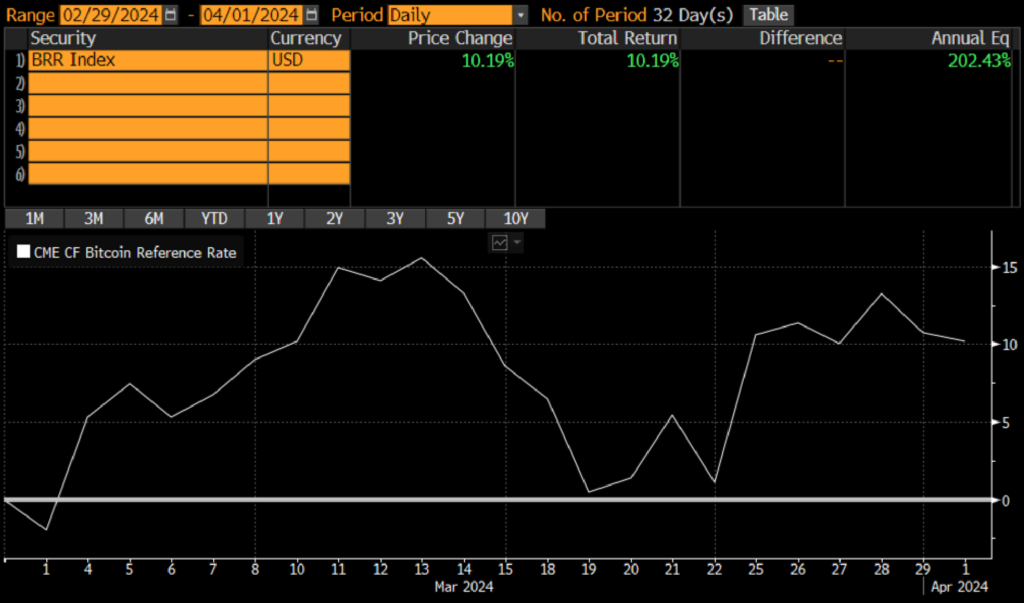
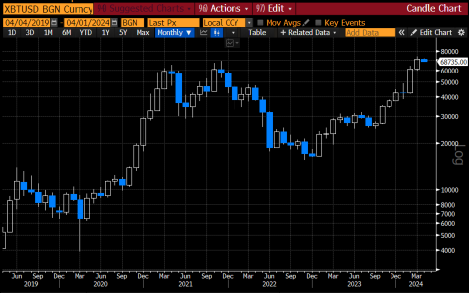
Related Link: http://www.newswire.ca/en/releases/archive/April2024/17/c9388.html

Tech Rallies and Commodity Surges Driving the S&P 500 and TSX in 2024

In recent months, both the S&P 500 and the Toronto Stock Exchange (TSX) have experienced notable growth, capturing the attention of investors and analysts alike. The S&P 500, representing the largest publicly traded companies in the United States, was up 10.2% for the first three months of the year, marking its best Q1 since 2019.¹ Similarly, the TSX, Canada’s primary stock index, achieved its first record-high close since 2022, signalling a resurgence in Canadian equities.²

Understanding the driving forces behind these indices’ remarkable performance is key for investors seeking to make informed investment decisions.

The S&P 500’s growth is due to strong corporate earnings, supportive monetary policies, and optimism surrounding economic recovery. In contrast, the TSX’s growth has been influenced by resources, industrials, and financials, with the recent rally in commodity prices bolstering the performance of resource-based companies, and the expectations of interest rate cuts providing support to stocks.

So, let’s look at the performance of both indices, examining the sectors driving their growth, the economic conditions shaping their trajectories, and shed some light on the factors driving the recent surge in the S&P 500 and TSX.

Sector Composition of the S&P 500 and TSX

A critical aspect shaping the performance of both the S&P 500 and the TSX lies in their distinct sector compositions.

The S&P 500 boasts a diverse array of sectors, with technology dominating the index, accounting for more than 40% of its composition.³ In contrast, the TSX exhibits a heavier concentration in sectors sensitive to economic fluctuations, such as financials, energy, and materials.⁴

These differences in sector composition play a pivotal role in driving the performance of each index. The S&P 500’s significant exposure to technology has been a boon in recent months, with the tech sector rallying amid heightened investor interest in innovation and digital transformation. Estimates based on LSEG data suggest that the tech element of the S&P 500 is up 20.9% in the first quarter of the year.⁵

Likewise, healthcare components of the S&P 500 have also seen substantial growth, fueled by advancements in medical technology and pharmaceutical innovation. As just one example, the new class of GLP-1 weight loss drugs like Mounjaro, Wegovy, and Zepbound that has taken the pharmaceutical industry (and consumer market) by storm over the last six months could have a global market of more than $105 billion by themselves before the end of this decade.⁶

Conversely, the TSX’s reliance on sectors like financials and energy exposes it to fluctuations in commodity prices and interest rate movements. Recent months have seen a resurgence in commodity prices, fueled by robust demand from key global markets and supply chain disruptions.⁷

In March alone, WTI and Brent crude oil reached four-month highs, and copper reached an 11-month high. In April, gold prices briefly rose above $2,400 per ounce—an all-time high—before easing back to just under that milestone number to mark the yellow metal’s fourth straight week of gains.8 9 This uptrend has provided a tailwind for the TSX, boosting the performance of resource-heavy sectors such as energy, materials, and mining.

In essence, the composition of both indices underscores the interplay of market forces and economic trends. Understanding the implications of sector concentration is essential for investors seeking to capitalize on opportunities and mitigate risks in today’s dynamic market environment.

Company Performance and Earnings Outlook

The performance of individual companies is also a factor in driving growth for both the S&P 500 and the TSX.

In the S&P 500, technology giants such as Amazon, Meta, Microsoft, and Nvidia have continued to deliver impressive earnings reports, buoyed by robust demand for their products and services.10 The resilience of these tech titans has been a major contributing factor to the index’s overall strength, demonstrating the power of tech in driving U.S. market performance.

Meanwhile, in the TSX, as commodity prices have staged a comeback fueled by strong global demand and supply disruptions, resource-based companies like Suncor Energy have helped propel the index by capitalizing on favourable market conditions to deliver solid earnings results.11

Looking ahead, key factors such as inflation, interest rates, and geopolitical tensions will continue to influence investor sentiment and company earnings, shaping the overall direction of the S&P 500 and the TSX in the coming months.

Economic Indicators and Central Bank Policies

Recent economic data has been pivotal in shaping investor sentiment on both sides of the border. In the U.S., a string of positive indicators, including robust job growth and resilient housing market activity, has bolstered confidence in the strength of the economic recovery. Similarly, in Canada, signs of cooling inflation and indications of a soft landing for the economy have reassured investors.

Amidst these developments, the monetary policy decisions of the U.S. Federal Reserve and the Bank of Canada have emerged as key drivers of market dynamics. The Federal Reserve’s commitment to maintaining accommodative monetary policy while closely monitoring inflationary pressures has been met with cautious optimism by investors. Likewise, the Bank of Canada’s decision to hold its key interest rate steady at five percent reflects a delicate balancing act between supporting economic growth and managing inflationary risks.12

Looking ahead, while central banks continue to use interest rates as a tool to curb inflation, they have signalled that with inflation trending slowly downward, the possibility exists for interest rate cuts in the latter half of this year.13 Lower interest rates may stimulate economic activity and corporate earnings growth, providing a tailwind for equity markets.

On the other hand, any rate cuts may be fairly conservative to start, as policymakers balance stimulating growth with keeping inflation in check.14 While continued higher interest rates may dampen borrowing activity and consumer spending, they could also signal confidence in the strength of the economy, potentially buoying investor sentiment.

As investors navigate an environment marked by this kind of uncertainty, a keen understanding of how economic indicators and central bank policies play pivotal roles in the performance of both the S&P 500 and the TSX is essential for making informed investment decisions.

Ultimately, while uncertainties persist, the outlook for the S&P 500 and the TSX remains positive, offering investors opportunities for growth and wealth accumulation. As markets continue to evolve, staying disciplined and focused on long-term objectives will be key to success in the journey ahead.

Covered call investing with ESPX ETF and ETSX ETF

Looking for an investment solution that will keep you invested in stocks while offering the opportunity to take advantage of market volatility?

The Evolve S&P 500® Enhanced Yield Fund (ESPX ETF) is designed to provide investors with the performance of the S&P 500® Index, with the addition of enhanced yield through active covered call strategies on the underlying securities. This Fund invests primarily in the equity constituents of the S&P 500® Index, while writing covered call options on up to 33% of the portfolio.

Evolve’s S&P/TSX 60 Enhanced Yield Fund (ETSX ETF) is designed to provide investors with the performance of the S&P/TSX 60 Index, with the addition of enhanced yield through active covered call strategies on the underlying securities. This Fund invests primarily in the equity constituents of the S&P/TSX 60 Index, while writing covered call options on up to 33% of the portfolio.

For more information on ESPX ETF or ETSX ETF respectively, visit our website at https://evolveetfs.com/ or watch this video.

And for more blogs like this, and for insight on investing and investment products, sign up for our weekly newsletter here.


Sources

  1. Hur, K., “The S&P 500 just turned in its best first quarter since 2019,” CNN, March 28, 2024; https://www.cnn.com/2024/03/28/investing/premarket-stocks-trading-first-quarter/index.html
  2. “TSX posts first record high close since 2022 as investors eye soft economic landing,” The Globe & Mail, March 21, 2024; https://www.theglobeandmail.com/investing/markets/inside-the-market/market-news/article-premarket-us-futures-gain-as-fed-sticks-to-rate-cut-projections-micron/
  3. Bary, A., “S&P 500’s True Tech Weighting Tops 40%. Why the Index Is So Hard to Beat,” Barrons, February 17, 2024; https://www.barrons.com/articles/sp-500-tech-magnificent-seven-00c0ab36
  4. “TSX posts first record high close since 2022 as investors eye soft economic landing,” The Globe & Mail, March 21, 2024; https://www.theglobeandmail.com/investing/markets/inside-the-market/market-news/article-premarket-us-futures-gain-as-fed-sticks-to-rate-cut-projections-micron/
  5. Valetkevitch, C., “US quarterly earnings to feature big growth in tech-related companies,” Reuters, April 11, 2024; https://www.reuters.com/markets/us/us-quarterly-earnings-feature-big-growth-tech-related-companies-2024-04-11/
  6. Wingrove, P., “Lilly weight-loss drug Zepbound new US prescriptions surpass Wegovy for first time,” Reuters, March 15, 2024; https://www.reuters.com/business/healthcare-pharmaceuticals/lilly-weight-loss-drug-zepbound-new-us-prescriptions-surpass-wegovy-first-time-2024-03-15/
  7. “TSX posts first record high close since 2022 as investors eye soft economic landing,” The Globe & Mail, March 21, 2024; https://www.theglobeandmail.com/investing/markets/inside-the-market/market-news/article-premarket-us-futures-gain-as-fed-sticks-to-rate-cut-projections-micron/
  8. Hansen, O., “Commodity weekly: Green shoots seen across key sectors,” Saxo Bank A/S, March 15, 2024; https://www.home.saxo/content/articles/commodities/commodity-weekly—15-march-2024-15032024
  9. Anil, A. & Shivaprasad, A., “Gold surges as Middle East tensions spur safe-haven rush,” Reuters, April 12, 2024; https://www.reuters.com/markets/commodities/gold-prices-hit-record-highs-safe-haven-demand-2024-04-12/
  10. Liu, E., “What’s Behind the S&P 500’s Spectacular Gains, in 4 Charts,” Barrons, February 24, 2024; https://www.barrons.com/articles/nvidia-stocks-gains-market-e3fa828a
  11. “Suncor Energy reports fourth quarter 2023 results,” Suncor Energy, February 21, 2024; https://sustainability-prd-cdn.suncor.com/-/media/project/suncor/files/news-releases/2024/2024-02-21-news-release-earnings-q4-2023-en.pdf
  12. “Bank of Canada holds key interest rate at 5%,” Financial Post, April 10, 2024; https://nationalpost.com/news/canada/bank-of-canada-holds-key-interest-rate-at-5
  13. Schleich, T. & Lovely, W., “Monthly Fixed Income Monitor,” National Bank of Canada, March 2024; https://www.nbc.ca/content/dam/bnc/taux-analyses/analyse-eco/mensuel/monthly-fixed-income-monitor.pdf

Header Image Source: Getty Images Credit: Yuichiro Chino

The contents of this blog are not to be used or construed as investment advice or as an endorsement or recommendation of any entity or security discussed. These contents are not an offer or solicitation of an offer or a recommendation to buy or sell any securities or financial instrument, nor shall it be deemed to provide investment, tax or accounting advice. The information contained herein is intended for informational purposes only.
Commissions, management fees and expenses all may be associated with exchange traded funds (ETFs) and mutual funds (funds). Please read the prospectus before investing. ETFs and mutual funds are not guaranteed, their values change frequently, and past performance may not be repeated. There are risks involved with investing in ETFs and mutual funds. Please read the prospectus for a complete description of risks relevant to ETFs and mutual funds. Investors may incur customary brokerage commissions in buying or selling ETF and mutual fund units.
Certain statements contained in this blog may constitute forward-looking information within the meaning of Canadian securities laws. Forward-looking information may relate to a future outlook and anticipated distributions, events or results and may include statements regarding future financial performance. In some cases, forward-looking information can be identified by terms such as “may”, “will”, “should”, “expect”, “anticipate”, “believe”, “intend” or other similar expressions concerning matters that are not historical facts. Actual results may vary from such forward-looking information. Evolve Funds undertakes no obligation to update publicly or otherwise revise any forward-looking statement whether as a result of new information, future events or other such factors which affect this information, except as required by law.

AI Weekly: SoundHound’s Voice AI Innovations

Generative AI is reshaping industries by making it easier to create new content, enhance customer experiences, and streamline operations. Notably, its adoption across sectors like healthcare, finance, and information technology points towards a technological revolution that could dramatically impact our investment strategies.

Stay up-to-date on the latest AI trends – here’s what’s new this week.

In the news:

OpenAI is making ChatGPT more accessible to users globally without account requirements. OpenAI’s move to remove barriers to access its AI-powered chatbot reflects a broader trend towards democratizing AI technology. Samsung’s Bixby voice assistant added generative AI capabilities and Apple’s development of the ReALM model, designed for efficient on-device use, showcases the industry’s focus on enhancing product functionality and user experience.

The unfolding developments in Generative AI point towards a future where technology is increasingly woven into the fabric of everyday business operations and consumer products. Embracing these advancements and integrating them into our investment strategy is not just about staying ahead; it’s about leveraging the power of innovation to achieve sustainable growth and value creation.

ARTI portfolio highlights

HubSpot

HubSpot, Inc. provides a cloud-based customer relationship management (CRM) platform that includes marketing, sales, service, and content management systems, as well as multiple integrated applications. The platform heavily relies on AI technologies, including machine learning algorithms, natural language processing tools, and AI-based data analytics, and it also offers cloud-based services that support AI technologies. In the context of the increasing importance of AI, a company like HubSpot, Inc. stands to benefit from an increased demand for their AI technology and a surge in demand for their cloud services for AI.

In the last month, there has been significant news regarding HubSpot, Inc., with multiple reports surfacing about Google’s parent company, Alphabet, considering a major acquisition of HubSpot. This potential deal, valued at around $35 billion, has led to a notable increase in HubSpot’s stock price, with shares climbing up to 9% following these reports (04/04/24). This news has dominated the recent headlines about the company, indicating a high level of interest and speculation from investors and analysts alike.

SoundHound AI

SoundHound AI, Inc. develops an independent voice artificial intelligence (AI) platform that enables businesses across industries to deliver high-quality conversational experiences to their customers. Its position is strengthened by the technical barriers to entry in the Voice AI space, which tend to discourage new market participants. In the context of the increasing importance of AI, a company like SoundHound AI, Inc. stands to benefit from an increased demand for their AI technology and a surge in demand due to the growth in cloud services for AI, despite facing potential regulatory challenges.

Over the past month, SoundHound AI, Inc. has been in the spotlight due to its association with Nvidia, attracting significant investment and attention for its advancements in AI technology, particularly in the automotive sector with the deployment of Chat AI in cars (03/26/24). Despite this positive momentum, the company experienced a notable stock price drop following a short-selling report and a downgrade (03/22/24). However, Wall Street analysts have shown a mix of optimism and caution, with some predicting substantial upside for the stock, while others advise a more cautious approach.

Google

Alphabet Inc. operates through Google Services, Google Cloud, and Other Bets segments, offering infrastructure, cybersecurity, data, analytics, AI, and machine learning, and other services. The company has recently launched its Gemini AI model, which could compete with OpenAI, another AI model backed by Microsoft, and has partnered with Symphony to increase its voice analytics offering to banks and investment firms using Google Cloud’s Vertex AI. In the context of the increasing importance of AI, a company like Alphabet Inc. stands to benefit from the increased demand for AI technology and growth in cloud services for AI, despite facing potential regulatory challenges.

Over the past month, Alphabet Inc. has been in the spotlight for several reasons, notably for its advancements and updates in AI technology and facing regulatory scrutiny in the European Union. The company showcased its Gemini AI updates aimed at attracting business customers, indicating a significant push towards enterprise-ready AI solutions (04/05/24). Additionally, Alphabet, along with Apple and Meta, has been targeted by the EU under a new digital competition law, launching investigations into potential antitrust violations (03/25/24). These developments suggest a period of both innovation and regulatory challenges for Alphabet Inc.

Investing in Artificial Intelligence with ARTI ETF

Interested in using generative AI to identify the best artificial intelligence and artificial intelligence-related companies fundamentally changing our world today?

Evolve Artificial Intelligence Fund (ARTI) is Canada’s first Artificial Intelligence Fund that uses generative AI in portfolio construction. Now trading. ARTI is designed to provide investors with exposure to global securities from AI companies deemed to benefit from the increased global adoption of AI.

For more information on ARTI or any of Evolve ETF’s lineup of exchange-traded funds, please visit our website or contact info@evolveetfs.com.


The contents of this blog are not to be used or construed as investment advice or as an endorsement or recommendation of any entity or security discussed. These contents are not an offer or solicitation of an offer or a recommendation to buy or sell any securities or financial instrument, nor shall it be deemed to provide investment, tax or accounting advice. The information contained herein is intended for informational purposes only.
Commissions, management fees and expenses all may be associated with exchange traded funds (ETFs) and mutual funds (funds). Please read the prospectus before investing. ETFs and mutual funds are not guaranteed, their values change frequently, and past performance may not be repeated. There are risks involved with investing in ETFs and mutual funds. Please read the prospectus for a complete description of risks relevant to ETFs and mutual funds. Investors may incur customary brokerage commissions in buying or selling ETF and mutual fund units. Certain statements contained in this blog may constitute forward-looking information within the meaning of Canadian securities laws. Forward-looking information may relate to a future outlook and anticipated distributions, events or results and may include statements regarding future financial performance. In some cases, forward-looking information can be identified by terms such as “may”, “will”, “should”, “expect”, “anticipate”, “believe”, “intend” or other similar expressions concerning matters that are not historical facts. Actual results may vary from such forward-looking information. Evolve Funds undertakes no obligation to update publicly or otherwise revise any forward-looking statement whether as a result of new information, future events or other such factors which affect this information, except as required by law.
All rights reserved. “Boosted.ai”, “Boosted”, “Gradient Boosted Investments” and other trademarks related to the Boosted.ai Artificial Intelligence Index (the “Index”) are trademarks of Gradient Boosted Investments Inc. d/b/a Boosted.ai (which together its affiliates are referred to as the “Corporations”) and are used by Evolve Funds Group Inc. under license. The Product(s) have not been passed on by the Corporations as to their legality or suitability. The Product(s) are not issued, endorsed, sold, or promoted by the Corporations. THE CORPORATIONS MAKE NO WARRANTIES AND BEAR NO LIABILITY WITH RESPECT TO THE PRODUCT(S). Boosted.ai does not make any claim, prediction, warranty or representation whatsoever, express or implied, either as to the results to be obtained from the use of the Index or the fitness or suitability of the Index for any particular purpose. Boosted.ai does not provide investment advice and nothing in this document should be taken as constituting financial or investment advice.

What Investors Need to Know for the 2024 Bitcoin Halving

While digital currencies are dynamic by nature, few events garner as much attention and speculation as a Bitcoin halving.

Halvings occur approximately every four years as programmed events in the Bitcoin protocol. They serve a critical purpose: to curtail the total supply of Bitcoin and heighten its scarcity.

As we are just days away from the next halving event, understanding the impact of previous Bitcoin halvings and contemplating the potential future implications of this one is important for anyone investing in the cryptocurrency market. So join us as we look at Bitcoin’s history and past halving events to understand what lies ahead for the Bitcoin market after this month’s halving.

What is a Bitcoin Halving?

A Bitcoin halving is a pre-programmed event within the Bitcoin protocol itself. At the time of halving, the reward for Bitcoin miners (who validate transactions and secure the Bitcoin network) is reduced by 50%. This reduction in mining rewards aims to limit the total supply of Bitcoin, increase its scarcity, and ward off the possibility of inflation.

The halving process occurs after every 210,000 blocks are mined, which translates to a halving event roughly every four years.¹

The Bitcoin halving is a significant aspect of Bitcoin’s monetary policy, designed to mimic the scarcity of precious metals like gold. By reducing the rate of new Bitcoin issuance, it aims to create a digital equivalent of a scarce asset. This scarcity is expected to drive up demand and potentially increase Bitcoin’s value over time.

Overall, the Bitcoin halving is a key event in the cryptocurrency market, influencing supply dynamics and investor sentiment. The halvings are amongst the fundamental principles of Bitcoin’s design and its role as a decentralized digital currency.²

The History of Bitcoin Halving Events

Bitcoin halving events mark important milestones for the digital coin, including both growing value and demand for the pioneering digital currency.

The first Bitcoin halving occurred in November 2012, and saw the reward for miners slashed from 50 to 25 BTC per block. Despite initial concerns, this halving was followed by a significant bull run. Bitcoin saw its first major price surge, going from a modest $12 to over $1,000 by 2013, teaching the community the bullish nature of halving events. This meteoric rise underscored the profound impact of the halving on market dynamics and investor sentiment.

Fast forward to July 2016, when Bitcoin experienced its second halving, reducing the mining reward from 25 to 12.5 BTC per block. This time, the event was met with fervent anticipation and speculation as investors sought to capitalize on the impending scarcity-driven dynamics.

As happened after the first halving, Bitcoin’s price made another steep climb after the second halving, going from $640 to nearly $20,000 in 2017. The correlation between the halving event and this surge in value reinforced the narrative of scarcity-driven demand and investor optimism.

In May 2020, Bitcoin underwent its third halving, further reducing the mining reward from 12.5 to 6.25 BTC per block. This event unfolded against the backdrop of heightened institutional interest and mainstream adoption, fueling speculation about Bitcoin’s role as a hedge against economic uncertainty. Bitcoin’s price surged once again after this halving, rising from $8,605 to over $69,000 in 2021.³

While correlation does not necessarily imply causation, the historical data surrounding Bitcoin’s halving events suggests a clear pattern of price increases following each reduction in mining rewards. This correlation underscores the fundamental principles of supply and demand dynamics, as well as the scarcity-driven narrative that underpins Bitcoin’s value proposition.⁴

The next halving, slated for later this month, will further decrease mining rewards to around 3.125 BTC per block. And it is the historical trends after halvings and the potential implications for Bitcoin’s future trajectory that have made this upcoming event so keenly anticipated.

Anticipating the Impact of the 2024 Halving

The upcoming mining reduction to 3.125 BTC per block represents a pivotal moment for Bitcoin. This fourth halving occurs amidst significant institutional interest, indicating a new phase in Bitcoin’s evolution and integration into the global economy.5 So, what are the potential implications of a halving now?

Foremost among the anticipated effects of the 2024 halving is the prospect of increased scarcity and potential upward pressure on prices. With fewer new Bitcoins entering circulation, the supply-demand dynamics that have historically underpinned Bitcoin’s value proposition are expected to intensify. This scarcity-driven narrative has long captivated the imaginations of investors, with many viewing Bitcoin as a digital equivalent to gold—a finite and coveted asset.6 Bloomberg Intelligence and Matrixport have estimated that this halving could spur a value appreciation of at least 81%.7

Beyond the realm of price speculation, the 2024 halving is also expected to serve as a catalyst for mining innovation and community engagement within the Bitcoin ecosystem. With reduced mining rewards incentivizing miners to optimize energy consumption and increase hash power, the halving event is poised to spur technological advancements and foster a sense of collective purpose within the mining community. This renewed focus on innovation and sustainability bodes well for the long-term viability and resilience of the Bitcoin network.8

However, as with any significant market event, the 2024 halving has its risks and challenges. Short-term market volatility and speculative behaviour are valid concerns, with historical data suggesting that halving events can precipitate periods of heightened price fluctuations. It is imperative, therefore, for investors to have a measured perspective and approach the halving event with a degree of caution and long-term thinking.9

In navigating the complexities of the 2024 halving, informed decision-making and a keen awareness of historical trends and market dynamics will be paramount. While the halving event holds the promise of increased scarcity and potential price appreciation, investors must maintain a disciplined approach and resist the allure of short-term speculation. By doing so, they can position themselves to navigate the cryptocurrency market with confidence and clarity.

Investing in Cryptocurrency with ETFs

Deciding which cryptocurrency to own and how much to allocate can be overwhelming for many investors.

Evolve’s Bitcoin ETF (EBIT ETF) is one of the world’s first Bitcoin ETFs. It provides investors with a simple and efficient way to access the price of physical Bitcoin through a secure investment solution. For more information on this fund, visit evolveetfs.com/ebit/.

Evolve’s Ether ETF (ETHR ETF) is the world’s first Ether ETF and offers a great way for investors to access the price of Ether through a secure investment solution. For more information on this fund, visit evolveetfs.com/ethr/.

For a more diversified cryptocurrency investment solution, the Evolve Cryptocurrencies ETF (ETC ETF) is Canada’s first multi-crypto ETF. ETC ETF is designed to be a one-ticket solution to cryptocurrency exposure. It is market cap weighted and rebalanced monthly. It currently holds Bitcoin (TSX: EBIT) and Ether (TSX: ETHR), but as regulators approve other crypto ETFs, they may be added as well. For more information on this fund, visit evolveetfs.com/etc/.

To stay updated with insights on investing in cryptocurrency and related investment products, sign up for our weekly newsletter here.


Sources

  1. Hajric, V. & Pan, D., “What Is Bitcoin ‘Halving’ and Does It Push Up the Cryptocurrency’s Price?,” Bloomberg, March 6, 2024; https://www.bloomberg.com/news/articles/2024-03-06/what-is-bitcoin-halving-and-does-it-push-up-the-cryptocurrency-s-price
  2. “What You Need to Know About the Bitcoin Halving,” Chainalysis, April 9, 2024; https://www.chainalysis.com/blog/bitcoin-halving-2024/
  3. “CMC Bitcoin Halving 2024,” CoinMarketCap, n.d.; https://coinmarketcap.com/events/bitcoin-halving/
  4. “The Bitcoin Halving: Everything you need to know,” Coinbase, n.d.; https://www.coinbase.com/bitcoin-halving
  5. Hajric, V. & Pan, D., “What Is Bitcoin ‘Halving’ and Does It Push Up the Cryptocurrency’s Price?,” Bloomberg, March 6, 2024; https://www.bloomberg.com/news/articles/2024-03-06/what-is-bitcoin-halving-and-does-it-push-up-the-cryptocurrency-s-price
  6. “The Bitcoin Halving: Everything you need to know,” Coinbase, n.d.; https://www.coinbase.com/bitcoin-halving
  7. Hajric, V. & Pan, D., “What Is Bitcoin ‘Halving’ and Does It Push Up the Cryptocurrency’s Price?,” Bloomberg, March 6, 2024; https://www.bloomberg.com/news/articles/2024-03-06/what-is-bitcoin-halving-and-does-it-push-up-the-cryptocurrency-s-price
  8. “The Bitcoin Halving: Everything you need to know,” Coinbase, n.d.; https://www.coinbase.com/bitcoin-halving
  9. “What You Need to Know About the Bitcoin Halving,” Chainalysis, April 9, 2024; https://www.chainalysis.com/blog/bitcoin-halving-2024/

Header Image Source: Getty Images Credit CreativaImages

The contents of this blog are not to be used or construed as investment advice or as an endorsement or recommendation of any entity or security discussed. These contents are not an offer or solicitation of an offer or a recommendation to buy or sell any securities or financial instrument, nor shall it be deemed to provide investment, tax or accounting advice. The information contained herein is intended for informational purposes only.
Commissions, management fees and expenses all may be associated with exchange traded funds (ETFs) and mutual funds (funds). Please read the prospectus before investing. ETFs and mutual funds are not guaranteed, their values change frequently, and past performance may not be repeated. There are risks involved with investing in ETFs and mutual funds. Please read the prospectus for a complete description of risks relevant to ETFs and mutual funds. Investors may incur customary brokerage commissions in buying or selling ETF and mutual fund units.
Certain statements contained in this blog may constitute forward-looking information within the meaning of Canadian securities laws. Forward-looking information may relate to a future outlook and anticipated distributions, events or results and may include statements regarding future financial performance. In some cases, forward-looking information can be identified by terms such as “may”, “will”, “should”, “expect”, “anticipate”, “believe”, “intend” or other similar expressions concerning matters that are not historical facts. Actual results may vary from such forward-looking information. Evolve Funds undertakes no obligation to update publicly or otherwise revise any forward-looking statement whether as a result of new information, future events or other such factors which affect this information, except as required by law.

GLP-1 Weight Loss Drugs Set to Surpass Cancer Therapies as Best-Selling Medicines

General Industry Update

Eli Lilly’s potent weight-loss medication, Zepbound, passed Novo Nordisk’s rival drug, Wegovy, new prescriptions in the U.S. for the first time during the week of March 8. Novo Nordisk, however, maintained its overall lead in total weekly prescriptions. This growth by Zepbound is impressive, given that it was launched only in December by Lilly, more than two years after Wegovy received approval in June 2021.

Analysts foresee a burgeoning market for weight-loss treatments, estimated to reach $100 billion by the decade’s end, with demand outpacing supply due to the effectiveness of these new treatments.¹

Both Lilly and Novo are in a full-on sprint to ramp up production. In February, Lilly’s CFO announced “the most ambitious expansion agenda“ in the company’s history to meet demand.² Also in February, Novo announced plans to buy three manufacturing plants for $11 billion.³

GlobalData predicts GLP-1 drugs such as Zepbound and Wegovy will surpass the most widely used cancer immunotherapies as best-selling medicines this year. These drugs have shown efficacy in treating various health conditions beyond obesity, with the FDA in March approving Wegovy for reducing the risk of a variety of healthcare concerns, including stroke and heart attack in overweight adults. GlobalData anticipates that the market for such medications will reach $105 billion by 2029, with Novo Nordisk poised to capture more than half the market. GlobalData forecasts Lilly’s diabetes drug, Mounjaro, with the same active ingredient as Zepbound, to be the single top-selling GLP-1 drug, reaching $33.4 billion in annual sales by 2029.

Also in March, Novo Nordisk announced plans to launch a pill form of its experimental weight-loss drug, amycretin, this decade, which could be a game-changer in a market where the current class of weight-loss drugs require injection.⁴

Company Specific Updates

AstraZeneca PLC

In March, a U.S. Centers for Disease Control study revealed that AstraZeneca and Sanofi’s newly introduced antibody therapy, Beyfortus, was 90% effective in preventing hospitalizations of infants linked to respiratory syncytial virus (RSV). This marks the first real-world data demonstrating the therapy’s effectiveness in safeguarding infants during their initial exposure season to RSV. The U.S. health regulator approved the therapy in July 2023.

The study, analyzing approximately 700 hospitalized infants with RSV between October 2023 and February 2024, found that 8% of them had received the therapy at least seven days before showing symptoms. Despite limited data, the CDC noted that these early estimates align with current recommendations for the therapy’s use in infants below eight months old during their first RSV season, as well as in vulnerable children aged 8-19 months during subsequent seasons.

The CDC attributed the shorter surveillance period and constrained therapy supply to the introduction of Beyfortus in August 2023. However, with increasing availability, the CDC plans to continue evaluating the therapy’s effectiveness throughout the entire RSV season. RSV, a widespread respiratory virus, remains a significant cause of infant hospitalizations.⁵

Pfizer Inc

Pfizer announced in March that its drug Adcetris demonstrated prolonged survival rates in patients with the most prevalent form of lymphoma during a late-stage study. This development strengthens Pfizer’s efforts to broaden the application of the treatment, acquired through a $43 billion acquisition of Seagen in 2023. Pfizer acquired Seagen specifically for its targeted cancer therapies to fortify its pipeline in the face of waning COVID-19-related sales.

Pfizer reported $46 million in total sales from the drug last year thanks to its commercialization rights for Adcetris in the U.S. and Canada. The company intends to seek regulatory approval for treating the kinds of patients who participated in the study. If successful, approval for treating the most common type of lymphoma will mark the drug’s eighth such approval, enhancing Pfizer’s oncology portfolio with over 25 approved therapies.

The late-stage trial of 230 patients showed that a combination therapy involving Adcetris and two other drugs significantly extended survival compared to a placebo. Additionally, compared to a combination of two other drugs plus placebo, Adcetris demonstrated improvements in secondary study goals, including progression-free survival and overall response rate.⁶

LIFE ETF: An Easy Way to Invest in Global Healthcare

Investing in ETFs can be one way to add cutting-edge healthcare to your portfolio.

Evolve Global Healthcare Enhanced Yield Fund (LIFE ETF) provides investors with exposure to twenty global blue-chip companies in the healthcare industry, with a covered call strategy that is actively managed to provide increased yield potential while helping mitigate risk. For more information about the Evolve Global Healthcare Enhanced Yield Fund or any of Evolve ETF’s lineup of exchange-traded funds, please visit our website or contact us.

Portfolio Strategy and Activity

For the month, Novo Nordisk A/S made the largest contribution to the Fund, followed by Bristol Myers Squibb and Medtronic PLC. The largest detractors to performance for the month were Abbott Labs, followed by Johnson & Johnson and Danaher Corp.


Sources

  1. Wingrove, P., “Lilly weight-loss drug Zepbound new US prescriptions surpass Wegovy for first time,” Reuters, March 15, 2024; https://www.reuters.com/business/healthcare-pharmaceuticals/lilly-weight-loss-drug-zepbound-new-us-prescriptions-surpass-wegovy-first-time-2024-03-15/
  2. Muller, M., “Lilly Vies With Novo to Meet Demand for Weight-Loss Therapies,” Bloomberg, February 6, 2024; https://www.bloomberg.com/news/articles/2024-02-06/lilly-sees-sales-above-street-view-fueled-by-weight-loss-drug
  3. Kresge, N. & Wienberg, C., “Novo Buys Three Plants for $11 Billion to Boost Wegovy Output,” Bloomberg, February 5, 2024; https://www.bloomberg.com/news/articles/2024-02-05/novo-nordisk-spends-11-billion-on-meeting-obesity-drug-demand
  4. Wingrove, P., “Lilly weight-loss drug Zepbound new US prescriptions surpass Wegovy for first time,” Reuters, March 15, 2024; https://www.reuters.com/business/healthcare-pharmaceuticals/lilly-weight-loss-drug-zepbound-new-us-prescriptions-surpass-wegovy-first-time-2024-03-15/
  5. Roy, S., “Astra-Sanofi’s RSV therapy 90% effective against infant hospitalizations, CDC study shows,” Reuters, March 7, 2024; https://www.reuters.com/business/healthcare-pharmaceuticals/astra-sanofis-rsv-therapy-highly-effective-against-infant-hospitalizations-cdc-2024-03-07/
  6. Jain, P., “Pfizer’s blood cancer therapy Adcetris succeeds in late-stage trial,” Reuters, March 12, 2024; https://www.reuters.com/business/healthcare-pharmaceuticals/pfizers-drug-meets-main-goal-late-stage-blood-cancer-trial-2024-03-12/


Header image source: Getty Images Credit: Peter Dazeley

The contents of this blog are not to be used or construed as investment advice or as an endorsement or recommendation of any entity or security discussed. These contents are not an offer or solicitation of an offer or a recommendation to buy or sell any securities or financial instrument, nor shall it be deemed to provide investment, tax or accounting advice. The information contained herein is intended for informational purposes only.
Commissions, management fees and expenses all may be associated with exchange traded funds (ETFs) and mutual funds (funds). Please read the prospectus before investing. ETFs and mutual funds are not guaranteed, their values change frequently, and past performance may not be repeated. There are risks involved with investing in ETFs and mutual funds. Please read the prospectus for a complete description of risks relevant to ETFs and mutual funds. Investors may incur customary brokerage commissions in buying or selling ETF and mutual fund units.
Certain statements contained in this blog may constitute forward-looking information within the meaning of Canadian securities laws. Forward-looking information may relate to a future outlook and anticipated distributions, events or results and may include statements regarding future financial performance. In some cases, forward-looking information can be identified by terms such as “may”, “will”, “should”, “expect”, “anticipate”, “believe”, “intend” or other similar expressions concerning matters that are not historical facts. Actual results may vary from such forward-looking information. Evolve Funds undertakes no obligation to update publicly or otherwise revise any forward-looking statement whether as a result of new information, future events or other such factors which affect this information, except as required by law.

Understanding the Rise of Female Gamers in the Gaming World

General Industry Update

Insights from the recent Global Gamer Study reveal that 72% of women engage in video gaming, compared to 81% of men, with women making up 45% of the overall gaming population. These statistics suggest a strong female presence in gaming, challenging stereotypes and signalling the importance of understanding female gamers’ preferences and experiences.

The study indicates a nuanced relationship between women and gaming. While fewer women identify strictly as gamers compared to men, a significant portion (44%) see themselves as casual gamers. This distinction underscores the diverse ways in which women engage with gaming, from mobile-only play (preferred by 44% of female gamers) to those who identify as core gamers, especially on console and PC platforms (less than 25%). The data also highlights the importance of diversity in video game content, with a majority of both women and men gamers valuing representation within games.

Reflecting this shift towards inclusivity, there has been an increase in female protagonists and narratives within video games in recent years, including the introduction of female leagues and athletes in sports games. This evolving landscape suggests a gaming industry increasingly attentive to its diverse audience, striving for inclusivity and representation.¹

And speaking of sports games, new stats from last year reveal that (perhaps not surprisingly) the top video game in Europe by revenue was the soccer video game “EA Sports FC 24.” The Electronic Arts offering (held by the Fund) was the top revenue earner in France, Germany, Italy, Spain, and the UK for 2023. The second-highest earner was also an EA title, “FIFA 23,” which will be the final game in the series to feature the FIFA brand.²

Company Specific Updates

Krafton Inc

South Korea’s gaming giant, Krafton Inc., announced plans for a strategic expansion this year through significant mergers and acquisitions and the development of new franchises based on its blockbuster PUBG intellectual property. The plans for diversification span beyond gaming and into the entertainment and software sectors. This initiative follows Krafton’s notable $45 million investment in Pratilipi, an Indian web novel platform, in 2021, showcasing its ambition for broader investment horizons.

Recently, Krafton pledged $570 million for game development and external game production studios, signalling its commitment to fostering innovative gaming experiences. Central to its strategy is the franchising of PUBG, aiming to create a sustainable gaming ecosystem that could extend the game’s life span by decades through collaborations with external studios.

In addition to leveraging generative AI technology in new games like InZoi, a life simulator game, Krafton is focusing on the burgeoning Indian market. The company aims to capitalize on India’s gaming market potential by introducing localized games and has already established partnerships, such as with DevSisters Corp., to publish “Cookie Run” in India. With plans to invest $150 million in India over the next few years, Krafton is positioning itself as a key player in one of Asia’s most rapidly growing mobile gaming markets, marking a significant return to India.³

Konami Digital Entertainment

In March, Konami Digital Entertainment (held by the Fund) announced that Shoma Mori of Team Japan clinched the title of inaugural world champion at the WBSC eBASEBALL™ Series World Finals. The event, sponsored by the World Baseball Softball Confederation (WBSC) and leveraging Konami’s WBSC-licensed game “WBSC eBASEBALL™ Power Pros,” attracted over 15,000 participants worldwide. Mori triumphed in the finals, held at the Olympic Museum in Lausanne, Switzerland, defeating fellow Japanese player Takato Fujishima with a decisive 8-1 victory.

Looking ahead, the ePremier12™, another global tournament using “WBSC eBASEBALL™ Power Pros,” is slated for November, with the finals at Tokyo Dome. Konami aims to continue fostering the growth of esports fans globally through such events.⁴

HERO ETF: Diversified Investing in Video Games

Interested in a diversified approach to investing in video games? Canada’s first esports and gaming ETF, the Evolve E-Gaming Index ETF (HERO ETF), is an index-based exchange-traded fund that invests in the leading video game companies across the globe. To learn more about HERO ETF, please click here: https://evolveetfs.com/hero/.

Portfolio Strategy and Activity

For the month, AppLovin Corporation made the largest contribution to the Fund, followed by International Games System Co. Ltd, and Krafton Inc. The largest detractors to performance for the month were Electronic Arts, followed by Roblox Corp, and NetEase Inc.


Sources

  1. Ngoc, M.T.L., “Spotlighting women gamers and how they play and spend on video games,” Newzoo, March 28, 2024; https://newzoo.com/resources/blog/spotlighting-women-gamers-and-how-they-play-and-spend-on-video-games
  2. Long, T., “What were the top 10 games by cumulative revenue across Europe in 2023?,” Newzoo, March 21, 2024; https://newzoo.com/resources/blog/top-10-games-by-cumulative-revenue-across-europe-in-2023
  3. Lee, J-H., “Krafton eyes mega M&A, PUBG franchise deals: Krafton chair,” The Korea Economic Daily, March 20, 2024; https://www.kedglobal.com/korean-games/newsView/ked202403200021
  4. “Team Japan’s Shoma Mori Crowned First World Champion of Baseball Esports Championship the WBSC eBASEBALL™ Series!,” Konami Digital Entertainment, March 12, 2024; https://www.konami.com/games/corporate/en/news/release/20240312/

Header image source: Getty Images Credit: ATHVisions

The contents of this blog are not to be used or construed as investment advice or as an endorsement or recommendation of any entity or security discussed. These contents are not an offer or solicitation of an offer or a recommendation to buy or sell any securities or financial instrument, nor shall it be deemed to provide investment, tax or accounting advice. The information contained herein is intended for informational purposes only.
Commissions, management fees and expenses all may be associated with exchange traded funds (ETFs) and mutual funds (funds). Please read the prospectus before investing. ETFs and mutual funds are not guaranteed, their values change frequently, and past performance may not be repeated. There are risks involved with investing in ETFs and mutual funds. Please read the prospectus for a complete description of risks relevant to ETFs and mutual funds. Investors may incur customary brokerage commissions in buying or selling ETF and mutual fund units.
Certain statements contained in this blog may constitute forward-looking information within the meaning of Canadian securities laws. Forward-looking information may relate to a future outlook and anticipated distributions, events or results and may include statements regarding future financial performance. In some cases, forward-looking information can be identified by terms such as “may”, “will”, “should”, “expect”, “anticipate”, “believe”, “intend” or other similar expressions concerning matters that are not historical facts. Actual results may vary from such forward-looking information. Evolve Funds undertakes no obligation to update publicly or otherwise revise any forward-looking statement whether as a result of new information, future events or other such factors which affect this information, except as required by law.

State-Sponsored Hacking Escalates Diplomatic Tensions in the Cybersecurity Landscape

General Industry Update

March saw the continued prominence of state-sponsored cybersecurity threats, as both China and Russia featured in significant breaches.

The United States and the United Kingdom each formally accused Chinese state-linked hackers of conducting “malicious” cyber campaigns against political targets, escalating diplomatic tensions with Beijing.

British Deputy Prime Minister Oliver Dowden implicated these hackers in a breach of the U.K.’s Electoral Commission, alleging that the attacks (which occurred in 2021 and 2022) aimed at the commission and parliamentarians were orchestrated by China-affiliated hacker group APT31.

In a parallel move, the U.S. Justice Department announced indictments against seven Chinese nationals, identifying them as members of the APT31 group. These individuals are accused of a prolonged 14-year cyber espionage campaign targeting U.S. businesses, government officials, political figures, and international critics of China.

Both the U.K. and U.S. statements intensify scrutiny of China’s cyber activities, suggesting a coordinated response to what is seen as a persistent threat to Western democratic institutions and economic interests. The Chinese Embassy in the U.K., however, dismissed the allegations as “completely fabricated and malicious slanders,” denying any involvement in the cyberattacks.¹

Likewise, Microsoft is facing ongoing security concerns as Russian state-sponsored hackers, identified as the same group responsible for the SolarWinds attack, have breached its systems. Initially spying on senior leadership’s email accounts, the hackers have now stolen some of Microsoft’s source code, marking this attack an ongoing threat.

The breach includes unauthorized access to source code databases and internal systems, though Microsoft assures users there was no evidence of compromise to customer-facing systems. Dubbed “Midnight Blizzard” by Microsoft, the group (also known as Nobelium) aims to exploit information they’ve obtained to further infiltrate Microsoft and potentially its customers.

Nobelium gained initial access through a password spray attack, leveraging a vast array of potential passwords against internal Microsoft accounts. Microsoft acknowledges a security lapse in a non-production test tenant account lacking two-factor authentication, facilitating Nobelium’s entry. The extent of the stolen source code remains undisclosed.²

Company Specific Updates

Zscaler Inc

Zscaler finalized the acquisition of Israeli AI-enhanced data security startup Avalor in March in a cash-and-stock deal worth approximately $310 million. The move comes as part of Zscaler’s strategy to bolster its cloud security offerings through innovative technology acquisition.

Avalor, supported by Salesforce Ventures, utilizes artificial intelligence to analyze data for security insights, a feature deemed advantageous for Zscaler’s corporate clientele. Zscaler, actively seeking startups with fresh security approaches, anticipates Avalor’s data analysis methods will enhance its security capabilities significantly.

The acquisition aligns with a trend of Israeli startup acquisitions, with notable recent purchases by Palo Alto Networks Inc., Crowdstrike Holdings Inc., and CheckPoint. Avalor’s CEO Raanan Raz expressed confidence in the integration, highlighting Zscaler’s abundant data as a perfect fit for Avalor’s analytical prowess.


The deal underscores Zscaler’s commitment to innovation in cybersecurity within a dynamic market landscape.³

Crowdstrike Holdings Inc

CrowdStrike announced in March its agreement to acquire Flow Security, the cybersecurity industry’s pioneer in cloud data runtime security solutions. By integrating Flow Security’s capabilities into its Falcon XDR platform, CrowdStrike aims to redefine data security posture management (DSPM) by safeguarding data in all states—whether at rest or in motion—across endpoint and cloud environments.

The acquisition underscores CrowdStrike’s commitment to innovation in cloud security, aiming to protect data as it traverses various platforms, including cloud, on-premise, and within applications. With this strategic move, CrowdStrike aims to consolidate cloud point solutions, offering customers comprehensive visibility into data flows and enhanced protection against data breaches.

CrowdStrike’s acquisition of Flow Security reinforces its position as a frontrunner in cloud security and seeks to empower customers to safeguard their entire cloud estate efficiently.⁴

Also in March, CrowdStrike reported robust earnings, surpassing both revenue and earnings expectations for the period ending January 31. CrowdStrike achieved revenue of $845 million, beating the expected $839 million, and net income of $54 million, up significantly from a $48 million loss in the same period last year. The company has now reported GAAP net income for four consecutive quarters. CrowdStrike anticipates fiscal first-quarter revenue between $902 million and $906 million. The company also reiterated its ambition to achieve $10 billion in annual recurring revenue by 2030, having reached $3.4 billion in January.⁵

CYBR ETF: Diversified Investing in Cybersecurity

A cybersecurity ETF offers a great alternative to gaining exposure to this industry without being locked into any single security and without the hassle of hand-picking individual stocks. ETFs allow you to diversify by investing in multiple companies in multiple markets, ensuring that a single market shock won’t tank your portfolio.

Canada’s first cybersecurity ETF, Evolve Cyber Security Index Fund (TSX Ticker: CYBR), invests in global companies involved in the cybersecurity industry. For more information, visit the fund page here: https://evolveetfs.com/cybr/.

Portfolio Strategy and Activity

For the month, Darktrace PLC made the largest contribution to the Fund, followed by Trend Micro Inc and Check Point Software Technologies Ltd. The largest detractors to performance for the month were Zscaler Inc, followed by SentinelOne Inc and Palo Alto Networks Inc.


Sources

  1. Browne, R., “U.S. and Britain accuse China-linked hackers of ‘malicious’ cyber campaigns, announce sanctions,” CNBC, March 25, 2024; https://www.cnbc.com/2024/03/25/britain-blames-china-for-hack-that-accessed-data-of-millions-of-voters.html
  2. Warren, T., “Microsoft says Russian hackers stole source code after spying on its executives,” The Verge, March 8, 2024; https://www.theverge.com/2024/3/8/24094287/microsoft-hack-russian-security-attack-stolen-source-code
  3. Roof, K., “Zscaler Buys Israeli AI-Enhanced Data Security Startup Avalor,” Bloomberg, March 14, 2024; https://www.bloomberg.com/news/articles/2024-03-14/zscaler-buys-israeli-ai-enhanced-data-security-startup-avalor
  4. “CrowdStrike to Acquire Flow Security to Expand Its Cloud Security Leadership with Data Security Posture Management (DSPM),” CrowdStrike, March 5, 2024; https://ir.crowdstrike.com/news-releases/news-release-details/crowdstrike-acquire-flow-security-expand-its-cloud-security
  5. Goswami, R., “CrowdStrike shares surge on earnings beat, strong full-year guidance,” CNBC, March 5, 2024; https://www.cnbc.com/2024/03/05/crowdstrike-shares-pop-on-earnings-beat-strong-full-year-guidance.html

Header image source: Getty Images Credit: BeeBright

The contents of this blog are not to be used or construed as investment advice or as an endorsement or recommendation of any entity or security discussed. These contents are not an offer or solicitation of an offer or a recommendation to buy or sell any securities or financial instrument, nor shall it be deemed to provide investment, tax or accounting advice. The information contained herein is intended for informational purposes only.
Commissions, management fees and expenses all may be associated with exchange traded funds (ETFs) and mutual funds (funds). Please read the prospectus before investing. ETFs and mutual funds are not guaranteed, their values change frequently, and past performance may not be repeated. There are risks involved with investing in ETFs and mutual funds. Please read the prospectus for a complete description of risks relevant to ETFs and mutual funds. Investors may incur customary brokerage commissions in buying or selling ETF and mutual fund units.
Certain statements contained in this blog may constitute forward-looking information within the meaning of Canadian securities laws. Forward-looking information may relate to a future outlook and anticipated distributions, events or results and may include statements regarding future financial performance. In some cases, forward-looking information can be identified by terms such as “may”, “will”, “should”, “expect”, “anticipate”, “believe”, “intend” or other similar expressions concerning matters that are not historical facts. Actual results may vary from such forward-looking information. Evolve Funds undertakes no obligation to update publicly or otherwise revise any forward-looking statement whether as a result of new information, future events or other such factors which affect this information, except as required by law.

Insights from the Flexera 2024 State of the Cloud Report

General Industry Update

The Flexera 2024 State of the Cloud Report, often regarded as a benchmark industry study, was released in March. Drawing from a survey of 753 cloud decision-makers and users globally, the report sheds light on the strategies employed by organizations to navigate use of the cloud and underscores key trends and challenges shaping the cloud computing industry.

The report finds that cloud usage is on the rise, with nearly half of all workloads and data now hosted in the public cloud. It also reveals a widespread adoption of multi-cloud strategies, with 89% of respondents employing them—a slight increase from the previous year. Notably, hybrid cloud strategies are maturing, with an increasing number of businesses looking to hybrid deployments as a way to manage costs, including for software licensing in the cloud.

And it is the cost of managing cloud expenses that has emerged as the primary challenge for the second consecutive year, surpassing security concerns. A significant portion of respondents (36%) spend more than $12 million annually on public cloud services (up from 29% last year), indicating a growing trend in migrating workloads to the cloud and prioritizing cost optimization initiatives. Many companies report an increasingly centralized approach to cloud management as a way to deal with top challenges, including spending, security, and expertise.

As for the overall competitive landscape, the report shows that AWS and Azure continue to vie for market dominance.¹ As part of their effort to maintain supremacy (Amazon holds about twice the cloud services market share of Microsoft), AWS announced it plans to spend nearly $150 billion in the next 15 years on data centers to handle the computing power needs of the anticipated boom in AI applications and services. This spending is on top of the $148 billion Amazon has already committed to build data centers around the world.

With this new round of spending, AWS plans to expand existing data centres in Virginia and Oregon and build new facilities in Mississippi, Saudi Arabia, and Malaysia.²

Company Specific Updates

Oracle Corp

Oracle’s stock surged to record highs in March following the announcement of better-than-expected fiscal Q3 earnings. The new high passed the previous high set in September 2023 and was the stock’s most significant single-day gain since December 10, 2021.

Oracle reported revenue of $13.28 billion for the quarter. The company’s cloud services and license support business (the company’s largest business) was up 12% in sales to $9.96 billion, surpassing analyst forecasts.

Analysts emphasized the pivotal role of Oracle’s cloud infrastructure business in shaping its equity narrative. They expressed heightened confidence in the demand outlook, particularly citing encouraging AI backlog numbers and the potential benefits to Oracle’s database business from AI-driven cloud migration projected for 2024/2025.³

SAP SE

SAP SE announced in March that it aims to boost its cloud revenue growth through AI initiatives.

In January, the German software giant established the role of chief AI officer, filled by Philipp Herzig, to spearhead AI integration across its services. The company emphasized AI’s strategic importance in accelerating the transition to cloud services, with certain AI offerings exclusively available to business cloud users. SAP boasts over 24,000 customers utilizing its AI tools, with less than 1% still reliant on on-premise systems. Herzig highlights the ease of deploying AI services for cloud users, requiring minimal retraining.

SAP’s strategy includes investing over $1 billion in AI over two years, backing AI startups like Aleph Alpha, Anthropic, and Cohere, and collaborating with major cloud providers such as Amazon and Google. This commitment to AI has propelled SAP’s market value, with shares climbing over 27% year-to-date, making it the highest-valued company on Germany’s DAX index.⁴

Investing in Cloud Computing with DATA ETF

If you’re interested in investing in a cloud computing ETF, consider the Evolve Cloud Computing Index Fund (DATA ETF), Canada’s first cloud computing ETF. DATA ETF invests primarily in equity securities of companies located domestically or internationally that have business operations in the field of cloud computing. To learn more about DATA ETF, please click here: https://evolveetfs.com/data/.

Portfolio Strategy and Activity

For the month, Oracle Corp made the largest contribution to the Fund, followed by Alphabet Inc and MicroStrategy Incorporated. The largest detractors to performance for the month were Snowflake Inc, followed by Zscaler Inc and MongoDB Inc.


Sources

  1. “Flexera 2024 State of the Cloud Report,” Flexera, March 2024, https://info.flexera.com/CM-REPORT-State-of-the-Cloud-2024-Thanks
  2. Day, M., “Amazon Bets $150 Billion on Data Centers Required for AI Boom,” Bloomberg, March 28, 2024; https://www.bloomberg.com/news/articles/2024-03-28/amazon-bets-150-billion-on-data-centers-required-for-ai-boom
  3. Koller, A., “Oracle shares surge almost 12% and close at a record,” CNBC, March 12, 2024; https://www.cnbc.com/2024/03/12/oracle-shares-surge-12percent-and-head-for-record-close.html
  4. Cantrill, A., “SAP Sees AI as Shortcut to Faster Cloud Revenue Growth,” Bloomberg, March 7, 2024; https://www.bloomberg.com/news/articles/2024-03-07/sap-sees-ai-as-shortcut-to-faster-cloud-revenue-growth

Header image source: Getty Images Credit: Just_Super

The contents of this blog are not to be used or construed as investment advice or as an endorsement or recommendation of any entity or security discussed. These contents are not an offer or solicitation of an offer or a recommendation to buy or sell any securities or financial instrument, nor shall it be deemed to provide investment, tax or accounting advice. The information contained herein is intended for informational purposes only.
Commissions, management fees and expenses all may be associated with exchange traded funds (ETFs) and mutual funds (funds). Please read the prospectus before investing. ETFs and mutual funds are not guaranteed, their values change frequently, and past performance may not be repeated. There are risks involved with investing in ETFs and mutual funds. Please read the prospectus for a complete description of risks relevant to ETFs and mutual funds. Investors may incur customary brokerage commissions in buying or selling ETF and mutual fund units.
Certain statements contained in this blog may constitute forward-looking information within the meaning of Canadian securities laws. Forward-looking information may relate to a future outlook and anticipated distributions, events or results and may include statements regarding future financial performance. In some cases, forward-looking information can be identified by terms such as “may”, “will”, “should”, “expect”, “anticipate”, “believe”, “intend” or other similar expressions concerning matters that are not historical facts. Actual results may vary from such forward-looking information. Evolve Funds undertakes no obligation to update publicly or otherwise revise any forward-looking statement whether as a result of new information, future events or other such factors which affect this information, except as required by law.

Apple and Google AI Partnership for iPhone Could Prove Disruptive Innovation for the Industry

General Overview

The global landscape is witnessing a seismic shift as disruptive innovation redefines traditional industries. From the rapid rise of electric vehicles (EVs) to the evolution of cloud computing and the emergence of new gaming ecosystems, innovative technologies are reshaping consumer behaviors and business strategies worldwide.

Electric vehicles have reached a tipping point, with over 31 countries surpassing the critical 5% mark in new car sales, signaling mass adoption. The cybersecurity industry is rapidly coming to rely on AI-driven security solutions. A new study shows the surging adoption of cloud computing, while in the pharmaceutical sector, advancements in genomics highlight the transformative potential of targeted therapies.

The Evolve Innovation Index Fund (EDGE ETF) offers investors an opportunity to capitalize on these disruptive innovation themes across diverse sectors, providing portfolios with a competitive edge in an era defined by transformative change.

Sector Specific Updates

Automobile Innovation

Electric vehicles (EVs) are hitting a tipping point globally, with 31 countries surpassing the crucial 5% mark in new car sales, marking the beginning of mass adoption. This milestone, identified by Bloomberg Green’s analysis, indicates a significant shift in consumer preferences towards EVs. The trend is evident across four continents, with Eastern Europe and Southeast Asia emerging as some of the fastest-growing markets.

Thailand and Turkey exemplify this shift, with Thailand becoming Southeast Asia’s EV growth leader, going from 5% of new car sales in Q1 2023 to nearly 13% by last quarter. Likewise, Turkey is rapidly climbing the ranks to become Europe’s fourth-largest EV market by Q3 2023. Factors driving this surge include opening domestic EV factories and releasing competitive models like the Turkish-made T10X SUV, challenging Tesla’s dominance. However, the United States still lags behind comparatively due to preferences for larger vehicles and range anxiety, despite crossing the 5% tipping point in 2021.

Overall, falling battery prices, expanded charging infrastructure, and improved performance continue to drive the competitiveness of EVs, with global sales reaching 12% in Q4 2023.

Analysts foresee a 22% increase in global EV sales this year. With two-thirds of global auto sales coming from countries past the tipping point, significant markets like India, Indonesia, and Poland are on the cusp. Similarly, initiatives in South America, notably in Brazil, could ignite widespread EV adoption.¹

Cybersecurity

Zscaler finalized the acquisition of Israeli AI-enhanced data security startup Avalor in March in a cash-and-stock deal worth approximately $310 million. The move comes as part of Zscaler’s strategy to bolster its cloud security offerings through innovative technology acquisition.

Avalor, supported by Salesforce Ventures, utilizes artificial intelligence to analyze data for security insights, a feature deemed advantageous for Zscaler’s corporate clientele. Zscaler, actively seeking startups with fresh security approaches, anticipates Avalor’s data analysis methods will enhance its security capabilities significantly.

The acquisition aligns with a trend of Israeli startup acquisitions, with notable recent purchases by Palo Alto Networks Inc., Crowdstrike Holdings Inc., and CheckPoint. Avalor’s CEO Raanan Raz expressed confidence in the integration, highlighting Zscaler’s abundant data as a perfect fit for Avalor’s analytical prowess.²

Cloud Computing

The Flexera 2024 State of the Cloud Report, often regarded as a benchmark industry study, was released in March. Drawing from a survey of 753 cloud decision-makers and users globally, the report sheds light on the strategies employed by organizations to navigate use of the cloud and underscores key trends and challenges shaping the cloud computing industry.

The report finds that cloud usage is on the rise, with nearly half of all workloads and data now hosted in the public cloud. It also reveals a widespread adoption of multi-cloud strategies, with 89% of respondents employing them—a slight increase from the previous year. Notably, hybrid cloud strategies are maturing, with an increasing number of businesses looking to hybrid deployments as a way to manage costs, including for software licensing in the cloud.

And it is the cost of managing cloud expenses that has emerged as the primary challenge for the second consecutive year, surpassing security concerns. A significant portion of respondents (36%) spend more than $12 million annually on public cloud services (up from 29% last year), indicating a growing trend in migrating workloads to the cloud and prioritizing cost optimization initiatives. Many companies report an increasingly centralized approach to cloud management as a way to deal with top challenges, including spending, security, and expertise.³

E-Gaming

South Korea’s gaming giant, Krafton Inc., announced plans for a strategic expansion this year through significant mergers and acquisitions and the development of new franchises based on its blockbuster PUBG intellectual property. The plans for diversification span beyond gaming and into the entertainment and software sectors. This initiative follows Krafton’s notable $45 million investment in Pratilipi, an Indian web novel platform, in 2021, showcasing its ambition for broader investment horizons.

Recently, Krafton pledged $570 million for game development and external game production studios, signalling its commitment to fostering innovative gaming experiences. Central to its strategy is the franchising of PUBG, aiming to create a sustainable gaming ecosystem that could extend the game’s life span by decades through collaborations with external studios.

In addition to leveraging generative AI technology in new games like InZoi, a life simulator game, Krafton is focusing on the burgeoning Indian market. The company aims to capitalize on India’s gaming market potential by introducing localized games and has already established partnerships, such as with DevSisters Corp., to publish “Cookie Run” in India. With plans to invest $150 million in India over the next few years, Krafton is positioning itself as a key player in one of Asia’s most rapidly growing mobile gaming markets, marking a significant return to India.⁴

Genomics

Pfizer announced in March that its drug Adcetris demonstrated prolonged survival rates in patients with the most prevalent form of lymphoma during a late-stage study. This development strengthens Pfizer’s efforts to broaden the application of the treatment, acquired through a $43 billion acquisition of Seagen in 2023. Pfizer acquired Seagen specifically for its targeted cancer therapies to fortify its pipeline in the face of waning COVID-19-related sales.

Pfizer reported $46 million in total sales from the drug last year thanks to its commercialization rights for Adcetris in the U.S. and Canada. The company intends to seek regulatory approval for treating the kinds of patients who participated in the study. If successful, approval for treating the most common type of lymphoma will mark the drug’s eighth such approval, enhancing Pfizer’s oncology portfolio with over 25 approved therapies.⁵

Fintech

In March, RelyComply announced its new Perpetual KYC (pKYC), powered by AI, as a way to revolutionize customer due diligence (CDD). Unlike periodic reviews, pKYC utilizes AI and machine learning to continually assess customer data in real-time, enhancing accuracy and efficiency while reducing human intervention.

AI integration not only maintains current customer data but also aids in detecting irregularities, minimizing false positives, and pinpointing illicit activities. Additionally, AI automates identity verification through biometric checks and document analysis, expediting onboarding while ensuring compliance. By integrating diverse data sources and employing natural language processing, AI tackles operational silos and improves accuracy.

The advantages of AI in continuous KYC monitoring span risk mitigation, operational efficiency, regulatory compliance, and cost reduction. Financial institutions will continue to leverage AI to fortify their compliance efforts in an ever-evolving landscape.⁶

Robotics & Automation

Apple and Google are in negotiations to integrate Google’s Gemini AI into the iPhone for upcoming software features. A potential deal between Apple and Google could expand AI services to over 2 billion active Apple devices while aiding Google’s bid to compete with Microsoft-backed OpenAI. Analysts suggest this alliance fills a crucial gap in Apple’s AI strategy and reinforces Google’s position amidst competition. Previously, Google partnered with Samsung to deploy Gemini in its Galaxy S24 series, aiming to bolster its usage.⁷

5G

In March, two U.S. senators unveiled a bill, dubbed the “Spectrum Pipeline,” aimed at auctioning off U.S. government-owned spectrum to bolster 5G networks. The move comes after Congress allowed the Federal Communications Commission’s authority to auction spectrum to lapse in March 2023, sparking debate over repurposing Defense Department spectrum.

Demand for spectrum is soaring thanks to advances like drones and self-driving vehicles. The new bill mandates the Commerce Department to identify 2,500 MHz of mid-band spectrum for non-governmental or shared use within five years. At least 1,250 megahertz must be auctioned for commercial wireless, including 5G, within six years, and 600 MHz within three years. The move aligns with the White House’s spectrum strategy.

Industry group CTIA welcomed the bill, foreseeing benefits for wireless data use, national security, and broadband competition. Spectrum auctions have historically been lucrative for the U.S. government, generating $233 billion over the last three decades.⁸

EDGE ETF: Investment in Innovation

The Evolve Innovation Index Fund (EDGE ETF) is an 8-in-1 innovation fund that invests in disruptive innovation themes across a broad range of industries, including: cloud computing, cybersecurity, egaming & esports, automobile innovation, 5G, fintech, genomics, and robotics & automation. For more information on EDGE ETF, visit our website at https://evolveetfs.com/edge/. Give your portfolio an EDGE.

Portfolio Strategy and Activity

For the month, Coinbase Global Inc made the largest contribution to the Fund, followed by Nvidia Corp and Evolve Cloud Computing Index Fund. The largest detractors to performance for the month were Evolve Cyber Security Index Fund, followed by Evolve Automobile Innovation Index Fund and Arm Holdings PLC.


Sources

  1. Randall, T., “Electric Cars Pass the Tipping Point to Mass Adoption in 31 Countries,” Bloomberg, March 28, 2024; https://www.bloomberg.com/news/articles/2024-03-28/electric-cars-pass-adoption-tipping-point-in-31-countries
  2. Roof, K., “Zscaler Buys Israeli AI-Enhanced Data Security Startup Avalor,” Bloomberg, March 14, 2024; https://www.bloomberg.com/news/articles/2024-03-14/zscaler-buys-israeli-ai-enhanced-data-security-startup-avalor
  3. Flexera 2024 State of the Cloud Report,” Flexera, March 2024, https://info.flexera.com/CM-REPORT-State-of-the-Cloud-2024-Thanks
  4. Lee, J-H., “Krafton eyes mega M&A, PUBG franchise deals: Krafton chair,” The Korea Economic Daily, March 20, 2024; https://www.kedglobal.com/korean-games/newsView/ked202403200021
  5. Jain, P., “Pfizer’s blood cancer therapy Adcetris succeeds in late-stage trial,” Reuters, March 12, 2024; https://www.reuters.com/business/healthcare-pharmaceuticals/pfizers-drug-meets-main-goal-late-stage-blood-cancer-trial-2024-03-12/
  6. “How AI transforms KYC into a continuous compliance powerhouse,” FinTech Global, March 27, 2024; https://fintech.global/2024/03/27/how-ai-transforms-kyc-into-a-continuous-compliance-powerhouse/
  7. Coulter, M., “Apple in talks to let Google’s Gemini power iPhone AI features, Bloomberg News says,” Yahoo Finance, March 18, 2024; https://finance.yahoo.com/news/apple-talks-let-googles-gemini-054341739.html
  8. Shepardson, D., “US senators seek to reallocate government spectrum to boost 5G networks,” Reuters, March 11, 2024; https://www.reuters.com/business/media-telecom/us-senators-seek-reallocate-government-spectrum-boost-5g-networks-2024-03-11/

Header Image Source: Getty Images Credit: Yuichiro Chino

The contents of this blog are not to be used or construed as investment advice or as an endorsement or recommendation of any entity or security discussed. These contents are not an offer or solicitation of an offer or a recommendation to buy or sell any securities or financial instrument, nor shall it be deemed to provide investment, tax or accounting advice. The information contained herein is intended for informational purposes only.
Commissions, management fees and expenses all may be associated with exchange traded funds (ETFs) and mutual funds (funds). Please read the prospectus before investing. ETFs and mutual funds are not guaranteed, their values change frequently, and past performance may not be repeated. There are risks involved with investing in ETFs and mutual funds. Please read the prospectus for a complete description of risks relevant to ETFs and mutual funds. Investors may incur customary brokerage commissions in buying or selling ETF and mutual fund units.
Certain statements contained in this blog may constitute forward-looking information within the meaning of Canadian securities laws. Forward-looking information may relate to a future outlook and anticipated distributions, events or results and may include statements regarding future financial performance. In some cases, forward-looking information can be identified by terms such as “may”, “will”, “should”, “expect”, “anticipate”, “believe”, “intend” or other similar expressions concerning matters that are not historical facts. Actual results may vary from such forward-looking information. Evolve Funds undertakes no obligation to update publicly or otherwise revise any forward-looking statement whether as a result of new information, future events or other such factors which affect this information, except as required by law.

How Upcoming Interest Rate Cuts Could Boost Your Bond Investments

In March, central banks around the world were virtually unanimous in their decision-making on interest rates. The Bank of Canada, the U.S. Federal Reserve, and the Bank of England, amongst others, all held interest rates where they’ve been for months.1 2 3

While many businesses and investors would like to see rates come down, central banks continue to use interest rates as a tool to curb inflation, which remains above their two percent-per-year targets for now.

However, these central banks have signalled that with inflation trending slowly downward, the climate may be right for interest rate cuts soon. This has left financial markets abuzz with anticipation of declining interest rates in the latter half of this year.⁴ This expected monetary shift has sparked a renewed interest in bonds and promises to reshape the market for these securities.

The relationship between interest rates and bonds has long been a fundamental principle of investing. As we look ahead to this potential shift in monetary policy on the part of central banks around the world, it’s crucial to understand how these changes will determine the bond market in 2024 and what investors might expect in terms of opportunities and returns.

Interest Rates and the Bond Market

The bond market is inextricably linked to the ebbs and flows of interest rates. The key thing to understand as an investor is the inverse relationship between bond prices and interest rates.

When rates fall, the price of existing bonds with higher interest payments due to the holder becomes more attractive, causing their value to rise. Conversely, rising rates can lead to lower bond prices since new bonds would likely be issued at these higher rates, making existing bonds with lower payments less appealing.⁵

The inverse correlation stems from the fact that bonds come with a fixed interest rate, known as the ‘coupon rate,’ determined at the time of issuance. This fixed rate necessitates adjustments in pricing within secondary markets based on prevailing interest rates when existing bonds are traded. When interest rates rise, newly issued bonds offer high yields, making them more appealing to investors. Consequently, older bonds with lower rates see their prices decrease to attract buyers.⁶ This inverse relationship is a cornerstone of bond investing, impacting decisions across the spectrum from individual bonds to bond funds.

To maximize investment returns, consider acquiring bonds during periods of elevated interest rates. During such times, bond yields are higher, resulting in more substantial returns on investments compared to periods with lower interest rates.⁷

Expectations for the 2024 Bond Market

With the anticipated rate cuts, the bond market in 2024 is positioned for a noticeable pivot. As the Federal Reserve, the Bank of Canada, and other central banks signal a downward adjustment in rates later this year, the ramifications for the bond market are twofold.

Firstly, existing bondholders might see an appreciation in the market value of their bonds. Secondly, new issuances could potentially offer lower yields than we’ve seen in the recent high-rate environment.8

While returns are expected to improve from their current standings, investors would be wise to have a moderated outlook about the near-term future of the bond market for several reasons.

For one, the global economic recovery post-pandemic has been uneven, influencing inflationary pressures and, subsequently, central bank policies worldwide. Moreover, initial rate cuts may be fairly conservative, as policymakers balance stimulating growth with keeping inflation in check.9 As such, while the bond market is likely to experience an uptick in performance, investors should anticipate more modest gains.

The Long-Term Appeal of Bonds

Despite the restrained expectation for short-term gains, several factors in the current environment make the long-term allure of bonds attractive.

Firstly, the anticipated lower rate environment enhances the appeal of holding bonds for those with a longer-term investment horizon. Long-term bonds, like 10-year Treasury bonds, offer a fixed income stream and purchasing them in a declining rate environment can lock in higher yields relative to the future.10

Furthermore, bonds contribute to portfolio diversification, serving as a counterbalance to the volatility of stocks. In times of economic uncertainty or market turbulence, bonds typically offer a safe haven, preserving capital while providing a steady income. The expected economic conditions in 2024 and beyond, marked by cautious optimism but lingering uncertainties, underscore the relevance of bonds in a well-structured investment portfolio.11

Additionally, for investors focused on managing risk, bonds offer a spectrum of options, from high-yield bonds offering greater returns (albeit at higher risk) to government and municipal bonds known for their stability. As rates start to come down, the risk-return profile of these bonds will shift, potentially offering more attractive entry points for long-term investments.¹²

Strategic Considerations for Investors

Given this outlook, investors should consider several strategic moves. Rebalancing portfolios to incorporate a mix of bond types, maturities, and yields can optimize returns while managing risk. Investors may also look to ladder their bond investments, purchasing bonds with different maturities to benefit from changing interest rates over time.¹³

While the immediate outlook suggests improved returns, the path to significant gains appears measured. Nonetheless, the environment heralds promising long-term opportunities for bond investors. By understanding the nuanced dynamics at play and adopting a strategic approach, investors can leverage the evolving bond market to bolster their portfolios, balancing returns with risk in a period marked by cautious optimism and financial recalibration.

ETF Options for Bonds

If you’re looking for an opportunity to diversify your portfolio with fixed-income holdings like bonds, one option is investing in fixed-income ETFs.

Evolve Enhanced Yield Bond Fund (BOND ETF) provides investors with a low-cost fixed income solution that seeks to deliver attractive monthly income and long-term capital appreciation. To enhance yield, as well as mitigate risk and reduce volatility, BOND will initially employ an active covered call option writing program on 50% of the portfolio.

For more information on Evolve Enhanced Yield Bond Fund (BOND ETF), explore fund details here.

For more blogs like this, and for insight on investing and investment products, sign up for our weekly newsletter here.


Sources

  1. Armstrong, P., “Bank of Canada worries a rate cut now could overheat the spring housing market,” CBC News, March 7, 2024; https://www.cbc.ca/news/business/housing-interest-rates-bank-of-canada-1.7135766
  2. Schneider, H. & Saphir, A., “Fed sees three rate cuts in 2024 but a more shallow easing path,” Reuters, March 21, 2024; https://www.reuters.com/markets/rates-bonds/feds-rate-cut-confidence-likely-shaken-not-yet-broken-by-inflation-2024-03-20/
  3. Smith, E., “Bank of England holds rates but says ‘moving in the right direction’ for cuts,” CNBC, March 21, 2024; https://www.cnbc.com/2024/03/21/bank-of-england-holds-interest-rates-at-5point25percent.html
  4. Schleich, T. & Lovely, W., “Monthly Fixed Income Monitor,” National Bank of Canada, March 2024; https://www.nbc.ca/content/dam/bnc/taux-analyses/analyse-eco/mensuel/monthly-fixed-income-monitor.pdf
  5. Lioudis, N., “Inverse Relation Between Interest Rates and Bond Prices,” Investopedia, February 27, 2024; https://www.investopedia.com/ask/answers/why-interest-rates-have-inverse-relationship-bond-prices/
  6. Mittal, V., “What Is the Inverse Relationship Between Bond Price and Bond Yield?,” Aspero, February 23, 2024; https://www.aspero.in/blog/what-is-the-inverse-relationship-between-bond-price-and-bond-yield/
  7. Lioudis, N., “Inverse Relation Between Interest Rates and Bond Prices,” Investopedia, February 27, 2024; https://www.investopedia.com/ask/answers/why-interest-rates-have-inverse-relationship-bond-prices/
  8. Schleich, T. & Lovely, W., “Monthly Fixed Income Monitor,” National Bank of Canada, March 2024; https://www.nbc.ca/content/dam/bnc/taux-analyses/analyse-eco/mensuel/monthly-fixed-income-monitor.pdf
  9. “Chart Book: Tracking the Recovery From the Pandemic Recession,” Center on Budget and Policy Priorities, March 25, 2024; https://www.cbpp.org/research/economy/tracking-the-recovery-from-the-pandemic-recession
  10. DiMaggio, S., “Fixed-Income Outlook 2024: Bonds Roar Back,” AllianceBernstein, January 2, 2024; https://www.alliancebernstein.com/corporate/en/insights/investment-insights/fixed-income-outlook-2024-bonds-roar-back.html
  11. Wohlner, R., “Portfolio Diversification Explained: Definition, Importance, Strategy,” Time, March 10, 2024; https://time.com/personal-finance/article/importance-of-diversification/
  12. “Investor Bulletin: Municipal Bonds – Asset Allocation, Diversification, and Risk,” U.S. Securities and Exchange Commission, February 1, 2018; https://www.sec.gov/oiea/investor-alerts-and-bulletins/ib_munibondsrisk
  13. Kopp, C.M., “Bond Laddering: How it Works, Benefits, Variations,” Investopedia, May 23, 2022; https://www.investopedia.com/terms/b/bondladdering.asp


Header Image Source: Getty Images

The contents of this blog are not to be used or construed as investment advice or as an endorsement or recommendation of any entity or security discussed. These contents are not an offer or solicitation of an offer or a recommendation to buy or sell any securities or financial instrument, nor shall it be deemed to provide investment, tax or accounting advice. The information contained herein is intended for informational purposes only.
Commissions, management fees and expenses all may be associated with exchange traded funds (ETFs) and mutual funds (funds). Please read the prospectus before investing. ETFs and mutual funds are not guaranteed, their values change frequently, and past performance may not be repeated. There are risks involved with investing in ETFs and mutual funds. Please read the prospectus for a complete description of risks relevant to ETFs and mutual funds. Investors may incur customary brokerage commissions in buying or selling ETF and mutual fund units.
Certain statements contained in this blog may constitute forward-looking information within the meaning of Canadian securities laws. Forward-looking information may relate to a future outlook and anticipated distributions, events or results and may include statements regarding future financial performance. In some cases, forward-looking information can be identified by terms such as “may”, “will”, “should”, “expect”, “anticipate”, “believe”, “intend” or other similar expressions concerning matters that are not historical facts. Actual results may vary from such forward-looking information. Evolve Funds undertakes no obligation to update publicly or otherwise revise any forward-looking statement whether as a result of new information, future events or other such factors which affect this information, except as required by law.


Global EV Market Hits Milestone with 31 Countries Surpassing 5% Sales Mark

General Industry Update

Electric vehicles (EVs) are hitting a tipping point globally, with 31 countries surpassing the crucial 5% mark in new car sales, marking the beginning of mass adoption. This milestone, identified by Bloomberg Green’s analysis, indicates a significant shift in consumer preferences towards EVs. The trend is evident across four continents, with Eastern Europe and Southeast Asia emerging as some of the fastest-growing markets.

Thailand and Turkey exemplify this shift, with Thailand becoming Southeast Asia’s EV growth leader, going from 5% of new car sales in Q1 2023 to nearly 13% by last quarter. Likewise, Turkey is rapidly climbing the ranks to become Europe’s fourth-largest EV market by Q3 2023. Factors driving this surge include opening domestic EV factories and releasing competitive models like the Turkish-made T10X SUV, challenging Tesla’s dominance. However, the United States still lags behind comparatively due to preferences for larger vehicles and range anxiety, despite crossing the 5% tipping point in 2021.

Overall, falling battery prices, expanded charging infrastructure, and improved performance continue to drive the competitiveness of EVs, with global sales reaching 12% in Q4 2023.

Analysts foresee a 22% increase in global EV sales this year. With two-thirds of global auto sales coming from countries past the tipping point, significant markets like India, Indonesia, and Poland are on the cusp. Similarly, initiatives in South America, notably in Brazil, could ignite widespread EV adoption.¹

These projections of growth track with data from JATO Dynamics, which suggest that in 2024, three significant trends are set to drive the transition to EVs: a surge in supply, the rise of flexible usership options, and the expansion of digital platforms.

Lower prices and increased availability could incentivize EV adoption, addressing the primary barrier of cost. Additionally, flexible usership models like leasing and subscriptions offer affordability and freedom, appealing particularly to first-time EV buyers and those concerned about depreciation and charging infrastructure. Digital platforms play a crucial role in educating consumers about the realities of EV ownership and alleviating their concerns about EV adoption, such as range anxiety.

The JATO Dynamics findings indicate that 16% of all cars registered in Europe last year were electric cars, indicating growing consumer appetite. The data shows that 40% of European consumers planning to purchase a new vehicle in the next year are considering EVs or hybrids, with 37% more likely to consider EVs compared to a year ago.²

Company Specific Updates

Renault SA

Renault is in advanced stage talks with potential specialist partners to become the first European automaker to extract and recycle lithium and other metals from used electric EV batteries on an industrial scale. The company seeks to address concerns over Europe’s heavy dependence on China for battery materials.

Jean-Philippe Bahuaud, CEO of Renault’s environment unit, said that no European entity currently recycles used batteries in a closed-loop to produce nickel, cobalt, and lithium for new batteries. Recovering metals from batteries offers significant cost savings, as these metals constitute up to 70% of a battery’s cost and up to 40% of a vehicle’s cost.

Renault’s Flins factory in Paris will transition entirely to producing partially recycled and reconditioned car components, aiming to repair 9,000 batteries in 2024. The company sells these batteries and other reconditioned parts at a 30% discount from the cost of new parts. Renault’s environment unit anticipates sales of €2.3 billion ($2.49 billion) and an operating margin of over 10% by 2030.³

Nvidia Corp

Nvidia is bolstering its partnerships with leading Chinese EV manufacturers, including BYD, as competition intensifies in the automotive AI sector. Chipmaker Nvidia announced that BYD (held by the Fund), which recently surpassed Tesla to become the world’s top EV producer, will integrate Nvidia’s new Drive Thor chips to enhance autonomous driving and digital capabilities in its vehicles. This collaboration extends to streamlining BYD’s manufacturing and supply chain operations, as well as developing virtual showrooms, according to Nvidia.

This partnership was highlighted during Nvidia’s GTC developer conference in San Jose, California, where several other Chinese automotive firms, including Xpeng (held by the Fund) and GAC Aion, revealed their plans to use Nvidia’s technology. These partnerships underscore the ambition of Chinese EV makers to leverage advanced technology to compete globally despite their current lack of international brand recognition and accelerate sales expansion in markets outside China.

Additionally, Nvidia announced collaborations with U.S. software company Cerence to adapt AI systems for in-car use, and with Chinese computer giant Lenovo on large language model deployment. Nvidia is also working with Soundhound to develop a voice command system for vehicles, showcasing Nvidia’s comprehensive approach to driving innovation in the automotive AI space.⁴

CARS ETF: Investing in Future Cars, Driving Our World Forward

The auto industry is undergoing the biggest transformation in generations and there is a growing demand for ways to invest in this industry.

The Evolve Automobile Innovation Index Fund (CARS ETF), is Canada’s first automobile innovation ETF. CARS takes a diversified approach to invest in the development of electric cars, self-driving cars, and automobile innovation, including in some of the world’s leading manufacturers and automobile companies. CARS is a great way to gain access to the future of the automobile and shift your investments into gear.

For more information on the Evolve Automobile Innovation Index Fund or any of Evolve ETF’s lineup of exchange-traded funds, please visit our website or contact info@evolveetfs.com.

Portfolio Strategy and Activity

For the month, Renault SA made the largest contribution to the Fund, followed by Bloom Energy Corp and Nvidia Corp. The largest detractors to performance for the month were Li Auto Inc, followed by Polestar Automotive Holding UK PLC and Microvision Inc.


Sources

  1. Randall, T., “Electric Cars Pass the Tipping Point to Mass Adoption in 31 Countries,” Bloomberg, March 28, 2024; https://www.bloomberg.com/news/articles/2024-03-28/electric-cars-pass-adoption-tipping-point-in-31-countries
  2. Bhatia, A., “Why market changes will drive the transition to electric this year,” Automotive News Europe, March 26, 2024; https://europe.autonews.com/guest-columnist/why-market-changes-will-drive-transition-electric-year
  3. “Renault in advanced talks with partners to recycle EV batteries,” Reuters, March 26, 2024; https://europe.autonews.com/automakers/renault-advanced-talks-recycle-ev-batteries-partners
  4. White, J., “Nvidia expands ties with Chinese EV makers as auto AI race heats up,” Reuters, March 18, 2024; https://www.reuters.com/technology/nvidia-expands-ties-with-chinese-ev-makers-auto-ai-race-heats-up-2024-03-18/

Header Image Source: Getty Images Credit: Shutter2U

The contents of this blog are not to be used or construed as investment advice or as an endorsement or recommendation of any entity or security discussed. These contents are not an offer or solicitation of an offer or a recommendation to buy or sell any securities or financial instrument, nor shall it be deemed to provide investment, tax or accounting advice. The information contained herein is intended for informational purposes only.
Commissions, management fees and expenses all may be associated with exchange traded funds (ETFs) and mutual funds (funds). Please read the prospectus before investing. ETFs and mutual funds are not guaranteed, their values change frequently, and past performance may not be repeated. There are risks involved with investing in ETFs and mutual funds. Please read the prospectus for a complete description of risks relevant to ETFs and mutual funds. Investors may incur customary brokerage commissions in buying or selling ETF and mutual fund units.
Certain statements contained in this blog may constitute forward-looking information within the meaning of Canadian securities laws. Forward-looking information may relate to a future outlook and anticipated distributions, events or results and may include statements regarding future financial performance. In some cases, forward-looking information can be identified by terms such as “may”, “will”, “should”, “expect”, “anticipate”, “believe”, “intend” or other similar expressions concerning matters that are not historical facts. Actual results may vary from such forward-looking information. Evolve Funds undertakes no obligation to update publicly or otherwise revise any forward-looking statement whether as a result of new information, future events or other such factors which affect this information, except as required by law.

Bitcoin Insights – March 2024

Welcome to our Bitcoin Monthly newsletter and allow us to be the first to wish you a Happy Halving Month! The block reward will be cut in half on April 19th with implications we will discuss shortly, but first let’s recap a few news items from March.

For the month of March Bitcoin rose a modest 10.19% in USD terms with typical volatility along for the ride: there was a 15% gain in the first half of the month, followed by a return to starting levels and then a rally again in the back half.

Source: Bloomberg

All of this volatility is a blessing to some and a burden to others. We tend to believe investors in an asset class with these dynamics should look at their allocation monthly or quarterly. In other words, zoom out. This is another reason we like to show monthly candles with log scale. As the bull run continues, notional dollar moves will become increasingly large and a typical one month percentage swing of 10 – 15% can be stomach turning if you are following on a daily basis. Keeping position sized for the swings and staying the course has always been the best recipe for “hodling”.

Source: Bloomberg

On the Bitcoin ETF front, US Bitcoin ETFs continue to vacuum up assets at a record pace despite some large GBTC outflows for the month. GBTC’s asset bleed was attributed by many to the restructuring of bankrupt sister company Genesis. If you’re not familiar, both companies are owned by Digital Currency Group, and GBTC shares were widely used as collateral by Genesis within their lending platform. When Genesis went bankrupt, investors were unable to access their GBTC holdings, or any other assets, until the bankruptcy process had been completed. Some of this was settled in March causing some investors who had been “frozen-in” to run for the exists. The silver lining, such as there is one, is that the price of Bitcoin is higher today than in January 2023 when Genesis filed for Chapter 11, so the victims were forced to “hodl” through the bear market. GBTC converting to an ETF that trades at-NAV is a further benefit. And given there are many other ETFs to choose from now, it’s reasonable to expect that some of those redemptions made a round trip into another fund. All of this is healthy for the ecosystem as it helps to put the crypto trauma of 2023 in the rear view mirror.


Source: https://twitter.com/EricBalchunas/status/1772646326125130034/photo/1


Source: https://x.com/JSeyff/status/1772216608242721131?s=20

Bankman-Fried is sentenced to 25 years in prison.

On a bitcoin-adjacent topic along the lines of putting bad news behind us, the final scene from the FTX drama played out on March 28th with Judge Lewis Kaplan sentencing former CEO Sam Bankman-Fried (“SBF”) to 25 years in prison for orchestrating the largest financial fraud in history. The sentence was widely viewed as a middle ground between those who expected a Madoff-style 150 years and those who believed SBF should be given leniency because the recent rally in crypto prices is helping the FTX estate recover value for the victims. We sincerely hope this is the last we hear of SBF and the industry can move on with lessons learned. The bottom line is this wasn’t really a crypto story, and certainly not a Bitcoin one: this was simply fraud, executed on a massive scale. Just as Bernie Madoff’s crimes didn’t reflect the risks of holding stocks, SBF’s fraud has really nothing to do with Bitcoin; however, it does highlight the importance of dealing with regulated entities anytime you invest. This is why we created EBIT in 2019: investors needed a regulated ETF, operated by a regulated issuer and using regulated service providers. It sounds simple, but the importance of working with investment managers who are clearly operating well within the law is something that was forgotten during the mania of the last crypto bull market. We hope it is better remembered this time around.

The big news for the month ahead will be the Halving.

Every 210,000 blocks, or roughly every four years, the Bitcoin protocol reduces the reward for mining a new block by half. Starting with the Genesis block on January 1st, 2009 the block reward was 50 Bitcoin. The block reward is what the miner who first guesses the solution to the puzzle (that “mines” a new block) receives for their effort. On November 28, 2012, and 210,000 blocks later, the reward dropped to 25 Bitcoin. It dropped again to 12.5 Bitcoin on July 9, 2016 and to 6.25 Bitcoin on May 11, 2020. On April 19th of this year it will drop again, this time to 3.125 Bitcoin.
Why does this matter? One element of Satoshi’s design was to reduce the inflation rate of new Bitcoin as the network matured. Some people think the 21 million hard cap is written into the code, but this is not quite so: what’s in the code is that the block reward will drop in half every 210,000 blocks until it approaches 21 million. You can model this yourself to see it in action:

There are a few interesting observations to be drawn from this supply schedule.

For starters, most of the Bitcoin that will ever be mined already has been: 96.9% to date. Secondly, over 99% will have been mined by 2032 with the rest coming over the next 72 years. So, the point is that the size of the “stock” (mined Bitcoin) is increasing relative to the “flow” (Bitcoin to be mined). A high stock-to-flow is an attractive feature when considering how good an asset is as a long-term store of value.
As a point of comparison, here’s a chart of US dollar M2 money supply. Since the Great Financial Crisis the amount of USD M2 has increased by 348%. Without getting into a debate about the various causes of inflation, simply ask yourself: is this sound money? To many people, Bitcoin is the alternative we need to escape political manipulation of the money supply. After all, Satoshi referenced Great Financial Crisis bank bailouts in the Genesis block. In other words, this is the whole point.

Source: Bloomberg

So where does the Halving leave us in the near term?

One way to consider it is, again, in the context of US Bitcoin ETFs. To-date they have been growing at 5 times the pace of newly mined Bitcoin. If their growth continues in dollar-terms, they will immediately be buying 10 times the amount of new mined Bitcoin after the Halving. Insatiable demand meets dwindling supply. All other things being equal, prices will have to adjust.
In previous cycles, the price did not react to the Halving immediately. There is often a multi-month lag as those who were anticipating the change sell more coins into the market offsetting the supply shock. It’s certainly expected that selling will increase as prices move higher and investors look to take some gains off the table. That being said, there is no denying the power of a shrinking supply schedule over time, and so while we can’t hope to know what will happen in April or May of this year, we remain confident that Bitcoin is becoming more valuable as it ages. We believe more and more investors are coming to the same conclusion because Bitcoin has come back from several sharp bear markets, only to rally to new all-time-highs. This behaviour inherently generates FOMO as investors are increasingly likely to know someone who has done very well by “hodling” while weaker hands were shaken out. It’s all about “time in the market” rather than “timing the market” as they say. Eventually we expect the volatility to decline as adoption increases, and based on our discussions with clients we still get the impression there are far more people who have a zero rather than a non-zero allocation. It is still early in the year, and we are still early in this asset class. Best wishes for the month ahead!

Elliot Johnson CIO, COO Evolve ETFs


The contents of this blog are not to be used or construed as investment advice or as an endorsement or recommendation of any entity or security discussed. These contents are not an offer or solicitation of an offer or a recommendation to buy or sell any securities or financial instrument, nor shall it be deemed to provide investment, tax or accounting advice. The information contained herein is intended for informational purposes only.
Commissions, management fees and expenses all may be associated with exchange traded funds (ETFs) and mutual funds (funds). Please read the prospectus before investing. ETFs and mutual funds are not guaranteed, their values change frequently, and past performance may not be repeated. There are risks involved with investing in ETFs and mutual funds. Please read the prospectus for a complete description of risks relevant to ETFs and mutual funds. Investors may incur customary brokerage commissions in buying or selling ETF and mutual fund units.
Certain statements contained in this blog may constitute forward-looking information within the meaning of Canadian securities laws. Forward-looking information may relate to a future outlook and anticipated distributions, events or results and may include statements regarding future financial performance. In some cases, forward-looking information can be identified by terms such as “may”, “will”, “should”, “expect”, “anticipate”, “believe”, “intend” or other similar expressions concerning matters that are not historical facts. Actual results may vary from such forward-looking information. Evolve Funds undertakes no obligation to update publicly or otherwise revise any forward-looking statement whether as a result of new information, future events or other such factors which affect this information, except as required by law.

Semiconductor Trends, Trajectories, and Triumphs for Nvidia, AMD, ARM, and Qualcomm

Amid rapid technological advancements and digital transformation across industries, semiconductor companies are experiencing an unprecedented boom. From giants like Nvidia and AMD to innovators like ARM and Qualcomm, these firms are capitalizing on a confluence of factors driving demand for their products.

Let’s look at the forces propelling the growth of semiconductor companies overall, as well as the specific catalysts behind the success of industry leaders.

The Driving Forces Behind Semiconductor Growth

Semiconductor companies are witnessing robust growth in 2023 and 2024, fueled by several key factors.

Firstly, ongoing digital transformation across sectors, including automotive, healthcare, and telecommunications, has increased demand for semiconductors powering advanced technologies such as artificial intelligence (AI), Internet of Things (IoT), and 5G connectivity.

Additionally, the global shift towards remote work and virtual collaboration has spurred demand for data center infrastructure, further driving semiconductor sales.

Moreover, geopolitical tensions and supply chain disruptions have prompted governments and corporations to ramp up investments in domestic semiconductor manufacturing, fostering a favourable environment for semiconductor companies.

As a result, the semiconductor market is projected to continue its upward trajectory in the coming years, presenting lucrative opportunities. The global semiconductor market is forecast to grow from $673.1 billion USD in 2024 to $1.3 trillion USD by 2032, with an 8.8% compound annual growth rate. Memory chips are projected to witness the fastest growth, while MPUs and MCUs maintain the largest market share. Regionally, the Asia-Pacific leads with over 51.5% of the market, while North America remains a hub for semiconductor design and innovation. Europe, focusing on automotive and industrial applications, along with emerging markets in Latin America, the Middle East, and Africa, are also contributing to the global demand for advanced semiconductors.¹

Nvidia’s Growth Trajectory

Nvidia, whose graphics processing units (GPUs) play a pivotal role in AI-focused technologies, has been a standout performer in the semiconductor sector.

The company’s growth is underpinned by its gaming and data center market dominance. With the surge in demand for gaming consoles, PCs, and cloud services, Nvidia’s GPU sales have soared, bolstering its revenue and market share. Nvidia is projected to earn between $37 billion and $45.7 billion from data center GPUs alone for 2023 and 2024 and may control as much as 98% of the data center GPU market, according to Wells Fargo.²

Furthermore, Nvidia’s foray into AI and machine learning has positioned it as a leader in the burgeoning AI infrastructure market. As organizations embrace AI-driven solutions for applications as diverse as data analytics, fintech, and healthcare diagnostics, the demand for Nvidia’s high-performance GPUs has surged, propelling the company’s growth trajectory. The company’s shares hit all-time highs in late December and early January, and its total value has skyrocketed 245% since January 2023 as emerged as the go-to hardware provider for AI developers worldwide.³ ⁴

AMD’s Renaissance

Advanced Micro Devices (AMD), long considered an underdog in the semiconductor industry, has grown remarkably in recent years thanks to a competitive product lineup and strategic acquisitions.

AMD’s Ryzen processors have gained widespread acclaim for their performance and value, capturing market share from rival Intel in the PC and server markets and from Nvidia’s GPUs in others. The recent cryptocurrency boom has led to scarcity of the Ryzen 9 7950X, as the processor is more profitable for crypto mining than GPUs, given its power efficiency and lower price tag.⁵

Moreover, AMD’s 2022 acquisition of adaptive computing solutions provider Xilinx—billed as the largest acquisition in semiconductor history at $49 billion—has yielded considerable fruit over the last several years, expanding AMD’s product portfolio and strengthening its position in the data center and telecommunications markets.⁶ As demand for cloud computing and edge computing solutions continues to rise, AMD is well-positioned to capitalize on these trends and sustain its growth momentum.

ARM’s Innovations

ARM, a British semiconductor design company, is driving growth through its innovative chip architectures that power a diverse range of devices, from smartphones to IoT devices. ARM’s energy-efficient designs have become increasingly popular in the mobile and embedded markets, enabling manufacturers to produce devices with longer battery life and improved performance.⁷

Furthermore, ARM’s expansion into new growth areas such as automotive electronics, industrial automation, and artificial intelligence has diversified its revenue streams and enhanced its competitive advantage. As the demand for connected devices and IoT solutions continues to surge, and as AI becomes integral to everything from networking, to cybersecurity, to storage, ARM is poised to maintain its leadership position in the semiconductor industry.⁸

Qualcomm’s Leadership in Mobile

Qualcomm, a leading provider of semiconductor solutions for wireless technologies, is experiencing robust growth driven by the proliferation of 5G connectivity and the adoption of smartphones worldwide. The rollout of 5G networks has fueled demand for Qualcomm’s Snapdragon processors, modems, and RF front-end solutions, as smartphone manufacturers race to deliver next-generation devices capable of leveraging 5G speeds and capabilities.⁹

Additionally, Qualcomm’s expansion into adjacent markets such as automotive, IoT, and networking has diversified its revenue streams and reduced its dependence on the smartphone market. With its technological expertise and comprehensive product portfolio, Qualcomm is well-positioned to capitalize on the continued growth of the semiconductor industry.10

With the semiconductor industry experiencing a period of unprecedented growth driven by the digital transformation of various sectors, and as the demand for advanced technologies such as AI, 5G, and IoT continues to escalate, semiconductor companies like Nvidia, AMD, ARM, and Qualcomm are poised for sustained growth and innovation in the years ahead.

EDGE ETF: Investment in Innovation

The Evolve Innovation Index Fund (EDGE ETF) is an 8-in-1 innovation fund that invests in disruptive innovation themes across a broad range of industries, including: cloud computing, cybersecurity, egaming & esports, automobile innovation, 5G, fintech, genomics, and robotics & automation. For more information on EDGE ETF, visit our website at https://evolveetfs.com/edge/ or click here. Give your portfolio an EDGE.


Sources

  1. Hou, A., “Market: Six factors driving global semiconductor market,” LinkedIn, January 18, 2024; https://www.linkedin.com/pulse/market-six-factors-driving-global-semiconductor-ann-hou-1dooc/
  2. Norem, J., “Analysts Estimate Nvidia Owns 98% of the Data Center GPU Market,” ExtremeTech, February 1, 2024; https://www.extremetech.com/computing/analysts-estimate-nvidia-owns-98-of-the-data-center-gpu-market
  3. “Wall Street Bullish on Nvidia and AMD as AI Chip Prospects Soar,” Investing.com, January 16, 2024; https://ca.investing.com/news/stock-market-news/wall-street-bullish-on-nvidia-and-amd-as-ai-chip-prospects-soar-3231572
  4. Cook, D., “Better Artificial Intelligence (AI) Stock: Nvidia vs. Alphabet,” Yahoo Finance, January 9, 2024; https://finance.yahoo.com/news/better-artificial-intelligence-ai-stock-100500792.html
  5. Willetts, S., “AMD Ryzen CPU stock is disappearing thanks to crypto miners,” PCGamesN, March 14, 2024; https://www.pcgamesn.com/amd/ryzen-cpu-stock-crypto
  6. Seitz, P., “AMD Expands Market Scope With $49 Billion Acquisition of Xilinx,” Investor’s Business Daily, February 14, 2022; https://www.investors.com/news/technology/amd-stock-rises-as-chipmaker-completes-xilinx-acquisition/
  7. “Products,” ARM, n.d.; https://www.arm.com/products
  8. Takahashi, D., “Arm unveils Arm Neoverse CSS V3 chip designs for AI efficiency gains,” VentureBeat, February 21, 2024; https://venturebeat.com/ai/arm-unveils-arm-neoverse-css-v3-chip-designs-for-ai-efficiency-gains/
  9. Alderson, A., “Qualcomm Snapdragon 8s Gen 3 chipset announced with Honor, iQOO, Realme, Redmi and Xiaomi budget flagship smartphones teased,” NotebookCheck, March 17, 2024; https://www.notebookcheck.net/Qualcomm-Snapdragon-8s-Gen-3-chipset-announced-with-Honor-iQOO-Realme-Redmi-and-Xiaomi-budget-flagship-smartphones-teased.814135.0.html
  10. McDowell, S., “Qualcomm Boosts Growing Automotive Business With Cadillac Win,” Forbes, August 17, 2023; https://www.forbes.com/sites/stevemcdowell/2023/08/17/qualcomm-boosts-growing-automotive-business-with-cadillac-win/

Header image source: Getty Images Credit: adventtr

The contents of this blog are not to be used or construed as investment advice or as an endorsement or recommendation of any entity or security discussed. These contents are not an offer or solicitation of an offer or a recommendation to buy or sell any securities or financial instrument, nor shall it be deemed to provide investment, tax or accounting advice. The information contained herein is intended for informational purposes only.
Commissions, management fees and expenses all may be associated with exchange traded funds (ETFs) and mutual funds (funds). Please read the prospectus before investing. ETFs and mutual funds are not guaranteed, their values change frequently, and past performance may not be repeated. There are risks involved with investing in ETFs and mutual funds. Please read the prospectus for a complete description of risks relevant to ETFs and mutual funds. Investors may incur customary brokerage commissions in buying or selling ETF and mutual fund units.
Certain statements contained in this blog may constitute forward-looking information within the meaning of Canadian securities laws. Forward-looking information may relate to a future outlook and anticipated distributions, events or results and may include statements regarding future financial performance. In some cases, forward-looking information can be identified by terms such as “may”, “will”, “should”, “expect”, “anticipate”, “believe”, “intend” or other similar expressions concerning matters that are not historical facts. Actual results may vary from such forward-looking information. Evolve Funds undertakes no obligation to update publicly or otherwise revise any forward-looking statement whether as a result of new information, future events or other such factors which affect this information, except as required by law.

Investing in the AI Boom

Since late 2022, the role of artificial intelligence (AI) in the future of business has emerged as a significant driver of returns, reshaping traditional investment paradigms. The artificial intelligence market is poised for extraordinary expansion, with an estimated 43% compound annual growth rate by 2032 and a total market valuation of $1.3 trillion globally by that time.¹

Amidst this backdrop, Canada’s first-ever fund that uses generative AI in portfolio construction—the Evolve Artificial Intelligence Fund (ARTI ETF)—is set to capitalize on burgeoning growth in the AI sector.

Powered by Gradient Boosted Investments Inc. (“Boosted.ai”) and designed to provide investors with exposure to AI companies deemed to benefit from the increased global adoption of AI, the debut of the Evolve Artificial Intelligence Fund underscores a transformative shift in investment strategies.

AI’s Market Dominance

The meteoric rise of AI-related companies has been nothing short of remarkable, catalyzing gains that have outstripped the broader market indices.

Recent analysis by Bespoke Investment Group reveals that sixty-seven AI-related stocks in the S&P 500 have surged by an average of 45.3% since ChatGPT’s public release in late 2022. This outpaces the 9.2% increase seen in the remaining 433 non-AI stocks in the S&P 500. So far in 2024, AI stocks in the S&P 500 have gained an average of 3.7%, compared to 1.1% for non-AI stocks.² This stark difference underscores AI’s pivotal role in driving market performance and the imperative for investors to embrace this highly active sector.

Industry Titans Embrace AI

The allure of AI’s potential has enticed industry behemoths to aggressively pursue AI-driven initiatives, signalling a seismic shift in technological adoption.

Apple and Google are in negotiations to integrate Google’s Gemini AI into the iPhone for upcoming software features. A potential deal between Apple and Google could expand AI services to over 2 billion active Apple devices while aiding Google’s bid to compete with Microsoft-backed OpenAI. Analysts suggest this alliance fills a crucial gap in Apple’s AI strategy and reinforces Google’s position amidst competition. Previously, Google partnered with Samsung to deploy Gemini in its Galaxy S24 series, aiming to bolster its usage.²

Meta announced it is developing an AI model to power its entire video ecosystem and drive recommendations across Meta’s platforms, including Reels and traditional videos. The development aligns with Meta’s billions of dollars invested in transitioning to Nvidia’s GPUs for AI system expansion. GPUs offer significant performance enhancements, with an 8% to 10% increase in Reels watch time on Facebook. Such a transition emphasizes the strategic importance these companies accord to AI integration.⁴

But it is Nvidia, with a market value of approximately $1.8 trillion, that stands as the leader in this group of S&P 500 heavyweights, buoyed by investor enthusiasm for AI. Nvidia’s shares have hit all-time highs this year, and the company’s total value has skyrocketed 245% since January 2023 as it became the go-to hardware provider for AI, commanding as much as a 95% market share in the machine-learning GPU market⁵ ⁶ ⁷

Led by Nvidia, five of the “Magnificent Seven” tech stocks—Microsoft Corp, Amazon.com Inc, Facebook parent Meta Platforms Inc., and Google parent Alphabet Inc.—have all seen AI-driven growth this year. And beyond the Magnificent Seven, other AI-related companies like Advanced Micro Devices Inc., CorVel Corp., Broadcom Inc., C3.ai, Salesforce Inc., and Intel Corp. have likewise seen gains exceeding the S&P 500’s performance.⁸

Reasons to Invest in ARTI

As investors seek to navigate the dynamic landscape of financial markets, the allure of AI as a transformative force in wealth creation is increasingly apparent.

The Evolve Artificial Intelligence Fund (ARTI) offers investors exposure to this growing AI sector. From the exponential growth trajectory of the AI sector to its transformative impact across industries and ARTI’s pioneering approach to portfolio construction, investors are positioned to capitalize on the paradigm shift ushered in by AI. Here are three reasons ARTI represents a compelling investment opportunity in the era of AI dominance.

  1. Explosive Growth Trajectory: The AI sector looks set for exponential growth, with projections indicating a potential market size of $1.3 trillion by 2032. Drawing parallels to the early days of the internet era, this new landscape promises transformation and offers investors exciting opportunities for wealth creation. ARTI’s strategic focus on companies at the vanguard of generative AI positions investors to capitalize on this unparalleled growth trajectory.⁹
  2. Driving Efficiency and Innovation: Beyond financial metrics, AI’s value proposition lies in its capacity to drive operational efficiency, foster innovation, and augment decision-making processes across diverse industries. McKinsey forecasts a substantial revenue boost across technology (up to 9% of global industry revenue), banking (up 5%), pharmaceuticals (up 5%), and education sectors (up 4%), underpinned by AI-driven efficiencies. By investing in ARTI, investors gain exposure to companies at the forefront of leveraging AI to unlock operational synergies and drive sustainable growth.¹⁰
  3. Pioneering Portfolio Construction: At the heart of ARTI lies its innovative approach to portfolio construction, leveraging Boosted.ai’s proprietary generative AI technology to curate a diversified portfolio of leading AI companies. By harnessing AI to inform investment decisions, ARTI represents a paradigm shift in asset management, capitalizing on AI’s predictive capabilities to identify high-growth opportunities and mitigate risk.

In an era defined by technological disruption and exponential innovation, the rise of AI as a dominant force in the investment landscape is inevitable. Against this backdrop, ARTI emerges as a trailblazer, offering investors a gateway to capitalize on the transformative power of AI.

Investing in Artificial Intelligence with ARTI ETF

Interested in using generative AI to identify the best artificial intelligence and artificial intelligence-related companies fundamentally changing our world today?

Evolve Artificial Intelligence Fund (ARTI) is Canada’s first Artificial Intelligence Fund that uses generative AI in portfolio construction. Now trading. The Evolve Artificial Intelligence Fund is designed to provide investors with exposure to global securities from AI companies deemed to benefit from the increased global adoption of AI.

For more information on the Evolve Artificial Intelligence Fund or any of Evolve ETF’s lineup of exchange-traded funds, please visit our website or contact info@evolveetfs.com.


Sources

  1. Singh, M., Rana, A., et al., “Generative AI races toward $1.3 trillion in revenue by 2032,” Bloomberg Intelligence, March 08, 2024; https://www.bloomberg.com/professional/blog/generative-ai-races-toward-1-3-trillion-in-revenue-by-2032/
  2. Idzelis, C., “AI stocks in the S&P 500 have outperformed this year – and not just the ‘Magnificent Seven,’” Morningstar, February 20, 2024; https://www.morningstar.com/news/marketwatch/20240220162/ai-stocks-in-the-sp-500-have-outperformed-this-year-and-not-just-the-magnificent-seven
  3. Coulter, M., “Apple in talks to let Google’s Gemini power iPhone AI features, Bloomberg News says,” Yahoo Finance, March 18, 2024; https://finance.yahoo.com/news/apple-talks-let-googles-gemini-054341739.html
  4. Vanian, J., “Meta is building a giant AI model to power its ‘entire video ecosystem,’ exec says,” CNBC, March 6, 2024; https://www.cnbc.com/2024/03/06/facebook-working-on-single-ai-model-to-power-all-video-recommendations.html
  5. “Wall Street Bullish on Nvidia and AMD as AI Chip Prospects Soar,” Investing.com, January 16, 2024; https://ca.investing.com/news/stock-market-news/wall-street-bullish-on-nvidia-and-amd-as-ai-chip-prospects-soar-3231572
  6. Cook, D., “Better Artificial Intelligence (AI) Stock: Nvidia vs. Alphabet,” Yahoo Finance, January 9, 2024; https://finance.yahoo.com/news/better-artificial-intelligence-ai-stock-100500792.html
  7. Carter, R., “Why is Nvidia Stock Going Up? The Rise of Nvidia,” XR Today, January 2, 2024; https://www.xrtoday.com/mixed-reality/why-is-nvidia-stock-going-up-the-rise-of-nvidia/
  8. Idzelis, C., “AI stocks in the S&P 500 have outperformed this year – and not just the ‘Magnificent Seven,’” Morningstar, February 20, 2024; https://www.morningstar.com/news/marketwatch/20240220162/ai-stocks-in-the-sp-500-have-outperformed-this-year-and-not-just-the-magnificent-seven
  9. Singh, M., Rana, A., et al., “Generative AI races toward $1.3 trillion in revenue by 2032,” Bloomberg Intelligence, March 08, 2024; https://www.bloomberg.com/professional/blog/generative-ai-races-toward-1-3-trillion-in-revenue-by-2032/
  10. “The state of AI in 2023: Generative AI’s breakout year,” McKinsey, August 1, 2023; https://www.mckinsey.com/capabilities/quantumblack/our-insights/the-state-of-ai-in-2023-generative-ais-breakout-year

Header Image Source: Getty Images Credit: NanoStockk

The contents of this blog are not to be used or construed as investment advice or as an endorsement or recommendation of any entity or security discussed. These contents are not an offer or solicitation of an offer or a recommendation to buy or sell any securities or financial instrument, nor shall it be deemed to provide investment, tax or accounting advice. The information contained herein is intended for informational purposes only.
Commissions, management fees and expenses all may be associated with exchange traded funds (ETFs) and mutual funds (funds). Please read the prospectus before investing. ETFs and mutual funds are not guaranteed, their values change frequently, and past performance may not be repeated. There are risks involved with investing in ETFs and mutual funds. Please read the prospectus for a complete description of risks relevant to ETFs and mutual funds. Investors may incur customary brokerage commissions in buying or selling ETF and mutual fund units.
Certain statements contained in this blog may constitute forward-looking information within the meaning of Canadian securities laws. Forward-looking information may relate to a future outlook and anticipated distributions, events or results and may include statements regarding future financial performance. In some cases, forward-looking information can be identified by terms such as “may”, “will”, “should”, “expect”, “anticipate”, “believe”, “intend” or other similar expressions concerning matters that are not historical facts. Actual results may vary from such forward-looking information. Evolve Funds undertakes no obligation to update publicly or otherwise revise any forward-looking statement whether as a result of new information, future events or other such factors which affect this information, except as required by law.

Is the Apple Vision Pro a Glimpse into the Future of Computing?

Apple, long a pioneer in consumer electronics, unveiled its latest innovation in February—the Apple Vision Pro.

Sparking discussions about its potential to redefine the future of computing, this cutting-edge device promises to revolutionize our interactions with technology. It will leverage the concept of spatial computing to create immersive experiences like never before, and usher in a new era of wearable devices that will fundamentally change the way we interact with the digital world.

Understanding the Apple Vision Pro

The Apple Vision Pro represents a paradigm shift in computing, merging the physical and digital worlds through advanced augmented reality (AR) technology.

Apple’s first major new gadget since the debut of the Apple Watch in April 2015, the Apple Vision Pro starts at $3,500 US and looks “like a fancy pair of glowing ski goggles.”¹

Unlike traditional computing devices, however, as a wearable headset the Vision Pro overlays digital information onto the user’s real-world environment, providing a seamless and immersive computing experience.

Equipped with powerful processors, high-resolution displays, and an array of sensors (including LiDAR, cameras, and microphones), the Vision Pro can render lifelike virtual objects and environments in real time onto the user’s heads-up display. Users can interact with these digital elements using gestures, voice commands, and spatial tracking, blurring the lines between reality and virtuality. The headset is also capable of tracking movement and recognizing objects in the real world, including people.²

Embracing Spatial Computing

It is the ability for users to interact with these digital elements that is at the heart of the Apple Vision Pro: the concept of spatial computing.

Spatial computing enables devices to interpret and interact with the three-dimensional physical world around them. Spatial computing combines sensors, cameras, and algorithms to map and analyze the user’s surroundings, allowing for the precise placement of digital content within the physical environment on the user’s heads-up display. For example, a digital vase can be ‘placed’ accurately on a real-world table and ‘picked up’ again and set down on a nearby shelf.³

With the Vision Pro, users can navigate and manipulate virtual objects with natural gestures, enhancing the sense of immersion and interactivity. Whether it’s exploring virtual landscapes, collaborating with remote colleagues, or playing immersive games, spatial computing opens up a world of possibilities for how we interact with technology.

Transforming Interactions with Technology

The Apple Vision Pro is poised to revolutionize our interactions with computers, phones, TVs, and other digital devices. By seamlessly integrating digital content into our physical environment, the Vision Pro redefines the way we consume information, communicate with others, and engage with entertainment media.

Imagine attending a virtual meeting where participants from around the world appear as lifelike avatars in your living room or browsing the web by simply gesturing in the air. With the Vision Pro, traditional interfaces such as keyboards and touchscreens are replaced by intuitive gestures and voice commands, making computing more intuitive and accessible to all.⁴

Furthermore, the Vision Pro has the potential to transform a wide range of industries, including gaming, accounting, education, and beyond. Vision Pro is already being used to great effect in the medical field, for example.

The Cromwell Hospital in London recently used the Apple Vision Pro headset during two spinal surgeries, when a scrub nurse used it to select tools and monitor the progress of the surgeries through virtual screens within the operating room.⁵

Apple sees medical applications as a major market for the Vision Pro. Blending digital and physical worlds opens new possibilities for app developers and could lead to innovative applications in healthcare and wellness that were not possible before.

There are already a number of medical apps available for the Vision Pro. Stryker’s myMako app allows for immersive surgical planning and education, 3D modeling of hip and knee replacements, and can enhance surgeons’ ability to prepare for and execute procedures. CyranoHealth by Boston Children’s Hospital offers immersive training for healthcare professionals, improving confidence and reducing anxiety with new medical equipment. And Siemens Healthineers’ Cinematic Reality app and Epic Systems’ Epic Spatial Computing Concept showcase how immersive technology can enhance collaboration and productivity in healthcare, from interactive holograms of the human body to intuitive electronic health record management.⁶

These developments hint at a future where technology further bridges the gap between healthcare professionals and patients, offering more intuitive, efficient, and immersive ways to improve health outcomes and education.

A Glimpse into Future Apple Wearables

So, with this new frontier of spatial computing open, what’s next for Apple?

Reports suggest that Apple aims first at a price cut to the Vision Pro, from $3,500 down to as low as $1,500, to help boost widespread adoption. After that, Apple is said to be eyeing an “entry-level version” of the Apple Vision Pro that would debut in 2025 or 2026.⁷

Beyond the Vision Pro, Apple is laying the groundwork for a future ecosystem of wearables that seamlessly integrate into our daily lives. The Vision Pro serves as a stepping stone towards more advanced devices, including AI-powered smart glasses and AirPods with integrated cameras.

Imagine a pair of smart glasses that provide real-time information about your surroundings, overlaying directions, reviews, and recommendations as you navigate the world. Or AirPods equipped with cameras that can capture and stream immersive first-person perspectives, revolutionizing the way we document and share experiences.⁸

The Apple Vision Pro raises intriguing questions about the future of computing and human-computer interaction. By leveraging spatial computing and immersive technology, the Vision Pro promises to transform how we perceive and interact with the digital world. With further advancements on the horizon, including AI-powered wearables, Apple is positioning itself at the forefront of the next computing revolution.

Investing in FANGMA: The TECH ETF

For investors, it would be difficult to talk about today’s stock market without dealing in some way with one or more of the FANGMA tech giants. Odds are you use one (or more) of the advanced technologies or popular consumer services these six companies are responsible for—as do billions of other people each day. But high share prices may deter investors from adding all of these companies individually to a portfolio.

With the Evolve FANGMA Index ETF (TECH ETF), investors gain exposure to all six companies – Facebook (Meta), Amazon, Netflix, Google, Microsoft and Apple – for a reasonable unit price.

For more information about the Evolve FANGMA Index ETF (TECH ETF) or any of Evolve ETF’s lineup of exchange-traded funds, please visit our website or contact us.


Sources

  1. Haselton, T,. “Apple Vision Pro review: This is the future of computing and entertainment,” CNBC, January 20, 2024; https://www.cnbc.com/2024/01/30/apple-vision-pro-review-the-future-of-computing-and-entertainment.html
  2. Nicola, “Apple Vision Pro: A Glimpse into the Future of Computing,” DuckMa, February 14, 2024; https://duckma.com/apple-vision-pro-a-glimpse-into-the-future-of-computing/
  3. Gillis, A.S. & Lawton, G., “Spatial computing,” TechTarget, n.d.; https://www.techtarget.com/searchcio/definition/spatial-computing
  4. Haselton, T,. “Apple Vision Pro review: This is the future of computing and entertainment,” CNBC, January 20, 2024; https://www.cnbc.com/2024/01/30/apple-vision-pro-review-the-future-of-computing-and-entertainment.html
  5. Germain, T., “Doctors Are Using the Apple Vision Pro During Surgery,” Gizmodo, March 12, 2024; https://gizmodo.com/doctors-are-using-the-apple-vision-pro-during-surgery-1851329884
  6. “Apple Vision Pro unlocks new opportunities for health app developers,” Apple Newsroom, March 11, 2024; https://www.apple.com/newsroom/2024/03/apple-vision-pro-unlocks-new-opportunities-for-health-app-developers/
  7. Stanley, A., “Apple reportedly ‘accelerating’ entry-level Vision Pro — and it could cost $2,000 less,” Tom’s Guide, February 25, 2024; https://www.tomsguide.com/computing/vr-ar/apple-reportedly-accelerating-entry-level-vision-pro-and-it-could-cost-dollar2000-less
  8. Davis, W., “Apple’s wearable ideas include smart glasses and cameras in your ears,” The Verge, February 25, 2024; https://www.theverge.com/2024/2/25/24082760/apple-smart-glasses-airpods-cameras-smart-ring
Header Image Source: Getty Images
The contents of this blog are not to be used or construed as investment advice or as an endorsement or recommendation of any entity or security discussed. These contents are not an offer or solicitation of an offer or a recommendation to buy or sell any securities or financial instrument, nor shall it be deemed to provide investment, tax or accounting advice. The information contained herein is intended for informational purposes only.
Commissions, management fees and expenses all may be associated with exchange traded funds (ETFs) and mutual funds (funds). Please read the prospectus before investing. ETFs and mutual funds are not guaranteed, their values change frequently, and past performance may not be repeated. There are risks involved with investing in ETFs and mutual funds. Please read the prospectus for a complete description of risks relevant to ETFs and mutual funds. Investors may incur customary brokerage commissions in buying or selling ETF and mutual fund units.
Certain statements contained in this blog may constitute forward-looking information within the meaning of Canadian securities laws. Forward-looking information may relate to a future outlook and anticipated distributions, events or results and may include statements regarding future financial performance. In some cases, forward-looking information can be identified by terms such as “may”, “will”, “should”, “expect”, “anticipate”, “believe”, “intend” or other similar expressions concerning matters that are not historical facts. Actual results may vary from such forward-looking information. Evolve Funds undertakes no obligation to update publicly or otherwise revise any forward-looking statement whether as a result of new information, future events or other such factors which affect this information, except as required by law.

Ether Spot ETFs Could Signal Next Era for Crypto, Drive Unprecedented Price Surge

Since the start of 2024, the cryptocurrency market has seen a significant surge in the prices of Bitcoin and Ether, the two largest digital assets by market capitalization. This rally has captured the attention of investors and analysts alike, with several factors contributing to the upward momentum: the emergence of Bitcoin exchange-traded funds (ETFs), the impending April ‘halving’ event for Bitcoin, and growing anticipation surrounding the approval of spot ETFs for Ether.

These developments underscore the increasing institutional acceptance and mainstream adoption of cryptocurrencies as legitimate investment assets and the potential for further growth and maturation in the cryptocurrency market in the years ahead.

Bitcoin ETFs Fueling the Price

One of the primary drivers behind the recent surge in cryptocurrency prices, particularly the price of Bitcoin and Ether, is the growing popularity of Bitcoin exchange-traded funds (ETFs).

These investment vehicles provide traditional investors with an accessible, regulated way to gain exposure to Bitcoin without directly purchasing digital coins. The approval and launch of several Bitcoin ETFs in key markets have injected fresh capital into the cryptocurrency market, driving up demand and consequently pushing prices higher. Debuting in January 2024, on the first day of availability spot Bitcoin ETFs in the United States saw $4.6 billion worth of trades

Investors’ enthusiasm for Bitcoin ETFs stems from their ability to offer exposure to the digital currency within the framework of traditional investment vehicles, such as mutual funds and retirement accounts. This accessibility has widened Bitcoin’s investor base, attracting institutional and retail investors alike and contributing to the sustained upward trajectory of its price.

Bitcoin ‘Halving’ Event Set for April

Another significant factor contributing to the bullish sentiment surrounding Bitcoin is the upcoming ‘halving’ event, which is scheduled for April.

This event, which occurs approximately every four years, is programmed into the Bitcoin protocol and involves reducing the rate at which new Bitcoin is created. Specifically, the supply of new Bitcoins issued as rewards to miners for validating transactions will be cut in half, effectively reducing the rate of Bitcoin inflation.

Previous halving events have resulted in periods of higher Bitcoin price volatility and upward price movements. The reduced new supply entering the market, coupled with sustained or increased demand, tends to create a supply-demand imbalance that pushes prices higher. As the April halving event approaches, investors are anticipating a potential price appreciation, contributing to the recent rally in Bitcoin prices.²

Anticipation of Ether Spot ETF Approval

In addition to Bitcoin, Ether, the native cryptocurrency of the Ethereum blockchain, has also experienced a notable surge in price this year. Its price is now above $4,000 USD for the first time since December 2021.³

A key catalyst driving this surge is the growing anticipation surrounding the approval of spot ETFs for Ether. While Bitcoin ETFs have already gained regulatory approval and entered the market, Ether ETFs are still pending approval. Depending on which analyst you talk to, the odds of an Ether spot ETF happening this calendar year are between 50% (so says JPMorgan) and as high as 70% (according to Bloomberg).4 5

The prospect of Ether spot ETFs represents a significant milestone for the cryptocurrency market, particularly for Ethereum and its ecosystem. These investment products would expose investors to Ether’s price movements without requiring direct digital asset ownership. Like Bitcoin ETFs, Ether spot ETFs are expected to attract a broad range of investors, including institutional players seeking exposure to the burgeoning Ethereum ecosystem.

We can already see some evidence of this anticipation. In the week before spot Bitcoin ETFs went live, Ether saw a 15% price rally, and in the 24 hours after the debut of spot Bitcoin ETFs, the price of Ether rose 9% to a 20-month high. All this suggests traders are betting on the immanent approval of spot Ether ETFs and that there is a great deal of unrealized value in Ether.⁶

Impact of Ether Spot ETF Approval on Prices

The approval of spot ETFs for Ether is anticipated to have a similar positive impact on its price as spot ETFs have had for Bitcoin.

Firstly, it would significantly enhance the accessibility of Ether as an investment asset. Institutional investors, who often face regulatory and operational barriers when investing directly in cryptocurrencies, would gain a streamlined avenue to allocate capital to Ether through regulated investment products.

Some analysts argue that institutional investment through an ETF could help to stabilize the broader Ethereum ecosystem, as has already happened with Bitcoin and gold ETFs. Such stability, driven by institutional investment, could help stave off crashes and bubbles alike and could help foster sustained growth over time.⁷

Secondly, introducing Ether spot ETFs is expected to increase demand for Ether, driving up prices as investors seek exposure to the asset. This heightened demand could lead to a supply-demand imbalance similar to that seen with Bitcoin, resulting in sustained upward pressure on Ether prices.

The Bitcoin example is useful again here. Prior to the debut of spot Bitcoin ETFs, only around 12% of financial advisors recommended Bitcoin to clients as part of a diversified portfolio. However, after spot Bitcoin ETFs, fully 77% planned to recommend the asset to clients.⁸ Given this example, it’s easy to see how the widespread inclusion of spot Ether ETFs in the average portfolio would positively impact the overall price of Ether.

Additionally, the approval of spot Ether ETFs would validate its status as a legitimate investment asset, further bolstering investor confidence and attracting additional capital to the cryptocurrency market.

So, as regulatory barriers continue to diminish and investment products like spot Ether ETFs become more accessible, the cryptocurrency market looks poised for further growth and maturation in the years ahead.

Investing in Cryptocurrency with ETFs

Deciding which cryptocurrency to own and how much to allocate can be overwhelming for many investors.

Evolve’s Ether ETF (ETHR ETF) is the world’s first Ether ETF and offers a great way for investors to access the price of Ether through a secure investment solution. For more information on this fund, visit evolveetfs.com/ethr/.

Evolve’s Bitcoin ETF (EBIT ETF) is one of the world’s first bitcoin ETFs and provides investors with a simple and efficient way to access the price of physical Bitcoin through a secure investment solution. For more information on this fund, visit evolveetfs.com/ebit/.

For a more diversified cryptocurrency investment solution, the Evolve Cryptocurrencies ETF (ETC ETF) is Canada’s first multi-crypto ETF. ETC ETF is designed to be a one ticket solution to cryptocurrency exposure. It is market cap weighted and rebalanced monthly. It currently holds Bitcoin (TSX: EBIT) and Ether (TSX: ETHR) but as regulators approve other crypto ETFs, they may be added as well. For more information on this fund, visit evolveetfs.com/etc/.

To stay updated with insights on investing in cryptocurrency and related investment products, sign up for our weekly newsletter here.


Sources

  1. Lang, H., McGee, S. & Saini, M., “US bitcoin ETFs see $4.6 billion in volume in first day of trading,” Reuters, January 12, 2024; https://www.reuters.com/technology/spot-bitcoin-etfs-start-trading-big-boost-crypto-industry-2024-01-11/
  2. Hajric, V. & Pan, D., “What Is Bitcoin ‘Halving’ and Does It Push Up the Cryptocurrency’s Price?,” Bloomberg, March 6, 2024; https://www.bloomberg.com/news/articles/2024-03-06/what-is-bitcoin-halving-and-does-it-push-up-the-cryptocurrency-s-price
  3. Pan, D., “Bitcoin Hits $70,000 Mark for First Time Ever Before Retreating,” Bloomberg, March 8, 2024; https://www.bloomberg.com/news/articles/2024-03-08/memecoins-ether-are-outpacing-bitcoin-during-record-breaking-week
  4. Canny, W., “No More Than 50% Chance of Spot Ether ETF Approval By May, JPMorgan Says,” CoinDesk, January 19, 2024; https://www.coindesk.com/markets/2024/01/19/no-more-than-50-chance-of-spot-ether-etf-approval-by-may-jpmorgan-says/
  5. C, H., “Ethereum Spot ETFs Could Be Next, According to Bloomberg Analyst,” Yahoo Finance,
    January 11, 2024; https://finance.yahoo.com/news/ethereum-spot-etfs-could-next-065704036.html
  6. Shukla, S., “Bitcoin Rival Ether Jumps on Bets Token Is Next for ETF Approval,” Bloomberg, January 11, 2024; https://www.bloomberg.com/news/articles/2024-01-11/ether-eth-jumps-on-bets-token-is-next-for-sec-etf-approval
  7. Malwa, S., “Ether ETFs Unlikely to Cause a ‘Bubble,’ Traders Say,” CoinDesk, February 23, 2024; https://www.coindesk.com/markets/2024/02/23/ether-etfs-unlikely-to-cause-a-bubble-traders-say/
  8. Kunke, M. & Rudick, B., “Sizing the Massive Spot Bitcoin ETF Opportunity,” CoinDesk, November 6, 2023; https://www.coindesk.com/consensus-magazine/2023/11/06/sizing-the-massive-spot-Bitcoin-etf-opportunity/

Header Image Source: Getty Images, Credit: Yuichiro Chino

The contents of this blog are not to be used or construed as investment advice or as an endorsement or recommendation of any entity or security discussed. These contents are not an offer or solicitation of an offer or a recommendation to buy or sell any securities or financial instrument, nor shall it be deemed to provide investment, tax or accounting advice. The information contained herein is intended for informational purposes only.
Commissions, management fees and expenses all may be associated with exchange traded funds (ETFs) and mutual funds (funds). Please read the prospectus before investing. ETFs and mutual funds are not guaranteed, their values change frequently, and past performance may not be repeated. There are risks involved with investing in ETFs and mutual funds. Please read the prospectus for a complete description of risks relevant to ETFs and mutual funds. Investors may incur customary brokerage commissions in buying or selling ETF and mutual fund units.
Certain statements contained in this blog may constitute forward-looking information within the meaning of Canadian securities laws. Forward-looking information may relate to a future outlook and anticipated distributions, events or results and may include statements regarding future financial performance. In some cases, forward-looking information can be identified by terms such as “may”, “will”, “should”, “expect”, “anticipate”, “believe”, “intend” or other similar expressions concerning matters that are not historical facts. Actual results may vary from such forward-looking information. Evolve Funds undertakes no obligation to update publicly or otherwise revise any forward-looking statement whether as a result of new information, future events or other such factors which affect this information, except as required by law.

Inside the Rise of AI-Enhanced Financial Scams: A Cybersecurity Alert

General Industry Update

Cybersecurity experts are raising alarms over a surge in highly sophisticated financial scams powered by generative artificial intelligence (AI). These attacks enhance traditional phishing methods with technology capable of creating convincing forgeries, such as deepfake videos of executives and fraudulent financial documents.¹ A notable case involved a Hong Kong-based firm losing over $25 million due to a scam featuring a deepfake video call.² Despite measures to prevent generative AI use at work, criminals leveraging platforms like ChatGPT or its illicit counterpart, FraudGPT, can craft realistic emails and documents, making scams harder to detect.

A survey by the Association of Financial Professionals highlighted the prevalence of such fraud, with 65% of firms experiencing attempted or actual payments fraud in 2022. Email compromises, particularly through sophisticated phishing and spear-phishing attacks, remain the primary method of fraud, by fooling employees into revealing sensitive information or making unauthorized payments. These incidents are not only more convincing with generative AI but also increasingly frequent and difficult to counter, given the broad use of digital payment platforms and APIs that introduce new vulnerabilities. The financial services industry, in particular, faces a high risk of bot-driven attacks, with a significant portion of new account registrations being fraudulent.³

But, as with so many technologies, generative AI can be used to fight fire with fire, particularly when it comes to cybersecurity. So, it comes as good news that at the Munich Security Conference in February, Google CEO Sundar Pichai emphasized the potential of AI to bolster cyber defence at scale. Pichai argued that despite fears of AI’s misuse in cybersecurity, AI could actually speed up threat detection and response, thereby enhancing security measures for governments and corporations. He also introduced Google’s new initiative to deploy AI tools, including the open-source tool Magika for malware detection, aimed at strengthening online security. This initiative is part of a broader movement, as evidenced by a recent pact among major tech firms, including Google, Adobe, Amazon, IBM, Meta, Microsoft, OpenAI, TikTok, and X, to prevent AI’s use in undermining democratic processes such as the upcoming U.S. and U.K. elections, highlighting the industry’s commitment to safeguarding cyberspace with AI’s help.⁴

Company Specific Updates

CrowdStrike Holdings

CrowdStrike has partnered with Ignition Technology as a strategic distributor in the U.K. to broaden access to its AI-native CrowdStrike XDR Falcon platform. This collaboration aims to leverage Ignition’s cybersecurity expertise and extensive partner network to meet the rising demand for modern cybersecurity solutions in the U.K. market. By integrating CrowdStrike’s Falcon platform into its offerings, Ignition Technology anticipates creating new market avenues and enhancing sales by delivering top-tier security solutions to customers and partners.⁵

CrowdStrike has also opened a new office in Pune, India, signalling its commitment to fortifying its presence in the region. The expanded office reflects CrowdStrike’s dedication to safeguarding organizations in India and beyond. This move underscores CrowdStrike’s ongoing investment in global operations and its mission to combat breaches worldwide.⁶

Also in February, CrowdStrike announced the widespread release of Charlotte AI and Falcon for IT to address the needs of both Security and IT teams by harnessing the power of generative AI while minimizing the data exposure risks associated with commercially available AI tools.⁷

Fortinet Inc

Fortinet unveiled the FortiGate Rugged 70G in February, a new device designed to enhance security and connectivity in industrial settings and remote locations. This compact, ruggedized solution integrates 5G dual modem technology, offering advanced secure networking features for operational technology (OT) environments. Fortinet’s latest Security Processing Unit powers the appliance and incorporates AI-driven security services to ensure optimal performance and protection. This device marks Fortinet’s first foray into 5G connectivity within its rugged firewall portfolio, promising enhanced networking and security for expanding networks in new, remote locations.⁸

Also in February, Fortinet Inc saw a surge in value following a Q4 earnings report that exceeded expectations, indicating a potential reversal in the recent downtrend in cybersecurity spending. Outperforming analyst predictions, Fortinet’s revenue for the quarter reached $1.42 billion, slightly surpassing the anticipated $1.41 billion, while billings saw an 8.5% increase to $1.86 billion, countering forecasts of a decline. Fortinet’s strong quarter signals resilience amid a broader industry slowdown attributed to reduced spending on cybersecurity solutions. The company’s CFO, Keith Jensen, suggested that the downturn in product cycle, which began about four quarters ago, might hit its lowest point in early 2024, hinting at a forthcoming recovery. Prior to the earnings announcement, Fortinet’s shares had already seen a 15% increase this year, following a nearly 20% gain in 2023.⁹

CYBR ETF: Diversified Investing in Cybersecurity

A cybersecurity ETF offers a great alternative to gaining exposure to this industry without being locked into any single security and without the hassle of hand-picking individual stocks. ETFs allow you to diversify by investing in multiple companies in multiple markets, ensuring that a single market shock won’t tank your portfolio.

Canada’s first cybersecurity ETF, Evolve Cyber Security Index Fund (TSX Ticker: CYBR), invests in global companies involved in the cybersecurity industry. For more information, visit the fund page here: https://evolveetfs.com/cybr/.

Portfolio Strategy and Activity

For the month, Okta Inc made the largest contribution to the Fund, followed by NextDC and CrowdStrike Holdings. The largest detractors to performance for the month were Trend Micro Inc, followed by Palo Alto Networks and Fastly Inc.


Sources

  1. Sheng, E., “Generative AI financial scammers are getting very good at duping work email,” CNBC, February 14, 2024; https://www.cnbc.com/2024/02/14/gen-ai-financial-scams-are-getting-very-good-at-duping-work-email.html
  2. Tan, H., “A company lost $25 million after an employee was tricked by deepfakes of his coworkers on a video call: police,” Business Insider, February 5, 2024; https://www.businessinsider.com/deepfake-coworkers-video-call-company-loses-millions-employee-ai-2024-2
  3. Sheng, E., “Generative AI financial scammers are getting very good at duping work email,” CNBC, February 14, 2024; https://www.cnbc.com/2024/02/14/gen-ai-financial-scams-are-getting-very-good-at-duping-work-email.html
  4. Gilchrist, K., “AI can ‘disproportionately’ help defend against cybersecurity threats, Google CEO Sundar Pichai says,” CNBC, February 23, 2024; https://www.cnbc.com/2024/02/23/ai-can-help-defend-against-cybersecurity-threats-google-ceo-sundar-pichai.html
  5. “CrowdStrike and Ignition Technology Partner to Address UK Market Cybersecurity Demand,” CrowdStrike, February 13, 2024; https://ir.crowdstrike.com/news-releases/news-release-details/crowdstrike-and-ignition-technology-partner-address-uk-market
  6. “CrowdStrike Significantly Invests in India Operations to Continue Protecting Businesses from Modern Cyber Attacks,” CrowdStrike, February 15, 2024; https://ir.crowdstrike.com/news-releases/news-release-details/crowdstrike-significantly-invests-india-operations-continue
  7. “CrowdStrike Unifies Security & IT, Unleashes the Transformative Power of Generative AI,” CrowdStrike, February 20, 2024; https://ir.crowdstrike.com/news-releases/news-release-details/crowdstrike-unifies-security-it-unleashes-transformative-power
  8. “Fortinet Converges 5G Dual Modem, AI-Powered Security, and Zero Trust to Securely Connect and Protect Operational Technology,” Fortinet, February 6, 2024; https://investor.fortinet.com/news-releases/news-release-details/fortinet-converges-5g-dual-modem-ai-powered-security-and-zero
  9. Brown, R., “Fortinet Surges After Quarterly Earnings Defy Expectations, Signaling Cyber Turnaround,” Bloomberg, February 6, 2024; https://www.bloomberg.com/news/articles/2024-02-06/fortinet-surges-after-quarterly-earnings-defy-expectations

Header image source: Getty Images Just Super

The contents of this blog are not to be used or construed as investment advice or as an endorsement or recommendation of any entity or security discussed. These contents are not an offer or solicitation of an offer or a recommendation to buy or sell any securities or financial instrument, nor shall it be deemed to provide investment, tax or accounting advice. The information contained herein is intended for informational purposes only.
Commissions, management fees and expenses all may be associated with exchange traded funds (ETFs) and mutual funds (funds). Please read the prospectus before investing. ETFs and mutual funds are not guaranteed, their values change frequently, and past performance may not be repeated. There are risks involved with investing in ETFs and mutual funds. Please read the prospectus for a complete description of risks relevant to ETFs and mutual funds. Investors may incur customary brokerage commissions in buying or selling ETF and mutual fund units.
Certain statements contained in this blog may constitute forward-looking information within the meaning of Canadian securities laws. Forward-looking information may relate to a future outlook and anticipated distributions, events or results and may include statements regarding future financial performance. In some cases, forward-looking information can be identified by terms such as “may”, “will”, “should”, “expect”, “anticipate”, “believe”, “intend” or other similar expressions concerning matters that are not historical facts. Actual results may vary from such forward-looking information. Evolve Funds undertakes no obligation to update publicly or otherwise revise any forward-looking statement whether as a result of new information, future events or other such factors which affect this information, except as required by law.

Microsoft Expands Cloud Infrastructure in Europe Amidst Multi-Cloud Adoption Surge

General Industry Update

OVHcloud’s recent executive report on multi-cloud reveals that 62% of organizations currently operate in a multi-cloud environment, with an additional 18% transitioning into one. The study, based on insights from over 500 IT decision-makers in large U.K. organizations, indicates a significant trend towards multi-cloud adoption. A striking 64% of organizations foresee an increase in their use of multi-cloud over the next two years. Despite the complexities involved, the benefits of multi-cloud are evident to many companies today, with only 3% anticipating a decrease in multi-cloud usage and fewer than 1% having no plans for its adoption. The primary strengths identified by the study include the flexibility of multi-cloud, recognized by half of the respondents, followed closely by improved agility, cost-effectiveness, and reduced organizational risk due to fewer points of failure. This underscores the growing recognition of multi-cloud’s value proposition, with organizations prioritizing its advantages in enhancing operational efficiency and resilience.¹

These U.K. findings come as Microsoft announced it is expanding its U.K. and European cloud services infrastructure in response to growing demand in the region, as organizations increasingly migrate to the cloud and leverage AI technologies.

Microsoft is increasing its data centre presence not only in the U.K., but in Germany, Italy, Spain, and Sweden. This expansion will double Azure’s capacity this year and focus on next-generation AI data centre infrastructure. The company aims to make Azure the preferred platform for enterprise workloads and facilitate easier migration and integration of services like SAP and Oracle Database into Azure. These expanded regional hubs will serve as strategic hubs for new and existing customers, offering cost efficiencies, a comprehensive range of services, and compliance with European data regulations. Microsoft emphasized the importance of providing European businesses with a cloud footprint that matches their global reach and supports long-term growth in cloud solutions.²

Company Specific Updates

Amazon.com Inc

Amazon exceeded analyst expectations in its fourth-quarter results, reporting overall revenue of $170 billion, surpassing analyst projections of $166.2 billion. Amazon Web Services (AWS) sales reached $24.2 billion, marking a 13% increase from the previous quarter. Although AWS growth has slowed over the past year due to cost optimizations by businesses, the company is witnessing a resurgence as new workloads emerge. AWS’ generative AI products, like “Q,” an AI chatbot for businesses, are gaining traction, with potential to generate “tens of billions of dollars” in revenue in the coming years. To capitalize on this trend, Amazon introduced Rufus, a generative AI shopping assistant, which is currently undergoing testing among a select group of users in the U.S. These developments underscore Amazon’s commitment to innovation in its cloud business and its efforts to expand revenue streams beyond e-commerce.³

Salesforce Inc

Salesforce announced Q3 revenue of $8.72 billion in February, up 11% year-over-year, as it prioritizes digital transformation and its strategy to be a leading provider of enterprise cloud computing.⁴

The company is focusing on AI-powered products and services like its new Einstein Copilot, an AI-powered CRM assistant. Einstein Copilot offers features like Data Cloud grounding, pre-programmed actions, customization options, and a reasoning engine. It’s accessible to Salesforce customers through Einstein 1 Editions, bundling CRM, Einstein Copilot, Data Cloud, Slack, and Tableau. This bundle aims to enhance business growth and customer experiences. Currently in beta for Sales Cloud and Service Cloud, Salesforce plans to expand Einstein Copilot into Commerce Cloud and Marketing Cloud later in 2024.⁵

Investing in Cloud Computing with DATA ETF

If you’re interested in investing in a cloud computing ETF, consider the Evolve Cloud Computing Index Fund (DATA ETF), Canada’s first cloud computing ETF. DATA ETF invests primarily in equity securities of companies located domestically or internationally that have business operations in the field of cloud computing. To learn more about DATA ETF, please click here: https://evolveetfs.com/data/.

Portfolio Strategy and Activity

For the month, Amazon.com Inc made the largest contribution to the Fund, followed by Salesforce Inc and SAP SE. The largest detractors to performance for the month were Snowflake Inc, followed by Dynatrace Inc and Dropbox Inc.


Sources

  1. MacRae, D., “64% of organisations see their use of multi-cloud increasing in the next two years,” Cloud Computing News, February 5, 2024; https://www.cloudcomputing-news.net/news/2024/feb/05/64-of-organisations-see-their-use-of-multi-cloud-increasing-in-the-next-two-years/
  2. Taylor, A., “Microsoft supports cloud infrastructure demand in Europe,” Microsoft, February 21, 2024; https://azure.microsoft.com/en-us/blog/microsoft-supports-cloud-infrastructure-demand-in-europe/
  3. Palmer, A., “Amazon reports better-than-expected results as revenue jumps 14%,” CNBC, February 1, 2024; https://www.cnbc.com/2024/02/01/amazon-amzn-q4-earnings-report-2023.html
  4. “Salesforce Announces Strong Third Quarter Fiscal 2024 Results,” Salesforce, November 29, 2023; https://s23.q4cdn.com/574569502/files/doc_financials/2024/q3/CRM-Q3-FY24-Earnings-Press-Release-w-Financials.pdf
  5. Abdulazez Abdulkadir, A., “Salesforce introduces AI CRM assistant Einstein Copilot,” Investing.com, February 27, 2024; https://ca.investing.com/news/stock-market-news/salesforce-introduces-ai-crm-assistant-einstein-copilot-93CH-3279876

Header image source: Boris SV / Getty Images

The contents of this blog are not to be used or construed as investment advice or as an endorsement or recommendation of any entity or security discussed. These contents are not an offer or solicitation of an offer or a recommendation to buy or sell any securities or financial instrument, nor shall it be deemed to provide investment, tax or accounting advice. The information contained herein is intended for informational purposes only.
Commissions, management fees and expenses all may be associated with exchange traded funds (ETFs) and mutual funds (funds). Please read the prospectus before investing. ETFs and mutual funds are not guaranteed, their values change frequently, and past performance may not be repeated. There are risks involved with investing in ETFs and mutual funds. Please read the prospectus for a complete description of risks relevant to ETFs and mutual funds. Investors may incur customary brokerage commissions in buying or selling ETF and mutual fund units.
Certain statements contained in this blog may constitute forward-looking information within the meaning of Canadian securities laws. Forward-looking information may relate to a future outlook and anticipated distributions, events or results and may include statements regarding future financial performance. In some cases, forward-looking information can be identified by terms such as “may”, “will”, “should”, “expect”, “anticipate”, “believe”, “intend” or other similar expressions concerning matters that are not historical facts. Actual results may vary from such forward-looking information. Evolve Funds undertakes no obligation to update publicly or otherwise revise any forward-looking statement whether as a result of new information, future events or other such factors which affect this information, except as required by law.

How Nvidia’s Vision for the Future of Sovereign AI Powers Disruptive Innovation

General Overview

Rapid technological evolution continues to reshape industries worldwide, with disruptive innovations driving significant transformations across various sectors. In the automotive realm, Chinese electric vehicle manufacturer Xpeng is poised for aggressive expansion; in cybersecurity, Google CEO Sundar Pichai has underscored the critical intersection of AI and cybersecurity in safeguarding digital infrastructure. Similarly, cloud computing, e-gaming, genomics, fintech, robotics, and 5G technologies are all experiencing disruptive innovations, each presenting unique opportunities and challenges.

As companies strive to stay ahead in an increasingly competitive landscape, the integration of disruptive technologies becomes imperative for driving growth, enhancing efficiency, and mitigating risks. The convergence of these innovations signifies a paradigm shift in how businesses operate, heralding a new era of disruption and opportunity in the global marketplace.

Sector Specific Updates

Automobile Innovation

Xpeng, a Chinese electric vehicle manufacturer, plans to expand aggressively, hiring 4,000 new employees and investing 3.5 billion Chinese yuan ($486.2 million) this year in artificial intelligence technology. The company’s driver assistance system, Xpilot, enables semi-autonomous functionality in its vehicles. In a letter to employees, CEO He Xiaopeng outlined plans for Xpeng to launch approximately 30 new or upgraded vehicles over the next three years, all of which would benefit from AI-enabled advances to Xpilot.

Xpeng also aims to broaden its market presence by introducing models in price segments above 300,000 yuan and at 150,000 yuan this year. The strategic moves reflect Xpeng’s ambitious growth strategy amidst fierce competition in the Chinese EV sector, which Xiaopeng said could lead to a “knockout round” soon within the industry and one for which he saw Xpeng well-positioned to survive.¹

Cybersecurity

At the Munich Security Conference in February, Google CEO Sundar Pichai emphasized the potential of AI to bolster cyber defence at scale. Pichai argued that despite fears of AI’s misuse in cybersecurity, AI could actually speed up threat detection and response, thereby enhancing security measures for governments and corporations. He also introduced Google’s new initiative to deploy AI tools, including the open-source tool Magika for malware detection, aimed at strengthening online security. This initiative is part of a broader movement, as evidenced by a recent pact among major tech firms, including Google, Adobe, Amazon, IBM, Meta, Microsoft, OpenAI, TikTok, and X, to prevent AI’s use in undermining democratic processes such as the upcoming U.S. and U.K. elections, highlighting the industry’s commitment to safeguarding cyberspace with AI’s help.²

Cloud Computing

OVHcloud’s recent executive report on multi-cloud reveals that 62% of organizations currently operate in a multi-cloud environment, with an additional 18% transitioning into one. The study, based on insights from over 500 IT decision-makers in large U.K. organizations, indicates a significant trend towards multi-cloud adoption. A striking 64% of organizations foresee an increase in their use of multi-cloud over the next two years. Despite the complexities involved, the benefits of multi-cloud are evident to many companies today, with only 3% anticipating a decrease in multi-cloud usage and fewer than 1% having no plans for its adoption. The primary strengths identified by the study include the flexibility of multi-cloud, recognized by half of the respondents, followed closely by improved agility, cost-effectiveness, and reduced organizational risk due to fewer points of failure. This underscores the growing recognition of multi-cloud’s value proposition, with organizations prioritizing its advantages in enhancing operational efficiency and resilience.³

E-Gaming

A recent study by AppLovin and analytics firm Adjust reveals a global 4% increase in app installations in 2023, countering the decline seen in 2022 and underscoring mobile’s robust potential for high returns and untapped opportunities. Specifically, gaming app installations saw a notable resurgence, climbing 7% in the fourth quarter of 2023, led by action (18%), hyper-casual (14%), and puzzle (14%) genres.

The report highlights the success of the hybrid casual gaming genre in leveraging personalized user experiences (UX) to significantly enhance retention rates and revenue, suggesting that sectors such as e-commerce and finance could benefit from adopting similar data-driven and AI-powered strategies for in-app customization.

By utilizing generative AI, developers can segment users and tailor game progression, making it appear as though the game’s difficulty is personalized for each player, demonstrating a cutting-edge approach to enhancing user engagement and satisfaction in the mobile gaming industry.⁴

Genomics

Developments in the pharmaceutical industry continue to be dominated by the power and value of weight loss medications. Analysts predict a substantial rise in the number of adults using obesity medications by 2030, with the market potentially reaching $100 billion by the decade’s end.⁵ And these drugs may have additional applications beyond weight loss. Novo Nordisk A/S announced that the European Medicines Agency will decide in April on its request to expand the use of weight-loss drug Wegovy to treat heart attack and stroke risks in overweight individuals. The U.S. Food and Drug Administration granted priority review for this request after August findings showed Wegovy cut the risk of heart attack and stroke by 20% in overweight people with heart disease history. Such approvals could increase the willingness of insurers and governments to cover the drug.⁶

Fintech

Mastercard has unveiled its latest fraud detection tool, Decision Intelligence Pro, as a response to the growing cybersecurity challenges. This advanced iteration of its Decision Intelligence (DI) solution integrates generative AI to bolster consumer protection in the payments ecosystem. Scheduled for release later this year, the tool will analyze an extensive 1 trillion data points to predict transaction authenticity. It swiftly evaluates relationships between transaction entities, enhancing the DI score in under 50 milliseconds. Initial tests indicate a notable improvement, with a potential for improvement of between 20% and 300% fraud detection. Moreover, the tool promises to reduce false positives by over 85%, ensuring legitimate transactions aren’t mistakenly flagged as fraudulent. Mastercard’s initiative marks a significant step forward in combating financial fraud.⁷

Robotics & Automation

Nvidia Corp.’s CEO, Jensen Huang, emphasized the growing global demand for artificial intelligence (AI) infrastructure, citing countries like Canada, France, India, and Japan investing in “sovereign AI capabilities.” Huang highlighted the importance of nations refining and producing their data domestically. Speaking in Canada, he pointed out Canada’s burgeoning need for supercomputers to leverage its academic breakthroughs in generative AI systems.

Huang, co-founder of Nvidia, advocated for keeping data and intelligence local, a stance he’s maintained for months. Nvidia, a leading chipmaker, expects a doubling of sales in the fiscal year, primarily driven by AI spending from major customers like Microsoft, Meta Platforms, Amazon, and Alphabet. Huang aims to broaden Nvidia’s customer base by encouraging corporations and governments to build out their AI infrastructure.

Analysts project Nvidia’s strong revenue growth to propel it to the top spot in the chip industry by 2025. Unlike some tech rivals, Nvidia has consistently exceeded earnings expectations, fueled by the AI boom. Its success in AI-driven revenue growth sets it apart in the industry.⁸

5G

Palo Alto Networks has introduced comprehensive private 5G security solutions and services, collaborating with key private 5G partners, such as Ataya, Celona, Druid, NETSCOUT, NTT DATA, and NVIDIA. This initiative integrates Palo Alto Networks’ enterprise-grade 5G Security with partner integrations, aiming to simplify network deployment, management, and security across the 5G landscape. The move aligns with Palo Alto Networks’ strategic vision of an integrated ecosystem approach to safeguarding 5G deployments.

The advent of 5G networks brings speed, reliability, and flexibility crucial to national infrastructure but also exposes vulnerabilities to threat actors due to the vast data transmission. Nearly 70% of C-level executives see 5G-connected devices as growing threat vectors. Additionally, with 5G expected to contribute $1 trillion to the global economy by 2030, the urgency to secure networks, cloud solutions, and distributed environments is paramount.⁹

EDGE ETF: Investment in Innovation

The Evolve Innovation Index Fund (EDGE ETF) is an 8-in-1 innovation fund that invests in disruptive innovation themes across a broad range of industries, including: cloud computing, cybersecurity, egaming & esports, automobile innovation, 5G, fintech, genomics, and robotics & automation. For more information on EDGE ETF, visit our website at https://evolveetfs.com/edge/. Give your portfolio an EDGE.

Portfolio Strategy and Activity

For the month, Arm Holdings plc made the largest contribution to the Fund, followed by Coinbase Global Inc and Evolve Cyber Security Index Fund. The largest detractors to performance for the month were Exact Sciences Corp, followed by Sony Group Corporation and KDDI Corporation.


Sources

  1. Kharpal, A., “Xpeng plans to hire 4,000 people, invest in AI as CEO warns intense EV rivalry may end in ‘bloodbath’,” CNBC, February 19, 2024; https://www.cnbc.com/2024/02/19/xpeng-plans-to-hire-4000-people-invest-in-ai.html
  2. Gilchrist, K., “AI can ‘disproportionately’ help defend against cybersecurity threats, Google CEO Sundar Pichai says,” CNBC, February 23, 2024; https://www.cnbc.com/2024/02/23/ai-can-help-defend-against-cybersecurity-threats-google-ceo-sundar-pichai.html
  3. MacRae, D., “64% of organisations see their use of multi-cloud increasing in the next two years,” Cloud Computing News, February 5, 2024; https://www.cloudcomputing-news.net/news/2024/feb/05/64-of-organisations-see-their-use-of-multi-cloud-increasing-in-the-next-two-years/
  4. “Adjust and AppLovin Reveal Ways AI-Powered Personalization Will Drive Next Mobile App Growth Phase,” AppLovin, February 20, 2024; https://investors.applovin.com/news/news-details/2024/Adjust-and-AppLovin-Reveal-Ways-AI-Powered-Personalization-Will-Drive-Next-Mobile-App-Growth-Phase/default.aspx
  5. Constantino, A.K., “Weight loss drugs are still hard to find — but Novo Nordisk and Eli Lilly are trying to change that,” CNBC, February 10, 2024; https://www.cnbc.com/2024/02/10/weight-loss-drugs-novo-nordisk-eli-lilly-are-tackling-supply-issues.html
  6. Roach, A., “EU Regulator Set to Decide on Wegovy’s Heart Benefits in April,” Bloomberg, February 22, 2024; https://www.bloomberg.com/news/articles/2024-02-22/eu-regulator-to-decide-in-april-on-novo-nordisk-s-obesity-shot-label-change
  7. “Mastercard launches GenAI tool to combat fraud,” FinTech Global, February 2, 2024; https://fintech.global/2024/02/02/mastercard-launches-genai-tool-to-combat-fraud/
  8. King, I. & Ludlow, E., “Nvidia CEO Says Nations Seeking Own AI Systems Will Raise Demand,” Bloomberg, February 1, 2024; https://www.bloomberg.com/news/articles/2024-02-02/nvidia-ceo-says-nations-seeking-own-ai-systems-will-raise-demand
  9. “Palo Alto Networks Launches Private 5G Security Solutions with Partner Ecosystem,” Palo Alto Networks, February 26, 2024; https://investors.paloaltonetworks.com/news-releases/news-release-details/palo-alto-networks-launches-private-5g-security-solutions

Header image source: Getty Images

The contents of this blog are not to be used or construed as investment advice or as an endorsement or recommendation of any entity or security discussed. These contents are not an offer or solicitation of an offer or a recommendation to buy or sell any securities or financial instrument, nor shall it be deemed to provide investment, tax or accounting advice. The information contained herein is intended for informational purposes only.
Commissions, management fees and expenses all may be associated with exchange traded funds (ETFs) and mutual funds (funds). Please read the prospectus before investing. ETFs and mutual funds are not guaranteed, their values change frequently, and past performance may not be repeated. There are risks involved with investing in ETFs and mutual funds. Please read the prospectus for a complete description of risks relevant to ETFs and mutual funds. Investors may incur customary brokerage commissions in buying or selling ETF and mutual fund units.
Certain statements contained in this blog may constitute forward-looking information within the meaning of Canadian securities laws. Forward-looking information may relate to a future outlook and anticipated distributions, events or results and may include statements regarding future financial performance. In some cases, forward-looking information can be identified by terms such as “may”, “will”, “should”, “expect”, “anticipate”, “believe”, “intend” or other similar expressions concerning matters that are not historical facts. Actual results may vary from such forward-looking information. Evolve Funds undertakes no obligation to update publicly or otherwise revise any forward-looking statement whether as a result of new information, future events or other such factors which affect this information, except as required by law.

How Norway Achieved 82% EV Adoption and How North America Can Too

General Industry Update

While the electric vehicle (EV) industry in North America may continue to face near-term headwinds in the early months of the year, the same isn’t necessarily true elsewhere in the world.¹ The experience of other countries and jurisdictions globally could offer the United States and Canada ideas on a path forward to an all-EV future.

As highlighted in a recent CNBC documentary, Norway leads the world in electric vehicle (EV) adoption, with 82% of new car sales being electric cars in 2023. In contrast, the U.S. saw only 7.6% EV sales; in China, the figure stood at 24%. The Norwegian Ministry of Climate and Environment aims for all new cars to be zero-emission by 2025. Since the 1990s, Norway has incentivized EV purchases with benefits like free parking, bus lane access, toll exemptions, and zero taxes on EVs. Tesla and other EV models, available for about a decade, sparked a surge in sales. Oslo, the capital of Norway, is transitioning its transportation, including ferries, buses, trucks, and construction equipment, to electric. Charging infrastructure is replacing gas pumps and parking meters. Norway’s abundant hydropower sustains its electric grid, making EVs cheaper and more sustainable than gasoline vehicles.²

Likewise, in China, there continue to be EV success stories. Xpeng, a Chinese electric vehicle manufacturer, plans to expand aggressively, hiring 4,000 new employees and investing 3.5 billion Chinese yuan ($486.2 million) this year in artificial intelligence technology. The company’s driver assistance system, Xpilot, enables semi-autonomous functionality in its vehicles. In a letter to employees, CEO He Xiaopeng outlined plans for Xpeng to launch approximately 30 new or upgraded vehicles over the next three years, all of which would benefit from AI-enabled advances to Xpilot.

Xpeng also aims to broaden its market presence by introducing models in price segments above 300,000 yuan and at 150,000 yuan this year. The strategic moves reflect Xpeng’s ambitious growth strategy amidst fierce competition in the Chinese EV sector, which Xiaopeng said could lead to a “knockout round” soon within the industry and one for which he saw Xpeng well-positioned to survive.³

Company Specific Updates

Li Auto Inc

Li Auto Inc., a prominent player in China’s new energy vehicle market, disclosed its unaudited financial results for Q4 2023 and the full year ended December 31, 2023. In Q4 2023, the company reported a record-high quarterly revenue of $5.88 billion, marking a 136.4% increase from the same period in 2022. Vehicle sales for the quarter surged to $5.69 billion, reflecting a remarkable 133.8% year-on-year increase. Gross profit reached $1.38 billion, with a gross margin of 23.5%, up from 20.2% in Q4 2022. Operating expenses rose to $950.8 million, while income from operations reached $427.7 million. Notably, Li Auto reported a significant net income of $810.2 million for Q4 2023, marking a staggering 2,068.2% increase from Q4 2022. The company attributed its success to robust sales, expansion of retail stores, and improved vehicle margins. As of December 31, 2023, Li Auto operated 467 retail stores across 140 cities, along with 360 servicing centers and authorized body and paint shops in 209 cities.⁴

Source Image: SI Auto – LI One Model
Link: https://bit.ly/3TndPdS

Additionally, the company announced it delivered 20,251 vehicles in February 2024, up 21.8% from the same period last year. These figures come even in the face of widespread holidays during the Chinese New Year and with some trims of the Li L series models sold out.⁵

Tesla Inc

Tesla disclosed in its annual filing that it amassed $1.79 billion in revenue from regulatory credits in the past year, bringing its total earnings from such credits since 2009 to nearly $9 billion. These credits are earned through Tesla’s production and sale of electric vehicles, then sold to automakers surpassing emissions limits in regions like China, the European Union, and California. Notably, Tesla incurs minimal additional costs in obtaining these credits, resulting in almost pure profit from their sale.

Source: Photo: Unsplash
Link: https://bit.ly/43mEvyV

Despite previous expectations of diminishing returns, Tesla’s regulatory credit revenue has remained lucrative, with $1.58 billion generated in 2020 and over $1.7 billion each in the last two years. Other automakers like Volkswagen AG and General Motors Co. have struggled to meet their EV targets, relying on regulatory credit purchases to comply with emissions standards. As emissions regulations tighten, particularly in Europe and the U.K., the demand for such credits is expected to persist, offering Tesla a stable revenue stream from this auxiliary business.⁶

CARS ETF: Investing in Future Cars, Driving Our World Forward

The auto industry is undergoing the biggest transformation in generations and there is a growing demand for ways to invest in this industry.

The Evolve Automobile Innovation Index Fund (CARS ETF), is Canada’s first automobile innovation ETF. CARS takes a diversified approach to invest in the development of electric cars, self-driving cars, and automobile innovation, including in some of the world’s leading manufacturers and automobile companies. CARS is a great way to gain access to the future of the automobile and shift your investments into gear.

For more information on the Evolve Automobile Innovation Index Fund or any of Evolve ETF’s lineup of exchange-traded funds, please visit our website or contact info@evolveetfs.com.

Portfolio Strategy and Activity

For the month, Li Auto Inc made the largest contribution to the Fund, followed by GS Yuasa Corporation and Nvidia Corp. The largest detractors to performance for the month were AMS Osram AG, followed by Plug Power Inc and Fluence Energy Inc.


Sources

  1. “EV demand slowdown hits automakers, suppliers,” Automotive News Europe, January 31, 2024; https://europe.autonews.com/automakers/ev-slowdown-causes-bankruptcies-scrapped-ipos-and-output-cuts
  2. Pettitt, J., “What the U.S. can learn from Norway when it comes to EV adoption,” CNBC, February 17, 2024; https://www.cnbc.com/2024/02/17/what-the-us-can-learn-from-norway-when-it-comes-to-ev-adoption.html
  3. Kharpal, A., “Xpeng plans to hire 4,000 people, invest in AI as CEO warns intense EV rivalry may end in ‘bloodbath’,” CNBC, February 19, 2024; https://www.cnbc.com/2024/02/19/xpeng-plans-to-hire-4000-people-invest-in-ai.html
  4. “Li Auto Inc. Announces Unaudited Fourth Quarter and Full Year 2023 Financial Results,” Li Auto, February 26, 2024; https://ir.lixiang.com/news-releases/news-release-details/li-auto-inc-announces-unaudited-fourth-quarter-and-full-year-2
  5. “Li Auto Inc. February 2024 Delivery Update,” Li Auto, February 29, 2024; https://ir.lixiang.com/news-releases/news-release-details/li-auto-inc-february-2024-delivery-update
  6. Trudell, C., “Tesla Rakes In $9 Billion From Carmakers Failing to Sell Enough EVs,” Bloomberg, February 9, 2024; https://www.bloomberg.com/news/articles/2024-02-09/tesla-rakes-in-9-billion-from-carmakers-failing-to-sell-enough-evs

Header image source: Getty Images Credit: xia yuan

The contents of this blog are not to be used or construed as investment advice or as an endorsement or recommendation of any entity or security discussed. These contents are not an offer or solicitation of an offer or a recommendation to buy or sell any securities or financial instrument, nor shall it be deemed to provide investment, tax or accounting advice. The information contained herein is intended for informational purposes only.
Commissions, management fees and expenses all may be associated with exchange traded funds (ETFs) and mutual funds (funds). Please read the prospectus before investing. ETFs and mutual funds are not guaranteed, their values change frequently, and past performance may not be repeated. There are risks involved with investing in ETFs and mutual funds. Please read the prospectus for a complete description of risks relevant to ETFs and mutual funds. Investors may incur customary brokerage commissions in buying or selling ETF and mutual fund units.
Certain statements contained in this blog may constitute forward-looking information within the meaning of Canadian securities laws. Forward-looking information may relate to a future outlook and anticipated distributions, events or results and may include statements regarding future financial performance. In some cases, forward-looking information can be identified by terms such as “may”, “will”, “should”, “expect”, “anticipate”, “believe”, “intend” or other similar expressions concerning matters that are not historical facts. Actual results may vary from such forward-looking information. Evolve Funds undertakes no obligation to update publicly or otherwise revise any forward-looking statement whether as a result of new information, future events or other such factors which affect this information, except as required by law.

Pharmaceutical Giants Race to Meet Soaring Demand for Weight Loss Drugs

General Industry Update

Developments in the pharmaceutical industry continue to be dominated by the power and value of weight loss medications. Analysts predict a substantial rise in the number of adults using obesity medications by 2030, with the market potentially reaching $100 billion by the decade’s end.

While the popularity of these drugs has led to supply challenges, Novo Nordisk and Eli Lilly are making significant strides in ramping up production. They are investing in expanded production capacity to address intermittent shortages, aiming to maintain their market leadership amid growing competition from smaller players entering the obesity drug market.

Eli Lilly announced the establishment of a new plant in Concord, North Carolina, set to commence production by year-end, with shipments expected in 2025. Additionally, the company plans to construct several other facilities in the coming years, including a $2.5 billion manufacturing site in Germany and two production facilities in Indiana. Similarly, Novo Nordisk unveiled plans to invest $6 billion to expand manufacturing sites in Denmark, with construction scheduled from 2025 to 2029. Moreover, the company intends to allocate approximately $2.3 billion to construct another production facility in France. These significant investments underscore both companies’ commitment to enhancing drug supply to meet growing demand.¹

Eli Lilly and Novo Nordisk have seen a surge in their shares due to the success of their weight-loss drugs, elevating them to levels comparable to high-growth tech stocks. Eli Lilly surpassed Tesla in market value in January, becoming the ninth-largest U.S.-listed company, while Novo Nordisk outpaced luxury retailer LVMH as the most valuable European company last year and is now Europe’s largest firm by market capitalization.²

Norway’s wealth fund suggested in February that both companies could become the first in the healthcare sector to join the trillion-dollar club, considering the immense potential market of billions of people worldwide living with obesity, only a tiny fraction of whom have been treated with these drugs so far.

Novo Nordisk reported stronger-than-expected earnings for 2023, driven by robust sales of Wegovy, pushing its market valuation above $500 billion. Eli Lilly, the world’s largest pharmaceutical company by market value, stands at approximately $612 billion.³

Company Specific Updates

AbbVie Inc

AbbVie Inc. raised its 2024 forecasts due to strong growth in newer anti-inflammatory drugs, countering declining sales of its top drug, Humira. CEO Richard Gonzalez expressed confidence in AbbVie’s ability to manage the decline of Humira and achieve modest revenue growth. The company is relying on Skyrizi and Rinvoq to mitigate the impact. Both drugs surpassed expectations in Q4, leading AbbVie to increase its 2027 sales forecast for them to $27 billion.

Source: REUTERS/Dado Ruvic/Illustration/File Photo
Link: https://reut.rs/3wPKyzs

Recent deals with ImmunoGen Inc. and Cerevel Therapeutics aim to bolster AbbVie’s treatment pipeline for future success. This includes antibody-drug conjugates for cancer treatment and potential therapies for schizophrenia, Parkinson’s, and mood disorders, with AbbVie anticipating these treatments to revolutionize psychiatric and neurological care standards.⁴

Novo Nordisk A/S

Novo Nordisk A/S announced that the European Medicines Agency will decide in April on its request to expand the use of weight-loss drug Wegovy to treat heart attack and stroke risks in overweight individuals. The U.S. Food and Drug Administration granted priority review for this request after August findings showed Wegovy cut the risk of heart attack and stroke by 20% in overweight people with heart disease history. Such approvals could increase the willingness of insurers and governments to cover the drug.⁵

Source: Novo Nordisk
Link: https://medwatch.com/News/Pharma___Biotech/article16876827.ece

With the demand for Wegovy top of mind, Novo Nordisk and its parent company, Novo Holdings, unveiled a deal worth $16.5 billion to acquire Catalent, Wegovy’s primary fill-finish work supplier. Novo Nordisk will purchase three Catalent manufacturing sites for $11 billion, boosting its production capacity from 2026. Analysts suggest the Catalent deal may expedite production more efficiently than building new facilities or adding production lines, which Novo Nordisk is also considering.⁶

LIFE ETF: Investing in Global Healthcare

Investing in ETFs can be one way to add cutting-edge healthcare to your portfolio.

Evolve Global Healthcare Enhanced Yield Fund (LIFE ETF) provides investors with exposure to twenty global blue-chip companies in the healthcare industry, with a covered call strategy that is actively managed to provide increased yield potential while helping mitigate risk. For more information about the Evolve Global Healthcare Enhanced Yield Fund or any of Evolve ETF’s lineup of exchange-traded funds, please visit our website or contact us.

Portfolio Strategy and Activity

For the month, Eli Lilly & Co made the largest contribution to the Fund, followed by AbbVie Inc and Danaher Corp. The largest detractors to performance for the month were Amgen Inc, followed by Gilead Sciences and Roche Holding AG.


Sources

  1. Constantino, A.K., “Weight loss drugs are still hard to find — but Novo Nordisk and Eli Lilly are trying to change that,” CNBC, February 10, 2024; https://www.cnbc.com/2024/02/10/weight-loss-drugs-novo-nordisk-eli-lilly-are-tackling-supply-issues.html
  2. Singh, M. & Mishra, M., “Eli Lilly, Novo Nordisk get growth stock status on weight-loss drug boost,” Reuters, February 20, 2024; https://www.reuters.com/business/healthcare-pharmaceuticals/eli-lilly-novo-nordisk-get-growth-stock-status-weight-loss-drug-boost-2024-02-16/
  3. Meredith, S., “Norway’s giant wealth fund touts possibility of Novo Nordisk, Eli Lilly joining the trillion-dollar club,” CNBC, January 31, 2024; https://www.cnbc.com/2024/01/31/norway-wealth-fund-says-novo-eli-lilly-may-join-trillion-dollar-club.html
  4. Muller, M., “AbbVie Sees Post-Humira Growth Signs in 2024 Outlook,” Bloomberg, February 2, 2024; https://www.bloomberg.com/news/articles/2024-02-02/abbvie-sees-signs-of-post-humira-growth-in-positive-2024-outlook
  5. Roach, A., “EU Regulator Set to Decide on Wegovy’s Heart Benefits in April,” Bloomberg, February 22, 2024; https://www.bloomberg.com/news/articles/2024-02-22/eu-regulator-to-decide-in-april-on-novo-nordisk-s-obesity-shot-label-change
  6. Fick, M. & Wingrove, P., “Novo Nordisk’s parent to buy Catalent for $16.5 bln to boost Wegovy supply,” Reuters, February 5, 2024; https://www.reuters.com/markets/deals/novo-holdings-buy-catalent-115-billion-expand-wegovy-capacity-2024-02-05/

Header image source: Getty Images Credit: JW LTD

The contents of this blog are not to be used or construed as investment advice or as an endorsement or recommendation of any entity or security discussed. These contents are not an offer or solicitation of an offer or a recommendation to buy or sell any securities or financial instrument, nor shall it be deemed to provide investment, tax or accounting advice. The information contained herein is intended for informational purposes only.
Commissions, management fees and expenses all may be associated with exchange traded funds (ETFs) and mutual funds (funds). Please read the prospectus before investing. ETFs and mutual funds are not guaranteed, their values change frequently, and past performance may not be repeated. There are risks involved with investing in ETFs and mutual funds. Please read the prospectus for a complete description of risks relevant to ETFs and mutual funds. Investors may incur customary brokerage commissions in buying or selling ETF and mutual fund units.
Certain statements contained in this blog may constitute forward-looking information within the meaning of Canadian securities laws. Forward-looking information may relate to a future outlook and anticipated distributions, events or results and may include statements regarding future financial performance. In some cases, forward-looking information can be identified by terms such as “may”, “will”, “should”, “expect”, “anticipate”, “believe”, “intend” or other similar expressions concerning matters that are not historical facts. Actual results may vary from such forward-looking information. Evolve Funds undertakes no obligation to update publicly or otherwise revise any forward-looking statement whether as a result of new information, future events or other such factors which affect this information, except as required by law.

The Evolving Landscape of Gaming Revenue from Mobile to Console

General Industry Update

Final industry figures from 2023 are out, and they show the global gaming market beginning a rebound after a challenging 2022, generating $184 billion in revenue—a +0.6% increase following a -5.1% decline in 2022.

Downloaded and boxed PC games, making up 21% of the market, saw a notable 5.3% growth, amounting to $38.4 billion. Despite accounting for nearly half of the market share, mobile games experienced a 1.6% drop in revenue.

The United States and China dominated global spending, contributing 49% to the total, with the U.S. spending $47.3 billion and China $43.6 billion. The Middle East & Africa, although only representing 4.7% of global revenue, displayed a robust growth rate of 4.7%. The Asia-Pacific region, home to 46% of total game revenues, witnessed a slight 0.8% decline, partly due to new privacy regulations affecting mobile gaming.¹

These privacy regulations complicate advertising efforts and are part of the reason many mobile game developers are looking to PC and console platforms to diversify revenue streams and tap into broader audiences.

The shift comes as mobile gaming, while still growing to an expected $98 billion by 2026, faces slowing expansion rates. Conversely, console gaming is forecasted to see a 6.7% compound annual growth rate (CAGR) to 2026 and generated $53.2 billion in 2023, a 1.9% increase year over year.

Mobile game developers are not just porting their existing titles to these platforms. They are also crafting new games specifically for PC and console audiences, to create unique intellectual properties and capitalize on their expertise in live-service models and user acquisition strategies. This transition allows them to bypass the constraints of the mobile market, enhancing engagement, retention, and profitability.²

Looking forward, the overall video game market is expected to climb to $205.4 billion by 2026, with a compound annual growth rate (CAGR) of 1.3% from 2021 to 2026, signalling optimism for the industry’s future.³

Company Specific Updates

AppLovin Corporation

A recent study by AppLovin and analytics firm Adjust reveals a global 4% increase in app installations in 2023, countering the decline seen in 2022 and underscoring mobile’s robust potential for high returns and untapped opportunities. Specifically, gaming app installations saw a notable resurgence, climbing 7% in the fourth quarter of 2023, led by action (18%), hyper-casual (14%), and puzzle (14%) genres.

The report highlights the success of the hybrid casual gaming genre in leveraging personalized user experiences (UX) to significantly enhance retention rates and revenue, suggesting that sectors such as e-commerce and finance could benefit from adopting similar data-driven and AI-powered strategies for in-app customization.

By utilizing generative AI, developers can segment users and tailor game progression, making it appear as though the game’s difficulty is personalized for each player, demonstrating a cutting-edge approach to enhancing user engagement and satisfaction in the mobile gaming industry.⁴

NetEase Inc

In February, NetEase Games unveiled BulletFarm, a new AAA game studio led by award-winning industry veteran David Vonderhaar, renowned for his work on Call of Duty, and creative director Chris Cowell. The studio, headquartered in Los Angeles, focuses on cooperative gameplay in an original universe, utilizing Unreal Engine 5 to deliver a fresh take on first-person gaming, focused on an intimate, relatable gaming experience. The studio is actively recruiting top talent to fill key roles in the founding team.⁵

Also in February, NetEase announced Q4 2023 results, with total net revenues of US$3.8 billion. Game-related revenues were US$2.9 billion, with online games contributing 93.4% of this total. Mobile games made up 76.7% of online game revenues. Key franchises like Fantasy Westward Journey and Westward Journey Online maintained strong user appeal. Eggy Party reached over 500 million registered players since its 2022 launch, with a record 40 million daily active users during the recent Lunar New Year. The Justice franchise hit 100 million active users thanks to engaging new content and in-game events. Racing Master performed well in Hong Kong, Macau, and Taiwan, and topped local charts during its first week of launch.⁶

HERO ETF: Diversified Investing in Video Games

Interested in a diversified approach to investing in video games? Canada’s first esports and gaming ETF, the Evolve E-Gaming Index ETF (HERO ETF), is an index-based exchange-traded fund that invests in the leading video game companies across the globe. To learn more about HERO ETF, please click here: https://evolveetfs.com/hero/.

Portfolio Strategy and Activity

For the month, AppLovin Corporation made the largest contribution to the Fund, followed by NetEase Inc and Konami Group Corporation. The largest detractors to performance for the month were Take-Two Interactive Software Inc, followed by Sega Sammy Holdings Inc and Embracer Group AB.


Sources

  1. Wijman, T., “Newzoo’s games market revenue estimates and forecasts by region and segment for 2023,” Newzoo, February 8, 2024; https://newzoo.com/resources/blog/games-market-estimates-and-forecasts-2023
  2. Wijman, T., “Why mobile developers are porting games and creating new titles for PC and console,” Newzoo, February 8, 2024; https://newzoo.com/resources/blog/pc-and-console-markets-hold-opportunities-for-mobile-developers-what-next
  3. Wijman, T., “Newzoo’s games market revenue estimates and forecasts by region and segment for 2023,” Newzoo, February 8, 2024; https://newzoo.com/resources/blog/games-market-estimates-and-forecasts-2023
  4. “Adjust and AppLovin Reveal Ways AI-Powered Personalization Will Drive Next Mobile App Growth Phase,” AppLovin, February 20, 2024; https://investors.applovin.com/news/news-details/2024/Adjust-and-AppLovin-Reveal-Ways-AI-Powered-Personalization-Will-Drive-Next-Mobile-App-Growth-Phase/default.aspx
  5. “NetEase Games Introduces BulletFarm, a New AAA Global Game Studio Led by Award-Winning Industry Veteran David Vonderhaar,” NetEase, February 28, 2024; https://ir.netease.com/news-releases/news-release-details/netease-games-introduces-bulletfarm-new-aaa-global-game-studio
  6. “NetEase Announces Fourth Quarter and Fiscal Year 2023 Unaudited Financial Results,” NetEase, February 29, 2024; https://ir.netease.com/news-releases/news-release-details/netease-announces-fourth-quarter-and-fiscal-year-2023-unaudited

Header image source: Getty Images

The contents of this blog are not to be used or construed as investment advice or as an endorsement or recommendation of any entity or security discussed. These contents are not an offer or solicitation of an offer or a recommendation to buy or sell any securities or financial instrument, nor shall it be deemed to provide investment, tax or accounting advice. The information contained herein is intended for informational purposes only.
Commissions, management fees and expenses all may be associated with exchange traded funds (ETFs) and mutual funds (funds). Please read the prospectus before investing. ETFs and mutual funds are not guaranteed, their values change frequently, and past performance may not be repeated. There are risks involved with investing in ETFs and mutual funds. Please read the prospectus for a complete description of risks relevant to ETFs and mutual funds. Investors may incur customary brokerage commissions in buying or selling ETF and mutual fund units.
Certain statements contained in this blog may constitute forward-looking information within the meaning of Canadian securities laws. Forward-looking information may relate to a future outlook and anticipated distributions, events or results and may include statements regarding future financial performance. In some cases, forward-looking information can be identified by terms such as “may”, “will”, “should”, “expect”, “anticipate”, “believe”, “intend” or other similar expressions concerning matters that are not historical facts. Actual results may vary from such forward-looking information. Evolve Funds undertakes no obligation to update publicly or otherwise revise any forward-looking statement whether as a result of new information, future events or other such factors which affect this information, except as required by law.

Bitcoin Insights – February 2024

US Bitcoin ETFs Stacking Accelerates and Price Moves Higher to Accommodate

Hi everyone, welcome back to our Bitcoin Monthly. We hope you all enjoyed an extra long February. We know US Bitcoin ETF investors were happy to have an extra day to buy even more Bitcoin! Flows into these funds accelerated in the month, buying up anywhere from 10,000 to 19,000 BTC daily. This is net of continued outflows from Grayscale’s GBTC which have been more than offset by inflows into the other nine. Blackrock’s IBIT maintains its leadership position posting growth to over USD $10 billion in only seven weeks. If this isn’t a record, it’s certainly close and the punchline is that inflows are accelerating. Rarely have we witnessed momentum this strong in the early days of new ETFs, and it’s especially remarkable in aggregate. The marketing power of some of the world’s largest asset managers is on full display, and with Bitcoin’s price moving strongly higher through February, everyone is paying attention.  

Source Image: https://heyapollo.com/bitcoin-etf
Source: X.com@JSeyff/ Bloomberg

As we mentioned last month, you must do a little math to put these flows in context because converting USD flows to Bitcoin purchases naturally changes daily with the Bitcoin price. In US dollar terms, Bitcoin posted its biggest monthly candle ever last month, and remember even on a leap year February is the shortest month. Price moved in a range of USD $22,108, with the real body (open to close) being USD $18,972.  

Another fun Leap Year fact: you could buy Bitcoin at USD $8,000 the last time it was February 29th. This year it traded for USD $63,000. Where will it be in 2028? 

A Monthly God Candle – More To Come?

Source: Bloomberg

How investors react to this chart could separate the winners from the losers for the rest of the year. We expect traditionally minded traders to be selling above USD $60,000 as price moves toward all-time-highs. They will expect a retracement of the magnificent year-to-date rally of +45% in only two months. And this trade might work for the short term, but we expect US ETF demand to combine with the April Halving to tilt the odds in favour of much higher prices for the rest of the year, because 80% of the free float today is in the hands of Bitcoiners who have not sold in over a year. We simply don’t believe that many of them were waiting for these levels to sell since we know they’ve held through a deep bear market. The commitment of the diamond hands should not be underestimated, and their price targets are nowhere in sight. 

Being infinitely divisible, Bitcoin’s price exhibits exponential moves as the only way to accommodate new demand in Fiat terms. The current block reward of 6.25 Bitcoin every 10 minutes gives it roughly an inflation rate of 1.6% which compares favourably to gold’s 2.25%, but this will be cut in half at the April Halving to 0.8%. We’ve never seen an asset with a diminishing supply schedule like Bitcoin and while there will be much said about the Halving (including from us in upcoming issues of this newsletter!). The best way to think about Bitcoin supply is that it is already effectively fixed because the incremental increase is already very small, and getting smaller every four years.  

To repeat the point: increasing demand does not increase Bitcoin’s supply, it can only increase Bitcoin’s price. Did we already mention that huge new demand came online seven weeks ago with US Bitcoin ETFs? 

This is why those who are paying attention continue to be bullish despite the 45% rally year-to-date. It’s also why we think very few people are bullish enough because, frankly, humans are not great at thinking in exponential terms. We are good at pattern matching which is why we expect the media to make a big fuss about Bitcoin recovering it’s 2021 all time high despite it being an entirely irrelevant number in the grand scheme of how pricing will play out in light of new sources of demand and the Halving of the block reward. 

Speaking of all-time-highs, in CAD terms we saw new highs on February 27th, and in fact new highs have been made in more currencies than not.  

A Loonie Doesn’t Buy As Much Bitcoin As It Used To

Source: Bloomberg

As you know, we tend to think of Bitcoin in US dollar terms because that’s the biggest market and most widely quoted cross, but it does distort the perspective slightly because compared to other currencies the US dollar has strengthened by 8.31% since Bitcoin’s previous all-time-high. 

US Dollars: Second Best Is Still Better Than All The Rest

Source: Bloomberg

As we look ahead to new highs, it’s worth taking a moment to consider what you plan to do and how you might feel if we have a period of both higher prices and higher volatility. As mentioned, February’s range was roughly USD $22,000 which is more than the entire price in the second half of 2022, not long ago. So put yourselves in the shoes of someone who bought below $22,000 back then (congratulations if that was you!): that investor saw a swing of more than 100% of their purchase price last month. How will you react if that happens to you? To gain the benefit of exponential price discovery, with periods of heightened volatility you have to accept that this asset can move more than anything else in your portfolio. If history is any guide, a Bitcoin bull cycle can have rallies of over 100% and drawdowns of around 30% while still maintaining upward momentum. We’ve often said we like this behaviour because it compresses the bull/bear cycle into 4 years whereas other assets trace the same pattern over 10 to 20. We’re all short on time so we’ll take a shortened cycle with higher volatility and size our positions accordingly. 

With a strong February in the books, we look ahead with excitement to the year ahead. Best of luck to you and we welcome any feedback on this month’s edition of our newsletter. 

Evolve’s Bitcoin ETF (EBIT ETF) is one of Canada’s first bitcoin ETFs and provides investors with a simple and efficient way to access the price of physical Bitcoin through a secure investment solution. For more information on this fund, visit evolveetfs.com/ebit/.

The contents of this blog are not to be used or construed as investment advice or as an endorsement or recommendation of any entity or security discussed. These contents are not an offer or solicitation of an offer or a recommendation to buy or sell any securities or financial instrument, nor shall it be deemed to provide investment, tax or accounting advice. The information contained herein is intended for informational purposes only.
Commissions, management fees and expenses all may be associated with exchange traded funds (ETFs) and mutual funds (funds). Please read the prospectus before investing. ETFs and mutual funds are not guaranteed, their values change frequently, and past performance may not be repeated. There are risks involved with investing in ETFs and mutual funds. Please read the prospectus for a complete description of risks relevant to ETFs and mutual funds. Investors may incur customary brokerage commissions in buying or selling ETF and mutual fund units.
Certain statements contained in this blog may constitute forward-looking information within the meaning of Canadian securities laws. Forward-looking information may relate to a future outlook and anticipated distributions, events or results and may include statements regarding future financial performance. In some cases, forward-looking information can be identified by terms such as “may”, “will”, “should”, “expect”, “anticipate”, “believe”, “intend” or other similar expressions concerning matters that are not historical facts. Actual results may vary from such forward-looking information. Evolve Funds undertakes no obligation to update publicly or otherwise revise any forward-looking statement whether as a result of new information, future events or other such factors which affect this information, except as required by law.

Breaking Down the Tech Surge from the Magnificent Seven to Broader Horizons

In the sometimes-volatile world of tech investing, seven major companies have defied conventional wisdom, spearheading remarkable market growth. Tesla, Amazon, Apple, Alphabet, Meta, Nvidia, and Microsoft have gained a new nickname—the “Magnificent Seven.” Elevated interest rates, supply chain issues, and on-again-off-again fears of a recession over the last year haven’t hindered their ascent, and they have outshone their peers despite economic uncertainties.

But so far, smaller tech firms haven’t seen the same kind of growth. However, recent earnings reports hint at a potential shift from mega-cap dominance by the “Magnificent Seven,” prompting industry analysts to forecast a broader rally in the tech space.

Driven by recent advancements in artificial intelligence (AI) and cloud computing, the tech sector seems poised for an extended surge beyond the confines of its most illustrious players.

Why the Magnificent Seven Have Done So Well

Amidst the backdrop of a tumultuous 2022, including a harrowing 33% decline in the tech index thanks to the U.S. Federal Reserve’s rate tightening measures, coupled with lingering supply chain disruptions stemming from the Covid-19 pandemic, the stage was set for a remarkable comeback in the tech sector.¹

Those tides began to turn in 2023, as component shortages eased and the Fed’s rate policies evolved, and especially as the importance of AI became clear to the future business models of so many companies in and out of the tech sector. The launch of OpenAI’s ChatGPT in November 2022 sparked a frenzy of investment in artificial intelligence (AI) throughout 2023 by tech giants, laying the groundwork for the resurgence that followed.

Notably, the Magnificent Seven as a group experienced a meteoric rise in 2023, boasting an average return of 111%, compared to a 24% return for the broader S&P 500.² This bullish trajectory was fueled by a combination of factors, including a more accommodating stance from the Federal Reserve, heightened enterprise demand, and the burgeoning influence of AI technologies across sectors.

How the Tech Rally Can Extend Beyond the Magnificent Seven

The optimism surrounding the tech sector extends beyond mere speculation, with concrete indicators pointing towards sustained growth in the coming year.

Predictions of Federal Reserve rate cuts signal a more favourable environment for investment. In December 2023, the Fed suggested it could make a series of rate cuts by the end of 2024, lowering its benchmark to 4.6%. Analysts such a move could come anytime after May 1st.³ And many analysts see positive signs for spending on both digital advertising and IT infrastructure over the coming year, which will be a boon for the tech sector.⁴

More than this, however, the bullish outlook on AI’s growth potential reinforces the sector’s trajectory toward broader expansion. Other tech companies are already emulating the strategies of Magnificent Seven members like Microsoft by monetizing AI and seeing substantial gains.

Salesforce saw Q3 revenue of $8.72 billion, up 11% year-over-year, as it prioritizes digital transformation and focuses on AI-powered products and services like its new Einstein Copilot, an AI-powered CRM assistant.⁵ ⁶ Likewise, Adobe has pivoted toward AI with its Firefly product, a family of generative AI models that allow users to create and enhance images and text effects.⁷ Adobe has also added an AI assistant to its popular Reader and Acrobat apps, which allows users to summarize and query information from PDF documents.⁸

Within the realm of direct AI investment, there are four key areas ripe for exploration: semiconductors, cloud technology, infrastructure software, and application software.⁹

Frontrunners like Nvidia may dominate semiconductors, but opportunity exists for gains by others along the raw materials, components, and semiconductor supply chain, companies like ASML, LAM Research, and TSMC.¹⁰

And companies that provide application software using AI likewise have significant potential opportunities. Cybersecurity provider CrowdStrike Holdings Inc rolled out its generative AI security analyst, Charlotte AI, in 2023 to provide AI-native defense to clients.¹¹ CrowdStrike stock was up 125% last year alone.¹² The case is similar for enterprise database engine MongoDB Inc., which has integrated multiple AI-powered capabilities into its applications, powering everything from enhanced database search to video game development.¹³ ¹⁴ Its stock was up 120% in 2023.¹⁵

And CrowdStrike and MongoDB are only two examples. Many tech companies outside the Magnificent Seven are demonstrating substantial gains, solidifying the notion of a broader rally in tech. As opportunities proliferate throughout the AI supply chain, the stage is set for a transformative period of growth and innovation across the tech sector, expanding well beyond just the Magnificent Seven.

QQQT and QQQY: Canada’s First NASDAQ-100® Technology-Focused ETFs

Want exposure to the Magnificent Seven as well as the broader tech sector? Looking for ways to take advantage of a pure tech play within the NASDAQ-100®?

QQQT is Canada’s first NASDAQ-100® technology-focused ETF designed to provide investors with exposure to only the “technology company” elements of the NASDAQ-100® Index®.

The new ETF comes in three versions: Canadian dollar hedged Units (QQQT), Canadian dollar unhedged units (QQQT.B) and U.S. dollar unhedged units (QQQT.U).

To learn more about the Evolve NASDAQ Technology Index Fund, please click here: https://evolveetfs.com/qqqt/.

Similarly, QQQY is Evolve’s NASDAQ Technology Enhanced Yield Index Fund. QQQY offers investors an enhanced yield from exposure to a portfolio of 37 companies classified as “technology” on the Nasdaq 100 Index® by utilizing an active covered call strategy on up to 50% of the portfolio. Covered call options have the potential to provide extra income and help hedge long stock positions.

To learn more about the Evolve NASDAQ Technology Enhanced Yield Index Fund, please click here: https://evolveetfs.com/qqqy/.


Sources

  1. Savitz, E.J., “Tech’s Rally Isn’t Done. Smaller Stocks Are the Next to Gain,” Barrons, November 27, 2023; https://www.barrons.com/articles/ai-tech-stocks-stocks-to-buy-7c8a2a3d
  2. Taulli, T., “What Are the Magnificent 7 Stocks?,” Kiplinger, January 07, 2024; https://www.kiplinger.com/investing/stocks/what-are-the-magnificent-7-stocks
  3. Neubauer, K. & Avery, D., “Here’s when the Federal Reserve could cut interest rates in 2024,” CNBC, February 27, 2024; https://www.cnbc.com/select/when-will-interest-rates-drop/
  4. Savitz, E.J., “Tech’s Rally Isn’t Done. Smaller Stocks Are the Next to Gain,” Barrons, November 27, 2023; https://www.barrons.com/articles/ai-tech-stocks-stocks-to-buy-7c8a2a3d
  5. “Salesforce Announces Strong Third Quarter Fiscal 2024 Results,” Salesforce, November 29, 2023; https://s23.q4cdn.com/574569502/files/doc_financials/2024/q3/CRM-Q3-FY24-Earnings-Press-Release-w-Financials.pdf
  6. Abdulazez Abdulkadir, A., “Salesforce introduces AI CRM assistant Einstein Copilot,” Investing.com, February 27, 2024; https://ca.investing.com/news/stock-market-news/salesforce-introduces-ai-crm-assistant-einstein-copilot-93CH-3279876
  7. Burrows, T., “Firefly GenAI revolutionises Adobe creative processes,” ITWeb, February 28, 2024; https://www.itweb.co.za/article/firefly-genai-revolutionises-adobe-creative-processes/wbrpOqg2pldMDLZn
  8. Koller, A., “Adobe launches AI assistant that can search and summarize PDFs,” CNBC, February 20, 2024; https://www.cnbc.com/2024/02/20/adobe-launches-ai-assistant-that-can-search-and-summarize-pdfs.html
  9. Kitai, D., “Could tech be getting out of the magnificent seven’s shadow?,” Wealth Professional, November 15, 2023; https://www.wealthprofessional.ca/news/industry-news/could-tech-be-getting-out-of-the-magnificent-sevens-shadow/381404
  10. Ibid
  11. “CrowdStrike Falcon® platform: AI-native protection,” CrowdStrike, n.d.,
    https://www.crowdstrike.com/falcon-platform/artificial-intelligence-and-machine-learning/
  12. Light, L., “Why Tech Rally Will Spread Beyond Magnificent 7,” Chief Investment Officer, November 30, 2023; https://www.ai-cio.com/news/why-tech-rally-will-spread-beyond-magnificent-7/
  13. “MongoDB Announces Four New AI-Powered Capabilities to Improve Developer Productivity and Accelerate Application Modernization,” MongoDB, September 26, 2023; https://www.mongodb.com/press/mongo-db-announces-four-new-ai-powered-capabilities-to-improve-developer-productivity
  14. Keep, M., “Building AI With MongoDB: Story Tools Studio Brings Gen AI To Gaming With Myth Maker AI,” MongoDB, February 27, 2024; https://www.mongodb.com/blog/post/building-ai-mongodb-story-tools-studio-brings-genai-gaming-myth-maker-ai
  15. Kitai, D., “Could tech be getting out of the magnificent seven’s shadow?,” Wealth Professional, November 15, 2023; https://www.wealthprofessional.ca/news/industry-news/could-tech-be-getting-out-of-the-magnificent-sevens-shadow/381404

Header image source: Getty Images, Credit: Sean Gladwell

The contents of this blog are not to be used or construed as investment advice or as an endorsement or recommendation of any entity or security discussed. These contents are not an offer or solicitation of an offer or a recommendation to buy or sell any securities or financial instrument, nor shall it be deemed to provide investment, tax or accounting advice. The information contained herein is intended for informational purposes only.
Commissions, management fees and expenses all may be associated with exchange traded funds (ETFs) and mutual funds (funds). Please read the prospectus before investing. ETFs and mutual funds are not guaranteed, their values change frequently, and past performance may not be repeated. There are risks involved with investing in ETFs and mutual funds. Please read the prospectus for a complete description of risks relevant to ETFs and mutual funds. Investors may incur customary brokerage commissions in buying or selling ETF and mutual fund units.
Certain statements contained in this blog may constitute forward-looking information within the meaning of Canadian securities laws. Forward-looking information may relate to a future outlook and anticipated distributions, events or results and may include statements regarding future financial performance. In some cases, forward-looking information can be identified by terms such as “may”, “will”, “should”, “expect”, “anticipate”, “believe”, “intend” or other similar expressions concerning matters that are not historical facts. Actual results may vary from such forward-looking information. Evolve Funds undertakes no obligation to update publicly or otherwise revise any forward-looking statement whether as a result of new information, future events or other such factors which affect this information, except as required by law.
Nasdaq®, Nasdaq-100®, Nasdaq-100 Index®, Nasdaq-100 Technology Sector Adjusted Market-Cap Weighted™ Index are trademarks of Nasdaq, Inc. (which with its affiliates is referred to as the “Corporations”) and are licensed for use by Evolve ETFs. The Product(s) have not been passed on by the Corporations as to their legality or suitability. The Product(s) are not issued, endorsed, sold, or promoted by the Corporations. THE CORPORATIONS MAKE NO WARRANTIES AND BEAR NO LIABILITY WITH RESPECT TO THE PRODUCT(S).

Investing in Cybersecurity as the Ultimate New Utility

In today’s interconnected digital landscape, where businesses and individuals alike rely heavily on technology, cybersecurity has emerged as a critical component akin to traditional utilities such as water and electricity. Just as we depend on access to clean water and reliable electricity for our daily activities, the uninterrupted flow of data and the protection of digital assets have become indispensable aspects of modern life. Cybersecurity is no longer a “nice to have.” It is a must-have.

As proof, consider the latest cyber security attacks have already made the news this year, even though we’re not yet through the first quarter.

In January, approximately 15 million users of the popular project management software platform Trello fell victim to a data breach. The compromised data included a trove of sensitive information such as email addresses, names, and usernames.¹

In February, more than 57,000 Bank of America customers were ensnared in a data exposure incident stemming from a ransomware attack aimed at one of the bank’s service providers. The exposed data encompasses addresses, names, social security numbers, dates of birth, and in some instances, banking details such as account numbers and credit card information.² In the same month, Microsoft Azure suffered the largest data breach in its history, with hundreds of mid-level and senior executives the primary targets.³

By viewing cybersecurity as a new utility, we can foster a greater understanding of its importance and prioritize safeguards to our digital infrastructure to protect against all types of cybersecurity attacks that pose risks to both businesses and society.

How NASDAQ Leaders View Cybersecurity

Thinking of cyber security as a vital utility may already be taking root in some of the best-performing companies listed on the NASDAQ.

Take the example of Palo Alto Networks, which recently released financial results for its fiscal Q2 2024 (ended January 31, 2024). Total revenue surged 19% YoY to $2.0 billion, marking a significant uptick in performance. For fiscal Q3 of 2024, projected total billings now range between $2.30 billion to $2.35 billion, reflecting year-over-year growth of 2% to 4%. Similarly, total revenue for Q3 is forecasted at $1.95 billion to $1.98 billion, indicating a robust year-over-year increase of 13% to 15%. As for Fiscal 2024, updated guidance anticipates total billings between $10.10 billion and $10.20 billion, signalling a healthy year-over-year growth rate of 10% to 11%. Total revenue for the fiscal year is expected to range between $7.95 billion and $8 billion, representing YoY growth of 15% to 16%.⁴

With a market cap of ~$58.35 billion, Palo Alto Networks’ success is partly due to partnerships with various NASDAQ heavyweights, who prioritize cybersecurity for their products and their own business systems.

Palo Alto has partnered with Alphabet and Amazon to provide a comprehensive security platform for Google Cloud products and Amazon Web Services.5 6 They are co-selling integrated products and services with Microsoft to secure Microsoft Azure.⁷ And Palo Alto recently announced they were teaming with NVIDIA and others to provide end-to-end private 5G security solutions for partner networks.8

The same can be said for other major cybersecurity companies like Fortinet Inc (market capitalization ~$52.5 billion), whose products have 100+ integrations with Microsoft Azure and an edge security partnership with Google Cloud, and CrowdStrike Holdings Inc (market capitalization $30.6 billion) who late last year announced a partnership with Amazon AWS to make its SMB cybersecurity service, Falcon Go, available on Amazon Business.9 10 11

A Decade of Growth Projected for Cybersecurity

Beyond digital safety, thinking of cybersecurity as an essential utility will positively impact investment in cybersecurity in coming years.

According to projections, the global cybersecurity market is slated to witness impressive growth, potentially reaching close to $425 billion by 2030, boasting a compound annual growth rate (CAGR) of 13.8%. This surge in demand is largely attributed to cybersecurity’s critical role in safeguarding sensitive data across various sectors, including manufacturing, banking, financial services, insurance (BFSI), and healthcare.12

Some industry analysts are even more bullish on the prospects of the cybersecurity market, with estimations from Market.us suggesting a valuation exceeding $534 billion by the end of the decade, a significant leap from its 2022 figure of $193 billion.13 Subsegments within the cybersecurity industry are also poised for substantial growth. For instance, the industrial cybersecurity market is expected to surpass $40 billion by 2030, more than doubling its current size.14

Given these projections, it’s evident that investment in cybersecurity—the new must-have utility—offers significant growth opportunities as we face the cybersecurity challenges that lie ahead in the next decade.

CYBR ETF: Diversified Investing in Cybersecurity

A cybersecurity ETF offers a great alternative to gaining exposure to this industry without being locked into any single security and without the hassle of hand-picking individual stocks. ETFs allow you to diversify by investing in multiple companies in multiple markets, ensuring that a single market shock won’t tank your portfolio.

Canada’s first cybersecurity ETF, Evolve Cyber Security Index Fund (TSX Ticker: CYBR), invests in global companies involved in the cybersecurity industry. For more information, visit the fund page here: https://evolveetfs.com/cybr/.


Sources

  1. Hope, A., “Massive Trello User Data Leak: Hacker Lists 15 Million Records on a Dark Web Hacking Forum,” CPO Magazine, February 2, 2024; https://www.cpomagazine.com/cyber-security/massive-trello-user-data-leak-hacker-lists-15-million-records-on-a-dark-web-hacking-forum/#:~:text=According%20to%20a%20threat%20actor,names%20and%20other%20account%20info.
  2. Todd, D., “57,000 Bank of America Customers’ Data Compromised in Breach,” SecureWorld, February 15, 2024; https://www.secureworld.io/industry-news/bank-of-america-data-breach
  3. Chowdhary, K., “Microsoft Azure Hit With The Largest Data Breach In Its History; Hundreds Of Executive Accounts Compromised,” TechReport, February 21, 2024; https://techreport.com/news/microsoft-azure-hit-with-the-largest-data-breach-in-its-history-hundreds-of-executive-accounts-compromised/
  4. “Palo Alto Networks Reports Fiscal Second Quarter 2024 Financial Results,” Palo Alto Networks, February 20, 2024; https://investors.paloaltonetworks.com/news-releases/news-release-details/palo-alto-networks-reports-fiscal-second-quarter-2024-financial
  5. “Palo Alto Networks with Google Cloud,” Google Cloud, n.d.; https://cloud.google.com/palo-alto-networks
  6. “AWS and Palo Alto Networks,” Amazon AWS, n.d.; https://aws.amazon.com/partners/aws-and-palo-alto-networks/
  7. “Palo Alto Networks secures customer successes with the Microsoft commercial marketplace,” Microsoft, January 6, 2023; https://customers.microsoft.com/en-ca/story/1587812952851844457-palo-alto-networks-professional-services-commercial-marketplace
  8. “Palo Alto Networks Launches Private 5G Security Solutions with Partner Ecosystem,” Palo Alto Networks, February 25, 2024; https://www.paloaltonetworks.com/company/press/2024/palo-alto-networks-launches-private-5g-security-solutions-with-partner-ecosystem
  9. “Cloud Security for Azure,” Fortinet, n.d.; https://www.fortinet.com/products/public-cloud-security/azure
  10. “Fortinet Expands Its Global SASE Points-of-Presence with Google Cloud,” Fortinet, October 16, 2023; https://www.fortinet.com/corporate/about-us/newsroom/press-releases/2023/fortinet-expands-global-sase-points-of-presence-with-google-cloud
  11. Riley, D., “CrowdStrike makes SMB cybersecurity service Falcon Go available on Amazon Business,” SiliconAngle, November 22, 2023; https://siliconangle.com/2023/11/22/crowdstrike-makes-smb-cybersecurity-service-falcon-go-available-amazon-business/
  12. “Global Cyber Security Market Size [2023-2030] to Reach USD 424.97 Billion and Exhibit a CAGR of 13.8%,” Fortune Business Insights, April 19, 2023; https://www.globenewswire.com/news-release/2023/04/19/2649842/0/en/Global-Cyber-Security-Market-Size-2023-2030-to-Reach-USD-424-97-Billion-and-Exhibit-a-CAGR-of-13-8.html
  13. “Cyber Security Market Size Is Valued At US$ 534 Bn by 2032: Data Analysis by Experts at Market.Us,” GlobalNewswire, March 23, 2023; https://www.globenewswire.com/en/news-release/2023/03/23/2632956/0/en/Cyber-Security-Market-Size-Is-Valued-At-US-534-Bn-by-2032-Data-Analysis-by-Experts-at-Market-Us.html
  14. Kovacs, E., “Industrial Cybersecurity Market Expected to Soar in Next Decade,” SecurityWeek, October 18, 2022; https://www.securityweek.com/industrial-cybersecurity-market-expected-soar-next-decade/

Header image source: Getty Images, Credti: MirageC

The contents of this blog are not to be used or construed as investment advice or as an endorsement or recommendation of any entity or security discussed. These contents are not an offer or solicitation of an offer or a recommendation to buy or sell any securities or financial instrument, nor shall it be deemed to provide investment, tax or accounting advice. The information contained herein is intended for informational purposes only.
Commissions, management fees and expenses all may be associated with exchange traded funds (ETFs) and mutual funds (funds). Please read the prospectus before investing. ETFs and mutual funds are not guaranteed, their values change frequently, and past performance may not be repeated. There are risks involved with investing in ETFs and mutual funds. Please read the prospectus for a complete description of risks relevant to ETFs and mutual funds. Investors may incur customary brokerage commissions in buying or selling ETF and mutual fund units.
Certain statements contained in this blog may constitute forward-looking information within the meaning of Canadian securities laws. Forward-looking information may relate to a future outlook and anticipated distributions, events or results and may include statements regarding future financial performance. In some cases, forward-looking information can be identified by terms such as “may”, “will”, “should”, “expect”, “anticipate”, “believe”, “intend” or other similar expressions concerning matters that are not historical facts. Actual results may vary from such forward-looking information. Evolve Funds undertakes no obligation to update publicly or otherwise revise any forward-looking statement whether as a result of new information, future events or other such factors which affect this information, except as required by law.

NVIDIA Earnings Breakdown: A Glimpse into the Future of the AI Revolution

Unprecedented Growth and Record-Breaking Performance

NVIDIA, the titan of accelerated computing, has once again surpassed expectations across the board, announcing financial triumphs that underline its pivotal role in the tech industry. For the fourth quarter of fiscal year 2024, NVIDIA reported a staggering quarterly revenue of $22.1 billion, marking a 22% increase from the previous quarter and an astonishing 265% growth from the previous year¹. The company also posted adjusted earnings per share of $5.16 versus an expected $4.64 per share. This performance is not just a testament to NVIDIA’s dominance but also to the flourishing demand for accelerated computing and generative AI technologies.

The Data Center Dynamo

At the heart of NVIDIA’s success is its Data Center segment, which alone generated $18.4 billion in the fourth quarter, showcasing a growth of 27% from Q3 and a monumental 409% from the year prior. This surge is attributed to a diversified demand from large cloud-service providers, enterprises, and various industries, emphasizing NVIDIA’s unmatched capabilities in data processing, AI training, and inference. 

The NVIDIA RTX Revolution

NVIDIA RTX, a cornerstone for gamers and creators alike, has emerged as a massive platform, boasting a community of 100 million. With less than six years since its introduction, RTX’s integration of generative AI has not only revolutionized gaming experiences but also set new standards for creative endeavors. Jensen Huang, CEO and founder of NVIDIA said, “The year ahead will bring major new product cycles with exceptional innovations to help propel our industry forward. Come join us at next month’s GTC Conference, where we and our rich ecosystem will reveal the exciting future ahead”. 

Strategic Achievements and Partnerships

NVIDIA’s recent collaborations, such as with Google and Amazon Web Services, and its initiatives in AI-driven drug discovery and precision medicine, highlight its strategic vision. The launch of GeForce RTX 40 SUPER Series GPUs and advancements in professional visualization and automotive sectors further illustrate NVIDIA’s commitment to innovation across the board. 

Looking Ahead: 2025 and Beyond

NVIDIA’s stock price has skyrocketed more than 200% over the last 12 months, and recently overtook Alphabet and Amazon as the third most valuable public company in the world. As NVIDIA looks to the future, it projects a Q1 revenue of $24.0 billion for fiscal 2025, with expectations of maintaining high gross margins and operational efficiency. This forward-looking perspective, coupled with planned innovations and the anticipation of new product cycles, signifies NVIDIA’s unrelenting drive to propel the industry forward. 

As NVIDIA continues to lead with accelerated computing and generative AI at the tipping point, industry watchers speculate on the potential for even greater growth. The anticipation of major new product cycles and the company’s strategic focus on AI infrastructure, gaming, professional visualization, and automotive innovation suggest a trajectory that could redefine technology’s role across industries. The question on everyone’s mind is not if, but how NVIDIA will continue to shape the future of computing, AI, and beyond. 

QQQT: Canada’s First NASDAQ-100® Technology-Focused ETF

Looking for ways to take advantage of a pure tech play within the NASDAQ-100®? 

QQQT is Canada’s first NASDAQ-100® technology-focused ETF designed to provide investors with exposure to only the “technology company” elements of the NASDAQ-100® Index®. 

The ETF comes in three versions: Canadian dollar hedged Units (QQQT), Canadian dollar unhedged units (QQQT.B) and U.S. dollar unhedged units (QQQT.U). 

To learn more about the Evolve NASDAQ Technology Index Fund, please click here: https://evolveetfs.com/qqqt/. 

Similarly, QQQY is Evolve’s NASDAQ Technology Enhanced Yield Index Fund. QQQY offers investors an enhanced yield from exposure to a portfolio of 41 companies classified as “technology” on the Nasdaq 100 Index® by utilizing an active covered call strategy on up to 50% of the portfolio. Covered call options have the potential to provide extra income and help hedge long stock positions. 

To learn more about the Evolve NASDAQ Technology Enhanced Yield Index Fund, please click here: https://evolveetfs.com/qqqy/. 


Sources 

  1. https://investor.nvidia.com/news/press-release-details/2024/NVIDIA-Announces-Financial-Results-for-Fourth-Quarter-and-Fiscal-2024/ 


The contents of this blog are not to be used or construed as investment advice or as an endorsement or recommendation of any entity or security discussed. These contents are not an offer or solicitation of an offer or a recommendation to buy or sell any securities or financial instrument, nor shall it be deemed to provide investment, tax or accounting advice. The information contained herein is intended for informational purposes only.
Commissions, management fees and expenses all may be associated with exchange traded funds (ETFs) and mutual funds (funds). Please read the prospectus before investing. ETFs and mutual funds are not guaranteed, their values change frequently, and past performance may not be repeated. There are risks involved with investing in ETFs and mutual funds. Please read the prospectus for a complete description of risks relevant to ETFs and mutual funds. Investors may incur customary brokerage commissions in buying or selling ETF and mutual fund units.
Certain statements contained in this blog may constitute forward-looking information within the meaning of Canadian securities laws. Forward-looking information may relate to a future outlook and anticipated distributions, events or results and may include statements regarding future financial performance. In some cases, forward-looking information can be identified by terms such as “may”, “will”, “should”, “expect”, “anticipate”, “believe”, “intend” or other similar expressions concerning matters that are not historical facts. Actual results may vary from such forward-looking information. Evolve Funds undertakes no obligation to update publicly or otherwise revise any forward-looking statement whether as a result of new information, future events or other such factors which affect this information, except as required by law.
Nasdaq®, Nasdaq-100®, Nasdaq-100 Index®, Nasdaq-100 Technology Sector Adjusted Market-Cap Weighted™ Index are trademarks of Nasdaq, Inc. (which with its affiliates is referred to as the “Corporations”) and are licensed for use by Evolve ETFs. The Product(s) have not been passed on by the Corporations as to their legality or suitability. The Product(s) are not issued, endorsed, sold, or promoted by the Corporations. THE CORPORATIONS MAKE NO WARRANTIES AND BEAR NO LIABILITY WITH RESPECT TO THE PRODUCT(S).

Pharma Giants Shift Strategy Toward Direct-to-Consumer Models for Drugs

General Industry Update

In January, Eli Lilly announced a move to offer telehealth prescriptions and direct home delivery of certain drugs through its new platform, LillyDirect. While this move alone might not significantly disrupt the traditional drug distribution system, it does signal a shift in the pharmaceutical industry towards direct-to-consumer models and sets a precedent for other companies to follow suit. 

The company’s initiative aims to increase access to medicines for chronic diseases like obesity, including Eli Lilly’s popular weight loss drug Zepbound. Patients using LillyDirect can bypass doctor visits for prescriptions and pharmacies for refills by using telehealth options. While this approach may benefit high-selling therapies, it could be more challenging for smaller or specialized medications requiring specialized administration. 

Eli Lilly’s move follows other industry shifts towards simplifying drug pricing and distribution, such as CVS Health’s adoption of a model similar to Cost Plus Drugs, aiming to reduce medicine prices. With increasing pressure for cost transparency and accessibility, more pharmaceutical companies may explore direct-to-consumer approaches, potentially reshaping the traditional drug supply chain.1 

Meanwhile, elsewhere in the industry, drug makers are looking overseas for opportunities. 

Speaking in Davos in January, Kasim Kutay, the CEO of Novo Holdings (which controls 77% of Novo Nordisk A/S), said that Novo Holdings would be plowing its dividends from Novo Nordisk’s massive success with medicines for diabetes and obesity into acquisitions and investments in Asia and India. Kutay sees opportunity in that region thanks to a growing middle class.2 At the same time, AstraZeneca Plc and Sanofi received word in January that China has approved the use of Beyfortus, a long-acting monoclonal antibody vaccination the two companies co-developed against RSV (respiratory syncytial virus). RSV is an inflammation of the airways that can lead to death in infants. The demand for vaccines against RSV is expected to be a $1.5 billion market in China by 2030.3 

Company Specific Updates

Sanofi S.A.

Sanofi has announced its acquisition of U.S. biotech firm Inhibrx Inc for up to $2.2 billion. This move is part of Sanofi’s strategy to expand its portfolio of innovative medicines to help reduce dependence on its blockbuster drug, Dupixent. The acquisition includes all assets and liabilities related to INBRX-101, an experimental therapy for alpha-1 antitrypsin deficiency, a genetic disorder affecting the lungs and liver. While INBRX-101 is still in mid-stage clinical testing, Sanofi sees potential in its development for treating patients with this condition. 

Link: https://bit.ly/3I8YpTT
Source: Sanofi branding, Bloomberg

The deal reflects Sanofi’s broader efforts to strengthen its pipeline in areas like immunology and rare diseases. With a focus on increasing R&D spending, Sanofi anticipates a significant uptick in late-stage clinical trials over the next few years. Notable products in Sanofi’s pipeline include Altuviiio for hemophilia, Tzield for type-1 diabetes, amlitelimab for atopic dermatitis, and frexalimab for conditions such as multiple sclerosis. The acquisition aligns with a trend of heightened acquisition activity in the biotech sector as companies vie for promising assets and innovations.4 

Novo Nordisk A/S

Novo Nordisk soared past the $500 billion market value mark in January on the back of optimism surrounding its obesity drug, Wegovy. Novo Nordisk is only the second European firm to achieve this milestone, after luxury goods giant LVMH. 

Demand for Wegovy and its sister drug, Ozempic, has surpassed expectations, prompting Novo to invest $8.7 billion last year to enhance its manufacturing capabilities, leading to a doubling of shipments of Wegovy starter doses in the U.S. 

Link: https://reut.rs/4bJaGfp
Source: Reuters

Novo does face growing competition in the obesity and diabetes drug market, especially with the entry of Lilly. Nevertheless, Novo remains optimistic, forecasting revenue growth up to 26% and operating profit up to 29% this year. 

Novo’s CEO, Lars Fruergaard Jorgensen, anticipates a decline in Wegovy’s net price over time as more insurers cover the drug. Additionally, a recent study showing Wegovy’s potential benefits for overweight people with heart disease could expand its market further, pending regulatory approval for these patients.5 

LIFE ETF: An Easy Way to Invest in Global Healthcare

Investing in ETFs can be one way to add cutting-edge healthcare to your portfolio. 

Evolve Global Healthcare Enhanced Yield Fund (LIFE ETF) provides investors with exposure to twenty global blue-chip companies in the healthcare industry, with a covered call strategy that is actively managed to provide increased yield potential while helping mitigate risk. For more information about the Evolve Global Healthcare Enhanced Yield Fund or any of Evolve ETF’s lineup of exchange-traded funds, please visit our website or contact us. 

Portfolio Strategy and Activity

For the month, Intuitive Surgical Inc made the largest contribution to the Fund, followed by Stryker Corporation and Novo Nordisk A/S. The largest detractors to performance for the month were Pfizer Inc, followed by Bristol Myers Squibb and Gilead Sciences. 


Sources

  1. Constantino, K., “Eli Lilly’s direct drug sales alone may not upend the industry, but others could follow suit,” CNBC, January 5, 2024; https://www.cnbc.com/2024/01/05/eli-lilly-weight-loss-drug-site-may-not-upend-industry.html
  2. Kresge, N. & Wienberg, C., “Novo Nordisk Owner Will Invest Ozempic Profits in Deals in Asia,” Bloomberg, January 19, 2024; https://www.bloomberg.com/news/articles/2024-01-19/novo-nordisk-owner-will-invest-ozempic-profits-in-deals-in-asia
  3. Liu, J., Dong, L. & Bloomberg News, “China Approves AstraZeneca, Sanofi Shot to Prevent RSV Infection,” Bloomberg News, January 2, 2024; https://www.bloomberg.com/news/articles/2024-01-02/china-approves-astrazeneca-sanofi-shot-to-prevent-rsv-infection
  4. Loh, T., “Sanofi to Buy Biotech Firm for $2.2 Billion in Innovation Push,” Bloomberg News, January 23, 2024; https://www.bnnbloomberg.ca/sanofi-to-buy-biotech-firm-for-2-2-billion-in-innovation-push-1.2025251
  5. Kresge, N. & Rees, K., “Novo Nordisk Smashes Past $500 Billion Value on Wegovy Frenzy,” Bloomberg, January 31, 2024; https://www.bloomberg.com/news/articles/2024-01-31/novo-nordisk-smashes-past-500-billion-value-on-wegovy-fervor
Header image source: Getty Images Credit: YGolub
The contents of this blog are not to be used or construed as investment advice or as an endorsement or recommendation of any entity or security discussed. These contents are not an offer or solicitation of an offer or a recommendation to buy or sell any securities or financial instrument, nor shall it be deemed to provide investment, tax or accounting advice. The information contained herein is intended for informational purposes only.
Commissions, management fees and expenses all may be associated with exchange traded funds (ETFs) and mutual funds (funds). Please read the prospectus before investing. ETFs and mutual funds are not guaranteed, their values change frequently, and past performance may not be repeated. There are risks involved with investing in ETFs and mutual funds. Please read the prospectus for a complete description of risks relevant to ETFs and mutual funds. Investors may incur customary brokerage commissions in buying or selling ETF and mutual fund units.
Certain statements contained in this blog may constitute forward-looking information within the meaning of Canadian securities laws. Forward-looking information may relate to a future outlook and anticipated distributions, events or results and may include statements regarding future financial performance. In some cases, forward-looking information can be identified by terms such as “may”, “will”, “should”, “expect”, “anticipate”, “believe”, “intend” or other similar expressions concerning matters that are not historical facts. Actual results may vary from such forward-looking information. Evolve Funds undertakes no obligation to update publicly or otherwise revise any forward-looking statement whether as a result of new information, future events or other such factors which affect this information, except as required by law.

Video Games Market Poised for Growth in 2024

General Industry Update

The global games market is set to bounce back in 2024, according to a market trends report from industry watch site Newzoo. Video games will build on their 2023 rebound after a decline in 2022, with the Xbox Series and PlayStation 5 driving growth alongside live-service games and back catalogue sales. 

The report highlights that Xbox is poised to enter the mobile market in 2024 with its own app store following Microsoft’s acquisition of Activision Blizzard.¹ And mobile gaming may see an overall boost thanks to a recent court victory by Epic Games, maker of “Fortnite” (and who is 40% owned by Tencent, held by the Fund). 

A federal court jury in San Francisco found in Epic’s favour by declaring Alphabet Inc engaged in anticompetitive conduct via the Google Play store by denying game makers payment and app distribution methods beyond Google Play. This ruling (though certain to be appealed) could radically alter the mobile app economy and make more games available in more places and with more price competition, as Epic sought court-ordered changes to Google Play policies and not monetary damages.² 

Meanwhile, multi-game subscriptions are reaching their saturation point, according to Newzoo, as players seek more diverse gaming experiences like those offered by “Fortnite” and “ROBLOX.” Because these games are free-to-play experiences, they may be a significant competitor for paid all-you-can-play subscription services. 

And the Newzoo report highlights that though generative AI tools may accelerate game production, they’re unlikely to fundamentally revolutionize the industry in 2024. Developers and players alike will continue to play integral roles in game development and operations throughout the year.³

Company Specific Updates

Nintendo Co Ltd

Nintendo is poised to unveil a new Switch console this year, according to analysts, as the game company banks on the enduring popularity of characters like Mario and Zelda. The original Switch, launched in March 2017, revolutionized gaming with its hybrid design, allowing seamless transitions between TV play and on-the-go gaming. With over 132.46 million units sold, it stands as Nintendo’s second-most successful console. 

However, after seven years, sales have begun to taper off, prompting anticipation for the “Switch 2” to reinvigorate Nintendo’s console sales, with analysts expecting a rollout in Q4 of this year. 

Details on the new console remain speculative, but analysts expect it will maintain the “Switch 1” hybrid model but with upgraded controller capabilities. Success hinges on product availability, with projections suggesting sales matching the original Switch’s early performance of seven to eight million in its first quarter of sales.⁴ 

Capcom Co Ltd

Capcom announced in January that “Street Fighter 6” has surpassed 3 million units sold globally, leveraging its presence in esports and continuous content updates. The Street Fighter series, which debuted in 1987, remains immensely popular, with cumulative sales exceeding 52 million units worldwide. 

“Street Fighter 6,” released in June 2023 after a seven-year series hiatus, has revitalized the franchise, becoming a cornerstone in the fighting game genre. The game features prominently in esports tournaments, including the Capcom Pro Tour 2023, which boasts a record-high prize purse of $1 million USD. Continuous content updates, collaborations, and accolades, such as winning the Best Fighting Game Award at The Game Awards 2023, have contributed to the game’s success.⁵

This news came as Capcom announced it is poised to meet its full-year guidance for the 11th consecutive year. Capcom reported significant YoY increases in net sales, operating income, and ordinary income for the nine months ended December 31, 2023. Notably, Capcom’s Digital Contents business played a pivotal role in driving global video game software sales to 32.6 million units, a marked increase from the previous year’s 29.1 million units.⁶ 

HERO ETF: Diversified Investing in Video Games

Interested in a diversified approach to investing in video games? Canada’s first esports and gaming ETF, the Evolve E-Gaming Index ETF (HERO ETF), is an index-based exchange-traded fund that invests in the leading video game companies across the globe. To learn more about HERO ETF, please click here: https://evolveetfs.com/hero/. 

Portfolio Strategy and Activity

For the month, Capcom Co Ltd made the largest contribution to the Fund, followed by Konami Group Corporation and Nintendo Co Ltd. The largest detractors to performance for the month were Roblox Corp, followed by Nexon Co Ltd and Embracer Group AB. 


Sources

  1. Wijman, T., “Newzoo’s outlook on the market in 2024 featuring insights from leading voices in games,” Newzoo, January 23, 2024; https://newzoo.com/resources/blog/games-market-trends-to-watch-in-2024-with-industry-insight
  2. Bobrowsky, M., “Google Loses Antitrust Case Brought by Epic Games,” The Wall Street Journal, December 11, 2023; https://www.wsj.com/tech/google-loses-antitrust-case-brought-by-epic-games-651f5987
  3. Wijman, T., “Newzoo’s outlook on the market in 2024 featuring insights from leading voices in games,” Newzoo, January 23, 2024; https://newzoo.com/resources/blog/games-market-trends-to-watch-in-2024-with-industry-insight
  4. Kharpal, A., “Nintendo is expected to launch the ‘Switch 2’ console this year. Here’s what to expect,” CNBC, January 7, 2024; https://www.cnbc.com/2024/01/08/nintendo-switch-2-console-coming-in-2024-analysts-say.html
  5. “Street Fighter 6 Tops Over 3 Million Units Sold Worldwide!,” Capcom, January 16, 2024; https://www.capcom.co.jp/ir/english/news/html/e240116.html
  6. “Capcom On Track to Achieve Full-Year Guidance,” Capcom, January 31, 2024; https://www.capcom.co.jp/ir/english/news/html/e240131b.html
Header image source: Getty Images Credit: filo
The contents of this blog are not to be used or construed as investment advice or as an endorsement or recommendation of any entity or security discussed. These contents are not an offer or solicitation of an offer or a recommendation to buy or sell any securities or financial instrument, nor shall it be deemed to provide investment, tax or accounting advice. The information contained herein is intended for informational purposes only.
Commissions, management fees and expenses all may be associated with exchange traded funds (ETFs) and mutual funds (funds). Please read the prospectus before investing. ETFs and mutual funds are not guaranteed, their values change frequently, and past performance may not be repeated. There are risks involved with investing in ETFs and mutual funds. Please read the prospectus for a complete description of risks relevant to ETFs and mutual funds. Investors may incur customary brokerage commissions in buying or selling ETF and mutual fund units.
Certain statements contained in this blog may constitute forward-looking information within the meaning of Canadian securities laws. Forward-looking information may relate to a future outlook and anticipated distributions, events or results and may include statements regarding future financial performance. In some cases, forward-looking information can be identified by terms such as “may”, “will”, “should”, “expect”, “anticipate”, “believe”, “intend” or other similar expressions concerning matters that are not historical facts. Actual results may vary from such forward-looking information. Evolve Funds undertakes no obligation to update publicly or otherwise revise any forward-looking statement whether as a result of new information, future events or other such factors which affect this information, except as required by law.

Elon Musk Talks China’s Growing Dominance in the EV Landscape

General Industry Update

The electric vehicle (EV) industry faced some headwinds in January thanks to a combination of the slowing pace of EV sales and the expiration of some tax credit incentives in the United States.¹ 2

Part of the January shake up stemmed from the industry beginning to reckon with intensified competition from Chinese rivals, particularly BYD, which outsold Tesla in the last quarter of 2023. Elon Musk acknowledged Chinese carmakers as the most globally competitive, remarking on their potential future success.³

Chinese EV manufacturers have already achieved a 2025 goal for 20% of new cars in the Chinese market to be EVs and did so three years early. Likewise, the Chinese government’s EV penetration target of 50% by 2035 is likely to be achieved next year—a full decade early.⁴ On the strength of these achievements, alongside BYD, Chinese EV makers Nio and Xpeng (all held by the Fund), amongst others, are expanding sales outside China.⁵

But there’s good news, too, for the non-Chinese EV industry.

Despite BYD surpassing Tesla in units sold, Tesla leads in revenue and profits, and industry observers anticipate the launch of lower-cost Tesla vehicles as a catalyst for the stock.⁶ At the same time, analysts are optimistic that declining interest rates will have a positive impact that will benefit both Tesla and the wider automotive sector.⁷

And while EV sales might be slowing their pace, total sales continue to rise. Cox Automotive predicts EVs will comprise 10% of the U.S. vehicle market by the end of 2024, despite the slowdown in adoption. And while some incentives on EVs have lapsed in the United States, there are still a number available through the Inflation Reduction Act that, when stacked, could bring the cost of some kinds of EVs down to as low as $10,000 US.⁸

Company Specific Updates

Volkswagen AG

In January, Volkswagen Group’s PowerCo division revealed a promising development in solid-state batteries, teasing a new battery capable of powering a vehicle for over 500,000 km with no noticeable range loss. The technology, still in its developmental stages, is a collaboration with QuantumScape, a California-based company specializing in solid-state lithium-metal batteries, which has partnered with VW since 2012.

Source Image: 2025 Volkswagen ID Buzz PHOTO BY STEPHANIE WALLCRAFT
Link: https://bit.ly/42BeZ8H

Solid-state batteries, generally considered safer than the current EV standard of liquid electrolyte lithium-ion batteries, offer higher energy density, potentially resulting in smaller, lighter batteries. However, current challenges include longer charging times and slower energy release.

In recent testing at PowerCo’s lab in Germany, however, the QuantumScape battery retained an impressive 95% capacity after more than 1,000 charging cycles, equivalent to travel of approximately half a million kilometres, surpassing industry standards. The success addresses durability concerns, a crucial step in the technology’s advancement. While Volkswagen aims for solid-state batteries in the second half of this decade, challenges in scaling up production remain. Other industry players, including Toyota, are actively pursuing similar advancements in battery technology.9

BYD Company

BYD, the leading Chinese EV manufacturer, is aiming for a top-five market share in Europe, with plans to construct a factory in Hungary. Brian Yang, Assistant General Manager at BYD Europe, expressed the medium-term goal without specifying a timeline. The move is strategic, given BYD’s dominant position in China, holding an 11% market share and leading in electric vehicles. Europe is a prime target for expansion since the company views the United States as a challenging market due to trade tensions.

Source: STR/AFP via Getty Images
Link: https://yhoo.it/48oUnS1

Analysts expect at least two years for construction and three for large-scale production. The Hungarian factory in Szeged, with an initial annual capacity of 200,000 vehicles, is seen as crucial for BYD’s European expansion. Localization was key to the European sales surge seen by Tesla after establishing a plant near Berlin and was also crucial to the European success of Korean manufacturers.

The Hungarian facility will help BYD avoid potential punitive EU tariffs on Chinese exports and qualify for French purchase incentives. BYD’s expectations are high for the Dolphin compact hatchback, its affordable model in Europe starting at 35,990 euros. Analysts anticipate the launch of third-generation EVs this year, offering advanced technology and positioning BYD competitively in the European market. Yang believes affordable EVs priced below 20,000 euros will drive electrification in Europe.10

CARS ETF: Investing in Future Cars, Driving Our World Forward

The auto industry is undergoing the biggest transformation in generations and there is a growing demand for ways to invest in this industry.

The Evolve Automobile Innovation Index Fund (CARS ETF), is Canada’s first automobile innovation ETF. CARS takes a diversified approach to invest in the development of electric cars, self-driving cars, and automobile innovation, including in some of the world’s leading manufacturers and automobile companies. CARS is a great way to gain access to the future of the automobile and shift your investments into gear.

For more information on the Evolve Automobile Innovation Index Fund or any of Evolve ETF’s lineup of exchange-traded funds, please visit our website or contact info@evolveetfs.com.

Portfolio Strategy and Activity

For the month, Nvidia Corporation made the largest contribution to the Fund, followed by Advanced Micro Devices Inc and GS Yuasa Corporation. The largest detractors to performance for the month were Rivian Automotive Inc, followed by Nio Inc and XPeng Inc.


Sources

  1. McCorvey, J.J., “As EV sales growth slows, some drivers could buy one for as little as $10,000 this year,” NBC News, January 14, 2024; https://www.nbcnews.com/business/autos/buy-ev-2024-electric-car-sales-slow-rcna132944
  2. Shepardson, D., “More EVs lose US tax credits including Tesla, Nissan, GM vehicles,” Reuters, January 2, 2024; https://www.reuters.com/business/autos-transportation/more-evs-lose-us-tax-credits-including-tesla-cybertruck-nissan-leaf-2024-01-01/
  3. Kharpal, A., “Elon Musk says Chinese EV makers will ‘pretty much demolish’ most competitors without trade barriers,” CNBC, January 25, 2024; https://www.cnbc.com/2024/01/25/elon-musk-says-chinese-ev-makers-will-demolish-other-companies.html
  4. He, L. & Isidore, C., “China’s BYD is selling more electric cars than Tesla,” CNN, January 2, 2024; https://www.cnn.com/2024/01/02/cars/china-byd-ev-sales-increase-tesla-intl-hnk/index.html
  5. Kharpal, A., “Elon Musk says Chinese EV makers will ‘pretty much demolish’ most competitors without trade barriers,” CNBC, January 25, 2024; https://www.cnbc.com/2024/01/25/elon-musk-says-chinese-ev-makers-will-demolish-other-companies.html
  6. Dey, E., “Tesla Gets a $94 Billion Reality Check as EV Winter Sets In,” Bloomberg, January 13, 2024; https://www.bloomberg.com/news/articles/2024-01-13/tesla-gets-a-94-billion-reality-check-as-ev-winter-sets-in
  7. Cooban, A., “Tesla share plunge wipes out $80 billion in market value, after dour earnings call,” CNN, January 26, 2024; https://www.cnn.com/2024/01/25/investing/tesla-stock-drop-china-sales/index.html
  8. McCorvey, J.J., “As EV sales growth slows, some drivers could buy one for as little as $10,000 this year,” NBC News, January 14, 2024; https://www.nbcnews.com/business/autos/buy-ev-2024-electric-car-sales-slow-rcna132944
  9. McIntosh, J., “VW’s solid-state battery could go 500,000 km with no range loss,” Driving, January 6, 2024; https://driving.ca/auto-news/technology-news/volkswagen-vw-solid-state-battery-quantumscape-development
  10. Hogg, R., “BYD is coming for Europe—but high labor costs, connectivity issues, and stubbornly loyal customers might trip up the Warren Buffett-backed EV maker that’s leaving competitors in a ‘state of shock’,” Yahoo Finance, January 28, 2024; https://finance.yahoo.com/news/byd-coming-europe-high-labor-090000651.html
Header image source: Getty Images Credit: Richard Newstead
The contents of this blog are not to be used or construed as investment advice or as an endorsement or recommendation of any entity or security discussed. These contents are not an offer or solicitation of an offer or a recommendation to buy or sell any securities or financial instrument, nor shall it be deemed to provide investment, tax or accounting advice. The information contained herein is intended for informational purposes only.
Commissions, management fees and expenses all may be associated with exchange traded funds (ETFs) and mutual funds (funds). Please read the prospectus before investing. ETFs and mutual funds are not guaranteed, their values change frequently, and past performance may not be repeated. There are risks involved with investing in ETFs and mutual funds. Please read the prospectus for a complete description of risks relevant to ETFs and mutual funds. Investors may incur customary brokerage commissions in buying or selling ETF and mutual fund units.
Certain statements contained in this blog may constitute forward-looking information within the meaning of Canadian securities laws. Forward-looking information may relate to a future outlook and anticipated distributions, events or results and may include statements regarding future financial performance. In some cases, forward-looking information can be identified by terms such as “may”, “will”, “should”, “expect”, “anticipate”, “believe”, “intend” or other similar expressions concerning matters that are not historical facts. Actual results may vary from such forward-looking information. Evolve Funds undertakes no obligation to update publicly or otherwise revise any forward-looking statement whether as a result of new information, future events or other such factors which affect this information, except as required by law.

Cybersecurity Threat Escalates as Russian-Linked Nobelium Strikes Microsoft

General Industry Update

Microsoft Corporation reported that a Russian-linked hacking group, identified as “Nobelium” or “Midnight Blizzard,” targeted its corporate systems, gaining access to a “small number” of email accounts, including those of senior leadership, cybersecurity, and legal personnel. The hacker group, previously linked to Russia, utilized a “password spray” attack, a form of brute force attack, in November to infiltrate Microsoft’s systems. The breach did not extend to customer systems or outward-facing servers and the intrusion was first detected on January 12.

Microsoft is taking immediate action to address vulnerabilities in older systems, anticipating some potential disruptions. The company clarified that there is no evidence hackers accessed source code or artificial intelligence systems.

The same hacking group had previously targeted SolarWinds Corp in 2020 as part of a significant cyber espionage attack against parts of the U.S. government. Microsoft assured that steps are being taken to secure and rectify the situation.¹

CrowdStrike CEO George Kurtz, commenting on the breach, emphasized Nobelium’s persistent and systematic “low and slow” hacking approach as exceptionally patient and challenging to counter. Kurtz contrasted this technique with that of other foreign adversaries, which he characterized as “smash and grabs” compared to the prolonged and covert nature of Nobelium’s operations.

Kurtz said that CrowdStrike has successfully thwarted cyberattacks from this same hacker group in the past, and pointed out that some Microsoft customers seek additional support from his company. Emphasizing the complexity of cybersecurity, Kurtz stated that security is a challenging problem, and no single company can address it entirely.²

Company Specific Updates

CrowdStrike Holdings

CrowdStrike announced in January that its AI-native CrowdStrike Falcon XDR Platform has successfully completed the Australian InfoSec Registered Assessors Program (IRAP) assessment and achieved an AL3 designation in the Trusted Information Security Assessment Exchange (TISAX) registration in Europe.

The completion of IRAP and TISAX assessments expands the reach of CrowdStrike’s industry-leading protection to the Australian government and the European automotive supply chain. CrowdStrike, which already collaborates with entities like the Spanish National Cryptologic Center and the United States Department of Defense, aims to provide global customers with a robust security platform to prevent breaches.

Source Image: CrowdStrike
Link: https://bit.ly/49wviFN

The IRAP assessment, administered by the Australian Cyber Security Centre, affirms CrowdStrike’s commitment to addressing the cybersecurity needs of the Australian public sector. This achievement accelerates CrowdStrike’s capability to offer top-tier security to a broader customer base in the sector.

In Europe, achieving TISAX AL3 registration, the highest assessment level, positions CrowdStrike as a trusted partner for customers across the European automotive supply chain. The certification assures clients that the Falcon platform meets the region’s stringent information security requirements, facilitating its adoption with confidence.³

Fortinet Inc

Fortinet has unveiled the industry’s inaugural integrated Wi-Fi 7 secure networking solution, combining the FortiAP 441K access point and FortiSwitch T1024 10 Gigabit Power over Ethernet switch. These innovations aim to deliver not only enhanced cybersecurity protections but double the speed and capacity of existing solutions, addressing the escalating demands of modern enterprise wireless networks.

Source: Fortinet
Link: https://bit.ly/4bD51Yg

The FortiAP 441K leverages Qualcomm’s Wi-Fi 7 technology, offering up to 2x faster wireless connections, faster data transfer with 4096 QAM support, lower latency through 320MHz channels, and improved load balancing. The FortiSwitch T1024, designed to support Wi-Fi 7-enabled access points, features 10 Gigabit Ethernet access and 90W Power over Ethernet technology.

Fortinet’s Chief Marketing Officer, John Maddison, emphasizes the convergence of networking and AI-powered security in their comprehensive solution, providing unmatched security, visibility, and control. The integration ensures enterprise-grade protection, AI-powered security, and AIOps automation capabilities, addressing the cybersecurity challenges posed by the increased data-rich traffic associated with Wi-Fi 7 adoption. The FortiAP 441K and FortiSwitch T1024 collectively enable organizations to fully leverage the benefits of Wi-Fi 7 while maintaining a secure and efficient wireless environment.⁴

CYBR ETF: Diversified Investing in Cybersecurity

A cybersecurity ETF offers a great alternative to gaining exposure to this industry without being locked into any single security and without the hassle of hand-picking individual stocks. ETFs allow you to diversify by investing in multiple companies in multiple markets, ensuring that a single market shock won’t tank your portfolio.

Canada’s first cybersecurity ETF, Evolve Cyber Security Index Fund (TSX Ticker: CYBR), invests in global companies involved in the cybersecurity industry. For more information, visit the fund page here: https://evolveetfs.com/cybr/.

Portfolio Strategy and Activity

For the month, CrowdStrike Holdings made the largest contribution to the Fund, followed by Palo Alto Networks and Booz Allen Hamilton Holding Corporation. The largest detractors to performance for the month were Okta Inc, followed by GDS Holdings and BlackBerry Limited.


Sources

  1. Bass, D. & Manson, K., “Microsoft Says Russia-Linked Group Hacked Employee Emails,” Bloomberg, January 19, 2024; https://www.bloomberg.com/news/articles/2024-01-19/microsoft-says-russia-linked-group-hacked-some-employee-emails
  2. Coleman, J., “CrowdStrike CEO talks Microsoft’s security breach and explains why Russian hackers are hard to beat,” CNBC, January 22, 2024; https://www.cnbc.com/2024/01/22/crowdstrike-ceo-explains-why-russian-hackers-are-hard-to-beat.html
  3. “CrowdStrike Falcon Platform Recognized by Global Governments for its Compliance with Leading Information Security Standards,” CrowdStrike, January 17, 2024; https://ir.crowdstrike.com/news-releases/news-release-details/crowdstrike-falcon-platform-recognized-global-governments-its
  4. “Fortinet Announces the Industry’s First Wi-Fi 7–Enabled Secure Networking Solution,” Fortinet, January 16, 2024; https://investor.fortinet.com/news-releases/news-release-details/fortinet-announces-industrys-first-wi-fi-7-enabled-secure
Header image source: Getty Images Credit: xijian
The contents of this blog are not to be used or construed as investment advice or as an endorsement or recommendation of any entity or security discussed. These contents are not an offer or solicitation of an offer or a recommendation to buy or sell any securities or financial instrument, nor shall it be deemed to provide investment, tax or accounting advice. The information contained herein is intended for informational purposes only.
Commissions, management fees and expenses all may be associated with exchange traded funds (ETFs) and mutual funds (funds). Please read the prospectus before investing. ETFs and mutual funds are not guaranteed, their values change frequently, and past performance may not be repeated. There are risks involved with investing in ETFs and mutual funds. Please read the prospectus for a complete description of risks relevant to ETFs and mutual funds. Investors may incur customary brokerage commissions in buying or selling ETF and mutual fund units.
Certain statements contained in this blog may constitute forward-looking information within the meaning of Canadian securities laws. Forward-looking information may relate to a future outlook and anticipated distributions, events or results and may include statements regarding future financial performance. In some cases, forward-looking information can be identified by terms such as “may”, “will”, “should”, “expect”, “anticipate”, “believe”, “intend” or other similar expressions concerning matters that are not historical facts. Actual results may vary from such forward-looking information. Evolve Funds undertakes no obligation to update publicly or otherwise revise any forward-looking statement whether as a result of new information, future events or other such factors which affect this information, except as required by law.

Volkswagen’s Battery Breakthrough Leads the Charge in Disruptive Innovation

General Overview

The landscape of innovation continues to evolve rapidly across diverse sectors, from automotive technology to cybersecurity, cloud computing, and beyond. In a recent development, Volkswagen unveiled a breakthrough in solid-state battery technology with the potential to disrupt the automotive industry. This achievement not only showcases the potential of disruptive innovation in the automotive sector but also highlights the collaborative efforts between traditional automakers and cutting-edge technology firms.

And disruptive innovation extends beyond the automotive realm. In cybersecurity, Fortinet introduces integrated solutions to tackle evolving threats, while Amazon Web Services is investing billions in expanding cloud infrastructure, anticipating the growing demand for AI services. Additionally, Nintendo gears up to unveil a new Switch console, banking on the success of its hybrid gaming design. These developments underscore the transformative power of innovation across industries, reshaping consumer experiences and market dynamics.

As companies embrace technological advancements and market shifts, investors seek opportunities to capitalize on disruptive innovation themes. The Evolve Innovation Index Fund (EDGE ETF) offers a diversified approach to investing in disruptive technologies, spanning sectors such as cloud computing, fintech, genomics, and robotics & automation. In a dynamic market landscape, staying ahead requires not only understanding disruptive forces but also strategically positioning investments to harness their potential.

Sector Specific Updates

Automobile Innovation

In January, Volkswagen Group’s PowerCo division revealed a promising development in solid-state batteries, teasing a new battery capable of powering a vehicle for over 500,000 km with no noticeable range loss. The technology, still in its developmental stages, is a collaboration with QuantumScape, a California-based company specializing in solid-state lithium-metal batteries, which has partnered with VW since 2012.

Source Image: 2025 Volkswagen ID Buzz PHOTO BY STEPHANIE WALLCRAFT Link: https://bit.ly/42BeZ8H

In recent testing at PowerCo’s lab in Germany, however, the QuantumScape battery retained an impressive 95% capacity after more than 1,000 charging cycles, equivalent to travel of approximately half a million kilometres, surpassing industry standards. The success addresses durability concerns, a crucial step in the technology’s advancement. While Volkswagen aims for solid-state batteries in the second half of this decade, challenges in scaling up production remain. Other industry players, including Toyota, are actively pursuing similar advancements in battery technology.¹

Cybersecurity

Fortinet has unveiled the industry’s first integrated Wi-Fi 7 secure networking solution, combining the FortiAP 441K access point and FortiSwitch T1024 10 Gigabit Power over Ethernet switch. These innovations aim to deliver not only enhanced cybersecurity protections but double the speed and capacity of existing solutions, addressing the escalating demands of modern enterprise wireless networks.

Source: Telecom Review/Fortinet Link: https://bit.ly/3SSmW5Z

Fortinet’s Chief Marketing Officer, John Maddison, emphasizes the convergence of networking and AI-powered security in their comprehensive solution, providing unmatched security, visibility, and control. The integration ensures enterprise-grade protection, AI-powered security, and AIOps automation capabilities, addressing the cybersecurity challenges posed by the increased data-rich traffic associated with Wi-Fi 7 adoption. The FortiAP 441K and FortiSwitch T1024 collectively enable organizations to fully leverage the benefits of Wi-Fi 7 while maintaining a secure and efficient wireless environment.²

Cloud Computing

Amazon Web Services (AWS) announced a $15.24 billion investment in Japan running through 2027 to expand cloud infrastructure to support AI services in that country. This investment in the digital backbone for the cloud across Japan will help AWS drive growth in the cloud computing industry there, particularly in the metropolises of Tokyo and Osaka. AWS already supplies Japanese corporate customers like Asahi Group, Marubeni, and Nomura Holdings with generative AI services. This money is in addition to $10. 2 billion invested by AWS between 2011 and 2022 to boost cloud capacity in Japan.³

Source: Noah Berger/AWS/Handout via REUTERS REUTERS/File Photo
Link: https://reut.rs/3ODnAlw

E-Gaming

Nintendo is poised to unveil a new Switch console in Q4 of this year, according to analysts, as the game company banks on the enduring popularity of characters like Mario and Zelda. The original Switch, launched in March 2017, revolutionized gaming with its hybrid design, allowing seamless transitions between TV play and on-the-go gaming. With over 132.46 million units sold, it stands as Nintendo’s second-most successful console.

Source: Philip Fong | AFP | Getty Images
Link: https://cnb.cx/4byS9CI

Details on the new console remain speculative, but analysts expect it will maintain the “Switch 1” hybrid model but with upgraded controller capabilities. Success hinges on product availability, with projections suggesting sales matching the original Switch’s early performance of seven to eight million in its first quarter of sales.⁴

Genomics

In January, Eli Lilly announced a move to offer telehealth prescriptions and direct home delivery of certain drugs through its new platform, LillyDirect. While this move alone might not significantly disrupt the traditional drug distribution system, it does signal a shift in the pharmaceutical industry towards direct-to-consumer models and sets a precedent for other companies to follow suit.

Souce: Sopa Images | Lightrocket | Getty Images
Link: https://cnb.cx/48cggUN

Eli Lilly’s move follows other industry shifts towards simplifying drug pricing and distribution, such as CVS Health’s adoption of a model similar to Cost Plus Drugs, aiming to reduce medicine prices. With increasing pressure for cost transparency and accessibility, more pharmaceutical companies may explore direct-to-consumer approaches, potentially reshaping the traditional drug supply chain.⁵

Fintech

In a game-changing shift in policy, the U.S. Securities and Exchange Commission voted in January to grant mainstream investors the opportunity to easily trade bitcoin alongside stocks and mutual funds. This approval paved the way for the launch of the first U.S. exchange-traded funds directly holding bitcoin, also in January.

Source: Illustration: Illustration by Alexandra Citrin-Safadi/WSJ Link: https://on.wsj.com/3SC6FAU

The move was prompted by market demand and propelled bitcoin prices to their highest levels in two years. Previously, investors navigated cumbersome processes involving crypto exchanges or indirect investment vehicles. Now, spot-bitcoin ETFs offer a direct route to bitcoin ownership. This development comes after the SEC greenlit all 11 applications, a departure from previous rejections. The shift follows a 2023 court ruling favouring Grayscale, prompting regulators to re-evaluate their stance. With the regulatory barrier lifted, investors gain easier access to the cryptocurrency market, potentially reshaping investment strategies and market dynamics.⁶

Robotics & Automation

Microsoft achieved a huge milestone as it briefly reached a historic $3 trillion market valuation in January, driven by optimism surrounding its strategic focus on AI and cloud computing.

Investor enthusiasm over AI, particularly generative AI, has propelled Microsoft’s growth, with its offerings positioned as significant assets in this domain. The company’s partnership with OpenAI Inc. and its AI-supported services has solidified its market position.

Source: Photo: UBCO
Link: https://bloom.bg/3UAEJQp

Microsoft’s AI and cloud computing offerings align with long-term revenue growth expectations, with revenue projected to increase by 15% in fiscal year 2024, outpacing the overall tech sector. This surge underscores the increasing demand for AI services and the cloud infrastructure to support them, positioning Microsoft as a key player in shaping future technological landscapes.⁷

5G

UBC Okanagan researchers are harnessing artificial intelligence to advance wireless technology beyond 5G. Led by Dr. Anas Chaaban, the Communication Theory Lab aims to enhance data transfer speeds and reliability to meet escalating demands. Dr. Chaaban emphasizes AI’s pivotal role in optimizing future wireless systems, foreseeing seamless connectivity between devices and users.

Departing from traditional methods, the team employs transformer-masked auto-encoders to boost efficiency and adaptability. This innovation is poised to integrate virtual reality into everyday communication, revolutionizing cellular communication. The researchers underscore AI’s capacity to drive complex cellular architectures, essential for navigating evolving technological landscapes. By embracing these advancements collectively, the next generation of wireless networks promises adaptive, efficient, and secure communication channels.⁸

EDGE ETF: Investment in Disruptive Innovation

The Evolve Innovation Index Fund (EDGE ETF) is an 8-in-1 innovation fund that invests in disruptive innovation themes across a broad range of industries, including: cloud computing, cybersecurity, egaming & esports, automobile innovation, 5G, fintech, genomics, and robotics & automation. For more information on EDGE ETF, visit our website at https://evolveetfs.com/edge/. Give your portfolio an EDGE.

Portfolio Strategy and Activity

For the month, Evolve Cloud Computing Index Fund made the largest contribution to the Fund, followed by Evolve Cyber Security Index Fund and Nvidia Corporation. The largest detractors to performance for the month were Evolve Automobile Innovation Index Fund, followed by BeiGene Ltd and Intel Corporation.


Sources

  1. McIntosh, J., “VW’s solid-state battery could go 500,000 km with no range loss,” Driving, January 6, 2024; https://driving.ca/auto-news/technology-news/volkswagen-vw-solid-state-battery-quantumscape-development
  2. “Fortinet Announces the Industry’s First Wi-Fi 7–Enabled Secure Networking Solution,” Fortinet, January 16, 2024; https://investor.fortinet.com/news-releases/news-release-details/fortinet-announces-industrys-first-wi-fi-7-enabled-secure
  3. Swift, R., “Amazon’s AWS to invest $15 bln to expand cloud computing in Japan,” Reuters, January 19, 2024; https://www.reuters.com/technology/amazons-aws-invest-15-bln-expand-cloud-computing-japan-2024-01-19/
  4. Kharpal, A., “Nintendo is expected to launch the ‘Switch 2’ console this year. Here’s what to expect,” CNBC, January 7, 2024; https://www.cnbc.com/2024/01/08/nintendo-switch-2-console-coming-in-2024-analysts-say.html
  5. Constantino, K., “Eli Lilly’s direct drug sales alone may not upend the industry, but others could follow suit,” CNBC, January 5, 2024; https://www.cnbc.com/2024/01/05/eli-lilly-weight-loss-drug-site-may-not-upend-industry.html
  6. Ge Huang, V. & Kiernan, P., “SEC Approves Bitcoin ETFs for Everyday Investors,” The Wall Street Journal, January 10, 2024; https://www.wsj.com/finance/regulation/sec-approves-bitcoin-etfs-for-everyday-investors-dc3125ef
  7. Vlastelica, R., “Microsoft Closes at Record, Ends Just Shy of $3 Trillion Value,” Bloomberg, January 24, 2024; https://www.bloomberg.com/news/articles/2024-01-24/microsoft-hits-3-trillion-value-cementing-strength-of-ai-rally
  8. Gibson, R., “UBCO researchers use artificial intelligence to improve wireless technology,” Castanet, January 14, 2024; https://www.castanet.net/news/Kelowna/466559/UBCO-researchers-use-artificial-intelligence-to-improve-wireless-technology
The contents of this blog are not to be used or construed as investment advice or as an endorsement or recommendation of any entity or security discussed. These contents are not an offer or solicitation of an offer or a recommendation to buy or sell any securities or financial instrument, nor shall it be deemed to provide investment, tax or accounting advice. The information contained herein is intended for informational purposes only.
Commissions, management fees and expenses all may be associated with exchange traded funds (ETFs) and mutual funds (funds). Please read the prospectus before investing. ETFs and mutual funds are not guaranteed, their values change frequently, and past performance may not be repeated. There are risks involved with investing in ETFs and mutual funds. Please read the prospectus for a complete description of risks relevant to ETFs and mutual funds. Investors may incur customary brokerage commissions in buying or selling ETF and mutual fund units.
Certain statements contained in this blog may constitute forward-looking information within the meaning of Canadian securities laws. Forward-looking information may relate to a future outlook and anticipated distributions, events or results and may include statements regarding future financial performance. In some cases, forward-looking information can be identified by terms such as “may”, “will”, “should”, “expect”, “anticipate”, “believe”, “intend” or other similar expressions concerning matters that are not historical facts. Actual results may vary from such forward-looking information. Evolve Funds undertakes no obligation to update publicly or otherwise revise any forward-looking statement whether as a result of new information, future events or other such factors which affect this information, except as required by law.

AI Titans Nvidia and OpenAI Lead 2024’s Tech Revolution

After a remarkable 2023, all signs point to 2024 being a year of extraordinary continued expansion for the artificial intelligence market. According to Grand View Research, the AI industry is poised for an estimated compound annual growth rate of 37% through the end of this decade, when the global AI market could be worth as much as $1 trillion.¹

Leading this charge is Nvidia, a company whose shares hit all-time highs in early January, having seen a massive 245% rise in value since last January, firmly establishing it as the go-to hardware provider for AI developers worldwide.2 3 The pivotal role of Nvidia’s graphics processing units (GPUs) in training and running AI models has driven an unprecedented demand surge, with the company commanding a 95% share in the machine-learning GPU market.⁴

Perhaps the biggest software winner in the AI space is OpenAI, whose debut of ChatGPT in November 2022 began the current AI gold rush. In January, OpenAI unveiled several updates aimed at an improved developer experience, including new embedding models, reduced prices for GPT-3.5 Turbo, an enhanced GPT-4 Turbo preview, and improved content moderation.

The text-embedding-3-small and text-embedding-3-large models offer superior performance over previous models, achieving significantly higher benchmark scores compared to previous iterations. Notably, the price per 1,000 tokens has dropped fivefold, accompanied by options for cost reduction without sacrificing accuracy.

OpenAI’s updated GPT-3.5 Turbo model slashed prices for input tokens by 50% and 25% for output tokens. This marks the third price reduction in a year, aimed at boosting adoption. The GPT-4 Turbo preview has also been updated with notable improvements in code generation.

Furthermore, OpenAI introduced its most advanced content moderation model yet, text-moderation-007, enhancing accuracy in identifying harmful text. Developers now have increased control over API keys and access to usage metrics, allowing better tracking of individual projects. OpenAI promises further improvements this year to accommodate larger dev teams.⁵

And the AI boom has also benefitted OpenAI’s chief partner, Microsoft. Microsoft achieved a huge milestone in January as it briefly reached a historic $3 trillion market valuation, driven by optimism surrounding its strategic focus on AI and cloud computing.

Investor enthusiasm over AI, particularly generative AI, has propelled Microsoft’s growth, with its offerings positioned as significant assets in this domain. The company’s partnership with OpenAI Inc and its AI-supported services has solidified its market position.⁶

As a sign of how important AI is to Microsoft’s future, the company has announced that beginning in February, keyboards on all new Windows 11 PCs will include an AI key, which grants access to Copilot, Microsoft’s AI tool built on OpenAI’s GPT-4 LLM and help to “simplify” and “amplify” user experience with Copilot. This is the biggest change to Windows keyboards in 30 years, when the Windows key was introduced.⁷

Microsoft’s AI offerings align with long-term revenue growth expectations, with revenue projected to increase by 15% in fiscal year 2024, outpacing the overall tech sector. This surge underscores the increasing demand for AI services and the cloud infrastructure to support them, positioning Microsoft as a key player in shaping future technological landscapes.⁸


Sources

  1. Cook, D., “Better Artificial Intelligence (AI) Stock: Nvidia vs. Alphabet,” Yahoo Finance, January 9, 2024; https://finance.yahoo.com/news/better-artificial-intelligence-ai-stock-100500792.html
  2. “Wall Street Bullish on Nvidia and AMD as AI Chip Prospects Soar,” Investing.com, January 16, 2024; https://ca.investing.com/news/stock-market-news/wall-street-bullish-on-nvidia-and-amd-as-ai-chip-prospects-soar-3231572
  3. Cook, D., “Better Artificial Intelligence (AI) Stock: Nvidia vs. Alphabet,” Yahoo Finance, January 9, 2024; https://finance.yahoo.com/news/better-artificial-intelligence-ai-stock-100500792.html
  4. Carter, R., “Why is Nvidia Stock Going Up? The Rise of Nvidia,” XR Today, January 2, 2024; https://www.xrtoday.com/mixed-reality/why-is-nvidia-stock-going-up-the-rise-of-nvidia/
  5. Daws, R., “OpenAI releases new models and lowers API pricing,” AI News, January 26, 2024; https://www.artificialintelligence-news.com/2024/01/26/openai-releases-new-models-lowers-api-pricing/
  6. Vlastelica, R., “Microsoft Closes at Record, Ends Just Shy of $3 Trillion Value,” Bloomberg, January 24, 2024; https://www.bloomberg.com/news/articles/2024-01-24/microsoft-hits-3-trillion-value-cementing-strength-of-ai-rally
  7. Rahman-Jones, I., “Microsoft announces AI key on Windows 11 PCs,” BBC, January 4, 2024; https://www.bbc.com/news/technology-67881373
  8. Vlastelica, R., “Microsoft Closes at Record, Ends Just Shy of $3 Trillion Value,” Bloomberg, January 24, 2024; https://www.bloomberg.com/news/articles/2024-01-24/microsoft-hits-3-trillion-value-cementing-strength-of-ai-rally
The contents of this blog are not to be used or construed as investment advice or as an endorsement or recommendation of any entity or security discussed. These contents are not an offer or solicitation of an offer or a recommendation to buy or sell any securities or financial instrument, nor shall it be deemed to provide investment, tax or accounting advice. The information contained herein is intended for informational purposes only.
Commissions, management fees and expenses all may be associated with exchange traded funds (ETFs) and mutual funds (funds). Please read the prospectus before investing. ETFs and mutual funds are not guaranteed, their values change frequently, and past performance may not be repeated. There are risks involved with investing in ETFs and mutual funds. Please read the prospectus for a complete description of risks relevant to ETFs and mutual funds. Investors may incur customary brokerage commissions in buying or selling ETF and mutual fund units.
Certain statements contained in this blog may constitute forward-looking information within the meaning of Canadian securities laws. Forward-looking information may relate to a future outlook and anticipated distributions, events or results and may include statements regarding future financial performance. In some cases, forward-looking information can be identified by terms such as “may”, “will”, “should”, “expect”, “anticipate”, “believe”, “intend” or other similar expressions concerning matters that are not historical facts. Actual results may vary from such forward-looking information. Evolve Funds undertakes no obligation to update publicly or otherwise revise any forward-looking statement whether as a result of new information, future events or other such factors which affect this information, except as required by law.

Bitcoin Insights – January 2024

What a Boring Month!

On December 31st Bitcoin ended the day at USD $42,507. If you fell asleep and checked again a month later, it was still USD $42,458. Unchanged! So, you missed a boring month, right? Where is Bitcoin’s famous volatility, you might ask? Well, zoom in.

Source: Bloomberg

January was ETF approval month! US ETF issuers finally got the greenlight from the SEC to do what we’ve been doing in Canada for three years: launch spot Bitcoin in an ETF. The race for approval has captivated both traditional investors and the crypto community since Blackrock filed for a spot ETF last summer. Since then, it has been the obsessive focus of ETF analysts, most notably Eric Balchunas (@EricBalchunas on X) and James Seyffart (@JSeyff on X) who provided blow-by-blow coverage of every S1 update. Credit to them for calling the approval date and helping everyone follow along with accurate information.

When the approval did arrive, it was hardly an orderly affair. On January 9th the SEC’s official X account announced the approval, but then quickly said no they hadn’t, and claimed their account had been hacked. X supported this claim the next day with the story being that they had turned off 2 factor authentication and someone had guessed their password. It makes you wonder what it might have been? “21million” maybe? Or “GaryIsSatoshi”? Either way, the price of Bitcoin spiked on the tweet to USD $47,900, only to quickly fall back to $45,427 when they clarified that it wasn’t happening, yet.

Then the next day the SEC actually did decide to approve the ETFs but apparently posted some approval documents to their website before making the formal announcement. Further volatility followed, this time to the upside.

The first day of ETF trading, January 11th, saw the price break through USD $49,000 only to then fall back and close just above USD $46,000. This kicked off the rest of the month watching flows and trying to figure out whether you won or lost the “is it priced in?” debate.

Bitcoin did what Bitcoin does, with it closing the first day of US ETF trading largely unchanged, and as mentioned earlier, closing the first month of US ETFs almost unchanged to the penny. Both the “priced in” and “not priced in” crowds were left sorely disappointed while both did indeed have times when they were smug. Let this be a lesson to all of us who thought we knew what was going to happen.

Source: Bloomberg

Lots of intra-day and intra-month volatility should be a great reminder to investors that if you’re holding Bitcoin as a long-term strategic asset (as we would recommend), then you need to zoom out and not tie your emotions to the hourly or daily moves. The digital gold, store-of-value investment thesis for Bitcoin is a long-term argument, by definition. That being said, if you have laser eyes, then these moves can provide excellent entry points for adding to your stack.

ETF Flows

So after approvals, the next question on everyone’s mind was: flows. A lot of great analysis by Bloomberg was provided on X so that everyone could follow along, and this is where it got…complicated.

Source Bloomberg: as at January 31, 2024. Flow figures will not reflect the final day of trading. Credit: @JSeyff on X.


As you can see from the chart, up to (but not including January 31st), US spot Bitcoin ETFs did an aggregate of USD $28B in volume (trading on the stock exchange), however, only gathered USD $1.4B in net flow. This is because gross subscriptions excluding GBTC was USD $7.1B, but GBTC had USD $5.6B in redemptions.

As a bit of background, the Grayscale Bitcoin Trust (GBTC) was established in September 2013 as an OTC traded closed-end fund in the US. Over time, up to January 10th, it had grown to approximately USD $27B. Being a closed-end fund, there was no ability for investors to redeem, and for the past three years, since the launch of physical Bitcoin ETFs in Canada, it had traded at a discount to NAV. GBTC converted to an ETF on January 10th on the same day that the other nine ETFs launched in the US, so from the first minute of trading it was, and remains, the world’s largest Bitcoin ETF. The challenge, though, is that there are cohort of investors in GBTC who have wanted to redeem for years and finally have the ability to do so. As such, in the first two weeks we saw continually, daily, redemptions from the giant fund. This explains the small net flow figure, and caused some to say the ETF launch was a failure while nothing could be further from the truth. Make no mistake: the launch of Bitcoin ETFs in the US is, on every metric, the biggest ETF category launch in history. The fact that the “other nine” were able to outgrow the shrinking of GBTC is nothing short of remarkable. Surely some of the GBTC redemptions made a round-trip right back into one of the competing ETFs, which makes it all the harder to figure out how much of the flow is natural demand. Time, of course, will tell so it pays to sit back and watch the monthly flow numbers as the broader market starts to adopt Bitcoin as an investment asset through these new funds.

Supply and Demand

So, where does this leave us? One way to think about the market right now is to consider supply and demand. As we know, new supply of Bitcoin is created through the block-reward, currently at 6.25 BTC per new block and due to drop at the “halving” on April 21st.  For the sake of this exercise let’s assume that GBTC’s remaining $20B of Bitcoin is also on the supply side while long time unitholders redeem to take profits or to move to other ETFs. That sets the market up something like this:

Supply Demand
Bitcoin Mining

6.25 BTC per new block

~11,588 BTC until the Halving


After April 21st, the block reward will drop to 3.125 BTC per new block.

Bitcoiners

Hodlers who have a history of buying and not selling.

70% of total supply is in wallets that have not sold in >1 year

~13.7 million BTC

These Bitcoiners have lived through at least one bear market. They are the “diamond hands”, and they’re still buying.

(Source: Glassnode.com)

GBTC

~487,024 BTC (as at Jan 31, 2024, source: Grayscale.com)


Not all GBTC holders will sell. Many have a very low cost base and won’t want to trigger tax, so they’ll be quite happy staying the course in GBTC. But they’re currently seeing redemptions and it’s hard to know the commitment of those who are holding units. GBTC is likely to remain the biggest spot Bitcoin ETF for a while, but at the margins, we think it will shrink, and therefore is best viewed on the “supply” side of the market for the time being.


That being said, GBTC redemptions were slowing towards the end of the month, so it could retain most of its assets for a very long time. We’ll keep an eye on things and potentially move it out of the supply column as time goes by.

The “other nine” US Bitcoin ETFs from Blackrock, Fidelity, Ark, Bitwise, Invesco, VanEck, Valkyrie, Franklin and Wisdom Tree.
Canadian Bitcoin ETFs. Notably, Evolve’s Bitcoin ETF ticker EBIT and EBIT.U
Corporations holding Bitcoin on their balance sheet. Most famously Michael Saylor’s MicroStrategy now owns ~14,620 BTC.
New Adoption

Adoption is growing worldwide as Layer 2 solutions like Lightning and Liquid mature and as nations move to provide regulatory clarity.

Bitcoin is a movement as well as a technology, and global debasement of fiat currencies with the consequent inflation is alerting people that they need to look for a long-term store of value. Luckily Bitcoin is ready to welcome them regardless of the price. With an infinitely divisible, hard asset, there is enough for everyone.


Over the past two weeks, we have seen that even in the early days, the demand side of US Bitcoin ETFs have outgrown redemptions from GBTC to the tune of USD $1.46B. So, let’s do some rough math. At a price of USD $42,458 per Bitcoin, approximately 34,386 BTC has been absorbed by US spot Bitcoin ETFs over the first 14 days. The Bitcoin network mines a new block roughly every ten minutes; therefore, 14 days x 24 hours x 6 blocks per hour = 2,016 BTC mined over the same period. This means US spot Bitcoin ETFs have on a net basis absorbed 17 times newly mined Bitcoin supply. What does this all mean? It means there’s new marginal demand in the market. And, in our humble opinion, it is just getting started.

We wish you all the very best for February and would like to remind you that, as a leap year, we get 144 more blocks this month. Enjoy every last one of them.

Evolve’s Bitcoin ETF (EBIT ETF) is one of Canada’s first bitcoin ETFs and provides investors with a simple and efficient way to access the price of physical Bitcoin through a secure investment solution. For more information on this fund, visit evolveetfs.com/ebit/.

The contents of this blog are not to be used or construed as investment advice or as an endorsement or recommendation of any entity or security discussed. These contents are not an offer or solicitation of an offer or a recommendation to buy or sell any securities or financial instrument, nor shall it be deemed to provide investment, tax or accounting advice. The information contained herein is intended for informational purposes only.
Commissions, management fees and expenses all may be associated with exchange traded funds (ETFs) and mutual funds (funds). Please read the prospectus before investing. ETFs and mutual funds are not guaranteed, their values change frequently, and past performance may not be repeated. There are risks involved with investing in ETFs and mutual funds. Please read the prospectus for a complete description of risks relevant to ETFs and mutual funds. Investors may incur customary brokerage commissions in buying or selling ETF and mutual fund units.
Certain statements contained in this blog may constitute forward-looking information within the meaning of Canadian securities laws. Forward-looking information may relate to a future outlook and anticipated distributions, events or results and may include statements regarding future financial performance. In some cases, forward-looking information can be identified by terms such as “may”, “will”, “should”, “expect”, “anticipate”, “believe”, “intend” or other similar expressions concerning matters that are not historical facts. Actual results may vary from such forward-looking information. Evolve Funds undertakes no obligation to update publicly or otherwise revise any forward-looking statement whether as a result of new information, future events or other such factors which affect this information, except as required by law.

What a Spot Ether ETF Approval Could Mean for Ethereum’s Value

The financial world has already seen one seismic shift this year, with the U.S. Securities and Exchange Commission (SEC) giving the green light to spot Bitcoin ETFs. These new ETFs will not only allow the average investor access to the world’s largest cryptocurrency to help diversify their portfolios, but they are expected to simplify institutional access to Bitcoin, meaning we could see spot Bitcoin ETF holdings as part of pension plans, 401(k)s, and RRSPs.1

Naturally, as the excitement about spot Bitcoin ETF approval reverberates through the crypto space, all eyes are turning to regulators and whether they might soon approve spot Ether ETFs, too.

So what are the odds of such an approval in the near future? What factors will be at play in the decision-making? And if a spot Ethereum ETF is approved, what could that mean for the price of the digital coin?

Is Spot Ether ETF Approval Coming in 2024?

The answer to this question depends on who you ask. The key date either way is the month of May, when the SEC must make a final decision on the earliest of several spot Ether ETF applications.

Though the broader crypto community might be abuzz with anticipation, analysts at JPMorgan strike a cautious tone about the probability of a spot Ether ETF approval. They give the odds of such approval coming in 2024 at 50%.

The main reason for their cautious stance has to do with the regulatory intricacies involved in such an approval. The SEC has yet to rule on the classification of Ethereum — whether it is a commodity or a security. This determination will play a huge role in shaping the destiny of spot Ether ETFs.

“In our opinion,” said JPMorgan’s Nikolaos Panigirtzoglou, “for the SEC to approve spot Ethereum ETFs in May, it would need to classify Ethereum as a commodity (similar to bitcoin) rather than a security. This is far from given, and I wouldn’t put more than a 50% chance to the SEC classifying Ethereum as a commodity before May.”2

A more optimistic outlook, however, is provided by analysts at Bloomberg, who see the probability of SEC approval for spot Ether ETFs at an encouraging 70%.3 More on that in a moment.

What Will Factor into a Spot ETF Approval?

As mentioned, the main factor determining whether spot Ether ETFs get approved is whether the SEC categorizes Ethereum as a commodity by May.

SEC Chair Gary Gensler made clear that he viewed the spot Bitcoin ETFs as something of a one-off and indicated that the approval “shouldn’t be read to be anything more than that.”4

Remember, the SEC only grudgingly approved spot Bitcoin ETFs after legal action forced them to reconsider bids for approval.5 Will a spot Ether ETF follow a similar path?

Whatever the eventual outcome, the SEC clearly intends to proceed cautiously. One day before the January 25 deadline, the SEC announced it was delaying its decision on a spot Ethereum ETF application by BlackRock. The reason given was the need for additional time to review rule changes to make the ETF possible. The application has a final deadline of August 7, 2024, by which time the SEC must rule.6

Given this uncertainty, keeping the Bloomberg analysis in mind is helpful when considering whether spot Ethereum ETFs will be available soon.

The Bloomberg estimate favouring approval—70%—was based on a compelling comparison between the journeys of both Bitcoin and Ethereum toward spot ETF approvals. Recall that Bitcoin futures ETFs were first approved in 2021. Ethereum futures ETFs were granted approvals just this past September 2023.7 Approval is something the market clearly wants, and it may just be a matter of the SEC getting used to the idea, too.

Bloomberg analyst Eric Balchunas said he “could not see a scenario where spot Bitcoin ETFs are approved but spot Ether ETFs are not,” adding, “Ether spot is tied to the hip of Bitcoin spot.”8

Spot ETF Approval Could Boost Ethereum’s Value

So when approval of a spot Ether ETF does come, how might it affect the value of the digital currency? To understand this, let’s look at the impact spot Bitcoin ETFs had on the price of Ethereum, as well as the reaction of financial advisors to spot Bitcoin ETFs.

In the 24 hours after the debut of spot Bitcoin ETFs, the price of Ether rose 9% to a 20-month high. That increase followed a remarkable 15% rally in the price of Ether over the week preceding spot Bitcoin ETFs. All this suggests that traders are betting on spot Ether ETF being approved at some point soon and anticipating a great deal of unrealized value in Ether.9

And then there’s the attention spot Ether ETFs might get from financial advisors. Here again, we can extrapolate from the experience of Bitcoin. According to research from the Digital Asset Council of Financial Professionals, only about 12% of financial advisors recommended Bitcoin to clients prior to the advent of spot Bitcoin ETFs. However, fully 77% planned to recommend Bitcoin with approval of a U.S. spot Bitcoin ETF.10

If the interest in spot Ether ETFs tracks that of spot Bitcoin ETFs in this study, then the potential for Ether to be included as a recommended part of a balanced portfolio could be substantial and would likely positively impact the price of Ether overall.

Investing in Cryptocurrency with ETFs

Deciding which cryptocurrency to own and how much to allocate can be overwhelming for many investors.

Evolve’s Ether ETF (ETHR ETF) offers a great way for investors to access the price of Ether through a secure investment solution. For more information on this fund, visit evolveetfs.com/ethr/.

Evolve’s Bitcoin ETF (EBIT ETF) is one of Canada’s first bitcoin ETFs and provides investors with a simple and efficient way to access the price of physical Bitcoin through a secure investment solution. For more information on this fund, visit evolveetfs.com/ebit/.

For a more diversified cryptocurrency investment solution, the Evolve Cryptocurrencies ETF (ETC ETF) is Canada’s first multi-crypto ETF. ETC ETF is designed to be a one ticket solution to cryptocurrency exposure. It is market cap weighted and rebalanced monthly. It currently holds Bitcoin (TSX: EBIT) and Ether (TSX: ETHR) but as regulators approve other crypto ETFs, they may be added as well. For more information on this fund, visit evolveetfs.com/etc/.

To stay updated with insights on investing in cryptocurrency and related investment products, sign up for our weekly newsletter here.

Sources

  1. Byrne, M., “What Would a Spot Bitcoin ETF Approval Mean for Investors?,” Nasdaq, October 24, 2023; https://www.nasdaq.com/articles/what-would-a-spot-Bitcoin-etf-approval-mean-for-investors
  2. Canny, W., “No More Than 50% Chance of Spot Ether ETF Approval By May, JPMorgan Says,” CoinDesk, January 19, 2024; https://www.coindesk.com/markets/2024/01/19/no-more-than-50-chance-of-spot-ether-etf-approval-by-may-jpmorgan-says/
  3. C, H., “Ethereum Spot ETFs Could Be Next, According to Bloomberg Analyst,” Yahoo Finance, January 11, 2024; https://finance.yahoo.com/news/ethereum-spot-etfs-could-next-065704036.html
  4. Wynn, S., “Gensler says SEC’s move to approve spot bitcoin ETFs was limited, despite excitement about possible Ethereum ETFs,” The Block, January 24, 2024; https://www.theblock.co/post/274333/gensler-says-secs-move-to-approve-spot-bitcoin-etfs-was-limited-despite-excitement-about-possible-ethereum-etfs
  5. Bharathan, V., “Approvals For Ethereum Spot ETPs Could Be Next,” Forbes, January 20, 2024; https://www.forbes.com/sites/vipinbharathan/2024/01/20/approvals-for-ethereum-spot-etps-could-be-next/
  6. C, H., “SEC Delays BlackRock’s Spot Ethereum ETF Decision,” Yahoo Finance, January 24, 2024; https://finance.yahoo.com/news/sec-delays-blackrock-spot-ethereum-043022675.html
  7. Kim, K. & Bacina, M., “SEC approves the first Ethereum Futures ETF,” Bits of Blocks, December 5, 2023; https://www.bitsofblocks.io/post/sec-approves-bitcoin-etf
  8. C, H., “Ethereum Spot ETFs Could Be Next, According to Bloomberg Analyst,” Yahoo Finance, January 11, 2024; https://finance.yahoo.com/news/ethereum-spot-etfs-could-next-065704036.html
  9. Shukla, S., “Bitcoin Rival Ether Jumps on Bets Token Is Next for ETF Approval,” Bloomberg, January 11, 2024; https://www.bloomberg.com/news/articles/2024-01-11/ether-eth-jumps-on-bets-token-is-next-for-sec-etf-approval
  10. Kunke, M. & Rudick, B., “Sizing the Massive Spot Bitcoin ETF Opportunity,” CoinDesk, November 6, 2023; https://www.coindesk.com/consensus-magazine/2023/11/06/sizing-the-massive-spot-Bitcoin-etf-opportunity/
The contents of this blog are not to be used or construed as investment advice or as an endorsement or recommendation of any entity or security discussed. These contents are not an offer or solicitation of an offer or a recommendation to buy or sell any securities or financial instrument, nor shall it be deemed to provide investment, tax or accounting advice. The information contained herein is intended for informational purposes only.
Commissions, management fees and expenses all may be associated with exchange traded funds (ETFs) and mutual funds (funds). Please read the prospectus before investing. ETFs and mutual funds are not guaranteed, their values change frequently, and past performance may not be repeated. There are risks involved with investing in ETFs and mutual funds. Please read the prospectus for a complete description of risks relevant to ETFs and mutual funds. Investors may incur customary brokerage commissions in buying or selling ETF and mutual fund units.
Certain statements contained in this blog may constitute forward-looking information within the meaning of Canadian securities laws. Forward-looking information may relate to a future outlook and anticipated distributions, events or results and may include statements regarding future financial performance. In some cases, forward-looking information can be identified by terms such as “may”, “will”, “should”, “expect”, “anticipate”, “believe”, “intend” or other similar expressions concerning matters that are not historical facts. Actual results may vary from such forward-looking information. Evolve Funds undertakes no obligation to update publicly or otherwise revise any forward-looking statement whether as a result of new information, future events or other such factors which affect this information, except as required by law.

Tech Giants’ Evolution on AI Integration at CES 2024

While a longstanding theme in previous Consumer Electronic Shows, at CES 2024, AI applications fully took centre stage, showcasing the broad enthusiasm for the technology amongst consumers and enterprise alike.1

AI chatbots showcased their versatility across automotive, smart TVs, and personal devices, amongst other categories, and platforms dedicated to crafting AI avatars promised a new era of personalized user experiences. The gaming industry demonstrated significant advancements powered by AI that will elevate gaming experiences to unprecedented levels, while health-related technologies demonstrated innovative applications, solidifying AI’s role in shaping the future of these sectors.2

Let’s look at some of the trends that emerged from CES 2024, as well as some of the top tech gadgets that made their debut there.

Microsoft, Amazon, and Google Focused on Integration of AI

Industry leaders like Microsoft, Amazon and Google emphasized the integration of AI into their larger solutions, presenting a vision that positions artificial intelligence as an embedded component contributing to comprehensive technological solutions. The move reflects a departure from earlier tactics in which AI was often spotlighted as the primary differentiator.

Eric Hunter, a brand strategy consultant at Performance Branding Consultants, noted that by focusing on the benefits derived from embedded AI, these tech companies are demonstrating the maturation of AI as it transitions from a buzzword to an intrinsic part of holistic technological ecosystems.3

Generative AI Developments

While generative AI lacked a sizeable presence in the main consumer technology hall, there were notable announcements and demonstrations of the technology from both startups and global tech giants.

Startups like Korea’s RebuilderAI demonstrated the versatility of generative AI by employing it in their VRIN 3D product, a high-quality 3D scanning mobile app. VRIN 3D allows business users to quickly produce detailed 3D models from their mobile device that include real-world characteristics of objects and spaces like shine, metallic surfaces, smooth textures, and natural shadows.4

Microsoft Copilot was unveiled along with the addition of specific keys to the keyboards of some PCs, indicating the coming widespread integration of large language models (LLM). Amazon, in partnership with Embodied, showcased the Moxie generative AI learning robot, while BMW utilized LLM in cars.

Google’s booth at CES was a testament to the diverse applications of generative AI, ranging from fun AI apps for smartphones to enterprise-level solutions, solidifying the technology’s integral role in shaping the future of various industries.5

Apple, Sony Mark Prominence of VR, AR, and MR

Spatial computing and reality headsets were having a real moment at CES 2024. The exhibition showcased the prominence of virtual reality (VR), augmented reality (AR), and mixed reality (MR) headsets, with notable announcements from major players, including Apple, who made waves mid-week (despite not attending CES) with pre-order information for its Vision Pro headset, and Sony, who debuted their new XR headset built with Qualcomm’s XR2+ Gen 2 chip and powered by Android.6,7

This boom in VR, AR, and MR led tech and gaming expert Cathy Hackl to dub 2024 the “year of vision” for AI applications. This perspective echoed the broader theme at CES, where AI was not merely a standalone technology but an integral element propelling the evolution of spatial computing and immersive experiences.8

Our Top 3 Tech Innovations from CES

Here’s a look at some of the innovative tech we saw at CES 2024 that impressed us.

AI-powered personal assistants

The Rabbit R1 was something of a standout hit at CES 2024. Positioned as a potential trendsetter in 2024, Rabbit R1 aims to redefine personal computing with its unique interface. The device functions like a smartphone but boasts an intuitive, unified AI-driven voice-controlled interface, minimizing the need for individual app interactions.

A photo of the red Rabbit R1 on a gray background.
Source: Rabbit https://bit.ly/3S4F236

Priced at $199, the Rabbit R1 features a 2.88-inch touchscreen, a 360-degree camera named Rabbit Eye, and a push-to-talk button for AI interaction. Powered by a 2.3GHz MediaTek Helio processor, it promises all-day battery life and operates on Rabbit OS, integrating with popular services like Spotify and Uber. Despite its ambitious goals, the R1 is designed to complement rather than replace smartphones, leaving specific tasks to traditional devices.9

Rabbit sold out its first pre-order of 10,000 R1 units within 24 hours of its CES debut. Then, they sold out of a second batch of 10,000. Rabbit is currently taking pre-orders for the fourth batch of R1s, set to deliver in June or July 2024.10

AI Quadcopters

Nearthlab debuted its AIDrone at CES 2024. The drone integrates AI with a cutting-edge foldable airframe for applications in a wide range of use cases, including infrastructure inspection, renewables, and public safety. Weighing just 4 lbs, the AIDrone boasts a 64MP EO/IR camera that can detect millimetre-sized cracks and subtle temperature changes in the most challenging environments. Using AI, AIDrone can autonomously execute tasks in zero-light and GPS-denied environments, both indoors and outdoors, making it ideal for crisis management situations such as natural disasters and law enforcement applications.11

See-Through TVs

After years of prototypes, LG finally launched a see-through TV for consumers. The 77-inch display LG OLED Signature T was shown extensively at CES 2024 and can be used in both its see-through format (where you will see the wall behind the transparent panel of the TV) or with a contrast film that, at the push of a button on the remote, can be raised to transform the TV into a more conventional OLED. It operates on a custom webOS interface tailored for the transparent display and offers a less cluttered design than LG’s standard TVs. No word on price yet, but LG says it the OLED Signature T will be on sale in 2024.12

Xiaomi
Source: Samsung/Xiaomi https://bit.ly/4be1UpJ

QQQT and QQQY: Canada’s First NASDAQ-100® Technology-Focused ETFs

Looking for ways to take advantage of a pure tech play within the NASDAQ-100®?

QQQT is Canada’s first NASDAQ-100® technology-focused ETF designed to provide investors with exposure to only the “technology company” elements of the NASDAQ-100® Index®.

The new ETF comes in three versions: Canadian dollar hedged Units (QQQT), Canadian dollar unhedged units (QQQT.B) and U.S. dollar unhedged units (QQQT.U).

To learn more about the Evolve NASDAQ Technology Index Fund, please click here: https://evolveetfs.com/qqqt/.

Similarly, QQQY is Evolve’s NASDAQ Technology Enhanced Yield Index Fund. QQQY offers investors an enhanced yield from exposure to a portfolio of 37 companies classified as “technology” on the Nasdaq 100 Index® by utilizing an active covered call strategy on up to 50% of the portfolio. Covered call options have the potential to provide extra income and help hedge long stock positions.

To learn more about the Evolve NASDAQ Technology Enhanced Yield Index Fund, please click here: https://evolveetfs.com/qqqy/.

Sources

  1. Bastian, N., “Key Insights and Innovations: Highlights from CES 2024,” Teads, January 17, 2024; https://www.teads.com/5-takeaways-from-ces-2024/
  2. Swant, M., “AI Briefing: What marketing and tech experts noticed at CES 2024,” Digiday, January 15, 2024; https://digiday.com/media-buying/ai-briefing-what-marketing-and-tech-experts-noticed-at-ces-2024/
  3. Ibid
  4. “3D Reconstruction & Generative AI, VRIN 3D,” Consumer Technology Association, n.d.; https://www.ces.tech/innovation-awards/honorees/2024/honorees/-/3d-reconstruction-generative-ai,-vrin-3d.aspx
  5. Harrison, M., “What Did CES 2024 Reveal About the State Of Generative AI?,” IBC, January 19, 2024; https://www.ibc.org/features/what-did-ces-2024-reveal-about-the-state-of-generative-ai/10659.article
  6. Swant, M., “AI Briefing: What marketing and tech experts noticed at CES 2024,” Digiday, January 15, 2024; https://digiday.com/media-buying/ai-briefing-what-marketing-and-tech-experts-noticed-at-ces-2024/
  7. Hiner, J., “I got a rare demo of Sony’s new XR headset at CES 2024 and here’s what I learned,” ZDNET, January 12, 2024; https://www.zdnet.com/article/i-got-a-rare-demo-of-sonys-new-xr-headset-at-ces-2024-and-heres-what-i-learned/
  8. Swant, M., “AI Briefing: What marketing and tech experts noticed at CES 2024,” Digiday, January 15, 2024; https://digiday.com/media-buying/ai-briefing-what-marketing-and-tech-experts-noticed-at-ces-2024/
  9. Nield, D., “What exactly is the Rabbit R1? CES 2024’s AI breakout hit explained,” TechRadar, January 13, 2024; https://www.techradar.com/computing/artificial-intelligence/what-is-the-rabbit-r1
  10. Houser, K., “10 must-see technologies from CES 2024,” Freethink, January 20, 2024; https://www.freethink.com/consumer-tech/best-of-ces-2024
  11. Macey, J., “AIDrone Unveiled at CES 2024,” Unmanned Systems Technology, January 12, 2024; https://www.unmannedsystemstechnology.com/2024/01/aidrone-unveiled-at-ces-2024/
  12. Welch, C., “I’ve looked through LG’s new transparent OLED TV and seen something special,” The Verge, January 8, 2024; https://www.theverge.com/2024/1/8/24029590/lg-oled-t-transparent-tv-announced-specs-features
The contents of this blog are not to be used or construed as investment advice or as an endorsement or recommendation of any entity or security discussed. These contents are not an offer or solicitation of an offer or a recommendation to buy or sell any securities or financial instrument, nor shall it be deemed to provide investment, tax or accounting advice. The information contained herein is intended for informational purposes only.
Commissions, management fees and expenses all may be associated with exchange traded funds (ETFs) and mutual funds (funds). Please read the prospectus before investing. ETFs and mutual funds are not guaranteed, their values change frequently, and past performance may not be repeated. There are risks involved with investing in ETFs and mutual funds. Please read the prospectus for a complete description of risks relevant to ETFs and mutual funds. Investors may incur customary brokerage commissions in buying or selling ETF and mutual fund units.
Certain statements contained in this blog may constitute forward-looking information within the meaning of Canadian securities laws. Forward-looking information may relate to a future outlook and anticipated distributions, events or results and may include statements regarding future financial performance. In some cases, forward-looking information can be identified by terms such as “may”, “will”, “should”, “expect”, “anticipate”, “believe”, “intend” or other similar expressions concerning matters that are not historical facts. Actual results may vary from such forward-looking information. Evolve Funds undertakes no obligation to update publicly or otherwise revise any forward-looking statement whether as a result of new information, future events or other such factors which affect this information, except as required by law.
Nasdaq®, Nasdaq-100®, Nasdaq-100 Index®, Nasdaq-100 Technology Sector Adjusted Market-Cap Weighted™ Index are trademarks of Nasdaq, Inc. (which with its affiliates is referred to as the “Corporations”) and are licensed for use by Evolve ETFs. The Product(s) have not been passed on by the Corporations as to their legality or suitability. The Product(s) are not issued, endorsed, sold, or promoted by the Corporations. THE CORPORATIONS MAKE NO WARRANTIES AND BEAR NO LIABILITY WITH RESPECT TO THE PRODUCT(S).

How Nvidia’s GPUs Are Driving the AI Gold Rush

After an explosive year of growth in 2023, the artificial intelligence market is poised for extraordinary continued expansion in coming years, with an estimated compound annual growth rate of 37% through the decade’s end. According to Grand View Research, the AI market could be worth a staggering $1 trillion within five years.¹

Leading this charge is Nvidia, a company whose shares hit all-time highs in late December and early January and whose total value has skyrocketed 245% since last January, firmly establishing it as the go-to hardware provider for AI developers worldwide.2 3 The pivotal role of Nvidia’s graphics processing units (GPUs) in training and running AI models has driven an unprecedented demand surge, with the company commanding a 95% share in the machine-learning GPU market.

As 2023 drew to a close, Nvidia emerged as one of the best-performing S&P stocks, outshining even its closest competitor, Meta. The outlook remains bullish for Nvidia, as S&P Global predicts generative AI application revenues will surge from $3.7 billion to $36 billion by 2028. This presents a golden opportunity for Nvidia, with its GPU chips integral to training AI models like OpenAI’s ever-evolving chatbot, ChatGPT.⁴

The symbiotic relationship between Nvidia’s innovative processors making the AI industry possible, while AI demand fuels Nvidia’s dramatic growth, means that Nvidia is well-positioned to solidify its market-leading position in the burgeoning AI market.

How Nvidia’s Products Are Fueling the AI Industry

So, how has Nvidia managed to become the driving technological force behind AI innovation?

Now positioned as a major player in the AI gold rush, Nvidia’s graphics-processing units (GPUs) were originally designed to allow for more complex, more realistic graphics for PC and console gaming. It was Nvidia’s strategic pivot towards AI in 2013, backed by promising research from the academic computer science community, that proved prescient.

Those same GPUs meant for gaming have become indispensable for cutting-edge AI applications. Nvidia’s chief innovation was developing processors that excel at parallel computing, enabling the simultaneous processing of complex mathematical tasks. This unique approach, which breaks away from more linear CPUs of the past, sets Nvidia’s technology apart in the AI landscape.

Nvidia’s latest AI training module, the DGX H100, for example, boasts unparalleled processing power, with demand soaring since the public release of ChatGPT in late 2022. The DGX H100, running five times faster than its predecessor, underscores Nvidia’s commitment to meeting and driving the escalating demand for advanced AI models. The company anticipated sales of half a million DGX H100 units (each with a price tag of $500,000) by the end of 2023.⁵

Nvidia’s success is not confined to AI alone; the company has consistently innovated, venturing into diverse markets for its processors, from self-driving electric cars to Bitcoin mining. And the company has pivoted to producing AI-dedicated processors using its GPU technology, like the updated H200 processors, designed specifically for training AI models.⁶

This adaptability, coupled with the continuous evolution of its high-power computing solutions and the insatiable demand for its AI tools, positions Nvidia at the forefront of the sector.

How does AI Affect Nvidia?

The relationship between Nvidia and a booming AI industry is reciprocal, with Nvidia experiencing remarkable financial success in 2023 thanks to the unrelenting demand for its processors to power AI applications.

In May 2023, the company achieved a milestone by joining the prestigious $1 trillion club.⁷ Its Q3 results surpassed analyst expectations by more than $2 billion, reporting a staggering 206% year-over-year revenue growth, reaching $18.12 billion.⁸ Particularly noteworthy was data center revenue, which grew 279% YoY to reach $14.51 billion—half of which originated from cloud infrastructure providers such as Amazon.⁹

Demand for Nvidia’s processors continues to outstrip supply, with no signs of letting up. Barclays analysts report that AI customers are beginning to adopt the full Nvidia platform to receive priority shipments of processors and sidestep supply constraints.10 This furthers Nvidia’s strategy to develop a “sticky” ecosystem of solutions that will enable them to address the advanced computing needs of their customers.

And despite the threat of growing competition, Nvidia’s early move into GPUs for the AI market means the company remains years ahead of chip rivals like Advanced Micro Devices and Intel.11

And because of their lead, Nvidia has already captured a substantial number of cloud service providers, including Microsoft, Amazon, and Google, whose own AI processors have been developed to work with Nvidia chips. As a result, Nvidia’s outlook for 2024 is for continued robust financial performance, with the company projecting growth of more than 230% for the year ahead.12

Investing in the S&P 500® with ESPX ETF

Looking for an investment solution for these uncertain times? One that will keep you invested in stocks while allowing you to take advantage of market volatility?

The Evolve S&P 500® Enhanced Yield Fund (ESPX ETF) is designed to provide investors with the performance of the S&P 500® Index, with the addition of enhanced yield through active covered call strategies on the underlying securities. This Fund invests primarily in the equity constituents of the S&P 500® Index, while writing covered call options on up to 33% of the portfolio. Covered call options have the potential to provide extra income and help hedge long stock positions.

For more information on ESPX ETF, visit our website at https://evolveetfs.com/espx/ or click here.

For more blogs like this, and for insight on investing and investment products, sign up for our weekly newsletter here.


Sources

  1. Cook, D., “Better Artificial Intelligence (AI) Stock: Nvidia vs. Alphabet,” Yahoo Finance, January 9, 2024; https://finance.yahoo.com/news/better-artificial-intelligence-ai-stock-100500792.html
  2. “Wall Street Bullish on Nvidia and AMD as AI Chip Prospects Soar,” Investing.com, January 16, 2024; https://ca.investing.com/news/stock-market-news/wall-street-bullish-on-nvidia-and-amd-as-ai-chip-prospects-soar-3231572
  3. Cook, D., “Better Artificial Intelligence (AI) Stock: Nvidia vs. Alphabet,” Yahoo Finance, January 9, 2024; https://finance.yahoo.com/news/better-artificial-intelligence-ai-stock-100500792.html
  4. Carter, R., “Why is Nvidia Stock Going Up? The Rise of Nvidia,” XR Today, January 2, 2024; https://www.xrtoday.com/mixed-reality/why-is-nvidia-stock-going-up-the-rise-of-nvidia/
  5. Witt, S., “How Jensen Huang’s Nvidia Is Powering the A.I. Revolution,” The New Yorker, November 27, 2023; https://www.newyorker.com/magazine/2023/12/04/how-jensen-huangs-nvidia-is-powering-the-ai-revolution
  6. Carter, R., “Why is Nvidia Stock Going Up? The Rise of Nvidia,” XR Today, January 2, 2024; https://www.xrtoday.com/mixed-reality/why-is-nvidia-stock-going-up-the-rise-of-nvidia/
  7. Mozée, C., “NVIDIA achieves $1 trillion market cap for the first time as AI-fueled stock surge continues,” Markets Insider, May 30, 2023; https://markets.businessinsider.com/news/stocks/NVIDIA-stock-price-ai-artificial-intelligence-trillion-valuation-chipmaker-gpus-2023-5
  8. Carter, R., “Why is Nvidia Stock Going Up? The Rise of Nvidia,” XR Today, January 2, 2024; https://www.xrtoday.com/mixed-reality/why-is-nvidia-stock-going-up-the-rise-of-nvidia/
  9. Cook, D., “Better Artificial Intelligence (AI) Stock: Nvidia vs. Alphabet,” Yahoo Finance, January 9, 2024; https://finance.yahoo.com/news/better-artificial-intelligence-ai-stock-100500792.html
  10. “Wall Street Bullish on Nvidia and AMD as AI Chip Prospects Soar,” Investing.com, January 16, 2024; https://ca.investing.com/news/stock-market-news/wall-street-bullish-on-nvidia-and-amd-as-ai-chip-prospects-soar-3231572
  11. Cook, D., “Better Artificial Intelligence (AI) Stock: Nvidia vs. Alphabet,” Yahoo Finance, January 9, 2024; https://finance.yahoo.com/news/better-artificial-intelligence-ai-stock-100500792.html
  12. Carter, R., “Why is Nvidia Stock Going Up? The Rise of Nvidia,” XR Today, January 2, 2024; https://www.xrtoday.com/mixed-reality/why-is-nvidia-stock-going-up-the-rise-of-nvidia/
The contents of this blog are not to be used or construed as investment advice or as an endorsement or recommendation of any entity or security discussed. These contents are not an offer or solicitation of an offer or a recommendation to buy or sell any securities or financial instrument, nor shall it be deemed to provide investment, tax or accounting advice. The information contained herein is intended for informational purposes only.
Commissions, management fees and expenses all may be associated with exchange traded funds (ETFs) and mutual funds (funds). Please read the prospectus before investing. ETFs and mutual funds are not guaranteed, their values change frequently, and past performance may not be repeated. There are risks involved with investing in ETFs and mutual funds. Please read the prospectus for a complete description of risks relevant to ETFs and mutual funds. Investors may incur customary brokerage commissions in buying or selling ETF and mutual fund units.
Certain statements contained in this blog may constitute forward-looking information within the meaning of Canadian securities laws. Forward-looking information may relate to a future outlook and anticipated distributions, events or results and may include statements regarding future financial performance. In some cases, forward-looking information can be identified by terms such as “may”, “will”, “should”, “expect”, “anticipate”, “believe”, “intend” or other similar expressions concerning matters that are not historical facts. Actual results may vary from such forward-looking information. Evolve Funds undertakes no obligation to update publicly or otherwise revise any forward-looking statement whether as a result of new information, future events or other such factors which affect this information, except as required by law.

How Metaverse Technology is Transforming Entertainment with Virtual Concerts and Digital Avatars

General Industry Update

Some of the most innovating uses of metaverse technology in December came from the world of entertainment. 

The Weeknd recently drew over 800,000 virtual attendees to his concert held within Fortnite’s metaverse, showcasing the potential of virtual concerts as technology allows musicians to transcend physical constraints. 

Avatars, even AI-controlled ones, elicit social responses comparable to real-world interactions, creating lasting memories stored in autobiographical memory. While not replacing live events entirely, virtual concerts offer unique benefits, enhancing accessibility for fans with disabilities, for example, and expanding the size of the audience that can attend. How many Swifties would attend a virtual Taylor Swift concert held in the metaverse? Could the internet even handle that much traffic? 

Digitizing performances in the metaverse also provides artists with unprecedented control over self-expression, allowing for creative feats like animal embodiments and spectacles of elaborate stage set-ups not possible in the real world.¹

Moreover, the metaverse can offer musicians digital immortality. 

After a 50-year career, veteran rockers KISS are retiring, but that doesn’t mean they will stop performing. KISS now has 3D digital avatars created by George Lucas’s Industrial Light & Magic that will carry on their legacy. The KISS avatars already performed the final song of KISS’ live Madison Square Garden show, and discussions for a KISS avatar tour are underway. Expected to take two-to-three years to organize, the KISS avatars could also potentially expand into gaming or new entertainment platforms, according to the band’s management. The initiative reflects a strategic approach to using the metaverse to prolong the band’s cultural impact.²

A similar digital avatar strategy by pop group ABBA has been generating more than $2 million a week for the last 15 months for a 99% sold-out run in London. Discussions are underway to bring the show to Las Vegas, New York, Singapore, and Sydney, with all shows running at the same time—a feat no human artist could accomplish.³

With more than half of millennials and Gen Zers expressing interest in virtual concerts, there is a growing demand that musicians would be wise to consider in developing their avatar strategies to connect with fans in the metaverse.⁴

Company Specific Updates

Coinbase Global Inc

Coinbase, the cryptocurrency exchange giant, expanded its services globally by introducing spot crypto trading on its international platform in December. This move signifies the company’s strategic push beyond the U.S., with spot trading phased in gradually on the international exchange, initially focusing on derivatives. The rollout commenced with bitcoin and ether trading against the USDC stablecoin, catering primarily to institutional clients. The surge in Bitcoin’s value, doubling over the course of 2023 and reaching a 20-month high in December, is attributed to the anticipation surrounding the approval of a spot bitcoin exchange-traded fund (ETF) in early 2024. In tandem with Bitcoin’s rise, Coinbase’s own shares have quadrupled in value this year.⁵

Source: REUTERS/Dado Ruvic/Illustration
Link: https://reut.rs/3vFgkie

As the metaverse gains prominence, cryptocurrencies are poised to play a pivotal role in digital economies, offering growth prospects for Coinbase Global. JMP Securities, expressing confidence in Coinbase’s trajectory, drew parallels between the position of Coinbase and Amazon in its earlier years, underscoring the potential for sustained success.⁶ 

Tencent Holdings Ltd

Epic Games (40% of which is held by Tencent) is expanding into the metaverse with three new internally developed games. Epic Games debuted its enhanced Fortnite at a New York City showcase, introducing Lego Fortnite, a collaborative survival and building game, Rocket Racing, an arcade racing game by Psyonix (acquired by Epic in 2019), and Fortnite Festival, a multiplayer music game by Harmonix (acquired in 2021). The games, running on the same code-base, were not initially planned for simultaneous release but aligned due to delays, creating a strategic moment for Fortnite as a convergence point for developers, customers, and partners. Epic aims to have top global teams develop diverse games within Fortnite, emphasizing its evolution into a comprehensive metaverse. The three games will incorporate user-made creation tools, encouraging a broader user base beyond Fortnite’s traditional Battle Royale combat mode.⁷

Source: https://www.axios.com/2023/12/08/fortnite-lego-rocket-racing
Image Credit: Lego Fortnite. Image: Via Epic Games

MESH ETF: Investing in the Metaverse

Looking to invest in the Metaverse? The Evolve Metaverse ETF (MESH ETF) is Canada’s first metaverse ETF. 

MESH ETF provides investors with an actively managed diversified portfolio of companies involved in the development of the metaverse. To learn more about MESH ETF, please click here: https://evolveetfs.com/mesh/. 

Portfolio Strategy and Activity

For the month, Coinbase Global Inc made the largest contribution to the Fund, followed by Unity Software Inc and Snap Inc. The largest detractors to performance for the month were NetEase Inc, followed by Tencent Holdings Ltd and Ubisoft Entertainment SA. 


Sources

  1. Pimentel, D., “The Weeknd’s Avatar Can Be as Good as the Real Thing,” Bloomberg, December 12, 2023; https://www.bloomberg.com/opinion/articles/2023-12-12/the-weeknd-and-kiss-show-the-future-of-virtual-concerts
  2. Lindeberg, R., “KISS Avatars Go On Tour After Paul Stanley, Gene Simmons Retire,” Bloomberg, December 2, 2023; https://www.bloomberg.com/news/articles/2023-12-03/kiss-avatars-go-on-tour-after-paul-stanley-gene-simmons-retire
  3. Shaw, L., “‘ABBA Voyage’ Is Making $2 Million a Week With an Avatar Band,” Bloomberg, September 4, 2023; https://www.bloomberg.com/news/newsletters/2023-09-04/-abba-voyage-tour-makes-2-million-a-week-with-an-avatar-band
  4. Pimentel, D., “The Weeknd’s Avatar Can Be as Good as the Real Thing,” Bloomberg, December 12, 2023; https://www.bloomberg.com/opinion/articles/2023-12-12/the-weeknd-and-kiss-show-the-future-of-virtual-concerts
  5. “Coinbase’s international exchange to launch spot crypto trading,” Reuters, December 13, 2023; https://www.reuters.com/technology/coinbases-international-exchange-launch-spot-crypto-trading-2023-12-13/
  6. “JMP Securities bullish on Coinbase (COIN) – sees same attributes that were present in Amazon decades ago,” Street Insider, December 22, 2023; https://www.streetinsider.com/dr/news.php?id=22558966
  7. Totilo, S., “Epic adds Lego mode to Fortnite, putting action behind metaverse talk,” Axois, December 7, 2023; https://www.axios.com/2023/12/08/fortnite-lego-rocket-racing
The contents of this blog are not to be used or construed as investment advice or as an endorsement or recommendation of any entity or security discussed. These contents are not an offer or solicitation of an offer or a recommendation to buy or sell any securities or financial instrument, nor shall it be deemed to provide investment, tax or accounting advice. The information contained herein is intended for informational purposes only.
Commissions, management fees and expenses all may be associated with exchange traded funds (ETFs) and mutual funds (funds). Please read the prospectus before investing. ETFs and mutual funds are not guaranteed, their values change frequently, and past performance may not be repeated. There are risks involved with investing in ETFs and mutual funds. Please read the prospectus for a complete description of risks relevant to ETFs and mutual funds. Investors may incur customary brokerage commissions in buying or selling ETF and mutual fund units.
Certain statements contained in this blog may constitute forward-looking information within the meaning of Canadian securities laws. Forward-looking information may relate to a future outlook and anticipated distributions, events or results and may include statements regarding future financial performance. In some cases, forward-looking information can be identified by terms such as “may”, “will”, “should”, “expect”, “anticipate”, “believe”, “intend” or other similar expressions concerning matters that are not historical facts. Actual results may vary from such forward-looking information. Evolve Funds undertakes no obligation to update publicly or otherwise revise any forward-looking statement whether as a result of new information, future events or other such factors which affect this information, except as required by law.

Meta, OpenAI, and Microsoft’s Game-Changing Shift to New AI Chip Innovation

General Overview

As 2023 comes to an end, the convergence of regulatory changes, technological advancements, and strategic market moves underscores a shared narrative of relentless disruption and innovation across a range of transformative sectors, including cloud computing, cybersecurity, egaming & esports, automobile innovation, 5G, fintech, genomics, and robotics & automation. Here’s a look at some of the trends and developments in these sectors in December. 

Sector Specific Updates

Automobile Innovation

In December, Canada’s Environment Minister, Steven Guilbeault, unveiled the Electric Vehicle Availability Standard, requiring all new cars, SUVs, crossovers, and light-duty pickup trucks sold in Canada to be 100% zero-emission by 2035 The regulation mandates escalating annual sales requirements of 20% in 2026, 60% in 2030, and reaching 100% in 2035. These targets align with California, Quebec, B.C., and several U.S. states.²

Source Image: Getty Images / MASTER

The Electric Vehicle Availability Standard challenges automakers to shift from luxury EVs to more affordable mainstream options while emphasizing the need for increased public charging stations. Companies can comply with the new regulation by selling zero-emission EVs, using credits, or investing in charging infrastructure. Ottawa has already adjusted its credit system for plug-in hybrids in response to industry concerns about the availability of charging infrastructure in certain parts of the country while still propelling Canada toward a zero-emission vehicle future.³ 

Cybersecurity

In December, the FBI announced the disruption of the BlackCat ransomware. With the aid of law enforcement agencies from Austria, Australia, Denmark, Germany, Spain, Switzerland, and the U.K., as well as a mole within BlackCat, the FBI was able to hack the hackers and not only bring down their dark web portal but provide a decryption tool allowing more than 500 victims regain locked files that BlackCat had been holding for a total ransom of nearly $68 million. First appearing in late 2021, BlackCat had grown to be the second largest ransomware-as-a-service strain after LockBit.⁴

Source: Proterger Admin
Link: https://bit.ly/48HpWaQ

Cloud Computing

Microsoft unveiled details of its ground-breaking glass-based data storage, known as Project Silica, at the 29th ACM Symposium on Operating Systems Principles. The research paper from Microsoft introduces the first cloud storage system leveraging quartz glass—an exceptionally durable medium enabling indefinite data retention. Project Silica holds the promise of rendering ransomware attacks on cloud-stored data virtually impossible.

Source: Jonathan Banks/ Photobanks Ltd.
Link: https://bit.ly/3OayCOy

Silica’s chief innovation is using ultrafast lasers to etch data into square glass platters in layers, offering a highly efficient archival solution. To read stored data, machine learning is employed to decode microscopic analog signals scanned from the glass back into digital data. With applications spanning finance, scientific research, and healthcare, Silica’s secure archival glass storage could fortify organizations against ransomware threats. 

Microsoft is actively configuring the physical library for glass storage based only on its own Azure cloud usage patterns, meaning that when the tech is ready, only Azure customers are likely to benefit.⁵

E-Gaming

As part of its 25th anniversary celebrations in December, Rockstar Games, a publishing label of Take-Two Interactive Software (held by the Fund), announced that the long-awaited Grand Theft Auto VI is coming to PlayStation and Xbox 2025. In their announcement, Rockstar Games promised to continue to “push the limits of what’s possible in highly immersive, story-driven open-world experiences.”⁶

Source: Rockstar Games
Link: https://bit.ly/3tXfcWO

The predecessor in the series, GTA V (2013), continues to generate hundreds of millions in annual revenue and is the second-most watched game streaming on Twitch despite being more than ten years old. GTA V has sold more than 185 million copies to date and has made nearly $8 billion in revenue on a production budget of ~$265 million. The majority of the game’s income comes from subscriptions and in-game purchases. With 78% of Take-Two Interactive’s revenues in 2023 derived from such subscriptions and in-game purchases, look for GTA VI to follow the same model once published.⁷

Genomics

Vertex Pharmaceuticals received U.S. Food and Drug Administration approval for the first cell-based gene therapy for treating sickle cell disease (SCD) in patients 12 years old and older. The treatment, Casgevy, uses CRISPR/Cas9 technology as part of a novel gene editing technique to alter a patient’s genome, marking a significant leap in gene therapy.⁸

Link: https://bit.ly/49375qF
Source: Darryl Leja, NHGRI

Sickle cell disease affects around 100,000 Americans, predominantly African Americans and Hispanic Americans, due to an inherited blood disorder that mutates the shape of red blood cells, leading to severe pain and organ damage. Casgevy is a one-time therapy offering the potential of a functional cure for sickle cell disease.⁹ And because doctors use the patient’s own cells and DNA, there is no chance of rejection as with donor cells.¹⁰

Fintech

Coinbase, the cryptocurrency exchange giant, expanded its services globally by introducing spot crypto trading on its international platform in December. This move signifies the company’s strategic push beyond the U.S., with spot trading phased in gradually on the international exchange, initially focusing on derivatives. The rollout commenced with bitcoin and ether trading against the USDC stablecoin, catering primarily to institutional clients. The surge in Bitcoin’s value, doubling over the course of 2023 and reaching a 20-month high in December, is attributed to the anticipation surrounding the approval of a spot bitcoin exchange-traded fund (ETF) in early 2024. In tandem with Bitcoin’s rise, Coinbase’s own shares have quadrupled in value this year.¹¹ JMP Securities, expressing confidence in Coinbase’s trajectory, drew parallels between the position of Coinbase and Amazon in its earlier years, underscoring the potential for sustained success.¹²

Source: REUTERS/Dado Ruvic/Illustration
Link: https://reut.rs/3vFgkie

Robotics & Automation

Meta, OpenAI, and Microsoft have declared their intention to use AMD’s latest AI chip, the Instinct MI300X, marking a potential shift towards alternatives to Nvidia’s costly graphics processors which are crucial for artificial intelligence (AI). The move signals a broader trend among tech companies seeking more economical options for AI development. AMD’s CEO, Lisa Su, envisions owning a substantial share of the projected $400 billion AI chip market in 2027.

Source: AMD
Link: https://bit.ly/3S6XpnR

Revealed during an AMD investor event, the collaboration marks a significant step in the quest for alternatives to Nvidia’s dominant position in AI processing. If the MI300X, set to ship early next year, proves sufficiently effective and affordable, it could streamline AI model development, posing a competitive challenge to Nvidia’s robust sales growth in the AI chip sector. 

The Instinct MI300X boasts a novel architecture and stands out with 192GB of high-performance HBM3 memory, facilitating faster data transfer and accommodation of larger AI models. AMD’s enhancements to the ROCm software suite, also disclosed during the event, position it as a competitive counterpart to Nvidia’s CUDA software, addressing a key preference among AI developers.¹³

5G

The Colombian Ministry of Information Technologies and Communications (MinTIC) recently concluded its 5G spectrum auction, raking in approximately COP1.37 trillion ($352.73 million) over nine rounds of bidding. The auction, lasting a mere five hours on December 20, featured the 3.5GHz band, with successful bidders securing 80MHz blocks. Notable winners included Union Temporal Colombia Movil-Telefonica, WOM, Sociedad Futura Telecall Colombia, and Claro Colombia, making bids ranging from COP318.306 billion to COP411.384 billion.

Source: BNNBreaking.com – article – Maria Alegandra Trujillo, “Colombia’s 5G Spectrum Auction: A Tale of Limited Coverage”
Link: https://bit.ly/3HouZks

Claro Colombia further secured a 4G-suitable 2.5GHz spectrum block for COP157.057 billion. Interestingly, the 700MHz, 1900MHz, and Extended AWS bands saw no takers. Minister of Information Technologies and Communications, Mauricio Lizcano, highlighted that 82.5% of the available spectrum was acquired during the auction. All successful bidders are granted permission for technical tests starting January 2024, and commercial 5G deployments are slated for February 1, 2024.¹⁴

EDGE ETF: Investment in Innovation

The Evolve Innovation Index Fund (EDGE ETF) is an 8-in-1 innovation fund that invests in disruptive innovation themes across a broad range of industries, including: cloud computing, cybersecurity, egaming & esports, automobile innovation, 5G, fintech, genomics, and robotics & automation. For more information on EDGE ETF, visit our website at https://evolveetfs.com/edge/ or click here. Give your portfolio an EDGE. 

Portfolio Strategy and Activity

For the month, Evolve Cyber Security Index Fund made the largest contribution to the Fund, followed by Evolve Automobile Innovation Index Fund and Evolve Cloud Computing Index Fund. The largest detractors to performance for the month were Evolve E-Gaming Index ETF, followed by BeiGene Ltd and KDDI Corporation. 


Sources 

  1. Stueck, W., “Auto industry wins concessions on hybrid vehicles under Canada’s zero-emissions regulations,” The Globe and Mail, December 20, 2023; https://www.theglobeandmail.com/business/article-ev-hybrid-emissions-regulations/
  2. Bubbers, M., “The Liberal EV mandate is no moonshot. We need it if we want to see cheaper EVs,” The Globe and Mail, December 21, 2023; https://www.theglobeandmail.com/drive/culture/article-the-liberal-ev-mandate-is-no-moonshot-we-need-it-if-we-want-to-see/
  3. Stueck, W., “Auto industry wins concessions on hybrid vehicles under Canada’s zero-emissions regulations,” The Globe and Mail, December 20, 2023; https://www.theglobeandmail.com/business/article-ev-hybrid-emissions-regulations/
  4. “FBI Takes Down BlackCat Ransomware, Releases Free Decryption Tool,” The Hacker News, December 19, 2023; https://thehackernews.com/2023/12/fbi-takes-down-blackcat-ransomware.html
  5. Afifi-Sabet, K., “Microsoft inches closer to glass storage breakthrough that could finally make ransomware attacks impossible in the data center and hyperscalers — but only Azure customers will benefit from it,” TechRadar, December 06, 2023; https://www.techradar.com/pro/microsoft-inches-closer-to-glass-storage-breakthrough-that-could-finally-make-ransomware-attacks-impossible-in-the-data-center-and-hyperscalers-but-only-azure-customers-will-benefit-from-it
  6. “Rockstar Games Announces Grand Theft Auto VI, Coming 2025,” BusinessWire, December 4, 2023; https://www.businesswire.com/news/home/20231204993583/en/
  7. Lu, M., “Charting Grand Theft Auto: GTA’s Budget and Revenues,” Visual Capitalist, December 5, 2023; https://www.visualcapitalist.com/charted-grand-theft-auto-revenue-and-costs/
  8. “FDA Approves First Gene Therapies to Treat Patients with Sickle Cell Disease,” U.S. Food and Drug Administration, December 08, 2023; https://www.fda.gov/news-events/press-announcements/fda-approves-first-gene-therapies-treat-patients-sickle-cell-disease
  9. “Vertex and CRISPR Therapeutics Announce US FDA Approval of CASGEVY (exagamglogene autotemcel) for the Treatment of Sickle Cell Disease,” Vertex Pharmaceuticals, December 8, 2023; https://investors.vrtx.com/news-releases/news-release-details/vertex-and-crispr-therapeutics-announce-us-fda-approval
  10. Wong, C., “UK first to approve CRISPR treatment for diseases: what you need to know,” Nature, November 16, 2023; https://www.nature.com/articles/d41586-023-03590-6
  11. “Coinbase’s international exchange to launch spot crypto trading,” Reuters, December 13, 2023; https://www.reuters.com/technology/coinbases-international-exchange-launch-spot-crypto-trading-2023-12-13/
  12. “JMP Securities bullish on Coinbase (COIN) – sees same attributes that were present in Amazon decades ago,” Street Insider, December 22, 2023; https://www.streetinsider.com/dr/news.php?id=22558966
  13. Leswing, K., “Meta and Microsoft say they will buy AMD’s new AI chip as an alternative to Nvidia’s,” CNBC, December 6, 2023; https://www.cnbc.com/2023/12/06/meta-and-microsoft-to-buy-amds-new-ai-chip-as-alternative-to-nvidia.html
  14. “Colombian 5G auction generates COP1.37tn; four bidders walk away with 3.5GHz spectrum,” Comms Update, December 21, 2023; https://www.commsupdate.com/articles/2023/12/21/colombian-5g-auction-generates-cop1-37tn-four-bidders-walk-away-with-3-5ghz-spectrum/
The contents of this blog are not to be used or construed as investment advice or as an endorsement or recommendation of any entity or security discussed. These contents are not an offer or solicitation of an offer or a recommendation to buy or sell any securities or financial instrument, nor shall it be deemed to provide investment, tax or accounting advice. The information contained herein is intended for informational purposes only.
Commissions, management fees and expenses all may be associated with exchange traded funds (ETFs) and mutual funds (funds). Please read the prospectus before investing. ETFs and mutual funds are not guaranteed, their values change frequently, and past performance may not be repeated. There are risks involved with investing in ETFs and mutual funds. Please read the prospectus for a complete description of risks relevant to ETFs and mutual funds. Investors may incur customary brokerage commissions in buying or selling ETF and mutual fund units.
Certain statements contained in this blog may constitute forward-looking information within the meaning of Canadian securities laws. Forward-looking information may relate to a future outlook and anticipated distributions, events or results and may include statements regarding future financial performance. In some cases, forward-looking information can be identified by terms such as “may”, “will”, “should”, “expect”, “anticipate”, “believe”, “intend” or other similar expressions concerning matters that are not historical facts. Actual results may vary from such forward-looking information. Evolve Funds undertakes no obligation to update publicly or otherwise revise any forward-looking statement whether as a result of new information, future events or other such factors which affect this information, except as required by law.

Healthcare Busy with Strategic Acquisitions in Radiopharmaceuticals and Neuroscience Drugs

General Industry Update

It was a busy month for mergers and acquisitions in the healthcare sector, as a number of pharma companies made moves aimed at powering new sales growth into 2024 as demand for COVID-related products wanes and older drugs begin losing patent protection and face competition from lower-priced generics in the next several years. 

The biggest mover in December was Bristol Myers Squibb, who announced several deals. The first was to acquire Karuna Therapeutics for $14 billion in an all-cash deal, marking a strategic move to establish a strong position in neuroscience drugs.

At the center of this acquisition is Karuna’s flagship product, KarXT, an experimental drug for schizophrenia treatment currently awaiting FDA approval. The drug, based on molecular insights into central nervous system diseases, is also being developed for conditions associated with Alzheimer’s and bipolar disorder. Mizuho Securities analysts predict potential yearly sales exceeding $6 billion if approved for various uses. The deal is expected to close in H1 2024.¹

Just days later, Bristol Myers Squibb also sealed a $4.1 billion deal to acquire radiological drug developer RayzeBio Inc. This move is part of Bristol’s strategy to enhance its oncology pipeline. The San Diego-based RayzeBio specializes in radioactive drugs targeting various tumours in organs like the lung, pancreas, and liver. Bristol aims to bolster its portfolio with drugs that utilize tumour-killing radiation. The transaction is also slated to conclude in H1 2024. 

The premium paid for RayzeBio underscores the active mergers and acquisitions market in cancer drugs. Bristol’s acquisition signals the pharmaceutical sector’s keen interest in radiopharmaceuticals, which offer precise medication delivery to tumours while minimizing damage to surrounding tissues.²

As further evidence of this trend, Pfizer Inc (held by the Fund) finalized its $43 billion acquisition of Seagen Inc. following approval from the Federal Trade Commission (FTC). To secure FTC approval, Pfizer committed to donating the U.S. royalties for the cancer drug Bavencio to the American Association for Cancer Research. 

The acquisition expands Pfizer’s portfolio with a range of antibody-drug conjugates (ADCs), known for delivering potent doses that maximize tumor-killing impact while minimizing damage to surrounding tissues. ADCs have emerged as highly sought-after products in the pharmaceutical industry. 

The integration of Pfizer and Seagen’s efforts will create a dedicated division focused on enhancing “focus, speed, and quality of execution in oncology.” This shift aligns with projections by analytics firm IQVIA, forecasting global spending on cancer treatments to reach $375 billion by 2027.³

And elsewhere in the industry, medical tools supplier Danaher announced the successful completion of its $5.7 billion acquisition of U.K.-based Abcam. The deal, agreed upon in September, aims to enhance Danaher’s product and service offerings. Abcam specializes in the manufacturing and supply of essential protein consumables, including antibodies and reagents crucial for medical research.⁴

Company Specific Updates

Vertex Pharmaceuticals 

In December, Vertex Pharmaceuticals received U.S. Food and Drug Administration approval for the first cell-based gene therapy for treating sickle cell disease (SCD) in patients 12 years old and older. The treatment, Casgevy, uses CRISPR/Cas9 technology as part of a novel gene editing technique to alter a patient’s genome, marking a significant leap in gene therapy.5 

Sickle cell disease affects around 100,000 Americans, predominantly African Americans and Hispanic Americans, due to an inherited blood disorder that mutates the shape of red blood cells, leading to severe pain and organ damage. Casgevy is a one-time therapy offering the potential of a functional cure for sickle cell disease.6 And because doctors use the patient’s own cells and DNA, there is no chance of rejection as with donor cells.⁷

Eli Lilly & Co 

Eli Lilly & Co. launched its new weight-loss drug, Zepbound, at U.S. pharmacies in December, providing an alternative to consumers amid ongoing supply issues faced by rival drugs like Novo Nordisk’s Wegovy. 

Link: https://bit.ly/422zdrk
Source: Eli Lilly and Company

Priced at $1,059.87 for a month’s supply, Zepbound is more cost-effective than Wegovy (priced at $1,349). Lilly also emphasizes that individuals with insurance coverage will pay less. With a competitive price and superior weight-loss efficacy, analysts predict Zepbound’s adoption to surpass that of Wegovy, with potential sales reaching $26 billion by 2030. Eli Lilly is proactively expanding its global manufacturing capacity in anticipation of the expected demand for Zepbound, aiming to avoid the supply shortages experienced by both Wegovy and Lilly’s own Mounjaro shots.⁸ 

Billionaire investor Ken Langone has gone so far as to predict that Eli Lilly could become the first trillion-dollar drug company. Riding the success of GLP-1 drugs like Mounjaro and Zepbound, Eli Lilly’s shares have surged 62% since January, propelling it to be the largest pharmaceutical company by market cap, now valued at approximately $568 billion.⁹

LIFE ETF: Investing in Global Healthcare 

Investing in ETFs can be one way to add cutting-edge healthcare to your portfolio. 

Evolve Global Healthcare Enhanced Yield Fund (LIFE ETF)provides investors with exposure to twenty global blue-chip companies in the healthcare industry, with a covered call strategy that is actively managed to provide increased yield potential while helping mitigate risk. For more information about the Evolve Global Healthcare Enhanced Yield Fund or any of Evolve ETF’s lineup of exchange-traded funds, please visit our website or contact us. 

Portfolio Strategy and Activity 

For the month, Vertex Pharmaceuticals made the largest contribution to the Fund, followed by Intuitive Surgical Inc and AbbVie Inc. The largest detractors to performance for the month were Pfizer Inc, followed by Eli Lilly & Co. 


Sources

  1. Rockoff, J.D., “Bristol Myers to Buy Karuna Therapeutics for $14 Billion,” The Wall Street Journal, December 22, 2023; https://www.wsj.com/health/pharma/bristol-myers-to-buy-karuna-therapeutics-for-14-billion-6a6c1bce
  2. Muller, M., “Bristol Adds to Buying Spree With $4.1 Billion Drugmaker Deal,” Bloomberg, December 26, 2023; https://www.bloomberg.com/news/articles/2023-12-26/bristol-myers-adds-to-buying-spree-with-radiological-drugmaker
  3. Cattan, N. & Lauerman, J., “Pfizer to Close $43 Billion Seagen Acquisition After FTC Nod,” Bloomberg News, December 12, 2023; https://www.bnnbloomberg.ca/pfizer-to-close-43-billion-seagen-acquisition-after-ftc-nod-1.2010607
  4. “Danaher completes $5.7 billion acquisition of Abcam,” Reuters, December 6, 2023; https://www.reuters.com/business/healthcare-pharmaceuticals/danaher-completes-57-billion-acquisition-abcam-2023-12-06/
  5. “FDA Approves First Gene Therapies to Treat Patients with Sickle Cell Disease,” U.S. Food and Drug Administration, December 08, 2023; https://www.fda.gov/news-events/press-announcements/fda-approves-first-gene-therapies-treat-patients-sickle-cell-disease
  6. “Vertex and CRISPR Therapeutics Announce US FDA Approval of CASGEVY (exagamglogene autotemcel) for the Treatment of Sickle Cell Disease,” Vertex Pharmaceuticals, December 8, 2023; https://investors.vrtx.com/news-releases/news-release-details/vertex-and-crispr-therapeutics-announce-us-fda-approval
  7. Wong, C., “UK first to approve CRISPR treatment for diseases: what you need to know,” Nature, November 16, 2023; https://www.nature.com/articles/d41586-023-03590-6
  8. Muller, M., “Eli Lilly’s New Weight-Loss Drug Now on Sale to Rival Hard-to-Find Wegovy,” Bloomberg, December 5, 2023; https://www.bloomberg.com/news/articles/2023-12-05/zepbound-weight-loss-drug-now-on-sale-to-rival-hard-to-find-wegovy
  9. Soni, A., “Eli Lilly will be the first trillion-dollar drug company in history, billionaire investor Ken Langone says,” Markets Insider, December 13, 2023; https://markets.businessinsider.com/news/stocks/eli-lilly-stock-diabetes-ozempic-wegovy-weight-loss-drug-pharma-2023-12
The contents of this blog are not to be used or construed as investment advice or as an endorsement or recommendation of any entity or security discussed. These contents are not an offer or solicitation of an offer or a recommendation to buy or sell any securities or financial instrument, nor shall it be deemed to provide investment, tax or accounting advice. The information contained herein is intended for informational purposes only.
Commissions, management fees and expenses all may be associated with exchange traded funds (ETFs) and mutual funds (funds). Please read the prospectus before investing. ETFs and mutual funds are not guaranteed, their values change frequently, and past performance may not be repeated. There are risks involved with investing in ETFs and mutual funds. Please read the prospectus for a complete description of risks relevant to ETFs and mutual funds. Investors may incur customary brokerage commissions in buying or selling ETF and mutual fund units.
Certain statements contained in this blog may constitute forward-looking information within the meaning of Canadian securities laws. Forward-looking information may relate to a future outlook and anticipated distributions, events or results and may include statements regarding future financial performance. In some cases, forward-looking information can be identified by terms such as “may”, “will”, “should”, “expect”, “anticipate”, “believe”, “intend” or other similar expressions concerning matters that are not historical facts. Actual results may vary from such forward-looking information. Evolve Funds undertakes no obligation to update publicly or otherwise revise any forward-looking statement whether as a result of new information, future events or other such factors which affect this information, except as required by law.

Global Games Market Shows Remarkable Resilience, Hits $184 Billion in 2023

15 January 2024

General Industry Update

Looking back on 2023, the global video games market displayed notable resilience, generating $184.0 billion with a modest year-on-year growth of +0.6%. Projections suggest a continued uptrend, reaching $205.7 billion by 2026, marking a 2021-2026 CAGR of +1.3%. 

Console gaming contributed significantly over the year, amassing $53.2 billion and growing by +1.9%. The standout performer, however, was the PC segment, witnessing robust +3.9% growth to hit $40.4 billion. Notably, premium releases on PC showcased their ability to drive segment growth alongside live-service games. 

2023’s Top 10 single platform release games from companies held by the Fund include “Diablo IV” (#3), “The Legend of Zelda: Tears of the Kingdom” (#4), “EA Sports FC24” (#5), “Madden NFL 24” (#6), and “Marvel’s Spider-Man 2” (#9). On PC, the top 10 games for the year from companies held by the Fund include “Call of Duty: Modern Warfare III/Warzone 2.0” (#2), “Minecraft” (#3), “Roblox” (#5), and “FIFA 23” (#9). 

Player numbers globally surged to 3.38 billion in 2023, marking noteworthy +6.3% year-on-year growth. Emerging regions played a pivotal role in driving this surge, with the total number of payers reaching 1.47 billion, growing by +7.3%. The availability of local payment options emerged as a critical factor in unlocking the games market’s growth potential. 

In H1 2023, the top 10 public game companies collectively generated $54 billion, accounting for nearly 30% of the market’s annual revenues. And with their merger, the combined revenues of Microsoft and Activision Blizzard totalled $10.4 billion in H1. This shifted Microsoft to the #2 position in gaming revenue, displacing Sony to #3 for the first time in revenue tracking history.¹

While the collaboration between Microsoft and Activision Blizzard is expected to reshape the global gaming market in 2024 and beyond, one piece of baggage the now-merged companies won’t be bringing with them into the new year is any lingering concern over a California legal case alleging gender-based discrimination at Activision Blizzard between 2015 and 2020, before merger talks began. 

In December, Activision Blizzard agreed to pay approximately $55 million in compensation to female employees and contractors who alleged the company denied them promotion opportunities and paid them less because they were women.²

Company Specific Updates

Take-Two Interactive Software

As part of its 25th anniversary celebrations in December, Rockstar Games, a publishing label of Take-Two Interactive Software (held by the Fund), announced that the long-awaited Grand Theft Auto VI is coming to PlayStation and Xbox 2025. In their announcement, Rockstar Games promised to continue to “push the limits of what’s possible in highly immersive, story-driven open-world experiences.”³

Source: Rockstar Games
Link: https://bit.ly/3tXfcWO

The predecessor in the series, GTA V (2013), continues to generate hundreds of millions in annual revenue and is the second-most watched game streaming on Twitch despite being more than ten years old. GTA V has sold more than 185 million copies to date and has made nearly $8 billion in revenue on a production budget of ~$265 million. The majority of the game’s income comes from subscriptions and in-game purchases. With 78% of Take-Two Interactive’s revenues in 2023 derived from such subscriptions and in-game purchases, look for GTA VI to follow the same model once published.⁴

Nexon Co Ltd 

Nexon unveiled four highly anticipated games at December’s Game Awards in Los Angeles. Most promising amongst these was “The First Descendant,” a looter-shooter game boosted by a captivating new trailer played for those in attendance. The game is set to launch in summer 2024, following a successful beta test with almost two million global players. This title is slated for simultaneous release on Steam, PlayStation, and Xbox. 

Source: Nexon Co., Ltd.
Link: https://company.nexon.co.jp/en/

Also announced were “The First Berserker: Khazan,” an action RPG in development for both PC and consoles, offering players intense battles against monsters, as well as a collaborative DLC update between “Dave the Diver” and Black Salt Games’ fishing adventure game “Dredge,” which was released December 15. Meanwhile, “The Finals” from Nexon’s Embark Studios was a surprise same-day release on December 7. Having ranked as one of Steam’s most anticipated games, “The Finals” is now accessible on Steam, PlayStation, and Xbox. The diverse lineup announced demonstrates Nexon’s commitment to delivering engaging experiences across platforms.⁵ 

HERO ETF: Diversified Investing in Video Games 

Interested in a diversified approach to investing in video games? Canada’s first esports and gaming ETF, the Evolve E-Gaming Index ETF (HERO ETF), is an index-based exchange-traded fund that invests in the leading video game companies across the globe. To learn more about HERO ETF, please click here: https://evolveetfs.com/hero/. 

Portfolio Strategy and Activity 

For the month, Roblox Corp made the largest contribution to the Fund, followed by Nintendo Corporation and AppLovin Corporation. The largest detractors to performance for the month were NetEase Inc, followed by Nexon Co Ltd and Capcom Co Ltd. 


Sources 

  1. Wijman, T., “Newzoo’s year in review: the 2023 global games market in numbers,” Newzoo, December 19, 2023; https://newzoo.com/resources/blog/video-games-in-2023-the-year-in-numbers
  2. Novet, J., “Activision Blizzard agrees to settle California case alleging discrimination against women,” CNBC, December 15, 2023; https://www.cnbc.com/2023/12/16/activision-blizzard-agrees-to-settle-california-sex-discrimination-case.html
  3. “Rockstar Games Announces Grand Theft Auto VI, Coming 2025,” BusinessWire, December 4, 2023; https://www.businesswire.com/news/home/20231204993583/en/
  4. Lu, M., “Charting Grand Theft Auto: GTA’s Budget and Revenues,” Visual Capitalist, December 5, 2023; https://www.visualcapitalist.com/charted-grand-theft-auto-revenue-and-costs/
  5. “Nexon Reveals Four Globally Anticipated Games at The Game Awards,” Nexon, December 12, 2023; https://pdf.irpocket.com/C3659/FpHG/o89t/hcw6.pdf
The contents of this blog are not to be used or construed as investment advice or as an endorsement or recommendation of any entity or security discussed. These contents are not an offer or solicitation of an offer or a recommendation to buy or sell any securities or financial instrument, nor shall it be deemed to provide investment, tax or accounting advice. The information contained herein is intended for informational purposes only.
Commissions, management fees and expenses all may be associated with exchange traded funds (ETFs) and mutual funds (funds). Please read the prospectus before investing. ETFs and mutual funds are not guaranteed, their values change frequently, and past performance may not be repeated. There are risks involved with investing in ETFs and mutual funds. Please read the prospectus for a complete description of risks relevant to ETFs and mutual funds. Investors may incur customary brokerage commissions in buying or selling ETF and mutual fund units.
Certain statements contained in this blog may constitute forward-looking information within the meaning of Canadian securities laws. Forward-looking information may relate to a future outlook and anticipated distributions, events or results and may include statements regarding future financial performance. In some cases, forward-looking information can be identified by terms such as “may”, “will”, “should”, “expect”, “anticipate”, “believe”, “intend” or other similar expressions concerning matters that are not historical facts. Actual results may vary from such forward-looking information. Evolve Funds undertakes no obligation to update publicly or otherwise revise any forward-looking statement whether as a result of new information, future events or other such factors which affect this information, except as required by law.

Microsoft’s Game-Changing Project Silica is A Leap Forward in Cybersecurity

In December, Ontario’s Information and Privacy Commissioner, Patricia Kosseim, highlighted a concerning trend that emerged in 2023, as cyberattacks against Ontario’s municipalities, universities, school boards, and hospitals escalated, jeopardizing a growing number of individuals. Notable incidents affected institutions like SickKids Hospital, the Michener Institute of Education, the LCBO, and the Toronto Public Library, disrupting various services throughout the year.

Despite current concerns, experts, including Derek Manky from Fortinet (held by the Fund), anticipate a continued rise in cyberattacks in Canada and globally in 2024. Fortinet’s research indicates cybercriminals, having exhausted simpler methods like phishing, are now becoming more aggressive in their targets and tactics.

Looking ahead, Fortinet predicts a shift toward the use of artificial intelligence by criminals to refine their tactics. The forecast includes the recruitment of insiders from organizations to breach defences and taking advantage of significant geopolitical events such as the U.S. elections and the 2024 Paris Olympic Games. 1

And in a pivotal move towards enhanced data security, Microsoft unveiled details of its ground-breaking glass-based storage technology in December. Known as Project Silica, the research paper introduces the first cloud storage system leveraging quartz glass—an exceptionally durable medium enabling indefinite data retention. This innovation holds the promise of rendering ransomware attacks on cloud-stored data virtually impossible.

Okta Inc

Okta is enhancing its identity threat detection and security posture management capabilities byacquiring Israeli startup Spera Security. Spera’s platform specializes in proactively defending against identity-based attacks, including compromised credentials, social engineering, and phishing. Spera’s technology enables the creation of a real-time, continuously updated database of identities and access across both cloud and on-prem environments, providing security teams with detailed insights for preventing and remediating identity-driven attacks.

Source: https://cybersecuritynews.com/okta-to-acquire-spera-security/ Source: Guru

While the terms of the deal remain undisclosed, reports suggest a valuation between $100-130 million. This acquisition comes as Okta faces cybersecurity challenges of its own, with recent incidents involving sophisticated hacking groups targeting its infrastructure to access third-party organizations. Okta aims to strengthen its own security posture with Spera’s technology, as well as ensure that customers benefit from enhanced identity security management capabilities. 2

SentinelOne

Cybersecurity firm SentinelOne Inc exceeded market expectations in Q3 of FY2024, with a 42% surge in revenue and a 43% increase in ARR year-over-year. The company’s strategic moves, including the launch of PinnacleOne, a strategic advisory practice, and the appointment of Michael Cremen as Chief Revenue Officer, along with cybersecurity experts Chris Krebs and Alex Stamos, underscored the company’s deliberate efforts to expand its offerings of expertise.3

Source: https://www.calcalistech.com/ctechnews/article/bjsxe0yin Source: SentinelOne

SentinelOne achieved a record-high gross margin of 79%, with a notable improvement in net income, signalling a path toward profitability. The company, focused on growth, reported a strong balance sheet boasting $1.1 billion in cash and no debt. Key financial indicators include a 40% year-over-year free cash flow margin increase.4

Looking ahead, SentinelOne raised its full-year revenue and margin forecasts, targeting ~$200 million in net new ARR. The company plans to enhance market share through strategic investments in data, AI, cloud security, and endpoint protection tech, with a goal of positive free cash flow in the latter half of the upcoming fiscal year.5

CYBR ETF: Diversified Investing in Cybersecurity

A cybersecurity ETF offers a great alternative to gaining exposure to this industry without being locked into any single security and without the hassle of hand-picking individual stocks. ETFs allow you to diversify by investing in multiple companies in multiple markets, ensuring that a single market shock won’t tank your portfolio.

Canada’s first cybersecurity ETF, Evolve Cyber Security Index Fund (TSX Ticker: CYBR), invests in global companies involved in the cybersecurity industry. For more information, visit the fund page here: https://evolveetfs.com/cybr/.

Portfolio Strategy and Activity

For the month, Okta Inc made the largest contribution to the Fund, followed by SentinelOne Incand Zscaler Inc. The largest detractors to performance for the month were GDS Holdings Limited, followed by BlackBerry Limited and Change Holdings Inc.

Sources

1. Balintec, V., “More people at risk as Ontario public bodies face growing wave of cyberattacks, experts say,” CBC News, December 23, 2023; https://www.cbc.ca/news/canada/toronto/cybersecurity-ontario-incidents-2023-1.7048495

2. Afifi-Sabet, K., “Microsoft inches closer to glass storage breakthrough that could finally make ransomware attacks impossible in the data center and hyperscalers — but only Azure customers will benefit from it,” TechRadar, December 06, 2023; https://www.techradar.com/pro/microsoft-inches-closer-to-glass-storage-breakthrough-that-could-finally-make-ransomware-attacks-impossible-in-the-data-center-and-hyperscalers-but-only-azure-customers-will-benefit-from-it

3. “Okta to Acquire Israeli Startup Spera Security,” SecurityWeek News, December 20, 2023; https://www.securityweek.com/okta-to-acquire-israeli-startup-spera-security/

4. “Earnings call: SentinelOne surpasses Q3 FY 2024 expectations with strong growth,” Investing.com, December 8, 2023; https://ca.investing.com/news/stock-market-news/earnings-call-sentinelone-surpasses-q3-fy-2024-expectations-with-strong-growth-93CH-3200247

5. “SentinelOne Announces Third Quarter Fiscal Year 2024 Financial Results,” SentinelOne, December 5, 2023; https://investors.sentinelone.com/press-releases/news-details/2023/SentinelOne-Announces-Third-Quarter-Fiscal-Year-2024-Financial-Results/default.aspx

6. “Earnings call: SentinelOne surpasses Q3 FY 2024 expectations with strong growth,” Investing.com, December 8, 2023; https://ca.investing.com/news/stock-market-news/earnings-call-sentinelone-surpasses-q3-fy-2024-expectations-with-strong-growth-93CH-3200247

The contents of this blog are not to be used or construed as investment advice or as an endorsement or recommendation of any entity or security discussed. These contents are not an offer or solicitation of an offer or a recommendation to buy or sell any securities or financial instrument, nor shall it be deemed to provide investment, tax or accounting advice. The information contained herein is intended for informational purposes only.
Commissions, management fees and expenses all may be associated with exchange traded funds (ETFs) and mutual funds (funds). Please read the prospectus before investing. ETFs and mutual funds are not guaranteed, their values change frequently, and past performance may not be repeated. There are risks involved with investing in ETFs and mutual funds. Please read the prospectus for a complete description of risks relevant to ETFs and mutual funds. Investors may incur customary brokerage commissions in buying or selling ETF and mutual fund units.
Certain statements contained in this blog may constitute forward-looking information within the meaning of Canadian securities laws. Forward-looking information may relate to a future outlook and anticipated distributions, events or results and may include statements regarding future financial performance. In some cases, forward-looking information can be identified by terms such as “may”, “will”, “should”, “expect”, “anticipate”, “believe”, “intend” or other similar expressions concerning matters that are not historical facts. Actual results may vary from such forward-looking information. Evolve Funds undertakes no obligation to update publicly or otherwise revise any forward-looking statement whether as a result of new information, future events or other such factors which affect this information, except as required by law.

Oracle Sees Triumphs and Hurdles in the Dynamic Cloud Infrastructure Market

In December, LinkedIn announced it was pausing its “Blueshift” project, postponing the relocation of its data center technology to Microsoft’s Azure cloud. This decision is a significant reversal for LinkedIn, which initially announced the Blueshift plan in 2019, three years after Microsoft’s $27 billion acquisition of the business social networking company. Microsoft, led by CEO Satya Nadella, has been leveraging Azure for substantial growth in the competitive cloud infrastructure market and has already migrated other Microsoft acquisitions like GitHub and Minecraft developer Mojang to Azure, making this pause a notable one.

The pause in the move to Azure was attributed to challenges arising from LinkedIn’s desire to use its proprietary software tools instead of readily available Azure options. Despite the change in direction, however, LinkedIn will continue to use some Azure cloud services.

Microsoft, aiming to compete with Amazon Web Services, has been banking on cloud technology for growth. The delay in moving LinkedIn to Azure underscores the complexities in executing large-scale cloud migration projects.1

However, once LinkedIn does move to Azure, it may benefit from a breakthrough storage technology being pioneered by Microsoft that holds the promise of rendering ransomware attacks on cloud-stored data virtually impossible.

In December, Microsoft unveiled details of its ground-breaking glass-based data storage, known as Project Silica, at the 29th ACM Symposium on Operating Systems Principles. The research paper from Microsoft introduces the first cloud storage system leveraging quartz glass—an exceptionally durable medium enabling indefinite data retention.

Silica’s chief innovation is using ultrafast lasers to etch data into square glass platters in layers, offering a highly efficient archival solution. To read stored data, machine learning is employed to decode microscopic analog signals scanned from the glass back into digital data. With applications spanning finance, scientific research, and healthcare, Silica’s secure archival glass storage could fortify organizations against ransomware threats.

Microsoft is actively configuring the physical library for glass storage based only on its own Azure cloud usage patterns, meaning that when the tech is ready, only Azure customers are likely to benefit.2

Alphabet Inc

Google has unveiled its most powerful AI model, Gemini, available in three versions: Gemini Ultra, Gemini Pro, and Gemini Nano. The company plans to license Gemini to customers viaGoogle Cloud for use in applications and roll it out to Google AI products like Bard chatbot and its forthcoming Search Generative Experience.

Source: Google Gemini Launch Source: https://bit.ly/48NQx5D

Gemini’s release includes Gemini Ultra as the largest, most capable category, Gemini Pro for versatile tasks, and Gemini Nano for individual tasks and for use on mobile devices, including Android development. Licensing starts on Dec. 13, with developers accessing Gemini Pro through the Gemini API in Google AI Studio or Google Cloud Vertex AI.

Also in December, Google introduced its TPU v5p chip for AI model training, claiming improved performance over TPU v4. This chip release follows recent custom presentations of similar chips by cloud rivals Amazon and Microsoft.3

Oracle Corp

In December, Oracle announced its Q2 results. While earnings per share slightly exceeded expectations, a number of other metrics fell short of forecast. Despite the miss, there were positive highlights: year-over-year revenue growth of 5%, a 44% increase in net income to $2.5 billion, and earnings of 89 cents per share, up from 63 cents a share the previous year.

Cloud infrastructure revenue surged 52% to $1.6 billion, with notable clients including xAI, Halliburton, and Samsung. However, challenges arose in meeting demand, particularly from Elon Musk’s AI startup, due to shortages in graphics processing units. Oracle’s CEO, Safra Catz,acknowledged a capacity constraint but highlighted the strategic decision to recognize revenue promptly.

Source: https://bit.ly/48udZVP Image Credit: Shutterstock

Amidst the quarter’s setbacks, Oracle secured cloud business from Microsoft and expanded its database software availability on Microsoft’s Azure public cloud. Oracle projects Oracle Cloud Infrastructure (its answer to Microsoft Azure and AWS) will see growth of more than 50% over the next several years. And Oracle also provided guidance for the fiscal Q3, projecting 6-8% revenue growth.

Despite missed estimates in Q2, Oracle’s shares have risen by 41% in 2023, outperforming the S&P 500’s 20% gain.4

Investing in Cloud Computing with DATA ETF

If you’re interested in investing in a cloud computing ETF, consider the Evolve Cloud Computing Index Fund (DATA ETF), Canada’s first cloud computing ETF. DATA ETF invests primarily in equity securities of companies located domestically or internationally that have business operations in the field of cloud computing. To learn more about DATA ETF, please click here: https://evolveetfs.com/data/.

Portfolio Strategy and Activity

For the month, Intuit Inc made the largest contribution to the Fund, followed by Salesforce Incand Alphabet Inc. The largest detractors to performance for the month were Oracle Corp, followed by Sap SE and Microsoft Corp.

Sources

1. Novet, J., “LinkedIn shelved planned move to Microsoft Azure, opting to keep physical data centers,” CNBC, December 14, 2023; https://www.cnbc.com/2023/12/14/linkedin-shelved-plan-to-migrate-to-microsoft-azure-cloud.html

2. Afifi-Sabet, K., “Microsoft inches closer to glass storage breakthrough that could finally make ransomware attacks impossible in the data center and hyperscalers — but only Azure customers will benefit from it,” TechRadar, December 06, 2023; https://www.techradar.com/pro/microsoft-inches-closer-to-glass-storage-breakthrough-that-could-finally-make-ransomware-attacks-impossible-in-the-data-center-and-hyperscalers-but-only-azure-customers-will-benefit-from-it

3. Elias, J., “Google launches its largest and ‘most capable’ AI model, Gemini,” CNBC, December 6, 2023; https://www.cnbc.com/2023/12/06/google-launches-its-largest-and-most-capable-ai-model-gemini.html

4. Novet, J., “Oracle shares slide as revenue misses estimates,” CNBC, December 12, 2023; https://www.cnbc.com/2023/12/11/oracle-orcl-q2-earnings-report-2024.html

The contents of this blog are not to be used or construed as investment advice or as an endorsement or recommendation of any entity or security discussed. These contents are not an offer or solicitation of an offer or a recommendation to buy or sell any securities or financial instrument, nor shall it be deemed to provide investment, tax or accounting advice. The information contained herein is intended for informational purposes only.
Commissions, management fees and expenses all may be associated with exchange traded funds (ETFs) and mutual funds (funds). Please read the prospectus before investing. ETFs and mutual funds are not guaranteed, their values change frequently, and past performance may not be repeated. There are risks involved with investing in ETFs and mutual funds. Please read the prospectus for a complete description of risks relevant to ETFs and mutual funds. Investors may incur customary brokerage commissions in buying or selling ETF and mutual fund units.
Certain statements contained in this blog may constitute forward-looking information within the meaning of Canadian securities laws. Forward-looking information may relate to a future outlook and anticipated distributions, events or results and may include statements regarding future financial performance. In some cases, forward-looking information can be identified by terms such as “may”, “will”, “should”, “expect”, “anticipate”, “believe”, “intend” or other similar expressions concerning matters that are not historical facts. Actual results may vary from such forward-looking information. Evolve Funds undertakes no obligation to update publicly or otherwise revise any forward-looking statement whether as a result of new information, future events or other such factors which affect this information, except as required by law.

Canada Unveils Bold Electric Vehicle Mandate for 2035

In December, Canada’s Environment Minister, Steven Guilbeault, unveiled the Electric Vehicle Availability Standard, requiring all new cars, SUVs, crossovers, and light-duty pickup trucks sold in Canada to be 100% zero-emission by 2035.1 The regulation mandates escalating annual sales requirements of 20% in 2026, 60% in 2030, and reaching 100% in 2035. These targets align with California, Quebec, B.C., and several U.S. states.2

The Electric Vehicle Availability Standard challenges automakers to shift from luxury EVs to more affordable mainstream options while emphasizing the need for increased public charging stations. Companies can comply with the new regulation by selling zero-emission EVs, using credits, or investing in charging infrastructure. Ottawa has already adjusted its credit system for plug-in hybrids in response to industry concerns about the availability of charging infrastructurein certain parts of the country while still propelling Canada toward a zero-emission vehicle future.3

The government’s move, however, may simply help alleviate a bottleneck in the availability of EVs, as demand for the vehicles is already strong and growing in Canada. According to Statistics Canada, one in eight new vehicles sold in Canada is an electric or plug-in hybrid. And provincial mandates, similar to the Electric Vehicle Availability Standard, push those numbers higher. In Quebec, for example, one in five new cars is an EV, and in B.C., EV sales make up nearly 25% of new car purchases.4

BYD Company Limited

Chinese company BYD sold a record 526,000 battery-only vehicles in the final quarter of 2023, outpacing even Tesla in the last three months of the year.5 Though Tesla sold more vehicles overall in 2023, the Q4 performance by BYD marks the first time the Chinese automaker can boast of being the new worldwide leader in fully electric vehicle sales.6 BYD reported sales of more than 3 million vehicles for the year, including a mix of battery-only vehicles and hybrids. However, nearly 1.6 million of those sales were battery-only vehicles for the first time.

Source: Getty Images – Agence France-Presse Link: https://nyti.ms/3vrCrZn

The growing success of BYD is a reminder of how competitive the electric vehicle industry has become. While both Tesla and BYD cut prices in 2023 to spur growth, BYD’s advantage was its in-house manufacturing of its own EV batteries. This gave BYD the flexibility to cut prices steeply late in 2023, spurring a 70% sales spike in December alone.7

Tesla Inc

Tesla is gearing up for a significant overhaul of its popular Model Y SUV to stay competitive with domestic rivals like BYD and XPeng Inc. The revamped Model Y, set to commence mass production by mid-2024, promises more noticeable exterior and interior changes than the recent October update.

Source: Tesla Link: https://www.tesla.com/en_ca/modely

The initial batch of these updated models will be produced at Tesla’s Shanghai facility, which is responsible for over half of the company’s global deliveries. The Model Y, introduced in 2020, has become a best-seller globally, with almost 75% of Tesla’s sales in China attributed to this model. As the electric car market in China intensifies, Tesla’s strategic move to redesign the Model Y aims to maintain its market position and respond to the growing competition from local players.8

CARS ETF: Investing in Future Cars, Driving Our World Forward

The auto industry is undergoing the biggest transformation in generations and there is a growing demand for ways to invest in this industry.

The Evolve Automobile Innovation Index Fund (CARS ETF), is Canada’s first automobile innovation ETF. CARS takes a diversified approach to invest in the development of electric cars, self-driving cars, and automobile innovation, including in some of the world’s leading manufacturers and automobile companies. CARS is a great way to gain access to the future of the automobile and shift your investments into gear.

For more information on the Evolve Automobile Innovation Index Fund or any of Evolve ETF’s lineup of exchange-traded funds, please visit our website or contact info@evolveetfs.com.

Portfolio Strategy and Activity

For the month, Alfen N.V. made the largest contribution to the Fund, followed by RivianAutomotive Inc and FuelCell Energy Inc. The largest detractors to performance for the month were XPeng Inc, followed by GS Yuasa Corporation and Fluence Energy Inc.

Sources

1. Stueck, W., “Auto industry wins concessions on hybrid vehicles under Canada’s zero-emissions regulations,” The Globe and Mail, December 20, 2023; https://www.theglobeandmail.com/business/article-ev-hybrid-emissions-regulations/

2. Bubbers, M., “The Liberal EV mandate is no moonshot. We need it if we want to see cheaper EVs,” The Globe and Mail, December 21, 2023; https://www.theglobeandmail.com/drive/culture/article-the-liberal-ev-mandate-is-no-moonshot-we-need-it-if-we-want-to-see/

3. Stueck, W., “Auto industry wins concessions on hybrid vehicles under Canada’s zero-emissions regulations,” The Globe and Mail, December 20, 2023; https://www.theglobeandmail.com/business/article-ev-hybrid-emissions-regulations/

4. Chown Oved, M., “Canada will require all new cars to be zero emissions vehicles by 2035,” The Toronto Star, December 17, 2023; https://www.thestar.com/autos/canada-will-require-all-new-cars-to-be-zero-emissions-vehicles-by-2035/article_c950d280-9b84-11ee-a6e3-27345595b216.html

5. Hoskins, P. & Sherman, N., “China’s BYD overtakes Tesla’s electric car sales in last quarter of 2023,” BBC News, January 2, 2024; https://www.bbc.com/news/business-67860232

6. Lee, D., “Chinese Carmaker Overtakes Tesla as World’s Most Popular EV Maker,” Bloomberg, December 26, 2023; https://www.bloomberg.com/news/features/2023-12-27/elon-musk-s-tesla-is-losing-ev-race-to-china-s-byd

7. Hoskins, P. & Sherman, N., “China’s BYD overtakes Tesla’s electric car sales in last quarter of 2023,” BBC News, January 2, 2024; https://www.bbc.com/news/business-67860232

8. “Tesla Plans Revamp of Smash Hit Model Y From China Plant,” Bloomberg News, December 26, 2023; https://www.bloomberg.com/news/articles/2023-12-27/tesla-said-to-plan-revamp-of-smash-hit-model-y-from-china-plant

The contents of this blog are not to be used or construed as investment advice or as an endorsement or recommendation of any entity or security discussed. These contents are not an offer or solicitation of an offer or a recommendation to buy or sell any securities or financial instrument, nor shall it be deemed to provide investment, tax or accounting advice. The information contained herein is intended for informational purposes only.
Commissions, management fees and expenses all may be associated with exchange traded funds (ETFs) and mutual funds (funds). Please read the prospectus before investing. ETFs and mutual funds are not guaranteed, their values change frequently, and past performance may not be repeated. There are risks involved with investing in ETFs and mutual funds. Please read the prospectus for a complete description of risks relevant to ETFs and mutual funds. Investors may incur customary brokerage commissions in buying or selling ETF and mutual fund units.
Certain statements contained in this blog may constitute forward-looking information within the meaning of Canadian securities laws. Forward-looking information may relate to a future outlook and anticipated distributions, events or results and may include statements regarding future financial performance. In some cases, forward-looking information can be identified by terms such as “may”, “will”, “should”, “expect”, “anticipate”, “believe”, “intend” or other similar expressions concerning matters that are not historical facts. Actual results may vary from such forward-looking information. Evolve Funds undertakes no obligation to update publicly or otherwise revise any forward-looking statement whether as a result of new information, future events or other such factors which affect this information, except as required by law.

Unlocking Potential: Six Key Investment Areas for 2024

As we step into 2024, the investment landscape presents a dynamic mix of challenges and opportunities. We have identified six key areas where we believe investors can potentially reap significant benefits. This selection spans across equity, fixed income, and cryptocurrency sectors, providing the opportunity to capitalize on evolving market conditions through a diversified portfolio.

Broad Market Equity

In 2023, the ‘Magnificent 7’ – comprising of tech giants Apple, Alphabet, Microsoft, Amazon, Meta, Tesla, and Nvidia – dominated the S&P 500®, representing about 30% of its market cap1. These companies significantly outperformed the broader market, with a collective gain of 75% compared to just 6% for the other stocks in the index1​​​​. This market dominance sets the stage for our broad market exposure recommendation going into 2024. While we don’t expect these tech giants to significantly decline in value, we believe there is potential for the rest of the market to catch up, especially if the US avoids a recession and achieves a soft landing. We have already seen the rally start to broaden with 78% of the stocks in the S&P 500® trading above their 200-day moving averages during the month of December, matching the highest levels all year. Hence, we favour broad market exposure with continued volatility and a non-linear return, well-suited for our actively managed covered call program.

Technology

Technology companies have lead market returns over the last decade on the back of continued innovation. Factors such as the advancement and widespread adoption of Artificial Intelligence (AI), ongoing digital transformation, and the shift towards cloud computing are key drivers that could propel long-term growth in the technology sector. Interest rate policies heavily influence the technology sector. Technology companies, who typically focus on long-term growth, are heavily reliant on borrowing for research and development and are therefore impacted by higher borrowing costs​​​​. In addition, valuations of growth companies with high future cashflows relative to current cashflows are much more sensitive to changes in the discount rates than mature companies. 2023 witnessed a rebound for the tech sector, buoyed by expectations of rate cuts in 2024 and advances in AI. Over the last month, the market rally has started broadening outside of big tech. Long term growth expectations for the sector, coupled with our expectation of a market rally that extends beyond the ‘Magnificent 7’, leads us to favour a diversified approach to technology investing.

Canadian Financials

2023 was a pivotal year for financials, marked by the collapse of Silicon Valley Bank and subsequent bank closures and acquisitions. Looking into 2024, we believe Canadian financials could present an interesting investment opportunity. The trajectory of interest rates and its impact on consumer finances and mortgage renewals will be crucial, with a significant proportion of residential mortgages up for renewal in the next few years. The banks have been provisioning for future credit losses in anticipation of “higher for longer” rates. We believe the Canadian financial sector, particularly banks, could rebound from its current undervalued state and return to normalization in terms of stock market returns, earnings growth, and valuations. While banks generally struggled last year, life insurers experienced strong growth led by Great-West Lifeco which returned 38% in 2023. Unlike banks, lifecos are not susceptible to surging loan losses during recessions since they do not face the same threats. Economic downturns do not lead to a surge in property claims, as P&C insurers experience, and lifecos are designed and regulated to maintain stability. In this environment, lifecos are witnessing a positive trend of increasing premiums, particularly in commercial insurance. Additionally, they are strategically reducing exposure to riskier clients and business lines, resulting in rising prices and improved profitability. With the Canadian economy showing signs of softening consumer spending, there’s a growing anticipation of a potential easing in monetary policy, which could relieve pressure on households and the financial sector. Despite current challenges, Canadian financials could offer strategic opportunities for long term investors. With robust capital levels and a history of resilience, the sector could benefit from a favourable shift in economic conditions and a potential easing of monetary policy in the future.

Healthcare

We believe the healthcare sector presents an intriguing investment opportunity in 2024, especially with the recent breakthroughs in weight-loss drugs. Goldman Sachs predicts the market for these drugs could reach $100 billion by 2030, up from the current $6 billion. The current leaders in the industry, Eli Lilly and Novo Nordisk are expected to control a combined 80% of the weight-loss market. Further fueling the excitement surrounding these drugs, several recent clinical trials show additional health benefits including, reduced risk of heart attacks, stroke, and Alzheimer’s, as well as, combatting kidney disease. These drugs have become so popular that the drug makers are struggling to keep up with demand. In addition, the integration of Generative AI and other digital technologies is expected to bring substantial improvements in operational efficiency, patient care, and cost reduction to the overall healthcare sector. The advancements are anticipated to revolutionize healthcare delivery, making it a pivotal area for investment. These trends, combined with supportive valuations, make the healthcare sector a compelling choice for investors looking towards 2024 and beyond.

Long Duration Bonds

Heading into 2024, the investment case for longer-duration fixed income looks increasingly attractive due to several key factors. With the Federal Reserve nearing the end of its rate hike cycle, there’s a shift in focus from short-duration to longer-duration bonds. Historically, after the peak of policy rate hikes, longer-duration bonds have shown a tendency to outperform, as seen in various monetary policy cycles. This shift comes at a time when bond investing, with higher base rates, is more attractive than it has been in the last sixteen years, raising the potential for equity-like returns from fixed income instruments. This view on duration can be expressed in portfolios by extending maturities through laddering, exposing the portfolio to a higher degree of rate sensitivity while minimizing return volatility, which should lead to a smoother path of returns. Specifically, we like long duration US treasuries because the volatility in the underlying provides significant opportunity for our actively managed option program. Combining a longer-duration fixed income solution with a covered call program allows investors to capitalize on capital gains as yields decline while simultaneously providing enhanced tax-efficient income through the options program.

Bitcoin

In 2023, Bitcoin emerged as the top-performing asset class, bolstered by the market’s risk-on attitude and heightened expectations for the approval of a US Spot Bitcoin ETF. This anticipation contributed to a notable rise in the price of Bitcoin which was up almost 160% last year. Looking ahead to 2024 and beyond, the potential approval of a spot Bitcoin ETF is expected to further enhance institutional investor interest and confidence in Bitcoin, making it a compelling inclusion in a diversified investment portfolio.


Sources:

1https://www.visualcapitalist.com/best-and-worst-performing-sectors-in-2023/

https://finance.yahoo.com/news/one-chart-shows-how-the-magnificent-7-have-dominated-the-stock-market-in-2023-203250125.html

https://finance.yahoo.com/news/the-2023-stock-market-rally-isnt-just-about-7-stocks-anymore-103028679.html

https://www.bloomberg.com/news/articles/2023-12-14/big-tech-lags-speculative-stocks-as-fed-rally-broadens-out-to-everything

https://www.fidelity.com/learning-center/trading-investing/outlook-information-technology#:~:text=Looking%20to%202024%2C%20tech’s%20performance,sector%20for%20years%20to%20come

https://entreprises.bmo.com/en/ca/resources/economic-insights/business-strategy/2024-canadian-market-outlook

https://www.theglobeandmail.com/business/article-how-home-and-auto-insurers-trounced-the-big-six-banks-and-became/

https://www2.deloitte.com/us/en/blog/health-care-blog/2023/outlook-for-health-care.html

https://www.goldmansachs.com/intelligence/pages/anti-obesity-drug-market.html#:~:text=Earlier%20this%20year%2C%20the%20global,according%20to%20Goldman%20Sachs%20Research

https://entreprises.bmo.com/en/ca/resources/economic-insights/business-strategy/2024-canadian-market-outlook/

https://www.coindesk.com/markets/2023/12/27/what-to-expect-from-bitcoin-in-2024/#:~:text=History%20suggests%20we%20might%20see,says%20Path%20Crypto’s%20David%20Liang.&text=Optimism%20regarding%20a%20spot%20bitcoin,in%20BTC’s%20price%20since%20October


The contents of this blog are not to be used or construed as investment advice or as an endorsement or recommendation of any entity or security discussed. These contents are not an offer or solicitation of an offer or a recommendation to buy or sell any securities or financial instrument, nor shall it be deemed to provide investment, tax or accounting advice. The information contained herein is intended for informational purposes only.
Commissions, management fees and expenses all may be associated with exchange traded funds (ETFs) and mutual funds (funds). Please read the prospectus before investing. ETFs and mutual funds are not guaranteed, their values change frequently, and past performance may not be repeated. There are risks involved with investing in ETFs and mutual funds. Please read the prospectus for a complete description of risks relevant to ETFs and mutual funds. Investors may incur customary brokerage commissions in buying or selling ETF and mutual fund units.
Certain statements contained in this blog may constitute forward-looking information within the meaning of Canadian securities laws. Forward-looking information may relate to a future outlook and anticipated distributions, events or results and may include statements regarding future financial performance. In some cases, forward-looking information can be identified by terms such as “may”, “will”, “should”, “expect”, “anticipate”, “believe”, “intend” or other similar expressions concerning matters that are not historical facts. Actual results may vary from such forward-looking information. Evolve Funds undertakes no obligation to update publicly or otherwise revise any forward-looking statement whether as a result of new information, future events or other such factors which affect this information, except as required by law.

Bitcoin: A Recap of December 2023 and Insights for a Thriving 2024

Happy New Year Bitcoiners!

The Gregorian Calendar, popularized in 1582 by Pope Gregory XIII has minted another block. This fun-fact is a great way to diffuse Bitcoin criticism from folks who mock or criticize the breakthrough of blockchain tech. Just point them to the Wikipedia article on the Gregorian calendar and mention that life would be easier for everyone if we adopted the far superior, 1849 suggestion of a 13-month calendar with 28 days each that would also give us two days off at the New Year, instead of one. It only takes a few minutes pondering the madness of our existing traditions to come to a new appreciation of the elegance of Satoshi’s creation. Either way, we hope you enjoyed the holidays and are mentally prepared for 2024.

bitcoin
GETTY IMAGES / BARIS-OZER

Looking back at last year we must point out that Bitcoin was by far the best performing asset class. To be fair, everything was up, but Bitcoin more than the rest. After an admittedly miserable 2022, it was nice to see that indeed Bitcoin’s famous volatility runs in both directions.

Source: Bloomberg

The journey through the year was generally a happy one for Bitcoiners, except for a few air pockets from time to time. As you can see from the above chart, price really moved up once the Fed started saying they were done hiking. This set up all assets for a strong Q4, with Bitcoin leading the way. How will prices react when the Fed announces the first interest rate cut?

In USD-terms for Q4, Bitcoin was up 55.4%, the Nasdaq-100® up 14.6% and Gold a mere 12.19%. Now Gold did make new all-time highs, so that was nice, but if you’re looking for a store-of-value to defend against further expansion of global M2 money supply, it might make sense to have at least some allocation to the faster-horse.

All of this is cold comfort for those still on the sidelines which prompts the main question for 2024: how much dry powder is out there? This question applies to risk assets in general, but with US Bitcoin ETFs expected to be approved in the month of January, it especially applies to Bitcoin this year. The good news is Bitcoin generally performs well for several years in a row, so if you’re not in yet, you’re not late. The main catalysts for 2024 are US ETFs in Q1 and the halving in Q2. Both are bullish trends to be considered anytime someone tries to tell you it’s all “priced in”.

Is it priced in? According to skeptics on X (formerly known as Twitter), US ETFs have been priced in since $26,000 in July when Blackrock filed. Well since then Bitcoin is up roughly 65%, so it must all be really priced in now, right? The short answer is nobody knows. Expect the unexpected, but the bottom line is Bitcoin is an asset with fixed supply and a shrinking block-reward. Fixed supply is about to meet new US and global demand. Once Bitcoin obtains a US CUSIP (an ETF!) investors and institutions who previously couldn’t own any, will be able to do so. It’s hard to see how this results in lower prices, but it may take the balance of the year to get a real sense of where this is going. The outcome is uncertain, but excitement guaranteed.

One of the fun things about ending a year is looking at annual returns. You get a chance to sit back, away from the news cycle, and ask a relaxing question: do you want to own this chart?

Source: Bloomberg

We often talk about Bitcoin being an exponential technology which is why I’ve chosen log format for the Y axis. Exponential trends are hard to hold because in linear terms they move so much you either get whipsawed out by drawdowns (2022, I’m looking at you), or you become convinced things have run too far in an up-swing. But owning exponential trends is critical to long-term investing success.

Source: evolveetfs.com/edge

At Evolve, we’ve been in the exponential investment business since we started the firm. We built many ‘Canadian first ETFs’ to help investors gain exposure to trends such as cybersecurity (TSX: CYBR), eGaming (TSX: HERO), automobile innovation (TSX: CARS) and digital innovation (TSX: EDGE). What makes a trend “exponential” in our view is that it stems from a technology where the network effect results in value creation according to Metcalfe’s Law. Proposed by Robert Metcalfe in 1980, this principle states that the value of a network is a function of the number of connected users. In the electric vehicle industry, for example, more EV-sales make it more valuable to build charging stations, and more charging stations makes owning an EV more valuable. In this virtuous cycle, every new EV-owner contributes exponential value to the utility of all other EV owners. And this principle is even more clear when we think about a monetary network: just consider the utility of Canadian dollars compared to Canadian Tire money. Both are money, but one has a bigger network.

For this reason, Bitcoin adoption metrics are always on our radar, whether it be regulatory clarity (US ETFs), growth in number of wallets on-chain, or growth in Layer 2 technologies such as the Lightning Network. Every new Bitcoiner adds value for everyone else. Every new business that chooses to accept payment in Bitcoin, adds value for other Bitcoiners. Every new investor to hold Bitcoin in an ETF, takes Bitcoin out of liquid circulation which creates value for everyone else because there is a fixed supply.

Source: Glassnode

Nobody knows if or when Bitcoin will be adopted globally as a means of exchange. We expect the future will continue to be a mix of fiat currencies, digital assets, and everything in between. We expect 2024 to be something of a breakthrough year for Bitcoin in terms of mainstream adoption and changing minds of skeptical investors. If we have one wish for the year ahead it’s that investors finally get the message that Bitcoin and “Crypto” are not synonymous and start to appreciate the unique position Bitcoin holds as the asset with the greatest decentralization and adoption, and that’s why there is no second best.

Source: Bloomberg

Finally, to end the year we have updated our Bitcoin-vs-everybody table. Historically, Bitcoin has been the best performing asset class each year, for three years, following the year when it was the worst. 2022 was a “worst year”, and last year was a “best”. Will the pattern continue? Time will tell, but either way we wish you good luck and best wishes for a prosperous 2024!


The contents of this blog are not to be used or construed as investment advice or as an endorsement or recommendation of any entity or security discussed. These contents are not an offer or solicitation of an offer or a recommendation to buy or sell any securities or financial instrument, nor shall it be deemed to provide investment, tax or accounting advice. The information contained herein is intended for informational purposes only.
Commissions, management fees and expenses all may be associated with exchange traded funds (ETFs) and mutual funds (funds). Please read the prospectus before investing. ETFs and mutual funds are not guaranteed, their values change frequently, and past performance may not be repeated. There are risks involved with investing in ETFs and mutual funds. Please read the prospectus for a complete description of risks relevant to ETFs and mutual funds. Investors may incur customary brokerage commissions in buying or selling ETF and mutual fund units.
Certain statements contained in this blog may constitute forward-looking information within the meaning of Canadian securities laws. Forward-looking information may relate to a future outlook and anticipated distributions, events or results and may include statements regarding future financial performance. In some cases, forward-looking information can be identified by terms such as “may”, “will”, “should”, “expect”, “anticipate”, “believe”, “intend” or other similar expressions concerning matters that are not historical facts. Actual results may vary from such forward-looking information. Evolve Funds undertakes no obligation to update publicly or otherwise revise any forward-looking statement whether as a result of new information, future events or other such factors which affect this information, except as required by law.

2024’s Top Innovative Technologies Transforming Industries

There’s no question that the most innovative technology of 2023 was generative artificial intelligence. With ChatGPT little more than a blip on the radar at the start of the year, by its end, every company was looking for ways to incorporate AI into its products, services, and workflow.

So, as we look ahead to 2024, how will AI innovation affect technology and society this year? Let’s look at some trends and make a few predictions about what will shape our year to come.

AI Leads the Way in Technology in 2024

To no one’s surprise, the most significant technology innovation in 2024 will continue to be artificial intelligence.

Gartner forecasts that AI will contribute 10% of all global data generation by the end of 2024.1 Goldman Sachs envisions the transformative impact on communication, labour productivity, and business workflows made possible by AI leading to a 7% boost in global GDP over the decade from 2024 to 2034.2 PwC pegs the potential increase in global GDP at closer to 14% over the same timeframe.3 IDC projects total global AI spending to surpass $300 billion by 2026 (up from $100 billion in 2022), while consumer spending on generative AI software alone is predicted to reach $81 billion by 2027.4 5

Beginning in 2024, the ground-breaking inclusion of retrieval-augmented generation (RAG) in most large language models (LLMs) is set to revolutionize generative AI. Expected to eliminate “hallucinations” in AI-generated content, RAG links generative AI to external sources, providing real-time information for more accurate responses.6 Leading companies, including Amdocs, Dropbox, Genentech, SAP, ServiceNow, and Snowflake, are already leveraging RAG to enhance their offerings.7

Exploring Quantum Computing in 2024

In 2024, quantum computing could emerge as a potential game-changer. The transformative power of quantum computing promises to revolutionize modern computing by solving hyper complex problems with unprecedented speed and at scale. Market projections indicate the substantial potential for growth, with the quantum computing market expected to grow from $928 million today to over $6.5 billion by 2030, driven by a CAGR of 32.1%.8

Continuous Threat Exposure Management Rolls Out for Cybersecurity

With the escalating use of AI by malicious actors and the corresponding need for enhanced security measures, 2024 looks set to be the year that Continuous Threat Exposure Management (CTEM) comes into its own in the cybersecurity industry.

CTEM uses attack simulations to identify vulnerabilities and mitigate cyber threats, including both patchable and unpatchable exposures, before hackers can use them. It is a proactive approach that validates enterprise exposure and remediation priorities by looking at things from the attackers’ perspective and shifts outcomes towards evidence-based security optimizations.9

Organizations embracing CTEM can expect a two-thirds reduction in breaches by 2026, according to Gartner.10 Embracing proactive cybersecurity validation technologies enhances an organization’s readiness in the face of evolving threats. And in the era of increased AI usage, CTEM will be a strategic imperative, emphasizing the urgency of proactive and continuous security assessment.11

U.S. Spot Bitcoin Approval Could Shake Up FinTech

The cryptocurrency landscape is poised for significant developments in 2024, with the anticipated approval of the first spot Bitcoin ETFs early in the year, followed by likely approval for spot Ethereum ETFs before the year’s end.12 13 Despite a protracted journey, recent factors such as Grayscale’s legal victory over the SEC indicate the inevitability of a spot Bitcoin ETF approval in 2024, with analysts pegging a 90% likelihood of approval as early as January.14 15

A U.S. spot Bitcoin ETF is seen as a game-changer for the sector, providing legitimacy, eliminating regulatory uncertainty, and offering a familiar investment vehicle.16 Institutional and retail demand is expected to surge, with major players like Fidelity and BlackRock entering the arena.17 The launch of a spot Bitcoin ETF has been likened to the transformative impact of gold ETFs, potentially triggering a significant BTC/USD appreciation.18

Beyond financial dynamics, approval would simplify institutional access to Bitcoin, boosting investor confidence and reshaping trading dynamics.19 Research indicates that the legitimacy conferred by a spot Bitcoin ETF could shift financial advisor recommendations dramatically, from just 12% currently recommending Bitcoin to a projected 77% upon approval, signalling a transformative moment for cryptocurrency investing.20

Industry Cloud Platforms Set to Transform Cloud Computing

Industry Cloud Platforms (ICPs) are set to be a pivotal force in the cloud computing sector in 2024.

By amalgamating Software as a Service (SaaS), Platform as a Service (PaaS), and Infrastructure as a Service (IaaS), ICPs create holistic product offerings that are customizable to the needs of specific business sectors and even of individual businesses.21 Their allure lies in their modular and composable approach, simplifying the delivery of goods and services through marketplaces and app stores.22

These platforms will make companies more agile and adaptable to industry disruptions and allow businesses to innovate and add new, value-adding features to existing capabilities without the need for outright replacement, saving both time and money.23

With less than 15% of enterprises using ICPs right now, 2024 will see adoption ramping up as over 70% of businesses are expected to harness industry cloud platforms by 2027, according to Gartner.24

Could 2024 Be the Year of the Solid-State EV Battery?

In the quest for enhanced battery efficiency and affordability in the electric vehicle (EV) industry, both the public and private sectors are prioritizing advancements in battery technology. While lithium ferro-phosphate (LFP) and nickel-manganese-cobalt (NMC) are the current standards for EV batteries, new chemistries such as cobalt-free (sodium-ion) and solid-state batteries are gaining prominence. Solid-state batteries, a focal point for the industry in 2024, offer faster charging, higher energy capacity, and improved safety.25

Toyota has already promised solid-state EV batteries with a range of 745 miles and 10-minute charge time by 2027 and signed a deal to mass produce a solid-state EV battery with a range of 932 miles by 2028.26 27 Not be outdone, Beijing-based WeLion is already advertising what they call a “semi solid-state” battery with a range of 621 miles on a single charge. WeLion is currently building four battery plants in China and has plans to boost sales of its battery packs 20x in advance of an expected 2025 IPO.28

Geopolitically, this surge in solid-state battery development could impact China’s hold on the EV battery market. With China producing 77% of all EV batteries last year, the Biden administration is urging increased battery manufacturing in the United States.29 Notably, U.S. startup Factorial Energy has launched a solid-state battery factory in Massachusetts.30 Manufacturers globally, including Japanese and Korean automakers and US startups like QuantumScape and Solid Power, are likewise aggressively pursuing solid-state battery technology, promising to reshape the future landscape of EVs and battery markets.31

A Breakthrough Year for Gene Therapies

2024 is likely to be a breakthrough year for many medical discoveries.

There are a number of cancer vaccines in mid- to late-stage development that we will begin to get results about in 2024. These include BioNTech’s pancreatic cancer vaccine, the Moderna/Merck melanoma vaccine, Nykode Therapeutics cervical cancer vaccine, OSE Immunotherapeutics cancer vaccine for non-small-cell lung cancer, and Transgene’s viral vector-based vaccine to treat ovarian and head and neck cancer.32

And keep an eye on new genetic therapies based on advances using CRISPR technology. Two ground-breaking genetic treatments for sickle cell disease were approved in late 2023 that bode well for further advances in 2024.

Sickle cell disease affects around 100,000 Americans, predominantly African Americans and Hispanic Americans, due to an inherited blood disorder that mutates the shape of red blood cells, leading to severe pain and organ damage. Casgevy uses the CRISPR/Cas9 technology that won the 2020 Nobel Prize in Chemistry to alter a patient’s genome. Using CRISPR, the defective instructions in the patient’s DNA are clipped out and replaced with instructions on making hemoglobin correctly. These modified cells are then injected into the subject’s bone marrow, and in about one month, the patient can produce their own non-sickled red blood cells. And because doctors use the patient’s own cells and DNA, there is no chance of rejection as with donor cells.33

The success of these treatments bodes well for cutting-edge medical advances and approvals throughout 2024.

EDGE ETF: Investment in Innovation

The Evolve Innovation Index Fund (EDGE ETF) is an 8-in-1 innovation fund that invests in disruptive innovation themes across a broad range of industries, including: cloud computing, cybersecurity, egaming & esports, automobile innovation, 5G, fintech, genomics, and robotics & automation. For more information on EDGE ETF, visit our website at https://evolveetfs.com/edge/ or click here. Give your portfolio an EDGE.


Sources

  1. Garanhel, T., “The generative AI application landscape in 2024,” Developer Marketing, October 9, 2023; https://www.developermarketing.io/the-generative-ai-application-landscape-in-2024/
  2. “Generative AI could raise global GDP by 7%,” Goldman Sachs, April 5, 2023; https://www.goldmansachs.com/intelligence/pages/generative-ai-could-raise-global-gdp-by-7-percent.html
  3. “Sizing the prize What’s the real value of AI for your business and how can you capitalise?”, PwC, n.d.; https://www.pwc.com/gx/en/issues/analytics/assets/pwc-ai-analysis-sizing-the-prize-report.pdf
  4. Jyoti, R. & Kuppuswamy, R., “Create More Business Value from Your Organizational Data Embrace Organic Integration of AI across the Business,” IDC, February 2023, https://pages.dataiku.com/report-idc-2023
  5. Krause, R., “AI Stocks: Tech Giants, Cloud Titans, Chipmakers Battle for An Edge,” Investor’s Business Daily, July 24, 2023; https://www.investors.com/news/technology/artificial-intelligence-stocks/
  6. Merritt, R., “What Is Retrieval-Augmented Generation, aka RAG?,” Nvidia, November 15, 2023; https://blogs.nvidia.com/blog/what-is-retrieval-augmented-generation/
  7. Edwards, C., “17 Predictions for 2024: From RAG to Riches to Beatlemania and National Treasures,” Nvidia, December 6, 2023; https://blogs.nvidia.com/blog/2024-ai-predictions/
  8. “Quantum Computing Market Size, Share & COVID-19 Impact Analysis,” Fortune Business Insights, July 2023; https://www.fortunebusinessinsights.com/quantum-computing-market-104855
  9. “What is Continuous Threat Exposure Management (CTEM),” XM Cyber, n.d.; https://xmcyber.com/glossary/continuous-threat-exposure-management-ctem/
  10. “Gartner Top 10 Strategic Technology Trends 2024,” Gartner, December 2023; https://emt.gartnerweb.com/ngw/globalassets/en/publications/documents/2024-gartner-top-strategic-technology-trends-ebook.pdf
  11. Shinde, S., “What are the Technology Trends 2024 That CTOs Should Look Out For?,” Emeritus, December 14, 2023; https://emeritus.org/blog/technology-trends-2024-for-ctos/
  12. Dore, K., “Spot Bitcoin ETF approval by the SEC is approaching, experts say. What that means for investors,” CNBC, November 13, 2023; https://www.cnbc.com/2023/11/13/spot-Bitcoin-etf-approval-is-approaching-experts-say-what-to-know.html
  13. Tom Mitchelhill, T., “SEC delays several Ethereum ETFs, pushing final decision to May,” CoinTelegraph, December 19, 2023; https://cointelegraph.com/news/sec-delays-ethereum-etf-decision-spot-futures-may-final-date
  14. Alpher, S., “Grayscale Court Victory Over SEC in Spot Bitcoin ETF Case Made Final,” CoinDesk, October 23, 2023; https://www.coindesk.com/policy/2023/10/23/grayscale-court-victory-over-sec-in-spot-bitcoin-etf-case-made-final/
  15. Kunke, M. & Rudick, B., “Sizing the Massive Spot Bitcoin ETF Opportunity,” CoinDesk, November 6, 2023; https://www.coindesk.com/consensus-magazine/2023/11/06/sizing-the-massive-spot-Bitcoin-etf-opportunity/
  16. Kunke, M. & Rudick, B., “Sizing the Massive Spot Bitcoin ETF Opportunity,” CoinDesk, November 6, 2023; https://www.coindesk.com/consensus-magazine/2023/11/06/sizing-the-massive-spot-Bitcoin-etf-opportunity/
  17. Light, J., “Bitcoin ETF Push Portends Institutions Flocking to Crypto,” Barron’s, June 26, 2023; https://www.barrons.com/articles/Bitcoin-etf-sec-institutions-crypto-d7f335d9
  18. McGleenon, B., “What would a spot Bitcoin ETF approval mean for the industry?,” The Block, October 26, 2023; https://www.theblock.co/post/259587/what-would-a-spot-Bitcoin-etf-approval-mean-for-the-industry
  19. Byrne, M., “What Would a Spot Bitcoin ETF Approval Mean for Investors?,” Nasdaq, October 24, 2023; https://www.nasdaq.com/articles/what-would-a-spot-Bitcoin-etf-approval-mean-for-investors
  20. Kunke, M. & Rudick, B., “Sizing the Massive Spot Bitcoin ETF Opportunity,” CoinDesk, November 6, 2023; https://www.coindesk.com/consensus-magazine/2023/11/06/sizing-the-massive-spot-Bitcoin-etf-opportunity/
  21. “Gartner Top 10 Strategic Technology Trends 2024,” Gartner, December 2023; https://emt.gartnerweb.com/ngw/globalassets/en/publications/documents/2024-gartner-top-strategic-technology-trends-ebook.pdf
  22. Shinde, S., “What are the Technology Trends 2024 That CTOs Should Look Out For?,” Emeritus, December 14, 2023; https://emeritus.org/blog/technology-trends-2024-for-ctos/
  23. “Gartner Top 10 Strategic Technology Trends 2024,” Gartner, December 2023; https://emt.gartnerweb.com/ngw/globalassets/en/publications/documents/2024-gartner-top-strategic-technology-trends-ebook.pdf
  24. Perri, L., “What Are Industry Cloud Platforms?,” Gartner, November 16, 2023; https://www.gartner.com/en/articles/what-are-industry-cloud-platforms
  25. “What is a Solid-state Battery?,” Samsung SDI, n.d.; https://www.samsungsdi.com/column/technology/detail/56462.html
  26. Dreibelbis, E., “Toyota Touts Solid State EVs With 932-Mile Range, 10-Minute Charging by 2027,” PC Magazine, June 13, 2023; https://www.pcmag.com/news/toyota-touts-solid-state-evs-with-932-mile-range-10-minute-charging-by
  27. Dreibelbis, E., “Toyota Inks Deal to Mass Produce Solid State EV Batteries With 932-Mile Range,” PC Magazine, October 13, 2023; https://www.pcmag.com/news/toyota-inks-deal-to-mass-produce-solid-state-ev-batteries-with-932-mile
  28. Dreibelbis, E., “621 Miles of EV Range? You’ll Need This Chinese Company’s Solid State Battery,” PC Magazine, August 7, 2023; https://www.pcmag.com/news/621-miles-of-ev-range-youll-need-this-chinese-companys-solid-state-battery
  29. Bhutada, G., “Visualizing China’s Dominance in Battery Manufacturing (2022-2027P),” Visual Capitalist, January 19, 2023; https://www.visualcapitalist.com/chinas-dominance-in-battery-manufacturing/
  30. Casey, T., “New Solid-State EV Battery Factory Opens In Massachusetts,” Clean Technica, October 23, 2023; https://cleantechnica.com/2023/10/23/new-solid-state-ev-battery-factory-opens-in-massachusetts/
  31. Hanley, S., “Solid Power & QuantumScape Begin Shipping Solid-State Batteries for Trials,” Clean Technica, December 22, 2022; https://cleantechnica.com/2022/12/22/solid-power-quantumscape-begin-shipping-solid-state-batteries-for-trials/
  32. Balakrishnan, S.S., “5 Cancer Vaccines to Watch in 2024,” Biospace, November 20, 2023; https://www.biospace.com/article/5-cancer-vaccines-to-watch-in-2024/
  33. Wong, C., “UK first to approve CRISPR treatment for diseases: what you need to know,” Nature, November 16, 2023; https://www.nature.com/articles/d41586-023-03590-6
The contents of this blog are not to be used or construed as investment advice or as an endorsement or recommendation of any entity or security discussed. These contents are not an offer or solicitation of an offer or a recommendation to buy or sell any securities or financial instrument, nor shall it be deemed to provide investment, tax or accounting advice. The information contained herein is intended for informational purposes only.
Commissions, management fees and expenses all may be associated with exchange traded funds (ETFs) and mutual funds (funds). Please read the prospectus before investing. ETFs and mutual funds are not guaranteed, their values change frequently, and past performance may not be repeated. There are risks involved with investing in ETFs and mutual funds. Please read the prospectus for a complete description of risks relevant to ETFs and mutual funds. Investors may incur customary brokerage commissions in buying or selling ETF and mutual fund units.
Certain statements contained in this blog may constitute forward-looking information within the meaning of Canadian securities laws. Forward-looking information may relate to a future outlook and anticipated distributions, events or results and may include statements regarding future financial performance. In some cases, forward-looking information can be identified by terms such as “may”, “will”, “should”, “expect”, “anticipate”, “believe”, “intend” or other similar expressions concerning matters that are not historical facts. Actual results may vary from such forward-looking information. Evolve Funds undertakes no obligation to update publicly or otherwise revise any forward-looking statement whether as a result of new information, future events or other such factors which affect this information, except as required by law.

Unlocking the Future with AI Trends to Watch in 2024

20 December 2023

For a year that began with artificial intelligence in its infancy, by the end of 2023, every major tech company (and many smaller players) was in an all-out sprint to leverage the capabilities of this rapidly maturing technology. After all, McKinsey & Company estimates that across 63 business use cases they studied, AI could add between $2.6 trillion and $4.4 trillion annually to the global economy.¹

As we enter the second full year with AI, what should we expect to see from the field in 2024? How will artificial intelligence adoption grow and change? What will be the catalysts? And how will such changes affect users and consumers of AI?

Examining what leading experts have to say about the near-term future of AI, 2024 promises the emergence of AI frontrunners poised to redefine the industry, the inclusion of new processing technologies that will help AI be more accurate in its output, convergent modes of input that will add greater functionality and depth to AI results, and even the fusion of AI with the quantum realm to produce the biggest innovations in computing in a generation.

So, join us as we peer into our crystal ball for a look ahead at what might await the field of generative AI in 2024.

Emergence of the AI Winners

In 2024, venture capitalists (VCs) are expected to shift their focus from the hype around AI to tangible results.

The widespread rollout of OpenAI’s ChatGPT in 2023 led to a surge in AI startups, making them attractive targets for investors seeking to capitalize on the hot new technology trend. But in 2024, expect a shift from experimentation to implementation in the AI space and an emphasis on data that backs up sustainable results. VCs will be keen to see clear, sustainable business models that both support the technology’s cost and include a path to monetization. Startups that can’t produce these kinds of results will see their funding dry up.²

Likewise, industry observers expect a rise in the price of enterprise AI as the products become more robust and look for sustainable funding. Overall, in 2024, generative AI is expected to heavily impact areas like customer service, while other AI aspects, including optimization, data mining, and machine learning all make gains.³

From RAG to Riches

In 2024, retrieval-augmented generation (RAG) is set to revolutionize large language models (LLMs). RAG will enhance generative AI accuracy and be a key strategy in eliminating “hallucinations,” in which an AI generates nonsensical or inaccurate information based on inputs received.

RAG allows the linking of generative AI to sources outside its LLM code, giving these models the ability to fetch relevant information from external resources (such as the Internet) in real-time and fill in the gaps in what an AI ‘knows.’ This means the AI can generate more reliable replies that draw on the most accurate current information.⁴

The combination of RAG and last-mile fine-tuning of LLMs is expected to enhance production-level performance for companies, offering more sophisticated, context-sensitive generative AI applications in sectors like healthcare, finance, retail, and manufacturing.⁵ Leading companies like Amdocs, Dropbox, Genentech, SAP, ServiceNow, and Snowflake are already leveraging RAG to improve their offerings.

In 2024, expect developers to incorporate AI microservices like RAG in custom, off-the-shelf LLMs. This shift will empower enterprises to maximize AI-driven productivity through assistant algorithms and summarization tools with access to real-time business data.⁶

Multimodal AI Will Boost Productivity

The shift to multimodal AI will begin in earnest in 2024, according to experts, and by the end of the year we might think of text-only AI as so 2023.

Multimodal AI combines multiple types (aka modes) of data as input, such as audio, video, still images, natural language processing and, yes, even text, to draw conclusions, make predictions, and produce more accurate representations of the real world and its challenges. The shift to multimodal AI will allow consumers to utilize a combination of text, speech, and images for more contextually relevant responses.⁷

Google’s recently announced foundation model Gemini is an entire family of multimodal LLMs that will soon be included in its Bard chatbot and rolled out across its offerings. This means that in 2024, multimodal generative AI will be a baseline feature in Google products and spur competitors to do likewise.⁸

The rise of multimodal LLMs will prompt the need for versatile multimodal databases to allow for efficient querying across diverse data types. As these AI workloads become more demanding, there will be a heightened need for agile and adaptable data centers to support these applications effectively. Industries such as healthcare, robotics, e-commerce, education, retail, and gaming will all benefit directly from a multimodal approach.⁹

Additionally, the development of agentic AI—AI “agents” that can pursue complex tasks or outcomes but with limited direct supervision—is expected to mark a substantial leap in AI in 2024. Applications that are capable of understanding context and taking actions based on multimodal information have a wide variety of applications, particularly in customer support.10

AI Will Take a Quantum Leap

In what sounds like something straight out of science fiction, many experts anticipate AI-driven breakthroughs in quantum computing in 2024.

Quantum computing takes advantage of the sometimes odd laws of quantum mechanics (especially at ultrasmall scales) to solve problems too complex for the traditional computers we are familiar with.11 And many of those who watch developments in this field feel that a transformative synergy between AI and quantum computing is on the horizon, promising accelerated problem-solving. Experts like Robert Liscouski and Brian Lenahan predict practical applications of quantum computing during 2024, surpassing previous timelines for this technology.12

Mark Neufurth, Lead Strategist at IONOS, sees generative AI influencing quantum computing in IT security. This fusion has the potential to reshape cryptography and encryption technologies, allowing for data to be secured and transmitted in ways that cannot be hacked.13

By harnessing the quantum, AI is poised to help make breakthroughs in healthcare, materials science, weather prediction, and finance, amongst others, enabling unprecedented speed in addressing complex challenges.14

Emphasizing the urgency of preparation for the forthcoming AI-driven quantum era, experts advocate increased investment in research and development. “Quantum education” and workforce development are deemed essential to navigate the exponential changes quantum technology could begin ushering in throughout 2024.15

For more information on the Evolve ETF’s lineup of exchange-traded funds, please visit our website or contact info@evolveetfs.com.

Sources

  1. Chui, M., Hazan, E. & Roberts, R. et al., “The economic potential of generative AI: The next productivity frontier,” McKinsey Digital, June 14, 2023; https://www.mckinsey.com/capabilities/mckinsey-digital/our-insights/the-economic-potential-of-generative-ai-the-next-productivity-frontier#key-insights
  2. Russell, M., Persaud, V., Bergman, B., Renbarger, M. & Stokes, S., “VCs say 2024 tech trends to watch include more startup shutdowns, a defense-tech renaissance, and the rise of AI winners,” Business Insider, December 14, 2023; https://www.businessinsider.com/2024-tech-trends-predictions-top-vcs
  3. Clarke, M. & Donnellan, A., “New year, new models: AI predictions for 2024,” CSIRO, December 12, 2023; https://www.csiro.au/en/news/All/Articles/2023/December/AI-predictions-2024
  4. Merritt, R., “What Is Retrieval-Augmented Generation, aka RAG?,” Nvidia, November 15, 2023; https://blogs.nvidia.com/blog/what-is-retrieval-augmented-generation/
  5. King, T., “The Definitive Guide to Artificial Intelligence Predictions for 2024,” Solutions Review, December 7, 2023; https://solutionsreview.com/artificial-intelligence-predictions-from-experts-for-2024/
  6. Edwards, C., “17 Predictions for 2024: From RAG to Riches to Beatlemania and National Treasures,” Nvidia, December 6, 2023; https://blogs.nvidia.com/blog/2024-ai-predictions/
  7. Lawton, G., “multimodal AI,” TechTarget, May 2023; https://www.techtarget.com/searchenterpriseai/definition/multimodal-AI
  8. Sutner, “Google strikes back at OpenAI with Gemini foundation model,” TechTarget, December 6, 2023; https://www.techtarget.com/searchenterpriseai/news/366562298/Google-strikes-back-at-OpenAI-with-Gemini-foundation-model
  9. King, T., “The Definitive Guide to Artificial Intelligence Predictions for 2024,” Solutions Review, December 7, 2023; https://solutionsreview.com/artificial-intelligence-predictions-from-experts-for-2024/
  10. Ibid
  11. “What is quantum computing?,” IBM, n.d., https://www.ibm.com/topics/quantum-computing
  12. Brooks, C., “Artificial Intelligence, Quantum Computing, and Space are 3 Tech areas to Watch in 2024,” Forbes, December 12, 2023; https://www.forbes.com/sites/chuckbrooks/2023/12/12/artificial-intelligence-quantum-computing-and-space-are-3-tech-areas-to-watch-in-2024/
  13. Gillis, A.S., “quantum cryptography,” TechTarget, January 2022; https://www.techtarget.com/searchsecurity/definition/quantum-cryptography
  14. “How Quantum Computing Will Transform These 9 Industries,” CBInsights, February 23, 2021; https://www.cbinsights.com/research/quantum-computing-industries-disrupted/
  15. Brooks, C., “Artificial Intelligence, Quantum Computing, and Space are 3 Tech areas to Watch in 2024,” Forbes, December 12, 2023; https://www.forbes.com/sites/chuckbrooks/2023/12/12/artificial-intelligence-quantum-computing-and-space-are-3-tech-areas-to-watch-in-2024/
The contents of this blog are not to be used or construed as investment advice or as an endorsement or recommendation of any entity or security discussed. These contents are not an offer or solicitation of an offer or a recommendation to buy or sell any securities or financial instrument, nor shall it be deemed to provide investment, tax or accounting advice. The information contained herein is intended for informational purposes only.
Commissions, management fees and expenses all may be associated with exchange traded funds (ETFs) and mutual funds (funds). Please read the prospectus before investing. ETFs and mutual funds are not guaranteed, their values change frequently, and past performance may not be repeated. There are risks involved with investing in ETFs and mutual funds. Please read the prospectus for a complete description of risks relevant to ETFs and mutual funds. Investors may incur customary brokerage commissions in buying or selling ETF and mutual fund units.
Certain statements contained in this blog may constitute forward-looking information within the meaning of Canadian securities laws. Forward-looking information may relate to a future outlook and anticipated distributions, events or results and may include statements regarding future financial performance. In some cases, forward-looking information can be identified by terms such as “may”, “will”, “should”, “expect”, “anticipate”, “believe”, “intend” or other similar expressions concerning matters that are not historical facts. Actual results may vary from such forward-looking information. Evolve Funds undertakes no obligation to update publicly or otherwise revise any forward-looking statement whether as a result of new information, future events or other such factors which affect this information, except as required by law.