The Gregorian Calendar, popularized in 1582 by Pope Gregory XIII has minted another block. This fun-fact is a great way to diffuse Bitcoin criticism from folks who mock or criticize the breakthrough of blockchain tech. Just point them to the Wikipedia article on the Gregorian calendar and mention that life would be easier for everyone if we adopted the far superior, 1849 suggestion of a 13-month calendar with 28 days each that would also give us two days off at the New Year, instead of one. It only takes a few minutes pondering the madness of our existing traditions to come to a new appreciation of the elegance of Satoshi’s creation. Either way, we hope you enjoyed the holidays and are mentally prepared for 2024.
GETTY IMAGES / BARIS-OZER
Looking back at last year we must point out that Bitcoin was by far the best performing asset class. To be fair, everything was up, but Bitcoin more than the rest. After an admittedly miserable 2022, it was nice to see that indeed Bitcoin’s famous volatility runs in both directions.
Source: Bloomberg
The journey through the year was generally a happy one for Bitcoiners, except for a few air pockets from time to time. As you can see from the above chart, price really moved up once the Fed started saying they were done hiking. This set up all assets for a strong Q4, with Bitcoin leading the way. How will prices react when the Fed announces the first interest rate cut?
In USD-terms for Q4, Bitcoin was up 55.4%, the Nasdaq-100® up 14.6% and Gold a mere 12.19%. Now Gold did make new all-time highs, so that was nice, but if you’re looking for a store-of-value to defend against further expansion of global M2 money supply, it might make sense to have at least some allocation to the faster-horse.
All of this is cold comfort for those still on the sidelines which prompts the main question for 2024: how much dry powder is out there? This question applies to risk assets in general, but with US Bitcoin ETFs expected to be approved in the month of January, it especially applies to Bitcoin this year. The good news is Bitcoin generally performs well for several years in a row, so if you’re not in yet, you’re not late. The main catalysts for 2024 are US ETFs in Q1 and the halving in Q2. Both are bullish trends to be considered anytime someone tries to tell you it’s all “priced in”.
Is it priced in? According to skeptics on X (formerly known as Twitter), US ETFs have been priced in since $26,000 in July when Blackrock filed. Well since then Bitcoin is up roughly 65%, so it must all be really priced in now, right? The short answer is nobody knows. Expect the unexpected, but the bottom line is Bitcoin is an asset with fixed supply and a shrinking block-reward. Fixed supply is about to meet new US and global demand. Once Bitcoin obtains a US CUSIP (an ETF!) investors and institutions who previously couldn’t own any, will be able to do so. It’s hard to see how this results in lower prices, but it may take the balance of the year to get a real sense of where this is going. The outcome is uncertain, but excitement guaranteed.
One of the fun things about ending a year is looking at annual returns. You get a chance to sit back, away from the news cycle, and ask a relaxing question: do you want to own this chart?
Source: Bloomberg
We often talk about Bitcoin being an exponential technology which is why I’ve chosen log format for the Y axis. Exponential trends are hard to hold because in linear terms they move so much you either get whipsawed out by drawdowns (2022, I’m looking at you), or you become convinced things have run too far in an up-swing. But owning exponential trends is critical to long-term investing success.
Source: evolveetfs.com/edge
At Evolve, we’ve been in the exponential investment business since we started the firm. We built many ‘Canadian first ETFs’ to help investors gain exposure to trends such as cybersecurity (TSX: CYBR), eGaming (TSX: HERO), automobile innovation (TSX: CARS) and digital innovation (TSX: EDGE). What makes a trend “exponential” in our view is that it stems from a technology where the network effect results in value creation according to Metcalfe’s Law. Proposed by Robert Metcalfe in 1980, this principle states that the value of a network is a function of the number of connected users. In the electric vehicle industry, for example, more EV-sales make it more valuable to build charging stations, and more charging stations makes owning an EV more valuable. In this virtuous cycle, every new EV-owner contributes exponential value to the utility of all other EV owners. And this principle is even more clear when we think about a monetary network: just consider the utility of Canadian dollars compared to Canadian Tire money. Both are money, but one has a bigger network.
For this reason, Bitcoin adoption metrics are always on our radar, whether it be regulatory clarity (US ETFs), growth in number of wallets on-chain, or growth in Layer 2 technologies such as the Lightning Network. Every new Bitcoiner adds value for everyone else. Every new business that chooses to accept payment in Bitcoin, adds value for other Bitcoiners. Every new investor to hold Bitcoin in an ETF, takes Bitcoin out of liquid circulation which creates value for everyone else because there is a fixed supply.
Source: Glassnode
Nobody knows if or when Bitcoin will be adopted globally as a means of exchange. We expect the future will continue to be a mix of fiat currencies, digital assets, and everything in between. We expect 2024 to be something of a breakthrough year for Bitcoin in terms of mainstream adoption and changing minds of skeptical investors. If we have one wish for the year ahead it’s that investors finally get the message that Bitcoin and “Crypto” are not synonymous and start to appreciate the unique position Bitcoin holds as the asset with the greatest decentralization and adoption, and that’s why there is no second best.
Source: Bloomberg
Finally, to end the year we have updated our Bitcoin-vs-everybody table. Historically, Bitcoin has been the best performing asset class each year, for three years, following the year when it was the worst. 2022 was a “worst year”, and last year was a “best”. Will the pattern continue? Time will tell, but either way we wish you good luck and best wishes for a prosperous 2024!
The contents of this blog are not to be used or construed as investment advice or as an endorsement or recommendation of any entity or security discussed. These contents are not an offer or solicitation of an offer or a recommendation to buy or sell any securities or financial instrument, nor shall it be deemed to provide investment, tax or accounting advice. The information contained herein is intended for informational purposes only.
Commissions, management fees and expenses all may be associated with exchange traded funds (ETFs) and mutual funds (funds). Please read the prospectus before investing. ETFs and mutual funds are not guaranteed, their values change frequently, and past performance may not be repeated. There are risks involved with investing in ETFs and mutual funds. Please read the prospectus for a complete description of risks relevant to ETFs and mutual funds. Investors may incur customary brokerage commissions in buying or selling ETF and mutual fund units.
Certain statements contained in this blog may constitute forward-looking information within the meaning of Canadian securities laws. Forward-looking information may relate to a future outlook and anticipated distributions, events or results and may include statements regarding future financial performance. In some cases, forward-looking information can be identified by terms such as “may”, “will”, “should”, “expect”, “anticipate”, “believe”, “intend” or other similar expressions concerning matters that are not historical facts. Actual results may vary from such forward-looking information. Evolve Funds undertakes no obligation to update publicly or otherwise revise any forward-looking statement whether as a result of new information, future events or other such factors which affect this information, except as required by law.
There’s no question that the most innovative technology of 2023 was generative artificial intelligence. With ChatGPT little more than a blip on the radar at the start of the year, by its end, every company was looking for ways to incorporate AI into its products, services, and workflow.
So, as we look ahead to 2024, how will AI innovation affect technology and society this year? Let’s look at some trends and make a few predictions about what will shape our year to come.
AI Leads the Way in Technology in 2024
To no one’s surprise, the most significant technology innovation in 2024 will continue to be artificial intelligence.
Beginning in 2024, the ground-breaking inclusion of retrieval-augmented generation (RAG) in most large language models (LLMs) is set to revolutionize generative AI. Expected to eliminate “hallucinations” in AI-generated content, RAG links generative AI to external sources, providing real-time information for more accurate responses.6 Leading companies, including Amdocs, Dropbox, Genentech, SAP, ServiceNow, and Snowflake, are already leveraging RAG to enhance their offerings.7
Exploring Quantum Computing in 2024
In 2024, quantum computing could emerge as a potential game-changer. The transformative power of quantum computing promises to revolutionize modern computing by solving hyper complex problems with unprecedented speed and at scale. Market projections indicate the substantial potential for growth, with the quantum computing market expected to grow from $928 million today to over $6.5 billion by 2030, driven by a CAGR of 32.1%.8
Continuous Threat Exposure Management Rolls Out for Cybersecurity
With the escalating use of AI by malicious actors and the corresponding need for enhanced security measures, 2024 looks set to be the year that Continuous Threat Exposure Management (CTEM) comes into its own in the cybersecurity industry.
CTEM uses attack simulations to identify vulnerabilities and mitigate cyber threats, including both patchable and unpatchable exposures, before hackers can use them. It is a proactive approach that validates enterprise exposure and remediation priorities by looking at things from the attackers’ perspective and shifts outcomes towards evidence-based security optimizations.9
Organizations embracing CTEM can expect a two-thirds reduction in breaches by 2026, according to Gartner.10 Embracing proactive cybersecurity validation technologies enhances an organization’s readiness in the face of evolving threats. And in the era of increased AI usage, CTEM will be a strategic imperative, emphasizing the urgency of proactive and continuous security assessment.11
A U.S. spot Bitcoin ETF is seen as a game-changer for the sector, providing legitimacy, eliminating regulatory uncertainty, and offering a familiar investment vehicle.16 Institutional and retail demand is expected to surge, with major players like Fidelity and BlackRock entering the arena.17 The launch of a spot Bitcoin ETF has been likened to the transformative impact of gold ETFs, potentially triggering a significant BTC/USD appreciation.18
Beyond financial dynamics, approval would simplify institutional access to Bitcoin, boosting investor confidence and reshaping trading dynamics.19 Research indicates that the legitimacy conferred by a spot Bitcoin ETF could shift financial advisor recommendations dramatically, from just 12% currently recommending Bitcoin to a projected 77% upon approval, signalling a transformative moment for cryptocurrency investing.20
Industry Cloud Platforms Set to Transform Cloud Computing
Industry Cloud Platforms (ICPs) are set to be a pivotal force in the cloud computing sector in 2024.
By amalgamating Software as a Service (SaaS), Platform as a Service (PaaS), and Infrastructure as a Service (IaaS), ICPs create holistic product offerings that are customizable to the needs of specific business sectors and even of individual businesses.21 Their allure lies in their modular and composable approach, simplifying the delivery of goods and services through marketplaces and app stores.22
These platforms will make companies more agile and adaptable to industry disruptions and allow businesses to innovate and add new, value-adding features to existing capabilities without the need for outright replacement, saving both time and money.23
Could 2024 Be the Year of the Solid-State EV Battery?
In the quest for enhanced battery efficiency and affordability in the electric vehicle (EV) industry, both the public and private sectors are prioritizing advancements in battery technology. While lithium ferro-phosphate (LFP) and nickel-manganese-cobalt (NMC) are the current standards for EV batteries, new chemistries such as cobalt-free (sodium-ion) and solid-state batteries are gaining prominence. Solid-state batteries, a focal point for the industry in 2024, offer faster charging, higher energy capacity, and improved safety.25
Geopolitically, this surge in solid-state battery development could impact China’s hold on the EV battery market. With China producing 77% of all EV batteries last year, the Biden administration is urging increased battery manufacturing in the United States.29 Notably, U.S. startup Factorial Energy has launched a solid-state battery factory in Massachusetts.30 Manufacturers globally, including Japanese and Korean automakers and US startups like QuantumScape and Solid Power, are likewise aggressively pursuing solid-state battery technology, promising to reshape the future landscape of EVs and battery markets.31
A Breakthrough Year for Gene Therapies
2024 is likely to be a breakthrough year for many medical discoveries.
There are a number of cancer vaccines in mid- to late-stage development that we will begin to get results about in 2024. These include BioNTech’s pancreatic cancer vaccine, the Moderna/Merck melanoma vaccine, Nykode Therapeutics cervical cancer vaccine, OSE Immunotherapeutics cancer vaccine for non-small-cell lung cancer, and Transgene’s viral vector-based vaccine to treat ovarian and head and neck cancer.32
And keep an eye on new genetic therapies based on advances using CRISPR technology. Two ground-breaking genetic treatments for sickle cell disease were approved in late 2023 that bode well for further advances in 2024.
Sickle cell disease affects around 100,000 Americans, predominantly African Americans and Hispanic Americans, due to an inherited blood disorder that mutates the shape of red blood cells, leading to severe pain and organ damage. Casgevy uses the CRISPR/Cas9 technology that won the 2020 Nobel Prize in Chemistry to alter a patient’s genome. Using CRISPR, the defective instructions in the patient’s DNA are clipped out and replaced with instructions on making hemoglobin correctly. These modified cells are then injected into the subject’s bone marrow, and in about one month, the patient can produce their own non-sickled red blood cells. And because doctors use the patient’s own cells and DNA, there is no chance of rejection as with donor cells.33
The success of these treatments bodes well for cutting-edge medical advances and approvals throughout 2024.
EDGE ETF: Investment in Innovation
The Evolve Innovation Index Fund (EDGE ETF) is an 8-in-1 innovation fund that invests in disruptive innovation themes across a broad range of industries, including: cloud computing, cybersecurity, egaming & esports, automobile innovation, 5G, fintech, genomics, and robotics & automation. For more information on EDGE ETF, visit our website at https://evolveetfs.com/edge/ or click here. Give your portfolio an EDGE.
Sources
Garanhel, T., “The generative AI application landscape in 2024,” Developer Marketing, October 9, 2023; https://www.developermarketing.io/the-generative-ai-application-landscape-in-2024/
“Generative AI could raise global GDP by 7%,” Goldman Sachs, April 5, 2023; https://www.goldmansachs.com/intelligence/pages/generative-ai-could-raise-global-gdp-by-7-percent.html
“Sizing the prize What’s the real value of AI for your business and how can you capitalise?”, PwC, n.d.; https://www.pwc.com/gx/en/issues/analytics/assets/pwc-ai-analysis-sizing-the-prize-report.pdf
Jyoti, R. & Kuppuswamy, R., “Create More Business Value from Your Organizational Data Embrace Organic Integration of AI across the Business,” IDC, February 2023, https://pages.dataiku.com/report-idc-2023
Krause, R., “AI Stocks: Tech Giants, Cloud Titans, Chipmakers Battle for An Edge,” Investor’s Business Daily, July 24, 2023; https://www.investors.com/news/technology/artificial-intelligence-stocks/
Merritt, R., “What Is Retrieval-Augmented Generation, aka RAG?,” Nvidia, November 15, 2023; https://blogs.nvidia.com/blog/what-is-retrieval-augmented-generation/
Edwards, C., “17 Predictions for 2024: From RAG to Riches to Beatlemania and National Treasures,” Nvidia, December 6, 2023; https://blogs.nvidia.com/blog/2024-ai-predictions/
“Quantum Computing Market Size, Share & COVID-19 Impact Analysis,” Fortune Business Insights, July 2023; https://www.fortunebusinessinsights.com/quantum-computing-market-104855
“Gartner Top 10 Strategic Technology Trends 2024,” Gartner, December 2023; https://emt.gartnerweb.com/ngw/globalassets/en/publications/documents/2024-gartner-top-strategic-technology-trends-ebook.pdf
Shinde, S., “What are the Technology Trends 2024 That CTOs Should Look Out For?,” Emeritus, December 14, 2023; https://emeritus.org/blog/technology-trends-2024-for-ctos/
Dore, K., “Spot Bitcoin ETF approval by the SEC is approaching, experts say. What that means for investors,” CNBC, November 13, 2023; https://www.cnbc.com/2023/11/13/spot-Bitcoin-etf-approval-is-approaching-experts-say-what-to-know.html
Tom Mitchelhill, T., “SEC delays several Ethereum ETFs, pushing final decision to May,” CoinTelegraph, December 19, 2023; https://cointelegraph.com/news/sec-delays-ethereum-etf-decision-spot-futures-may-final-date
Alpher, S., “Grayscale Court Victory Over SEC in Spot Bitcoin ETF Case Made Final,” CoinDesk, October 23, 2023; https://www.coindesk.com/policy/2023/10/23/grayscale-court-victory-over-sec-in-spot-bitcoin-etf-case-made-final/
Kunke, M. & Rudick, B., “Sizing the Massive Spot Bitcoin ETF Opportunity,” CoinDesk, November 6, 2023; https://www.coindesk.com/consensus-magazine/2023/11/06/sizing-the-massive-spot-Bitcoin-etf-opportunity/
Kunke, M. & Rudick, B., “Sizing the Massive Spot Bitcoin ETF Opportunity,” CoinDesk, November 6, 2023; https://www.coindesk.com/consensus-magazine/2023/11/06/sizing-the-massive-spot-Bitcoin-etf-opportunity/
Light, J., “Bitcoin ETF Push Portends Institutions Flocking to Crypto,” Barron’s, June 26, 2023; https://www.barrons.com/articles/Bitcoin-etf-sec-institutions-crypto-d7f335d9
McGleenon, B., “What would a spot Bitcoin ETF approval mean for the industry?,” The Block, October 26, 2023; https://www.theblock.co/post/259587/what-would-a-spot-Bitcoin-etf-approval-mean-for-the-industry
Byrne, M., “What Would a Spot Bitcoin ETF Approval Mean for Investors?,” Nasdaq, October 24, 2023; https://www.nasdaq.com/articles/what-would-a-spot-Bitcoin-etf-approval-mean-for-investors
Kunke, M. & Rudick, B., “Sizing the Massive Spot Bitcoin ETF Opportunity,” CoinDesk, November 6, 2023; https://www.coindesk.com/consensus-magazine/2023/11/06/sizing-the-massive-spot-Bitcoin-etf-opportunity/
“Gartner Top 10 Strategic Technology Trends 2024,” Gartner, December 2023; https://emt.gartnerweb.com/ngw/globalassets/en/publications/documents/2024-gartner-top-strategic-technology-trends-ebook.pdf
Shinde, S., “What are the Technology Trends 2024 That CTOs Should Look Out For?,” Emeritus, December 14, 2023; https://emeritus.org/blog/technology-trends-2024-for-ctos/
“Gartner Top 10 Strategic Technology Trends 2024,” Gartner, December 2023; https://emt.gartnerweb.com/ngw/globalassets/en/publications/documents/2024-gartner-top-strategic-technology-trends-ebook.pdf
Perri, L., “What Are Industry Cloud Platforms?,” Gartner, November 16, 2023; https://www.gartner.com/en/articles/what-are-industry-cloud-platforms
“What is a Solid-state Battery?,” Samsung SDI, n.d.; https://www.samsungsdi.com/column/technology/detail/56462.html
Dreibelbis, E., “Toyota Touts Solid State EVs With 932-Mile Range, 10-Minute Charging by 2027,” PC Magazine, June 13, 2023; https://www.pcmag.com/news/toyota-touts-solid-state-evs-with-932-mile-range-10-minute-charging-by
Dreibelbis, E., “Toyota Inks Deal to Mass Produce Solid State EV Batteries With 932-Mile Range,” PC Magazine, October 13, 2023; https://www.pcmag.com/news/toyota-inks-deal-to-mass-produce-solid-state-ev-batteries-with-932-mile
Dreibelbis, E., “621 Miles of EV Range? You’ll Need This Chinese Company’s Solid State Battery,” PC Magazine, August 7, 2023; https://www.pcmag.com/news/621-miles-of-ev-range-youll-need-this-chinese-companys-solid-state-battery
Bhutada, G., “Visualizing China’s Dominance in Battery Manufacturing (2022-2027P),” Visual Capitalist, January 19, 2023; https://www.visualcapitalist.com/chinas-dominance-in-battery-manufacturing/
Casey, T., “New Solid-State EV Battery Factory Opens In Massachusetts,” Clean Technica, October 23, 2023; https://cleantechnica.com/2023/10/23/new-solid-state-ev-battery-factory-opens-in-massachusetts/
Hanley, S., “Solid Power & QuantumScape Begin Shipping Solid-State Batteries for Trials,” Clean Technica, December 22, 2022; https://cleantechnica.com/2022/12/22/solid-power-quantumscape-begin-shipping-solid-state-batteries-for-trials/
Balakrishnan, S.S., “5 Cancer Vaccines to Watch in 2024,” Biospace, November 20, 2023; https://www.biospace.com/article/5-cancer-vaccines-to-watch-in-2024/
Wong, C., “UK first to approve CRISPR treatment for diseases: what you need to know,” Nature, November 16, 2023; https://www.nature.com/articles/d41586-023-03590-6
The contents of this blog are not to be used or construed as investment advice or as an endorsement or recommendation of any entity or security discussed. These contents are not an offer or solicitation of an offer or a recommendation to buy or sell any securities or financial instrument, nor shall it be deemed to provide investment, tax or accounting advice. The information contained herein is intended for informational purposes only.
Commissions, management fees and expenses all may be associated with exchange traded funds (ETFs) and mutual funds (funds). Please read the prospectus before investing. ETFs and mutual funds are not guaranteed, their values change frequently, and past performance may not be repeated. There are risks involved with investing in ETFs and mutual funds. Please read the prospectus for a complete description of risks relevant to ETFs and mutual funds. Investors may incur customary brokerage commissions in buying or selling ETF and mutual fund units.
Certain statements contained in this blog may constitute forward-looking information within the meaning of Canadian securities laws. Forward-looking information may relate to a future outlook and anticipated distributions, events or results and may include statements regarding future financial performance. In some cases, forward-looking information can be identified by terms such as “may”, “will”, “should”, “expect”, “anticipate”, “believe”, “intend” or other similar expressions concerning matters that are not historical facts. Actual results may vary from such forward-looking information. Evolve Funds undertakes no obligation to update publicly or otherwise revise any forward-looking statement whether as a result of new information, future events or other such factors which affect this information, except as required by law.
For a year that began with artificial intelligence in its infancy, by the end of 2023, every major tech company (and many smaller players) was in an all-out sprint to leverage the capabilities of this rapidly maturing technology. After all, McKinsey & Company estimates that across 63 business use cases they studied, AI could add between $2.6 trillion and $4.4 trillion annually to the global economy.¹
As we enter the second full year with AI, what should we expect to see from the field in 2024? How will artificial intelligence adoption grow and change? What will be the catalysts? And how will such changes affect users and consumers of AI?
Examining what leading experts have to say about the near-term future of AI, 2024 promises the emergence of AI frontrunners poised to redefine the industry, the inclusion of new processing technologies that will help AI be more accurate in its output, convergent modes of input that will add greater functionality and depth to AI results, and even the fusion of AI with the quantum realm to produce the biggest innovations in computing in a generation.
So, join us as we peer into our crystal ball for a look ahead at what might await the field of generative AI in 2024.
The widespread rollout of OpenAI’s ChatGPT in 2023 led to a surge in AI startups, making them attractive targets for investors seeking to capitalize on the hot new technology trend. But in 2024, expect a shift from experimentation to implementation in the AI space and an emphasis on data that backs up sustainable results. VCs will be keen to see clear, sustainable business models that both support the technology’s cost and include a path to monetization. Startups that can’t produce these kinds of results will see their funding dry up.²
Likewise, industry observers expect a rise in the price of enterprise AI as the products become more robust and look for sustainable funding. Overall, in 2024, generative AI is expected to heavily impact areas like customer service, while other AI aspects, including optimization, data mining, and machine learning all make gains.³
From RAG to Riches
In 2024, retrieval-augmented generation (RAG) is set to revolutionize large language models (LLMs). RAG will enhance generative AI accuracy and be a key strategy in eliminating “hallucinations,” in which an AI generates nonsensical or inaccurate information based on inputs received.
RAG allows the linking of generative AI to sources outside its LLM code, giving these models the ability to fetch relevant information from external resources (such as the Internet) in real-time and fill in the gaps in what an AI ‘knows.’ This means the AI can generate more reliable replies that draw on the most accurate current information.⁴
The combination of RAG and last-mile fine-tuning of LLMs is expected to enhance production-level performance for companies, offering more sophisticated, context-sensitive generative AI applications in sectors like healthcare, finance, retail, and manufacturing.⁵ Leading companies like Amdocs, Dropbox, Genentech, SAP, ServiceNow, and Snowflake are already leveraging RAG to improve their offerings.
In 2024, expect developers to incorporate AI microservices like RAG in custom, off-the-shelf LLMs. This shift will empower enterprises to maximize AI-driven productivity through assistant algorithms and summarization tools with access to real-time business data.⁶
Multimodal AI Will Boost Productivity
The shift to multimodal AI will begin in earnest in 2024, according to experts, and by the end of the year we might think of text-only AI as so 2023.
Multimodal AI combines multiple types (aka modes) of data as input, such as audio, video, still images, natural language processing and, yes, even text, to draw conclusions, make predictions, and produce more accurate representations of the real world and its challenges. The shift to multimodal AI will allow consumers to utilize a combination of text, speech, and images for more contextually relevant responses.⁷
Google’s recently announced foundation model Gemini is an entire family of multimodal LLMs that will soon be included in its Bard chatbot and rolled out across its offerings. This means that in 2024, multimodal generative AI will be a baseline feature in Google products and spur competitors to do likewise.⁸
The rise of multimodal LLMs will prompt the need for versatile multimodal databases to allow for efficient querying across diverse data types. As these AI workloads become more demanding, there will be a heightened need for agile and adaptable data centers to support these applications effectively. Industries such as healthcare, robotics, e-commerce, education, retail, and gaming will all benefit directly from a multimodal approach.⁹
Additionally, the development of agentic AI—AI “agents” that can pursue complex tasks or outcomes but with limited direct supervision—is expected to mark a substantial leap in AI in 2024. Applications that are capable of understanding context and taking actions based on multimodal information have a wide variety of applications, particularly in customer support.10
AI Will Take a Quantum Leap
In what sounds like something straight out of science fiction, many experts anticipate AI-driven breakthroughs in quantum computing in 2024.
Quantum computing takes advantage of the sometimes odd laws of quantum mechanics (especially at ultrasmall scales) to solve problems too complex for the traditional computers we are familiar with.11 And many of those who watch developments in this field feel that a transformative synergy between AI and quantum computing is on the horizon, promising accelerated problem-solving. Experts like Robert Liscouski and Brian Lenahan predict practical applications of quantum computing during 2024, surpassing previous timelines for this technology.12
Mark Neufurth, Lead Strategist at IONOS, sees generative AI influencing quantum computing in IT security. This fusion has the potential to reshape cryptography and encryption technologies, allowing for data to be secured and transmitted in ways that cannot be hacked.13
By harnessing the quantum, AI is poised to help make breakthroughs in healthcare, materials science, weather prediction, and finance, amongst others, enabling unprecedented speed in addressing complex challenges.14
Emphasizing the urgency of preparation for the forthcoming AI-driven quantum era, experts advocate increased investment in research and development. “Quantum education” and workforce development are deemed essential to navigate the exponential changes quantum technology could begin ushering in throughout 2024.15
Russell, M., Persaud, V., Bergman, B., Renbarger, M. & Stokes, S., “VCs say 2024 tech trends to watch include more startup shutdowns, a defense-tech renaissance, and the rise of AI winners,” Business Insider, December 14, 2023; https://www.businessinsider.com/2024-tech-trends-predictions-top-vcs
The contents of this blog are not to be used or construed as investment advice or as an endorsement or recommendation of any entity or security discussed. These contents are not an offer or solicitation of an offer or a recommendation to buy or sell any securities or financial instrument, nor shall it be deemed to provide investment, tax or accounting advice. The information contained herein is intended for informational purposes only.
Commissions, management fees and expenses all may be associated with exchange traded funds (ETFs) and mutual funds (funds). Please read the prospectus before investing. ETFs and mutual funds are not guaranteed, their values change frequently, and past performance may not be repeated. There are risks involved with investing in ETFs and mutual funds. Please read the prospectus for a complete description of risks relevant to ETFs and mutual funds. Investors may incur customary brokerage commissions in buying or selling ETF and mutual fund units.
Certain statements contained in this blog may constitute forward-looking information within the meaning of Canadian securities laws. Forward-looking information may relate to a future outlook and anticipated distributions, events or results and may include statements regarding future financial performance. In some cases, forward-looking information can be identified by terms such as “may”, “will”, “should”, “expect”, “anticipate”, “believe”, “intend” or other similar expressions concerning matters that are not historical facts. Actual results may vary from such forward-looking information. Evolve Funds undertakes no obligation to update publicly or otherwise revise any forward-looking statement whether as a result of new information, future events or other such factors which affect this information, except as required by law.
The month of November saw Bitcoin continuing its October rally driving the price up to $38,000 with the news cycle routinely seasoned with teaser details of the US ETF race. This is a when, not if, question for the approval of US physical ETFs given the minute level of detail being edited with each revised submission. The SEC has clearly already decided to approve these funds and the best guess estimate is that announcement comes by the middle of January. Nobody would put this kind of effort into something that they were going to deny, and it’s a marked change from the past where regulator issued denials before getting this deep into the weeds. Of course, nobody knows when the approvals will come or how long between approval and launch, but there’s little doubt at this point that the ETFs are the biggest impending catalyst to price action in the weeks ahead.
Source: GettyImages Credit: d3sign
Broadly speaking, there was a rally in risk assets in November with the Nasdaq 100 gaining 11% for the month. While we’re willing to debate the assertion that Bitcoin be considered risky, there’s no doubt that we’re in the minority and risk-on sentiment generally puts in a bid with crypto in general. Either way, the correlation between easier monetary policy and Bitcoin is well documented, especially as it relates to global liquidity.
Source: Twitter: Lyn Alden @LynAldenContact
The man with his finger on the scale continues to be Fed Chair Jerome Powell. The market believes he has finished hiking for the moment and is repricing everything. The 60/40 stock/bond portfolio had its best month since the fall of the Soviet Union according to research from Bank of America. Even Bitcoiners who, as a rule, dislike central banking are wise to remember the old saying “don’t fight the Fed”.
Source: https://politi.co/3TFMq7F Image Credit: Manuel Balce Ceneta/AP Photo
On-chain data was also positive with Bitcoin’s network hash rate reaching an all-time high of a almost 500 Exahash/second. Some analysts believe this is a last minute effort from large miners to upgrade their hardware prior to the halving as all of them prepare for the lower profit environment that will being in April. It’s still the case that mining stocks exhibit leverage tracking to the price of Bitcoin, in both directions. If you’re a bull, there might be some miners worth adding to your portfolio but we recommend doing extensive research to ensure the company has large cash reserves to survive the Hunger Games of the post-halving block reward. You don’t know how long you have to outlive those who don’t make it so you need ample cash reserves and nerves of steel.
As far as we’re concerned, Bitcoin and Bitcoin miners represent vastly different risks as investments. Held for the long-term we view Bitcoin as a low risk way to preserve purchasing power and appreciate from new participants in the network. Bitcoin mining, on the other hand, is a game that will eventually be won by those with access to the cheapest power and non-recourse capital for regular capex upgrades. We have nothing against investing in miners, there are several great public companies some of whom will survive for the long term, we are only suggesting investors act cautiously. We don’t recommend HODL’ing mining stocks in the second half the next year if you find yourself with a losing position.
Source: Getty Images Image Credit: Yuichiro Chino
CME Bitcoin Futures also hit an all-time high in November possibly indicating a rising institutional interest. This could also be a sign that the cash-settled futures contracts are standing in for physical Bitcoin given how strongly held the physical asset has become. Big institutions need liquidity.
Bitcoin’s liquidity is something we’ve been pondering recently. Assuming new, long term demand will arrive in the form of an ETF, total Bitcoin available for purchase should drop. As we’ve noted in the past: long term holders are not selling at these prices. 85% of Bitcoin is currently in the hands of wallets that have held for a year or more. Liquidity will be unlocked by a rising price, and as adoption continues (spurred on by Blackrock) this could be the speed limit on institutional adoption. Big institutions no doubt regard Bitcoin as insufficiently liquid to use, but as the price rises in the next bull run they will suffer the question of how to allocate as supply shrinks. It’s hard to see how this dynamic does anything other than move the price higher when rising demand meets fixed supply for an infinitely divisible asset. Put another way, a day will come where it becomes exceptionally expensive to be a “whole-coiner”. Plan your long term allocations accordingly
The final question on our minds as we move into December is whether there will be demand in the month ahead from those who have been on the sidelines all year. January could be full of tough conversations with clients for advisors who have stayed “on zero” for this year’s best performing asset class. Time will tell.
The contents of this blog are not to be used or construed as investment advice or as an endorsement or recommendation of any entity or security discussed. These contents are not an offer or solicitation of an offer or a recommendation to buy or sell any securities or financial instrument, nor shall it be deemed to provide investment, tax or accounting advice. The information contained herein is intended for informational purposes only.
Commissions, management fees and expenses all may be associated with exchange traded funds (ETFs) and mutual funds (funds). Please read the prospectus before investing. ETFs and mutual funds are not guaranteed, their values change frequently, and past performance may not be repeated. There are risks involved with investing in ETFs and mutual funds. Please read the prospectus for a complete description of risks relevant to ETFs and mutual funds. Investors may incur customary brokerage commissions in buying or selling ETF and mutual fund units.
Certain statements contained in this blog may constitute forward-looking information within the meaning of Canadian securities laws. Forward-looking information may relate to a future outlook and anticipated distributions, events or results and may include statements regarding future financial performance. In some cases, forward-looking information can be identified by terms such as “may”, “will”, “should”, “expect”, “anticipate”, “believe”, “intend” or other similar expressions concerning matters that are not historical facts. Actual results may vary from such forward-looking information. Evolve Funds undertakes no obligation to update publicly or otherwise revise any forward-looking statement whether as a result of new information, future events or other such factors which affect this information, except as required by law.
Gold grabbed the attention of market observers in early December, as the yellow metal briefly reached an all-time high of US$2,135 per ounce.
While some analysts have dismissed this price peak as lacking fundamental significance or the result of technical trading, what is not in dispute is a long-term interest by experts in gold’s trajectory, given its sustained rise in recent years.
In 2019, the average gold price was US$1,392 per ounce—a 40% increase in four years. In 2023, the average price is expected to reach US$1,950, following 2022’s cumulative average of US$1,800.¹
With gold prices touching $2,100 in December, analysts anticipate a continued upward trend, projecting that geopolitical uncertainty, a potentially weaker U.S. dollar, and expected interest rate cuts in 2024 could keep gold above $2,000.² Some analysts are forecasting potential highs of $2,300 per ounce by the end of 2024.³
So, the question arises: Why has gold been on the rise, and how long will this trend persist? To unravel this, let’s take a closer look at some of the key factors in gold’s journey to its current highs.
Investor Demand for Gold in 2023
In the first half of 2023, gold saw an unprecedented surge in investor demand, particularly in Q1, and maintained a price range of $1850-$2000, peaking at $2048.45 on April 13. Central banks around the world also acquired a historic 387 tonnes of gold in the first half of the year, anticipating their continued demand in the latter half of the year. Overall gold demand, including both the investment and jewelry sectors, grew 7% year-over-year from the same period in 2022.⁴
Despite a slight decline in September due to the formalization of the Fed’s higher-for-longer rate policy and expectations of further rate hikes, the gold market remains positive for 2023, registering a 1.9% gain between the start of January and the end of September. And, notably, throughout 2023 the demand for gold has surpassed that of cryptocurrency investments by nearly 50%, underscoring the enduring appeal of the precious metal in uncertain financial times.⁵
Factors Influencing Gold Prices
The primary factor impacting the price of gold throughout the year has been U.S. and global inflation, with central banks, including the U.S. Federal Reserve, employing interest rate hikes to combat rising inflationary pressures. The perception amongst many investors was that such moves were, in fact, lagging actual trends, leading to uncertainty. The U.S. economy’s continued growth throughout the year despite predictions of an upcoming recession also aided this perception.6
Central banks worldwide, including China, Turkey, and Russia, also strategically increased their gold holdings in 2023, considering it an alternative reserve currency. This shift is part of the “de-dollarization” trend, with countries diversifying away from the U.S. dollar as a reserve currency. A recent survey by The World Gold Council indicates a growing optimism among central banks regarding gold’s future role, foreseeing an increased share in total reserves.⁷
Likewise, the geopolitical landscape, marked by conflicts such as the ongoing wars in Ukraine and Gaza, adds to gold’s appeal as a safe haven asset. With no end in sight to either of these conflicts, concerns about long-lasting wars can drive investors to allocate even more toward gold as they seek stability in their portfolios.⁸
At the same time, however, demand for gold is not driven solely by traditional factors like interest rates. A rising trend towards gold among wealthy consumers in emerging markets has also contributed to this year’s price growth. Countries like India continue to be significant buyers of gold, emphasizing the metal’s enduring role as a store of wealth, especially in inflationary times.9
Where Does Gold Go in 2024?
Overall, the price of gold in 2024 will likely be influenced by many of the same factors that drove up demand in 2023, including economic, geopolitical, and central bank activity. Looking at these economic conditions and political uncertainties, most experts anticipate a rise in gold prices throughout 2024. These projections range from an average price of $2100 to as high as $2300 per ounce, depending on which analyst you talk to.10 11
Stubborn inflation, particularly in the U.S., will remain a key price driver. Forecasts are for U.S. inflation around 3.1% at the beginning of 2024, potentially dipping to 2.60% by the third quarter. This sustained inflation could contribute to increased demand for gold, historically seen as a hedge in times of economic uncertainty and inflationary pressures.¹²
Geopolitical tensions, exemplified by events like the Israel-Hamas conflict, will also continue playing a pivotal role in influencing gold prices. Such events trigger a flight to safety, with investors turning to gold as a safe-haven asset, thereby exerting upward pressure on gold prices. The upcoming U.S. presidential election in 2024 could further heighten the demand for gold as investors seek to hedge against potential financial risks associated with a possible change in leadership in what is sure to be a contentious race.13
Additionally, any policy shift by the Federal Reserve in 2024, including lower interest rates, may weaken the U.S. dollar, making gold more attractive to international buyers and potentially driving up demand.14 And with nearly a quarter of the world’s central banks signaling their plans to increase gold reserves in the next 12 months, there is potential for higher demand in the official sector.15
Given the dynamic nature of the gold market, the factors driving investor demand, and the potential opportunities and challenges for gold investment in 2024, investors would be wise to stay informed about market developments and consider the multifaceted aspects influencing gold prices as they make their investment decisions.
Investing in Global Materials & Mining with BASE ETF
Looking for better yields in the materials and mining sector with less risk? The opportunity may be one (covered) call away.
With the Evolve Global Materials & Mining Enhanced Yield Index Fund (BASE ETF), investors benefit from global exposure to materials and mining stocks, with the added value of a covered call strategy applied on up to 33% of the portfolio. Covered call options have the potential to provide extra income and help hedge long stock positions. Access this sector and give your portfolio a solid BASE.
For more blogs like this, as well as insight on investing and investment products, sign up for our weekly newsletter here.
The contents of this blog are not to be used or construed as investment advice or as an endorsement or recommendation of any entity or security discussed. These contents are not an offer or solicitation of an offer or a recommendation to buy or sell any securities or financial instrument, nor shall it be deemed to provide investment, tax or accounting advice. The information contained herein is intended for informational purposes only.
Commissions, management fees and expenses all may be associated with exchange traded funds (ETFs) and mutual funds (funds). Please read the prospectus before investing. ETFs and mutual funds are not guaranteed, their values change frequently, and past performance may not be repeated. There are risks involved with investing in ETFs and mutual funds. Please read the prospectus for a complete description of risks relevant to ETFs and mutual funds. Investors may incur customary brokerage commissions in buying or selling ETF and mutual fund units.
Certain statements contained in this blog may constitute forward-looking information within the meaning of Canadian securities laws. Forward-looking information may relate to a future outlook and anticipated distributions, events or results and may include statements regarding future financial performance. In some cases, forward-looking information can be identified by terms such as “may”, “will”, “should”, “expect”, “anticipate”, “believe”, “intend” or other similar expressions concerning matters that are not historical facts. Actual results may vary from such forward-looking information. Evolve Funds undertakes no obligation to update publicly or otherwise revise any forward-looking statement whether as a result of new information, future events or other such factors which affect this information, except as required by law.
With the delivery of the first Cybertrucks in late November, Tesla stands ready to spearhead not just a bold departure from conventional pickup truck aesthetics but a potentially revolutionary shift in the electric vehicle (EV) industry.
With its angular, geometric form, the Cybertruck redefines the look of what a pickup truck can be, yes. But more importantly, the Cybertruck represents Tesla’s audacious attempt to not only establish an entirely new automotive segment by challenging consumers to reimagine the possibilities of pickup trucks but to reshape the EV market itself by expanding that market beyond its typical customer base, propel electric trucks into the mainstream, and defend Tesla’s role as the leading disruptive innovator in the EV industry.
What is Innovative About the Cybertruck?
Several innovative technical features make Cybertruck stand out from both other EVs and from other electric pickups.
The Cybertruck seats six passengers, can tow more than 11,000 pounds, and has unique features that include a corrosion-proof stainless-steel body and bullet-proof windows.¹
But more than that, Cybertruck is built on a new 800-volt architecture. Unlike Tesla’s sedan models, which all use a 400-volt battery and powertrain, the 800-volt battery will mean faster charging speeds and greater total charge (350 KW from a 400-volt system versus the current 250KW for other Tesla models) as well as higher efficiency for Cybertruck.²
Cybertruck also doubles down on Tesla’s drive to move the entire EV industry to a 48-volt (48V) electrical standard and away from the 12V systems in current use. A move to 48V would, ironically, mean far less complex wiring for vehicles than in a 12V system because each wire can supply more power, and it could revolutionize not just the overall electrical efficiency of cars and trucks, but fundamentally reshape how automakers engineer their vehicles.
As part of this push, shortly after the delivery of the first Cybertrucks, Tesla shared its 48V plans for use by other major automakers, including their competitors.³
The Cybertruck also features a new steer-by-wire system, meaning there is no physical connection between the steering wheel and the drive wheels, so maneuvers like a U-turn can be accomplished with minimal movement and no need for hand-over-hand turning.⁴
Cybertruck as EV Game-Changer
But more than its technical innovations, according to automotive analyst Ivan Drury, the Tesla Cybertruck has the potential to be a genuine game-changer in the EV market. Beyond merely challenging existing technology and existing automakers, Drury suggests that the Cybertruck redefines the parameters of EV competition by appealing to a diverse range of consumers.
“This is a vehicle that competes against everybody and nobody,” says Drury, highlighting how Cybertruck transcends traditional categorization. He points out that Cybertruck incorporates cutting-edge technology and features that set it apart from conventional pickups, positioning it beyond the typical truck-buying demographic and appealing to a broader audience.⁵
Karl Brauer, an executive analyst for iSeeCars, agrees. “This is going to be an extremely disruptive moment for what is normally a very stable and conservative segment of the automotive market,” says Brauer, pointing out that the Cybertruck could be what propels electric trucks into the mainstream, challenging established norms and reshaping consumer expectations in the process.⁶ With over 2 million preorders for the Cybertruck, if just 15% of those reservations convert to sales, it would equal the entire annual U.S. truck sales of Toyota.⁷
And so it is not only Tesla enthusiasts who eagerly anticipate the widespread availability of the Cybertruck. The entire EV pickup truck segment could benefit from the appeal of Cybertruck, with the vehicle influencing the choices of pickup truck buyers who might consider alternatives from other automakers, including Ford, Rivian, and Chevrolet. The truck market, traditionally fairly staid, could be poised for transformation as the Cybertruck emerges as a trendsetter, creating a segment that blends innovation, style, and functionality.⁸
Cybertruck as a Strategic Move for Tesla
Tesla’s foray into pickup trucks is not merely a play for a new market segment and an expanded customer base. It is also a strategic move for the company as it aims to redefine its image as a disruptor in the automotive industry.
The Cybertruck and its accompanying innovations are a way for Tesla to meet head-on the claims by critics that they are in danger of becoming just another traditional automaker and that they have lost the disruptive edge that has made them the leader in the EV space.
It’s important to remember that, despite increasing competition in EVs, Tesla maintains a commanding position, particularly in the United States. Even as industry stalwarts such as Ford, GM, and Volkswagen make strides in introducing more plug-in models and fortifying their EV production lines, recent data shows that Tesla still held 56.5% of the U.S. market from January through October.⁹
As Tesla navigates tactics like price cuts, increased marketing spending, and dealer-like incentives to maintain its market share, the Cybertruck emerges as a crucial player in both the company’s strategy to address its current needs as well as advance—and disrupt—the entire EV industry.
CARS ETF: Investing in Future Cars, Driving Our World Forward
The auto industry is undergoing the biggest transformation in generations and there is a growing demand for ways to invest in this industry.
The Evolve Automobile Innovation Index Fund (CARS ETF), is Canada’s first automobile innovation ETF. CARS takes a diversified approach to invest in the development of electric cars, self-driving cars, and automobile innovation, including in some of the world’s leading manufacturers and automobile companies. CARS is a great way to gain access to the future of the automobile and shift your investments into gear.
The contents of this blog are not to be used or construed as investment advice or as an endorsement or recommendation of any entity or security discussed. These contents are not an offer or solicitation of an offer or a recommendation to buy or sell any securities or financial instrument, nor shall it be deemed to provide investment, tax or accounting advice. The information contained herein is intended for informational purposes only.
Commissions, management fees and expenses all may be associated with exchange traded funds (ETFs) and mutual funds (funds). Please read the prospectus before investing. ETFs and mutual funds are not guaranteed, their values change frequently, and past performance may not be repeated. There are risks involved with investing in ETFs and mutual funds. Please read the prospectus for a complete description of risks relevant to ETFs and mutual funds. Investors may incur customary brokerage commissions in buying or selling ETF and mutual fund units.
Certain statements contained in this blog may constitute forward-looking information within the meaning of Canadian securities laws. Forward-looking information may relate to a future outlook and anticipated distributions, events or results and may include statements regarding future financial performance. In some cases, forward-looking information can be identified by terms such as “may”, “will”, “should”, “expect”, “anticipate”, “believe”, “intend” or other similar expressions concerning matters that are not historical facts. Actual results may vary from such forward-looking information. Evolve Funds undertakes no obligation to update publicly or otherwise revise any forward-looking statement whether as a result of new information, future events or other such factors which affect this information, except as required by law.
The EV market is growing, but the pace has slowed, with inventory accumulating and challenges in appealing to the mass market due to pricing and infrastructure concerns.
At the start of the year, dealers had 52 days’ supply of both EVs and internal combustion engine (ICE) vehicles. Yet, by October, EV supply was up to 97 days’ worth of inventory, while ICE supplies remained between 52 and 58 days. And according to new figures released in November, the time to sell an EV in the U.S. doubled between January and August.1
As a result of this slowdown, major EV automakers, including Tesla, are adopting a more cautious investment approach. Despite a collective commitment of about $100 billion for North American EV production, Tesla’s CEO Elon Musk acknowledges the need to make EVs more affordable, citing customers who are squeezed by inflation, elevated interest rates, and high vehicle prices that impede consumer adoption. Tesla announced it is contemplating delaying a new $1 billion plant in Mexico.2
Likewise, Ford Motor is dialing back some of its plans for a $3.5 billion battery plant in Michigan due to the slowdown. The company remains optimistic about EVs but acknowledges slower adoption than anticipated, alongside rising labour costs and internal cost-cutting measures. Despite the setbacks, Ford emphasizes its commitment to licensing technology domestically to bolster the U.S. EV industry.3 GM has also pushed back its plans for expanding electric pickup truck production.4
But that doesn’t mean innovation isn’t still happening in the sector. To address “charging anxiety” amongst EV drivers (and prospective drivers), startups are developing mobile chargers that will come to you when your EV needs a charge.
Such units range from sleek robots like EV Safe Charge’s ZiGGY, designed for reserved parking spaces, to Lightning eMotors’ Lightning Mobile, which, at a hefty 9,900 pounds and over $300,000, serves as a portable generator, accommodating up to four vehicles simultaneously. Lightning eMotors notes increased demand, especially on the West Coast. Even AAA has introduced a roadside charging assistance program, dispatching mobile chargers in 24 cities.
While these mobile chargers offer interim solutions for charging deserts and emergencies, experts anticipate their demand may wane as public charging infrastructure improves, making them a transitional measure until the network is fully built out and EV drivers trust its availability.5
Company Specific Updates
Rivian Automotive Inc
Rivian announced it will begin offering leasing options for its R1T electric pickup in 14 U.S. states. This move precedes the anticipated launch of Tesla’s Cybertruck. Rivian aims to attract customers by experimenting with leasing methods as the overall EV market experiences signs of cooling. The leasing program, initiated in states where Rivian vehicles are popular, aims to make the high-priced R1T more accessible to consumers.
Source: https://tcrn.ch/3RFQRh8
Leasing has become a preferred option for prospective EV buyers seeking a cost-effective trial period. Rivian follows in the footsteps of rivals Tesla and Ford, which both offer leasing options for their EVs. As part of its strategy to expand its customer base before the release of Tesla’s highly anticipated Cybertruck, Rivian has addressed production challenges and build quality issues, and plans to introduce a more affordable R2 range alongside its existing R1T pickup and R1S SUV.6
Lucid Group
Lucid Group strategically reduced prices on its Air luxury sedans for the month of November, citing fierce competition and decreased demand for EVs. This move is part of the ongoing EV price war in the industry, with Tesla leading the charge by repeatedly lowering prices to maintain market share against more affordable electric alternatives.
Source: https://bit.ly/48ahQH0
Lucid’s price cuts include the Air Touring model reduced to $87,500 from $95,000 and the Grand Touring by $10,000 to $115,600. The Air Pure’s all-wheel drive version is now priced at $74,900, down from $82,400, while the rear-wheel drive Air Pure remains unchanged at $77,400. This November pricing strategy aims to bolster sales amid industry challenges. Lucid previously adjusted prices in August and has relied on financial support from Saudi Arabia’s Public Investment Fund to maintain liquidity amid the EV slowdown.7
CARS ETF: Investing in Future Cars, Driving Our World Forward
The auto industry is undergoing the biggest transformation in generations and there is a growing demand for ways to invest in this industry.
The Evolve Automobile Innovation Index Fund (TSX Ticker: CARS), CARS ETF, is Canada’s first automobile innovation ETF. CARS ETF takes a diversified approach to invest in the development of electric cars, self-driving cars, and automobile innovation, including in some of the world’s leading manufacturers and automobile companies. CARS ETF is a great way to gain access to the future of the automobile and shift your investments into gear.
For the month, Alfen NV made the largest contribution to the Fund, followed by ams-OSRAM AG and Fluence Energy Inc. The largest detractors to performance for the month were Fisker Inc, followed by ams-OSRAM AG and FREYR Battery.
The contents of this blog are not to be used or construed as investment advice or as an endorsement or recommendation of any entity or security discussed. These contents are not an offer or solicitation of an offer or a recommendation to buy or sell any securities or financial instrument, nor shall it be deemed to provide investment, tax or accounting advice. The information contained herein is intended for informational purposes only.
Commissions, management fees and expenses all may be associated with exchange traded funds (ETFs) and mutual funds (funds). Please read the prospectus before investing. ETFs and mutual funds are not guaranteed, their values change frequently, and past performance may not be repeated. There are risks involved with investing in ETFs and mutual funds. Please read the prospectus for a complete description of risks relevant to ETFs and mutual funds. Investors may incur customary brokerage commissions in buying or selling ETF and mutual fund units.
Certain statements contained in this blog may constitute forward-looking information within the meaning of Canadian securities laws. Forward-looking information may relate to a future outlook and anticipated distributions, events or results and may include statements regarding future financial performance. In some cases, forward-looking information can be identified by terms such as “may”, “will”, “should”, “expect”, “anticipate”, “believe”, “intend” or other similar expressions concerning matters that are not historical facts. Actual results may vary from such forward-looking information. Evolve Funds undertakes no obligation to update publicly or otherwise revise any forward-looking statement whether as a result of new information, future events or other such factors which affect this information, except as required by law.
In November, the U.S. arm of China’s Industrial and Commercial Bank of China (ICBC), the world’s largest bank, suffered a ransomware attack by the Russian-linked Lockbit ransomware group. Reports indicate that within days, ICBC paid a ransom.1
The attack resulted in ICBC temporarily owing $9 billion to BNY Mellon—an amount larger than the U.S. branch’s net capital—and crippled the corporate email system, prompting employees to rely on Google Mail for communications.2
Most significantly, however, the severity of the attack led to disruptions in the U.S. Treasury market after ICBC could not settle a number of transactions. The bank was forced to courier a USB thumb drive to the affected parties in order to provide the required settlement details. This has exposed the possibility of a worst-case scenario long feared by cybersecurity experts: a hack that incapacitates a vital part of the financial system, leading to a cascade of negative consequences for lenders and governments around the world. This breach will be carefully examined by regulators and put financial institutions on high alert.3
Meanwhile, at the national level, Australia is fortifying its cybersecurity measures in response to a series of significant breaches. The federal government unveiled a seven-year, A$587 million plan aimed at enhancing national cybersecurity. Initiatives include providing cyber security checks for small businesses, boosting funding for cyber law enforcement, and implementing mandatory reporting of ransomware attacks through a single government portal. Telecommunications firms will face stricter cyber reporting rules, and the government will limits inter-agency data sharing to encourage incident reporting.
The move follows a year marked by data breaches affecting nearly half of Australia’s 26 million people, a ~25% increase in cybercrime through the first six months of 2023, and a cyber attack that disrupted the nation’s largest port operator.4
Company Specific Updates
CrowdStrike Holdings Inc
CrowdStrike launched its AI-powered cybersecurity solution, Falcon Go, for small and medium businesses (SMBs) on Amazon Business in November. Falcon Go aims to provide robust protection against modern cybersecurity threats in a simplified package, catering to smaller IT teams and non-technical users. This move represents CrowdStrike’s first offering on Amazon’s B2B store, expanding its distribution channels for SMB solutions. To celebrate its debut on Amazon Business, CrowdStrike offered Falcon Go at a discounted rate during the Black Friday, Small Business Saturday, and Cyber Monday shopping weekend. This partnership with Amazon marks a strategic step for CrowdStrike in reaching a wider SMB audience through a prominent online platform.5
Source: https://bit.ly/48eT8W5
Also in November, CrowdStrike reported its Q3 financial results. The company’s Annual Recurring Revenue (ARR) crossed the $3 billion mark, marking 35% YoY growth. This growth, driven by a record net new ARR of $223 million, establishes CrowdStrike as the fastest and sole pure-play cybersecurity software vendor to reach this milestone. Total revenue for the quarter reached $786.0 million, up 35% from the same period in fiscal 2023, with subscription revenue at $733.5 million, reflecting a 34% YoY growth.6
Fortinet Inc
Fortinet’s Q3 revenue, announced in November, reached $1.33 billion, a 16% YoY increase, but fell short of the $1.35 billion analyst estimate. Product revenue dipped 0.6% to $465.9 million due to weaker-than-expected firewall sales and a slowdown in secure networking market growth. CEO Ken Xie anticipates limited near-term growth in secure networking.
Despite challenges in the secure networking sector, Fortinet reported a nearly 28% YoY growth in service revenue to $868.7 million in Q3. The company aims to capitalize on market opportunities by shifting R&D and go-to-market investments toward SASE and SecOps, with a commitment to significant partnerships with channel partners.7
CYBR ETF: Diversified Investing in Cybersecurity
A cybersecurity ETF offers a great alternative to gaining exposure to this industry without being locked into any single security, and without the hassle of hand-picking individual stocks. ETFs allow you to diversify by investing in multiple companies in multiple markets, ensuring that a single market shock won’t tank your portfolio.
For the month, CrowdStrike Holdings Inc made the largest contribution to the Fund, followed by Zscaler Inc and Palo Alto Networks Inc. The largest detractors to performance for the month were Fortinet Inc, followed by Chindata Group Holdings Ltd and CACI International Inc.
The contents of this blog are not to be used or construed as investment advice or as an endorsement or recommendation of any entity or security discussed. These contents are not an offer or solicitation of an offer or a recommendation to buy or sell any securities or financial instrument, nor shall it be deemed to provide investment, tax or accounting advice. The information contained herein is intended for informational purposes only.
Commissions, management fees and expenses all may be associated with exchange traded funds (ETFs) and mutual funds (funds). Please read the prospectus before investing. ETFs and mutual funds are not guaranteed, their values change frequently, and past performance may not be repeated. There are risks involved with investing in ETFs and mutual funds. Please read the prospectus for a complete description of risks relevant to ETFs and mutual funds. Investors may incur customary brokerage commissions in buying or selling ETF and mutual fund units.
Certain statements contained in this blog may constitute forward-looking information within the meaning of Canadian securities laws. Forward-looking information may relate to a future outlook and anticipated distributions, events or results and may include statements regarding future financial performance. In some cases, forward-looking information can be identified by terms such as “may”, “will”, “should”, “expect”, “anticipate”, “believe”, “intend” or other similar expressions concerning matters that are not historical facts. Actual results may vary from such forward-looking information. Evolve Funds undertakes no obligation to update publicly or otherwise revise any forward-looking statement whether as a result of new information, future events or other such factors which affect this information, except as required by law.
Ground-breaking developments are reshaping industries and challenging conventional norms every day, and that was certain true in November across the most disruptive and innovative sectors of the economy. From startups providing mobile charging solutions to EV drivers, to the unforeseen consequences of ransomware attacks on financial institutions, to major restructuring in the field of artificial intelligence, let us explore the constant pursuit of innovation that spans across automobile technology, cybersecurity, cloud computing, e-gaming, genomics, fintech, robotics and automation, and 5G connectivity.
Such units range from sleek robots like EV Safe Charge’s ZiGGY, designed for reserved parking spaces, to Lightning eMotors’ Lightning Mobile, which, at a hefty 9,900 pounds and over $300,000, serves as a portable generator, accommodating up to four vehicles simultaneously. Lightning eMotors notes increased demand, especially on the West Coast. Even AAA has introduced a roadside charging assistance program, dispatching mobile chargers in 24 cities.
While these mobile chargers offer interim solutions for charging deserts and emergencies, experts anticipate their demand may wane as public charging infrastructure improves, making them a transitional measure until the network is fully built out and EV drivers trust its availability.¹
Cybersecurity
In November, the U.S. arm of China’s Industrial and Commercial Bank of China (ICBC), the world’s largest bank, suffered a ransomware attack by the Russian-linked Lockbit ransomware group. Reports indicate that within days, ICBC paid a ransom.²
The severity of the attack led to disruptions in the U.S. Treasury market after ICBC could not settle a number of transactions. The bank was forced to courier a USB thumb drive to the affected parties in order to provide the required settlement details. This has exposed the possibility of a worst-case scenario long feared by cybersecurity experts: a hack that incapacitates a vital part of the financial system, leading to a cascade of negative consequences for lenders and governments around the world. This breach will be carefully examined by regulators and put financial institutions on high alert.³
Cloud Computing
Alibaba Group Holding Ltd. has abruptly cancelled the spinoff of its cloud business due to heightened U.S. restrictions on advanced chips for China, leaving investors stunned. The e-commerce giant characterized the move as a “reset,” abandoning the plan to split off its cloud services division and hold an IPO. Instead, Alibaba will attempt to foster organic growth in the unit and instead distribute an inaugural annual dividend of $2.5 billion to shareholders.
The decision comes amid escalating competition in the cloud services sector, compounded by U.S. limitations on AI chips crucial for data centres and high-end computing. The Biden administration’s efforts to restrict China’s access to cutting-edge chips it fears may be used for military purposes are now unexpectedly impacting the private sector. This development also jeopardizes Alibaba’s earlier-announced strategy to divide into six main units, with most slated for eventual public offerings.⁴
E-Gaming
Netflix’s foray into gaming, first announced in 2021, was a play to maintain subscriber engagement between major show releases. The streaming giant has tripled its game library to 77 titles in recent months and hired notable gaming industry talent. Despite this, however, figures released in November indicate fewer than 1% of Netflix’s 247 million subscribers play games daily.
Netflix’s co-CEO Greg Peters remains optimistic about their gaming strategy and following a “crawl, walk, run” approach. He acknowledges challenges but sees long-term potential, likening the rollout of games to past expansion trajectories for the company.⁵ The company, avoiding direct competition with consoles and PCs, seeks to carve a niche in mobile gaming and has plans for its own AAA game development and cloud gaming expansion, expressing confidence in the enduring value of gaming within its entertainment ecosystem.⁶
Genomics
Novo Nordisk A/S revealed data in November from a pivotal study supporting the efficacy of Wegovy in mitigating heart attacks and fatalities among patients with obesity and heart disease. The study, hailed as “game-changing,” garnered enthusiastic applause at the American Heart Association’s annual conference in Philadelphia. In addition to promoting weight loss, the highest Wegovy dose demonstrated notable reductions in blood sugar and inflammation, both key indicators of heart disease. These outcomes align with the substantial decrease in heart attacks in patients taking the drug reported by Novo Nordisk in August. The latest results suggest the benefits of incorporating Wegovy into treatment plans for high-risk individuals. As heart disease remains the leading cause of death in the U.S. and a significant global contributor, Novo Nordisk will seek approval for using Wegovy to diminish the risk of heart attack in overweight adults with heart disease.⁷
Fintech
Mastercard’s joint venture in China, Mastercard NUCC Information Technology (Beijing), has received formal approval from the People’s Bank of China to commence domestic payments. The joint venture aims to actively contribute to expanding the issuance and acceptance of Mastercard-branded products in China. After obtaining in-principle approval in February 2020, the joint venture has spent nearly four years establishing its infrastructure, rules, structures, and standards to meet local regulatory requirements.
As part of the announcement, Mastercard emphasized its strong cross-border portfolio in China, boasting “tens of millions” of bank cards and “millions” of acceptance points nationwide. These achievements were made possible through partnerships with local players such as Alipay and Tencent. The approval signifies a significant step for Mastercard in strengthening its presence and influence in the Chinese domestic payments landscape.⁸
Robotics & Automation
Amazon’s recently formed artificial general intelligence (AGI) group is undergoing significant restructuring just four months after its inception. The AGI team is dividing into six key areas, as outlined in a leaked internal email.
The six focus areas within the AGI unit, detailed in the email, provide insight into Amazon’s strategy to compete with AI rivals like Microsoft and Google. Notably, the restructuring involves migrating teams handling Alexa-focused features to the Devices team.
The newly formed AGI teams include AGI Product, AGI Data Services, AGI Foundational Models, AGI Sensory and Machine Learning Builder Services, AGI Conversational Assistant Services, and AGI Information. These teams aim to develop foundational models, sensory services, conversational assistants, and information infrastructure, showcasing Amazon’s commitment to advancing AI technologies.⁹
5G
Innovation, Science & Economic Development Canada (ISED) concluded the 3800MHz 5G spectrum auction at the end of November, awarding 4,099 licenses to 20 bidders. Notably, small and regional providers secured 870 licenses, doubling their spectrum holdings when combined with the 2021 3500MHz auction. ISED emphasized that this will enhance the ability of smaller providers to offer competitive 5G services across the country, including in rural and remote areas.
The auction generated a total value of $2.16 billion ($1.59 billion U.S.), with major players Telus acquiring 1,430 licenses ($619.64 million), Bell Canada obtaining 939 licenses ($518.07 million), Rogers Communications gaining 860 licenses ($474.77 million), and Videotron securing 305 licenses ($298.90 million).
The licenses, covering all service areas, carry deployment obligations, ensuring timely spectrum use for mobile or fixed wireless services. This auction is expected to accelerate the rollout of high-quality 5G network services nationwide.¹⁰
EDGE ETF: Investment in Innovation
The Evolve Innovation Index Fund (EDGE ETF) is an 8-in-1 innovation fund that invests in disruptive innovation themes across a broad range of industries, including: cloud computing, cybersecurity, egaming & esports, automobile innovation, 5G, fintech, genomics, and robotics & automation. For more information on EDGE ETF, visit our website at https://evolveetfs.com/edge/. Give your portfolio an EDGE.
Portfolio Strategy and Activity
For the month, Evolve Cloud Computing Index Fund made the largest contribution to the Fund, followed by Evolve Cyber Security Index Fund and Evolve E-Gaming Index. The largest detractors to performance for the month were VMware Inc, followed by Illumina Inc and Corteva Inc.
The contents of this blog are not to be used or construed as investment advice or as an endorsement or recommendation of any entity or security discussed. These contents are not an offer or solicitation of an offer or a recommendation to buy or sell any securities or financial instrument, nor shall it be deemed to provide investment, tax or accounting advice. The information contained herein is intended for informational purposes only.
Commissions, management fees and expenses all may be associated with exchange traded funds (ETFs) and mutual funds (funds). Please read the prospectus before investing. ETFs and mutual funds are not guaranteed, their values change frequently, and past performance may not be repeated. There are risks involved with investing in ETFs and mutual funds. Please read the prospectus for a complete description of risks relevant to ETFs and mutual funds. Investors may incur customary brokerage commissions in buying or selling ETF and mutual fund units.
Certain statements contained in this blog may constitute forward-looking information within the meaning of Canadian securities laws. Forward-looking information may relate to a future outlook and anticipated distributions, events or results and may include statements regarding future financial performance. In some cases, forward-looking information can be identified by terms such as “may”, “will”, “should”, “expect”, “anticipate”, “believe”, “intend” or other similar expressions concerning matters that are not historical facts. Actual results may vary from such forward-looking information. Evolve Funds undertakes no obligation to update publicly or otherwise revise any forward-looking statement whether as a result of new information, future events or other such factors which affect this information, except as required by law.
Alibaba Group Holding Ltd. has abruptly cancelled the spinoff of its cloud business due to heightened U.S. restrictions on advanced chips for China, leaving investors stunned. The e-commerce giant characterized the move as a “reset,” abandoning the plan to split off its cloud services division and hold an IPO. Instead, Alibaba will attempt to foster organic growth in the unit and instead distribute an inaugural annual dividend of $2.5 billion to shareholders.
The decision comes amid escalating competition in the cloud services sector, compounded by U.S. limitations on AI chips crucial for data centres and high-end computing. The Biden administration’s efforts to restrict China’s access to cutting-edge chips it fears may be used for military purposes are now unexpectedly impacting the private sector. This development also jeopardizes Alibaba’s earlier-announced strategy to divide into six main units, with most slated for eventual public offerings.¹
Speaking of chips, in a deepening of their existing partnership, artificial intelligence startup Anthropic is set to be among the pioneers of Google’s latest chips, the Cloud TPU v5e. Anthropic plans to deploy these advanced chips to enhance the capabilities of its large language model, Claude, which relies on extensive cloud computational power for training AI interfaces.
This collaboration follows a recent cloud computing agreement between the two companies. Anthropic committed over $3 billion to Google’s cloud computing services over four years and received a $2 billion investment from Google. Having utilized Google Cloud services since its founding in 2021, Anthropic will leverage more of its infrastructure under the new agreement and take advantage of enhanced security features.²
Company Specific Updates
Salesforce Inc
In late November, Salesforce revealed its 2023 Cyber Week insights, drawn from data on over 1.5 billion shoppers on the Salesforce Customer 360 platform, including 29 of the top 30 U.S. online retailers. Global sales during Cyber Week rose by 6% YoY, totalling $298 billion, with U.S. sales reaching $70.8 billion, a 5% increase from last year. This growth was propelled by increased order volume, indicating a surge in consumer demand for the first time in over five quarters, driven by a preference for value and convenience rather than by inflation.
AI significantly enhanced online sales growth this Cyber Week, contributing to $51 billion in global online sales through features like targeted offers and product recommendations. Automation, including chatbots, saw a 79% YoY increase and Salesforce facilitated over 49 billion AI-powered product recommendations, underscoring the impact of technology in shaping the Cyber Week shopping experience.³
Also in November, Salesforce reported total revenue of $8.72 billion for Q3, marking an 11% YoY increase. Subscription and support revenues reached $8.14 billion (up 13% YoY), while professional services and other revenues saw a 4% YoY decrease.⁴
Microsoft Corp
In a $1 billion five-year deal, Amazon will switch to Microsoft’s cloud-based productivity suite, Microsoft 365 (M365). This commitment encompasses over 1.5 million licenses across various tiers of M365. A leaked internal Microsoft document reveals Amazon’s transition from an on-premises version of Microsoft Office to the cloud-based iteration of these productivity tools.
Source: https://bit.ly/3NgQ4AP Image Credit: Microsoft
Beginning in November, Amazon’s implementation includes 550,000 seats of Microsoft’s M365 E5 product for corporate employees and 1 million seats of M365 F5 for frontline staff, including fulfillment center workers. This significant investment underscores Amazon’s strategic shift towards cloud-based solutions for its workforce, even if that means partnering with a rival like Microsoft.⁵
Investing in Cloud Computing with DATA ETF
If you’re interested in investing in a cloud computing ETF, consider the Evolve Cloud Computing Index Fund (DATA ETF), Canada’s first cloud computing ETF. DATA ETF invests primarily in equity securities of companies located domestically or internationally that have business operations in the field of cloud computing. To learn more about DATA ETF, please click here: https://evolveetfs.com/data/.
Portfolio Strategy and Activity
For the month, Salesforce Inc made the largest contribution to the Fund, followed by SAP SE and ServiceNow Inc. The largest detractors to performance for the month were VMware Inc, followed by Paycom Software Inc and Fortinet Inc.
Sources
Zhang, J., “Alibaba Tumbles After Nixing Cloud Spinoff on US Chip Curbs,” Bloomberg, November 16, 2023; https://www.bloomberg.com/news/articles/2023-11-16/alibaba-calls-off-cloud-spinoff-in-major-blow-to-overhaul-effort
Love, J. & Day, M,. “AI Startup Anthropic to Use Google Chips in Expanded Partnership,” Bloomberg, November 8, 2023; https://www.bloomberg.com/news/articles/2023-11-08/ai-startup-anthropic-to-use-google-chips-in-expanded-partnership
“Salesforce Data Reveals Record-Breaking Cyber Week: $298B in Global Digital Sales, $51B in AI-Influenced Purchases,” Salesforce, November 28, 2023; https://investor.salesforce.com/press-releases/press-release-details/2023/Salesforce-Data-Reveals-Record-Breaking-Cyber-Week-298B-in-Global-Digital-Sales-51B-in-AI-Influenced-Purchases/default.aspx
“Salesforce Announces Strong Third Quarter Fiscal 2024 Results,” Salesforce, November 29, 2023; https://investor.salesforce.com/press-releases/press-release-details/2023/Salesforce-Announces-Strong-Third-Quarter-Fiscal-2024-Results/default.aspx
Stewart, A., “Amazon’s $1 billion cloud deal with Microsoft includes 550,000 licenses for corporate employees and 1 million for warehouse workers,” Business Insider, November 2, 2023; https://www.businessinsider.com/amazon-m365-cloud-deal-with-microsoft-new-details-2023-11
The contents of this blog are not to be used or construed as investment advice or as an endorsement or recommendation of any entity or security discussed. These contents are not an offer or solicitation of an offer or a recommendation to buy or sell any securities or financial instrument, nor shall it be deemed to provide investment, tax or accounting advice. The information contained herein is intended for informational purposes only.
Commissions, management fees and expenses all may be associated with exchange traded funds (ETFs) and mutual funds (funds). Please read the prospectus before investing. ETFs and mutual funds are not guaranteed, their values change frequently, and past performance may not be repeated. There are risks involved with investing in ETFs and mutual funds. Please read the prospectus for a complete description of risks relevant to ETFs and mutual funds. Investors may incur customary brokerage commissions in buying or selling ETF and mutual fund units.
Certain statements contained in this blog may constitute forward-looking information within the meaning of Canadian securities laws. Forward-looking information may relate to a future outlook and anticipated distributions, events or results and may include statements regarding future financial performance. In some cases,
forward-looking information can be identified by terms such as “may”, “will”, “should”, “expect”, “anticipate”, “believe”, “intend” or other similar expressions concerning matters that are not historical facts. Actual results may vary from such forward-looking information. Evolve Funds undertakes no obligation to update publicly or otherwise revise any forward-looking statement whether as a result of new information, future events or other such factors which affect this information, except as required by law.
The big story in the healthcare industry continues to be the GLP-1 class of drugs—both approved and in clinical trials—prescribed to promote weight loss. New data released in November suggests these drugs may have far-reaching beneficial applications beyond weight loss.
Novo Nordisk A/S (held by the Fund) revealed data in November from a pivotal study supporting the efficacy of Wegovy in mitigating heart attacks and fatalities among patients with obesity and heart disease. The study, hailed as “game-changing,” garnered enthusiastic applause at the American Heart Association’s annual conference in Philadelphia. In addition to promoting weight loss, the highest Wegovy dose demonstrated notable reductions in blood sugar and inflammation, both key indicators of heart disease. These outcomes align with the substantial decrease in heart attacks in patients taking the drug reported by Novo Nordisk in August. The latest results suggest the benefits of incorporating Wegovy into treatment plans for high-risk individuals. As heart disease remains the leading cause of death in the U.S. and a significant global contributor, Novo Nordisk will seek approval for using Wegovy to diminish the risk of heart attack in overweight adults with heart disease.1
Source: https://bit.ly/3GwxpwR
However, Novo Nordisk may be a victim of their own success. The company also announced in November that they expect shortages of related GLP-1 drugs Ozempic and Victoza to be acute in Europe toward the end of 2023, with Ozempic shortages continuing intermittently through 2024 and Victoza shortages lasting until at least the second quarter of the year.2
Such shortages could be good news for Eli Lilly, however. In early November, the FDA approved the weight loss drug Zepbound from Eli Lilly (held by the Fund) that helped patients in clinical trials lose up to 22.5% of their body weight within 16 months. These results outstrip any other weight loss drugs currently on the market and approach the weight loss seen after bariatric surgery. Zepbound also appears to increase how efficiently the body breaks down sugar and fat—which none of the other GLP-1-type drugs can do. Lilly expects Zepbound to be available in the U.S. by the end of this year.3
Company Specific Updates
Medtronic Plc
Medtronic has received FDA approval for its Symplicity Spyral™ renal denervation (RDN) system to treat hypertension. The innovative and minimally invasive procedure involves delivering the Symplicity via a catheter inserted into the kidney artery and applying radiofrequency energy to overactive nerves that contribute to high blood pressure. The procedure leaves no implant behind. Medtronic will immediately commence commercialization following FDA approval. The Symplicity, approved in over 70 countries globally, is set to transform hypertension treatment in the U.S., providing a complementary solution to medication and lifestyle changes. This milestone marks a significant advancement in addressing high blood pressure, underscoring Medtronic’s commitment to innovative medical solutions.4
Source: https://bit.ly/46RS893
Also in November, Medtronic reported Q2 revenue of $7.984 billion, up 5.3% as reported and 5.0% on an organic basis. The company also increased its FY24 organic revenue growth projections (to 4.75% from 4.5%) as well as its EPS guidance.5
Pfizer Inc
Pfizer reported a 42% decline in Q3 sales to $13.2 billion, falling short of the $13.5 billion Wall Street projection. This represents the company’s first adjusted quarterly loss in over 30 years, due in large part to steep declines in the sale of Paxlovid and the Covid booster shots.
But there are reasons to be optimistic about Pfizer, especially going into the new year. The $43 billion acquisition of cancer biotech firm Seagen Inc. gained unconditional support in the European Union, suggesting U.S. regulatory approval may come after relatively light scrutiny. Pfizer is also awaiting mid-stage clinical trial results later this year on its new obesity pill, danuglipron. Pfizer has also initiated early-stage trials for a new small molecule to treat Type 2 diabetes as part of its commitment to developing GLP-1-related compounds to tackle obesity.6
LIFE ETF: Investing in Global Healthcare
Investing in ETFs can be one way to add cutting-edge healthcare to your portfolio.
For the month, Intuitive Surgical Inc made the largest contribution to the Fund, followed by Danaher Corporation and Medtronic Plc. The largest detractors to performance for the month were Bristol-Myers Squibb Co, followed by Gilead Sciences Inc and Vertex Pharmaceuticals Inc.
The contents of this blog are not to be used or construed as investment advice or as an endorsement or recommendation of any entity or security discussed. These contents are not an offer or solicitation of an offer or a recommendation to buy or sell any securities or financial instrument, nor shall it be deemed to provide investment, tax or accounting advice. The information contained herein is intended for informational purposes only.
Commissions, management fees and expenses all may be associated with exchange traded funds (ETFs) and mutual funds (funds). Please read the prospectus before investing. ETFs and mutual funds are not guaranteed, their values change frequently, and past performance may not be repeated. There are risks involved with investing in ETFs and mutual funds. Please read the prospectus for a complete description of risks relevant to ETFs and mutual funds. Investors may incur customary brokerage commissions in buying or selling ETF and mutual fund units.
Certain statements contained in this blog may constitute forward-looking information within the meaning of Canadian securities laws. Forward-looking information may relate to a future outlook and anticipated distributions, events or results and may include statements regarding future financial performance. In some cases, forward-looking information can be identified by terms such as “may”, “will”, “should”, “expect”, “anticipate”, “believe”, “intend” or other similar expressions concerning matters that are not historical facts. Actual results may vary from such forward-looking information. Evolve Funds undertakes no obligation to update publicly or otherwise revise any forward-looking statement whether as a result of new information, future events or other such factors which affect this information, except as required by law.
November saw a number of developments in the intersection between the metaverse and the world of high fashion as the use case for metaverse applications in high-end settings continues to build.
Beauty brand Lancôme debuted its Lancôme Happiverse in November. This immersive platform invites users to explore the Louvre Museum in Paris within the metaverse using personalized avatars, creating a distinctive intersection of art and beauty. Users engage in a variety of activities, play games, and unlock exclusive rewards, including a 15% discount for online Lancôme purchases.
The implications of Lancôme’s foray into the metaverse extend beyond the beauty sector. The collaboration of gaming elements and virtual rewards within the Happiverse demonstrates the opportunities for potential collaborations between the gaming and beauty industries by presenting innovative experiences for players. Furthermore, the ability to create and shop Happiverse looks for avatars introduces a fusion of virtual and physical experiences, creating a new space for the fashion industry to encourage personalized self-expression. The Lancôme Happiverse is thus not only a transformative force in beauty but is also a harbinger of broader trends in digital engagement and self-expression.1
Likewise, Gucci extended its reach into the metaverse by introducing “Gucci Cosmos Land,” an exploration of Gucci’s London-based historical exhibition, Cosmos, within The Sandbox virtual world game this November. This metaverse experience provides an interactive tour of Gucci’s historical journey and iconic designs, providing global accessibility through this virtual experience. The virtual journey guides users through decades of Gucci’s creative evolution, showcasing themes and designs previously unseen.
Gucci’s presence in the metaverse is far from novel. The luxury brand previously launched the Gucci Vault experience and showcased its Milan Fashion Week on various metaverse platforms beginning in 2022.2
Company Specific Updates
Roblox Corp
In its Q3 earnings report, Roblox exceeded expectations with a significant surge in bookings, a crucial metric indicating increased spending within the platform. Bookings, driven especially by Europe and Asia, reached $839.5 million, surpassing analyst projections of $822.2 million.
Source: https://tcrn.ch/47IVkW7
Notably, Roblox witnessed substantial growth in daily active users, reaching 70.2 million—a 20% YoY increase. The platform’s revenue also outpaced expectations, totaling $713.2 million compared to the anticipated $686 million. This robust financial performance suggests a potential turning point for Roblox, indicating heightened user engagement and a notable increase in user spending on virtual currency through in-game purchases.3
Roblox is also cognizant of the necessity of evolving alongside its maturing user base. To align with this evolution, the company is transitioning towards more photorealistic 3D simulations, envisioning a metaverse where realistic avatars engage in activities like chatting, dancing, and learning in true-to-life environments. Roblox has implemented facial tracking, voice chat, and enhanced avatar customization to create more realistic virtual representations, as well as introduced Roblox Connect, an avatar phone call product, highlighting its commitment to innovative user interactions within the evolving metaverse landscape.4
Matterport Inc
Matterport, the leading spatial data company digitizing the built environment, revealed robust Q3 results, with subscription revenue surging to $22.9 million, marking a 20% year-over-year increase and surpassing guidance. Total revenue reached $40.6 million, exceeding the high end of expectations. The company’s subscriber base expanded to 887,000, reflecting a substantial 35% YoY growth. Matterport’s Spaces Under Management surged to 11.1 million, up 28% YoY.
Source: https://bit.ly/483yiJa
With 35 billion square feet of spaces digitized, Matterport is leading its scanning competitors by 100x and counts 25% of Fortune 1000 companies as subscribers. Serving diverse verticals, including real estate, AEC, facilities management, travel, hospitality, and insurance, Matterport’s digital twins will be key to photorealistic metaverse journeys through real-world spaces.5
Investing in the Metaverse with MESH ETF
Looking to invest in the Metaverse? Consider the Evolve Metaverse ETF (MESH ETF), Canada’s first metaverse ETF. MESH ETF provides investors with an actively managed diversified portfolio of companies involved in the development of the metaverse. To learn more about MESH ETF, please click here: https://evolveetfs.com/mesh/.
Portfolio Strategy and Activity
For the month, Coinbase Global Inc made the largest contribution to the Fund, followed by Snap Inc and Roblox Corp. The largest detractors to performance for the month were Sea Ltd, followed by Alibaba Group Holding Ltd and eXp World Holdings Inc.
The contents of this blog are not to be used or construed as investment advice or as an endorsement or recommendation of any entity or security discussed. These contents are not an offer or solicitation of an offer or a recommendation to buy or sell any securities or financial instrument, nor shall it be deemed to provide investment, tax or accounting advice. The information contained herein is intended for informational purposes only.
Commissions, management fees and expenses all may be associated with exchange traded funds (ETFs) and mutual funds (funds). Please read the prospectus before investing. ETFs and mutual funds are not guaranteed, their values change frequently, and past performance may not be repeated. There are risks involved with investing in ETFs and mutual funds. Please read the prospectus for a complete description of risks relevant to ETFs and mutual funds. Investors may incur customary brokerage commissions in buying or selling ETF and mutual fund units.
Certain statements contained in this blog may constitute forward-looking information within the meaning of Canadian securities laws. Forward-looking information may relate to a future outlook and anticipated distributions, events or results and may include statements regarding future financial performance. In some cases, forward-looking information can be identified by terms such as “may”, “will”, “should”, “expect”, “anticipate”, “believe”, “intend” or other similar expressions concerning matters that are not historical facts. Actual results may vary from such forward-looking information. Evolve Funds undertakes no obligation to update publicly or otherwise revise any forward-looking statement whether as a result of new information, future events or other such factors which affect this information, except as required by law.
In the fourth quarter of 2023, the Canadian banking sector witnessed a mix of financial outcomes, illustrating the complex interplay between macroeconomic factors and individual bank strategies. The period was characterized by mixed earnings across the major banks, highlighting different approaches and challenges each institution faced in a changing economic landscape. A significant factor in this quarter’s results was the impact of higher interest rates, which led to increased provisions for bad loans. These provisions are set aside by banks as a safeguard against potential loan defaults, a necessary measure especially when interest rates rise, as higher rates can lead to increased borrowing costs for customers, thereby elevating the risk of loan defaults. This year, the provisions for bad loans emerged as a critical element in shaping bank earnings, reflecting the cautious stance of banks in an environment of economic uncertainty and changing monetary policy.
Royal Bank of Canada (RBC)
Royal Bank of Canada showcased a strong quarter, reporting a profit of $4.1 billion, a rise from $3.9 billion in the same period last year. Adjusted earnings were $2.78 per share, slightly above analyst consensus of $2.65 per share. However, RBC also experienced a significant increase in its provisions for credit losses, totaling $720 million, reflecting a cautious approach to potential future loan defaults.1
Toronto-Dominion Bank (TD)
Toronto-Dominion Bank’s fourth quarter results were significantly affected by challenges, as it missed earnings estimates due to higher provisions for bad loans and notable restructuring charges. The bank reported provisions for credit losses at $878 million, surpassing the $844.5 million anticipated by analysts. This financial quarter saw the bank earning $1.83 per share on an adjusted basis, which fell short of the $1.90 average estimate from a Bloomberg survey. As part of its response to these challenges, TD is implementing a substantial workforce reduction and office space downsizing, aiming for significant cost savings in future years. While this restructuring is a strategic move to adapt to evolving market conditions, the bank has raised concerns regarding its ability to meet medium-term earnings targets.2
Bank of Montreal (BMO)
Bank of Montreal reported a decrease in profit, earning $1.6 billion compared to $4.5 billion in the same quarter last year. The bank’s adjusted earnings per share of $2.81 fell short of the expected $2.86. Despite setting aside $446 million in provisions for credit losses, which was lower than analysts anticipated, BMO faced challenges with a drop in total revenue and rising expenses, largely due to acquisition-related costs and investments.3
Bank of Nova Scotia (BNS)
The Bank of Nova Scotia experienced a notable decrease in net income, reporting $1.39 billion compared to $2.09 billion a year earlier. This decline was attributed to a significant increase in expenses and higher provisions for credit losses, which more than doubled to over $1.2 billion. The increase in costs was driven by factors like higher personnel and technology-related expenses, impacting the bank’s overall profitability.4
Canadian Imperial Bank of Commerce (CM)
CIBC reported an increase in fourth quarter profits, earning $1.48 billion, or $1.53 per share, compared to $1.185 billion, or $1.26 per share, in the same quarter last year. This increase in profits was accompanied by a dividend hike, driven by lower-than-expected provisions for bad loans and a rebound in retail banking profits. The bank’s provisions for credit losses totaled $541 million, primarily for loans already past due, with a relatively small portion of $63 million for loans that might later become impaired. This prudent provisioning contrasts with the Bank of Nova Scotia’s unexpected and significantly higher provisions. Looking ahead, CIBC’s chief risk officer forecasts a modest uptick in impaired loan losses, projecting them to settle in the mid-30s basis points range, slightly exceeding the earlier forecast of 25 to 30 basis points.5
National Bank of Canada (NB)
National Bank of Canada reported a positive quarter with a profit of $768 million, an increase from $738 million in the previous year. The bank’s adjusted earnings of $2.44 per share exceeded the expected $2.25. While setting aside $115 million in provisions for credit losses, less than analysts anticipated, the bank saw an 11% increase in total revenue but also faced a 19% rise in expenses, mainly due to higher salary and technology costs.6
The diverse results across these Canadian banks highlight the varying strategies and challenges they face, including managing loan loss provisions, adapting to market conditions, and balancing revenue growth with expense management.
BANK ETF: Investing in Canada’s largest banks and insurance companies for enhanced yield
Looking for better yields from largest Canadian banks and insurance companies?
Evolve Canadian Banks and Lifecos Enhanced Yield Index Fund (BANK ETF) offers investors with an enhanced yieldfrom exposure to Canada’s largest banks and insurance companies through a covered call strategy applied on up to 33% of the portfolio and 25% maximum leverage. Covered call options have the potential to provide extra income and help hedge long stock positions.
The contents of this blog are not to be used or construed as investment advice or as an endorsement or recommendation of any entity or security discussed. These contents are not an offer or solicitation of an offer or a recommendation to buy or sell any securities or financial instrument, nor shall it be deemed to provide investment, tax or accounting advice. The information contained herein is intended for informational purposes only.
Commissions, management fees and expenses all may be associated with exchange traded funds (ETFs) and mutual funds (funds). Please read the prospectus before investing. ETFs and mutual funds are not guaranteed, their values change frequently, and past performance may not be repeated. There are risks involved with investing in ETFs and mutual funds. Please read the prospectus for a complete description of risks relevant to ETFs and mutual funds. Investors may incur customary brokerage commissions in buying or selling ETF and mutual fund units.
Certain statements contained in this blog may constitute forward-looking information within the meaning of Canadian securities laws. Forward-looking information may relate to a future outlook and anticipated distributions, events or results and may include statements regarding future financial performance. In some cases, forward-looking information can be identified by terms such as “may”, “will”, “should”, “expect”, “anticipate”, “believe”, “intend” or other similar expressions concerning matters that are not historical facts. Actual results may vary from such forward-looking information. Evolve Funds undertakes no obligation to update publicly or otherwise revise any forward-looking statement whether as a result of new information, future events or other such factors which affect this information, except as required by law.
In 2023, the tech world made a big comeback, and it’s thanks to two main things: the exciting possibilities in artificial intelligence (AI) and stubbornly positive global economic conditions.
The NASDAQ-100® has been rising throughout the year, driven by titans like Alphabet, Amazon, Apple, NVIDIA, and Microsoft—and their investors, who see significant growth and opportunities for innovation in AI. The star of the tech world since ChatGPT’s debut in late 2022, AI has been game-changing for these companies over the last year, making them more efficient and profitable.
While every key tech company has pivoted to AI to some degree, Microsoft and NVIDIA are leading the way, with Microsoft integrating AI into its products, and NVIDIA making the dedicated chips needed for AI. These moves have boosted both companies’ stock prices, and as we look ahead to 2024, Microsoft and NVIDIA stand out as key leaders in the tech world, showing us how artificial intelligence will shape the future of technology.
2023 a Banner Year for the NASDAQ-100®
The NASDAQ-100® is the gold standard for technology-focused investors, thanks to the outsized role tech companies played in the index, influencing overall returns. With ~55% of the value of the NASDAQ-100® driven by tech giants, the index’s remarkable turnaround in 2023 is attributable to the renewed performance of these companies thanks to AI.1
Over the first three quarters of 2023, the NASDAQ-100® rose to 18-month highs and had its best first-half performance since 1999.2
Apple, Alphabet, Amazon, Meta, Microsoft, and NVIDIA—all included in the index—are focused on AI development, whether that’s hardware for data-intensive computations, providing cloud infrastructure platforms, or creating cutting-edge AI interface software.3 As a result, these companies have all outperformed the broader market in 2023, with Apple and Microsoft hitting all-time highs, and NVIDIA tripling in value to on their way to a $1 trillion valuation.4 Their contributions have been instrumental in the technology sector’s resurgence and booming performance in 2023.
AI’s Lasting Impact on Big Tech
Though it has only been a year, artificial intelligence has already shown itself to be a transformative force for Big Tech.
Unlike past trends such as NFTs, which generated hype but had limited real-world applications, AI has proven to be a lasting and practical solution and one that big players like Google, Meta, Amazon, and Apple are not merely following; they are actively reshaping their products with it.5
Google, for instance, has integrated advanced AI models like PaLM 2 into its chat service, Bard, propelling it to handle diverse tasks, including information retrieval from the web.6 Meanwhile, Apple is making strides with its own AI chatbot nicknamed “Apple GPT,” harnessing the power of its LLM foundation, Ajax.7 Meta and Amazon are not far behind, likewise infusing AI into their technologies and services.
As AI continues to manifest as a tangible force in Big Tech, its impact on innovation is proving to be not just a trend but a lasting megatrend shaping the future of both technology and the technology sector.
Why Microsoft and NVIDIA Are Leading the AI Revolution
However, of all the tech companies benefiting from the introduction of AI, the far-and-away leaders of the pack are Microsoft and NVIDIA.
Microsoft is riding a wave of positive momentum in the stock market, and it’s no accident. The tech giant’s strategic pivot towards artificial intelligence (AI) is a key driver of its success. Notably, Microsoft’s astute investments in OpenAI—to the tune of a $13 billion stake in the startup—have paid off, with the integration of the widely used AI chatbot, ChatGPT, into its array of products.⁸ The recent rollout of Microsoft 365 Copilot, for example, marks a substantial leap in incorporating chatbots into flagship products.⁹
Moreover, with the recent turmoil at OpenAI, now that the dust has settled, Microsoft looks to be in the catbird seat as the startup’s new board is assembled. Having spearheaded the efforts to reinstate Sam Altman as OpenAI’s CEO, by getting all parties to agree to a new, nine-person board that will foster stability and effective governance, as chief investor Microsoft may potentially receive multiple seats, ensuring their voice will not just be heard but guide the progress of OpenAI.¹⁰
Likewise, NVIDIA, maker of graphics processing units (GPUs) critical to AI training and functioning, has been going from strength to strength in 2023. In May, the chip maker joined the exclusive $1 trillion dollar club, and in November, posted results that surpassed analysts’ estimates for both revenue and income in Q3.11 12
NVIDIA reported a staggering 206% YoY revenue growth in Q3, reaching $9.24 billion in net income, up from $680 million for the same time last year. Notably, data center revenue soared to $14.51 billion, with half stemming from cloud infrastructure providers like Amazon. The gaming segment—once NVIDIA’s chief revenue source—also thrived, contributing $2.86 billion, an 81% increase year-over-year. NVIDIA’s projections for Q4 are for $20 billion in revenue, implying a remarkable 231% growth.
NVIDIA also unveiled the GH200 GPU, featuring enhanced memory and additional processors. These new GPUs will have applications that include bitcoin mining as well as a forthcoming deployment as part of Oracle’s cloud service.
Despite NVIDIA’s success in 2023, its origin is somewhat ironic. The demand for GPUs from NVIDIA surged after the debut of Microsoft-backed startup OpenAI’s ChatGPT and Microsoft’s pivot to include AI in its products, prompting NVIDIA to shift its focus away from gaming and towards AI server farms, where most revenue is now generated.13
QQQT and QQQY: Canada’s First NASDAQ-100® Technology-Focused ETFs
Looking for ways to take advantage of a pure tech play within the NASDAQ-100®?
QQQT is Canada’s first NASDAQ-100® technology-focused ETF designed to provide investors with exposure to only the “technology company” elements of the NASDAQ-100® Index®.
The new ETF comes in three versions: Canadian dollar hedged Units (QQQT), Canadian dollar unhedged units (QQQT.B) and U.S. dollar unhedged units (QQQT.U).
Similarly, QQQY is Evolve’s NASDAQ Technology Enhanced Yield Index Fund. QQQY offers investors an enhanced yield from exposure to a portfolio of 37 companies classified as “technology” on the Nasdaq 100 Index® by utilizing an active covered call strategy on up to 50% of the portfolio. Covered call options have the potential to provide extra income and help hedge long stock positions.
To learn more about the Evolve NASDAQ Technology Enhanced Yield Index Fund, please click here: https://evolveetfs.com/qqqy/.
The contents of this blog are not to be used or construed as investment advice or as an endorsement or recommendation of any entity or security discussed. These contents are not an offer or solicitation of an offer or a recommendation to buy or sell any securities or financial instrument, nor shall it be deemed to provide investment, tax or accounting advice. The information contained herein is intended for informational purposes only.
Commissions, management fees and expenses all may be associated with exchange traded funds (ETFs) and mutual funds (funds). Please read the prospectus before investing. ETFs and mutual funds are not guaranteed, their values change frequently, and past performance may not be repeated. There are risks involved with investing in ETFs and mutual funds. Please read the prospectus for a complete description of risks relevant to ETFs and mutual funds. Investors may incur customary brokerage commissions in buying or selling ETF and mutual fund units.
Certain statements contained in this blog may constitute forward-looking information within the meaning of Canadian securities laws. Forward-looking information may relate to a future outlook and anticipated distributions, events or results and may include statements regarding future financial performance. In some cases, forward-looking information can be identified by terms such as “may”, “will”, “should”, “expect”, “anticipate”, “believe”, “intend” or other similar expressions concerning matters that are not historical facts. Actual results may vary from such forward-looking information. Evolve Funds undertakes no obligation to update publicly or otherwise revise any forward-looking statement whether as a result of new information, future events or other such factors which affect this information, except as required by law.
Nasdaq®, Nasdaq-100®, Nasdaq-100 Index®, Nasdaq-100 Technology Sector Adjusted Market-Cap Weighted™ Index are trademarks of Nasdaq, Inc. (which with its affiliates is referred to as the “Corporations”) and are licensed for use by Evolve ETFs. The Product(s) have not been passed on by the Corporations as to their legality or suitability. The Product(s) are not issued, endorsed, sold, or promoted by the Corporations. THE CORPORATIONS MAKE NO WARRANTIES AND BEAR NO LIABILITY WITH RESPECT TO THE PRODUCT(S).
While the cryptocurrency industry may have had a challenging 2022, if you haven’t been watching the crypto space actively over the last few months of this year, you’ve been missing out. The reports of cryptocurrency’s death have been greatly exaggerated.
Bitcoin is up over 100% for the year so far, including a 20% rally in October alone.¹ And despite giving back some recent gains that saw the digital coin hit an 18-month high, Bitcoin is still up more than a third overall since early October, with analysts expecting the momentum fueling these gains to continue.²
Bitcoin remains the non-sovereign reserve currency behind the world of Big Tech.³ And with the anticipation surrounding potential spot Bitcoin ETF approvals by the SEC in the new year growing, Bitcoin and other cryptocurrencies can offer investors a way to affordably diversify their portfolios while effectively managing risk.
Internationally, Argentina’s recent political shift towards libertarian candidate Javier Milei—a move triggered by years of economic challenges, money printing, and corruption—has created an opportunity for Bitcoin in South America’s second-largest economy. Alongside El Salvador’s Nayib Bukele, also a pro-Bitcoin president in Latin America, there is growing political momentum favouring real-world Bitcoin applications.
The real-world use of Bitcoin as a hedge against inflation is evident in countries facing economic turmoil, including Nigeria, Turkey, and Argentina. After the Argentine election results, Bitcoin reached new highs in these inflation-plagued nations, emphasizing its role in preserving value amid financial crises. This aligns with the broader trend of citizens globally turning to Bitcoin due to its inflation-resistant protocol.
And don’t overlook simple supply-and-demand factors in Bitcoin’s resurgence. Market watchers are quick to point out that 88% of the Bitcoin supply hasn’t moved in at least three months, indicating a potential maturation in the sector and a shift towards a long-term investment mindset. As the fixed supply of Bitcoin intersects with rising demand, further price rallies are anticipated.⁴
What Would a Spot Bitcoin ETF Approval Mean for the Industry?
The main significance of the launch of a spot Bitcoin ETF in the U.S. would be the accessibility it offers to investors.
Some analysts have likened a spot Bitcoin approval to the transformative impact seen with the introduction of the first spot ETFs for gold, which caused trading volumes to “increase by orders of magnitude.”⁷ Some investors believe that, under the right conditions, something similar could happen with Bitcoin, and anticipate a rally in the digital currency’s price upon approval.⁸
Galaxy Digital Head of Firmwide Research Alex Thorn speculated that with a spot Bitcoin ETF approval, he could envision a fund seeing a $14.4 billion minimum in year one, escalating to $38.6 billion by year three, potentially triggering a 75% BTC/USD appreciation post-approval.⁹
The creation of a spot Bitcoin ETF is anticipated to reshape trading dynamics and catalyze a complex value chain. Gordon Grant, a cryptocurrency derivatives trader, envisions the approval of a spot Bitcoin ETF creating multiple layers of financial activity, including options, futures, and volatility trading, forming an intricate value chain.10
Moreover, a spot Bitcoin ETF would simplify institutional access to Bitcoin, eliminating the need for intricate key or seed phrase management and thus be more cost-effective for investors to add to their portfolio.11 And it is this institutional access—and the legitimacy it would lend to Bitcoin, specifically, and cryptocurrency more generally—that is perhaps the most valuable intangible that would result from a spot Bitcoin ETF approval.
Legitimacy and Investor Confidence
Research by the Digital Asset Council of Financial Professionals on cryptocurrency shows that only about 12% of financial advisors currently recommend Bitcoin to their clients as part of a balanced portfolio. However, the same study showed that 77% of financial advisors planned to recommend Bitcoin to their clients upon the approval of a U.S. spot Bitcoin ETF.¹²
This dramatic swing in favour of Bitcoin investment is what the legitimacy of a U.S. spot Bitcoin ETF would mean for the crypto space. Beyond simple recognition and legitimacy, spot Bitcoin approval would mean an elimination of the regulatory uncertainty that has held many investors back from moving into crypto. Approval by the SEC would signal to both investors and institutions that investing in Bitcoin came with a solid oversight regime and investor protections and that any fears of the “Wild West” associated with crypto are behind us.13
And while there are no guarantees with Bitcoin investing, the promise and appeal of an SEC-approved U.S. spot Bitcoin ETF is self-evident. So, when could investors expect such approval to come? Well, Bloomberg is estimating approval this year at 75%, but other industry analysts estimate approval by early January 2024 to be 90%.14 15
Whenever SEC approval finally comes, U.S. spot Bitcoin ETFs will represent a transformative moment for Bitcoin and cryptocurrency investing.
Investing in Cryptocurrency with ETFs
Deciding which cryptocurrency to own and how much to allocate can be daunting for many investors.
Evolve’s Bitcoin ETF (EBIT ETF) is one of the world’s first Bitcoin ETFs and provides investors with a simple and efficient way to access the price of physical Bitcoin through a secure investment solution. For more information on this fund, visit https://evolveetfs.com/ebit/.
Evolve’s Ether ETF (ETHR ETF) is the world’s first Ether ETF and offers a great way for investors to access the price of Ether through a secure investment solution. For more information on this fund, visit https://evolveetfs.com/ethr/.
For a more diversified cryptocurrency investment solution, the Evolve Cryptocurrencies ETF (ETC ETF) is Canada’s first multi-crypto ETF. ETC ETF is designed to be a one ticket solution to cryptocurrency exposure. It is market cap weighted and rebalanced monthly. It currently holds Bitcoin (TSX: EBIT) and Ether (TSX: ETHR) but as regulators approve other crypto ETFs, they may be added as well. For more information on this fund, visit https://evolveetfs.com/etc/.
To stay updated with insights on investing in cryptocurrency and related investment products, sign up for our weekly newsletter here.
The contents of this blog are not to be used or construed as investment advice or as an endorsement or recommendation of any entity or security discussed. These contents are not an offer or solicitation of an offer or a recommendation to buy or sell any securities or financial instrument, nor shall it be deemed to provide investment, tax or accounting advice. The information contained herein is intended for informational purposes only.
Commissions, management fees and expenses all may be associated with exchange traded funds (ETFs) and mutual funds (funds). Please read the prospectus before investing. ETFs and mutual funds are not guaranteed, their values change frequently, and past performance may not be repeated. There are risks involved with investing in ETFs and mutual funds. Please read the prospectus for a complete description of risks relevant to ETFs and mutual funds. Investors may incur customary brokerage commissions in buying or selling ETF and mutual fund units.
Certain statements contained in this blog may constitute forward-looking information within the meaning of Canadian securities laws. Forward-looking information may relate to a future outlook and anticipated distributions, events or results and may include statements regarding future financial performance. In some cases, forward-looking information can be identified by terms such as “may”, “will”, “should”, “expect”, “anticipate”, “believe”, “intend” or other similar expressions concerning matters that are not historical facts. Actual results may vary from such forward-looking information. Evolve Funds undertakes no obligation to update publicly or otherwise revise any forward-looking statement whether as a result of new information, future events or other such factors which affect this information, except as required by law.
In global sovereign and corporate debt measurements, Bloomberg found impressive average returns in November—the most substantial monthly gain since the December 2008 depths of the Great Recession. According to Bloomberg, corporate bond average yields by themselves were at their highest since 2009.
This resurgence is propelled by growing speculation that the U.S. Federal Reserve, along with other global central banks, has concluded its interest rate hikes and is poised to initiate cuts in the coming year.¹
So, with all this activity around this asset class, what options do investors have when it comes to bonds? And how do they factor into a well-balanced investment portfolio?
Types of Bonds
There are five main types of bonds in the United States: Treasury, agency, municipal, corporate, and savings bonds.
U.S. Treasury bonds (a category that encompasses bills, notes, and bonds) are issued by the Treasury Department and are of paramount importance in determining rates for long-term, fixed-rate bonds through auctions that fund federal government operations. Renowned for their safety, these bonds are guaranteed by the U.S. government, attracting widespread ownership from institutional investors, corporations, and sovereign wealth funds.
Agency bonds, on the other hand, are issued by quasi-governmental agencies such as Fannie Mae and Freddie Mac and are backed by the federal government’s guarantee.
Municipal bonds issued by cities present a tax-free investment option, albeit with slightly lower interest rates and a slightly elevated risk compared to federal government bonds.
Corporate bonds are issued by a wide variety of companies and introduce an increased risk-return dynamic compared to government bonds. Corporate bonds come in three subtypes: junk bonds (or high-yield bonds with a high chance of default), preferred stocks (functioning like bonds, offering fixed dividends), and certificates of deposit (bank-issued, ensuring a fixed rate of return).
Finally, savings bonds are issued by the Treasury Department with a focus on individual investors and offering affordability.²
Bond Prices and Yields
The most important thing to understand about bond prices and yields is the inverse relationship between bond prices and interest rates.
Simply put, bond prices fall when interest rates rise, and conversely, bond prices go up when interest rates rise.³ This inverse relationship results from bonds having a fixed interest rate based on their time of purchase (their ‘coupon rate’), which requires pricing in secondary markets to adjust based on the prevailing interest rates when existing bonds are bought or sold. Higher interest rates make newly issued bonds more enticing, prompting a price reduction for older bonds with lower rates in order to attract investors.⁴
To optimize returns, it’s advisable to consider purchasing bonds during high interest rate periods. During such intervals, the bond’s yield is elevated, leading to a more substantial investment return compared to periods of lower rates.⁵
Factors Influencing Bond Performance
In addition to interest rates, three other factors significantly impact bond performance: market conditions, credit ratings, and the age of the bond.
Market dynamics play a crucial role in bond performance, as shifts in the broader market impact investor behaviour. During stock market upswings, for example, bond prices experience a downturn as investors tend to pivot towards equities and demand for bonds declines. Conversely, market corrections usually prompt a return to bonds and their perceived safety.
Credit ratings, assigned by agencies like Moody’s and Standard & Poor’s, serve as barometers of an issuer’s payment reliability. A downgrade in credit rating renders a bond less attractive, likely leading to a decline in its price.
And the age of a bond in relation to its maturity date also plays a role. As a bond approaches maturity, its price converges towards par, with the bondholder receiving the total face value at maturity. This interplay between age, market conditions, and ratings shapes the performance of bonds and shows how their valuation can be multifaceted.⁶
The Yin and Yang of Equities and Bonds
So, if stock prices are one factor that affects bond performance, how should we understand the relationship between stocks and bonds?
Equity, in the form of stock offerings, is a common and popular way for companies to raise large amounts of cash that can be used to scale their business. In return for this infusion of cash, investors receive stocks that provide them with a small percentage of ownership in a company and the opportunity to benefit from the future success of that company through dividends and an appreciation of the stock’s valuation. Stocks and equity represent liquid financial assets that can quickly and easily be converted into cash.
Conversely, bonds are an issuance of debt which a government or corporation agrees to pay back in a set amount of time and with a set amount of interest. While bonds thus have value, unlike stock they do not confer any ownership stake in the company. However, because the issuer guarantees both the repayment of the full principle plus interest, bonds are generally considered a more stable investment than stocks, whose value can fluctuate higher or lower than the initial purchase price.⁷
The Benefits of Bonds in a Balanced Portfolio
While the potential for higher returns with equities might be tempting for most investors, one should not overlook the importance of bonds in building a balanced portfolio despite their fixed returns.
The chief benefits of bonds in a portfolio include:
Income generation: Bonds provide regular income and enable investors to patiently build toward significant financial goals.
Capital preservation: Bonds ensure capital safety and secure returns, serving as a reliable asset—think of them as a safety net for your portfolio.
Hedge against economic slowdown: Bonds act as a buffer for a portfolio during periods of market turbulence, offering stability amid the volatility of stocks. As an example, in Q1 2020, the S&P 500 dropped 20% amid concerns over the COVID-19 pandemic. At the same time, long-term U.S. Treasury bonds gained ~10%.
Portfolio diversification: Multiple asset types performing differently reduces overall portfolio risk. Bonds have low correlations to stocks and real estate, offering an easy way to enhance the diversification of a portfolio.⁸
ETF Options for Bonds
If you’re looking for an opportunity to diversify your portfolio with fixed-income holdings like bonds, one option is investing in fixed-income ETFs.
Evolve Enhanced Yield Bond Fund (BOND ETF) provides investors with a low-cost fixed income solution that seeks to deliver attractive monthly income and long-term capital appreciation. To enhance yield, as well as mitigate risk and reduce volatility, BOND will initially employ an active covered call option writing program on 50% of the portfolio.
For more information on Evolve Enhanced Yield Bond Fund (BOND ETF), explore fund details here.
For more blogs like this, and for insight on investing and investment products, sign up for our weekly newsletter here.
The contents of this blog are not to be used or construed as investment advice or as an endorsement or recommendation of any entity or security discussed. These contents are not an offer or solicitation of an offer or a recommendation to buy or sell any securities or financial instrument, nor shall it be deemed to provide investment, tax or accounting advice. The information contained herein is intended for informational purposes only.
Commissions, management fees and expenses all may be associated with exchange traded funds (ETFs) and mutual funds (funds). Please read the prospectus before investing. ETFs and mutual funds are not guaranteed, their values change frequently, and past performance may not be repeated. There are risks involved with investing in ETFs and mutual funds. Please read the prospectus for a complete description of risks relevant to ETFs and mutual funds. Investors may incur customary brokerage commissions in buying or selling ETF and mutual fund units.
Certain statements contained in this blog may constitute forward-looking information within the meaning of Canadian securities laws. Forward-looking information may relate to a future outlook and anticipated distributions, events or results and may include statements regarding future financial performance. In some cases, forward-looking information can be identified by terms such as “may”, “will”, “should”, “expect”, “anticipate”, “believe”, “intend” or other similar expressions concerning matters that are not historical facts. Actual results may vary from such forward-looking information. Evolve Funds undertakes no obligation to update publicly or otherwise revise any forward-looking statement whether as a result of new information, future events or other such factors which affect this information, except as required by law.
In the course of five head-spinning days in Silicon Valley, the tech industry witnessed first the surprise ouster and then the triumphant return of Sam Altman, CEO of AI powerhouse OpenAI, one of the world’s most valuable startups.
The dramatic twist ending to this story of tech industry intrigue, Altman’s return to the helm of OpenAI also represents a significant victory for Microsoft, OpenAI’s biggest investor.
The tech giant, led by CEO Satya Nadella, played a pivotal role in orchestrating Altman’s reinstatement, working collaboratively with fellow investors to reverse the shock decision to remove Altman. Nadella’s steadfast public support for Altman and the strategic conditions set for Altman’s return have solidified Microsoft’s influence over the unfolding events and the future of the strategically vital OpenAI.
Let’s look at the moves Microsoft made that will help it exert greater control over OpenAI, a startup pivotal to Microsoft’s ambitious AI strategy.
The Once and Future CEO
While Altman is in good company when it comes to founders who were ousted from their companies only to return later—including Steve Jobs, who was dismissed from Apple in 1985, only to stage a triumphant return over a decade later, and Twitter co-founder Jack Dorsey, who got the sack in 2008 followed by his return as CEO seven years later—even by Silicon Valley standards, Altman’s removal was dramatic.¹ Microsoft, which has a $13 billion stake in OpenAI, found out about the board’s decision to remove Altman with only minutes’ notice.²
Given the importance of OpenAI to their future plans, Microsoft swiftly mobilized to reverse Altman’s ouster, collaborating with other key investors such as Thrive Capital and Tiger Global Management to get the job done.³ Microsoft’s CEO, Satya Nadella, was instrumental in securing Altman’s return, not only publicly supporting Altman but also extending an offer for Altman to join Microsoft and establish a new in-house AI research group—a move meant to show OpenAI’s board, as well as investors and others in the industry, Microsoft’s determination to keep Altman in the Microsoft fold.⁴
The agreement for Altman’s return, reached after four days of intense negotiations, was not without its challenges. The various parties deadlocked over the fate of the existing board members who had voted to remove Altman and had already appointed former Twitch CEO Emmett Shear as the new head of the company.5 This move led to the majority of OpenAI’s 770 employees, fearing the departure of Altman and disillusioned by the board’s handling of the situation, to sign a letter threatening to quit and decamp en masse for Microsoft, unless all directors resigned and Altman was reinstated.⁶ This collective stance, coupled with the offer to hire Altman, solidified Microsoft’s strategic play and hinted at the potential for Microsoft to scoop up virtually all of OpenAI’s valuable talent pool if the OpenAi board proved to be holdouts.
Microsoft’s Strategic Influence in OpenAI’s Board Reshuffle
The return of Sam Altman as OpenAI CEO also heralds a profound transformation of OpenAI’s board. Having had their removal of Altman reversed, the board is undergoing a complete overhaul, with only Quora CEO Adam D’Angelo retaining his position. Additionally, former U.S. Treasury Secretary Larry Summers and former Salesforce co-CEO Bret Taylor will also be immediate additions.⁷
Plans for a nine-person board are already in motion, signifying a deliberate effort to foster stability and effective governance, spearheaded in large part by Microsoft.⁸ “We are encouraged by the changes to the OpenAI board,” Nadella said in a post on X (formerly Twitter). “We believe this is a first essential step on a path to more stable, well-informed, and effective governance.”⁹
With a vested interest in OpenAI’s technology as part of its AI strategy, Microsoft stands to benefit most from the makeup of the new board, potentially receiving multiple seats at the table. While Altman himself will initially not take a board seat, it is anticipated that he will eventually join, underscoring the collaborative nature of the deal between him and Microsoft.10
Microsoft’s strategic moves extend beyond mere board restructuring, however. The inclusion of Larry Summers, a prominent Harvard academic with ties to Wall Street, and Bret Taylor, known for his directorship at Shopify Inc. and having acted as a calming influence during Twitter’s sale to Elon Musk, aligns with Microsoft’s drive to see more stability at OpenAI. Summers’ and Taylor’s presence at OpenAI while the new board is put in place will also help soothe any concerns the shakeup has caused on Wall Street, underscoring Microsoft’s careful orchestration in ensuring OpenAI’s leadership aligns seamlessly with its long-term AI ambitions.11
Conclusion
Beyond the dramatic twists and turns, the saga of Sam Altman has underscored Microsoft’s strategic influence as a stabilizing force for OpenAI, averting potential upheaval among investors and employees alike and the situation has turned into an unlikely win for Microsoft.
Microsoft’s reliance on OpenAI’s cutting-edge technology is vital to its ambitious AI strategy, positioning the tech giant as a formidable challenger to other players in the field. The orchestrated triumph in reinstating Altman highlights Microsoft’s strategic gains in shaping leadership, board dynamics, and market influence amidst the turmoil at OpenAI.
As the dust settles, Microsoft stands poised to reap the benefits of its strategic triumph. Faced with the potential exodus of OpenAI’s talented workforce to Microsoft, the OpenAI board had little choice but to accede to the demands, signaling Microsoft’s influence over the startup’s future. With a potential seat on a reshaped OpenAI board that aligns seamlessly with its long-term AI ambitions, Microsoft emerges as a key player shaping the future of AI innovation.
EDGE ETF: Investment in Innovation
The Evolve Innovation Index Fund (EDGE ETF) is an 8-in-1 innovation fund that invests in disruptive innovation themes across a broad range of industries, including: cloud computing, cybersecurity, egaming & esports, automobile innovation, 5G, fintech, genomics, and robotics & automation. For more information on EDGE ETF, visit our website at https://evolveetfs.com/edge/ or click here. Give your portfolio an EDGE.
The contents of this blog are not to be used or construed as investment advice or as an endorsement or recommendation of any entity or security discussed. These contents are not an offer or solicitation of an offer or a recommendation to buy or sell any securities or financial instrument, nor shall it be deemed to provide investment, tax or accounting advice. The information contained herein is intended for informational purposes only.
Commissions, management fees and expenses all may be associated with exchange traded funds (ETFs) and mutual funds (funds). Please read the prospectus before investing. ETFs and mutual funds are not guaranteed, their values change frequently, and past performance may not be repeated. There are risks involved with investing in ETFs and mutual funds. Please read the prospectus for a complete description of risks relevant to ETFs and mutual funds. Investors may incur customary brokerage commissions in buying or selling ETF and mutual fund units.
Certain statements contained in this blog may constitute forward-looking information within the meaning of Canadian securities laws. Forward-looking information may relate to a future outlook and anticipated distributions, events or results and may include statements regarding future financial performance. In some cases, forward-looking information can be identified by terms such as “may”, “will”, “should”, “expect”, “anticipate”, “believe”, “intend” or other similar expressions concerning matters that are not historical facts. Actual results may vary from such forward-looking information. Evolve Funds undertakes no obligation to update publicly or otherwise revise any forward-looking statement whether as a result of new information, future events or other such factors which affect this information, except as required by law.
In October, the China Association of Automobile Manufacturers (CAAM) expressed dissatisfaction with the European Union’s investigation into subsidies for Chinese electric vehicles (EVs). CAAM criticized the “very short” consultation time provided by the EU and labelled the probe an “obvious act of protectionism” that could impede global EV industry growth.
The European Commission officially initiated the investigation to determine whether tariffs are necessary to protect EU manufacturers from an influx of subsidized Chinese EV imports. The Commission’s information indicates that Chinese producers benefit from various subsidies, including grants, preferential loans, tax cuts, and state-provided goods at below-market prices.
China’s commerce ministry stated that the investigation lacks evidence and doesn’t follow World Trade Organization rules. China also raised concerns about the lack of consultation materials provided and vowed to monitor the Commission’s investigation to protect its firms’ interests.
The EU invited China for consultations without specifying a timeframe. The Commission noted that China’s share of EVs in Europe has reached 8% and could grow to 15% by 2025. Parties interested in a hearing have 15 days to request one, with a 37-day deadline for comments.¹
Meanwhile, at the Japan Mobility Show, the rebranded successor to the Tokyo Motor Show, Japanese automakers like Toyota, Honda, and Nissan—often criticized for their reluctance to phase out gasoline cars—introduced a slew of EV concepts. This move signals their willingness to push battery-powered vehicles in Japan, where battery-electric vehicles accounted for only 1.5% of new car sales in 2022—far less than other affluent nations. In contrast, in 2022, China saw one in five new cars sold as battery-electric.
Despite 500 companies participating in the show, only three foreign carmakers were present: BYD from China, Mercedes-Benz Group AG, and BMW AG from Germany. The limited EV adoption in Japan extends to non-Japanese brands as well, with early sales of electric cars from foreign manufacturers in the country being slow.
Most Japanese automakers have committed to increasing EV production and reducing emissions but aren’t expected to launch high-volume EV models to compete with companies like BYD or Tesla until at least 2025.²
Company Specific Updates
BYD Co Ltd
Chinese automaker BYD is on the cusp of surpassing Tesla as the world’s leading EV manufacturer, driven by surging global sales. In the last quarter, BYD came remarkably close to overtaking Tesla as the top EV seller due to factory downtime impacting Tesla’s deliveries.
Source: BYD Company Ltd. Link: byd.com/us
BYD achieved an impressive 23% increase in fully electric vehicle sales, totalling 431,603 units in the three months ending September 30. In the same period, Tesla delivered 435,059 cars, resulting in a narrow gap of just 3,456 units between the two rivals. Industry experts anticipate that BYD will likely surpass Tesla in the fourth quarter in terms of fully electric passenger vehicle sales.
Furthermore, BYD’s diversified portfolio, which now includes luxury EV brands and more affordable models, has contributed to its remarkable sales growth. The company is also expanding its presence in the global market, with exports accounting for 9% of its third-quarter sales, up from 5% in the previous quarter.³
Rivian Automotive Inc
Rivian’s latest quarterly results demonstrate substantial growth in EV production and deliveries. In Q3, Rivian achieved record figures, producing 16,304 battery electric vehicles (BEVs), a 121% increase from the previous year. They also delivered 15,564 units, reflecting a 136% year-over-year rise.
For the year, Rivian has so far produced over 39,000 EVs and delivered more than 36,000, nearly tripling their results from the previous year. In all of 2022, they produced 24,337 EVs and delivered 20,332 to customers.
Source: 2023 Rivian Link: https://rivian.com/r1s
Rivian is optimistic about its future production capabilities, stating that it is on track to achieve its annual production guidance of 52,000 vehicles this year. This figure, raised from initial expectations, may even be surpassed if the company maintains its strong performance.
Since Q3 2021, Rivian has produced over 65,000 EVs and delivered more than 57,000, primarily in the United States market.
While Rivian has faced financial challenges, including losses per truck sold in Q2, these results signify positive progress. Additionally, the company is expanding its EV lineup with extended-range versions of the R1T and R1S models, signalling continued growth and innovation.⁴
CARS ETF: Investing in Future Cars, Driving Our World Forward
The auto industry is undergoing the biggest transformation in generations and there is a growing demand for ways to invest in this industry.
The Evolve Automobile Innovation Index Fund (TSX Ticker: CARS), CARS ETF, is Canada’s first automobile innovation ETF. CARS ETF takes a diversified approach to invest in the development of electric cars, self-driving cars, and automobile innovation, including in some of the world’s leading manufacturers and automobile companies. CARS ETF is a great way to gain access to the future of the automobile and shift your investments into gear.
For the month, BYD Co Ltd made the largest contribution to the Fund, followed by Advanced Micro Devices Inc and Li Auto Inc. The largest detractors to performance for the month were ChargePoint Inc, followed by Rivian Automotive Inc and Microvast Holdings Inc.
The contents of this blog are not to be used or construed as investment advice or as an endorsement or recommendation of any entity or security discussed. These contents are not an offer or solicitation of an offer or a recommendation to buy or sell any securities or financial instrument, nor shall it be deemed to provide investment, tax or accounting advice. The information contained herein is intended for informational purposes only.
Commissions, management fees and expenses all may be associated with exchange traded funds (ETFs) and mutual funds (funds). Please read the prospectus before investing. ETFs and mutual funds are not guaranteed, their values change frequently, and past performance may not be repeated. There are risks involved with investing in ETFs and mutual funds. Please read the prospectus for a complete description of risks relevant to ETFs and mutual funds. Investors may incur customary brokerage commissions in buying or selling ETF and mutual fund units.
Certain statements contained in this blog may constitute forward-looking information within the meaning of Canadian securities laws. Forward-looking information may relate to a future outlook and anticipated distributions, events or results and may include statements regarding future financial performance. In some cases, forward-looking information can be identified by terms such as “may”, “will”, “should”, “expect”, “anticipate”, “believe”, “intend” or other similar expressions concerning matters that are not historical facts. Actual results may vary from such forward-looking information. Evolve Funds undertakes no obligation to update publicly or otherwise revise any forward-looking statement whether as a result of new information, future events or other such factors which affect this information, except as required by law.
In a rapidly evolving global economy, innovation and regulation are often intertwined across various sectors. October’s developments in the most disruptive and innovative sectors of the economy certainly reflect that, whether its a clash between China and the European Union over subsidies for Chinese electric vehicles, U.K. regulators scrutinizing cloud services licensing practices by Microsoft and Amazon, or AT&T’s complaints to the FCC that SpaceX’s Gen2 Starlink cellular test is using the wrong regulatory process and risks interference with other carriers’ signals.
As these stories unfold, they offer valuable insights into the complex interplay between technological progress and the rules that govern it.
Sector Specific Updates
Automobile Innovation
In October, the China Association of Automobile Manufacturers (CAAM) expressed dissatisfaction with the European Union’s investigation into subsidies for Chinese electric vehicles (EVs). CAAM criticized the “very short” consultation time provided by the EU and labelled the probe an “obvious act of protectionism” that could impede global EV industry growth.
The European Commission officially initiated the investigation to determine whether tariffs are necessary to protect EU manufacturers from an influx of subsidized Chinese EV imports. The Commission’s information indicates that Chinese producers benefit from various subsidies, including grants, preferential loans, tax cuts, and state-provided goods at below-market prices.
Source: SARAH BONK/MITTR | GETTY IMAGES Link: https://bit.ly/3SJYqnX
China’s commerce ministry stated that the investigation lacks evidence and doesn’t follow World Trade Organization rules. China also raised concerns about the lack of consultation materials provided and vowed to monitor the Commission’s investigation to protect its firms’ interests.
The EU invited China for consultations without specifying a timeframe. The Commission noted that China’s share of EVs in Europe has reached 8% and could grow to 15% by 2025. Parties interested in a hearing have 15 days to request one, with a 37-day deadline for comments.¹
Cybersecurity
The University of Calgary has unveiled its new Cyber Assessment, Training, and Experimentation (CATE) Centre, a cutting-edge facility dedicated to the study of and defence against cybercrimes. This state-of-the-art center is capable of simulating various digital environments, possible threats, and defence strategies. It serves as Alberta’s inaugural hub for cyber safety and research, uniting industry experts and law enforcement.
CATE Centre, established through a private-public partnership, involves major players like U.S. defence contractor Raytheon and local cyber range provider Enfocom, as well as funding from the Alberta government.
This facility is at the forefront of innovative research and development efforts, essential for equipping the next generation of cybersecurity and privacy experts. The CATE Centre’s mission is to advance cyber resilience and cybersecurity expertise through collaboration and simulation, setting a significant precedent in the field.²
Cloud Computing
Microsoft and Amazon are facing scrutiny from the U.K.’s Competition and Markets Authority (CMA) in a new investigation into their cloud services licensing practices.
This investigation stems from concerns raised in October by the telecoms regulator Ofcom, which identified various issues in the provision of cloud services that hindered customers’ ability to switch between providers. These issues include charges for data migration, exclusive discounts with a single provider, and technical barriers.
Although Amazon is not explicitly named, Ofcom’s market study highlighted that Microsoft and Amazon control a significant portion of the U.K.’s public cloud infrastructure, making them particular subjects of concern.
The CMA’s market investigation could span up to 18 months. During this period, the regulator will outline potential consumer harms and suggest remedies. The CMA holds the authority to enforce remedies if necessary, up to and including requiring companies to divest parts of their business to enhance competition.³
E-Gaming
The 2023 Global Gamer Study from Newzoo, released in October, reveals a generational shift in entertainment preferences, with video games taking the lead among younger generations. Gen Alpha and Gen Z rank gaming as their top source of leisure, while only 10% of Baby Boomers engage in gaming during their leisure time. Gaming is also becoming an integral part of younger generations’ identities, with Gen Alpha players most likely to identify themselves as gamers.
Source: Tirachard / Gettyimages
Mobile remains the most accessible platform for gaming across all generations, while console and PC gaming see greater popularity among younger players. Gen Alpha emerges as the most prominent group of multi-platform players, embracing cross-platform play options and PC and console games that move to mobile.
Younger gamers exhibit greater willingness to spend on gaming experiences, with 58% of Gen Alpha players converting to payers. In-game spending habits differ among generations, with younger players favouring playable characters, while Gen X and Baby Boomers allocate their spending toward in-game currencies and gear.
Brands are increasingly integrating into gaming, with younger generations positively reacting to branded content within games. Over 50% of Gen Alpha players discover and purchase from brands featured in games.⁴
Source: ELI LILLY AND CO. Link: https://bit.ly/40WWOJP
Point Biopharma is in late-stage studies of their radioligand therapy candidates, PNT2002 and PNT2003. These therapies combine cancer-killing radioactive particles with molecules that attach to tumours. The PNT2002 therapy, intended for advanced prostate cancer patients unresponsive to hormone therapy, is expected to compete with Novartis’ Pluvicto therapy, available in the U.S. since 2022. The deal will also incorporate PNT2003, an experimental therapy for an ultra-rare digestive tract cancer, into Lilly’s oncology pipeline.
The acquisition offers a premium of about 87% on Point Biopharma’s last stock closing price and includes Point Biopharma’s Indianapolis manufacturing plant for radiopharmaceuticals. Analysts foresee no regulatory concerns due to non-overlapping therapies between the companies.⁵
Fintech
Mastercard and JPMorgan Chase have announced the launch of their pay-by-bank tool in the United States. This collaboration utilizes Mastercard’s open banking technology and J.P. Morgan Payments’ ACH capabilities to enable merchants to accept direct payments from customers’ bank accounts. The partnership, initiated last year, caters to the rising consumer interest in alternative payment methods.
Source: Mastercard Link: https://bit.ly/47hrPKL
The tool addresses several challenges billers face by incorporating Mastercard’s Smart Payment Decisioning Tools to optimize payment timing based on the payer’s transaction behaviour and risk patterns. This approach ensures successful payments and reduces the risk of insufficient funds.
Using consumers’ authentication protocols with their banks, the tool securely facilitates payments for various expenses, such as rent, utilities, tuition, insurance, and healthcare.
Verizon is slated to pilot the pay-by-bank tool in the near future, highlighting the growing adoption of this payment method in the United States. Merchants are motivated to embrace pay-by-bank as it can significantly reduce payment processing fees by up to 80%, and consumers favour these open banking options to avoid high credit card interest rates.⁶
Robotics & Automation
HIVE Digital and Visual Capitalist released a study in October on the impact of AI and the metaverse on the data sphere, the infrastructure storing and processing our data. Key findings reveal the rising demands for data speed and capacity in the next decade.
Most of what we stream now—music, video, web content, and gaming—has relatively low bitrate needs, with streaming gaming coming in on the high end at 1 Mbps. In contrast, AR, VR, and holograms for the metaverse will require up to 300 Mbps and very low latency (less than five milliseconds) to ensure users don’t experience motion sickness. This means the average household data demand will rise from 27 GB per day to a whopping 644 GB per day, necessitating significantly faster data transfer.
Currently, the global data sphere encompasses 5,065 data centers, with the United States being the world leader with 1,974 centres online (39% of all data centers). The UK (278), Germany (247), Canada (189), and France (167) round out the Top Five, with India (160) and China (87) included in the Top 10 globally.
Data centers adapt by going big, like China Telecom’s Inner Mongolia Information Park, or going small through edge computing to reduce latency, which is vital for self-driving vehicles. Global investment in edge data centers is projected to reach $208 billion in 2023, a 13.1% increase from 2022, according to the report.⁷
5G
AT&T and the Rural Wireless Association have raised concerns and filed regulatory complaints with the FCC regarding SpaceX’s application for “special temporary authority” (STA) to launch and test a second-generation Starlink satellite by this December. Both AT&T and the Rural Wireless Association have been urging SpaceX since the spring to provide more technical details about the new satellites’ cellular service capabilities and to offer proof it won’t interfere with other carriers’ signals.
Source: RawPixel
AT&T now asserts that SpaceX is using the wrong regulatory process for the Starlink cellular test. The Rural Wireless Association concurs, emphasizing the need to demonstrate interference prevention before undertaking real-world tests.
Despite these concerns, SpaceX has applied for the test and outlined plans for Gen2 Starlink satellites equipped with “direct-to-cellular communications payloads” to connect mobile phones to SpaceX satellites.
SpaceX intends to launch its Starlink cellular plan for customers next year, potentially competing with AST Space Mobile’s cellular satellite system, which has AT&T as a partner.⁸
EDGE ETF: Investment in Innovation
The Evolve Innovation Index Fund (EDGE ETF) is an 8-in-1 innovation fund that invests in disruptive innovation themes across a broad range of industries, including: cloud computing, cybersecurity, eGaming & eSports, automobile innovation, 5
G, fintech, genomics, and robotics & automation. For more information on EDGE ETF, visit our website at https://evolveetfs.com/edge/ or click here. Give your portfolio an EDGE.
Portfolio Strategy and Activity
For the month, Verizon Communications Inc made the largest contribution to the Fund, followed by AT&T Inc and Keyence Corporation. The largest detractors to performance for the month were Evolve Automobile Innovation Index Fund, followed by Genmab A/S and Evolve Cloud Computing Index Fund.
The contents of this blog are not to be used or construed as investment advice or as an endorsement or recommendation of any entity or security discussed. These contents are not an offer or solicitation of an offer or a recommendation to buy or sell any securities or financial instrument, nor shall it be deemed to provide investment, tax or accounting advice. The information contained herein is intended for informational purposes only.
Commissions, management fees and expenses all may be associated with exchange traded funds (ETFs) and mutual funds (funds). Please read the prospectus before investing. ETFs and mutual funds are not guaranteed, their values change frequently, and past performance may not be repeated. There are risks involved with investing in ETFs and mutual funds. Please read the prospectus for a complete description of risks relevant to ETFs and mutual funds. Investors may incur customary brokerage commissions in buying or selling ETF and mutual fund units.
Certain statements contained in this blog may constitute forward-looking information within the meaning of Canadian securities laws. Forward-looking information may relate to a future outlook and anticipated distributions, events or results and may include statements regarding future financial performance. In some cases, forward-looking information can be identified by terms such as “may”, “will”, “should”, “expect”, “anticipate”, “believe”, “intend” or other similar expressions concerning matters that are not historical facts. Actual results may vary from such forward-looking information. Evolve Funds undertakes no obligation to update publicly or otherwise revise any forward-looking statement whether as a result of new information, future events or other such factors which affect this information, except as required by law.
The global healthcare sector in 2023 presents a mixed picture, marked by remarkable successes and significant challenges. On one hand, the weight loss drug market has seen incredible growth. Goldman Sachs predicts the market for these drugs could reach $100 billion by 2030, up from the current $6 billion, with the current leaders in the industry, Eli Lilly and Novo Nordisk expected to control a combined 80% of the market. On the other hand, some of the world’s largest pharmaceutical companies are experiencing a ‘COVID cliff,’ with projected significant declines in sales of COVID-19 vaccines and treatments. These companies, which include Pfizer, BioNTech, and Moderna, are estimated to see nearly two-thirds drop in sales and surplus inventory due to increased population immunity.
LEAD’s healthcare sector performance has significantly outperformed the broader healthcare market largely driven by our strategic overweight position to both Eli Lilly and Novo Nordisk. In addition, we made a tactical decision to sell our position in Pfizer as COVID sales started to decline, impacting our view on the company’s future growth outlook.
Earnings Surge on Frenzy for Obesity Drugs
Eli Lilly and Novo Nordisk have both been leading contributors to LEAD’s performance this year, as their weight loss drugs have continued to live up to the hype. Sales are booming, and the potential for further sales growth is massive. Further fueling the excitement surrounding the drugs, several recent clinical trials show further unforeseen health benefits including reduced risk of heart attacks and stroke, combatting kidney disease, and reducing risk of Alzheimer’s. The drugs have become so popular that the drug makers are struggling to keep up with demand.
Novo Nordisk reported stronger-than-expected earnings for the third quarter, with a remarkable 38% increase in revenue and a 47% rise in operating profit compared to the same period in 2022. The success has been primarily driven by high demand for its obesity and type 2 diabetes treatments, Wegovy and Ozempic, prompting the company to predict double-digit growth into 2024. The significant sales, particularly in the U.S., have led Novo Nordisk to revise its full-year forecasts upwards three times, now expecting up to a 46% jump in operating profit for 2023. With Wegovy and Ozempic also showing potential in reducing cardiovascular risks and other diseases, these drugs are central to Novo’s growth and its status as Europe’s most valuable company, surpassing giants like Nestle and LVMH.
Eli Lilly’s third-quarter earnings surpassed expectations with a substantial revenue increase of 37% to $9.4 billion, largely fueled by its type 2 diabetes drug Mounjaro, which alone brought in $1.41 billion. Despite this, the company cut its full-year profit forecast due to hefty charges from recent acquisitions totaling nearly $3 billion. Sales were also boosted by other medications, including the breast cancer pill Verzenio and the type 2 diabetes tablet Jardiance. Additionally, the FDA recently approved Mounjaro’s counterpart, Zepbound, for obesity treatment. With Zepbound expected to hit the shelves before the end of 2023, analysts expect the drug to significantly boost sales for the company as it helps reduce the gap in supply left by Novo’s Ozempic and Wegovy. The company also highlighted the anticipated FDA decision on its Alzheimer’s treatment, Donanemab, for early 2024.
Sales Fall Short as Covid Continues to Haunt
Big pharmaceutical companies that experienced explosive growth during the pandemic, faced a new challenge in 2023. The anticipated demand for booster shots did not meet expectations, and the shelf-life expiry of COVID-19 vaccines began to weigh heavily on their financial outcomes, leading to substantial inventory write-offs.
Source: Lars Hagberg / The Canadian Press Source: https://bit.ly/3QJD3QW
Pfizer’s Q3 2023 earnings were disappointing, falling short of market expectations, supporting our decision to sell the position earlier in the year. The company reported a loss, predominantly due to significant charges from unsold COVID-19 vaccines and the antiviral treatment Paxlovid. Specifically, Pfizer took a $5.6 billion charge for inventory write-offs, a stark contrast to its $13.23 billion revenue. In a preemptive move, Pfizer had already slashed its full-year sales forecast by $9 billion, acknowledging the decreased demand for COVID-19 products. Investors remain concerned as the company provided limited insight into its strategy for mitigating the impact of dwindling COVID product sales, seeking clarity on Pfizer’s path to sustainable growth post-COVID.
Where do we go from here?
The pharmaceutical sector has witnessed a stark divergence in 2023. While the previously surging COVID-19 product sales face a sharp downturn, leading to significant write-offs for companies like Pfizer, the burgeoning market for weight loss drugs has provided a counterbalance, propelling companies like Eli Lilly and Novo Nordisk to the forefront of industry growth. This dichotomy underscores a pivotal moment for the sector, as it pivots from pandemic-driven demand to a new era of chronic disease management and preventive care solutions.
Looking ahead, LIFE’s investment strategy remains focused on identifying and capitalizing on long-term trends in the healthcare sector. Our portfolio will continue to favor innovators like weight-loss drug makers and firms with robust pipelines, poised for sustained growth. We are committed to selecting companies that we anticipate will become industry leaders over the next decade and beyond.
The contents of this blog are not to be used or construed as investment advice or as an endorsement or recommendation of any entity or security discussed. These contents are not an offer or solicitation of an offer or a recommendation to buy or sell any securities or financial instrument, nor shall it be deemed to provide investment, tax or accounting advice. The information contained herein is intended for informational purposes only.
Commissions, management fees and expenses all may be associated with exchange traded funds (ETFs) and mutual funds (funds). Please read the prospectus before investing. ETFs and mutual funds are not guaranteed, their values change frequently, and past performance may not be repeated. There are risks involved with investing in ETFs and mutual funds. Please read the prospectus for a complete description of risks relevant to ETFs and mutual funds. Investors may incur customary brokerage commissions in buying or selling ETF and mutual fund units.
Certain statements contained in this blog may constitute forward-looking information within the meaning of Canadian securities laws. Forward-looking information may relate to a future outlook and anticipated distributions, events or results and may include statements regarding future financial performance. In some cases, forward-looking information can be identified by terms such as “may”, “will”, “should”, “expect”, “anticipate”, “believe”, “intend” or other similar expressions concerning matters that are not historical facts. Actual results may vary from such forward-looking information. Evolve Funds undertakes no obligation to update publicly or otherwise revise any forward-looking statement whether as a result of new information, future events or other such factors which affect this information, except as required by law.
The 2023 Global Gamer Study from Newzoo, released in October, reveals a generational shift in entertainment preferences, with video games taking the lead among younger generations. Gen Alpha and Gen Z rank gaming as their top source of leisure, while only 10% of Baby Boomers engage in gaming during their leisure time. Gaming is also becoming an integral part of younger generations’ identities, with Gen Alpha players most likely to identify themselves as gamers.
Gaming has evolved into a social activity, connecting players of different ages and fostering shared excitement, particularly among newer generations. This trend is reflected in the rising importance of social features within games.
Mobile remains the most accessible platform for gaming across all generations, while console and PC gaming see greater popularity among younger players. Gen Alpha emerges as the most prominent group of multi-platform players, embracing cross-platform play options and PC and console games that move to mobile.
Younger gamers exhibit greater willingness to spend on gaming experiences, with 58% of Gen Alpha players converting to payers. In-game spending habits differ among generations, with younger players favouring playable characters, while Gen X and Baby Boomers allocate their spending toward in-game currencies and gear.
Brands are increasingly integrating into gaming, with younger generations positively reacting to branded content within games. Over 50% of Gen Alpha players discover and purchase from brands featured in games.¹
Meanwhile, Netflix announced in October that it is extending its game streaming beta to the U.S., enabling users to play cloud-streamed games on their TVs or computers. This expansion reflects Netflix’s ambition to compete with established gaming platforms like PlayStation and Xbox and follows the initial launch in Canada and the U.K. in August. The current beta offers a limited selection of games, including “Oxenfree” from Netflix’s Night School Studio and “Molehew’s Mining Adventure.” To play these games on TV, users must download Netflix’s controller app on an iPhone or Android device.
Netflix has been steadily building its games library to provide added value to its subscribers. While most games are available on mobile devices, the company is eager to expand beyond iOS and Android. These new games are compatible with select devices like Amazon Fire TV, Chromecast with Google TV, and Roku, amongst others. On the web, games are playable using a mouse and keyboard.
Netflix also has plans to release games based on its popular franchises, such as Squid Game, Wednesday, Extraction, and Black Mirror. Additionally, they have had discussions with Take-Two (held by the Fund) regarding the possibility of licensing a game from the “Grand Theft Auto” series.²
Company Specific Updates
Microsoft Corporation
Microsoft’s $69 billion megadeal to purchase video game powerhouse Activision Blizzard won final approval in October, ending a journey that began in January 2022.
Although the merger had secured regulatory nods in the European Union, China, Japan, and 37 other nations (encompassing a vast market of two billion people),³ its main opposition came from the United Kingdom’s Competition and Markets Authority (CMA). In April of this year, the CMA froze the proposed merger, citing antitrust concerns.⁴ In September, however, the CMA suspended its own litigation to evaluate Microsoft’s new proposal to address the regulator’s concerns about access to games across various platforms.⁵ These proposals from Microsoft restructured the agreement, transferring cloud gaming rights for both current and future Activision Blizzard games to competitor Ubisoft for the next 15 years.⁶ The CMA deemed that this revised deal addressed their earlier concerns and, in October, gave the deal final approval, with Microsoft and Activision formally closing the deal on October 13, 2023.⁷
Activision Blizzard has already announced that it will start adding highly anticipated titles like “Modern Warfare III” and “Diablo IV” to Xbox Game Pass early in 2024.⁸
Roblox Corp
Mattel, Inc. and Gamefam have announced the launch of “Barbie DreamHouse Tycoon” on Roblox. This marks the first official Barbie Roblox game and is a strategic move following a successful beta period that garnered three million unique visits coinciding with the summer release of a Barbie movie.
“Barbie DreamHouse Tycoon” allows players to create their DreamHouse, explore various careers, and express their fashion creativity. Embracing the popular “tycoon” genre on Roblox, players can construct a luxurious multi-level DreamHouse, including unique spaces like yoga studios, recording studios, and walk-in closets. The game offers amenities such as movie theatres, game rooms, and even a helipad. Players can interact by visiting each other’s DreamHouses and socialize in the virtual Malibu Town Square.
To keep the experience fresh and engaging, the creators plan to introduce new features and updates, aligning with significant Barbie brand events and other important occasions. This collaboration aims to provide endless entertainment and creativity for Roblox’s vast daily user base of 66 million people.⁹
Investing in Video Games with HERO ETF
Looking to invest in video games? Consider Canada’s first esports and gaming ETF, the Evolve E-Gaming Index ETF (HERO ETF). HERO ETF is an index-based exchange-traded fund that invests in the leading video game companies across the globe. To learn more about HERO ETF, please click here: https://evolveetfs.com/hero/.
Portfolio Strategy and Activity
For the month, Roblox Corporation made the largest contribution to the Fund, followed by NetEase Inc and Electronic Arts Inc. The largest detractors to performance for the month were Take-Two Interactive Software Inc, followed by AppLovin Corp and Capcom Co Ltd.
The contents of this blog are not to be used or construed as investment advice or as an endorsement or recommendation of any entity or security discussed. These contents are not an offer or solicitation of an offer or a recommendation to buy or sell any securities or financial instrument, nor shall it be deemed to provide investment, tax or accounting advice. The information contained herein is intended for informational purposes only.
Commissions, management fees and expenses all may be associated with exchange traded funds (ETFs) and mutual funds (funds). Please read the prospectus before investing. ETFs and mutual funds are not guaranteed, their values change frequently, and past performance may not be repeated. There are risks involved with investing in ETFs and mutual funds. Please read the prospectus for a complete description of risks relevant to ETFs and mutual funds. Investors may incur customary brokerage commissions in buying or selling ETF and mutual fund units.
Certain statements contained in this blog may constitute forward-looking information within the meaning of Canadian securities laws. Forward-looking information may relate to a future outlook and anticipated distributions, events or results and may include statements regarding future financial performance. In some cases, forward-looking information can be identified by terms such as “may”, “will”, “should”, “expect”, “anticipate”, “believe”, “intend” or other similar expressions concerning matters that are not historical facts. Actual results may vary from such forward-looking information. Evolve Funds undertakes no obligation to update publicly or otherwise revise any forward-looking statement whether as a result of new information, future events or other such factors which affect this information, except as required by law.
Microsoft and Amazon are facing scrutiny from the U.K.’s Competition and Markets Authority (CMA) in a new investigation into their cloud services licensing practices.
This investigation stems from concerns raised in October by the telecoms regulator Ofcom, which identified various issues in the provision of cloud services that hindered customers’ ability to switch between providers. These issues include charges for data migration, exclusive discounts with a single provider, and technical barriers.
Ofcom also voiced concerns about software licensing practices, specifically citing Microsoft. The CMA’s independent inquiry group will investigate the competition within the U.K. cloud services market, aiming to address any identified issues.
Source: Illustration: The Verge Source: https://bit.ly/40AaWIF
Although Amazon is not explicitly named, Ofcom’s market study highlighted that Microsoft and Amazon control a significant portion of the U.K.’s public cloud infrastructure, making them particular subjects of concern.
The CMA’s market investigation could span up to 18 months. During this period, the regulator will outline potential consumer harms and suggest remedies. The CMA holds the authority to enforce remedies if necessary, up to and including requiring companies to divest parts of their business to enhance competition.¹
Meanwhile, in an application of the cloud for industrial use, Google Cloud and Unilever have joined forces to introduce the My Unilever app, aimed at connecting Unilever’s 53,000+ factory-based employees worldwide to the company’s digital resources. This app aligns with Unilever’s goal of prioritizing the digital transformation of its workforce and leveraging technology for employee support.
Built on Google Cloud infrastructure, the My Unilever app offers a swift, secure, user-friendly gateway to essential Unilever systems, conveniently consolidating them into a single platform. It further grants one-click accessibility to Google Workspace’s collaboration tools, including email, chat, and document sharing, which are relied upon by over three billion users and more than 10 million Google customers.
Additionally, My Unilever extends access to third-party tools, such as learning and payroll resources, which previously required time-consuming, paper-based methods. By streamlining these processes, the app not only saves time but also boosts productivity—a benefit that will expand as the app finds more applications within the company.²
Company Specific Updates
Microsoft Corporation
Microsoft’s recent uptick in share value (its most substantial gain in three months) is due in large measure to a resurgence in cloud-computing growth and escalating demand for innovative artificial intelligence (AI) products. In fiscal Q1 ending September 30, the tech giant reported a 13% increase in revenue, reaching $56.5 billion, surpassing analyst expectations. A standout performer was Azure cloud services, which exhibited a remarkable 29% growth, an improvement over the previous quarter’s 26% growth. Corporate cloud product revenue also surged, rising by 24% to $31.8 billion.
Source: jewhyte / Gettyimages
Microsoft, under the leadership of CEO Satya Nadella, is in the process of enhancing its product suite by integrating OpenAI technology into offerings such as Office, Windows, and security software. This strategic partnership has helped attract corporate clients keen to leverage ChatGPT and other cutting-edge technologies. Azure sales received a boost from OpenAI product adoption, with 18,000 customers now using these tools, up from 11,000 in Q4 last year. Microsoft is also introducing AI-based security software, attracting a substantial user base for its Azure cloud offering that incorporates OpenAI tools. Azure revenue is expected to grow by 26% to 27% in Q2, with Azure’s growth in the second half of the year anticipated to be steady, with an increasing influence of AI.³
Amazon.com Inc
Amazon reported strong Q3 results, with sales exceeding estimates in their online store, advertising, and merchant services. And while Amazon Web Services (AWS), the company’s cloud computing unit, fell slightly short of projections, CEO Andy Jassy stated that the business is stable and positioned for growth. The company recently signed a series of new deals, and according to Jassy, the demand for generative artificial intelligence is expected to drive future growth for AWS.
Source: Reuters / https://bit.ly/47kfIwA
Cloud unit sales increased to $23.1 billion—a 12% rise that marked the first quarter-to-quarter revenue growth for AWS in nearly two years. Operating income for the business was $6.98 billion, exceeding analyst expectations by $1.3 billion, with AWS reporting its highest operating margin since Q1 2022.
CEO Jassy outlined Amazon’s ambitions to become a major player in generative AI given that technology’s potential to generate substantial revenue for AWS in coming years. He cited as an example the recently announced partnership with AI startup Anthropic, which will see the AI company use AWS technology to distribute its products via the cloud and bolster AWS’ presence in generative AI.⁴
Investing in Cloud Computing with DATA ETF
If you’re interested in investing in a cloud computing ETF, consider the Evolve Cloud Computing Index Fund (DATA ETF), Canada’s first cloud computing ETF. DATA ETF invests primarily in equity securities of companies located domestically or internationally that have business operations in the field of cloud computing. To learn more about DATA ETF, please click here: https://evolveetfs.com/data/.
Portfolio Strategy and Activity
For the month, Microsoft Corporation made the largest contribution to the Fund, followed by Amazon.com Inc and SAP SE. The largest detractors to performance for the month were VMware Inc, followed by Alphabet Inc and Intuit Inc.
The contents of this blog are not to be used or construed as investment advice or as an endorsement or recommendation of any entity or security discussed. These contents are not an offer or solicitation of an offer or a recommendation to buy or sell any securities or financial instrument, nor shall it be deemed to provide investment, tax or accounting advice. The information contained herein is intended for informational purposes only.
Commissions, management fees and expenses all may be associated with exchange traded funds (ETFs) and mutual funds (funds). Please read the prospectus before investing. ETFs and mutual funds are not guaranteed, their values change frequently, and past performance may not be repeated. There are risks involved with investing in ETFs and mutual funds. Please read the prospectus for a complete description of risks relevant to ETFs and mutual funds. Investors may incur customary brokerage commissions in buying or selling ETF and mutual fund units.
Certain statements contained in this blog may constitute forward-looking information within the meaning of Canadian securities laws. Forward-looking information may relate to a future outlook and anticipated distributions, events or results and may include statements regarding future financial performance. In some cases, forward-looking information can be identified by terms such as “may”, “will”, “should”, “expect”, “anticipate”, “believe”, “intend” or other similar expressions concerning matters that are not historical facts. Actual results may vary from such forward-looking information. Evolve Funds undertakes no obligation to update publicly or otherwise revise any forward-looking statement whether as a result of new information, future events or other such factors which affect this information, except as required by law.
The global healthcare sector in 2023 presents a mixed picture, marked by remarkable successes and significant challenges. On one hand, the weight loss drug market has seen incredible growth. Goldman Sachs predicts the market for these drugs could reach $100 billion by 2030, up from the current $6 billion, with the current leaders in the industry, Eli Lilly and Novo Nordisk expected to control a combined 80% of the market. On the other hand, some of the world’s largest pharmaceutical companies are experiencing a ‘COVID cliff,’ with projected significant declines in sales of COVID-19 vaccines and treatments. These companies, which include Pfizer, BioNTech, and Moderna, are estimated to see nearly two-thirds drop in sales and surplus inventory due to increased population immunity.
Earnings Surge on Frenzy for Obesity Drugs
Eli Lilly and Novo Nordisk have both been leading contributors to LIFE’s performance this year, as their weight loss drugs have continued to live up to the hype. Sales are booming, and the potential for further sales growth is massive. Further fueling the excitement surrounding the drugs, several recent clinical trials show further unforeseen health benefits including reduced risk of heart attacks and stroke, combatting kidney disease, and reducing risk of Alzheimer’s. The drugs have become so popular that the drug makers are struggling to keep up with demand.
Novo Nordisk reported stronger-than-expected earnings for the third quarter, with a remarkable 38% increase in revenue and a 47% rise in operating profit compared to the same period in 2022. The success has been primarily driven by high demand for its obesity and type 2 diabetes treatments, Wegovy and Ozempic, prompting the company to predict double-digit growth into 2024. The significant sales, particularly in the U.S., have led Novo Nordisk to revise its full-year forecasts upwards three times, now expecting up to a 46% jump in operating profit for 2023. With Wegovy and Ozempic also showing potential in reducing cardiovascular risks and other diseases, these drugs are central to Novo’s growth and its status as Europe’s most valuable company, surpassing giants like Nestle and LVMH.
Eli Lilly’s third-quarter earnings surpassed expectations with a substantial revenue increase of 37% to $9.4 billion, largely fueled by its type 2 diabetes drug Mounjaro, which alone brought in $1.41 billion. Despite this, the company cut its full-year profit forecast due to hefty charges from recent acquisitions totaling nearly $3 billion. Sales were also boosted by other medications, including the breast cancer pill Verzenio and the type 2 diabetes tablet Jardiance. Additionally, the FDA recently approved Mounjaro’s counterpart, Zepbound, for obesity treatment. With Zepbound expected to hit the shelves before the end of 2023, analysts expect the drug to significantly boost sales for the company as it helps reduce the gap in supply left by Novo’s Ozempic and Wegovy. The company also highlighted the anticipated FDA decision on its Alzheimer’s treatment, Donanemab, for early 2024.
Sales Fall Short as Covid Continues to Haunt
Big pharmaceutical companies that experienced explosive growth during the pandemic, faced a new challenge in 2023. The anticipated demand for booster shots did not meet expectations, and the shelf-life expiry of COVID-19 vaccines began to weigh heavily on their financial outcomes, leading to substantial inventory write-offs. Pfizer, held in LIFE, has been the largest detractor to the fund’s performance this year.
Source: https://mayocl.in/3SLqrvl
Pfizer’s Q3 2023 earnings were disappointing, falling short of market expectations. The company reported a loss, predominantly due to significant charges from unsold COVID-19 vaccines and the antiviral treatment Paxlovid. Specifically, Pfizer took a $5.6 billion charge for inventory write-offs, a stark contrast to its $13.23 billion revenue. In a preemptive move, Pfizer had already slashed its full-year sales forecast by $9 billion, acknowledging the decreased demand for COVID-19 products. Investors remain concerned as the company provided limited insight into its strategy for mitigating the impact of dwindling COVID product sales, seeking clarity on Pfizer’s path to sustainable growth post-COVID.
A New Era in Healthcare
The pharmaceutical sector has witnessed a stark divergence in 2023. While the previously surging COVID-19 product sales face a sharp downturn, leading to significant write-offs for companies like Pfizer, the burgeoning market for weight loss drugs has provided a counterbalance, propelling companies like Eli Lilly and Novo Nordisk to the forefront of industry growth. This dichotomy underscores a pivotal moment for the sector, as it pivots from pandemic-driven demand to a new era of chronic disease management and preventive care solutions.
LIFE ETF: Investing in Global Healthcare
Investing in ETFs can be one way to add cutting-edge healthcare to your portfolio.
The contents of this blog are not to be used or construed as investment advice or as an endorsement or recommendation of any entity or security discussed. These contents are not an offer or solicitation of an offer or a recommendation to buy or sell any securities or financial instrument, nor shall it be deemed to provide investment, tax or accounting advice. The information contained herein is intended for informational purposes only.
Commissions, management fees and expenses all may be associated with exchange traded funds (ETFs) and mutual funds (funds). Please read the prospectus before investing. ETFs and mutual funds are not guaranteed, their values change frequently, and past performance may not be repeated. There are risks involved with investing in ETFs and mutual funds. Please read the prospectus for a complete description of risks relevant to ETFs and mutual funds. Investors may incur customary brokerage commissions in buying or selling ETF and mutual fund units.
Certain statements contained in this blog may constitute forward-looking information within the meaning of Canadian securities laws. Forward-looking information may relate to a future outlook and anticipated distributions, events or results and may include statements regarding future financial performance. In some cases, forward-looking information can be identified by terms such as “may”, “will”, “should”, “expect”, “anticipate”, “believe”, “intend” or other similar expressions concerning matters that are not historical facts. Actual results may vary from such forward-looking information. Evolve Funds undertakes no obligation to update publicly or otherwise revise any forward-looking statement whether as a result of new information, future events or other such factors which affect this information, except as required by law.
The University of Calgary has unveiled its new Cyber Assessment, Training, and Experimentation (CATE) Centre, a cutting-edge facility dedicated to the study of and defence against cybercrimes. This state-of-the-art center is capable of simulating various digital environments, possible threats, and defence strategies. It serves as Alberta’s inaugural hub for cyber safety and research, uniting industry experts and law enforcement.
CATE Centre, established through a private-public partnership, involves major players like U.S. defence contractor Raytheon and local cyber range provider Enfocom, as well as funding from the Alberta government.
This facility is at the forefront of innovative research and development efforts, essential for equipping the next generation of cybersecurity and privacy experts. The CATE Centre’s mission is to advance cyber resilience and cybersecurity expertise through collaboration and simulation, setting a significant precedent in the field.1
Company Specific Updates
CrowdStrike Holdings Inc
CrowdStrike has once again been named a global leader in Frost & Sullivan’s 2023 report on Cloud-Native Application Protection Platforms. This marks the second consecutive time CrowdStrike has achieved this distinction.
Frost & Sullivan lauded CrowdStrike for its cloud security leadership, emphasizing CrowdStrike’s unified platform; robust, agentless CNAPP solution and seamless integration with major Cloud Service Providers (CSPs), facilitating scalability in response to evolving cloud environments; and the remarkable growth of CrowdStrike’s cloud security public cloud modules, which reached $296 million, a 70% YoY increase as of July 31, beating almost all competitors.3
Notably, this recognition coincides with the announcement that CrowdStrike surpassed a total of $1 billion in software sales through AWS Marketplace. This milestone underscores the strong partnership between CrowdStrike and Amazon Web Services (AWS), solidified in under six years. Since its debut on AWS Marketplace in 2017, CrowdStrike has experienced rapid growth (3,000%+ CAGR in sales), customer success, and larger average transactions than through other market channels, indicating its commitment to providing comprehensive protection for businesses navigating the cloud via CrowdStrike’s more than 20 integrations with AWS services.4
Okta Inc
In October, Okta reported a security breach in its support case management system, allowing unidentified threat actors to utilize stolen credentials from certain Okta clients. Importantly, this system is distinct from Okta’s main operational service, which remains unaffected. Okta promptly notified impacted customers and revoked session tokens to prevent misuse.
While Okta did not disclose the attack’s scale or timing, it’s worth noting that as of March 2023, they serve over 17,000 customers, managing around 50 billion users. The attack, characterized as sophisticated, involved the compromise of two Cloudflare employee accounts within the Okta platform, but it didn’t result in unauthorized access to customer data or systems.5
This breach reemphasized the company’s appeal to hackers, as it provides single sign-on (SSO) services for major global firms like GrubHub, Hewlett Packard, Lululemon, T-Mobile, and Zoom. In the wake of the breach, Okta’s stock price dropped by 8.1%, resulting in a market cap loss of over $2 billion.6
CYBR ETF: Diversified Investing in Cybersecurity
A cybersecurity ETF offers a great alternative to gaining exposure to this industry without being locked into any single security and without the hassle of hand-picking individual stocks. ETFs allow you to diversify by investing in multiple companies in multiple markets, ensuring that a single market shock won’t tank your portfolio.
For the month, Booz Allen Hamilton made the largest contribution to the Fund, followed by CrowdStrike Holdings Inc and Varonis Systems Inc. The largest detractors to performance for the month were Okta Inc, followed by Blackberry Ltd and Darktrace Plc.
HIVE Digital and Visual Capitalist released a study in October on the impact of AI and the metaverse on the data sphere, the infrastructure storing and processing our data. Key findings reveal the rising demands for data speed and capacity in the next decade.
Most of what we stream now—music, video, web content, and gaming—has relatively low bitrate needs, with streaming gaming coming in on the high end at 1 Mbps. In contrast, AR, VR, and holograms for the metaverse will require up to 300 Mbps and very low latency (less than five milliseconds) to ensure users don’t experience motion sickness. This means the average household data demand will rise from 27 GB per day to a whopping 644 GB per day, necessitating significantly faster data transfer.
Currently, the global data sphere encompasses 5,065 data centers, with the United States being the world leader with 1,974 centres online (39% of all data centers). The UK (278), Germany (247), Canada (189), and France (167) round out the Top Five, with India (160) and China (87) included in the Top 10 globally.
Data centers adapt by going big, like China Telecom’s Inner Mongolia Information Park, or going small through edge computing to reduce latency, which is vital for self-driving vehicles. Global investment in edge data centers is projected to reach $208 billion in 2023, a 13.1% increase from 2022, according to the report.1
In an October interview, Beniamin Mincu, the CEO of blockchain-based metaverse platform MultiversX, said that Apple’s augmented reality (AR) glasses launched earlier this year may have an advantage over Meta’s virtual reality (VR) Quest headset and smart glasses.
Mincu sees Apple’s focus on a spatial computing approach—which involves processing and interacting with 3D data and encompasses technologies like AR, VR, IoT, and AI—as better suited for the metaverse than Meta’s VR focus. He believes that Apple’s AR glasses may offer a more intuitive experience for users than Meta’s VR headset and glasses. Likewise, Mincu says Apple has an advantage in their approach because Meta’s glasses are limited to a single virtual world, whereas the metaverse concept demands an interactive experience across virtual realms akin to Apple’s AR glasses functionality.
Only time will tell which approach is preferred by the market, but it’s worth noting that MultiversX’s latest technical upgrades aligned with the spatial computing approach to enhance scalability. These upgrades promise a sevenfold increase in transactional throughput, faster confirmation times, and on-chain governance, among other improvements.2
Company Specific Updates
Microsoft Corp
Microsoft Corporation’s shares experienced their most significant surge in three months following the announcement of robust sales. The boost is attributed to a rebound in cloud-computing growth, driven by the increasing demand for new AI products.
In Q1, ending September 30, revenue climbed by 13% to $56.5 billion, marking the highest figure in six quarters and exceeding analysts’ expectations. The company reported a profit of $2.99 per share. Notably, Azure cloud-services sales showed substantial growth, rising by 29%, compared to the previous quarter’s 26% increase.3
However, there were down notes in October. Microsoft discontinued Project Airsim, an AI-based drone simulation software, as well as Project Bonsai, an AI development platform designed for constructing autonomous systems for industrial applications. Both projects were integral components of Microsoft’s “industrial metaverse” vision and were originally aimed at drawing enterprise clients into Microsoft’s Azure cloud services. With the growing AI-fueled demand for Azure, Project Airsim and Project Bonsai were deemed no longer necessary.4
Roblox Corp
Mattel, Inc. and Gamefam have announced the launch of “Barbie DreamHouse Tycoon” on Roblox. This marks the first official Barbie Roblox game and is a strategic move following a successful beta period that garnered three million unique visits coinciding with the summer release of a Barbie movie.
The game is designed to tap into Roblox’s vast daily user base of 66 million people in the metaverse. “Barbie DreamHouse Tycoon” allows players to create their DreamHouse, explore various careers, and express their fashion creativity.
Source: Mattel Source: https://bit.ly/3swMfA3
Embracing the popular “tycoon” genre on Roblox, players can construct a luxurious multi-level DreamHouse, including unique spaces like yoga studios, recording studios, and walk-in closets. The game offers amenities such as movie theatres, game rooms, and even a helipad. Players can interact by visiting each other’s DreamHouses and socialize in the virtual Malibu Town Square.
To keep the experience fresh and engaging, the creators plan to introduce new features and updates, aligning with significant Barbie brand events and other important occasions. This collaboration aims to provide endless entertainment and creativity within the metaverse.5
MESH ETF provides investors with an actively managed diversified portfolio of companies involved in the development of the metaverse. To learn more about MESH ETF, please click here: https://evolveetfs.com/mesh/.
Portfolio Strategy and Activity
For the month, Snap Inc made the largest contribution to the Fund, followed by Roblox Corp and Microsoft Corp. The largest detractors to performance for the month were eXp World Holdings, followed by Unity Software Inc and Ubisoft Entertainment SA.
The contents of this blog are not to be used or construed as investment advice or as an endorsement or recommendation of any entity or security discussed. These contents are not an offer or solicitation of an offer or a recommendation to buy or sell any securities or financial instrument, nor shall it be deemed to provide investment, tax or accounting advice. The information contained herein is intended for informational purposes only.
Commissions, management fees and expenses all may be associated with exchange traded funds (ETFs) and mutual funds (funds). Please read the prospectus before investing. ETFs and mutual funds are not guaranteed, their values change frequently, and past performance may not be repeated. There are risks involved with investing in ETFs and mutual funds. Please read the prospectus for a complete description of risks relevant to ETFs and mutual funds. Investors may incur customary brokerage commissions in buying or selling ETF and mutual fund units.
Certain statements contained in this blog may constitute forward-looking information within the meaning of Canadian securities laws. Forward-looking information may relate to a future outlook and anticipated distributions, events or results and may include statements regarding future financial performance. In some cases, forward-looking information can be identified by terms such as “may”, “will”, “should”, “expect”, “anticipate”, “believe”, “intend” or other similar expressions concerning matters that are not historical facts. Actual results may vary from such forward-looking information. Evolve Funds undertakes no obligation to update publicly or otherwise revise any forward-looking statement whether as a result of new information, future events or other such factors which affect this information, except as required by law.
In the most recent earnings season, FANGMA companies not only showcased robust financial performance but also highlighted artificial intelligence as a recurring theme. Despite the current economic uncertainty, Meta, Apple, Netflix, Alphabet, Microsoft, and Amazon all reported earnings that met or surpassed analyst expectations. Key segments of interest included their digital advertising, cloud services, and streaming divisions. Despite strong overall earnings, individual stock performance has varied post announcements, emphasizing the advantage of investing in a diversified ETF like TECH to mitigate individual stock volatility.
Revenue: $34.15 billion vs. $33.56 billion expected
Meta’s recent earnings report paints a robust picture of the company’s performance, surpassing expectations in various key metrics. With earnings per share at $4.39 compared to an expected $3.63, and revenue at $34.15 billion versus an anticipated $33.56 billion, the company has demonstrated strong financial growth. Notably, the user numbers also show positive trends, with daily and monthly active users meeting or exceeding expectations, along with a higher average revenue per user. This success can be attributed to Meta’s adept handling of online ads, especially in the face of challenges brought by Apple’s iOS privacy changes in 2021. Meta’s investments in artificial intelligence have helped to attract retailers looking to deliver targeted promotions, and CEO Mark Zuckerberg highlighted the positive impact on user engagement, with a 7% increase in time spent on Facebook and a 6% boost on Instagram due to recommendation improvements. In comparison to competitors like Google’s Alphabet and Snap, Meta’s business is outperforming the field, further solidifying its position in the digital advertising landscape.1
Source: Andrew Burton/Getty Images Link: https://cnn.it/3QI6T9H
Apple
Earnings per share: $1.46 vs. $1.39 expected
Revenue: $89.5 billion vs. $89.28 billion expected
Apple’s recent earnings report shows mixed performance, with some positive surprises. The company exceeded expectations in earnings per share, reporting $1.46 per share compared to the expected $1.39 per share. Revenue was also slightly higher than anticipated, reaching $89.5 billion versus an expected $89.28 billion. Notably, iPhone revenue was in line with expectations, showing over 2% growth from the previous year, even with only about a week of iPhone 15 sales included in the period. Importantly iPhone 15 demand in mainland China was strong despite fears of share losses (Huawei) and geopolitical tensions in this key region as Apple set a record for the September quarter. While overall China revenues missed the Street in the September quarter, this was due to softer Mac/iPad sales. The Mac and iPad businesses both declined during the quarter, with Mac sales falling nearly 34%, which Apple attributes to a challenging comparison to a record fourth quarter in 2022. The company’s services business, on the other hand, stood out, with services revenue surpassing expectations and growing more than 16% from the previous year, indicating a strong performance in this segment. Despite these strong results, Apple’s shares fell on weaker than expected guidance for the December quarter that suggested revenue stability, rather than growth. 2
Source: Netflix / https://bit.ly/3Muly69
Netflix
Earnings per share: $3.73 vs $3.49 expected
Revenue: $8.54 billion vs $8.54 billion expected
Netflix once again demonstrated its dominance in the streaming industry with its latest earnings report. The company exceeded expectations with earnings per share at $3.73, compared to the expected $3.49 per share, and revenue matching expectations at $8.54 billion. What’s particularly impressive is Netflix’s continued subscriber growth driven by password-sharing crackdown efforts and its new ad-supported tier, with total memberships reaching 247.15 million, surpassing the expected 243.88 million. The ad-supported membership tier saw remarkable growth, increasing nearly 70% quarter over quarter. Netflix’s pricing power is evident as it maintains its ad tier pricing at $6.99 a month in the U.S. while raising prices for its basic and premium services, a move aimed at improving profitability and offsetting rising production costs. Netflix’s shares popped over 10% after the earnings release.
Netflix’s success is especially noteworthy in a competitive streaming landscape, where it stands out not only in terms of subscriber numbers but also in its ability to navigate challenges like labor negotiations with Hollywood’s writers and actors. The company’s commitment to reaching agreements with various industry stakeholders reflects its determination to maintain its leadership position in the streaming world.3
Source: Google / https://bit.ly/3QKx2VF
Alphabet
Earnings per share: $1.55 vs. $1.45 expected
Revenue: $76.69 billion vs. $75.97 billion expected
Alphabet, the parent company of Google, delivered strong financial results in its latest earnings report, however the stock dropped on disappointing cloud revenue. Alphabet reported earnings per share of $1.55, compared to the expected $1.45 per share, and revenue of $76.69 billion, surpassing the expected $75.97 billion. The company’s key segments performed well, with YouTube advertising revenue reaching $7.95 billion, beating analyst expectations, and advertising revenue for the third quarter rising to $59.65 billion, marking a significant increase from the previous year. Google Cloud, while slightly missing revenue estimates at $8.41 billion, still exhibited robust growth, increasing by 22% from the prior year, and turning an operating profit of $266 million after a loss the year before. Alphabet’s cloud miss was a stark contrast to Microsoft’s earnings, which showed accelerating growth in the company’s Intelligent Cloud business, sending the shares tumbling 9.5%, the most since March 2020.
Alphabet’s cloud unit remains a key investment focus as it competes with major cloud providers like Amazon Web Services and Microsoft Azure. While the unit’s growth rate reflects the impact of customer spending optimization, the company is actively working on enhancing its cloud profitability. Additionally, the performance of Other Bets, including the Waymo self-driving car business and the Verily life sciences unit, saw increased revenue but reported a narrower loss.4
Source: Coolcaesar / https://bit.ly/40lF9er
Microsoft
Earnings per share: $2.99 vs. $2.65 expected
Revenue: $56.52 billion vs. $54.50 billion expected
Microsoft reported impressive financial results in its latest earnings report, with earnings per share at $2.99, exceeding the expected $2.65 per share, and revenue of $56.52 billion, beating the expected $54.50 billion. The company’s growth is particularly notable in its Intelligent Cloud segment, where revenue reached $24.26 billion, showing a 19% increase, driven by strong performance in Azure, which saw a 29% revenue growth during the quarter. Microsoft continues to demonstrate its strength in the cloud market, and the Azure OpenAI Service has gained significant traction with 18,000 customers, benefiting from higher GPU capacity in Azure. Additionally, the Productivity and Business Processes unit saw a 13% revenue increase, with the Teams communication app now having over 320 million monthly active users. Despite challenges like cost-saving efforts by clients and competition, Microsoft remains confident in its performance and execution. Shares of Microsoft rose over 5% the morning after the strong earnings report as analysts praised Microsoft for its product pipeline, including Microsoft 365 Copilot.5
Source: David Becker/AFP/ Getty Images Link: https://tcrn.ch/46U8Wx6
Amazon
Earnings per share: $0.94 vs. $0.58 expected
Revenue: $143.1 billion vs. $141.4 billion expected
Amazon delivered strong financial results in its latest earnings report, surpassing expectations with earnings per share of 94 cents, compared to the expected 58 cents per share. The company’s revenue also exceeded estimates, reaching $143.1 billion, outperforming the expected $141.4 billion. Notable segments such as Amazon Web Services (AWS) and advertising performed well, with AWS showing growth of 12% and advertising revenue soaring by 26% year-over-year, outpacing competitors like Google andMeta. Amazon’s core e-commerce business rebounded, expanding 7% year-over-year, following a 4% growth in the previous quarter, driven in part by the success of this year’s Prime Day promotion.
The company’s focus on cost-cutting measures over the past year is paying off, with CEO Andy Jassy highlighting improved cost-efficiency and speed of delivery. Net income more than tripled, reaching $9.9 billion, aided by a pre-tax valuation gain of $1.2 billion from Amazon’s investment in electric car company Rivian. While Amazon’s cloud segment, AWS, showed slower growth compared to Microsoft and Google, the company’s cost optimization efforts continue to have a positive impact on its financial performance. Amazon’s stock over jumped 5% after reporting.6
Investing in FANGMA: TECH ETF
In the current stock market, it’s hard to ignore the prominence of the FANGMA tech giants. These six influential companies have such a significant impact on advanced technologies and popular consumer services that it’s highly likely you, along with billions of others, use their offerings on a daily basis. However, the soaring share prices of these companies might discourage investors from individually incorporating all of them into their portfolios.
With the Evolve FANGMA Index ETF (TECH ETF), investors gain exposure to all six companies – Facebook, Amazon, Netflix, Google, Microsoft, and Apple – for a reasonable unit price.
The contents of this blog are not to be used or construed as investment advice or as an endorsement or recommendation of any entity or security discussed. These contents are not an offer or solicitation of an offer or a recommendation to buy or sell any securities or financial instrument, nor shall it be deemed to provide investment, tax or accounting advice. The information contained herein is intended for informational purposes only.
Commissions, management fees and expenses all may be associated with exchange traded funds (ETFs) and mutual funds (funds). Please read the prospectus before investing. ETFs and mutual funds are not guaranteed, their values change frequently, and past performance may not be repeated. There are risks involved with investing in ETFs and mutual funds. Please read the prospectus for a complete description of risks relevant to ETFs and mutual funds. Investors may incur customary brokerage commissions in buying or selling ETF and mutual fund units.
Certain statements contained in this blog may constitute forward-looking information within the meaning of Canadian securities laws. Forward-looking information may relate to a future outlook and anticipated distributions, events or results and may include statements regarding future financial performance. In some cases, forward-looking information can be identified by terms such as “may”, “will”, “should”, “expect”, “anticipate”, “believe”, “intend” or other similar expressions concerning matters that are not historical facts. Actual results may vary from such forward-looking information. Evolve Funds undertakes no obligation to update publicly or otherwise revise any forward-looking statement whether as a result of new information, future events or other such factors which affect this information, except as required by law.
Microsoft’s deal to buy video game giant Activision Blizzard received final regulatory approval in October, ending 18 months of back-and-forth between the companies and regulators in the United States and the United Kingdom.
The largest consumer tech acquisition since the AOL-Time Warner deal in 2000, at $69 billion, this deal represents the biggest acquisition in Microsoft’s history.¹ The deal significantly shifts the balance of power in the video game industry in favour of Microsoft and Xbox, say many insiders, and will allow Microsoft to sway the future direction of the video game industry.²
But this deal is hardly the first megadeal Microsoft has made—and it’s not even the first major acquisition of a video game studio.
Let’s take a look at Microsoft’s top 10 all-time acquisitions by dollar value.
1) Activision Blizzard
Date announced: January 2022
Value: $68.7 billion
Microsoft acquired Activision Blizzard in an all-cash transaction valued at $68.7 billion.
By adding hit Activision Blizzard franchises like “Call of Duty,” “World of Warcraft,” “Diablo,” “Overwatch,” and mobile gaming powerhouse “Candy Crush” to its existing stable of hits, including “Halo,” “Minecraft,” and “Forza,” Microsoft has managed to vault past Nintendo to become the second-largest console maker (behind Sony) and the third-largest gaming company (after Tencent and Sony), both by revenue.³
2) LinkedIn
Date announced: December 2016
Value: $26.2 billion
Microsoft acquired LinkedIn, the world’s largest and most valuable professional network, for $196 per share in an all-cash transaction.
“I certainly think that the value of the two companies, combined, is greater than the two by themselves,” said Microsoft co-founder Bill Gates at the time the deal was announced.⁴
3) Nuance Communications
Date announced: April 2021
Value: $19.7 billion
Microsoft acquired Nuance, a healthcare-focused cloud and AI software company, for $56 per share (a 23% premium) in an all-cash transaction.
The two companies had an existing partnership at the time of acquisition. Still, Microsoft decided to make the acquisition as part of its efforts to accelerate the growth of Microsoft Cloud for Healthcare. Nuance’s conversational AI and cloud-based ambient clinical intelligence solutions were already used by more than 55% of physicians and 75% of radiologists in the U.S. and could be found in 77% of all hospitals in the United States.⁵
4) Skype Technologies
Date announced: May 2011
Value: $8.5 billion
Microsoft acquired Skype for $8.5 billion in an all-cash transaction. At the time, Skype was the name in consumer voice over internet protocol (VoIP) market, and the company’s real-time voice and video technology was soon integrated into Windows and Microsoft’s Xbox console.
While competitors like Zoom have arisen in the years since, at the time, Microsoft made the acquisition to more easily connect its users via online-to-telephone systems, provide video chat capabilities, and to prevent Skype’s acquisition by either Facebook or Google, both of whom were in talks with Skype prior to Microsoft’s purchase.⁶
5) ZeniMax Media
Date announced: September 2020
Value: $7.5 billion
The acquisition of Activision Blizzard was not the first time Microsoft bought a gaming company. In 2020, Microsoft bought ZeniMax—the parent company of video game publisher Bethesda—for $7.5 billion in an all-cash transaction.⁷ In doing so, Microsoft added critically acclaimed and best-selling franchises, including The Elder Scrolls, Fallout, DOOM, Quake, Wolfenstein, and Dishonored, amongst others, to its offerings. Microsoft also announced that many of Bethesda’s new games would be exclusive to Xbox and Windows PCs.8
6) GitHub
Date announced: October 2018
Value: $7.5 billion
Microsoft acquired GitHub, a code-repository service company used by more than 28 million developers at more than 1.5 million companies, in a $7.5 billion all-stock deal. The deal aimed to boost the use of GitHub at the enterprise level as well as expand the user base for Microsoft’s developer tools and services.
Microsoft CEO Satya Nadella said at the time that the acquisition of GitHub “strengthen[s] our commitment to developer freedom, openness and innovation.”⁹
At the time, the deal aimed to accelerate Microsoft’s share of the mobile device market, but unfortunately, this acquisition quickly went off the rails. Within months and for the next several years, Microsoft was forced into rounds of layoffs in its mobile business, ultimately writing off the purchase of Nokia’s phone division and selling the assets to FIH Mobile (a subsidiary of Foxconn) for just $350 million.11
8) aQuantive
Date announced: August 2007
Value: $6 billion
Microsoft acquired digital marketing company aQuantive in a $6 billion all-cash deal—paying a staggering 85% premium ($66.50 per share on a share price of $35.87 at the time of the deal) as part of a ‘land grab’ underway at the time between Microsoft and companies like Google and Yahoo to expand their digital ad-tech offerings.12
However, Microsoft would come to regret the acquisition in relatively short order, taking a $6.2 billion write-down on the purchase just five years later when their online advertising business remained stubbornly unprofitable.13
9) Mojang
Date announced: November 2014
Value: $2.5 billion
One acquisition Microsoft does not regret is the purchase of game studio Mojang and their massive hit “Minecraft” franchise for $2.5 billion in an all-cash deal.
At the time of the acquisition, Microsoft said the deal was part of its goal to boost investment in cloud and mobile technologies.14 The deal has certainly paid off in that regard: as of August 2023, the original “Minecraft” has sold more than 300 million copies worldwide—the first game to do so—across PCs, smartphones, and consoles. Especially impressive for a game that debuted in 2009, 62 million of the game’s sales have come in the last two-and-a-half years.15
10) Visio Corp.
Date announced: September 1999
Value: $1.5 billion
Microsoft acquired Visio, a graphics applications and visual programming tools developer, for $1.5 billion in an all-stock deal.
The acquisition helped Microsoft enhance its business productivity offerings by bringing Visio’s business diagramming, technical drawing, and visualization software to the Microsoft Office suite of products.16
HERO ETF: Diversified Investing in Video Games
Interested in a diversified approach to investing in video games? Canada’s first esports and gaming ETF, the Evolve E-Gaming Index ETF (HERO ETF), is an index-based exchange-traded fund that invests in the leading video game companies across the globe. To learn more about HERO ETF, please click here: https://evolveetfs.com/hero/.
Sources
Gerken, T., McMahon, L. & Rogers, A., “Microsoft Activision: What does deal mean for gamers?,” BBC News, October 14, 2023; https://www.bbc.com/news/technology-67066870
“Microsoft to acquire GitHub for $7.5 billion,” Microsoft News Center, June 4, 2018; https://news.microsoft.com/2018/06/04/microsoft-to-acquire-github-for-7-5-billion/
The contents of this blog are not to be used or construed as investment advice or as an endorsement or recommendation of any entity or security discussed. These contents are not an offer or solicitation of an offer or a recommendation to buy or sell any securities or financial instrument, nor shall it be deemed to provide investment, tax or accounting advice. The information contained herein is intended for informational purposes only.
Commissions, management fees and expenses all may be associated with exchange traded funds (ETFs) and mutual funds (funds). Please read the prospectus before investing. ETFs and mutual funds are not guaranteed, their values change frequently, and past performance may not be repeated. There are risks involved with investing in ETFs and mutual funds. Please read the prospectus for a complete description of risks relevant to ETFs and mutual funds. Investors may incur customary brokerage commissions in buying or selling ETF and mutual fund units.
Certain statements contained in this blog may constitute forward-looking information within the meaning of Canadian securities laws. Forward-looking information may relate to a future outlook and anticipated distributions, events or results and may include statements regarding future financial performance. In some cases, forward-looking information can be identified by terms such as “may”, “will”, “should”, “expect”, “anticipate”, “believe”, “intend” or other similar expressions concerning matters that are not historical facts. Actual results may vary from such forward-looking information. Evolve Funds undertakes no obligation to update publicly or otherwise revise any forward-looking statement whether as a result of new information, future events or other such factors which affect this information, except as required by law.
Apple’s decision to emphasize mobile gaming with the iPhone 15 Pro stems from the recognition that gaming is a compelling way to showcase the device’s power. Gaming already plays a significant role in Apple’s service revenue, and the trend of high-end gaming on smartphones, especially in regions like China and Japan, is on the rise.
Notably, popular titles like Genshin Impact and Call of Duty Mobile have attracted millions of players to mobile gaming. The success of this strategy will depend on how Apple manages the pricing and delivery of AAA games, given the predominantly free-to-play nature of the mobile gaming market. Overcoming potential sticker shock for premium games will be a key challenge.¹
Source: iPhone 15 Pro gaming
And Epic Games CEO Tim Sweeney has announced that the Epic Games Store will welcome games utilizing generative AI. This decision comes in response to Valve’s removal of a game featuring a ChatGPT-powered mod from its Steam store, citing concerns about AI and copyright issues.
Sweeney emphasized the lack of strong legal precedent for classifying AI-supported works as derivative, especially considering the vast amount of training data involved. He expressed a general stance against banning games that harness new technologies during development.²
As the generative AI debate gains traction in the gaming industry, the stance of individual studios and developers will be intriguing to watch. Prominent figures like John Romero, co-creator of Doom, see the potential for sophisticated AI-driven feedback, such as character dialogue and tactical responses tailored to players’ actions, offering unique and customized gaming experiences that he calls “really ground-breaking.”³
Company Specific Updates
Activision Blizzard Inc
Activision Blizzard’s $69 billion deal to be acquired by Microsoft has received preliminary approval from the UK’s Competition and Markets Authority (CMA), ending more than 18 months of limbo for the biggest-ever gaming deal.⁴
Source: The Verge/William joel
Initially, the CMA had blocked the acquisition due to concerns related to cloud gaming. However, Microsoft recently restructured the agreement, transferring cloud gaming rights for both current and future Activision Blizzard games to Ubisoft for the next 15 years. The CMA has deemed this revised deal to effectively address their earlier concerns.
It’s important to note that this preliminary approval is a significant milestone, though it is not the final decision. The CMA is actively seeking input from third parties regarding the proposed remedies offered by Microsoft and Activision Blizzard. The deadline for providing feedback is October 6. The CMA intends to reach a final ruling before the deal’s extended closing deadline of October 18.⁵
Roblox Corp
Roblox, the popular user-generated content platform, is set to debut on PlayStation consoles (PS4 and PS5) in October. This move follows Roblox Corp’s strong Q2 2023 financial results, with revenues reaching $680.8 million, 65.5 million daily active users, and 13.5 million monthly subscribers.
Source: Playstation/Roblox
For Roblox, this expansion into PlayStation represents a significant opportunity to broaden its market reach. Notably, a substantial portion of Roblox’s user base is under 13 years old, potentially introducing younger players to the PlayStation ecosystem. This aligns with PlayStation’s strategy to diversify its user demographic.
Sony, the company behind PlayStation, stands to benefit as well. They have sold over 41.7 million PS5 consoles and have amassed 108 million PlayStation Plus subscribers. Additionally, Sony will receive a 30% share of all Roblox purchases made through PlayStation consoles, further enhancing its revenue stream and expanding its gamer demographic.⁶
Investing in Video Games with HERO ETF
Looking to invest in video games? Consider Canada’s first esports and gaming ETF, the Evolve E-Gaming Index ETF (HERO ETF). HERO ETF is an index-based exchange-traded fund that invests in the leading video game companies across the globe. To learn more about HERO ETF, please click here: https://evolveetfs.com/hero/.
Portfolio Strategy and Activity
For the month, Activision Blizzard Inc made the largest contribution to the Fund, followed by International Games System Co Ltd and Roblox Corp. The largest detractors to performance for the month were Nexon Co Ltd, followed by Bandai Namco Holdings and Capcom Co Ltd.
The contents of this blog are not to be used or construed as investment advice or as an endorsement or recommendation of any entity or security discussed. These contents are not an offer or solicitation of an offer or a recommendation to buy or sell any securities or financial instrument, nor shall it be deemed to provide investment, tax or accounting advice. The information contained herein is intended for informational purposes only.
Commissions, management fees and expenses all may be associated with exchange traded funds (ETFs) and mutual funds (funds). Please read the prospectus before investing. ETFs and mutual funds are not guaranteed, their values change frequently, and past performance may not be repeated. There are risks involved with investing in ETFs and mutual funds. Please read the prospectus for a complete description of risks relevant to ETFs and mutual funds. Investors may incur customary brokerage commissions in buying or selling ETF and mutual fund units.
Certain statements contained in this blog may constitute forward-looking information within the meaning of Canadian securities laws. Forward-looking information may relate to a future outlook and anticipated distributions, events or results and may include statements regarding future financial performance. In some cases, forward-looking information can be identified by terms such as “may”, “will”, “should”, “expect”, “anticipate”, “believe”, “intend” or other similar expressions concerning matters that are not historical facts. Actual results may vary from such forward-looking information. Evolve Funds undertakes no obligation to update publicly or otherwise revise any forward-looking statement whether as a result of new information, future events or other such factors which affect this information, except as required by law.
In September 2023, the electric vehicle (EV) industry faced a significant challenge despite substantial investments from major automakers like Ford, General Motors, and Volkswagen. These automakers had committed substantial sums, with Ford alone planning to spend over $50 billion by 2026 on EV production worldwide. However, consumer hesitation in the U.S. was primarily attributed to concerns about the availability of charging infrastructure. A study by Cox Automotive found that 32% of potential EV buyers cited a “lack of charging stations in their area” as a major barrier to their purchase decision. This issue highlights the critical need for a robust charging network to accelerate EV adoption in the country.1
Source: Visual China Group / Getty Images
In Europe, the European Union initiated an investigation into subsidies provided to electric vehicle manufacturers in China. This investigation was prompted by evidence of significant market distortions in Europe, where domestically produced vehicles were facing fierce competition from lower-priced Chinese EVs. While this investigation initially targeted Chinese brands, such as NIO and XPeng, Valdis Dombrovskis, the Executive Vice President of the European Commission, suggested that non-Chinese brands like Tesla and BMW might also be examined as part of the ongoing subsidy probe. This move reflects the EU’s commitment to maintaining a level playing field in the rapidly growing EV market.2
Meanwhile, Ford’s decision to pause work on a $3.5 billion electric vehicle battery plant in Michigan raised questions about the future of the project. The uncertainty surrounding the plant’s completion is notable, considering the crucial role of battery manufacturing in the EV supply chain. This decision comes amid a United Auto Workers strike against major automakers, including Ford, GM, and Stellantis, with the transition to electric vehicles being a key point of contention. The outcome of this pause could have far-reaching implications for Ford’s EV ambitions and the broader EV industry’s development in the United States.3
Company Specific Updates
Fisker Inc
Fisker’s expansion of deliveries for its Ocean SUV into three additional European markets—Belgium, the Netherlands, and Switzerland— since late August is a positive step for the electric vehicle (EV) startup. This move reflects the company’s commitment to establishing a strong presence in the rapidly growing European EV market. By adding these countries to its list of destinations, Fisker is strategically positioning itself to tap into a broader customer base. The CEO, Henrik Fisker, emphasized the importance of this expansion, highlighting their ambition to sell vehicles worldwide.
Source: Fisker
Fisker’s decision to enter these new markets aligns with its overall growth strategy, which has seen the company launch in several European countries, including Austria, Denmark, France, Germany, Norway, Sweden, and the U.K., as well as North American markets like Canada and the U.S. While the company is still in the early stages of its journey, the expansion into additional European countries signifies its determination to compete on a global scale. Investors appear to be taking this news positively, recognizing that Fisker is making the right moves to establish itself as a formidable player in the EV industry.4
EOS Energy Enterprises Inc
In September, EOS Energy Enterprises Inc. made notable progress with Project AMAZE, an initiative aimed at expanding American-made zinc energy storage capacity to meet the rising demand for Long Duration Energy Storage (LDES). The U.S. Department of Energy’s Loan Programs Office (LPO) committed up to $398.6 million in loan guarantees, covering 80% of the expansion costs in Pennsylvania. This financial support underscores the government’s commitment to domestic energy storage production. Project AMAZE also promises to create green-collar jobs, and the company aims to strengthen the U.S. supply chain, potentially qualifying for tax incentives. Despite an initial positive market response, EOS Energy’s share prices gradually declined throughout September. 5
Source: Eos Energy Enterprises, Inc.
Portfolio Attribution
The Evolve Automobile Innovation Index Fund returned -10.67% during the month of September. For the month, Fisker made the largest contribution to the Fund, followed by Rivian and XPeng. The largest detractors to performance for the month were EOS Energy, followed by ams Osram and ChargePoint holdings.
Investing in Electric Vehicles with CARS ETF
The auto industry is undergoing the biggest transformation in our lifetimes and there is a growing demand for ways to invest in this industry.
The Evolve Automobile Innovation Index Fund (TSX Ticker: CARS), CARS ETF, is Canada’s first automobile innovation ETF. CARS ETF takes a diversified approach to invest in the development of electric cars, self-driving cars, and automobile innovation, including in some of the world’s leading manufacturers and automobile companies. CARS ETF is a simplified way to gain access to the future of the automobile and shift your investments into gear.
The contents of this blog are not to be used or construed as investment advice or as an endorsement or recommendation of any entity or security discussed. These contents are not an offer or solicitation of an offer or a recommendation to buy or sell any securities or financial instrument, nor shall it be deemed to provide investment, tax or accounting advice. The information contained herein is intended for informational purposes only.
Commissions, management fees and expenses all may be associated with exchange traded funds (ETFs) and mutual funds (funds). Please read the prospectus before investing. ETFs and mutual funds are not guaranteed, their values change frequently, and past performance may not be repeated. There are risks involved with investing in ETFs and mutual funds. Please read the prospectus for a complete description of risks relevant to ETFs and mutual funds. Investors may incur customary brokerage commissions in buying or selling ETF and mutual fund units.
Certain statements contained in this blog may constitute forward-looking information within the meaning of Canadian securities laws. Forward-looking information may relate to a future outlook and anticipated distributions, events or results and may include statements regarding future financial performance. In some cases, forward-looking information can be identified by terms such as “may”, “will”, “should”, “expect”, “anticipate”, “believe”, “intend” or other similar expressions concerning matters that are not historical facts. Actual results may vary from such forward-looking information. Evolve Funds undertakes no obligation to update publicly or otherwise revise any forward-looking statement whether as a result of new information, future events or other such factors which affect this information, except as required by law.
The FBI announced that it has dismantled a global network of compromised computer devices responsible for extorting millions worldwide. Known as “Qakbot,” this network is among the world’s most infamous “botnets,” remote-controlled computer networks used to launch phishing attacks. These attacks serve as a gateway to introduce ransomware into victims’ systems.
Qakbot played a pivotal role in cyberattacks against various entities both globally and in the United States since it became operational in 2008. In the U.S. alone, Qakbot has been responsible for breaches of East Coast financial institutions, a Midwest government contractor, a West Coast medical device manufacturer, the San Bernardino County Sheriff’s Department, and Prospect Medical Group. This hospital-based attack resulted in emergency room closures across the United States.
U.S. officials estimated that in its decade-plus of operation, Qakbot infected approximately 200,000 U.S. computers and 700,000 worldwide, making the takedown of this network a significant victory in the ongoing battle against cyber threats.¹
At the same time, a number of incidents underscored the persistent threat posed by state-sponsored actors in cyberattacks targeting critical infrastructure and businesses.
Polish intelligence is probing a cyberattack on the nation’s railways that disrupted traffic in the northwest. Hackers infiltrated railway frequencies, causing trains in the region to stop abruptly. The signals carried Russia’s national anthem and a speech by Vladimir Putin. Poland’s significance as a transit corridor for Western weapons destined for Ukraine adds geopolitical context to the attack.²
Meanwhile, the notorious Russian ransomware group, LockBit, threatened a dark web leak of internal data from The Weather Network’s parent company after crippling the Canadian firm’s operations. The incident disrupted services for users of apps for the Weather Network, French-language MétéoMédia, and El Tiempo, based in Spain. The hack even impacted the ability of newspapers like The Globe and Mail to publish weather forecasts for several days.³
And U.S. and Japanese authorities cautioned about state-sponsored hackers linked to China manipulating router software to target government, technology, telecommunications, and defence in various nations. The group, known as BlackTech, infiltrates international subsidiaries’ networks to gain undetected access to U.S. and Japanese company headquarters. BlackTech employs various techniques to remain hidden, including utilizing legitimate tools within the victim’s environment (known as “living off the land”).⁴
Company Specific Updates
CrowdStrike Holdings, Inc
CrowdStrike has unveiled the AWS & CrowdStrike Cybersecurity Startup Accelerator, to nurture disruptive cybersecurity startups across Europe, the Middle East, and Africa (EMEA). This accelerator program seeks to empower the next generation of cybersecurity innovators in these regions.
Source: Crowdstrike
Selected startups will benefit from a tailored support system, including mentorship, technical guidance, and valuable partnership prospects. These resources will be made available through the AWS Startup Loft Accelerator program.
Moreover, promising early-stage cybersecurity ventures stand to gain financial backing from the CrowdStrike Falcon Fund, an influential cross-stage investment fund in the cybersecurity domain. Its overarching objective is cultivating a network of future security leaders united by a shared mission and allowing CrowdStrike clients to harness cutting-edge third-party capabilities.⁵
Netcompany Group A/S
Netcompany has initiated a strategic partnership by acquiring a 20% stake in Festina Finance, a prominent FinTech company based in Denmark. Festina Finance specializes in cutting-edge software solutions for the Life and Pension industry, primarily serving clients in Denmark and the Netherlands. This partnership will expand Festina Finance’s market reach and significantly enhance Netcompany’s offerings within the financial technology space.
Festina Finance’s advanced software is widely used for advisory purposes by over 20 member banks in Denmark and several building societies in the U.K. With this investment, Netcompany aims to broaden its expertise in the financial services industry, including insurance, life pension, and banking, aligning with its strategic goals for increased presence in this sector. Additionally, Netcompany’s expertise in cybersecurity will bolster customer confidence in Festina Finance’s large-scale IT projects.⁶
CYBR ETF: Diversified Investing in Cybersecurity
A cybersecurity ETF offers a great alternative to gaining exposure to this industry without being locked into any single security, and without the hassle of hand-picking individual stocks. ETFs allow you to diversify by investing in multiple companies in multiple markets, ensuring that a single market shock won’t tank your portfolio.
For the month, Darktrace PLC made the largest contribution to the Fund, followed by CrowdStrike Holdings, Inc and Netcompany Group A/S. The largest detractors to performance for the month were Trend Micro Inc, followed by BlackBerry Ltd and NEXTDC Ltd.
The contents of this blog are not to be used or construed as investment advice or as an endorsement or recommendation of any entity or security discussed. These contents are not an offer or solicitation of an offer or a recommendation to buy or sell any securities or financial instrument, nor shall it be deemed to provide investment, tax or accounting advice. The information contained herein is intended for informational purposes only.
Commissions, management fees and expenses all may be associated with exchange traded funds (ETFs) and mutual funds (funds). Please read the prospectus before investing. ETFs and mutual funds are not guaranteed, their values change frequently, and past performance may not be repeated. There are risks involved with investing in ETFs and mutual funds. Please read the prospectus for a complete description of risks relevant to ETFs and mutual funds. Investors may incur customary brokerage commissions in buying or selling ETF and mutual fund units.
Certain statements contained in this blog may constitute forward-looking information within the meaning of Canadian securities laws. Forward-looking information may relate to a future outlook and anticipated distributions, events or results and may include statements regarding future financial performance. In some cases, forward-looking information can be identified by terms such as “may”, “will”, “should”, “expect”, “anticipate”, “believe”, “intend” or other similar expressions concerning matters that are not historical facts. Actual results may vary from such forward-looking information. Evolve Funds undertakes no obligation to update publicly or otherwise revise any forward-looking statement whether as a result of new information, future events or other such factors which affect this information, except as required by law.
Microsoft’s $69 billion megadeal to purchase video game powerhouse Activision Blizzard won final approval in October, finishing a regulatory odyssey that began more than eighteen months ago.
The largest consumer tech acquisition since the AOL-Time Warner deal in 2000, the Microsoft-Activision was subject to a painstaking global approval process before closing, underscoring the complexities of obtaining regulatory clearance across numerous jurisdictions.
But with final approval achieved in both the U.S. and U.K., the question now becomes what the implications of this acquisition will be for competition, innovation, and consolidation in the video game industry.
How we got here
Although the merger was first unveiled in January 2022 and secured regulatory nods in the European Union, China, Japan, and 37 other nations (encompassing a vast market of two billion people),1 it encountered significant hurdles in the US and UK beginning in the spring of 2023.
In April, the United Kingdom’s Competition and Markets Authority (CMA) froze the proposed merger, citing antitrust concerns. The CMA contended that the deal would grant Microsoft, a company already holding a 60%-70% global market share in cloud gaming, an excessively dominant position, resulting in diminished innovation and reduced choice for U.K. gamers in the years ahead.2
In response to these regulatory apprehensions, Microsoft made a commitment to allow Activision Blizzard games, such as “Call of Duty” and “Overwatch,” continued availability on rival cloud gaming platforms like the Nintendo Switch (with which Microsoft had struck a 10-year agreement for simultaneous releases and complete feature and content parity).3 Both Microsoft CEO Satya Nadella and Activision CEO Bobby Kotick assured a U.S. Federal court in June that they would extend a similar arrangement to Sony, reinforcing their companies’ dedication to open platforms and consumer choice.4 These reassurances facilitated the approval of the deal in the European Union and China.5
With intense scrutiny on the U.S. decision, in mid-June, the Federal Trade Commission (FTC) secured a court injunction to temporarily halt the acquisition, leading to a subsequent hearing in a U.S. District Court in San Francisco.
During the week-long hearing, the FTC contended that the acquisition would confer an anti-competitive edge upon Microsoft in the burgeoning cloud gaming sector. Ultimately, the judge presiding over the case ruled that Microsoft’s ownership of Activision would not, in actuality, harm competition.6
Come September, the CMA suspended its own litigation to evaluate a new proposal from Microsoft aimed at addressing the regulator’s concerns regarding competition and access to games across various platforms.7 These proposals from Microsoft restructured the agreement, transferring cloud gaming rights for both current and future Activision Blizzard games to competitor Ubisoft for the next 15 years.8
What the merger means for the future of the gaming sector
The merger between Microsoft and Activision Blizzard has significant implications for the gaming sector, potentially reshaping the broader gaming ecosystem. The industry will be watching the deal’s implications for competition, innovation, and consolidation in the sector.
To begin with, at $69 billion, the Activision Blizzard deal is the biggest acquisition in Microsoft’s history and brings the total number of gaming studios owned or acquired by Microsoft to twenty.10
By adding hit Activision Blizzard franchises like “Call of Duty,” “World of Warcraft,” “Diablo,” “Overwatch,” and mobile gaming powerhouse “Candy Crush” to its existing stable of hits, including “Halo,” “Minecraft,” and “Forza,” Microsoft has managed to vault past Nintendo to become the second-largest console maker (behind Sony) and the third-largest gaming company (after Tencent and Sony), both by revenue.11
Industry observers believe this merger significantly shifts the balance of power in the industry in favour of Microsoft and Xbox, allowing the company to have a major say in the future direction of the video game industry.12
And while there remain critics who say that Microsoft’s control of Activision Blizzard’s library of games could give the company an unfair advantage,13 a more optimistic view held by some industry watchers is that this deal will kickstart competition within the industry, particularly at the triple-A level. As other leading platform and game publishers react to the Microsoft-Activision deal by bringing out bigger and better product to win over gamers, they argue, Microsoft and the Xbox will be forced to innovate and compete in ways they have never had to before.14
And, even if Microsoft should choose to limit access to its blockbuster titles on rival consoles and subscription services, gamers can rest easy because it will be at least 2038 before Microsoft can do so. The deal signed with Ubisoft to assuage regulator concerns gives that company cloud gaming rights for every Activision Blizzard game for the next fifteen years. Ubisoft plans to incorporate Activision Blizzard games into its Ubisoft Plus Multi Access subscription, meaning these games will be available on various platforms, including PC, Xbox, Amazon Luna, and PlayStation.15
The biggest unknown with this deal is how this acquisition could influence further consolidation or mega-deals across the gaming industry.
With this largest-ever deal in the sector now complete, who might be the target of the next blockbuster acquisition? What happens if another deep-pocketed tech company like Amazon or Apple or an entertainment juggernaut like Disney decides they want their own video game house? Would EA or Ubisoft be attractive M&A targets in such a case? What about Tencent?
Given the now-successful example of the Microsoft-Activision deal, it’s unlikely any such future acquisition would have to jump through the same kind of hoops in order to secure regulatory approval. What does this mean, then, for the potential of antitrust enforcement in the global gaming industry?16
While many such questions about the future remain, for now, Microsoft, Activision, and their shareholders can celebrate a hard-won victory and look forward to the fruits this acquisition will yield.
HERO ETF: Diversified Investing in Video Games
Interested in a diversified approach to investing in video games? Canada’s first esports and gaming ETF, the Evolve E-Gaming Index ETF (HERO ETF), is an index-based exchange-traded fund that invests in the leading video game companies across the globe. To learn more about HERO ETF, please click here: https://evolveetfs.com/hero/.
The contents of this blog are not to be used or construed as investment advice or as an endorsement or recommendation of any entity or security discussed. These contents are not an offer or solicitation of an offer or a recommendation to buy or sell any securities or financial instrument, nor shall it be deemed to provide investment, tax or accounting advice. The information contained herein is intended for informational purposes only.
Commissions, management fees and expenses all may be associated with exchange traded funds (ETFs) and mutual funds (funds). Please read the prospectus before investing. ETFs and mutual funds are not guaranteed, their values change frequently, and past performance may not be repeated. There are risks involved with investing in ETFs and mutual funds. Please read the prospectus for a complete description of risks relevant to ETFs and mutual funds. Investors may incur customary brokerage commissions in buying or selling ETF and mutual fund units.
Certain statements contained in this blog may constitute forward-looking information within the meaning of Canadian securities laws. Forward-looking information may relate to a future outlook and anticipated distributions, events or results and may include statements regarding future financial performance. In some cases, forward-looking information can be identified by terms such as “may”, “will”, “should”, “expect”, “anticipate”, “believe”, “intend” or other similar expressions concerning matters that are not historical facts. Actual results may vary from such forward-looking information. Evolve Funds undertakes no obligation to update publicly or otherwise revise any forward-looking statement whether as a result of new information, future events or other such factors which affect this information, except as required by law.
Meta is giving its metaverse a significant AI upgrade. During its Connect conference in September, Meta unveiled a range of generative AI tools that will be tied into the metaverse. Key highlights include Meta AI, a versatile AI assistant capable of adopting various personalities, AI-driven image editing for Instagram, and tools for developers and businesses to create their own AI-powered bots. The company is also integrating AI into its hardware, with the Meta Quest 3 VR headset and Ray-Ban Meta smart glasses featuring the Meta AI assistant.
Mark Zuckerberg’s emphasis on social interaction and avatars in VR over the past two years has now evolved into an AI-focused metaverse vision. One particularly intriguing feature demonstrated at Connect was AI-powered search functionality in the Ray-Ban Meta smart glasses, allowing users to interact with the AI by showing objects and asking questions, similar to Google Lens.
This move to integrate AI across its various apps positions Meta to reach its vast user base more effectively, setting the stage for its AI-centric metaverse vision. With AI enhancements, the metaverse could become a significantly more practical and engaging platform for users, extending beyond virtual reality conferences into everyday life.¹
Source: Michael Furler, Nytimes.com/2023/02/07/technology/meta-artificial-intelligence-chatgpt.html
Meanwhile, China’s Ministry of Industry and Information Technology (MIIT) has announced the establishment of a working group tasked with developing standards for the metaverse, as the nation seeks to be an international standards-setter for the technology. The MIIT has expressed concerns about the absence of clear regulations in the metaverse industry, emphasizing the need for standardization to foster healthy and organized growth.
The draft proposal, released by the MIIT, highlights the metaverse as one of China’s priority sectors for standardization. It attributes challenges facing the metaverse industry to the lack of precise definitions, which the MIIT says has led to market speculation.
According to the proposal, the MIIT envisions the metaverse as an innovative fusion of cutting-edge technologies, foreseeing its potential to generate novel business models, create fresh opportunities, and contribute to the growth of the global digital economy.²
Company Specific Updates
Meta Platforms Inc
Meta’s 3D virtual world, Horizon Worlds, is expanding its reach beyond VR headsets to include smartphones and computers. CEO Mark Zuckerberg recently announced the early access rollout of its first VR world to mobile and web platforms. The initial offering, “Super Rumble,” a free-for-all shooter game accommodating two to six players in five-minute matches, is now available.
Source: Coursera.org/articles/facebook-metaverse
While the early access is initially limited to a small user base on the web and the Meta Quest app for Android, an iOS launch is planned in the coming weeks. This expansion aims to make the Horizon Worlds experience available to a broader audience.
Currently, Meta’s social platform is only accessible in select countries, including Canada, France, Iceland, Ireland, Spain, the United Kingdom, and the United States. However, the move to extend to mobile and web platforms suggests Meta’s ambition to attract a more global user base and diversify its offerings with additional experiences and worlds in the coming months.³
Roblox Corp
Roblox, the online platform known for user-generated games and social hangouts, is adapting to the changing demographics of its user base. With 65 million daily active users, roughly half of whom are under 17, the company is recognizing the maturation of its audience.
Source: Roblox
In a strategic bid to appeal to older users, Roblox has introduced animated video chat within its virtual world. This feature aims to blend the social interactions of platforms like Zoom and FaceTime with the creative essence of a gaming environment. By incorporating video chat, Roblox hopes to encourage older users to consider premium subscriptions or invest in its digital currency, Robux. This development marks a key step in Roblox’s evolution and reflects its commitment to retaining its core fanbase as they grow older while also attracting a broader adult audience.⁴
MESH ETF provides investors with an actively managed diversified portfolio of companies involved in the development of the metaverse. To learn more about MESH ETF, please click here: https://evolveetfs.com/mesh/.
Portfolio Strategy and Activity
For the month, Sea Ltd made the largest contribution to the Fund, followed by Ubisoft Entertainment SA and Synaptics Inc. The largest detractors to performance for the month were Matterport Inc, followed by eXp World Holdings Inc and Nvidia Corporation.
The contents of this blog are not to be used or construed as investment advice or as an endorsement or recommendation of any entity or security discussed. These contents are not an offer or solicitation of an offer or a recommendation to buy or sell any securities or financial instrument, nor shall it be deemed to provide investment, tax or accounting advice. The information contained herein is intended for informational purposes only.
Commissions, management fees and expenses all may be associated with exchange traded funds (ETFs) and mutual funds (funds). Please read the prospectus before investing. ETFs and mutual funds are not guaranteed, their values change frequently, and past performance may not be repeated. There are risks involved with investing in ETFs and mutual funds. Please read the prospectus for a complete description of risks relevant to ETFs and mutual funds. Investors may incur customary brokerage commissions in buying or selling ETF and mutual fund units.
Certain statements contained in this blog may constitute forward-looking information within the meaning of Canadian securities laws. Forward-looking information may relate to a future outlook and anticipated distributions, events or results and may include statements regarding future financial performance. In some cases, forward-looking information can be identified by terms such as “may”, “will”, “should”, “expect”, “anticipate”, “believe”, “intend” or other similar expressions concerning matters that are not historical facts. Actual results may vary from such forward-looking information. Evolve Funds undertakes no obligation to update publicly or otherwise revise any forward-looking statement whether as a result of new information, future events or other such factors which affect this information, except as required by law.
Disruptive innovation continues to shape the future of industries, and across sectors like genomics, fintech, and e-gaming, ground-breaking innovations promise to redefine healthcare, finance, and entertainment experiences. Whether it’s AI-driven disease detection or fingerprint payments in vehicles, these innovations are poised to revolutionize their respective industries.
Digital disruption transformation disruptive innovation concept. Robot pressing button on screen 3d render.
We delve into innovations in these areas and others, with each heralding a new era of disruption and opportunity in its own domain.
Sector Specific Updates
Automobile Innovation
Employees at GM, Ford, and Stellantis went on strike in September, a move which could compound Tesla’s advantage in the electric vehicle (EV) market. EVs have fewer components than traditional gas-powered vehicles, which will likely mean fewer assembly line workers are needed in an EV-focused automotive industry due to a simplified assembly process.
Gas-powered vehicles typically contain over 1,000 parts, whereas modern electric engines have approximately 50 components, making EVs more straightforward to manufacture and assemble. This aspect of the auto industry’s pivot towards EVs has received limited attention despite its radical and disruptive nature.
While domestic production of EV powertrains could create employment, it will likely require fewer workers overall due to the simplicity of battery pack assembly and the use of labour-efficient electronic sensors. Reducing labour costs is a key competitive strategy for companies, and the efficiency of EV manufacturing is a driving force behind their adoption.¹
Cybersecurity
The FBI announced that it has dismantled a global network of compromised computer devices responsible for extorting millions worldwide. Known as “Qakbot,” this network played a pivotal role in cyberattacks against various entities both globally and in the United States since it became operational in 2008. U.S. officials estimated that in its decade-plus of operation, Qakbot infected approximately 200,000 U.S. computers and 700,000 worldwide, making the takedown of this network a significant victory in the ongoing battle against cyber threats.²
IDC reports that in Q2 2023, spending on cloud computing and storage infrastructure surged nearly 8% YoY to $24.6 billion. IDC’s full-year forecast anticipates a 10.6% growth in cloud infrastructure spending compared to 2022, reaching $101.4 billion, while non-cloud infrastructure will decline by 7.9% to $58.5 billion. This widening gap emphasizes the dominance of shared cloud infrastructure, which is projected to hit $72 billion for the year. IDC attributes this growth to the demands of complex processing tasks required by AI applications.
In the long term, IDC envisions a continued upward trend, with cloud infrastructure spending expected to reach $156.7 billion by 2027, boasting a CAGR of 11.3% and accounting for nearly 70% of total computing and storage infrastructure expenditure.³
E-Gaming
Activision Blizzard’s $69 billion deal to be acquired by Microsoft has received preliminary approval from the UK’s Competition and Markets Authority (CMA), ending more than 18 months of limbo for the biggest-ever gaming deal.⁴
Source: Illustration by William Joel / The Verge
Initially, the CMA had blocked the acquisition due to concerns related to cloud gaming. However, Microsoft recently restructured the agreement, transferring cloud gaming rights for both current and future Activision Blizzard games to Ubisoft for the next 15 years. The CMA has deemed this revised deal to effectively address their earlier concerns.
It’s important to note that this preliminary approval is a significant milestone, though it is not the final decision. The CMA is actively seeking input from third parties regarding the proposed remedies offered by Microsoft and Activision Blizzard. The deadline for providing feedback is October 6. The CMA intends to reach a final ruling before the deal’s extended closing deadline of October 18.⁵
Genomics
For the first time, scientists have used AI to detect and predict Parkinson’s disease, heart attacks and strokes from patients’ retinal imaging. The eye’s retina offers a non-invasive window into a patient’s nervous system and capillary network, which are crucial for proper functioning of the brain, heart, and kidneys.
Source: Shutterstock/Olga Pilnik
To develop the tool, called RETFound, researchers employed a dataset of 1.6 million retinal scan images from Moorfields Eye Hospital. Testing shows that RETFound consistently outperforms other AIs across complex clinical tasks, especially excelling in diagnosing within diverse populations and in patients with rare diseases. Notably, it achieves label efficiency, needing only 10% of the dataset labels required by other AI systems, thanks to an innovative self-supervising approach. Labelling datasets is usually a laborious and time-intensive task for human researchers and has created research bottlenecks in the past.⁶
Fintech
Mercedes-Benz has joined forces with Mastercard to introduce an innovative payment system for its cars, enabling owners to make payments with a simple fingerprint scan on the vehicle’s infotainment system. This collaboration makes Mercedes-Benz the first automaker globally to incorporate Mastercard’s Secure Card on File for Commerce platform directly into their vehicles. This technology ensures the encryption of transaction data through unique cryptograms, enhancing security.
Source: Mercedes-Benz Fingerprint Payment
Mercedes-Benz’s fingerprint payment authorization marks a pioneering instance of in-car payments at the point of sale. Presently operating at over 3,600 connected service stations across Germany, the company plans to extend this feature to additional car models and other European markets. This innovative use of Mastercard’s Secure Card on File for Commerce promises a more seamless and secure way for car owners to handle transactions while on the road.⁷
Robotics & Automation
OpenAI has launched ChatGPT Enterprise, a corporate version of its chatbot, aimed at attracting a wider range of business customers and increasing revenue. This tool features unlimited access to OpenAI’s GPT-4 AI model, enhanced data encryption, and a commitment not to use customer data for AI training purposes. It also allows users to input significantly longer prompts.
The release of ChatGPT Enterprise is part of OpenAI’s strategy to monetize its popular chatbot, which is resource-intensive due to the computational power required for robust AI models. OpenAI has already pursued revenue generation through methods like premium subscriptions and paid access to its API for integrating the chatbot into other applications.
OpenAI collaborated with over 20 companies, spanning startups to larger enterprises, to test ChatGPT Enterprise. These early customers are employing the tool to automate tasks such as coding and addressing routine business inquiries. This launch represents a significant step forward for OpenAI in expanding the utility of its chatbot for the corporate sector.⁸
5G
Qualcomm has announced that it will supply Apple with 5G modems for iPhones until 2026, contrary to prior expectations of Apple developing its own 5G modem by 2024. This extended partnership is expected to boost Qualcomm’s handset business, which had $5.26 billion in sales in the recent quarter. Approximately 21% of Qualcomm’s fiscal 2022 revenue of $44.2 billion came from Apple.
While Apple had been working on its own modems, its transition away from Qualcomm chips may be challenging due to their complexity. The two companies continue to operate under a six-year agreement established after a 2019 legal battle over royalties. Qualcomm expects to provide only 20% of the modems required for Apple’s 2026 smartphone launch, indicating anticipation of a decline in Apple’s business.⁹
EDGE ETF: Investment in Innovation
The Evolve Innovation Index Fund (EDGE ETF) is an 8-in-1 innovation fund that invests in disruptive innovation themes across a broad range of industries, including: cloud computing, cybersecurity, egaming & esports, automobile innovation, 5G, fintech, genomics, and robotics & automation. For more information on EDGE ETF, visit our website at https://evolveetfs.com/edge/ or click here. Give your portfolio an EDGE.
Portfolio Strategy and Activity
For the month, Veralto Corp made the largest contribution to the Fund, followed by KDDI Corporation and SoftBank Corp. The largest detractors to performance for the month were Evolve Automobile Innovation Index Fund, followed by Evolve Cloud Computing Index Fund and Evolve Cyber Security Index Fund.
The contents of this blog are not to be used or construed as investment advice or as an endorsement or recommendation of any entity or security discussed. These contents are not an offer or solicitation of an offer or a recommendation to buy or sell any securities or financial instrument, nor shall it be deemed to provide investment, tax or accounting advice. The information contained herein is intended for informational purposes only.
Commissions, management fees and expenses all may be associated with exchange traded funds (ETFs) and mutual funds (funds). Please read the prospectus before investing. ETFs and mutual funds are not guaranteed, their values change frequently, and past performance may not be repeated. There are risks involved with investing in ETFs and mutual funds. Please read the prospectus for a complete description of risks relevant to ETFs and mutual funds. Investors may incur customary brokerage commissions in buying or selling ETF and mutual fund units.
Certain statements contained in this blog may constitute forward-looking information within the meaning of Canadian securities laws. Forward-looking information may relate to a future outlook and anticipated distributions, events or results and may include statements regarding future financial performance. In some cases, forward-looking information can be identified by terms such as “may”, “will”, “should”, “expect”, “anticipate”, “believe”, “intend” or other similar expressions concerning matters that are not historical facts. Actual results may vary from such forward-looking information. Evolve Funds undertakes no obligation to update publicly or otherwise revise any forward-looking statement whether as a result of new information, future events or other such factors which affect this information, except as required by law.
In today’s investment landscape, the choice between bonds and stocks is top of mind for many investors.
Rising interest rates have made bonds more appealing, but central banks seem to be nearing the end of their rate hikes. On the other hand, stocks historically outperform other investments, but there are still fears of a recession later this year or early next—what impact will that have on the markets?
What’s the right choice right now?
Faced with this investment dilemma, the choice between bonds and stocks hinges on individual risk tolerance, financial goals, and investment horizon.
Why Bonds Look Attractive Right Now
Elevated interest rates are a catalyst for higher bond yields, meaning there are potential advantages for those considering fixed-income investments in our prevailing high-rate environment.
The yields on U.S. government bonds, for example, have recently surged to their highest levels since right before the global financial crisis of 2007/2008. Ten-year Treasuries are delivering returns of 4.5%, while shorter-term two-year bonds are yielding a return exceeding 5%.¹
Bond yields are unlikely to climb much higher, however. Central banks the world over seem to be close to the end of the rate hiking spree that began in early 2022. The Bank of Canada, the U.S. Federal Reserve, and the Bank of England all held their benchmark lending rates in September.⁴ ⁵ ⁶
And while many Fed watchers expect perhaps one more rate hike by the end of this year, the European Central Bank signaled that its most recent increase would be the last.⁷ ⁸
However, that doesn’t mean rates will be coming down anytime soon. The era of cheap money that existed from the Great Recession through the initial waves of the COVID-19 pandemic is over, with many experts expecting rates to remain elevated for the next five to ten years.9
“Uncertainty and volatility are likely to be key themes as we navigate the end of the interest rate cycle and bonds can help to hedge portfolio risk,” says Charu Chanana, market strategist at Saxo Bank’s Singapore office.10
Why You Shouldn’t Ignore the Potential of the Stock Market
With the potential for higher interest rates over the medium term and the security offered by bonds, should we expect to see a flood of people ditching stocks in favour of bond investments?
While risk-averse investors or those needing to draw from their investments soon (such as those nearing retirement) may find the stability of bonds attractive, for investors with more appetite for risk or who have more time to stay in the market, the benefits of stocks for a balanced portfolio shouldn’t be overlooked.
Stocks offer the potential for much higher growth than bonds if you hold the stocks over the long term. With stocks, it’s all about the long game. And we mean long: since the year 1800, stocks have returned an average of 6.5% to 7.0% per year, after inflation.11
While nothing in the stock market is guaranteed, historically, the S&P 500—a broad-based index fund that tracks the performance of the top 500 companies in the U.S. economy—posts gains in more years than it does losses. The S&P 500 was up 40 out of 50 years between 1972 and 2021, with an average annualized return of 9.4%. Between 2012 and 2021, the average return for the S&P 500 was 14.8% annually.12 This year, so far, the S&P 500 is up over 14% from last year.13
Over the long term and across every market condition—including recessions, wars, inflation, and turbulent economic times—investing in stocks outperforms other classic forms of investment, including 10-year bonds, gold, and real estate.14
So while experts will point out the upsides and downsides to bonds and stocks, remember: a well-balanced portfolio often includes a mix of both asset classes to achieve a suitable risk-return balance.
ETF Options for Bonds and Equities
If you’re looking for an opportunity to diversify your portfolio with fixed-income holdings like bonds, one option is investing in fixed-income ETFs.
As of October 4th, 2023 the Evolve Enhanced Yield bond Fund has begun trading on the Toronto Stock Exchange (“TSX”) under the ticker BOND. BOND invests primarily in fixed income ETFs.
Or maybe you’re looking for an investment solution that will keep you invested in stocks while allowing you to take advantage of market volatility?
The Evolve S&P 500® Enhanced Yield Fund (ESPX ETF) is designed to provide investors with the performance of the S&P 500® Index, with the addition of enhanced yield through active covered call strategies on the underlying securities. This Fund invests primarily in the equity constituents of the S&P 500® Index, while writing covered call options on up to 33% of the portfolio.
Evolve’s S&P/TSX 60 Enhanced Yield Fund (ETSX ETF) is designed to provide investors with the performance of the S&P/TSX 60 Index, with the addition of enhanced yield through active covered call strategies on the underlying securities. This Fund invests primarily in the equity constituents of the S&P/TSX 60 Index, while writing covered call options on up to 33% of the portfolio.
Remember that the covered call options in both funds have the potential to provide extra income and help hedge long stock positions.
For more blogs like this, and for insight on investing and investment products, sign up for our weekly newsletter here.
The contents of this blog are not to be used or construed as investment advice or as an endorsement or recommendation of any entity or security discussed. These contents are not an offer or solicitation of an offer or a recommendation to buy or sell any securities or financial instrument, nor shall it be deemed to provide investment, tax or accounting advice. The information contained herein is intended for informational purposes only.
Commissions, management fees and expenses all may be associated with exchange traded funds (ETFs) and mutual funds (funds). Please read the prospectus before investing. ETFs and mutual funds are not guaranteed, their values change frequently, and past performance may not be repeated. There are risks involved with investing in ETFs and mutual funds. Please read the prospectus for a complete description of risks relevant to ETFs and mutual funds. Investors may incur customary brokerage commissions in buying or selling ETF and mutual fund units.
Certain statements contained in this blog may constitute forward-looking information within the meaning of Canadian securities laws. Forward-looking information may relate to a future outlook and anticipated distributions, events or results and may include statements regarding future financial performance. In some cases, forward-looking information can be identified by terms such as “may”, “will”, “should”, “expect”, “anticipate”, “believe”, “intend” or other similar expressions concerning matters that are not historical facts. Actual results may vary from such forward-looking information. Evolve Funds undertakes no obligation to update publicly or otherwise revise any forward-looking statement whether as a result of new information, future events or other such factors which affect this information, except as required by law.
IDC reports that in Q2 2023, spending on cloud computing and storage infrastructure surged nearly 8% YoY to $24.6 billion. Shared cloud infrastructure emerged as the standout category, experiencing impressive growth of 13.7% YoY, reaching $17.9 billion for the quarter. This segment has now surpassed non-cloud spending, which saw an 8.3% YoY decline, settling at $14.4 billion.
IDC’s full-year forecast anticipates a 10.6% growth in cloud infrastructure spending compared to 2022, reaching $101.4 billion, while non-cloud infrastructure will decline by 7.9% to $58.5 billion. This widening gap emphasizes the dominance of shared cloud infrastructure, which is projected to hit $72 billion for the year. IDC attributes this growth to the demands of complex processing tasks required by AI applications.
In the long term, IDC envisions a continued upward trend, with cloud infrastructure spending expected to reach $156.7 billion by 2027, boasting a CAGR of 11.3% and accounting for nearly 70% of total computing and storage infrastructure expenditure.¹
In line with these findings, Kyndryl, an IT infrastructure services provider, released the results of its first survey on mainframe modernization. The survey, which polled 500 business and IT leaders around the world, revealed most organizations are adopting a hybrid approach to modernizing their mainframe systems and finding big savings as a result.
The primary goals of modernization efforts are to enhance efficiency, agility, and innovation within enterprises. According to Kyndryl’s findings, 95% of respondents are migrating at least some mainframe tasks to cloud platforms, with most businesses moving an average of nearly 40% of their workloads to the cloud.
Businesses have experienced significant financial benefits as a result of this migration, seeing cost reductions and increased profitability ranging from 9% to 11%. On average, organizations are saving $25 million annually, contributing to the collective $12.5 billion in savings per year across the businesses surveyed.
In addition to financial gains, respondents pointed out that this transformation has sparked innovation by enabling increased scalability and quicker time-to-market. These results underscore the positive return on investment associated with mainframe modernization and cloud migration.²
Company Specific Updates
CrowdStrike Holdings Inc
CrowdStrike announced in September that it was acquiring Bionic, known for its pioneering work in Application Security Posture Management (ASPM). This acquisition will augment CrowdStrike’s Cloud Native Application Protection Platform (CNAPP) by integrating ASPM capabilities. The goal is to provide unmatched cloud security through a unified platform, making CrowdStrike the first cybersecurity firm to offer end-to-end code-to-runtime protection for the cloud.
This strategic move was announced during the CrowdStrike Fal.Con 2023 cybersecurity conference and follows the company’s robust Q2 FY24 financial results, where its cloud security segment showed impressive growth. CrowdStrike’s annual recurring revenue (ARR) from its public cloud surged to $296 million by July 31, 2023, a remarkable 70% YoY increase, and a result surpassing most competitors in the cloud security space.
“We pioneered cybersecurity for the cloud era, and the addition of Bionic further extends our cloud security leadership on our mission of stopping breaches,” said George Kurtz, co-founder and chief executive officer at CrowdStrike.³
Oracle Corp
In September, Oracle took significant steps to enhance its Oracle Cloud Infrastructure (OCI) offerings and provide customers with more options and flexibility in deploying applications and managing workloads on OCI.
Oracle expanded its collaboration with VMware to assist customers in modernizing their VMware workloads on OCI. Customers can now subscribe to the Oracle Cloud VMware Solution through VMware Cloud Universal, simplifying procurement, accelerating cloud adoption, and streamlining cloud-related expenses. This solution will appeal especially to businesses with hybrid cloud architectures, flexible migration timelines, and those requiring top-notch scalability and performance.⁴
Oracle also expanded its partnership with Red Hat, a provider of open-source solutions. Red Hat OpenShift, a hybrid cloud platform, will now run on OCI. Customers can confidently deploy Red Hat OpenShift on both OCI Compute virtual machines or bare metal instances, whether it’s customer-managed installations or on-premises data center environments. This collaboration also includes joint customer support.⁵
Investing in Cloud Computing with DATA ETF
If you’re interested in investing in a cloud computing ETF, consider the Evolve Cloud Computing Index Fund (DATA ETF), Canada’s first cloud computing ETF. DATA ETF invests primarily in equity securities of companies located domestically or internationally that have business operations in the field of cloud computing. To learn more about DATA ETF, please click here: https://evolveetfs.com/data/.
Portfolio Strategy and Activity
For the month, Splunk Inc made the largest contribution to the Fund, followed by Elastic N.V. and CrowdStrike Holdings Inc. The largest detractors to performance for the month were Oracle Corp, followed by Salesforce Inc and Amazon.com Inc.
The contents of this blog are not to be used or construed as investment advice or as an endorsement or recommendation of any entity or security discussed. These contents are not an offer or solicitation of an offer or a recommendation to buy or sell any securities or financial instrument, nor shall it be deemed to provide investment, tax or accounting advice. The information contained herein is intended for informational purposes only.
Commissions, management fees and expenses all may be associated with exchange traded funds (ETFs) and mutual funds (funds). Please read the prospectus before investing. ETFs and mutual funds are not guaranteed, their values change frequently, and past performance may not be repeated. There are risks involved with investing in ETFs and mutual funds. Please read the prospectus for a complete description of risks relevant to ETFs and mutual funds. Investors may incur customary brokerage commissions in buying or selling ETF and mutual fund units.
Certain statements contained in this blog may constitute forward-looking information within the meaning of Canadian securities laws. Forward-looking information may relate to a future outlook and anticipated distributions, events or results and may include statements regarding future financial performance. In some cases, forward-looking information can be identified by terms such as “may”, “will”, “should”, “expect”, “anticipate”, “believe”, “intend” or other similar expressions concerning matters that are not historical facts. Actual results may vary from such forward-looking information. Evolve Funds undertakes no obligation to update publicly or otherwise revise any forward-looking statement whether as a result of new information, future events or other such factors which affect this information, except as required by law.
Danish drugmakers, and especially Novo Nordisk (held by the Fund), are driving that country’s economic growth, leading Denmark’s central bank to raise its national growth forecasts. Danish GDP is expected to expand by 1.7% in 2023, up from the previous estimate of 0.9%. In 2024 and 2025, the Danish economy is now projected to grow by 1.3%, bettering previous forecasts of 1.2%.
With Novo Nordisk at the forefront, the Danish pharmaceutical industry accounts for about 5% of the country’s economy. Novo Nordisk itself recently upgraded its 2023 profit outlook due to high demand for its weight-loss drug, Wegovy, especially in the US.¹ Current estimates by Barclay’s put the global market for this class of weight loss drug (known as GLP-1 agonists) at more than $100 billion by 2030.²
Central bank governor Christian Kettel Thomsen emphasized that with the contributions from Novo Nordisk and other pharmaceutical manufacturers, Danish economic growth in the coming years will be much stronger that would otherwise be expected. The latest data reveals a 1.7% year-over-year expansion in Danish GDP, with a potential 0.3% contraction in the same time frame if not for the booming Danish pharmaceutical industry.³
Researchers have unveiled an AI tool, RETFound, designed to identify eye diseases and predict health risks like Parkinson’s, heart attacks, and strokes based on retinal imaging. The eye’s retina offers a non-invasive window into a patient’s nervous system and capillary network, which are crucial for proper functioning of the brain, heart, and kidneys.
To develop RETFound, researchers employed a dataset of 1.6 million retinal scan images from Moorfields Eye Hospital. RETFound is among the first such large AI “foundation models” in healthcare and is the world’s first in ophthalmology.
Testing shows that RETFound consistently outperforms other AIs across complex clinical tasks, especially excelling in diagnosing within diverse populations and in patients with rare diseases. Notably, it achieves label efficiency, needing only 10% of the dataset labels required by other AI systems, thanks to an innovative self-supervising approach. Labelling datasets is usually a laborious and time-intensive task for human researchers and has created research bottlenecks in the past.⁴
Company Specific Updates
Veralto Corp
The spinoff of Veralto from Danaher Corporation was formally completed at the end of September. Veralto was created from the Environmental & Applied Solutions segment of Danaher. Danaher stockholders (including the Fund) received common stock of Veralto at a ratio of 1:3 for every three shares of Danaher held as of EOB September 13, 2023.⁵
Veralto begins life as a $5 billion global leader in essential technologies, focusing on innovation around protecting vital resources, especially water. Veralto’s mission is to help create a safer, cleaner future.⁶
Amgen Inc
Amgen unveiled promising data in September from a Phase 1b study of their drug Lumakras (sotorasib) for patients with a specific type of advanced lung cancer (KRAS G12C-mutated non-small cell lung cancer or NSCLC). The study results were presented at a conference in Singapore.
In the first-line treatment group (20 patients), an impressive 65% of patients showed a confirmed objective response, with all achieving disease control. For those in the second-line treatment group (13 patients), a 54% objective response rate was observed, with an 85% disease control rate. These responses appeared rapidly and were durable, although the long-term survival data is still pending.
Amgen is encouraged by these results and is initiating a Phase 3 study to further investigate the drug’s potential in advanced lung cancer. The three-drug combination treatment tested demonstrated a similar safety profile to each therapy on its own, and no fatal adverse events were reported.
This development represents a significant step in the ongoing battle against this type of lung cancer, which has historically been challenging to treat.⁷
LIFE ETF: Investing in Global Healthcare
Investing in ETFs can be one way to add cutting-edge healthcare to your portfolio.
For the month, Veralto Corp made the largest contribution to the Fund, followed by Amgen Inc and AbbVie Inc. The largest detractors to performance for the month were Novo Nordisk A/S, followed by Thermo Fisher Scientific Inc and Danaher Corporation.
The contents of this blog are not to be used or construed as investment advice or as an endorsement or recommendation of any entity or security discussed. These contents are not an offer or solicitation of an offer or a recommendation to buy or sell any securities or financial instrument, nor shall it be deemed to provide investment, tax or accounting advice. The information contained herein is intended for informational purposes only.
Commissions, management fees and expenses all may be associated with exchange traded funds (ETFs) and mutual funds (funds). Please read the prospectus before investing. ETFs and mutual funds are not guaranteed, their values change frequently, and past performance may not be repeated. There are risks involved with investing in ETFs and mutual funds. Please read the prospectus for a complete description of risks relevant to ETFs and mutual funds. Investors may incur customary brokerage commissions in buying or selling ETF and mutual fund units.
Certain statements contained in this blog may constitute forward-looking information within the meaning of Canadian securities laws. Forward-looking information may relate to a future outlook and anticipated distributions, events or results and may include statements regarding future financial performance. In some cases, forward-looking information can be identified by terms such as “may”, “will”, “should”, “expect”, “anticipate”, “believe”, “intend” or other similar expressions concerning matters that are not historical facts. Actual results may vary from such forward-looking information. Evolve Funds undertakes no obligation to update publicly or otherwise revise any forward-looking statement whether as a result of new information, future events or other such factors which affect this information, except as required by law.
The introduction of OpenAI’s ChatGPT in late 2022 was a sea change for Big Tech, opening the floodgates of both innovation and investment in AI, machine learning, and generative applications.
In September, Amazon became just the latest Big Tech player to enter the generative AI space with their announcement of a $4 billion investment to take a minority stake in AI startup Anthropic, which was founded by former OpenAI employees. Anthropic will develop its own generative AI model, called Claude, using Amazon Web Services for both cloud-computing resources and machine learning hardware for training and deployment. Anthropic’s Claude will offer similar services to Microsoft-backed ChatGPT and Google’s Bard.1
By now, we’ve all heard the statistics about AI spending and how this specific type of technology is expected to change the world.
Companies like Mercedes-Benz, Strabag, and Coca-Cola are already harnessing AI to boost efficiency, reduce costs, and enhance security across their manufacturing processes.3 And tech giants are working to incorporate AI into every aspect of the business and their consumer offerings. Apple, for example, is working on an AI-powered health coach called Quartz that will help users improve their fitness, diet, sleep habits, manage health conditions like diabetes, and even give them feedback on their emotional state.4
Okay—so we’ve heard all of that. We expect all of that. But what is AI doing to change our lives today? What about the novel—even the downright weird—applications of AI that we haven’t heard about but which human creativity has nonetheless found a place for?
Let’s take a look at some of the unexpected and some of the wackier applications for this ground-breaking technology.
The Top 5 Weirdest AI Applications
AI can’t just be all about productivity, right? It’s about pushing the boundaries of imagination, too.
So, what about the wild or downright wackiest applications of AI that show off the best of the human imagination? Here are our ‘Top 5’ weirdest uses of artificial intelligence.
AI Fortune Tellers: Artist and MIT-trained roboticist Alexander Reben has trained an AI on thousands of inspirational quotes to build an algorithm designed to output generic, fortune cookie-style messages. While he succeeded, even Reben himself concedes that the messages the AI outputs can be “dark” and often “weird.”7
AI Perfumers: IBM and 220-year-old German fragrance house Symrise have collaborated on an AI called Philyra (Greek for “accompaniment of creation”) to introduce the first AI-designed fragrances to the global market. Philyra uses a giant data set of fragrance formulas, fragrance families (e.g., fruity, flowery, etc.), and historical fragrance trends to create fragrances.8 These can even be micro-targeted, such as the fragrance Philyra designed and Symrise launched in Brazil aimed at Brazilian male millennials.9 IBM and Symrise recently released Philyra 2.0, an upgraded version of their perfumer AI that can now develop fragrances with renewable as well as biodegradable raw materials.10
AI Toothbrush: Oral-B now offers consumers the Genius X electric toothbrush. Powered by AI, this $220 toothbrush connects to an app on your phone via Bluetooth. The toothbrush comes equipped with a learning algorithm that tracks and adapts to the brushing behaviour of users so it can better help to clean and protect teeth.11
AI-Powered Beehives: Beewise, an Israeli startup, has used AI to redesign and upgrade the traditional beekeeper’s hive with the goal of saving dwindling bee populations. Beewise’s redesigned hive, dubbed Beehome, includes robotics, computer vision, and AI monitoring to gauge bees’ needs in real time. The company claims their AI-powered hives increase pollination rates and honey production; detect and defend against threats to the colony such as pesticides; thermally regulate the hive for ideal conditions; and protect against fires, floods, and bee predators like wasps and hornets.12
AI Judges for Beauty Contests: Way back (in AI terms, at least), in 2016, startup Beauty.ai launched the first beauty contest judged by artificial intelligence. Evaluating user-submitted selfies against criteria such as youthfulness, skin quality, and fascial symmetry and proportionality, the AI algorithm aimed to choose the fairest of them all compared against a database of models and actors.13
By reflecting on these intriguing (and sometimes odd) ways AI is being adopted, we hope you’ll be better equipped to embrace AI’s potential while also remaining mindful of its ethical implications.
Investing in FANGMA: The TECH ETF
In the current stock market, it’s hard to ignore the prominence of the FANGMA tech giants. These six influential companies have such a significant impact on advanced technologies and popular consumer services that it’s highly likely you, along with billions of others, use their offerings on a daily basis. However, the soaring share prices of these companies might discourage investors from individually incorporating all of them into their portfolios.
With the Evolve FANGMA Index ETF (TECH ETF), investors gain exposure to all six companies – Facebook, Amazon, Netflix, Google, Microsoft and Apple – for a reasonable unit price.
Jyoti, R. & Kuppuswamy, R., “Create More Business Value from Your Organizational Data Embrace Organic Integration of AI across the Business,” IDC, February 2023, https://pages.dataiku.com/report-idc-2023
The contents of this blog are not to be used or construed as investment advice or as an endorsement or recommendation of any entity or security discussed. These contents are not an offer or solicitation of an offer or a recommendation to buy or sell any securities or financial instrument, nor shall it be deemed to provide investment, tax or accounting advice. The information contained herein is intended for informational purposes only.
Commissions, management fees and expenses all may be associated with exchange traded funds (ETFs) and mutual funds (funds). Please read the prospectus before investing. ETFs and mutual funds are not guaranteed, their values change frequently, and past performance may not be repeated. There are risks involved with investing in ETFs and mutual funds. Please read the prospectus for a complete description of risks relevant to ETFs and mutual funds. Investors may incur customary brokerage commissions in buying or selling ETF and mutual fund units.
Certain statements contained in this blog may constitute forward-looking information within the meaning of Canadian securities laws. Forward-looking information may relate to a future outlook and anticipated distributions, events or results and may include statements regarding future financial performance. In some cases, forward-looking information can be identified by terms such as “may”, “will”, “should”, “expect”, “anticipate”, “believe”, “intend” or other similar expressions concerning matters that are not historical facts. Actual results may vary from such forward-looking information. Evolve Funds undertakes no obligation to update publicly or otherwise revise any forward-looking statement whether as a result of new information, future events or other such factors which affect this information, except as required by law.
So far in 2023, the cybersecurity sector has faced some challenges that have impacted investment and growth within the industry.
Despite this, however, the growing importance of robust cybersecurity measures, coupled with the increasing adoption of digital technologies across sectors, presents significant opportunities for growth. This means the long-term outlook for the cybersecurity industry remains positive.
The cybersecurity industry is poised for significant growth over the next decade. The global cybersecurity market is projected to experience substantial expansion, fueled by the integration of advanced technologies such as IoT, machine learning, and cloud-based systems.
Challenges Confronting the Cybersecurity Sector
According to market research reports, the first half of 2023 saw a decline in overall investment in the cybersecurity sector compared to the previous year. Funding rounds and venture capital investments showed a more cautious approach from investors, leading to a decrease in the total capital raised.
According to Pinpoint Search Group, cybersecurity companies raised $1.9 billion through 97 funding rounds in Q2, down 35% from the $2.9 billion raised in Q1. It was also down 55% for the same quarter year-over-year. Financing deals and mergers and acquisition (M&A) were also down in Q2.1
However, it’s worth noting that the decline doesn’t indicate a lack of interest or potential in the industry. Indeed, market research firm IDC expects that total spending on cybersecurity products and services across the economy will pass $219 billion this year, representing growth of 13% from 2022.2 Rather, the investment slowdown reflects a changing investment landscape.
Economic uncertainty and recent spiking inflation have had impacts on the cybersecurity sector, too. Inflationary pressures can lead businesses and investors alike to reduce their overall cybersecurity spending, despite the vulnerabilities this opens up.
Within the last year, the number of victims paying ransomware increased from 21% to 85%. In 2022 alone, attackers extorted $456.8 million from victims. Total costs of cybercrime are predicted to be $8 trillion this year and $10.5 trillion by 2025, with 60% of companies going out of business within six months of a cyberattack.3 So clearly, despite an investment slowdown, the threat posed by cyber attack isn’t going anywhere.
While the year-to-year differences in investment and VC funding in the cybersecurity sector reflect a more cautious approach from investors, given these statistics it’s important to consider the broader context.
The industry’s fundamental importance in an increasingly digital world hasn’t changed. And coupled with the ongoing evolution of cyber threats—particularly the peril of AI-enhanced threat actors as well as the promise of AI-assisted cybersecurity—presents opportunities for continued growth and innovation.
In the near term, industry observers expect to see investment rebound in the second half of 2023 and into 2024, with M&A activity picking up, as well.4
And in the longer term, as threat actors become more sophisticated and cyber incidents grow in scale and complexity, the need for continuous investment in research and development, innovative technologies, and talent acquisition in this sector will only grow.
Growth Projected for Cybersecurity Over the Next Decade
The cybersecurity industry is poised for significant growth over the next decade, with the critical importance of robust cybersecurity driving demand for innovative solutions and services.
The global cybersecurity market is projected to witness remarkable expansion, reaching nearly $425 billion with a CAGR of 13.8% by 2030 according to some estimates. The rise of enterprise security solutions in manufacturing, banking, financial services, and insurance (BFSI), and healthcare are expected to be significant factors in driving this growth.5
Other industry watchers project even greater success for the cybersecurity market in the next ten years. According to Market.us, the global cybersecurity market will be worth more than $534 billion (up from $193 billion in 2022), driven by the needs of e-commerce platforms, IoT devices, cloud security, and AI.6
Forecasts also project substantial growth in various subsegments of the cybersecurity sector. The industrial cybersecurity market, for instance, is expected to surpass $40 billion by 2030, more than double the current size of the segment. The growing adoption of IoT and cloud technologies in industrial settings has contributed to the rising demand for industrial cybersecurity solutions, as threat actors increasingly target industrial control systems and operational technology.7
The cybersecurity industry offers immense growth opportunities fueled by escalating cyber threats and the increasing recognition of the importance of protecting sensitive information. By capitalizing on emerging technologies, focusing on industry-specific solutions, and fostering collaborations, organizations can position themselves to thrive in this rapidly evolving market and effectively address the cybersecurity challenges of the next decade.
Diversified Investing in Cybersecurity with CYBR ETF
A cybersecurity ETF offers a great alternative to gaining exposure to this industry without being locked into any single security and without the hassle of hand-picking individual stocks. ETFs allow you to diversify by investing in multiple companies in multiple markets, ensuring that a single market shock won’t tank your portfolio.
In a landscape marked by rapid technological advancements, disruptive innovation continues to reshape diverse sectors, from automotive to fintech, robotics, and more.
From battery technology that promises more affordable electric vehicle batteries; to the use of cloud computing to replicate supercomputer performance and democratize powerful computing for cutting-edge research; to a video gaming industry set to outpace movies and music; to automation helping optimize energy usage in manufacturing facilities, innovation is thriving across industries, paving the way for a dynamic future.
General Motors is spearheading a $60 million funding round for Mitra Chem, a California-based startup focused on creating more affordable electric vehicle (EV) batteries. Mitra Chem, founded by former Tesla and Toyota experts, is advancing lithium iron phosphate (LFP) battery technology, which offers cost savings due to the absence of expensive minerals like cobalt and nickel.
LFP batteries are known for their durability but have a lower power density than traditional cells, necessitating more batteries and added weight for comparable range in EVs. Additionally, many current LFP cells are produced by Chinese firms, posing a challenge for U.S. subsidy-eligible EV production.
Source: Mitrachem.com
Mitra Chem aims to overcome these challenges by introducing manganese into LFP batteries, enhancing power density while preserving cost-effectiveness. Mitra is using an AI-powered platform to expedite the experimentation of new battery chemistries. If successful, this innovation could potentially lead to the integration of Mitra Chem’s batteries into GM’s EVs later in the decade, offering a competitive edge in the ever-evolving EV market.1
This initiative, run through the Defense Advanced Research Projects Agency (DARPA), offers up to $20 million in prizes. It has garnered support from prominent AI companies such as Anthropic, Google, Microsoft, and OpenAI, which will contribute their technology to the competition.
Qualifiers are set for Spring 2024, followed by semi-finals at DEF CON 2024, where up to five top-scoring teams will each win $2 million and proceed to the final round at DEF CON 2025. The finals include a $4 million top prize for the team that provides the best security solution for essential software. All competitors will be required to open source their systems, promoting widespread use of their solutions.2
Cloud Computing
Harvard researchers have harnessed Google’s public cloud infrastructure to replicate the performance of a supercomputer to aid their research study into heart disease treatments. This innovative use of cloud computing can act as a roadmap to assist other researchers lacking access to supercomputing power and alleviate the processing-related bottlenecks that can develop in cutting-edge research.
The study simulates a minimally invasive approach for unclogging arteries and eliminating blood clots and tumour cells in the circulatory system. The research team’s need for substantial computing power, usually found in supercomputers, exceeded their access. So the researchers collaborated with Citadel Securities and Google to replicate a supercomputer within the public cloud, eliminating access delays.
Source: PWC¬ Fault lines and fractures: Innovation and growth in a new competitive landscapeTransforming cloud infrastructure into a supercomputer requires software, networking, and hardware modifications. To achieve this feat, the team ran thousands of virtual machines on Google Cloud, employing extensively tuned code to reach 80% of the efficiency of dedicated supercomputers.
While cloud platforms like Google Cloud are not inherently designed for such tasks, they are known for their reliability and accessibility. Google Cloud’s high configurability, high-performance computing capabilities in particular simplify and scale complex workloads, accelerating research discoveries.3
E-Gaming
The video gaming industry is on a staggering growth trajectory and is poised to outpace the combined revenues of movies and music by exceeding $320 billion in revenue by 2026, according to PwC.4 Mobile games—both social and casual—are leading this surge. Social gaming (involving interactive games on social media and mobile apps) and casual gaming (easy-to-learn games meant for brief play sessions) are set to contribute $242.7 billion of the projected $321.1 billion total industry revenue.
Source: PWC¬ Fault lines and fractures: Innovation and growth in a new competitive landscape
Integrated advertisements within games are a key revenue source, with the potential for higher growth rates compared to console games. Remarkably, 85% of gaming revenue stems from free-to-play (F2P) games, which are initially free but monetized through ads, in-game transactions, and optional purchases. Notable F2P titles like Dungeon Fighter Online, Fortnite, Pokemon Go, and PUBG rank among the highest-grossing video games.5
Genomics
Novo Nordisk A/S announced the $1.075 billion acquisition of Inversago Pharma Inc., a Montreal-based pharmaceutical startup. The move is primarily fueled by Novo Nordisk’s keen interest in adding Inversago’s pioneering research on weight loss drugs to its clinical development pipeline.
The deal includes an initial undisclosed payment, with additional payments contingent on Inversago’s achieving development and commercial milestones.
Source: Novo Nordisk
What makes Inversago an attractive acquisition is its weight loss molecule, INV-202, which differs from the injectable treatments already offered by Novo Nordisk. INV-202, administered as a tablet, targets cannabinoid type 1 receptors (CB1) in the kidneys, liver, pancreas, and lungs. This interaction triggers responses that include appetite suppression, increased metabolism, and enhanced energy expenditure.
Inversago is currently engaged in an efficacy trial in 240 obese patients with diabetic kidney disease, with results expected in 2024. Additionally, a preliminary study involving 37 participants revealed promising outcomes, with INV-202 users experiencing an average weight loss of 3.3% over 28 days, versus a 0.5% weight gain observed in the placebo group.6
Unlike conventional cryptocurrencies, stablecoins are anchored to tangible assets, such as commodities or fiat currencies, ensuring price stability. PYUSD is fully backed by U.S. dollar deposits, short-term U.S. Treasuries, and equivalent cash reserves, with a 1:1 redemption rate between dollars and PYUSD.
In a strategic move, PayPal will allow its customers to utilize PYUSD for various purposes, including transfers to compatible external crypto wallets, peer-to-peer transactions, payments, and conversions into other supported cryptocurrencies.
While PayPal’s primary revenue stream involves merchant fees for payment facilitation, this shift toward blockchain technology is indicative of the company’s recognition that public blockchains are poised to reshape the landscape of traditional payment methods. By embracing these advancements, PayPal aims to remain at the forefront of financial technology innovation.7
Robotics & Automation
Rockwell Automation (held by the Fund) announced a partnership with CaseiZ, a leader in compressed air solutions, to tackle the challenge of optimizing compressed air systems in manufacturing facilities. These systems can account for a substantial portion of a plant’s energy usage, making efficiency crucial. CaseiZ conducts energy savings audits, often revealing potential energy savings ranging from 25% to 50%.
Using Rockwell Automation’s ThingWorx IIoT platform, CaseiZ developed AirView Cloud, a monitoring system that provides real-time visibility into machine operations, alerts for critical issues, and a more efficient means of responding to problems. CaseiZ relies on Rockwell Automation’s platform to modernize outdated automation platforms and better integrate client systems.
The ThingWorx platform not only helps CaseiZ achieve energy gains through automation but also ensures the maintenance of these gains, making it a valuable asset for energy-conscious manufacturers.8
5G
China Broadnet has achieved nationwide 5G coverage using the 700 MHz spectrum, marking a significant milestone just 14 months after its initial launch. The operator has deployed and shares a whopping 578,000 700 MHz base stations with rival provider China Mobile.
During the first half of the year, these carriers jointly added 98,000 5G sites in the 700 MHz band. China Broadnet has already amassed 13 million 5G users and aims to reach 50 million within three years.
The company received its 5G license in June 2019 and, in concert with other Chinese operators, has exceeded their 5G base station construction targets, boasting nearly 3 million by the end of June, six months ahead of schedule.
China’s 5G growth is expected to continue, with projections of 1 billion 5G subscribers by 2025 and 1.6 billion by 2030, adding substantial economic value. In 2022, mobile technologies and services contributed 5.5% of China’s GDP, equivalent to $1.1 trillion, and 5G technology is forecasted to contribute $290 billion to the Chinese economy by 2030, benefiting various industries.9
EDGE ETF: Investment in Innovation
The Evolve Innovation Index Fund (EDGE ETF) is an 8-in-1 innovation fund that invests in disruptive innovation themes across a broad range of industries, including: cloud computing, cybersecurity, egaming & esports, automobile innovation, 5G, fintech, genomics, and robotics & automation. For more information on EDGE ETF, visit our website at https://evolveetfs.com/edge/ or click here. Give your portfolio an EDGE.
Portfolio Strategy and Activity
For the month, Global Payments Inc made the largest contribution to the Fund, followed by Broadridge Financial Solutions Inc and VMware Inc. The largest detractors to performance for the month were Evolve Automobile Innovation Index Fund, followed by Adyen N.V. and Evolve E-Gaming Index ETF.
The contents of this blog are not to be used or construed as investment advice or as an endorsement or recommendation of any entity or security discussed. These contents are not an offer or solicitation of an offer or a recommendation to buy or sell any securities or financial instrument, nor shall it be deemed to provide investment, tax or accounting advice. The information contained herein is intended for informational purposes only.
Commissions, management fees and expenses all may be associated with exchange traded funds (ETFs) and mutual funds (funds). Please read the prospectus before investing. ETFs and mutual funds are not guaranteed, their values change frequently, and past performance may not be repeated. There are risks involved with investing in ETFs and mutual funds. Please read the prospectus for a complete description of risks relevant to ETFs and mutual funds. Investors may incur customary brokerage commissions in buying or selling ETF and mutual fund units.
Certain statements contained in this blog may constitute forward-looking information within the meaning of Canadian securities laws. Forward-looking information may relate to a future outlook and anticipated distributions, events or results and may include statements regarding future financial performance. In some cases, forward-looking information can be identified by terms such as “may”, “will”, “should”, “expect”, “anticipate”, “believe”, “intend” or other similar expressions concerning matters that are not historical facts. Actual results may vary from such forward-looking information. Evolve Funds undertakes no obligation to update publicly or otherwise revise any forward-looking statement whether as a result of new information, future events or other such factors which affect this information, except as required by law.
During August, the electric vehicle (EV) industry found itself navigating a turbulent landscape, characterized by a crescendo of activities both inspiring and challenging. The month marked a time of strained progression for giants in the Chinese automotive sector including BYD and NIO.1 Despite their commendable strides in technological advancements and market penetration earlier in the year, these companies faced a hiccup in their growth trajectory, largely attributed to a significant economic downturn in China, a crucible for the EV market.
As the companies grapple with an unpredictable home market, questions arise regarding their capacity to maintain the momentum in challenging established players such as Tesla, particularly at a time when the industry is faced with calls to uphold fair competition and abandon “abnormal pricing”.2 A reflection of this challenge is vividly seen in the woes of charging infrastructure providers like Blink Charging and Fuel Cell Energy, which recorded a decline of around 30% in August, reacting to Tesla’s agreements with other EV manufacturers to standardize their charging systems. Even as they draw from their impressive financial performances, with BYD having noted a remarkable 204.68% surge in net profit in their most recent earnings.3
Across the ocean, American automakers have not been left behind in this aggressive race to dominate the EV market. Ford, reaping from its endeavors to amplify production and minimize the costs associated with battery minerals, has slashed the prices of its F-150 Lightning pickup significantly. This move not only delineates the efficacy of cost-saving initiatives but also potentially marks a turning point in making EVs more affordable to the average consumer.4
As companies vie for the top spot in a hotly contested market, the competition has spilled to the tracks with Rimac Nevera dethroning Tesla Model S in the Nurburgring race by establishing a new lap record. This instance not only underscores the fierce competition but also showcases the epitome of EV technology and the boundaries it is pushing in terms of performance. As companies strive to outdo each other on the track, consumers stand to benefit from the trickle-down effect of this technology into mainstream production vehicles.5
Specific Updates on Companies
Nvidia
Over the past month, Nvidia has continued to solidify its standing as a central player not only in the tech industry but increasingly in the automotive sector as well, notably amidst the expansive growth witnessed in the electric car market. In the second quarter ending on July 30, the company reported impressive earnings of $2.70 per share, significantly surpassing the expected $2.09 per share according to Refinitiv. This bullish performance, which saw revenue hitting $13.51 billion against an expected $11.22 billion, can be attributed to Nvidia’s deep foray into the generative AI boom, underscored by their cutting-edge graphics processing units (GPUs) that find pivotal applications in AI chips like the A100 and H100 series.6
These chips are essential in powering AI applications, including those pivotal in autonomous vehicle technologies and advanced driver assistance systems, which are becoming staples in electric cars. The surge in demand for more technologically adept electric vehicles, which house between 1,400 and 3,000 semiconductor chips for various functionalities, underscores Nvidia’s crucial role in the burgeoning sector. With the board of directors authorizing a substantial $25 billion in share buybacks after purchasing $3.28 billion in shares during the quarter, Nvidia is showcasing a robust financial health and confidence in its trajectory. As the firm projects a fiscal third-quarter revenue of about $16 billion, translating to a 170% growth year-on-year, investors can watch this space with a keen eye, bearing in mind the pivotal role Nvidia is playing in the tech-augmented future of the automotive industry.7
Nio Inc
Chinese electric vehicle giant Nio faced a challenging second quarter, as reflected in its recent earnings report. Posting a loss of $835.1 million, more than double its loss from the same period last year, the firm struggled amidst a transition to a new vehicle platform and an economic slowdown in China, exacerbated by a disappointing gross margin of 6.2%, a significant drop from 16.7% a year ago. Despite revenues of 8.77 billion yuan ($1.21 billion), the firm fell short of the 9.25 billion yuan anticipated by Wall Street, resulting in a share dip of 5% in midday trading following the release of its Q2 report. However, not all is grim for Nio; the recent launch of revamped models on its “NT2.0” platform shows signs of rejuvenating the company’s prospects, with July witnessing a robust 20,462 vehicle deliveries, a figure nearly on par with the entire second quarter’s delivery of 23,520 units. This recent uptick suggests that while Nio navigates a period of transition, characterized by substantial discounting on outgoing models, its refreshed lineup might be starting to gain traction.8
Investing in Automobile Innovation with CARS ETF
The Evolve Automobile Innovation Index Fund returned -13.92% during the month of August. For the month, EOS Energy made the largest contribution to the Fund, followed by Nvidia and SiTime. The largest detractors to performance for the month were Plug Power, followed by Nio and Quantumscape.
The contents of this blog are not to be used or construed as investment advice or as an endorsement or recommendation of any entity or security discussed. These contents are not an offer or solicitation of an offer or a recommendation to buy or sell any securities or financial instrument, nor shall it be deemed to provide investment, tax or accounting advice. The information contained herein is intended for informational purposes only.
Commissions, management fees and expenses all may be associated with exchange traded funds (ETFs) and mutual funds (funds). Please read the prospectus before investing. ETFs and mutual funds are not guaranteed, their values change frequently, and past performance may not be repeated. There are risks involved with investing in ETFs and mutual funds. Please read the prospectus for a complete description of risks relevant to ETFs and mutual funds. Investors may incur customary brokerage commissions in buying or selling ETF and mutual fund units.
Certain statements contained in this blog may constitute forward-looking information within the meaning of Canadian securities laws. Forward-looking information may relate to a future outlook and anticipated distributions, events or results and may include statements regarding future financial performance. In some cases, forward-looking information can be identified by terms such as “may”, “will”, “should”, “expect”, “anticipate”, “believe”, “intend” or other similar expressions concerning matters that are not historical facts. Actual results may vary from such forward-looking information. Evolve Funds undertakes no obligation to update publicly or otherwise revise any forward-looking statement whether as a result of new information, future events or other such factors which affect this information, except as required by law.
The goal is to encourage users to engage through avatars in novel ways, expanding the range of activities within the metaverse and fostering greater VR adoption. Meta recognizes that the younger generation conducts most social interactions online and within gaming environments like Fortnite, Minecraft, and Roblox.
As this demographic matures, Meta anticipates they’ll seek more immersive experiences, making the Horizon Worlds mobile app a pivotal tool in transitioning users to immersive VR environments. The impending launch of Meta’s Quest 3 headset aligns well with this strategy, potentially uniting VR gamers and mobile users.
While the metaverse remains in its early days and has yet to see widespread adoption, these steps represent crucial progress toward its realization. Meta is building bridges to the next stage of the metaverse, positioning itself to drive its uptake in the future.1
Source: Ideausher.com/blog/business-in-metaverse/
One company already seeing the metaverse’s benefits is fashion brand Ralph Lauren. Ralph Lauren’s CEO, Patrice Louvet, is seizing on the potential of virtual reality (VR), recognizing that the fashion industry must adapt to changing consumer preferences. While traditional polo shirts may be losing ground in the real world, the same isn’t true in the metaverse. As Louvet stated in August, “We are investing in the metaverse. We want to be where our consumer is.”
In 2021, Ralph Lauren first ventured into the digital realm, launching a digital fashion line in Roblox, which has 66.1 million daily active users. The move paid off handsomely, as digital customer acquisition surged 58% that quarter. Share prices rose 6%, and profits soared to $218 million, marking an 82% year-over-year increase.
The brand’s latest strategic move is a partnership with Fortnite, where Ralph Lauren has an immersive branded world featuring a Polo Pony-shaped island. As a tie-in to the launch, players can buy both digital and real-life Polo x Fortnite PWing Boots, bridging the virtual and physical worlds.
Ralph Lauren’s continued commitment to the metaverse demonstrates its desire to meet the evolving desires of younger consumers and stay at the forefront of digital engagement with its brand.2
Meta intends to produce an initial run of about 1,000 units, earmarked for internal development and demonstrations. A larger production for public consumption is now scheduled for the second-generation AR glasses, codenamed Artemis, expected in 2027. Though arriving later, Artemis will employ older, more cost-effective technology, opting for cheaper LCoS displays over MicroLEDs and glass lenses instead of silicon carbide. This choice may result in a slightly dimmer image and narrower field of view but will help keep the final sale price in reach of more consumers.3
Autodesk Inc
Autodesk has joined forces with industry giants Adobe, Apple, Nvidia, and Pixar, alongside the Joint Development Foundation (JDF), to establish the Alliance for OpenUSD (AOUSD). This collaboration aims to bolster the standardization, development, evolution, and growth of Pixar’s Universal Scene Description (USD) technology.4
USD, often referred to as “the language of the metaverse,” serves as a high-performance 3D scene description technology known for its interoperability across various tools, data, and workflows. OpenUSD’s adaptability positions it as an ideal platform for diverse industries and applications.5
Source: Adsknews.autodesk.com/en/news/openusd/
By promoting enhanced interoperability among 3D tools and data, the Alliance will empower developers and content creators to manage large-scale 3D projects such a metaverse applications effectively, helping broaden the scope of 3D-enabled products and services. This expansion will be particularly valuable for the metaverse as industries increasingly begin to exchange 3D data.
Autodesk’s involvement in founding the Alliance for OpenUSD aligns with its vision for the metaverse, emphasizing universal interoperability through open standards and protocols. This commitment underscores Autodesk’s dedication to supporting its customers in designing and shaping a better world.6
MESH ETF provides investors with an actively managed diversified portfolio of companies involved in the development of the metaverse. To learn more about MESH ETF, please click here: https://evolveetfs.com/mesh/.
Portfolio Strategy and Activity
For the month, Cisco Systems Inc made the largest contribution to the Fund, followed by Nvidia Corporation and Autodesk Inc. The largest detractors to performance for the month were Sea Ltd, followed by eXp World Holdings Inc and Coinbase Global Inc.
The contents of this blog are not to be used or construed as investment advice or as an endorsement or recommendation of any entity or security discussed. These contents are not an offer or solicitation of an offer or a recommendation to buy or sell any securities or financial instrument, nor shall it be deemed to provide investment, tax or accounting advice. The information contained herein is intended for informational purposes only.
Commissions, management fees and expenses all may be associated with exchange traded funds (ETFs) and mutual funds (funds). Please read the prospectus before investing. ETFs and mutual funds are not guaranteed, their values change frequently, and past performance may not be repeated. There are risks involved with investing in ETFs and mutual funds. Please read the prospectus for a complete description of risks relevant to ETFs and mutual funds. Investors may incur customary brokerage commissions in buying or selling ETF and mutual fund units.
Certain statements contained in this blog may constitute forward-looking information within the meaning of Canadian securities laws. Forward-looking information may relate to a future outlook and anticipated distributions, events or results and may include statements regarding future financial performance. In some cases, forward-looking information can be identified by terms such as “may”, “will”, “should”, “expect”, “anticipate”, “believe”, “intend” or other similar expressions concerning matters that are not historical facts. Actual results may vary from such forward-looking information. Evolve Funds undertakes no obligation to update publicly or otherwise revise any forward-looking statement whether as a result of new information, future events or other such factors which affect this information, except as required by law.
Harvard researchers have harnessed Google’s public cloud infrastructure to replicate the performance of a supercomputer to aid their research study into heart disease treatments. This innovative use of cloud computing can act as a roadmap to assist other researchers lacking access to supercomputing power and alleviate the processing-related bottlenecks that can develop in cutting-edge research.
The study simulates a minimally invasive approach for unclogging arteries and eliminating blood clots and tumour cells in the circulatory system. The research team’s need for substantial computing power, usually found in supercomputers, exceeded their access. So the researchers collaborated with Citadel Securities and Google to replicate a supercomputer within the public cloud, eliminating access delays.
Transforming cloud infrastructure into a supercomputer requires software, networking, and hardware modifications. To achieve this feat, the team ran thousands of virtual machines on Google Cloud, employing extensively tuned code to reach 80% of the efficiency of dedicated supercomputers.
While cloud platforms like Google Cloud are not inherently designed for such tasks, they are known for their reliability and accessibility. Google Cloud’s high configurability, high-performance computing capabilities in particular simplify and scale complex workloads, accelerating research discoveries.1
And in what could become a battle between leading cloud-based customer relationship management softwares, Microsoft’s Dynamics business (which includes software for sales, marketing, and customer service) reported remarkable 16% year-over-year revenue growth, reaching $5.44 billion. This growth rate outpaced Microsoft’s overall performance and most major products and services, second only to Server Products and Cloud Services, including Azure.
Dynamics now constitutes 2.5% of Microsoft’s total revenue, up from 2.2% two years ago, according to their recent annual report to investors. Salesforce—the larger competitor in this space and held by the Fund—holds an estimated 23.8% market share, while Microsoft Dynamics has grown to 5.3% and continues to expand.
Microsoft’s AI capabilities have prompted some companies to switch from Salesforce to Dynamics, as Dynamics 365 recently introduced generative artificial intelligence assistants. Microsoft Sales Copilot, an AI tool for drafting business emails, integrates seamlessly with Dynamics and Salesforce.
Affordability is another driver for switching to Dynamics, with Microsoft offering subsidies to prospective customers committed to Salesforce and assisting with consulting service costs. This dynamic growth in Microsoft’s cloud-based Dynamics business underscores its competitiveness in the market.2
Updates on Specific Companies
VMware Inc
In August, VMware unveiled a comprehensive suite of offerings within VMware Tanzu to empower customers to develop, deliver, and optimize applications across various cloud environments, including multi-cloud management.
The expanded Tanzu Application Platform introduces the VMware Tanzu Application Engine for enhancing customization for application teams. It also includes multi-cloud operations, a developer portal, enterprise developer experiences, and a platform engineer admin console.
Source: VMware Tanzu Mission Control
VMware also introduced Tanzu Intelligence Services, which addresses the complexity of managing applications across clouds. It centralizes management, offering integrated ML/AI capabilities to optimize cost, performance, and security proactively. Innovations include VMware Tanzu with Intelligent Assist, Tanzu CloudHealth for cost savings, Tanzu Insights for troubleshooting, Tanzu Guardrails for governance, and Tanzu Transformer for app migration and modernization.
These offerings, combined with VMware Aria’s cloud management solutions, provide a robust toolkit for organizations aiming to navigate the evolving landscape of application development and cloud management.3
Microsoft Inc
Microsoft and KPMG announced a substantial expansion of their global partnership, focused on transforming professional services across several key areas, including workforce modernization, secure development, and the utilization of AI solutions. As part of the deal, KPMG has committed to investing billions in Microsoft cloud and AI services over the next five years, anticipating growth exceeding $12 billion.
This expanded alliance aims to enhance KPMG’s client engagements and improve the employee experience, emphasizing responsibility and trust. Microsoft’s cloud and Azure OpenAI Service will empower KPMG’s global workforce of 265,000, enabling them to provide faster analysis and strategic advice to clients, particularly the 2,500 joint clients they share with Microsoft.
KPMG will serve as an early access partner for Microsoft 365 Copilot and Azure OpenAI Service, piloting these technologies within their organization.
In key business areas like Audit, Tax, and Advisory, KPMG plans to infuse data analytics, AI, and Azure Cognitive Services to optimize processes, improve access to data, and provide more integrated solutions. The partnership also supports businesses in pursuing their ESG agendas, leveraging Microsoft’s sustainability and data management solutions.4
Investing in Cloud Computing with DATA ETF
If you’re interested in investing in a cloud computing ETF, consider the Evolve Cloud Computing Index Fund (DATA ETF), Canada’s first cloud computing ETF. DATA ETF invests primarily in equity securities of companies located domestically or internationally that have business operations in the field of cloud computing. To learn more about DATA ETF, please click here: https://evolveetfs.com/data/.
Portfolio Strategy and Activity
For the month, Intuit Inc made the largest contribution to the Fund, followed by VMware Inc and Amazon.com Inc. The largest detractors to performance for the month were Fortinet Inc, followed by Snowflake Inc and Datadog Inc.
The contents of this blog are not to be used or construed as investment advice or as an endorsement or recommendation of any entity or security discussed. These contents are not an offer or solicitation of an offer or a recommendation to buy or sell any securities or financial instrument, nor shall it be deemed to provide investment, tax or accounting advice. The information contained herein is intended for informational purposes only.
Commissions, management fees and expenses all may be associated with exchange traded funds (ETFs) and mutual funds (funds). Please read the prospectus before investing. ETFs and mutual funds are not guaranteed, their values change frequently, and past performance may not be repeated. There are risks involved with investing in ETFs and mutual funds. Please read the prospectus for a complete description of risks relevant to ETFs and mutual funds. Investors may incur customary brokerage commissions in buying or selling ETF and mutual fund units.
Certain statements contained in this blog may constitute forward-looking information within the meaning of Canadian securities laws. Forward-looking information may relate to a future outlook and anticipated distributions, events or results and may include statements regarding future financial performance. In some cases, forward-looking information can be identified by terms such as “may”, “will”, “should”, “expect”, “anticipate”, “believe”, “intend” or other similar expressions concerning matters that are not historical facts. Actual results may vary from such forward-looking information. Evolve Funds undertakes no obligation to update publicly or otherwise revise any forward-looking statement whether as a result of new information, future events or other such factors which affect this information, except as required by law.
This initiative, run through the Defense Advanced Research Projects Agency (DARPA), offers up to $20 million in prizes. It has garnered support from prominent AI companies such as Anthropic, Google, Microsoft, and OpenAI, which will contribute their technology to the competition.
Qualifiers are set for Spring 2024, followed by semi-finals at DEF CON 2024, where up to five top-scoring teams will each win $2 million and proceed to the final round at DEF CON 2025. The finals include a $4 million top prize for the team that provides the best security solution for essential software. All competitors will be required to open source their systems, promoting widespread use of their solutions.1
The announcement of this contest comes at the same time that the White House issued orders for federal agencies to strengthen their cybersecurity efforts and address shortcomings in implementing a 2021 executive order aimed at enhancing national cybersecurity. By the end of June, multiple federal departments and agencies had yet to fully adhere to critical security measures outlined in the executive order. National security adviser Jake Sullivan emphasized that this non-compliance exposed the U.S. government to cyber threats and eroded its role as a cybersecurity model.
Sullivan’s memo, directed to Cabinet secretaries, called on various departments (excluding the Pentagon) to be fully compliant with the executive order’s security requirements by year-end. Furthermore, agencies were required to submit a detailed implementation plan by the end of September.2
Updates on Specific Companies
Okta Inc
Okta, Inc. has unveiled Okta for Global 2000, a ground-breaking solution tailored to provide the largest organizations with the flexibility and automation required for managing their identity systems. Okta for Global 2000 addresses the intricate balance between centralization and decentralization within these organizations while maintaining stringent security measures and operational efficiency.
The complex technological needs of the Global 2000 demand an automated and neutral identity technology that adapts to their business strategies rather than confines them to a single platform. Okta for Global 2000 empowers executives with the technical ability to transition between centralizing users, decentralizing business elements for independent management, or delivering a hybrid model based on company needs.
Source: Okta.com/products/global-2000
Key features include flexible user management, automated identity actions, delegated control and autonomy, and seamless user experiences. Okta for Global 2000 also enables the integration of existing identity providers for acquisitions or subsidiaries without disrupting end-user experiences.3
This announcement comes at the same time Okta released Q2 financial results. For the quarter, total revenue was $556 million (up 23% year-over-year) and subscription revenue was $542 million (up 24% year-over-year).4
CrowdStrike Holdings, Inc.
CrowdStrike Holdings Inc. crushed earnings with performance driven by the momentum of AI. In the second quarter, CrowdStrike achieved a net income of $8.48 million, a significant turnaround from the $49 million loss in the previous quarter. Revenue surged by an impressive $200 million during this period, surpassing analyst predictions. Demonstrating their confidence, the company also raised its guidance to an impressive $3.04 billion.
At the core of CrowdStrike’s success is its AI-powered Falcon platform, which made its debut in 2013. This cutting-edge technology meticulously monitors and analyzes trillions of data points, safeguarding over 23,000 clients from potential security breaches. CEO George Kurtz attributes much of their revenue growth to this powerful platform. Notably, the Falcon platform contributed a substantial “well over” $500 million in recurring revenue, underscoring the undeniable effectiveness of AI in the realm of cybersecurity.
Varonis Systems Inc
Varonis Systems, Inc. has opened its first data center in the United Kingdom, situated in London, to support customers transitioning to Varonis’ SaaS (Software-as-a-Service) offering. This expansion aims to assist Varonis customers in achieving automated data security outcomes while adhering to U.K. data privacy regulations.
The new U.K. data center serves a dual purpose. Firstly, it enables Varonis customers to demonstrate compliance with national data protection laws, particularly the Data Protection Act, which governs the use of personal information by organizations, businesses, and government entities in the U.K. Secondly, it caters to the growing demand in the U.K., where many organizations must also adhere to the European Union’s General Data Protection Regulation (GDPR).
Customers, including hospitals, government departments, and businesses securing employee and customer Personally Identifiable Information (PII), will benefit from the ability to store data logs and analytics locally. Varonis’ comprehensive data visibility and automation capabilities will assist customers in ensuring responsible use of sensitive data.5
CYBR ETF: Diversified Investing in Cybersecurity
A cybersecurity ETF offers a great alternative to gaining exposure to this industry without being locked into any single security, and without the hassle of hand-picking individual stocks. ETFs allow you to diversify by investing in multiple companies in multiple markets, ensuring that a single market shock won’t tank your portfolio.
For the month, Okta Inc made the largest contribution to the Fund, followed by Qualys Inc and Varonis Systems Inc. The largest detractors to performance for the month were Fortinet Inc, followed by Booz Allen Hamilton Holding Corp and Trend Micro Inc.
The contents of this blog are not to be used or construed as investment advice or as an endorsement or recommendation of any entity or security discussed. These contents are not an offer or solicitation of an offer or a recommendation to buy or sell any securities or financial instrument, nor shall it be deemed to provide investment, tax or accounting advice. The information contained herein is intended for informational purposes only.
Commissions, management fees and expenses all may be associated with exchange traded funds (ETFs) and mutual funds (funds). Please read the prospectus before investing. ETFs and mutual funds are not guaranteed, their values change frequently, and past performance may not be repeated. There are risks involved with investing in ETFs and mutual funds. Please read the prospectus for a complete description of risks relevant to ETFs and mutual funds. Investors may incur customary brokerage commissions in buying or selling ETF and mutual fund units.
Certain statements contained in this blog may constitute forward-looking information within the meaning of Canadian securities laws. Forward-looking information may relate to a future outlook and anticipated distributions, events or results and may include statements regarding future financial performance. In some cases, forward-looking information can be identified by terms such as “may”, “will”, “should”, “expect”, “anticipate”, “believe”, “intend” or other similar expressions concerning matters that are not historical facts. Actual results may vary from such forward-looking information. Evolve Funds undertakes no obligation to update publicly or otherwise revise any forward-looking statement whether as a result of new information, future events or other such factors which affect this information, except as required by law.
Disney’s iconic empire faces challenges amid changing consumer behaviour and industry dynamics.
In Q3 reporting, Disney showed continued mixed results against low expectations and was significantly down from last year’s highs. However, there may be signs that Disney CEO Bob Iger’s plan to restructure and refocus the House of Mouse is working.¹
The company’s quarterly earnings report sheds light on its strategies for growth and transformation and offers a plan for the next half-decade that could see Disney right the ship and return to prosperity.
Parks, Cruises, and Streaming as Strategies for Growth
During the company’s recent earnings call, Iger underscored the significance of Disney’s theme parks and resorts, film studios, and streaming services to drive growth and value creation over the next five years.²
In their most recent earnings call, Disney reported theme park and cruise revenue was up 13% to $8.3 billion, with lower Walt Disney World in Florida attendance offset by growing attendance at Walt Disney theme parks in Shanghai and Hong Kong. And according to data from the most recent earnings report, upcoming Disney cruises are also 98% booked.³
The pivot towards the company’s theme parks and experiences division is a recognition on the part of Disney that these elements of its business are a unique offering in a world inundated with content.
And despite being a longstanding Disney attraction, there remains room to innovate in the theme park and resort space. Analysts have suggested unconventional ways of monetizing Disney’s cherished franchises like exclusive NFTs, metaverse tie-ins, and Apple’s Vision Pro headset that could offer novel avenues for enhancing guest experiences and revenue streams within the parks. Such innovations have the potential to redefine the theme park experience and attract a new visitor base.⁴
On the same earnings call, however, Iger conceded that Disney’s lack of a summer hit at the movies was “disappointing.” After all, it was the acquisition first of Pixar and, later, Marvel Studios that was instrumental in quintupling Disney’s market capitalization. Those studios yielded an almost unprecedented run of box office hits. But the movie-going landscape has changed post-pandemic, and Disney needs to recalibrate.
To that end, Disney’s film studios will focus on the allure of its iconic brands and franchises and aim to harness its beloved IP to roll out TV spinoffs, merchandise, and movie-tie in rides at its theme parks.⁵
At the same time, with direct-to-consumer revenues, including Disney+, ESPN+, and Hulu, increasing by 9%, Disney will look for ways to get more from those revenue streams.
While the allure of the streaming sector is undeniable, achieving profitability remains a formidable task. The growth seen in streaming was primarily due to price hikes. So, Disney is bumping up the monthly price of Disney+ and Hulu without commercials while expanding its ad-supported tiers into select markets in Europe and in Canada beginning November 1, to strike a balance between scaling subscriber bases and maintaining profitability.⁶
Disney TV Assets Hurt by Cord-Cutting
One area where Disney may shrink its presence to focus on more revenue-positive areas at the core of its business is its linear television offerings. It’s a strategic move that may make sense. Linear network revenues experienced a 7% decline to $6.7 billion in the most recent quarter, with operating income down 23% to $1.9 billion.7 And as recently as July, Iger said that Disney’s TV assets ABC, FX, and National Geographic “may not be core” to the business.8
However, this shift is not without its challenges. While shedding non-growth TV networks could provide cash and resources, it’s uncertain whether the networks will yield the desired profits, given their role in generating up to a third of Disney’s revenue.9
Separating these networks from the company also presents other hurdles, as content-sharing relationships between networks, Hulu, and Disney+ could be disrupted. Likewise, ABC and ESPN benefit from joint negotiations for sports rights and ad sales. And with ESPN, Disney is also exploring strategic partnerships to propel the transition of the sports network to a direct-to-consumer (DTC) model to address a seismic shift in consumer behavior, with viewers increasingly expecting tailored content on demand.10
In potentially divesting itself of TV assets, Disney will need to ensure that even if it sells the networks, it can maintain that source of content for its streaming platforms and safeguard its revenue streams.
Disney’s Bold Bet on Sports Gambling
One new revenue stream—an expected one for the family-friendly Disney brand—is ESPN’s $2 billion sports betting collaboration with PENN Entertainment. ESPN and PENN Entertainment, a gaming company, will co-launch a sportsbook called ESPN Bet.11 This will mark ESPN’s transformation from merely covering sports to actively promoting sports-related gambling.
The partnership is a strategic response to the growing popularity of sports betting in the U.S. and a way for ESPN to ensure a new revenue stream. Cord-cutting has led to a decline in ESPN’s household reach, and rising sports rights costs, dwindling viewership, and the emergence of streaming giants like Apple and Amazon (who are also moving into sports coverage) have forced media companies, including ESPN, to explore new avenues for growth.
Beyond financial gains, the deal with PENN Entertainment aims to attract younger audiences and enhance brand loyalty. The launch of ESPN Bet is expected to amplify the network’s coverage of sports betting. New shows, online content, and in-broadcast odds graphics are on the horizon.
While this strategic move is poised to capitalize on the rising demand for betting-related content, ESPN faces potential reputational risks, particularly around problem gambling. Despite these challenges, however, ESPN’s foray into sports betting and strategic partnerships reflects the need for traditional media companies to remain relevant in the digital age. 12
Disney’s earnings report clearly reveals a company in transition, working to adapt to industry shifts while upholding its legacy. A renewed focus on parks and resorts, movies, and streaming, as well as new revenue sources from strategic partnerships and sports betting, will be key to the next act of Disney’s story.
Investing in Leadership: LEAD ETF
Looking for a way to access the leading companies of today, and the future companies of tomorrow?
The Evolve Future Leadership Fund (LEAD ETF) invests in a diversified portfolio of leading global companies across various sectors where clear trends are driving future growth. LEAD focuses on companies in four categories of leadership: Finance, Healthcare, Technology, and Media & Entertainment. This actively managed ETF has the added value of a covered call strategy applied on up to 33% of the portfolio, where the covered call options have the potential to provide extra income and help hedge long stock positions.
Four categories. One ETF. It’s time to take the LEAD.
In today’s dynamic landscape defined by disruptive innovation, industries are undergoing transformative shifts driven by groundbreaking technologies. Electric vehicle manufacturers like Rivian are exceeding delivery projections, signaling the electric vehicle’s potential to reshape transportation. The cybersecurity sector adapts with new SEC rules, emphasizing material breach disclosures, while cloud computing rebounds through generative AI investments. Mergers like Microsoft’s acquisition of Activision Blizzard redefine e-gaming dynamics. Healthcare sees progress in genomics with experimental Alzheimer’s drugs. VR training and distributed servo drives revolutionize fintech and robotics. And 5G advancements redefine connectivity.
Amidst these disruptions, industries are reimagining traditional business models, demonstrating the pervasive influence of innovation in shaping the future.
Sector Specific Updates
Automobile Innovation
Rivian’s stock surged in early July on news that the electric vehicle manufacturer had surpassed analysts’ delivery forecasts for the quarter. Rivian achieved 12,640 electric vehicle deliveries in Q2, surpassing analysts’ projections of 11,000 units.
The company, known for producing electric R1T pickups and R1S SUVs, maintained its annual production goal of 50,000 units. In Q2, Rivian manufactured approximately 23,400 electric vehicles, including consumer models and electric vehicle delivery vans.
Source: RivianAutomotiveInc
Despite delays in EV production, Rivian has been actively managing expenses to preserve cash. The positive delivery figures coincided with Tesla’s announcement that it delivered 466,140 electric vehicles globally in Q2, also exceeding analyst estimates and boding well for the growth of these groundbreaking vehicles and the electric vehicle industry.¹
Cybersecurity
The Securities and Exchange Commission (SEC) is introducing new rules to enhance cybersecurity disclosure by public companies. Under these rules, companies must report “material” cybersecurity breaches within four days of determining their significance.
The SEC aims to protect investors by collecting relevant data promptly. However, companies are pushing back, citing concerns that the short reporting period could harm companies and risk opening them to exploitation by cybercriminals.
Source: Cpomagazine.com
The rule change intends to clarify existing reporting criteria, as the SEC finds the current requirements for reporting cybersecurity events inconsistent. Along with the breach disclosure, the SEC seeks additional details like the timing of the incident and its material impact on the company. Management’s expertise in cybersecurity will also need to be disclosed. The final rules will take effect 30 days after publication in the Federal Register.²
According to a new Mizuho Bank survey of CIOs, the rush to develop generative AI is boosting cloud demand and helping make up for the slowdown in demand seen in Q1 of this year.
IT budget cuts made in anticipation of a recession caused cloud deals to take 50% longer to close in Q1, with discounts of 30% to 40% offered on services. However, in Q2, deal cycles have returned to an average range of 30 to 60 days, with price concessions mostly limited to large customers on multiyear contracts. CIOs are now focused on directing savings toward generative AI.
Source: Theregister.com
While this is good news for all cloud providers, it could prove a particular boon to Amazon Web Services (AWS). The Mizuho report highlights the appeal of Amazon’s Bedrock model for generative AI development, with around 200 companies already waiting to use it for training and launching generative AI apps.³
The only remaining hurdle to the deal is the Competition and Markets Authority (CMA) in the United Kingdom. Microsoft has submitted a change of circumstances document to the CMA, arguing that the regulator should take a second look at the proposed acquisition in light of new agreements struck with Nvidia, Boosteroid, Sony and others to ensure Activision Blizzard games remain available on non-Microsoft platforms.5
Source: Spiceworks.com/tech
The CMA is expected to render a decision by the end of August, and Microsoft and Activision Blizzard have mutually agreed to push the closing date of the deal back to October 18 in case they need time to address any additional concerns from the U.K. regulator.6
Meanwhile, Activision Blizzard reported impressive financial results for Q2. Net bookings saw 50% year-over-year growth, while both GAAP operating income and segment operating income experienced over 70% YoY growth. The Activision segment saw 17% YoY growth, with operating income up 80% YoY. The Blizzard segment saw revenue up 160% YoY and operating income more than triple YoY thanks largely to the successful launch of Diablo IV. The success of Diablo IV helped Blizzard achieve its first $1 billion net bookings quarter, setting a new record for segment operating income.7
Genomics
Eli Lilly’s experimental Alzheimer’s drug, donanemab, showed promising results in a late-stage clinical trial by slowing cognitive decline in patients in the early stages of the disease. Patients receiving the drug demonstrated a 29% reduction in Alzheimer’s progression after 18 months compared to those receiving a placebo. However, the study also revealed some serious side effects, including brain swelling and bleeding. The drug appeared more effective than Eisai and Biogen’s recently approved drug, Leqembi, but its safety profile needs further review.
Source: Nytimes.com/health/alzheimers
Both donanemab and Leqembi are monoclonal antibodies targeting Alzheimer’s-related amyloid plaques in the brain. The hope is that by breaking down amyloid, the progress of the disease can be halted. Alzheimer’s affects around 6.7 million adults aged 65 and older in the U.S., making the search for effective treatments critical.8
Fintech
Bank of America is already leveraging AI, virtual reality, and the metaverse to provide immersive training to 2,000 new hires, signalling a broader trend of VR in the banking sector.
The new employees use VR headsets to experience a 360-degree view of a bank branch, enabling them to learn by doing and receive virtual credit. The training also offers real-world scenarios, such as dealing with customer requests or complaints and engaging in AI-based conversations with client bots. Other modules cover the bank’s history, benefits packages, and even “wellness” experiences on virtual islands.
Source: BankofAmerica
Bank of America has already implemented this technology for over 200,000 staff globally, with positive feedback and faster absorption of training material than traditional methods. 97% of participants who trained in VR reported feeling more comfortable performing the real-world version of tasks after the simulation.
The bank is also exploring use of the metaverse at career fairs to attract younger potential hires, providing a glimpse into the life of an associate through VR experiences.9
Robotics & Automation
Rockwell Automation, Inc. introduced the ArmorKinetix Distributed Servo Drives in July, an extension of its Kinetix 5700 platform. These servo drives offer a scalable solution, enhancing machine designs for greater efficiency. These new servos address the needs of manufacturers looking to embrace scalable options that streamline control architectures, lower component count, and boost productivity. The ArmorKinetix housing servos externally, allowing for modular design, reduced cabinet size, and minimized cabling and cooling needs.
Source: Rockwellautomation.com
This innovation gives manufacturers the chance to curb costs, enhance control architecture scalability, and improve energy efficiency. Distributed servo technology drives down overall expenses, augments productivity, and elevates uptime for manufacturers, making it an attractive choice for the next generation of production machinery.10
5G Innovation
T-Mobile unveiled a significant enhancement of its 5G standalone network in July, introducing four-carrier aggregation to elevate speeds and performance. This advancement promises faster speeds and reduced latency, enhancing the user experience. By integrating multiple 5G channels, T-Mobile effectively transforms its network into a high-speed superhighway, benefiting customers across the nation.
Source: Tmobile
The introduction of four-carrier aggregation is especially noteworthy due to T-Mobile’s distinction as the sole provider of a nationwide 5G standalone network. The innovation brings ultrafast speeds, exceeding 3.3 Gbps, to users throughout the United States.
T-Mobile’s commitment to expansive coverage is evident, as its 5G network encompasses 326 million individuals across two million square miles. Additionally, the Ultra Capacity 5G currently serves over 275 million people, with plans to extend coverage to a total of 300 million by year-end, enhancing connectivity and performance for consumers.11
EDGE ETF: Investment in Innovation
The Evolve Innovation Index Fund (EDGE ETF) is an 8-in-1 innovation fund that invests in disruptive innovation themes across a broad range of industries, including: cloud computing, cybersecurity, egaming & esports, electric vehicle innovation, 5G, fintech, genomics, and robotics & automation. For more information on EDGE ETF, visit our website or click here. Give your portfolio an EDGE.
Portfolio Strategy and Activity
For the month, Evolve Automobile Innovation Index Fund (CARS) made the largest contribution to the Fund, followed by Evolve Cyber Security Index Fund (CYBR) and Evolve Cloud Computing Index Fund (DATA ETF). The largest detractors to performance for the month were AT&T Inc, followed by KDDI Corporation and Verizon Communications Inc. On last rebalance, these securities were added to the portfolio: Renesas Electronics Corp and Rockwell Automation Inc.
The contents of this blog are not to be used or construed as investment advice or as an endorsement or recommendation of any entity or security discussed. These contents are not an offer or solicitation of an offer or a recommendation to buy or sell any securities or financial instrument, nor shall it be deemed to provide investment, tax or accounting advice. The information contained herein is intended for informational purposes only.
Commissions, management fees and expenses all may be associated with exchange traded funds (ETFs) and mutual funds (funds). Please read the prospectus before investing. ETFs and mutual funds are not guaranteed, their values change frequently, and past performance may not be repeated. There are risks involved with investing in ETFs and mutual funds. Please read the prospectus for a complete description of risks relevant to ETFs and mutual funds. Investors may incur customary brokerage commissions in buying or selling ETF and mutual fund units.
Certain statements contained in this blog may constitute forward-looking information within the meaning of Canadian securities laws. Forward-looking information may relate to a future outlook and anticipated distributions, events or results and may include statements regarding future financial performance. In some cases, forward-looking information can be identified by terms such as “may”, “will”, “should”, “expect”, “anticipate”, “believe”, “intend” or other similar expressions concerning matters that are not historical facts. Actual results may vary from such forward-looking information. Evolve Funds undertakes no obligation to update publicly or otherwise revise any forward-looking statement whether as a result of new information, future events or other such factors which affect this information, except as required by law.
The year 2023 has brought forth a remarkable narrative for European banks, defying expectations and showcasing substantial growth despite navigating through challenges such as banking crises and economic uncertainties. These financial institutions have emerged as resilient players in the global financial landscape, with an impressive year-to-date performance that underscores their adaptability and potential for success. From navigating through turbulent times to seizing opportunities for growth, European banks have proven their mettle and continue to influence the dynamics of the banking sector on a broader scale.
European Banks Performance Overview
The European banking sector as a whole has displayed a remarkable year-to-date performance in 2023. Notably, these financial institutions have exhibited resilience and growth amidst the challenges of the current economic landscape. The sector’s overall performance is striking, with significant positive developments even in the face of a banking crisis earlier in the year. This strength is evident in the rebound of returns, where a remarkable surge of has been achieved since the sector’s lowest point on March 24th.
Factors Driving European Banks’ Success
Several key factors have contributed to the remarkable performance of European banks in 2023:
Earnings Momentum and Capital Return: European banks have undergone a significant transformation, surpassing the earnings momentum of their US counterparts after years of disappointment. Analysts’ earnings estimates have been upgraded, and around three-quarters of European banks have exceeded analysts’ pretax profit projections by approximately 13%. Furthermore, European banks are actively returning excess capital to shareholders, with stock buybacks playing a significant role in capital management.
Prudent Regulation and Stability: In contrast to the US, European regulators maintained a tighter grip on the banking sector post-2008. This approach has proven to be beneficial, as European banks weathered the storm more effectively during times of crisis. A critical differentiator is the lower bond holdings and more stable deposits of European banks, which provided a buffer against financial shocks.
Stronger Financial Position: European banks’ financial strength has been emphasized by experts and analysts at international conferences. Top European banks exhibit better levels of credit default swaps, reflecting lower perceived risk compared to their US counterparts. This is indicative of the robustness of European banks’ balance sheets.
Resilience to Economic Downturn: Stress tests conducted by the European Central Bank revealed that Europe’s banking sector could withstand a severe economic downturn without depleting its financial buffers. Even in an adverse scenario of a nearly 10% decline in economic output over three years, European banks would maintain sufficient capital to cover losses and more.
Top Performers and Their Strategies
Several standout performers within the European banking landscape have played a pivotal role in driving the sector’s overall success in 2023:
UniCredit: Led by CEO Andrea Orcel, UniCredit has undergone significant transformation, cutting costs and focusing on higher-performing segments. This strategy has resulted in substantial growth, aligning with the broader trend of regional lenders in Europe. The bank’s projected adjusted profit for 2023 underscores its premier status within Italy’s banking sector.
Banco Bilbao Vizcaya Argentaria (BBVA): BBVA’s exceptional financial performance in 2022 carried into 2023, marked by a surge in net profit and a proactive approach to capitalize on its success. The acquisition of new customers through digital platforms and a strong loan portfolio growth highlights BBVA’s resilience and growth potential.
HSBC Holdings: HSBC’s remarkable financial performance, including substantial net profit growth and strategic acquisitions, reflects its robust revenue growth across various segments. The bank’s ability to leverage interest rate influences and generate income from fees and trading activities has contributed to its strong YTD performance.
The year 2023 has demonstrated the strength and resilience of European banks in terms of impressive returns and swift recovery from crises. Key factors such as earnings momentum, prudent regulation, and robust financial positions have contributed to the sector’s success. Standout performers like UniCredit, BBVA, and HSBC further exemplify the potential for growth within the European banking landscape. As the year progresses, the ongoing performance of European banks will continue to shape investor sentiment and contribute to the evolution of the financial sector.
Investing in European banks with ETFs
The European banking sector is undergoing a significant transformation, unparalleled in recent times, leading to an increasing demand for investment opportunities within this dynamic landscape.
The Evolve European Banks Enhanced Yield ETF (EBNK) is a unique opportunity to be part of the European banking sector’s growth story. EBNK lets you access the potential of European banks with a diversified approach. To find out more about EBNK or other offerings from Evolve ETFs, visit our website or reach out to us.
The contents of this blog are not to be used or construed as investment advice or as an endorsement or recommendation of any entity or security discussed. These contents are not an offer or solicitation of an offer or a recommendation to buy or sell any securities or financial instrument, nor shall it be deemed to provide investment, tax or accounting advice. The information contained herein is intended for informational purposes only.
Commissions, management fees and expenses all may be associated with exchange traded funds (ETFs) and mutual funds (funds). Please read the prospectus before investing. ETFs and mutual funds are not guaranteed, their values change frequently, and past performance may not be repeated. There are risks involved with investing in ETFs and mutual funds. Please read the prospectus for a complete description of risks relevant to ETFs and mutual funds. Investors may incur customary brokerage commissions in buying or selling ETF and mutual fund units.
Certain statements contained in this blog may constitute forward-looking information within the meaning of Canadian securities laws. Forward-looking information may relate to a future outlook and anticipated distributions, events or results and may include statements regarding future financial performance. In some cases, forward-looking information can be identified by terms such as “may”, “will”, “should”, “expect”, “anticipate”, “believe”, “intend” or other similar expressions concerning matters that are not historical facts. Actual results may vary from such forward-looking information. Evolve Funds undertakes no obligation to update publicly or otherwise revise any forward-looking statement whether as a result of new information, future events or other such factors which affect this information, except as required by law.
In the latest testament to the accelerating pace of artificial intelligence (AI) and its profound impact on the tech sector, Nvidia Corp. has once again outperformed expectations with its recent earnings announcement. Reporting adjusted earnings of $2.70 per share against the expected $2.09, and a staggering revenue of $13.51 billion versus the anticipated $11.22 billion, Nvidia’s financial performance paints a clear picture of a company at the zenith of the AI-driven technological renaissance. Further solidifying its market dominance, Nvidia became the first-ever semiconductor company to achieve a $1 trillion market valuation earlier this year. Not only did the tech giant’s revenue for the second quarter double from the previous year’s $6.7 billion, but it also marked an 88% hike from the prior period. This exponential growth was spearheaded by Nvidia’s data center business, encompassing AI chips, which saw major consumer internet firms like Alphabet, Amazon, and Meta clambering for their next-gen processors.1
Nvidia’s ascendancy in the market, however, isn’t solely tethered to its prowess in AI chip technology. The company’s gaming division, once its central business, also witnessed a 22% year-over-year revenue surge, standing at an impressive $2.49 billion, surpassing average estimates.1 Moreover, with an additional $25 billion stock buyback in the pipeline, Nvidia’s commitment to shareholder value remains robust. The company’s rapid evolution, from its early days of creating graphic chips for video games to now spearheading the market for AI accelerators, is emblematic of CEO Jensen Huang’s visionary leadership. In an era marked by AI’s transformative potential, Nvidia’s unmatched innovation in processor technology, coupled with strategic software rollouts, has positioned it leagues ahead of competitors. As AI continues its upward trajectory, global tech behemoths like Microsoft and Google are set to intensify their collaborations with Nvidia, ensuring a bright future for the semiconductor titan.2
Canada’s First NASDAQ-100® Technology-Focused ETF with QQQT ETF
Looking for ways to take advantage of a pure tech play within the NASDAQ-100®?
QQQT is Canada’s first NASDAQ-100® technology-focused ETF designed to provide investors with exposure to only the “technology company” elements of the NASDAQ-100 Index®.
The contents of this blog are not to be used or construed as investment advice or as an endorsement or recommendation of any entity or security discussed. These contents are not an offer or solicitation of an offer or a recommendation to buy or sell any securities or financial instrument, nor shall it be deemed to provide investment, tax or accounting advice. The information contained herein is intended for informational purposes only.
Commissions, management fees and expenses all may be associated with exchange traded funds (ETFs) and mutual funds (funds). Please read the prospectus before investing. ETFs and mutual funds are not guaranteed, their values change frequently, and past performance may not be repeated. There are risks involved with investing in ETFs and mutual funds. Please read the prospectus for a complete description of risks relevant to ETFs and mutual funds. Investors may incur customary brokerage commissions in buying or selling ETF and mutual fund units.
Certain statements contained in this blog may constitute forward-looking information within the meaning of Canadian securities laws. Forward-looking information may relate to a future outlook and anticipated distributions, events or results and may include statements regarding future financial performance. In some cases, forward-looking information can be identified by terms such as “may”, “will”, “should”, “expect”, “anticipate”, “believe”, “intend” or other similar expressions concerning matters that are not historical facts. Actual results may vary from such forward-looking information. Evolve Funds undertakes no obligation to update publicly or otherwise revise any forward-looking statement whether as a result of new information, future events or other such factors which affect this information, except as required by law.
Nasdaq®, Nasdaq-100®, Nasdaq-100 Index®, Nasdaq-100 Technology Sector Adjusted Market-Cap Weighted™ Index are trademarks of Nasdaq, Inc. (which with its affiliates is referred to as the “Corporations”) and are licensed for use by Evolve ETFs. The Product(s) have not been passed on by the Corporations as to their legality or suitability. The Product(s) are not issued, endorsed, sold, or promoted by the Corporations. THE CORPORATIONS MAKE NO WARRANTIES AND BEAR NO LIABILITY WITH RESPECT TO THE PRODUCT(S).
And all of this was driven by growing global lithium demand to feed the transition to electric vehicles (EVs).
Lithium is a crucial element for renewable energy, playing a pivotal role in the lithium-ion batteries that power EVs and store renewable energy from solar and wind. As countries embrace cleaner energy solutions, lithium’s demand is set to surge, propelling its value higher despite increased supply.²
The International Energy Agency (IEA) predicts a staggering 30-fold rise in mineral demand for EV battery use by 2040. Auto giants like General Motors, Volkswagen, Ford, and BMW aim for a complete shift to electric vehicles by 2035. And in Q1 2023, U.S. sales of battery-powered cars and plug-in hybrids surged by 45% year-on-year, indicating the growing traction of EVs.³
Given the exponential growth of EV adoption, investors need to understand the importance of lithium-ion batteries to the industry, the challenges of meeting the demand for lithium, and the potential for growth in the lithium mining sector.
EV Adoption Booming Worldwide and Expected to Continue
To explain why lithium is so essential, look no further than the IEA’s recent “Global Electric Vehicle Outlook” report. Lithium’s relevance is apparent in the remarkable global growth of electric vehicles highlighted by the report.
Global sales of battery-electric cars and plug-in hybrids surged past the 10 million mark in 2022, capturing 14% of the overall global car market for the first time. The IEA projects that EV sales will pass 14 million globally in 2023, for an 18% market share. This growth is all the more impressive considering that EV sales were just 5% of the global market as recently as 2020.
The epicentre of this growth is, of course, China. The Chinese market accounts for 60% of global EV sales and has already surpassed its own 2025 sales targets. In second place is Europe, where there was 15% growth in EV sales in 2022, making one in five new cars sold last year electric. The United States, the third-largest market, recorded a remarkable 55% increase in electric car sales in 2022, accounting for 8% of total sales.
And the IEA estimates global EV sales could reach 35% of all new vehicles by 2030—an increase from their earlier projections of 25%–thanks to EV-friendly policies being enacted around the world. Such policies include the E.U.’s new Fit for 55 package of legislation, which lays out tough new CO2 standards for vehicles, as well as the U.S. Inflation Reduction Act, which provides incentives for greater EV adoption, and the strict California Advanced Clean Cars II emissions regulation which a number of other states have adopted.⁴
With all those new EVs comes the need for more and more batteries and the lithium that makes them possible.
Lithium’s Role in Battery Technology
At the heart of the EV revolution is the lithium-ion battery. These batteries offer a compelling blend of attributes, including their power-to-weight ratio, fast charging, performance even at high temperatures, and their ability to hold a significant charge relative to their total weight. This is a significant benefit in EV engineering, where the more excess weight an EV can shed from its components, the farther it can travel on a single charge.⁵
And so, with growing demand for EVs comes growing demand for lithium-ion batteries.
In 2022, global demand for automotive batteries surged 65% to 550 GWh, up from 330 GWh just a year earlier. China’s vehicle battery demand alone soared by over 70% in 2022 compared to 2021. In the United States in 2022, battery demand for vehicles experienced an 80% YoY boost, despite electric car sales only rising by around 55% during the same period.⁶
Globally, batteries dominated lithium consumption in 2022, accounting for nearly 80% of the total. This share is projected to climb to 90% by 2028 as electric vehicle adoption rises due to falling EV prices.⁷
This suggests the long-term growth potential for lithium due to demand caused by the green energy transition and the need for batteries across both the automotive and renewables sector.
How Much Lithium Is Needed?
So, just how much lithium will we need to help drive the transition to EVs? A great deal, it turns out.
A 70 kWh Tesla battery holds about 62.6 kilograms of lithium carbonate, resulting in approximately 82,000 tonnes needed for Tesla’s 1.31 million EVs sold in 2022 alone. With 10.6 million EVs sold in 2022, that means around 663,500 tonnes of lithium carbonate were required for their batteries.
With millions of EVs on the road, the race to achieve the IEA’s target of 200 million EVs by 2030 implies an astonishing 17.9-fold increase in lithium demand over the next seven years. This projection amounts to approximately 12.52 million tonnes of lithium carbonate by 2030, dwarfing 2021 production by more than 23 times.
As it stands, global lithium demand is expected to be the equivalent of 989,000 tonnes this year, which is 25,000 tonnes short of the total expected global production (964,000 tonnes) in all of 2023.8 This necessitates a rapid scaling of mining and processing efforts to accommodate the clean energy transition and EV proliferation.
Investing in Electric Vehicles with ETFs
The auto industry is undergoing the biggest transformation in our lifetimes and there is a growing demand for ways to invest in this industry.
The Evolve Automobile Innovation Index Fund (CARS), is Canada’s first automobile innovation ETF. CARS ETF takes a diversified approach to invest in the development of electric cars, self-driving cars, and automobile innovation, including in some of the world’s leading manufacturers and automobile companies. CARS ETF is a great way to gain access to the future of the automobile and shift your investments into gear. For more information about the Evolve Automobile Innovation Index Fund or any of Evolve ETF’s lineup of exchange-traded funds, please visit our website or contact us.
Valerio, P., “Is There Enough Lithium for Massive EV Adoption?,” EPS News, July 11, 2023; https://epsnews.com/2023/07/11/is-there-enough-lithium-for-massive-ev-adoption
The contents of this blog are not to be used or construed as investment advice or as an endorsement or recommendation of any entity or security discussed. These contents are not an offer or solicitation of an offer or a recommendation to buy or sell any securities or financial instrument, nor shall it be deemed to provide investment, tax or accounting advice. The information contained herein is intended for informational purposes only.
Commissions, management fees and expenses all may be associated with exchange traded funds (ETFs) and mutual funds (funds). Please read the prospectus before investing. ETFs and mutual funds are not guaranteed, their values change frequently, and past performance may not be repeated. There are risks involved with investing in ETFs and mutual funds. Please read the prospectus for a complete description of risks relevant to ETFs and mutual funds. Investors may incur customary brokerage commissions in buying or selling ETF and mutual fund units.
Certain statements contained in this blog may constitute forward-looking information within the meaning of Canadian securities laws. Forward-looking information may relate to a future outlook and anticipated distributions, events or results and may include statements regarding future financial performance. In some cases, forward-looking information can be identified by terms such as “may”, “will”, “should”, “expect”, “anticipate”, “believe”, “intend” or other similar expressions concerning matters that are not historical facts. Actual results may vary from such forward-looking information. Evolve Funds undertakes no obligation to update publicly or otherwise revise any forward-looking statement whether as a result of new information, future events or other such factors which affect this information, except as required by law.
According to a leaked European Commission paper, the metaverse requires new global governance to ensure openness and legality. The document, revealed in July, proposes relaxed regulations to facilitate innovation and remove barriers to new digital cooperation models, like decentralized autonomous organizations (DAOs).
The paper highlights the need for international cooperation to shape the metaverse as an open, secure space that respects E.U. values and regulations. It calls for a new multi-stakeholder governance process for virtual worlds and Web4 on the Internet Corporation for Assigned Names and Numbers (ICANN) model that establishes rules and processes for today’s Internet.
According to the report, the Commission’s work for the rest of this year will focus on digital cooperation models, like DAOs, and barriers preventing their adoption. Next year, “regulatory sandboxes” will be set up to test short-term projects in a less regulated system.¹
Legislation in the metaverse. 3d illustration. Source: Gettyimages
Meanwhile, Bank of America is already leveraging AI, virtual reality, and the metaverse to provide immersive training to 2,000 new hires, signalling a broader trend of VR in the banking sector.
The new employees use VR headsets to experience a 360-degree view of a bank branch, enabling them to learn by doing and receive virtual credit. The training also offers real-world scenarios, such as dealing with customer requests or complaints and engaging in AI-based conversations with client bots. Other modules cover the bank’s history, benefits packages, and even “wellness” experiences on virtual islands.
Bank of America has already implemented this technology for over 200,000 staff globally, with positive feedback and faster absorption of training material than traditional methods. 97% of participants who trained in VR reported feeling more comfortable performing the real-world version of tasks after the simulation.
The bank is also exploring use of the metaverse at career fairs to attract younger potential hires, providing a glimpse into the life of an associate through VR experiences.²
Company Specific Updates
Apple Inc
Following the splashy debut of its new Vision Pro VR/AR headset in June, in July, Apple announced that the headset’s retail launch would begin in select U.S. markets early next year and be appointment-only, following the 2015 launch strategy of the Apple Watch.
Source: Apple.com
The headset will be available for purchase in early 2024, both in-store and online, but only in the United States. Apple plans to create special areas in their U.S. stores featuring seating, headset demo units, and sizing tools. The initial rollout will target major centres like New York and Los Angeles before expanding across the U.S.
The company aims to launch Vision Pro internationally by the end of 2024, with the UK and Canada among the first markets, followed by Asia and Europe. Apple engineers are currently localizing the device for France, Germany, Australia, China, Hong Kong, Japan, and Korea.
The headset, priced at $3,500 US, is considered Apple’s most significant launch since the Apple Watch. Apple has already announced plans to introduce a cheaper model and a second-generation Pro version by 2026.³
Meta Platforms Inc
Meta is revamping its Horizon Worlds virtual reality app to attract a larger audience. The free social platform, where users can create avatars and interact with others, has struggled to gain popularity as the public waits for a compelling VR experience.
Source: Metaplatformsinc
To make Horizon Worlds more compelling, Meta has established Ouro Interactive as an in-house studio developing first-party VR games. Their debut game, Super Rumble, offers better graphics and gameplay than previous VR games on the app. More games are expected to follow as Meta improves the platform to support more complex, higher-quality games, as well as roll out third-party developer tools.
Meta also plans to release a mobile version of Horizon Worlds as a bridge between smartphones and its Quest VR headsets. Despite significant investments, the Reality Labs unit, responsible for VR and augmented reality technologies, has incurred losses of over $21 billion since 2022, highlighting the massive investment required to develop a compelling metaverse experience.4
MESH ETF provides investors with an actively managed diversified portfolio of companies involved in the development of the metaverse. To learn more about MESH ETF, please click here: https://evolveetfs.com/mesh/.
Portfolio Strategy and Activity
For the month, Coinbase Global Inc made the largest contribution to the Fund, followed by eXp World Holdings Inc and Alibaba Group Holding Ltd. The largest detractors to performance for the month were Snap Inc, followed by Roblox Corp and Taiwan Semiconductor Mfg Ltd.
The contents of this blog are not to be used or construed as investment advice or as an endorsement or recommendation of any entity or security discussed. These contents are not an offer or solicitation of an offer or a recommendation to buy or sell any securities or financial instrument, nor shall it be deemed to provide investment, tax or accounting advice. The information contained herein is intended for informational purposes only.
Commissions, management fees and expenses all may be associated with exchange traded funds (ETFs) and mutual funds (funds). Please read the prospectus before investing. ETFs and mutual funds are not guaranteed, their values change frequently, and past performance may not be repeated. There are risks involved with investing in ETFs and mutual funds. Please read the prospectus for a complete description of risks relevant to ETFs and mutual funds. Investors may incur customary brokerage commissions in buying or selling ETF and mutual fund units.
Certain statements contained in this blog may constitute forward-looking information within the meaning of Canadian securities laws. Forward-looking information may relate to a future outlook and anticipated distributions, events or results and may include statements regarding future financial performance. In some cases, forward-looking information can be identified by terms such as “may”, “will”, “should”, “expect”, “anticipate”, “believe”, “intend” or other similar expressions concerning matters that are not historical facts. Actual results may vary from such forward-looking information. Evolve Funds undertakes no obligation to update publicly or otherwise revise any forward-looking statement whether as a result of new information, future events or other such factors which affect this information, except as required by law.
The U.S. Commerce Department and the Biden administration are considering imposing restrictions on China’s access to cloud computing to curb its AI development capabilities. The American concern is that cloud services could offer China’s companies and military the computing power needed for AI models, bypassing investments in data centers and the regulations that govern them. However, regulating cloud computing is challenging compared to semiconductors, making the proposed tracking difficult.
This effort to counter Chinese AI development is a priority for the Commerce Department and complements previous actions to control the export of semiconductors. Details are being finalized this summer, and the proposal may impact cloud services provided by Amazon and Microsoft.¹
Source: Technavio.org
And according to a new Mizuho Bank survey of CIOs, the rush to develop generative AI is boosting cloud demand and helping make up for the slowdown in demand seen in Q1 of this year.
IT budget cuts made in anticipation of a recession caused cloud deals to take 50% longer to close in Q1, with discounts of 30% to 40% offered on services. However, in Q2, deal cycles have returned to an average range of 30 to 60 days, with price concessions mostly limited to large customers on multiyear contracts. CIOs are now focused on directing savings toward generative AI.
While this is good news for all cloud providers, it could prove a particular boon to Amazon Web Services (AWS). The Mizuho report highlights the appeal of Amazon’s Bedrock model for generative AI development, with around 200 companies already waiting to use it for training and launching generative AI apps.²
Company Specific Updates
Microsoft Corp
Microsoft and Activision Blizzard are exploring options to address objections raised by the U.K.’s Competition and Markets Authority (CMA) regarding their $69 billion merger. To appease the CMA, the companies are considering relinquishing control of their cloud-gaming business in the U.K. This could involve selling cloud-based market rights to a telecom, gaming, or internet company, or to a private equity firm. The CMA had initially denied the deal in April, citing worries about limited competition in the emerging cloud gaming space if Activision content was added to Microsoft’s xCloud service.³
Source: Esportsadvocate.net
However, with recent court decisions allowing the deal to proceed in the United States, Microsoft has submitted an updated appeal to the CMA that highlights cloud gaming agreements with competitors that will maintain access to games on other platforms post-acquisition, including a deal with Sony to keep “Call of Duty” on PlayStation. These deals were instrumental in getting regulator objections denied by U.S. courts.⁴
The CMA is expected to make a decision by the end of August, and the deal’s closing date has been pushed back to October 18 to address any additional concerns from the regulator.⁵
Alphabet Inc
Google Cloud partnered with Voltage, a Bitcoin Lightning Network infrastructure provider, to expand global Bitcoin-based services. The collaboration enables Google Cloud to deploy Lightning network nodes in specific target regions like the U.K. and Asia, boosting Bitcoin activity and integrating with services like Google Pay, which serves hundreds of millions of users in more than 15 countries.
Source: Coinsreed.com
Additionally, Google Ventures, the investment arm of Google, has displayed a strong interest in blockchain, Web3, and Bitcoin, participating in a $6 million seed round for Voltage in 2021. The partnership further solidifies Google’s interest in cryptocurrency at a time when competition is exiting the space, leaving it wide open. Apple, for example, recently delisted a Lightning-friendly social media protocol from the App Store as it reconsiders its role in crypto.⁶
Investing in Cloud Computing with DATA ETF
If you’re interested in investing in a cloud computing ETF, consider the Evolve Cloud Computing Index Fund (DATA ETF), Canada’s first cloud computing ETF. DATA ETF invests primarily in equity securities of companies located domestically or internationally that have business operations in the field of cloud computing. To learn more about DATA ETF, please click here: https://evolveetfs.com/data/.
Portfolio Strategy and Activity
For the month, Intuit Inc made the largest contribution to the Fund, followed by Alphabet Inc and Salesforce Inc. The largest detractors to performance for the month were Oracle Corp, followed by Microsoft Corp and Manhattan Associates Inc. On last rebalance, these securities were added to the portfolio: Confluent Inc and SPS Commerce Inc.
The contents of this blog are not to be used or construed as investment advice or as an endorsement or recommendation of any entity or security discussed. These contents are not an offer or solicitation of an offer or a recommendation to buy or sell any securities or financial instrument, nor shall it be deemed to provide investment, tax or accounting advice. The information contained herein is intended for informational purposes only.
Commissions, management fees and expenses all may be associated with exchange traded funds (ETFs) and mutual funds (funds). Please read the prospectus before investing. ETFs and mutual funds are not guaranteed, their values change frequently, and past performance may not be repeated. There are risks involved with investing in ETFs and mutual funds. Please read the prospectus for a complete description of risks relevant to ETFs and mutual funds. Investors may incur customary brokerage commissions in buying or selling ETF and mutual fund units.
Certain statements contained in this blog may constitute forward-looking information within the meaning of Canadian securities laws. Forward-looking information may relate to a future outlook and anticipated distributions, events or results and may include statements regarding future financial performance. In some cases, forward-looking information can be identified by terms such as “may”, “will”, “should”, “expect”, “anticipate”, “believe”, “intend” or other similar expressions concerning matters that are not historical facts. Actual results may vary from such forward-looking information. Evolve Funds undertakes no obligation to update publicly or otherwise revise any forward-looking statement whether as a result of new information, future events or other such factors which affect this information, except as required by law.
A federal judge ruled in July that the FTC failed to demonstrate that Microsoft’s ownership of Activision would harm competition in the console or cloud-gaming markets and would, in fact, increase consumer access to Activision content, such as the immensely popular “Call of Duty” series.² This decision was later held up on appeal.
In response to the denial of their appeal, the FTC moved to cancel its in-house administrative challenge to Microsoft’s Activision Blizzard deal, which was slated to go before a judge in August. It is important to note that such a challenge could be re-filed at some point in the future, and the FTC still has a pending appeal of the denial of its preliminary injunction.³
The only remaining hurdle to the deal is the Competition and Markets Authority (CMA) in the United Kingdom. Having initially blocked the acquisition in April, the CMA remains the loan regulator holdout after the Microsoft-Activision deal received approval in every other jurisdiction.
At the end of July, Microsoft submitted a change of circumstances document to the CMA, arguing that the regulator should take a second look at the proposed acquisition. Microsoft wants the CMA to take into consideration Microsoft’s cloud gaming agreements with Nvidia, Boosteroid, and others made since the deal’s initial rejection, a deal with Sony to keep “Call of Duty” available on PlayStation post-acquisition,4 and material included in the FTC case that Microsoft contends addresses all the CMA’s previous concerns about the deal and potential anti-competitive impacts.
Source: Activision/Blizzard/CallofDuty
The CMA is expected to render a decision by the end of August, and Microsoft and Activision Blizzard have mutually agreed to push the closing date of the deal back to October 18 in case they need time to address any additional concerns from the U.K. regulator.5
The “Call of Duty” franchise contributed to the 17% year-over-year growth in the company’s Activision segment revenue, and operating income saw an impressive increase of over 80% YoY.
Meanwhile, Blizzard segment revenue demonstrated growth of over 160% year-over-year, with operating income more than tripling year-over-year, primarily due to the successful launch of Diablo IV. The success of Diablo IV helped Blizzard achieve its first $1 billion net bookings quarter, setting a new record for segment operating income.6
Electronic Arts Inc
Electronic Arts revealed its first game under its new EA SPORTS FC brand in July, entitled EA SPORTS FC24. Set to launch globally on September 29, 2023, the game’s cover star is Manchester City striker Erling Haaland, who made a surprise appearance during the unveiling event in Amsterdam alongside soccer legends Didier Drogba, Luis Figo, Laura Georges, and Alex Scott.
Source: ElectronicArts
EA SPORTS FC24 introduces three innovative technologies, including HyperMotion V, which uses real match data from over 180 professional matches in both men’s and women’s football to deliver ground-breaking, realistic football movement and gameplay.
The game also marks a world-first by combining men and women footballers on the same pitch. Early access to EA SPORTS FC 24 will be available September 22, 2023, through the Ultimate Edition, and the game will launch on various platforms, including PlayStation 5, PlayStation 4, Xbox Series X|S, Xbox One, PC, and Nintendo Switch a week later.7
HERO ETF: Diversified Investing in eGaming
Interested in a diversified approach to investing in video games? Canada’s first esports and gaming ETF, the Evolve E-Gaming Index ETF (HERO ETF), is an index-based exchange-traded fund that invests in the leading video game companies across the globe. For more information about the Evolve E-Gaming Index ETF or any of Evolve ETF’s lineup of exchange-traded funds, please visit our website or contact us.
Portfolio Strategy and Activity
For the month, NetEase Inc made the largest contribution to the Fund, followed by Activision Blizzard Inc and Electronic Arts Inc. The largest detractors to performance for the month were Krafton Inc, followed by Bandai Namco Hldgs, and Roblox Corp. On last rebalance, these securities were added to the portfolio: Soft-World International Corp, Gamania Digital Entertainment Co Ltd, Archosaur Games Inc, AppLovin Corp, Playstudios Inc, and Rovio Entertainment Oyj.
The contents of this blog are not to be used or construed as investment advice or as an endorsement or recommendation of any entity or security discussed. These contents are not an offer or solicitation of an offer or a recommendation to buy or sell any securities or financial instrument, nor shall it be deemed to provide investment, tax or accounting advice. The information contained herein is intended for informational purposes only.
Commissions, management fees and expenses all may be associated with exchange traded funds (ETFs) and mutual funds (funds). Please read the prospectus before investing. ETFs and mutual funds are not guaranteed, their values change frequently, and past performance may not be repeated. There are risks involved with investing in ETFs and mutual funds. Please read the prospectus for a complete description of risks relevant to ETFs and mutual funds. Investors may incur customary brokerage commissions in buying or selling ETF and mutual fund units.
Certain statements contained in this blog may constitute forward-looking information within the meaning of Canadian securities laws. Forward-looking information may relate to a future outlook and anticipated distributions, events or results and may include statements regarding future financial performance. In some cases, forward-looking information can be identified by terms such as “may”, “will”, “should”, “expect”, “anticipate”, “believe”, “intend” or other similar expressions concerning matters that are not historical facts. Actual results may vary from such forward-looking information. Evolve Funds undertakes no obligation to update publicly or otherwise revise any forward-looking statement whether as a result of new information, future events or other such factors which affect this information, except as required by law.
A tornado caused significant damage to a Pfizer Inc. plant in North Carolina in July and may have worsened the existing drug shortage in the United States. The Pfizer plant was responsible for producing 25% of the company’s sterile injectables used in U.S. hospitals. Pfizer is currently assessing the extent of the damage and its impact on production.
At least 129 sterile injectable drugs, including crucial cancer treatments, are currently in short supply in the United States. Drug shortages have reached their highest levels since 2014, affecting a wide range of medications. The U.S. Food and Drug Administration is monitoring the situation and collaborating with Pfizer to understand the potential impact on the drug supply. The issue is also being considered by a White House task force, and Congress has conducted hearings on the matter.¹
In other White House-related news, in a bid to lower healthcare costs the Biden administration has proposed new regulations that would reverse the expansion of short-term health insurance plans introduced by the previous administration. The new rules would rescind a 2018 policy that made these plans accessible to millions of Americans for up to 12 months instead of the previous limit of three months and which made such short-term coverage renewable.
Critics argue that the expansion of short-term coverage undermines protections for patients with pre-existing conditions, as outlined in the Affordable Care Act (ACA). These short-term plans do not offer benefits like maternity coverage and guaranteed insurance regardless of health. The proposed measures are part of a larger package aimed at addressing healthcare expenses in the United States.²
And it was revealed in July that Google’s medical AI chatbot, Med-PaLM 2, has been undergoing testing in research hospitals, including the Mayo Clinic, since April of this year. This AI tool is designed to provide answers to medical questions and is built around an updated version of Google’s LLM, which powers their Bard AI.
Med-PaLM 2 was trained on expert medical demonstrations, making it more adept at healthcare conversations compared to generalized chatbots like Bard, Bing, and ChatGPT. Google believes this AI could be particularly valuable in regions with limited access to doctors. Testers of Med-PaLM 2 will have control over their encrypted data, ensuring Google won’t have access to it.
While not yet ready for market, and while early data indicates that Med-PaLM 2 still faces the kind of accuracy issues seen in large language models, it generally performed as well as actual doctors in various metrics, such as evidence of reasoning and providing consensus-supported answers.³
Source: Breezyscroll.com/technology/medpalm2
Company Specific Updates
Eli Lilly & Co
Eli Lilly’s experimental Alzheimer’s drug, donanemab, showed promising results in a late-stage clinical trial by slowing cognitive decline in patients in the early stages of the disease. Patients receiving the drug demonstrated a 29% reduction in Alzheimer’s progression after 18 months compared to those receiving a placebo. However, the study also revealed some serious side effects, including brain swelling and bleeding. The drug appeared more effective than Eisai and Biogen’s recently approved drug, Leqembi, but its safety profile needs further review.
Source: Nytimes.com/health/alzheimers
Both donanemab and Leqembi are monoclonal antibodies targeting Alzheimer’s-related amyloid plaques in the brain. The hope is that by breaking down amyloid, the progress of the disease can be halted. Alzheimer’s affects around 6.7 million adults aged 65 and older in the U.S., making the search for effective treatments critical.⁴
AstraZeneca is set to acquire a selection of rare disease gene therapies from Pfizer Inc., signalling the company’s focus on future revenue and growth prospects. The agreement, valued at up to $1 billion with tiered royalties on sales, is expected to be completed in Q3. This move builds upon AstraZeneca’s significant investment in rare diseases following its $39 billion acquisition of Alexion in 2021.
Source: Scientificamerican/GettyImages
Rare diseases, 80% of which are caused by genetic mutations, comprise over 7,000 known conditions. The acquired portfolio from Pfizer targets genetic disorders affecting the central nervous system, heart, kidneys, liver, and muscles.
AstraZeneca’s CEO, Pascal Soriot, sees this deal as a strategic step to advance the company’s presence in cell and gene therapies. Gene therapies have the potential to play a crucial role in addressing rare diseases with significant genetic components, broadening the range of conditions that can be effectively addressed.⁵
LIFE ETF: Investing in Global Healthcare
Investing in ETFs can be one way to add cutting-edge healthcare to your portfolio.
For the month, AbbVie Inc made the largest contribution to the Fund, followed by Danaher Corporation and Amgen Inc. The largest detractors to performance for the month were Merck & Co Inc, followed by Stryker Corporation, and Intuitive Surgical Inc. On last rebalance, Vertex Pharmaceuticals Inc was added to the portfolio.
The contents of this blog are not to be used or construed as investment advice or as an endorsement or recommendation of any entity or security discussed. These contents are not an offer or solicitation of an offer or a recommendation to buy or sell any securities or financial instrument, nor shall it be deemed to provide investment, tax or accounting advice. The information contained herein is intended for informational purposes only.
Commissions, management fees and expenses all may be associated with exchange traded funds (ETFs) and mutual funds (funds). Please read the prospectus before investing. ETFs and mutual funds are not guaranteed, their values change frequently, and past performance may not be repeated. There are risks involved with investing in ETFs and mutual funds. Please read the prospectus for a complete description of risks relevant to ETFs and mutual funds. Investors may incur customary brokerage commissions in buying or selling ETF and mutual fund units.
Certain statements contained in this blog may constitute forward-looking information within the meaning of Canadian securities laws. Forward-looking information may relate to a future outlook and anticipated distributions, events or results and may include statements regarding future financial performance. In some cases, forward-looking information can be identified by terms such as “may”, “will”, “should”, “expect”, “anticipate”, “believe”, “intend” or other similar expressions concerning matters that are not historical facts. Actual results may vary from such forward-looking information. Evolve Funds undertakes no obligation to update publicly or otherwise revise any forward-looking statement whether as a result of new information, future events or other such factors which affect this information, except as required by law.
The Canadian Centre for Cyber Security, along with the Federal Bureau of Investigation (FBI), the Cybersecurity and Infrastructure Security Agency (CISA) and the Multi-State Information Sharing and Analysis Center (MS-ISAC) in the U.S. issued a joint advisory warning in July about the “Truebot” malware, attributed to the Russian-speaking Silence Group.
Hackers are exploiting a vulnerability in security software Netwrix Auditor, which is used by over 7,000 organizations, including clients in insurance, finance, healthcare, and legal sectors in Canada and the U.S. The malware enables threat actors to execute enumeration and privilege escalation attacks, granting unauthorized access to computer networks and enabling the theft of sensitive information. Truebot poses a significant cybersecurity threat, and the joint advisory urged organizations to take appropriate measures to protect their networks.1
Source: Bankinfosecurity.com
Meanwhile, in the United States, the Securities and Exchange Commission (SEC) is introducing new rules to enhance cybersecurity disclosure by public companies. Under these rules, companies must report “material” cybersecurity breaches within four days of determining their significance.
The SEC aims to protect investors by collecting relevant data promptly. However, companies are pushing back, citing concerns that the short reporting period could harm companies and risk opening them to exploitation by cybercriminals.
The rule change intends to clarify existing reporting criteria, as the SEC finds the current requirements for reporting cybersecurity events inconsistent. Along with the breach disclosure, the SEC seeks additional details like the timing of the incident and its material impact on the company. Management’s expertise in cybersecurity will also need to be disclosed. The final rules will take effect 30 days after publication in the Federal Register.²
And Microsoft announced in July that it is expanding its offerings in the cybersecurity market with two new products, Microsoft Entra Internet Access and Microsoft Entra Private Access, currently in the preview stage.
The Entra products fall under the Secure Access Service Edge (SASE) aspect of cybersecurity and are aimed at providing secure access to cloud and on-premises applications for corporate workers. Entra Private Access service will be an alternative to traditional virtual private networks (VPNs), while Entra Internet Access will allow security admins to control employees’ connections to cloud apps, including Microsoft 365 applications like Teams. By entering the SASE market, Microsoft aims to strengthen its position in the cybersecurity sector, competing with cloud network security providers like Palo Alto Networks and Zscaler (both held by the Fund).
While pricing details are yet to be disclosed, these new offerings could elevate security as a top category for Microsoft, as SASE remains the last and largest cybersecurity segment for which Microsoft has yet to make a play.³
Company Specific Updates
Zscaler Inc
Zscaler, Inc. has released its 2023 ThreatLabz Ransomware Report, highlighting the rise of complex ransomware attacks and key trends in cyber threats. Notably, there has been an increase in attacks on public organizations and those businesses with cyber insurance. The report also sheds light on the growth of ransomware-as-a-service (RaaS), in which threat actors offer their services on the dark web in exchange for a cut of ransomware profits (often 70-80%). The growing popularity of this model has contributed to a nearly 40% surge in ransomware attacks over the past year. Encryption-less extortion, a style of cyberattack prioritizing data exfiltration over encryption, has also become more prevalent.
Source: Mysecuritymarketplace.com
The United States is the primary target for ransomware attacks, with 40% of victims based there. The next three countries on the list—Canada, the United Kingdom, and Germany—had a combined total of less than half the attacks focused on the U.S. The report found that manufacturing is the most targeted sector globally due to the appeal of intellectual property and critical infrastructure.
The data analyzed by the ThreatLabz team came from the Zscaler security cloud, monitoring over 500 trillion daily signals and blocking 8 billion threats daily through 250,000 security updates.4
CrowdStrike Inc.
CrowdStrike has been honoured with the prestigious 2023 U.S. Independent Software Vendor Partner of the Year award by Amazon Web Services (AWS). This recognition highlights CrowdStrike’s exceptional business model, which prioritizes specialization, innovation, and collaboration. The winners were carefully chosen by a panel of AWS experts, using objective criteria and third-party vendor audits.
Source: Crowdstrike.com/press
The award comes after CrowdStrike’s successful partnership with AWS in developing endpoint security for the OCSF schema, which forms the foundation of AWS’s newly released Amazon Security Lake. Additionally, over the last year, they unveiled a generative AI collaboration for CrowdStrike’s Charlotte AI assistant.
As part of the AWS Partner Network (APN), CrowdStrike is one of AWS’s fastest-growing and largest technology and innovation partners. This acknowledgement by AWS underscores CrowdStrike’s leadership in the cloud security domain, demonstrating their dedication to innovation and success in safeguarding customers’ cloud environments across various segments and locations.5
CYBR ETF: Diversified Investing in Cybersecurity
A cybersecurity ETF offers a great alternative to gaining exposure to this industry without being locked into any single security and without the hassle of hand-picking individual stocks. ETFs allow you to diversify by investing in multiple companies in multiple markets, ensuring that a single market shock won’t tank your portfolio.
For the month, Okta Inc made the largest contribution to the Fund, followed by Zscaler Inc and CrowdStrike Inc. The largest detractors to performance for the month were Palo Alto Networks Inc, followed by Blackberry Ltd and Trend Micro Inc.
The contents of this blog are not to be used or construed as investment advice or as an endorsement or recommendation of any entity or security discussed. These contents are not an offer or solicitation of an offer or a recommendation to buy or sell any securities or financial instrument, nor shall it be deemed to provide investment, tax or accounting advice. The information contained herein is intended for informational purposes only.
Commissions, management fees and expenses all may be associated with exchange traded funds (ETFs) and mutual funds (funds). Please read the prospectus before investing. ETFs and mutual funds are not guaranteed, their values change frequently, and past performance may not be repeated. There are risks involved with investing in ETFs and mutual funds. Please read the prospectus for a complete description of risks relevant to ETFs and mutual funds. Investors may incur customary brokerage commissions in buying or selling ETF and mutual fund units.
Certain statements contained in this blog may constitute forward-looking information within the meaning of Canadian securities laws. Forward-looking information may relate to a future outlook and anticipated distributions, events or results and may include statements regarding future financial performance. In some cases, forward-looking information can be identified by terms such as “may”, “will”, “should”, “expect”, “anticipate”, “believe”, “intend” or other similar expressions concerning matters that are not historical facts. Actual results may vary from such forward-looking information. Evolve Funds undertakes no obligation to update publicly or otherwise revise any forward-looking statement whether as a result of new information, future events or other such factors which affect this information, except as required by law.
During the latest fiscal period, tech leaders reported significant financial developments. Google’s cloud division marked its second consecutive quarter of profitability, Meta’s financial results reflected the efficacy of its cost-containment strategies, and Microsoft navigated margin compression due to substantial investments in AI.
Meta
Source: Meta
Earnings: $2.98 per share vs. $2.91 expected by Refinitiv.
Revenue: $32 billion vs. $31.12 billion expected by Refinitiv.
Meta, the parent company of Facebook, reported robust earnings for the latest quarter, beating several key expectations. Earnings were $2.98 per share on revenue of $32 billion, surpassing the expected $2.91 per share and $31.12 billion in revenue. The company saw an 11% increase in revenue from the previous year, marking the first time double-digit growth has been reported since the end of 2021. Daily Active Users (DAUs) and Monthly Active Users (MAUs) also exceeded expectations. The cost-savings plan initiated by Zuckerberg, which led to about 21,000 job cuts, appears to be enhancing efficiency, reflected in the lowering of the capital expenditures forecast for 2023 to $27 billion to $30 billion, down from a previous estimate of $30 billion to $33 billion. Overall, the report indicates a strong quarter for Meta with signs of significant growth and efficiency improvements.1
Apple
Source: Apple
Earnings: $1.26 per share vs. $1.19 expected by Refinitiv
Revenue: $81.80B vs. $81.69B expected by Refinitiv
Apple reported a slight fall in sales for the fiscal third quarter ended July 1, with revenue at $81.8 billion, a decrease of 1.4%, but still topping expectations of $81.69 billion. EPS rose 5% to $1.26, exceeding the anticipated $1.19. Weaker iPhone sales were offset by a strong performance in the services segment, including Apple TV+, and 8% growth in sales in China. However, concerns persist over the future growth of iPhone sales, and the company’s sales forecast for the fiscal fourth quarter is below analyst expectations. Despite this, Apple’s gross profit margin is pegged at 44% to 45%, above expectations, and research and development spending has reached $22.61 billion for the fiscal year, an increase of $3.12 billion over the previous year. The mixed results reflect Apple’s ongoing battle in a mature market and uncertainty around its next big product, the Vision Pro mixed-reality headset.2
Netflix
Source: Netflix
Earnings: $3.29 per share vs. $2.86 expected by Refinitiv
Revenue: $8.19 billion vs $8.30 billion expected by Refinitiv
Netflix reported earnings of $3.29 per share on revenue of $8.19 billion for the latest quarter, beating earnings expectations but falling slightly short on the anticipated revenue of $8.30 billion. The company added 5.9 million customers during the second quarter, a growth attributed to its broader crackdown on password sharing in the U.S., with plans to extend this policy. Revenue increased 3% from the prior-year period, and net income climbed to $1.49 billion. The Hollywood writers and actors strikes may potentially impact the streaming giant, but analysts expect Netflix to fare better due to its substantial international content. As a result of the strike, Netflix increased its free cash flow forecast to $5 billion for 2023, up from a prior estimate of $3.5 billion. The company forecasts further revenue growth in the coming quarters, expecting $8.5 billion for Q3, a 7% increase year over year, as it capitalizes on paid sharing and growth in its ad-supported plan.3
Alphabet
Source: Google
Earnings: $1.44 per share vs. $1.34, adjusted, expected by Refinitiv.
Revenue: $74.6 billion vs. $72.82 billion expected by Refinitiv.
Alphabet, Google’s parent company, reported a strong earnings report for the latest quarter, with earnings at $1.44 per share on revenue of $74.6 billion, beating expectations of $1.34 per share and $72.82 billion, respectively. Second-quarter revenue rose 7% from the same period last year, continuing a trend of single-digit growth as the company grapples with concerns about economic conditions and a pullback in digital ad spending. Notably, Google’s cloud unit reported its second straight profitable quarter, with operating income of $395 million, a significant turnaround from a loss of $590 million a year earlier, reflecting a 28% increase in revenue for the division. Google’s ad revenue also increased by 3.3% to $58.14 billion, while YouTube ads exceeded expectations at $7.67 billion, up from $7.34 billion last year, despite facing increased competition from TikTok. Overall, the report highlights Alphabet’s solid performance, especially in its cloud business, amid ongoing market challenges.4
Microsoft
Source: Microsoft
Earnings: $2.69 per share, vs. $2.55 as expected by Refinitiv.
Revenue: $56.19 billion, vs. $55.47 billion as expected by Refinitiv.
Microsoft reported Q4 earnings of $2.69 per share on revenue of $56.19 billion, beating expectations, but shares fell following worse-than-expected revenue guidance for the fiscal first quarter. The company’s Intelligent Cloud segment performed well, contributing $23.99 billion in revenue, a 15% increase. However, concerns were raised as recent investments in artificial intelligence (AI) aren’t expected to yield immediate results, and extra spending on AI infrastructure is cutting into Microsoft’s cloud gross margin. The guidance for the operating segment featuring the Windows operating system also came up short of analyst expectations. Additionally, for the first time since 2016, the company’s research and development costs declined year over year, reflecting internal cost-saving measures. Despite some challenges, many analysts remain optimistic about Microsoft’s long-term prospects, particularly in AI’s potential to drive growth in Azure and Office productivity software.5,6
Amazon
Source: Amazon
EPS: $0.65 per share vs. $0.35 as expected by Refinitiv
Revenue: $134.4 billion vs. $131.5 billion as expected by Refinitiv
Amazon reported a substantial earnings beat for the latest quarter, with EPS of 65 cents, almost doubling the 35 cents expected, and revenue of $134.4 billion, surpassing the expected $131.5 billion. This represents Amazon’s biggest earnings beat since Q4 2020, reflecting the success of CEO Andy Jassy’s cost-cutting efforts, including the largest layoffs in the company’s history, with 27,000 jobs cut since last fall. Global headcount has fallen 4% year over year. For the third quarter, Amazon expects sales between $138 billion and $143 billion, reflecting the success of its “biggest ever” Prime Day discount event. After being stuck in single-digit growth for five of the past six quarters, the company has returned to double-digit growth, with some of the improvement attributed to AWS, Amazon’s cloud computing platform. Jassy’s leadership seems to be steering the company in a positive direction following the departure of founder Jeff Bezos.7
Investing in FANGMA: TECH ETF
In the current stock market, it’s hard to ignore the prominence of the FANGMA tech giants. These six influential companies have such a significant impact on advanced technologies and popular consumer services that it’s highly likely you, along with billions of others, use their offerings on a daily basis. However, the soaring share prices of these companies might discourage investors from individually incorporating all of them into their portfolios.
With the Evolve FANGMA Index ETF (TECH ETF), investors gain exposure to all six companies – Facebook, Amazon, Netflix, Google, Microsoft, and Apple – for a reasonable unit price.
The contents of this blog are not to be used or construed as investment advice or as an endorsement or recommendation of any entity or security discussed. These contents are not an offer or solicitation of an offer or a recommendation to buy or sell any securities or financial instrument, nor shall it be deemed to provide investment, tax or accounting advice. The information contained herein is intended for informational purposes only.
Commissions, management fees and expenses all may be associated with exchange traded funds (ETFs) and mutual funds (funds). Please read the prospectus before investing. ETFs and mutual funds are not guaranteed, their values change frequently, and past performance may not be repeated. There are risks involved with investing in ETFs and mutual funds. Please read the prospectus for a complete description of risks relevant to ETFs and mutual funds. Investors may incur customary brokerage commissions in buying or selling ETF and mutual fund units.
Certain statements contained in this blog may constitute forward-looking information within the meaning of Canadian securities laws. Forward-looking information may relate to a future outlook and anticipated distributions, events or results and may include statements regarding future financial performance. In some cases, forward-looking information can be identified by terms such as “may”, “will”, “should”, “expect”, “anticipate”, “believe”, “intend” or other similar expressions concerning matters that are not historical facts. Actual results may vary from such forward-looking information. Evolve Funds undertakes no obligation to update publicly or otherwise revise any forward-looking statement whether as a result of new information, future events or other such factors which affect this information, except as required by law.
So far in 2023, the cybersecurity sector has faced some challenges that have impacted investment and growth within the industry.
Despite this, however, the growing importance of robust cybersecurity measures, coupled with the increasing adoption of digital technologies across sectors, presents significant opportunities for growth. This means the long-term outlook for the cybersecurity industry remains positive.
The cybersecurity industry is poised for significant growth over the next decade. The global cybersecurity market is projected to experience substantial expansion, fueled by the integration of advanced technologies such as IoT, machine learning, and cloud-based systems.
Challenges Confronting the Cybersecurity Sector
According to market research reports, the first half of 2023 saw a decline in overall investment in the cybersecurity sector compared to the previous year. Funding rounds and venture capital investments showed a more cautious approach from investors, leading to a decrease in the total capital raised.
According to Pinpoint Search Group, cybersecurity companies raised $1.9 billion through 97 funding rounds in Q2, down 35% from the $2.9 billion raised in Q1. It was also down 55% for the same quarter year-over-year. Financing deals and mergers and acquisition (M&A) were also down in Q2.1
However, it’s worth noting that the decline doesn’t indicate a lack of interest or potential in the industry. Indeed, market research firm IDC expects that total spending on cybersecurity products and services across the economy will pass $219 billion this year, representing growth of 13% from 2022.2 Rather, the investment slowdown reflects a changing investment landscape.
Economic uncertainty and recent spiking inflation have had impacts on the cybersecurity sector, too. Inflationary pressures can lead businesses and investors alike to reduce their overall cybersecurity spending, despite the vulnerabilities this opens up.
Within the last year, the number of victims paying ransomware increased from 21% to 85%. In 2022 alone, attackers extorted $456.8 million from victims. Total costs of cybercrime are predicted to be $8 trillion this year and $10.5 trillion by 2025, with 60% of companies going out of business within six months of a cyberattack.3 So clearly, despite an investment slowdown, the threat posed by cyber attack isn’t going anywhere.
While the year-to-year differences in investment and VC funding in the cybersecurity sector reflect a more cautious approach from investors, given these statistics it’s important to consider the broader context.
The industry’s fundamental importance in an increasingly digital world hasn’t changed. And coupled with the ongoing evolution of cyber threats—particularly the peril of AI-enhanced threat actors as well as the promise of AI-assisted cybersecurity—presents opportunities for continued growth and innovation.
In the near term, industry observers expect to see investment rebound in the second half of 2023 and into 2024, with M&A activity picking up, as well.4
And in the longer term, as threat actors become more sophisticated and cyber incidents grow in scale and complexity, the need for continuous investment in research and development, innovative technologies, and talent acquisition in this sector will only grow.
Growth Projected for Cybersecurity Over the Next Decade
The cybersecurity industry is poised for significant growth over the next decade, with the critical importance of robust cybersecurity driving demand for innovative solutions and services.
The global cybersecurity market is projected to witness remarkable expansion, reaching nearly $425 billion with a CAGR of 13.8% by 2030 according to some estimates. The rise of enterprise security solutions in manufacturing, banking, financial services, and insurance (BFSI), and healthcare are expected to be significant factors in driving this growth.5
Other industry watchers project even greater success for the cybersecurity market in the next ten years. According to Market.us, the global cybersecurity market will be worth more than $534 billion (up from $193 billion in 2022), driven by the needs of e-commerce platforms, IoT devices, cloud security, and AI.6
Forecasts also project substantial growth in various subsegments of the cybersecurity sector. The industrial cybersecurity market, for instance, is expected to surpass $40 billion by 2030, more than double the current size of the segment. The growing adoption of IoT and cloud technologies in industrial settings has contributed to the rising demand for industrial cybersecurity solutions, as threat actors increasingly target industrial control systems and operational technology.7
The cybersecurity industry offers immense growth opportunities fueled by escalating cyber threats and the increasing recognition of the importance of protecting sensitive information. By capitalizing on emerging technologies, focusing on industry-specific solutions, and fostering collaborations, organizations can position themselves to thrive in this rapidly evolving market and effectively address the cybersecurity challenges of the next decade.
Diversified Investing in Cybersecurity with CYBR ETF
A cybersecurity ETF offers a great alternative to gaining exposure to this industry without being locked into any single security and without the hassle of hand-picking individual stocks. ETFs allow you to diversify by investing in multiple companies in multiple markets, ensuring that a single market shock won’t tank your portfolio.
The contents of this blog are not to be used or construed as investment advice or as an endorsement or recommendation of any entity or security discussed. These contents are not an offer or solicitation of an offer or a recommendation to buy or sell any securities or financial instrument, nor shall it be deemed to provide investment, tax or accounting advice. The information contained herein is intended for informational purposes only.
Commissions, management fees and expenses all may be associated with exchange traded funds (ETFs) and mutual funds (funds). Please read the prospectus before investing. ETFs and mutual funds are not guaranteed, their values change frequently, and past performance may not be repeated. There are risks involved with investing in ETFs and mutual funds. Please read the prospectus for a complete description of risks relevant to ETFs and mutual funds. Investors may incur customary brokerage commissions in buying or selling ETF and mutual fund units.
Certain statements contained in this blog may constitute forward-looking information within the meaning of Canadian securities laws. Forward-looking information may relate to a future outlook and anticipated distributions, events or results and may include statements regarding future financial performance. In some cases, forward-looking information can be identified by terms such as “may”, “will”, “should”, “expect”, “anticipate”, “believe”, “intend” or other similar expressions concerning matters that are not historical facts. Actual results may vary from such forward-looking information. Evolve Funds undertakes no obligation to update publicly or otherwise revise any forward-looking statement whether as a result of new information, future events or other such factors which affect this information, except as required by law.
International Data Corporation (IDC) projects that by 2026, worldwide artificial intelligence systems spending will top $300 billion, up from less than $100 billion in 2021,1 and this meteoric rise in AI adoption and spending is hardly surprising.
AI is disrupting virtually every industry, with businesses recognizing the technology’s transformative potential. Early adopters have reported substantial benefits and have revealed exciting investment opportunities. As companies worldwide recognize the competitive edge AI offers, the future holds transformative promise driven by the growth potential of AI.
AI Is Disrupting Virtually Every Industry
According to a recent IDC survey, approximately half of respondents plan to integrate artificial intelligence into their business within the next year. Notably, AI-powered automation is predicted to take center stage, fueled by remarkable advancements in natural language processing such as ChatGPT.2
As such, generative AI stands to revolutionize multiple industries by autonomously generating everything from text and images to computer code. The technology is currently reshaping a range of sectors, including marketing, pharmaceuticals, and video gaming, to name just a few.3
And some of the benefits of AI are already being realized, with innovation and sustainability standing out as the primary advantages of AI implementation. Early adopters of AI have reported substantial business improvements, with innovation seeing a remarkable 35% gain and efforts toward improved sustainability experiencing a significant 33% boost over the past three years. Additionally, customer and employee retention each saw a notable improvement of 32% that was attributable to AI investment.4
With the upward trajectory of AI adoption, industries are investing heavily and positioning themselves to harness the full capabilities of this transformative technology, meaning that expenditure on AI will continue to grow.
AI Adoption and Spend Are on the Rise
There has already been a threefold increase in AI adoption across industries since 2019, with the largest companies increasing AI spend by 4% or more annually every year since 2020.5
Analysts foresee a significant effect on customer spending as the integration of generative AI tools becomes more prevalent among software companies. For instance, TD Cowen estimated generative AI software spending by consumers would grow from $1 billion in 2022 to $81 billion in 2027—a five-year CAGR of 190%.6
If this alone isn’t enough to underline the potential of generative AI as a powerful driver of economic growth, PwC’s research further cements the significance of AI on a global scale. Their predictions suggest that by 2030, AI could increase global GDP by up to 14%, amounting to an astonishing additional $15.7 trillion. According to PwC, China stands to gain the most from AI, with a potential boost of up to 26% in its GDP by 2030, followed closely by North America, with a projected 14% increase. This massive economic opportunity positions AI as the most significant commercial prospect today.7
And we are already seeing some of that expansion in 2023. So far this year, the NASDAQ® composite is up 35%, primarily driven by the promise of generative AI.8
Looking at just the Technology stocks within the NASDAQ-100® (the top 100 stocks in the whole exchange), they have contributed 76.2% of the index’s overall performance this year. Of the top ten companies in the NASDAQ-100®, seven—Alphabet, Amazon, Apple, Broadcom, Meta, Microsoft, and NVIDIA—are at the forefront of AI development.9 These companies develop the hardware and software necessary for the AI boom, whether that be chip sets for AI computations, cloud infrastructure to host and run AI programs, or cutting-edge user interfaces. The AI boom has meant boom times for many of these companies, and growth is only projected to continue in this sector.
Taking just two examples from this list—Nvidia and Microsoft—illustrates the promise of growth for AI both now and in the near term.
For AI-driven growth right now, look no further than chip manufacturer Nvidia. Since the debut of ChatGPT in late 2022, perhaps no single company has benefited from AI as much as Nvidia. The company’s processors are instrumental in training AI algorithms, and that has meant a record-breaking 2023 for the company. Nvidia unexpectedly beat analyst projects in Q2 by a staggering $4 billion on their way to a market valuation of $1 trillion.10 As it stands, Nvidia stock is up over 209% so far this year due to demand for its AI tools.11
And as for the future possibilities of AI-driven growth, the poster child is Microsoft. Already dominant in enterprise software and rapidly gaining share in cloud computing, AI promises to turbocharge Microsoft’s business in both areas.
Microsoft was an early investor (to the tune of $10 billion) in OpenAI, the company responsible for Chat GPT. Analysts at Morgan Stanley estimate that investment could result in a $90 billion market opportunity by 2025. According to Morgan Stanley, Microsoft can indirectly monetize ChatGPT and any related future products because it provides all cloud services for OpenAI. Likewise, Microsoft can connect developers with OpenAI models for building custom applications. And the company will be able to charge a premium for its enterprise software as generative AI capabilities are embedded into its Microsoft 365 suite of products.12
The AI revolution is undeniably reshaping the global economy and driving remarkable growth across the global economy. With AI adoption and spending on the rise, the stage is set for a transformative future, with generative AI tools creating unprecedented disruption across industries as well as exciting investment opportunities.
Canada’s First NASDAQ-100® Technology-Focused ETF with QQQT ETF
Looking for ways to take advantage of a pure tech play within the NASDAQ-100®?
QQQT is Canada’s first NASDAQ-100® technology-focused ETF designed to provide investors with exposure to only the “technology company” elements of the NASDAQ-100 Index®.
The new ETF comes in three versions: Canadian dollar hedged Units (QQQT), Canadian dollar unhedged units (QQQT.B) and U.S. dollar unhedged units (QQQT.U).
Jyoti, R. & Kuppuswamy, R., “Create More Business Value from Your Organizational Data Embrace Organic Integration of AI across the Business,” IDC, February 2023, https://pages.dataiku.com/report-idc-2023
Ibid
Krause, R., “AI Stocks: Tech Giants, Cloud Titans, Chipmakers Battle For An Edge,” Investor’s Business Daily, July 24, 2023; https://www.investors.com/news/technology/artificial-intelligence-stocks/
Jyoti, R. & Kuppuswamy, R., “Create More Business Value from Your Organizational Data Embrace Organic Integration of AI across the Business,” IDC, February 2023, https://pages.dataiku.com/report-idc-2023
Ibid
Krause, R., “AI Stocks: Tech Giants, Cloud Titans, Chipmakers Battle For An Edge,” Investor’s Business Daily, July 24, 2023; https://www.investors.com/news/technology/artificial-intelligence-stocks/
“Sizing the prize What’s the real value of AI for your business and how can you capitalise?”, PwC, n.d.; https://www.pwc.com/gx/en/issues/analytics/assets/pwc-ai-analysis-sizing-the-prize-report.pdf
Krause, R., “AI Stocks: Tech Giants, Cloud Titans, Chipmakers Battle For An Edge,” Investor’s Business Daily, July 24, 2023; https://www.investors.com/news/technology/artificial-intelligence-stocks/
Marex, M., “NDXT10™ Index: Accessing the Pure Tech Sector Exposure of the Nasdaq-100®,” Nasdaq, n.d., https://evolve-cdn.tor1.cdn.digitaloceanspaces.com/wp-content/uploads/2023/07/NDXT10-Research.pdf
De Vynck, G., “The tech industry was deflating. Then came ChatGPT.” The Washington Post, June 4, 2023; https://www.washingtonpost.com/technology/2023/06/04/ai-bubble-tech-industry-outlook/
Krause, R., “AI Stocks: Tech Giants, Cloud Titans, Chipmakers Battle For An Edge,” Investor’s Business Daily, July 24, 2023; https://www.investors.com/news/technology/artificial-intelligence-stocks/
Jennewine, T., “This Artificial Intelligence (AI) Growth Stock Could Be Worth $3 Trillion by 2024, According to Wall Street,” The Motley Fool, July 13, 2023; https://www.fool.com/investing/2023/07/13/ai-growth-stock-worth-3-trillion-2024-wall-street/
The contents of this blog are not to be used or construed as investment advice or as an endorsement or recommendation of any entity or security discussed. These contents are not an offer or solicitation of an offer or a recommendation to buy or sell any securities or financial instrument, nor shall it be deemed to provide investment, tax or accounting advice. The information contained herein is intended for informational purposes only.
Commissions, management fees and expenses all may be associated with exchange traded funds (ETFs) and mutual funds (funds). Please read the prospectus before investing. ETFs and mutual funds are not guaranteed, their values change frequently, and past performance may not be repeated. There are risks involved with investing in ETFs and mutual funds. Please read the prospectus for a complete description of risks relevant to ETFs and mutual funds. Investors may incur customary brokerage commissions in buying or selling ETF and mutual fund units.
Certain statements contained in this blog may constitute forward-looking information within the meaning of Canadian securities laws. Forward-looking information may relate to a future outlook and anticipated distributions, events or results and may include statements regarding future financial performance. In some cases, forward-looking information can be identified by terms such as “may”, “will”, “should”, “expect”, “anticipate”, “believe”, “intend” or other similar expressions concerning matters that are not historical facts. Actual results may vary from such forward-looking information. Evolve Funds undertakes no obligation to update publicly or otherwise revise any forward-looking statement whether as a result of new information, future events or other such factors which affect this information, except as required by law.
Nasdaq®, Nasdaq-100®, Nasdaq-100 Index®, Nasdaq-100 Technology Sector Adjusted Market-Cap Weighted™ Index are trademarks of Nasdaq, Inc. (which with its affiliates is referred to as the “Corporations”) and are licensed for use by Evolve ETFs. The Product(s) have not been passed on by the Corporations as to their legality or suitability. The Product(s) are not issued, endorsed, sold, or promoted by the Corporations. THE CORPORATIONS MAKE NO WARRANTIES AND BEAR NO LIABILITY WITH RESPECT TO THE PRODUCT(S).
The resurgence of the technology sector in 2023 has been fueled by a combination of compelling growth prospects in AI and increasingly favourable economic conditions globally. Both factors have led to significant new investments in tech companies that leverage cutting-edge technologies and offer investors high-growth potential and innovation-driven prospects.
And since the NASDAQ® has long been synonymous with “Big Tech,” it is no surprise that the NASDAQ® has so far had a remarkable 2023.
But it may surprise investors to learn that both the broader NASDAQ® and the NASDAQ-100®— an index focused on the largest non-financial companies listed on the NASDAQ® exchange—aren’t that heavily focused on the technology sector.
So why then is the NASDAQ-100® doing so well in 2023? And is there a better solution than the NASDAQ-100® for investors looking for a way to focus their investment on a pure tech play?
It’s because of the outsized role tech companies within the NASDAQ-100® play in the index’s overall returns.
Tech Makes a Comeback in 2023
If you look exclusively at the Technology stocks within the NASDAQ-100® you find that they have contributed an incredible 76.2% of the index’s overall performance in the first half of 2023. Of the top ten companies in the NASDAQ-100®, six—Alphabet, Apple, Broadcom, Meta, Microsoft, and NVIDIA—are in the Technology sector, while two others—Amazon and Tesla—are related in the Consumer Discretionary sector.3
In fact, the Technology sector has consistently outperformed the broader NASDAQ-100® index over the past decade and has propelled most of the index’s returns during that time. It will come as no surprise, then, that as of June 30, 2023, the NASDAQ-100®’s Technology sector exposure, based on ICB Industry classifications, is at a recent high of 61.5%.4
That’s because the big story in the technology sector and why it is booming in 2023 has been the growing prominence of AI, as well as moderating inflation and a perceived end to rate hikes.5
AI technologies’ enormous potential for revolutionizing various industries and reshaping business models by enhancing efficiency, productivity, and profitability has meant substantial new investment in tech companies leveraging these cutting-edge technologies.
At the same time, decreasing inflation and a perception that the era of rate hikes is nearing its end has meant a renewed interest in growth-oriented investments, with technology companies offering high-growth potential and innovation-driven prospects being particularly sought after.
Many of the Technology sector companies within the NASDAQ-100® are at the forefront of AI development, focused on developing hardware for data-intensive computations, providing cloud infrastructure platforms, and developing cutting-edge AI interface software. As a result, they have been instrumental in driving the technology sector’s resurgence and significantly contributing to the NASDAQ-100®’s overall performance in 2023.
A Pure Tech Play with NDXT10
So if the technology stocks within the NASDAQ-100® are yielding most of the index’s returns, is there a way to access just on the performance of that subset of stocks as an investor?
The NASDAQ-100® Technology Sector Adjusted Market-Cap Weighted™ Index (NDXT10) offers investors a means of further drilling down to track only those elements of the NASDAQ-100® that are pure Technology companies. And, when you do so, the strong performance of the NDXT10 becomes clear.
The NASDAQ-100® Technology Sector Adjusted Market-Cap Weighted™ Index (NDXT10)
Adobe Incorporated
Advanced Micro Devices, Inc.
Alphabet Inc.
Analog Devices, Inc.
ANSYS, Inc.
Apple Inc.
Applied Materials, Inc.
ASML Holding N.V.
Atlassian Corporation (Class A)
Autodesk, Inc.
Broadcom Inc.
Cadence Design Systems, Inc.
Cognizant Technology Solutions Corporation
CrowdStrike Holdings, Inc. (Class A)
Datadog, Inc. (Class A)
Fortinet, Inc.
GLOBALFOUNDRIES Inc.
Intel Corporation
Intuit Inc.
KLA Corporation
Lam Research Corporation
Marvell Technology, Inc.
Meta Platforms Inc. (Class A)
Microchip Technology Incorporated
Micron Technology, Inc.
Microsoft Corporation
NVIDIA Corporation
NXP Semiconductors N.V.
ON Semiconductor Corporation
Palo Alto Networks, Inc.
PDD Holdings Inc. (ADR)
QUALCOMM Incorporated
Synopsys, Inc.
Texas Instruments Incorporated
Workday, Inc. (Class A)
Zoom Video Communications, Inc. (Class A)
Zscaler, Inc.
* Current as of July 27, 2023
The NDXT10 outperformed the NASDAQ-100® by 18.7% (57.5% to 38.8%) on a price return basis in the first half of 2023. It also topped the S&P 500 Information Technology Sector Index (S5INFT) by 15.4% (57.5% to 42.1%) and outpaced the S&P 500 (SPX) as a whole, which was up only 15.9%.6 And over the last fove years, the NDXT10 has outperformed the NASDAQ-100® by 21.9% (147.4% to 125.5%).7
And, as the AI-driven boom continues to reshape the tech industry, the tech companies in the NDXT10 will remain at the forefront of innovation, driving substantial gains in the stock market.
AI’s Impact on NDXT10Companies
Among the companies listed in the NDXT10 index, tech giants like NVIDIA, Microsoft, Alphabet, and Meta have been at the forefront of leveraging AI’s potential.
Since the debut of ChatGPT in late 2022, Microsoft and Google have integrated AI functionality into core products such as Microsoft Word and Google Search. As one sign of just how important AI has become in such short a time, Google CEO Sundar Pichai mentioned “AI” 34 times in a recent earnings call, up from just five times a year earlier.8
Google’s experimental AI chat service, Bard, operates similarly to ChatGPT but with a key difference—it retrieves information from the web, including images. Bard, like other AI chatbots, can handle coding, math problems, and writing assistance. Recently, it received a significant upgrade, now powered by Google’s advanced large language model, PaLM 2, unveiled at the Google I/O 2023 conference. With this transition, Bard has become more efficient and capable, surpassing its earlier version backed by LaMDA.9
Meta, Amazon, and Apple have also made strides in incorporating AI into their technology in the first half of 2023.
Apple, for example, is working on what some developers have nicknamed “Apple GPT,” an AI chatbot meant to rival OpenAI, Alphabet, and Google’s AI offerings.10 Based on Apple’s own LLM foundation, Ajax, the company so far has no release strategy for its chatbot, but reports suggest that Apple employees already have internal access to the tool and are using it for quick text summaries, queries, and product prototyping.11
But to date, the biggest AI gold rush winner must be chip manufacturer Nvidia. The company’s processors, initially meant for video games, are instrumental in training AI algorithms, and Nvidia now offers specialized products and software for AI training and processing support. Nvidia announced that it expected to sell $11 billion worth of chips in Q2, beating analyst predictions by $4 billion.12 This announcement sent their stock surging 24% to a market valuation of $1 trillion, and their stock up over 182% so far this year due to demand for its AI tools.13
Other NDXT10 companies like Adobe and Apple have also embraced AI, integrating the technology into their products and services. Adobe has incorporated generative AI into its image and video editing software, while Apple has leveraged AI across its range of devices, including smartphones, tablets, and wearable gadgets.14
As AI continues to drive innovation, NDXT10 companies (which are focused on transformative technology) are well-positioned to thrive in the evolving market landscape. The convergence of AI and technology stocks’ resurgence has positioned the NDXT10 as a focal point for investors seeking exposure to the forefront of technological innovation.
Canada’s First NASDAQ-100® Technology-Focused ETF with QQQT ETF
Looking for ways to take advantage of a pure tech play within the NASDAQ-100®?
QQQT is Canada’s first NASDAQ-100® technology-focused ETF designed to provide investors with exposure to only the “technology company” elements of the NASDAQ-100 Index®.
The new ETF comes in three versions: Canadian dollar hedged Units (QQQT), Canadian dollar unhedged units (QQQT.B) and U.S. dollar unhedged units (QQQT.U).
The contents of this blog are not to be used or construed as investment advice or as an endorsement or recommendation of any entity or security discussed. These contents are not an offer or solicitation of an offer or a recommendation to buy or sell any securities or financial instrument, nor shall it be deemed to provide investment, tax or accounting advice. The information contained herein is intended for informational purposes only.
Commissions, management fees and expenses all may be associated with exchange traded funds (ETFs) and mutual funds (funds). Please read the prospectus before investing. ETFs and mutual funds are not guaranteed, their values change frequently, and past performance may not be repeated. There are risks involved with investing in ETFs and mutual funds. Please read the prospectus for a complete description of risks relevant to ETFs and mutual funds. Investors may incur customary brokerage commissions in buying or selling ETF and mutual fund units.
Certain statements contained in this blog may constitute forward-looking information within the meaning of Canadian securities laws. Forward-looking information may relate to a future outlook and anticipated distributions, events or results and may include statements regarding future financial performance. In some cases, forward-looking information can be identified by terms such as “may”, “will”, “should”, “expect”, “anticipate”, “believe”, “intend” or other similar expressions concerning matters that are not historical facts. Actual results may vary from such forward-looking information. Evolve Funds undertakes no obligation to update publicly or otherwise revise any forward-looking statement whether as a result of new information, future events or other such factors which affect this information, except as required by law.
Nasdaq®, Nasdaq-100®, Nasdaq-100 Index®, Nasdaq-100 Technology Sector Adjusted Market-Cap Weighted™ Index are trademarks of Nasdaq, Inc. (which with its affiliates is referred to as the “Corporations”) and are licensed for use by Evolve ETFs. The Product(s) have not been passed on by the Corporations as to their legality or suitability. The Product(s) are not issued, endorsed, sold, or promoted by the Corporations. THE CORPORATIONS MAKE NO WARRANTIES AND BEAR NO LIABILITY WITH RESPECT TO THE PRODUCT(S).
The disruptive nature of the industries included in the Evolve Innovation Index Fund (EDGE ETF) mean that, by nature, transformative change is part of the portfolio. However, June was an interesting study in contrasts. The automotive sector looks to be changing by coming to a consensus on a common EV charging standard for the industry, while the big change in the cloud computing and e-gaming industry was around the nature of competition—between Microsoft and Google in the cloud space and between Microsoft and the rest of the gaming industry should the acquisition of Activision-Blizzard be approved.
Updates on Specific Industries
Source: Youtube.com/watch?v=B1u8am6e0nk
Automobile Innovation
Rivian Automotive Inc. became the latest EV manufacturer (after Ford and General Motors) to announce it was adopting Tesla Inc.’s electric vehicle charging ports for their vehicles, as Tesla’s ports rapidly become an unofficial industry standard.
Beginning next year, Rivian drivers will be able to access more than 12,000 Tesla superchargers across the United States and Canada. Additionally, Rivian will incorporate Tesla’s North American Charging Standard port into their current and future EV models beginning in 2025.
The availability and dependability of charging infrastructure are crucial factors for wider EV adoption, and the establishment of a unified standard could entice consumers to consider a plug-in EV. Tesla’s charging network is considered highly reliable, having received the highest ranking in a recent J.D. Power survey of EV drivers.1
Source: Thinkstock
Cybersecurity
Okta, Inc. announced the results of its international Secure Sign-In Trends Report, which analyzes billions of monthly logins from around the world to Okta Workforce Identity Cloud. The report shows that across more than sixteen industries the use of multi-factor authentication (MFA) has nearly doubled since 2020 and that MFA represents the best choice in terms of security and convenience for users.
Okta found that MFA adoption by Okta’s workforce customers jumped from 35% to 50% between February and March 2020, ramping up as the pandemic began. By January 2023, Okta found that 90% of administrators and 64% of users were signing in via MFA. While MFA has long been resisted because of the assumption that it trades security for a degraded user experience, the Okta report found that, on average, MFA saved users time and led to fewer failures compared to traditional passwords.2
Source: Theregister.com
Cloud Computing
In a June letter to the Federal Trade Commission (FTC), Google accused Microsoft of employing restrictive licensing terms in an effort to establish monopoly control of the cloud market.
An FTC request for input regarding potential anti-competitive practices within the cloud industry prompted the letter. Google specifically targeted Microsoft in its letter, asserting that because of the dominance of Microsoft’s Windows Server and Microsoft Office products in the market, it is challenging for Microsoft clients to explore alternatives to Microsoft’s Azure cloud offering. Google claimed that Microsoft’s licensing restrictions hinder businesses’ ability to diversify their enterprise software providers.
Additionally, Google emphasized the substantial national security and cybersecurity risks associated with monopolistic control of the cloud, citing previous cyberattacks involving Microsoft products, including the SolarWinds breach of 2020.3
Source: Spiceworks.com/tech
E-Gaming
After the U.K.’s competition authority blocked Microsoft’s acquisition of Activision-Blizzard in April, and the E.U. and China joined 37 other countries in giving the deal the green light in May, all eyes turned to await the decision of the U.S. Federal Trade Commission (FTC) as to whether the deal could proceed.4
In mid-June, the FTC received a court injunction to temporarily block the acquisition and a U.S. District Court in San Francisco agreed to hold a hearing just days later.
During the weeklong hearing, the court heard testimony From the FTC arguing that the acquisition would harm competition within the video game sector based on concerns that Microsoft could make Activision’s library of games exclusive to its own Xbox console at the expense of other platforms, such as PlayStation. The FTC further argued that controlling Activision’s library of games would also give Microsoft an unfair advantage in the emerging cloud gaming space.5
Microsoft CEO Satya Nadella and Activision CEO Bobby Kotick both appeared in court to argue their companies’ commitment to “open platforms and consumer choice,” pledging (as they have already done in other jurisdictions) not to withdraw Activision’s games from rival consoles and citing the potential for backlash and reputational damage amongst the gaming community should they do so.6
A decision from the judge hearing the case is expected imminently, as Microsoft and Activision Blizzard have set a drop-dead date of July 18 to terminate the deal if it is not completed. Should the court rule against Microsoft and Activision, the FTC wants to further adjudicate the acquisition in their own internal court before granting any decision—a delay which would likely sink the deal entirely.7
Source: Mallya
Genomics
Recent figures from Stifel, Nicolas & Co. show that mergers and acquisitions in biotech have finally shaken a three-year-long slump. For the year so far, the sector has seen nearly $90 billion in deals done, compared to just $127 billion in all of 2022. Analysts project that the volume of deals will reach as high as $208 billion this year, meaning the sector is on pace for its third-highest M&A year of the last ten years.
Amongst these deals will be the deal struck for Novartis AG to buy Vancouver- and Seattle-based Chinook Therapeutics Inc. for as much as $3.5 billion US in June, largely on the strength of two drugs—atrasentan and zigakibart—the company has pioneered to treat a rare kidney disease that affects an estimated 500,000+ sufferers in the U.S. and Europe, with millions more throughout Japan and Asia.8
And count Novo Nordisk’s move to take a controlling stake in BIOCORP as another such deal. In an offer worth 154 million Euros, Novo Nordisk would delist and absorb the French biotech company while maintaining the “agility and entrepreneurial spirit of BIOCORP.”
BIOCORP specialises in medical delivery systems and devices, including Mallya, an innovative Bluetooth-enabled smart add-on device for pen injectors, including the Novo Nordisk FlexTouch pen used by people with diabetes. Novo Nordisk and Mallya have been collaborating since 2021 on commercialising Mallya for the diabetes market as well as other therapy areas.9
Source: Mastercard
Fintech
Mastercard announced a hiring push for tech talent across its seven global technology hubs.
Widely recognized as a card company, Mastercard is also in the vanguard of the open banking movement. Consequently, the firm is actively recruiting software architects, product developers specializing in IT and cybersecurity, projects and program managers, as well as professionals with expertise in crypto and artificial intelligence strategy.
The growing need for tech-oriented staff is thanks to the boom in Mastercard’s open banking business, which often sees multiple releases of production code each day, as well as larger projects that will scale globally, each of which may require months of planning and development before they launch.
Tech hires will have the opportunity to work from any of Mastercard’s seven tech hubs, including New York, Dublin, Sydney, and Vancouver. These hubs serve as centres of innovation and collaboration for Mastercard, fostering an environment conducive to cutting-edge ideas and breakthrough solutions.10
Source: Analyticsindiamag.com
Robotics & Automation
Amazon Web Services (AWS), Amazon’s cloud unit, has announced a $100 million investment to develop a new center to assist companies in utilizing generative artificial intelligence (AI) more effectively. Assistance will come through no-cost workshops, engagements, and training to help customers envision innovative new use cases for AI based on best practices and industry expertise. This move comes both as a recognition of the significance of generative AI, as well as a response to strides made in AI by rivals Microsoft and Google.11
In a similar move, Google announced that its cloud-computing unit would also begin offering consulting services to help clients maximize the utility of generative AI across industries. This new service from Google Cloud will help “identify trends, summarize information, boost automation and generate content,” so that customers get the most from generative AI tools.12
Source: Mcguill.ca/John Nikolopoulos
5G
June saw a dramatic expansion of 5G access across the United States.
UScellular announced the launch of its 5G mid-band network, giving customers in parts of 10 states up to 10x faster speeds than its 4G LTE network and low-band 5G. The new 5G mid-band network is available mainly in parts of Illinois, Iowa and Wisconsin, with communities in Maine, Missouri, Nebraska, Oklahoma, Oregon, Virginia and Washington also receiving access. By the end of 2023, UScellular expects this network to cover more than 1 million households.13
Also in June, Verizon initiated its 5G Ultra Wideband network across parts of Indiana after doing the same a month earlier in Illinois.
The new 5G network will provide customers up to 10x speeds, greater capacity, and enhanced network reliability. This network uses Verizon’s recently acquired C-band spectrum, and when additional bandwidth becomes available at the end of this year, Verizon will be able to provide additional speed and capacity for the full network.14
Source: Rawpixel.com
Investment in Innovation with EDGE ETF
The Evolve Innovation Index Fund (EDGE ETF) is an 8-in-1 innovation fund that invests in disruptive innovation themes across a broad range of industries, including: cloud computing, cybersecurity, egaming & esports, automobile innovation, 5G, fintech, genomics, and robotics & automation. For more information on EDGE ETF, visit our website at https://evolveetfs.com/edge/ or click here to give your portfolio an EDGE.
Portfolio Strategy and Activity
For the month, Evolve Automobile Innovation Index Fund (CARS) made the largest contribution to the Fund, followed by Evolve Cloud Computing Index Fund (DATA ETF), and Evolve E-Gaming Index ETF (HERO ETF). The largest detractors to performance for the month were BeiGene Ltd, followed by Fiserv Inc and Genmab A/S.
Sources
Ludlow, E., “Rivian Adopts Tesla’s EV Charging Standard, Joining Ford and GM,” Bloomberg, June 20, 2023; https://www.bloomberg.com/news/articles/2023-06-20/rivian-adopts-tesla-s-charging-standard-joining-ford-and-gm
“Use of Multi-Factor Authentication (MFA) Nearly Doubles Since 2020, New Okta Secure Sign-In Trends Reports Finds,” Okta, June 12, 2023; https://investor.okta.com/news-releases/news-release-details/use-multi-factor-authentication-mfa-nearly-doubles-2020-new-okta
Goswami, R. & Elias, J., “Google accuses Microsoft of unfair practices in Azure cloud unit,” CNBC, June 21, 2023; https://www.cnbc.com/2023/06/21/google-accuses-microsoft-of-anticompetitive-practices-in-azure-cloud.html
Fineman, J., “Microsoft’s planned $69B Activision purchase gets China antitrust approval – report,” Seeking Alpha, May 19, 2023; https://seekingalpha.com/news/3973465-microsofts-planned-69b-activision-purchase-gets-china-antitrust-approval-report
Browning, K. & McCabe, D., “Microsoft Says It Could Abandon Activision Deal if Judge Delays It,” The New York Times, June 22, 2023; https://www.nytimes.com/2023/06/22/technology/microsoft-activision-federal-hearing.html
Browning, K., “Microsoft and Activision Chiefs Testify Merger Will Benefit Consumers,” The New York Times, June 28, 2023; https://www.nytimes.com/2023/06/28/business/microsoft-activision-ceo-testify.html
Novet, J., “The biggest takeaways from Microsoft’s courtroom showdown with the FTC over Activision Blizzard,” CNBC, June 30, 2023; https://www.cnbc.com/2023/06/30/microsoft-activision-showdown-with-ftc-biggest-takeaways.html
Silcoff, S., “Novartis buys Chinook for US$3.2-billion, latest in string of big exits for Canadian biotechs,” The Globe and Mail, June 12, 2023; https://www.theglobeandmail.com/business/article-novartis-to-buy-chinook-drug-developer/
“Novo Nordisk enters exclusive negotiations to acquire a controlling stake in BIOCORP, to be followed by a tender offer on all remaining shares,” Novo Nordisk, June 5, 2023; https://www.novonordisk.com/content/nncorp/global/en/news-and-media/news-and-ir-materials/news-details.html?id=166114
Hagy, P., “How payments giant Mastercard is revamping its work culture to lure developers — from free days to work on passion projects to $200,000 salaries,” Business Insider, June 29, 2023; https://www.businessinsider.com/mastercard-hiring-technologist-software-engineer-payments-fintech-2023-6
Novet, J., “AWS is investing $100 million in generative A.I. center in race to keep up with Microsoft and Google,” CNBC, June 22, 2023; https://www.cnbc.com/2023/06/22/aws-invests-100-million-in-generative-ai-as-it-sees-a-long-race-ahead.html
Love, J., “Google Cloud Launches Consulting Services to Help Clients Use AI,” Bloomberg, June 7, 2023; https://www.bloomberg.com/news/articles/2023-06-07/google-cloud-launches-consulting-services-to-help-clients-use-ai
“UScellular Launches 5G Mid-Band Network,” UScellular, June 22, 2023; https://www.prnewswire.com/news-releases/uscellular-launches-5g-mid-band-network-301857138.html
“Verizon lights up 5G Ultra Wideband across Indiana,” Verizon, June 7, 2023; https://www.verizon.com/about/news/verizon-lights-5g-ultra-wideband-across-indiana
The contents of this blog are not to be used or construed as investment advice or as an endorsement or recommendation of any entity or security discussed. These contents are not an offer or solicitation of an offer or a recommendation to buy or sell any securities or financial instrument, nor shall it be deemed to provide investment, tax or accounting advice. The information contained herein is intended for informational purposes only.
Commissions, management fees and expenses all may be associated with exchange traded funds (ETFs) and mutual funds (funds). Please read the prospectus before investing. ETFs and mutual funds are not guaranteed, their values change frequently, and past performance may not be repeated. There are risks involved with investing in ETFs and mutual funds. Please read the prospectus for a complete description of risks relevant to ETFs and mutual funds. Investors may incur customary brokerage commissions in buying or selling ETF and mutual fund units.
Certain statements contained in this blog may constitute forward-looking information within the meaning of Canadian securities laws. Forward-looking information may relate to a future outlook and anticipated distributions, events or results and may include statements regarding future financial performance. In some cases, forward-looking information can be identified by terms such as “may”, “will”, “should”, “expect”, “anticipate”, “believe”, “intend” or other similar expressions concerning matters that are not historical facts. Actual results may vary from such forward-looking information. Evolve Funds undertakes no obligation to update publicly or otherwise revise any forward-looking statement whether as a result of new information, future events or other such factors which affect this information, except as required by law.
There continues to be a gold rush around weight loss drugs in the pharmaceutical sector, with several major players releasing new data in June for what promises to be the next frontier in obesity treatment: a daily weight loss pill.
Novo Nordisk has released phase three clinical trial results for a high-dose semaglutide tablet—the same drug used in the injectable (and incredibly popular) Wegovy and Ozempic treatments. The results showed subjects receiving the semaglutide tablet lost 15% of their total starting body weight after 17 months versus just a 2.4% decrease for those on the placebo.1 Novo Nordisk will seek FDA approval for this oral treatment later this year.
Source: Medicalnewstoday.com
At the same time, Eli Lilly is in phase three clinical trials for its oral weight loss drug, orforglipron. Stage two results, also released in June, show that subjects receiving the orforglipron tablet lost 14.7% of their total starting body weight after nine months versus just a 2.3% decrease for those on the placebo.2
Given its comparable effectiveness to Novo Nordisk’s tablet, many analysts expect Eli Lilly’s drug to have a competitive advantage—the same results in half the time—if these results hold up during the phase three trial.3
This news comes as Eli Lilly & Co became the largest pharmaceutical company in the world by market value in June. An 8.5% gain in share price in May put the company’s market cap around $408 billion. Marking a third straight month of gains for Eli Lilly, the company’s shares have been driven up by announcements that its diabetes drug Mounjaro is effective against obesity and news that its new Alzheimer’s treatment succeeded in a final-stage trial.4
And across the industry, recent figures from Stifel, Nicolas & Co. show that mergers and acquisitions in biotech have finally shaken its three-year-long slump. For the year so far, the sector has seen nearly $90 billion in deals done, compared to just $127 billion in all of 2022. Analysts project that the volume of deals will reach as high as $208 billion this year, meaning the sector is on pace for its third-highest M&A year of the last ten years.5
Specific Updates on Companies
Source: Lifescivoice.com/novartis
Novartis AG
Novartis AG agreed to buy Vancouver- and Seattle-based Chinook Therapeutics Inc. for $3.2 billion US in June, largely on the strength of two drugs the company has developed to treat a rare kidney disease. Chinook shareholders also have the potential to earn another $4 a share if the company meets additional milestones prior to regulatory approval, which would bring the deal to $3.5 billion when it closes in the second half of the year.
Chinook has pioneered two drugs—atrasentan and zigakibart—for the treatment of IgA nephropathy, also known as Berger’s disease, which causes inflammation and fibrosis in the kidneys, ultimately leading to kidney failure. There are an estimated 500,000+ sufferers in the U.S. and Europe, with millions more throughout Japan and Asia.6
Chinook reported promising preliminary results from both drugs in 2022 and released follow-up data this June. The results of the ongoing phase 1/2 study of zigakibart show that the drug is well-tolerated and that it promotes rapid, sustained, and clinically meaningful reductions in biomarkers for IgA nephropathy. Levels were reduced 67% at 76 weeks of treatment and 72% by 100 weeks of treatment.7 A large efficacy trial for atrasentan will report results next year, but preliminary data (also released in June) shows it is generally well tolerated in healthy volunteers.8
Source: Biocorp/Mallya
Novo Nordisk A/S
Novo Nordisk A/S announced in June that it was in exclusive negotiations to take a controlling stake in BIOCORP that would see the French biotech company delisted and absorbed into Novo Nordisk. The deal is worth 154 million Euros.
BIOCORP specialises in medical delivery systems and devices, including Mallya, an innovative Bluetooth-enabled smart add-on device for pen injectors, including the Novo Nordisk FlexTouch pen used by people with diabetes. Novo Nordisk and Mallya have been collaborating since 2021 on commercialising Mallya for the diabetes market as well as other therapy areas.
Novo Nordisk plans to maintain the “agility and entrepreneurial spirit of BIOCORP,” while leveraging their cutting-edge devices in markets around the globe to serve those with serious chronic diseases.9
An Easy Way to Invest in Global Healthcare with LIFE ETF
Looking to add cutting-edge healthcare to your portfolio? Investing in ETFs can be one strategy.
Evolve Global Healthcare Enhanced Yield Fund (LIFE ETF) provides investors with exposure to twenty global blue-chip companies in the healthcare industry, with a covered call strategy that is actively managed to provide increased yield potential while helping mitigate risk.
Portfolio Strategy and Activity
For the month, Intuitive Surgical Inc made the largest contribution to the Fund, followed by Eli Lilly & Co and Stryker Corporation. The largest detractors to performance for the month were CSL Ltd., followed by Roche Ltd and Pfizer Inc. For more information about the Evolve Global Healthcare Enhanced Yield Fund or any of Evolve ETF’s lineup of exchange-traded funds, please visit our website or contact us.
The contents of this blog are not to be used or construed as investment advice or as an endorsement or recommendation of any entity or security discussed. These contents are not an offer or solicitation of an offer or a recommendation to buy or sell any securities or financial instrument, nor shall it be deemed to provide investment, tax or accounting advice. The information contained herein is intended for informational purposes only.
Commissions, management fees and expenses all may be associated with exchange traded funds (ETFs) and mutual funds (funds). Please read the prospectus before investing. ETFs and mutual funds are not guaranteed, their values change frequently, and past performance may not be repeated. There are risks involved with investing in ETFs and mutual funds. Please read the prospectus for a complete description of risks relevant to ETFs and mutual funds. Investors may incur customary brokerage commissions in buying or selling ETF and mutual fund units.
Certain statements contained in this blog may constitute forward-looking information within the meaning of Canadian securities laws. Forward-looking information may relate to a future outlook and anticipated distributions, events or results and may include statements regarding future financial performance. In some cases, forward-looking information can be identified by terms such as “may”, “will”, “should”, “expect”, “anticipate”, “believe”, “intend” or other similar expressions concerning matters that are not historical facts. Actual results may vary from such forward-looking information. Evolve Funds undertakes no obligation to update publicly or otherwise revise any forward-looking statement whether as a result of new information, future events or other such factors which affect this information, except as required by law.
In a June letter to the Federal Trade Commission (FTC), Google accused Microsoft of employing restrictive licensing terms in an effort to establish monopoly control of the cloud market.
An FTC request for input regarding potential anti-competitive practices within the cloud industry prompted the letter. Google specifically targeted Microsoft in its letter, asserting that because of the dominance of Microsoft’s Windows Server and Microsoft Office products in the market, it is challenging for Microsoft clients to explore alternatives to Microsoft’s Azure cloud offering. Google claimed that Microsoft’s licensing restrictions hinder businesses’ ability to diversify their enterprise software providers.
Additionally, Google emphasized the substantial national security and cybersecurity risks associated with monopolistic control of the cloud, citing previous cyberattacks involving Microsoft products, including the SolarWinds breach of 2020.1
Source: Technavio.org
Closer to home, Toronto-based artificial intelligence company Cohere raised US$270 million in June from investors that include chipmaker Nvidia Corp, Salesforce Ventures, and software company Oracle Corp (held by the Fund).
Cohere builds language models that can power cloud-based chatbots and search engines, and current clients include Spotify, legal tech company Casetext, and customer service provider LivePerson.
In 2017, one of Cohere’s founders co-authored a research paper outlining a novel method for computers to produce and interpret language, and that technique is now standard in large language models.2
Source: Oracle
Oracle Corp
Oracle has announced its move to a new type of processor for the first time in decades. Oracle revealed that the latest version of its database software is now compatible with chips from Ampere Computing, a five-year-old Santa Clara, California-based startup. Customers can now run Oracle’s database on servers powered by Ampere’s processors, whether on Oracle’s cloud service or their own on-premises servers.
The processors from Ampere Computing incorporate technology from Arm Ltd., a UK-based company, and offer enhanced performance at a significantly reduced cost. Oracle describes its transition to this new chip architecture as “the future” of cloud computing, indicating a shift away from Intel’s technology leading to superior performance at a more affordable price point.3
Source: Amazon
Amazon.com, Inc
Amazon Web Services (AWS), Amazon’s cloud unit, has announced a $100 million investment to develop a new center to assist companies in utilizing generative artificial intelligence (AI) more effectively. Assistance will come through no-cost workshops, engagements, and training to help customers envision innovative new use cases for AI based on best practices and industry expertise.4 This move comes both as a recognition of the significance of generative AI, as well as a response to strides made in AI by rivals Microsoft and Google.
Andy Jassy, CEO of AWS, said he believes generative AI will be the next major innovation driving customer adoption of cloud services, reversing the recent slowdown in customer spending on cloud. He emphasized the importance of cloud infrastructure for AI computing. “Really, you need the cloud for generative AI,” Jassy said in a recent interview.
He believes that with Amazon’s Bedrock generative AI service, Titan language models, and the newly established innovation center, AWS and Amazon are well-positioned to continue their dominance in the cloud infrastructure and services market.5
Investing in Cloud Computing with DATA ETF
If you’re interested in investing in a cloud computing ETF, consider the Evolve Cloud Computing Index Fund (DATA ETF), Canada’s first cloud computing ETF. DATA ETF invests primarily in equity securities of companies located domestically or internationally that have business operations in the field of cloud computing.
Portfolio Strategy and Activity
For the month, Oracle Corp made the largest contribution to the Fund, followed by Amazon.com, Inc and Intuit Inc. The largest detractors to performance for the month were Salesforce Inc, followed by Alphabet Inc and Okta Inc. To learn more about DATA ETF, please click here: https://evolveetfs.com/data/.
The contents of this blog are not to be used or construed as investment advice or as an endorsement or recommendation of any entity or security discussed. These contents are not an offer or solicitation of an offer or a recommendation to buy or sell any securities or financial instrument, nor shall it be deemed to provide investment, tax or accounting advice. The information contained herein is intended for informational purposes only.
Commissions, management fees and expenses all may be associated with exchange traded funds (ETFs) and mutual funds (funds). Please read the prospectus before investing. ETFs and mutual funds are not guaranteed, their values change frequently, and past performance may not be repeated. There are risks involved with investing in ETFs and mutual funds. Please read the prospectus for a complete description of risks relevant to ETFs and mutual funds. Investors may incur customary brokerage commissions in buying or selling ETF and mutual fund units.
Certain statements contained in this blog may constitute forward-looking information within the meaning of Canadian securities laws. Forward-looking information may relate to a future outlook and anticipated distributions, events or results and may include statements regarding future financial performance. In some cases, forward-looking information can be identified by terms such as “may”, “will”, “should”, “expect”, “anticipate”, “believe”, “intend” or other similar expressions concerning matters that are not historical facts. Actual results may vary from such forward-looking information. Evolve Funds undertakes no obligation to update publicly or otherwise revise any forward-looking statement whether as a result of new information, future events or other such factors which affect this information, except as required by law.
Several companies and the provincial government of Nova Scotia reported breaches in June related to a flaw in the secure file transfer product MOVEit from Progress Software Corp. The exploit allowed the theft of files companies had uploaded to MOVEit, meaning potentially thousands of companies were impacted.
While Progress Software released a patch within days, it came only after the U.S. Department of Homeland Security, the U.K. National Cyber Security Centre, and Microsoft all released alerts and after British Airways and Boots, a U.K. pharmacy chain, reported losing control of the personal data of an unknown number of employees numbering “in the thousands,” including names, dates of birth, and possibly even banking details through a cyberattack on their payroll provider, Zellis, which used MOVEit. The BBC also confirmed it had suffered a breach via Zellis, but the extent of the compromise remained under investigation.1
Source: Thinkstock
It was timely, then, that also in June, Okta, Inc. announced the results of its international Secure Sign-In Trends Report, which analyzes billions of monthly logins from around the world to Okta Workforce Identity Cloud. The report shows that across more than sixteen industries the use of multi-factor authentication (MFA) has nearly doubled since 2020 and that MFA represents the best choice in terms of security and convenience for users.
Okta found that MFA adoption by Okta’s workforce customers jumped from 35% to 50% between February and March 2020, ramping up as the pandemic began. By January 2023, Okta found that 90% of administrators and 64% of users were signing in via MFA.
By industry, Okta found that (perhaps unsurprisingly) the tech sector is farthest along in MFA logins (87%), with Insurance (77%), Professional Services (75%), Construction (74%), and Media & Communications (72%) making up the rest of the top five. The report also found that smaller organizations with 300 employees or fewer were better at MFA sign-ins (79%) than businesses with 20,000+ employees (54%).
While much resistance to MFA is due to the assumption that it trades security for a degraded user experience, the Okta report found that, on average, MFA saved users time and led to fewer failures compared to traditional passwords.2
Source: Getty Images
CrowdStrike Inc
CrowdStrike announced a strategic collaboration with Amazon Web Services (AWS) to develop cutting-edge cybersecurity-oriented generative AI applications. The partnership also includes cloud-based security solutions tailored to the needs of customers building and securing their generative AI apps.
In leveraging the advanced generative AI capabilities of Amazon Bedrock, CrowdStrike will provide customers access to enhanced search capabilities, robust reporting mechanisms, and streamlined automation processes within CrowdStrike’s Falcon cybersecurity platform.
This partnership is already yielding fruit in developing CrowdStrike’s Charlotte AI, an AI-powered security analyst. By harnessing Amazon Bedrock, Charlotte AI enables customers to leverage the power of natural language queries for advanced threat detection, investigation, and response within CrowdStrike Falcon.
Legitimate security concerns exist about malicious tampering with AI training data and the potential for inadvertent release of sensitive information used in LLM queries. By pooling their expertise, CrowdStrike and AWS can help safeguard the cybersecurity of customers engaging with a range of AI and ML services in the cloud.3
Source: Techherald.in
Fortinet Inc
Fortinet announced new partnerships with 11 managed security service providers (MSSPs) to adopt Fortinet Secure SD-WAN. This strategic decision by these MSSPs aims to drive improved business outcomes and enhance customer experiences. New adopters include Kyndryl, Globe Business, InfiniVAN, Inc., KT Corporation, and Tata Teleservices, amongst others.
Fortinet’s secure networking solutions bring together networking and security capabilities, creating a robust platform that can easily expand across various domains such as SD-WAN, SASE, SD-Branch, and ZTNA. What sets Fortinet apart is its ability to integrate all such functionality within a single operating system, FortiOS.
This comprehensive integration across solutions opens new avenues for revenue generation for MSSP partners. Moreover, it offers an opportunity to assist customers in securely reducing complexity and enhancing digital experiences. In fact, a recent study by Forrester revealed that companies leveraging Fortinet Secure SD-WAN have witnessed an average of 300% return on investment over three years, along with a 65% reduction in network disruptions, amongst other notable benefits.
Gartner predicts the managed SD-WAN market will reach $8.8 billion by 2026, a CAGR of 20.2%. This projection underscores the significance of Fortinet’s Secure SD-WAN solution in meeting the evolving demands of the market.4
Diversified Investing in Cybersecurity with CYBR ETF
A cybersecurity ETF offers a great alternative to gaining exposure to this industry without being locked into any single security and without the hassle of hand-picking individual stocks. ETFs allow you to diversify by investing in multiple companies in multiple markets, ensuring that a single market shock won’t tank your portfolio.
For the month, Palo Alto Networks Inc made the largest contribution to the Fund, followed by Booz Allen Hamilton and Fortinet Inc. The largest detractors to performance for the month were Okta Inc, followed by SentinelOne Inc and CrowdStrike Inc.
The contents of this blog are not to be used or construed as investment advice or as an endorsement or recommendation of any entity or security discussed. These contents are not an offer or solicitation of an offer or a recommendation to buy or sell any securities or financial instrument, nor shall it be deemed to provide investment, tax or accounting advice. The information contained herein is intended for informational purposes only.
Commissions, management fees and expenses all may be associated with exchange traded funds (ETFs) and mutual funds (funds). Please read the prospectus before investing. ETFs and mutual funds are not guaranteed, their values change frequently, and past performance may not be repeated. There are risks involved with investing in ETFs and mutual funds. Please read the prospectus for a complete description of risks relevant to ETFs and mutual funds. Investors may incur customary brokerage commissions in buying or selling ETF and mutual fund units.
Certain statements contained in this blog may constitute forward-looking information within the meaning of Canadian securities laws. Forward-looking information may relate to a future outlook and anticipated distributions, events or results and may include statements regarding future financial performance. In some cases, forward-looking information can be identified by terms such as “may”, “will”, “should”, “expect”, “anticipate”, “believe”, “intend” or other similar expressions concerning matters that are not historical facts. Actual results may vary from such forward-looking information. Evolve Funds undertakes no obligation to update publicly or otherwise revise any forward-looking statement whether as a result of new information, future events or other such factors which affect this information, except as required by law.
Apple introduced their long-awaited augmented reality headset in June.
Called Apple Vision Pro, the headset promises to “seamlessly” combine the real world with digital elements. While the Vision Pro is aimed at augmented reality experiences, it can also switch to full virtual reality using a dial. The headset has a separate battery pack and can be controlled using eye movements, hand gestures, and voice commands. Users can give voice commands, and a wide range of familiar iPhone and iPad apps will automatically be compatible with the headset.1
Priced at $3,499, Apple Vision Pro will launch early next year in the United States and roll out to other countries later in 2024.
Source: Apple/VisionPro
Experts, including Mark Zuckerberg and Tim Cook, all see the next era of personal computing as one dominated by the metaverse, virtual worlds, and interactive 3D objects.2 As a result, the race to dominate the headset market is on. That goes a long way to explaining why the day after its big Vision Pro announcement, Apple wasted no time in buying an AR headset startup called Mira, which has deals in place with Nintendo theme parks and contracts with the U.S. military.3
Shanghai, China’s largest city and financial capital, announced a plan in June to build 30 culture and tourism metaverse projects by the end of 2025 to help spur a local metaverse tourism industry that could generate as much as 50 billion yuan (US$6.9 billion) within two years.
The city’s focus will be on “smart tourism” and incorporate virtual performances by what they term “virtual idols,” digital public artwork on blockchains, and integrating metaverse technologies into real-world tourist attractions to give visitors augmented reality options, such as having avatar tour guides.4
SoftBank-backed virtual reality startup Improbable has unveiled its plan for a network of “interoperable Web3 metaverses” called MSquared. The project aims to create 3D virtual spaces where thousands of users can live, work, and interact with each other. Improbable has partnered with Google, Nvidia, and Japanese cloud gaming firm Ubitus to provide the necessary technical infrastructure for the metaverse network. The service will be accessible through cloud streaming, similar to how movies and TV shows stream online, eliminating the need for software downloads. Last. Year, Improbable raised $150 million from investors for work on the MSquared project.5
Industry Updates on Specific Companies
Source: Unity
Unity Software Inc
Unity launched a dedicated AI marketplace in its Unity Asset Store aimed at helping developers leverage AI to create and grow real-time 3D (RT3D) content for use in video games and metaverse applications. The AI tools available will include professional-quality solutions from Unity, as well as community-built solutions and cutting-edge AI technology. The new marketplace will act as a central hub for developer tools, allowing them to find AI solutions more easily. Tools will include generative 3D AI that will simplify the creation of assets and virtual worlds, producing them in a fraction of the current time, using natural language to help 3D artists render and texture objects, and apply real-time simulation and lifelike physics in virtual worlds.6
Source: Rismedia.com
eXp World Holdings Inc
eXp World Holdings released updates to its metaverse offerings in June, including Virbela and Frame.
Virbela and Frame provide organizations with virtual environments to create new workflows and help reduce overhead and travel costs while keeping employees in touch and collaborating across distances.
Updates to Virbela include a new virtual campus that looks and feels like a modern city. The most advanced enterprise metaverse available for remote work today, Virbela’s new diverse avatar system and integration with Zoom will roll out later in 2023.
Frame updates include support for 150 simultaneous users, new virtual meeting environments, and a “Connections” feature to help you easily find colleagues in the metaverse. Frame also recently launched an app version for Microsoft Teams that was featured at Microsoft Build.7
Investing in the Metaverse with MESH ETF
Looking to invest in the Metaverse? The Evolve Metaverse ETF (MESH ETF), is Canada’s first metaverse ETF. MESH ETF provides investors with an actively managed diversified portfolio of companies involved in the development of the metaverse.
Portfolio Strategy and Activity
For the month, Unity Software Inc made the largest contribution to the Fund, followed by eXp World Holdings Inc and Adobe Systems Incorporated. The largest detractors to performance for the month were Advanced Micro Devices Inc, followed by Sony Group Corp and Roblox Corp.
The contents of this blog are not to be used or construed as investment advice or as an endorsement or recommendation of any entity or security discussed. These contents are not an offer or solicitation of an offer or a recommendation to buy or sell any securities or financial instrument, nor shall it be deemed to provide investment, tax or accounting advice. The information contained herein is intended for informational purposes only.
Commissions, management fees and expenses all may be associated with exchange traded funds (ETFs) and mutual funds (funds). Please read the prospectus before investing. ETFs and mutual funds are not guaranteed, their values change frequently, and past performance may not be repeated. There are risks involved with investing in ETFs and mutual funds. Please read the prospectus for a complete description of risks relevant to ETFs and mutual funds. Investors may incur customary brokerage commissions in buying or selling ETF and mutual fund units.
Certain statements contained in this blog may constitute forward-looking information within the meaning of Canadian securities laws. Forward-looking information may relate to a future outlook and anticipated distributions, events or results and may include statements regarding future financial performance. In some cases, forward-looking information can be identified by terms such as “may”, “will”, “should”, “expect”, “anticipate”, “believe”, “intend” or other similar expressions concerning matters that are not historical facts. Actual results may vary from such forward-looking information. Evolve Funds undertakes no obligation to update publicly or otherwise revise any forward-looking statement whether as a result of new information, future events or other such factors which affect this information, except as required by law.
The big story in the E-gaming world continues to be the saga of Microsoft’s attempt to close its $69 billion acquisition of Activision Blizzard (held by the Fund).
After the U.K.’s competition authority blocked the acquisition in April, and the E.U. and China joined 37 other countries in giving the deal the green light in May, all eyes turned to await the decision of the U.S. Federal Trade Commission (FTC) as to whether the deal could proceed.1
In mid-June, the FTC received a court injunction to temporarily block the acquisition and a U.S. District Court in San Francisco agreed to hold a hearing just days later.
During the weeklong hearing, the court heard testimony From the FTC arguing that the acquisition would harm competition within the video game sector based on concerns that Microsoft could make Activision’s library of games exclusive to its own Xbox console at the expense of other platforms, such as PlayStation. The FTC further argued that controlling Activision’s library of games would also give Microsoft an unfair advantage in the emerging cloud gaming space.2
Source: Spiceworks.com/tech
Microsoft CEO Satya Nadella and Activision CEO Bobby Kotick both appeared in court to argue their companies’ commitment to “open platforms and consumer choice,” pledging (as they have already done in other jurisdictions) not to withdraw Activision’s games from rival consoles and citing the potential for backlash and reputational damage amongst the gaming community should they do so.3
A decision from the judge hearing the case is expected imminently, as Microsoft and Activision Blizzard have set a drop-dead date of July 18 to terminate the deal if it is not completed. Should the court rule against Microsoft and Activision, the FTC wants to further adjudicate the acquisition in their own internal court before granting any decision—a delay which would likely sink the deal entirely.4
Updates on Specific Companies
Source: Net Ease Games
NetEase Inc
NetEase and Warner Bros. Games announced the release of their highly anticipated, free-to-play mobile game, Harry Potter: Magic Awakened, based on the bestselling book and movie series. The game is a collectible card roleplay game (RPG) set in the world of Harry Potter. The game saw its global launch as free-to-play on both the App Store for iOS and Google Play for Android. Co-developed and co-published by NetEase and Warner Bros. Games, Harry Potter: Magic Awakened is the latest release under the Portkey Games label. Portkey focuses on mobile and platform videogame experiences inspired by the world of the Harry Potter franchise.5
Source: Take-Two Interactive Software, Inc.
Take-Two Interactive Software, Inc.
Take-Two Interactive Software’s publishing label Private Division, in partnership with boutique game studio Evening Star, announced a new character-driven platforming action game, Penny’s Big Breakaway, set to arrive on Nintendo Switch, PlayStation 5, Xbox Series X|S, and PC in early 2024. The stylized, colourful adventure game will see players in the role of Penny as she tries to escape a variety of challenging levels. Penny’s Big Breakaway is not yet rated by the ESRB.6
Diversified Investing in Video Games with HERO ETF
Interested in a diversified approach to investing in video games? Canada’s first esports and gaming ETF, the Evolve E-Gaming Index ETF (HERO ETF), is an index-based exchange-traded fund that invests in the leading video game companies across the globe.
Portfolio Strategy and Activity
For the month, NetEase Inc made the largest contribution to the Fund, followed by Nintendo Ltd and Take-Two Interactive Software, Inc. The largest detractors to performance for the month were Roblox Corp, followed by Nexon Co Ltd and Netmarble Corp. To learn more about HERO ETF, please click here: https://evolveetfs.com/hero/.
The contents of this blog are not to be used or construed as investment advice or as an endorsement or recommendation of any entity or security discussed. These contents are not an offer or solicitation of an offer or a recommendation to buy or sell any securities or financial instrument, nor shall it be deemed to provide investment, tax or accounting advice. The information contained herein is intended for informational purposes only.
Commissions, management fees and expenses all may be associated with exchange traded funds (ETFs) and mutual funds (funds). Please read the prospectus before investing. ETFs and mutual funds are not guaranteed, their values change frequently, and past performance may not be repeated. There are risks involved with investing in ETFs and mutual funds. Please read the prospectus for a complete description of risks relevant to ETFs and mutual funds. Investors may incur customary brokerage commissions in buying or selling ETF and mutual fund units.
Certain statements contained in this blog may constitute forward-looking information within the meaning of Canadian securities laws. Forward-looking information may relate to a future outlook and anticipated distributions, events or results and may include statements regarding future financial performance. In some cases, forward-looking information can be identified by terms such as “may”, “will”, “should”, “expect”, “anticipate”, “believe”, “intend” or other similar expressions concerning matters that are not historical facts. Actual results may vary from such forward-looking information. Evolve Funds undertakes no obligation to update publicly or otherwise revise any forward-looking statement whether as a result of new information, future events or other such factors which affect this information, except as required by law.
In June, the automobile industry witnessed significant developments in the realm of electric vehicles (EVs) and charging infrastructure. The decision by Swedish automaker Volvo to adopt Tesla’s charging design marks an important step towards standardizing EV charging across the sector. This move, in line with similar decisions by Ford, GM, and Rivian, reinforces Tesla’s influence in shaping the future of EV infrastructure.1 Additionally, SAE International aims to establish an industry standard configuration of Tesla’s charging connector, engaging with Tesla, Ford, GM, and other automakers, further solidifying the push towards standardization.2
Source: Volvo
Furthermore, Ford Motor received a conditional $9.2 billion loan from a US government program to construct three battery factories, a significant step in President Joe Biden’s green technology-focused industrial policy.3 This deal, the biggest government backing for a US automaker since the 2009 financial crisis, aligns with President Biden’s aggressive green technologies initiative and significantly bolsters Ford’s EV production ambitions. The loan will aid in the construction of these battery factories, bringing Ford closer to its expansion goals and providing low-interest financing through taxpayer support.
Overall, the developments in June indicate the increasing collaboration and adoption of innovative technologies in the automobile industry. The partnership between Tesla and other EV manufacturers for charging infrastructure showcases the industry’s recognition of Tesla’s extensive network and standardization efforts. Simultaneously, Ford’s substantial loan and plans for three battery factories highlight the government’s support for American manufacturers in the pursuit of electric mobility. These advancements in EV technology and infrastructure contribute to the overall growth and potential of the automobile innovation ETF, reflecting the industry’s progress and future prospects in the electric vehicle space.
Source: Xpeng Inc
XPeng Inc
XPeng Inc had an impressive performance in June 2023, with its American Depository Shares (ADS) surging by an astonishing 67.33%. A notable development that contributed to this surge was the company receiving approval to roll out its assisted driving technology in Beijing. This followed the successful introduction of XPeng’s urban scenario driver-assist technology in Shanghai, Shenzhen, and Guangzhou earlier in the year. Significantly, XPeng is currently the only automaker in China that matches Tesla in offering this level of driver-assist technology. 4
Another contributing factor to XPeng’s remarkable rally was the pricing strategy it adopted for its new G6 sport utility vehicle (SUV). The company priced the G6 SUV approximately 20% lower than Tesla’s Model Y in China, which resulted in an over 11% jump in its U.S.-listed shares. This aggressive pricing strategy is expected to bolster XPeng’s competitive position in the Chinese market, which is the largest global market for electric vehicles. 5
Source: Blink Charging Co
Blink Charging Co
In June, the electric vehicle charging infrastructure landscape experienced a major shift with the announcement that automakers such as Volvo, Ford, GM, and Rivian have signed deals with Tesla for utilizing its charging network. This has signaled that Tesla’s charging technology is on the fast track to become the standard for EV charging, as more manufacturers continue to sign on.
In light of these developments, Blink Charging Co’s outlook is under scrutiny. With Tesla likely emerging as a dominant force in the EV charging space, Blink Charging may face increased competition and challenges in expanding its market share. However, the company could still find opportunities in niche markets or by establishing partnerships with automakers or other stakeholders who are yet to commit to Tesla’s charging standards. It will be crucial for Blink Charging to adapt its strategy in response to the industry’s evolution and explore innovative solutions to maintain relevance and competitiveness.6
Portfolio Strategy And Activity
The Evolve Automobile Innovation Index Fund returned 9.26% during the month of May. For the month, XPeng made the largest contribution to the Fund, followed by Tesla and Li Auto. The largest detractors to performance for the month were Fisker, followed by Lucid and Chargepoint.
The contents of this blog are not to be used or construed as investment advice or as an endorsement or recommendation of any entity or security discussed. These contents are not an offer or solicitation of an offer or a recommendation to buy or sell any securities or financial instrument, nor shall it be deemed to provide investment, tax or accounting advice. The information contained herein is intended for informational purposes only.
Commissions, management fees and expenses all may be associated with exchange traded funds (ETFs) and mutual funds (funds). Please read the prospectus before investing. ETFs and mutual funds are not guaranteed, their values change frequently, and past performance may not be repeated. There are risks involved with investing in ETFs and mutual funds. Please read the prospectus for a complete description of risks relevant to ETFs and mutual funds. Investors may incur customary brokerage commissions in buying or selling ETF and mutual fund units.
Certain statements contained in this blog may constitute forward-looking information within the meaning of Canadian securities laws. Forward-looking information may relate to a future outlook and anticipated distributions, events or results and may include statements regarding future financial performance. In some cases, forward-looking information can be identified by terms such as “may”, “will”, “should”, “expect”, “anticipate”, “believe”, “intend” or other similar expressions concerning matters that are not historical facts. Actual results may vary from such forward-looking information. Evolve Funds undertakes no obligation to update publicly or otherwise revise any forward-looking statement whether as a result of new information, future events or other such factors which affect this information, except as required by law.
So far in 2023, the cybersecurity sector has faced some challenges that have impacted investment and growth within the industry.
Despite this, however, the growing importance of robust cybersecurity measures, coupled with the increasing adoption of digital technologies across sectors, presents significant opportunities for growth. This means the long-term outlook for the cybersecurity industry remains positive.
The cybersecurity industry is poised for significant growth over the next decade. The global cybersecurity market is projected to experience substantial expansion, fueled by the integration of advanced technologies such as IoT, machine learning, and cloud-based systems.
Challenges Confronting the Cybersecurity Sector
Market research reports indicate the first half of 2023 saw a decline in overall investment in the cybersecurity sector compared to the previous year. Funding rounds and venture capital investments showed a more cautious approach from investors, leading to a decrease in the total capital raised.
According to Pinpoint Search Group, cybersecurity companies raised $1.9 billion through 97 funding rounds in Q2, down 35% from the $2.9 billion raised in Q1. It was also down 55% for the same quarter year-over-year. Financing deals and mergers and acquisition (M&A) were also down in Q2.1
However, it’s worth noting that the decline doesn’t indicate a lack of interest or potential in the industry. Indeed, market research firm IDC expects that total spending on cybersecurity products and services across the economy will pass $219 billion this year, representing growth of 13% from 2022.2 Rather, the investment slowdown reflects a changing investment landscape.
Economic uncertainty and recent spiking inflation have had impacts on the cybersecurity sector, too. Inflationary pressures can lead businesses and investors alike to reduce their overall cybersecurity spending, despite exposing businesses to potential vulnerabilities.
Within the last year, the number of victims paying ransomware increased from 21% to 85%. In 2022 alone, attackers extorted $456.8 million from victims. Total costs of cybercrime are predicted to be $8 trillion this year and $10.5 trillion by 2025, with 60% of companies going out of business within six months of a cyberattack.3 So clearly, despite an investment slowdown, the threat posed by cyber attack isn’t going anywhere.
While the year-to-year differences in investment and VC funding in the cybersecurity sector reflect a more cautious approach from investors, given these statistics it’s important to consider the broader context.
The industry’s fundamental importance in an increasingly digital world hasn’t changed. And coupled with the ongoing evolution of cyber threats—particularly the peril of AI-enhanced threat actors as well as the promise of AI-assisted cybersecurity—presents opportunities for continued growth and innovation.
In the near term, industry observers expect to see investment rebound in the second half of 2023 and into 2024, with M&A activity picking up, as well.4
And in the longer term, as threat actors become more sophisticated and cyber incidents grow in scale and complexity, the need for continuous investment in research and development, innovative technologies, and talent acquisition in this sector will only grow.
Growth Projected for Cybersecurity Over the Next Decade
The cybersecurity industry is poised for significant growth over the next decade, with the critical importance of robust cybersecurity driving demand for innovative solutions and services.
The global cybersecurity market is projected to witness remarkable expansion, reaching nearly $425 billion with a CAGR of 13.8% by 2030 according to some estimates. The rise of enterprise security solutions in manufacturing, banking, financial services, and insurance (BFSI), and healthcare are expected to be significant factors in driving this growth.5
Other industry watchers project even greater success for the cybersecurity market in the next ten years. According to Market.us, the global cybersecurity market will be worth more than $534 billion (up from $193 billion in 2022), driven by the needs of e-commerce platforms, IoT devices, cloud security, and AI.6
Forecasts also project substantial growth in various subsegments of the cybersecurity sector. The industrial cybersecurity market, for instance, is expected to surpass $40 billion by 2030, more than double the current size of the segment. The growing adoption of IoT and cloud technologies in industrial settings has contributed to the rising demand for industrial cybersecurity solutions, as threat actors increasingly target industrial control systems and operational technology.7
The cybersecurity industry offers immense growth opportunities fueled by escalating cyber threats and the increasing recognition of the importance of protecting sensitive information. By capitalizing on emerging technologies, focusing on industry-specific solutions, and fostering collaborations, organizations can position themselves to thrive in this rapidly evolving market and effectively address the cybersecurity challenges of the next decade.
Diversified Investing in Cybersecurity with CYBR ETF
A cybersecurity ETF offers a great alternative to gaining exposure to this industry without being locked into any single security and without the hassle of hand-picking individual stocks. ETFs allow you to diversify by investing in multiple companies in multiple markets, ensuring that a single market shock won’t tank your portfolio.
The contents of this blog are not to be used or construed as investment advice or as an endorsement or recommendation of any entity or security discussed. These contents are not an offer or solicitation of an offer or a recommendation to buy or sell any securities or financial instrument, nor shall it be deemed to provide investment, tax or accounting advice. The information contained herein is intended for informational purposes only.
Commissions, management fees and expenses all may be associated with exchange traded funds (ETFs) and mutual funds (funds). Please read the prospectus before investing. ETFs and mutual funds are not guaranteed, their values change frequently, and past performance may not be repeated. There are risks involved with investing in ETFs and mutual funds. Please read the prospectus for a complete description of risks relevant to ETFs and mutual funds. Investors may incur customary brokerage commissions in buying or selling ETF and mutual fund units.
Certain statements contained in this blog may constitute forward-looking information within the meaning of Canadian securities laws. Forward-looking information may relate to a future outlook and anticipated distributions, events or results and may include statements regarding future financial performance. In some cases, forward-looking information can be identified by terms such as “may”, “will”, “should”, “expect”, “anticipate”, “believe”, “intend” or other similar expressions concerning matters that are not historical facts. Actual results may vary from such forward-looking information. Evolve Funds undertakes no obligation to update publicly or otherwise revise any forward-looking statement whether as a result of new information, future events or other such factors which affect this information, except as required by law.
Microsoft’s $69 billion acquisition of video game maker Activision Blizzard received a major boost in July, with a U.S. federal judge allowing the merger to proceed.
The judge ruled that the Federal Trade Commission (FTC) failed to demonstrate that Microsoft’s ownership of Activision games would harm competition in the console or cloud-gaming markets and would, in fact, increase consumer access to Activision content, such as the immensely popular “Call of Duty” series. While the FTC had sought an injunction to halt the merger, the ruling allows the companies to proceed with the deal before the agency initiates a separate process to challenge it.1
After a year and a half of wrangling, how did the Microsoft-Activision merger get to this point? And if it goes through, what are the implications for the gaming sector overall? The stakes are high, and industry stakeholders eagerly await the final resolution of this transformative merger.
Let’s take a deep dive into the case.
How we got here
The Microsoft-Activision merger has been an intricate 18-month-long global approval process, highlighting the challenges of regulatory clearance across multiple jurisdictions.
While the merger was announced in January 2022 and has received regulatory approval in the European Union, China, Japan, and 37 other countries representing a total market of two billion people,2 it was only in the last several months that the deal hit roadblocks.
In April, the U.K.’s Competition and Markets Authority (CMA) blocked the proposed merger on antitrust grounds. The CMA claimed the deal would make Microsoft (which already holds a 60%-70% global market share in cloud gaming) too dominant in the space, leading to “reduced innovation and less choice for U.K. gamers over the years to come.”3
To ease regulators’ concerns, Microsoft pledged to ensure continued competition by allowing Activision Blizzard games such as “Call of Duty” and “Overwatch” to appear on rival cloud gaming platforms like the Nintendo Switch (with whom Microsoft struck a 10-year agreement for same-day release and “full feature and content parity” for games)4 and Sony PlayStation. Microsoft CEO Satya Nadella and Activision CEO Bobby Kotick have offered to extend the same deal to Sony and pledged as much in court in June, reaffirming their companies’ commitment to “open platforms and consumer choice.”5 Such assurances were what gained E.U. and Chinese approval of the deal.6
With all eyes on a decision in the U.S., in mid-June, the FTC received a court injunction to temporarily block the acquisition and a U.S. District Court in San Francisco agreed to hold a hearing just days later.
During the weeklong hearing, the court heard testimony From the FTC arguing that the acquisition would give Microsoft an anti-competitive advantage in the emerging cloud gaming space.7 It was this case that the judge ruled on, finding that Microsoft’s ownership of Activision would not, in fact, harm competition.
The regulator has agreed to pause litigation and evaluate new proposals from Microsoft to address their concerns around competition and access to games across platforms.8
Microsoft has mobile gaming in mind
Microsoft’s motivation to acquire Activision-Blizzard is centred mainly around the company’s desire to strengthen its mobile and cloud gaming positions.
Mobile gaming, which represents the largest revenue-generating segment in the gaming industry, is an area where Microsoft has lagged its competitors.
With Activision-Blizzard’s ownership of the highly successful mobile game franchise, “Candy Crush,” Microsoft sees an opportunity to gain a significant foothold in this rapidly growing market, bolster its limited presence in the mobile gaming sector, and expand its offerings beyond the Xbox.9
Additionally, the acquisition aligns with Microsoft’s goal of enhancing its Game Pass subscription service. The inclusion of Activision Blizzard’s game titles in the Game Pass library will provide subscribers with access to a broader range of content, strengthening the value of its subscription service and attracting a broader user base.10
The ability to stream games through its Game Pass subscription service offers Microsoft an opportunity to reach a wider audience and capitalize on the growing demand for cloud-based gaming experiences.
The merger’s implications for the future of the gaming sector
The merger between Microsoft and Activision-Blizzard carries significant implications for the gaming sector, potentially reshaping the broader gaming ecosystem. The sector will be watching the deal’s implications for competition, consumer choice, and innovation in the industry.
Despite Microsoft’s assurances that it supports consumer choice (and the deal they struck with Nintendo), critics continue to raise concerns that Microsoft’s control of Activision Blizzard’s library of games could give the company an unfair advantage. Should Microsoft limit access to blockbuster titles like “Call of Duty” on rival consoles and subscription services, it could give Microsoft outsized control over the emerging cloud-gaming market and choke off competition, they say.
Additionally, the size and scope of this deal—the largest ever in the gaming industry—raises important questions about potential future mega-deals in the sector as well as antitrust enforcement in the gaming industry around the world.11
As for innovation, industry watchers will have their eye on the effects this deal may have on smaller developers who lack the backing of larger studios or publishers and how successful they are at developing and promoting innovative new titles and other small indie games.
Likewise, the potential dominance of services like Game Pass in the cloud gaming space will also be of interest to developers and indie designers who rely on customers buying individual games for their revenue rather than the Netflix-for-games model of a Game Pass subscription.12
Diversified Investing in Video Games: HERO ETF
Interested in a diversified approach to investing in video games? Canada’s first esports and gaming ETF, the Evolve E-Gaming Index ETF (HERO ETF), is an index-based exchange-traded fund that invests in the leading video game companies across the globe. To learn more about HERO ETF, please click here: https://evolveetfs.com/hero/.
The contents of this blog are not to be used or construed as investment advice or as an endorsement or recommendation of any entity or security discussed. These contents are not an offer or solicitation of an offer or a recommendation to buy or sell any securities or financial instrument, nor shall it be deemed to provide investment, tax or accounting advice. The information contained herein is intended for informational purposes only.
Commissions, management fees and expenses all may be associated with exchange traded funds (ETFs) and mutual funds (funds). Please read the prospectus before investing. ETFs and mutual funds are not guaranteed, their values change frequently, and past performance may not be repeated. There are risks involved with investing in ETFs and mutual funds. Please read the prospectus for a complete description of risks relevant to ETFs and mutual funds. Investors may incur customary brokerage commissions in buying or selling ETF and mutual fund units.
Certain statements contained in this blog may constitute forward-looking information within the meaning of Canadian securities laws. Forward-looking information may relate to a future outlook and anticipated distributions, events or results and may include statements regarding future financial performance. In some cases, forward-looking information can be identified by terms such as “may”, “will”, “should”, “expect”, “anticipate”, “believe”, “intend” or other similar expressions concerning matters that are not historical facts. Actual results may vary from such forward-looking information. Evolve Funds undertakes no obligation to update publicly or otherwise revise any forward-looking statement whether as a result of new information, future events or other such factors which affect this information, except as required by law.
In the Spring of 2023, the U.S. banking sector faced a period of uncertainty and volatility, triggering concerns about its stability. However, thanks to the swift and resolute actions taken by key institutions and some of the largest U.S. banks, coupled with recent positive developments among regional lenders, it is now increasingly clear that the banking turmoil has subsided.
The good news for investors is that while banking stocks may have been battered, the resilience shown by the U.S. banking sector suggests that the worst is behind us and that the time may be right to pick up some bargains in an undervalued sector.
U.S. banking sector demonstrates its resilience
Ironically, the actions taken by the banking industry itself in the face of the recent crisis show the sector’s resilience. Through coordinated action (in conjunction with the U.S. Treasury and the Federal Reserve) U.S. banks moved swiftly to shore up struggling banks and prevent a full-blown crisis like that of 2008.
By providing $100 billion in emergency funding to rescue First Republic Bank, major U.S. lenders, including JPMorgan Chase, Citigroup, Bank of America Corp, Wells Fargo, Goldman Sachs, and Morgan Stanley, showed that the situation in 2023 was significantly different from the crisis of 2008. In this latest crisis, U.S. banks showed themselves to be far better capitalized than during the Great Recession, with easier access to funds that allowed them to prevent a domino effect of regional bank collapses that could have rippled out into the larger financial industry.1
Likewise, the quick sale of the deposits, assets, and liabilities of the defunct Silicon Valley Bank (SVB) through the Federal Deposit Insurance Corporation (FDIC) to First Citizens Bank further demonstrated the durability and resilience of the sector.
In their Q1 earnings report, First Citizens highlighted the acquisition of SVB as having added significant scale and strength to their existing business. For the year, First Citizens shares have added approximately 44.2% so far in 2023 versus the overall S&P 500’s gain of 7.3%.2
Is banking turmoil really behind us?
Despite the resilience shown by the sector to date, it’s a question worth asking: how do we know that the worst is over for U.S. banks? For reassurance, we can look not only to statements from the Federal Reserve and the U.S. Treasury but also to positive developments among regional lenders that suggest the instability from earlier this year has abated.
In May, Federal Reserve Chairman Jerome Powell emphasized the soundness and resilience of the U.S. financial system, providing a much-needed vote of confidence. He acknowledged that the initial stress in March centred around SVB, Signature Bank, and First Republic but indicated that each bank had successfully resolved their issues while safeguarding their depositors’ interests.3
This assurance from Powell was echoed by other experts such U.S. Treasury Secretary Janet Yellen, who credited the “decisive and forceful” actions taken by large U.S. lenders to shore up smaller regional banks for demonstrating that the U.S. banking sector is on a stable footing.4
In addition, we can look to recent positive developments among these regional lenders for additional evidence that the worst is behind us.
Early in May, initial fears of a renewed crisis emerged when PacWest Bank, a regional bank based in Los Angeles, began exploring strategic options due to shareholder flight and reported losses. The announcement led to a sharp decline in stocks of other regional lenders, intensifying fears of contagion among small to mid-sized banks. However, the situation quickly turned around when PacWest Bancorp proactively sought to boost its liquidity by selling real estate construction loans worth $2.6 billion.5 Additionally, PacWest announced in June that to further boost liquidity, it was selling a $3.54 billion lender finance loan portfolio to Ares Management, as asset management firm.6
Likewise, Western Alliance Bank, a regional lender based in Phoenix, announced substantial deposit growth of over $2 billion, indicating a significant turnaround for the company and easing investor concerns after rumours of a potential sale.7 These developments, together with other positive indicators, helped restore confidence in the regional banking sector, signalling a turning point in the U.S. banking crisis.
What happens to U.S. banks if we enter a recession?
By late March, the Fed was so confident that the U.S. banking system was “sound and resilient” that, despite any remaining uncertainty, it felt able to proceed with another in its series of recent rate hikes.8
The risk posed by rate hikes, of course, is that any increase could put undue stress on the banking system, tightening credit and tipping the economy over into full-on recession—one long expected for later in 2023.9
So, what happens to U.S. banks if a recession arrives?
The good news is that post 2008, changes to financial sector regulations mean that (as mentioned earlier) banks must now hold much more capital—four times as much as before the Great Recession. Banks must also have greater liquidity and rely less on shorter-term funding so that in the event of a true crisis, the Fed and the Treasury will have enough time to organize relief in a severe liquidity crisis.10 So it is unlikely we would see widespread turmoil in the sector.
However, should the worst happen, and banks did begin to collapse, as we saw with the events this past Spring, deposits kept in a bank account (during a recession or not) are protected through the Federal Deposit Insurance Corporation (FDIC). Up to $250,000 is protected in individual bank accounts and $500,000 insured in joint accounts.11
Is now a buying opportunity for U.S. bank stocks?
The good news for potential investors is that bank stocks have been going strong so far in 2023. In fact, U.S. banks have outperformed the S&P 500 for over a year, thanks especially to rising rates. In such an environment, high interest rates increase the profits banks make on their loans.12
Moreover, the crisis earlier this year triggered a sector-wide sell-off despite some banks (particularly large ones) being fundamentally sound. That means that some bank stocks may be undervalued relative to the underlying strength and liquidity of their institutions overall, making for an excellent opportunity to pick up bargains.13
Investing in U.S. banks for enhanced yield: CALL ETF
Are you looking for better yields from U.S. banks while mitigating risk through a covered call strategy??
Evolve’s U.S. banks ETF, the Evolve US Banks Enhanced Yield Fund (CALL ETF), offers investors a way to benefit from the positive fundamentals of the largest U.S. banks, with the added value of a covered call strategy applied on up to 33% of the portfolio. Covered call options have the potential to provide extra income and help hedge long stock positions. The CALL is yours.
The contents of this blog are not to be used or construed as investment advice or as an endorsement or recommendation of any entity or security discussed. These contents are not an offer or solicitation of an offer or a recommendation to buy or sell any securities or financial instrument, nor shall it be deemed to provide investment, tax or accounting advice. The information contained herein is intended for informational purposes only.
Commissions, management fees and expenses all may be associated with exchange traded funds (ETFs) and mutual funds (funds). Please read the prospectus before investing. ETFs and mutual funds are not guaranteed, their values change frequently, and past performance may not be repeated. There are risks involved with investing in ETFs and mutual funds. Please read the prospectus for a complete description of risks relevant to ETFs and mutual funds. Investors may incur customary brokerage commissions in buying or selling ETF and mutual fund units.
Certain statements contained in this blog may constitute forward-looking information within the meaning of Canadian securities laws. Forward-looking information may relate to a future outlook and anticipated distributions, events or results and may include statements regarding future financial performance. In some cases, forward-looking information can be identified by terms such as “may”, “will”, “should”, “expect”, “anticipate”, “believe”, “intend” or other similar expressions concerning matters that are not historical facts. Actual results may vary from such forward-looking information. Evolve Funds undertakes no obligation to update publicly or otherwise revise any forward-looking statement whether as a result of new information, future events or other such factors which affect this information, except as required by law.
Innovation is the driving force behind transformative, disruptive change across a variety of industries. In May, whether it was Chinese EV manufacturers, AI-driven cybersecurity, cloud computing infrastructure in India, or innovations in genomics thanks to AI-powered insights, strategic investment played a significant role in the eight sectors covered by the Evolve Innovation Index Fund (EDGE ETF).
Sector Specific Updates
Source: Doug Mills/The New York Times
Automobile Innovation
Chinese electric car manufacturers like BYD Auto, NIO, Zeekr, and Ora are emerging as formidable competitors to Western and Japanese EV brands, even in their domestic markets. With their rapidly advancing technology and affordable pricing (sometimes 25% less than a Tesla), even Tesla’s CFO describes their success as “scary.”
Each Chinese EV manufacturer takes a different tack to win business, with some focused on competitive pricing, while others prioritize performance and advanced features to attract customers, thereby increasing the pressure on premium Western and Japanese EV manufacturers.
For example, NIO Inc’s latest luxury SUV model, the ES6, is slated for a European launch later this year. The vehicle boasts voice-activated controls and an impressive 610 kilometres range per charge. Consequently, it aims to carve a European niche for itself in the premium SUV segment.
The robust growth in sales of electric vehicles and hybrids in China is undeniable, almost doubling last year to reach 6.9 million units—fully half of the global total. This growth has been facilitated by billions of dollars in subsidies from the Chinese government, whose goal is to position China as a pioneer in EVs and clean energy more broadly. So, it was only a matter of time before these EV manufacturers looked beyond their own shores.1
Source: Shutterstock/Asciannio
Cybersecurity
Hackers are using generative AI and ChatGPT to fine-tune ransomware and social engineering email-based attacks, leading to an increasing number of breaches. AI-enhanced threat actors are also exploiting unsecured gaps between endpoints and identity protection, showing that CISOs and other enterprise security experts are underprepared for cybersecurity in the age of artificial intelligence. These are among the conclusions of a new report from Forrester on the top cybersecurity threats in 2023. The report suggests that augmented by AI, threat actors will be able to attack any sector and any business with a speed, scale, and complexity of attack not previously possible.2
One such example comes from security firm Zscaler, who recently averted a social engineering attack from hackers using a synthesized soundalike of CEO Jay Chaudhry. The hackers used recordings of Chaudhry’s voice from talks available on the internet to build the audio doppelgänger using AI. This soundalike tried via phone to get a Zscaler sales director in India to transfer funds to a bank in Singapore. Zscaler cited the availability of AI as part of the 47% rise the company has seen in phishing attacks over the last year.3
Source: Amazon Web Services
Cloud Computing
Amazon Web Services (AWS) revealed ambitious plans in May to invest $12.7 billion USD in the Indian cloud infrastructure market by 2030. The announcement, made during the AWS Summit in Mumbai, reflects AWS’s commitment to meeting the escalating demand for cloud-based services from Indian customers.
This substantial investment will focus on bolstering India’s data centre infrastructure, paving the way for over 130,000 full-time equivalent jobs in various sectors each year, including construction, engineering, and telecommunications.
This recent announcement builds upon AWS’s previous investments in India, which total more than $3.7 billion between 2016 and 2022 and includes training more than four million people in cloud skills. Additionally, a 2021 study commissioned by Amazon found that companies in the Asia-Pacific could reduce their carbon footprint more than 78% by transitioning from on-premises data centres to the cloud, so the AWS move will also contribute to renewable energy projects in India.4
Source: Bnnbloomberg.ca/Katherine Gemmell
E-Gaming
After a rocky month in April, in which Microsoft saw the U.K.’s competition authority block its proposed $69 billion acquisition of gaming company Activision Blizzard, the tech giant received some good news from European and Chinese regulators in May.
The European Commission announced that Microsoft’s proposed remedies for the emerging field of cloud gaming—namely, that users would have the ability to stream Activision games on non-Microsoft cloud streaming platforms after purchase—had allayed their antitrust concerns and that the deal could proceed.5
Likewise, China’s State Administration also gave the Microsoft-Activision Blizzard deal the go-ahead in May, bringing the total number of national regulators supporting the deal to 37, including those in the EU and Japan. Collectively, these regulators represent a staggering two billion people.6
The remaining holdout, then, is the U.K.’s Competition and Markets Authority. Microsoft has announced its intention to challenge the U.K.’s decision through appeal.
The deal is still awaiting approval in the United States, with the Federal Trade Commission (FTC) set to decide in August. A clear consensus has yet to emerge amongst legal experts about how the FTC might rule.7
Source: L.E.K. Consulting; World Economic Forum
Genomics
The power of AI-driven innovation continues to show itself in the healthcare and pharmaceutical space. In May, researchers at McMaster University announced they had used AI to discover a potent new antibiotic, called abaucin, that can kill a deadly superbug known as Acinetobacter baumannii.
The researchers trained an AI to recognize the chemical structure of thousands of known pharmaceuticals and how they interacted with A. baumannii. They then provided the AI with a list of 6,680 compounds whose effectiveness against the bacterium was unknown. The AI worked up a shortlist of 240 promising potential drugs from those thousands of compounds in just an hour and a half. Studying the candidates on that shortlist, scientists found nine likely antibiotics, including abaucin.
The use of AI in scientific research holds the promise of accelerating the discovery of new therapies and saving lives. While abaucin requires further testing, the researchers say they expect the first AI-derived antibiotics to be prescribed by 2030.8
Shopify announced a realignment of some elements of its business in May, as the e-commerce platform looks to refocus on its core mission of helping online merchants.
Shopify will sell the majority of its logistics business (including staff, technology, and services) to tech-driven global logistics firm Flexport. This logistics business (which Shopify built as a “port to porch” solution) will maintain the seamless integration into Shopify’s online tools that merchants rely on for speed, flexibility, and affordability in order fulfillment.
As part of the deal, Shopify will receive 13% equity interest in Flexport (all stock), as well as the right to name a director to Flexport’s board.
The news of the logistics sale came as part of Shopify’s Q1 financial reporting. For the quarter, Spotify’s total revenue was $1.5 billion, up 25% year-over-year, with Merchant Solutions revenue (up 31% to $1.1 billion YoY), Subscription Solutions revenue (up 11% to $382 million YoY), and Monthly Recurring Revenue (up 10% to $116 million YoY) all seeing increases.9
Source: Intuitive Surgical Inc
Robotics & Automation
FANUC America (held by the Fund) introduced two new high-payload capacity collaborative robots—called ‘cobots’—in May. These new cobots significantly increase the payload capacities of FANUC’s CRX and CR cobots. The CRX cobot will up its capacity from 4kg to 30kg, while the CR cobot line will increase its capacity to 50kg. These upgraded models greatly expand the kind and variety of tasks the cobots can accomplish.
The CRX and CR cobots join nine other cobot models produced by FANUC that accomplish a variety of industrial roles, including assembly, picking, packaging, palletizing, and welding, amongst others.
FANUC has seen substantial growth in sales of its cobot line. The cobot’s task flexibility and small footprint on a factory or warehouse floor have made the line particularly attractive to companies new to automation but who need robotic assistance to boost productivity and alleviate labour shortages.10
Source: Softbank Corp
5G
Apple Inc signed a new multibillion-dollar deal for Broadcom Inc to supply 5G radio frequency components for Apple devices. The deal includes parts for wireless connectivity that help focus signals and reduce interference for mobile devices. These parts will be designed and built at Broadcom facilities in the United States.
The deal is part of Apple’s 2021 promise to spend $430 billion into the U.S. economy within five years. It is also part of Apple’s strategy to re-shore and diversify elements of its supply chain so as to avoid future shortages from overseas like those experienced during the pandemic. Overall, Apple is spending billions to build out and develop 5G technology to help it dominate the future of the consumer electronics space.11
Investing in Innovation with EDGE ETF
The Evolve Innovation Index Fund (EDGE ETF) is an 8-in-1 innovation fund that invests in disruptive innovation themes across a broad range of industries, including: cloud computing, cybersecurity, egaming & esports, automobile innovation, 5G, fintech, genomics, and robotics & automation.
Portfolio Strategy and Activity
For the month, Evolve Cyber Security Index Fund (CYBR ETF) made the largest contribution to the Fund, followed by Evolve Cloud Computing Index Fund (DATA ETF), and Evolve Automobile Innovation Index Fund (CARS). The largest detractors to performance for the month were PayPal Holdings Inc, followed by Agilent Technologies Inc and Global Payments Inc.
Valentine, R., “China Approves Microsoft’s Acquisition of Activision Blizzard,” IGN, May 22, 2023; ign.com/articles/china-approves-microsofts-acquisition-of-activision-blizzard
The contents of this blog are not to be used or construed as investment advice or as an endorsement or recommendation of any entity or security discussed. These contents are not an offer or solicitation of an offer or a recommendation to buy or sell any securities or financial instrument, nor shall it be deemed to provide investment, tax or accounting advice. The information contained herein is intended for informational purposes only.
Commissions, management fees and expenses all may be associated with exchange traded funds (ETFs) and mutual funds (funds). Please read the prospectus before investing. ETFs and mutual funds are not guaranteed, their values change frequently, and past performance may not be repeated. There are risks involved with investing in ETFs and mutual funds. Please read the prospectus for a complete description of risks relevant to ETFs and mutual funds. Investors may incur customary brokerage commissions in buying or selling ETF and mutual fund units.
Certain statements contained in this blog may constitute forward-looking information within the meaning of Canadian securities laws. Forward-looking information may relate to a future outlook and anticipated distributions, events or results and may include statements regarding future financial performance. In some cases, forward-looking information can be identified by terms such as “may”, “will”, “should”, “expect”, “anticipate”, “believe”, “intend” or other similar expressions concerning matters that are not historical facts. Actual results may vary from such forward-looking information. Evolve Funds undertakes no obligation to update publicly or otherwise revise any forward-looking statement whether as a result of new information, future events or other such factors which affect this information, except as required by law.
In a time of rising interest rates and increasing volatility in equity markets, investors are seeking alternative strategies for their cash.
Cash alternative ETFs, money market and cash equivalent funds have emerged as increasingly popular investment options, offering a means to protect capital while including the potential for attractive returns.
As ongoing rate hikes continue, navigating the cash landscape can be more manageable with money market and cash alternative ETFs.
Rate hikes make cash alternative ETFs attractive
Over the past year, the combination of stubbornly high inflation and central banks that keep ratcheting up interest rates has reminded many investors that “cash is king.” Suddenly, cash is an appealing option and has the potential to generate significant earnings.
High-interest ETFs and other money market or cash equivalent funds, for example, offer the opportunity to profit from the return rates of the underlying accounts, which have been rising in conjunction with interest rates. As a result, these investments have witnessed a surge in popularity among individuals seeking innovative places to park their cash.1
With interest rates looking to stabilize or moderately climb in the near-term, volatility in equity markets, and the possibility of a recession still in the mix, cash alternative ETFs and other money market or cash equivalent funds offer a compelling solution for individuals seeking stability and potential growth despite an uncertain financial outlook.2 It’s little wonder then that these kinds of instruments have seen such robust growth in recent months.
Growing demand for money market and cash alternative ETFs in and the U.S.
According to National Bank of Canada, Canadian ETFs have had inflows of $15 billion so far this year, with fixed income (including money market and cash alternative ETFs) making up the largest share of that growth at $9.2 billion.3
In May alone, money market ETFs drew nearly $1 billion of the total $2.6 billion in ETF flows in Canada.4 Of that, $298 million came from cash alternatives like high-interest savings ETFs, meaning that these ETFs dominated the fixed income category for the month.5
“The craze for money market or ‘cash-like’ exposure seems unstoppable, especially now that these ETFs are yielding close to 5%,” said the National Bank of Canada report.6
Investors in the United States could also benefit from cash alternative ETFs, such as high-interest savings ETFs. Given the turmoil in the U.S. banking sector earlier this year, which showed the risk of a bank run, the stability offered by HISA ETFs makes them great alternatives to traditional savings accounts when you have cash to park while considering next steps or riding out uncertainty.7
This growing demand is no doubt thanks in large part to the advantages that money market and cash alternative ETFs present in a period of market uncertainty, such as we are experiencing now.
The appeal of money market and cash alternative ETFs
Money market and cash alternative ETFs offer some substantial advantages in our current market environment. These include:
Capital preservation: With the lower risk associated with holding cash and cash equivalents, these investment options offer a way to help preserve capital and the investment principal.
Attractive yields: Cash alternative ETFs and money market funds provide competitive yields, making them appealing choices for investors looking to maximize returns in a rising interest rate environment.
Monthly income: These funds offer the potential for monthly income, making them particularly attractive to income-oriented investors who rely on regular cash flows.
Flexibility and convenience: These investments allow for access to funds whenever needed, providing the ability to manage assets according to changing goals and circumstances.
Daily liquidity with no lock-up periods: Investors appreciate that, unlike certain other investments, cash alternative ETFs provide the freedom to enter or exit positions on a daily basis.
Navigating your cash with money market and cash alternative ETFs
Our current climate of ongoing rate hikes has made money market and cash alternative ETFs appealing options for individuals looking to secure capital, generate attractive returns, and manage their investments conveniently.
The contents of this blog are not to be used or construed as investment advice or as an endorsement or recommendation of any entity or security discussed. These contents are not an offer or solicitation of an offer or a recommendation to buy or sell any securities or financial instrument, nor shall it be deemed to provide investment, tax or accounting advice. The information contained herein is intended for informational purposes only.
Commissions, management fees and expenses all may be associated with exchange traded funds (ETFs) and mutual funds (funds). Please read the prospectus before investing. ETFs and mutual funds are not guaranteed, their values change frequently, and past performance may not be repeated. There are risks involved with investing in ETFs and mutual funds. Please read the prospectus for a complete description of risks relevant to ETFs and mutual funds. Investors may incur customary brokerage commissions in buying or selling ETF and mutual fund units.
Certain statements contained in this blog may constitute forward-looking information within the meaning of Canadian securities laws. Forward-looking information may relate to a future outlook and anticipated distributions, events or results and may include statements regarding future financial performance. In some cases, forward-looking information can be identified by terms such as “may”, “will”, “should”, “expect”, “anticipate”, “believe”, “intend” or other similar expressions concerning matters that are not historical facts. Actual results may vary from such forward-looking information. Evolve Funds undertakes no obligation to update publicly or otherwise revise any forward-looking statement whether as a result of new information, future events or other such factors which affect this information, except as required by law.
The Federal Reserve’s recent decision to pause rate hikes has sparked discussions about the impact of more than a year’s worth of hikes on the market. While the initial outlook from this pause seemed positive, the potential for additional rate hikes soon is of particular concern for the stock market, especially technology stocks.
Understanding the interplay between the Federal Reserve’s rate decisions and their impact on the broader market is crucial for assessing the prospects of a continued bull run in the S&P 500® and tech-heavy NASDAQ®. Additionally, the ongoing AI boom has significantly influenced the tech industry, with AI technologies revolutionizing various sectors and attracting substantial investor interest.
Let’s examine the consequences of the Fed’s rate pause, its implications for the market, and the transformative power of AI in driving the tech industry’s growth.
Assessing the Impact of the Fed’s Rate Pause on the Market
In June, the Federal Reserve broke a string of 10 consecutive rate hikes, standing pat on its benchmark rate within a range of 5% to 5.25%. Fed Chairman Jerome Powell struck an optimistic tone, saying that progress was happening in the fight against inflation, but emphasized that a rate cut was unlikely until inflation significantly subsides, which could be “a couple of years out” in his estimation.1
However, despite a sunny outlook, there are clouds on the horizon. The Fed’s “dot plot,” used to forecast rate policy, indicates two more rate hikes ahead, including one as early as July.2
The markets initially reacted negatively to the prospect of further rate hikes, taking losses after the announcement before closing with mixed results for the day. That’s because such rate hikes could pose challenges for the stock market, and particularly tech stocks. Tech companies rely heavily on low borrowing costs to finance R&D, acquisitions, and innovation. A persistently high-rate environment risks further tightening access to credit and impeding future growth.
Moreover, if history is any guide, the Fed tends to wait a considerable length of time—as long as seven months in the previous three rate hiking cycles—between rate hikes and any potential rate reductions.3 Consequently, the rate pause and possible future rate hikes play a significant role in the prospects for a continued a bull run in the S&P 500® and tech-heavy exchanges like the NASDAQ®, which have seen increased earnings thanks to the ongoing AI-driven boom in the sector.
How the AI gold rush is transforming the tech industry
Since the debut of ChatGPT in late 2022, AI has been a transformative force, revolutionizing industries and reshaping business models. From machine learning algorithms to autonomous systems, AI technologies have demonstrated their potential to enhance efficiency, productivity, and profitability.
Tech companies leveraging AI capabilities have attracted substantial investor interest, leading to soaring stock prices and market capitalizations. Since ChatGPT’s release, Microsoft and Google (which had previously approached AI research with caution) have jumped into the gold rush, integrating AI functionality into core products such as Microsoft Word and Google Search. Google CEO Sundar Pichai even mentioned “AI” 34 times in a recent earnings call, up from just five times last year.4
Facebook, Amazon, and Apple have also been keen to showcase their AI advancements and commitment to the technology in recent months. But perhaps the biggest winner of the AI gold rush so far is chip manufacturer Nvidia. The company’s processors, initially meant for video games, have been instrumental in training AI algorithms, and Nvidia now offers specialized products and software for AI. Nvidia announced that it expected to sell $11 billion worth of chips in Q2, beating analyst predictions by $4 billion.5 This surprise sent their stock surging 24% to a market valuation of $1 trillion. Nvidia’s stock is up 182% so far this year due to demand for its AI tools.6
Moreover, according to a Goldman Sachs senior strategist, AI-based gains in productivity could boost S&P 500® profits by 30% or more over the next 10 years.7 Given AI’s potential for productivity and profitability, it’s little wonder that the S&P 500® & NASDAQ® have both recently entered bull markets.
How the Fed and AI have spurred a bull run
The S&P 500® officially entered a bull market (defined as a rise of 20%+ from its most recent low) in early June, while the NASDAQ® entered bull territory in May.8
While the markets have reacted negatively to the Fed’s aggressive rate hikes since March 2022, the Fed has acted so aggressively because of a surprisingly resilient economy that keeps adding jobs. The market had been bracing for a recession that has so far refused to happen. The latest rate pause (while potentially brief) was certainly welcome on Wall Street.
This stubbornly hot economy has combined with record profits from Big Tech, driven by the AI boom happening since late last year. Tech giants have all outpaced the S&P 500® and the full NASDAQ®, with Alphabet (+25%), Apple (+30%), and Microsoft (+44%) delivering some of the most significant returns.9
And for a tech-heavy exchange like the NASDAQ®, the boom in tech earnings has been a huge win.
Big Tech and the nature of the NASDAQ®
While the S&P 500® represents a broader swath of the overall economy, the NASDAQ® composite reflects results just from stocks traded on the NASDAQ® market.10 And while tech-heavy, it will surprise many to learn that the NASDAQ® isn’t just about Big Tech.
More than 3,300 companies are publicly traded on the NASDAQ® exchange, making it the second-largest stock exchange by value and the largest electronic stock market overall. Stocks on the NASDAQ® cover a range of sectors, including energy, finance, healthcare, public utilities, technology, and transportation.11 This diversification helps mitigate the risks associated with a concentrated portfolio while providing exposure to a wide range of industries.
The NASDAQ® Composite and the NASDAQ-100® are the best-known indexes within the NASDAQ®.
The NASDAQ® Composite (often what people mean when they refer to “the NASDAQ”) is a broad index encompassing thousands of companies listed on the exchange. It includes technology companies as well as companies in healthcare, finance, consumer goods, and more. This broad representation makes the NASDAQ® Composite a comprehensive barometer of the overall market.12
The NASDAQ-100®, on the other hand, is a subset of the Composite and is focused more closely on the tech sector. It consists of 100 of the largest non-financial companies listed on the NASDAQ®, with heavy representation (~56%) from tech giants, including Alphabet, Amazon, Apple, Nvidia, and Microsoft, amongst others. The NASDAQ-100® serves as a popular benchmark for technology-focused investors.13
The contents of this blog are not to be used or construed as investment advice or as an endorsement or recommendation of any entity or security discussed. These contents are not an offer or solicitation of an offer or a recommendation to buy or sell any securities or financial instrument, nor shall it be deemed to provide investment, tax or accounting advice. The information contained herein is intended for informational purposes only.
Commissions, management fees and expenses all may be associated with exchange traded funds (ETFs) and mutual funds (funds). Please read the prospectus before investing. ETFs and mutual funds are not guaranteed, their values change frequently, and past performance may not be repeated. There are risks involved with investing in ETFs and mutual funds. Please read the prospectus for a complete description of risks relevant to ETFs and mutual funds. Investors may incur customary brokerage commissions in buying or selling ETF and mutual fund units.
Certain statements contained in this blog may constitute forward-looking information within the meaning of Canadian securities laws. Forward-looking information may relate to a future outlook and anticipated distributions, events or results and may include statements regarding future financial performance. In some cases, forward-looking information can be identified by terms such as “may”, “will”, “should”, “expect”, “anticipate”, “believe”, “intend” or other similar expressions concerning matters that are not historical facts. Actual results may vary from such forward-looking information. Evolve Funds undertakes no obligation to update publicly or otherwise revise any forward-looking statement whether as a result of new information, future events or other such factors which affect this information, except as required by law.
Hackers are using generative AI and ChatGPT to fine-tune ransomware and social engineering email-based attacks, leading to an increasing number of breaches. AI-enhanced threat actors are also exploiting unsecured gaps between endpoints and identity protection, showing that CISOs and other enterprise security experts are underprepared for cybersecurity in the age of artificial intelligence. These are among the conclusions of a new report from Forrester on the top cybersecurity threats in 2023. The report suggests that augmented by AI, threat actors will be able to attack any sector and any business with a speed, scale, and complexity of attack not previously possible.1
And Forrester wasn’t alone in sounding the alarm in May about the increasing weaponization of AI by would-be hackers.
Source: Getty Images
Security firm Zscaler (held by the Fund) recently averted a social engineering attack from hackers who had used recordings of CEO Jay Chaudhry’s voice from talks available on the internet to synthesize a soundalike using AI. This soundalike tried via phone to get a Zscaler sales director in India to transfer funds to a bank in Singapore. Zscaler cited the availability of AI as part of the 47% rise the company has seen in phishing attacks over the last year.2
And CISOs are being warned about the security implications of generative AI use by employees. As not every company has its own large language model (LLM), employees are going outside the organization to use public LLMs like ChatGPT, Microsoft’s Bing AI, or Google’s Bard to help make their everyday work tasks easier. As a result, many CISOs are playing catch-up on monitoring how employees are using this technology and assessing what kind of privacy and data security challenges the use of external generative AI poses.3
Industry Updates on Specific Companies
Source: Thefastmode.com/khakimullin
Zscaler Inc
Zscaler announced new AI-powered monitoring capabilities in its Zscaler Digital ExperienceTM (ZDX). The upgraded ZDX platform can provide end-to-end visibility into the user experience, offer intelligent solutions for user issues, and allows troubleshooting through the Zscaler security cloud.
Thanks to the integration of AI, troubleshooting can be reduced from hours or days to mere minutes. This capability is increasingly important with today’s workforce dispersed geographically, which poses challenges for IT and helpdesk teams. According to Zscaler, by using this digital experience monitoring and AI-powered troubleshooting, IT Ops productivity increased 70% within environments secured by Zscaler.4
Source: Crowdstrike.com/blog
CrowdStrike Inc
To help combat the growing risks posed by AI-enabled hackers, CrowdStrike unveiled its new Charlotte AI, a generative AI cybersecurity analyst meant to help users of the CrowdStrike Falcon platform stay ahead of threats, regardless of their cybersecurity skill level. Charlotte AI lets users as questions in natural language (including English and dozens of other languages) and receive intuitive, plain-language answers in real-time. According to CrowdStrike, the ability for even junior members of a security team to access Charlotte AI and benefit from its insights while hunting threats will mean that more members of an organization’s IT or cybersecurity team will be able to be as effective as a senior member.5
Diversified Investing in Cybersecurity with CYBR ETF
A cybersecurity ETF offers a great alternative to gaining exposure to this industry without being locked into any single security and without the hassle of hand-picking individual stocks. ETFs allow you to diversify by investing in multiple companies in multiple markets, ensuring that a single market shock won’t tank your portfolio.
For the month, Zscaler Inc made the largest contribution to the Fund, followed by Okta Inc and CrowdStrike Holdings Inc. The largest detractors to performance for the month were GDS Holdings Ltd, followed by CACI International Inc and Check Point Software Tech Ltd.
The contents of this blog are not to be used or construed as investment advice or as an endorsement or recommendation of any entity or security discussed. These contents are not an offer or solicitation of an offer or a recommendation to buy or sell any securities or financial instrument, nor shall it be deemed to provide investment, tax or accounting advice. The information contained herein is intended for informational purposes only.
Commissions, management fees and expenses all may be associated with exchange traded funds (ETFs) and mutual funds (funds). Please read the prospectus before investing. ETFs and mutual funds are not guaranteed, their values change frequently, and past performance may not be repeated. There are risks involved with investing in ETFs and mutual funds. Please read the prospectus for a complete description of risks relevant to ETFs and mutual funds. Investors may incur customary brokerage commissions in buying or selling ETF and mutual fund units.
Certain statements contained in this blog may constitute forward-looking information within the meaning of Canadian securities laws. Forward-looking information may relate to a future outlook and anticipated distributions, events or results and may include statements regarding future financial performance. In some cases, forward-looking information can be identified by terms such as “may”, “will”, “should”, “expect”, “anticipate”, “believe”, “intend” or other similar expressions concerning matters that are not historical facts. Actual results may vary from such forward-looking information. Evolve Funds undertakes no obligation to update publicly or otherwise revise any forward-looking statement whether as a result of new information, future events or other such factors which affect this information, except as required by law.
While the acute phase of the banking crisis that struck the US market early in 2023 seems to have diminished, in May there remained some residual jitters amongst regional lenders.
Fresh concerns of a widening financial crisis emerged early in the month when Los Angeles-based regional bank PacWest Bancorp announced it was exploring strategic options for its future, including the potential for a sale or efforts to raise additional capital. PacWest Bancorp reported a loss of $1.1 billion in Q1 this year, which it attributed to the flight of shareholders to the safety of big banks.
This news sent stocks of other regional lenders sharply downward as fear grew that there might be a contagion within small to mid-sized banks.1
Source: Omar Chatriwala / Gettyimages
By mid-month, the regional banking sector found a renewed sense of confidence after PacWest Bancorp agreed to sell $2.6 billion worth of real estate construction loans to global real estate investment firm Kennedy-Wilson Holdings Incorporated in an effort to boost its liquidity. In addition, PacWest agreed to sell six other real estate construction loans with an average balance of $363 million to Kennedy-Wilson.
Shares of other regional lenders also benefited mid-month after Western Alliance Bancorp announced strong deposit growth of more than $2 billion in the three months ending May 12. This represented a significant turnaround for Western Alliance, whose shares had plummeted nearly 60% after reports that it, too, was exploring a sale of part or all of its business in recent weeks.2
With stability returning to the regional lenders in light of PacWest and Western Alliance’s turnarounds in May, many industry observers suggest the crisis experienced by the U.S. banking sector in the early part of this year is now behind us.
Updates on Specific Companies
Source: First Citizens Bank
First Citizens BancShares Inc.
First Citizens BancShares reported its Q1 earnings in May, highlighting the acquisition (through its banking subsidiary, First-Citizens Bank & Trust Company) of the deposits, assets, and liabilities of the defunct Silicon Valley Bank (SVB) from the Federal Deposit Insurance Corporation (FDIC).
The purchase of SVB included assets of $106.60 billion, loans of $68.50 billion, including Global Fund Banking, Private Bank, and Technology & Life Science and Healthcare portfolios, as well as $35.28 billion in cash and interest-earning deposits at banks. Also, part of the deal was $55.96 billion in customer deposits.3
First Citizens shares have added approximately 44.2% so far in 2023 versus the overall S&P 500’s gain of 7.3%.4
Source: Gettyimages
Wells Fargo & Co
Wells Fargo & Co has agreed to settle a lawsuit brought by shareholders who accused the bank of misleading them about its efforts to course correct from scandals involving the treatment of customers. A judge in a Manhattan federal court gave preliminary approval to the $1 billion all-cash settlement in May. Final approval could come in September.
Wells Fargo denied any wrongdoing, with court records showing they agreed to settle the case now in order to avoid the costs and distraction posed by litigation.
Since 2018, Wells Fargo has been operating under consent orders from the Federal Reserve and other regulators, which mandate improved governance and oversight. In a recent letter to shareholders, CEO Charlie Scharf highlighted the strides made to improve both the culture and oversight at the nation’s fourth-largest bank. “Today, we approach these issues differently,” wrote Scharf.5
Investing in U.S. banks for enhanced yield with CALL ETF
Looking for better yields from U.S. banks but with less risk?
Evolve’s U.S. banks ETF, the Evolve US Banks Enhanced Yield Fund (CALL ETF), offers investors a way to benefit from the positive fundamentals of the largest U.S. banks with the added value of a covered call strategy applied on up to 33% of the portfolio. Covered call options have the potential to provide extra income and help hedge long stock positions. It’s your CALL to make.
Portfolio Strategy and Activity
For the month, First Citizens BancShares, Inc. made the largest contribution to the Fund, followed by Wells Fargo & Co. The largest detractors to performance for the month were First Horizon Corporation, followed by Citizens Financial Group Inc and Keycorp.
The contents of this blog are not to be used or construed as investment advice or as an endorsement or recommendation of any entity or security discussed. These contents are not an offer or solicitation of an offer or a recommendation to buy or sell any securities or financial instrument, nor shall it be deemed to provide investment, tax or accounting advice. The information contained herein is intended for informational purposes only.
Commissions, management fees and expenses all may be associated with exchange traded funds (ETFs) and mutual funds (funds). Please read the prospectus before investing. ETFs and mutual funds are not guaranteed, their values change frequently, and past performance may not be repeated. There are risks involved with investing in ETFs and mutual funds. Please read the prospectus for a complete description of risks relevant to ETFs and mutual funds. Investors may incur customary brokerage commissions in buying or selling ETF and mutual fund units.
Certain statements contained in this blog may constitute forward-looking information within the meaning of Canadian securities laws. Forward-looking information may relate to a future outlook and anticipated distributions, events or results and may include statements regarding future financial performance. In some cases, forward-looking information can be identified by terms such as “may”, “will”, “should”, “expect”, “anticipate”, “believe”, “intend” or other similar expressions concerning matters that are not historical facts. Actual results may vary from such forward-looking information. Evolve Funds undertakes no obligation to update publicly or otherwise revise any forward-looking statement whether as a result of new information, future events or other such factors which affect this information, except as required by law.
In a testimony before the U.S. Senate Committee on Health, Education, Labor and Pensions (HELP), the CEO of Eli Lilly & Co., Dave Ricks, pledged not to raise prices on the company’s existing insulin products in response to calls for the drug to be more affordable.
Novo Nordisk CEO Lars Fruergaard Jørgensen said his company would limit price increases to “single digits,” while Sanofi CEO Paul Hudson highlighted his company’s “responsible pricing policy” and the falling net price for Sanofi’s insulin products.
All three companies have faced years of political pressure to make insulin more affordable and, in March, agreed to begin price reductions in Q4 of this year. Together, the three companies (all held by the Fund) control more than 90% of the global insulin supply.1
The power of AI-driven innovation continues to show itself in the healthcare and pharmaceutical space. In May, researchers at McMaster University announced they had used AI to discover a potent new antibiotic, called abaucin, that can kill a deadly superbug known as Acinetobacter baumannii.
The researchers trained an AI to recognize the chemical structure of thousands of known pharmaceuticals and how they interacted with A. baumannii. They then provided the AI with a list of 6,680 compounds whose effectiveness against the bacterium was unknown. The AI worked up a shortlist of 240 promising potential drugs from those thousands of compounds in just an hour and a half. Studying the candidates on that shortlist, scientists found nine likely antibiotics, including abaucin.
Identified by the World Health Organization as a “critical” threat, A. baumannii is resistant to multiple antibiotics, can survive on surfaces and medical equipment, and can infect wounds and cause pneumonia. With more than a million people dying each year from antibiotic-resistant bacterial infections, the use of AI in scientific research holds the promise of accelerating the discovery of new therapies, potentially saving lives. While abaucin requires further testing, the researchers say they expect the first AI-derived antibiotics to be prescribed by 2030.2
Updates on Specific Healthcare Companies
Source: Novo Nordisk A/S
Novo Nordisk A/S
Novo Nordisk announced in May that unprecedented U.S demand for its obesity drug Wegovy meant the company would be limiting the supply of starter doses so it can ensure availability of the drug for existing patients.3 News of the supply cut came on the heels of Novo Nordisk’s forecast-beating Q1 sales increase—up 27% year-over-year—which was largely due to the sales of their weight loss and diabetes drugs.4
Source: Danuglipron genome.jp/dbget
Pfizer Inc.
Results of a peer-reviewed phase two clinical trial were released in May, showing that a twice-a-day oral weight loss drug from Pfizer, called danuglipron, resulted in comparable weight loss to Novo Nordisk’s once-a-week injection, Ozempic. In a trial of 411 adults with Type 2 diabetes, participants receiving the danuglipron pills showed statistically significant weight loss after 16 weeks versus those taking a placebo. A daily oral treatment for weight loss could have an advantage in the marketplace over other therapies that require frequent injections.5
Danuglipron, Wegovy, and Ozempic are all GLP-1 drugs (glucagon-like peptide-1 agonists), and in May, Barclays forecasted that this class of drugs meant to treat obesity and control weight could be worth as much as $200 billion within a decade.6
Investing in Global Healthcare: LIFE
Investing in ETFs can be one way to add cutting-edge healthcare to your portfolio.
Evolve Global Healthcare Enhanced Yield Fund (LIFE ETF) provides investors with exposure to twenty global blue-chip companies in the healthcare industry, with a covered call strategy that is actively managed to provide increased yield potential while helping mitigate risk.
Portfolio Strategy and Activity
For the month, Eli Lilly & Co made the largest contribution to the Fund, followed by Intuitive Surgical Inc and Roche Ltd. The largest detractors to performance for the month were Medtronic Plc, followed by Stryker Corporation and Abbvie Inc.
The contents of this blog are not to be used or construed as investment advice or as an endorsement or recommendation of any entity or security discussed. These contents are not an offer or solicitation of an offer or a recommendation to buy or sell any securities or financial instrument, nor shall it be deemed to provide investment, tax or accounting advice. The information contained herein is intended for informational purposes only.
Commissions, management fees and expenses all may be associated with exchange traded funds (ETFs) and mutual funds (funds). Please read the prospectus before investing. ETFs and mutual funds are not guaranteed, their values change frequently, and past performance may not be repeated. There are risks involved with investing in ETFs and mutual funds. Please read the prospectus for a complete description of risks relevant to ETFs and mutual funds. Investors may incur customary brokerage commissions in buying or selling ETF and mutual fund units.
Certain statements contained in this blog may constitute forward-looking information within the meaning of Canadian securities laws. Forward-looking information may relate to a future outlook and anticipated distributions, events or results and may include statements regarding future financial performance. In some cases, forward-looking information can be identified by terms such as “may”, “will”, “should”, “expect”, “anticipate”, “believe”, “intend” or other similar expressions concerning matters that are not historical facts. Actual results may vary from such forward-looking information. Evolve Funds undertakes no obligation to update publicly or otherwise revise any forward-looking statement whether as a result of new information, future events or other such factors which affect this information, except as required by law.
Amazon Web Services (AWS) revealed ambitious plans in May to invest $12.7 billion USD in the Indian cloud infrastructure market by 2030. The announcement, made during the AWS Summit in Mumbai, reflects AWS’s commitment to meeting the escalating demand for cloud-based services from Indian customers.
This substantial investment will focus on bolstering India’s data centre infrastructure, paving the way for over 130,000 full-time equivalent jobs in various sectors each year, including construction, engineering, and telecommunications.
Source: Zmurphy369, Getty Images
This recent announcement builds upon AWS’s previous investments in India, which total more than $3.7 billion between 2016 and 2022 and includes training more than four million people in cloud skills. Additionally, a 2021 study commissioned by Amazon found that companies in the Asia-Pacific could reduce their carbon footprint more than 78% by transitioning from on-premises data centres to the cloud, so the AWS move will also contribute to renewable energy projects in India.1
Meanwhile, also in the Asia-Pacific region, China’s largest cloud service, Alibaba Cloud, has begun streamlining its business in preparations for a spinoff over the next year, followed by an eventual IPO. The cloud division has started reducing staffing levels by 7% as part of their early efforts at transforming into what CEO Daniel Zhang termed the ‘Cloud Intelligence’ division, which will include Alibaba Cloud, AI, and DingTalk.
Alibaba Group Holding Ltd. plans to divide into six separate companies, with Alibaba Cloud being one of the biggest individual spinoffs, with projected annual revenue of up to $30 billion USD.2
SAP SE and IBM announced a partnership in May that will see IBM Watson AI technology integrated into SAP applications. IBM Watson will play a crucial role in driving the digital assistant feature within SAP Start. By incorporating IBM Watson into SAP Start, users will enjoy a seamless and consolidated entry point for SAP’s comprehensive range of cloud offerings.
By leveraging the power of IBM Watson’s AI capabilities within SAP Start, SAP aims to revolutionize the user experience within its cloud environment and create a more efficient and effective platform for users. With IBM Watson’s advanced natural language capabilities and predictive insights, users will have an enhanced ability to search for and interact with the various apps available in SAP and SAP S/4HANA Cloud.3
Source: Reuters/Dado Ruvic/Illustration
Microsoft Inc.
In a bid to strengthen its cloud computing capabilities, Microsoft has partnered with AMD to expand the chipmaker’s presence in artificial intelligence processors.
The exponential growth of AI services, such as the wildly popular ChatGPT, has meant a spike in demand for processors that can handle the substantial cloud-based computational workloads. Microsoft has recently introduced AI-driven features, such as a chat-based version of Bing and AI-enhanced tools within Office. It is likewise updating existing products like GitHub’s code-generating tool to leverage the benefits of AI.4 All these AI programs heavily rely on Nvidia’s processors, highlighting the dependence of Microsoft’s Azure Cloud infrastructure on those chips.
The partnership with AMD aims to challenge Nvidia, which dominates the AI processor market with a staggering 80% share, and is part of Microsoft’s larger strategy to ensure it has access to multiple sources of processors (including developing in-house AI chips) to help it build and maintain its Azure Cloud capabilities.5
Investing in Cloud Computing with DATA ETF
If you’re interested in investing in a cloud computing ETF, consider the Evolve Cloud Computing Index Fund (DATA ETF), Canada’s first cloud computing ETF. DATA ETF invests primarily in equity securities of companies located domestically or internationally that have business operations in the field of cloud computing.
Portfolio Strategy and Activity
For the month, Amazon.com Inc made the largest contribution to the Fund, followed by ServiceNow Inc and Alphabet Inc. The largest detractors to performance for the month were Intuit, followed by SAP Se and Paylocity Holding Corp.
The contents of this blog are not to be used or construed as investment advice or as an endorsement or recommendation of any entity or security discussed. These contents are not an offer or solicitation of an offer or a recommendation to buy or sell any securities or financial instrument, nor shall it be deemed to provide investment, tax or accounting advice. The information contained herein is intended for informational purposes only.
Commissions, management fees and expenses all may be associated with exchange traded funds (ETFs) and mutual funds (funds). Please read the prospectus before investing. ETFs and mutual funds are not guaranteed, their values change frequently, and past performance may not be repeated. There are risks involved with investing in ETFs and mutual funds. Please read the prospectus for a complete description of risks relevant to ETFs and mutual funds. Investors may incur customary brokerage commissions in buying or selling ETF and mutual fund units.
Certain statements contained in this blog may constitute forward-looking information within the meaning of Canadian securities laws. Forward-looking information may relate to a future outlook and anticipated distributions, events or results and may include statements regarding future financial performance. In some cases, forward-looking information can be identified by terms such as “may”, “will”, “should”, “expect”, “anticipate”, “believe”, “intend” or other similar expressions concerning matters that are not historical facts. Actual results may vary from such forward-looking information. Evolve Funds undertakes no obligation to update publicly or otherwise revise any forward-looking statement whether as a result of new information, future events or other such factors which affect this information, except as required by law.
The Electric Vehicle (EV) industry is facing a significant surge as the US government plans substantial changes in auto emissions standards. The proposed alterations are set to compel automakers to dramatically increase the sale of electric vehicles. By 2032, about two-thirds of all new cars sold in America would have to be electric. Without these obligations, the transition to this kind of market share was projected to be beyond 2035, according to Moody’s industry analyst, Matthias Heck. The proposed goals by the EPA are achievable, but challenging, requiring high levels of investment to meet the target.
As the next decade unfolds, profound changes in charging infrastructure and vehicle technology are expected. With improvements in battery technology and decreasing prices, consumers will be increasingly attracted to electric vehicles. The Inflation Reduction Act will further facilitate this shift through government incentives.1 On a related note, Tesla’s recent announcement states that the batteries powering its Model S and Model X vehicles lose approximately 12% of their maximum capacity after approximately 200,000 miles, which interestingly also happens to be the average lifespan of a US vehicle.2
Chinese automakers are also making significant strides in the EV industry, challenging Western and Japanese brands in their domestic markets. Brands like BYD Auto offer fast-evolving technology and competitive prices, factors Tesla CFO referred to as “scary.” NIO Inc., another Chinese player, has successfully persuaded Chinese customers to match Tesla-level prices, and it is set to launch its new SUV, ES6, in Europe later this year. The Chinese government’s stringent regulations on EV credits has encouraged these brands to develop competitive EVs even without subsidies, further increasing their global market competitiveness.3
In the midst of this revolution, Mercedes-Benz is leveraging its Formula One team to expedite and enhance the development of efficient mass-market electric vehicles. The collaboration aims to reduce development times by at least a quarter as it propels efforts to compete with Tesla. Mercedes’ initiative is unique as it directly applies the racing mindset and technological expertise in product development. After decades of leading in combustion-engine technology, traditional carmakers like Mercedes have trailed Tesla in electric vehicles. However, the F1 team’s involvement could help Mercedes regain its competitive edge in the burgeoning EV market.4
Updates on Specific EV Companies
Source: Wikimedia.org/wiki/file:Ibeo
Microvision Inc
Microvision has reported encouraging financial results for Q1 2023 with revenue reaching $0.8 million, twice the $0.4 million figure of Q1 2022. This significant revenue growth in the first quarter has been primarily attributed to the acquisition of assets from Ibeo Automotive Systems GmbH. The boost in revenue reflects the successful sale of lidar hardware and associated software to a range of customers. The company’s leadership is particularly enthusiastic about the promising momentum of the financial performance, which exceeded expectations for this period.
CEO Sumit Sharma expressed his satisfaction with the substantial achievements made in the first quarter. The revenue growth was driven by the company’s expanded product offerings, efficient integration of teams in the U.S. and Germany, and accelerated engagement with multiple Original Equipment Manufacturers (OEMs). The CEO maintains an optimistic outlook for the future, reiterating Microvision’s 2023 revenue guidance of $10-15 million, derived from the company’s expanded product suite. This sustained progress in their top line reveals a robust business strategy and a promising future for the company.5
Source: Nvidia
Nvidia
The EV industry’s growth is intrinsically tied to advancements in AI and semiconductors, essential for high-performance operations and autonomous driving. Leading semiconductor and AI firm, Nvidia, has reported impressive Q1 results for fiscal 2024, with earnings and revenue exceeding expectations. Its automotive division, responsible for chips and software for self-driving cars saw a remarkable 114% YoY growth. With its strong financial forecast indicating a crucial role in the EV market, Nvidia’s progress underscores the impact of AI and semiconductors on the EV industry’s future.6
Source: EVgo
EVgo Inc
EVgo Inc. released its Q1 2023 earnings in May, surpassing Wall Street projections for earnings per share. The company reported an EPS loss of $0.18 per share, an improvement over Wall Street’s estimated loss of $0.21 per share. However, the firm posted slightly disappointing revenues of $25.3 million, falling short of consensus estimates of $26.9 million. Despite this, the revenue figure represents a substantial 228.57% increase from the year-ago report. As the operator of a public DC fast-charging network in the U.S., EVgo’s growth in revenue is noteworthy. Nonetheless, the decline in earnings despite increased revenue indicates a decrease in profit margins for the company.7
Investing in Electric Vehicles: CARS ETF
If you’re looking to invest in electric vehicles, consider Canada’s first automobile innovation ETF, Evolve Automobile Innovation Index Fund (TSX Ticker: CARS). CARS ETF invests in global companies that are directly or indirectly involved in developing electric drivetrains, autonomous driving, or network-connected services for automobiles. Shift your investments into gear with CARS in your portfolio.
Portfolio Strategy and Activity*
The Evolve Automobile Innovation Index Fund returned 5.79% during the month of May. For the month, Microvision made the largest contribution to the Fund, followed by Nvidia and Fluence Energy. The largest detractors to performance for the month were EVgo, followed by Xpeng and Bloom Energy.
For more information on the Evolve Automobile Innovation Index Fund, please click here: https://evolveetfs.com/cars/.
The contents of this blog are not to be used or construed as investment advice or as an endorsement or recommendation of any entity or security discussed. These contents are not an offer or solicitation of an offer or a recommendation to buy or sell any securities or financial instrument, nor shall it be deemed to provide investment, tax or accounting advice. The information contained herein is intended for informational purposes only.
Commissions, management fees and expenses all may be associated with exchange traded funds (ETFs) and mutual funds (funds). Please read the prospectus before investing. ETFs and mutual funds are not guaranteed, their values change frequently, and past performance may not be repeated. There are risks involved with investing in ETFs and mutual funds. Please read the prospectus for a complete description of risks relevant to ETFs and mutual funds. Investors may incur customary brokerage commissions in buying or selling ETF and mutual fund units.
Certain statements contained in this blog may constitute forward-looking information within the meaning of Canadian securities laws. Forward-looking information may relate to a future outlook and anticipated distributions, events or results and may include statements regarding future financial performance. In some cases, forward-looking information can be identified by terms such as “may”, “will”, “should”, “expect”, “anticipate”, “believe”, “intend” or other similar expressions concerning matters that are not historical facts. Actual results may vary from such forward-looking information. Evolve Funds undertakes no obligation to update publicly or otherwise revise any forward-looking statement whether as a result of new information, future events or other such factors which affect this information, except as required by law.
As cryptocurrency continues to evolve, industry experts, investors, and enthusiasts converged at Bitcoin Miami 2023 to discuss the latest trends and forecast the future of Bitcoin and its place in the rapidly transforming financial landscape. This year’s event had attendees from a remarkable 98 countries – an increase of 24% compared to last year, testifying to Bitcoin’s expanding global relevance.2 The three-day conference tackled various critical topics, from Bitcoin’s role in the face of inflation, CBDCs, and AI to eco-friendly Bitcoin mining initiatives and strategies for combating regulatory obstacles.
Key takeaways from the conference’s presentations and discussions were:
Bitcoin’s staying power: The 2023 Bitcoin Miami conference served as a testament to Bitcoin’s continued relevance in an ever-evolving financial landscape. Despite an ongoing crypto winter, the diversity of topics covered, from banking with Bitcoin to exploring its future use cases, underlines Bitcoin’s resilience and its role as a key player in the cryptocurrency world. This robust presence in the face of adversity also signals the potential for growth and further adoption, even amid market uncertainties.
Impact of Macro Trends on Bitcoin: Bitcoin’s relationship with traditional banking sectors and macroeconomic trends has proven complex yet essential to understanding its trajectory. When traditional banks began facing difficulties, the price of Bitcoin soared, highlighting its potential as an alternative, decentralized financial system. Meanwhile, its failure to appreciate alongside inflation underscores the unpredictable nature of its value, a characteristic that keeps investors on their toes and strengthens its position as a speculative asset.
Mining strategies evolving: As the next halving event approaches, reducing block rewards from 6.25 to 3.125 Bitcoin, miners are strategizing on capital preservation, fleet efficiency, and diversification. The reduction of block rewards will undoubtedly affect miners’ revenues, pushing them towards capital preservation, fleet efficiency, and diversification. The panel discussion on “Bitcoin Mining and Future Investments” at the conference provided insight into how miners are navigating these challenges, emphasizing the industry’s adaptability and strategic foresight.1
Growing adoption of Lightning Network: The maturation of the Lightning Network has ushered in a new era of innovation in Bitcoin-related businesses. Panel discussions such as “Lightning for Businesses” at the conference highlighted how enterprises are leveraging this technology without extensive worry about security, scaling, or stability issues. The Lightning Network, therefore, stands as a testament to Bitcoin’s potential to drive transformative change across various sectors, fostering innovative ideas and business opportunities.1
Support for Bitcoin from Political Figures: Robert F. Kennedy Jr.’s keynote speech at the conference put a spotlight on the intersection of politics and Bitcoin. His staunch support for Bitcoin as a tool for individual freedom and his commitment to protecting the right to hold and use Bitcoin if elected as the President of the United States underscores the growing political recognition of Bitcoin’s potential. Such support from influential figures can contribute to increasing mainstream acceptance and lend credence to Bitcoin’s role in an evolving socio-political landscape.2
Cultural Influence and Market Participation: The Bitcoin Miami 2023 conference was more than just a gathering of industry leaders; it was a melting pot of global cultures. From the Bitcoin-themed merchandise at the Bitcoin Bazaar to the vibrant art at the Ordinals Alley, the cultural influence of Bitcoin is hard to miss. This wide-ranging participation and cultural footprint signal not just a growing global acceptance of Bitcoin, but also its potential to transcend borders and redefine global financial systems.
Thursday’s Industry Day was markedly quiet compared to the previous year, with fewer attendees and less star power. Despite the subdued turnout, the discussions were intense and highly engaging. Various panels performed a thorough dissection of last year’s events, including the FTX meltdown and increased regulatory scrutiny in the U.S.3
Several thought-provoking sessions covered a broad spectrum of crypto-related topics. Jan van Eck and Eric Donovan’s “Boom to Bust: Wall Street & FTX” panel analyzed the defunct exchange’s relationship with the financial industry and the lessons learned for investors. Meanwhile, a panel featuring Caitlin Long, Miles Paschine, Ram Ahluwalia, and Mark Connors evaluated the complex dynamics between the Federal Reserve and the financial system.
The event also saw pro-Bitcoin regulation talks by Democratic Party hopefuls and an interview with “The Big Short” author Michael Lewis. The contentious Bitcoin Ordinals debate, which has divided the Bitcoin community, took center stage. Bitcoin’s biggest advocate, Michael Saylor, CEO of MicroStrategy, shared his views on the network congestion caused by BRC20 and Ordinals transactions and the importance of layer two and three applications for Bitcoin’s long-term success.3
The final day of the conference provided a global platform for in-depth discussions about Bitcoin’s current and future use cases. Notable panels included “The Art of Bitcoin Banking” with Caitlin Long, Obi Nwosi (Fedi), and Casa’s Jameson Lopp, and “AI Dreams of Electric Bitcoin” by Adamant Research’s Tuur Demeester.
A standout moment of the day was the panel dubbed “The Biggest Bulls,” where Adam Back of Blockstream and Strike’s Jack Mallers espoused on the value of Bitcoin. Mallers expressed his steadfast commitment to Bitcoin, declaring that only health-related expenses would compel him to sell his satoshis.
No Bitcoin Miami event would be complete without its share of extravagance. The Bitcoin Bazaar and Ordinals Alley provided a feast for the senses with Bitcoin-themed merchandise, games, and striking art pieces. These provided a break from the serious discussions and made the event even more memorable for attendees.3
The crypto winter and the current state of the Bitcoin market may have affected this year’s turnout, with the conference drawing only an estimated 15,000 visitors compared to last year’s staggering 35,000.1 Nevertheless, Bitcoin Miami 2023 served as a critical forum for passionate discussions about Bitcoin’s impact and potential.
As we look towards 2024, it’s clear that Bitcoin’s place in the world is more relevant than ever. The anticipated Bitcoin halving in late April next year, coupled with the growing Ordinals and BRC20 movement, suggests a bright and dynamic future for the industry. As these transformative events unfold, one thing is certain: the sun will shine brightly on the crypto landscape at next year’s conference in Nashville.
Investing in Cryptocurrencies with EBIT ETF
If you’re interested in investing in a Bitcoin ETF, consider the Bitcoin ETF (EBIT), Canada’s first Bitcoin ETF. EBIT ETF provides investors with a simple and efficient way to access the price of bitcoin through a secure investment solution. For more information about Evolve’s Bitcoin ETF, please click here: https://evolveetfs.com/product/ebit/.
Sources:
1(2023). (rep.). Key highlights from the Bitcoin 2023 Conference. Retrieved May 25, 2023, from bluematrix.com
2BitGo. (2023). (rep.). Conference Report Bitcoin 2023. Retrieved May 25, 2023, from Hubspot.
3Vermaak, W. (2023, May 24). Bitcoin 2023 Miami: Ordinals and politicians bring the heat to marquee bitcoin conference. Yahoo! Finance.
The contents of this blog are not to be used or construed as investment advice or as an endorsement or recommendation of any entity or security discussed. These contents are not an offer or solicitation of an offer or a recommendation to buy or sell any securities or financial instrument, nor shall it be deemed to provide investment, tax or accounting advice. The information contained herein is intended for informational purposes only.
Commissions, management fees and expenses all may be associated with exchange traded funds (ETFs) and mutual funds (funds). Please read the prospectus before investing. ETFs and mutual funds are not guaranteed, their values change frequently, and past performance may not be repeated. There are risks involved with investing in ETFs and mutual funds. Please read the prospectus for a complete description of risks relevant to ETFs and mutual funds. Investors may incur customary brokerage commissions in buying or selling ETF and mutual fund units.
Certain statements contained in this blog may constitute forward-looking information within the meaning of Canadian securities laws. Forward-looking information may relate to a future outlook and anticipated distributions, events or results and may include statements regarding future financial performance. In some cases, forward-looking information can be identified by terms such as “may”, “will”, “should”, “expect”, “anticipate”, “believe”, “intend” or other similar expressions concerning matters that are not historical facts. Actual results may vary from such forward-looking information. Evolve Funds undertakes no obligation to update publicly or otherwise revise any forward-looking statement whether as a result of new information, future events or other such factors which affect this information, except as required by law.
If you think you’ve noticed a flood of business stories centred around artificial intelligence (AI) in recent months, you’re certainly not mistaken.
With the advent of ChatGPT, the spotlight has firmly shifted onto AI, capturing the attention of investors and analysts alike.
In a race to take advantage of AI’s potential and its transformative capabilities, major tech players and especially the FANGMA companies—Facebook (Meta), Apple, Netflix, Google, Microsoft, and Amazon—are pursuing AI investments with a sense of urgency.
Let’s look at how the FANGMA companies are positioning themselves to take advantage of AI’s potential and secure their position in this burgeoning field.
Generative AI Takes Center Stage for Meta and Facebook
In a recent earnings call, Meta Platforms Inc. CEO Mark Zuckerberg underscored the significant role generative AI will have in shaping the future of Meta. Generative AI will soon “touch every single one of our products,” Zuckerberg said, specifically highlighting plans to integrate “AI agents,” such as chatbots and digital assistants, into billions of users’ experiences for tasks like business communication, customer support, and writing code.1
Meta is also using AI to drive its ranking and recommendation systems, and has plans for incorporating generative AI into the popular messaging platforms WhatsApp and Messenger. Meta is also conducting tests on “visual creation tools” powered by artificial intelligence. These tools have the capability to generate content like image backgrounds and text variations to enhance posts and ads on Facebook and Instagram.2
A select group of advertisers will make up the initial list of invitees to experiment with these new tools in a designated “testing playground” called the AI Sandbox. Additional advertisers will gain access in July, and selected features will roll out for general-purpose ad products later in the year.3
While not as far along in incorporating AI as some of its competitors, due to its wide range of product offerings, Meta sees itself as uniquely positioned to adopt a comprehensive approach to generative AI—an advantage that few organizations can rival.4
Amazon Using AI to Revolutionize Customer Experience
Amazon is leveraging AI to enhance its delivery process and ensure faster shipping times by reducing the distance between products and customers. The company is implementing a “regionalization” strategy to dispatch items from warehouses nearest to customers rather than shipping from distant locations. The key focus for Amazon is achieving a lower cost of service through optimized inventory placement and speedy deliveries.
AI is tailor-made for such a task, as it is capable of analyzing vast amounts of data and patterns to predict product demand, determine the ideal locations for distribution, and even optimize logistics and transportation of goods, right down to mapping and planning delivery routes, taking factors like traffic and even weather conditions into account.5
Recent reports also suggest that Amazon is developing a new generative AI technology called Burnham. This technology aims to enhance Amazon’s smart home robot, Astro, by integrating large language models to provide a conversational spoken interface. Although it is still a work in progress, Amazon’s plans for Burnham and Astro involve introducing “contextual understanding.” This means that the robot, using AI, will be capable of identifying and addressing issues like alerting homeowners about a left-on stove, proactively cleaning up broken glass to prevent injuries, or even calling emergency services when someone requires assistance.6
How Netflix Harnesses AI in Entertainment
Netflix recently premiered a captivating three-minute animated short called “The Dog and the Boy,” marking a milestone in using AI technology to generate animation backgrounds. In response to a labour shortage within the Japanese anime industry, Netflix took the lead in integrating generative AI into animation, demonstrating the potential to expedite production times, and offering artists innovative tools to enhance their work in the entertainment industry.7
Netflix is likewise employing AI in live-action productions. With the proliferation of new original series in recent years, Netflix has formed partnerships with a number of venture capital-backed AI startups. These collaborations provide visual effects artists with invaluable tools to meet the demand for fresh content. Certain AI tools already enable special effects artists to accomplish in 20 minutes what previously required three full days of their time.8
While the current focus lies in AI’s capacity to de-age actors, recreate the voices of deceased performers, and digitally sharpen and enhance aging film and TV footage, AI tools capable of writing complete scripts, composing film scores, and generating personalized video game experiences are the next expected breakthroughs in this field.9
Understandably, these possibilities have raised concerns within certain sectors of the entertainment industry. A significant point of contention in the ongoing strike by the Writer’s Guild of America (WGA) revolves around future potential applications of AI in Hollywood. Specifically, the WGA has identified a clause in a Netflix contract that permits the unrestricted usage of an AI simulation of an actor’s voice through “all technologies and processes now known or hereafter developed, throughout the universe and in perpetuity” as particularly problematic.10
Google Unveils ‘Search Generation’ Powered by AI
At Google’s annual I/O developers’ conference in May, Alphabet CEO Sundar Pichai announced the widespread integration of AI into Google’s offerings. “We are reimagining all of our core products, including search,” said Pichai.
Part of these changes include the global expansion of Google Bard, the AI-powered chatbot, which is currently available in English-speaking countries. Google plans to make Bard accessible to users in over 180 countries and in multiple languages. Additionally, Google Bard will be “multimodal,” offering not only text-based responses but also AI-generated images in an effort to distinguish itself from its competitor, ChatGPT.11
Moreover, AI enhancements will be introduced to popular Google products such as Gmail and Google Photos. Users will soon be able to draft emails using AI or apply advanced image manipulation techniques to photos, such as centring figures and colouring empty spaces.
However, the most ground-breaking change is happening to Google’s core product: search. Google introduced an invite-only demo of its new “Search Generation Experience” during the conference, marking the most significant upgrade to Google search in two decades. This enhanced search experience is powered by Google’s latest and most robust AI model, PaLM 2. Throughout the invite-only phase, Google will closely monitor the quality, speed, and cost of search results to maximize the efficiency of the Search Generation Experience.12
The primary goal of the Search Generation Experience is to provide users with more accurate and conversational results than previous iterations of Bard. Google intends to prevent misleading information by prioritizing accuracy and citing trustworthy sources in Bard’s responses, reducing the occurrence of so-called “hallucinations” where an AI generates inaccurate content. Furthermore, Google will implement image markup on AI-generated images to aid users in verifying the authenticity of pictures, a move towards promoting accuracy and reliability.13
From Consumer Products to Cloud Services: Microsoft’s AI Revolution
Having poured a reported $13 billion investment into OpenAI, the startup responsible for ChatGPT, Microsoft has wasted no time in integrating AI technology into its many offerings.14
Microsoft has made significant improvements to its AI-based search tools and announced the release of an open preview of its enhanced Bing search engine and Edge web browser. These tools now offer visual and multimodal searches, and the ability to generate charts, graphs, and other visuals within a search. Additionally, Bing Chat allows users to save and revisit previous interactions, enabling the AI to deliver more personalized and improved answers over time.
Bing is having a moment overall, surging in popularity since integrating GPT-4 into its programming. With over 100 million daily active users and a 4x increase in daily installs of the Bing mobile app, Microsoft’s AI-driven search capabilities have gained significant traction.15
However, Microsoft’s commitment to AI goes beyond consumer-facing products. Its cloud services are crucial to powering AI systems and driving innovation across various industries.
In the manufacturing sector, companies like Mercedes-Benz, Strabag, and Coca-Cola have harnessed the power of Microsoft’s cloud services to boost efficiency, reduce costs, and bolster security. Retailers such as Unilever, Campari Group, and Żabka have transformed customer experiences through AI and data-driven insights. Financial services providers like Finvero, HDFC Bank, and Sapiens have reinvented their offerings through cloud capabilities and innovation. In the transportation and energy industries, organizations like Ecolab, FirstGroup, and Deutsche Bahn have made significant strides in sustainability using data and automation. And professional services companies such as Laerdal Medical, Amdocs, and KPMG have been empowered with cutting-edge data and generative AI solutions.
Microsoft’s commitment to AI innovation is evident in its cloud services, providing businesses with the tools and technologies necessary to thrive in an increasingly AI-driven world.16
AppleExplores the AI Landscape with Deliberation
Unlike many of its competitors in the tech industry, Apple has taken a more cautious approach to embracing AI.
During a recent earnings call, Apple CEO Tim Cook notably omitted any mention of AI in his opening statements. Moreover, when asked about generative AI during the Q&A session, Cook stuck to Apple’s tradition of secrecy by remaining tight-lipped about the company’s potential future projects. Instead, he would only say, “I do think it’s very important to be deliberate and thoughtful in how you approach these things.”
Despite not dropping everything to pivot to generative AI, Cook acknowledged that Apple is no stranger to AI. One example is Siri, the voice assistant that utilizes natural language processing across multiple Apple devices. AI is also integrated into iOS software and can be found in various features of iPhones and Apple Watches. Noteworthy functionalities include fall detection, crash detection, and electrocardiogram (ECG) monitoring.17
In line with this commitment to health and well-being, Apple is reportedly focusing its AI efforts in this area. Reports suggest that the company is working on an AI-powered health coaching service, internally referred to as Quartz. This service, which would be available for a monthly fee, aims to motivate users to exercise, improve their eating habits, and enhance their quality of sleep. By leveraging AI learning and data from the user’s Apple Watch, Quartz will personalize coaching programs tailored to individual needs. Apple’s health, Siri, and AI teams are said to be collaborating on this initiative, with a potential launch as early as 2024.
Furthermore, Apple’s Health app may be upgraded with the ability to track emotions and manage vision conditions like nearsightedness. Users would be able to log their mood and answer questions about their day, enabling AI algorithms to follow and comprehend their emotional state based on speech, text, and other input.18
Investing in FANGMA: TECH ETF
In the current stock market, it’s hard to ignore the prominence of the FANGMA tech giants. These six influential companies have such a significant impact on advanced technologies and popular consumer services that it’s highly likely you, along with billions of others, use their offerings on a daily basis. However, the soaring share prices of these companies might discourage investors from individually incorporating all of them into their portfolios.
With the Evolve FANGMA Index ETF (TECH ETF), investors gain exposure to all six companies – Facebook, Amazon, Netflix, Google, Microsoft, and Apple – for a reasonable unit price.
Heath, A., “Mark Zuckerberg says Meta wants to ‘introduce AI agents to billions of people’,” The Verge, April 26, 2023; https://www.theverge.com/2023/4/26/23699633/mark-zuckerberg-meta-generative-ai-chatbots-instagram-facebook-whatsapp
Paul, K. & Bhuiyan, J., “It’s a tough time for Meta. Can AI help make the company relevant again?”, The Guardian, May 11, 2023; https://www.theguardian.com/technology/2023/may/11/meta-artificial-intelligence-metaverse-mark-zuckerberg
Paul, K. & Dang, S., “Facebook owner Meta announces tests of generative AI ads tool,” Reuters, May 11, 2023; https://www.reuters.com/technology/facebook-owner-meta-announces-tests-generative-ai-ads-tool-2023-05-11/
Paul, K. & Bhuiyan, J., “It’s a tough time for Meta. Can AI help make the company relevant again?”, The Guardian, May 11, 2023; https://www.theguardian.com/technology/2023/may/11/meta-artificial-intelligence-metaverse-mark-zuckerberg
Kharpal, A., “Amazon is focusing on using A.I. to get stuff delivered to you faster,” CNBC, May 15, 2023; https://www.cnbc.com/2023/05/15/amazon-is-focusing-on-using-ai-to-get-stuff-delivered-to-you-faster.html
Pattison Tuohy, J., “Amazon’s working on a secret new home robot that could be more like Rosie,” The Verge, May 12, 2023; https://www.theverge.com/2023/5/12/23721400/amazon-astro-smarter-home-robot-ai
Deikova, M., “Netflix Uses AI to Generate Anime Short Film – Reactions Follow,” CineD, February 6, 2023; https://www.cined.com/netflix-uses-ai-to-generate-anime-short-film-reactions-follow/
Moses, L., “10 startups bringing AI tech to Netflix, Lucasfilm, Marvel, and more Hollywood studios — and attracting millions in VC funding,” Business Insider, May 8, 2023; https://www.businessinsider.com/ai-startups-netflix-marvel-lucasfilm-holllywood-deepfake-dubbing-vc-funding-2023-3
Ibid
Scheiber, N. & Koblin, J., “Will a Chatbot Write the Next ‘Succession’?,” The New York Times, May 2, 2023; https://www.nytimes.com/2023/04/29/business/media/writers-guild-hollywood-ai-chatgpt.html
“Google Fights Back Against Microsoft With New AI Search Capabilities,” Forbes, May 12, 2023; https://www.forbes.com/sites/qai/2023/05/12/google-fights-back-against-microsoft-with-new-ai-search-capabilities/
Dastin, J. & Bensinger, G., “Google I/O 2023: Search king adds AI to respond to Microsoft challenge,” Reuters, May 11, 2023; https://www.reuters.com/technology/google-expected-unveil-its-answer-microsofts-ai-search-challenge-2023-05-10/
“Google Fights Back Against Microsoft With New AI Search Capabilities,” Forbes, May 12, 2023; https://www.forbes.com/sites/qai/2023/05/12/google-fights-back-against-microsoft-with-new-ai-search-capabilities/
Novet, J., “Microsoft’s $13 billion bet on OpenAI carries huge potential along with plenty of uncertainty,” April 8, 2023; https://www.cnbc.com/2023/04/08/microsofts-complex-bet-on-openai-brings-potential-and-uncertainty.html
Nuñez, M., “Microsoft launches new features for its AI-powered Bing and Edge,” VentureBeat, May 4, 2023; https://venturebeat.com/ai/microsoft-launches-new-features-for-its-ai-powered-bing-and-edge/
Althoff, J., “The era of AI: How the Microsoft Cloud is accelerating AI transformation across industries,” Microsoft, Apr 24, 2023; https://blogs.microsoft.com/blog/2023/04/24/the-era-of-ai-how-the-microsoft-cloud-is-accelerating-ai-transformation-across-industries/
Kerner, S.M., “What are Apple’s plans for generative AI? Tim Cook wants to be ‘thoughtful’,” VentureBeat, May 5, 2023; https://venturebeat.com/ai/apple-plans-generative-ai-tim-cook-wants-to-be-thoughtful/
Malik, A., “Apple is reportedly developing an AI-powered health coaching service,” TechCrunch, April 25, 2023; https://techcrunch.com/2023/04/25/apple-is-reportedly-developing-an-ai-powered-health-coaching-service/
The contents of this blog are not to be used or construed as investment advice or as an endorsement or recommendation of any entity or security discussed. These contents are not an offer or solicitation of an offer or a recommendation to buy or sell any securities or financial instrument, nor shall it be deemed to provide investment, tax or accounting advice. The information contained herein is intended for informational purposes only.
Commissions, management fees and expenses all may be associated with exchange traded funds (ETFs) and mutual funds (funds). Please read the prospectus before investing. ETFs and mutual funds are not guaranteed, their values change frequently, and past performance may not be repeated. There are risks involved with investing in ETFs and mutual funds. Please read the prospectus for a complete description of risks relevant to ETFs and mutual funds. Investors may incur customary brokerage commissions in buying or selling ETF and mutual fund units.
Certain statements contained in this blog may constitute forward-looking information within the meaning of Canadian securities laws. Forward-looking information may relate to a future outlook and anticipated distributions, events or results and may include statements regarding future financial performance. In some cases, forward-looking information can be identified by terms such as “may”, “will”, “should”, “expect”, “anticipate”, “believe”, “intend” or other similar expressions concerning matters that are not historical facts. Actual results may vary from such forward-looking information. Evolve Funds undertakes no obligation to update publicly or otherwise revise any forward-looking statement whether as a result of new information, future events or other such factors which affect this information, except as required by law.
Google and Nvidia made duelling announcements in April that have implications for advancements in both AI and the metaverse.
Google published details about its latest artificial intelligence supercomputer in April, claiming its computer was faster, more efficient, and required nearly 2x less energy than rival Nvidia’s systems. While Nvidia’s graphics processing units (GPUs) control more than 90% of the market for AI model training and deployment, the new Google supercomputer uses 4000 of Google’s own tensor processing units (TPUs), which have been in development for AI training since 2016.1
For its part, Nvidia unveiled new software called NeMo Guardrails, built to help AI designers prevent their models from stating incorrect or invented facts as accurate, prevent the chatbots from discussing harmful subjects, and prevent them from opening security vulnerabilities. The tendency of large language models like ChatGPT to invent information—so-called “hallucination”—is an ongoing challenge with the latest generation of AI models.2
As with Meta’s AI Research SuperCluster (RSC) supercomputer announced last year, next-generation supercomputers will be necessary for the massive computing needs of the metaverse. The improved AI models that such computers will make possible—ones that overcome the hallucination problem—will be the backbone of content-moderation algorithms, multimodal signal sorting, and augmented-reality features (amongst others) that will make the metaverse a safe, functional, and enjoyable space for users.3
Meanwhile, hints continue to trickle out on what we can expect from Apple’s long-rumoured mixed reality headset, reportedly set to debut at Apple’s Worldwide Developers’ Conference in June. Reporting in April suggests the mixed reality headset can switch between virtual reality (VR) and augmented reality (AR) and that the device will focus heavily on gaming, sports, and collaborative tools, as well as run Apple Fitness+ workouts in VR. Customers will be able to use “millions” of other existing apps on the headset’s 3D interface “with slight modifications” from developers.4
The device will also allow Apple to leverage its streaming rights for Major League Soccer and Major League Baseball by enabling “immersive sports viewing,” as well as “immersive video,” which will let users watch videos in virtual environments like a desert or the sky.5
The move into mixed reality has been signaled by Apple for years, and more recent generations of iPhones already contain metaverse-ready hardware and software.6 But the ultimate goal for an Apple mixed reality headset is to move such devices out of the hands of enthusiasts and early adopters and make them a widespread consumer product. If successful, some industry watchers suggest an Apple AR/VR headset could be the company’s biggest hit since the iPhone.7
Updates on Specific Companies
Source: Michael Nagle/Bloomberg
Meta Platforms Inc
Meta reported its first sales increase in four quarters in April and issued optimistic guidance for the rest of the year. Meta’s Q1 sales were up 3% year over year to $28.6 billion, and for Q2 Meta now expects revenue of between $29.5 billion and $32 billion against analyst expectations of $29.5 billion.8
On the April earnings call, CEO Mark Zuckerberg emphasized generative AI’s role in Meta’s future. Promising that generative AI will soon “touch every single one of our products,” Zuckerberg highlighted plans to introduce “AI agents” like chatbots or digital assistants like Siri and Alexa to billions of users—businesses and regular people alike—for tasks including business messaging, customer support, the creation of metaverse avatars, and the writing of code. Zuckerberg also said that any suggestion Meta is moving away from the metaverse is “not accurate,” and highlighted the upcoming release of the next Quest VR headset later this year.9
Source: Microsoft
Microsoft
Microsoft reported revenue of $52.86 billion, beating expectations of $51.02 billion. Net income was $18.3 billion (up 9%), while revenue grew 7% year-over-year. Microsoft’s cloud-based offerings continued attracting new customers with sales up 22% to $28.5 billion. Microsoft also plans to increase spending on its cloud data centers to meet growing customer demand for new AI tools.10
It wasn’t all good news for Microsoft in April, however. UK antitrust regulators blocked Microsoft’s $69 billion purchase of Activision Blizzard, one of the world’s largest video game developers, over concerns the deal would threaten competition in cloud gaming given that Microsoft already holds a 60%-70% global market share in cloud gaming.11
While Microsoft and Activision Blizzard plan to appeal the ruling, the deal isn’t out of the woods even if they are successful. Both the US Federal Trade Commission and the European Union are evaluating the proposed takeover based on similar competition concerns.12
With Microsoft initially talking up the importance of the Activision Blizzard acquisition as strengthening its future offerings in the metaverse, if the deal ultimately falls through it remains to be seen what that means for Microsoft’s plans to compete with metaverse competitors like Sony, Amazon, and Google.13
MESH ETF provides investors with an actively managed diversified portfolio of companies involved in the development of the metaverse.
MESH ETF Portfolio Strategy and Activity
For the month, Meta Platforms Inc made the largest contribution to the Fund, followed by Ubisoft Entertainment and Microsoft Corp. The largest detractors to performance for the month were Snap Inc, followed by Roblox Corp and Coinbase Global Inc.
To stay updated with insights on investing and related investment products, sign up for our weekly newsletter here.
Sources:
Leswing, K., “Google reveals its newest A.I. supercomputer, says it beats Nvidia,” CNBC, April 4, 2023; https://www.cnbc.com/2023/04/05/google-reveals-its-newest-ai-supercomputer-claims-it-beats-nvidia-.html
Leswing, K., “Nvidia has a new way to prevent A.I. chatbots from ‘hallucinating’ wrong facts,” CNBC, April 25, 2023; https://www.cnbc.com/2023/04/25/nvidia-nemo-guardrails-software-stops-ai-chatbots-from-hallucinating.html
Dominguez, D., “Meta Unveils AI Supercomputer for the Metaverse,” InfoQ, February 1, 2022; https://www.infoq.com/news/2022/02/meta-metaverse-ai-supercomputer/
Shanklin, W., “Latest Apple headset rumors say it’ll include VR workouts and sports,” Engadget, April 18, 2023; https://www.engadget.com/latest-apple-headset-rumors-say-itll-include-vr-workouts-and-sports-192316389.html
Gurman, M., “Apple’s AR/VR Headset to Feature Sports, Gaming, iPad Apps and Workouts,” Bloomberg, April 18, 2023; https://www.bloomberg.com/news/articles/2023-04-18/apple-vr-ar-headset-apps-sports-tv-fitness-gaming-wellness-ipad-features
“Apple Metaverse; How Apple Enters the New Digital Frontier,” Metamandrill, n.d., https://metamandrill.com/apple-metaverse/
Mims, C., “Apple’s iPhone Successor Comes Into Focus,” The Wall Street Journal, December 4, 2021; https://www.wsj.com/articles/apples-iphone-successor-comes-into-focus-11638594004
Vanian, J., “Meta shares pop 12% after company reports first sales increase in four quarters, issues optimistic guidance,” CNBC, April 26, 2023; https://www.cnbc.com/2023/04/26/facebook-meta-q1-earnings-report.html
Heath, A., “Mark Zuckerberg says Meta wants to ‘introduce AI agents to billions of people’,” The Verge, April 26, 2023; https://www.theverge.com/2023/4/26/23699633/mark-zuckerberg-meta-generative-ai-chatbots-instagram-facebook-whatsapp
Bass, D., “Microsoft Profit, Sales Top Estimates on Strong Cloud Demand,” Bloomberg, April 25, 2023; https://www.bloomberg.com/news/articles/2023-04-25/microsoft-profit-sales-top-estimates-as-cloud-growth-endures
Ziady, H., “UK blocks Microsoft takeover of Activision Blizzard,” CNN Business, April 26, 2023; https://www.cnn.com/2023/04/26/tech/microsoft-activision-blizzard/index.html
Ibid
Weise, K., Ross Sorkin, A., Browning, K. & de la Merced, M.J., “Microsoft will buy Activision Blizzard, betting $70 billion on the future of games,” The New York Times, January 18, 2022; https://www.nytimes.com/2022/01/18/business/microsoft-activision-blizzard.html
The contents of this blog are not to be used or construed as investment advice or as an endorsement or recommendation of any entity or security discussed. These contents are not an offer or solicitation of an offer or a recommendation to buy or sell any securities or financial instrument, nor shall it be deemed to provide investment, tax or accounting advice. The information contained herein is intended for informational purposes only.
Commissions, management fees and expenses all may be associated with exchange traded funds (ETFs) and mutual funds (funds). Please read the prospectus before investing. ETFs and mutual funds are not guaranteed, their values change frequently, and past performance may not be repeated. There are risks involved with investing in ETFs and mutual funds. Please read the prospectus for a complete description of risks relevant to ETFs and mutual funds. Investors may incur customary brokerage commissions in buying or selling ETF and mutual fund units.
Certain statements contained in this blog may constitute forward-looking information within the meaning of Canadian securities laws. Forward-looking information may relate to a future outlook and anticipated distributions, events or results and may include statements regarding future financial performance. In some cases, forward-looking information can be identified by terms such as “may”, “will”, “should”, “expect”, “anticipate”, “believe”, “intend” or other similar expressions concerning matters that are not historical facts. Actual results may vary from such forward-looking information. Evolve Funds undertakes no obligation to update publicly or otherwise revise any forward-looking statement whether as a result of new information, future events or other such factors which affect this information, except as required by law.
The tech industry has had a strong 2023 so far, as many of the biggest players in the sector surprised market watchers with stronger-than-expected earnings results in the most recent quarter.
The FANGMA stocks—Facebook, Apple, Netflix, Google, Microsoft, and Amazon—are not only performing well but are now “the sustainable bedrock of the modern economy,” as well as where the ‘next big thing’ in the digital world is set to happen.1
With ongoing economic uncertainty, many investors are looking to the strength of FANGMA stocks to help them weather whatever storms may be on the horizon.
Source: Meta
Facebook
Meta Platforms Inc. (the parent company of Facebook) reported its first sales increase in four quarters in April and issued optimistic guidance for the rest of the year. Meta’s Q1 sales were up 3% year over year to $28.6 billion, and for Q2 Meta now expects revenue of between $29.5 billion and $32 billion against analyst expectations of $29.5 billion.2
On the April earnings call, CEO Mark Zuckerberg emphasized the role generative AI will play in Meta’s future. Promising that generative AI will soon “touch every single one of our products,” Zuckerberg highlighted plans to introduce “AI agents” like chatbots or digital assistants like Siri and Alexa to billions of users—businesses and regular people alike—for tasks including business messaging, customer support, the creation of metaverse avatars, and the writing of code.3
Amazon
Amazon.com Inc. showed a stronger-than-expected quarterly profit thanks to cost-cutting measures and sales growth in Amazon Web Services (AWS), its cloud-computing division. Revenue was up 9.4% from the previous year to $127.4 billion, beating expectations of $124.7 billion.4
AWS, a key profit center for Amazon for nearly a decade, also experienced stronger-than-expected growth in Q1, with revenue up 16% to $21.35 billion. While AWS maintains a sizeable lead in the global cloud infrastructure market, the division is adopting a different growth strategy from competitors (who are investing in outside AI companies or consumer-facing tools). Instead, AWS is focused on becoming a “neutral platform” providing businesses access to generative AI products without tying them to a single model. AWS will sell access to language models on a new service called Bedrock, which will enable access to models by Anthropic, Stability AI and AI21 Labs, as well as Amazon’s own language model, Titan, which can be trained on a customer’s data and avoid mingling public and private data in model.5
Source: Netflix
Netflix
In Q1, Netflix generated over $2 billion in free cash flow and reported a net income of $1.31 billion. Although the company fell short of analyst projections for new subscribers, with 1.75 million new customers instead of the expected 2.04 million, it remains optimistic about future growth. The introduction of new strategies, such as cracking down on password sharing and expanding the availability of an ads-supported membership tier, is expected to fuel growth in the second half of 2023.
This quarter, Netflix plans to implement its password crackdown in the United States. It anticipates this will encourage growth in the latter part of the year by charging U.S. viewers who share accounts with others. This approach has already yielded positive results in Canada, where the crackdown has resulted in increased paid memberships.6
Source: Google
Google
Alphabet Inc., the parent company of Google, posted impressive first-quarter earnings, primarily driven by a robust performance in search advertising. The company’s sales for the quarter reached $58.07 billion, exceeding the $56.98 billion average estimate of industry analysts. To combat the impact of reduced spending by advertisers, Alphabet has been implementing measures to reduce costs. In January, the company downsized its workforce by approximately 12,000 employees. Additionally, Alphabet has authorized share buybacks of up to $70 billion. The company’s shares have gained more than 17% since the beginning of the year.7
Alphabet’s Google Cloud also generated a profit for the first time in April. Although Google’s cloud unit is much smaller than competitors Microsoft and Amazon, it reported a profit of $191 million in Q1. As its core search advertising business matures, Google anticipates that growth will continue in its cloud services and become more critical to overall company revenue.8
Source: Microsoft
Microsoft
Microsoft reported revenue of $52.86 billion, beating expectations of $51.02 billion. Net income was $18.3 billion (up 9%), while revenue grew 7% year-over-year. Microsoft’s cloud-based offerings, such as Azure and Office 365, continued attracting new customers with sales up 22% to $28.5 billion. Microsoft also plans to increase spending to reinforce its cloud data centers in response to the growing customer demand for new AI tools.9
It wasn’t all good news for Microsoft in April, however. UK antitrust regulators blocked Microsoft’s $69 billion purchase of Activision Blizzard, one of the world’s largest video game developers, over concerns the deal would threaten competition in cloud gaming. Despite Microsoft’s proposed remedies to ensure continued competition, such as deals to allow Activision Blizzard games such as “Call of Duty” and “Overwatch” to appear on rival cloud gaming platforms, the UK Competition and Markets Authority still felt the deal would make Microsoft (which already holds a 60%-70% global market share in cloud gaming) too dominant in the space and lead to “reduced innovation and less choice for UK gamers over the years to come.” 10
While Microsoft and Activision Blizzard plan to appeal the ruling, even if they are successful the deal isn’t out of the woods yet. Both the US Federal Trade Commission and the European Union are evaluating the proposed takeover based on similar competition concerns.11
Source: Apple
Apple
And work continues on Apple’s long-rumoured mixed reality headset, which is reportedly set to debut at Apple’s Worldwide Developers’ Conference in June. Reporting in April suggests the mixed reality headset can switch between virtual reality (VR) and augmented reality (AR) and that the device will focus heavily on gaming, sports, and collaborative tools, as well as run Apple Fitness+ workouts in VR. Customers will be able to use “millions” of other existing apps on the headset’s 3D interface “with slight modifications” from developers.12
The device will also allow Apple to leverage its streaming rights for Major League Soccer and Major League Baseball by enabling “immersive sports viewing,” as well as “immersive video” which will let users watch videos in virtual environments like a desert or the sky.13
Investing in FANGMA: TECH ETF
It would be difficult to talk about today’s stock market without dealing in some way with one or more of the FANGMA tech giants. Odds are you use one (or more) of the advanced technologies or popular consumer services these six companies are responsible for—as do billions of other people each day. But high share prices may deter investors from adding all of these companies individually to a portfolio.
With the Evolve FANGMA Index ETF (TECH ETF), investors gain exposure to all six companies – Facebook, Amazon, Netflix, Google, Microsoft, and Apple – for a reasonable unit price.
Dolan, M., “Mega tech stocks lure back investors for all seasons,” The Globe and Mail, April 28, 2023; https://www.theglobeandmail.com/investing/investment-ideas/article-mega-tech-stocks-lure-back-investors-for-all-seasons/
Vanian, J., “Meta shares pop 12% after company reports first sales increase in four quarters, issues optimistic guidance,” CNBC, April 26, 2023; https://www.cnbc.com/2023/04/26/facebook-meta-q1-earnings-report.html
Heath, A., “Mark Zuckerberg says Meta wants to ‘introduce AI agents to billions of people’,” The Verge, April 26, 2023; https://www.theverge.com/2023/4/26/23699633/mark-zuckerberg-meta-generative-ai-chatbots-instagram-facebook-whatsapp
Palmer, A., “Amazon stock dips as uncertain cloud outlook overshadows revenue beat,” CNBC, April 27, 2023; https://www.cnbc.com/2023/04/27/amazon-amzn-q1-earnings-report-2023.html
Day, M., “Amazon Joins Generative AI Race, Targets Tech at Cloud Customers,” BNN Bloomberg, April 13, 2023; https://www.bnnbloomberg.ca/amazon-joins-generative-ai-race-targets-tech-at-cloud-customers-1.1907298
Shaw, L., “Netflix Sees Stronger Second Half With Account-Sharing Curbs,” Bloomberg, April 18, 2023; https://www.bloomberg.com/news/articles/2023-04-18/netflix-gets-off-to-another-slow-start-with-disappointing-growth
Love, J., “Alphabet Shares Rise on Revenue Beat as Ad Sales Recover,” Bloomberg, April 25, 2023; https://www.bloomberg.com/news/articles/2023-04-25/alphabet-shares-rise-on-revenue-beat-as-ad-sales-recover
Love, J., “Alphabet Shares Rise on Revenue Beat as Ad Sales Recover,” Bloomberg, April 25, 2023; https://www.bloomberg.com/news/articles/2023-04-25/alphabet-shares-rise-on-revenue-beat-as-ad-sales-recover
Bass, D., “Microsoft Profit, Sales Top Estimates on Strong Cloud Demand,” Bloomberg, April 25, 2023; https://www.bloomberg.com/news/articles/2023-04-25/microsoft-profit-sales-top-estimates-as-cloud-growth-endures
Ziady, H., “UK blocks Microsoft takeover of Activision Blizzard,” CNN Business, April 26, 2023; https://www.cnn.com/2023/04/26/tech/microsoft-activision-blizzard/index.html
Ibid
Shanklin, W., “Latest Apple headset rumors say it’ll include VR workouts and sports,” Engadget, April 18, 2023; https://www.engadget.com/latest-apple-headset-rumors-say-itll-include-vr-workouts-and-sports-192316389.html
Gurman, M., “Apple’s AR/VR Headset to Feature Sports, Gaming, iPad Apps and Workouts,” Bloomberg, April 18, 2023; https://www.bloomberg.com/news/articles/2023-04-18/apple-vr-ar-headset-apps-sports-tv-fitness-gaming-wellness-ipad-features
The contents of this blog are not to be used or construed as investment advice or as an endorsement or recommendation of any entity or security discussed. These contents are not an offer or solicitation of an offer or a recommendation to buy or sell any securities or financial instrument, nor shall it be deemed to provide investment, tax or accounting advice. The information contained herein is intended for informational purposes only.
Commissions, management fees and expenses all may be associated with exchange traded funds (ETFs) and mutual funds (funds). Please read the prospectus before investing. ETFs and mutual funds are not guaranteed, their values change frequently, and past performance may not be repeated. There are risks involved with investing in ETFs and mutual funds. Please read the prospectus for a complete description of risks relevant to ETFs and mutual funds. Investors may incur customary brokerage commissions in buying or selling ETF and mutual fund units.
Certain statements contained in this blog may constitute forward-looking information within the meaning of Canadian securities laws. Forward-looking information may relate to a future outlook and anticipated distributions, events or results and may include statements regarding future financial performance. In some cases, forward-looking information can be identified by terms such as “may”, “will”, “should”, “expect”, “anticipate”, “believe”, “intend” or other similar expressions concerning matters that are not historical facts. Actual results may vary from such forward-looking information. Evolve Funds undertakes no obligation to update publicly or otherwise revise any forward-looking statement whether as a result of new information, future events or other such factors which affect this information, except as required by law.
Quite unexpectedly, some of the biggest big tech companies posted stronger-than-expected earnings last quarter, including Alphabet, Amazon, and Microsoft. And after the shake-ups in the U.S. banking sector earlier this year, with JPMorgan’s purchase of First Republic Bank in May, there is optimism that America’s banking sector is once again stabilizing.1
All this has been good news for markets, which have benefitted from these surprisingly positive results. Despite the buoyancy of stock markets, however, the risk of a recession in North America within the next 12 months remains elevated according to many market watchers.2
That’s why now is a great time to consider your options for broad-based equity investing as a way to diversify your portfolio and help mitigate risk.
What is broad-based investing?
Broad-based investing is a strategy that provides investors with convenient, cost-effective access to the broader stock market as well as risk mitigation in the event of a market downturn.
The easiest way for most investors to implement a broad-based investing strategy is through index funds that track the performance of a large group of stocks or even the overall market. Investing through index funds offers investors the opportunity to diversify their portfolios, gain exposure to various sectors, and access the overall market’s performance.3
Index funds tend to provide cost-effective access to the broader stock market because they replicate the holdings of the underlying index and are an affordable way for investors to buy access to a variety of stocks in a convenient single index. If the average investor sought to buy shares of the dozens or hundreds of companies held in an index fund it would quickly prove cost-prohibitive.
And with so many stocks in an index fund, investors benefit from risk mitigation in the event of a market downturn. Because index fund holdings are so diversified, investors are less likely to experience significant losses due to the poor performance of one or two companies in the fund.
The cost-effectiveness and risk mitigation provided by broad-based index funds also makes them an attractive option for long-term investing.4
Which index funds are available?
The good news for investors is that there is a wide range of broad-based indices to choose from, depending on your goals and preferences as an investor.
Consider the S&P 500 as an example. The broad market represented by the S&P 500, comprised of the 500 leading U.S. companies, has actually risen an average of 1% during all recessionary periods since 1945. During the February 2020 to April 2020 recession caused by the pandemic, the S&P 500 initially fell 1.4% but rebounded to close the year up over 16% higher.5
So is it any wonder that one of the most popular indexes is the S&P 500 Index? The S&P 500 Index allows investors to gain exposure to a variety of sectors and industries by tracking the performance of the top 500 companies in the U.S. economy. Investors can access this index through investment vehicles like an exchange-traded fund (ETF).
For Canadian equity exposure, investors might choose an investment that tracks the S&P/TSX 60 Index. The S&P/TSX 60 Index is composed of the 60 largest companies listed on the Toronto Stock Exchange and offers investors exposure to nine different industries, including banking, basic materials, consumer goods, energy, and information technology.6
Why you should consider a covered call strategy?
While broad-based index funds offer some element of risk mitigation due to their diversification, investors looking for an additional strategy to protect their investments should also consider covered calls. Covered calls are all about lowering the volatility in your investments, which is particularly useful in the event of a market downturn. By adopting a covered call strategy, investors can generate yield from an equity index versus through sector- or stock-specific investing, while also benefitting from some downside protection.
In a covered call, investors can sell options on stocks they already own. They receive a premium from a buyer for the option, and if the stock price increases the buyer can purchase the stock at a lower agreed “strike price.” If the stock price decreases or the option expires, however, the seller keeps both the premium and the stock. This arrangement serves as a safeguard, helping to mitigate potential losses.
In such expired option scenarios, the investor can then sell another call option on the stock.
It’s important to note that higher levels of volatility in the market generally result in both increased premiums and greater potential upside for investors.7
One study found that over a 25-year period, covered calls on the S&P 500 outperformed the overall S&P 500, with a return of 830% on covered calls against returns of 807% in the S&P 500.8
Covered call investing with ESPX ETF and ETSX ETF
Looking for an investment solution that will keep you invested in stocks while offering the opportunity to take advantage of market volatility?
The Evolve S&P 500® Enhanced Yield Fund (ESPX ETF) is designed to provide investors with the performance of the S&P 500® Index, with the addition of enhanced yield through active covered call strategies on the underlying securities. This Fund invests primarily in the equity constituents of the S&P 500® Index, while writing covered call options on up to 33% of the portfolio.
Evolve’s S&P/TSX 60 Enhanced Yield Fund (ETSX ETF) is designed to provide investors with the performance of the S&P/TSX 60 Index, with the addition of enhanced yield through active covered call strategies on the underlying securities. This Fund invests primarily in the equity constituents of the S&P/TSX 60 Index, while writing covered call options on up to 33% of the portfolio.
Remember that the covered call options in both funds have the potential to provide extra income and help hedge long stock positions.
And for more blogs like this, and for insight on investing and investment products, sign up for our weekly newsletter here.
Sources:
“FRC: First Republic Bank Taken Over by JP Morgan in Efforts to Stabilize Banking Sector,” TradingView, May 3, 2023; https://www.tradingview.com/news/tradingview:ca5a32b32094b:0/
Ristovski, D., “Canada is Likely to Come Out on Top, but the Risk of Recession Remains Elevated,” The Conference Board of Canada, April 21, 2023; https://www.conferenceboard.ca/insights/canada-is-likely-to-come-out-on-top-but-risk-of-recession-remains-elevated/
Kenton, W., “What Is a Broad-Based Index, and What Are Some Broad Index Funds?,” Investopedia, May 17, 2023; https://www.investopedia.com/terms/b/broad-basedindex.asp
Caplinger, D., “How to Invest in Index Funds,” The Motley Fool, April 21, 2023; https://www.fool.com/investing/how-to-invest/index-funds/
Klebnikov, S., “How Does The Market Perform During An Economic Recession? You May Be Surprised,” Forbes, June 2, 2022; https://www.forbes.com/sites/sergeiklebnikov/2022/06/02/heres-how-the-stock-market-performs-during-economic-recessions/
“S&P/TSX 60 Index,” TMX Money, May 19, 2023; https://money.tmx.com/en/quote/%5ETX60
Griebenow, N., “How to Position Your Income Portfolio For 2023 with Covered Calls,” Advisor Perspectives, December 13, 2022; https://www.advisorperspectives.com/commentaries/2022/12/13/how-to-position-your-income-portfolio-for-2023-with-covered-calls
“New Study Compares 25-Year Performance of Options Strategy Benchmarks to Traditional Indexes,” Cboe, February 14, 2012; https://ir.cboe.com/news-and-events/2012/02-14-2012/new-study-compares-25-year-performance-options-strategy-benchmarks-traditional-indexes
The contents of this blog are not to be used or construed as investment advice or as an endorsement or recommendation of any entity or security discussed. These contents are not an offer or solicitation of an offer or a recommendation to buy or sell any securities or financial instrument, nor shall it be deemed to provide investment, tax or accounting advice. The information contained herein is intended for informational purposes only.
Commissions, management fees and expenses all may be associated with exchange traded funds (ETFs) and mutual funds (funds). Please read the prospectus before investing. ETFs and mutual funds are not guaranteed, their values change frequently, and past performance may not be repeated. There are risks involved with investing in ETFs and mutual funds. Please read the prospectus for a complete description of risks relevant to ETFs and mutual funds. Investors may incur customary brokerage commissions in buying or selling ETF and mutual fund units.
Certain statements contained in this blog may constitute forward-looking information within the meaning of Canadian securities laws. Forward-looking information may relate to a future outlook and anticipated distributions, events or results and may include statements regarding future financial performance. In some cases, forward-looking information can be identified by terms such as “may”, “will”, “should”, “expect”, “anticipate”, “believe”, “intend” or other similar expressions concerning matters that are not historical facts. Actual results may vary from such forward-looking information. Evolve Funds undertakes no obligation to update publicly or otherwise revise any forward-looking statement whether as a result of new information, future events or other such factors which affect this information, except as required by law.
No sooner had pandemic-induced disruptions begun to wane than generative AI debuted late last year and shook everything up once again. Those dual trends continued in April when a number of disruptive industries felt the benefit of both AI and the return to somewhat normal for the first time since the pandemic.
It’s clear that as we continue to return to normal post-pandemic, disruptive technologies will continue to transform the way we live, work, and interact with each other.
Updates on Specific Disruptive Industries
Source: Doug Mills/The New York Times
Automobile Innovation
In April, the Biden administration announced proposed regulations requiring a significant portion of new vehicles sold in the United States to be electric by 2032. The new regulations—one a tailpipe pollution limits for cars and the other rule aimed at heavy-duty vehicles—would mean 67% of new light-duty passenger vehicles, 46% of new medium-duty trucks, 50% of new buses, and 25% of new heavy trucks sold would be all-electric by 2032.
Although the Environmental Protection Agency (EPA) is not permitted by law to mandate that car manufacturers sell a specific number of electric vehicles (EVs), under the Clean Air Act the agency can limit the total pollution produced by all the vehicles each manufacturer sells. The regulations as proposed have been constructed to ensure that the companies can only be compliant with such a pollution cap by selling a certain percentage of zero-emissions EVs.1
Source: Shutterstock/Asciannio
Cybersecurity
The Cyberspace Administration of China (CAC) announced that generative AI services would need to undergo security reviews before they are permitted to operate in China. The CAC’s guidelines require AI content be accurately labelled, respect intellectual property, avoid discrimination, and not pose security risks. These regulations are expected to significantly impact how AI models are trained in China, with companies needing to prioritize security when developing AI. Additionally, the CAC’s emphasis on maintaining control over sensitive data highlights the importance of robust cybersecurity measures in protecting against cyberattacks and data breaches when developing AI.2
Source: Amazon Web Services
Cloud Computing
Amazon Web Services holds a sizeable lead in the global cloud infrastructure market, but it is adopting a different growth strategy from competitors. AWS is focused on becoming a “neutral platform” providing businesses access to generative AI products without tying them to a single model. AWS will sell access to language models on a new service called Bedrock, which will enable access to models by Anthropic, Stability AI and AI21 Labs, as well as Amazon’s own language model, Titan, which can be trained on a customer’s data and avoid mingling public and private data in model.3
Source: Bnnbloomberg.ca/Katherine Gemmell
E-Gaming
UK antitrust regulators blocked Microsoft’s $69 billion purchase of Activision Blizzard, one of the world’s largest video game developers, over concerns the deal would threaten competition in cloud gaming. Despite Microsoft’s proposed remedies to ensure continued competition, such as deals to allow Activision Blizzard games such as “Call of Duty” and “Overwatch” to appear on rival cloud gaming platforms, the UK Competition and Markets Authority still felt the deal would make Microsoft (which already holds a 60%-70% global market share in cloud gaming) too dominant in the space and lead to “reduced innovation and less choice for UK gamers over the years to come.”4
While Microsoft and Activision Blizzard plan to appeal the ruling, even if they are successful the deal isn’t out of the woods yet. Both the US Federal Trade Commission and the European Union are evaluating the proposed takeover based on similar competition concerns.5
Source: Source: L.E.K. Consulting; World Economic Forum
Genomics
World Healthcare Day was on April 7th, and the World Economic Forum (WEF) highlighted eight trends shaping global healthcare today in the post-pandemic world.
Amongst them, the WEF noted that global healthcare spending grew more than 40% to $12 trillion between 2018 and 2022. Healthcare investments are also at all-time highs, with particular focus on gene immunotherapy and mRNA vaccines. The field has also benefitted from digital innovation and the use of big data and AI to aid in research and improved patient outcomes. Digital investment in the sector is now $57 billion, with growth seen particularly in telehealth and mental health. AI is being rolled out to assist in diagnosis, monitoring and treatment, improved medical imaging, and AI-assisted drug research and development.6
Post-pandemic benefits are beginning to show themselves in the payments sector.
Visa Inc posted net income of $4.26 billion for their Q2, up from $3.65 billion a year earlier. Revenue was also up to $7.99 billion, beating projections of $7.80 billion and well ahead of the $7.19 billion from the same time last year.7 Likewise, MasterCard saw a 14% YoY increase in revenue for the quarter, coming in at $5.7 billion, just bettering analyst expectations of $5.6 billion.8
Both companies credited increased consumer spending, increased cross-border travel post-pandemic, as well as digital payment and value-added opportunities for their better-than-expected earnings. Mastercard said cross-border spending was up 35% over last year, while Visa saw a 24% increase in cross-border spending.9
Source: Intuitive Surgical Inc
Robotics & Automation
Intuitive Surgical Inc reported Q1 revenue of $1.7 billion, up 14% from last year and beating analyst estimates of $1.6 billion. The number of total procedures performed with Intuitive Surgical’s Da Vinci and other robotic surgical systems grew by 26% YoY in Q1, well above estimates of 15%.
The better-than-expected results were credited to a widespread return of patients to in-person healthcare since the pandemic, as well as an increase in the number of hospitals using robotic-assisted procedures for minimally invasive surgeries.10
Source: Softbank Corp
5G
Three years after the successful launch of consumer-facing 5G services, SoftBank Corp announced the launch of its “Private 5G” service for enterprises in Japan. SoftBank’s Private 5G is a managed 5G service that offers customization options based on the needs of specific clients, including companies, local governments, and other kinds of organizations.
Using “network slicing,” the Private 5G service can divide up its licensed spectrum to provide 5G connectivity to hyper-specific locations, from an entire municipality down to a specific factory floor, allowing clients to benefit from a stable, secure, high-performance 5G network wherever they need one.11
EDGE ETF: Diversified Investing in Innovation
The Evolve Innovation Index Fund (EDGE ETF) is an 8-in-1 innovation fund that invests in disruptive innovation themes across a broad range of industries, including: cloud computing, cybersecurity, egaming & esports, automobile innovation, 5G, fintech, genomics, and robotics & automation. Give your portfolio an EDGE.
EDGE ETF Portfolio Strategy and Activity
For the month, Intuitive Surgical Inc made the largest contribution to the Fund, followed by BeiGene Ltd, and Fiserv Inc., and Evolve Cyber Security Index Fund. On last rebalance, this security was added to the portfolio: Hologic Inc (Genomics), SoftBank Corp (5G), AT&T Inc (5G), and Broadridge Financial Solutions Inc (FinTech).
To stay updated with insights on investing and related investment products, sign up for our weekly newsletter here.
Sources:
Davenport, C., “E.P.A. Lays Out Rules to Turbocharge Sales of Electric Cars and Trucks,” The New York Times, April 12, 2023; https://www.nytimes.com/2023/04/12/climate/biden-electric-cars-epa.html
“China Mandates Security Reviews for AI Services Like ChatGPT,” Bloomberg, April 11, 2023; https://www.bloomberg.com/news/articles/2023-04-11/china-to-mandate-security-reviews-for-new-chatgpt-like-services
Day, M., “Amazon Joins Generative AI Race, Targets Tech at Cloud Customers,” BNN Bloomberg, April 13, 2023; https://www.bnnbloomberg.ca/amazon-joins-generative-ai-race-targets-tech-at-cloud-customers-1.1907298
Ziady, H., “UK blocks Microsoft takeover of Activision Blizzard,” CNN Business, April 26, 2023; https://www.cnn.com/2023/04/26/tech/microsoft-activision-blizzard/index.html
Ibid
Bishen, S., “World Health Day: 8 trends shaping global healthcare,” World Economic Forum, April 5, 2023; https://www.weforum.org/agenda/2023/04/world-health-day-healthcare-trends/
Bary, E., “Visa earnings top expectations as payment volume rises 10% on travel rebound,” MarketWatch, April 26, 2023; https://www.marketwatch.com/story/visa-earnings-top-expectations-as-payment-volume-rises-10-aff5292c
English, C., “Mastercard Beat Shows Households Are Spending More on Travel. The Stock Rises.,” April 27, 2023; https://www.barrons.com/articles/mastercard-earnings-stock-price-bb6e0c4b
Ibid
Ferré, I., “Intuitive Surgical stock up 12% amid rise in procedures, return of patients to docs,” Yahoo Finance, April 19, 2023; https://ca.finance.yahoo.com/news/intuitive-surgical-stock-up-12-amid-rise-in-procedures-return-of-patients-to-docs-171456225.html
“SoftBank Corp. Launches Private 5G Service that’s Custom-built for Enterprises,” SoftBank Corp, April 18, 2023; https://www.softbank.jp/en/sbnews/entry/20230418_01
The contents of this blog are not to be used or construed as investment advice or as an endorsement or recommendation of any entity or security discussed. These contents are not an offer or solicitation of an offer or a recommendation to buy or sell any securities or financial instrument, nor shall it be deemed to provide investment, tax or accounting advice. The information contained herein is intended for informational purposes only.
Commissions, management fees and expenses all may be associated with exchange traded funds (ETFs) and mutual funds (funds). Please read the prospectus before investing. ETFs and mutual funds are not guaranteed, their values change frequently, and past performance may not be repeated. There are risks involved with investing in ETFs and mutual funds. Please read the prospectus for a complete description of risks relevant to ETFs and mutual funds. Investors may incur customary brokerage commissions in buying or selling ETF and mutual fund units.
Certain statements contained in this blog may constitute forward-looking information within the meaning of Canadian securities laws. Forward-looking information may relate to a future outlook and anticipated distributions, events or results and may include statements regarding future financial performance. In some cases, forward-looking information can be identified by terms such as “may”, “will”, “should”, “expect”, “anticipate”, “believe”, “intend” or other similar expressions concerning matters that are not historical facts. Actual results may vary from such forward-looking information. Evolve Funds undertakes no obligation to update publicly or otherwise revise any forward-looking statement whether as a result of new information, future events or other such factors which affect this information, except as required by law.
A recent study by Mastercard found a significant increase in cybercrime and cyberattacks in Canada since the onset of the pandemic. The study highlighted a 600% surge in cybercrime and a 238% increase in cyberattacks that cost Canadian companies more than $500 million in 2022 alone.1 Part of the increase was due to companies shifting operations online during the pandemic and, as a result, holding more sensitive data in their systems, making them tempting targets for cybercriminals.
Although large organizations usually have robust cybersecurity measures in place, the report cited the increased vulnerability of small businesses to attacks, given that they are often less prepared and, therefore, a more attractive target.
The report also discovered that the average cost of a data breach in Canada is $5.64 million, which is $1 million more than the global average. Almost all of the victims surveyed agreed that the hack impacted their business operations, with the most common outcome being the loss of customer data. Over a third of the respondents said cyberattacks strained their relationships with vendors or customers.
While 92% of business leaders acknowledge implementing security solutions or conducting a digital risk assessment, only 39% regularly engage in vulnerability assessments. Likewise, only 56% of companies use network firewalls, only 52% use 2FA, and less than half have antivirus software, fraud protection tools, or cybersecurity-specific insurance in place.2
Also in April, the Cyberspace Administration of China (CAC) announced that generative AI services would need to undergo security reviews before they are permitted to operate in China. The CAC’s guidelines require AI content be accurately labelled, respect intellectual property, avoid discrimination, and not pose security risks. These regulations are expected to significantly impact how AI models are trained in China, with companies needing to prioritize security when developing AI. Additionally, the CAC’s emphasis on maintaining control over sensitive data highlights the importance of robust cybersecurity measures in protecting against cyberattacks and data breaches when developing AI.3
Updates on Specific Cybersecurity Companies
Source: Crowdstrike
CrowdStrike Holdings
In April, CrowdStrike Holdings announced what it says is the first purpose-built extended detection and response (XDR) cybersecurity product for the Internet of Things (IoT). The new product, Falcon Insight for IoT, promises to identify threats like ransomware on IoT devices but ensure simplified deployment and interoperability across IoT devices.4
Ubiquitous but hard to secure, IoT devices encompass everything from medical devices to industrial technology to networked consumer products like smart speakers. And the prevalence of IoT devices is only growing. Estimates of the compound annual growth rate (CAGR) for IoT through 2030 value the market anywhere between $220 billion and more than $500 billion.5 A new technology that enables customers to secure their IoT endpoints for the first time offers the possibility of significant future returns as the industry grows.
Source: NextDC image render
NEXTDC Limited
NEXTDC, an Australian cloud and data centre provider held by the Fund, had a good April, announcing that its contracted data centre utilization is up 35.9MW to 120MW (an increase of 43%) since the end of last year.
The company’s S3 data centre in suburban Sydney saw the most significant gains in customer contracts and is now operating at 46% of its planned capacity. NEXTDC is already planning for the future by securing land to construct its S5 data centre in the Macquarie Park suburb of Sydney. This facility, which will have a capacity of 60MW+ once built, is expected to contribute revenue beginning in late FY24 and be at capacity by FY29.6
With their focus on cybersecurity for infrastructure, and with hosting environments such as data centres now classified as ‘critical infrastructure’ under Commonwealth Government legislation, NEXTDC is partnering with global leaders in the physical safety and security of data centres like Gunnebo to ensure their facilities meet heightened compliance obligations for both physical security as well as cybersecurity.7
CYBR ETF: Diversified Investing in Cybersecurity
A cybersecurity ETF offers a great alternative to gaining exposure to this industry without being locked into any single security, and without the hassle of hand-picking individual stocks. ETFs allow you to diversify by investing in multiple companies in multiple markets, ensuring that a single market shock won’t tank your portfolio. Canada’s first cybersecurity ETF, Evolve Cyber Security Index Fund (TSX Ticker: CYBR), invests in global companies involved in the cybersecurity industry.
CYBR ETF Portfolio Strategy and Activity
For the month, CACI International Inc made the largest contribution to the Fund, followed by NEXTDC Ltd and Booz Allen Hamilton Holding Corporation. The largest detractors to performance for the month were Zscaler Inc, followed by Okta Inc and CrowdStrike Holdings. On the last rebalance, these securities were added to the portfolio: Dream Security Co Ltd, Sands Lab Inc, Kape Technologies PLC, and VirnetX Holding Corporation.
To stay updated with insights on investing and related investment products, sign up for our weekly newsletter here.
Sources:
“Securing the digital economy,” Mastercard, March 2023; https://www.mastercard.us/content/dam/public/mastercardcom/na/us/en/documents/Mastercard-NAM-Insights-Securing-the-digital-economy.pdf
“Small businesses at greatest risk during historic rise in cybercrime,” The Globe and Mail, April 5, 2023; https://www.theglobeandmail.com/business/adv/article-small-businesses-at-greatest-risk-during-historic-rise-in-cybercrime/
“China Mandates Security Reviews for AI Services Like ChatGPT,” Bloomberg, April 11, 2023; https://www.bloomberg.com/news/articles/2023-04-11/china-to-mandate-security-reviews-for-new-chatgpt-like-services
“CrowdStrike (CRWD) Launches Breakthrough XDR Solution for XIoT,” Yahoo Finance, April 12, 2023; https://finance.yahoo.com/news/crowdstrike-crwd-launches-breakthrough-xdr-132201670.html
Quast, J., “CrowdStrike Marches Ahead in This Multitrillion-Dollar Industry: What It Means for Investors,” The Motley Fool, April 17, 2023; https://www.fool.com/investing/2023/04/17/crowdstrike-marches-ahead-in-this-multi-trillion-d/
“NEXTDC Ltd (ASX:NXT) Announcement – Contracted Utilisation Update,” The Motley Fool, April 12, 2023; https://www.fool.com.au/tickers/asx-nxt/announcements/2023-04-12/2a1443040/contracted-utilisation-update/
“Data Sovereignty and Security Risk Management,” NEXTDC, n.d.; https://www.nextdc.com/about-us/security-risk-management
The contents of this blog are not to be used or construed as investment advice or as an endorsement or recommendation of any entity or security discussed. These contents are not an offer or solicitation of an offer or a recommendation to buy or sell any securities or financial instrument, nor shall it be deemed to provide investment, tax or accounting advice. The information contained herein is intended for informational purposes only.
Commissions, management fees and expenses all may be associated with exchange traded funds (ETFs) and mutual funds (funds). Please read the prospectus before investing. ETFs and mutual funds are not guaranteed, their values change frequently, and past performance may not be repeated. There are risks involved with investing in ETFs and mutual funds. Please read the prospectus for a complete description of risks relevant to ETFs and mutual funds. Investors may incur customary brokerage commissions in buying or selling ETF and mutual fund units.
Certain statements contained in this blog may constitute forward-looking information within the meaning of Canadian securities laws. Forward-looking information may relate to a future outlook and anticipated distributions, events or results and may include statements regarding future financial performance. In some cases, forward-looking information can be identified by terms such as “may”, “will”, “should”, “expect”, “anticipate”, “believe”, “intend” or other similar expressions concerning matters that are not historical facts. Actual results may vary from such forward-looking information. Evolve Funds undertakes no obligation to update publicly or otherwise revise any forward-looking statement whether as a result of new information, future events or other such factors which affect this information, except as required by law.
In April, the Biden administration announced proposed regulations requiring a significant portion of new vehicles sold in the United States to be electric by 2032. The new regulations—one a tailpipe pollution limits for cars and the other rule aimed at heavy-duty vehicles—would mean 67% of new light-duty passenger vehicles, 46% of new medium-duty trucks, 50% of new buses, and 25% of new heavy trucks sold would be all-electric by 2032.
Source: Doug Mills/The New York Times
Although the Environmental Protection Agency (EPA) is not permitted by law to mandate that car manufacturers sell a specific number of electric vehicles (EVs), under the Clean Air Act the agency can limit the total pollution produced by all the vehicles each manufacturer sells. The regulations as proposed have been constructed to ensure that the companies can only be compliant with such a pollution cap by selling a certain percentage of zero-emissions EVs.1
Also in April, future EV charging infrastructure in Canada got a big boost, with the Canada Infrastructure Bank announcing a loan of $220 million to Montreal-based Flo Services Inc. to expand its network of universal public fast charging ports.
The loan (the first from the bank’s $500 million fund for increasing EV charging and hydrogen refueling options for Canadian drivers) will enable Flo to install more than 2,000 charging ports at 400 sites nationwide. The installations will use Flo’s dual-port, 320-kilowatt chargers that can charge most EV batteries to 80% in 15 minutes.2
Updates on Specific EV Manufacturers
Source: BYD
BYD Company Ltd
Chinese electric vehicle manufacturer BYD Co. posted sensational Q1 results in April. Net profits were up 410.9% to 4.13 billion yuan ($596.56 million) year-over-year, with revenue up 79.8% YoY to 120.17 billion yuan. As part of its earnings report, BYD Co. reported combined sales of 552,076 plug-in hybrids and pure electric cars in Q1, up more than 92% year-on-year. BYD Co. sold 1.86 million vehicles in all of 2022, mainly in China.3
Also in April, BYD Co. unveiled the BYD DiSus Intelligent Body Control System (DiSus System) at its Shenzhen headquarters. A new technology developed in-house by BYD, the DiSus System is an intelligent vehicle body control technology designed exclusively for new energy vehicles like plug-in hybrids and pure electric cars. It promises to improve the EV driving experience significantly.4
Source: Canoo
Canoo Inc
High-tech automotive startup Canoo Inc announced it had entered into a long-term lease agreement for its Vehicle Manufacturing Facility in Oklahoma City. Canoo’s agreement is for an initial 500,000 square feet of factory space, with the ability to expand across more than 120 acres. Canoo expects to initially employ more than 500 people in a full general and final vehicle assembly line, with a facility including state-of-the-art robotics, complete vehicle testing, and validation.5
Investing in Electric Vehicles with CARS ETF
The auto industry is undergoing the biggest transformation in our lifetimes and there is a growing demand for ways to invest in this industry.
The Evolve Automobile Innovation Index Fund (TSX Ticker: CARS), CARS ETF, is Canada’s first automobile innovation ETF. CARS ETF takes a diversified approach to investing in the development of electric cars, self-driving cars, and automobile innovation, including in some of the world’s leading manufacturers and automobile companies. CARS ETF is a simple way to gain access to the future of the automobile and shift your investments into gear.
CARS ETF Portfolio Strategy and Activity
For the month, Fisker Inc made the largest contribution to the Fund, followed by Canoo Inc and BYD Company Ltd. The largest detractors to performance for the month were Tesla Inc, followed by MaxLinear Inc and FuelCell Energy Inc. On the last rebalance, these securities were added to the portfolio: Sensata Technologies Holding PLC and Vitesco Technologies Group AG.
Davenport, C., “E.P.A. Lays Out Rules to Turbocharge Sales of Electric Cars and Trucks,” The New York Times, April 12, 2023; https://www.nytimes.com/2023/04/12/climate/biden-electric-cars-epa.html
“Canada Infrastructure Bank earmarking $220M to expand EV charging network,” Global News, April 26, 2023; https://globalnews.ca/news/9653012/canada-ev-charging-network/
“Chinese EV giant BYD’s first-quarter profit jumps fivefold,” Reuters, April 27, 2023; https://www.reuters.com/business/autos-transportation/chinas-byd-posts-410-leap-first-quarter-profit-2023-04-27/
“BYD Reveals DiSus Intelligent Body Control System, Exclusively For New Energy Vehicles,” BYD, April 12, 2023; https://en.byd.com/news/byd-reveals-disus-intelligent-body-control-system-exclusively-for-new-energy-vehicles/
“Canoo Secures Oklahoma City Manufacturing Facility,” Canoo, April 10, 2023; https://investors.canoo.com/news-presentations/press-releases/detail/101/canoo-secures-oklahoma-city-manufacturing-facility
The contents of this blog are not to be used or construed as investment advice or as an endorsement or recommendation of any entity or security discussed. These contents are not an offer or solicitation of an offer or a recommendation to buy or sell any securities or financial instrument, nor shall it be deemed to provide investment, tax or accounting advice. The information contained herein is intended for informational purposes only.
Commissions, management fees and expenses all may be associated with exchange traded funds (ETFs) and mutual funds (funds). Please read the prospectus before investing. ETFs and mutual funds are not guaranteed, their values change frequently, and past performance may not be repeated. There are risks involved with investing in ETFs and mutual funds. Please read the prospectus for a complete description of risks relevant to ETFs and mutual funds. Investors may incur customary brokerage commissions in buying or selling ETF and mutual fund units.
Certain statements contained in this blog may constitute forward-looking information within the meaning of Canadian securities laws. Forward-looking information may relate to a future outlook and anticipated distributions, events or results and may include statements regarding future financial performance. In some cases, forward-looking information can be identified by terms such as “may”, “will”, “should”, “expect”, “anticipate”, “believe”, “intend” or other similar expressions concerning matters that are not historical facts. Actual results may vary from such forward-looking information. Evolve Funds undertakes no obligation to update publicly or otherwise revise any forward-looking statement whether as a result of new information, future events or other such factors which affect this information, except as required by law.
The crisis of confidence experienced by the U.S. banking sector in March spilled over into April, with regulators seizing First Republic Bank and selling its assets at auction just days later.
JPMorgan Chase & Co landed the winning bid, agreeing to assume all of First Republic’s deposits while also repaying $25 billion of the $30 billion deposited by major banks in March to support First Republic. In addition, JPMorgan will pay the U.S. Federal Deposit Insurance Corp (FDIC) $10.6 billion for ownership of First Republic’s assets and wealthy clientele. First Republic’s 84 branches across eight states reopened as JPMorgan Chase Bank branches at the start of May.
First Republic was amongst the regional lenders hardest hit after March’s troubles saw depositors flee to the safety of big banks. Its collapse represents the largest U.S. bank failure since the 2008 financial crisis.1
Source: Gettyimages
Ironically, the banking sector’s recent turmoil, which saw the collapse of Silicon Valley Bank, Signature Bank, and now First Republic, could be contributing to a surge in initial public offerings (IPOs).
Research firm Renaissance Capital reports that there have been 39 IPOs in the U.S. this year, up 77% from the previous year. This follows the low of 149 IPOs in 2022, down from 908 in 2021. Some analysts suggest that the tighter credit conditions resulting from the regional banking turmoil have forced companies needing cash to sell shares instead of seeking loans, as they might have done during more stable times.
As many as 1,000 companies worth over $1 billion are reportedly ready to go public but are waiting for more favourable economic conditions. With peak inflation potentially behind us, energy prices coming down, and mainland China’s economy recovering, we could see a flood of new IPOs as early as Q4 of 2023. The financial sector could potentially reap significant fees from facilitating these IPOs, suggesting the possibility of good times ahead for the industry.2
Updates on Specific Bank Stocks
Source: Gettyimages
Wells Fargo & Company
Wells Fargo benefited from higher interest rates in Q1, as its net interest income surged to $13.34 billion for the quarter, up 45% from the same time a year ago, beating analyst expectations.3
Also in April, Wells Fargo announced a ten-year strategic partnership with the T.D. Jakes Group that aims at “revitalizing neighbourhoods, fostering economic opportunity and creating long-term change in communities most in need.” In the coming decade, the venture could see as much as $1 billion in capital and financing from Wells Fargo for transforming communities around the United States.
The first project Wells Fargo will likely support is the revitalization of 100 acres of the historic former army base Fort McPherson, near downtown Atlanta. Plans include commercial and mixed-income residential space, green spaces, bike paths, recreation, and amenities.4
Source: First Citizens Bank
First Citizens Bank
The purchase and assumption of all deposits and loans from failed rival Silicon Valley Bank (SVB) are already yielding positive results for First Citizens Bank. In April, Flux Power Holdings, a developer of lithium-ion energy storage solutions for commercial and industrial equipment, renewed its $14.0 million revolving line of credit previously held under SVB with First Citizens Bank. Flux Power Holdings said credit availability was vital for meeting the working capital requirements spurred by growing customer demand.5
CALL ETF: Investing in U.S. Banks for Enhanced Yield
Looking for better yields from U.S. banks but with less risk?
Evolve’s U.S. banks ETF, the Evolve US Banks Enhanced Yield Fund (CALL ETF) offers investors a way to benefit from the positive fundamentals of the largest U.S. banks, with the added value of a covered call strategy applied on up to 33% of the portfolio. Covered call options have the potential to provide extra income and help hedge long stock positions. It’s your CALL to make.
For the month, JPMorgan Chase & Co made the largest contribution to the Fund, followed by Wells Fargo Co and First Citizens BancShares Inc. The largest detractors to performance for the month were KeyCorp, followed by East West Bancorp Inc and U.S. Bancorp.
For more blogs like this, and for insights on investing and related investment products, sign up for our weekly newsletter here.
Sources:
Murdoch, S., Nishant, N., & Prentice, C., “Regulators seize First Republic Bank, sell assets to JPMorgan,” Reuters, May 1, 2023; https://www.reuters.com/business/finance/california-financial-regulator-takes-possession-first-republic-bank-2023-05-01/
Goodkind, N., “The banking crisis may have set the stage for an IPO comeback,” CNN Business, April 25, 2023; https://www.cnn.com/2023/04/25/investing/premarket-stocks-trading/index.html
Zainab Hussain, N., Saini, M. & Azhar, S., “Wells Fargo profit exceeds estimates as rising rates bolster income,” Reuters, April 14, 2023; https://www.reuters.com/business/finance/wells-fargo-profit-rises-higher-rates-bolster-interest-income-2023-04-14/
“Wells Fargo and T.D. Jakes Group Announce Ten-Year Strategic Partnership to Build Inclusive Communities,” Yahoo Finance, April 27, 2023; https://finance.yahoo.com/news/wells-fargo-t-d-jakes-130000086.html
“Flux Power Renews $14 Million Credit Facility with First Citizens Bank,” BusinessWire, April 27, 2023; https://www.businesswire.com/news/home/20230427005893/en/Flux-Power-Renews-14-Million-Credit-Facility-with-First-Citizens-Bank
The contents of this blog are not to be used or construed as investment advice or as an endorsement or recommendation of any entity or security discussed. These contents are not an offer or solicitation of an offer or a recommendation to buy or sell any securities or financial instrument, nor shall it be deemed to provide investment, tax or accounting advice. The information contained herein is intended for informational purposes only.
Commissions, management fees and expenses all may be associated with exchange traded funds (ETFs) and mutual funds (funds). Please read the prospectus before investing. ETFs and mutual funds are not guaranteed, their values change frequently, and past performance may not be repeated. There are risks involved with investing in ETFs and mutual funds. Please read the prospectus for a complete description of risks relevant to ETFs and mutual funds. Investors may incur customary brokerage commissions in buying or selling ETF and mutual fund units.
Certain statements contained in this blog may constitute forward-looking information within the meaning of Canadian securities laws. Forward-looking information may relate to a future outlook and anticipated distributions, events or results and may include statements regarding future financial performance. In some cases, forward-looking information can be identified by terms such as “may”, “will”, “should”, “expect”, “anticipate”, “believe”, “intend” or other similar expressions concerning matters that are not historical facts. Actual results may vary from such forward-looking information. Evolve Funds undertakes no obligation to update publicly or otherwise revise any forward-looking statement whether as a result of new information, future events or other such factors which affect this information, except as required by law.
So far in 2023, mergers and acquisitions in the healthcare industry are up 62% year-over-year, to $119.6 billion, according to Refinitiv. Follow-on offers are also up 22% versus last year, and excitement is growing around the possibilities for large initial public offerings (IPOs) within the industry later this year.
In April, Johnson & Johnson announced plans to spinoff of its consumer business under the name Kenvue. The new company will include brands Tylenol, Band-Aid, Aveeno, Neutrogena, Listerine, and Johnson’s.
Filings indicate shares will be priced at $20 to $23 in an IPO set to take place later this year, meaning the spinoff company would have a roughly $40 billion value. That would make it the largest IPO of the year so far.1
Source: istockphoto
And with World Healthcare Day happening on April 7th, the World Economic Forum (WEF) highlighted eight trends shaping global healthcare today. While the WEF found widening inequalities, healthcare worker shortages and burnout, and increased mental health challenges were prevalent worldwide (and especially in low- and middle-income countries) in the aftermath of the pandemic, the report also cited several reasons for optimism.
According to the WEF, global healthcare spending grew more than 40% to $12 trillion between 2018 and 2022. Healthcare investments are also at all-time highs, with particular focus on gene immunotherapy and mRNA vaccines.
The field has also benefitted from digital innovation and the use of big data and AI to aid in research and improved patient outcomes. Digital investment in the sector is now $57 billion, with growth seen particularly in telehealth and mental health. AI is being rolled out to assist in diagnosis, monitoring and treatment, improved medical imaging, and AI-assisted drug research and development.2
Updates on Specific Healthcare Companies
Source: Merck
Merck & Co
Merck & Co. is taking steps to enhance its research pipeline with its most lucrative cancer drug, Keytruda, set to lose patent protection later this decade. Merck & Co. announced in April that it will buy Prometheus Biosciences and its portfolio of drugs for $10.8 billion.
The agreement is one of the largest deals in the pharma sector in recent years and promises to contribute revenue for Merck once Keytruda’s patent expires. The deal gives Merck access to promising new autoimmune drugs in Prometheus’ pipeline, including a monoclonal antibody treatment for inflammatory bowel disease that has already shown positive results in clinical trials.3
Source: Novartis
Novartis AG
In its April earnings report, Novartis raised its full-year earnings outlook following cost cuts and success in clinical trials of its breast cancer drug and radiotherapy drug against prostate cancer. Q1 group sales rose 3% to $12.95 billion, beating analyst predictions of $12.6 billion. Novartis now expects its core operating income will grow by a “high single digit to low double digit” percentage for the year, up from earlier forecasts of a “mid-to-high single digit.”4
Novartis also announced that its planned spinoff of generic drug division Sandoz is still on track for the second half of 2023.5 Novartis plans to spin off Sandoz into a new publicly traded standalone company to create Europe’s leading generics and biosimilars company. This move will allow both Sandoz and Novartis shareholders to potentially benefit from future growth. The two companies will pursue separate growth strategies, with Sandoz having access to a pipeline of more than 15 biosimilars molecules, while Novartis focuses on developing innovative medicines and improving its financial profile and capital returns.6
LIFE ETF: Investing in Global Healthcare
Investing in ETFs can be one way to add cutting-edge healthcare to your portfolio.
For the month, Eli Lilly & Co. made the largest contribution to the Fund, followed by Medtronic and Novartis AG. The largest detractors to performance for the month were Danaher Corporation, followed by AbbVie Inc and Pfizer Inc. On last rebalance, one security was added to the portfolio: Intuitive Surgical, Inc.
For more blogs like this, and for insights on investing and related investment products, sign up for our weekly newsletter here.
Sources:
Goodkind, N., “The banking crisis may have set the stage for an IPO comeback,” CNN Business, April 25, 2023; https://www.cnn.com/2023/04/25/investing/premarket-stocks-trading/index.html
Bishen, S., “World Health Day: 8 trends shaping global healthcare,” World Economic Forum, April 5, 2023; https://www.weforum.org/agenda/2023/04/world-health-day-healthcare-trends/
Krasny, R., Mello, G. & Brown, K., “Merck to Cushion Patent Loss With Prometheus Acquisition,” Bloomberg, April 16, 2023; https://www.bloomberg.com/news/articles/2023-04-16/merck-agrees-to-buy-prometheus-for-200-per-share-in-cash
Burger, L., “Novartis, helped by cost cuts, raises full-year outlook,” Reuters, April 25, 2023; https://www.reuters.com/business/healthcare-pharmaceuticals/novartis-lifts-full-year-earnings-outlook-2023-04-25/
“Novartis delivers strong sales growth, robust margin expansion and major innovation milestones. Raises FY guidance,” Sandoz, April 25, 2023; https://www.sandoz.com/news/media-releases/novartis-delivers-strong-sales-growth-robust-margin-expansion-and-major-innovation-milestones-raises-fy-guidance
“Novartis announces intention to separate Sandoz business to create a standalone company by way of a 100% spin-off,” Novartis, August 25, 2022; https://www.novartis.com/news/media-releases/novartis-announces-intention-separate-sandoz-business-create-standalone-company-way-100-spin
The contents of this blog are not to be used or construed as investment advice or as an endorsement or recommendation of any entity or security discussed. These contents are not an offer or solicitation of an offer or a recommendation to buy or sell any securities or financial instrument, nor shall it be deemed to provide investment, tax or accounting advice. The information contained herein is intended for informational purposes only.
Commissions, management fees and expenses all may be associated with exchange traded funds (ETFs) and mutual funds (funds). Please read the prospectus before investing. ETFs and mutual funds are not guaranteed, their values change frequently, and past performance may not be repeated. There are risks involved with investing in ETFs and mutual funds. Please read the prospectus for a complete description of risks relevant to ETFs and mutual funds. Investors may incur customary brokerage commissions in buying or selling ETF and mutual fund units.
Certain statements contained in this blog may constitute forward-looking information within the meaning of Canadian securities laws. Forward-looking information may relate to a future outlook and anticipated distributions, events or results and may include statements regarding future financial performance. In some cases, forward-looking information can be identified by terms such as “may”, “will”, “should”, “expect”, “anticipate”, “believe”, “intend” or other similar expressions concerning matters that are not historical facts. Actual results may vary from such forward-looking information. Evolve Funds undertakes no obligation to update publicly or otherwise revise any forward-looking statement whether as a result of new information, future events or other such factors which affect this information, except as required by law.
It’s been an exciting quarter for the tech world as three of the biggest players, Microsoft, Alphabet, and Amazon, all surprised market watchers with stronger-than-expected earnings results. After a post-pandemic slump, these tech giants look to be bouncing back.
One common theme that emerged from their quarterly reports is the growing importance of cloud computing to businesses today. Cloud-based services are fast becoming the go-to solution for companies looking to stay competitive and streamline their operations. Indeed, all three companies attributed much of their growth to the continued rise of artificial intelligence applications, like ChatGPT, and the corresponding demand for cloud-based computing power.
With AI set to become even more ubiquitous in online life, Microsoft, Alphabet, and Amazon are all betting on this technology to fuel new growth for their cloud services and revenue for their companies.
Microsoft, Alphabet, and Amazon beat forecasts with strong Q1 earnings
All three tech giants surprised market watchers with stronger-than-expected quarterly results.
Microsoft exceeded expectations for its top and bottom lines, reporting revenue of $52.86 billion, surpassing analysts’ quarterly expectations of $51.02 billion. Net income was up 9% from a year ago to $18.3 billion, while revenue grew 7% year-over-year. Various segments of the company performed well during the quarter, with a 14% increase in revenue from commercial Office 365 productivity software subscriptions credited to growth in revenue per user.1
Alphabet Inc., the parent company of Google, reported better-than-expected first-quarter results off the back of strong search advertising performance. The company’s sales, not including partner payouts, were $58.07 billion, surpassing analysts’ average estimate of $56.98 billion. To maintain the company’s profit margins as advertisers reduce spending, Alphabet has been implementing cost-cutting measures. In January, the company reduced its headcount by approximately 12,000 employees. In addition, Alphabet has authorized share buybacks of up to $70 billion. So far this year, Alphabet’s stock has gained more than 17%.2
Amazon.com Inc. also showed a stronger-than-expected quarterly profit, attributing its success to cost-cutting measures and robust sales in its cloud-computing division. The company’s revenue was $127.4 billion, a 9.4% increase from the previous year and beating expectations of $124.7 billion. Operating income stood at $4.8 billion, surpassing the projected $3 billion set by analysts. Amazon has been taking steps to adjust to slowing sales growth in both online shopping and its Amazon Web Services division. These measures include reducing its headcount by approximately 27,000 jobs over the past year. Despite this, the company’s expenses increased at the slowest rate in a decade, demonstrating its continued resilience in the face of challenging economic conditions.3
What’s notable in these better-than-expected earnings reports was the contribution made by cloud services and AI technology for all three companies.
Clouds with silver linings
The importance of cloud computing to today’s businesses—providers and customers alike—was reinforced by the quarterly results of Microsoft, Alphabet, and Amazon.
Microsoft’s Intelligent Cloud business segment saw a revenue increase of 16%, landing at $22.08 billion for the quarter, beating estimates of $21.94 billion.4 Despite a challenging economic climate leading to many customers cutting back on spending, Microsoft’s cloud-based offerings, such as Azure and Office 365, continued attracting new customers. Sales from these commercial cloud products were up 22% to reach $28.5 billion. Microsoft also said it would increase its spending to reinforce its cloud data centers in response to the growing customer demand for new AI tools.5
Alphabet’s Google Cloud has likewise weathered recent economic uncertainty to turn a profit for the first time. While Alphabet’s cloud unit is far smaller than those of Microsoft and Amazon, it reported profits of $191 million in Q1, with Google indicating that as its core search advertising business matures, the company expects growth from its cloud offerings.6
Amazon Web Services, AWS, a key profit center for Amazon since 2014, also offered stronger-than-expected performance in the first quarter. The cloud unit saw revenue growth of 16% in Q1, with AWS bringing in $21.35 billion, accounting for nearly 17% of Amazon’s overall revenue for the quarter. While facing increased competition from companies like Alibaba, Alphabet, and Microsoft, Amazon still maintains a sizeable lead in the global cloud infrastructure market.7
AI pointing the way to future revenue growth
A big part of the growth of cloud during this past quarter was the continuing transformation of the economy by the rise of artificial intelligence applications like ChatGPT and the demands for cloud-based computing power by such programs. As AI integrates into more and more aspects of online life, Microsoft, Alphabet, and Amazon have all indicated that AI is a path to new growth for their cloud services.
Microsoft, for example, has unveiled a number of AI-based products and features in recent months as part of a strategy to boost sales of Azure, search ads and office-productivity programs. One such move was integrating OpenAI’s technology into Microsoft’s search engine Bing, providing new AI chatbot functionality to its internet search. Microsoft’s More Personal Computing segment, which includes its Bing search engine, generated $13.26 billion in revenue in Q1, surpassing consensus estimates of $12.25 billion. The newly AI-enhanced Bing now has over 100 million daily active users for the first time.8
Amazon’s AWS, on the other hand, is pursuing a strategy of targeting corporate customers. AWS intends to be a “neutral platform” for businesses that want to incorporate generative AI into products without being tied to a single provider. As a result, AWS is selling access to a variety of large language models, including ones by Anthropic, Stability AI, and AI21 Labs. AWS also has its own language model, Titan, which be trained on a customer’s data to write targeted blogs and emails while avoiding any concerns about the sharing or mingling of private data in the training of public models.9
And Google, whose business faces the most potential for disruption by AI-powered chatbot web search, is also keen to incorporate AI into its offerings. Google has recently begun selling access to its largest AI program, the Pathways Language Model, for use by developers using the company’s cloud services. Already, Anthropic, a rival company to OpenAI, has made Google’s cloud its preferred service provider, agreeing to a multiyear cloud deal worth $900 million.10
Investing in six technology giants in one investment solution
Big tech companies have transformed our world, serving as significant drivers of growth and return for our markets. Currently, high share prices may deter investors from adding all of these companies individually to a portfolio. With the Evolve FANGMA Index ETF (TECH ETF) investors get exposure to all six technology giants – Facebook (Meta), Amazon, Netflix, Google, Microsoft, and Apple – for a reasonable unit price. For more information on TECH ETF, visit the fund page here: https://evolveetfs.com/tech/.
To stay updated with insights on investing and industry updates on related investment products, sign up for our weekly newsletter here.
Sources:
Bass, D., “Microsoft Profit, Sales Top Estimates on Strong Cloud Demand,” Bloomberg, April 25, 2023; https://www.bloomberg.com/news/articles/2023-04-25/microsoft-profit-sales-top-estimates-as-cloud-growth-endures
Love, J., “Alphabet Shares Rise on Revenue Beat as Ad Sales Recover,” Bloomberg, April 25, 2023; https://www.bloomberg.com/news/articles/2023-04-25/alphabet-shares-rise-on-revenue-beat-as-ad-sales-recover
Palmer, A., “Amazon stock dips as uncertain cloud outlook overshadows revenue beat,” CNBC, April 27, 2023; https://www.cnbc.com/2023/04/27/amazon-amzn-q1-earnings-report-2023.html
Novet, J., “Microsoft reports earnings beat, says A.I. will drive revenue growth,” CNBC, April 25, 2023; https://www.cnbc.com/2023/04/25/microsoft-msft-q3-earnings-report-2023.html
Bass, D., “Microsoft Profit, Sales Top Estimates on Strong Cloud Demand,” Bloomberg, April 25, 2023; https://www.bloomberg.com/news/articles/2023-04-25/microsoft-profit-sales-top-estimates-as-cloud-growth-endures
Love, J., “Alphabet Shares Rise on Revenue Beat as Ad Sales Recover,” Bloomberg, April 25, 2023; https://www.bloomberg.com/news/articles/2023-04-25/alphabet-shares-rise-on-revenue-beat-as-ad-sales-recover
Novet, J., “Amazon’s 18% cloud revenue growth impresses even as margin narrows,” CNBC, April 27, 2023; https://www.cnbc.com/2023/04/27/aws-q1-earnings-report-2023.html
Novet, J., “Microsoft reports earnings beat, says A.I. will drive revenue growth,” CNBC, April 25, 2023; https://www.cnbc.com/2023/04/25/microsoft-msft-q3-earnings-report-2023.html
Dotan, T. & Kruppa, “Microsoft, Google, Amazon Look to Generative AI to Lift Cloud Businesses,” The Wall Street Journal, March 27, 2023; https://www.wsj.com/articles/microsoft-google-amazon-look-to-generative-ai-to-lift-cloud-businesses-7159a43f
Ibid
The contents of this blog are not to be used or construed as investment advice or as an endorsement or recommendation of any entity or security discussed. These contents are not an offer or solicitation of an offer or a recommendation to buy or sell any securities or financial instrument, nor shall it be deemed to provide investment, tax or accounting advice. The information contained herein is intended for informational purposes only.
Commissions, management fees and expenses all may be associated with exchange traded funds (ETFs) and mutual funds (funds). Please read the prospectus before investing. ETFs and mutual funds are not guaranteed, their values change frequently, and past performance may not be repeated. There are risks involved with investing in ETFs and mutual funds. Please read the prospectus for a complete description of risks relevant to ETFs and mutual funds. Investors may incur customary brokerage commissions in buying or selling ETF and mutual fund units.
Certain statements contained in this blog may constitute forward-looking information within the meaning of Canadian securities laws. Forward-looking information may relate to a future outlook and anticipated distributions, events or results and may include statements regarding future financial performance. In some cases, forward-looking information can be identified by terms such as “may”, “will”, “should”, “expect”, “anticipate”, “believe”, “intend” or other similar expressions concerning matters that are not historical facts. Actual results may vary from such forward-looking information. Evolve Funds undertakes no obligation to update publicly or otherwise revise any forward-looking statement whether as a result of new information, future events or other such factors which affect this information, except as required by law.
Looking at the current state of the cryptocurrency market, there are reasons for optimism.
While the cryptocurrency industry may have experienced challenges and setbacks over the last year, there are already signs of a rebound and maturation in the sector. Crypto’s winter of discontent may be coming to an end.
One positive sign in cryptocurrency’s favour is the increase in the total value of coins locked into decentralized finance (DeFi) projects. Since the beginning of January, DeFi holdings have risen more than 25% and now sit at approximately $50 billion.1 While lower than the $180 billion peak of December 2021, renewed growth in DeFi suggests a newfound maturity within the industry and a preference for quality over quantity.
Couple this with the growing value of Bitcoin and Ether since the start of this year, along with network upgrades and changing macroeconomic conditions, and there is reason for an optimistic outlook for the cryptocurrency sector.
Bitcoin and Ether rally in Q1
Data from the first quarter of 2023 reveals that Bitcoin’s return on investment (ROI) was 170.32% more than five major stock indexes. Bitcoin delivered returns of 69.4% during the quarter, while the average returns for the five indexes—the NASDAQ Composite, S&P 500, US Small Cap 2000, FTSE 100, and the Dow Jones Industrial Average—was only 5.5%.2 All told, Bitcoin has already gained 84% in value this year.3
Ether, the second largest cryptocurrency, is also rebounding thanks in part to a successful network upgrade known as the Shanghai update. This update (the biggest change to a smart contract platform in the crypto industry since the Ethereum Merge of September 2022) allows investors to withdraw up to $36.4 billion in Ether coins that were locked up in exchange for rewards as part of a “proof-of-stake” system designed to protect the network.4 This development has the potential to attract billions of dollars into Ether, leading to a rise in its price above $2,100 in April, a level not seen since May 2022. Ether, which outperformed Bitcoin in both 2020 and 2021, has already gained 75% in value this year.5
What is noteworthy in each case is that while Bitcoin and Ether have seen significant appreciation in value, newer cryptocurrencies have not experienced the same level of growth.
Bitcoin’s first-mover advantage has always meant it had an advantage over its competitors. As the backbone of the digital asset ecosystem, the strength of the Bitcoin network means it faces less downside risk overall. And as the second most-established digital coin (and one with lots of room to grow relative to Bitcoin) Ether is likewise trusted due to its longevity in the market.
This preference for Bitcoin and Ether could indicate that investors are seeking quality and reliability in the cryptocurrency space, preferring the most established digital coins as investment returns to this asset class.6
Economic upheaval a boon for cryptocurrency
Why are cryptocurrencies seeing a resurgence now? Some macroeconomic factors are at play.
The fallout from recent bank collapses is one such reason. The failure of crypto-friendly banks, such as Silvergate Capital Corp., Signature Bank, and Silicon Valley Bank, has highlighted one of the primary purposes of cryptocurrency: as a hedge against the conventional banking system and fiat currency. Although these banks failed for other reasons, their unexpected collapse reminded investors of the potential benefits of using cryptocurrencies. As a result, cryptocurrency may once again become an attractive alternative to centralized financial systems in the eyes of investors.7
Another encouraging sign for investors is how traditional financial institutions have stepped in to fill the gap created by the loss of crypto-friendly banks. Nasdaq Inc., for example, plans to launch its digital asset custody services by the end of Q2.8
Recent decisions on interest rates in the United States and other advanced economies have also made cryptocurrency more attractive. After more than a year of rate hikes, the possibility that the U.S. Federal Reserve and other central banks might slow or halt the tightening of rates is in sight as inflation moderates. With the potential for borrowing costs to level off or begin to ease in the near future, crypto investment may begin to make sense again for more investors.9
Investing in Cryptocurrency with ETFs
Deciding which cryptocurrency to own and how much to allocate can be overwhelming for many investors.
Evolve’s Bitcoin ETF (EBIT ETF) is one of the world’s first bitcoin ETFs and provides investors with a simple and efficient way to access the price of Bitcoin through a secure investment solution. For more information on this fund, visit https://evolveetfs.com/ebit/.
Evolve’s Ether ETF (ETHR ETF) is the world’s first Ether ETF and offers a great way for investors to access the price of Ether through a secure investment solution. For more information on this fund, visit https://evolveetfs.com/ethr/.
For a more diversified cryptocurrency investment solution, the Evolve Cryptocurrencies ETF (ETC ETF) is Canada’s first multi-crypto ETF. ETC ETF is designed to be a one ticket solution to cryptocurrency exposure. It is market cap weighted and rebalanced monthly. It currently holds Bitcoin (TSX: EBIT) and Ether (TSX: ETHR) but as regulators approve other crypto ETFs, they may be added as well. For more information on this fund, visit https://evolveetfs.com/etc/.
To stay updated with insights on investing in cryptocurrency and related investment products, sign up for our weekly newsletter here.
Sources:
Regan, M. & Irrera, A., “Bitcoin Surged Past $30,000. Is Another Crypto Boom on the Way?,” Bloomberg, April 15, 2023; https://www.bloomberg.com/news/articles/2023-04-15/is-bitcoin-s-btc-rally-to-30-000-the-start-of-a-new-crypto-boom
Baltrusaitis, J., “Bitcoin outperforms top five major indexes by 170% in Q1, 2023,” Finbold, April 6, 2023; https://finbold.com/bitcoin-vs-indexes-q1-2023/
Regan, M. & Irrera, A., “Bitcoin Surged Past $30,000. Is Another Crypto Boom on the Way?,” Bloomberg, April 15, 2023; https://www.bloomberg.com/news/articles/2023-04-15/is-bitcoin-s-btc-rally-to-30-000-the-start-of-a-new-crypto-boom
ibid
Macheel, T., “Ether rises above $2,000 after the Shanghai upgrade, bringing year-to-date gain to more than 75%,” CNBC, April 13, 2023; https://www.cnbc.com/2023/04/13/ether-rises-after-the-shanghai-upgrade-bringing-year-to-date-gain-to-more-than-65percent.html
Regan, M. & Irrera, A., “Bitcoin Surged Past $30,000. Is Another Crypto Boom on the Way?,” Bloomberg, April 15, 2023; https://www.bloomberg.com/news/articles/2023-04-15/is-bitcoin-s-btc-rally-to-30-000-the-start-of-a-new-crypto-boom
Baltrusaitis, J., “Bitcoin outperforms top five major indexes by 170% in Q1, 2023,” Finbold, April 6, 2023; https://finbold.com/bitcoin-vs-indexes-q1-2023/
Regan, M. & Irrera, A., “Bitcoin Surged Past $30,000. Is Another Crypto Boom on the Way?,” Bloomberg, April 15, 2023; https://www.bloomberg.com/news/articles/2023-04-15/is-bitcoin-s-btc-rally-to-30-000-the-start-of-a-new-crypto-boom
Baltrusaitis, J., “Bitcoin outperforms top five major indexes by 170% in Q1, 2023,” Finbold, April 6, 2023; https://finbold.com/bitcoin-vs-indexes-q1-2023/
The contents of this blog are not to be used or construed as investment advice or as an endorsement or recommendation of any entity or security discussed. These contents are not an offer or solicitation of an offer or a recommendation to buy or sell any securities or financial instrument, nor shall it be deemed to provide investment, tax or accounting advice. The information contained herein is intended for informational purposes only.
Commissions, management fees and expenses all may be associated with exchange traded funds (ETFs) and mutual funds (funds). Please read the prospectus before investing. ETFs and mutual funds are not guaranteed, their values change frequently, and past performance may not be repeated. There are risks involved with investing in ETFs and mutual funds. Please read the prospectus for a complete description of risks relevant to ETFs and mutual funds. Investors may incur customary brokerage commissions in buying or selling ETF and mutual fund units.
Certain statements contained in this blog may constitute forward-looking information within the meaning of Canadian securities laws. Forward-looking information may relate to a future outlook and anticipated distributions, events or results and may include statements regarding future financial performance. In some cases, forward-looking information can be identified by terms such as “may”, “will”, “should”, “expect”, “anticipate”, “believe”, “intend” or other similar expressions concerning matters that are not historical facts. Actual results may vary from such forward-looking information. Evolve Funds undertakes no obligation to update publicly or otherwise revise any forward-looking statement whether as a result of new information, future events or other such factors which affect this information, except as required by law.
It’s AI’s world and we’re just living in it. With the focus on innovative and disruptive trends across a broad range of industries, it’s clear from this month’s news that artificial intelligence and generative AI like ChatGPT is currently the most disruptive technology out there. With new applications for AI and large language models being found every day, it’s clear we’re at the start of virtually every sector of the economy being disrupted and fundamentally reshaped by the power and promise of AI.
Source: Investorintel.com
Automobile Innovation
The Global Artificial Intelligence for Automotive Market Research Report 2023, released by QY Research in March, pegged the value of the global automotive AI market at $1.95 billion USD in 2022 and projected that the market will surpass $13.3 billion USD by 2032, representing a CAGR of 24.75% from now through 2032.1
Redwood Materials announced the results of its first study to find safe, efficient, and effective recycling strategies for EV battery packs. Their pilot project resulted in a greater than 95% recovery rate for EV battery elements, including lithium, cobalt, nickel, copper, and other key metals from 500,000 pounds of end-of-life batteries. Such recycling technology holds the potential to dramatically reduce the cost of key components in EV batteries and lessen the reliance on foreign sources of raw materials.2
Source: Microsoft Security Copilot
Cybersecurity
Microsoft announced Microsoft Security Copilot, an AI-powered chatbot designed to assist cybersecurity professionals in understanding and resolving critical security issues. The chatbot draws on GPT-4, the latest large language model from OpenAI, combined with a security-specific model built by Microsoft. Microsoft engineers tested the chatbot internally and showed promising results in processing alerts and providing relevant insights quickly. If Microsoft were to require the use of Sentinel or other Microsoft products in order to use Security Copilot it could influence purchasing decisions in favour of Security Copilot, even if other companies develop their own AI cybersecurity chatbots.3
Google Cloud announced a partnership with Midjourney to help power that company’s AI-powered visual imagery tool and natural language interface with Google Cloud’s custom AI accelerators.4 Google also announced a new program called Built with Google Cloud AI, tailored to the needs of startups building with generative AI. Built with Google Cloud AI will provide select partners with access to Google Cloud engineering teams who can help design and optimize their applications to run as-a-service on Google Cloud infrastructure as well as training and co-marketing support as they bring their products to market.5
Source: Techxmedia.com
E-Gaming
After its split with Blizzard, NetEase Ltd announced they expect to see returns from their overseas investments in gaming studios within the next two to three years, and the company aims to be involved in a quarter of all AAA premium titles in the global market and generate half of its gaming sales from outside China within the next five years. NetEase aims to position itself as a distinct alternative to Tencent, with a strong focus on game creation and a willingness to take risks. In addition to its game development efforts, NetEase plans to embed its own AI chatbot into games, starting with the upcoming mobile release of Justice in June. This move aims to create more realistic non-player characters and reduce production costs in the long run.6
Source: Gnttv.com/science/ai/deep/glioma
Genomics
Researchers announced the development of an AI-based system called DeepGlioma that can screen for genetic mutations in cancerous brain tumours in less than 90 seconds, according to a study published in Nature Medicine.
The system, developed by a team of neurosurgeons and engineers at Michigan Medicine in collaboration with other institutions, uses rapid imaging to analyze tumour specimens and detect their genetic mutations in real time with an average accuracy of over 90%. Molecular classification is crucial for diagnosing and treating gliomas—the most common and deadly primary brain tumour—but access to molecular testing is limited, with results sometimes taking weeks. The speed and accuracy of DeepGlioma provides an opportunity for increased early enrollment in clinical trials for glioma patients. Currently, less than 10% of patients with glioma enter clinical trials, which are often restricted by the molecular subgroups that DeepGlioma can so quickly determine.7
Source: Shellypalmer.com
Fintech
Bloomberg announced the launch of BloombergGPT, a large language model (LLM) with a 50-billion parameter capacity. Designed exclusively for the financial sector, BloombergGPT has been built from the ground up to incorporate the unique and complex terminology of the financial industry.
Leveraging a vast archive of financial data from Bloomberg, this purpose-built LLM has undergone specialized training for tasks specific to finance. In fact, Bloomberg boasts that BloombergGPT outperforms other similarly sized open models in financial NLP tasks by significant margins, without compromising its performance on general LLM benchmarks.8
With the cost of custom GPT applications dropping dramatically just since late 2022 (Stanford’s Alpaca AI was built using open-source software and language models for less than $600 US and has performance comparable to ChatGPT, which cost millions to develop)9 expect to see LLM and NLP’s adoption across the fintech sector pick up speed in coming months.
Source: News.yahoo.com/brain-waves-ai-sketch
Robotics & Automation
A team of researchers has harnessed the power of functional magnetic resonance imaging (fMRI) in conjunction with an AI image-generator to decipher human brain scans and determine what a person is mentally picturing.
Using fMRI scans taken while participants viewed over 1,000 images, an AI model sifted through the data to identify specific brain patterns associated with particular images. When participants were presented with new images during fMRI scans, the system successfully detected the corresponding brain waves, generated a summary of its interpretation, and employed the AI image-generator to approximate the image the participant perceived. The generated image displayed attributes such as colour, shape, and meaning that matched the original image with approximately 84% accuracy. Although the current experiment requires training the AI model on roughly 20 hours of each participant’s unique brain activity, researchers see this amount of time coming down dramatically over the next decade, making the potential widespread application of this technology accessible anywhere.10
Source: Nvidia.com
5G
At Nvidia’s annual developer conference in March, there were numerous panels on the intersection of AI and 5G wireless technology. A number of sessions focused on AI’s potential to transform radio access networks (RANs) and virtualized RANs (vRANs) to help providers deliver better performance and efficiency and derive higher revenue from their RANs, as well as AI’s ability to help provide digital twins for wireless networks that will help spur innovation. Other sessions looked at how scalable 5G software that incorporates AI applications are increasingly in demand by enterprise customers and offer the potential to drive new service and innovations across 5G networks.11
According to GSMA Intelligence, global 5G connections are expected to double in the next two years, driven by technological advances and new 5G network deployments in over 30 countries. Currently, there are 229 commercial 5G networks globally and over 700 5G smartphone models.
The growth of 5G will be driven by key markets in Asia-Pacific and Latin America, including India and Brazil. For example, GSMA Intelligence says that by the end of 2025, there will be four 5G networks in India, adding 145 million additional users. Expansion into sub-Saharan Africa, such as Ethiopia and Ghana, will also spur the growth of 5G markets. From the existing 1% adoption of 5G in those regions, collaboration between government and industry is expected to expand access to 4% by 2025 and 16% by 2030. Overall, 5G is experiencing the fastest roll-out compared to 3G and 4G wireless.12
Investing in Innovation with EDGE ETF
The Evolve Innovation Index Fund (EDGE ETF) is an 8-in-1 innovation fund that invests in disruptive innovation themes across a broad range of industries, including: cloud computing, cybersecurity, egaming & esports, automobile innovation, 5G, fintech, genomics, and robotics & automation. Give your portfolio an EDGE.
EDGE ETF Portfolio Strategy and Activity
For the month, Evolve Cloud Computing Index Fund (DATA ETF) made the largest contribution to the Fund, followed by Evolve E-Gaming Index ETF (HERO ETF), and Evolve Cyber Security Index Fund (CYBR ETF). On the last rebalance, this security was added to the portfolio: BeiGene Ltd (Genomics).
To stay updated with insights on investing and related investment products, sign up for our weekly newsletter here.
Sources:
“Artificial Intelligence for Automotive Market 2023 Latest Trends and Growth Analysis- AImotive, Argo AI, Astute Solutions,” Digital Journal, March 30, 2023; https://www.digitaljournal.com/pr/news/artificial-intelligence-for-automotive-market-2023-latest-trends-and-growth-analysis-aimotive-argo-ai-astute-solutions
“One Year Update: Redwood’s California EV Battery Recycling Program,” Redwood Materials, March 2, 2023; https://www.redwoodmaterials.com/news/update-california-ev-battery-recycling-program/
Novet, J., “Microsoft introduces an A.I. chatbot for cybersecurity experts,” CNBC, March 28, 2023; https://www.cnbc.com/2023/03/28/microsoft-launches-security-copilot-in-private-preview.html
“Midjourney Selects Google Cloud to Power AI-Generated Creative Platform,” PR Newswire, March 14, 2023; https://www.prnewswire.com/news-releases/midjourney-selects-google-cloud-to-power-ai-generated-creative-platform-301771558.html
Ichhpurani, K., “Building the most open and innovative AI ecosystem,” Google Cloud, March 14, 2023; https://cloud.google.com/blog/products/ai-machine-learning/building-an-open-generative-ai-partner-ecosystem
Huang, Z., & D’Anastasio, C., “Life After ‘World of Warcraft’ Starts with NetEase Searching for Its Own Hits,” Bloomberg, March 29, 2023; https://www.bloomberg.com/news/articles/2023-03-29/life-after-warcraft-starts-with-netease-searching-for-own-hits
Fromson, N., “AI Predicts Genetics of Brain Cancers in Less Than 90 Seconds,” Technology Networks, March 24, 2023; https://www.technologynetworks.com/cancer-research/news/ai-predicts-genetics-of-brain-cancers-in-less-than-90-seconds-371471
“Introducing BloombergGPT, Bloomberg’s 50-billion parameter large language model, purpose-built from scratch for finance,” Bloomberg, March 30, 2023; https://www.bloomberg.com/company/press/bloomberggpt-50-billion-parameter-llm-tuned-finance/
Blain, L., “The genie escapes: Stanford copies the ChatGPT AI for less than $600,” New Atlas, March 19, 2023; https://newatlas.com/technology/stanford-alpaca-cheap-gpt/
Ruberg, S. & Ward, J., “From brain waves, this AI can sketch what you’re picturing,” NBC News, March 25, 2023; https://www.nbcnews.com/tech/tech-news/brain-waves-ai-can-sketch-picturing-rcna76096
Penrose, C., “How AI Is Shaping a New Era of Connectivity,” Nvidia, March 14, 2023; https://blogs.nvidia.com/blog/2023/03/14/ai-for-telecom-gtc/
MacRae, D., “30 countries to launch 5G services in 2023,” Telecoms Tech, March 6, 2023; https://www.telecomstechnews.com/news/2023/mar/06/30-countries-to-launch-5g-services-in-2023/
The contents of this blog are not to be used or construed as investment advice or as an endorsement or recommendation of any entity or security discussed. These contents are not an offer or solicitation of an offer or a recommendation to buy or sell any securities or financial instrument, nor shall it be deemed to provide investment, tax or accounting advice. The information contained herein is intended for informational purposes only.
Commissions, management fees and expenses all may be associated with exchange traded funds (ETFs) and mutual funds (funds). Please read the prospectus before investing. ETFs and mutual funds are not guaranteed, their values change frequently, and past performance may not be repeated. There are risks involved with investing in ETFs and mutual funds. Please read the prospectus for a complete description of risks relevant to ETFs and mutual funds. Investors may incur customary brokerage commissions in buying or selling ETF and mutual fund units.
Certain statements contained in this blog may constitute forward-looking information within the meaning of Canadian securities laws. Forward-looking information may relate to a future outlook and anticipated distributions, events or results and may include statements regarding future financial performance. In some cases, forward-looking information can be identified by terms such as “may”, “will”, “should”, “expect”, “anticipate”, “believe”, “intend” or other similar expressions concerning matters that are not historical facts. Actual results may vary from such forward-looking information. Evolve Funds undertakes no obligation to update publicly or otherwise revise any forward-looking statement whether as a result of new information, future events or other such factors which affect this information, except as required by law.
In the face of growing enthusiasm for all things AI, Nick Clegg, head of global affairs for Meta Platforms Inc., held a virtual roundtable within the metaverse in March to outline what Meta sees as the future of virtual worlds.
Clegg highlighted two main ways Meta can leverage its investment in virtual worlds, namely advertising and commerce. Meta has found success in utilizing user data to target tailored advertisements on platforms such as Facebook and Instagram, driving significant profitability. The plan is to follow a similar strategy with the metaverse. However, it remains to be seen how willing consumers are to buy virtual goods or use the metaverse for real-world shopping.
Source: Meta Platforms Inc. round table
While certain communities, such as gaming and fitness, have been quick to embrace virtual worlds, Meta sees untapped potential in other fields like education and healthcare, according to Clegg. He emphasized Meta’s commitment to involving researchers, civil organizations, and other companies in the development of the metaverse, with the goal of creating an experience that fosters genuine creativity, ingenuity, and enjoyment.1
Also in March, at Nvidia GTC (a conference focused around issues in AI and the metaverse), included an expert panel discussing “The industrial metaverse: Are we there yet?” The conclusion of the participants was that the industrial metaverse—which offers real-time, collaborative, and photorealistic industrial visualization—has the potential to revolutionize how we build our factories, cities, and bridges. It can inform and develop real-world engineering and simulation, making infrastructure greener, more sustainable, and more resilient.
The panelists saw collaboration and interoperability as key aspects of the industrial metaverse’s potential, allowing for multi-user interactions and company-to-company collaboration. As demands grow for infrastructure to meet economic, community, and sustainability goals, the industrial metaverse can enable expansive and collaborative solutions, particularly in a hybrid work environment. The panelists highlighted the metaverse’s power to drive innovation and progress in the industrial sector by unlocking value and improving efficiency in design.2
Updates on Specific Companies in the Metaverse
Source: Nvidia
Nvidia Corporation
Nvidia and Microsoft unveiled a new partnership aimed at providing millions of Microsoft enterprise users with access to Nvidia Omniverse Cloud and Nvidia DGX Cloud via the Microsoft Azure cloud. Nvidia Omniverse Cloud is a comprehensive platform-as-a-service designed for industrial metaverse applications, while Nvidia DGX Cloud offers AI supercomputing services. As part of the collaboration, Microsoft 365 products will also be integrated with Nvidia Omniverse to streamline the development and operation of 3D industrial metaverse applications.3
Source: Sea Limited
Sea Limited
Sea Limited announced positive Q4 net income in March, demonstrating the underlying strength of its business model. Total net income in Q4 2022 was $422.8 million, up from a loss of $616.3 million YoY. In part, the strong showing in Q4 was due to a $746 million reduction in sales and marketing expenses undertaken by management since the Q3 earnings report. Freezes to salaries and employee headcount were also factors in these savings.
Garena, the Sea Group’s gaming unit where most of its efforts in metaverse technology are housed, saw revenue slip YoY in Q4. Garena’s revenue was $948.8 million in Q4, down from $1.41 billion a year earlier.4
MESH ETF provides investors with an actively managed diversified portfolio of companies involved in the development of the metaverse. To learn more about MESH ETF, please click here: https://evolveetfs.com/mesh/.
Portfolio Strategy and Activity
For the month, Sea Ltd made the largest contribution to the Fund, followed by Nvidia Corporation and Advanced Micro Devices Inc. The largest detractors to performance for the month were Matterport Inc, followed by Synaptics Inc and Walt Disney Co.
To stay updated with insights on investing and industry updates on related investment products, sign up for our weekly newsletter here.
Sources:
Edgerton, A., & Barinka, A., “The Metaverse Is Still the Next Big Thing, Meta Insists,” Bloomberg, March 29, 2023; https://www.bloomberg.com/news/articles/2023-03-29/meta-s-clegg-insists-the-metaverse-is-still-the-next-big-thing
Takahashi, D., “The industrial metaverse: Are we there yet? | GTC panel,” VentureBeat, March 22, 2023; https://venturebeat.com/metaverse/the-industrial-metaverse-are-we-there-yet-gtc-panel/
“NVIDIA and Microsoft to Bring the Industrial Metaverse and AI to Hundreds of Millions of Enterprise Users via Azure Cloud,” Nvidia, Tuesday, March 21, 2023; https://nvidianews.nvidia.com/news/nvidia-and-microsoft-to-bring-the-industrial-metaverse-and-ai-to-hundreds-of-millions-of-enterprise-users-via-azure-cloud
Chiang, S., “Singapore’s Sea Group turns profitable for the first time,” CNBC, March 8, 2023; https://www.cnbc.com/2023/03/08/singapores-sea-group-turns-profitable-for-the-first-time.html
The contents of this blog are not to be used or construed as investment advice or as an endorsement or recommendation of any entity or security discussed. These contents are not an offer or solicitation of an offer or a recommendation to buy or sell any securities or financial instrument, nor shall it be deemed to provide investment, tax or accounting advice. The information contained herein is intended for informational purposes only.
Commissions, management fees and expenses all may be associated with exchange traded funds (ETFs) and mutual funds (funds). Please read the prospectus before investing. ETFs and mutual funds are not guaranteed, their values change frequently, and past performance may not be repeated. There are risks involved with investing in ETFs and mutual funds. Please read the prospectus for a complete description of risks relevant to ETFs and mutual funds. Investors may incur customary brokerage commissions in buying or selling ETF and mutual fund units.
Certain statements contained in this blog may constitute forward-looking information within the meaning of Canadian securities laws. Forward-looking information may relate to a future outlook and anticipated distributions, events or results and may include statements regarding future financial performance. In some cases, forward-looking information can be identified by terms such as “may”, “will”, “should”, “expect”, “anticipate”, “believe”, “intend” or other similar expressions concerning matters that are not historical facts. Actual results may vary from such forward-looking information. Evolve Funds undertakes no obligation to update publicly or otherwise revise any forward-looking statement whether as a result of new information, future events or other such factors which affect this information, except as required by law.
The trend toward AI, which has been dominating discussions in so many fields since late last year, is finding growing applications in healthcare as well. In March, researchers announced the development of an AI-based system called DeepGlioma that can screen for genetic mutations in cancerous brain tumours in less than 90 seconds, according to a study published in Nature Medicine.
The system, developed by a team of neurosurgeons and engineers at Michigan Medicine in collaboration with other institutions, uses rapid imaging to analyze tumour specimens and detect their genetic mutations in real time with an average accuracy of over 90%. Molecular classification is crucial for diagnosing and treating gliomas—the most common and deadly primary brain tumour—but access to molecular testing is limited, with results sometimes taking weeks. The speed and accuracy of DeepGlioma provides an opportunity for increased early enrollment in clinical trials for glioma patients. Currently, less than 10% of patients with glioma enter clinical trials, which are often restricted by the molecular subgroups that DeepGlioma can so quickly determine.1
And as part of an effort to expand its own cancer treatment offerings, Pfizer (held by the Fund) announced a $43 billion deal to acquire Seattle-based Seagen Inc., a biotech firm known for its targeted cancer drugs. The companies expect the deal to be finalized in late 2023 or early 2024. Seagen is a pioneer in antibody drug conjugates (ADCs), a class of drugs that use anti-cancer toxins to target tumours. ADCs are predicted to be a significant segment of the $375 billion global cancer drugs market, with estimated sales of $31 billion by 2028.
Cancer treatment is a crucial business segment for Pfizer, contributing over $12 billion to the company’s $100 billion in sales in 2022. With several drugs facing patent expiration in the coming years, Pfizer has been seeking acquisitions to offset expected declines. Seagen’s therapies would expand Pfizer’s portfolio of breast and bladder cancer drugs and bolster its offerings for other tumours with large patient populations, such as myeloma.
Pfizer executives believe that the Seagen acquisition could generate more than $10 billion in revenue by 2030, assuming the successful expansion of the biotech’s drugs to treat additional types of tumours.2
In other Pfizer news, a new study by Stanford Medicine confirmed that the Pfizer/BioNTech mRNA COVID-19 vaccine is more effective at stimulating an effective T cell response to fight future SARS-CoV-2 infections compared to natural infection with the virus. The study also showed that getting vaccinated after being infected with SARS-CoV-2 improves the immune response, but not as much as getting vaccinated before contracting the disease. This suggests that getting vaccinated prior to infection is the best approach to minimizing health risks associated with COVID-19. The findings were published in Immunity.3
Updates on Specific Healthcare Companies
Source: Pharmaphorum.com/fdaclearsdupixent
Sanofi S.A.
The late-stage clinical trial results for Dupixent, Sanofi’s anti-inflammatory asthma drug developed in partnership with Regeneron Pharmaceuticals, Inc., are promising. The trial showed a 30% improvement in symptoms of moderate or severe chronic obstructive pulmonary disease (COPD) in 939 current or former smokers. The improvements were seen in lung function, quality of life, and respiratory symptoms. Sanofi’s decision to forego earlier-stage clinical trials for COPD may have shortened the development time of the drug.
Sanofi had previously forecasted that Dupixent could generate up to 13 billion euros ($14.2 billion) in sales as its use is expanded to treat other inflammatory conditions, such as eczema. Although COPD was excluded from these projections, market consensus for sales of Dupixent by 2027 could be an additional one to two billion euros. This indicates the potential for Dupixent to become a significant revenue-generating drug for Sanofi, even beyond its initial projections, if it is approved for COPD and other inflammatory conditions.4
Source: Ozempic
Novo Nordisk A/S
New figures released by Novo Nordisk A/S show a significant increase in market value in 2022 due to the success of its weight-loss drugs, Wegovy and Ozempic. Since gaining approval in the US in June 2021, Wegovy, along with Ozempic—diabetes drugs that are also used for weight loss—has doubled Novo Nordisk’s market value to $336 billion USD. This has made Novo Nordisk Europe’s second-most valuable firm, surpassing Nestle SA.
Novo Nordisk’s management acknowledges the potential of these drugs in generating revenue, as they accounted for 43% of group revenues in 2022, up from 30% in 2021. Analysts predict that the global weight-loss therapies market could be worth $30 billion to $50 billion by 2030, and Novo Nordisk’s drugs are seen as key tools in fighting rising obesity rates worldwide.
Both Wegovy and Ozempic are based on appetite-suppressing technology known as GLP-1 agonists, with Wegovy being approved for treating obesity and Ozempic for diabetes but also widely used for weight loss. Novo Nordisk has struggled to keep up with the high demand for its drugs, facing shortages and production issues. However, the company has resolved some of these bottlenecks and is expanding production in the U.S. and Denmark to meet demand.5
LIFE ETF: An Easy Way to Invest in Global Healthcare
Investing in ETFs can be one way to add cutting-edge healthcare to your portfolio.
Evolve Global Healthcare Enhanced Yield Fund (LIFE ETF) provides investors with exposure to twenty global blue-chip companies in the healthcare industry, with a covered call strategy that is actively managed to provide increased yield potential while helping mitigate risk. For more information about the Evolve Global Healthcare Enhanced Yield Fund or any of Evolve ETF’s lineup of exchange-traded funds, please visit our website or contact us.
LIFE ETF Portfolio Strategy and Activity
For the month, Sanofi S.A. made the largest contribution to the Fund, followed by Novartis AG and Novo Nordisk A/S. The largest detractors to performance for the month were CSL Limited, followed by Medtronic Plc and Abbott Labs.
For more blogs like this, and for insights on investing and related investment products, sign up for our weekly newsletter here.
Sources:
Fromson, N., “AI Predicts Genetics of Brain Cancers in Less Than 90 Seconds,” Technology Networks, March 24, 2023; https://www.technologynetworks.com/cancer-research/news/ai-predicts-genetics-of-brain-cancers-in-less-than-90-seconds-371471
Hopkins, J. & Rockoff, J., “Pfizer Agrees to Buy Seagen for $43 Billion,” The Wall Street Journal, March 13, 2023; https://www.wsj.com/articles/pfizer-agrees-to-buy-seagen-for-43-billion-180a9117
Goldman, B., “mRNA vaccine beats infection for key defense against COVID-19, Stanford Medicine scientists find,” Stanford Medicine, March 28, 2023; https://med.stanford.edu/news/all-news/2023/03/vaccine-covid-infection.html
Burger, L., “Sanofi, Regeneron unveil ‘blow-out’ smoker’s lung drug data,” Reuters, March 23, 2023; https://www.reuters.com/business/healthcare-pharmaceuticals/sanofi-regenerons-dupixent-meets-endpoints-clinical-trial-2023-03-23/
Ekblom, J. & Ring, S., “Obesity Drug Hit Makes Novo Nordisk More Valuable Than Nestle,” BNN Bloomberg, March 24, 2023; https://www.bnnbloomberg.ca/obesity-drug-hit-makes-novo-nordisk-more-valuable-than-nestle-1.1899906
The contents of this blog are not to be used or construed as investment advice or as an endorsement or recommendation of any entity or security discussed. These contents are not an offer or solicitation of an offer or a recommendation to buy or sell any securities or financial instrument, nor shall it be deemed to provide investment, tax or accounting advice. The information contained herein is intended for informational purposes only.
Commissions, management fees and expenses all may be associated with exchange traded funds (ETFs) and mutual funds (funds). Please read the prospectus before investing. ETFs and mutual funds are not guaranteed, their values change frequently, and past performance may not be repeated. There are risks involved with investing in ETFs and mutual funds. Please read the prospectus for a complete description of risks relevant to ETFs and mutual funds. Investors may incur customary brokerage commissions in buying or selling ETF and mutual fund units.
Certain statements contained in this blog may constitute forward-looking information within the meaning of Canadian securities laws. Forward-looking information may relate to a future outlook and anticipated distributions, events or results and may include statements regarding future financial performance. In some cases, forward-looking information can be identified by terms such as “may”, “will”, “should”, “expect”, “anticipate”, “believe”, “intend” or other similar expressions concerning matters that are not historical facts. Actual results may vary from such forward-looking information. Evolve Funds undertakes no obligation to update publicly or otherwise revise any forward-looking statement whether as a result of new information, future events or other such factors which affect this information, except as required by law.
The video game industry has already seen a major shake-up in 2023 with the sudden end to the 14-year partnership between U.S. studio Blizzard Entertainment and NetEase Inc., China’s second-largest gaming company.
But with China’s easing of covid-era restrictions on travel, executives from NetEase attended the Game Developers Conference in San Francisco in March, as they shift their focus to developing original hit games for both Chinese and international markets.
Source: Techxmedia.com
Following its rapid acquisition of global studios and talent, NetEase is now pivoting to providing full support to these studios to deliver high-quality products. They expect their overseas investments to see returns within the next two to three years, and the company aims to be involved in a quarter of all AAA premium titles in the global market and generate half of its gaming sales from outside China within the next five years.
NetEase aims to position itself as a distinct alternative to Tencent, with a strong focus on game creation and a willingness to take risks, allowing its studios autonomy to develop new intellectual property. The company has already recruited star producers behind popular franchises Watch Dogs and Yakuza to help them do just that.
In addition to its game development efforts, NetEase plans to embed its own AI chatbot into games, starting with the upcoming mobile release of Justice in June. This move aims to create more realistic non-player characters and reduce production costs in the long run.1
Company Specific Updates
Source: Roblox/TheGuardian
Roblox Corp
In March, Roblox Corporation announced key metrics from the month of February 2023. Daily active users (DAUs) were up 22% year-over-year, at 67.3 million, while hours engaged were up 24% year-over-year to 4.6 billion hours. Estimated revenue was between $214 million and $217 million, representing 20%-22% YoY growth, and estimated bookings were between $243 million and $247 million, representing growth of 18%-19% YoY.
Roblox also announced that approximately 5% of its $3 billion in cash and securities balance was held at Silicon Valley Bank (SVB) prior to its collapse and that on March 13, 2023, Roblox moved all of its SVB deposits of cash and securities to another financial institution.2
Source: Overwatch2
Activision Blizzard Inc
The first major in-game collaboration for Overwatch 2 was announced by Activision Blizzard in March. Available for a limited time only, a series of collectible cosmetic skins based on the globally beloved anime One-Punch Man launched for Overwatch 2, Blizzard’s cross-platform, free-to-play team-based action game. This collaboration provides a model and test case for future crossover promotions within the Overwatch universe and other Blizzard properties.3
Also in March, Activision Blizzard announced pre-orders for Crash Team Rumble, a new team-based multiplayer game for Activision’s multi-million selling Crash Bandicoot franchise. Crash Team Rumble will be released on PlayStation 5, PlayStation 4, Xbox Series X/S and Xbox One on June 20, 2023, with pre-orders granting access to a closed beta available April 20 through April 24.4
HERO ETF: Diversified Investing in Video Games
Interested in a diversified approach to investing in video games? Canada’s first esports and gaming ETF, the Evolve E-Gaming Index ETF (HERO ETF), is an index-based exchange-traded fund that invests in the leading video game companies across the globe. To learn more about HERO ETF, please click here: https://evolveetfs.com/hero/.
HERO ETF Portfolio Strategy and Activity
For the month, Roblox Corp made the largest contribution to the Fund, followed by Netease Inc and Activision Blizzard Inc. The largest detractors to performance for the month were Bandai Namco, followed by NCSoft Corp and CD Projekt S.A. On last rebalance, these securities were added to the portfolio: Webzen Inc and Paradox Interactive AB.
Sources:
Huang, Z., & D’Anastasio, C., “Life After ‘World of Warcraft’ Starts with NetEase Searching for Its Own Hits,” Bloomberg, March 29, 2023; https://www.bloomberg.com/news/articles/2023-03-29/life-after-warcraft-starts-with-netease-searching-for-own-hits
“Roblox Reports February 2023 Key Metrics,” Roblox, March 15, 2023; https://ir.roblox.com/news/news-details/2023/Roblox-Reports-February-2023-Key-Metrics/default.aspx
“First Major In-game Collaboration for Overwatch® 2 Adds Cosmetic Collection Based on Beloved One-Punch Man Anime,” Activision Blizzard, March 7, 2023; https://investor.activision.com/news-releases/news-release-details/first-major-game-collaboration-overwatchr-2-adds-cosmetic
“Crash Team Rumble Spins Onto Consoles June 20,” Activision Blizzard, March 21, 2023; https://investor.activision.com/news-releases/news-release-details/crash-team-rumble-spins-consoles-june-20
The contents of this blog are not to be used or construed as investment advice or as an endorsement or recommendation of any entity or security discussed. These contents are not an offer or solicitation of an offer or a recommendation to buy or sell any securities or financial instrument, nor shall it be deemed to provide investment, tax or accounting advice. The information contained herein is intended for informational purposes only.
Commissions, management fees and expenses all may be associated with exchange traded funds (ETFs) and mutual funds (funds). Please read the prospectus before investing. ETFs and mutual funds are not guaranteed, their values change frequently, and past performance may not be repeated. There are risks involved with investing in ETFs and mutual funds. Please read the prospectus for a complete description of risks relevant to ETFs and mutual funds. Investors may incur customary brokerage commissions in buying or selling ETF and mutual fund units.
Certain statements contained in this blog may constitute forward-looking information within the meaning of Canadian securities laws. Forward-looking information may relate to a future outlook and anticipated distributions, events or results and may include statements regarding future financial performance. In some cases, forward-looking information can be identified by terms such as “may”, “will”, “should”, “expect”, “anticipate”, “believe”, “intend” or other similar expressions concerning matters that are not historical facts. Actual results may vary from such forward-looking information. Evolve Funds undertakes no obligation to update publicly or otherwise revise any forward-looking statement whether as a result of new information, future events or other such factors which affect this information, except as required by law.
A combination of regulation and innovation continues to drive growth in the electric vehicle sector.
In late March, California announced requirements that half of all heavy trucks sold by 2035 must be electric. This is part of the state’s strict limits on emissions from transportation, which produces the most greenhouse gas of any sector of the American economy.1
Volkswagen announced large investments meant to better position the auto manufacturer in the EV space, and particularly to make the company’s electric offerings more competitive with Tesla and BYD. VW will invest 180 billion euros ($193 billion US) between 2023 and 2027, with two-thirds (approximately $129 billion) earmarked for vehicle electrification and digitization.2
Volkswagen also announced its first overseas EV battery manufacturing plant will be built in St. Thomas, ON. Due to begin production in 2027, the VW “gigafactory” will produce batteries for at least three other EV manufacturing plants in North America, including VW’s recently announced EV plant in South Carolina,3 as well as an Audi plant with a location still to be determined. The plant will be run by VW subsidiary PowerCo.4
Source: Investorintel.com
Meanwhile, the EV price war Tesla began in January continues to pressure both EV manufacturers like BYD and traditional carmakers like Ford and GM to drop prices. BYD is already in a price war in China against Chinese-made Tesla models,5 but early results elsewhere indicate that the price drop is helping stoke demand for Tesla vehicles, as the new price point makes the cars more affordable to more consumers. Wait times for Tesla’s Model Y are up as much as four weeks since the price cut, and Tesla is reportedly working on its “Model 2” car, which is believed to have a $25,000 price. A Tesla at that price point—comparable to a Ford Focus—could prove decisive in Tesla’s quest to dominate not just the EV space, but all of auto manufacturing.6
Updates on EV Manufacturers
Source: BYD
BYD Co. Ltd
BYD announced profits were up more than 400% last year thanks to record sales of 1.86 million electric and plug-in hybrids in 2022. That figure is more than sales in the previous four years combined and represents approximately one-third of all EV sales in China. With BYD now entirely out of the fossil fuel-powered car business, they will be relying on this year’s launch of new luxury EVs to broaden offerings and drive future growth as well as plans for entry into overseas markets, including Australia, Denmark, Norway, Thailand, and the UK.7
Source: Polestar
Polestar
Swedish electric vehicle maker Polestar (a joint venture between Sweden’s Volvo and Chinese parent company Geely), announced it exceeded its 2022 target of 50,000 vehicles last year and projected deliveries of 80,000 cars in 2023. The company is anticipating this sales increase thanks to the release of its updated Polestar 2 EV, as well as two all-new vehicles debuting in 2023—the Polestar 3 and Polestar 4. Polestar cut its annual net losses in half in 2022 and increased revenue by 84% to $2.5 billion.8
CARS ETF: Investing in Future Cars, Driving Our World Forward
The auto industry is undergoing the biggest transformation in generations and there is a growing demand for ways to invest in this industry.
The Evolve Automobile Innovation Index Fund (TSX Ticker: CARS), CARS ETF, is Canada’s first automobile innovation ETF. CARS ETF takes a diversified approach to invest in the development of electric cars, self-driving cars, and automobile innovation, including in some of the world’s leading manufacturers and automobile companies. CARS ETF is a great way to gain access to the future of the automobile and shift your investments into gear.
For the month, STMicroelectronics made the largest contribution to the Fund, followed by EVgo Inc., and Advanced Micro Devices Inc. The largest detractors to performance for the month were Mullen Automotive Inc., followed by Polestar Automotive Holding UK Ltd, and Stem Inc. On last rebalance, these securities were added to the portfolio: Mullen Automotive Inc. and Renault SA.
Sources:
Davenport, C., “California to Require Half of All Heavy Trucks Sold by 2035 to Be Electric,” New York Times, March 31, 2023; https://www.nytimes.com/2023/03/31/climate/california-electric-trucks-emissions.html
Root, A., “Volkswagen Doubles Down on EV Spending to Catch Tesla,” Barrons, March 14, 2023; https://www.barrons.com/articles/volkswagen-doubles-down-ev-spending-tesla-stock-byd-62ec192b
Blanco, S., “VW’s Scout Brand Will Build EV Pickups and SUVs in the U.S.,” Car and Driver, March 13, 2023; https://www.caranddriver.com/news/a43190139/vw-scout-ev-build-in-usa/
Butler, C., “Volkswagen to open its first North American EV battery plant in St. Thomas, Ont.,” CBC News, March 13, 2023; https://www.cbc.ca/news/canada/london/volkswagen-ev-battery-plant-ontario-1.6777144
Lee, D. & Lew, L., “BYD’s Net Income Jumps More Than 400% on EV Sales Surge,” BNN Bloomberg, March 28, 2023; https://www.bnnbloomberg.ca/byd-s-net-income-jumps-more-than-400-on-ev-sales-surge-1.1901407
Glover, G. & Nolan, B., “Tesla has declared a price war on electric-vehicle and traditional automakers alike. There are signs Elon Musk’s company is making early gains,” Business Insider, March 9, 2023; https://www.businessinsider.com/tesla-electric-vehicle-price-war-winning-elon-musk-ford-gm-2023-36.
Lee, D. & Lew, L., “BYD’s Net Income Jumps More Than 400% on EV Sales Surge,” BNN Bloomberg, March 28, 2023; https://www.bnnbloomberg.ca/byd-s-net-income-jumps-more-than-400-on-ev-sales-surge-1.1901407
Wayland, M., “Polestar cuts annual losses in half as it ramps up EV production,” CNBC, March 2, 2023; https://www.cnbc.com/2023/03/02/polestar-psny-q4-earnings-ev-production.html
The contents of this blog are not to be used or construed as investment advice or as an endorsement or recommendation of any entity or security discussed. These contents are not an offer or solicitation of an offer or a recommendation to buy or sell any securities or financial instrument, nor shall it be deemed to provide investment, tax or accounting advice. The information contained herein is intended for informational purposes only.
Commissions, management fees and expenses all may be associated with exchange traded funds (ETFs) and mutual funds (funds). Please read the prospectus before investing. ETFs and mutual funds are not guaranteed, their values change frequently, and past performance may not be repeated. There are risks involved with investing in ETFs and mutual funds. Please read the prospectus for a complete description of risks relevant to ETFs and mutual funds. Investors may incur customary brokerage commissions in buying or selling ETF and mutual fund units.
Certain statements contained in this blog may constitute forward-looking information within the meaning of Canadian securities laws. Forward-looking information may relate to a future outlook and anticipated distributions, events or results and may include statements regarding future financial performance. In some cases, forward-looking information can be identified by terms such as “may”, “will”, “should”, “expect”, “anticipate”, “believe”, “intend” or other similar expressions concerning matters that are not historical facts. Actual results may vary from such forward-looking information. Evolve Funds undertakes no obligation to update publicly or otherwise revise any forward-looking statement whether as a result of new information, future events or other such factors which affect this information, except as required by law.
Cloud computing continues to transform the global economy, especially as it begins to merge with AI.
In March, Google Cloud announced a partnership with Midjourney to help power that company’s AI-powered visual imagery tool and natural language interface. Midjourney will be using Google Cloud’s custom AI accelerators (which run on GPUs built by Nvidia) to train its fourth-generation AI model. Access to Google Cloud will allow Midjourney to provide users with scalable, secure, and stable infrastructure for image generation.1
Google also announced a new program called Built with Google Cloud AI, tailored to the needs of startups building with generative AI. Built with Google Cloud AI will provide select partners building the next generation of AI and machine learning platforms with access to Google Cloud engineering teams who can help design and optimize their applications to run as-a-service on Google Cloud infrastructure as well as training and co-marketing support as they bring their products to market.2
However, the big player in AI on the cloud remains to be Microsoft. As a first mover that has poured billions into OpenAI and ChatGPT, Microsoft is currently adding AI into a range of its products, from Office 365 and its new cybersecurity offering Microsoft Security Copilot, to its often-overlooked search engine, Bing. In March, Microsoft announced that Bing—now running OpenAI’s newest GPT-4 model—hit a total of 100 million daily active users for the first time.
By adding generative AI capabilities to its suite of offerings, Microsoft (the second largest cloud provider behind Amazon) could make its cloud services more attractive to potential customers and help make up for slowing cloud revenue growth in the post-pandemic era.3
Updates on Cloud Companies
Source: Hardwarezone.com.sg/nvididia-h100-gpu
Nvidia Corporation
Nvidia unveiled new cutting-edge chips and strategic partnerships focused on AI and cloud computing at its annual developer conference in March. With its already powerful graphics processing units (GPUs) driving ChatGPT and other generative AI models, Nvidia aims to expand its infrastructure to enable faster performance of AI applications for a wider customer base.
One notable innovation is Nvidia’s upgraded H100 NVL chip, specifically optimized for large language models like ChatGPT. This advanced chip boasts a twelve-fold increase in processing speed compared to Nvidia’s current A100 GPUs that are widely used in data centers. In fact, Microsoft recently disclosed that it had to interconnect tens of thousands of A100s to meet the skyrocketing cloud demands of OpenAI, underscoring the need for faster and more efficient solutions.4
Source: Salesforce/EinsteinGPT
Salesforce Inc
Salesforce Ventures, the venture capital arm of Salesforce, announced that it is setting up a $250 million fund to invest in generative AI startups. Previous Salesforce Ventures that later went public include Zoom Video Communications Inc. and DocuSign Inc.
Salesforce also unveiled its own generative AI tools for its cloud-based customer relationship management software. Called “Einstein GPT” and built with OpenAI’s generative text models, the new functionality allows users to draft text like customer service responses or initial sales emails using AI.5
This pivot toward AI comes as Salesforce focuses on improving overall profitability, which has included a 10% reduction in its workforce. This renewed focus has helped the stock climb more than 43% so far this year, wiping out almost all losses from 2022.6
Investing in Cloud Computing with DATA ETF
If you’re interested in investing in a cloud computing ETF, consider the Evolve Cloud Computing Index Fund (DATA ETF), Canada’s first cloud computing ETF. DATA ETF invests primarily in equity securities of companies located domestically or internationally that have business operations in the field of cloud computing. To learn more about DATA ETF, please click here: https://evolveetfs.com/data/.
Portfolio Strategy and Activity
For the month, Salesforce Inc. made the largest contribution to the Fund, followed by Microsoft Corp and Alphabet Inc. The largest detractors to performance for the month were Zscaler Inc, followed by Datadog Inc. and Splunk Inc. On last rebalance, these securities were added to the portfolio: Coupa Software Inc, Descartes Systems Group Inc, and UiPath Inc.
Sources:
“Midjourney Selects Google Cloud to Power AI-Generated Creative Platform,” PR Newswire, March 14, 2023; https://www.prnewswire.com/news-releases/midjourney-selects-google-cloud-to-power-ai-generated-creative-platform-301771558.html
Ichhpurani, K., “Building the most open and innovative AI ecosystem,” Google Cloud, March 14, 2023; https://cloud.google.com/blog/products/ai-machine-learning/building-an-open-generative-ai-partner-ecosystem
Howley, D., “Microsoft is dominating the AI wars…for now,” Yahoo Finance, March 29, 2023; https://finance.yahoo.com/news/microsoft-is-dominating-the-ai-warsfor-now-200037880.html
Carr, A., “Nvidia’s Next-Gen AI Chips Are Coming to AWS and Google Cloud,” Bloomberg, March 21, 2023; https://www.bloomberg.com/news/articles/2023-03-21/nvidia-s-next-gen-ai-chips-are-coming-to-aws-and-google-cloud
Ford, B., “Salesforce Launches $250 Million Fund for Generative AI Startups,” Bloomberg, March 7, 2023; https://www.bloomberg.com/news/articles/2023-03-07/salesforce-launches-250-million-fund-for-generative-ai-startups
Ford, B., “Salesforce Considers More Job Cuts Amid Profit Push, COO Says,” Bloomberg, March 24, 2023; https://www.bloomberg.com/news/articles/2023-03-24/salesforce-considers-more-job-cuts-amid-profit-push-coo-says
The contents of this blog are not to be used or construed as investment advice or as an endorsement or recommendation of any entity or security discussed. These contents are not an offer or solicitation of an offer or a recommendation to buy or sell any securities or financial instrument, nor shall it be deemed to provide investment, tax or accounting advice. The information contained herein is intended for informational purposes only.
Commissions, management fees and expenses all may be associated with exchange traded funds (ETFs) and mutual funds (funds). Please read the prospectus before investing. ETFs and mutual funds are not guaranteed, their values change frequently, and past performance may not be repeated. There are risks involved with investing in ETFs and mutual funds. Please read the prospectus for a complete description of risks relevant to ETFs and mutual funds. Investors may incur customary brokerage commissions in buying or selling ETF and mutual fund units.
Certain statements contained in this blog may constitute forward-looking information within the meaning of Canadian securities laws. Forward-looking information may relate to a future outlook and anticipated distributions, events or results and may include statements regarding future financial performance. In some cases, forward-looking information can be identified by terms such as “may”, “will”, “should”, “expect”, “anticipate”, “believe”, “intend” or other similar expressions concerning matters that are not historical facts. Actual results may vary from such forward-looking information. Evolve Funds undertakes no obligation to update publicly or otherwise revise any forward-looking statement whether as a result of new information, future events or other such factors which affect this information, except as required by law.
A security study commissioned by CDW Canada found that cybercrime is a growth industry. Already worth an estimated $8 trillion worldwide, by 2025 cybercrime is projected to be worth $10 trillion. It is not surprising, then, that the study also found 90% of Canadian organizations experienced a cyber-attack in 2022.
As cyber attackers become more sophisticated, with attacks emerging more frequently, and with technological advances and remote work expanding vulnerabilities, the study found that loss of data, lockouts, and service disruptions are major concerns for Canadian businesses.
The study recognized that “cyber resilience”—the ability to minimize damage and recover from attacks through breach response and mitigation—is becoming critical to security planning, as the idea of preventing all cyber-attacks may no longer be possible. CDW recommends that security professionals leverage machine learning, automation, and analytics tools to keep pace with attackers and move at the speed of machines, not of humans.1
Source: Microsoft Security Copilot
With that need in mind, in March, Microsoft announced Microsoft Security Copilot, an AI-powered chatbot designed to assist cybersecurity professionals in understanding and resolving critical security issues. The chatbot draws on GPT-4, the latest large language model from OpenAI, combined with a security-specific model built by Microsoft. Microsoft engineers tested the chatbot internally and showed promising results in processing alerts and providing relevant insights quickly.
Security Copilot will work with Microsoft security products such as Sentinel and may add support for third-party tools based on user feedback. As Microsoft is a first mover in this space, if they were to require customers to use Sentinel or other Microsoft products in order to use Security Copilot it could influence purchasing decisions in favour of Security Copilot, even if other companies develop their own AI cybersecurity chatbots.2
Updates on Select Cybersecurity Companies
Source: Okta
Okta Inc
Okta posted better-than-expected results for Q4 and annual results for the fiscal year ended January 31, 2023. In Q4, the independent identity provider increased total revenue by 33% year-over-year and subscription revenue by 34%. For the year, Okta saw 43% YoY growth in total revenue (to $1.86 billion) and subscription revenue up 44% YoY (to $1.79 billion).3
This news comes as the company also announced in March that Okta for Government High—a secure identity solution built for U.S. federal agencies—earned its U.S. Federal Risk and Authorization Management Program (FedRAMP) High Authorization. With FedRAMP accreditation, Okta can now provide a greater number of federal agencies with the highest security and privacy protection for sensitive identities, resources, and information.4
Source: Shutterstock
CrowdStrike Holdings Inc.
CrowdStrike Holdings Inc. beat projections to deliver a 48% sales gain (to $637.4 million) in Q4 and announced annual recurring revenue of $2.56 billion and new annual recurring revenue of $221.7 million, which also bested estimates.5
CrowdStrike also announced a strategic alliance with Dell Technologies in March, which would see the companies provide frictionless and cost-effective solutions for preventing, detecting, and responding to cyber threats for businesses of all sizes. The alliance will allow customers to manage cyber threats and protect endpoints, cloud workloads, and data. CrowdStrike will also be available across a range of Dell offerings in the coming months, including with the purchase of Dell PCs. Both companies emphasize the need for a collaborative approach to address the complex threat landscape and provide strong defense for customers.6
CYBR ETF: Diversified Investing in Cybersecurity
A cybersecurity ETF offers a great alternative to gaining exposure to this industry without being locked into any single security, and without the hassle of hand-picking individual stocks. ETFs allow you to diversify by investing in multiple companies in multiple markets, ensuring that a single market shock won’t tank your portfolio.
For the month, Okta Inc. made the largest contribution to the Fund, followed by Crowdstrike Holdings and Fortinet Inc. The largest detractors to performance for the month were Zscaler Inc., followed by Booz Allen Hamilton Holding Corp and GDS Holdings. On last rebalance, these securities were added to the portfolio: Hancom WITH Inc, KSIGN Co Ltd, and Absolute Software Corp.
Sources:
“With cyber criminals more organized and sophisticated than ever, security professionals developing new measures to stay ahead of attackers,” The Globe and Mail, March 24, 2023; https://www.theglobeandmail.com/business/adv/article-with-cyber-criminals-more-organized-and-sophisticated-than-ever/
Novet, J., “Microsoft introduces an A.I. chatbot for cybersecurity experts,” CNBC, March 28, 2023; https://www.cnbc.com/2023/03/28/microsoft-launches-security-copilot-in-private-preview.html
“Okta Announces Fourth Quarter and Fiscal Year 2023 Financial Results,” BusinessWire, March 1, 2023; https://www.businesswire.com/news/home/20230228006418/en/Okta-Announces-Fourth-Quarter-And-Fiscal-Year-2023-Financial-Results
“Okta for Government High Achieves FedRAMP High Authorization,” Okta, March 28, 2023; https://www.okta.com/press-room/press-releases/okta-for-government-high-achieves-fedramp-high-authorization/
Murphy, M., “CrowdStrike Jumps After Beating Revenue Estimates in Down Market,” Bloomberg, March 7, 2023; https://www.bloomberg.com/news/articles/2023-03-07/crowdstrike-jumps-after-beating-revenue-estimates-in-down-market#xj4y7vzkg
“CrowdStrike and Dell Technologies Join Forces to Transform Commercial PC Cybersecurity,” CrowdStrike, March 6, 2023; https://www.crowdstrike.com/press-releases/crowdstrike-and-dell-technologies-join-forces-to-transform-commercial-pc-cybersecurity/
The contents of this blog are not to be used or construed as investment advice or as an endorsement or recommendation of any entity or security discussed. These contents are not an offer or solicitation of an offer or a recommendation to buy or sell any securities or financial instrument, nor shall it be deemed to provide investment, tax or accounting advice. The information contained herein is intended for informational purposes only.
Commissions, management fees and expenses all may be associated with exchange traded funds (ETFs) and mutual funds (funds). Please read the prospectus before investing. ETFs and mutual funds are not guaranteed, their values change frequently, and past performance may not be repeated. There are risks involved with investing in ETFs and mutual funds. Please read the prospectus for a complete description of risks relevant to ETFs and mutual funds. Investors may incur customary brokerage commissions in buying or selling ETF and mutual fund units.
Certain statements contained in this blog may constitute forward-looking information within the meaning of Canadian securities laws. Forward-looking information may relate to a future outlook and anticipated distributions, events or results and may include statements regarding future financial performance. In some cases, forward-looking information can be identified by terms such as “may”, “will”, “should”, “expect”, “anticipate”, “believe”, “intend” or other similar expressions concerning matters that are not historical facts. Actual results may vary from such forward-looking information. Evolve Funds undertakes no obligation to update publicly or otherwise revise any forward-looking statement whether as a result of new information, future events or other such factors which affect this information, except as required by law.
When U.S. regulators shut down Silicon Valley Bank (SVB) in mid-March 2023 and took control of its assets, many investors had flashbacks to the 2008 financial crisis. Indeed, SVB—the 16th largest bank in the United States—was the largest U.S. bank to fail since the start of the Great Recession.
Brought on by “inadequate liquidity and insolvency” after bond holdings tanked due to higher interest rates, the demise of SVB (coupled with the collapse of Signature Bank around the same time) sent shockwaves through the banking industry both at home and abroad.1
The good news for investors, however, is that while banking stocks may have been battered, the resilience shown by the U.S. banking sector as it has tried to weather the storm shows that lessons from previous crises have been learned and that thanks to swift, decisive action to backstop the industry, the U.S. banking sector remains on solid footing and has avoided some of the banking concerns that have begun to crop up in Europe.
U.S. banking sector shows its resilience in the face of uncertainty
Ironically, the very actions taken to shore up struggling banks demonstrate the overall resilience of the U.S. banking sector, even in the face of a possible crisis.
Throughout the turbulence kicked off by the collapse of SVB, officials were at pains to emphasize that the situation in 2023 was significantly different from the crisis of 2008, with U.S. banks today better capitalized and with easier access to funds to avert a domino effect across the financial industry.2
As evidence, in a deal brokered by U.S. Treasury Secretary Janet Yellen, Federal Reserve Chairman Jerome Powell, and JPMorgan Chase CEO Jamie Dimon (amongst others), a number of major U.S. lenders, including JPMorgan Chase, Citigroup, Bank of America Corp, Wells Fargo, Goldman Sachs, and Morgan Stanley participated in a $30 billion rescue of First Republic Bank.
A regional lender, First Republic’s shares had dropped 70% in less than two weeks after they were caught in the knock-on effects of the sudden collapse of SVB and Signature Bank. This injection followed an initial round of financing secured through JPMorgan that gave First Republic access to $70 billion in emergency funding.3
Yellen credited the “decisive and forceful”4 actions taken by these banks for demonstrating that the U.S. banking system remains sound—a sentiment echoed by Fed Chairman Powell,5 and the U.S. Treasury’s Financial Stability Oversight Council, who called the banking system “sound and resilient.”6
Source: Visual Capitalist
Credit Suisse and the situation in Europe
While the U.S. financial system may be demonstrating its resilience, the status of European banks remains something of an open question.
The head of the European Banking Authority recently said that European lenders remain at risk from “potential pockets of vulnerability” in the banking sector.7 These vulnerabilities, which have begun coming to light in the wake of the collapse of SVB and other American lenders, like Signature Bank and First Republic, have already ensnared several European banks.
Germany’s Deutsche Bank, which has seen billions of dollars in losses over the last decade as it weathered scandals, strategy changes, and major restructurings and layoffs, has been on shaky ground in recent days. Germany’s biggest lender, Deutsche Bank’s moves regarding credit default swaps on its junior debt led to a selloff that knocked €1.6 billion off the bank’s value and cut more than €30 billion off an index that tracks European banking stocks.8
But the shockwaves caused by the collapse of SVB have hit Switzerland’s historic but troubled Credit Suisse hardest of all.
Within days of SVB’s collapse, Credit Suisse borrowed 50 billion Swiss francs ($54 billion USD) from the Swiss National Bank to shore up liquidity after its primary investor, Saudi National Bank, said it would not give more money to Credit Suisse for regulatory and statutory reasons.9
Like Deutsche Bank, Credit Suisse has been hampered in recent years by scandals, the collapse of two major investment funds, high turnover in management, and significant losses. After this bailout by the Swiss government, Credit Suisse was bought by Swiss rival UBS for $3.25 billion USD. UBS announced plans to sell off and downsize parts of Credit Suisse over the next several years.10
It’s important to note the key difference in the collapse of Credit Suisse versus SVB and other American lenders: as pointed out by Jerome Powell, banking turmoil in the United States remains contained to only a small part of the industry and is mainly regional in nature.11 The risk in Europe is the collapse of major national banks that have been chronically mismanaged. This is where the size and diversity of the American banking sector allows for more resilience than European banks, and is a huge benefit compared to the situation in Europe.
CALL ETF: Investing in U.S. banks for enhanced yield
Looking for better yields from U.S. banks but with less risk?
Evolve’s U.S. banks ETF, the Evolve US Banks Enhanced Yield Fund (CALL ETF) offers investors a way to benefit from the positive fundamentals of the largest U.S. banks, with the added value of a covered call strategy applied on up to 33% of the portfolio. Covered call options have the potential to provide extra income and help hedge long stock positions. It’s your CALL to make.
For more blogs like this, and for insight on investing and investment products, sign up for our weekly newsletter here.
Sources:
1 Sherman, N. & Clayton, J., “Silicon Valley Bank: Regulators take over as failure raises fears,” BBC, March 11, 2023; https://www.bbc.com/news/business-64915616
2 Schroeder, P., Prentice., C., & Anand, N., “Major US banks inject $30 billion to rescue First Republic Bank,” Reuters, March 16, 2023; https://www.reuters.com/business/finance/credit-suisse-borrow-up-54-bln-it-seeks-calm-investor-fears-2023-03-16/
3 Ibid
4 Schroeder, P., Prentice., C., & Anand, N., “Major US banks inject $30 billion to rescue First Republic Bank,” Reuters, March 16, 2023; https://www.reuters.com/business/finance/credit-suisse-borrow-up-54-bln-it-seeks-calm-investor-fears-2023-03-16/
5 Zahn, M., “US banking system ‘sound and resilient,’ Fed Chair Jerome Powell says,” ABC News, March 22, 2023; https://abcnews.go.com/Business/us-banking-system-sounds-resilient-fed-chair-jerome/story?id=98049363
6 Schneider, H. & Sims, T., “Banking stress puts U.S. and Europe on watch for credit crunch,” Reuters, March 26, 2023; https://www.reuters.com/markets/us/feds-kashkari-banking-stress-brings-us-closer-recession-cbs-2023-03-26/
7 Thompson, M. & Horowitz, J., “Europe’s banks are still at risk, regulator warns,” CNN Business, March 27, 2023; https://www.cnn.com/2023/03/27/business/bank-risks-europe/index.html
8 Comfort, N. & Arons, S., “A Single Bet on Deutsche Bank’s Credit Default Swaps Is Seen Behind Friday’s Rout,” Bloomberg, March 28, 2023; https://www.bloomberg.com/news/articles/2023-03-28/a-single-bet-on-deutsche-bank-s-cds-is-seen-behind-friday-s-rout
9 Turak, N., “Saudi National Bank loses over $1 billion on Credit Suisse investment,” CNBC, March 20, 2023; https://www.cnbc.com/2023/03/20/saudi-national-bank-loses-over-1-billion-on-credit-suisse-investment.html
10 Reiff, N., “What Happened at Credit Suisse and Why Did It Collapse?,” Investopedia, March 28, 2023; https://www.investopedia.com/what-happened-at-credit-suisse-and-why-did-it-collapse-7369825
11 Zahn, M., “US banking system ‘sound and resilient,’ Fed Chair Jerome Powell says,” ABC News, March 22, 2023; https://abcnews.go.com/Business/us-banking-system-sounds-resilient-fed-chair-jerome/story?id=98049363
The contents of this blog are not to be used or construed as investment advice or as an endorsement or recommendation of any entity or security discussed. These contents are not an offer or solicitation of an offer or a recommendation to buy or sell any securities or financial instrument, nor shall it be deemed to provide investment, tax or accounting advice. The information contained herein is intended for informational purposes only.
Commissions, management fees and expenses all may be associated with exchange traded funds (ETFs) and mutual funds (funds). Please read the prospectus before investing. ETFs and mutual funds are not guaranteed, their values change frequently, and past performance may not be repeated. There are risks involved with investing in ETFs and mutual funds. Please read the prospectus for a complete description of risks relevant to ETFs and mutual funds. Investors may incur customary brokerage commissions in buying or selling ETF and mutual fund units.
Certain statements contained in this blog may constitute forward-looking information within the meaning of Canadian securities laws. Forward-looking information may relate to a future outlook and anticipated distributions, events or results and may include statements regarding future financial performance. In some cases, forward-looking information can be identified by terms such as “may”, “will”, “should”, “expect”, “anticipate”, “believe”, “intend” or other similar expressions concerning matters that are not historical facts. Actual results may vary from such forward-looking information. Evolve Funds undertakes no obligation to update publicly or otherwise revise any forward-looking statement whether as a result of new information, future events or other such factors which affect this information, except as required by law.
There’s no doubt that with the headwinds facing the economy—from inflation and rising interest rates to volatility in the US banking sector and the possibility of a recession—investors face challenges in knowing the right move for their investments. They might be tempted to react defensively, sheltering assets in low-yield investments until the storm blows over.
But economically challenging times like these are when it’s perhaps most important to remain open to opportunities for growth. Continuing to invest in the stock market remains a viable option, for example, even when faced with such challenges.
With the right strategy, investors can navigate economic uncertainty and achieve their financial goals.
Investing in stocks during challenging times
When faced with economic uncertainty, the key to investing in the stock market is to play the long game. Since the year 1800, stocks have returned an average of 6.5% to 7.0% per year, after inflation.1
Historically, the S&P 500 has gained in more years than it lost. In fact, the S&P 500 was up 40 of the 50 years between 1972 and 2021, with an average annualized return of 9.4%. In the decade between 2012 and 2021 alone, the average return for the S&P 500 was 14.8% annually.2
While it’s true that the stock market may have its ups and downs, what is equally true is that over the long term and across every market condition—including turbulent economic times—investing in stocks outperforms other classic forms of investment, including 10-year bonds, gold, and real estate.3
Why investing in the S&P 500 still makes sense
The Standard & Poor’s 500 Index (S&P 500), comprising 500 of the biggest publicly traded companies in the United States, not only serves as a measure of the general health of the US economy but also functions as a yardstick for investors to evaluate the performance of their own portfolios. Accounting for approximately 80% of the entire value of the US stock market, the S&P 500 is almost synonymous with the term “stock market.”4
To understand the scale of the S&P 500, consider that in 2001, the total market capitalization of the companies comprising the S&P 500 was roughly $10 trillion. By mid-June 2022, that capitalization was approximately $32 trillion.
While there are no “sure things” in investing or in the stock market, it’s worth noting the historical behaviour of the S&P 500. From 1996 to mid-June 2022, the S&P 500 had only five annual declines.5 And since 1950, the S&P 500 delivered positive returns 78% of the time.6 Considering that time span includes recessions, wars, inflation, and economic crises, the value of investing in stocks over the long-term even in times of economic uncertainty becomes clear.
But beyond a willingness to be in the market for the long haul, are there options for protecting stock holdings from volatility while keeping the option open for potential upside? Yes—by using a covered call strategy for your investments.
Consider a covered call strategy
Covered calls help lower volatility in your investments when the stock market is going sideways. They allow shareholders to generate additional income from existing stock positions while also providing some downside protection.
In a covered call, investors sell options on stock they own for a predetermined price (the “strike price”) by a specific date (the “expiration date”). In exchange for this right, a buyer pays the seller a premium—essentially the price of the option.
If the stock price rises before the expiration date, the buyer can buy the stock at the lower strike price. However, should the stock decline in value below the strike price before the expiration date, the seller keeps the premium paid by the buyer, helping reduce losses.
When the stock stays below the strike price, and the call expires, the investor keeps the buyer premium and can sell another call. Higher levels of volatility in the market generally lead to both higher premiums and higher potential upside for investors.7
One study found that between 1986 and 2011, covered calls on the S&P 500 outperformed the S&P 500 overall, with an 830% return on covered calls versus an 807% rise in the S&P 500 during that 25-year span.8
Investing in the S&P 500®with ESPX ETF
Looking for an investment solution for these uncertain times? One that will keep you invested in stocks while allowing you to take advantage of market volatility?
The Evolve S&P 500® Enhanced Yield Fund (ESPX ETF) is designed to provide investors with the performance of the S&P 500® Index, with the addition of enhanced yield through active covered call strategies on the underlying securities. This Fund invests primarily in the equity constituents of the S&P 500® Index, while writing covered call options on up to 33% of the portfolio. Covered call options have the potential to provide extra income and help hedge long stock positions.
For more blogs like this, and for insight on investing and investment products, sign up for our weekly newsletter here.
Sources:
1 Vartika,G., Kohn, D., Koller, T. & Rehm, W., “Markets will be markets: An analysis of long-term returns from the S&P 500,” McKinsey & Co., August 4, 2022; https://www.mckinsey.com/capabilities/strategy-and-corporate-finance/our-insights/prime-numbers/markets-will-be-markets-an-analysis-of-long-term-returns-from-the-s-and-p-500
2 Price, M., “Average Stock Market Return,” The Motley Fool, March 13, 2023; https://www.fool.com/investing/how-to-invest/stocks/average-stock-market-return/
3 De La Cruz, I., “Why You Need to Keep Investing in Stocks Despite the Challenging Outlook,” Investing.com, March 8, 2023; https://ca.investing.com/analysis/why-you-need-to-keep-investing-in-stocks-despite-the-challenging-outlook-200554131
4 Price, M., “Average Stock Market Return,” The Motley Fool, March 13, 2023; https://www.fool.com/investing/how-to-invest/stocks/average-stock-market-return/
5 Vartika,G., Kohn, D., Koller, T. & Rehm, W., “Markets will be markets: An analysis of long-term returns from the S&P 500,” McKinsey & Co., August 4, 2022; https://www.mckinsey.com/capabilities/strategy-and-corporate-finance/our-insights/prime-numbers/markets-will-be-markets-an-analysis-of-long-term-returns-from-the-s-and-p-500
6 De La Cruz, I., “Why You Need to Keep Investing in Stocks Despite the Challenging Outlook,” Investing.com, March 8, 2023; https://ca.investing.com/analysis/why-you-need-to-keep-investing-in-stocks-despite-the-challenging-outlook-200554131
7 Griebenow, N., “How to Position Your Income Portfolio For 2023 with Covered Calls,” Advisor Perspectives, December 13, 2022; https://www.advisorperspectives.com/commentaries/2022/12/13/how-to-position-your-income-portfolio-for-2023-with-covered-calls
8 “New Study Compares 25-Year Performance of Options Strategy Benchmarks to Traditional Indexes,” Cboe, February 14, 2012; https://ir.cboe.com/news-and-events/2012/02-14-2012/new-study-compares-25-year-performance-options-strategy-benchmarks-traditional-indexes
The contents of this blog are not to be used or construed as investment advice or as an endorsement or recommendation of any entity or security discussed. These contents are not an offer or solicitation of an offer or a recommendation to buy or sell any securities or financial instrument, nor shall it be deemed to provide investment, tax or accounting advice. The information contained herein is intended for informational purposes only.
Commissions, management fees and expenses all may be associated with exchange traded funds (ETFs) and mutual funds (funds). Please read the prospectus before investing. ETFs and mutual funds are not guaranteed, their values change frequently, and past performance may not be repeated. There are risks involved with investing in ETFs and mutual funds. Please read the prospectus for a complete description of risks relevant to ETFs and mutual funds. Investors may incur customary brokerage commissions in buying or selling ETF and mutual fund units.
Certain statements contained in this blog may constitute forward-looking information within the meaning of Canadian securities laws. Forward-looking information may relate to a future outlook and anticipated distributions, events or results and may include statements regarding future financial performance. In some cases, forward-looking information can be identified by terms such as “may”, “will”, “should”, “expect”, “anticipate”, “believe”, “intend” or other similar expressions concerning matters that are not historical facts. Actual results may vary from such forward-looking information. Evolve Funds undertakes no obligation to update publicly or otherwise revise any forward-looking statement whether as a result of new information, future events or other such factors which affect this information, except as required by law.
Income-seeking investors faced significant headwinds in 2022. Dividend stocks, traditionally considered a cornerstone of a yield-focused strategy suffered losses in the recent bear. With interest rates steadily rising last year and into 2023, bond prices bled, leaving even conservative fixed-income investors with no clear direction.
Investors in dividend stocks seeking consistent income must screen for high yields, which may leave them vulnerable to companies with unsustainable payout ratios and poor fundamentals. With bonds, investors must move up in duration or down in credit quality to capture higher yields, which exposes them to greater interest rate or default risk respectively.
With volatility remaining high, one strategy that has the potential to outperform is the options buy-write, AKA a covered call strategy. With this approach, call options are sold against underlying securities, generating immediate income while still ensuring upside participation. However, not all covered call strategies are created equal.
Evolve’s covered call ETFs are designed to provide yield-enhanced exposure to fundamentally sound, diversified equity sectors. The benefits? Comparable returns, higher yields, lower volatility, and reduced drawdowns. The recipe? Strong underlying assets coupled with competent active covered call management.
The underlying asset matters
The overall performance of a covered call strategy is highly dependant on the quality of the underlying asset. Many covered calls strategies default to using well-known indices and commodities, with common examples including the S&P 500, NASDAQ 100, and gold.
The first approach can create heightened market risk. For covered call strategies that track an index, investors are fully exposed to their downside risk. If the market takes a dive, the covered call strategy will follow with a high correlation. If selling covered calls on the S&P 500 index, the investor’s position will crash when the market does.
Conversely, assets like gold might possess a high volatility, which can increase the size of options premiums received from selling calls. The downside is a lack of capital appreciation. Gold, like many commodities does not have a positive expected return. Over time, an investor who sells covered calls on gold might not experience much upside potential.
Evolve’s covered call ETFs are designed with sound fundamentals in mind and a focus on positive long-term expected returns. This involves holding historically resilient market sectors which can outperform under different economic regimes. Examples include:
‘Big Six’ Canadian banks and LifeCos, U.S. banks, and European banks, which are subject to strict capital adequacy regulations and can outperform during rising-rate environments.
Global real estate, materials & mining companies, which have historically offered a strong hedge against inflationary conditions
Global healthcare companies, which have historically outperformed during recessions, possess lower volatility and sensitivity to market risk.
Source: Evolve ETFs.1As at February 28, 2023. Annualized Distribution yield for BANK, BASE (Hedged), LIFE (Hedged), CALL (Hedged), EBNK (Hedged), BILT, ETSX, ESPX (Hedged). Calculated as the most recent announced dividend amount, annualized and then divided by the current market price. Actual yield changes daily based on market conditions.
Active management makes a difference
Many covered call ETFs on the market take a suboptimal approach to managing the options overlay. While a passive, systematic, and mechanical strategy might be good for a vanilla index fund, it tends to underperform when it comes to covered calls.
The classic example is the covered call ETF that consistently sells at-the-money calls on 100% of its underlying holdings with 30-45 days until expiry (DTE). While this approach is easy to automate and understand, it leaves a lot on the table. Namely, considerations for tax-loss selling, changes in implied volatility, or momentum of the underlying are not considered.
Evolve’s preferred approach is active. Evolve’s fund managers have the expertise and discretion to tactically manage the options overlay, taking advantage of trends, trading around volatility, and exploiting opportunities when they arise.
Covered call ETFs that sell options on 100% of the portfolio’s underlying holdings also severely limits upside potential, which hinders investors from participating fully when markets surge. At Evolve, we cap our covered call overlays on one-third (33%) of the portfolio’s underlying assets.
It’s important to recognize that upside participation plays an important role in an investor’s total returns. Sacrificing too much of this to chase yield can negatively impact overall performance. The covered call strategy is meant to enhance yields, not replace capital gains.
As mentioned earlier, our covered call ETFs provide exposure to equity sectors suitable as long-term holdings on their own. The addition of the covered call overlay can help investors better define their desired risk/return profile and income needs, while still ensuring competitive returns.
The contents of this blog are not to be used or construed as investment advice or as an endorsement or recommendation of any entity or security discussed. These contents are not an offer or solicitation of an offer or a recommendation to buy or sell any securities or financial instrument, nor shall it be deemed to provide investment, tax or accounting advice. The information contained herein is intended for informational purposes only.
Commissions, management fees and expenses all may be associated with exchange traded funds (ETFs) and mutual funds (funds). Please read the prospectus before investing. ETFs and mutual funds are not guaranteed, their values change frequently, and past performance may not be repeated. There are risks involved with investing in ETFs and mutual funds. Please read the prospectus for a complete description of risks relevant to ETFs and mutual funds. Investors may incur customary brokerage commissions in buying or selling ETF and mutual fund units.
Certain statements contained in this blog may constitute forward-looking information within the meaning of Canadian securities laws. Forward-looking information may relate to a future outlook and anticipated distributions, events or results and may include statements regarding future financial performance. In some cases, forward-looking information can be identified by terms such as “may”, “will”, “should”, “expect”, “anticipate”, “believe”, “intend” or other similar expressions concerning matters that are not historical facts. Actual results may vary from such forward-looking information. Evolve Funds undertakes no obligation to update publicly or otherwise revise any forward-looking statement whether as a result of new information, future events or other such factors which affect this information, except as required by law.
Pfizer Inc and its partner BioNTech SE announced in February that they have applied for full FDA approval of their Omicron-focused COVID-19 vaccine for use both as a primary vaccine and a booster for those 12 years and older.1 Separately, BioNTech SE completed the construction of a facility in Germany that will make a key ingredient in its messenger-RNA vaccines, including those for cancers and infectious diseases like COVID-19. Chancellor Olaf Scholz welcomed the opening of the facility and said Germany needs to support the creation of more such facilities to help develop and launch new drugs and therapies.2
However, Pfizer also announced a 2023 forecast that didn’t meet analysts’ overall expectations. While Pfizer anticipated that it couldn’t match the $100 billion in sales of its COVID-19 vaccine Comirnaty and pill Paxlovid from last year, the post-COVID dip was steeper than expected, leading to the reduced forecast. Pfizer believes demand for its COVID treatment will grow again in 2024, after governments work through the massive stockpile of vaccines they have on hand.3 Likewise, AstraZeneca (held by the Fund) announced it was counting on up to 15 new treatments in cancer, metabolic, and rare disease drugs set to debut over the next decade to make up for the decline in COVID-related sales.4
Elsewhere, researchers from Leiden University have developed a “DNA medication pass” that uses a patient’s DNA profile to enable doctors and pharmacists to identify whether they are likely to benefit from or have adverse reactions to a specific drug, as well as establish the optimal dose for that individual. Publishing their findings in The Lancet, this breakthrough in precision medicine allowed the researchers to achieve a 30% reduction in serious side effects for patients. The pass can be used to custom design treatments across a wide range of diseases and may lead to a more effective and efficient approach to prescribing medicines.5
Company Specific Updates
Source: Reuters.com/business/healthcare
Bristol Myers Squibb Co.
Bristol Myers Squibb Co. reported better-than-expected Q4 earnings thanks to a smaller-than-expected decline in sales of its cancer drug, Revlimid. This is the first year of generic competition for Revlimid, and the company’s success in growing through the year is seen as a positive sign. The company announced it was counting on newer products, such as its cancer therapies Opdualag and Abecma, to offset the decline in Revlimid sales. Bristol Myers expects to double sales of these more recent offerings in 2023 to about $4 billion YoY.6
Source: Seekingalpha.com/news/merck
Merck & Co Inc
Merck’s new non-small cell lung cancer drug Keytruda was approved by the U.S. Food and Drug Administration as adjuvant treatment following successful results from Phase 3 trial. In collaboration with Moderna, Inc., Merck’s Phase 2b trial of Keytruda in combination with a personalized mRNA therapeutic cancer vaccine showed “a statistically significant and clinically meaningful improvement” in recurrence-free survival for post-surgical patients with stage III/IV melanoma versus Keytruda alone. In addition, Merck has received positive topline results from two other Phase 3 trials for the use of Keytruda against certain kinds of biliary tract and gastroesophageal cancers.7
Investing in Global Healthcare with LIFE ETF
One way to simplify investing in the cutting-edge healthcare industry is through an ETF. Evolve Global Healthcare Enhanced Yield Fund (LIFE ETF)provides investors with exposure to twenty global blue-chip companies in the healthcare industry, with a covered call strategy that is actively managed to provide increased yield potential while helping mitigate risk. For more information about the Evolve Global Healthcare Enhanced Yield Fund or any of Evolve ETF’s lineup of exchange-traded funds, please visit our website or contact us.
LIFE ETF Portfolio Strategy and Activity
For the month, AbbVie Inc. made the largest contribution to the Fund, followed by Stryker Corporation and Novo Nordisk A/S. The largest detractors to performance for the month were Eli Lilly & Co., followed by Roche Holding Ltd., and Abbott Labs.
Sources:
1 “Pfizer/BioNTech apply for full FDA approval of updated COVID vaccine,” Reuters, February 24, 2023; https://www.reuters.com/business/healthcare-pharmaceuticals/pfizerbiontech-apply-full-approval-updated-covid-vaccine-2023-02-24/
2 Loh, T., “BioNTech Expands German Plant as Scholz Vows to Help Pharma,” Bloomberg, February 2, 2023; https://www.bloomberg.com/news/articles/2023-02-02/biontech-boosts-german-investment-with-expansion-of-vaccine-hub
3 Cattan, N., “Pfizer 2023 Outlook Disappoints as Covid Business Drops Off,” Bloomberg, January 31, 2023; https://www.bloomberg.com/news/articles/2023-01-31/pfizer-forecasts-lower-than-expected-2023-earnings-on-covid-dip
4 Grover, N. and Fick, M., “AstraZeneca goes for growth with new drugs as COVID sales wane,” Reuters, February 9, 2023; https://www.reuters.com/business/healthcare-pharmaceuticals/astrazeneca-q4-revenue-just-shy-analyst-estimates-2023-02-09/
5 Cohen, J., “In Potential Breakthrough, Dutch Study Shows How Use Of a ‘DNA Medication Pass’ Can Significantly Reduce Adverse Events,” Forbes, February 3, 2023; https://www.forbes.com/sites/joshuacohen/2023/02/03/in-potential-breakthrough-dutch-study-shows-how-use-of-a-dna-medication-pass-can-significantly-reduce-adverse-events/
6 Erman, M., “Bristol Myers’ profit beats on better-than-feared Revlimid sales,” Reuters, February 2, 2023; https://www.reuters.com/business/healthcare-pharmaceuticals/bristol-myers-q4-earnings-sag-lower-revlimid-sales-2023-02-02/
7 “Merck Announces Fourth-Quarter and Full-Year 2022 Financial Results,” Merck, February 2, 2023; https://www.merck.com/news/merck-announces-fourth-quarter-and-full-year-2022-financial-results/
The contents of this blog are not to be used or construed as investment advice or as an endorsement or recommendation of any entity or security discussed. These contents are not an offer or solicitation of an offer or a recommendation to buy or sell any securities or financial instrument, nor shall it be deemed to provide investment, tax or accounting advice. The information contained herein is intended for informational purposes only.
Commissions, management fees and expenses all may be associated with exchange traded funds (ETFs) and mutual funds (funds). Please read the prospectus before investing. ETFs and mutual funds are not guaranteed, their values change frequently, and past performance may not be repeated. There are risks involved with investing in ETFs and mutual funds. Please read the prospectus for a complete description of risks relevant to ETFs and mutual funds. Investors may incur customary brokerage commissions in buying or selling ETF and mutual fund units.
Certain statements contained in this blog may constitute forward-looking information within the meaning of Canadian securities laws. Forward-looking information may relate to a future outlook and anticipated distributions, events or results and may include statements regarding future financial performance. In some cases, forward-looking information can be identified by terms such as “may”, “will”, “should”, “expect”, “anticipate”, “believe”, “intend” or other similar expressions concerning matters that are not historical facts. Actual results may vary from such forward-looking information. Evolve Funds undertakes no obligation to update publicly or otherwise revise any forward-looking statement whether as a result of new information, future events or other such factors which affect this information, except as required by law.
More details were offered in February about the 10-year agreement announced late last year between Microsoft and Nintendo (held by the Fund) to make Call of Duty games available on both Nintendo systems and the Xbox on the same day and with “full feature and content parity.” The deal is part of Microsoft’s attempt to convince PlayStation maker Sony to accept the same terms and help alleviate concerns held by EU regulators about Microsoft’s proposed $69 billion acquisition of Activision Blizzard, publisher of Call of Duty.1
Source: Latentai.com
UK-based start-up Latent Technology has secured $2.1 million in pre-seed funding to develop its AI-based technology for video game development. The company is part of the “generative AI” technology trend rapidly transforming the tech sector. Latent’s technology eliminates the need for game makers to manually animate every possible movement and action in a video game, which is time-consuming and expensive. Instead, the technology uses machine learning trained on motion capture data to enable video game characters to react to virtually anything that happens in the game but with actions generated by the AI algorithm. Incorporating generative AI into video game production workflow holds the potential for significant cost reductions and faster time-to-market for video game producers.2
And a new report on generational differences in gaming and digital engagement released by Newzoo, a market research firm focused on gaming, shows how Gen Z, Millennials, and Gen X engage differently with different forms of entertainment, including gaming.
While the report finds all three generations spend the bulk of their time in digital activities, Gen Z consumers spend the most time in virtual worlds and playing games, preferring “active” entertainment that requires active engagement (reading material, content creation, game playing) almost as much as passive forms of entertainment (viewing and listening).
As the most gaming-focused generation, Gen Z’s interest in interactive media has significant implications for the future success of ‘the metaverse,’ as games become a conduit for a variety of interactions beyond just play, such as socializing, creating, and collaborating. It suggests that consumer buy-in can no longer be achieved through passive experiences alone and that success can only be had by adding active engagement into the media value chain.3
Updates on Specific Gaming Companies
Activision Blizzard
Activision Blizzard’s Q4 earnings bettered analysts’ expectations in net bookings ($3.57B versus $3.08B expected), earnings per share ($1.87 versus $1.52 expected), and monthly active users (389 million versus 388.4 million expected). These better-than-expected results were driven by recent high-profile releases Call of Duty: Modern Warfare II, Overwatch 2, and World of Warcraft: Dragonflight. Modern Warfare II alone generated $1 billion in sales in its first ten days, while a free-to-play version of Call of Duty called “Warzone 2.0” attracted 25 million players within its first week.4
On the acquisition front, Microsoft’s proposed $68.7 billion acquisition of Activision Blizzard received a boost in February when Microsoft and Nvidia (who had previously opposed the deal) signed a 10-year agreement for Xbox games to appear on Nvidia’s GeForce Now cloud-based gaming service. With Nvidia now supporting the Microsoft-Activision Blizzard deal, it may help address competition concerns expressed by regulators in the US, UK, and EU.5 The deal is expected to close by Jun 30, 2023.
Source: Roblox
Roblox Corp.
Roblox, the online gaming platform, announced Q4 earnings that surpassed analysts’ predictions on both top and bottom lines. Roblox reported $899.4 million in revenue compared to an expected $881.4 million. The revenue figure, which includes sales recognized during the quarter and deferred revenue, is referred to by the company as ‘bookings,’ and showed a 17% increase in bookings from the previous year. Roblox generates revenue from the sale of its virtual currency, Robux, which is used by players for in-game purchases. The company also reported an increase in average daily active users by 19% YoY, with a total of 58.8 million users in Q4. Users spent a total of 12.8 billion hours engaged in Roblox in Q4, a growth of 18% YoY.6
These better-than-expected results suggest that Roblox may be faring better than other video game makers in the face of a potentially slowing economy. These results also mean that the post-pandemic dip which hit earnings may be behind the company, and that a continued focus on key drivers like sign-ups, retention, engagement, and monetization means Roblox can still grow in a post-pandemic world.7
Investing in Video Games with HERO ETF
Looking to invest in video games? Consider Canada’s first esports and gaming ETF, the Evolve E-Gaming Index ETF (HERO ETF). HERO ETF is an index-based exchange-traded fund that invests in leading video game companies across the globe. To learn more about HERO ETF, please click here: https://evolveetfs.com/hero/.
HERO ETF Portfolio Strategy and Activity
For the month, Sega Sammy Holdings made the largest contribution to the Fund, followed by Wemade Co. Ltd, and Paradox Interactive AB. The largest detractors to performance for the month were Electronic Arts Inc, followed by Nintendo Ltd. and Netease Inc. On the last rebalance, these securities were added to the portfolio: Webzen Inc. and Paradox Interactive AB.
Sources:
1 Porter, J., “Microsoft Signs Binding Call of Duty Deal With Nintendo Ahead Of EU Activision Hearing,” The Verge, February 21, 2023; https://www.theverge.com/2023/2/21/23608256/microsoft-nintendo-call-of-duty-agreement-legal-eu-hearing
2 Kokalitcheva, K., “Latent Technology Raises $2.1M To Bring Generative AI To Video Games,” Axios, February 2, 2023; https://www.axios.com/2023/02/06/latent-technology-21-million-generative-ai-video-games
3 Kaser, R., “Newzoo: Gen Z’s gaming habits foreshadow the metaverse,” VentureBeat, February 6, 2023; https://venturebeat.com/games/newzoo-gen-zs-gaming-habits-foreshadow-the-metaverse/
4 Garfinkle, A., “Activision Blizzard Results Top Estimates Amid Otherwise Rough Quarter for Game Makers,” Yahoo Finance, February 6, 2023; https://ca.finance.yahoo.com/news/activision-blizzard-results-top-estimates-amid-otherwise-rough-quarter-for-game-makers-202159266.html
5 Kharpal, A., “Nvidia supports Microsoft, Activision merger after Xbox deal to add games to cloud service,” CNBC, February 21, 2023; https://www.cnbc.com/2023/02/21/microsoft-will-bring-xbox-games-to-nvidias-cloud-gaming-service.html
6 Capoot, A., “Roblox Stock Up 26% After Fourth-Quarter Earnings Report Beats Estimates,” CNBC, February 15, 2023; https://www.cnbc.com/2023/02/15/roblox-rblx-earnings-q4-2022.html
7 Neiger, C., “Why Roblox Stock Is Climbing Today,” The Motley Fool, February 15, 2023; https://www.fool.com/investing/2023/02/15/why-roblox-stock-is-climbing-higher-today/
The contents of this blog are not to be used or construed as investment advice or as an endorsement or recommendation of any entity or security discussed. These contents are not an offer or solicitation of an offer or a recommendation to buy or sell any securities or financial instrument, nor shall it be deemed to provide investment, tax or accounting advice. The information contained herein is intended for informational purposes only.
Commissions, management fees and expenses all may be associated with exchange traded funds (ETFs) and mutual funds (funds). Please read the prospectus before investing. ETFs and mutual funds are not guaranteed, their values change frequently, and past performance may not be repeated. There are risks involved with investing in ETFs and mutual funds. Please read the prospectus for a complete description of risks relevant to ETFs and mutual funds. Investors may incur customary brokerage commissions in buying or selling ETF and mutual fund units.
Certain statements contained in this blog may constitute forward-looking information within the meaning of Canadian securities laws. Forward-looking information may relate to a future outlook and anticipated distributions, events or results and may include statements regarding future financial performance. In some cases, forward-looking information can be identified by terms such as “may”, “will”, “should”, “expect”, “anticipate”, “believe”, “intend” or other similar expressions concerning matters that are not historical facts. Actual results may vary from such forward-looking information. Evolve Funds undertakes no obligation to update publicly or otherwise revise any forward-looking statement whether as a result of new information, future events or other such factors which affect this information, except as required by law.
February was a busy month for all things cloud computing.
In Texas, a federal judge halted a patent infringement trial midway through arguments, issuing a rare, directed verdict in favour of defendant VMware Inc. The patent infringement case brought by WSOU Investments LLC (a patent-monetization company) alleged VMWare infringed on three of WSOU’s cloud-computing patents. After WSOU rested its case, lawyers for VMWare asked the court for a directed verdict in its favour, and the judge agreed. A directed verdict indicates the court’s belief that the plaintiff failed to prove a prima facie case of the offense alleged, entitling the defendant to a verdict of “not guilty”.1
Source: Unpri.org/
Cloud computing featured prominently in the recently published Net Zero Review by former UK Energy Minister and current MP, Chris Skidmore. Expressing concerns that the UK is lagging behind its emissions reduction targets, Skidmore emphasized the need for the public sector to modernize legacy systems and accelerate its transition to the cloud to help achieve the government’s goal of net zero emissions by 2050. The UK government is expected to release an updated version of its Net Zero Strategy by the end of March, which will likely include policies based on Skidmore’s 129 recommendations for decarbonization. This will put renewed pressure on the public sector to review their operations and move to more cloud-based applications to meet sustainability targets.2
Amazon reported that AWS, its cloud unit, had revenue that grew by 20% in Q4. While that is faster growth than its parent company, it means AWS missed expectations and was down from Q3’s 27.5% growth rate. Industry-wide, cloud growth appears to be moderating in line with other parts of the tech industry that enjoyed boom times over the last 10 years, and which only accelerated during the pandemic. Microsoft likewise reported that revenue from its Azure platform and other cloud services were also down from the previous quarter.3
Updates on Specific Cloud Companies
Source: Fortinet
Fortinet Inc
Fortinet, a global cybersecurity leader, announced the FortiSP5, a fifth-generation security processing unit with significant implications for cloud and edge computing. A breakthrough in ASIC technology, the FortiSP5 chip consumes 88% less power than leading industry-standard chips and in a smaller form factor. FortiSP5 can accelerate and run twice as many applications concurrently as fourth-generation chips, including NGFW, zero-trust network access, and SSL inspection.
As organizations increasingly transition to the cloud and hybrid work models, FortiSP5 will continue to be a driver for Secure SD-WAN, delivering cost-effective security and seamless access to applications no matter the location.4
Source: Crowdstrike.com/global-threat-report/
CrowdStrike Holdings
Cybersecurity tech firm CrowdStrike published its 2023 Global Threat Report in February, summarizing the company’s research into cybercrime for the previous year. The report covers topics such as malware-free extortion attacks, cloud-related attacks, and ongoing geopolitical conflicts.
CrowdStrike’s findings reveal a shift away from malware, with an increase in the number of threat actors using data theft and extortion without deploying ransomware. Malware-free activity accounted for 71% of CrowdStrike’s threat detections in 2022, up from 62% in 2021.5
The report also highlighted how malicious actors are looking to exploit cloud environments as a new method of attack against global organizations. Cloud exploitation increased by 95% year over year in 2022 according to the report, and the number of cases involving “cloud-conscious” threat actors almost tripled in the same timeframe.6
Investing in Cloud Computing with DATA ETF
If you’re interested in investing in the cloud computing industry, consider the Evolve Cloud Computing Index Fund (DATA ETF), Canada’s first cloud computing ETF. DATA ETF invests primarily in equity securities of companies located domestically or internationally that have business operations in the field of cloud computing.
DATA ETF Portfolio Strategy and Activity
For the month, Fortinet Inc. made the largest contribution to the Fund, followed by CrowdStrike Holdings, and Hubspot Inc. The largest detractors to performance for the month were Alphabet Inc., followed by Amazon.com Inc, and VMware Inc. On last rebalance, these securities were added to the portfolio: Coupa Software Inc., Descartes Systems Group Inc., and UiPath Inc.
To stay updated with insights on investing and industry updates on related investment products, sign up for our weekly newsletter here.
Sources:
1Shapiro, M., “VMware Wins Rare Directed Verdict in Cloud-Computing Texas Trial,” Bloomberg News, February 23, 2023; https://news.bloomberglaw.com/ip-law/vmware-wins-rare-directed-verdict-in-cloud-computing-texas-trial
2MacRae, D., “Public sector ‘must accelerate move to cloud to cut emissions,’” CloudTech, February 17, 2023; https://www.cloudcomputing-news.net/news/2023/feb/17/public-sector-must-accelerate-move-to-cloud-to-cut-emissions/
3Novet, J., “Amazon’s cloud business reports 20% growth in fourth quarter, missing estimates,” CNBC, February 2, 2023; https://www.cnbc.com/2023/02/02/amazon-aws-earnings-q4-2022.html
4“Fortinet Unveils New ASIC to Accelerate the Convergence of Networking and Security Across Every Network Edge,” Fortinet, February 6, 2023; https://www.fortinet.com/corporate/about-us/newsroom/press-releases/2023/fortinet-unveils-new-asic-accelerate-networking-security-convergence-across-network-edges
5Culafi, A., “CrowdStrike: Threat actors shifting away from ransomware,” TechTarget, February 28, 2023; https://www.techtarget.com/searchsecurity/news/365531804/CrowdStrike-Threat-actors-shifting-away-from-ransomware
6Kobialka, D., “CrowdStrike 2023 Global Threat Report: Cloud Exploitation Up 95% Year Over Year,” MSSPAlert, February 28, 2023; https://www.msspalert.com/cybersecurity-research/crowdstrike-2023-global-threat-report-cloud-exploitation-up-95-year-over-year/
The contents of this blog are not to be used or construed as investment advice or as an endorsement or recommendation of any entity or security discussed. These contents are not an offer or solicitation of an offer or a recommendation to buy or sell any securities or financial instrument, nor shall it be deemed to provide investment, tax or accounting advice. The information contained herein is intended for informational purposes only.
Commissions, management fees and expenses all may be associated with exchange traded funds (ETFs) and mutual funds (funds). Please read the prospectus before investing. ETFs and mutual funds are not guaranteed, their values change frequently, and past performance may not be repeated. There are risks involved with investing in ETFs and mutual funds. Please read the prospectus for a complete description of risks relevant to ETFs and mutual funds. Investors may incur customary brokerage commissions in buying or selling ETF and mutual fund units.
Certain statements contained in this blog may constitute forward-looking information within the meaning of Canadian securities laws. Forward-looking information may relate to a future outlook and anticipated distributions, events or results and may include statements regarding future financial performance. In some cases, forward-looking information can be identified by terms such as “may”, “will”, “should”, “expect”, “anticipate”, “believe”, “intend” or other similar expressions concerning matters that are not historical facts. Actual results may vary from such forward-looking information. Evolve Funds undertakes no obligation to update publicly or otherwise revise any forward-looking statement whether as a result of new information, future events or other such factors which affect this information, except as required by law.
While we’ve heard a great deal about inflation over the last several years, its counterpart—deflation—has been less discussed and is less well understood.
But with the potential for deflation becoming a growing concern for the global economy, it’s time to better understand the causes and risks of deflation and how you can protect your investments from its negative impacts.
Deflation 101
So, what is deflation?
‘Deflation’ refers to a general decrease in the prices of goods and services, usually resulting from a reduction in the money supply and the availability of credit within an economy.
Central banks, such as the Bank of Canada or the US Federal Reserve, play a crucial role in regulating the monetary supply and work to control the possibility of deflation, just as they do the possibility of inflation.
Though monetary issues are usually the chief cause of deflation, declining prices can also result from an overall drop in the demand for goods and services, reductions in government spending, stock market downturns, increased consumer saving, and higher interest rates. Likewise, deflation can also be caused by technological advances, especially those that increase productivity faster than the supply of circulating money and credit.1
While the declining price of goods and services might sound attractive (Who wouldn’t want increasing buying power with the same income?), the downsides of deflation can be even more severe than those of inflation.
Deflation can drive waves of unemployment, as with price drops come lower profits, forcing companies to lay off workers to cut costs. Deflation also makes debt more expensive, as interest rates trend upwards, causing businesses to curb spending. And as deflation generally occurs as part of an economic contraction or recession, in the very worst cases, a ‘deflationary spiral’—a domino effect of lower prices leading to decreased production, leading to lower pay, leading to further lowered prices, and on and on—can turn a recession into a full-blown depression.2
Deflation has happened before
When deflation hits, it tends to hit hard, as history shows us.
Canada has had nine periods of deflation since 1914. But when they happened, they were devastating. Prices dropped 20% in the early 1920s, and during the depths of the Great Depression from 1930 to 1933, prices fell an additional 25%. Falling prices meant lower profits, lower incomes, and rising unemployment, with the deflationary cycle becoming self-reinforcing.3
Similarly, the wholesale price index fell 33% in the United States during the Great Depression, while unemployment climbed above 20% between 1929 and 1933. The US economy wouldn’t get back on its previous long-term trend until well into 1942.4
Globally, numerous other countries have been mired in periods of deflation, with Japan perhaps the most famous (or infamous) example.
Between 1991 and 2001, Japan experienced its so-called ‘Lost Decade’ of stagflation—a vicious combination of economic stagnation and price deflation that sapped Japan’s once booming economy as the country struggled with both tight credit and a liquidity trap. While Japan eventually pulled itself out of this period, its recovery was notably slower than other major economies, and the effects of this period still reverberate in the Japanese economy today.5
What is the current deflation risk to the global economy?
Deflation commonly follows periods of prolonged artificial monetary expansion—such as most economies experienced during the pandemic. So, what is the current risk of deflation to the global economy?
One theory is that the rapid price rises seen in 2022 could turn to deflation in 2023 as global growth slows, energy and food prices fall, and unemployment begins to rise. And there are some signs that this is beginning to happen.
In Canada, once-in-a-generation high CPI inflation has dropped to 5.9% in January 2023 from a high of 8.1% in June 2022,6 with projections that it could go as low as 3% by the end of 2023.7 In the United States, the CPI fell even more dramatically, from 10.57% in the first half of the year to 1.88% in the second.8
These US numbers were driven by price drops in 59% of CPI components, including oil (down 38% from 2022 highs), lumber (down 67%), and housing (down 10% from peak values), as well as the biggest decline in annual M2 money supply growth since World War II.9
Similar evidence is available all over the world. In Turkey, inflation declined at its fastest rate in a quarter century in December. The UK saw price declines in December for the first time in over a year. And in France and Germany, inflation slowed more than expected at the end of 2022.10
While there are too many metrics at play right now to say definitively that a period of deflation is around the corner, with signs that point to the possibility, investors would be wise to take steps to protect themselves and their portfolios from the chance.
Investment ideas for deflationary times
While it might be hard to forecast deflation in advance, it can happen quickly. Remember how fast 9% inflation snuck up on us?
So how can investors position themselves to weather a potential period of deflation? Here are a few ideas:
High-Interest Savings Accounts (HISA). An option that provides both earning potential and security. By having funds in a HISA investment, you gain access to high interest deposit accounts with major banks that offer higher rates of return than any savings vehicle besides government bonds and Treasury bills.11 Depending on the make-up of your HISA investment, interest accrued each month can be paid out either as additional units of the fund or as cash distributions.
Defensive sectors. While some investments can be riskier in deflationary periods, investing in defensive sectors of the economy can be a safer haven during economic uncertainty. Defensive sectors tend to have more stable demand regardless of market conditions.12 These sectors—such as healthcare, REITs, and materials & mining—usually have strong cash flows, lower volatility, and more promising returns.13
Dividend-paying stocks. These companies regularly pay shareholders a percentage of their net earnings, either in cash or additional stock. Such payments tend to be made quarterly but can be made semi-annually or annually. As with defensive stocks, dividend-paying stocks tend to be established companies with predictable profits, such as in the finance or healthcare sectors. Several Canadian banks, for example, have recently raised their dividends. National Bank of Canada raised their dividend 23% late last year,14 and Royal Bank of Canada, the Bank of Nova Scotia, and the Bank of Montreal have all raised their dividends since February 28.15 This marks the second such increase for BMO in recent months, following a 25% dividend hike in late 2022.
Investment-grade (IG) bonds. Also called high-grade bonds, IG bonds are highly rated by rating agencies (rated at least Baa by Moody’s or BBB by S&P and Fitch) because they are believed to have a lower risk of default. These bonds tend to have lower yields than lower rated bonds, making them a stable, low-volatility vehicle to weather uncertain times and deflationary periods.16
Investing in a High Interest Savings ETF
If you’re looking for ways to protect your money against deflation while maximizing your monthly income, consider investing in a high interest savings ETF.
With cash as an important component of a well-diversified portfolio, the HISA ETF (in Canadian dollars) and HISU.U ETF (in U.S. dollars) help you preserve capital during market downturns until the time is right to invest your money elsewhere.
For more information on Evolve’s High Interest Savings Account Fund (HISA ETF) or US High Interest Savings Account Fund (HISU.U ETF), download the brochure.
To stay updated with insights on investing and industry updates on related investment products, sign up for our weekly newsletter here.
Sources: 1 “Deflation: Definition, Causes, Changing Views on Its Impact,” Investopedia, April 2, 2022; https://www.investopedia.com/terms/d/deflation.asp 2 Ashford, K. & Reilly-Larke, C., “What Is Deflation?”, Forbes Advisor, July 20, 2022; https://www.forbes.com/advisor/ca/investing/what-is-deflation/
3 “Inflation and deflation in Canada,” Statistics Canada, June 28, 2006; https://www150.statcan.gc.ca/n1/pub/11-402-x/2006/3956/ceb3956_003-eng.htm
4 Ashford, K. & Reilly-Larke, C., “What Is Deflation?”, Forbes Advisor, July 20, 2022; https://www.forbes.com/advisor/ca/investing/what-is-deflation/
5 Nielsen, B., “The Lost Decade: Lessons From Japan’s Real Estate Crisis,” Investopedia, January 14, 2023; https://www.investopedia.com/articles/economics/08/japan-1990s-credit-crunch-liquidity-trap.asp
6 “Consumer Price Index, January 2023,” Statistics Canada, February 2, 2023; https://www150.statcan.gc.ca/n1/daily-quotidien/230221/dq230221a-eng.htm
7 “Inflation will likely drop to three per cent by the end of 2023, new report finds,” RSM Canada, February 22, 2023; https://rsmcanada.com/newsroom/2023/inflation-likely-to-drop-to-three-pc-by-end-of-2023-new-report-finds.html
8 Calhoun, G., “A Deflation Alert Hidden in The Latest Consumer Price Indicators,” Forbes, January 28, 2023; https://www.forbes.com/sites/georgecalhoun/2023/01/28/a-deflation-alert-hidden-in-the-latest-consumer-price-indicators/
9 Fox, M., “Wall Street has turned a blind eye to the potential for deflation over the next year – and it’s the one thing that could surprise investors in 2023,” Markets Insider, January 16, 2023; https://markets.businessinsider.com/news/stocks/stock-market-outlook-deflation-surprise-wall-street-investors-inflation-cpi-2023-1
10 Curran, E., “Inside the Biggest Economic Mystery of 2023,” Bloomberg, January 4, 2023; https://www.bloomberg.com/news/newsletters/2023-01-04/inside-the-biggest-economic-mystery-of-2023
11 Carrick, R., “Rob Carrick: Answers to your questions about the low-risk ETF paying almost 5%,” The Globe & Mail, March 10, 2023; https://www.theglobeandmail.com/investing/personal-finance/carrick-on-money/article-rob-carrick-answers-to-your-questions-about-the-low-risk-etf-paying/
12 Gopalakrishnan, J., “Defensive sectors,” Britannica Money, n.d.; https://www.britannica.com/money/defensive-sectors
14 Liew, C., “These 2 Canadian Banks Just Raised Their Dividends,” The Motley Fool, December 19, 2022; https://www.fool.ca/2022/12/19/these-2-canadian-banks-just-raised-their-dividends/
15 Stalter, K., “3 Canadian Banks That Just Increased Their Dividends,” Nasdaq.com, March 6, 2023; https://www.nasdaq.com/articles/3-canadian-banks-that-just-increased-their-dividends
16 “Investment-grade Bond (or High-grade Bond),” Investor.gov, n.d.; https://www.investor.gov/introduction-investing/investing-basics/glossary/investment-grade-bond-or-high-grade-bond
The contents of this blog are not to be used or construed as investment advice or as an endorsement or recommendation of any entity or security discussed. These contents are not an offer or solicitation of an offer or a recommendation to buy or sell any securities or financial instrument, nor shall it be deemed to provide investment, tax or accounting advice. The information contained herein is intended for informational purposes only.
Commissions, management fees and expenses all may be associated with exchange traded funds (ETFs) and mutual funds (funds). Please read the prospectus before investing. ETFs and mutual funds are not guaranteed, their values change frequently, and past performance may not be repeated. There are risks involved with investing in ETFs and mutual funds. Please read the prospectus for a complete description of risks relevant to ETFs and mutual funds. Investors may incur customary brokerage commissions in buying or selling ETF and mutual fund units.
Certain statements contained in this blog may constitute forward-looking information within the meaning of Canadian securities laws. Forward-looking information may relate to a future outlook and anticipated distributions, events or results and may include statements regarding future financial performance. In some cases, forward-looking information can be identified by terms such as “may”, “will”, “should”, “expect”, “anticipate”, “believe”, “intend” or other similar expressions concerning matters that are not historical facts. Actual results may vary from such forward-looking information. Evolve Funds undertakes no obligation to update publicly or otherwise revise any forward-looking statement whether as a result of new information, future events or other such factors which affect this information, except as required by law.
The innovation-focused mindset was on display in February across eight sectors. Whether in the potential for EVs and cloud computing to help achieve environmental goals or how breakthroughs in genomics and AI will transform our health and work life, even in the face of an uncertain economy, innovation continues to be a key driver of growth for the future to stay ahead and meet the evolving needs of consumers and markets.
Source: Roadandtrack.com/carculture
Automobile Innovation
Numbers released in February show that, so far, 2023 is a good year for the electric vehicle industry. Year-over-year, global EV registrations are up over 662,000 units to date (or roughly 10% above 2022 figures), with the Chinese market the main driver of growth. Continued YoY growth in other EV markets was also strong in Belgium (+75%), Japan (+104%), the United States (+118%), India (+256%), and Australia (+352%).1 Overall, new projections estimate the global market for EVs at 80.7 million units by 2030, growing at a CAGR of 30.7% between 2022-2030.2
While the tech sector is going through rounds of layoffs, strong demand for cybersecurity workers continues, given the threat of cyberattack is a persistent and growing concern. According to newly released data, there were more than 755,000 unfilled online job postings in cybersecurity as of December 2022, with only 68 workers available for every 100 job openings. These figures continue the trend of a shortage of skilled cyber talent—one which doesn’t appear likely to end soon. This steady demand makes cybersecurity a haven for investment even in the face of an uncertain economy.3
Source: Unpri.org/
Cloud Computing
Cloud computing featured prominently in the recently published Net Zero Review by former UK Energy Minister and current MP, Chris Skidmore. Expressing concerns that the UK is lagging behind its emissions reduction targets, Skidmore emphasized the need for the public sector to modernize legacy systems and accelerate its transition to the cloud to help achieve the government’s goal of net zero emissions by 2050. The UK government is expected to release an updated version of its Net Zero Strategy by the end of March, which will likely include policies based on Skidmore’s 129 recommendations for decarbonization. This will put renewed pressure on the public sector to review their operations and move to more cloud-based applications to meet sustainability targets.4
Source: Latentai.com
E-Gaming
A new report on generational differences in gaming and digital engagement released by Newzoo shows how Gen Z, Millennials, and Gen X engage differently with different forms of entertainment, including gaming.
While the report finds all three generations spend the bulk of their time in digital activities, Gen Z consumers spend the most time in virtual worlds and playing games, preferring “active” entertainment that require active engagement (reading material, content creation, game playing) almost as much as passive forms of entertainment (viewing and listening).
As the most gaming-focused generation, Gen Z’s interest in interactive media has significant implications for the future success of ‘the metaverse,’ as games become a conduit for a variety of interactions beyond just play, such as socializing, creating, and collaborating. It suggests that consumer buy-in can no longer be achieved through passive experiences alone and that success can only be had by adding active engagement into the media value chain.5
Source: Depositphotos
Genomics
In February, The Wall Street Journal reported that drug manufacturer Pfizer is in early discussions to acquire Seagen, the largest biotech firm in the Seattle area. Seagen is currently valued at over $30 billion and has approximately 3,200 employees globally, with 1,800 located in the Seattle region. In 2022, the company generated $2 billion in revenue, and announced plans to construct a 270,000 square foot manufacturing facility north of Seattle.
Seagen saw a YoY sales increase of 23% in 2022 for its four approved antibody-drug conjugates, which attack tumors through an antibody that recognizes cancer cells. The company is also conducting trials to test these drugs in combination with immunotherapies. In April, the FDA is expected to decide on Seagen’s application to combine its drug Padcev with Merck’s Keytruda as a first-line treatment for specific patients with urothelial cancer.6
Source: David Paul Morris/Bloomberg
Fintech
Departing PayPal Holdings Inc. CEO Dan Schulman made an unusual move as he eyes the door at the end of 2023: he purchased nearly $2 million in PayPal stock. This purchase of more than 26,000 shares comes after Schulman bought another $1 million worth of PayPal’s stock in February 2022. He also has not sold any PayPal stock since December 2021.
Insider buying and company buybacks are closely monitored by investors, and it is noteworthy that executives nearing departure from a company typically reduce their exposure to the company’s stock. However, market observers suggest that Schulman’s significant purchase may indicate management’s confidence in their ability to “expand earnings meaningfully this year, despite modest top-line growth.”
PayPal has faced challenges in the past year as it returns to normal growth following a pandemic-driven boom in e-commerce spending.7
Source: Shutterstock
Robotics & Automation
With the debut of ChatGPT and other AI chat bots, speculation is rampant about what jobs are most likely to be replaced by AI tools.
Economists and business school professors interviewed by CBS News believe that basic computer programming and drafting simple administrative or scheduling emails will be amongst the first tasks handed off to AI. Mid-level white-collar writing, such as human resources letters, advertising copy, and press releases will follow. Media planning and buying may also have to give way to AI, as companies leverage automation to buy ad space most effectively. And finally, AI may take some common forms of legal writing off the plate of over-burdened lawyers. Standard forms and documents such as those for home lease agreements, wills, and NDAs will soon all be drafted by AI.
However, as with other significant technological innovations, while some workers will lose out to AI, the technology will help generate new job roles and forms of employment for humans as it displaces.8
Source: Richard B. Levine/Zuma press
5G
T-Mobile US Inc. has exceeded profit expectations and anticipates 75% growth in free cash flow for 2023, indicating the success of its merger with Sprint Corp. and its 5G network expansion. Despite a record number of mobile-phone customer gains in 2022, T-Mobile plans to add 5 to 5.5 million new subscribers this year, slightly below analyst predictions of 5.8 million. This may signal a cooling in the mobile sector. T-Mobile added 2 million wireless home broadband customers in 2022 and is on track to have 7-8 million by 2025, according to CFO Peter Osvaldik. However, the work needed to expand fiber and upgrade cable networks may hinder wireless broadband growth.9
Investing in Innovation with EDGE ETF
The Evolve Innovation Index Fund (EDGE ETF) is an 8-in-1 innovation fund that invests in disruptive innovation themes across a broad range of industries, including: cloud computing, cybersecurity, egaming & esports, automobile innovation, 5G, fintech, genomics, and robotics & automation.
EDGE ETF Portfolio Strategy and Activity
For the month, Evolve Cyber Security Index Fund made the largest contribution to the Fund, followed by Seagen Inc., and Nvidia Corp. On last rebalance, this security was added to the portfolio: BeiGene Ltd (Genomics).
To stay updated with insights on investing and industry updates on related investment products, sign up for our weekly newsletter here.
Sources:
1Pontes, J., “Best Selling Electric Cars in The World — January 2023,” CleanTechnica, March 3, 2023; https://cleantechnica.com/2023/03/03/best-selling-electric-cars-in-the-world-january-2023/
2“Global Electric Vehicles Market Report 2023: Localizing the EV Supply Chain Remains Crucial for Sustainable Growth of EVs,” GlobeNewswire, February 28, 2023; https://www.globenewswire.com/news-release/2023/02/28/2617465/0/en/Global-Electric-Vehicles-Market-Report-2023-Localizing-the-EV-Supply-Chain-Remains-Crucial-for-Sustainable-Growth-of-EVs.html
3Balasaygun, K., “Tech Layoffs Aren’t Hitting This Digital Job Market Where Over 700,000 Workers Are Needed,” CNBC, January 26, 2023; https://www.cnbc.com/2023/01/26/how-to-find-a-job-in-the-one-tech-market-that-is-not-seeing-layoffs.html
4MacRae, D., “Public sector ‘must accelerate move to cloud to cut emissions,’” CloudTech, February 17, 2023; https://www.cloudcomputing-news.net/news/2023/feb/17/public-sector-must-accelerate-move-to-cloud-to-cut-emissions/
5Kaser, R., “Newzoo: Gen Z’s gaming habits foreshadow the metaverse,” VentureBeat, February 6, 2023; https://venturebeat.com/games/newzoo-gen-zs-gaming-habits-foreshadow-the-metaverse/
6Schubert, C., “Seagen stock rises as Pfizer reportedly in talks to acquire Seattle-area biotech giant,” GeekWire, February 27, 2023; https://www.geekwire.com/2023/seagen-stock-rises-as-pfizer-reportedly-in-talks-to-acquire-seattle-area-biotech-giant/
7Bary, E., “PayPal CEO’s ‘unusual’ $2 million stock purchase is ‘certainly a positive’ signal,” MarketWatch, February 22, 2023; https://www.marketwatch.com/story/paypal-ceos-unusual-2-million-stock-purchase-is-certainly-a-positive-signal-a5dcfb0a
8Cerullo, M., “These jobs are most likely to be replaced by chatbots like ChatGPT,” CBS News, February 1, 2023; https://www.cbsnews.com/news/chatgpt-artificial-intelligence-chatbot-jobs-most-likely-to-be-replaced/
9Moritz, S., “T-Mobile Tops Profit Estimates, Sees 75% Free Cash Flow Gain,” Bloomberg, February 1, 2023; https://www.bloomberg.com/news/articles/2023-02-01/t-mobile-tops-profit-estimates-sees-75-free-cash-flow-gain
The contents of this blog are not to be used or construed as investment advice or as an endorsement or recommendation of any entity or security discussed. These contents are not an offer or solicitation of an offer or a recommendation to buy or sell any securities or financial instrument, nor shall it be deemed to provide investment, tax or accounting advice. The information contained herein is intended for informational purposes only.
Commissions, management fees and expenses all may be associated with exchange traded funds (ETFs) and mutual funds (funds). Please read the prospectus before investing. ETFs and mutual funds are not guaranteed, their values change frequently, and past performance may not be repeated. There are risks involved with investing in ETFs and mutual funds. Please read the prospectus for a complete description of risks relevant to ETFs and mutual funds. Investors may incur customary brokerage commissions in buying or selling ETF and mutual fund units.
Certain statements contained in this blog may constitute forward-looking information within the meaning of Canadian securities laws. Forward-looking information may relate to a future outlook and anticipated distributions, events or results and may include statements regarding future financial performance. In some cases, forward-looking information can be identified by terms such as “may”, “will”, “should”, “expect”, “anticipate”, “believe”, “intend” or other similar expressions concerning matters that are not historical facts. Actual results may vary from such forward-looking information. Evolve Funds undertakes no obligation to update publicly or otherwise revise any forward-looking statement whether as a result of new information, future events or other such factors which affect this information, except as required by law.
Insiders at Apple say the company is currently developing intuitive software that will make it much easier for people to create augmented reality (AR) apps for use on Apple’s upcoming mixed-reality headset. The primary objective of this software is to allow individuals with no programming experience to use voice commands to direct the Siri voice assistant in constructing their desired app. These apps can then be uploaded and made available for purchase on Apple’s App Store. This software would represent a significant breakthrough in AR app development, which will provide a continuous stream of fresh app content, making the Apple headset an enticing consumer product.1
Source: smartprix.com/bytes/apple
Microsoft recently released a blog post regarding its Industrial Metaverse team, following reports of job cuts in both that team and the Mixed Reality team. The blog post emphasizes the Industrial Metaverse’s potential as a “transformative catalyst for innovation”, including in areas like data management, the Internet of Things, digital collaboration tools like Teams, Azure Cloud, and mixed reality. Industry speculation is that the layoffs mainly affect areas that will not generate significant revenue in the foreseeable future, such as Microsoft’s Hololens 2 AR headset. Instead, Microsoft is planning to launch its Office software to Meta-XR headsets as part of its commitment to augmented reality, virtual reality, and the Metaverse, which Microsoft CEO Satya Nadella has called the “next wave of the Internet.”2
Also in February, Columbia became possibly the first nation on Earth to hold a legal trial in the Metaverse. A two-hour hearing about a traffic dispute was held by Colombia’s Magdalena Administrative court—and also streamed live to YouTube—with the participants and the local magistrate appearing in a virtual courtroom in avatar form (the judge’s avatar sporting black legal robes).
The judge in the case described the experience as feeling “more real than a video call,” and highlighted its usefulness for trials involving abuse, for example, when having participants confront one another in person could be problematic. She also said that such Metaverse trials could be a step toward alleviating Colombia’s backlogged justice system.3
Updates on Specific Metaverse Companies
Source: Nvidia
Nvidia Corp
Nvidia Corp. reported better-than-expected revenue ($6.05 billion) and net income for Q4, despite an overall year-over-year decrease in both. Prior to the February earnings report, Nvidia was up about 45% overall for 2023 to date.4 Increasingly seen as one of the chip manufacturers best positioned to weather a recession, Nvidia’s CEO Jensen Huang said that breakthroughs like ChatGPT mean AI is now at “inflection point,” with businesses of all sizes and across all sectors racing to incorporate AI and machine learning into their businesses.5 Ongoing growth in Nvidia’s data center division, which includes chips utilized in artificial intelligence, along with the suitability of Nvidia’s graphics processors for training and operating machine learning software, means the emergence of AI applications such as ChatGPT and Microsoft Bing’s AI chatbot offer serious upside for Nvidia.6
Nvidia also announced that Huang will deliver the opening keynote at GTC 2023 this March. Huang will present the latest developments in AI as well as discuss NVIDIA Omniverse, a platform for creating and operating metaverse applications.7 Huang will also sit down for a fireside chat with OpenAI co-founder Ilya Sutskever on the power of generative AI, large language models, and the role they will play in the Metaverse and other cutting-edge technologies.8
Source: Drew Angerer/Getty Images
Meta Platforms Inc.
Calling 2023 the “Year of Efficiency,” Meta Platforms Inc. CEO Mark Zuckerberg said during an investor call in February that Meta’s goal for the year is to flatten its organizational structure to make the social media company faster and more decisive in taking decisions. Zuckerberg also outlined plans to leverage AI to improve the way the platform recommends new content to users—part of a strategy to boost not only user engagement but to make Meta more attractive to advertisers. While digital ads from the finance and technology sectors make up the majority of Meta’s ad sales, Zuckerberg highlighted the growth in spending from the health and travel industries and the need to capture those ad dollars. Meta also projected lower overall expenses for 2023, reassuring investors while Meta awaits return on its investments in the development of the Metaverse.9
Investing in the Metaverse with MESH ETF
Looking to invest in the Metaverse? Consider the Evolve Metaverse ETF (MESH ETF), Canada’s first metaverse ETF. MESH ETF provides investors with an actively managed diversified portfolio of companies involved in the development of the metaverse.
MESH ETF Portfolio Strategy and Activity
For the month, Nvidia Corp made the largest contribution to the Fund, followed by Meta Platforms Inc. and Coinbase Global Inc. The largest detractors to performance for the month were eXp World Holdings Inc., followed by Alibaba Group Holding Ltd, and Matterport Inc.
To stay updated with insights on investing and industry updates on related investment products, sign up for our weekly newsletter here.
Sources:
1 Ma, W., “Apple Devising Software to Help Anyone Build AR Apps, to Drive Headset Sales,” The Information, January 27, 2023; https://www.theinformation.com/articles/apple-devising-software-to-help-anyone-build-ar-apps-to-drive-headset-sales
2 Bastian, M., “Microsoft commits to the ‘Industrial Metaverse,’” Mixed News, February 15, 2023; https://mixed-news.com/en/microsoft-commits-to-the-industrial-metaverse/
3 Woodford, I., “Colombia court moves to metaverse to host hearing,”Reuters, February 24, 2023; https://www.reuters.com/world/americas/colombia-court-moves-metaverse-host-hearing-2023-02-24/
4 Leswing, K., “Nvidia stock rises after slight beat driven by A.I. chips,” CNBC, February 22, 2023; https://www.cnbc.com/2023/02/22/nvidia-nvda-earnings-q4-2023.html
5 Fox, M., “Nvidia adds $79 billion in market value after CEO Jensen Huang says ChatGPT represents an inflection point for artificial intelligence,” Markets Insider, February 22, 2023; https://markets.businessinsider.com/news/stocks/nvidia-stock-price-chatgpt-artificial-intelligence-jensen-huang-ai-dgx-2023-2
6 Leswing, K., “Nvidia stock rises after slight beat driven by A.I. chips,” CNBC, February 22, 2023; https://www.cnbc.com/2023/02/22/nvidia-nvda-earnings-q4-2023.html
7 Shapiro, D., “Transportation Generation: See How AI and the Metaverse Are Shaping the Automotive Industry at GTC,” Nvidia, February 16, 2023; https://blogs.nvidia.com/blog/2023/02/16/ai-metaverse-shaping-automotive-industry-gtc/
8 “NVIDIA GTC 2023 to Feature Latest Advances in AI Computing Systems, Generative AI, Industrial Metaverse, Robotics; Keynote by Jensen Huang; Talks by OpenAI, DeepMind Founders,” Nvidia, February 21, 2023; https://nvidianews.nvidia.com/news/nvidia-gtc-2023-to-feature-latest-advances-in-ai-computing-systems-generative-ai-industrial-metaverse-robotics-keynote-by-jensen-huang-talks-by-openai-deepmind-founders
9 Wagner, K., “Meta Shares Soar Most Since 2013 on Zuckerberg’s Vision,” Bloomberg, February 1, 2023; https://www.bloomberg.com/news/articles/2023-02-01/meta-revenue-beats-expectations-as-facebook-keeps-growing
The contents of this blog are not to be used or construed as investment advice or as an endorsement or recommendation of any entity or security discussed. These contents are not an offer or solicitation of an offer or a recommendation to buy or sell any securities or financial instrument, nor shall it be deemed to provide investment, tax or accounting advice. The information contained herein is intended for informational purposes only.
Commissions, management fees and expenses all may be associated with exchange traded funds (ETFs) and mutual funds (funds). Please read the prospectus before investing. ETFs and mutual funds are not guaranteed, their values change frequently, and past performance may not be repeated. There are risks involved with investing in ETFs and mutual funds. Please read the prospectus for a complete description of risks relevant to ETFs and mutual funds. Investors may incur customary brokerage commissions in buying or selling ETF and mutual fund units.
Certain statements contained in this blog may constitute forward-looking information within the meaning of Canadian securities laws. Forward-looking information may relate to a future outlook and anticipated distributions, events or results and may include statements regarding future financial performance. In some cases, forward-looking information can be identified by terms such as “may”, “will”, “should”, “expect”, “anticipate”, “believe”, “intend” or other similar expressions concerning matters that are not historical facts. Actual results may vary from such forward-looking information. Evolve Funds undertakes no obligation to update publicly or otherwise revise any forward-looking statement whether as a result of new information, future events or other such factors which affect this information, except as required by law.
While the tech sector is going through rounds of layoffs, strong demand for cybersecurity workers continues, given the threat of cyberattack is a persistent and growing concern. According to newly released data, there were more than 755,000 unfilled online job postings in cybersecurity as of December 2022, with only 68 workers available for every 100 job openings. These figures continue the trend of a shortage of skilled cyber talent—one which doesn’t appear likely to end soon. This steady demand makes cybersecurity a haven for investment even in the face of an uncertain economy.1
As if to underscore the need for increased cyber vigilance, the news in February was full of reports of companies around the world falling victim to ransomware and other cyberattacks.
Canadian book retailer Indigo suffered a prolonged website outage beginning February 8, when it was the victim of a ransomware attack that compromised the personal data of some current and former Indigo employees. The hackers not only left Indigo’s website unable to function, but also shut down all non-cash sales in the chain’s brick-and-mortar stores and prevented returns or purchases using gift cards.2
UK-based sportswear chain JD Sports said the stored data of up to 10 million customers might have been compromised after a cyberattack. Only recently discovered, the hack affected data for online orders between November 2018 and October 2020.3
And several large data centers in Asia, including centers operated by GDS Holdings Ltd. (held by the Fund) and ST Telemedia Global Data Centres, suffered breaches of emails and passwords for customer-support websites. The data of roughly 2,000 customers of GDS and STT GDC were impacted.4
And as a sign of how innovation is playing a role in the cybersecurity space, a new report from SkyQuest highlights the growing role that artificial intelligence (AI) has within the industry. The ability for AI systems to map, analyse, and assess vulnerabilities within computer systems as well as detect and highlight threats at both a speed and volume impossible for humans to match is becoming a powerful tool in cybersecurity’s quest to stay a step ahead of hackers. SkyQuest is forecasting that the global AI in cybersecurity market (valued at $16.56 billion US at the end of 2022) will grow to $94.3 billion US by the end of 2030—a CAGR of 24.42% over that time period.5
Company Specific Updates on Select Cybersecurity Companies
Source: Victor Levy – Cider Security team
Palo Alto Networks
Security hardware and software maker Palo Alto Networks exceeded Wall Street projections in their Q2 earnings, generating a 26% year-over-year increase in revenue and achieving a net income of $84.2 million. This marks their third consecutive profitable quarter and represents a dramatic turnaround from the same quarter a year ago, when the company saw a loss of $93.5 million. Palo Alto Networks CEO, Nikesh Arora, noted that the company is now three years ahead of profitability goals set in 2021.
The company’s growth strategy also includes acquisitions, as seen in their recent purchase of Cider Security for $195 million. Cider Security specializes in software supply chain and application security, further strengthening Palo Alto Networks’ market position.6
Source: Our.today/fortinetlauncecybercrimeatlas
Fortinet Inc
Fortinet, a global cybersecurity leader, was named a Visionary in the 2022 Gartner Magic Quadrant for Endpoint Protection Platforms. The recognition comes due to Fortinet’s seamless integration of behavior-based endpoint protection, endpoint detection and response (EDR), incident response (IR), managed detection and response (MDR), and extended detection and response (XDR).7
Also in February, Fortinet was part of a joint initiative to launch the Cybercrime Atlas. Partnering with the World Economic Forum, Banco Santander, Microsoft, and PayPal, the Cybercrime Atlas will provide first-of-its-kind visibility into cybercrime, helping industry, law enforcement, and governments track, disrupt, and take down cybercriminals and their infrastructure around the world.8
Investing in the Cybersecurity Industry with CYBR ETF
If you’re looking to invest in a cybersecurity ETF, consider Canada’s first cybersecurity ETF, Evolve Cyber Security Index Fund (TSX Ticker: CYBR). CYBR ETF invests in leading global companies involved in the cybersecurity industry.
CYBR ETF Portfolio Strategy and Activity
For the month, Palo Alto Networks made the largest contribution to CYBR ETF, followed by Crowdstrike Holdings and Fortinet Inc. The largest detractors to performance for the month were GDS Holdings, followed by CACI International Inc. and Okta Inc. On last rebalance, these securities were added to the portfolio: Hancom WITH Inc., KSIGN Co Ltd., and Absolute Software Corp.
To stay updated with insights on investing and industry updates on related investment products, sign up for our weekly newsletter here.
Sources:
1 Balasaygun, K., “Tech Layoffs Aren’t Hitting This Digital Job Market Where Over 700,000 Workers Are Needed,” CNBC, January 26, 2023; https://www.cnbc.com/2023/01/26/how-to-find-a-job-in-the-one-tech-market-that-is-not-seeing-layoffs.html
2 Evans, P., “Indigo Website Still Offline Nearly 1 Week After Cybersecurity Incident,” CBC News, February 14, 2023; https://www.cbc.ca/news/business/indigo-cyberattack-update-1.6747714
3 Race, M., “JD Sports says 10 million customers hit by cyber-attack,” BBC News, January 30, 2023; https://www.bbc.com/news/business-64452986
4 Robertson, J., “Hackers Scored Corporate Giants’ Logins for Data Centers,” Bloomberg News, February 21, 2023; https://news.bloomberglaw.com/privacy-and-data-security/hackers-scored-corporate-giants-logins-for-asian-data-centers
5 “Global AI In Cybersecurity Market,” SkyQuest, February 2023; https://skyquestt.com/report/global-ai-in-cybersecurity-market
6 Novet, J., “Palo Alto Networks Lifts Earnings Guidance as It Pursues Profitable Growth,” CNBC, February 21, 2023; https://www.cnbc.com/2023/02/21/palo-alto-networks-panw-earnings-q2-2023.html
7 “Fortinet Named a Visionary in the 2022 Gartner® Magic Quadrant™ for Endpoint Protection Platforms,” Financial Post, March 2, 2023; https://financialpost.com/globe-newswire/fortinet-named-a-visionary-in-the-2022-gartner-magic-quadrant-for-endpoint-protection-platforms
8 “Fortinet Helps Launch the Cybercrime Atlas Initiative, Enabling Businesses, Law Enforcement Agencies, and Threat Intelligence Researchers to Disrupt Cybercrime at a Global Scale,” Yahoo Finance, February 8, 2023; https://finance.yahoo.com/news/fortinet-helps-launch-cybercrime-atlas-140000790.html
The contents of this blog are not to be used or construed as investment advice or as an endorsement or recommendation of any entity or security discussed. These contents are not an offer or solicitation of an offer or a recommendation to buy or sell any securities or financial instrument, nor shall it be deemed to provide investment, tax or accounting advice. The information contained herein is intended for informational purposes only.
Commissions, management fees and expenses all may be associated with exchange traded funds (ETFs) and mutual funds (funds). Please read the prospectus before investing. ETFs and mutual funds are not guaranteed, their values change frequently, and past performance may not be repeated. There are risks involved with investing in ETFs and mutual funds. Please read the prospectus for a complete description of risks relevant to ETFs and mutual funds. Investors may incur customary brokerage commissions in buying or selling ETF and mutual fund units.
Certain statements contained in this blog may constitute forward-looking information within the meaning of Canadian securities laws. Forward-looking information may relate to a future outlook and anticipated distributions, events or results and may include statements regarding future financial performance. In some cases, forward-looking information can be identified by terms such as “may”, “will”, “should”, “expect”, “anticipate”, “believe”, “intend” or other similar expressions concerning matters that are not historical facts. Actual results may vary from such forward-looking information. Evolve Funds undertakes no obligation to update publicly or otherwise revise any forward-looking statement whether as a result of new information, future events or other such factors which affect this information, except as required by law.
Numbers released in February show that, so far, 2023 is a good year for the electric vehicle industry. Year-over-year, global EV registrations are up over 662,000 units to date (or roughly 10% above 2022 figures), with the Chinese market the main driver of growth. Continued YoY growth in other EV markets was also strong in Belgium (+75%), Japan (+104%), the United States (+118%), India (+256%), and Australia (+352%).1 Overall, new projections estimate the global market for EVs at 80.7 million units by 2030, growing at a CAGR of 30.7% between 2022-2030.2
Source: Roadandtrack.com/carculture
Rising EV affordability is playing a significant role in this continued growth. Thanks to price cuts since January, Tesla’s Model 3 sedan now sells for $4,930 less than the average new vehicle sold in the US. Tesla (held by the Fund) also dropped the price of its Model Y sport utility vehicle (already the #3 best-selling SUV in the US last year) by $13,000. The move prompted Ford Motor Co. to cut prices on its electric Mustang Mach-E.3 And, in response, Lucid Group Inc. (also held by the Fund) offered consumers $7,500 in discounts on its Air electric luxury sedans.4
At the same time, new EV start-ups like China’s Xpeng are making aggressive pushes into the global market. In February, Xpeng launched two of its flagship electric cars in in Denmark, Norway, the Netherlands, and Sweden. Xpeng has already priced its P7 sedan below Tesla’s Model 3 in the face of intense competition from other Chinese car manufacturers as well as European companies like Volkswagen, who are all-in on electric vehicles.5
Company Specific Updates
Source: TeslaInc
Tesla Inc.
Tesla Inc. has seen a nearly 70% surge in its stock price this year, from the beginning of January to the end of February. By the end of February, the stock was up 100% in value from its lowest trading point on January 6, 2023. The company has benefited from higher demand for its electric vehicles after price cuts to several models, including the Model 3 sedan and its Model Y sport utility vehicle. Investors that are open to growth stocks were also returning to Tesla amid signs of continued economic stability coupled with a slower pace of Federal Reserve interest-rate increases.6
Source: Nvidia
Nvidia Corp
Nvidia Corp. reported better-than-expected revenue ($6.05 billion) and net income for Q4, despite an overall year-over-year decrease in both. The chipmaker’s automotive revenue was up 135% from last year at $294 million for the quarter. Prior to the February earnings report, Nvidia was up about 45% overall for 2023 to date.7 Increasingly seen as one of the chip manufacturers best positioned to weather a recession, Nvidia’s CEO Jensen Huang said that breakthroughs like ChatGPT mean AI is now at “inflection point,” with businesses of all sizes and across all sectors racing to incorporate AI and machine learning into their businesses. He cited the benefits this will have for Nvidia’s chip business, as well as its new cloud-based AI supercomputer, available to customers via a web browser.8
Investing in Electric Vehicles with CARS ETF
The auto industry is undergoing the biggest transformation in our lifetimes and there is a growing demand for ways to invest in this industry.
The Evolve Automobile Innovation Index Fund (TSX Ticker: CARS), CARS ETF, is Canada’s first automobile innovation ETF. CARS ETF takes a diversified approach to invest in the development of electric cars, self-driving cars, and automobile innovation, including in some of the world’s leading manufacturers and automobile companies. CARS ETF is a simplified way to gain access to the future of the automobile and shift your investments into gear.
Portfolio Strategy and Activity
For the month, Tesla Inc. made the largest contribution to the CARS ETF, followed by Nvidia Corporation and Cirrus Logic Inc. The largest detractors to performance for the month were Canoo Inc., followed by Blink Charging Co. and Lucid Group Inc. On last rebalance, the following securities were added to the portfolio: Mullen Automotive Inc., and Renault SA.
1 Pontes, J., “Best Selling Electric Cars in The World — January 2023,” CleanTechnica, March 3, 2023; https://cleantechnica.com/2023/03/03/best-selling-electric-cars-in-the-world-january-2023/
2 “Global Electric Vehicles Market Report 2023: Localizing the EV Supply Chain Remains Crucial for Sustainable Growth of EVs,” GlobeNewswire, February 28, 2023; https://www.globenewswire.com/news-release/2023/02/28/2617465/0/en/Global-Electric-Vehicles-Market-Report-2023-Localizing-the-EV-Supply-Chain-Remains-Crucial-for-Sustainable-Growth-of-EVs.html
3 Randall, T., “Tesla Undercuts Average US Car by Almost $5,000 in EV Shakeout,” BNN Bloomberg, February 21, 2023; https://www.bnnbloomberg.ca/tesla-undercuts-average-us-car-by-almost-5-000-in-ev-shakeout-1.1886251
4 Rosevear, J., “Lucid joins the EV discounting fray with $7,500 ‘credits’ on some of its Air luxury sedans,” CNBC, February 9, 2023; https://www.cnbc.com/2023/02/09/lucid-offers-ev-discounts-air-sedans.html
5 Kharpal, A., “Chinese Tesla rival Xpeng launches flagship EVs in Europe in international push,” CNBC, February 3, 2023; https://www.cnbc.com/2023/02/03/chinese-tesla-rival-xpeng-launches-p7-and-g9-electric-cars-in-europe-.html
6Albright, A., “Elon Musk Regains His Spot as the World’s Richest Person,” Bloomberg, February 27, 2023; https://www.bloomberg.com/news/articles/2023-02-27/elon-musk-is-world-s-richest-person-again-after-100-tesla-stock-surge#xj4y7vzkg
7 Leswing, K., “Nvidia stock rises after slight beat driven by A.I. chips,” CNBC, February 22, 2023; https://www.cnbc.com/2023/02/22/nvidia-nvda-earnings-q4-2023.html
8 Fox, M., “Nvidia adds $79 billion in market value after CEO Jensen Huang says ChatGPT represents an inflection point for artificial intelligence,” Markets Insider, February 22, 2023; https://markets.businessinsider.com/news/stocks/nvidia-stock-price-chatgpt-artificial-intelligence-jensen-huang-ai-dgx-2023-2
The contents of this blog are not to be used or construed as investment advice or as an endorsement or recommendation of any entity or security discussed. These contents are not an offer or solicitation of an offer or a recommendation to buy or sell any securities or financial instrument, nor shall it be deemed to provide investment, tax or accounting advice. The information contained herein is intended for informational purposes only.
Commissions, management fees and expenses all may be associated with exchange traded funds (ETFs) and mutual funds (funds). Please read the prospectus before investing. ETFs and mutual funds are not guaranteed, their values change frequently, and past performance may not be repeated. There are risks involved with investing in ETFs and mutual funds. Please read the prospectus for a complete description of risks relevant to ETFs and mutual funds. Investors may incur customary brokerage commissions in buying or selling ETF and mutual fund units.
Certain statements contained in this blog may constitute forward-looking information within the meaning of Canadian securities laws. Forward-looking information may relate to a future outlook and anticipated distributions, events or results and may include statements regarding future financial performance. In some cases, forward-looking information can be identified by terms such as “may”, “will”, “should”, “expect”, “anticipate”, “believe”, “intend” or other similar expressions concerning matters that are not historical facts. Actual results may vary from such forward-looking information. Evolve Funds undertakes no obligation to update publicly or otherwise revise any forward-looking statement whether as a result of new information, future events or other such factors which affect this information, except as required by law.
The artificial intelligence (AI) space got a big shot in the arm in late 2022 after a chatbot called ChatGPT was launched. Developed by OpenAI, ChatGPT had over one million users within a week of its November launch. By the end of January, ChatGPT had over 100 million users, making it the fastest-growing consumer app in history.
OpenAI’s ChatGPT is a free service known as generative AI, a platform that can generate novel content—text, sounds, and images—from simple prompts. Since the launch of ChatGPT, generative AI has entered the mainstream, with companies such as Microsoft announcing it was bringing OpenAI’s ChatGPT chatbot to its Bing search engine.
In an effort to take the wind out of the sails of Microsoft’s announcement, Google revealed its own rival to ChatGPT, Google Bard. The company was a little light on information but said it would provide additional detail on the future of its AI tech at a later date.
With the growing buzz surrounding generative AI technology and recent launch of OpenAI’s ChatGPT, its adoption by Microsoft, and eventual roll-out of rival Google Bard, many are wondering what the difference is between these chatbot platforms and how they will change the face of the next generation of search.
Both OpenAI’s ChatGPT and Google Bard AI are both generative AI models but there are some key differences.
What Is OpenAI’s ChatGPT?
In November 2022, OpenAI launched ChatGPT. The generative AI software app uses machine learning to generate creative and advanced human-like responses to text prompts.
ChatGPT learns how to create responses by training on massive amounts of data gleaned from content on the Internet, this includes books, academic journals, encyclopedias, and blogs. OpenAI also has access to Twitter’s database, which it used to train ChatGPT.
There are some limitations to ChatGPT, however. It can only access or use data prior to 2021; that’s the year in which the training stopped.
In just a short period of time, users have been amazed at how ChatGPT can understand questions and come up with novel responses. So much so that users felt like they were talking to a real human being. Users are also finding it difficult to determine if a poem, song lyrics, short story, or piece of art is made by ChatGPT or a person.
Based on the huge success of ChatGPT, OpenAI is already working on a more powerful version of the generative AI technology called GPT-4, which is set to be released in early 2023.
How Is Microsoft Using ChatGPT?
Microsoft was an early investor in OpenAI. In 2019, it invested $1 billion in the small San Francisco company. Since then, it has invested another $2 billion. The $3 billion investment went a long way in helping develop the AI chatbot. It also meant that Microsoft could develop and deploy new products based on the then secretive technology.
Microsoft is in discussions to invest another $10 billion in OpenAI as it looks to develop the technology and integrate it into its own products, allowing it to take on Big Tech competitors like Google, Apple, and Amazon.
The new generative AI technology could transform everything from online search engines like Google to digital assistants like Siri and Alexa.
To that end, on February 7, Microsoft announced it was “reinventing search with a new AI-powered Microsoft Bing and Edge,” to deliver better search, more complete answers, a new chat experience, and the ability to generate novel content.
Satya Nadella, Chairman and CEO of Microsoft said, “AI will fundamentally change every software category, starting with the largest category of all—search.”
Nadella also believes that as much as 10% of all data could be AI generated in just three years. This could result in as much as $7 billion in sales for Azure, Microsoft’s cloud computing product.
What Is Google Bard AI?
Google is the world’s most popular search engine, controlling 93% of online searches (versus 3% for Bing). It’s not going to sit idly by and allow Microsoft to erode that lead. A day before Microsoft’s announcement, Google preemptively unveiled its own AI chatbot, called Bard.
Like ChatGPT, Bard is designed to take prompts and simulate conversations with humans. Bard can be integrated into Google’s own search tools the same way Bing uses ChatGPT. It can also be integrated into websites, apps on desktop and mobile, message platforms, and other digital systems.
Google CEO Sundar Pichai describes Bard as an “experimental conversational AI service that “seeks to combine the breadth of the world’s knowledge with the power, intelligence and creativity of our large language models.”
Unlike ChatGPT though, which stopped training in 2021, Bard uses up-to-date information—although the new version of ChatGPT-4 could do the same when it’s launched in early 2023.
That doesn’t mean it’s all smooth sailing for Bard. In its first demo, Google Bard made factual errors about new discoveries from the James Webb Space Telescope. It’s important to keep in mind that Bard and ChatGPT are powered by AI, so mistakes are possible.
Bard hasn’t been officially launched yet and is being tested by a small group of people with an expected wider launch to be announced in the coming months.
What Is the Best Way to Invest in Disruptive, Innovative Trends?
OpenAI’s ChatGPT is the first truly disruptive technology in the AI chatbot space. But it won’t be the last. The industry is only months old and is already projected to expand at a compound annual growth rate (CAGR) of 38.1% by 2030, hitting $1.59 trillion.
How much further OpenAI’s ChatGPT and other generative AI technology will fuel the growth of AI is impossible to predict just yet. One thing is certain though, it will open the door to interesting, new investing opportunities.
You cannot invest directly in OpenAI, but there are other companies directly tied to generative AI technology, including Microsoft and Google parent Alphabet. There are a large number of stocks with exposure to generative AI technology, including semiconductors, network equipment providers, cloud providers, and Internet of Things (IoT).
A Diversified Approach to Investing in Disruptive Technology
If you’re looking to tap into disruptive and innovative trends that are fundamentally transforming our world, consider a diversified approach with the Evolve Innovation Index Fund (EDGE ETF).
EDGE ETF provides investors with access to global companies that are involved in disruptive, innovation themes across a broad range of industries, including: FinTech, 5G, Genomics, Automobile Innovation, Robotics & Automation, Cloud Computing, Cyber Security, and E-Gaming & E-Sports. EDGE ETF provides equally weighted exposure to categories consisting of companies that are leading innovation across multiple sectors. For more information on EDGE ETF, visit our website at https://evolveetfs.com/edge/.
To stay updated with insights on investing and industry updates on related investment products, sign up for our weekly newsletter here.
The contents of this blog are not to be used or construed as investment advice or as an endorsement or recommendation of any entity or security discussed. These contents are not an offer or solicitation of an offer or a recommendation to buy or sell any securities or financial instrument, nor shall it be deemed to provide investment, tax or accounting advice. The information contained herein is intended for informational purposes only.
Commissions, management fees and expenses all may be associated with exchange traded funds (ETFs) and mutual funds (funds). Please read the prospectus before investing. ETFs and mutual funds are not guaranteed, their values change frequently, and past performance may not be repeated. There are risks involved with investing in ETFs and mutual funds. Please read the prospectus for a complete description of risks relevant to ETFs and mutual funds. Investors may incur customary brokerage commissions in buying or selling ETF and mutual fund units.
Certain statements contained in this blog may constitute forward-looking information within the meaning of Canadian securities laws. Forward-looking information may relate to a future outlook and anticipated distributions, events or results and may include statements regarding future financial performance. In some cases, forward-looking information can be identified by terms such as “may”, “will”, “should”, “expect”, “anticipate”, “believe”, “intend” or other similar expressions concerning matters that are not historical facts. Actual results may vary from such forward-looking information. Evolve Funds undertakes no obligation to update publicly or otherwise revise any forward-looking statement whether as a result of new information, future events or other such factors which affect this information, except as required by law.
The video game industry is witnessing significant layoffs.
Unity Software Inc., a game engine company, recently announced that it would be slashing its workforce by 284 employees. This is the second round of layoffs at the company in less than a year. Meanwhile, Playtika Holding Corp., held by the fund, let go of 600 employees in December and Riot Games, the developer of League of Legends, recently laid off employees in its publishing, recruiting, and esports departments.
The layoffs, however, are not necessarily a reflection of video game sales. Analysts believe the downsizing is largely related to the tech sector in general. During the pandemic, the tech industry hired waves of new people, who are now not needed thanks in large part to the new economic reality. The truth is that the video game industry isn’t recession-proof; it is reactive to markets just like so many other industries.1
But despite all the recent bad news and layoffs, there is one giant in the industry defying the odds: Nintendo Co.
Nintendo Co. plans to increase its production of Nintendo Switch consoles after shipping nearly 21 million units over the last year. The company has advised its suppliers and assembly partners that it plans to produce more units starting in April. In November 2022, the company lowered its sales forecast for the console to 19 million units due to component shortages.2
Source: Nintendoswitch
COMPANY SPECIFIC UPDATES
Roblox Corp.
Roblox Corp. is a leader in offering digital immersive experiences to its users.
On January 17, the company reported some key metrics for December 2022. According to the report, daily active users jumped 18% to 61.5 million compared to December 2021, hours engaged were up 21% year-over-year, estimated books were between $430 million and $439 million, up 17% to 20% year-over-year, and the estimated average bookings per daily active user were between $6.99 and $7.14.3
It’s worth noting that activity and engagement measures are critical for companies like Roblox because more activity could result in higher revenue and ultimately higher profits.
Source: Roblox
Paradox Interactive AB
Paradox Interactive AB develops and publishes video games for PC, mobile, and consoles. Some of its brands include Stellaris, Age of Wonders, World of Darkness, Surviving Mars, Prison Architect, Europa Universalis, Hearts of Iron, and Crusader Kings.
After a nine-year hiatus, Paradox Interactive and Triumph Studios recently announced the release date for Age of Wonders 4. This video game will be available for PlayStation 5, Xbox Series X and S, and PC as of May 2, 2023.
Age of Wonders 4 will employ strategy RPG combat with turn-based combat. Players can create empires of their choosing and can also blend different cultural traits into their people who later engage in combat.4
Source: Paradoxinteractive
Investing in Video Games with HERO ETF
Looking to invest in video games? Consider Canada’s first esports and egaming ETF, the Evolve E-Gaming Index ETF (HERO ETF). HERO ETF is an index-based exchange-traded fund that invests in the leading video game companies across the globe. To learn more about HERO ETF, please click here: https://evolveetfs.com/hero/.
HERO ETF PORTFOLIO STRATEGY AND ACTIVITY
For the month, Netease Inc. made the largest contribution to the Fund, followed by Roblox Corp. and Take-Two Interactive Software. The largest detractors to performance for the month were Gumi Inc. followed by Capcom Co. and Digital Bros. On last rebalance, these securities were added to the portfolio: Webzen Inc. and Paradox Interactive AB.
For the latest information on investing in video games and industry updates on related investment products, sign up for our weekly newsletter here.
Sources:
D’Anastasio, C. and Papachristou, L., “Video Game Industry Feels Pain of Big Tech Job Cuts,” Bloomberg, January 20, 2023; https://www.bloomberg.com/news/newsletters/2023-01-20/video-game-industry-isn-t-immune-to-big-tech-job-cuts.
Mochizuki, T., “Nintendo Plans to Boost Switch Output to Meet Resilient Demand,” BNN Bloomberg, January 19, 2023; https://www.bnnbloomberg.ca/nintendo-plans-to-boost-switch-output-to-meet-resilient-demand-1.1872516.
“Roblox Reports December 2022 Key Metrics,” Roblox Corporation, January 17, 2023; https://ir.roblox.com/news/news-details/2023/Roblox-Reports-December-2022-Key-Metrics/default.aspx.
Dinsdale, R., “Age of Wonders 4 Announced, Arrives This Spring,” IGN, January 19. 2023; https://www.ign.com/articles/age-of-wonders-4-announced-arrives-this-spring.
The contents of this blog are not to be used or construed as investment advice or as an endorsement or recommendation of any entity or security discussed. These contents are not an offer or solicitation of an offer or a recommendation to buy or sell any securities or financial instrument, nor shall it be deemed to provide investment, tax or accounting advice. The information contained herein is intended for informational purposes only.
Commissions, management fees and expenses all may be associated with exchange traded funds (ETFs) and mutual funds (funds). Please read the prospectus before investing. ETFs and mutual funds are not guaranteed, their values change frequently, and past performance may not be repeated. There are risks involved with investing in ETFs and mutual funds. Please read the prospectus for a complete description of risks relevant to ETFs and mutual funds. Investors may incur customary brokerage commissions in buying or selling ETF and mutual fund units.
Certain statements contained in this blog may constitute forward-looking information within the meaning of Canadian securities laws. Forward-looking information may relate to a future outlook and anticipated distributions, events or results and may include statements regarding future financial performance. In some cases, forward-looking information can be identified by terms such as “may”, “will”, “should”, “expect”, “anticipate”, “believe”, “intend” or other similar expressions concerning matters that are not historical facts. Actual results may vary from such forward-looking information. Evolve Funds undertakes no obligation to update publicly or otherwise revise any forward-looking statement whether as a result of new information, future events or other such factors which affect this information, except as required by law.
During the month of January, cybersecurity incidents were colossal. JD Sports, a sportswear chain, recently reported that the stored data of 10 million customers was at risk after a cyberattack. The company said the cybercriminal may have accessed names, addresses, email accounts, phone numbers, online order details between 2018 and October 2020, and the last four digits of customer bank cards.
Luckily, the hackers didn’t get full payment card details and account passwords were not accessed. Nonetheless, the company said that it is reaching out to customers who have been affected by this cybersecurity incident.1
In a federal filing, T-Mobile US Inc. said that it had discovered a cybersecurity hack on January 5, 2023 wherein the cybercriminal obtained the data of 37 million customer accounts. The telecommunications provider said that the data hacked didn’t include payment information, passwords, or other sensitive personal data. The stolen data includes names, addresses, emails, and phone numbers of customers. It also includes account numbers and plan details.
T-Mobile said the investigation is still in progress and the hacker seems to have gained access through a single entry point serving customer data. The company revealed that it’s unlikely the hacker breached its systems or networks.2
As cybersecurity incidents become the norm, the outlook for what’s ahead seems dire. In the World Economic Forum’s (WEF) Global Security Outlook Report 2023, it’s highlighted that 93% of cyber leaders and 86 of cyber business leaders believe that the current geopolitical instability in the world is setting the stage for a catastrophic cybersecurity event in the next two years.
While presenting at WEF, Edi Rama, Albania’s prime minister, said that the cybercrime industry is growing significantly. It was worth $3.0 trillion in 2015 and is expected to be worth $10.5 trillion in 2025. If cybercrime was a country, it would be the third largest economy in the world just behind China and the U.S.3
Source: Cybercrime Magazine
COMPANY SPECIFIC UPDATES
Palo Alto Networks Inc.
Palo Alto Networks offers cybersecurity solutions including, but not limited to, firewall appliances and software, threat prevention, DNS security, Internet of Things security, and cloud security.
Recently, the company has been getting attention from analysts. JPMorgan Chase & Co. began coverage on shares of Palo Alto Networks, giving it an overweight rating and a $195.00 price objective on the stock.
Other research analysts have also weighed in on the company. Piper Sandler gave Palo Alto Network’s stock an overweight rating in its research note to clients and cut the price target from $230.00 to $220.00. In November 2022, MKM Partners dropped its price target on Palo Alto Network’s stock from $250.00 to $220.00 and gave it a buy rating.4
Source: PaloAltoNetworksInc
Absolute Software Corp.
Absolute Software Corp. is the only provider of self-healing intelligent cybersecurity solutions that offer its clients resilience against ransomware and malicious cyberattacks.
The company recently announced that it has entered a new commercial agreement with Aranda Software and IMTLazarus to provide Absolute Application Persistence-as-a-Service (APaaS). APaaS allows the integration of Absolute’s Application Resilience into software packages to keep application integrity above par and lower maintenance and deployment costs.
With this agreement and deploying Absolute Software’s solution, software providers will be able to monitor and automatically self-heal their mission-critical endpoint applications.5
For the month, Palo Alto Networks Inc. made the largest contribution to the Fund, followed by Zscaler Inc. and Okta Inc. The largest detractors to performance for the month were Booz Allen Hamilton Holding Corp., followed by Darktrace Plc and Arqit Quantum Inc. On last rebalance, the following companies were added to the fund: Hancom WITH Inc, KSIGN Co Ltd., and Absolute Software Corp.
For the latest information on cybersecurity investing and industry updates on related investment products, sign up for our weekly newsletter here.
Sources:
Race, M., “JD Sports says 10 million customers hit by cyber-attack,” BBC, January 30, 2023; https://www.bbc.com/news/business-64452986.
Larkin, C. and Starr, G., “T-Mobile Says Hacker Stole Data for 37 Million Customers,” BNN Bloomberg, January 19, 2023; https://www.bnnbloomberg.ca/t-mobile-says-hacker-stole-data-for-37-million-customers-1.1872465.
Newcomb, T., “A Catastrophic Mutating Event Will Strike the World in 2 Years, Report Says,” Popular Mechanics, January 25, 2023; https://www.popularmechanics.com/technology/security/a42660926/global-catastrophic-mutating-event-coming-in-2-years/.
“Palo Alto Networks (NASDAQ:PANW) Coverage Initiated at JPMorgan Chase & Co.,” Defense World, January 25, 2023; https://www.defenseworld.net/2023/01/25/palo-alto-networks-nasdaqpanw-coverage-initiated-at-jpmorgan-chase-co.html.
“Absolute Software Announces New ISVs Leveraging Application Persistence-as-a-Service,” Yahoo! Finance, February 2, 2023; https://finance.yahoo.com/news/absolute-software-announces-isvs-leveraging-130000354.html.
The contents of this blog are not to be used or construed as investment advice or as an endorsement or recommendation of any entity or security discussed. These contents are not an offer or solicitation of an offer or a recommendation to buy or sell any securities or financial instrument, nor shall it be deemed to provide investment, tax or accounting advice. The information contained herein is intended for informational purposes only.
Commissions, management fees and expenses all may be associated with exchange traded funds (ETFs) and mutual funds (funds). Please read the prospectus before investing. ETFs and mutual funds are not guaranteed, their values change frequently, and past performance may not be repeated. There are risks involved with investing in ETFs and mutual funds. Please read the prospectus for a complete description of risks relevant to ETFs and mutual funds. Investors may incur customary brokerage commissions in buying or selling ETF and mutual fund units.
Certain statements contained in this blog may constitute forward-looking information within the meaning of Canadian securities laws. Forward-looking information may relate to a future outlook and anticipated distributions, events or results and may include statements regarding future financial performance. In some cases, forward-looking information can be identified by terms such as “may”, “will”, “should”, “expect”, “anticipate”, “believe”, “intend” or other similar expressions concerning matters that are not historical facts. Actual results may vary from such forward-looking information. Evolve Funds undertakes no obligation to update publicly or otherwise revise any forward-looking statement whether as a result of new information, future events or other such factors which affect this information, except as required by law.
When referring to the electric vehicle market, the U.S. and China often get the most attention. That’s because both nations are experiencing an electric car boom right now. It’s worth noting, however, that electric vehicle adaptability is a global phenomenon as consumer tastes are changing and electric vehicles continue to gain in popularity.
For example, in 2022, four out of five cars sold in Norway were battery-powered and made by Tesla, Inc. According to the registration data, Tesla has been selling more electric vehicles in the country than any other brand—holding 12.2% of the market share. Volkswagen was second with 11.6% of the market share.
Overall, according to the Norwegian Road Federation, 79.2% of all new cars sold in Norway were electric in 2022. In 2021, this figure was just 65%. Meanwhile, a decade ago, electric vehicles consisted of just 2.9% of all new cars sold in the country.1
Source: Insideevs/norwayelectriccarsalesdec2022
Cybersecurity
As cybersecurity incidents become the norm, the outlook for what’s ahead seems dire. In the World Economic Forum’s (WEF) Global Security Outlook Report 2023, it’s highlighted that 93% of cyber leaders and 86 of cyber business leaders believe that the current geopolitical instability in the world is setting the stage for a catastrophic cybersecurity event in the next two years.
While presenting at WEF, Edi Rama, Albania’s prime minister, said that the cybercrime industry is growing significantly. It was worth $3.0 trillion in 2015 and is expected to be worth $10.5 trillion in 2025. If cybercrime was a country, it would be the third largest economy in the world just behind China and the U.S.2
Source: Source: Cybercrime Magazine.com
Cloud Computing
On the surface, the cloud computing world seems to be going through a rough patch. Businesses that relied on cloud services during the pandemic are now trying to reduce expenses, which is affecting businesses in the cloud computing industry.
Recently, Microsoft Corporation, held by the fund and one of the leaders in cloud computing globally, said it will add OpenAI’s intelligence bot ChatGPT to its cloud-based Azure services soon. It has also been reported that Microsoft is taking a large stake in OpenAI, as well.
Microsoft announced the broad availability of its Azure OpenAI Service back in 2021, which has been available to limited customers. Adding OpenAI provides Azure’s customers with access to tools like the GPT-3.5 language system and Dall-E, a tool for generating images from text prompts. These tools can also be accessed by Azure’s customers in other applications running in the cloud.3
The video game industry is witnessing significant layoffs.
Unity Software Inc., a game engine company, recently announced that it would be slashing its workforce by 284 employees. This is the second round of layoffs at the company in less than a year. Meanwhile, Playtika Holding Corp., held by the fund, let go of 600 employees in December and Riot Games, the developer of League of Legends, recently laid off employees in its publishing, recruiting, and esports departments.4
But despite all the recent bad news and layoffs, there is one giant in the industry defying the odds: Nintendo Co. The company plans to increase its production of Nintendo Switch consoles after shipping nearly 21 million units over the last year. The company has advised its suppliers and assembly partners that it plans to produce more units starting in April. In November 2022, the company lowered its sales forecast for the console to 19 million units due to component shortages.5
Source: NintendoswitchSource: Rawpixel.com
5G
Verizon Communications Inc., one of the leading 5G providers in the U.S., recently reported its financial results for the fourth quarter of 2022. The company reported a net gain of 217,000 phone connections under post-paid billing plans, 41,000 post-paid subscribers, and added 176,000 new subscribers under its commercial division.
Verizon’s CEO, Hans Vestberg, said that, for the most part, customers are still paying on time and the company is seeing limited impact due to the macroeconomic environment.
During the quarter, Verizon also reported higher than expected spending on 5G buildout; however, the company has revealed that it expects spending to decrease over the next few years.
In terms of subscribers, Verizon is the largest U.S. cellphone carrier. But it has been losing ground to its rivals over the past few years. Companies like AT&T Inc. and T-Mobile US Inc. are making strong headway in 5G connections, as well.6
Source: Verizon
Robotics & Automation
The CES took place earlier in January in Las Vegas. After two years of relatively muted attendance, over 100,000 people attended and over 2,200 companies exhibited their products this year.
There were many noteworthy products in the field of robotics and automation, including the LG M3 Series 97-inch wireless OLED TV, a wireless TV with great picture quality, and the Samsung S95C, the first 77-inch TV by Samsung using its QD-OLED technology.
In addition, Mercedes and BMW revealed new technologies that could improve driver experiences. The BMW i Vision Dee is a concept car that doesn’t use a traditional dashboard screen. Instead, the windshield is used as the HUD and features an AR display that offers five levels of immersion. Meanwhile, the Mercedes-Maybach S-Class is one of the first cars using Dolby Atmos, a sound technology focused on fully immersing users in whatever they are listening to.
Other noteworthy technologies include the Withings U-Scan pee sensor, a device that collects urine, analyzes it, and sends the data to your phone via Wi-Fi, as well as the Schneider Smart Home System, a system that allows users to save money by controlling the breakers, switcher, and outlets so they can schedule when certain outlets draw power.7
Source: Marketwatch.com
Fintech
Both Visa Inc. and Mastercard Inc. recently reported lower than expected purchase volumes for the last three months of 2022. This could be a sign that inflation is starting to curb consumer spending.
Visa reported that spending on cards increased by 1.7% to $3.01 trillion. Analysts were expecting this figure to be around $3.16 trillion. Mastercard’s spending volume rose 11% to $1.73 trillion. This was also lower than expected.
Both Fintech solutions providers have said that inflation hasn’t impacted consumers. They see consumers’ spending patterns changing—spending on low-cost items or generic brands is increasing. Furthermore, Visa and Mastercard have also said that they are witnessing a boom in travel and dining spending, and this could be due to pandemic-related restrictions easing globally.8
The healthcare and biotech industries saw a large number of exciting advances in 2022. Not only did biochemists complete the sequencing of the human genome, but numerous new therapies, including a universal flu mRNA vaccine, are showing promising results.9
The outlook for 2023 is just as exciting. Both Eli Lilly and Novo Nordisk are making waves with a class of drugs known as incretins. Originally developed for diabetes treatments, the injectable incretins are the first drugs found to cause dramatic weight loss, allowing patients to lose an additional 15% to 20% of their weight.10
In addition, the bioinformatics industry—the application of tools of computation and analysis to the capture and interpretation of biological data—is expected to see a robust increase in the coming years. According to a report, the global bioinformatics market is expected to grow to $34.43 billion by 2027, representing a compounded annual growth rate of 18.16% between 2022 and 2027.11
Looking for a more diversified investment solution? The Evolve Innovation Index Fund (EDGE ETF) is an 8-in-1 innovation fund that invests in disruptive innovation themes across a broad range of industries, including: cloud computing, cybersecurity, egaming & esports, automobile innovation, 5g, fintech, genomics, and robotics & automation. For more information on EDGE ETF, visit our website at https://evolveetfs.com/edge/ or click here.
EDGE ETF PORTFOLIO STRATEGY AND ACTIVITY
For the month, the Evolve Automobile Innovation I Hedged Unit made the largest contribution to the Fund, followed by Evolve Cloud Computing Index Fd Hedged ETF Unit, and Evolve E Gaming Index ETF Hedged ETF Unit. The largest detractors to performance for the month were Genmab AS., followed by Intuitive Surgical Inc. and Beigene Ltd. On the last rebalance, these securities were added to the portfolio: BeiGene Ltd.
To stay updated with insights on investing and related investment products, sign up for our weekly newsletter here.
Sources:
Reuters, “Tesla in top spot in Norway’s race to EV goal,” Automotive News Europe, January 2, 2023; https://europe.autonews.com/automakers/tesla-top-spot-norways-race-ev-goal.
Newcomb, T., “A Catastrophic Mutating Event Will Strike the World in 2 Years, Report Says,” Popular Mechanics, January 25, 2023; https://www.popularmechanics.com/technology/security/a42660926/global-catastrophic-mutating-event-coming-in-2-years/.
Bass, D., “Microsoft to Add ChatGPT to Azure Cloud Services ‘Soon’”, Bloomberg, January 16, 2023; https://www.bloomberg.com/news/articles/2023-01-17/microsoft-azure-to-add-chatgpt-to-cloud-services.
D’Anastasio, C. and Papachristou, L., “Video Game Industry Feels Pain of Big Tech Job Cuts,” Bloomberg, January 20, 2023; https://www.bloomberg.com/news/newsletters/2023-01-20/video-game-industry-isn-t-immune-to-big-tech-job-cuts.
Mochizuki, T., “Nintendo Plans to Boost Switch Output to Meet Resilient Demand,” BNN Bloomberg, January 19, 2023; https://www.bnnbloomberg.ca/nintendo-plans-to-boost-switch-output-to-meet-resilient-demand-1.1872516.
Feuer, W. “Verizon Adds Subscribers as Earnings Guidance Falls Short of Forecasts,” Wall Street Journal, January 24, 2023; https://www.wsj.com/articles/verizon-vz-q4-earnings-report-2022-11674564502.
Franklin, E., “The Most Noteworthy Tech at CES 2023 We Couldn’t Ignore,” CNET, January 14, 2023; https://www.cnet.com/tech/the-most-noteworthy-tech-at-ces-2023-we-couldnt-ignore/.
Surane, J., “Visa, Mastercard see card spending slow as inflation persists,” BNN Bloomberg, January 26, 2023; https://www.bnnbloomberg.ca/mastercard-drops-as-card-spending-slows-hurting-revenue-growth-1.1875207.
Belan, M., “Timeline: The Most Important Science headlines of 2022,” Visual Capitalist, January 5, 2023; https://www.visualcapitalist.com/science-headlines-of-2022/.
Alpert, B., “Eli Lilly, Novo Nordisk Get a Share-Price Pop From Weight-Loss Drugs,” Barron’s, January 25, 2023; https://www.barrons.com/articles/eli-lilly-weight-loss-drugs-51674601558.
“Bioinformatics Market Size, Share, Growth Statistics By Top Key Players | Agilent Technologies, Genomatrix (Intrexon), Eurofins Scientific,” DigitalJournal, February 12, 2023; https://www.digitaljournal.com/pr/news/bioinformatics-market-size-share-growth-statistics-by-top-key-players-agilent-technologies-genomatrix-intrexon-eurofins-scientific.
The contents of this blog are not to be used or construed as investment advice or as an endorsement or recommendation of any entity or security discussed. These contents are not an offer or solicitation of an offer or a recommendation to buy or sell any securities or financial instrument, nor shall it be deemed to provide investment, tax or accounting advice. The information contained herein is intended for informational purposes only.
Commissions, management fees and expenses all may be associated with exchange traded funds (ETFs) and mutual funds (funds). Please read the prospectus before investing. ETFs and mutual funds are not guaranteed, their values change frequently, and past performance may not be repeated. There are risks involved with investing in ETFs and mutual funds. Please read the prospectus for a complete description of risks relevant to ETFs and mutual funds. Investors may incur customary brokerage commissions in buying or selling ETF and mutual fund units.
Certain statements contained in this blog may constitute forward-looking information within the meaning of Canadian securities laws. Forward-looking information may relate to a future outlook and anticipated distributions, events or results and may include statements regarding future financial performance. In some cases, forward-looking information can be identified by terms such as “may”, “will”, “should”, “expect”, “anticipate”, “believe”, “intend” or other similar expressions concerning matters that are not historical facts. Actual results may vary from such forward-looking information. Evolve Funds undertakes no obligation to update publicly or otherwise revise any forward-looking statement whether as a result of new information, future events or other such factors which affect this information, except as required by law.
The Metaverse is a 3D interactive universe that spans augmented and virtual reality (AR/VR). But the key to bridging the material world and the virtual world is through wearable technology, such as virtual goggles, headsets, gloves, and eventually, sensor suits.
And wearable technology is going to be huge. According to one report, the wearable technology market is forecast to grow from $119.6 billion in 2021 to $385.8 billion in 2030, expanding at a compound annual growth rate of 13.9%.1
Those companies with the biggest stronghold in the wearable technology department will have a big leg up on their competitors. For instance, the most popular VR headset is the Oculus Quest, developed by Facebook’s parent company Meta Platforms Inc. in 2019. In October 2022, the company teased a new wearable that users can control with their brains.2
In December, Meta announced it acquired Luxexcel, a Dutch startup specializing in smart eyewear. Financial terms were not disclosed; however, Luxexcel first made news when it used 3D printing to make prescription lenses for glasses. Today, its efforts are focused on smart lenses, which can be printed with LCDs and holographic film.3
After seven years of development, Apple is also expected to announce the launch of the “Reality Pro,” a mixed-reality VR headset this spring. The first deliveries are expected this fall, just in time for the holidays.4
Source: Luxexcel
NVIDIA Corporation and AI Software for Healthcare
NVIDIA Corporation said that its NVIDIA DGX SuperPOD and NVIDIA Clara are being used by VinBrain to detect abnormalities and accelerate the time it takes to diagnose with artificial intelligence (AI).5
VinBrain, a Vietnam-based health-tech startup, is the creator of DrAid, the only AI software for automated X-ray diagnostics in Southeast Asia, and among the first AI platforms to be cleared by the FDA to detect collapsed lungs via chest X-rays.
VinBrain is also building a number of other AI applications, including a telehealth product that analyzes lab test results, medical reports, and other electronic health records.
VinBrain is part of NVIDIA Inception, a global program designed to offer startups expertise, technology, and go-to-market support.
With the help of the program, VinBrain was able to launch DrAid Appliance, an on-premise, NVIDIA GPU-powered device for automatic screening of medical imaging studies that could improve doctors’ productivity by up to 80%, the team estimates.
NVIDIA’s computing technology accelerates and connects 3D worlds and workflows, enabling new ways to visualize, simulate, and code the metaverse.
Source: Vinbrain
PTC Inc and ServiceMax for Closed-Loop PLM
PTC Inc is a global technology company that provides its product lifestyle management (PLM) customers with software and professional services that enable the digital transformation of their products through computer-aided design (CAD), Industrial Internet of Things (IIoT), and Augmented Reality (AR).
The company recently announced it completed the $1.46 billion acquisition of ServiceMax, a developer of cloud-native field service management software. The acquisition is designed to strengthen PTC’s closed-loop product lifestyle management offerings.6
In fact, with this acquisition, PTC is the only company that can offer manufacturers a comprehensive view of their products at each stage of the lifecycle.7
Closed-loop PLM is a way to collect and extract useful information to better develop new product capabilities, improve business opportunities, and enhance communication between teams.
With regards to the metaverse, manufacturers and engineers could use PLM to communicate and collaborate more easily, allowing them to share designs, test products, and securely troubleshoot issues.
The technology could also be used in richly immersive 3D environments where “mixed reality” data is overlaid in the real world, allowing users to make use of real-time data in an industrial setting.
Source: PTC
MESH ETF: Investing in the Metaverse
If you’re interested in investing in the metaverse, consider the Evolve Metaverse ETF (MESH ETF), Canada’s first metaverse ETF. MESH ETF provides investors with an actively managed diversified portfolio of companies involved in the development of the metaverse. To learn more about MESH ETF, please click here: https://evolveetfs.com/mesh/.
MESH ETF PORTFOLIO STRATEGY AND ACTIVITY
For the month, Coinbase Global Inc made the largest contribution to the Fund, followed eXp World Holdings Inc, and NVIDIA Corporation. The largest detractors to performance for the month were Ubisoft Entertainment ADR, Activision Blizzard Inc, and Cisco Systems Inc. On the last rebalance, PTC Inc was added to the portfolio.
Wearable Technology Market Size, Share & Trends Analysis, By Product (Bodywear, Neckwear), By Device (Fitness, Smart Watches, Smart Glasses), By Application (Lifestyle, Consumer Applications, Entertainment), Region and Forecast Period 2022 – 2030,” Market Research Community, last accessed February 7, 2023; https://marketresearchcommunity.com/wearable-technology-market/?gclid=CjwKCAiAioifBhAXEiwApzCztkJILaJzfnuwAEL4QMK8t7KkZlqfZTLoCuFIWjqshrQfy33NGgMIGhoCJYAQAvD_BwE.
“Meta Connect Keynote 2022,” Meta Platforms Inc, October 11, 2022; https://www.youtube.com/watch?v=hvfV-iGwYX8.
Silberling, A., “Meta acquires Luxexcel, a smart eyewear company,” Tech Crunch, December 30, 2022; https://techcrunch.com/2022/12/30/meta-acquires-luxexcel-a-smart-eyewear-company/?guccounter=1.
Gurman, M., “Apple Will Talk Up Its Mixed-Reality Headset in 2023 But Not Much Else,” Bloomberg, January 8, 2023; https://www.bloomberg.com/news/newsletters/2023-01-08/when-will-apple-launch-the-reality-pro-mixed-reality-headset-apple-2023-devices-lcnfzkc7.
“Vietnam’s VinBrain Deploys Healthcare AI Models to 100+ Hospitals,” NVIDIA Corporation, February 7, 2023; https://blogs.nvidia.com/blog/2023/02/07/vietnam-vinbrain-deploys-healthcare-ai/,
“PTC Completes Acquisition of ServiceMax, January 4, 2023; https://investor.ptc.com/resources/news/news-details/2023/PTC-Completes-Acquisition-of-ServiceMax/default.aspx.
“PTC To Acquire ServiceMax To Bolster Field Service Management,” CRN, November 18, 2022; https://www.crn.com/news/software/ptc-to-acquire-servicemax-to-bolster-field-service-management.
The contents of this blog are not to be used or construed as investment advice or as an endorsement or recommendation of any entity or security discussed. These contents are not an offer or solicitation of an offer or a recommendation to buy or sell any securities or financial instrument, nor shall it be deemed to provide investment, tax or accounting advice. The information contained herein is intended for informational purposes only.
Commissions, management fees and expenses all may be associated with exchange traded funds (ETFs) and mutual funds (funds). Please read the prospectus before investing. ETFs and mutual funds are not guaranteed, their values change frequently, and past performance may not be repeated. There are risks involved with investing in ETFs and mutual funds. Please read the prospectus for a complete description of risks relevant to ETFs and mutual funds. Investors may incur customary brokerage commissions in buying or selling ETF and mutual fund units.
Certain statements contained in this blog may constitute forward-looking information within the meaning of Canadian securities laws. Forward-looking information may relate to a future outlook and anticipated distributions, events or results and may include statements regarding future financial performance. In some cases, forward-looking information can be identified by terms such as “may”, “will”, “should”, “expect”, “anticipate”, “believe”, “intend” or other similar expressions concerning matters that are not historical facts. Actual results may vary from such forward-looking information. Evolve Funds undertakes no obligation to update publicly or otherwise revise any forward-looking statement whether as a result of new information, future events or other such factors which affect this information, except as required by law.
The healthcare and biotech industries faced numerous headwinds in 2022. The pandemic continued to make headlines with a huge surge in COVID-19 infections in China. Viruses including monkey pox, flu, and Respiratory Syncytial Virus (RSV) infection rates were also unexpectedly high.1
It wasn’t all bad news in 2022. The healthcare and biotech industries saw a large number of exciting advancements. Here are some of the discoveries that made headlines in 2022.2
A heart from a genetically modified pig is transplanted into a human for the first time
Epstein-Barr virus is suggested as the leading cause of multiple sclerosis
Laparoscopic surgery is performed entirely by a robot for the first time
Biochemists complete the sequencing of the human genome
Scientists 3D print an ear from a patient’s own cells
Scientists invest an organ perfusion system that can restore multiple vital organs after death
A cornea made from pig skin is shown to restore sight to blind people
Numerous new therapies including a universal flu mRNA vaccine show promising results
The outlook for 2023 is just as exciting. Both Eli Lilly and Novo Nordisk, which are held by the fund, are making waves with a class of drugs known as incretins. Originally developed for diabetes treatments, the injectable incretins are the first drugs found to cause dramatic weight loss, allowing patients to lose an additional 15% to 20% of their weight.3
This has led analysts to project eventual annual sales of tens of billions of dollars for the class, as the U.S. and other countries battle widespread obesity.
New prescriptions of Novo Nordisk’s Wegovy are growing more than 60% year-over-year, meanwhile new prescriptions for Eli Lilly’s two incretins—Mounjaro and Trulicity—are up nearly 300%. Since Mounjaro’s May 2022 approval, the Eli Lilly injectable has captured 25% of the category’s new prescriptions.
In addition to obesity and diabetes breakthroughs, intriguing breakthroughs in 2023 could include a diabetes drug for Parkinson’s disease, treatments for ovarian cancer, clinical trials on Lecanemab for Alzheimer’s, and gene editing for sickle-cell disease.4
Source: Shutterstock
COMPANY SPECIFIC UPDATES
Medtronic plc
Medtronic plc recently announced the first patient enrolled in the Expand URO U.S. clinical trial for the Hugo robotic-assisted surgery (RAS) system. The robotic-assisted prostatectomy procedure was performed at Duke University Hospital in Durham, N.C.5
Minimally invasive surgery, including robotic-assisted surgery, offers fewer complications, shorter hospital stays, faster return to normal activities, and smaller scars. Urological procedures are one of the most commonly performed with a surgical robot. The Hugo RAS system is intended to be used, in this study, for urologic surgical procedures including radical prostatectomy, radical cystectomy, and nephrectomy procedures.
Up to 122 patients will be enrolled in the study at six sites across the U.S. The Hugo RAS system is commercially available in certain geographies. In the U.S., the Hugo RAS system is an investigational device and is not yet for sale.
Source: mma.prenewswire.com/media
CSL Limited
CSL Limited announced that the European Medicines Agency’s (EMA) Committee for Medicinal Products for Human Use (CHMP) has recommended conditional marketing authorization of etranacogene dezaparvovec, under the brand name HEMGENIX.6
HEMGENIX is a one-time gene therapy for the treatment of hemophilia B in certain adults. A single infusion of etranacogene dezaparvovec reduces the rate of annual bleeds.
People with Hemophilia B, which is a life-threatening disease, are vulnerable to bleeds in their joints, muscles, and internal organs, leading to pain, swelling, and joint damage. Current treatments for moderate to severe hemophilia B include life-long infusions to temporarily replace or supplement low levels of the blood-clotting factor.
If the marketing authorization of HEMGENIX is approved by the European Commission, etranacogene dezaparvovec would be the first gene therapy for people living with hemophilia B in the European Union and European Economic Area.
Source: Getty stock photo
Investing in Healthcare with LIFE ETF
The Evolve Global Healthcare Enhanced Yield Fund (TSX Ticker: LIFE), LIFE ETF, is a convenient way to gain access to some of the world’s largest healthcare companies in one single investment solution.
LIFE ETF PORTFOLIO STRATEGY AND ACTIVITY
For the month, Siemens AG made the largest contribution to the Fund, followed by CSL Limited and Medtronic PLC. The largest detractors to performance for the month were Pfizer Inc., AbbVie Inc, and Johnson & Johnson. By weight, the Fund’s largest geographic exposure was to the United States, followed by Germany and Britain.
For the latest information on investing in healthcare and updates on related investment products, sign up for our weekly newsletter here.
Sources:
Schnirring, L., “US flu levels climb as RSV swamps kids’ hospitals,” University Of Minnesota, November 11, 2022; https://www.cidrap.umn.edu/influenza-general/us-flu-levels-climb-rsv-swamps-kids-hospitals.
Belan, M., “Timeline: The Most Important Science headlines of 2022,” Visual Capitalist, January 5, 2023; https://www.visualcapitalist.com/science-headlines-of-2022/.
Alpert, B., “Eli Lilly, Novo Nordisk Get a Share-Price Pop From Weight-Loss Drugs,” Barron’s, January 25, 2023; https://www.barrons.com/articles/eli-lilly-weight-loss-drugs-51674601558.
Arnold, C. and Webster, P., “11 clinical trials that will shape medicine in 2023,” Nature, December 23, 2022; https://www.nature.com/articles/s41591-022-02132-3#Sec1.
“Medtronic announces first patient enrolled in U.S. clinical trial for Hugo™ robotic-assisted surgery system,” Medtronic plc, December 15, 2022; https://news.medtronic.com/2022-12-15-Medtronic-announces-first-patient-enrolled-in-U-S-clinical-trial-for-Hugo-TM-robotic-assisted-surgery-system.
“CSL Receives Positive CHMP Opinion for Etranacogene Dezaparvovec – Gene Therapy for Adults with Hemophilia B,” CSL, December 16, 2022; https://newsroom.csl.com/2022-12-16-CSL-Receives-Positive-CHMP-Opinion-for-Etranacogene-Dezaparvovec-Gene-Therapy-for-Adults-with-Hemophilia-B.
The contents of this blog are not to be used or construed as investment advice or as an endorsement or recommendation of any entity or security discussed. These contents are not an offer or solicitation of an offer or a recommendation to buy or sell any securities or financial instrument, nor shall it be deemed to provide investment, tax or accounting advice. The information contained herein is intended for informational purposes only.
Commissions, management fees and expenses all may be associated with exchange traded funds (ETFs) and mutual funds (funds). Please read the prospectus before investing. ETFs and mutual funds are not guaranteed, their values change frequently, and past performance may not be repeated. There are risks involved with investing in ETFs and mutual funds. Please read the prospectus for a complete description of risks relevant to ETFs and mutual funds. Investors may incur customary brokerage commissions in buying or selling ETF and mutual fund units.
Certain statements contained in this blog may constitute forward-looking information within the meaning of Canadian securities laws. Forward-looking information may relate to a future outlook and anticipated distributions, events or results and may include statements regarding future financial performance. In some cases, forward-looking information can be identified by terms such as “may”, “will”, “should”, “expect”, “anticipate”, “believe”, “intend” or other similar expressions concerning matters that are not historical facts. Actual results may vary from such forward-looking information. Evolve Funds undertakes no obligation to update publicly or otherwise revise any forward-looking statement whether as a result of new information, future events or other such factors which affect this information, except as required by law.
In 1956, John McCarthy, an American computer scientist at Dartmouth College, coined the term Artificial Intelligence (AI). At the time, he defined it as “the science and engineering of making intelligent machines.”
Today, we understand AI as a way in which computers are able to problem solve and interpret data through statistical analysis, allowing them to understand, analyze, learn, and act based on past experience and data.
How Is Artificial Intelligence Used?
AI is used to build robots, tools, bots, and agents that can predict, and act on, human behaviour. Tesla’s autonomous vehicles and Siri are just two recent examples of AI. It took us a while, though, to get to a point where AI has everyday applications.
In 1970, Marvin Minsky, a fellow computer scientist, believed that machines with the general intelligence of an average human being would exist within the next few years. While computers were evolving, they were still a long way away from achieving the end goal of natural language processing, abstract thinking, and self-recognition.
It wasn’t until the 1990s that AI began to thrive, with many ground-breaking AI achievements. In 1997, Gary Kasparov, the reigning world chess champion and grand master, was defeated by IBM’s Deep Blue, a chess computer program. That same year, speech recognition software developed by Dragon Systems, was implemented on Windows.
Interestingly, the further growth and adoption of AI hasn’t hinged on our ability to understand AI on a deeper basis. In fact, the actual coding of AI hasn’t changed. What has precipitated the broad-based adoption, evolution, and limitless applications of AI is the limit of storage capacity.
Moore’s Law, which suggests that the memory and speed of a computer doubles every year, has finally caught up with, and surpassed our needs. Today, we live in a world of big data, an age where AI and machine learning (ML), deep learning, and natural language processing (NLP) have transformed a wide variety of industries, such as technology, logistics & transportation, healthcare, manufacturing, advertising, banking, finance, and investing.
Examples where AI is rapidly changing the way we live includes self-driving cars, maps & navigation, smart cities, facial recognition & detection, digital assistants, robotics, social media, and robo-advisors for investments.
How Will AI Impact the Investment Landscape?
Besides enhancing productivity, AI also helps businesses reduce their costs. AI is already widely used in all kinds of regulatory bodies, on both the federal and banking levels. In addition to being used to detect fraud, AI is being used to streamline the loan application process. Big banks and financial institutions are using AI to improve customer service and help customers solve their problems quickly.
AI can also help the average investor. The most popular investment strategy is to “buy low, sell high.” It makes sense, the point of investing is to make money. Unfortunately, emotions play a big role in the way we invest. That’s because no one can predict what will happen in the market. And that uncertainty combined with the fear of missing out, can make investors act irrationally.
Because of the way our brains are wired, we cannot separate our emotions from objective financial decision making. As a result, investors tend to follow the heard and buy high, sell low. It’s difficult to go against the natural “fight or flight mentality.”
But that’s exactly what Warren Buffet says investor should do. During the depths of the 2008 Great Recession, the Oracle of Omaha said, “Be fearful when others are greedy, and be greedy when others are fearful.”
AI can help investors be more like Warren Buffet because AI does not have to separate emotion from decision making. Well-written AI can help investors make objective decisions based on logic and data, past trends, future predictions, world affairs, and even the weather.
One of the biggest impacts AI will have on the investment landscape is the ability to make better decisions. AI is not flawless, it still has to contend with emotional investors, but it is far better than humans at making informed, educated decisions.
AI can do what we will never be able to do, and that’s process massive amounts of information instantly and make predictions based on that data.
In helping investors make better decisions, the mass adoption of AI should help the markets be less volatile over long periods of time. AI cannot eradicate volatility, not even AI can predict every Black Swan event.
While AI has been with us for decades, it’s still in its infancy with regards to investing, but its already helping us discover new ways to eliminate costly feelings of doubt and remove human emotions from the equation.
What Is the Best Way to Invest in Innovation?
Innovation is a long-term, key driver of global economic growth. One way that investors can tap into disruptive and innovative trends that are fundamentally transforming our world is through an exchange traded fund (ETF).
The Evolve Innovation Index Fund (TSX: EDGE) provides investors with access to global companies that are involved in disruptive, innovation themes across a broad range of industries, including: FinTech, 5G, Genomics, Automobile Innovation, Robotics & Automation, Cloud Computing, Cybersecurity, and E-Gaming & E-Sports.
EDGE provides equally weighted exposure to categories consisting of companies that are leading innovation across multiple sectors.
Rebalanced quarterly, some of the biggest holdings in the Evolve Innovative Index Fund include Shopify Inc. (TSX:SHOP), NVIDIA Corporation (NASDAQ:NVDA), Fortinet Inc (NASDAQ:FTNT), Intuitive Surgical, Inc. (NASDAQ:ISRG), and Mettler-Toledo International Inc (NYSE:MTD).
Investing in EDGE ETF
Looking for a more diversified investment solution? The Evolve Innovation Index Fund (EDGE ETF)is an 8-in-1 innovation fund that invests in disruptive innovation themes across a broad range of industries, including: cloud computing, cybersecurity, egaming & esports, automobile innovation, 5g, fintech, genomics, and robotics & automation. For more information on EDGE ETF, visit our website at https://evolveetfs.com/edge/.
To stay updated with insights on investing and industry updates on related investment products, sign up for our weekly newsletter here
The contents of this blog are not to be used or construed as investment advice or as an endorsement or recommendation of any entity or security discussed. These contents are not an offer or solicitation of an offer or a recommendation to buy or sell any securities or financial instrument, nor shall it be deemed to provide investment, tax or accounting advice. The information contained herein is intended for informational purposes only.
Commissions, management fees and expenses all may be associated with exchange traded funds (ETFs) and mutual funds (funds). Please read the prospectus before investing. ETFs and mutual funds are not guaranteed, their values change frequently, and past performance may not be repeated. There are risks involved with investing in ETFs and mutual funds. Please read the prospectus for a complete description of risks relevant to ETFs and mutual funds. Investors may incur customary brokerage commissions in buying or selling ETF and mutual fund units.
Certain statements contained in this blog may constitute forward-looking information within the meaning of Canadian securities laws. Forward-looking information may relate to a future outlook and anticipated distributions, events or results and may include statements regarding future financial performance. In some cases, forward-looking information can be identified by terms such as “may”, “will”, “should”, “expect”, “anticipate”, “believe”, “intend” or other similar expressions concerning matters that are not historical facts. Actual results may vary from such forward-looking information. Evolve Funds undertakes no obligation to update publicly or otherwise revise any forward-looking statement whether as a result of new information, future events or other such factors which affect this information, except as required by law.
On the surface, the cloud computing world seems to be going through a rough patch. Businesses that relied on cloud services during the pandemic are now trying to reduce expenses, which is affecting businesses in the cloud computing industry.
For instance, after a large hiring influx during the pandemic, Salesforce Inc., a cloud-based software firm that is held by the Fund, recently revealed that the company will now cut 10% of its workforce and close some of its offices in Canada. This would result in about $1.4 billion to $2.1 billion in charges for the company. Currently, Salesforce employs 1,800 people and has offices in Toronto, Vancouver, and Halifax.1
Amazon.com has also been laying off a large number of employees. At last count, the retailer and parent company of Amazon Web Services (AWS) was planning to cut its workforce by 18,000 employees. These cuts have been primarily in retail, human resources, and other departments.
For the most part, Amazon.com’s cloud computing unit, AWS, has been spared from the layoffs. Full-time workers at AWS have been relatively unaffected, while contractors were let go.2
However, it’s not as bad as it seems. There are some positive developments in the cloud computing industry, as well.
Recently, Microsoft Corporation, held by the Fund and one of the leaders in cloud computing globally, said it will add OpenAI’s intelligence bot ChatGPT to its cloud-based Azure services. It has also been reported that Microsoft is taking a $10 billion stake in OpenAI.
Microsoft announced the broad availability of its Azure OpenAI Service back in 2021, which has been available to limited customers. Adding OpenAI provides Azure’s customers with access to tools like the GPT-3.5 language system and Dall-E, a tool for generating images from text prompts. These tools can also be accessed by Azure’s customers in other applications running in the cloud.3
SAP SE, known for its enterprise application solutions globally, is also an emerging cloud computing company. In an interview with CNBC Squawk Box Europe, SAP chief Christian Klein said that the world is entering into a new phase of globalization where companies will focus on building stronger supply chains and work to improve their sustainability credentials.
Regarding the company’s outlook, Klein added that he’s optimistic.
He also mentioned that SAP’s shift away from traditional computing infrastructure and expansion into cloud computing has helped grow the company, and as a result, it is in a very strong position. Furthermore, the company may not be as affected by economic headwinds as other companies in the tech industry since SAP is more focused on cloud computing and recurring revenue streams.4
However, the company recently announced that it will cut 3,000 jobs or 2.5% of its workforce. The company also said it will explore the sale of its remaining investment in Qualtrics—an experience management company.5
Source: esds.co.in/blog/sap-in-cloud-computing
Descartes Systems Group Inc, Adding a New Cloud Customer
Descartes Systems Group Inc. engages in providing cloud-based logistic and supply chain management solutions with a focus on improving productivity, performance, and security.
The company recently announced that it added Topps Tiles—a leading U.K. tile retailer with 300 stores, as a customer. The retailers will use Descartes’ cloud-based route planning and optimization solutions.
While explaining the advantages of Descartes’ solutions, Simon Macdonald, National Transport Manager of Tops Tiles, said that the company has replaced manual and spreadsheet-based processes with automated route planning. The company’s solutions are also helping Topps Tiles to build delivery scenarios and make more informed strategic decisions—something that’s impossible with traditional analytics methods.6
Source: Retailtechinnovationhub.com/toppstiles
Investing in the Cloud with Evolve ETFs
Cloud Computing is transforming the global economy. Over the past decade, the Cloud has fundamentally changed the way businesses and individuals access data. From physical servers to portable drives, the Cloud has helped eliminate the need to store information on-premise. For more information visit the fund page here: https://evolveetfs.com/data/.
DATA ETF PORTFOLIO STRATEGY AND ACTIVITY
For the month, Salesforce Inc. made the largest contribution to the Fund, followed by Amazon.com Inc. and SAP SE. The largest detractors to performance for the month were Zoominfo Technologies Inc., followed by Vmware Inc. and Coupa Software Inc. On the last rebalance, these securities were added to the portfolio: Coupa Software Inc., Descartes Systems Group Inc., and UiPath Inc.
For the latest information on investing in cloud computing and industry updates on related investment products, sign up for our weekly newsletter here.
Sources:
“Salesforce ‘hired too many people,’ will lay off 10 per cent of workforce,” CBC, January 4, 2023; https://www.cbc.ca/news/business/salesforce-layoffs-ten-per-cent-1.6703586.
Moss, S., “AWS employees among latest round of Amazon layoffs impacting 18,000 staff,” DCA, January 19, 2023; https://www.datacenterdynamics.com/en/news/aws-employees-among-latest-round-of-amazon-layoffs-impacting-18000-staff/.
Bass, D., “Microsoft to Add ChatGPT to Azure Cloud Services ‘Soon’”, Bloomberg, January 16, 2023; https://www.bloomberg.com/news/articles/2023-01-17/microsoft-azure-to-add-chatgpt-to-cloud-services.
Browne, R., “SAP CEO says the world is entering the ‘next phase of globalization’”, CNBC, January 17, 2023; https://www.cnbc.com/2023/01/17/sap-ceo-says-the-world-is-entering-the-next-phase-of-globalization.html.
Knolle, K. and Mukherjee, S., “SAP to cut 3,000 jobs, explore Qualtrics stake sale,” Reuters, January 26, 2023; https://www.reuters.com/technology/sap-cut-3000-jobs-efficiency-move-explores-qualtrics-stake-sale-2023-01-26/.
“Topps Tiles Transforms Fleet Delivery Operations and Strategic Modelling with Descartes’ Route Optimisation Solution,” Yahoo! Finance, January 23, 2023; https://finance.yahoo.com/news/topps-tiles-transforms-fleet-delivery-114500613.html.
The contents of this blog are not to be used or construed as investment advice or as an endorsement or recommendation of any entity or security discussed. These contents are not an offer or solicitation of an offer or a recommendation to buy or sell any securities or financial instrument, nor shall it be deemed to provide investment, tax or accounting advice. The information contained herein is intended for informational purposes only.
Commissions, management fees and expenses all may be associated with exchange traded funds (ETFs) and mutual funds (funds). Please read the prospectus before investing. ETFs and mutual funds are not guaranteed, their values change frequently, and past performance may not be repeated. There are risks involved with investing in ETFs and mutual funds. Please read the prospectus for a complete description of risks relevant to ETFs and mutual funds. Investors may incur customary brokerage commissions in buying or selling ETF and mutual fund units.
Certain statements contained in this blog may constitute forward-looking information within the meaning of Canadian securities laws. Forward-looking information may relate to a future outlook and anticipated distributions, events or results and may include statements regarding future financial performance. In some cases, forward-looking information can be identified by terms such as “may”, “will”, “should”, “expect”, “anticipate”, “believe”, “intend” or other similar expressions concerning matters that are not historical facts. Actual results may vary from such forward-looking information. Evolve Funds undertakes no obligation to update publicly or otherwise revise any forward-looking statement whether as a result of new information, future events or other such factors which affect this information, except as required by law.
When referring to the Electric Vehicle (EV) market, the U.S. and China often get the most attention. That’s because both nations are experiencing an electric car boom right now. It’s worth noting, however, that Electric Vehicle adaptability is a global phenomenon as consumer tastes are changing and EVs continue to gain in popularity.
For example, in 2022, four out of five cars sold in Norway were battery-powered and made by Tesla, Inc. According to the registration data, Tesla has been selling more EVs in the country than any other brand—holding 12.2% of the market share. Volkswagen was second with 11.6% of the market share.
Overall, according to the Norwegian Road Federation, 79.2% of all new cars sold in Norway were electric in 2022. In 2021, this figure was just 65%. Meanwhile, a decade ago, electric vehicles consisted of just 2.9% of all new cars sold in the country.1
With EV sales surging worldwide, there is a lot more competition in the EV sector now than ever before. Due to the increase in competition and a global recession looming on the horizon, Tesla recently decided to lower the price of its Model 3 and Model Y vehicles—its best-selling electric cars around the world.
It’s believed that this move could help protect Tesla’s market share and keep the company’s growth trajectory as global economic headwinds get stronger.
Tesla’s EV prices were lowered in some of the company’s key markets such as the U.S., China, and Germany where the price cuts amounted to anywhere between one percent and 20%.
In China, Tesla has lowered its prices two times in the last three months. In Japan and South Korea, the electric car maker reduced its price by 10%.2
Source: Insideevs/norwayelectriccarsalesdec2022
Updates on EV Manufacturers
Lucid Group’s Shares
Lucid Group designs, engineers, and builds electric vehicles, powertrains, and battery systems. Recently, Lucid Group’s shares soared as much as 88% in a single day and were repeatedly halted due to such large price fluctuations following speculation that Saudi Arabia’s Public Investment Fund (PIF) is considering buying a remaining stake in the company. The PIF already owns 65% of Lucid.
Garrett Nelson, VP and senior equity analyst at CFRA Research, said that if the PIF does buy all the shares, it’s likely it will fix the operational issues at the company, and that will help in the long term. In 2022, the company only produced 7,189 vehicles. This amounts to approximately 38 electric vehicles per day. In comparison, during the fourth quarter of 2022, Tesla produced 4,779 electric vehicles per day.3
Source: LucidGroupInc
Mullen Automotive’s Electric Cargo Vans
Mullen Automotive Inc. is headquartered in Brea California. It is an emerging electric vehicle manufacturer that focuses on passenger and commercial vehicles. Mullen Automotive also provides solid-state polymer battery technology.
Just recently, the company announced a pilot program involving its Class 1 electric cargo vans with Menzies Aviation and Loop Global Inc. at the Los Angeles International Airport (LAX). It will be a 60-day pilot program where Menzies Aviation will evaluate the Class 1 cargo vans across its operations at LAX. Menzies Aviation is the world’s largest aviation services company with operations at 250+ airports in 58 countries and 8,000 vehicles in its global fleet.
In this pilot program, Loop Global will provide charging infrastructure and fleet operations software to service Mullen’s vans through its electric vehicle fleet as-a-service (EVFaaS) program. Furthermore, Loop Global’s cloud-based Charger Management System (CMS) will enable Menzies Aviation to charge Mullen’s electric vehicles between each shift at LAX.4
Source: Mullen
Investing in Auto Innovation with CARS ETF
If you’re looking to invest in an electric vehicle ETF, consider Canada’s first automobile innovation ETF, Evolve Automobile Innovation Index Fund (TSX Ticker: CARS). CARS ETF invests in global companies that are directly or indirectly involved in developing electric drivetrains, autonomous driving or network-connected services for automobiles. Shift your investments into gear with CARS in your portfolio. For more information on this fund, please click here: https://evolveetfs.com/cars/
CARS ETF PORTFOLIO STRATEGY AND ACTIVITY
For the month, Lucid Group Inc. made the largest contribution to the Fund, followed by Fluence Energy Inc. and Evgo Inc. The largest detractors to performance for the month were Ess Tech Inc., followed by Canoo Inc., and Renault SA. On last rebalance, these securities were added to the portfolio: Mullen Automotive Inc. and Renault SA.
Reuters, “Tesla in top spot in Norway’s race to EV goal,” Automotive News Europe, January 2, 2023; https://europe.autonews.com/automakers/tesla-top-spot-norways-race-ev-goal.
Ferré, I., “Lucid stock soars amid Saudi buyout speculation,” Yahoo! Finance, January 27, 2023; https://finance.yahoo.com/news/lucid-stock-soars-amid-saudi-buyout-speculation-212055245.html.
“Mullen Automotive, Loop Global and Menzies Aviation Pilot New Electric Vehicles and Charging Infrastructure at Los Angeles International Airport,” Yahoo! Finance, February 2, 2022; https://finance.yahoo.com/news/mullen-automotive-loop-global-menzies-150000405.html.
The contents of this blog are not to be used or construed as investment advice or as an endorsement or recommendation of any entity or security discussed. These contents are not an offer or solicitation of an offer or a recommendation to buy or sell any securities or financial instrument, nor shall it be deemed to provide investment, tax or accounting advice. The information contained herein is intended for informational purposes only.
Commissions, management fees and expenses all may be associated with exchange traded funds (ETFs) and mutual funds (funds). Please read the prospectus before investing. ETFs and mutual funds are not guaranteed, their values change frequently, and past performance may not be repeated. There are risks involved with investing in ETFs and mutual funds. Please read the prospectus for a complete description of risks relevant to ETFs and mutual funds. Investors may incur customary brokerage commissions in buying or selling ETF and mutual fund units.
Certain statements contained in this blog may constitute forward-looking information within the meaning of Canadian securities laws. Forward-looking information may relate to a future outlook and anticipated distributions, events or results and may include statements regarding future financial performance. In some cases, forward-looking information can be identified by terms such as “may”, “will”, “should”, “expect”, “anticipate”, “believe”, “intend” or other similar expressions concerning matters that are not historical facts. Actual results may vary from such forward-looking information. Evolve Funds undertakes no obligation to update publicly or otherwise revise any forward-looking statement whether as a result of new information, future events or other such factors which affect this information, except as required by law.
Materials and mining stocks are critical to the global economy, with raw materials and the manufacturing of chemicals used to build and manufacture goods, products, construction materials, and infrastructure. But the acceleration to net zero and a more digitized economy means the demand for metals and materials is expected to soar over the coming decades.
What Do Materials and Mining Companies Do?
Materials companies are engaged in the discovery, development, and processing of raw materials used in steelmaking, farming, and construction.
The primary metals extracted by materials and mining companies include precious metals such as gold, platinum, and silver and industrial metals including iron ore, coal, copper, and uranium.
New technological demand also requires a massive quantity of rare earth elements (REEs).
REE elements refer to a group of 17 elements with diverse applications used in electrical components, EV batteries, glass, lasers, x-rays, fiber optics, infrared lasers, stainless steel, nuclear medicine, cameras, smartphones, catalytic converters, wind turbines, and electric vehicles (EVs). Some REEs are also the cornerstone of military equipment like missile guidance systems.
The Materials and Mining Sector Is Reshaping the Modern World
While fossil fuels helped drive the economy and improve the standard of living around the world over the last 300 years, the associated greenhouse gas emissions have led global governments to adopt or try to adopt a net zero economy by the middle of this century.
It will take a lot of effort to get there and can only be achieved by huge input from materials and mining companies. That’s because a greener economy – which includes solar photovoltaic (PV) plants, wind farms, electric vehicles (EVs), geothermal, hydro, bioenergy, and electricity networks – is more mineral-intensive than the one that is based on fossil fuels. And that transition will be a great opportunity for the materials and mining sector.
For example, the typical electric car requires six times the mineral inputs of a car with an internal combustible engine. While the EV industry is still in its infancy, EVs and battery storage have already surpassed consumer electronics as the largest consumer of lithium and are poised to surpass stainless steel as the largest end-user of nickel by 2040. Over the near term, by 2026, EVs will account for half of all cobalt demand.
By 2040, lithium will experience the fastest growth, with demand jumping by over 40 times, followed by graphite, cobalt, and nickel. That explains why the demand for rare earth minerals used in EVs and battery storage will grow at least 30 times by 2040.
Electricity networks will need a massive amount of copper and aluminum. The development of electricity networks means the copper demand for grid lines will more than double by 2040.
Meanwhile, an onshore wind plant requires nine times more mineral resources than one that is gas-fired. Generating one terawatt-hour of electricity from solar and wind could, respectively, consume 300% and 200% more metals than generating the same amount of terawatt-hours from a gas-fired power plant.
These developments will fuel rising demand for battery metals, rare earths, copper, and iron ore. The move toward newer technologies will put the materials and mining sector to the test. Over the coming decades, it needs to provide huge quantities of raw materials to meet the needs of energy, technology, and industrial transitions. As a result, these companies will need to grow faster, become more efficient, and be cleaner.
What Is the Best Way to Invest in the Materials and Mining Sector?
When it comes to the materials and mining sector, there are two primary ways you can invest: purchase shares in a large number of different stocks or purchase an exchange-traded fund (ETF) with diversified exposure to the most well-known companies involved in materials and mining.
Buying enough individual stocks to create a diversified materials and mining portfolio could take thousands of dollars. Alternatively, investors could consider the Evolve Global Materials & Mining Enhanced Yield Index ETF (TSX: BASE).
BASE ETF seeks to replicate the performance of the Solactive Materials & Mining Index while mitigating downside risk by utilizing covered calls on up to 33% of the portfolio securities. BASE ETF invests directly or indirectly in equity securities of global issuers engaged in the manufacturing, mining, and/or integration of metals and materials. It has a weighted average market cap of $57 billion (as at January 31, 2023), has a target yield of 7.00%*, and 20 holdings in the portfolio.
Two of the biggest holdings in the fund include BHP Group Limited and Steel Dynamics, Inc.
Melbourne, Australia-based BHP Group Limited is a global resource company with operations in over 90 locations worldwide. From the iron ore and metallurgical coal that creates steel for construction, to the nickel powering electric vehicles, and the copper enabling the next generation of renewable infrastructure, BHP Group’s products are the building blocks of the modern world.
Steel Dynamics, Inc. is one of the largest and most differentiated steel producers and metal recyclers in North America, with facilities located throughout the U.S. and Mexico. The Fort Wayne, Indiana-based company is the fourth largest steel producer in North America, the largest metals recycler, and the second largest joist-deck producer. The company’s products are used in appliance, automotive, energy, equipment & mining, heavy non-residential, light commercial/residential, manufacturing, metal building industries, and transportation & rail.
Materials and mining stocks are poised to gain traction over the coming years and decades thanks in large part to strong demand for a greener, net zero economy that is heavily reliant on minerals.
A materials and mining ETF like the Evolve Global Materials & Mining Enhanced Yield Index ETF can help diversify portfolios and tap into the ongoing global growth of a greener, digitized economy.
Invest in the Materials and Mining Sector With Base ETFs
For more blogs like this, insights on investing and investment products, sign up for our weekly newsletter.
*Estimate only. Actual yield changes daily based on market conditions. Target yield is gross of MER.
The contents of this blog are not to be used or construed as investment advice or as an endorsement or recommendation of any entity or security discussed. These contents are not an offer or solicitation of an offer or a recommendation to buy or sell any securities or financial instrument, nor shall it be deemed to provide investment, tax or accounting advice. The information contained herein is intended for informational purposes only.
Commissions, management fees and expenses all may be associated with exchange traded funds (ETFs) and mutual funds (funds). Please read the prospectus before investing. ETFs and mutual funds are not guaranteed, their values change frequently, and past performance may not be repeated. There are risks involved with investing in ETFs and mutual funds. Please read the prospectus for a complete description of risks relevant to ETFs and mutual funds. Investors may incur customary brokerage commissions in buying or selling ETF and mutual fund units.
Certain statements contained in this blog may constitute forward-looking information within the meaning of Canadian securities laws. Forward-looking information may relate to a future outlook and anticipated distributions, events or results and may include statements regarding future financial performance. In some cases, forward-looking information can be identified by terms such as “may”, “will”, “should”, “expect”, “anticipate”, “believe”, “intend” or other similar expressions concerning matters that are not historical facts. Actual results may vary from such forward-looking information. Evolve Funds undertakes no obligation to update publicly or otherwise revise any forward-looking statement whether as a result of new information, future events or other such factors which affect this information, except as required by law.
The years 2020 and 2021 were some of the best years for the video game market. Sadly, 2022 didn’t really live up to the expectations. It started off on a shaky ground, and throughout the year, there were significant headwinds.
According to Newzoo’s analysis for 2022, the video game market was expected to only generate $184.4 billion, which indicates a year-over-year decline of 4.3% in revenue. In addition, the mobile game market was only expected to generate revenue of $92.2 billion, representing a decline of 6.4% from the year prior.
The mobile game market was largely affected by privacy developments for iOS users, as well as a shift in consumer priorities in 2022 after the lockdowns ended and disposable income becoming tighter with heightened inflation.
But it isn’t all negative: the sweetest spot within the video game market was Virtual Reality (VR) installs and cloud gaming.
In 2022, the VR install base grew to 27.7 million and is expected reach 46.0 million by 2024. Revenue for this portion of the video game market is expected to surge from $1.8 billion to $3.2 billion.
Cloud gaming is also seeing some encouraging developments with 20 million paying users that spent an estimated $2.4 billion on cloud gaming services in 2022.1
COMPANY SPECIFIC UPDATES
Activision Blizzard and Microsoft
In January 2022, Activision Blizzard Inc. was given an offer of acquisition from Microsoft Corporation for $68.7 million. The deal was expected to close in June 2023 and represented one of the biggest deals in the video game industry.
However, recently the Federal Trade Commission (FTC) has filed an antitrust case against Microsoft, citing that the deal would violate U.S. law. In the complaint, the FTC said that with Activision Blizzard’s content, Microsoft would essentially reduce the competition and could impact product quality, price, and innovation. Ultimately, less competition would hurt consumers.
In a memo to employees, Bobby Kotick, Activision Blizzard’s CEO, said that this deal being anti-competitive doesn’t hold true to facts. He insisted that it’s for employees, competition in the industry, and players.2
JOYCITY and Hasbro
JOYCITY Corporation engages in developing video games across all platforms globally. Some of the company’s flagship video games include Pirates of the Caribbean: Tides of War, Gunship Battle: Total Warfare, and Game of Dice.
On December 21, 2022, JOYCITY announced that it is collaborating with Hasbro, Inc. to bring G.I. JOE to the Gunship Battle: Total Warfare game. It will be a follow-up to its popular COBRA-themed collaboration. This collaboration is expected to bring G.I. JOE-themed equipment and characters to the game. Players can get the iconic “Skystriker” Jet and participate in a Gunship Battle: Total Warfare x G.I. JOE storyline.3
HERO ETF: Investing in the Growing Gaming Industry
Interested in a diversified approach to investing in video games? Evolve E-Gaming Index ETF (TSX Ticker: HERO) may be the right investment for you. HERO ETF gives investors access to equity securities of companies, listed domestically and globally, with business activities in the gaming industry. This ETF invests in companies involved in hardware, software and services relating to the electronic gaming industry. Learn more about this fund by clicking here.
HERO ETF PORTFOLIO STRATEGY AND ACTIVITY
For the month, Activision Blizzard Inc. made the largest contribution to the Fund, followed by Netmarble Corp. and Netease Inc. The largest detractors to performance for the month were Krafton Inc. followed by Electronic Arts Inc. and Roblox Corp. On last rebalance, these securities were added to the portfolio: JOYCITY Corp., Neptune Co., Drecom Co Ltd., Gumi Inc., and Netronix Inc.
For the latest information on investing in video games and industry updates on related investment products, sign up for our weekly newsletter here.
Sources:
Wijman, T., “The Games Market in 2022: The Year in Numbers,” Newzoo, December 21, 2022; https://newzoo.com/insights/articles/the-games-market-in-2022-the-year-in-numbers.
Novet, J., “FTC sues to block Microsoft’s acquisition of Activision Blizzard,” CNBC, December 8, 2022; https://www.cnbc.com/2022/12/08/ftc-sues-to-block-microsofts-acquisition-of-game-giant-activision-blizzard.html.
“Gunship Battle: Total Warfare x G.I. JOE Unleash the Biggest Game Event of the Year,” Games Press, December 21, 2022; https://www.gamespress.com/Gunship-Battle-Total-Warfare-x-GI-JOE-Unleash-the-Biggest-Game-Event-o.
The contents of this blog are not to be used or construed as investment advice or as an endorsement or recommendation of any entity or security discussed. These contents are not an offer or solicitation of an offer or a recommendation to buy or sell any securities or financial instrument, nor shall it be deemed to provide investment, tax or accounting advice. The information contained herein is intended for informational purposes only.
Commissions, management fees and expenses all may be associated with exchange traded funds (ETFs) and mutual funds (funds). Please read the prospectus before investing. ETFs and mutual funds are not guaranteed, their values change frequently, and past performance may not be repeated. There are risks involved with investing in ETFs and mutual funds. Please read the prospectus for a complete description of risks relevant to ETFs and mutual funds. Investors may incur customary brokerage commissions in buying or selling ETF and mutual fund units.
Certain statements contained in this blog may constitute forward-looking information within the meaning of Canadian securities laws. Forward-looking information may relate to a future outlook and anticipated distributions, events or results and may include statements regarding future financial performance. In some cases, forward-looking information can be identified by terms such as “may”, “will”, “should”, “expect”, “anticipate”, “believe”, “intend” or other similar expressions concerning matters that are not historical facts. Actual results may vary from such forward-looking information. Evolve Funds undertakes no obligation to update publicly or otherwise revise any forward-looking statement whether as a result of new information, future events or other such factors which affect this information, except as required by law.
We will remember Fiscal Year 2022 for both rapidly rising inflation and unprecedented interventions by the Bank of Canada to rein it in. The central bank raised interest rates a record seven times from late 2021, boosting lending rates a total of 400 basis points.1
While rising interest rates are generally a drag on the stock market’s performance, banks work differently. For Canada’s banks—and for those who invest in them—a rising rate environment can have positive benefits for improved revenue growth and rising valuations. As we enter an era of higher overall interest rates, the potential for returns on investments in Canada’s banking sector has never been better.
How banks benefit from rising interest rates
In general, rising interest rates are good news for banks because, unlike many other types of companies, they can grow their profit margins during periods of rising interest rates.
Banks profit from two main sources of income: revenue from lending (interest-based income) and revenue from non-interest-based income like insurance and wealth management.2 Banks are asset-sensitive businesses, with the assets on their books re-pricing higher faster than their liabilities.3
As a result, in high-rate environments, the increased yields from things like commercial and residential mortgages mean that banks get a boost from their interest-based income streams. And the bigger the percentage of a bank’s income derived from interest-based sources, the more profitable that bank can be as interest rates climb.4
In fact, profitability for banks is often at its highest in a rising-rate environment coupled with a still-growing economy.5
How Canadian banks performed in 2022
Given the potential benefits of a high-rate environment for banks, how did Canada’s banking industry fair during last year’s rate increases?
If we look at the performance of Canada’s Big 6 banks as a proxy for the entire sector, we can very easily see that, overall, 2022 was a good year for Canada’s banks.
A recent report from KPMG on the full-year performance of Canada’s Big 6 banks in 2022 highlighted that, in terms of top-line growth, aggregate total revenue for the Big 6 was $194.6 billion—up 9.2% from FY 2021.6 Of this, $102 billion was net interest income (an increase of 11.3% from the previous year) and $92.6 billion was non-interest income (an increase of 5.1% from the year before).7
While there are a number of unknowns and potential headwinds for the banking sector in 2023, Geoffrey Rush, KPMG’s Financial Services National Industry Leader, says that in light of their 2022 financial results, “Canada’s 6 major banks are well positioned to deal with such economic uncertainties should they happen.”8
Investing in Canadian banks with BANK ETF
Facing an uncertain economy, banks make attractive targets for savvy investors. A great way to invest in a diverse portfolio of Canada’s largest banks, as well as Canada’s largest insurance companies, is through Evolve’s BANK ETF.
Evolve Canadian Banks and Lifecos Enhanced Yield Index Fund (TSX Ticker: BANK) provides investors with an enhanced yield from exposure to Canada’s largest banks and insurance companies through a covered call strategy applied on up to 33% of the portfolio and 25% maximum leverage. Covered call options have the potential to provide extra income and help hedge long stock positions.
The contents of this blog are not to be used or construed as investment advice or as an endorsement or recommendation of any entity or security discussed. These contents are not an offer or solicitation of an offer or a recommendation to buy or sell any securities or financial instrument, nor shall it be deemed to provide investment, tax or accounting advice. The information contained herein is intended for informational purposes only.
Commissions, management fees and expenses all may be associated with exchange traded funds (ETFs) and mutual funds (funds). Please read the prospectus before investing. ETFs and mutual funds are not guaranteed, their values change frequently, and past performance may not be repeated. There are risks involved with investing in ETFs and mutual funds. Please read the prospectus for a complete description of risks relevant to ETFs and mutual funds. Investors may incur customary brokerage commissions in buying or selling ETF and mutual fund units.
Certain statements contained in this blog may constitute forward-looking information within the meaning of Canadian securities laws. Forward-looking information may relate to a future outlook and anticipated distributions, events or results and may include statements regarding future financial performance. In some cases, forward-looking information can be identified by terms such as “may”, “will”, “should”, “expect”, “anticipate”, “believe”, “intend” or other similar expressions concerning matters that are not historical facts. Actual results may vary from such forward-looking information. Evolve Funds undertakes no obligation to update publicly or otherwise revise any forward-looking statement whether as a result of new information, future events or other such factors which affect this information, except as required by law.
Automobile Innovation, Electric Vehicles Sales Surge
Transportation is transforming in a big way globally. Electric vehicles are gaining a lot of traction, and there’s plenty of data that says the future looks bright.
Particularly, electric vehicle sales have surged in China, as automakers look to establish themselves beyond their home market. Between January and September 2022, 342,000 passenger electric vehicles were exported from the country—up 29% when compared to 2019. These vehicles were also one of the biggest contributors to the overall increase in car exports from China. Furthermore, 314,000 low-speed electric vehicles and 4,000 electric buses were also exported out of China.1
Globally, electric vehicle sales are also surging. More EVs were sold in the first half of 2022 alone than any previous year. According to data from BloombergNEF, 13% of global vehicle sales were battery electric, plug-in hybrids, or fuel cell vehicles.
In Germany, electric vehicles amounted to 26% of total car sales in the first half of 2022. In the UK and China, this figure was 24% and 23%, respectively. In the U.S., electric vehicles made up just 7% of all vehicles sold.2
Cybersecurity, Recent Cyberattack on FuboTV
Cyberattacks are becoming the norm as more and more businesses report cybersecurity-related incidents.
In December, FuboTV, a live-TV bundle streaming service, reported a cyberattack that affected customers that were trying to access the World Cup semifinals between France and Morocco. The company said that it took immediate action to contain the cybersecurity incident and was able to restore service for its customers.
FuboTV reported the cyberattack to law enforcement and hired Mandiant—a cybersecurity firm, to help with the investigation and response.3
In addition, The Guardian, a British daily newspaper, recently revealed that it was hit with a suspected ransomware hack that impacted parts of its digital infrastructure in December as well. The news outlet deemed the attack a serious IT incident.
Ransomware hacks essentially make networks and applications unworkable. The hackers then demand payment to let go of the system. Over the years, ransomware attacks have gotten faster and more sophisticated. Even the Biden Administration warned about these attacks a few months ago.4
Cloud Computing, Updates on AWS and Microsoft
Despite facing some challenges with consumer spending, AWS is making headwinds in the healthcare sector. Recently, the cloud computing business launched general availability for Amazon Omics—a service that helps researchers store and analyze omic data like sequences of DNA, RNA, and proteins. This service offers the infrastructure customers need when working with large amounts of data. According to a report from Straits Research, the global genomic data analysis market could reach $2.15 billion by 2030.5
On the other hand, Microsoft is planning to buy four percent ownership in the London Stock Exchange Group (LSEG) for $2.0 billion in hopes of expanding its cloud business among European financial institutions.
The specific details of this partnership have yet to be announced by the LSEG, but the exchange wants to use Microsoft products such as Azure, AI, and Teams to boost profit. Microsoft’s executive vice president, Scott Guthrie, will be made a non-executive director of LSEG, and the exchange will invest $2.8 billion in Microsoft’s cloud products over the next decade.6
E-Gaming, Developments in VR and Cloud Gaming
According to Newzoo’s analysis for 2022, the video game market was expected to only generate $184.4 billion, which indicates a year-over-year decline of 4.3% in revenue. In addition, the mobile game market was only expected to generate revenue of $92.2 billion, representing a decline of 6.4% from the year prior.
The mobile game market was largely affected by privacy developments for iOS users, as well as a shift in consumer priorities in 2022 after the lockdowns ended and disposable income becoming tighter with heightened inflation.
But it isn’t all negative: the sweetest spot within the video game market was Virtual Reality (VR) installs and cloud gaming.
In 2022, the VR install base grew to 27.7 million and is expected reach 46.0 million by 2024. Revenue for this portion of the video game market is expected to surge from $1.8 billion to $3.2 billion.
Cloud gaming is also seeing some encouraging developments with 20 million paying users that spent an estimated $2.4 billion on cloud gaming services in 2022.7
5G, Growth in 5G Chipsets
According to a report from ResearchandMarkets.com, the 5G chipset market size is expected to see robust growth in the coming years. The report states that the 5G chipset market size was valued at $13.26 billion in 2022 and could reach $92.05 billion by 2030. This would mean a compound annual growth rate (CAGR) of 21.8% between 2021 and 2030.
Some of the primary factors driving the growth of the 5G chipsets market is the increase in demand for high-speed internet, large network coverage, and a large number of M2M/IoT connections.8
Robotics & Automation, Impact of AI Tool ChatGPT
OpenAI has released a new artificial intelligence (AI) tool called ChatGPT. This tool has the ability to replace tasks/roles traditionally held by humans, such as copywriting, answering customer service inquiries, writing news reports, and others.
While ChatGPT has gained a lot of attention in the headlines, it isn’t the only AI tool designed to perform creative tasks faster and better than humans. In recent years, OpenAI also introduced another AI too, called DAAL-E. This tool is designed to increase the speed of graphic design.
As it stands, it relatively unknown what impacts these AI tools will have, but they certainly have the ability to empower millions of people. Obviously, their impact on the economy could be immense as well.9
Fintech, Ability to Weather the Storm
2022 wasn’t the greatest for fintech companies. They witnessed their valuations deflate significantly as investors started questioning their future due to a rise in interest rates and the odds of an economic slowdown increasing.
This was particularly seen with fintech companies that deal directly with retail borrowers. Many startup companies are running out of funding and are expected to shut down or sell themselves in the coming years. One of the main reasons these particular set of fintech companies are losing money, and may never be profitable, is because they started off on the wrong assumptions, thinking interest rates would remain low in the long term.
The future is bright, however, for fintech firms that have three to four years of funding. Analysts believe these companies may be able to weather the storm.10
Genomics, Selling Paxlovid in China
In December, a Chinese healthcare platform began selling Pfizer’s oral COVID-19 treatment, Paxlovid—the first retail sale of the drug in the country.
The number of COVID-19 cases in China has surged over the last number of months. The official data from China suggests that less than 20 people have died from COVID-19 but the World Health Organization believes China is downplaying the data.11
Pfizer’s COVID-19 vaccine that was jointly developed by BioNTech, using mRNA technology, has not been approved for use in China.
Researchers in the United Kingdom have announced that a 13-year-old leukaemia patient at Great Ormon Street Hospital (GOSH) saw her cancer, that was previously thought incurable, go into remission, just one month after taking a new treatment.
The patient, Alyssa, became the first person ever to receive genetically modified immune cells called Chimeric Antigen Receptor (CAR) T-cells, that originally came from a healthy donor, in May 2022. The cells were edited using new base-editing technology, which allowed them to track down and kill the cancerous T-cells.12
Investing in Disruptive Innovation with EDGE ETF
Is your investment portfolio ready for the future? The Evolve Innovation Index Fund (EDGE ETF) is an 8-in-1 innovation fund that invests in disruptive innovation themes across a broad range of industries, including: cloud computing, cybersecurity, egaming & esports, automobile innovation, 5g, fintech, genomics, and robotics & automation. Give your portfolio an edge.
EDGE ETF PORTFOLIO STRATEGY AND ACTIVITY
For the month, Seagen Inc., made the largest contribution to the Fund, followed by VMware Inc. and Verizon Communications Inc. On last rebalance, these securities were added to the portfolio: Danaher Corp., Thermo Fisher Scientific Inc., Fortinet Inc., and Marvell Technology Inc.
For the latest information on investing in innovation and industry updates on related investment products, sign up for our weekly newsletter here.
Sources:
McKerracher, C. “China’s EV Exports Won’t Be a Mostly Tesla Story for Much Longer,” BNN Bloomberg, December 15, 2022; https://www.bnnbloomberg.ca/china-s-ev-exports-won-t-be-a-mostly-tesla-story-for-much-longer-1.1859750.
Marshall, A. “This Was the Year That Electric Vehicles Took Off,” Wired, December 27, 2022; https://www.wired.com/story/2022-was-the-year-that-electric-vehicles-took-off/.
Rizzo, L. “FuboTV hit with cyberattack during World Cup semifinal match,” CNBC, December 15, 2022; https://www.cnbc.com/2022/12/15/fubotv-hit-with-cyber-attack-during-world-cup-semifinal-match.html.
Stone, J., “Guardian Newspaper Is Hit With Suspected Ransomware Attack,” BNN Bloomberg, December 21, 2022; https://www.bnnbloomberg.ca/guardian-newspaper-is-hit-with-suspected-ransomware-attack-1.1862192.
Capoot, A., “How Amazon’s cloud unit is helping researchers analyze genetics,” CNBC, December 31, 2022; https://www.cnbc.com/2022/12/28/how-amazons-cloud-unit-is-helping-researchers-analyze-genetics.html.
Nieto, P., “Microsoft purchases 4% stake in London Stock Exchange for 10-year cloud deal,” Fox Business, December 12, 2022; https://www.foxbusiness.com/technology/microsoft-purchases-stake-london-stock-exchange-year-cloud-deal.
Wijman, T., “The Games Market in 2022: The Year in Numbers,” Newzoo, December 21, 2022; https://newzoo.com/insights/articles/the-games-market-in-2022-the-year-in-numbers.
“5G Chipset Global Market Report 2022: Rising Demand for High Speed Internet and Large Network Coverage Boosts Adoption,” GlobeNewswire, December 27, 2022; https://www.globenewswire.com/news-release/2022/12/27/2579836/0/en/5G-Chipset-Global-Market-Report-2022-Rising-Demand-for-High-Speed-Internet-and-Large-Network-Coverage-Boosts-Adoption.html.
Agrawal, A., Gans, J., and Goldfarb, A., “ChatGPT and How AI Disrupts Industries,” Harvard Business Review, December 12, 2022; https://hbr.org/2022/12/chatgpt-and-how-ai-disrupts-industries.
Son, H., “The fintech reckoning is upon us. Here’s what to expect next year,” CNBC, December 28, 2022; https://www.cnbc.com/2022/12/28/fintech-startups-2022-2023-a-reckoning-is-upon-us-heres-what-to-expect.html.
McCarthy, S., “China ‘under-representing’ true impact of Covid outbreak, WHO says,” CNN, January 6, 2023; https://www.cnn.com/2023/01/05/china/china-covid-outbreak-who-data-intl-hnk/index.html.
“GOSH patient receives world-first treatment for her ‘incurable’ T-cell leukaemia,” Great Ormond Street Hospital, December 11, 2022; https://www.gosh.nhs.uk/news/gosh-patient-receives-world-first-treatment-for-her-incurable-t-cell-leukaemia/.
The contents of this blog are not to be used or construed as investment advice or as an endorsement or recommendation of any entity or security discussed. These contents are not an offer or solicitation of an offer or a recommendation to buy or sell any securities or financial instrument, nor shall it be deemed to provide investment, tax or accounting advice. The information contained herein is intended for informational purposes only.
Commissions, management fees and expenses all may be associated with exchange traded funds (ETFs) and mutual funds (funds). Please read the prospectus before investing. ETFs and mutual funds are not guaranteed, their values change frequently, and past performance may not be repeated. There are risks involved with investing in ETFs and mutual funds. Please read the prospectus for a complete description of risks relevant to ETFs and mutual funds. Investors may incur customary brokerage commissions in buying or selling ETF and mutual fund units.
Certain statements contained in this blog may constitute forward-looking information within the meaning of Canadian securities laws. Forward-looking information may relate to a future outlook and anticipated distributions, events or results and may include statements regarding future financial performance. In some cases, forward-looking information can be identified by terms such as “may”, “will”, “should”, “expect”, “anticipate”, “believe”, “intend” or other similar expressions concerning matters that are not historical facts. Actual results may vary from such forward-looking information. Evolve Funds undertakes no obligation to update publicly or otherwise revise any forward-looking statement whether as a result of new information, future events or other such factors which affect this information, except as required by law.
With the highest inflation in a generation coupled with dramatic rate hikes by central banks worldwide to combat it, 2022 was a challenging year for investments across asset classes.
Despite the uncertain economic picture ahead in 2023, investors should be excited by the opportunities for fixed income investing this year. Conditions for these investments may be their strongest in a decade or more.1
Current data suggest that inflation is already declining toward target levels, that job numbers (while strong now) are likely to moderate through the course of the year, and that a broader economic slowdown likely leading to a recession mid- to late this year is already underway.2
While these trends suggest a rocky year for stocks and the overall economy, smart investors can find opportunities at home and abroad to diversify their fixed-income portfolio and protect their savings in the face of a potentially volatile market.
Inflation is finally slowing
Central banks in the United States, Canada, and around the world took unprecedented steps in 2022 to combat inflation with dramatic increases in interest rates.
In its late January 2023 announcement, the Bank of Canada hiked rates another 25-basis-points to 4.5%, their highest level in 15 years. This represents an unprecedented 425-basis-point rise since the start of 2022 as the bank fought inflation.3 The US Federal Reserve also raised rates in the US another quarter point at their February meeting.4
However, in a sign that such restrictive monetary policy is achieving its anti-inflationary aims, the Bank of Canada became the first major central bank to announce a ‘wait and see’ policy on further increases in the near future as it assesses whether the existing rate hikes have been enough to mute the factors that have driven inflation.5 Fed watchers speculate that a similar ‘wait and see’ policy will be adopted in the US.6
The upside for investors in all these rate increases has been that rising interest rates are a boon to bond yields, meaning investors may want to prioritize fixed income this year.
While high interest rates take a toll on mortgage rates and unsecured debt such as student and consumer loans, the same higher rates mean higher yields on fixed-income investments. One-year guaranteed investment certificate (GIC) payouts recently topped 5% in Canada.7 Yields on government and investment-grade corporate bonds are also up compared to a year ago as competition for lenders heats up in the bond market.
For today’s fixed income investor, opportunities for strong yields already exist, with the potential for greater returns if the economy faces a slowdown or an outright recession later this year.8
Will we face a recession in 2023?
Along with a small rate increase, the Bank of Canada’s recent announcement also hinted at the possibility of a recession in 2023 as a consequence of higher interest rates.
In its quarterly Monetary Policy Report (MPR), the Bank of Canada anticipates the possibility that the economy could dip into recession as early as the first half of 2023 and not reach the bank’s target level of 2% inflation until 2024.9 And until that level is reached, cuts to interest rates are unlikely, despite the belief by some segments of the market that we may see rates lowered as much as two times in the second half of 2023.10
Canada is not alone in anticipating a recession this year. In the United States, both public sentiment and the opinion of a significant majority of economists foresee an economic contraction in 2023.11 And while the European Union shows signs that it may avoid a recession, the United Kingdom’s economy contracted for the sixth straight month in January, suggesting a difficult road ahead for 2023.12
For investors, these warning signs mark an excellent opportunity to move assets away from the potential volatility of equities in the coming year and into the lower-risk haven of fixed income, whether at home or abroad. And given interest rate volatility and aggressive monetary management by central banks, investors may be able to do so without making significant sacrifices in returns.13
Planning your fixed income investing for 2023
Fixed income investing’s primary goal is safety—protecting your savings over time.
Because of ongoing uncertainty about the prospects for growth in 2023, high-quality fixed-income assets may prove more stable, attractive investments in the near term compared to more volatile investments like stocks.
Given this, fixed income investors should keep the following in mind when planning investments in 2023:
Aim for high-quality assets in your portfolio. Whether we face a hard or soft landing in 2023, high-quality fixed-income assets, such as US Treasuries, investment-grade company debt, and asset-backed securities will provide stable investment opportunities with minimal risk.14
Diversify your portfolio. It’s Investing 101, but that’s because it works. Over time, diversification delivers the best returns, even in fixed income. Take advantage of 2022’s economy-wide valuation reset and scoop up high-quality fixed-income assets across a range of sectors in 2023.15
Vary your investment strategies. Investors should take advantage of options to ladder their fixed-income portfolios. Stagger the maturities of your fixed income investments to give yourself the flexibility to jump into the best returns as the market fluctuates.16
Investing in Fixed Income ETFs
While the economy faces headwinds in 2023—ongoing uncertainty about inflation, the potential for further rate hikes by central banks, and the possibility of a recession—there are silver linings for savvy fixed income investors.
One is the opportunity to diversify your fixed income holdings through investing in fixed income ETFs.
The contents of this blog are not to be used or construed as investment advice or as an endorsement or recommendation of any entity or security discussed. These contents are not an offer or solicitation of an offer or a recommendation to buy or sell any securities or financial instrument, nor shall it be deemed to provide investment, tax or accounting advice. The information contained herein is intended for informational purposes only.
Commissions, management fees and expenses all may be associated with exchange traded funds (ETFs) and mutual funds (funds). Please read the prospectus before investing. ETFs and mutual funds are not guaranteed, their values change frequently, and past performance may not be repeated. There are risks involved with investing in ETFs and mutual funds. Please read the prospectus for a complete description of risks relevant to ETFs and mutual funds. Investors may incur customary brokerage commissions in buying or selling ETF and mutual fund units.
Certain statements contained in this blog may constitute forward-looking information within the meaning of Canadian securities laws. Forward-looking information may relate to a future outlook and anticipated distributions, events or results and may include statements regarding future financial performance. In some cases, forward-looking information can be identified by terms such as “may”, “will”, “should”, “expect”, “anticipate”, “believe”, “intend” or other similar expressions concerning matters that are not historical facts. Actual results may vary from such forward-looking information. Evolve Funds undertakes no obligation to update publicly or otherwise revise any forward-looking statement whether as a result of new information, future events or other such factors which affect this information, except as required by law.
The metaverse is forecasted to experience explosive growth over the next decade, soaring from a market size of $22.79 billion in 2021 to $3 trillion in 2031, expanding at a compound annual growth rate of 62.91%.1
Countries like Seoul, Dubai, and Taiwan are already making great strides to deploy metaverse technology to create smarter cities. Meanwhile, new opportunities are emerging in a wide number of industries, from education to industrial, remote work, art, and entertainment.
For this to become a sustainable, economic success, the metaverse needs to be fully interoperable and portable. This can be achieved, in part, by the further adoption of web3 technologies.
This includes cryptocurrency. Not only is it a way to buy and sell items in the metaverse, but blockchain assets like non-fungible tokens (NFTs) can help establish and validate ownership of digital objects in the metaverse and allow users to navigate the metaverse in ways that are currently not available.
Many large technology companies are taking strides to make the metaverse more interoperable. Sony Corporation’s new Mocopi tracking bands, which are worn on the hands, feet, back, and head, create a full-body avatar experience, allowing users to better interact with virtual reality (VR). In addition to the metaverse, the product is geared toward animation professionals and filmmakers.2
The consumer metaverse is the most popular facet of the metaverse. It is characterized by immersive games, retail experiences, and the massive popularity of VR glasses. But a lot more money is expected to be made in the industrial metaverse, which is exemplified by digital twins, predictive maintenance, and augmented field service.3
By 2030, the industrial metaverse could be worth $100 billion. By comparison, the consumer metaverse is projected to be worth $50 billion, and the enterprise metaverse $30 billion.
Digital twins technology is important for the metaverse, but it has crossover applications that go beyond virtual retail and gaming, and is better associated with architecture, engineering and construction, manufacturing, energy and utilities, and aerospace and defense.
Source: Sony
COMPANY SPECIFIC UPDATES
NetEase and SkyBox Labs
NetEast Inc. is a leading internet and gaming services provider. The company announced recently that its game division, NetEase Games, has acquired SkyBox Labs, a Canadian-based game studio.4
The SkyBox Labs development is the latest in a string of acquisitions NetEase has made in recent years, which also includes Grasshopper Manufacture, the name behind No More Heroes; and Quantic Dream, the Paris-based studio responsible for Heavy Rain, Detroit: Become Human,andBeyond: Two Souls.5,6
Gaming is an important building block for the metaverse. It’s about creating games that put people, places, and things in shared communities and worlds that are easily accessible through various devices.
To build a realistic metaverse, companies like NetEase Inc must continue to acquire leading gaming developers.
Source: Gamesindustry.biz
PTC and 3D Computer-Aided Design
PTC Inc. is a Boston-based software company that helps businesses digitally transform their products, with a portfolio that spans computer-aided design (CAD), product lifecycle management (PLM), Industrial Internet of Things (IIoT), and Augmented Reality (AR) markets.
The company announced recently that its Creo CAD product and Windchill PLM technology were used by the National Ignition Facility (NIF) which recently achieved nuclear fusion, generating more energy than it consumed.7
With more than 3.5 million components comprised of 750,000 unique part designs, the NIF system is thought to be the largest Creo and Windchill assembly ever created and, perhaps, the largest assembly ever modeled in 3D CAD.
PTC Inc’s CAD and AR software, which are the cornerstones of unlocking the full potential of the metaverse, helps businesses and government organizations design and create innovative mixed reality products.
Source: Ptc.com
MESH ETF: Investing in the Metaverse
If you’re interested in investing in the metaverse, consider the Evolve Metaverse ETF (MESH ETF), Canada’s first metaverse ETF. MESH ETF provides investors with an actively managed diversified portfolio of companies involved in the development of the metaverse. To learn more about MESH ETF, please click here: https://evolveetfs.com/mesh/.
MESH ETF PORTFOLIO STRATEGY AND ACTIVITY
For the month, Tencent Holdings Ltd made the largest contribution to the Fund, followed by Activision Blizzard Inc and NetEase Inc. The largest detractors to performance for the month were Unity Software Inc, Advanced Micro Devices, Inc., and NVIDIA Corporation. On the last rebalance, PTC Inc was added to the portfolio.
“Economic Opportunities in the Metaverse: A Policy Approach,” Meta, December 2, 2022; https://about.fb.com/news/2022/12/economic-opportunities-in-the-metaverse/.
Dent, S., “Sony steps into the Metaverse with the ‘Mocopi’ motion tracking system,” engadget.com, November 29, 2022; https://www.engadget.com/sony-mocopi-movement-tracker-metaverse-avatars-131721036.html.
Lawton, G., “Why the industrial metaverse will eclipse the consumer one,” VentureBeat.com, December 23, 2022; https://venturebeat.com/virtual/why-the-industrial-metaverse-will-eclipse-the-consumer-one/.
“SkyBox Labs is joining NetEase Games,” NetEase, Inc., January 6, 2023; https://netease.gcs-web.com/news-releases/news-release-details/skybox-labs-joining-netease-games.
“Announcement on Grasshopper Manufacture Inc. Joining NetEase Games,” NetEase, Inc., October 22, 2021; https://netease.gcs-web.com/news-releases/news-release-details/announcement-grasshopper-manufacture-inc-joining-netease-games.
“NetEase Acquires Leading French Game Developer & Publisher Quantic Dream,” NetEase, Inc., August 31, 2022; https://netease.gcs-web.com/news-releases/news-release-details/netease-acquires-leading-french-game-developer-publisher-quantic.
“PTC Discloses Enabling Role in Nuclear Fusion Breakthrough,” PTC, December 20, 2022; https://investor.ptc.com/resources/news/news-details/2022/PTC-Discloses-Enabling-Role-in-Nuclear-Fusion-Breakthrough/default.aspx.
The contents of this blog are not to be used or construed as investment advice or as an endorsement or recommendation of any entity or security discussed. These contents are not an offer or solicitation of an offer or a recommendation to buy or sell any securities or financial instrument, nor shall it be deemed to provide investment, tax or accounting advice. The information contained herein is intended for informational purposes only.
Commissions, management fees and expenses all may be associated with exchange traded funds (ETFs) and mutual funds (funds). Please read the prospectus before investing. ETFs and mutual funds are not guaranteed, their values change frequently, and past performance may not be repeated. There are risks involved with investing in ETFs and mutual funds. Please read the prospectus for a complete description of risks relevant to ETFs and mutual funds. Investors may incur customary brokerage commissions in buying or selling ETF and mutual fund units.
Certain statements contained in this blog may constitute forward-looking information within the meaning of Canadian securities laws. Forward-looking information may relate to a future outlook and anticipated distributions, events or results and may include statements regarding future financial performance. In some cases, forward-looking information can be identified by terms such as “may”, “will”, “should”, “expect”, “anticipate”, “believe”, “intend” or other similar expressions concerning matters that are not historical facts. Actual results may vary from such forward-looking information. Evolve Funds undertakes no obligation to update publicly or otherwise revise any forward-looking statement whether as a result of new information, future events or other such factors which affect this information, except as required by law.
The rapid development of innovations in the global healthcare industry continues to modernize and make healthcare better, cheaper, and more accessible. In December, a Chinese healthcare platform began selling Pfizer’s oral COVID-19 treatment, Paxlovid—the first retail sale of the drug in the country.
The number of COVID-19 cases in China has surged over the last number of months. The official data from China suggests that less than 20 people have died from COVID-19 but the World Health Organization believes China is downplaying the data.1
Leaked government information suggests almost 250 million people in China caught COVID-19 in the opening weeks of December. If correct, that would account for 18% of China’s 1.4 billion population and represent the largest global outbreak of COVID-19.2
Pfizer’s COVID-19 vaccine that was jointly developed by BioNTech, using mRNA technology, has not been approved for use in China.
Meanwhile, researchers in the United Kingdom have announced that a 13-year-old leukaemia patient at Great Ormon Street Hospital (GOSH) saw her cancer, that was previously thought incurable, go into remission, just one month after taking a new treatment.
The patient, Alyssa, became the first person ever to receive genetically modified immune cells called CAR T cells, that originally came from a healthy donor, in May 2022. The cells were edited using new base-editing technology, which allowed them to track down and kill the cancerous T-cells.3
Source: Dw.com/en/uk/firstleukermiatreatment
COMPANY SPECIFIC UPDATES
Obesity Treatment by Novo Nordisk
Novo Nordisk recently announced that the U.S. Food and Drug Administration (FDA) expanded the approval of Wegovy for the treatment of obesity in teens aged 12 years of age and older.4
This FDA approval marks the first time an anti-obesity drug with once-weekly dosing has been approved for teens.
In clinical trials, teens aged 12 to 17 who took the weekly injections lost 14% of their body weight over 64 weeks. This data closely matches the trials for adults, where recipients lost 15% of their body weight after 58 weeks.
The FDA initially approved Wegovy in June 2021 for adults with obesity. It was the first obesity treatment approved in seven years.5
Of particular note, the active ingredient in Wegovy, semaglutide, has been previously approved in a lower dose formation by the FDA for type 2 diabetes in 2017. That product is sold under the name Ozempic.6
Source: Indiamart.com/proddetail/wegovy
HIV Treatment by Gilead Sciences
Gilead Sciences, Inc. has had a number of its products approved by the FDA. In December, Sunlenca, in combination with other antiretrovirals, has been granted approval by the FDA for the treatment of HIV-1 infection in adults with multi-drug resistant HIV-1 infection. The twice-yearly treatment is the first and only approved capsid inhibitor-based HIV treatment option.7
In November 2022, Gilead announced that the European Commission granted expanded marketing authorization for Biktarvy for the treatment of HIV in children who are at least two years of age. The approval applies to all 27 member states of the EU, as well as Norway, Iceland, and Liechtenstein.8
Source: Empr.com
Investing in Healthcare with LIFE ETF
The Evolve Global Healthcare Enhanced Yield Fund (TSX Ticker: LIFE), LIFE ETF, is one simple way to access some of the world’s largest healthcare companies in one single investment solution. For more information about LIFE ETF or any of Evolve ETF’s lineup of exchange-traded funds, please visit https://evolveetfs.com/life/.
LIFE ETF PORTFOLIO STRATEGY AND ACTIVITY
For the month, Novo Nordisk A/S made the largest contribution to the Fund, followed by Sanofi SA, and Stryker Corporation. The largest detractors to performance for the month were Bristol-Myers Squibb Co, and CSL ADR.
On the last rebalance, these securities were added to the portfolio: Gilead Sciences, Inc. and Stryker Corporation. By weight, the Fund’s largest geographic exposure was to the United States, followed by Germany, and Britain.
For the latest information on investing in healthcare and updates on related investment products, sign up for our weekly newsletter here.
Sources:
McCarthy, S., “China ‘under-representing’ true impact of Covid outbreak, WHO says,” CNN, January 6, 2023; https://www.cnn.com/2023/01/05/china/china-covid-outbreak-who-data-intl-hnk/index.html.
Ritchie, H., Gan, N., McCarthy, , Wang, S.,and Zhang, M., “Leaked notes from Chinese health officials estimate 250 million Covid-19 infections in December: reports,” CNN, December 23, 2022; https://www.cnn.com/2022/12/23/china/china-covid-infections-250-million-intl-hnk/index.html.
“GOSH patient receives world-first treatment for her ‘incurable’ T-cell leukaemia,” Great Ormond Street Hospital, December 11, 2022; https://www.gosh.nhs.uk/news/gosh-patient-receives-world-first-treatment-for-her-incurable-t-cell-leukaemia/.
“FDA Approves Once-Weekly Wegovy injection for the Treatment of Obesity in Teens Aged 12 Years and Older,” Drugs.com, December 23, 2022; https://www.drugs.com/newdrugs/fda-approves-once-weekly-wegovy-obesity-teens-aged-12-years-older-5949.html.
“FDA Approves New Drug Treatment for Chronic Weight Management, First Since 2014,” U.S. Food & Drug Administration, June 4, 2021; https://www.fda.gov/news-events/press-announcements/fda-approves-new-drug-treatment-chronic-weight-management-first-2014.
“Novo Nordisk Receives FDA Approval of OZEMPIC® (semaglutide) Injection For the Treatment of Adults with Type 2 Diabetes,” Novo Nordisk, December 5, 2017; https://www.prnewswire.com/news-releases/novo-nordisk-receives-fda-approval-of-ozempic-semaglutide-injection-for-the-treatment-of-adults-with-type-2-diabetes-300567052.html.
“Sunlenca® (lenacapavir) Receives FDA Approval as a First-in-Class, Twice-Yearly Treatment Option for People Living With Multi-Drug Resistant HIV,” Gilead Sciences, Inc., December 22, 2022; https://www.gilead.com/news-and-press/press-room/press-releases/2022/12/sunlenca-lenacapavir-receives-fda-approval-as-a-firstinclass-twiceyearly-treatment-option-for-people-living-with-multidrug-resistant-hiv.
“European Commission Grants Expanded Marketing Authorization for Gilead’s Biktarvy® for the Treatment of HIV in Pediatric Populations,” Gilead Sciences, Inc., November 29, 2022; https://www.gilead.com/news-and-press/press-room/press-releases/2022/11/european-commission-grants-expanded-marketing-authorization-for-gileads-biktarvy-for-the-treatment-of-hiv-in-pediatric-populations.
The contents of this blog are not to be used or construed as investment advice or as an endorsement or recommendation of any entity or security discussed. These contents are not an offer or solicitation of an offer or a recommendation to buy or sell any securities or financial instrument, nor shall it be deemed to provide investment, tax or accounting advice. The information contained herein is intended for informational purposes only.
Commissions, management fees and expenses all may be associated with exchange traded funds (ETFs) and mutual funds (funds). Please read the prospectus before investing. ETFs and mutual funds are not guaranteed, their values change frequently, and past performance may not be repeated. There are risks involved with investing in ETFs and mutual funds. Please read the prospectus for a complete description of risks relevant to ETFs and mutual funds. Investors may incur customary brokerage commissions in buying or selling ETF and mutual fund units.
Certain statements contained in this blog may constitute forward-looking information within the meaning of Canadian securities laws. Forward-looking information may relate to a future outlook and anticipated distributions, events or results and may include statements regarding future financial performance. In some cases, forward-looking information can be identified by terms such as “may”, “will”, “should”, “expect”, “anticipate”, “believe”, “intend” or other similar expressions concerning matters that are not historical facts. Actual results may vary from such forward-looking information. Evolve Funds undertakes no obligation to update publicly or otherwise revise any forward-looking statement whether as a result of new information, future events or other such factors which affect this information, except as required by law.
TORONTO – January 26, 2022 – Evolve Funds Group Inc. (“Evolve ETFs”) is pleased to announce that the Evolve Active Core Fixed Income Fund has been awarded Fundata FundGradeA+® Awards (“Fundata Awards”) for 2022 as a top performing Fund in the Canadian fixed income category over the past 3 & 4 years (out of 311 Funds). These awards recognize Funds that excel in providing consistently strong, risk-adjusted relative performance.
List of Winning Funds
Fund Name
CIFSC Category
Fund Count
FundGrade Start Date
FundGrade Calc date
Evolve Active Core Fixed Income Fund – Unhedged ETF (FIXD)
Canadian Fixed Income
311
2019-01-31
2022-12-31
Evolve Active Core Fixed Income
Canadian Fixed Income
311
2020-01-31
2022-12-31
The FundGrade A+® Award is given annually to investment funds and managers who have shown consistent, outstanding, risk-adjusted performance incorporating up to 10 years of history. The FundGrade A+® Award provides investors, advisors, and fund managers with a single, reliable, easy-to-understand fund-performance rating that is completely quantitative.
“Thanks to Fundata for this very prestigious award,” says Raj Lala, President & CEO at Evolve ETFs. “This is our second year receiving this award from Fundata, capping another milestone year for our firm. 2022 was a significant year for us, marking our five-year anniversary and having crossed $4 billion in assets under management (AUM) by doubling our assets in twelve months. We would like to thank our investors, advisors, partners and ETF desks for making 2022 another successful year for Evolve.”
In January 2022, the Evolve Active Core Fixed Income Fund – Unhedged ETF (FIXD) was also awarded a Fundata FundGradeA+® Award for 2021 for being a top-performing Fund in the Canadian fixed income category of 309 funds.
“The Evolve Active Core Fixed Income Fund has become one of our most decorated funds, having received the FundGradeA+® Award now two years in a row,” says Raj Lala. “In addition, Evolve is very proud of our partnership with Addenda Capital, sub-advisor to our actively-managed Canadian Fixed Income Fund – FIXD. The FundGradeA+® Award is a testament to Addenda’s portfolio management capabilities in this challenging fixed income market.”
Fixed income allocations remain a core component of many investor portfolios as a source of income and portfolio diversification. In recent years, investors may have overlooked the potential benefits of active fixed income management. Actively managed by Addenda Capital (“Addenda”), FIXD invests primarily in domestic and international high quality fixed income securities. Addenda assumed sub-advisory responsibilities for FIXD on April 1, 2020.
About Evolve Funds Group Inc.
With over $4.8 billion in assets under management, Evolve is one of Canada’s fastest growing ETF providers since launching its first ETF in September 2017. Evolve is a leader in thematic ETFs and specializes in bringing innovative ETFs to Canadian investors. Evolve’s suite of ETFs provide investors with access to: (i) long term investment themes; (ii) index-based income strategies; and (iii) some of the world’s leading investment managers. Established by a team of industry veterans with a proven track record of success, Evolve creates investment products that make a difference. For more information, please visit www.evolveetfs.com.
Addenda Capital is a Canadian multi-asset investment management firm with more than $40 billion in total assets under administration. Co-owned by The Co-operators Group Limited and by employees, Addenda looks after pension, private wealth, insurance, corporate and foundation assets. By integrating environmental, social and governance factors into its investment processes, the firm seeks to provide enhanced investment returns and plays an active role in the transition to a carbon neutral economy. To learn more: http://www.addendacapital.com/
Disclaimers
Commissions, management fees and expenses all may be associated with exchange traded funds (ETFs) and mutual funds. ETFs and mutual funds are not guaranteed, their values change frequently and past performance may not be repeated. There are risks involved with investing in ETFs and mutual funds. Please read the prospectus for a complete description of risks relevant to ETFs and mutual funds. Investors may incur customary brokerage commissions in buying or selling ETF and mutual fund units. Please read the prospectus before investing.
The FundGrade A+® rating is used with permission from Fundata Canada Inc., all rights reserved. Fundata is a leading provider of market and investment funds data to the Canadian financial services industry and business media. The Fund-Grade A+® rating identifies funds that have consistently demonstrated the best risk-adjusted returns throughout an entire calendar year. For more information on the rating system, please visit www.Fundata.com/ProductsServices/FundGrade.aspx.
FundGrade A+® is used with permission from Fundata Canada Inc., all rights reserved. The annual FundGrade A+® Awards are presented by Fundata Canada Inc. to recognize the “best of the best” among Canadian investment funds. The FundGrade A+® calculation is supplemental to the monthly FundGrade ratings and is calculated at the end of each calendar year. The FundGrade rating system evaluates funds based on their risk-adjusted performance, measured by Sharpe Ratio, Sortino Ratio, and Information Ratio. The score for each ratio is calculated individually, covering all time periods from 2 to 10 years. The scores are then weighted equally in calculating a monthly FundGrade. The top 10% of funds earn an A Grade; the next 20% of funds earn a B Grade; the next 40% of funds earn a C Grade; the next 20% of funds receive a D Grade; and the lowest 10% of funds receive an E Grade. To be eligible, a fund must have received a FundGrade rating every month in the previous year. The FundGrade A+® uses a GPA-style calculation, where each monthly FundGrade from “A” to “E” receives a score from 4 to 0, respectively. A fund’s average score for the year determines its GPA. Any fund with a GPA of 3.5 or greater is awarded a FundGrade A+® Award. For more information, see www.FundGradeAwards.com. Although Fundata makes every effort to ensure the accuracy and reliability of the data contained herein, the accuracy is not guaranteed by Fundata.
Evolve Active Core Fixed Income Fund – Unhedged ETF Units was recognized for outstanding fund performance at the 2022 Fundata FundGrade A+® Awards in the Canadian Fixed Income category out of 311 funds. Performance for the fund for the period starting January 31, 2019 ending December 31, 2022 (since inception on March 28, 2019).
Evolve Active Core Fixed Income Fund was recognized for outstanding fund performance at the 2022 Fundata FundGrade A+® Awards in the Canadian Fixed Income category out of 311 funds. Performance for the fund for the period starting January 31, 2020 ending December 31, 2022 (since inception on March 28, 2019).
Evolve Active Core Fixed Income Fund – Unhedged ETF Units was recognized for outstanding fund performance at the 2021 Fundata FundGrade A+ Awards in the Canadian Fixed Income category out of 309 funds. Performance for the fund for the period ending December 31, 2021 is as follows: 0.98% (1 year), 5.21% (3 years) and 3.93% (since inception on March 28, 2019).
The indicated rates of return are the historical annual compound total returns net of fees (except for figures of one year or less, which are simple total returns) including changes in per unit value and reinvestment of all dividends or distributions and do not take into account sales, redemption, distribution or optional charges or income taxes payable by any security holder that would have reduced returns. The rates of return shown in the table are not intended to reflect future values of the ETF and mutual fund or returns on investment in the ETF and mutual fund. ETFs and mutual funds are not guaranteed, their values change frequently, and past performance may not be repeated.
Certain statements contained in this news release constitute forward-looking information within the meaning of Canadian securities laws. Forward-looking information may relate to a future outlook and anticipated distributions, events or results and may include statements regarding future financial performance. In some cases, forward-looking information can be identified by terms such as “may”, “will”, “should”, “expect”, “anticipate”, “believe”, “intend” or other similar expressions concerning matters that are not historical facts. Actual results may vary from such forward-looking information. Evolve undertakes no obligation to update publicly or otherwise revise any forward-looking statement whether as a result of new information, future events or other such factors which affect this information, except as required by law.
As the global recession noise gets louder, cloud computing companies are starting to face some challenges as well.
According to Amazon Web Services (AWS), one of the biggest money-makers for Amazon.com Inc., customers are beginning to question their spending on cloud-related expenses. The National Football League (NFL), for example, which uses AWS to generate statistics and schedules, is reviewing its cloud computing costs. The NFL’s senior vice president of health and innovation, Jennifer Langton, said that the NFL isn’t recession-proof, and the league is negotiating terms with AWS.1
While the bad news may dominate the headlines, there’s a lot of good news as well around cloud computing that continues to make a strong case for long-term growth.
Despite facing some challenges with consumer spending, AWS is making headwinds in the healthcare sector. Recently, the cloud computing business launched general availability for Amazon Omics—a service that helps researchers store and analyze omic data like sequences of DNA, RNA, and proteins. This service offers the infrastructure customers need when working with large amounts of data. According to a report from Straits Research, the global genomic data analysis market could reach $2.15 billion by 2030.2
On the other hand, Microsoft is planning to buy four percent ownership in the London Stock Exchange Group (LSEG) for $2.0 billion in hopes of expanding its cloud business among European financial institutions.
The specific details of this partnership have yet to be announced by the LSEG, but the exchange wants to use Microsoft products such as Azure, AI, and Teams to boost profit. Microsoft’s executive vice president, Scott Guthrie, will be made a non-executive director of LSEG, and the exchange will invest $2.8 billion in Microsoft’s cloud products over the next decade.3
In other cloud-related news, the Pentagon recently announced that Amazon, Google, Microsoft, and Oracle received a cloud computing contract that could be worth as much as $9.0 billion through 2028. This cloud computing contract is a result of Joint Warfighting Cloud Capability or JWCC for short, where the U.S. Defense Department is trying to depend on several cloud service providers versus just one company.4
Source: Cbirt.net/amazon-bioinformatics
Updates on Select Cloud Computing Companies
MongoDB’s Undervalued Stock
MongoDB offers a general-purpose database platform globally. In recent weeks, the company has been getting a lot of attention from research analysts regarding its price targets and ratings.
According to analysts at Credit Suisse, MongoDB’s stock is undervalued. Meanwhile, analysts at Citigroup have labelled the stock as one of the top picks in the software industry.5
Amid fears of a recession, MongoDB revealed that new business has not been impacted by the recent economic uncertainty and that the company has over $20 billion of market opportunity to address each year. In addition, the company is expected to earn between $45 million and $55 million in post-COVID normalization expenses throughout 2023.6
Source: Siliconangle.com/2022/06/04/mongodb
Dropbox’s Acquisition of FormSwift
Dropbox offers a content collaboration platform that allows individuals, families, teams, and organizations to store files in one location and share them securely. Dropbox has over 700 million registered users.
On December 16th, Dropbox announced that it has acquired FormSwift, a cloud-based service that allows individuals and business solutions to create, complete, edit, and save business forms and agreements. Dropbox purchased FormSwift for $95.0 million in cash and said it plans to discuss the relevant impact on financials in the Q4 2022 earnings call.7
Source: Businesswire.com
Investing in Cloud Computing with DATA ETF
Cloud Computing is transforming the global economy. Over the past decade, cloud has fundamentally changed the way businesses and individuals access data. From physical servers to portable drives, cloud has helped eliminate the need to store information on-premise.
If you’re interested in investing in the cloud computing industry, consider the Evolve Cloud Computing Index Fund (DATA ETF), Canada’s first cloud computing ETF. DATA ETF invests primarily in equity securities of companies located domestically or internationally that have business operations in the field of cloud computing. To learn more about DATA ETF, please click here: https://evolveetfs.com/data/.
DATA ETF PORTFOLIO STRATEGY AND ACTIVITY
For the month, MongoDB Inc. made the largest contribution to the Fund, followed by Okta Inc. and DocuSign Inc. The largest detractors to performance for the month were Salesforce Inc., followed by Alphabet Inc. and Amazon.com Inc. On last rebalance, these securities were added to the portfolio: Dropbox Inc., Fortinet Inc., and Nutanix Inc.
Novet, J., “Amazon’s cloud unit faces cost-sensitive customers as economic fears mount,” CNBC, December 4, 202; https://www.cnbc.com/2022/12/03/aws-faces-cost-sensitive-customers-at-reinvent-as-economic-fears-mount.html.
Capoot, A., “How Amazon’s cloud unit is helping researchers analyze genetics,” CNBC, December 31, 2022; https://www.cnbc.com/2022/12/28/how-amazons-cloud-unit-is-helping-researchers-analyze-genetics.html.
Nieto, P., “Microsoft purchases 4% stake in London Stock Exchange for 10-year cloud deal,” Fox Business, December 12, 2022; https://www.foxbusiness.com/technology/microsoft-purchases-stake-london-stock-exchange-year-cloud-deal.
Novet, J., “Google, Oracle, Amazon and Microsoft awarded Pentagon cloud deal of up to $9 billion combined,” CNBC, December 7, 2022; https://www.cnbc.com/2022/12/07/google-oracle-amazon-and-microsoft-awarded-9-billion-pentagon-cloud-deals.html.
Volkman, E., “Why MongoDB Stock Triumphed On Tuesday,” The Motley Fool, December 20, 2022; https://www.fool.com/investing/2022/12/20/why-mongodb-stock-triumphed-on-tuesday.
Lahiri, A., “MongoDB’s Resistance Against Macro Headwinds, New Workloads Win Analyst Conviction,” Yahoo! Finance, January 11, 2023; https://finance.yahoo.com/news/mongodbs-resistance-against-macro-headwinds-181500415.html.
The contents of this blog are not to be used or construed as investment advice or as an endorsement or recommendation of any entity or security discussed. These contents are not an offer or solicitation of an offer or a recommendation to buy or sell any securities or financial instrument, nor shall it be deemed to provide investment, tax or accounting advice. The information contained herein is intended for informational purposes only.
Commissions, management fees and expenses all may be associated with exchange traded funds (ETFs) and mutual funds (funds). Please read the prospectus before investing. ETFs and mutual funds are not guaranteed, their values change frequently, and past performance may not be repeated. There are risks involved with investing in ETFs and mutual funds. Please read the prospectus for a complete description of risks relevant to ETFs and mutual funds. Investors may incur customary brokerage commissions in buying or selling ETF and mutual fund units.
Certain statements contained in this blog may constitute forward-looking information within the meaning of Canadian securities laws. Forward-looking information may relate to a future outlook and anticipated distributions, events or results and may include statements regarding future financial performance. In some cases, forward-looking information can be identified by terms such as “may”, “will”, “should”, “expect”, “anticipate”, “believe”, “intend” or other similar expressions concerning matters that are not historical facts. Actual results may vary from such forward-looking information. Evolve Funds undertakes no obligation to update publicly or otherwise revise any forward-looking statement whether as a result of new information, future events or other such factors which affect this information, except as required by law.
There are thousands of stocks traded on major U.S. and Canadian markets. For instance, The New York Stock Exchange (NYSE) is the world’s largest exchange, with a market cap of $22.1 trillion (as of October 2022) and more than 2,575 listed domestic and international companies.
The NASDAQ is the second largest exchange in the U.S., with a market cap of $31.12 billion (as of January 2023) with over 4,000 listed companies.
The Toronto Stock Exchange (TSX), on the other hand, is the largest exchange in Canada. It has a market cap of $3.3 trillion with 3,289 listed domestic and international companies.
Companies choose to list on different exchanges for many reasons. The NASDAQ is known for being home to the biggest technology stocks in the world. The NYSE, which was founded in 1792, lists some of the world’s oldest, most well-known blue-chip stocks. The TSX, meanwhile, is typically known for commodity, energy, and financial stocks.
To keep track of stocks on the NYSE, NASDAQ, and TSX, companies are grouped into different sectors: Consumer Discretionary, Consumer Services, Consumer Staples, Energy, Financials, Healthcare, Industrials, Information Technology, Materials, Real Estate, and Utilities. From here, the sectors are broken down into subindustries.
Grouping stocks into sectors makes it easier to discover, compare, and conduct due diligence on companies. To get a better gasp on how the broader stock market is doing, there are indices that keep track of various publicly traded companies. Like an exchange, an index is also known for specializing in certain areas.
The most popular index in the U.S. is the Standard & Poor’s 500® Index, or S&P 500. For those interested in Canadian investing, one of the most popular indexes is the S&P/TSX 60.
What Are the S&P 500® and the S&P/TSX 60?
The S&P 500® is a market capitalization weighted index of the 500 leading publicly traded U.S. companies. Because the S&P 500® is weighted by market capitalization, a larger company will have a larger influence on how the index performs.
On top of that, the stocks listed in the S&P 500® account for around 80% of the total value of the U.S. stock market. As a result, the S&P 500® is an important barometer on the economic health of the overall U.S. economy.
But since the S&P 500® is a measure of the underlying performance of the stocks, this means you cannot invest in the index itself.
The S&P/TSX 60 meanwhile is a stock market index made up of 60 of the largest companies listed on the Toronto Stock Exchange. It provides insight into 10 industry sectors, the largest being Financials, Energy, and Industrials. The three biggest constituents of the S&P/TSX 60 are Royal Bank of Canada, Toronto-Dominion Bank, and Enbridge Inc.
Similar to the S&P 500®, the S&P/TSX 60 is market cap weighted and measures the performance of the large cap segment of the Canadian equity market. As a result, investors cannot buy the S&P/TSX 60 either.
Why Follow Traditional Indices?
Investors prefer to follow the performance of the S&P 500® and S&P/TSX 60 because it holds some of the largest companies in the U.S. and Canada.
This helps give investors a better technical understanding on support and resistance levels, which can influence entry and exit points.
As an economic barometer, the indices tend to respond to major economic data, including gross domestic product (GDP), interest rates, employment, retail sales, housing starts, and comments from the Bank of Canada and U.S. Federal Reserve.
Indices such as the S&P 500® and S&P/TSX60 are also updated on a quarterly basis, which can result in companies being dropped or added to the index.
All of this can have a major influence on investor sentiment and whether its improving or deteriorating.
How Do You Invest in the S&P 500® and S&P/TSX 60?
The most obvious way to invest in the S&P 500® and S&P/TSX60 would be to purchase shares in each company. That would be exceptionally cost prohibitive. Just buying one share each of Apple Inc, Microsoft Corp, Johnson & Johnson, Tesla Inc, and Berkshire Hathaway Inc would cost approximately $457,842.00.
The two funds are designed to provide investors with the performance of the S&P/TSX 60 and S&P 500® indices, with the addition of enhanced yield through active covered call strategies on the underlying securities.
ETSX and ESPX are the only Canadian ETFs tracking the S&P/TSX 60 and S&P 500® while writing calls on the underlying securities rather than the indices.
The ETSX and ESPX provide those investors with a covered call strategy and option writing that has the potential to add value to a portfolio while reducing volatility and enhancing returns.
Investing in Evolve’s ESPX and ETSX funds
For more information on the Evolve S&P 500® Enhanced Yield Fund (ESPX), explore fund details here.
For more information on the Evolve S&P/TSX 60 Enhanced Yield Fund (ETSX), explore fund details here.
If you’re interested in more blogs like this, insights on investing and investment products, sign up for our weekly newsletter.
The contents of this blog are not to be used or construed as investment advice or as an endorsement or recommendation of any entity or security discussed. These contents are not an offer or solicitation of an offer or a recommendation to buy or sell any securities or financial instrument, nor shall it be deemed to provide investment, tax or accounting advice. The information contained herein is intended for informational purposes only.
Commissions, management fees and expenses all may be associated with exchange traded funds (ETFs) and mutual funds (funds). Please read the prospectus before investing. ETFs and mutual funds are not guaranteed, their values change frequently, and past performance may not be repeated. There are risks involved with investing in ETFs and mutual funds. Please read the prospectus for a complete description of risks relevant to ETFs and mutual funds. Investors may incur customary brokerage commissions in buying or selling ETF and mutual fund units.
Certain statements contained in this blog may constitute forward-looking information within the meaning of Canadian securities laws. Forward-looking information may relate to a future outlook and anticipated distributions, events or results and may include statements regarding future financial performance. In some cases, forward-looking information can be identified by terms such as “may”, “will”, “should”, “expect”, “anticipate”, “believe”, “intend” or other similar expressions concerning matters that are not historical facts. Actual results may vary from such forward-looking information. Evolve Funds undertakes no obligation to update publicly or otherwise revise any forward-looking statement whether as a result of new information, future events or other such factors which affect this information, except as required by law.
Global transportation is transforming in a big way. Electric Vehicles (EVs) are gaining a lot of traction, and there’s plenty of data that says the future looks bright.
Particularly, Electric Vehicle sales have surged in China, as automakers look to establish themselves beyond their home market. Between January and September 2022, 342,000 passenger Electric Vehicles were exported from the country—up 29% when compared to 2019. These vehicles were also one of the biggest contributors to the overall increase in car exports from China. Furthermore, 314,000 low-speed EVs and 4,000 electric buses were also exported out of China.1
Globally, Electric Vehicle sales are also surging; more EVs were sold in the first half of 2022 alone than any previous year. According to data from BloombergNEF, 13% of global vehicle sales were battery electric, plug-in hybrids, or fuel cell vehicles.
In Germany, Electric Vehicles amounted to 26% of total car sales in the first half of 2022. In the UK and China, this figure was 24% and 23%, respectively. In the U.S., Electric Vehicles made up just 7% of all vehicles sold.2
Sales are also expected to increase in Canada over the coming years. According to new regulations by the Canadian government, one-fifth of all passenger cars, SUVs, and trucks sold in Canada in 2026 will need to be electric. By 2030, EVs will amount to 60% of all vehicle sales. By 2035, the Canadian government is mandating that all vehicle sales be electric. Currently, fully electric and plug-in hybrid vehicles only make up 7.2% of all vehicle registration in Canada.3
With the robust demand for EVs, demand for charging hardware and installation is also increasing. BloombergNEF recently reported that the cost of global charging and installation amounted to $62 billion at the end of 2022—up 228% from a year ago. By the end of 2023, this figure could pass $100 billion, assuming China continues its path of adding significant charging infrastructure in the upcoming years.4
Source: Greencars.com
COMPANY SPECIFIC UPDATES
Ambarella Inc.
Ambraella Inc. is the developer of various semiconductor solutions with a focus on vision and edge AI applications, advanced driver assistance systems, autonomous driving, and robotics applications. At CES, the company introduced the CV3-AD685, the first production version of the CV3 family of automotive AI domain controllers, which targets L2+ to L4 autonomous vehicles.
These CV3-AD domain controllers could transform the advanced driver assistance systems market. They offer highly efficient AI processing, advanced image processing, and ultra-low power consumption.5
Source: Ambarella.com
CTS Corp.
CTS Corp. engages in manufacturing and selling sensors, actuators, and connectivity components. These components are used in electric cars and autonomous vehicles, as well. Recently, CTS Corp. reported strong financial performance for its most recent quarters—revenue increased, operations were decent, and profitability surged.
Regarding what’s ahead for the company, the CEO of CTS Corp. Kieran O’ Sullivan said that the company’s advanced materials expertise and commercial teams are helping with diversification in the non-transportation end markets, and this could help even during uncertain economic times.6
Source: Ctscorp.com/product/sensors
Investing in Auto Innovation with CARS ETF
If you’re looking to invest in an electric vehicle ETF, consider Canada’s first automobile innovation ETF, Evolve Automobile Innovation Index Fund (TSX Ticker: CARS). CARS ETF invests in global companies that are directly or indirectly involved in developing electric drivetrains, autonomous driving or network connected services for automobiles. Shift your investments into gear with CARS in your portfolio. For more information on this fund, please click here: https://evolveetfs.com/cars/
CARS ETF PORTFOLIO STRATEGY AND ACTIVITY
For the month, Ambarella Inc. made the largest contribution to the Fund, followed by Byd Company Limited and Fluence Energy Inc. The largest detractors to performance for the month were Rivian Automotive Inc., followed by Polestar Automotive Holdings and Microvast Holdings Inc. On last rebalance, this security was added to the portfolio: CTS Corp.
Sources:
McKerracher, C. “China’s EV Exports Won’t Be a Mostly Tesla Story for Much Longer,” BNN Bloomberg, December 15, 2022; https://www.bnnbloomberg.ca/china-s-ev-exports-won-t-be-a-mostly-tesla-story-for-much-longer-1.1859750.
Marshall, A. “This Was the Year That Electric Vehicles Took Off,” Wired, December 27, 2022; https://www.wired.com/story/2022-was-the-year-that-electric-vehicles-took-off/.
Rabson, M. “Canada moves to mandate electric vehicle sales starting in 2026,” CTV News, December 21, 2022; https://www.ctvnews.ca/autos/canada-moves-to-mandate-electric-vehicle-sales-starting-in-2026-1.6203478.
Fishe, R., “Electric vehicle charging investment approaches the US$100B mark,” BNN Bloomberg, December 20, 2022; https://www.bnnbloomberg.ca/electric-vehicle-charging-investment-approaches-the-us-100b-mark-1.1861652.
“Ambarella Expands CV3 Family of Automotive AI Domain Controllers With New CV3-AD685,” Yahoo! Finance, January 5, 2023; https://finance.yahoo.com/news/ambarella-expands-cv3-family-automotive-160000459.html.
CTS Corp., https://investors.ctscorp.com/news-events/news/news-details/2022/CTS-Announces-Third-Quarter-2022-Results/default.aspx, October 26, 2022.
The contents of this blog are not to be used or construed as investment advice or as an endorsement or recommendation of any entity or security discussed. These contents are not an offer or solicitation of an offer or a recommendation to buy or sell any securities or financial instrument, nor shall it be deemed to provide investment, tax or accounting advice. The information contained herein is intended for informational purposes only.
Commissions, management fees and expenses all may be associated with exchange traded funds (ETFs) and mutual funds (funds). Please read the prospectus before investing. ETFs and mutual funds are not guaranteed, their values change frequently, and past performance may not be repeated. There are risks involved with investing in ETFs and mutual funds. Please read the prospectus for a complete description of risks relevant to ETFs and mutual funds. Investors may incur customary brokerage commissions in buying or selling ETF and mutual fund units.
Certain statements contained in this blog may constitute forward-looking information within the meaning of Canadian securities laws. Forward-looking information may relate to a future outlook and anticipated distributions, events or results and may include statements regarding future financial performance. In some cases, forward-looking information can be identified by terms such as “may”, “will”, “should”, “expect”, “anticipate”, “believe”, “intend” or other similar expressions concerning matters that are not historical facts. Actual results may vary from such forward-looking information. Evolve Funds undertakes no obligation to update publicly or otherwise revise any forward-looking statement whether as a result of new information, future events or other such factors which affect this information, except as required by law.
Cyberattacks and cybersecurity-related incidents are becoming the norm as more and more businesses report cyberattacks.
In December, FuboTV, a live-TV bundle streaming service, reported a cyberattack that affected customers that were trying to access the World Cup semifinals between France and Morocco. The company said that it took immediate action to contain the cybersecurity incident and was able to restore service for its customers.
FuboTV reported the cyberattack to law enforcement and hired Mandiant—a cybersecurity firm, to help with the investigation and response.1
In addition, The Guardian, a British daily newspaper, recently revealed that it was hit with a suspected ransomware hack that impacted parts of its digital infrastructure in December as well. The news outlet deemed the attack a serious IT incident.
Ransomware hacks essentially make networks/applications unworkable. The hackers then demand payment to let go of the system. Over the years, ransomware attacks have gotten faster and more sophisticated. Even the Biden Administration warned about these attacks a few months ago.2
Looking ahead to 2023, analysts at Gartner recently shared their top cybersecurity predictions for the year, which included:
Supply chain and geopolitical risk will dominate cybersecurity
Emerging architectural patterns will streamline security
Zero trust will play a key role in risk management
DevSecOps will become business-critical
Security operations with automation will enhance proactive and detective capabilities
Data-centric cybersecurity will be key to a “data everywhere” world
Endpoints and workloads will need adaptable protection against emerging and established threats
Human-operated ransomware will become a bigger threat.
According to analysts, with the Russia-Ukraine war still raging and possible economic uncertainty ahead, organizations need to be prepared for an increase in cyberthreats.3
Source: Getty Images
UPDATES ON TWO CYBERSECURITY COMPANIES
Okta’s security incident
Okta, an identity solutions provider, revealed recently that the code for Okta Workforce Identity Cloud service was copied after cybercriminals had gained access to the company’s private repository on GitHub.
According to the statement from the company, there was no unauthorized access to the Okta service, or to customer data. It also reiterated that the service remains fully operational and secure.4
Source: Getty Images
Varonis Systems’s recent launch
Varonis Systems provides data security and analytics solutions. The company announced that it recently launched the Varonis Vulnerability Disclosure Program (VDP) through HackerOne. This will allow the HackerOne community to alert Varonis about potential cybersecurity issues around the company’s cloud environment and SaaS products.
HackerOne is a vulnerability coordination and bug bounty platform. Its main focus is to connect businesses with penetration testers and cybersecurity researchers.
Regarding the launch of VDP through HackerOne, Varonis Systems revealed that the company has had great success with its private bug disclosure program, and this was the next logical step for the company.5
Source: Getty Images
Investing in the Cybersecurity Industry with CYBR ETF
A cybersecurity ETF offers a great alternative to gaining exposure to this industry without being locked into any single security, and without the hassle of hand-picking individual stocks. ETFs allow you to diversify by investing in multiple companies in multiple markets, ensuring that a single market shock won’t tank your portfolio.
For the month, Okta Inc. made the largest contribution to the Fund, followed by GDS Holdings Ltd. and Varonis Systems Inc. The largest detractors to performance for the month were Palo Alto Networks Inc., followed by Zscaler Inc. and Blackberry Ltd.
For the latest information on cybersecurity investing and industry updates on related investment products, sign up for our weekly newsletter here
Sources:
Rizzo, L. “FuboTV hit with cyberattack during World Cup semifinal match,” CNBC, December 15, 2022; https://www.cnbc.com/2022/12/15/fubotv-hit-with-cyber-attack-during-world-cup-semifinal-match.html.
Stone, J., “Guardian Newspaper Is Hit With Suspected Ransomware Attack,” BNN Bloomberg, December 21, 2022; https://www.bnnbloomberg.ca/guardian-newspaper-is-hit-with-suspected-ransomware-attack-1.1862192.
Keary, T., “Gartner analysts reveal 8 cybersecurity predictions for 2023,” VentureBeat, December 2, 2022; https://venturebeat.com/security/cybersecurity-predictions-gartner/amp/.
Goodin, D., “Okta says source code for Workforce Identity Cloud service was copied,” arsTechnica, December 21, 2022; https://arstechnica.com/information-technology/2022/12/okta-says-source-code-for-workforce-identity-cloud-service-was-copied/.
The contents of this blog are not to be used or construed as investment advice or as an endorsement or recommendation of any entity or security discussed. These contents are not an offer or solicitation of an offer or a recommendation to buy or sell any securities or financial instrument, nor shall it be deemed to provide investment, tax or accounting advice. The information contained herein is intended for informational purposes only.
Commissions, management fees and expenses all may be associated with exchange traded funds (ETFs) and mutual funds (funds). Please read the prospectus before investing. ETFs and mutual funds are not guaranteed, their values change frequently, and past performance may not be repeated. There are risks involved with investing in ETFs and mutual funds. Please read the prospectus for a complete description of risks relevant to ETFs and mutual funds. Investors may incur customary brokerage commissions in buying or selling ETF and mutual fund units.
Certain statements contained in this blog may constitute forward-looking information within the meaning of Canadian securities laws. Forward-looking information may relate to a future outlook and anticipated distributions, events or results and may include statements regarding future financial performance. In some cases, forward-looking information can be identified by terms such as “may”, “will”, “should”, “expect”, “anticipate”, “believe”, “intend” or other similar expressions concerning matters that are not historical facts. Actual results may vary from such forward-looking information. Evolve Funds undertakes no obligation to update publicly or otherwise revise any forward-looking statement whether as a result of new information, future events or other such factors which affect this information, except as required by law.
There’s no standardized definition of what exactly the Metaverse is, but everyone agrees that it’s the next version of the Internet.
The Metaverse uses artificial intelligence (AI), augmented reality (AR), virtual reality (VR), and machine learning (ML) to create a network of interactive, 3D, virtual, augmented, and mixed reality worlds accessed through a browser, VR headsets, AR glasses, mobile apps, or other technologies.
It’s essentially a 360-degree version of the Internet; one built around decentralized technology and virtual worlds. It’s a world of limitless, interconnected virtual places where people can socialize, work, travel, have fun, shop, and go on trips.
How Much Will the Metaverse Be Worth?
The metaverse economy is expected to be massive. According to Citi, the metaverse economy could be worth between $8 trillion and $13 trillion by 2030. If the metaverse was a country, it would be third largest economy in the world, trailing just the U.S. and China.
But Citi isn’t the only bank bullish on the metaverse. Goldman Sachs believes the metaverse will be a near-term $12.5 trillion opportunity. That’s why major brands like Gucci, Prada, and Nike have an established presence in the Metaverse and companies like Walmart, Verizon, and Hulu are preparing to enter the metaverse.
One study showed that 74% of all U.S. adults either want to join or would consider being part of the metaverse. Since we’re becoming an increasingly digital society, a growing number of people are excited about the possibilities of the metaverse.
How Are Businesses Preparing for the Metaverse in 2023?
Big Tech
Industry leaders and tech titans like Meta, Microsoft, Apple, and Google are investing heavily in making the metaverse a reality. From building AR/VR headsets to billion-dollar gaming acquisitions, to chips that support the software and hardware needed to build realistic virtual worlds, big tech is developing new products and backing immersive technologies to secure a foothold in the metaverse.
In early 2022, Microsoft announced it was buying gaming giant Activision Blizzard for $68.7 billion. Meanwhile, Meta is building its own chips for AR/VR headsets, and Nvidia’s semiconductors are being used for gaming, cloud-based visuals and computing, and building 3D designs and virtual worlds.
Qualcomm is using its hardware to target metaverse infrastructure. Its 5G infrastructure will mean a faster, more reliable Internet and improve the quality of immersive experiences tied to AR/VR. Most AR/VR headsets already run on Qualcomm chips. The company is also developing tools for motion detection, 3D mapping, and automatic object recognition.
Healthcare
The metaverse is also revolutionizing the healthcare industry to improve patient safety, lower costs, and improve outcomes.
Before COVID-19, 43% of healthcare facilities provided remote treatment. Today, that figure has increased to 95%. The popularity of telemedicine has soared, thanks to the adoption of VR technology which allows doctors to provide an end-to-end experience through diagnosis, assessment, treatment plan, notes and forms.
In the future, a digital twin, a virtual copy of a patient using real-world data, could be used to predict everything from how we will react to specific medicines to how we will recover from surgeries. You could also age a digital twin to see how the interventions are doing and affecting the twin. Thanks to the metaverse, a digital twin can help doctors peek into the future.
Real Estate
Real estate has become just as important in the metaverse as it is in the real world; it can be bought, sold, developed, or rented out.
Decentraland and The Sandbox are two of the top digital worlds in the metaverse. Sandbox has over 160,000 land plots, while Decentraland’s land plots are capped at around 90,000.
When Decentraland first launched in February 2020, each parcel of virtual real estate went for $20. It quickly sold out. In November 2021, a 116-parcel plot of digital land in Decentraland sold for a then record of $2.4 million in cryptocurrency. One month later, a piece of property on Sandlot sold for $4.3 million.
Just like in the real world, it’s all about location. Fans of Snoop Dogg paid $1.23 million to buy three parcels of virtual property next to the rapper’s mansion.
The future for virtual real estate and the resale market remains robust. In one survey, 45% of people said they would consider purchasing virtual real estate with 14% of respondents saying they have already purchased digital land.
Shopping
Another emerging business opportunity in the metaverse is fashion. An avatar, which is a digital version of the user, is a critical part of their virtual identity. And fashion brands understand users will want to use the metaverse to express themselves.
Retailers are buying property and setting up shop, engaging with customers, and developing loyalty with early adopters. Popular brands embracing the metaverse include Adidas, Burberry, Hermes, Nike, Louis Vuitton, Dolce & Gabbana, and Gucci. You need money to shop in the metaverse, which is why banks like HSBC and JP Morgan are also on board.
To generate brand awareness, these retailers have to purchase real estate in the most popular areas. Both Decentraland and The Sandbox have fashion districts.
Shopping in the metaverse can have real-life applications. As an avatar you can drop into Gucci and buy an item that can only be worn in the metaverse or be sent to you in the real world.
In addition, the metaverse fashion industry is evolving. In Spring 2023, the second annual Metaverse Fashion Week will be held in Decentraland. The metaverse is a great way for brands and retailers to present their collections—whether real or virtual—to a larger audience worldwide.
Arts and Entertainment
The rise in popularity of digital art, through NFTs, digital assets, and blockchain technology has translated into the growth of virtual art galleries, with a market position of $2.4 billion. That number is expected to grow as more people use the metaverse and artists and digital creators exhibit their NTFs for collectors and art lovers.
Musicians such as The Foo Fighters, Justin Bieber, Marshmellow, and Lil Nas X have performed concerts in the metaverse with users attending the concerts from the comfort of their homes. Walt Disney Co announced it will be creating a virtual Disneyland where visitors and their avatars can enjoy rollercoaster rides, The Haunted Mansion, and hang out with their favourite Disney characters.
Virtual Travel
The real world might have boundaries and limits but the metaverse does not. And the growing sophistication of the metaverse means travelling abroad could be just as realistic as being there in person. Better still, a virtual visit to Venice allows you to explore all the places you might have missed, and on your own terms.
The virtual metaverse’s limitless travel opportunities will be a boon for the travel sector. Already, 53% of travel executives say the metaverse will have a positive impact on their businesses, with 25% predicting it will have a breakthrough or transformational impact.
Virtual travel isn’t just about playing games. The metaverse can help airlines streamline operations though immersive engineering, drive faster repairs, and run test simulations of a digital twin. Hotels could use the metaverse as a one-stop-shop for guests to purchase theater tickets through a virtual concierge, add room upgrades, and amenities.
What Is the Best Way to Invest in the Metaverse?
When it comes to metaverse investing, there are lots of ways that investors can choose from in order to take advantage of this lucrative industry. One way is to purchase stocks in individual metaverse companies, which could be expensive and time consuming. Another way to take an early, more diversified position in the metaverse is through a metaverse ETF.
Investing in the Metaverse with MESH ETF
Evolve Metaverse ETF (MESH ETF) is Canada’s first metaverse ETF. MESH ETF provides investors with an actively managed diversified portfolio of companies involved in the development of the metaverse. To learn more about MESH ETF, watch the video or click here for fund details: https://evolveetfs.com/mesh/
The contents of this blog are not to be used or construed as investment advice or as an endorsement or recommendation of any entity or security discussed. These contents are not an offer or solicitation of an offer or a recommendation to buy or sell any securities or financial instrument, nor shall it be deemed to provide investment, tax or accounting advice. The information contained herein is intended for informational purposes only.
Commissions, management fees and expenses all may be associated with exchange traded funds (ETFs) and mutual funds (funds). Please read the prospectus before investing. ETFs and mutual funds are not guaranteed, their values change frequently, and past performance may not be repeated. There are risks involved with investing in ETFs and mutual funds. Please read the prospectus for a complete description of risks relevant to ETFs and mutual funds. Investors may incur customary brokerage commissions in buying or selling ETF and mutual fund units.
Certain statements contained in this blog may constitute forward-looking information within the meaning of Canadian securities laws. Forward-looking information may relate to a future outlook and anticipated distributions, events or results and may include statements regarding future financial performance. In some cases, forward-looking information can be identified by terms such as “may”, “will”, “should”, “expect”, “anticipate”, “believe”, “intend” or other similar expressions concerning matters that are not historical facts. Actual results may vary from such forward-looking information. Evolve Funds undertakes no obligation to update publicly or otherwise revise any forward-looking statement whether as a result of new information, future events or other such factors which affect this information, except as required by law.
The broader stock market entered 2022 on a bullish note, with the S&P 500 hitting a new record high in early January and the tech-heavy NASDAQ reaching record levels in November 2021.
Optimism that stocks would continue their strong ride in 2022 ended abruptly, with decades-high inflation, interest rates at their highest levels since 2008, and fears of a recession sending stocks lower.
By October, the S&P 500 had lost 26% of its value. That pales to what happened to tech stocks. In that same month, the Nasdaq hit a 52-week low of 10,088, representing a 36.3% year-to-date loss. The Nasdaq includes all kinds of tech stocks, large and small.
How Have Large Cap and Small Cap Tech Stocks Been Doing?
Technology stocks, large and small, were some of the biggest winners when the pandemic hit more than two years ago because their products and services played to the weaknesses of COVID-19.
For more than two years, tech companies saw their operations explode as businesses sent employees to work from home and schools pivoted to online classes. Bored, quarantined individuals spent money on smartphones, computers, games, fitness equipment, and video conferencing software. They also spent more time shopping online.
To combat the pandemic and save the global economy from ruin, central banks, including the Bank of Canada and Federal Reserve, lowered their key lending rate, to record lows.
Low interest rates are great for technology stocks because it costs less to borrow money. Many tech stocks, especially smaller start-ups, are not profitable and need capital to build out their operations.
This dynamic changed in 2022 when central banks began rising interest rates to curb inflation. This makes it more costly to borrow money and carry that debt, which can negatively impact a company’s bottom line.
Higher rates and inflation also make it more expensive for households, which could cause a cutback in spending, and in turn, stifle economic growth and lead to a recession.
On top of that, with people returning to work and spending less time at home, the technology sector is suffering big losses with investors fearing elevated share prices boosted by the pandemic may be running out of steam.
The big question for investors now is, how will big and small cap tech stocks perform during a possible recession and which ones will perform best during a recovery?
How Will Technology Stocks Respond to a Recession?
The return to normalcy and fears of a recession are working against many tech stocks; it’s virtually impossible for all technology stocks to maintain the growth they experienced during the pandemic.
If anything, many tech stocks are seeing their revenue fall to pre-pandemic levels.
These concerns are forcing investors to revaluate ultra-risky assets like high-growth tech stocks. This has resulted in investors exiting riskier equities and heading for more stable, safe haven investments.
Small technology stocks tend to be more sensitive to economic changes, including rising interest rates, than larger tech stocks. As a result, smaller tech stocks generally sell off faster in the lead up to a recession and during a recession.
Based on how stocks performed during the 2008/2009 financial crisis, tech stocks could face a lot more pressure, with additional potential losses in the 30% to 40% range.
Not all tech stocks look at recessions through the same lens, though. A lot of smaller tech stocks have never been through a downturn or recession. Should we face a recession in 2023, smaller tech stocks would look to protect their bottom line, cut their head count, reduce research and development (R&D) spending, and find ways to improve operational efficiency.
Big tech stocks like Facebook, Apple, Netflix, Google, Microsoft, and Amazon (FANGMA) may still be taking a beating (they’re facing the same issues everyone else is), but they aren’t panicking in the same way. That is, if history is any indicator.
In 2008, Paul Otellini, then CEO of Intel, said that during economic downturns like a recession, the company doubles down on R&D, hires more people, and looks for strategic acquisitions. Otellini noted that since tech was never going away, Intel and other major technology players needed to be ready for a recovery.
Fast forward to 2022 and despite recessionary fears, Google is hiring more engineers, Microsoft has doubled its employee bonus pool and is making expansion plans, and Apple has begun construction at its north San Jose property and is building a $1 billion office campus in Austin, Texas.
During the 2008/2010 Great Recession, big tech companies like Google, Apple, Microsoft and Meta (then called Facebook), acquired more than 150 companies and thousands of IPs from small tech companies that were forced to shutter their doors.
The end result? Thanks to these investments, big tech companies exited the recession and entered the recovery larger, stronger, and more profitable.
What Kind of Technology Stocks Perform Best During a Recovery?
A recovery is actually a boon for both well-established tech stocks, like FANGMA companies and nimble, smaller tech stocks, as investors shift from higher interest rate headwinds to earnings resilience and risks.
Some may compare the current sell-off in tech stocks to the 2000 dot-com crash, but it’s entirely different. Tech stocks are in a lot better shape financially and are less expensive than they were in the 1990s.
In late 1999, the Nasdaq was trading at more than 100 times forward earnings. In November 2021, near the last record high, the Nasdaq was only priced at 33 times forward earnings. While the sell-off hasn’t been as severe as it was in 2000-2003, many excellent tech stocks are trading at serious discounts.
And when it comes to a broader recovery, bigger is typically better. FANGMA stocks were industry leaders before the sell-off and because of their massive size (a combined market cap of over $6.9 trillion), diversified operations, and ubiquitous presence. These blue-chip technology stocks will continue to be wildly successful over the long run.
What Is the Best FANGMA Technology ETF?
There are several ways investors can add FANGMA companies to their portfolios. For those bullish investors eager to buy the dip, it would cost approximately $1,000 to buy one stock of each company.
There’s an easier way to take a position in the FANGMA stocks, and that’s through an ETF. The Evolve FANGMA Index ETF, TECH ETF (TSX: TECH), is a uniquely Canadian investment solution dedicated to investing in these six technology titans – Facebook (Meta), Apple, Netflix, Google, Microsoft, and Amazon.
Through TECH ETF, investors get equal-weighted exposure to the Big Six securities, for a reasonable unit price of around $7.45 (as at November 30, 2022).
The index is rebalanced every quarter and because it’s listed on the TSX, eliminates issues with buying foreign securities and estate tax issues.
Investing in FANGMA with Evolve ETFs
Gain exposure to six tech giants in one ETF. With the Evolve FANGMA Index ETF (TECH ETF) investors get exposure to all six companies – Facebook, Amazon, Netflix, Google, Microsoft and Apple – for a reasonable unit price. Make investing in big TECH easy. For more information visit the fund page here: https://evolveetfs.com/tech/.
Bullish on big tech? The Evolve Enhanced FANGMA Index ETF (TECE ETF) allows investors to get 125% exposure* to all six tech giants. To learn more about this newly launched technology etf, visit: https://evolveetfs.com/tece/.
For more blogs like this, insights on investing and investment products, sign up for our weekly newsletter here.
The contents of this blog are not to be used or construed as investment advice or as an endorsement or recommendation of any entity or security discussed. These contents are not an offer or solicitation of an offer or a recommendation to buy or sell any securities or financial instrument, nor shall it be deemed to provide investment, tax or accounting advice. The information contained herein is intended for informational purposes only.
Commissions, management fees and expenses all may be associated with exchange traded funds (ETFs) and mutual funds (funds). Please read the prospectus before investing. ETFs and mutual funds are not guaranteed, their values change frequently, and past performance may not be repeated. There are risks involved with investing in ETFs and mutual funds. Please read the prospectus for a complete description of risks relevant to ETFs and mutual funds. Investors may incur customary brokerage commissions in buying or selling ETF and mutual fund units.
Certain statements contained in this blog may constitute forward-looking information within the meaning of Canadian securities laws. Forward-looking information may relate to a future outlook and anticipated distributions, events or results and may include statements regarding future financial performance. In some cases, forward-looking information can be identified by terms such as “may”, “will”, “should”, “expect”, “anticipate”, “believe”, “intend” or other similar expressions concerning matters that are not historical facts. Actual results may vary from such forward-looking information. Evolve Funds undertakes no obligation to update publicly or otherwise revise any forward-looking statement whether as a result of new information, future events or other such factors which affect this information, except as required by law.
It’s almost as if data breaches, cyberattacks, ransomware attacks, phishing scams and other forms of cybersecurity incidents are becoming a common occurrence.
Not too long ago, the Durham District School Board—a school board northeast of Toronto—revealed that it experienced a cyberattack that impacted at-home schooling. The cyberattack also impacted phone and email services at the school board, as well.
Due to the cyberattacks, the board had to cancel several online classes and postpone a literacy test (OSSLT). Parents of students were told that the board was unable to receive calls but was still able to make calls to parents or to emergency services.1
Sadly, the cybersecurity incident at the Durham District School Board is just the tip of the iceberg.
In the first half of 2022, there were 2.8 billion malware attacks globally and 236.1 million ransomware attacks. By the end of the year, it is anticipated that six billion phishing attacks will have been launched.
As cyberattacks have become rampant, the Institute of Electrical and Electronics Engineers (IEEE) recently conducted a survey of 350 chief technology officers, chief information officers, and IT directors about the most important technologies in 2023. The survey revealed that 51% of executives see cloud vulnerabilities as one of their top concerns. 43% of executives mentioned data centre vulnerability as their top concern.
Other areas of concern for cybersecurity executives and professionals included ransomware attacks, coordinated attacks on an organization’s network, and the lack of investment in security solutions.2
Overall spending in the tech sector has also dropped due to the impending recession, which has forced CISOs and security leaders to cut back specifically on cybersecurity spending. With less hiring in the cybersecurity industry, it could further worsen the skills shortage.
In addition, a recession is likely to encourage cybercriminals to create new types of threats. According to the FBI, there was a 22.3% increase in online crime reports between 2008 and 2009.3
As a result, companies in the industry are issuing warnings. The CEO of CrowdStrike Holdings, Inc., a leading cybersecurity solutions provider, announced that due to increased macroeconomic headwinds, sales are getting impacted.
Similar sentiment has also been conveyed by Palo Alto Networks Inc., owned by the fund.
According to analysts following the sector closely, it could be a signal that more weakness could be ahead for cybersecurity companies.4
Updates on Specific Cybersecurity Companies
GDS Holdings Ltd.
GDS Holdings Ltd., a China-based provider of high-performance data centers, has been deemed a good opportunity by analysts. Even with significant delays around Chinese cloud computing companies requiring data center space, it’s believed that there’s a potential for a recovery over the long term with this company.
GDS Holdings posted decent revenue growth in its recent Q3 report, with net revenue increasing by 15% year-over-year to $332.8 million. In addition, it trades at much cheaper valuations relative to its peers, has a strong leadership position in the Chinese market, and is expanding in Southeast Asia.5
Okta, Inc.
Okta Inc., an IT service management company, recently released better-than-expected third-quarter results and guidance for the upcoming period. For the period ending October 31, the company said it broke even and generated $481 million in revenue, which is up 37% year-over-year. Analysts were expecting Okta to lose 24 cents per share and approximately $465.37 million in revenue. As a result, Okta shares surged nearly 17% in after-hours trading.
Looking ahead, the company expects revenue to be between $488 million and $490 million, which is above expectations of just $488 million. In addition, Okta announced that its President of Worldwide Field Operations, Susan St. Ledger, would be retiring in January.6
Investing in the Cybersecurity Industry with CYBR ETF
For the month, GDS Holdings Ltd. made the largest contribution to the Fund, followed by Nextdc Ltd. and Netcompany Group. The largest detractors to performance for the month were Zscaler Inc., followed by Sentinelone Inc. and CrowdStrike Holdings Inc. On the last rebalance, IronNet Inc was added to the fund.
For the latest information on cybersecurity investing and industry updates on related investment products, sign up for our weekly newsletter here.
Sources:
“Durham District School Board shuts down virtual learning for 2nd day to recover from cyberattack,” CBC, November 29, 2022; https://www.cbc.ca/news/canada/toronto/durham-cyber-attack-update-1.6667541.
Shacklett, M., “Top cybersecurity threats for 2023,” TechRepublic, November 28, 2022; https://www.techrepublic.com/article/top-cybersecurity-threats/.
Keary, T., “How a recession will change the cybersecurity landscape,” Venture Beat, December 9, 2022; https://venturebeat.com/security/recession-cybersecurity-landscape.
“Crowdstrike Holdings warning sparks selloff in cybersecurity stocks,” Reuters, November 30, 2022; https://www.reuters.com/technology/crowdstrike-holdings-warning-sparks-selloff-cybersecurity-stocks-2022-11-30/.
“Time to Pull the Trigger on Chinese Stocks? Here Are 2 Names That Analysts Like,” Yahoo! Finance, December 1, 2022; https://finance.yahoo.com/news/time-pull-trigger-chinese-stocks-203321827.html.
Ciaccia, C., “Okta surges as Q3 results, forecast blow away expectations,” Seeking Alpha, November 30, 2022; https://seekingalpha.com/news/3912714-okta-surges-as-q3-results-forecast-blow-away-expectations.
The contents of this blog are not to be used or construed as investment advice or as an endorsement or recommendation of any entity or security discussed. These contents are not an offer or solicitation of an offer or a recommendation to buy or sell any securities or financial instrument, nor shall it be deemed to provide investment, tax or accounting advice. The information contained herein is intended for informational purposes only.
Commissions, management fees and expenses all may be associated with exchange traded funds (ETFs) and mutual funds (funds). Please read the prospectus before investing. ETFs and mutual funds are not guaranteed, their values change frequently, and past performance may not be repeated. There are risks involved with investing in ETFs and mutual funds. Please read the prospectus for a complete description of risks relevant to ETFs and mutual funds. Investors may incur customary brokerage commissions in buying or selling ETF and mutual fund units.
Certain statements contained in this blog may constitute forward-looking information within the meaning of Canadian securities laws. Forward-looking information may relate to a future outlook and anticipated distributions, events or results and may include statements regarding future financial performance. In some cases, forward-looking information can be identified by terms such as “may”, “will”, “should”, “expect”, “anticipate”, “believe”, “intend” or other similar expressions concerning matters that are not historical facts. Actual results may vary from such forward-looking information. Evolve Funds undertakes no obligation to update publicly or otherwise revise any forward-looking statement whether as a result of new information, future events or other such factors which affect this information, except as required by law.
Most people believe the emerging metaverse is used just for games and virtual meetings. It’s not. Early metaverse platforms are already being used by millions of people and it’s having a big economic impact. That’s why billion-dollar companies from around the world are rushing in to invest in the metaverse.
A virtual world that mirrors our own, the metaverse will transform daily lives, where users interact with colleagues and friends, travel to foreign countries, buy properties, build homes, role play, and get pilot licenses so they can fly to exotic destinations for vacations.
There’s more to the metaverse than gaming and virtual meetings. There are massive business opportunities in the metaverse, as well. From film making, to manufacturing, to medicine, augmented reality is opening up new frontiers for creativity. It’s a trillion-dollar opportunity that’s attracting the attention of some of the world’s biggest companies, including Meta, Microsoft, and NVIDIA.
In the first five months of 2022, private equity firms, venture capitalists, and corporations invested over $120 billion in the metaverse. More than double what was invested in all of 2021.1
It’s not just big tech companies and investors that will benefit from the metaverse, however. It offers tremendous opportunities for small business owners and entrepreneurs anywhere on the planet to create and share their products or services with everyone on the platform in real-time.
The metaverse may still be in its infancy but its not expected to take long for it to have a serious impact on global gross domestic product (GDP), with current impact estimates ranging from $1.5 trillion per year by 2030 to $5 trillion a year by 2031.
In 2021, the global GDP was $96.2 trillion. In less than a decade, the metaverse could account for as much as 5.2% of global GDP. And it’s just getting started.2
Updates on Specific Metaverse Companies
Tencent’s Immersive Convergence
Tencent Holdings Ltd. published a paper entitled Immersive Convergence. The white paper details how Immersive Convergence is a model that integrates both the digital economy and the real world to create an immersive experience that allows users to perceive, connect, and interact with both worlds through various terminals and platforms.3
With breakthroughs in software and hardware technologies, including cloud computing, artificial intelligence (AI), the Internet of Things (IoT), 5G, machine learning (ML), digital twins, extended reality, the metaverse, and blockchain, there are a growing number of opportunities for Immersive Convergence to integrate the virtual and physical worlds.
Tencent has already released a number of products and tools that address remote interaction and digital twins. It has also released intelligent products that are integrated into AI. Meanwhile, the company’s Orca-distributed cloud operating system provides high-performance computing, low-latency networks, and high-performance storage—technology that is imperative for infinite computing.
Alibaba’s Metaverse Solutions
Alibaba Cloud, the digital technology backbone of Alibaba Group, has unveiled new products and committed $1 billion to support partners’ technology innovation and market expansion with Alibaba Cloud.4
Alibaba Cloud provides a comprehensive suite of cloud services including elastic computing, network virtualization services, large-scale computing, big data analytics, a machine learning platform, and IoT services to over 11,000 partners worldwide.
For example, together with JP Games, Japan’s leading game development studio, Alibaba Cloud unveiled a set of new services to create virtual spaces and realistic avatars for customers operating in the metaverse.
For MetaverseXR, Thailand’s leading metaverse company, Alibaba Cloud provided a suite of metaverse solutions for the Thai market to meet the growing demand for Web 3.0 products.
Alibaba Cloud is also collaborating with OnFinality, a leading New Zealand-based blockchain infrastructure provider, to offer cloud computing capability and a network for Web 3.0 developers looking to scale globally.
Investing in the Metaverse with MESH ETF
If you’re interested in investing in the metaverse, consider the Evolve Metaverse ETF (MESH ETF), Canada’s first metaverse ETF. MESH ETF provides investors with an actively managed diversified portfolio of companies involved in the development of the metaverse. To learn more about MESH ETF, please click here: https://evolveetfs.com/mesh/
MESH ETF PORTFOLIO STRATEGY AND ACTIVITY
For the month, Tencent Holdings Ltd. made the largest contribution to the Fund, followed by Taiwan Semiconductor Mfg. Co. Ltd. and Alibaba Group Holding Ltd. The largest detractors to performance for the month were Take-Two Interactive Software, Inc, followed by Coinbase Global Inc. and Roblox Corp.
“How will businesses use the metaverse?” The Economist, November 24, 2022; https://www.economist.com/films/2022/11/24/how-will-businesses-use-the-metaverse.
O’Neill, A., “Global gross domestic product (GDP) at current prices from 1985 to 2027,” Statista, last accessed December 6, 2022; https://www.statista.com/statistics/268750/global-gross-domestic-product-gdp/.
“Tencent x Accenture Immersive Convergence White Paper,” Tencent Holdings Ltd., September 28, 2022; https://staticintl.cloudcachetci.com/yehe/backend-news/Tencent%20x%20Accenture_Immersive%20Convergence%20Whitepaper.pdf.
“Alibaba Cloud Unveils Strategic Roadmap for International Business,” Alibaba, September 22, 2022; https://www.alibabagroup.com/en-US/document-1509741131389206528.
The contents of this blog are not to be used or construed as investment advice or as an endorsement or recommendation of any entity or security discussed. These contents are not an offer or solicitation of an offer or a recommendation to buy or sell any securities or financial instrument, nor shall it be deemed to provide investment, tax or accounting advice. The information contained herein is intended for informational purposes only.
Commissions, management fees and expenses all may be associated with exchange traded funds (ETFs) and mutual funds (funds). Please read the prospectus before investing. ETFs and mutual funds are not guaranteed, their values change frequently, and past performance may not be repeated. There are risks involved with investing in ETFs and mutual funds. Please read the prospectus for a complete description of risks relevant to ETFs and mutual funds. Investors may incur customary brokerage commissions in buying or selling ETF and mutual fund units.
Certain statements contained in this blog may constitute forward-looking information within the meaning of Canadian securities laws. Forward-looking information may relate to a future outlook and anticipated distributions, events or results and may include statements regarding future financial performance. In some cases, forward-looking information can be identified by terms such as “may”, “will”, “should”, “expect”, “anticipate”, “believe”, “intend” or other similar expressions concerning matters that are not historical facts. Actual results may vary from such forward-looking information. Evolve Funds undertakes no obligation to update publicly or otherwise revise any forward-looking statement whether as a result of new information, future events or other such factors which affect this information, except as required by law.
The gaming industry is growing at a robust pace. In fact, the pandemic has really accelerated growth in the video games industry, and the ripple effects are still being felt. In 2022, the video games industry is expected to be worth $170.0 billion—that’s five times as much as the global box office.
So far, the biggest game of the year has been Call of Duty: Modern Warfare II. It took this game just 10 days to hit sales of $1.0 billion. Compare that to the highest grossing movie of 2022, Top Gun: Maverick—it took the film a whole month to gross $1.0 billion after being released.1
That said, the box office and video game industry are still closely linked. Electronic Arts Inc. said recently that it has ironed out a deal to develop three games inspired by characters in the Marvel Cinematic Universe (MCU). This deal gives Electronics Arts access to one of the biggest and well-known entertainment franchises in the world.
It is also a big win for Electronics Arts since Marvel character-based games could bring in new customers who may not be too keen on the company’s existing brands like FIFA.
The first video game Electronics Arts is developing will be based on Iron Man. It will be a single-player action-adventure game for PCs and consoles. The company hasn’t elaborated much on how it plans to use the Marvel character and it hasn’t provided a timetable. However, it will be a video game based on Iron Man’s history and original story.2
Beyond everything else, there’s a lot of buzz around what’s happening with Microsoft Corp.’s acquisition of Activision Blizzard, Inc. It has gotten a lot of attention from regulators. This is Microsoft biggest acquisition and one of the largest in the history of the video game industry.
Regulators from 16 territories have probed this takeover by Microsoft. The Federal Trade Commission (FTC) is expected to make a decision about it, while Britain’s Competition and Markets Authority (CMA) and the European Commission have looked into this deal in depth.1
GAMING COMPANY SPECIFIC UPDATES
NetEase Inc.
NetEase Inc., one of the biggest gaming companies in China, is experiencing a setback as Activision Blizzard will be suspending most of its games in China due to the expiration of licensing agreements with NetEase.
Blizzard said the two parties couldn’t reach a deal to renew an agreement. With this, the 14-year deal between the two gaming companies will end and most of Blizzard’s titles will stop operating in China.3
Playstudios Inc.
Playstudios Inc., the developer and publisher of the playAWARDS loyalty platform and various games, including Tetris, Solitaire, Spider Solitaire, Soduku, myVEGAS Blackjack, and myVEGAS Bingo, posted strong financial performance for the third quarter of 2022.
Andrew Pascal, CEO of Playstudios said that despite macroeconomic headwinds, the company was able to hold its daily active users (DAU) and monthly active users (MAU) flat compared to the previous quarter.
Furthermore, the company is encouraged by the recent acquisition of Brainium and its portfolio of 10 highly engaging casual games that have close to two million DAU. The company views Brainium as an excellent complement to Playstudios’ existing portfolio and an important aspect when it comes to their playAWARDS expansion.4
Investing in Video Games with HERO ETF
Interested in a diversified approach to investing in video games? Evolve E-Gaming Index ETF (TSX Ticker: HERO) may be the right investment for you. HERO ETF gives investors access to equity securities of companies, listed domestically and globally, with business activities in the gaming industry. This ETF invests in companies involved in hardware, software, and services relating to the electronic gaming industry. Learn more about this fund by clicking here.
HERO ETF PORTFOLIO STRATEGY AND ACTIVITY
For the month, NetEase Inc. made the largest contribution to the Fund, followed by Nexon Co Ltd. and Krafton Inc. The largest detractors to performance for the month were Embracer Group Ab. followed by Take-Two Interactive Software and Roblox Corp. On the last rebalance, these securities were added to the portfolio: Neowiz, Nexon Games Co Ltd., Gamania Digital Entertainment Co Ltd., Digital Bros SpA, Playstudios Inc., and Sciplay Corp.
For the latest information on investing in video games and industry updates on related investment products, sign up for our weekly newsletter here.
Sources:
“Microsoft, Activision Blizzard and the future of gaming,” The Economist, November 29, 2022; https://www.economist.com/business/2022/11/29/microsoft-activision-blizzard-and-the-future-of-gaming.
Shaw, L., “Electronic Arts Strikes Three-Game Deal With Marvel,” BNN Bloomberg, October 31, 2022; https://www.bnnbloomberg.ca/electronic-arts-strikes-three-game-deal-with-marvel-1.1839605.
Liao, R., “Blizzard ends 14-year licensing deal with NetEase in China,” TechCrunch, November 17, 2022; https://techcrunch.com/2022/11/16/blizzard-ends-14-year-licensing-deal-with-netease-in-china/.
“PLAYSTUDIOS, Inc. Announces Third Quarter Results,” Yahoo! Finance, November 8, 2022; https://finance.yahoo.com/news/playstudios-inc-announces-third-quarter-211500395.html.
The contents of this blog are not to be used or construed as investment advice or as an endorsement or recommendation of any entity or security discussed. These contents are not an offer or solicitation of an offer or a recommendation to buy or sell any securities or financial instrument, nor shall it be deemed to provide investment, tax or accounting advice. The information contained herein is intended for informational purposes only.
Commissions, management fees and expenses all may be associated with exchange traded funds (ETFs) and mutual funds (funds). Please read the prospectus before investing. ETFs and mutual funds are not guaranteed, their values change frequently, and past performance may not be repeated. There are risks involved with investing in ETFs and mutual funds. Please read the prospectus for a complete description of risks relevant to ETFs and mutual funds. Investors may incur customary brokerage commissions in buying or selling ETF and mutual fund units.
Certain statements contained in this blog may constitute forward-looking information within the meaning of Canadian securities laws. Forward-looking information may relate to a future outlook and anticipated distributions, events or results and may include statements regarding future financial performance. In some cases, forward-looking information can be identified by terms such as “may”, “will”, “should”, “expect”, “anticipate”, “believe”, “intend” or other similar expressions concerning matters that are not historical facts. Actual results may vary from such forward-looking information. Evolve Funds undertakes no obligation to update publicly or otherwise revise any forward-looking statement whether as a result of new information, future events or other such factors which affect this information, except as required by law.
Automobile Innovation: Autonomous Driving and Tax Credits
NIO recently announced that it will be working with Tencent, a gaming, social media, and cloud computing giant in China, on autonomous driving and high-definition mapping. This move comes as XPeng and Chinese e-commerce giant Alibaba opened a computing center for training software for driverless cars.1
General Motors Co., on the other hand, says their electric-vehicle program will be profitable by 2025 and forecasts that the annual revenue growth over the next three years will be around 12%, with electric vehicle sales being the primary driver of the growth.
Furthermore, the company expects its electric vehicles to be eligible for consumer tax credits of up to $3,750 per vehicle next year, and the company will start sourcing production of battery materials to qualify for the full $7,500 tax credits.2
Cybersecurity: Cloud and Data Center Vulnerabilities
In the first half of 2022, there were 2.8 billion malware attacks globally and 236.1 million ransomware attacks. By the end of the year, it is anticipated that six billion phishing attacks will have been launched.
As cyberattacks have become rampant, the Institute of Electrical and Electronics Engineers (IEEE) recently conducted a survey of 350 chief technology officers, chief information officers, and IT directors about the most important technologies in 2023. The survey revealed that 51% of executives see cloud vulnerabilities as one of their top concerns. 43% of executives mentioned data center vulnerability as their top concern.
Other areas of concern for cybersecurity executives and professionals included ransomware attacks, coordinated attacks on an organization’s network, and the lack of investment in security solutions.3
Cloud Computing: AWS Chip and Pledge
Amazon.com Inc.’s cloud-computing unit, Amazon Web Services (AWS), is introducing a new version of its Graviton chips, designed to power high-end computing and help in tasks such as weather forecasting and gene sequencing.
This opens doors for AWS to rent computing power to its customers which is more cost-effective than renting time on processors built by companies such as Intel Corp., Nvidia Corp., and Advanced Micro Devices Inc. Furthermore, by introducing the new chip, Amazon can compete directly with the above-mentioned companies, which are the largest suppliers of chips.4
In addition, Amazon’s AWS recently announced an “AWS Digital Sovereignty Pledge”.
With this pledge, the cloud computing giant made a promise that customers will have full control over the location of their data within AWS, have control over how it’s accessed, and have the ability to encrypt it everywhere.
As part of the pledge, AWS has also vowed to make its cloud stronger against any network disruption and natural disasters.5
E-Gaming: Video Games and the Box Office
The gaming industry is growing at a robust pace. In fact, the pandemic has really accelerated growth in the video games industry, and the ripple effects are still being felt. In 2022, the video games industry is expected to be worth $170.0 billion—that’s five times as much as the global box office.6
Electronic Arts Inc. said recently that it has ironed out a deal to develop three games inspired by characters in the Marvel Cinematic Universe (MCU). This deal gives Electronics Arts access to one of the biggest and most well-known entertainment franchises in the world.7
5G: T-Mobile and Citigroup
T-Mobile US Inc., held by the fund and one of the largest 5G wireless carriers in the U.S., is working with Citigroup Inc. to create a fiber-optic network through a joint venture or a commercial partnership that could be worth as much as $4.0 billion.
The company is aiming to target the home-broadband market through fibre-optic networks that generally require immense investment. Although no deal has been inked yet, it would be a big step for the company. T-Mobile doesn’t currently own any fibre networks like its peers and leases the capacity for its mobile-phone network.
T-Mobile could also get help from a $100-billion fund created by the U.S. government to improve broadband.8
Robotics & Automation: Intel’s Restructuring and Competitiveness
Intel Corp, held by the fund and the world’s largest semiconductor chip manufacturer, recently revealed that it will be splitting its graphic chips unit into two. This decision will involve combining the consumer graphics unit with Intel’s client computing group (a unit that makes chips for personal computers) and merging the accelerated computing teams with its data center and artificial intelligence (AI) unit.
Intel Corp believes that this division will better position the company to compete with Nvidia Corp and Advanced Micro Devices as it doubles down on accelerated computing. Currently, this growing segment is dominated by Nvidia.9
Fintech: J.P. Morgan Payments and Mastercard
J.P. Morgan Payments and Mastercard have launched Pay-by-Bank in the U.S. and are expecting it to expand in 2023.
At its core, Pay-by-Bank is an Automated Clearing House (ACH) payment that allows consumers to share their financial data with trusted parties to pay bills directly from their bank account with superior security. With this, consumers won’t have to worry about knowing factors like routing and account numbers each time they attempt to pay bills. Furthermore, for billers and merchants, it makes the process of onboarding customers easy, and helps them reduce their costs and risks when it comes to bank account information.
Pay-by-Bank could be beneficial for those who engage in making/receiving recurring payments such as utilities, tuition, insurance, healthcare, rent, and others.
Billers and merchants that have customers paying with ACH can integrate the J.P. Morgan Payments Pay-by-Bank solution on their existing payments page. When checking out, consumers select the “Pay-by-Bank” option, and after verifying themselves, they could complete the payment.10
Genomics: Extending Lifespans and Innovative Medications
Looking ahead to the next 100 years, research published in Nature Communications suggests that under the right circumstances, humans could live anywhere from 120 to 150 years of age in the near future.11
A big part of increasing the average life expectancy at birth is having access to innovative medications and healthcare. Pharmaceutical companies that are working on aging research, drug discovery, and biomarker development include Novartis, Life Biosciences, and startups such as BioAge Labs and Cambrian Biopharma.
Bristol Myers Squibb, a multinational pharmaceutical company held by the fund, recently announced the results of new research from its multiple myeloma portfolio. The company’s ongoing research and promising results demonstrate the advancements they have made in combatting the disease and further show the company’s commitment to providing patients with the ability to receive tailored treatment options that generate the best possible outcomes.
Currently, multiple myeloma is an extremely challenging disease to manage and it affects patients of varying demographics and lifestyles. While scientific advances have helped to improve patient survival rates, the disease nonetheless greatly impacts one’s quality of life.12
Investing in Disruptive Innovation with EDGE ETF
The award-winning Evolve Innovation Index Fund provides access to global companies involved in disruptive innovation across a broad range of industries, including cybersecurity, cloud computing, eGaming and eSports, automobile innovation, 5G, FinTech, genomics, and robotics and automation
Portfolio Strategy and Activity
For the month, GDS Holdings Ltd. made the largest contribution to the Fund, followed by Arqit Quantum Inc. and Polestar Automotive. The largest detractors to performance for the month were Sentinelone Inc., followed by Edgio Inc. and Telos Corporation. On the last rebalance, FANUC Corp., Argenx SE, Waters Corp, and Block Inc. were added to the fund.
Kharpal, A., “Chinese Tesla rival Nio and giant Tencent partner to work on self-driving tech,” CNBC, November 29, 2022; https://www.cnbc.com/2022/11/29/china-tesla-rival-nio-and-tencent-partner-to-work-on-self-driving-tech.html.
Welch, D., “GM sees sales rising 12% yearly through 2025, mostly from EVs,” BNN Bloomberg, November 17, 2022; https://www.bnnbloomberg.ca/gm-sees-sales-rising-12-yearly-through-2025-mostly-from-evs-1.1848076.
Shacklett, M., “Top cybersecurity threats for 2023,” TechRepublic, November 28, 2022; https://www.techrepublic.com/article/top-cybersecurity-threats/.
King, I. and Day, M., “Amazon’s New Chip Moves AWS Into High-Performance Computing,” BNN Bloomberg, November 28, 2022; https://www.bnnbloomberg.ca/amazon-s-new-chip-moves-aws-into-high-performance-computing-1.1852171.
Lardinois, F., “AWS announces Digital Sovereignty Pledge,” TechCrunch, November 28, 2022; https://techcrunch.com/2022/11/28/aws-announces-digital-sovereignty-pledge/?guccounter=1.
“Microsoft, Activision Blizzard and the future of gaming,” The Economist, November 29, 2022; https://www.economist.com/business/2022/11/29/microsoft-activision-blizzard-and-the-future-of-gaming.
Shaw, L., “Electronic Arts Strikes Three-Game Deal With Marvel,” BNN Bloomberg, October 31, 2022; https://www.bnnbloomberg.ca/electronic-arts-strikes-three-game-deal-with-marvel-1.1839605.
Tan, G., Baker, L., and Moritz, S., “T-Mobile Seeks Fiber-Optic Venture Aimed at Home Internet,” BNN Bloomberg, November 7, 2022; https://www.bnnbloomberg.ca/t-mobile-seeks-fiber-optic-venture-aimed-at-home-internet-1.1842871.
“Intel splits graphic chips unit into two,” Yahoo Finance, December 21, 2022; https://finance.yahoo.com/news/intel-splits-graphic-chips-unit-200222969.html.
“J.P. Morgan and Mastercard modernize account-based payments with innovative ‘pay-by-bank’ solution,” Mastercard, November 9, 2022; https://www.mastercard.com/news/press/2022/november/j-p-morgan-and-mastercard-modernize-account-based-payments-with-innovative-pay-by-bank-solution/.
“Longitudinal analysis of blood markers reveals progressive loss of resilience and predicts human lifespan limit,” Nature Communications, May 2021; https://www.nature.com/articles/s41467-021-23014-1.
“Bristol Myers Squibb Announces First Disclosures and New Data at ASH 2022, Demonstrating Commitment to Raising Standards in Treatment Through Broad Multiple Myeloma Portfolio,” Bristol Myers Squibb, December 12, 2022; https://news.bms.com/news/details/2022/Bristol-Myers-Squibb-Announces-First-Disclosures-and-New-Data-at-ASH-2022-Demonstrating-Commitment-to-Raising-Standards-in-Treatment-Through-Broad-Multiple-Myeloma-Portfolio/default.aspx.
The contents of this blog are not to be used or construed as investment advice or as an endorsement or recommendation of any entity or security discussed. These contents are not an offer or solicitation of an offer or a recommendation to buy or sell any securities or financial instrument, nor shall it be deemed to provide investment, tax or accounting advice. The information contained herein is intended for informational purposes only.
Commissions, management fees and expenses all may be associated with exchange traded funds (ETFs) and mutual funds (funds). Please read the prospectus before investing. ETFs and mutual funds are not guaranteed, their values change frequently, and past performance may not be repeated. There are risks involved with investing in ETFs and mutual funds. Please read the prospectus for a complete description of risks relevant to ETFs and mutual funds. Investors may incur customary brokerage commissions in buying or selling ETF and mutual fund units.
Certain statements contained in this blog may constitute forward-looking information within the meaning of Canadian securities laws. Forward-looking information may relate to a future outlook and anticipated distributions, events or results and may include statements regarding future financial performance. In some cases, forward-looking information can be identified by terms such as “may”, “will”, “should”, “expect”, “anticipate”, “believe”, “intend” or other similar expressions concerning matters that are not historical facts. Actual results may vary from such forward-looking information. Evolve Funds undertakes no obligation to update publicly or otherwise revise any forward-looking statement whether as a result of new information, future events or other such factors which affect this information, except as required by law.
Recent data shows that the average life expectancy at birth has more than doubled over the last 100 years due to increased healthcare spending, innovative advancements, and discoveries in the field of medicine. While life expectancy has significantly increased overall, the average life expectancy varies in each country, especially between developed and developing nations.1
The U.S., which spends the most per capita ($10,921) on healthcare, has an average life expectancy of just 77.3 years, far less than many countries that spend a lot less. Japan, which spends $4,360 per capita, has a life expectancy of 85 years. Canada spends $5,048 per capita with a life expectancy of 81.7 years.
Perhaps not surprisingly, less developed countries spend the least amount on healthcare and also have the lowest life expectancy. Chad, which spends $30 per capita annually, has the lowest life expectancy of 54.4 years. Lesotho, a landlocked county in South Africa, spends $124 per capita and has a life expectancy of 55 years.
Looking ahead to the next 100 years, research published in Nature Communications suggests that under the right circumstances, humans could live anywhere from 120 to 150 years of age in the near future.2
One way to increase the average life expectancy at birth is having access to innovative medications and healthcare. Pharmaceutical companies that are working on aging research, drug discovery, and biomarker development include Novartis, Life Biosciences, and startups such as BioAge Labs and Cambrian Biopharma. And the longer people live, the more likely various healthcare treatments, services, and products will be needed for a growing, aging population.
A major trend in the field of aging research and drug discovery is the rapid development of artificial intelligence (AI) and machine learning (ML). Thanks to both AI and ML, Pfizer-BioNTech and Moderna were able to sequence, develop, and launch vaccines in less than a year.3
Developments of Two Leading Healthcare Companies
AstraZeneca plc
AstraZeneca plc. announced plans to acquire Neogene Therapeutics Inc., a privately held, global clinical-stage biotechnology company for $320 million. Neogene is pioneering the discovery, development, and manufacturing of next-generation T-cell receptor therapies (TCR-Ts) that provide a novel cell therapy approach for targeting cancer.4
The company also announced in November that an expert panel of the European Medicines Agency (EMA) has recommended approving Enhertu (trastuzumab deruxtecan) in the European Union as a treatment for adults with previously treated HER2-positive advanced gastric cancer. The drug is being jointly developed and commercialized by AstraZeneca and Daiichi Sankyo.5
Back in August AstraZeneca announced that Enhertu was approved in the U.S. by the Food and Drug Administration (FDA) as the first HER2-direct therapy for patients with HER2-low metastatic breast cancer. Regulatory approval for Enhertu is also under review in Japan and several other countries.6
Siemens AG
Siemens AG announced that its Siemens Healthineers segment unveiled its latest MRI scanner designed for mobile use, the Magnetom Viato.Mobile, which features a patient bore of 70 centimetres.7
The bore is the hole in which patients lie down inside during the MRI. A traditional MRI has a bore of 60 centimeters, which many users say could feel claustrophobic.
The Magnetom Viato.Mobile is installed in a trailer, providing greater flexibility in deploying imaging. Operation and service of Magnetom Viato.Mobile can be done remotely, allowing it to be used almost anywhere, while experts provide support from another location. This results in fewer staff and means professionals can work from home if need be.
Siemens Healthineers is a segment of Siemens that develops, manufactures, and sells various diagnostic and therapeutic products and services. It also provides clinical consulting services.
LIFE ETF: Investing in the Healthcare Industry
The Evolve Global Healthcare Enhanced Yield Fund (LIFE ETF) provides investors with exposure to twenty global blue-chip healthcare companies with a covered call strategy that is actively managed to provide increased yield potential while helping mitigate risk. The LIFE ETF is available in hedged, unhedged, and USD classes.
LIFE ETF Portfolio Strategy and Activity
For the month, Siemens AG made the largest contribution to the Fund, followed by AstraZeneca plc and Novo Nordisk A/S. The largest detractors to performance for the month were Roche Holdings AG and Medtronic PLC. On last rebalance, these securities were added to the portfolio: Siemens AG and Zoetis Inc. By weight, the Fund’s largest geographic exposure was to the United States, followed by Germany and Britain.
For the latest information on investing in healthcare and updates on related investment products, sign up for our weekly newsletter here.
Sources:
Du, T.,“Charted: Healthcare Spending and Life Expectancy, by Country,” Visual Capitalist, November 13, 2022; https://www.visualcapitalist.com/cp/healthcare-spending-versus-life-expectancy-by-country/.
“Longitudinal analysis of blood markers reveals progressive loss of resilience and predicts human lifespan limit,” Nature Communications, May 2021; https://www.nature.com/articles/s41467-021-23014-1.
“Application of artificial intelligence and machine learning for COVID-19 drug discovery and vaccine design,” Oxford University Press, November 2021; https://pubmed.ncbi.nlm.nih.gov/34410360/.
“AstraZeneca to acquire Neogene Therapeutics, accelerating ambition in Oncology cell therapy,” AstraZeneca plc, November 29, 2022; https://www.astrazeneca.com/media-centre/press-releases/2022/astrazeneca-to-acquire-neogene-therapeutics-accelerating-ambition-in-oncology-cell-therapy.html.
“Enhertu recommended for approval in the EU by CHMP for patients with previously treated HER2-positive advanced gastric cancer,” AstraZeneca plc, November 14, 2022; https://www.astrazeneca.com/media-centre/press-releases/2022/enhertu-recommended-for-approval-in-the-eu-by-chmp-for-patients-with-previously-treated-her2-positive-advanced-gastric-cancer.html.
“Enhertu approved in the US as the first HER2-directed therapy for patients with HER2-low metastatic breast cancer,” AstraZeneca plc, August 6, 2022; https://www.astrazeneca.com/media-centre/press-releases/2022/enhertu-approved-in-the-us-for-her2-low-mbc.html.
“Siemens Healthineers introduces new mobile magnetic resonance imaging scanner Magnetom Viato.Mobile, Siemens AG, November 28, 2022; https://www.siemens-healthineers.com/press/releases/magnetom-viato-mobile.
The contents of this blog are not to be used or construed as investment advice or as an endorsement or recommendation of any entity or security discussed. These contents are not an offer or solicitation of an offer or a recommendation to buy or sell any securities or financial instrument, nor shall it be deemed to provide investment, tax or accounting advice. The information contained herein is intended for informational purposes only.
Commissions, management fees and expenses all may be associated with exchange traded funds (ETFs) and mutual funds (funds). Please read the prospectus before investing. ETFs and mutual funds are not guaranteed, their values change frequently, and past performance may not be repeated. There are risks involved with investing in ETFs and mutual funds. Please read the prospectus for a complete description of risks relevant to ETFs and mutual funds. Investors may incur customary brokerage commissions in buying or selling ETF and mutual fund units.
Certain statements contained in this blog may constitute forward-looking information within the meaning of Canadian securities laws. Forward-looking information may relate to a future outlook and anticipated distributions, events or results and may include statements regarding future financial performance. In some cases, forward-looking information can be identified by terms such as “may”, “will”, “should”, “expect”, “anticipate”, “believe”, “intend” or other similar expressions concerning matters that are not historical facts. Actual results may vary from such forward-looking information. Evolve Funds undertakes no obligation to update publicly or otherwise revise any forward-looking statement whether as a result of new information, future events or other such factors which affect this information, except as required by law.
Amazon.com Inc.’s cloud computing unit, Amazon Web Services (AWS), is introducing a new version of its Graviton chips, designed to power high-end computing and help in tasks such as weather forecasting and gene sequencing.
This opens doors for AWS to rent computing power to its customers which is more cost-effective than renting time on processors built by companies such as Intel Corp., Nvidia Corp., and Advanced Micro Devices Inc. Furthermore, by introducing the new chip, Amazon can compete directly with the above-mentioned companies, who are the largest suppliers of chips.1
In addition, Amazon’s AWS recently announced an “AWS Digital Sovereignty Pledge”.
With this pledge, the cloud computing giant made a promise that customers will have full control over the location of their data within AWS, how it’s accessed, and the ability to encrypt it everywhere.
As part of the pledge, AWS has also vowed to make its cloud stronger against any network disruption and natural disasters.2
In other news, Salesforce Inc., held by the fund, reported that Bret Taylor, the co-CEO of the company, will step down on January 31, 2023. Marc Benioff, the co-founder of the cloud software company will hold the position alone.
Bret Taylor climbed through the ranks at Salesforce, which makes his departure a surprise. Not too long ago, he served as president and chief operating officer. He joined the company when Salesforce purchased his productivity software startup Quip in 2016 and he played a critical role in Salesforce acquiring Slack for $27.1 billion.3
Updates on Specific Cloud Companies
Microsoft Corp.
Microsoft Corp. continues to make strong strides to improve its cloud computing business. In spite of being in battle with the Federal Trade Commission over Activision Blizzard Inc., the company announced the acquisition of Lumenisity Limited.
Lumenisity offers hollow core fiber (HCF) solutions. According to the company, this acquisition will help Microsoft optimize its global cloud infrastructure. For Microsoft’s Cloud Platform and Services customers, it means strict latency and security requirements. This technology could help customers in healthcare, financial services, manufacturing, retail, and government.4
DocuSign Inc.
DocuSign Inc., a company that is focused on providing solutions for signing documents electronically, reported stronger-than-expected financial performance and raised its outlook for full-year sales.
Wedbush’s analyst Dan Ives said this is a step in the right direction for the company, but a lot of work is still needed to bring investor confidence back given the probability of a difficult operating environment ahead.
Analysts at Evercore ISI led by Kirk Materne stated that the new CEO initiatives seem to be working, and customer growth is decent. However, the stock price may not move until billings start to grow.5
DATA ETF: Investing in the Cloud Computing Industry
If you’re interested in investing in a cloud computing ETF, consider the Evolve Cloud Computing Index Fund (DATA ETF), Canada’s first cloud computing ETF. DATA ETF invests primarily in equity securities of companies located domestically or internationally that have business operations in the field of cloud computing. To learn more about DATA ETF, please click here: https://evolveetfs.com/data/.
DATA ETF Portfolio Strategy and Activity
For the month, SAP SE made the largest contribution to the Fund, followed by Microsoft Corp. and Oracle Corp. The largest detractors to performance for the month were Amazon.com Inc., followed by Zoominfo Technologies Inc., and Crowdstrike Holdings Inc. On the last rebalance, these securities were added to the portfolio: Concentrix Corp. and DocuSign Inc.
King, I. and Day, M., “Amazon’s New Chip Moves AWS Into High-Performance Computing,” BNN Bloomberg, November 28, 2022; https://www.bnnbloomberg.ca/amazon-s-new-chip-moves-aws-into-high-performance-computing-1.1852171.
Lardinois, F., “AWS announces Digital Sovereignty Pledge,” TechCrunch, November 28, 2022; https://techcrunch.com/2022/11/28/aws-announces-digital-sovereignty-pledge/?guccounter=1.
Novet, J., and Levy, A., “Bret Taylor steps down as co-CEO of Salesforce, leaving Marc Benioff alone at the helm,” CNBC, November 30, 2022; https://www.cnbc.com/2022/11/30/bret-taylor-steps-down-as-co-ceo-of-salesforce-marc-benioff-stays-on-as-ceo.html.
Bary, E., “Microsoft, in FTC crosshairs, announces another acquisition,” Market Watch, December 9, 2022; https://www.marketwatch.com/story/microsoft-in-ftc-crosshairs-announces-another-acquisition-2022-12-09?siteid=yhoof2.
Swint, B., “DocuSign Had a Good Quarter. Most Analysts Still Don’t Rate it a Buy,” Barron’s, December 9, 2022; https://www.barrons.com/articles/docusign-earnings-what-street-says-51670591773?siteid=yhoof2.
The contents of this blog are not to be used or construed as investment advice or as an endorsement or recommendation of any entity or security discussed. These contents are not an offer or solicitation of an offer or a recommendation to buy or sell any securities or financial instrument, nor shall it be deemed to provide investment, tax or accounting advice. The information contained herein is intended for informational purposes only.
Commissions, management fees and expenses all may be associated with exchange traded funds (ETFs) and mutual funds (funds). Please read the prospectus before investing. ETFs and mutual funds are not guaranteed, their values change frequently, and past performance may not be repeated. There are risks involved with investing in ETFs and mutual funds. Please read the prospectus for a complete description of risks relevant to ETFs and mutual funds. Investors may incur customary brokerage commissions in buying or selling ETF and mutual fund units.
Certain statements contained in this blog may constitute forward-looking information within the meaning of Canadian securities laws. Forward-looking information may relate to a future outlook and anticipated distributions, events or results and may include statements regarding future financial performance. In some cases, forward-looking information can be identified by terms such as “may”, “will”, “should”, “expect”, “anticipate”, “believe”, “intend” or other similar expressions concerning matters that are not historical facts. Actual results may vary from such forward-looking information. Evolve Funds undertakes no obligation to update publicly or otherwise revise any forward-looking statement whether as a result of new information, future events or other such factors which affect this information, except as required by law.
As recession noise gets louder, businesses in various industries are bracing for rough economic conditions ahead. According to the data, however, electric vehicle makers and ancillary industries could see very little impact.
Electric vehicle sales are coming in strong, and the future looks bright. Li Auto Inc., NIO Inc., and XPeng Inc., all electric vehicle manufacturers based in China, recently reported increased deliveries of their electric vehicles.
While the recession may not be affecting EV sales, the unpredictability of China’s newest COVID-19 restrictions is. Outbreaks are at record-high levels, which has caused significant supply chain issues for automakers, such a VW. With a shortage of components available, it has been difficult to keep plants operating smoothly.1
Despite uncertainty in China, NIO Inc. has also made big strides in the last month. The company reported 14,178 electric vehicle deliveries in November. This figure was up 41% from October and 9% above the monthly record set by the company back in June of 2022. Year-to-date, deliveries by NIO have amounted to 106,671 electric vehicles.2
NIO also recently announced that it will be working with Tencent, a gaming, social media, and cloud computing giant in China, on autonomous driving and high-definition mapping. This move comes as XPeng and Chinese e-commerce giant Alibaba opened a computing center for training software for driverless cars.3
General Motors Co., on the other hand, says their electric-vehicle program will be profitable by 2025, and forecasts that the annual revenue growth over the next three years will be around 12%, with electric vehicle sales being the primary driver of the growth.
Furthermore, the company expects their electric vehicles to be eligible for consumer tax credits of up to $3,750 per vehicle next year, and the company will start sourcing production of battery materials to qualify for the full $7,500 tax credits.4
Polestar Automotive
Polestar Automotive, a Swedish-based electric vehicle maker, reported its first ever gross profit as a public company in the most recent quarter. Its revenue jumped 105% year-over-year.
Through the first three quarters of 2022, Polestar delivered 30,424 electric vehicles globally, and says it’s on track to deliver 50,000 electric cars for the year. The company is also predicting strong sales in the fourth quarter of 2022.
The electric car manufacturer is also planning new product launches in the coming years. For 2023, Polestar is planning to reveal the Polestar 4 SUV. The Polestar 5 Grand Touring Sedan is expected to be revealed in 2024, and the Polestar 6 roadster in 2026.5
Aptiv PLC
Aptiv PLC, a company that is focused on designing, manufacturing and selling vehicle components, announced that it has completed the acquisition of an 85% equity stake in Intercable Automotive Solutions from Intercable S.r.l.
Intercable Automotive Solutions is an industry leader in manufacturing high-voltage busbars and interconnection solutions. Busbar is becoming a critical piece of electric vehicles’ electrical architecture. This deal with Aptiv is valued at €595 million and expected to be accretive to earnings per share starting in 2023.6
Investing in Auto Innovation with CARS ETF
If you’re looking to invest in electric vehicles and the future of the automobile, consider Canada’s first automobile innovation ETF, Evolve Automobile Innovation Index Fund (TSX Ticker: CARS). CARS ETF invests in global companies that are directly or indirectly involved in developing electric drivetrains, autonomous driving or network connected services for automobiles. Shift your investments into gear with CARS in your portfolio. For more information on this fund, please click here: https://evolveetfs.com/cars/
CARS ETF PORTFOLIO STRATEGY AND ACTIVITY
For the month, Polestar Automotive made the largest contribution to the Fund, followed by Xpeng Inc. and Li Auto Inc. The largest detractors to performance for the month were Ess Tech Inc., followed by Lucid Group Inc. and Solid Power Inc. On last rebalance, these securities were added to the portfolio: Aptiv PLC, ChargePoint Holdings Inc., EVgo Inc., Polestar Automotive Holding, and SES AI Corp.
For the latest information on investing in cybersecurity and industry updates on related investment products, sign up for our weekly newsletter.
Sources:
“China’s Covid Policies Once Again Upending Car Manufacturing,” Bloomberg, November 28, 2022; https://www.bloomberg.com/news/articles/2022-11-29/china-s-covid-policies-once-again-upending-car-manufacturing.
Root, A. “NIO and Li Auto Just Delivered a Record Number of Cars. That’s Good News for Tesla, “ Barron’s, December 1, 2022; https://www.barrons.com/articles/nio-li-auto-tesla-delivery-numbers-51669894785?tesla=y.
Kharpal, A., “Chinese Tesla rival Nio and giant Tencent partner to work on self-driving tech,” CNBC, November 29, 2022; https://www.cnbc.com/2022/11/29/china-tesla-rival-nio-and-tencent-partner-to-work-on-self-driving-tech.html.
Welch, D., “GM sees sales rising 12% yearly through 2025, mostly from EVs,” BNN Bloomberg, November 17, 2022; https://www.bnnbloomberg.ca/gm-sees-sales-rising-12-yearly-through-2025-mostly-from-evs-1.1848076.
Subramanian, P., “Polestar stock surges after reporting first-ever profit as a public company,” Yahoo! Finance, November 11, 2022; https://finance.yahoo.com/news/polestar-stock-surges-after-reporting-first-ever-profit-as-a-public-company-184110904.html.
“Aptiv Completes the Acquisition of Intercable Automotive Solutions,” Yahoo! Finance, December 1, 2022; https://finance.yahoo.com/news/aptiv-completes-acquisition-intercable-automotive-123000959.html.
The contents of this blog are not to be used or construed as investment advice or as an endorsement or recommendation of any entity or security discussed. These contents are not an offer or solicitation of an offer or a recommendation to buy or sell any securities or financial instrument, nor shall it be deemed to provide investment, tax or accounting advice. The information contained herein is intended for informational purposes only.
Commissions, management fees and expenses all may be associated with exchange traded funds (ETFs) and mutual funds (funds). Please read the prospectus before investing. ETFs and mutual funds are not guaranteed, their values change frequently, and past performance may not be repeated. There are risks involved with investing in ETFs and mutual funds. Please read the prospectus for a complete description of risks relevant to ETFs and mutual funds. Investors may incur customary brokerage commissions in buying or selling ETF and mutual fund units.
Certain statements contained in this blog may constitute forward-looking information within the meaning of Canadian securities laws. Forward-looking information may relate to a future outlook and anticipated distributions, events or results and may include statements regarding future financial performance. In some cases, forward-looking information can be identified by terms such as “may”, “will”, “should”, “expect”, “anticipate”, “believe”, “intend” or other similar expressions concerning matters that are not historical facts. Actual results may vary from such forward-looking information. Evolve Funds undertakes no obligation to update publicly or otherwise revise any forward-looking statement whether as a result of new information, future events or other such factors which affect this information, except as required by law.
Tuesday, November 15th was declared “Day of 8 Billion” by The United Nations; the day the world’s population hit 8 billion people. The milestone comes just 11 years after the global population hit seven billion people.
While growth is expected to slow slightly over the coming decades, the human population is still projected to reach 8.5 billion by 2030, 9.7 billion by 2050, and peak at close to 10.5 billion during the 2080s. It will hover near that level until 2100.
The changes in population will be felt differently across the globe, with more than half of the projected increase up to 2050 to be concentrated in eight countries: the Democratic Republic of Congo (DRC), Egypt, Ethiopia, India, Nigeria, Pakistan, the Philippines, and Tanzania.
Over the same time frame, 61 countries will face population losses of at least one percent. The countries expected to face the biggest population declines (emigration, falling fertility rates, etc.) of more than 20%, include: Bulgaria, Latvia, Lithuania, Serbia, and Ukraine.
In addition to a rapidly growing global population, life expectancy is also expected to rise, from almost 73 in 2019 to just over 77 in 2050. By 2050, the proportion of those aged 65 years of age and older will jump from 10% in 2022 to 16% in 2050. To put that number into perspective, the number of people 65 and over will roughly double that of children under the age of five and around the same as those under 12.
These demographic changes will present major challenges to developed and developing nations.
Will Global Healthcare Spending Need to Increase?
Despite declines in gross domestic product (GDP) during the pandemic, healthcare spending remained stable in 2020 and 2021. Healthcare spending is defined as all public (funded by taxation or mandatory health insurance) plus all private (voluntary health insurance, out of pocket spending, and private other) spending.
While global healthcare spending was relatively flat in 2020 at USD $8.3 trillion, it grew 5.8% in 2021 to USD $8.8 trillion. That upward trajectory is expected to continue. By 2030, health expenditures will outpace GDP growth in almost every OECD (Organisation for Economic Co-operation and Development) country.
Some of the 38 countries in the OECD include Australia, Canada, Colombia, Denmark, France, Germany, Italy, Japan, Poland, Turkey, the United Kingdom, and the United States.
Healthcare spending per capita will grow at an average annual rate of 2.7% across the OECD from 8.8% in 2018 to 10.2% of GDP by 2030.
What Are Some of the Biggest Global Health Concerns?
On one hand, a global population of eight billion is a testament to the great progress we’ve made in medicine and health systems. On the other, a growing and aging population comes with its own unique health challenges.
Some of the biggest health risks will be diabetes, obesity, and hypertension (high blood pressure).
Between 2021 and 2045, the global expenditure for diabetes is expected to grow from USD $966 billion to just over USD $1 trillion. Other studies suggest the global cost of diabetes will soar to USD $2.5 trillion by 2030.
The global costs of treating obesity-related illnesses will be US $1.2 trillion each year starting in 2025. By 2025, there will be an estimated 2.7 billion overweight and obese people in the world—roughly a third of Earth’s population.
High blood pressureis the leading risk factor for death globally. In the U.S., nearly 1 out of 2 adults (around 108 million) have high blood pressure. That high blood pressure costs the U.S. about $131 to $198 billion each year. In Canada, eight million people, or one in four adults, are affected by hypertension.
As we’re learning, though, many diseases and illnesses are interconnected. The rise of obesity is one of the root causes in the rise of hypertension and diabetes. Hypertension is also a leading cause of stroke and heart disease.
There is also a growing body of evidence that links obesity and 11 different cancers: colon, rectal, pancreatic, ovary, kidney, endometrium, post-menopausal breast, biliary tract, multiple myeloma, esophageal, and bone marrow.
Other more common diseases today are expected to be less prominent in the future. Studies show that millennials are less likely to be smokers, making diseases related to smoking less common.
What Are Some of the Biggest New Drugs on the Market?
To combat some of the biggest global health concerns, researchers and drug companies have been hard at work. In addition, Health Canada, the U.S. Food and Drug Administration (FDA), and other global health agencies are always approving the launch of new drugs. In just 2021 alone, the FDA approved 55 new drugs and the agency has approved even more in 2022.
Some of the most anticipated drugs in 2022 treat everything from Alzheimer’s to diabetes, psoriasis, and lung cancer.
Camzyos: Camzyos (mavacamten) was the centerpiece of Bristol Myers Squibb’s $13.1 billion acquisitionof MyoKardia in 2020. The FDA approved Camzyos capsules to treat adults with hypertrophic cardiomyopathy, a rare disease that occurs when the heart muscle thickens and obstructs blood flow.
Mounjaro: Eli Lily’s Mounjaro (tirzepatide) injection received FDA approval in May, the first and only GIP (glucose-dependent insulinotropic polypeptide) and GLP-1 (glucagon-like peptide-1) receptor agonist for the treatment of adults with type 2 diabetes. Estimated sales for 2026 are pegged at $4.9 billion. As an added plus, while Mounjaro is not indicated for weight loss, it does lead to significant weight reduction.
Sotyku: Bristol Myers Squibb’s Sotyktu (deucravacitinib), an oral treatment for adults with moderate-to-severe plaque psoriasis, received FDA approval in May. Sales from Sotyktu are projected to generate $2.4 billion in sales by 2026.
Hemgenix: On November 23, the FDA approved Hemgenix, a new drug to treat adults with hemophilia B, a genetic bleeding disorder that affects roughly 1 in 40,000 people. Manufactured by CSL Behring, the price for the gene therapy treatment is $3.5 million, making it the most expensive drug in the world.
Lecanemab: One exciting drug that is expected to be approved by the FDA in 2023 is Lecanemab, the first drug shown to improve the symptoms of Alzheimer’s by slowing the disease. Eisai, a Japanese pharmaceutical firm, and Biogen a U.S. biotech, the makers of Lecanemab, have filed for “accelerated approval with the FDA”, which means it could be licensed as early as January 2023.
Healthcare spending has remained remarkably stable at a time when global macroeconomic headwinds are negatively impacting other sectors of the economy. The pandemic was responsible for unleashing broad public, government, and corporate support for healthcare investments.
And private equity and venture capitalists are continuing to increase their investments in healthcare. In fact, in 2021, they invested more than twice what they did in 2014. Again, this enthusiasm can be traced to the pandemic, which showed exactly what the pharmaceutical industry is capable of in a very short period of time.
It also points to an exciting future. Regardless of where we are in the economic cycle, or whether the world comes to a standstill because of a pandemic, people need healthcare, no matter what. That, coupled with an aging population and a life expectancy that has more than doubled over the last century, means overall healthcare spending will remain robust with pharmaceutical companies and drug manufacturers aggressively seeking out the next breakthrough drug.
Investing in Healthcare with LIFE ETF
The Evolve Global Healthcare Enhanced Yield Fund (LIFE ETF) provides investors with exposure to twenty global blue-chip healthcare companies with a covered call strategy that is actively managed to provide increased yield potential while helping mitigate risk. The LIFE ETF is available in hedged, unhedged and USD classes.
Managed by an established team of industry veterans with a proven track record of success, Evolve ETFs creates investment products that make a difference. For more information, please visit www.evolveetfs.com or download our one-pager about LIFE ETF.
To stay updated with insights on investing and industry updates on related investment products, sign up for our weekly newsletter here
The contents of this blog are not to be used or construed as investment advice or as an endorsement or recommendation of any entity or security discussed. These contents are not an offer or solicitation of an offer or a recommendation to buy or sell any securities or financial instrument, nor shall it be deemed to provide investment, tax or accounting advice. The information contained herein is intended for informational purposes only.
Commissions, management fees and expenses all may be associated with exchange traded funds (ETFs) and mutual funds (funds). Please read the prospectus before investing. ETFs and mutual funds are not guaranteed, their values change frequently, and past performance may not be repeated. There are risks involved with investing in ETFs and mutual funds. Please read the prospectus for a complete description of risks relevant to ETFs and mutual funds. Investors may incur customary brokerage commissions in buying or selling ETF and mutual fund units.
Certain statements contained in this blog may constitute forward-looking information within the meaning of Canadian securities laws. Forward-looking information may relate to a future outlook and anticipated distributions, events or results and may include statements regarding future financial performance. In some cases, forward-looking information can be identified by terms such as “may”, “will”, “should”, “expect”, “anticipate”, “believe”, “intend” or other similar expressions concerning matters that are not historical facts. Actual results may vary from such forward-looking information. Evolve Funds undertakes no obligation to update publicly or otherwise revise any forward-looking statement whether as a result of new information, future events or other such factors which affect this information, except as required by law.
It’s been a brutal year for the stock market—especially technology stocks—but certain areas of the tech industry have done better than others: software infrastructure, and in particular, cybersecurity stocks.
While keeping a company’s intellectual property and customer data safe has always been important, security awareness came more into focus during the pandemic as businesses adapted to a new operating model which saw millions of people working from home.
With more working from home, and more business meetings going virtual, companies were forced to develop and provide a remote, cyber-safe working environment. This was especially important when you consider the fact that even before the pandemic, 47% of people working from home fell for phishing scams.
How Did the Pandemic Affect Cyberattacks?
For cybercriminals, the pandemic was an opportunity to ramp up their criminal activities and exploit at-home vulnerabilities. It didn’t take long for cybercriminals to jump into action. Between February and May 2020, more than half a million people were hit by cyber breaches where the personal data of video conferencing users was stolen and sold on the dark web to other cybercriminals.
Part of the problem during 2020 and 2021 was that many businesses continued to allow employees to use their own devices. Moreover, a home working environment does not have the same sophisticated cybersecurity and detection measures that a corporate office does. On top of that, home Wi-Fi networks are a lot easier to attack.
It might be cheaper to allow employees to use their own devices at home, but the long-term ramifications are a lot more costly. In addition to a business’ reputation being hit, the average cost of a data breach resulting from remote work during the pandemic was around $133,000.
It’s a lucrative business for cybercriminals, which explains why cybercrime costs have soared over the last five years and are expected to continue to surge.
Just six years ago, the cost of cybersecurity attacks was around $325 million. In 2017, the number increased to $5 billion, and in 2019, it exploded to $11.5 billion. That’s just the beginning.
From 2020 to 2025, the global cost of cybercrime is projected to hit $10.5 trillion, expanding at a compound annual growth rate (CAGR) of 15%. To put that number into perspective, that’s larger than the annual damages from natural disasters and more profitable than the global trade of all major illegal drugs.
Cyberthreats have also evolved, which shows how vulnerable at-home workers are. Before the pandemic, roughly 20% of cyberattacks used previously unseen malware or methods. During the pandemic, that number rose to 35%. Some of the more sophisticated attacks used a form of machine learning that adapts to its environment and remains hidden.
Companies of every industry are at risk of being attacked, but some are more vulnerable than others. The most susceptible industries to cyberattacks include healthcare, financial services, retail, education, energy and utilities, government, and manufacturing.
Have Cyberattacks Slowed Down in 2022?
With more people returning to their offices, 2022 started out as a promising year for curbing cyberattacks. But after a lull during the first quarter, data breaches experienced significant growth in the second and especially the third quarter.
That doesn’t mean the first quarter of 2022 was uneventful. IBM and the Ponemon Institute looked at 550 global organizations that suffered a data breach in the 12-month period ending in March 2022. The average cost to clean up after the attack was USD$4.35 million. That’s up 2.6% from the previous 12-month period. In Canada, the average cost to the 25 organizations looked at was USD$5.4 million.
During the second quarter, the average number of weekly attacks increased 32% year-over-year. That pales in comparison to the third quarter, where the number of breaches climbed 70% quarter-over-quarter to 108.9 million.
Below are some of the biggest cyberattacks so far in 2022.
November 2022: Cyber Criminals Steal Medibank Data of 9.7 Million Customers
In early November, an unidentified hacking group threatened Medibank, the largest health insurance provider in Australia. The group said it possessed data on 9.7 million current and former customers and that if their demands were not met within 24 hours, they would publish the data. Medibank refused to pay the ransom and the patient information was leaked on the dark web.
September 2022: American Airlines Admits Data Breach
It took a while, but in September, American Airlines said it discovered a data breach in July. The company said the number of those impacted was very small—around 1,700 customers’ and employees’ data were stolen. The breach was a result of a phishing attack.
August 2022: 130+ Companies Hit in Oktapus Phishing Breach
In late August, it was announced that a months-long phishing campaign had compromised the data of at least 130 companies, including Cloudflare, DoorDash, Mailchimp, and Twilio. Targeted individuals were directed to fake authentication pages where they entered their login credentials.
July 2022: Hackers Try To Sell Data of 5.4 Million Twitter Users
On July 21, a hacker said they had the personal data of 5.4 million Twitter users, including phone numbers and email addresses. The asking price for the data was in excess of $30,000.
March 2022: Ronin Network Robbed of $620 Million in Crypto Heist
On March 23, a group of hackers helped themselves to $620 million in cryptocurrency from the Ronin Network. Most of the money was stolen from Axie Infinity, a game that uses cryptocurrency and NFTs.
It is thought the hackers, known as the Lazarus Group, have ties to North Korea. Although, the hermit regime has denied that it had anything to do with the Axie Infinity crypto heist and a 2014 hacking of Sony Pictures.
Cybersecurity Stocks Outperform in Bear Market
Perhaps not surprisingly, cybersecurity stocks have been bucking the stock market sell-off that has seen the tech-heavy Nasdaq fall into bear market territory and the S&P 500 stall in correction territory.
For all of the above reasons, cybersecurity is no longer viewed as a luxury. It’s a necessity. And, as we have seen, whether the economy is doing well, in a pandemic, or facing a recession, cybercriminals are hard at work.
Investing in Cybersecurity with CYBR ETF
A cybersecurity ETF offers a great alternative to gaining exposure to this industry without being locked into any single security, and without the hassle of hand-picking individual stocks. ETFs allow you to diversify by investing in multiple companies in multiple markets, ensuring that a single market shock won’t tank your portfolio.
For the latest information on cybersecurity investing and industry updates on related investment products, sign up for our weekly newsletter here.
The contents of this blog are not to be used or construed as investment advice or as an endorsement or recommendation of any entity or security discussed. These contents are not an offer or solicitation of an offer or a recommendation to buy or sell any securities or financial instrument, nor shall it be deemed to provide investment, tax or accounting advice. The information contained herein is intended for informational purposes only.
Commissions, management fees and expenses all may be associated with exchange traded funds (ETFs) and mutual funds (funds). Please read the prospectus before investing. ETFs and mutual funds are not guaranteed, their values change frequently, and past performance may not be repeated. There are risks involved with investing in ETFs and mutual funds. Please read the prospectus for a complete description of risks relevant to ETFs and mutual funds. Investors may incur customary brokerage commissions in buying or selling ETF and mutual fund units.
Certain statements contained in this blog may constitute forward-looking information within the meaning of Canadian securities laws. Forward-looking information may relate to a future outlook and anticipated distributions, events or results and may include statements regarding future financial performance. In some cases, forward-looking information can be identified by terms such as “may”, “will”, “should”, “expect”, “anticipate”, “believe”, “intend” or other similar expressions concerning matters that are not historical facts. Actual results may vary from such forward-looking information. Evolve Funds undertakes no obligation to update publicly or otherwise revise any forward-looking statement whether as a result of new information, future events or other such factors which affect this information, except as required by law.
Technology stocks entered 2022 on a bullish note, with the tech-heavy Nasdaq having hit an all-time record closing high of 16,057.44 on November 19, 2021, and a record intraday high of 16,212.23 a couple days later, on Monday, November 22, 2021.
That momentum failed to materialize. In fact, the Nasdaq has been the worst-performing North American index this year. With just one month to go in the year, the Nasdaq is deep in bear market territory, down 31% over November highs. A bear market is defined as a loss of more than 20% from recent highs.
In comparison, the New York Stock Exchange is down 12% from its January highs. Meanwhile, popular indexes like the S&P 500 are down 11% year-to-date and the Dow Jones Industrial Average has lost just seven percent of its value this year.
Why Are Tech Stocks Experiencing an Oversized Hit?
One big reason tech stocks are experiencing an oversized hit is rising interest rates. During the pandemic, the Federal Reserve and Bank of Canada both slashed their key lending rate to make it cheaper to borrow in an effort to stave off a recession. Low interest rates make it easy to borrow, which is great for some tech stocks that need lots of capital to run their business.
While many early-stage tech stocks were reporting solid revenue growth, their value, and by extension share price, is based on the kind of earnings they expect to report in the future. This dynamic changes in a rising interest rate environment. Not only is it more expensive to borrow but higher rates mean it costs more to carry that debt load, which weighs down on a company’s bottom line.
On top of this, lower interest rates are designed to encourage us to spend, and in turn, juice the economy. Lower interest rates helped energize the economy too much. Which has resulted in decades-high inflation. To curb inflation and discourage borrowing, central banks have been raising their rates.
The Federal Reserve has raised its rates six times this year, from 0.5% to a range of 3.75% to 4.0%, the highest since early 2008. The Bank of Canada, meanwhile, has raised its key lending rate six times as well, jumping from 0.25% to 3.75%.
These actions have had a devastating impact on tech stocks. And not just early-stage companies. Even the FAANG stocks have taken a beating. FAANG is an acronym that refers to a group of big tech companies, including Facebook parent Meta Platforms, Apple, Amazon, Netflix, and Google parent Alphabet.
All of these companies have a history of outpacing the Nasdaq, but it’s been a different story in 2022, with all but one of those stocks lagging the index: Apple. While Apple’s stock may be down 14% this year (but up 7% over the last six months), that’s significantly better than Meta, which, as of this writing, is down 67% in 2022, Amazon, has lost 43% of its value in 2022, Netflix has fallen 52%, and Alphabet has retraced 32%.
Why Is Apple Bucking the Big Tech Sell-Off in 2022?
Despite stubbornly high inflation and rising interest rates, Apple has defied the big meltdown that has plagued the rest of the tech industry. It all comes down to Apple’s products and loyal customer base.
In the September quarter, revenues jumped eight percent year-over-year to a record $90.1 billion, topping Wall Street projections of $88.9 billion. The Cupertino, California-based company posted quarterly records for the Americas, Europe, Greater China, and the rest of Asia-Pacific.
Most importantly, Apple reported an earnings beat of $1.29 per share, ahead of Wall Street consensus of $1.27.
The outlook for Apple remains robust with the company’s services infrastructure as strong as ever:
Active devices hit another record high
iPhone and Mac reported quarterly record for upgrades
There was a double-digit jump in customers moving to iPhones
Sales of Mac computers hit a record high
Almost half of all Mac buyers are new
More than half of all iPad buyers are new
Two-thirds of Apple Watch buyers were new to the device
Given the state of the economy, how is Apple able to report strong sales and earnings growth when other tech titans are reporting weak results? It certainly doesn’t have anything to do with the company’s pricing. Apple is known for charging a premium for its products. And Apple still has to contend with the same kind of supply chain issues all of the other tech companies need to.
The fact is, Apple launches the kinds of products that people love. Customers continue to spend a lot of money on Mac computers and iPhones, with new customers flocking to its iPads and Apple Watches.
This kind of loyal customer base is not lost on Wall Street’s investing giants like Warren Buffett. Berkshire Hathaway, a holding company with a market cap of $677 billion, is the third largest institutional holder of Apple Inc, with 894.8 million shares, worth an estimated $135.4 billion. Apple is also Buffett’s largest holding.
Apple Once Again Becomes the World’s Most Valuable Company
Strong financial results, an equally strong outlook, and cooling inflation data is helping juice Apple’s stock and outpace the broader tech industry. Investor optimism has actually helped Apple overtake Saudi Aramco as the world’s most valuable company, again.
On November 10, Apple’s stock soared nine percent, more than $190 billion in a single day. It was a record one-day gain for a U.S.-listed stock. The one-day move helped Apple’s stock rally to a market cap of $2.34 trillion.
Investor optimism has increased since then. Over the following week, Apple’s market cap continued to climb, and currently stands at $2.36 trillion. It’s not just investors that are bullish on Apple, analysts are too, with nine increasing their earnings revisions over the last 30 days. Analysts are not taking a bearish stance.
Over the next two years, Wall Street expects Apple’s earnings to increase 11% from $6.11 in fiscal 2022 to $6.82 in fiscal 2024.
This bodes well for Apple’s stock in a high interest and inflation market and points to even better times for the company once inflation cools, interest rates start to retrace, and inflationary pressures subside.
Investing in FANGMA with Evolve ETFs
Gain exposure to six tech giants in one ETF. For more information visit the fund page here: https://evolveetfs.com/tech/
For more blogs like this, insights on investing and investment products, sign up for our weekly newsletter here.
The contents of this blog are not to be used or construed as investment advice or as an endorsement or recommendation of any entity or security discussed. These contents are not an offer or solicitation of an offer or a recommendation to buy or sell any securities or financial instrument, nor shall it be deemed to provide investment, tax or accounting advice. The information contained herein is intended for informational purposes only.
Commissions, management fees and expenses all may be associated with exchange traded funds (ETFs) and mutual funds (funds). Please read the prospectus before investing. ETFs and mutual funds are not guaranteed, their values change frequently, and past performance may not be repeated. There are risks involved with investing in ETFs and mutual funds. Please read the prospectus for a complete description of risks relevant to ETFs and mutual funds. Investors may incur customary brokerage commissions in buying or selling ETF and mutual fund units.
Certain statements contained in this blog may constitute forward-looking information within the meaning of Canadian securities laws. Forward-looking information may relate to a future outlook and anticipated distributions, events or results and may include statements regarding future financial performance. In some cases, forward-looking information can be identified by terms such as “may”, “will”, “should”, “expect”, “anticipate”, “believe”, “intend” or other similar expressions concerning matters that are not historical facts. Actual results may vary from such forward-looking information. Evolve Funds undertakes no obligation to update publicly or otherwise revise any forward-looking statement whether as a result of new information, future events or other such factors which affect this information, except as required by law.
Demand for electric vehicles remains resilient. Even with fears of an economic slowdown, car manufacturers are focusing on keeping production unchanged.
While Tesla Inc. recently cut its full-year growth forecast, the company brushed off worries of a recession and weakening demand. Instead, CEO Elon Musk said that Tesla expects to sell every car it makes and, regardless of whether or not a recession is on the horizon, they are not reducing their production.
Furthermore, Tesla’s board could be pursuing a share buyback in 2023, worth between $5 billion to $10 billion.1
Cybersecurity: Cyberattacks Persist
Businesses and organizations continue to report data breaches and cyberattacks worldwide. In Australia, Medibank—an insurance company with 3.7 million customers—had a major privacy breach where customers’ data, including names, addresses, birth dates, national health care identification numbers, phone numbers, diagnoses, and treatments, were held for ransom by a cybercriminal.
Cybersecurity Minister, Clare O’Neil, said that it’s concerning that records of medical diagnoses and procedures has also been part of the data breach and deemed it a dog act.
The cybercriminal behind the data breach threatened to sell the data to third parties and identified 1,000 politicians, media personalities, actors, LGBTQ activists, and drug addicts within the data for exposure.2
Cloud Computing: Cloud Expansion
The cloud computing market continues to gain traction as more businesses and organizations are opting for cloud services and cloud solutions.
Recently, Microsoft reported that its Azure cloud business had increased by 35% in the quarter ending in September. Adjusted for currency, the cloud business grew 42%.
Microsoft isn’t the only cloud services company reporting growth. Last month, Amazon.com, Inc. reported that its cloud computing business, Amazon Web Services (AWS), had grown by 27% for the quarter ending in September.
Amazon’s Chief Financial Officer, Brian Olsavsky said that due to current macroeconomic pressures, customers are focusing on controlling cloud-related costs and the company is working to help customers optimize those costs. Similar comments were made by Microsoft, as well.3
E-Gaming: More Active Users
Roblox Corp., an interactive social gaming platform, said that its active daily users (ADUs) increased from 47.3 million in the second quarter of the fiscal year 2021 to 52.2 million in the second quarter of the fiscal year 2022. This represents a 10% increase in ADUs.
Furthermore, the company also provided some insights into the third quarter of fiscal year 2022. It said that for July 2022, its daily active users jumped 26% year-over-year to 58.5 million—a record high. Also, bookings for the month spiked between eight and 10% year-over-year in July to between $243 million and $247 million.4
It’s worth noting that parameters like active daily users are critical in measuring the success of a video game or application in the tech industry. A growing active daily users suggests that there’s more interaction, which could ultimately lead to higher revenues.
5G: Momentum Continues
T-Mobile US Inc., held by the fund, saw strong 5G-fuelled growth in the third quarter of this year, and this is making the company shrug off macroeconomic concerns. It expects momentum built in the recent quarter to continue into the next year.
T-Mobile’s 5G footprint increased in the third quarter, its customers growth was ahead of expectations, and it strengthened its 5G-based fixed-wireless access (FWA) service. In addition to this, the carrier continues to release its spectrum resources to feed 5G capacity and coverage needs.
CEO of T-Mobile, Mike Sievert, said that the carrier ended the quarter covering 250 million potential customers with is 5G network.5
Robotics & Automation: Tesla’s Optimus
According to a report by Data Bridge Market Research, the global indoor robot market was valued at $11.65 billion in 2021, and it’s expected to increase to $100.37 billion by 2029. This amounts to an impressive compounded annual growth rate of 25.50% between 2022 and 2029.6
Indoor robots are robotic systems used in enclosed environments that are independent and do certain tasks. These robots are increasingly being used in industries like defence, retail, domestic, healthcare, and others.
Tesla Inc., for instance, recently launched its humanoid robot, named Optimus, with hopes that this bet on artificial intelligence will reshape the future of physical work.
The robot runs on a Tesla computer chip, a 2.3 kilowatt-hour battery pack, and has Wi-Fi and LTE (long-term evolution) capabilities similar to a cellphone. It also comes with audio and cybersecurity features, and its hands have 11 degrees of freedom.
Once manufactured at scale, Optimus could be sold for less than $20,000.7
Fintech: Real-Time Payments
In the fintech sector, real-time payments could be the next big thing. At their core, real-time payments are payments that are made between bank accounts and cleared within seconds, regardless of holidays and weekends. Real-time payments could increase transparency and help consumers and businesses manage their finances better.
Mastercard Inc. is working to improve its real-time payment capabilities. In 2016, the company launched its real-time payment service named PromptPay in Thailand. That year, consumers in the country completed 48 digital transactions per year on average using PromptPay. In 2021, this figure was up to 200 transactions per year on average. PromptPay is gaining traction globally, as well.
Furthermore, Mastercard is developing real-time payment infrastructure for P27 Nordic Payments, a platform owned by Danske Bank, Handelsbanken, Nordea, OP Financial Group, SEB, and Swedbank. This will make payments across four different currencies easier and reduce inefficiencies across borders.8
Genomics: Treatment for Alzheimer’s
In recent months, Wall Street focused its attention on Biogen Inc and Eisai after they announced that their potential treatment for Alzheimer’s, Lecanemab, slowed cognitive decline by 27%, compared to a placebo, after an 18-month Phase 3 clinical trial.9
Eisai is expected to share additional data on the drug in late November at the Clinical Trials on Alzheimer’s Congress in San Francisco, after which, the drug will be filed for full approval in the U.S. by March of 2023.10
Biogen, which has a 50/50 profit sharing stake in Lecanemab, is preparing its commercial and manufacturing facilities in Switzerland for launch should the drug be prepared.
Investing in Innovation with EDGE ETF
Is your investment portfolio ready for the future? The Evolve Innovation Index Fund (EDGE ETF) is an 8-in-1 innovation fund that invests in disruptive innovation themes across a broad range of industries, including: cloud computing, cybersecurity, e-gaming & esports, automobile innovation, 5g, fintech, genomics, and robotics & automation. Give your portfolio an edge.
EDGE ETF PORTFOLIO STRATEGY AND ACTIVITY
For the month, Evolve Cloud Computing Index Fund made the largest contribution to the Fund, followed by Intuitive Surgical Inc. and Softbank Group Corp. The largest detractor to performance for the month was Marvell Technology Inc. On last rebalance, these securities were added to the portfolio: Danaher Corp., Thermo Fisher Scientific Inc., Fortinet Inc., Marvell Technology Inc. By weight, the Fund’s largest geographic exposure was to the United States, followed by Japan and Canada.
Stay updated with latest information on investing in innovation and industry updates on related investment products, sign up for our weekly newsletter.
Sources:
Elliott, R., “Tesla Cuts 2022 Vehicle-Delivery Target, but CEO Musk Says Demand Remains Strong,” Wall Street Journal, October 20, 2022; https://www.wsj.com/articles/tesla-tsla-q3-earnings-report-2022-11666139620.
McGuirk, R., “Hacker holds Australian health insurer’s data for ransom,” CP24, October 20, 2022; https://www.cp24.com/world/hacker-holds-australian-health-insurer-s-data-for-ransom-1.6117142.
Savitz, E.J., “Cloud Stocks Fall After Earnings Results From Amazon, Microsoft,” Barron’s, October 28, 2022; https://www.barrons.com/articles/snowflake-stock-price-amazon-microsoft-51666985106?noredirect=y.
“Roblox Stock: Breaking Down Roblox By The Numbers, Here’s What Investors Need To Know,” Forbes, October 27, 2022; https://www.forbes.com/sites/qai/2022/10/27/roblox-stock-breaking-down-roblox-by-the-numbers-heres-what-investors-need-to-know/?sh=e9c28571cc61.
Meyer, D., “T-Mobile 5G Strength Powers Robust Q3,” sdx central, October 28, 2022; https://www.sdxcentral.com/articles/analysis/t-mobile-5g-strength-powers-robust-q3/2022/10/
“Indoor Robots Market to Grow at a Surprising Growth of USD 100.37 Billion with Excellent CAGR of 25.50% by 2029, Growth Factors, Segmentation, Size, Share, Trends and Opportunity Assessment,” Yahoo! Finance, November 10, 2022; https://finance.yahoo.com/news/indoor-robots-market-grow-surprising-060000116.html.
Siddiqui, F., “Elon Musk debuts Tesla robot, Optimus, calling it a ‘fundamental transformation’,” Washington Post, October 1, 2022; https://www.washingtonpost.com/technology/2022/09/30/elon-musk-tesla-bot/.
Hyman, V., “Your real-time guide to real-time payments,” Mastercard, November 9, 2022; https://www.mastercard.com/news/perspectives/2022/real-time-payments-what-is-rtp-and-why-do-we-need-instant-payments/.
“Lecanemab Confirmatory Phase 3 Clarity Ad Study Met Primary Endpoint, Showing Highly Statistically Significant Reduction Of Clinical Decline In Large Global Clinical Study Of 1,795 Participants With Early Alzheimer’s Disease,” Biogen Inc., September 27, 2022; https://investors.biogen.com/news-releases/news-release-details/lecanemab-confirmatory-phase-3-clarity-ad-study-met-primary.
Lee, J., “Biogen and Eisai make plans to take another Alzheimer’s drug to the FDA next year,” MarketWatch, October 26, 2022; https://www.marketwatch.com/story/biogen-and-eisai-make-plans-to-take-another-alzheimers-drug-to-the-fda-11666722397.
The contents of this blog are not to be used or construed as investment advice or as an endorsement or recommendation of any entity or security discussed. These contents are not an offer or solicitation of an offer or a recommendation to buy or sell any securities or financial instrument, nor shall it be deemed to provide investment, tax or accounting advice. The information contained herein is intended for informational purposes only.
Commissions, management fees and expenses all may be associated with exchange traded funds (ETFs) and mutual funds (funds). Please read the prospectus before investing. ETFs and mutual funds are not guaranteed, their values change frequently, and past performance may not be repeated. There are risks involved with investing in ETFs and mutual funds. Please read the prospectus for a complete description of risks relevant to ETFs and mutual funds. Investors may incur customary brokerage commissions in buying or selling ETF and mutual fund units.
Certain statements contained in this blog may constitute forward-looking information within the meaning of Canadian securities laws. Forward-looking information may relate to a future outlook and anticipated distributions, events or results and may include statements regarding future financial performance. In some cases, forward-looking information can be identified by terms such as “may”, “will”, “should”, “expect”, “anticipate”, “believe”, “intend” or other similar expressions concerning matters that are not historical facts. Actual results may vary from such forward-looking information. Evolve Funds undertakes no obligation to update publicly or otherwise revise any forward-looking statement whether as a result of new information, future events or other such factors which affect this information, except as required by law.
The Metaverse is still in the early stages of development, not unlike the Myspace era during the early rise of social media. However, some companies have positioned themselves better than others for the future.
Facebook parent company, Meta Platforms, has been a big promoter for growth and development in the metaverse. In addition to actually changing its name to Meta Platforms, the company’s goal is to unlock the massive potential of the metaverse.
To participate in the metaverse users need to be able to interact with it. On October 25, the company began shipping its newest virtual reality (VR) headset, the Meta Quest Pro.1
Meta Platforms has been making some other exciting moves into the Metaverse space. Meta and Microsoft Corp announced they are partnering to deliver an immersive virtual reality (VR) experience for work and play.2
As part of the venture Microsoft will be bringing some of its biggest apps and games, Teams, Office, Windows, and Xbox Cloud Gaming, to Meta’s Quest VR headsets.
Microsoft CEO, Satya Nadella, said that Microsoft Teams will integrate with Quest devices and that Microsoft will provide a way to stream Windows apps to Meta’s headsets. Microsoft’s streaming game service, Xbox Cloud Gaming, will be integrated into Quest devices sometime within the coming months.
Custom avatars will eventually be part of the experience and Horizon Workrooms (Meta’s VR space for collaboration) will connect with Teams, allowing users to join a Team meeting directly from Workrooms.
As for Xbox Cloud Gaming, on the Quest headsets, it will stream hundreds of games to a 2D VR screen, using existing Xbox controllers.
Autodesk and Epic Games
Autodesk Inc, a provider of 3D design, engineering, and entertainment software and services, recently launched a suite of new capabilities across Autodesk Construction Cloud. The new updates help construction project teams maximize their use of building information modelling (BIM).3
BIM is a highly collaborative interactive process that allows architects, engineers, contractors, and other construction professionals to plan, design, and construct a building within one 3D model.
Autodesk, which has long supported the architecture, engineering, and construction industry with a variety of interactive tools, recently announced a collaboration with Epic Games, the name behind Fortnite, to provide hyper-realistic 3D graphics, accelerating real-time, immersive design capabilities with an initial focus on architecture, engineering, and construction (AEC).4
Looking ahead, as members of the Metaverse Standards Forum, Autodesk and Epic will be looking to develop Metaverse-type experiences for customers beyond AEC industries.
eXp World Holdings and Virtual Reality
eXp Realty, the world’s fastest-growing real estate brokerage and a core subsidiary of eXp World Holdings, Inc., announced the launch of eXp Luxury, a luxury real estate program that leverages eXp Realty’s proprietary tools and technology.5
The cloud-based brand will help enhance eXp Realty’s customized market capabilities, including targeting advertising placement in its SUCCESS Magazine and premium brand partnerships. The program will also feature certification courses and coaching, masterminds and events, and exclusive access to a council of experienced eXp Luxury agents.
eXp World Holdings’ subsidiary, Virbela, is a virtual platform upon which the enterprise’s Metaverse could be built. Virbela is the first virtual world platform designed specifically to solve the challenges of remote collaboration. Through Virbela, users can build 3D virtual worlds for work, education, games, real estate, and events.6
Investing in the Metaverse with MESH ETF
Looking to invest in the metaverse? Consider the Evolve Metaverse ETF (MESH ETF), Canada’s first metaverse ETF. MESH ETF provides investors with an actively managed diversified portfolio of companies involved in the development of the metaverse. To learn more about MESH ETF, please click here: https://evolveetfs.com/mesh/.
MESH ETF PORTFOLIO STRATEGY AND ACTIVITY
For the month, Roblox Corp made the largest contribution to the Fund, followed by eXp World Holdings Inc. and Autodesk. The largest detractors to performance for the month were Tencent Holdings Ltd, followed by NetEase Inc and Meta Platforms Inc.
Stay updated with latest information on investing in the metaverse and industry updates on related investment products, sign up for our weekly newsletter.
Sources:
Vanian, J., “Meta CEO Mark Zuckerberg debuts Meta Quest Pro VR headset that will cost $1,500,” CNBC, October 11, 2022; https://www.cnbc.com/2022/10/11/mark-zuckerberg-debuts-meta-quest-pro-vr-headset-that-will-cost-1500.html.
Teper, J., “Microsoft and Meta partner to deliver immersive experiences for the future of work and play,” October 11, 2022; https://blogs.microsoft.com/blog/2022/10/11/microsoft-and-meta-partner-to-deliver-immersive-experiences-for-the-future-of-work-and-play/.
“New Model-Based Workflows, Reality Capture and Extended File Support in Autodesk Construction Cloud Make BIM More Valuable to Construction Teams,” Autodesk, Inc., September 27, 2022; https://investors.autodesk.com/news-releases/news-release-details/new-model-based-workflows-reality-capture-and-extended-file.
“Autodesk and Epic Games to Deliver Real-Time, Immersive Design Capabilities to Customers,” Autodesk, Inc, September 27, 2022; https://investors.autodesk.com/news-releases/news-release-details/autodesk-and-epic-games-deliver-real-time-immersive-design.
“The Future of Luxury Real Estate Has Arrived at eXp Realty,” eXp Holdings, Inc., October 13, 2022; https://expworldholdings.com/press-releases/the-future-of-luxury-real-estate-has-arrived-at-exp-realty/.
“Virbela,” Virbela, last accessed November 16, 2022; https://www.virbela.com/.
The contents of this blog are not to be used or construed as investment advice or as an endorsement or recommendation of any entity or security discussed. These contents are not an offer or solicitation of an offer or a recommendation to buy or sell any securities or financial instrument, nor shall it be deemed to provide investment, tax or accounting advice. The information contained herein is intended for informational purposes only.
Commissions, management fees and expenses all may be associated with exchange traded funds (ETFs) and mutual funds (funds). Please read the prospectus before investing. ETFs and mutual funds are not guaranteed, their values change frequently, and past performance may not be repeated. There are risks involved with investing in ETFs and mutual funds. Please read the prospectus for a complete description of risks relevant to ETFs and mutual funds. Investors may incur customary brokerage commissions in buying or selling ETF and mutual fund units.
Certain statements contained in this blog may constitute forward-looking information within the meaning of Canadian securities laws. Forward-looking information may relate to a future outlook and anticipated distributions, events or results and may include statements regarding future financial performance. In some cases, forward-looking information can be identified by terms such as “may”, “will”, “should”, “expect”, “anticipate”, “believe”, “intend” or other similar expressions concerning matters that are not historical facts. Actual results may vary from such forward-looking information. Evolve Funds undertakes no obligation to update publicly or otherwise revise any forward-looking statement whether as a result of new information, future events or other such factors which affect this information, except as required by law.
If there was a mantra for investing, it would be “buy low, sell high.” After all, that’s the goal, to make money. But that doesn’t always happen. 2022 has been a challenging year for markets with geopolitical tensions, supply chain issues, rising inflation and record central bank rate hikes around the world. Both the S&P 500 and Nasdaq are in bear market territory, meanwhile the Dow Jones is nearly there. A bear market is typically defined as a loss of at least 20% from recent highs.
Fortunately, there’s a way for investors to turn losses from their non-registered investments (eg. stocks, bonds, mutual funds, ETFs) into a tax advantage.
Tax-loss selling (or tax-loss harvesting) is a tax strategy where investors sell an investment trading at a loss to offset capital gain taxes elsewhere in their portfolio. Selling an equity to register a loss might sound counter productive, but it’s an excellent tool that can help minimize your tax burden.
It’s an especially important option to consider as we get closer to the end of the year with investors looking for ways to reduce capital gains taxes.
What Is Tax-Loss Selling?
Tax loss selling is when you sell an investment within a non-registered account for less than the adjusted cost base (ACB). The ACB is the book value you paid for the investment plus any expenses related to the purchase, which can include any fees or commissions.
Selling an investment for less than the ACB results in a capital loss. Investors can use that loss to offset a capital gain within a non-registered account in the current tax year. It’s also possible to carry back tax losses for up to three tax years or carry them forward indefinitely.
What Is an Example of Tax Loss Selling?
The inclusion rate for capital gains in Canada is 50%, which means that you have to include 50% of your capital gains as income on your tax return. This is then taxed at an individual’s marginal tax rate. For example, if an investor makes a $20,000 profit on the sale of a stock, half of that, or $10,000, is taxable income. If the investor is in the 26% tax bracket, the taxes owned on that gain would be $2,600.
In other words, Archie buys 100 shares of a bank stock, ABC Ltd., for $10 per share, resulting in a total investment of $1,000. After a few months, the stock price of ABC Ltd. falls to $5 per share, resulting in a $500 loss. Archie decides to sell his shares and take the $500 loss.
Archie has not necessarily lost conviction in bank stocks, he has just lost conviction in ABC Ltd., so he takes his remaining $500 and invests it in another bank stock, XYZ Inc. It performs well and he sells XYZ Inc. for a $500 gain.
Archie would normally have to pay capital gains taxes on that $500, but because of the $500 he incurred in capital losses from his investment in ABC Ltd., he won’t owe any capital gains on this investment come tax season.
Can Tax-Loss Harvesting Be Used to Offset Losses in Registered Accounts?
The joys of investing in registered accounts like a Tax Free Savings Account (TFSA) or a Registered Retirement Savings Plan (RRSP) means that any capital gains are tax free. However, because you do not pay tax on investable income inside any registered accounts, this means you can’t use capital losses incurred in these accounts to offset gains in other accounts.
What Other Things Should I Know About Tax Loss Selling?
Superficial Loss
When you sell an investment and trigger a capital loss, the superficial loss rule kicks in. According to the rule, investors cannot deduct the capital loss if they buy an identical security within 30 days of the settlement date. The superficial rule also applies to options or a right to buy the security that was sold.
Going back to our previous example, Archie cannot sell ABC Ltd. for a loss and hope to claim the capital loss and then immediately repurchase the same stock at a lower price. The 30-day superficial loss rule is designed to prevent investors from taking advantage of the system in order to lower their income tax.
To that end, affiliates cannot make the purchase either. An affiliate, according to the CRA is:
You and your spouse or common-law partner
You and a corporation that is controlled by you or your spouse or common-law partner
A partnership and a majority interest partner of the partnership
A trust and its majority interest beneficiary (generally, a beneficiary who enjoys a majority of the trust income or capital) or one who is affiliated with such a beneficiary
Instead of waiting 31 days to repurchase JKL, Archie could purchase another security with similar exposure, such as an ETF, immediately after the sale of JKL. Archie could then switch back into JKL after the 30-day period if he wishes.
Year End Deadline
It is important to note that investors who use tax-loss harvesting to reduce their tax obligation for the current tax year need to keep in mind the settlement cycle of the investment instrument they are trading. Typically, most securities settle three business days after a sale is made. You can take advantage of tax-loss selling all year long, but in order to realize any losses, the securities must settle before the year-end.
In summary, it doesn’t matter what tax bracket you’re in, tax-loss selling is a simple and effective tax strategy for helping mitigate your tax burden if used appropriately.
About Evolve ETFs
With over $3.5 billion in assets under management, Evolve is one of Canada’s fastest growing ETF providers since launching its first ETF in September 2017. Evolve is a leader in thematic ETFs and specializes in bringing disruptive innovation ETFs to Canadian investors. Evolve’s suite of ETFs provide investors with access to: (i) long term investment themes; (ii) index-based income strategies; and (iii) some of the world’s leading investment managers. Established by a team of industry veterans with a proven track record of success, Evolve creates investment products that make a difference. For more information, please visit www.evolveetfs.com.
This is for information purposes only and should not be construed as tax advice. Given that each investor’s tax situation is unique, please consult a qualified tax advisor.
The contents of this blog are not to be used or construed as investment advice or as an endorsement or recommendation of any entity or security discussed. These contents are not an offer or solicitation of an offer or a recommendation to buy or sell any securities or financial instrument, nor shall it be deemed to provide investment, tax or accounting advice. The information contained herein is intended for informational purposes only.
Commissions, management fees and expenses all may be associated with exchange traded funds (ETFs) and mutual funds (funds). Please read the prospectus before investing. ETFs and mutual funds are not guaranteed, their values change frequently, and past performance may not be repeated. There are risks involved with investing in ETFs and mutual funds. Please read the prospectus for a complete description of risks relevant to ETFs and mutual funds. Investors may incur customary brokerage commissions in buying or selling ETF and mutual fund units.
Certain statements contained in this blog may constitute forward-looking information within the meaning of Canadian securities laws. Forward-looking information may relate to a future outlook and anticipated distributions, events or results and may include statements regarding future financial performance. In some cases, forward-looking information can be identified by terms such as “may”, “will”, “should”, “expect”, “anticipate”, “believe”, “intend” or other similar expressions concerning matters that are not historical facts. Actual results may vary from such forward-looking information. Evolve Funds undertakes no obligation to update publicly or otherwise revise any forward-looking statement whether as a result of new information, future events or other such factors which affect this information, except as required by law.
Market research firm NewZoo.com forecasts that 3.2 billion people around the world will play online games this year and that the video game market is expected reach $197.0 billion. As more and more people play mobile video games on phones and tablets, the market is growing approximately five percent annually. Currently, mobile video games are the largest segment.
However, with growing fears of a recession and rising inflation, analysts are questioning whether the video game market will remain resilient or whether it could face headwinds. In addition, as China represents about 20% of the gaming market, the crackdown from the Chinese government on video games licenses has only exacerbated the worries.
That said, many analysts are optimistic. The video game market is already larger than the Hollywood and U.S. sports industry combined, and a massive secular growth trend has begun.
A large number of gamers don’t see gaming and esports as discretionary spending, and it’s a staple for their social lives. Comparing the current environment to 2008 and 2009, there could be a rebound just like how there was a rebound after the global financial crisis when gaming spending dropped eight percent.1
Gaming Companies Continue to Level Up
Roblox Corp.
Roblox Corp., an interactive social gaming platform, said that its active daily users (ADUs) increased from 47.3 million in the second quarter of the fiscal year 2021 to 52.2 million in the second quarter of the fiscal year 2022. This represents a 10% increase in ADUs.
Furthermore, the company also provided some insights into the third quarter of fiscal year 2022. It said that for July 2022, its daily active users jumped 26% year-over-year to 58.5 million—a record high. Also, bookings for the month spiked between eight and 10% year-over-year in July to between $243 million and $247 million.2
It’s worth noting that parameters like active daily users are critical in measuring the success of a video game or application in the tech industry. A growing active daily users suggests that there’s more interaction, which could ultimately lead to higher revenues.
Drecom Co Ltd.
Drecom Co., a Tokyo-based gaming company, said that their revenue in the first quarter of fiscal year ended on July 28th was up 10% year-over-year, amounting to 2.93 billion yen.
Drecom Co. also marked the eighth anniversary of its flagship title ONE PIECE Treasure Cruise in the recent quarter, and the title made a stable contribution to the company’s overall earnings.
While there aren’t any major releases planned by the company in the second quarter of fiscal year 2022, sales are expected to be stable over the quarter.
For the second half of the fiscal year 2022, Drecom Co. is planning to introduce three new titles and this is expected to increase sales. Furthermore, development of additional features for some of the titles is getting pushed back from the schedule; however, it’s impact on earnings is expected to be unchanged.3
Investing in Video Games with HERO ETF
Evolve E-Gaming Index ETF (TSX Ticker: HERO), Canada’s first esports and video game exchange-traded fund (ETF), is one way you can access the world’s leading gaming companies in one investment solution.
Hero ETF Portfolio Strategy and Activity
For the month, Roblox Corp. made the largest contribution to the Fund, followed by Electronic Arts Inc. and Take-Two Interactive Software Inc. The largest detractors to performance for the month were Embracer Group Ab. followed by Bilibili Inc. and Netease Inc. On last rebalance, these securities were added to the portfolio: JoyCity Corp., Neptune Co., Drecom Co Ltd., Gumi Inc., and Netronix Inc. By weight, the Fund’s largest geographic exposure was to Japan, followed by the United States and Korea.
For more blogs like this, insights on investing and investment products, sign up for our weekly newsletter here.
Sources:
Mayers, A., “Looming recession a tailwind for gaming as consumers look for ‘cheap’ entertainment,” The Globe and Mail, October 17, 2022; https://www.theglobeandmail.com/investing/globe-advisor/advisor-etfs/article-looming-recession-a-tailwind-for-gaming-as-consumers-look-for-cheap/.
“Roblox Stock: Breaking Down Roblox By The Numbers, Here’s What Investors Need To Know,” Forbes, October 27, 2022; https://www.forbes.com/sites/qai/2022/10/27/roblox-stock-breaking-down-roblox-by-the-numbers-heres-what-investors-need-to-know/?sh=e9c28571cc61.
“FY 2022 First Quarter Result Apr 2022 – Jun 2022,” Drecom Co., July 29, 2022; https://drecom.co.jp/en/ir/EN%20Drecom%20%283793%29%20Ver.7%201Q%20FY2023%20Earnings%20View.pdf.
The contents of this blog are not to be used or construed as investment advice or as an endorsement or recommendation of any entity or security discussed. These contents are not an offer or solicitation of an offer or a recommendation to buy or sell any securities or financial instrument, nor shall it be deemed to provide investment, tax or accounting advice. The information contained herein is intended for informational purposes only.
Commissions, management fees and expenses all may be associated with exchange traded funds (ETFs) and mutual funds (funds). Please read the prospectus before investing. ETFs and mutual funds are not guaranteed, their values change frequently, and past performance may not be repeated. There are risks involved with investing in ETFs and mutual funds. Please read the prospectus for a complete description of risks relevant to ETFs and mutual funds. Investors may incur customary brokerage commissions in buying or selling ETF and mutual fund units.
Certain statements contained in this blog may constitute forward-looking information within the meaning of Canadian securities laws. Forward-looking information may relate to a future outlook and anticipated distributions, events or results and may include statements regarding future financial performance. In some cases, forward-looking information can be identified by terms such as “may”, “will”, “should”, “expect”, “anticipate”, “believe”, “intend” or other similar expressions concerning matters that are not historical facts. Actual results may vary from such forward-looking information. Evolve Funds undertakes no obligation to update publicly or otherwise revise any forward-looking statement whether as a result of new information, future events or other such factors which affect this information, except as required by law.
Healthcare industry companies make news when they report strong financial results. They attract even greater attention when they announce positive test results or approval from the U.S. Food and Drug Administration (FDA), or similar agencies from around the world.
In recent months, Wall Street focused its attention on Biogen Inc and Eisai after they announced that their potential treatment for Alzheimer’s, Lecanemab, slowed cognitive decline by 27%, compared to a placebo, after an 18-month Phase 3 clinical trial.1
Eisai is expected to share additional data on the drug in late November at the Clinical Trials on Alzheimer’s Congress in San Francisco, after which, the drug will be filed for full approval in the U.S. by March of 2023.2
Biogen, which has a 50/50 profit sharing stake in Lecanemab, is preparing its commercial and manufacturing facilities in Switzerland for launch should the drug be prepared.
COMPANY SPECIFIC UPDATES
Bristol-Myers Squibb Co
Bristol-Myers Squibb Co announced positive topline results from its COMMANDS Phase 3 study of its blood disease drug Reblozyl. The Phase 3 study found that Reblozyl helped adult patients with very low, low, or intermediate risk myelodysplastic syndromes (MDS) better than an older anemia treatment.3
The positive results are a sign that Bristol-Myers is looking to expand the use of the drug, which it says could reach sales of $4 billion annually. Reblozyl is actually just one of eight new drugs that Bristol-Myers says will achieve combined sales of $25 billion in 2029.4
Gilead Sciences
Gilead Sciences has made a number of significant announcements lately. The company recently reported that its personalized cancer drugs, Yescarta and Tecartus, have been approved for sale in Europe by the European Commission for the treatment of relapsed or refractory acute lymphoblastic leukemia.5
In the opening days of November, Gilead announced that the U.S. Food and Drug Administration (FDA) approved the supplemental new drug application for Vemlidy which is used for the treatment of chronic hepatitis B virus Infection in pediatric patients 12 years of age and older.6
This approval expands on previous FDA approval of Vemlidy in adults living with this chronic liver disease.
Investing in Healthcare with LIFE ETF
The Evolve Global Healthcare Enhanced Yield Fund (LIFE ETF) provides investors with exposure to twenty global blue-chip healthcare companies with a covered call strategy that is actively managed to provide increased yield potential while helping mitigate risk. The LIFE ETF is available in hedged, unhedged and USD classes.
Managed by an established team of industry veterans with a proven track record of success, Evolve ETFs creates investment products that make a difference. For more information, please visit www.evolveetfs.com or download our one-pager about LIFE ETF.
LIFE ETF PORTFOLIO STRATEGY AND ACTIVITY
For the month, Eli Lily and Company made the largest contribution to the Fund, followed by Bristol-Myers Squibb Co, and Merk & Co. Inc. The largest detractors to performance for the month were Medtronic PLC, followed by CSL LTD, and AstraZeneca PLC. On last rebalance, these securities were added to the portfolio: Gilead Sciences, Inc. and Stryker Corp. By weight, the Fund’s largest geographic exposure was to the United States, followed by Switzerland and Germany.
For the latest information on investing in healthcare and updates on related investment products, sign up for our weekly newsletter here.
Sources:
“Lecanemab Confirmatory Phase 3 Clarity Ad Study Met Primary Endpoint, Showing Highly Statistically Significant Reduction Of Clinical Decline In Large Global Clinical Study Of 1,795 Participants With Early Alzheimer’s Disease,” Biogen Inc., September 27, 2022; https://investors.biogen.com/news-releases/news-release-details/lecanemab-confirmatory-phase-3-clarity-ad-study-met-primary.
Lee, J., “Biogen and Eisai make plans to take another Alzheimer’s drug to the FDA next year,” MarketWatch, October 26, 2022; https://www.marketwatch.com/story/biogen-and-eisai-make-plans-to-take-another-alzheimers-drug-to-the-fda-11666722397.
“Bristol Myers Squibb Announces Positive Topline Results of Phase 3 COMMANDS Trial,” Bristol Myers Squibb, October 31, 2022; https://news.bms.com/news/corporate-financial/2022/Bristol-Myers-Squibb-Announces-Positive-Topline-Results-of-Phase-3-COMMANDS-Trial/default.aspx.
“JP Morgan Presentation January 10, 2022,” Bristol Myers Squibb, last accessed November 4, 2022; https://s21.q4cdn.com/104148044/files/doc_presentations/2022/Bristol-Myers-Squibb-JPM-2022-Presentation.pdf.
“Kite’s CAR T-cell Therapy Yescarta® Granted European Marketing Authorization for the Treatment of Relapsed or Refractory Follicular Lymphoma,” Gilead Sciences, Inc., June 28, 2022; https://www.gilead.com/news-and-press/press-room/press-releases/2022/6/kites-car-t-cell-therapy-yescarta-granted-european-marketing-authorization-for-the-treatment-of-relapsed-or-refractory-follicular-lymphoma.
“U.S. Food and Drug Administration Approves Vemlidy® (tenofovir alafenamide) for Treatment of Chronic Hepatitis B Virus Infection in Pediatric Patients,” Gilead Sciences, Inc., November 2, 2022; https://www.gilead.com/news-and-press/press-room/press-releases/2022/11/us-food-and-drug-administration-approves-vemlidy-tenofovir-alafenamide-for-treatment-of-chronic-hepatitis-b-virus-infection-in-pediatric-patients.
The contents of this blog are not to be used or construed as investment advice or as an endorsement or recommendation of any entity or security discussed. These contents are not an offer or solicitation of an offer or a recommendation to buy or sell any securities or financial instrument, nor shall it be deemed to provide investment, tax or accounting advice. The information contained herein is intended for informational purposes only.
Commissions, management fees and expenses all may be associated with exchange traded funds (ETFs) and mutual funds (funds). Please read the prospectus before investing. ETFs and mutual funds are not guaranteed, their values change frequently, and past performance may not be repeated. There are risks involved with investing in ETFs and mutual funds. Please read the prospectus for a complete description of risks relevant to ETFs and mutual funds. Investors may incur customary brokerage commissions in buying or selling ETF and mutual fund units.
Certain statements contained in this blog may constitute forward-looking information within the meaning of Canadian securities laws. Forward-looking information may relate to a future outlook and anticipated distributions, events or results and may include statements regarding future financial performance. In some cases, forward-looking information can be identified by terms such as “may”, “will”, “should”, “expect”, “anticipate”, “believe”, “intend” or other similar expressions concerning matters that are not historical facts. Actual results may vary from such forward-looking information. Evolve Funds undertakes no obligation to update publicly or otherwise revise any forward-looking statement whether as a result of new information, future events or other such factors which affect this information, except as required by law.
Not a day goes by it seems without cybersecurity-related issues. Businesses and organizations continue to report data breaches and cyberattacks worldwide.
Meta Platforms Inc., for example, recently revealed that roughly one million Facebook users might have had their accounts compromised due to issues with apps downloaded from Apple Inc.’s and Alphabet Inc.’s app stores.
The company identified over 400 malicious iOS and Android apps this year that targeted users to steal their login information. At their core, these apps look as if they are photo editors, mobile games, or health trackers, but instead are used to steal user information.
Apple said 45 of the 400 apps identified were on its App Store and have since been removed. Alphabet has also removed the malicious apps.1
In Australia, Medibank—an insurance company with 3.7 million customers—had a major privacy breach where customers’ data, including names, addresses, birth dates, national health care identification numbers, phone numbers, diagnoses, and treatments, were held for ransom by a cybercriminal.
Cybersecurity Minister, Clare O’Neil, said that it’s concerning that records of medical diagnoses and procedures has also been part of the data breach and deemed it a dog act.
The cybercriminal behind the data breach threatened to sell the data to third parties and identified 1,000 politicians, media personalities, actors, LGBTQ activists, and drug addicts within the data for exposure.2
In Canada, cyber frauds are also on the rise. According to a report by the Better Business Bureau (BBB), online scams have increased 87% in Canada since 2015. The report said that 55% of more than 300,000 scams reported to the BBB since 2015 took place online, and 75% of those scams were unfortunately successful, resulting in loss of money.3
While cyberattacks and cybersecurity-related issues grow, mergers and acquisitions activities could also increase. Vista Equity Partners, a private equity firm run by billionaire Robert Smith, offered to buy cybersecurity software firm KnowBe4 Inc. for $24 per share in cash.
KnowBe4 Inc. offers security awareness training that teaches employees how to fend off malware, phishing, and other cybersecurity-related threats. It is also held by the fund. Vista Equity Partners’ offer gives the company a market value of $3.9 billion.4
COMPANY SPECIFIC UPDATES
ForgeRock Inc. Acquisition
ForgeRock Inc., a cybersecurity company focused on providing digital identity platforms globally, was recently in talks with private equity firm Thoma Bravo to be acquired for $2.3 billion.
ForgeRock would be the firm’s third purchase in the cybersecurity space.
Chip Virnig, a partner at Thoma Bravo, said that identity-centric cybersecurity solutions are critical for businesses when it comes to digital transformation and ForgeRock’s solutions combine both the advanced security and customer usability needed in the market.5
Check Point Software Technologies Ltd. Profitability
Check Point Software Technologies Ltd. is a leading provider of cybersecurity solutions around malware, ransomware, and other threats. Recently, the company reported solid financial performance for the third quarter of 2022.
While Check Point Software Technologies’ revenue increased and profitability improved during the third quarter of 2022, it also expanded its infinity platform by introducing a cybersecurity solution called Horizon. This cybersecurity solution is focused on improving defenses across networks, the cloud, and endpoints to deter any cyberattacks.6
Investing in the Cybersecurity Industry with CYBR ETF
For the month, Booz Allen Hamilton Holdings made the largest contribution to the Fund, followed by Fortinet Inc. and Check Point Software Tech. The largest detractors to performance for the month were SentinelOne Inc., followed by Zscaler Inc. and GDS Holdings Ltd. By weight, the Fund’s largest geographic exposure was to the United States, followed by Israel and Japan.
For the latest information on investing in cybersecurity and industry updates on related investment products, sign up for our weekly newsletter.
Sources:
Gillum, J., “Facebook Is Warning 1 Million Users About Stolen Usernames, Passwords,” BNN Bloomberg, October 7, 2022; https://www.bnnbloomberg.ca/facebook-is-warning-1-million-users-about-stolen-usernames-passwords-1.1829471.
McGuirk, R., “Hacker holds Australian health insurer’s data for ransom,” CP24, October 20, 2022; https://www.cp24.com/world/hacker-holds-australian-health-insurer-s-data-for-ransom-1.6117142.
Donnini, A., “October is Cyber Security Awareness Month. How secure are you?” CBC, October 11, 2022; https://www.cbc.ca/news/canada/london/cyber-security-awareness-month-1.6612068.
Fatunde, M., “Vista Equity Makes Offer for Software Security Firm KnowBe4,” BNN Bloomberg, September 19, 2022; https://www.bnnbloomberg.ca/vista-equity-makes-offer-for-software-security-firm-knowbe4-1.1820735.
Miller, R., “Thoma Bravo buys third identity company this year with $2.3B ForgeRock acquisition,” Techcrunch, October 11, 2022; https://techcrunch.com/2022/10/11/thoma-bravo-buys-third-identity-company-this-year-with-2-3b-forgerock-acquisition.
“Check Point Software Technologies Reports 2022 Third Quarter Financial Results,” Yahoo! Finance, October 27, 2022; https://finance.yahoo.com/news/check-point-software-technologies-reports-090000943.html.
The contents of this blog are not to be used or construed as investment advice or as an endorsement or recommendation of any entity or security discussed. These contents are not an offer or solicitation of an offer or a recommendation to buy or sell any securities or financial instrument, nor shall it be deemed to provide investment, tax or accounting advice. The information contained herein is intended for informational purposes only.
Commissions, management fees and expenses all may be associated with exchange traded funds (ETFs) and mutual funds (funds). Please read the prospectus before investing. ETFs and mutual funds are not guaranteed, their values change frequently, and past performance may not be repeated. There are risks involved with investing in ETFs and mutual funds. Please read the prospectus for a complete description of risks relevant to ETFs and mutual funds. Investors may incur customary brokerage commissions in buying or selling ETF and mutual fund units.
Certain statements contained in this blog may constitute forward-looking information within the meaning of Canadian securities laws. Forward-looking information may relate to a future outlook and anticipated distributions, events or results and may include statements regarding future financial performance. In some cases, forward-looking information can be identified by terms such as “may”, “will”, “should”, “expect”, “anticipate”, “believe”, “intend” or other similar expressions concerning matters that are not historical facts. Actual results may vary from such forward-looking information. Evolve Funds undertakes no obligation to update publicly or otherwise revise any forward-looking statement whether as a result of new information, future events or other such factors which affect this information, except as required by law.
Demand for electric vehicles remains resilient. Even with fears of an economic slowdown, car manufacturers are focusing on keeping production unchanged.
While Tesla Inc. recently cut its full-year growth forecast, the company brushed off worries of a recession and weakening demand. Instead, CEO Elon Musk said that Tesla expects to sell every car it makes and, regardless of whether or not a recession is on the horizon, they are not reducing their production.
Furthermore, Tesla’s board could be pursuing a share buyback in 2023, worth between $5 billion to $10 billion.1
Rivian Automotive, Inc. is recalling more than 12,000 vehicles to double-check a fastener in the vehicles’ steering assembly that was incorrectly tightened. According to the company, if the fastener isn’t tight, it could impact the alignment of the front wheels and potentially cause vibration and noise, which could affect the steering. In rare cases, the fastener could completely loosen, and could mean loss of steering control and possibly a crash.
The recall by the electric car maker includes all the Rivian R1T pickup trucks and R1S SUVs made through September 2021. About one percent of the company’s EDV vans made for Amazon could also have the similar defect.
Rivian Automotive started production in the fall of 2021 and has built 15,300 vehicles since then. It has set a goal to produce 25,000 vehicles by the end of the year.2
Over the past year or so, automakers have struggled with production and deliveries of vehicles due to semiconductor chip shortages. There’s some light at the end of the tunnel: the chip delivery times decreased by four days in September—signifying that supply shortages could be easing.
The gap between when a chip is ordered and when it is delivered, referred to as lead time, averaged 26.3 weeks, according to research by Susquehanna Financial Group. This was down from 27 weeks in the previous month.3
While chip shortages were just one factor causing issues for electric vehicle makers, another problem manufacturers have encountered in recent months is the rising cost of basic materials needed to build cars and batteries.
In an attempt to ease the strain, the Biden administration is awarding $2.8 billion in grants for projects to expand U.S. manufacturing of batteries for electric vehicles and domestic mineral production.
The grants will help manufacturing and processing companies in at least 12 states when it comes to extracting and processing more lithium, graphite, nickel, and other materials needed to make batteries. According to the Department of Energy, these projects will develop enough lithium to supply two million electric vehicles per year, enough graphite for about 1.2 electric vehicles per year, and enough nickel for approximately 400,000 electric vehicles per year.4
UPDATES ON ELECTRIC CAR COMPONENTS AND BATTERIES
Microvast Holding Inc.
Microvast Holdings Inc. recently said that it will build a separator facility with the ability to supply 19 gigawatt-hour (GWh) of electric vehicle batteries, in addition to its already existing two gigawatt-hour battery plant in Clarksville, Tennessee.
Separators are a key item in traditional, advanced, and next-gen Li-ion batteries and are an essential component for the advancement of electric vehicle batteries.5
CTS Corp.
CTS Corp. is a manufacturer and seller of sensors, actuators, and connectivity components in North America, Europe, and Asia. Recently, the company reported strong financial performance for the third quarter—revenue increased by 24%.
Regarding the company’s financial performance, the CEO of the company, Kieran O’Sullivan, said that its diversification in the non-transportation end markets is helping the company keep financial performance strong in the current economic environment.
CTS also provided a rosy outlook for 2022 and, thanks to its recent acquisition of Ferroperm, the company expects sales to be between $585 million and $595 million, updated from a forecast of between $570 million and $600 million.6
CARS ETF: Investing in Future Cars, Driving Our World Forward
One way to invest in a diverse portfolio of companies involved in developing electric drivetrains, autonomous driving, and network-connected services for automobiles is through Evolve’s CARS ETF. Evolve Automobile Innovation Index Fund (TSX Ticker: CARS) primarily invests in equity securities of companies working on the future of electric vehicles. Shift your investments into gear, with CARS in your portfolio. For more information, visit the fund page here: https://evolveetfs.com/cars/.
CARS ETF PORTFOLIO STRATEGY AND ACTIVITY
For the month, Microvast Holdings Inc. made the largest contribution to the Fund, followed by Ses Ai Corp and Visteon Corp. The largest detractors to performance for the month were Li Auto Inc., followed by Nio Inc. and Energy Vault Holdings Inc. On last rebalance, these securities were added to the portfolio: CTS Corp. By weight, the Fund’s largest geographic exposure was to the United States, followed by Germany and China.
For more blogs like this, insights on investing and investment products, sign up for our weekly newsletter here.
Sources:
Elliott, R., “Tesla Cuts 2022 Vehicle-Delivery Target, but CEO Musk Says Demand Remains Strong,” Wall Street Journal, October 20, 2022; https://www.wsj.com/articles/tesla-tsla-q3-earnings-report-2022-11666139620.
Rosevear, J., “Rivian shares slumped after the company announced a big recall,” CNBC, October 10, 2022; https://www.cnbc.com/2022/10/10/rivian-shares-after-the-company-announced-a-big-recall.html.
Turner, N., “Chip Delivery Times Shrink in Sign That Supply Crunch Is Easing,” BNN Bloomberg, October 17, 2022; https://www.bnnbloomberg.ca/chip-delivery-times-shrink-in-sign-that-supply-crunch-is-easing-1.1833667.
Newburger, E., “Biden awards $2.8 billion for projects to boost electric vehicle battery manufacturing,” CNCB, October 19, 2022; https://www.cnbc.com/2022/10/19/biden-awards-2point8-billion-for-electric-vehicle-battery-manufacturing-.html.
Khederian, H., “Why Microvast Shares Are Exploding Higher Today,” Benzinga, October 19, 2022; https://www.benzinga.com/markets/penny-stocks/22/10/29330497/why-microvast-shares-are-exploding-higher-today.
“CTS Announces Third Quarter 2022 Results,” CTS Corp., October 26, 2022; https://investors.ctscorp.com/news-events/news/news-details/2022/CTS-Announces-Third-Quarter-2022-Results/default.aspx.
The contents of this blog are not to be used or construed as investment advice or as an endorsement or recommendation of any entity or security discussed. These contents are not an offer or solicitation of an offer or a recommendation to buy or sell any securities or financial instrument, nor shall it be deemed to provide investment, tax or accounting advice. The information contained herein is intended for informational purposes only.
Commissions, management fees and expenses all may be associated with exchange traded funds (ETFs) and mutual funds (funds). Please read the prospectus before investing. ETFs and mutual funds are not guaranteed, their values change frequently, and past performance may not be repeated. There are risks involved with investing in ETFs and mutual funds. Please read the prospectus for a complete description of risks relevant to ETFs and mutual funds. Investors may incur customary brokerage commissions in buying or selling ETF and mutual fund units.
Certain statements contained in this blog may constitute forward-looking information within the meaning of Canadian securities laws. Forward-looking information may relate to a future outlook and anticipated distributions, events or results and may include statements regarding future financial performance. In some cases, forward-looking information can be identified by terms such as “may”, “will”, “should”, “expect”, “anticipate”, “believe”, “intend” or other similar expressions concerning matters that are not historical facts. Actual results may vary from such forward-looking information. Evolve Funds undertakes no obligation to update publicly or otherwise revise any forward-looking statement whether as a result of new information, future events or other such factors which affect this information, except as required by law.
The cloud computing market continues to gain traction as more businesses and organizations are opting for cloud services and cloud solutions.
On October 20, global bank UBS and Microsoft Corporation announced an expansion of their partnership to accelerate UBS’s public cloud footprint over the next five years. With this expansion, UBS plans to have over 50% of its applications and critical workloads running on Microsoft Azure, solidifying Microsoft as the bank’s primary cloud services provider.
In 2018, UBS outlined its cloud strategy and partnered with Microsoft with plans to bring one-third of its application to public cloud within four years. This target was achieved in February 2021.1
Recently, Microsoft reported that its Azure cloud business had increased by 35% in the quarter ending in September. Adjusted for currency, the cloud business grew 42%.
Microsoft isn’t the only cloud services company reporting growth. Last month, Amazon.com, Inc. reported that its cloud computing business, Amazon Web Services (AWS), had grown by 27% for the quarter ending in September.
Amazon’s Chief Financial Officer, Brian Olsavsky said that due to current macroeconomic pressures, customers are focusing on controlling cloud-related costs and the company is working to help customers optimize those costs. Similar comments were made by Microsoft, as well.2
Oracle Corp.
Oracle Corp. is a leading cloud services provider. Recently, the company announced that it has been getting a lot of traction and is seeing growth rates the company hasn’t witnessed in over a decade.
The company grew eight percent organically in the quarter ending in August and it expected to grow double digits organically in the near future.
Regarding the fear of economic slowdown, the company is being vigilant and careful about expenses. However, if there was a slowdown, the company would likely see it.3
Nutanix Inc.
Nutanix was recently named as a Visionary at the Gartner October 2022 Magic Quadrant for Distributed File Systems and Objects Storage. This was the second consecutive year that Nutanix has been recognized with this title.
At its core, Nutanix believes that new applications provide a competitive advantage to customers who don’t have time to plan, manage, and secure separate block, file, and object platforms. The recognition by Gartner suggest that the company’s products are consistent, challenge storage norms, and help high-capacity storage users.4
Investing in the Cloud with Evolve ETFs
Cloud Computing is transforming the global economy. Over the past decade, the cloud has fundamentally changed the way businesses and individuals access data. From physical servers to portable drives, the cloud has helped eliminate the need to store information on-premise. If you’re interested in investing in cloud, consider a cloud computing ETF.
Evolve Cloud Computing Index Fund (DATA ETF), Canada’s first cloud computing ETF, invests primarily in equity securities of companies located domestically or internationally that have business operations in the field of cloud computing. To learn more about DATA ETF, visit the fund page here: https://evolveetfs.com/data/
DATA ETF PORTFOLIO STRATEGY AND ACTIVITY
For the month, Oracle Corp. made the largest contribution to the Fund, followed by SAP SE and Salesforce Inc. The largest detractors to performance for the month were Datadog Inc., followed by Snowflake Inc. and Amazon.Com Inc. On last rebalance, these securities were added to the portfolio: Dropbox Inc., Fortinet Inc, and Nutanix Inc. By weight, the Fund’s largest geographic exposure was to the United States, followed by Germany and Israel.
For more blogs like this, insights on investing and investment products, sign up for our weekly newsletter here.
Sources:
“UBS and Microsoft announce landmark expansion of cloud partnership,” Microsoft Corporation, October 20, 2022; https://news.microsoft.com/2022/10/20/ubs-and-microsoft-announce-landmark-expansion-of-cloud-partnership/.
Savitz, E.J., “Cloud Stocks Fall After Earnings Results From Amazon, Microsoft,” Barron’s, October 28, 2022; https://www.barrons.com/articles/snowflake-stock-price-amazon-microsoft-51666985106?noredirect=y.
Savitz, E.J., “Oracle’s Stock Looks Cheap Again. ‘We’ve Got a Plan,’ CEO Says,” Barron’s, October 17, 2022; https://www.barrons.com/articles/oracle-stock-price-buy-safra-catz-51665779058?noredirect=y.
“Nutanix is Named a Visionary in the 2022 Gartner® Magic Quadrant™ for Distributed File Systems and Objects Storage for the Second Year,” Yahoo! Finance, October 28, 2022; https://finance.yahoo.com/news/nutanix-named-visionary-2022-gartner-150000659.html.
The contents of this blog are not to be used or construed as investment advice or as an endorsement or recommendation of any entity or security discussed. These contents are not an offer or solicitation of an offer or a recommendation to buy or sell any securities or financial instrument, nor shall it be deemed to provide investment, tax or accounting advice. The information contained herein is intended for informational purposes only.
Commissions, management fees and expenses all may be associated with exchange traded funds (ETFs) and mutual funds (funds). Please read the prospectus before investing. ETFs and mutual funds are not guaranteed, their values change frequently, and past performance may not be repeated. There are risks involved with investing in ETFs and mutual funds. Please read the prospectus for a complete description of risks relevant to ETFs and mutual funds. Investors may incur customary brokerage commissions in buying or selling ETF and mutual fund units.
Certain statements contained in this blog may constitute forward-looking information within the meaning of Canadian securities laws. Forward-looking information may relate to a future outlook and anticipated distributions, events or results and may include statements regarding future financial performance. In some cases, forward-looking information can be identified by terms such as “may”, “will”, “should”, “expect”, “anticipate”, “believe”, “intend” or other similar expressions concerning matters that are not historical facts. Actual results may vary from such forward-looking information. Evolve Funds undertakes no obligation to update publicly or otherwise revise any forward-looking statement whether as a result of new information, future events or other such factors which affect this information, except as required by law.
Wall Street was having the time of its life heading into 2020, with the S&P 500 advancing roughly 29% in 2019— almost triple the historical average return of the stock market.
That momentum carried into 2020 with the Dow Jones Industrial Average hitting a record close of 29,551 on February 12. A week later, on February 19, the S&P 500 hit a record closing high of 3,386. That same day, the tech-heavy Nasdaq closed at a record 9,817.
And the outlook for the remainder of 2020 remained bullish.
Suffice to say, in early February 2020 no one saw what was just over the horizon. Over the last 1,000 days, investors have experienced unprecedented gains and losses, resulting in one of the most volatile periods in history.
The single-day losses have far outpaced any single-day gains, which has added to growing investor pessimism and anxiety. And by all accounts, it looks like there will be more pain over the coming months.
In honour of Halloween, here are six of the scariest days that have occurred on Wall Street over the last 1,000 days.
March 12, 2020
S&P 500 -9.51%
Dow Jones Industrial Average -9.99%
Nasdaq -9.43%
March 12th was a historic day for Wall Street, but one many investors would rather forget. Stocks plunged as fears about COVID-19 accelerated. The S&P 500 closed the day down 9.51%, its worst day since October 19, 1987 (Black Monday), when it lost 20.47%.
The Dow Jones closed the day down 9.99%, for its worst percentage decline since Black Monday, when it lost 22.61%. Not to be outdone, the Nasdaq declined 9.43%, for its worst day since April 2000, just before the dot-com bubble burst.
March 12th was also the day the longest bull-market on record came to an end, with the S&P 500 falling into bear market territory. The index hit a pandemic low on March 23, a full 35% below its high in February 19, 2020.
To combat the pandemic and prevent an economic collapse the Federal Reserve sent its key lending rate to record lows. This helped juice the stock market. By August, the shortest bear market in history was over and the S&P 500 was back in record territory. But, as we have seen, it hasn’t been smooth sailing.
March 16, 2020
S&P 500 -12%
Dow Jones Industrials -12.9%
Nasdaq -12.3%
March 16th was when the pandemic became very real for Wall Street, with investors realizing COVID-19 was going to upend the economy. The S&P 500 fell seven percent shortly after opening, which triggered circuit breakers and halted trading for 15 minutes. It was the third circuit breaker halt that month after March 9th and 12th.
By the end of the day, the S&P had plunged 12%, its third biggest percentage loss; the Dow Industrials fell 12.9%, the second biggest percentage loss since WWII, and the Nasdaq experienced its largest single-day percentage loss of 12.3%.
November 26, 2021
Dow Jones Industrial Average -2.53%
S&P 500 -2.27%
Nasdaq -2.23%
On November 26th, U.S. stocks slid as word of a new variant of COVID-19 was found in South Africa, sparking concerns that a new outbreak could underscore the then fragile economic recovery.
The one-day sell-off represented the worst post-Thanksgiving performance for the S&P 500 since 1941, the same year President Roosevelt signed a bill establishing the fourth Thursday in November as a national holiday.
May 18, 2022
S&P 500 -4.04%
Dow Jones Industrial Average -3.6%
Nasdaq -4.7%
The S&P 500 inched closer to bear market territory on May 18th after tumbling 4.04%. This put the index down 18.5% from its January highs. The sharp sell-off came on fears that the Federal Reserve’s aggressive rate hikes to tame runaway inflation would send the U.S. into a recession.
The day before, Federal Reserve Chair Jerome Powell said “there won’t be any hesitation” to bring down inflation.
And there was some evidence to support these fears. On May 18th, both Target Corporation (NYSE:TGT) and Walmart Inc (NYSE:WMT), bellwethers of consumer spending, missed on their quarterly earnings estimates and provided weak guidance.
June 13, 2022
S&P 500 -3.88%
Dow Jones Industrial Average -2.7%
Nasdaq -3.5%
June 13th was the fifth consecutive trading day in which the S&P 500 had fallen lower, with the index slipping deeper into bear market territory. A bear market is defined as a loss of 20% or more from its most recent record highs.
The decline in equities came after the Department of Labor reported that the May CPI rose 8.6% on an annual basis, the fastest clip since December 1981. Inflation was also up 1.0% on a monthly basis, higher than analyst estimates of 0.7%.
The worse-than-expected inflation data signaled more aggressive rate hikes from the Federal Reserve, a move that could tip the country into a recession.
September 13, 2022
S&P 500 -4.3%
Dow Jones -3.9%
Nasdaq -5.2%
The broader stock market took a big hit on September 13th after a key inflation report came out hotter than expected. During the month of August, the consumer price index (CPI), otherwise defined as inflation, increased 0.1% for the month and 8.3% on an annual basis.
This was lower than July’s 8.5% reading but higher than the 8.1% forecast. On a month-over-month basis, economists were expecting inflation to decline 0.1%.
The stronger than expected data hurt investor optimism and dashed hopes that cooling prices would result in a less hawkish Federal Reserve and future rate hikes. Just five stocks on the entire S&P 500 finished the day in positive territory.
The big one-day drop came after four straight positive sessions, with investors seemingly believing inflation had peaked. The August data showed otherwise.
Ongoing Volatility Could Lead To Big Daily Losses in 2023
In 2022, the broader markets slid back into bear market territory and while investors may experience periods of optimism, chances are good the stock market hasn’t bottomed.
If inflation isn’t under control and interest rates aren’t going down, the stock market has no reason to rebound. This could be an indication that scarier days are upon us.
U.S. President Joe Biden may have said in a recent “60 Minutes” interview that the pandemic is over, but the fact is, just under 400 Americans are still dying of COVID-19 each day. That number is far below the number of daily fatalities recorded during the January 2021 peak, where 3,400 Americans died of COVID-19.1
Still, the seven-day average daily deaths of around 375 per day is well above the 200 deaths per day that occurred in the spring. The stubbornly higher death rate, coupled with the potential threat of a resurgence of COVID-19, has fuelled the call for Americans to get vaccinated (or boosted) as we head into the autumn and winter months.
To that end, the U.S. Food and Drug Administration (FDA) authorized COVID-19 booster shots that target the omicron BA.5 variant. This is the first time the FDA has authorized an updated vaccine formula since the shots started in December 2020.
The U.S. has so far secured 171 million doses of Moderna’s and Pfizer’s updated shots. Moderna’s updated vaccine is authorized for adults ages 18 and older while Pfizer’s new booster is authorized for people ages 12 and older.
Source: 60minutes
Eli Lilly & Co. Fast Tracking New Drug
Eli Lilly & Co. announced it was granted Fast Track designation for tirzepatide, a drug designed to treat adults with obesity or overweight with weight-related comorbidities. The FDA grants Fast Track designation in order to expediate the review of drugs to treat serious conditions and fill an unmet medical need. The goal is to get new drugs to patients as quickly as possible.2
The company expects to initiate a rolling submission of a new drug application (NDA) for tirzepatide this year. The rolling submission, which is expected to complete by the end of April 2023, allows Eli Lilly to submit completed sections of an application for review by the FDA, rather than wait until all sections are completed.
Source: Hospitalnews.com/Tirzepatide
Zoetis Inc Acquiring Health Companies
Zoetis Inc has recently announced a number of strategic acquisitions. In late September, it completed the acquisition of Jurox, a privately held animal health company that develops, manufactures and markets veterinary medicine for treating livestock and companion animals.3
In early September, Zoetis acquired NewMetrica, a Scotland-based company that has developed digital instruments that are designed to measure the health-related quality of life in non-verbal species as a strategic addition to their companion animal portfolio.4
For example, the company’s VetMetrica measures how an animal “feels” about its circumstances from its individual perspective.
The benefits of NewMetrica’s digital instruments have been validated through scientific publications and the U.S. FDA.
Source: Twitter/hashtag/Zoetis
Investing in Global Healthcare with LIFE ETF
One way to simplify investing in the cutting-edge healthcare industry is through an ETF. A healthcare ETF offers a diversified portfolio of holdings in healthcare stocks. ETFs ensure that your risk is diversified, but that you are still invested in blue-chip names that you trust.
Evolve Global Healthcare Enhanced Yield Fund (LIFE ETF) provides investors with exposure to twenty global blue-chip companies in the healthcare industry, with a covered call strategy that is actively managed to provide increased yield potential while helping mitigate risk. LIFE ETF is available in hedged, unhedged and USD classes, as well as mutual fund versions.
For the month, Eli Lilly & Co. made the largest contribution to the Fund, followed by Bristol-Myers Squibb Co, and Merck & Co. Inc. The largest detractors to performance for the month were Medtronic PLC, followed by CSL LTD, and AstraZeneca PLC. By weight, the Fund’s largest geographic exposure was to the United States, followed by Switzerland and Germany.
To stay updated with insights on investing and industry updates on related investment products, sign up for our weekly newsletter here.
Sources:
Kimball, S., “FDA authorizes Covid booster shots that target omicron BA.5 variant,” CNBC, August 31, 2022; https://www.cnbc.com/2022/08/31/fda-authorizes-covid-booster-shots-that-target-omicron-bapoint5-variant-.html.
“Lilly receives U.S. FDA Fast Track designation for tirzepatide for the treatment of adults with obesity, or overweight with weight-related comorbidities,” Eli Lilly and Company, October 6, 2022; https://investor.lilly.com/news-releases/news-release-details/lilly-receives-us-fda-fast-track-designation-tirzepatide.
“Zoetis Announces the Completion of its Acquisition of Jurox, a Leading Provider of Livestock and Companion Animal Products,” Zoetis Inc., September 30, 2022; https://news.zoetis.com/press-releases/press-release-details/2022/Zoetis-Announces-the-Completion-of-its-Acquisition-of-Jurox-a-Leading-Provider-of-Livestock-and-Companion-Animal-Products/default.aspx.
“Zoetis Acquires Newmetrica, Adding Health-related Quality of Life Instruments to Companion Animal Portfolio,” Zoetis Inc., September 6, 2022; https://news.zoetis.com/press-releases/press-release-details/2022/Zoetis-acquires-NewMetrica–adding-health-related-quality-of-life-instruments-to-companion-animal-portfolio/default.aspx.
The contents of this blog are not to be used or construed as investment advice or as an endorsement or recommendation of any entity or security discussed. These contents are not an offer or solicitation of an offer or a recommendation to buy or sell any securities or financial instrument, nor shall it be deemed to provide investment, tax or accounting advice. The information contained herein is intended for informational purposes only.
Commissions, management fees and expenses all may be associated with exchange traded funds (ETFs) and mutual funds (funds). Please read the prospectus before investing. ETFs and mutual funds are not guaranteed, their values change frequently, and past performance may not be repeated. There are risks involved with investing in ETFs and mutual funds. Please read the prospectus for a complete description of risks relevant to ETFs and mutual funds. Investors may incur customary brokerage commissions in buying or selling ETF and mutual fund units.
Certain statements contained in this blog may constitute forward-looking information within the meaning of Canadian securities laws. Forward-looking information may relate to a future outlook and anticipated distributions, events or results and may include statements regarding future financial performance. In some cases, forward-looking information can be identified by terms such as “may”, “will”, “should”, “expect”, “anticipate”, “believe”, “intend” or other similar expressions concerning matters that are not historical facts. Actual results may vary from such forward-looking information. Evolve Funds undertakes no obligation to update publicly or otherwise revise any forward-looking statement whether as a result of new information, future events or other such factors which affect this information, except as required by law.
We’ve just entered the fourth quarter of 2022 and already it’s shaping up to be the worst year for stocks since 1969 and the worst year for bonds ever. The S&P 500 is in a bear market, down 23% year-to-date while the Bloomberg U.S. Aggregate Bond Index, which is the most widely used benchmark for the investment-grade U.S. bond market, has tumbled nearly 16%.
If both indexes close out 2022 in the red, it will be the first time that has happened since 1969. That’s not how a balanced portfolio made up of stocks and bonds is supposed to work. In a so-called normal year, bonds and stocks have an inverse relationship. Typically when stocks tumble, bonds act as a stabilizer.
That’s not happening in 2022. Which means investors don’t have a lot of places to park their money.
What’s Happening to the Bond Market?
Historically, for both stocks and bonds to crater in the same year something major needs to be going on. For example, in 1941 the broader markets took a hit when the U.S. entered World War II.
Soaring inflation in the mid-1960s forced the U.S. Federal Reserve to aggressively hike its interest rates in an effort to cool the economy. It worked. In 1969 as the economy tipped into a recession, and stocks and bonds ended the year in negative territory.
There’s an eerie similarity between what happened in 1969 and what’s going on in 2022. During the 2020 pandemic, the Federal Reserve, and other central banks around the world, artificially lowered their interest rates to near zero. Lower interest rates make it cheaper to borrow, which in theory, prevented the U.S. economy from crashing.
While artificially low interest rates make it cheap to borrow money, they also gut investing and retirement portfolios. Especially those that rely on fixed income investments like bonds and treasuries.
In effect, the Federal Reserve and other central banks effectively removed income from income investing. With inflation soaring, central banks need to play catch up, which has resulted in unprecedented rate hikes. And that’s been bad news for short-term bonds.
Why does that matter?
Bonds and other fixed income securities are supposed to be a safer investment for those seeking to limit the risks associated with the stock market. With a global recession expected in 2023, investors have been seeking shelter from stock market volatility. But with bond yields rising and prices falling, investors are feeling the punch.
How Do Bonds Work?
The idea of investing in bonds seems, on the surface, pretty straight forward. But the fact is, bonds and bond pricing can be very confusing.
First, it’s important to understand that bond prices and yields have an inverse relationship.. The yield is tied to the bond price; when bond prices rise, the yield falls and when bond prices fall, the yield rises.
A typical bond has a face (or par) value of $1,000, a coupon rate, and a maturity date. The coupon rate is just the fixed annual rate (interest rate) that a guaranteed-income investment, like a bond, pays the owner of the bond.
If you buy one $1,000 bond with a two-percent coupon rate that matures in 10-years, you will receive two percent interest on the $1,000 bond twice a year, for 10-years. After the 10-years, you sell the bond back for $1,000 and keep the interest you’ve accumulated during that time.
It’s the buying and selling of bonds on the secondary market that gets confusing.
Here, the par value of the bond can change due to supply and demand dynamics. This is especially true in an environment where interest rates are rising or plunging.
If you owned a 10-year bond with an interest rate of two percent and the Federal Reserve raises its rates, bond yields have to rise to keep pace. If new 10-year bonds have an interest rate of four percent, you’ll want the bond that pays the higher coupon rate.
To get the bond with four percent you’ll need to sell the two percent bond for less than its par value. If you hold onto that four percent bond until it matures, you’ll earn four percent plus the difference between the $1,000 face value and the purchase price. The combined amount should come out to around four percent, which is the new bond rate.
This scenario holds true if bond yields go lower. In the above scenario, the holder of the four percent bond could sell it for above the face value.
Should I Invest in Short-Term Bonds?
Bonds are having a bad year, but they should still hold a place in your portfolio, especially if you have a longer investing timeline. The type of bond to consider is what might change. With interest rates on the rise, bond prices fall, which negatively impacts investors’ returns.
When there is ongoing uncertainty, investors turn their attention to long-term bonds because they get a specific return over a longer period of time. This results in an inverted yield curve, which is where yields are higher for short-term bonds than longer-term bonds.
Because of uncertainty and volatility, investors also tend to avoid the stock market and instead pay attention to bonds, where they are guaranteed a specific return with little downside risk to the principal.
What Are Some Alternatives to Short-Term Bonds?
If you are a short-term investor or are seeking a reliable income stream, there are alternatives. In fact, soaring interest rates and falling bond prices has created a great opportunity for investors to rebalance their portfolio with better fixed-income strategies.
This could include:
Moving to a more aggressive portfolio mix of stocks and bonds; instead of 60-40, move to 70-30
Short-term bond funds, in particular, those that hold corporate bonds instead of those that use government debt
A cash alternative exchange-traded fund (ETF), also known as high interest savings funds, do not hold bonds, instead, the assets are placed in bank savings accounts with higher rates of returns than what retail customers receive
The Bank of Canada and U.S. Federal Reserve have both said additional rate hikes are coming and are expected to remain elevated well into 2023. Central banks will only reduce their interest rates when inflation starts to fall. Investors looking for above-average gains and below market volatility may consider cash alternatives to short-term bonds.
Looking for Cash Alternative Investments?
Cash has always been an important component of a well-diversified portfolio. The cash portion of a portfolio helps preserve capital during market downturns and may act as a temporary hold until new investment opportunities become available. Evolve’s cash solutions can help preserve capital and liquidity by investing in high-interest deposit accounts with some of Canada’s big six banks. Maximize monthly income with high-interest savings ETFs.
For more blogs like this, insights on investing and investment products, sign up for our weekly newsletter here.
*Yields are gross of MER, effective November 3, 2022. Rates may be changed at any time. Source: Bloomberg. See prospectus for further details.
The contents of this blog are not to be used or construed as investment advice or as an endorsement or recommendation of any entity or security discussed. These contents are not an offer or solicitation of an offer or a recommendation to buy or sell any securities or financial instrument, nor shall it be deemed to provide investment, tax or accounting advice. The information contained herein is intended for informational purposes only.
Commissions, management fees and expenses all may be associated with exchange traded funds (ETFs) and mutual funds (funds). Please read the prospectus before investing. ETFs and mutual funds are not guaranteed, their values change frequently, and past performance may not be repeated. There are risks involved with investing in ETFs and mutual funds. Please read the prospectus for a complete description of risks relevant to ETFs and mutual funds. Investors may incur customary brokerage commissions in buying or selling ETF and mutual fund units.
Certain statements contained in this blog may constitute forward-looking information within the meaning of Canadian securities laws. Forward-looking information may relate to a future outlook and anticipated distributions, events or results and may include statements regarding future financial performance. In some cases, forward-looking information can be identified by terms such as “may”, “will”, “should”, “expect”, “anticipate”, “believe”, “intend” or other similar expressions concerning matters that are not historical facts. Actual results may vary from such forward-looking information. Evolve Funds undertakes no obligation to update publicly or otherwise revise any forward-looking statement whether as a result of new information, future events or other such factors which affect this information, except as required by law.
Electric vehicles remain in high demand, which is evident by the recent delivery and production figures carmakers have been reporting.
Tesla Inc., the world’s leading manufacturer of electric vehicles (EVs), said that it delivered 343,000 EVs in the third quarter of 2022. Total EV production amounted to 365,000 units. The company also said that it produced 19,935 Model S and Model X vehicles and 345,988 of its Model 3 and Model Y vehicles.1
Furthermore, Tesla is planning to double its EV sales in Germany and sell 80,000 units for 2022. In 2021, the company sold just 39,714 in Germany. It’s worth noting that Tesla recently built its first European Gigafactory in Gruenheide, a city near Berlin, which opened in March 2022.2
In China, one of the largest markets for EVs, automakers have suffered due to the declining Chinese economy, issues around supply chain, and lockdowns due to COVID-19 outbreaks in major cities. However, EV sales remain robust and carmakers in the country remain resilient.
Li Auto Inc delivered 4,571 vehicles in August. Meanwhile, Xpeng Inc., also held by the fund, delivered 9,578 vehicles in August. Year-over-year, deliveries were up 33% for Xpeng Inc.
BYD Co Ltd., a Chinese manufacturer of automotive products, announced that it will be setting up an electric vehicle production facility in Thailand and aims to produce 150,000 passenger cars per year starting in 2024. The facility will be located in the eastern province of Rayong, and this project will be worth $491.49 million.3
Rivian Automotive’s Electric Trucks & Vans
Rivian Automotive, Inc. is a California-based manufacturer of electric vehicles. Recently, it was certified and registered by Transport Canada to sell its trucks and SUVs in Canada. The Canadian regulators certified and listed Rivian’s R1T (Truck OEM) and R1S (MPV) on the Preclearance List of Recognized Vehicle Importers.
There’s a market for electric trucks in Canada. Since Ford’s F-150 Lightning and Hummer EVs are already on the road, Rivian Automotive’s electric trucks could cater to that market and provide buyers with more choices.4
Mercedes-Benz Vans and Rivian also recently announced that they will begin a new joint venture for electric van production. The two automakers will be constructing an electric-only factory that will focus on building vans that are for Rivian and Mercedes-Benz.
Rivian is also working with Amazon to build a 100,000-unit fleet of Electric Delivery Vans (EDV) by 2030.5
EVgo & GM’s Charging Stations
EVgo, Inc., a fast-charging network provider in the U.S., announced its financial performance for the most recent quarter. The company added 67,000 new customer accounts during the second quarter of 2022, bringing their total customer accounts to 444,000. Customer accounts increased 60% year-over-year.
In July 2022, EVgo announced an agreement with GM and the Pilot Company that will result in 2,000 new stalls at up to 500 sites across the U.S. over the next few years. EVgo will be responsible for procuring, designing, installing, operating, and maintaining the charging stations.
EVgo also launched the Autocharge+ functionality during the second quarter, which essentially simplifies and accelerates the charging experience for customers.6
Investing in Electric Cars with CARS ETF
The auto industry is poised to undergo the biggest transformation in a lifetime. With the automobile industry racing towards autonomous driving and electrification, there is a growing demand and opportunity to invest in this industry.
The Evolve Automobile Innovation Index Fund (TSX Ticker: CARS), CARS ETF, is Canada’s first automobile innovation ETF. CARS ETF takes a diversified approach to invest in the supply chains behind autonomous, connected, electric, and shared vehicles. The fund has a portfolio of companies involved in the development of electric cars, self-driving cars, and automobile innovation. These include some of the world’s leading manufacturers and automobile companies. CARS ETF is a great way to gain access to the future of the automobile and shift your investments into gear.
For the month, SES AI Corp. made the largest contribution to the Fund, followed by Vitesco Technologies Group, and Rivian Automotive Inc. The largest detractors to performance for the month were Ceres Power Holdings Plc, followed by ITM Power Plc. and Canoo Inc. By weight, the Fund’s largest geographic exposure was to United States, followed by Germany and China.
For more blogs like this, insight on investing and investment products, sign up for our weekly newsletter here.
Sources:
Kolodny, L., “Tesla delivered 343,000 vehicles in the third quarter of 2022,” CNBC, October 2, 2022; https://www.cnbc.com/2022/10/02/tesla-tsla-q3-2022-vehicle-delivery-and-production-numbers.html.
“Tesla aims to double vehicle sales in Germany in 2022, Automobilwoche reports,” Reuters, September 18, 2022; https://www.reuters.com/business/autos-transportation/tesla-aims-double-vehicle-sales-germany-2022-automobilwoche-2022-09-18/.
Setboonsarng, C., “China’s BYD to start EV production in Thailand by 2024,” Reuters, September 8, 2022; https://www.reuters.com/business/autos-transportation/chinas-byd-set-up-ev-plant-thailand-2022-09-08/.
Kana, J., “Rivian gets approval to market EV trucks in Canada,” Driving.ca, September 30, 2022; https://driving.ca/auto-news/news/rivian-gets-approval-to-market-ev-trucks-in-canada.
Miller, C., “Rivian and Mercedes Agree to Launch Joint Venture for Electric Vans,” Car and Driver, September 9, 2022; https://www.caranddriver.com/news/a41136076/rivian-and-mercedes-joint-venture-electric-vans/.
Yahoo! Finance, August 9, 2022; https://finance.yahoo.com/news/evgo-inc-reports-second-quarter-110000812.html.
The contents of this blog are not to be used or construed as investment advice or as an endorsement or recommendation of any entity or security discussed. These contents are not an offer or solicitation of an offer or a recommendation to buy or sell any securities or financial instrument, nor shall it be deemed to provide investment, tax or accounting advice. The information contained herein is intended for informational purposes only.
Commissions, management fees and expenses all may be associated with exchange traded funds (ETFs) and mutual funds (funds). Please read the prospectus before investing. ETFs and mutual funds are not guaranteed, their values change frequently, and past performance may not be repeated. There are risks involved with investing in ETFs and mutual funds. Please read the prospectus for a complete description of risks relevant to ETFs and mutual funds. Investors may incur customary brokerage commissions in buying or selling ETF and mutual fund units.
Certain statements contained in this blog may constitute forward-looking information within the meaning of Canadian securities laws. Forward-looking information may relate to a future outlook and anticipated distributions, events or results and may include statements regarding future financial performance. In some cases, forward-looking information can be identified by terms such as “may”, “will”, “should”, “expect”, “anticipate”, “believe”, “intend” or other similar expressions concerning matters that are not historical facts. Actual results may vary from such forward-looking information. Evolve Funds undertakes no obligation to update publicly or otherwise revise any forward-looking statement whether as a result of new information, future events or other such factors which affect this information, except as required by law.
A recession could be looming. As economic uncertainty prevails, businesses generally cut back on spending. However, the demand for cybersecurity products and services remains strong despite economic concerns beginning to negatively impact other parts of the tech sector. This has led to the belief that the cybersecurity industry may be recession resilient.
For example, in late August, Cisco Systems Inc., a networking and communications giant, revealed that its security business accelerated faster than any other segment and increased $100 million above what analysts were expecting. The company’s CEO, Chuck Robbins, announced that it will be staffing up its security segment and raising its prices to keep up with rising costs.1
Cybersecurity spending is on the rise as more businesses are prioritizing cybersecurity. Cybersecurity incidents can shut down businesses for an exorbitant amount of time, create immense financial disruptions, and impact customer loyalty.
According to a survey conducted by Travelers Co., 59% of businesses are worried about cyberthreats and 57% of businesses are concerned about economic uncertainty. One of the main reasons why cybersecurity is a top concern for businesses is because more small businesses are becoming targets of cyber criminals. A recent report by Hiscox states that companies with an annual revenue between $100,000 to $500,000 are just as likely to be targeted as companies with an annual revenue between $1.0 million and $9.0 million.
Ransomware attacks are also increasing. The report states that 19% of the responding businesses reported ransomware attacks—up from 16% a year ago. Of those businesses targeted by ransomware attacks, two-thirds of them paid the attackers.2
Zscaler’s Positive Outlook
Zscaler, Inc. continues to see solid demand for its flagship Zero Trust Exchange platform. The CEO of the company, Jay Chaudhry, said in an earnings release that demand remains decent despite macroeconomic headwinds.
While Zscaler provides a rosy outlook, analysts are giving rave reviews to the company. According to Andrew Nowinski, an analyst at Wells Fargo, the recent financial results stood out among other cybersecurity firms and had the strongest guidance. It’s believed that Zscaler is purpose-built for exactly the type of economic environment currently in place. It can simplify cybersecurity infrastructure for its clients and, at the same time, lower costs.3
IronNet’s New Cybersecurity Solution
IronNet, Inc., a solutions provider for cyberattacks, recently launched a new solution named IronRadar. This solution is designed to automatically update customers’ cybersecurity tools with malicious indicators for adversary infrastructure. It had a 98% accuracy during the six months of testing.
IronRadar fingerprints a server using an innovative process and establishes if it’s a command and control (C2) server while the servers are being stood up. This could take place even before the cyberattack is initiated. At its core, IronRadar enhances data and updates proactively to block adversarial infrastructure.4
Investing in the Cybersecurity Industry with CYBR ETF
For the month, Zscaler Inc. made the largest contribution to the Fund, followed by Fortinet Inc., and Cyberark Software Ltd. The largest detractors to performance for the month were Gds Holdings Ltd., followed by Darktrace Plc and Okta Inc. By weight, the Fund’s largest geographic exposure was to the United States, followed by Israel and Canada.
For the latest information on cybersecurity investing and industry updates on related investment products, sign up for our weekly newsletter here.
Sources:
Novet, J., “Why cybersecurity stocks are beating the market,” CNBC, September 1, 2022; https://www.cnbc.com/2022/09/01/cybersecurity-stocks-are-beating-the-market-in-a-volatile-economy.html.
Gosselin, K., “Cyberattacks a top concern across all business sizes, economic uncertainty a close second, new survey shows,” TechXplore, September 27, 2022; https://techxplore.com/news/2022-09-cyberattacks-business-sizes-economic-uncertainty.html.
Krause, R., “Zscaler Results Top Wall Street Estimates, Thanks To Cloud Growth,” Investor’s Business Daily, September 9, 2022; https://www.investors.com/news/technology/zscaler-stock-zscaler-earnings-zs-stock-q22022.
“IronNet Launches IronRadar to Automatically Block Adversary Infrastructure,” IronNet Inc., September 29, 2022; https://ir.ironnet.com/news-events/press-releases/detail/69/ironnet-launches-ironradar-to-automatically-block-adversary.
The contents of this blog are not to be used or construed as investment advice or as an endorsement or recommendation of any entity or security discussed. These contents are not an offer or solicitation of an offer or a recommendation to buy or sell any securities or financial instrument, nor shall it be deemed to provide investment, tax or accounting advice. The information contained herein is intended for informational purposes only.
Commissions, management fees and expenses all may be associated with exchange traded funds (ETFs) and mutual funds (funds). Please read the prospectus before investing. ETFs and mutual funds are not guaranteed, their values change frequently, and past performance may not be repeated. There are risks involved with investing in ETFs and mutual funds. Please read the prospectus for a complete description of risks relevant to ETFs and mutual funds. Investors may incur customary brokerage commissions in buying or selling ETF and mutual fund units.
Certain statements contained in this blog may constitute forward-looking information within the meaning of Canadian securities laws. Forward-looking information may relate to a future outlook and anticipated distributions, events or results and may include statements regarding future financial performance. In some cases, forward-looking information can be identified by terms such as “may”, “will”, “should”, “expect”, “anticipate”, “believe”, “intend” or other similar expressions concerning matters that are not historical facts. Actual results may vary from such forward-looking information. Evolve Funds undertakes no obligation to update publicly or otherwise revise any forward-looking statement whether as a result of new information, future events or other such factors which affect this information, except as required by law.
The cloud computing market continues to grow with cloud services and solutions providers announcing large investments and expansion.
Alibaba Group Holdings, Inc., a Chinese e-commerce giant with a cloud computing presence, announced an investment of $1.0 billion over the next three years to support customers using its cloud services and solutions. According to Gartner, a technology research and consulting firm, Alibaba is the third-largest cloud computing provider behind Microsoft Corporation and Amazon.com Inc’s Amazon Web Services (AWS).
The investment will primarily consist of financial and non-financial incentives to help its customers localize their cloud computing needs. Alibaba’s management sees cloud computing as an important component of the business, and it could provide future growth and profitability.
Recently, due to a slowdown in the Chinese economy, Alibaba’s cloud computing business has slowed down. However, the company is trying to increase its presence outside of China. Over the past few years, the company has opened data centers in Singapore and Thailand.1
Alphabet Inc’s Google announced that it will set up its first cloud region—which is a cluster of data centers—in Greece. This will contribute $2.13 billion to Greece’s economy and create 20,000 jobs by 2030. Greece’s cloud region will provide storage and cloud computing services for Google customers. It will let organizations better use their data, enhance security, and improve low latency.
Google announced its cloud region in Greece just two years after Microsoft announced its plans to set up data centers in the country. Meanwhile, Amazon’s cloud computing business unit opened its first office in Greece last year.2
Paylocity Holding Corporation
Paylocity Holding Corporation, a provider of cloud-based payroll and human capital management software solutions for medium-sized organizations in the U.S., announced its revenue for the fiscal year 2022 ended on June 30 surged 34% year-over-year.
Regarding business conditions, the Co-CEO of the company, Steve Beauchamp, said that the company’s software solutions continue to resonate with customers and there’s been a significant increase in product utilization.3
Concentrix Corporation
Concentrix Corporation, focused on providing customer experience solutions and technology, was awarded a Leader position for Customer Experience Management (CXM).
This position was awarded to Concentrix for the seventh year in a row by Everest Group—a global research firm focused on strategic IT, engineering services, business services, and sourcing.4
Concentrix also recently announced its financial results for its third quarter of fiscal 2022 ended on August 31. Chris Caldwell, the president and the CEO of the company, said that Concentrix is seeing strong revenue growth and profit. In addition to this, he said that the company has seen strong new business signings in recent quarters and closed two large deals that will continue to provide an edge to the company over the long term.5
Investing in Cloud Computing with DATA ETF
Cloud Computing is transforming the global economy. Over the past decade, the Cloud has fundamentally changed the way businesses and individuals access data. From physical servers to portable drives, the Cloud has helped eliminate the need to store information on-premise. For more information visit the fund page here: https://evolveetfs.com/product/data/
DATA ETF PORTFOLIO STRATEGY AND ACTIVITY
For the month, Zscaler Inc. made the largest contribution to the Fund, followed by Citrix Systems Inc., and Paylocity Holding Corp. The largest detractors to performance for the month were Servicenow Inc., followed by Amazon.Com Inc., and Oracle Corp. On last rebalance, these securities were added to the portfolio: Concentrix Corp. and DocuSign Inc. By weight, the Fund’s largest geographic exposure was to the United States, followed by Germany and Israel.
Kharpal, A., “Alibaba pledges $1 billion to cloud computing customers to reignite growth,” CNBC, September 22, 2022; https://www.cnbc.com/2022/09/23/alibaba-pledges-1-billion-to-cloud-computing-customers-to-reignite-growth.html.
Google to build its first cloud region in Greece,” Financial Post, September 29, 2022; https://financialpost.com/pmn/business-pmn/google-to-build-its-first-cloud-region-in-greece,
“Paylocity Announces Fourth Quarter and Full Fiscal Year 2022 Financial Results,” Paylocity Holdings Corporation, August 4, 2022; https://investors.paylocity.com/news-releases/news-release-details/paylocity-announces-fourth-quarter-and-full-fiscal-year-2022.
“Concentrix Earns Another Leader Recognition in Highly Competitive Customer Experience Management Market,” Concentrix Corporation, September 8, 2022; https://concentrix.gcs-web.com/news-releases/news-release-details/concentrix-earns-another-leader-recognition-highly-competitive.
“Concentrix Reports Third Quarter 2022 Results,” Concentrix Corporation, September 28, 2022; https://concentrix.gcs-web.com/news-releases/news-release-details/concentrix-reports-third-quarter-2022-results.
The contents of this blog are not to be used or construed as investment advice or as an endorsement or recommendation of any entity or security discussed. These contents are not an offer or solicitation of an offer or a recommendation to buy or sell any securities or financial instrument, nor shall it be deemed to provide investment, tax or accounting advice. The information contained herein is intended for informational purposes only.
Commissions, management fees and expenses all may be associated with exchange traded funds (ETFs) and mutual funds (funds). Please read the prospectus before investing. ETFs and mutual funds are not guaranteed, their values change frequently, and past performance may not be repeated. There are risks involved with investing in ETFs and mutual funds. Please read the prospectus for a complete description of risks relevant to ETFs and mutual funds. Investors may incur customary brokerage commissions in buying or selling ETF and mutual fund units.
Certain statements contained in this blog may constitute forward-looking information within the meaning of Canadian securities laws. Forward-looking information may relate to a future outlook and anticipated distributions, events or results and may include statements regarding future financial performance. In some cases, forward-looking information can be identified by terms such as “may”, “will”, “should”, “expect”, “anticipate”, “believe”, “intend” or other similar expressions concerning matters that are not historical facts. Actual results may vary from such forward-looking information. Evolve Funds undertakes no obligation to update publicly or otherwise revise any forward-looking statement whether as a result of new information, future events or other such factors which affect this information, except as required by law.
Automobile Innovation: Dealing with Demand for Electric Vehicles
Electric vehicles remain in high demand, which is evident by the recent delivery and production figures carmakers have been reporting.
Tesla Inc., the world’s leading manufacturer of electric vehicles (EVs), said that it delivered 343,000 EVs in the third quarter of 2022. Total EV production amounted to 365,000 units. The company also said that it produced 19,935 Model S and Model X vehicles and 345,988 of its Model 3 and Model Y vehicles.1
Furthermore, Tesla is planning to double its EV sales in Germany and sell 80,000 units for 2022. In 2021, the company sold just 39,714 in Germany. It’s worth noting that Tesla recently built its first European Gigafactory in Gruenheide, a city near Berlin, which opened in March 2022.2
Source: Electrek.co
Cybersecurity: Showing Recession Resilience
A recession could be looming. As economic uncertainty prevails, businesses generally cut back on spending. However, the demand for cybersecurity products and services remains strong despite economic concerns beginning to negatively impact other parts of the tech sector. This has led to the belief that the cybersecurity industry may be recession resilient.
For example, in late August, Cisco Systems Inc., a networking and communications giant, revealed that its security business accelerated faster than any other segment and increased $100 million above what analysts were expecting. The company’s CEO, Chuck Robbins, announced that it will be staffing up its security segment and raising its prices to keep up with rising costs.3
Cloud Computing: Expanding to Greece
Alphabet Inc’s Google announced that it will set up its first cloud region—which is a cluster of data centers—in Greece. This will contribute $2.13 billion to Greece’s economy and create 20,000 jobs by 2030. Greece’s cloud region will provide storage and cloud computing services for Google customers. It will let organizations better use their data, enhance security, and improve low latency.
Google announced its cloud region in Greece just two years after Microsoft announced its plans to set up data centers in the country. Meanwhile, Amazon’s cloud computing business unit opened its first office in Greece last year.4
E-Gaming: Releasing New Video Games
Recently at the Tokyo Game Show, Sony Group Corp. and Nintendo Co Ltd. (held by the fund) said that 2023 will be one of the biggest years for game releases. As games have been delayed, it has impacted sales at gaming companies. But gamers can expect several new releases from some of the biggest video game publishers.
Nintendo is planning to release Zelda: Tears of the Kingdom, Fire Emblem: Engage, and Pikmin 4. Sony’s video game lineup for 2023 includes Hogwarts Legacy, Marvel’s Spider-Man 2, Final Fantasy XVI, Stellar Blade, and Synduality. Sony’s new virtual reality system, dubbed PSVR2, is also expected to be released in early 2023 and reports indicate that there are more than 20 games for that system.
Other new video game releases include Diablo IV from Activision Blizzard Inc., Street Fighter VI from Capcom Co. Ltd., and Forspoken from Square Enix Holdings Co Ltd.5
5G: Connecting with Robotics
T-Mobile Inc. recently announced that it is working with InDro Robotics, a Canadian air and ground robotics research and development firm, using T-Mobil’s 5G to remotely connect InDro Robotics’ ground-based industrial inspection robots, testing security, and inspection capabilities at electrical substations.
InDro Robotics’ Sentinel was selected by the Electric Power Research Institute (EPRI) for its ability to provide 24-hour substation asset inspection and security monitoring. The ground-roving robot performed well. While using the 5G routed connected to T-Mobile’s networking, it was able to do surveillance and relay data back to the maintenance team that operated the robot remotely in real time.6
Robotics Automation: Unveiling Tesla’s Optimus
On Friday, September 30, Tesla Inc. unveiled Optimus, a prototype humanoid robot, as the automaker bets on artificial intelligence, automation, and how it could impact physical work.
At the unveiling, the robot running on Tesla’s full self-driving computer, walked on the stage and displayed a wide range of motion such as waving and pumping its arms in the air. Although the robot had visible wiring and moved slowly, CEO of Tesla, Elon Musk, said that he would like the robot to be manufactured at scale, the price to be less than $20,000, and the robot to have core physical capabilities such as moving fingers independently and opposable thumbs to operate tools.7
Fintech: Simplifying Accounting with Quickbooks
Intuit Inc, a provider of financial management and compliance products and services for accounting professionals and small business, and held by the fund, launched QuickBooks Online Advanced in the U.K. This is an innovative cloud-based offering for accounting professionals and small businesses.
This solution was designed for when operations and bookkeeping becomes more complex at organizations. It includes features like customized reports, data controls, and data restoration.
Nick Williams, U.K. Product Director at Intuit QuickBooks, said that small businesses had a very tough time during the pandemic, and with the cost of living increasing, it only adds pressure on them. With QuickBooks Online Advanced accountants can improve their processes and streamline their finances.8
Genomics: Fast Tracking Tirzepatide
Eli Lilly & Co. announced it was granted Fast Track designation for Tirzepatide, a drug designed to treat adults with obesity or overweight with weight-related comorbidities. The FDA grants Fast Track designation in order to expediate the review of drugs to treat serious conditions and fill an unmet medical need. The goal is to get new drugs to patients as quickly as possible.
The company expects to initiate a rolling submission of a new drug application (NDA) for Tirzepatide this year. The rolling submission, which is expected to complete by the end of April 2023, allows Eli Lilly to submit completed sections of an application for review by the FDA, rather than wait until all sections are completed. 9
EDGE ETF: Diversified Investing in Innovation
Disruptive innovation gives your portfolio an edge by ensuring you keep up with trends and developments in a quickly changing world, giving you exposure to high-growth industries.
The award-winning Evolve Innovation Index Fund provides access to global companies involved in disruptive innovation across a broad range of industries, including cybersecurity, cloud computing, eGaming and eSports, automobile innovation, 5G, FinTech, genomics, and robotics and automation.
Portfolio Strategy and Activity
For the month, Bristol-Myers Squibb Co. made the largest contribution to the Fund, followed by KDDI Corp, and Argenx SE. On last rebalance, these securities were added to the portfolio: FANUC Corp, Argenx SE, Waters Corp, and Block Inc. By weight, the Fund’s largest geographic exposure was to the United States, followed by Japan and Canada.
Stay updated with latest information on investing in innovation and industry updates on related investment products, sign up for our weekly newsletter.
Sources:
Kolodny, L., “Tesla delivered 343,000 vehicles in the third quarter of 2022,” CNBC, October 2, 2022; https://www.cnbc.com/2022/10/02/tesla-tsla-q3-2022-vehicle-delivery-and-production-numbers.html.
“Tesla aims to double vehicle sales in Germany in 2022, Automobilwoche reports,” Reuters, September 18, 2022; https://www.reuters.com/business/autos-transportation/tesla-aims-double-vehicle-sales-germany-2022-automobilwoche-2022-09-18/.
Novet, J., “Why cybersecurity stocks are beating the market,” CNBC, September 1, 2022; https://www.cnbc.com/2022/09/01/cybersecurity-stocks-are-beating-the-market-in-a-volatile-economy.html.
Google to build its first cloud region in Greece,” Financial Post, September 29, 2022; https://financialpost.com/pmn/business-pmn/google-to-build-its-first-cloud-region-in-greece.
D’Anastasio, C., “A Video Game Pile-Up Next Year Doesn’t Guarantee a Sales Boom,” Bloomberg, September 16, 2022; https://www.bloomberg.com/news/newsletters/2022-09-16/game-releases-from-zelda-to-hogwarts-next-year-may-not-lead-to-higher-sales.
“T-Mobile 5G Powers Inspection Robot from InDro Robotics,” Business Wire, September 26, 2022; https://www.businesswire.com/news/home/20220925005071/en/.
Siddiqui, F., “Elon Musk debuts Tesla robot, Optimus, calling it a ‘fundamental transformation’,” Washington Post, October 1, 2022; https://www.washingtonpost.com/technology/2022/09/30/elon-musk-tesla-bot/.
“Launch of ‘QuickBooks Online Advanced’ aims to empower accountants and accelerate small business growth,” Yahoo! Finance, September 28, 2022; https://finance.yahoo.com/news/launch-quickbooks-online-advanced-aims-080000880.html
The contents of this blog are not to be used or construed as investment advice or as an endorsement or recommendation of any entity or security discussed. These contents are not an offer or solicitation of an offer or a recommendation to buy or sell any securities or financial instrument, nor shall it be deemed to provide investment, tax or accounting advice. The information contained herein is intended for informational purposes only.
Commissions, management fees and expenses all may be associated with exchange traded funds (ETFs) and mutual funds (funds). Please read the prospectus before investing. ETFs and mutual funds are not guaranteed, their values change frequently, and past performance may not be repeated. There are risks involved with investing in ETFs and mutual funds. Please read the prospectus for a complete description of risks relevant to ETFs and mutual funds. Investors may incur customary brokerage commissions in buying or selling ETF and mutual fund units.
Certain statements contained in this blog may constitute forward-looking information within the meaning of Canadian securities laws. Forward-looking information may relate to a future outlook and anticipated distributions, events or results and may include statements regarding future financial performance. In some cases, forward-looking information can be identified by terms such as “may”, “will”, “should”, “expect”, “anticipate”, “believe”, “intend” or other similar expressions concerning matters that are not historical facts. Actual results may vary from such forward-looking information. Evolve Funds undertakes no obligation to update publicly or otherwise revise any forward-looking statement whether as a result of new information, future events or other such factors which affect this information, except as required by law.
The video game world has been desperate for new game releases for a few years, but things could look a lot different going into 2023 and 2024 as a bunch of new titles and sequels are expected. Over the past few years, lots of highly anticipated games were delayed.
Recently at the Tokyo Game Show, Sony Group Corp. and Nintendo Co Ltd. (held by the fund) said that 2023 will be one of the biggest years for game releases. As games have been delayed, it has impacted sales at gaming companies. But gamers can expect several new releases from some of the biggest video game publishers.
Nintendo and Sony
Nintendo is planning to release Zelda: Tears of the Kingdom, Fire Emblem: Engage, and Pikmin 4. Sony’s video game lineup for 2023 includes Hogwarts Legacy, Marvel’s Spider-Man 2, Final Fantasy XVI, Stellar Blade, and Synduality. Sony’s new virtual reality system, dubbed PSVR2, is also expected to be released in early 2023 and reports indicate that there are more than 20 games for that system.
Activision Blizzard and Capcom Co. Ltd.
Other new video game releases include Diablo IV from Activision Blizzard Inc., Street Fighter VI from Capcom Co. Ltd., and Forspoken from Square Enix Holdings Co Ltd.1
Take-Two Interactive Software Inc.
Take-Two Interactive Software Inc.’s flagship label, Grand Theft Auto VI was in the headlines recently after a series of leaked videos showed an early build of the game. This was worrisome since Grand Theft Auto VI is one of the most financially successful games for the company and drives millions of dollars of revenue each year.
Grand Theft Auto VI will be released in the fiscal year 2025, which begins in April 2024 for Take-Two Interactive Software.2
Roblox Corp.
Lastly, Roblox Corp., a virtual gaming platform creator, announced that it plans to introduce immersive ads to its virtual worlds. The CEO of the company said that Roblox has been dreaming about these ads for 15 years.
In the past, Roblox has had rewarding partnerships with brands like Ralph Lauren and Chipotle, and has offered users branded games, virtual concerts, and items. However, with immersive ads, the company plans to have players interact with advertisements inside of games.3
CD Projekt S.A.’s New Releases
CD Projekt S.A., Poland’s biggest computer video game studio, pulled through stronger than expected earnings in 2021. This comes as the company’s flagship and significantly anticipated game Cyberpunk 2077 didn’t do so well.
Cyberpunk 2077 was released in late 2020 and cost the company 1.2 billion-zloty (CAD $335.8 million). Initially, there were many client complaints and glitches in the game. Furthermore, the game was also suspended from Sony’s PlayStation store. It’s worth noting that the company has since fixed most of the issues.
CD Projekt S.A. is also planning the release of Witcher 3: Wild Hunt. This game is in its early stage but recently ran into problems according to its 2022 plans.4
Playstudios’s Acquisition of Brainium
PLAYSTUDIOS, Inc, a developer and publisher of free-to-play casual video games for mobile and social platforms, announced the acquisition of Brainium for $70 million in cash, with a few conditions.
Branium is one of the long-standing publishers of casual games like Solitaire, Spider Solitaire, Sudoku, and Mahjong. With this acquisition, PLAYSTUDIOS’s game portfolio would increase and double its average daily active user count.
Jason Hahn, EVP of Corporate and Business Development of PLAYSTUDIOS said that this acquisition “checks all the boxes on our growth strategy.”5
Investing in Video Games with HERO ETF
Interested in a diversified approach to investing in video games? Evolve E-Gaming Index ETF (TSX Ticker: HERO) may be the right investment for you. HERO ETF gives investors access to equity securities of companies, listed domestically and globally, with business activities in the gaming industry. This ETF invests in companies involved in hardware, software and services relating to the electronic gaming industry. Learn more about this fund by clicking here.
HERO ETF Portfolio Strategy and Activity
For the month, Nintendo Co Ltd. made the largest contribution to the Fund, followed by CD Projekt S.A. and Square Enix Holdings Co Ltd. The largest detractors to performance for the month were Electronic Arts Inc., followed by Bilibili Inc., and Netease Inc. By weight, the Fund’s largest geographic exposure was to the United States, followed by Japan and China.
For the latest information on investing in video games and industry updates on related investment products, sign up for our weekly newsletter here.
Sources:
D’Anastasio, C., “A Video Game Pile-Up Next Year Doesn’t Guarantee a Sales Boom,” Bloomberg, September 16, 2022; https://www.bloomberg.com/news/newsletters/2022-09-16/game-releases-from-zelda-to-hogwarts-next-year-may-not-lead-to-higher-sales.
Smith, C., “Take-Two Stock Fell Hard After the Next Grand Theft Auto Was Leaked. Why It’s Already Recovered.,” Barron’s, September 9, 2022; https://www.barrons.com/articles/grand-theft-auto-vi-take-two-stock-51663615604?noredirect=y.
D’Anastasio, C., “Roblox Jumps on Plan to Introduce Immersive Ads in Games,” BNN Bloomberg, September 9, 2022; https://www.bnnbloomberg.ca/roblox-jumps-on-plan-to-introduce-immersive-ads-in-games-1.1816895.
Martewicz, M., “CD Projekt Beats Estimates as Cyberpunk-Tainted Year Wraps Up,” Bloomberg, April 14, 2022; https://www.bloomberg.com/news/articles/2022-04-14/cd-projekt-beats-estimates-as-cyberpunk-tainted-year-wraps-up.
“PLAYSTUDIOS Acquires Mobile Casual Game Studio Brainium, Adding a Rich Suite of Popular Games to the Company’s Portfolio,” Yahoo! Finance, October 13, 2022; https://finance.yahoo.com/news/playstudios-acquires-mobile-casual-game-104500630.html.
The contents of this blog are not to be used or construed as investment advice or as an endorsement or recommendation of any entity or security discussed. These contents are not an offer or solicitation of an offer or a recommendation to buy or sell any securities or financial instrument, nor shall it be deemed to provide investment, tax or accounting advice. The information contained herein is intended for informational purposes only.
Commissions, management fees and expenses all may be associated with exchange traded funds (ETFs) and mutual funds (funds). Please read the prospectus before investing. ETFs and mutual funds are not guaranteed, their values change frequently, and past performance may not be repeated. There are risks involved with investing in ETFs and mutual funds. Please read the prospectus for a complete description of risks relevant to ETFs and mutual funds. Investors may incur customary brokerage commissions in buying or selling ETF and mutual fund units.
Certain statements contained in this blog may constitute forward-looking information within the meaning of Canadian securities laws. Forward-looking information may relate to a future outlook and anticipated distributions, events or results and may include statements regarding future financial performance. In some cases, forward-looking information can be identified by terms such as “may”, “will”, “should”, “expect”, “anticipate”, “believe”, “intend” or other similar expressions concerning matters that are not historical facts. Actual results may vary from such forward-looking information. Evolve Funds undertakes no obligation to update publicly or otherwise revise any forward-looking statement whether as a result of new information, future events or other such factors which affect this information, except as required by law.
With the S&P 500 hitting new lows for 2022 and the Dow Jones Industrial Average falling into a bear market, pessimistic investors are hoarding cash. In fact, Canadians built up a record amount of savings during the pandemic. According to national economic data, accumulated savings from the first quarter of 2020 to the second quarter of 2021 was around $300 billion (13% of GDP).
Why Did Canadians Save So Much During the Pandemic?
Before the pandemic, the savings rate—Canada’s total savings as a percentage of disposable income—had been declining for years. The pandemic reversed that trajectory thanks to financial assistance from the federal government and a substantial drop in consumer spending.
It’s worth noting that Canadians lost an average of $1,600 in labour income in 2020. But the loss of disposable household income was more than offset by government support programs. In aggregate, the direct fiscal stimulus provided by the government amounted to about $3,400 per Canadian aged 15 or older. In addition, due to COVID-19 fears and lockdown measures, Canadians also spent around $4,000 less in 2020.
As a result, household net savings totalled around $13,105 per household in 2020 and $9,972 in 2021. That’s a little over $300 billion.
How Much of the $300 Billion Remains?
To say Canadians are sitting on a $300 billion windfall waiting to juice the economy, would be a little misleading. There’s a big difference between excess savings (savings that are above and beyond what consumers would have typically saved before the pandemic) and available cash.
The amount of available cash is much smaller than excess savings. Statistics Canada calculates savings before large assets like homes, renovations, and mutual funds, all areas that Canadians spent on over the last two years.
How much of that $300 billion is left after that? Analysts at CIBC Capital Markets estimate that there is around $90 billion in excess deposits. That might sound like a lot, but it covers just one and a half months’ worth of retail spending in Canada.
And, because of high inflation and rising interest rates, more and more of that will go to paying down debt. Despite the influx of cash and growing savings, household debt ballooned during the pandemic. While Canadians paid down some debt, mortgage debt on real estate more than doubled in 2021 from 2019.
Are Household Debt Levels Climbing?
According to Statistics Canada, household debt is climbing again. In the second quarter of 2022, household debt as a proportion of income hit a record 181.7%, up from 179.7% in the first quarter. That means Canadian households have $1.82 in debt for every dollar of disposable income.
Higher household debt ratios are a negative economic indicator since that debt is borrowed on future income and economic activity. Household debt is mostly mortgage debt but it also includes items like credit card debt. Keep in mind, 181.7% is just an average; only one third of Canadian households have a mortgage.
The problem with a high household debt ratio is that it reduces a household’s ability to respond to economic shocks. Having an emergency fund or home equity line of credit (HELOC) can help mitigate risks but tapping into it to buy a hot tub and then having to pay it back when you need emergency funds can compound risks.
How Does Inflation Erode Savings?
Runaway inflation is also having a huge impact on savings. In an effort to avoid an economic meltdown during the 2020 pandemic, the Bank of Canada, U.S. Federal Reserve, and other central banks, cut their key overnight lending rates to historic lows. Low interest rates make it easier for businesses and individuals to borrow, which in theory, helps support economic growth.
Since Canadians and Americans took out or renewed mortgages or loans at near-zero interest rates, the cost of serving that debt during the pandemic was manageable. But with interest rates rising fast, a larger share of disposable income is being used to cover that interest.
To service that growing debt, roughly 7.3 million Canadians over the age of 18 have taken out loans or used their credit cards to keep up with inflation. And more than half (53%) of Canadians say they can’t keep up with rising inflation, especially with the price of food, gasoline, and energy.
Moreover, when asked in February 2022, half (51%) of Canadians said they wouldn’t be able to cover an unexpected $1,000 expense. Because of inflation, approximately 15% say they wouldn’t be able to pay for an unexpected bill regardless of the amount.
How Has Inflation Affected Spending in the U.S.?
The same kind of dynamics are happening in the U.S. During the pandemic Americans socked away an estimated $2.5 trillion in extra savings. But that nest egg is dwindling fast as Americans used their cash to combat the worst inflationary environment in over 40 years.
According to one report, two-thirds (67%) of Americans say they are using the money saved up during the pandemic to meet their daily needs.
In addition to rising inflation, wages are not keeping pace. From May 2021 to May 2022, real wages adjusted for inflation fell 3.0%, widening the gap between earnings and the cost of living. To deal with rising costs:
8% of Americans have completely emptied their savings.
23% have depleted a substantial amount they’d saved
36% have spent a small amount from their savings
Not surprisingly, consumer debt is rising in the U.S. and savings are falling. Between the fourth quarter of 2021 and the first quarter of 2022, U.S. consumer debt rose by $266 billion. And that number continues to rise as more and more Americans tap their savings to make ends meet.
Through the week ending on September 21, cash had inflows of $30.3 billion while global equity funds saw outflows of $7.8 billion. Bond funds, meanwhile, lost $6.9 billion and gold lost $400 million.
With inflation still at 40-year highs and interest rates on the rise, more analysts are suggesting the U.S. and Canada are heading for a recession. Cash and commodities are expected to continue to outperform bonds and stocks, meaning savings will become a lot more important.
Canadians and Americans Are Seeing Their Savings Deplete
With inflation topping eight percent, anyone with money is seeing their savings evaporate. It’s a different story than 1981 when inflation topped more than 12% and banks were paying out more than 19% in interest. Even in the early 1990s, when inflation was at 5%, banks were paying more than 9% in interest.
The reason? Banks don’t need to pay more interest on accounts unless they have to. And there’s not a lot of incentive to do that right now; lower interest means more profits for banks.
All Canadians hope to retire in comfort, but few are taking the steps necessary to save enough to make it viable. Some don’t have enough money saved, others are seeing their savings depleted by rising inflation, and some don’t make enough to save a significant amount of money. Even some high earners are not prepared for retirement.
When it comes to creating a path to saving, it’s important to have a clear goal and know how much you need to save. It’s also wise to begin saving as early as possible. One way to maximize your monthly income and achieve your retirement goals is by investing in a high-interest savings exchange-traded fund (ETF) and fixed income ETFs.
About Evolve ETFs
With over $3 billion in assets under management, Evolve is one of Canada’s fastest growing ETF providers since launching its first ETF in September 2017. Evolve is a leader in thematic ETFs and specializes in bringing disruptive innovation ETFs to Canadian investors. Evolve’s suite of ETFs provide investors with access to: (i) long term investment themes; (ii) index-based income strategies; and (iii) some of the world’s leading investment managers. Established by a team of industry veterans with a proven track record of success, Evolve creates investment products that make a difference. For more information, please visit www.evolveetfs.com.
The contents of this blog are not to be used or construed as investment advice or as an endorsement or recommendation of any entity or security discussed. These contents are not an offer or solicitation of an offer or a recommendation to buy or sell any securities or financial instrument, nor shall it be deemed to provide investment, tax or accounting advice. The information contained herein is intended for informational purposes only.
Commissions, management fees and expenses all may be associated with exchange traded funds (ETFs) and mutual funds (funds). Please read the prospectus before investing. ETFs and mutual funds are not guaranteed, their values change frequently, and past performance may not be repeated. There are risks involved with investing in ETFs and mutual funds. Please read the prospectus for a complete description of risks relevant to ETFs and mutual funds. Investors may incur customary brokerage commissions in buying or selling ETF and mutual fund units.
Certain statements contained in this blog may constitute forward-looking information within the meaning of Canadian securities laws. Forward-looking information may relate to a future outlook and anticipated distributions, events or results and may include statements regarding future financial performance. In some cases, forward-looking information can be identified by terms such as “may”, “will”, “should”, “expect”, “anticipate”, “believe”, “intend” or other similar expressions concerning matters that are not historical facts. Actual results may vary from such forward-looking information. Evolve Funds undertakes no obligation to update publicly or otherwise revise any forward-looking statement whether as a result of new information, future events or other such factors which affect this information, except as required by law.
Cybersecurity Awareness Month takes place every October to help businesses and individuals stay secure online by understanding the risks associated with malware, phishing, ransomware, and cyberattacks. This includes how to identify, prevent, and fight data breaches.
Most people think they’re computer savvy and cannot fall for cyber scams, but the fact is, even tech experts fall for phishing attempts. Each year, more and more people and businesses get scammed online, and it’s costing us billions of dollars.
The Cost of Cyberattacks
In 2022 the average cost of a data breach hit an all-time high of $4.4 million, up 2.6% from 2021 and a 13% increase from 2020. The damage from data breaches varies from industry to industry. For example, the average data breach in healthcare hit $10.10 million in 2022, the highest for any industry. The second highest industry was finance, averaging $5.97 million, followed by data breaches in critical infrastructure businesses at $4.82 million.
Cyber criminals also know the best geographical targets for making the most money. The top five countries and regions with the highest average cost of a data breach are the U.S. at $9.44 million, the Middle East ($7.46 million), Canada ($5.64 million), the UK ($5.05 million), and Germany ($4.85 million).
Canada continues to be a top magnet for cyber criminals with companies in the financial sector paying the biggest cost for data breaches at $520 per record. Canadian tech companies paid an average $433 per record, followed by the service industry at $362 per record. The national average across all sectors was $298 per record.
But there’s more to cybercrimes than cost.
Online attacks often lead to the theft of a customer’s sensitive, critical information. Data breaches can also ruin a company’s reputation. A survey by Forbes found that 46% of businesses suffered reputational damage from a data breach and 19% of organizations suffered both reputation and brand damage as a result of a third-party data breach. That’s almost half of all businesses surveyed.
Companies That Experienced Cyberattacks in 2022
From cryptocurrency thefts to telecom giants, ride share companies, and state-funded attacks, 2022 has been one for the record books, and it’s not over yet.
Marquard & Bahls
In late January, hackers took down German energy giant Marquard & Bahls. A ransomware program forced the closure of up to 2,300 gas stations across Germany. Shell, one of the world’s biggest oil suppliers, had to re-route its supplies to alternative supply depots.
Initially, experts said the attacks came from BlackHat, a Russian group that has targeted oil pipelines. The country’s Interior Ministry said there was no data to prove that cyberattacks are linked to Russia.
Crypto.com
Blockchain is touted as being one of the most secure forms for processing transactions, but they are susceptible to data breaches, especially from the inside.
In January, an attack at Crypto.com, one of the world’s largest cryptocurrency exchanges, targeted 483 people’s cryptocurrency wallets, walking away with $18 million in Bitcoin, $15 million in Ethereum, and $66,200 in other cryptocurrencies.
The company initially downplayed the data breach, calling it “an incident” saying “no customers experienced a loss of funds,” but eventually, it admitted money had indeed been stolen.
GiveSendGo
Cyber criminals didn’t show Christian fundraising site GiveSendGo any love in February. The site was targeted a number of times that month. On February 13, a hacker leaked a file containing the personal information, including names, donation amounts, and limited credit card data, of more than 92,000 people who donated money to the Freedom Convoy—a truckers protest that was opposed to COVID-19 vaccine mandates and restrictions that shut down Ottawa for three weeks.
Two days later, a bigger leak revealed the entire donor history of every single person who had ever used GiveSendGo, as well as limited credit card data.
Later in the month, GiveSendGo’s “Adopt a Trucker” campaign had its donor data leaked. On top of that, the campaign’s founder had his emails hacked and leaked.
Microsoft Corp
Even a software giant like Microsoft Corp can become a victim of cybercrime. In March 2022, Microsoft was targeted by LAPSUS$, a hacking group that had previously targeted Nvidia, Cisco, Samsung, T-Mobile, Okta Inc, Ubisoft, and Impresa.
The hackers gained access to Microsoft’s systems on March 20 and posted a screenshot on their Telegram channel saying they had hacked Microsoft and compromised Cortana, Bing, and several other products.
It took two days for Microsoft to contain the breach. While the hackers did steal some material, the company said only one account was compromised and no customer data was stolen.
Uber Technologies, Inc
Ride share company Uber was hacked in mid-September by LAPSUS$. The company only found out after the hacker announced the attack on its Slack organization, saying: “I am a hacker and Uber has suffered a data break.” The company responded by shutting down its internal messaging service.
The hacker, an 18-year-old using the alias Tea Pot, said he gained access to the company’s data by sending a text message to an Uber worker claiming to be an Uber IT employee. He then persuaded the worker to give him their password. The information stolen from the breach was then sold on the dark web.
The same hacker claims to have also breached video game maker Rockstar Games and downloaded early footage for Grand Theft Auto VI.
The Future of Cyberattacks
Despite our best efforts to thwart data breaches, cybercrimes will continue to damage organizations at a torrid pace. By 2025, cybercrime is projected to cost the global economy $10.5 trillion annually, up from $4 trillion in 2015.
To put that number into perspective, if cybercrime was a country, it would be the third largest economy in the world, behind only the U.S. and China. Canada’s annual GDP is a mere $1.5 trillion, making it the ninth-largest economy in the world.
With cybersecurity spending on the part of government entities, corporations, and individuals on the rise, cybersecurity stocks could be some of the biggest winners over the coming years.
Investing in the Cybersecurity Industry with CYBR ETF
For the latest information on investing in cybersecurity and industry updates on related investment products, sign up for our weekly newsletter.
The contents of this blog are not to be used or construed as investment advice or as an endorsement or recommendation of any entity or security discussed. These contents are not an offer or solicitation of an offer or a recommendation to buy or sell any securities or financial instrument, nor shall it be deemed to provide investment, tax or accounting advice. The information contained herein is intended for informational purposes only.
Commissions, management fees and expenses all may be associated with exchange traded funds (ETFs) and mutual funds (funds). Please read the prospectus before investing. ETFs and mutual funds are not guaranteed, their values change frequently, and past performance may not be repeated. There are risks involved with investing in ETFs and mutual funds. Please read the prospectus for a complete description of risks relevant to ETFs and mutual funds. Investors may incur customary brokerage commissions in buying or selling ETF and mutual fund units.
Certain statements contained in this blog may constitute forward-looking information within the meaning of Canadian securities laws. Forward-looking information may relate to a future outlook and anticipated distributions, events or results and may include statements regarding future financial performance. In some cases, forward-looking information can be identified by terms such as “may”, “will”, “should”, “expect”, “anticipate”, “believe”, “intend” or other similar expressions concerning matters that are not historical facts. Actual results may vary from such forward-looking information. Evolve Funds undertakes no obligation to update publicly or otherwise revise any forward-looking statement whether as a result of new information, future events or other such factors which affect this information, except as required by law.
October is Cybersecurity Awareness Month. To help you better understand how the cybersecurity threatscape has evolved since pandemic lockdowns began in 2020, we have created the infographic below:
The contents of this piece are not to be used or construed as investment advice or as an endorsement or recommendation of any entity or security discussed. These contents are not an offer or solicitation of an offer or a recommendation to buy or sell any securities or financial instrument, nor shall it be deemed to provide investment, tax or accounting advice. The information contained herein is intended for informational purposes only.
Commissions, management fees and expenses all may be associated with exchange traded funds (ETFs) and mutual funds (funds). Please read the prospectus before investing. ETFs and mutual funds are not guaranteed, their values change frequently, and past performance may not be repeated. There are risks involved with investing in ETFs and mutual funds. Please read the prospectus for a complete description of risks relevant to ETFs and mutual funds. Investors may incur customary brokerage commissions in buying or selling ETF and mutual fund units.
Certain statements contained in this blog may constitute forward-looking information within the meaning of Canadian securities laws. Forward-looking information may relate to a future outlook and anticipated distributions, events or results and may include statements regarding future financial performance. In some cases, forward-looking information can be identified by terms such as “may”, “will”, “should”, “expect”, “anticipate”, “believe”, “intend” or other similar expressions concerning matters that are not historical facts. Actual results may vary from such forward-looking information. Evolve Funds undertakes no obligation to update publicly or otherwise revise any forward-looking statement whether as a result of new information, future events or other such factors which affect this information, except as required by law.
Every season plays out differently, but once summer fades, people start to think about flu season and when to get their shots. This year is no different. If anything, without pandemic restrictions and the roll-out of new COVID-19 booster shots, it’s expected to be busier than normal.
The U.K. became the first county to pass a modified COVID-19 vaccine, which targets the Omicron variant. Other countries, including Canada and Australia, are expected to follow suit.1 In the U.S., the Food and Drug Administration (FDA) authorized COVID-19 booster shots that target the Omicron BA.5 subvariant as the country prepares for another expected surge of infections this fall and winter.
It marks the first time the FDA has authorized an updated vaccine since the original shots became available in December 2020. The U.S. has, so far, secured 171 million doses of Moderna’s and Pfizer’s updated vaccines.2
Moderna and Pfizer have peacefully dominated the COVID-19 vaccine market, but that truce has come to an end. Moderna recently filed a patent infringement lawsuit against Pfizer and its partner BioNTech in the U.S. and Germany for patents Moderna says it filed between 2010 and 2016.3
Moderna is looking to protect the innovative mRNA technology it pioneered and patented in the decade leading up to the pandemic, allowing it to develop its own COVID-19 vaccine, Spikevax, in “record time.”
Roche Holdings Ltd
Roche Holdings Ltd. recently launched its Digital LightCycler Systems, a digital polymerase chain reaction system that helps clinical researchers better understand the nature of a patient’s cancer, infection, or genetic disease and lead to early diagnosis and treatment strategies.
The Digital LightCycler Systems will be available in 15 countries in 2022, with plans to launch in additional countries in the near future.4
Roche also announced the launch of the Elecsys IGRA SARS-CoV-2, a new diagnostic test designed to better understand the immune response to SARS-CoV-2 infection or vaccination.5
Siemens AG
Siemens AG is a special industrial machinery giant whose Siemens Healthineers segment develops, manufactures, and sells various diagnostic and therapeutic products and services. It also provides clinical consulting services.
The Munich, Germany-based company announced recently that its Deep Resolve Magnetic Resonance Imaging (MRI) system, powered by Artificial Intelligence (AI), allows users to accelerate MRI scans by up to 70%.6
The quality of MRI imaging is defined by the trade-off between scan time, image noise, and resolutions. Improving one means compromising on the others. Deep Resolve eliminates this dilemma, enabling clinicians to choose a faster scan time while reducing noise and keeping the same resolution.
For example, traditional MRI imaging on the knee can take approximately 10 minutes, but with Deep Resolve, the time has been reduced to under two minutes. Deep Resolve is not limited to a particular region of the body and can be used in almost every diagnostic procedure using MRI.
Investing in Healthcare with LIFE ETF
The Evolve Global Healthcare Enhanced Yield Fund (LIFE ETF) provides investors with exposure to twenty global blue-chip healthcare companies with a covered call strategy that is actively managed to provide increased yield potential while helping mitigate risk. The LIFE ETF is available in hedged, unhedged and USD classes.
Managed by an established team of industry veterans with a proven track record of success, Evolve ETFs creates investment products that make a difference. For more information, please visit www.evolveetfs.com or download our one-pager about LIFE ETF.
LIFE ETF PORTFOLIO STRATEGY AND ACTIVITY
For the month, Roche Holdings Ltd made the largest contribution to the Fund. The largest detractors to performance for the month were GSK PLC, followed by Sanofi ADR, and Zoetis Inc. On last rebalance, these securities were added to the portfolio: Siemens AG and Zoetis Inc. By weight, the Fund’s largest geographic exposure was to the United States, followed by Switzerland and Britain.
To stay updated with insights on investing and industry updates on related investment products, sign up for our weekly newsletter here.
Sources:
Loftus, P., “Variant-Targeted Covid-19 Boosters Test the Promise of mRNA Technology,” The Wall Street Journal, August 21, 2022; https://www.wsj.com/articles/variant-targeted-covid-19-boosters-test-the-promise-of-mrna-technology-11661030696.
Kimball, S., “FDA authorizes Covid booster shots that target omicron BA.5 variant,” CNBC, August 31, 2022; https://www.cnbc.com/2022/08/31/fda-authorizes-covid-booster-shots-that-target-omicron-bapoint5-variant-.html?__source=iosappshare%7Ccom.microsoft.Office.Outlook.compose-shareextension.
“Moderna Sues Pfizer And BioNTech For Infringing Patents Central To Moderna’s Innovative MRNA Technology Platform,” Moderna, Inc., August 26, 2022; https://investors.modernatx.com/news/news-details/2022/Moderna-Sues-Pfizer-and-BioNTech-for-Infringing-Patents-Central-to-Modernas-Innovative-mRNA-Technology-Platform/default.aspx.
“Roche launches a digital PCR system, a powerful new diagnostics platform in the fight against cancer and other diseases,” Roche, August 22, 2022; https://www.roche.com/media/releases/med-cor-2022-08-23.
“Roche launches new diagnostic test for the better understanding of immune response to SARS-CoV-2,” Roche, August 14, 2022; https://www.roche.com/media/releases/med-cor-2022-08-15.
“Siemens Healthineers accelerates and improves Magnetic Resonance Imaging with Artificial Intelligence,” Siemens Healthineers, July 13, 2022; https://www.siemens-healthineers.com/press/releases/deepresolve.
The contents of this blog are not to be used or construed as investment advice or as an endorsement or recommendation of any entity or security discussed. These contents are not an offer or solicitation of an offer or a recommendation to buy or sell any securities or financial instrument, nor shall it be deemed to provide investment, tax or accounting advice. The information contained herein is intended for informational purposes only.
Commissions, management fees and expenses all may be associated with exchange traded funds (ETFs) and mutual funds (funds). Please read the prospectus before investing. ETFs and mutual funds are not guaranteed, their values change frequently, and past performance may not be repeated. There are risks involved with investing in ETFs and mutual funds. Please read the prospectus for a complete description of risks relevant to ETFs and mutual funds. Investors may incur customary brokerage commissions in buying or selling ETF and mutual fund units.
Certain statements contained in this blog may constitute forward-looking information within the meaning of Canadian securities laws. Forward-looking information may relate to a future outlook and anticipated distributions, events or results and may include statements regarding future financial performance. In some cases, forward-looking information can be identified by terms such as “may”, “will”, “should”, “expect”, “anticipate”, “believe”, “intend” or other similar expressions concerning matters that are not historical facts. Actual results may vary from such forward-looking information. Evolve Funds undertakes no obligation to update publicly or otherwise revise any forward-looking statement whether as a result of new information, future events or other such factors which affect this information, except as required by law.
In August, officials in California—the most populous state in the U.S.—recently took a historic step to fight climate change. Starting in 2035, sales of new gasoline-powered vehicles will be banned. In an attempt to boost sales of electric vehicles the state announced plans to phase out gasoline-powered vehicles. The new rule requires 35% of total new vehicle sales to be battery-powered or hydrogen by 2026, and 68% by 2030. In 2021, just 12.41% of all new cars sold in California were zero-emission.
This decision could motivate other states to implement similar policies. At least 15 states, including New York, New Jersey, and Pennsylvania, have adopted California’s vehicle standards when it comes to zero-emission cars.1
Cybersecurity
Cybersecurity incidents around the world remain rampant. Over the past few weeks, several companies and organizations reported data breaches, hacks, and other forms of cyberattacks.
LastPass, a company with 33 million customers that provides auto-generated hard-to-crack passwords for users for multiple accounts, said that a hacker stole its source code and proprietary information. LastPass revealed that user passwords were not stolen and that customers do not need to take any action to secure their accounts. However, an investigation is under way into how the hacker was able to gain access.2
According to a report by the Telegraph, a major cyberattack delayed response times for the U.K.’s NHS 111 emergency telephone service. The target of the breach was Advanced, a software provider for 85% of the hotline services of the NHS.3
Cloud Computing
Fears of a recessions are growing as inflation remains persistent and central banks are raising rates. TD Securities believes that there is a 50% chance of a recession in the U.S. within the next 18 months.
In recessionary times, business spending typically declines. But according to a recent report by Equinix Inc, even with economic uncertainty hovering, 72% of the IT decision-makers said that their companies are planning to grow their digital technologies. In addition, more than 70% of decision-makers said that they are moving more functions to the cloud.4
Since cloud computing spending isn’t showing signs of slowing down, cloud services and solutions providers are taking steps to broaden the use of the cloud. In July, Microsoft Corp. announced the general availability of Oracle Database Service for Microsoft Azure. This offering will allow Azure’s customers to provide, access, and monitor Oracle Database services in Oracle Cloud Infrastructure (OCI) with a familiar experience.
Users will also be able to migrate or build new applications on Microsoft’s Azure and connect it to Oracle Database services that run on OCI.5
E-Gaming
It’s been rough few months for video game sales in the European markets as there’s been a shortage of consoles and a lack of new game releases.
In July, according to Game Industry.biz, sales of physical and digital video games dropped 38% year-over-year to 8.62 million units sold. As for game console sales, year-to-date, sales in the European markets are down over 26%. The biggest factor creating the decline in sales is the shortage of consoles like PS5 and Xbox Series S and X. 6
Meanwhile, in its financial results, the company said that there’s a slowdown in the gaming industry and it’s impacting the company’s financial performance. Aside from Nvidia, other major video gaming companies like Microsoft and Sony have also reported weaker demand and a dismal outlook recently.7
5G
Recently, T-Mobile US Inc., a wireless carrier in the U.S. with one of the biggest 5G networks, announced that it is planning to use SpaceX’s Starlink satellites to provide mobile users with network access in parts of the U.S. By directly connecting mobile phone users with satellites in orbit, T-Mobile would no longer rely on cell towers and could offer services like sending text messages and images in places where coverage doesn’t currently exist.
The satellites will use T-Mobile’s mid-band spectrum to create a new network. This new service will be compatible with most phones that are used by the T-Mobile customers already and the beta phase for texting services will begin by the end of next year.
By relying on satellites instead of cell towers, it could be useful for emergency situations in remote areas. To date, SpaceX has launched close to 3,000 low-earth-orbiting Starlink satellites since 2019.8
Robotics & Automation
The robotics and automation market is setting up for a great future. According to a report by Precedence Research, the global artificial intelligence (AI) robot market industry is expected to be around $54.3 billion by 2030 accounting for a compounded annual growth rate of 21.81%.
In 2021, the AI robot market size was worth $9.2 billion and North America held the largest market share with 32.5%.
According to the report, there’s growing acceptance for robots in the healthcare sector as they provide a good link between patients and the healthcare professionals. Furthermore, sectors like manufacturing, construction, and automobile are starting to embrace automation.9
Fintech
PayPal Holdings Inc. recently saw its stock price jump. This rise in the stock price came as it was revealed that activist investor Elliott Investment Management has become one of the largest shareholders of the firm, as well as after the company announced cost-cutting moves that will result in $900 million in savings this year.
Elliott Investment Management has taken a $2.0 billion stake in PayPal and the firm has entered into an information sharing agreement with Jesse Cohn, a managing partner for Elliott.
PayPal CEO, Dan Schulman, has been very vocal about improving PayPal’s ability to grow revenue faster than expenses. In the most recent quarter, the company’s revenue jumped 18%.10
Genomics
The U.K. became the first county to pass a modified COVID-19 vaccine, which targets the Omicron variant. Other countries, including Canada and Australia, are expected to follow suit.11 The U.S. has, so far, secured 171 million doses of Moderna’s and Pfizer’s updated vaccines.12
Moderna and Pfizer have peacefully dominated the COVID-19 vaccine market, but that truce has come to an end. Moderna recently filed a patent infringement lawsuit against Pfizer and its partner BioNTech in the U.S. and Germany for patents Moderna says it filed between 2010 and 2016.
Moderna is looking to protect the innovative mRNA technology it pioneered and patented in the decade leading up to the pandemic, allowing it to develop its own COVID-19 vaccine, Spikevax, in “record time.” 13
Investing in Innovation with EDGE ETF
Disruptive innovation gives your portfolio an edge by ensuring you keep up with trends and developments in a quickly changing world, giving you exposure to high-growth industries.
The award-winning Evolve Innovation Index Fund provides access to global companies involved in disruptive innovation across a broad range of industries, including cybersecurity, cloud computing, eGaming and eSports, automobile innovation, 5G, FinTech, genomics, and robotics and automation.
EDGE ETF Portfolio Strategy and Activity
For the month, PayPal Holdings Inc. made the largest contribution to the Fund, followed by Corteva Inc, and Evolve Cyber Security Index Fund (CYBR). On the last rebalance, these securities were added to the portfolio: FANUC Corp, Argenx SE, Waters Corp, and Block Inc.
Newburger, E., “California bans the sale of new gas-powered cars by 2035,” CNBC, August 25, 2022; https://www.cnbc.com/2022/08/25/california-bans-the-sale-of-new-gas-powered-cars-by-2035.html.
Murphy, M., “World’s Most Popular Password Manager Says It Was Hacked,” BNN Bloomberg, August 25, 2022; https://www.bnnbloomberg.ca/world-s-most-popular-password-manager-says-it-was-hacked-1.1810651.
Prem, P., “Cyber Attack Disrupts NHS 111 Emergency Line in UK: Telegraph,” BNN Bloomberg, August 6, 2022; https://www.bnnbloomberg.ca/cyber-attack-disrupts-nhs-111-emergency-line-in-uk-telegraph-1.1802303.
Gillin, P., “What recession? Tech spending stays robust as digital transformation plans forge ahead,” Silicon Angle, July 27, 2022; https://siliconangle.com/2022/07/27/recession-tech-spending-stays-robust-digital-transformation-plans-forge-ahead.
“Oracle and Microsoft announce availability of Oracle Database Service for Microsoft Azure,” Microsoft Corp, July 20, 2022; https://news.microsoft.com/2022/07/20/oracle-and-microsoft-announce-availability-of-oracle-database-service-for-microsoft-azure.
Drig, C, “Video game sales drop in July as release schedule dries up | European Monthly Report,” Game Industry.biz, August 12, 2022; https://www.gamesindustry.biz/video-game-sales-drop-in-july-as-release-schedule-dries-up-european-monthly-report.
Schuetz, M., “Nvidia disappoints with big miss in revenue on slump in gaming,” BNN Bloomberg, August 8, 2022; https://www.bnnbloomberg.ca/nvidia-disappoints-with-big-miss-in-revenue-on-slump-in-gaming-1.1802992.
“Musk’s SpaceX and T-Mobile plan to connect mobile phones to satellites, boost cell coverage,” Reuters, August 26, 2022; https://www.reuters.com/business/media-telecom/elon-musks-spacex-t-mobile-us-plan-boost-cellular-coverage-space-2022-08-26.
“Artificial Intelligence (AI) Robots Size to Worth Around USD 54.3 Bn by 2030,” Precedence Research, September 6, 2022; https://www.globenewswire.com/news-release/2022/09/06/2510219/0/en/Artificial-Intelligence-AI-Robots-Size-to-Worth-Around-USD-54-3-Bn-by-2030.html.
Surane, J., “PayPal Surges as Analysts Cheer ‘Tough Love’ From Elliott,” Bloomberg, August 3, 2022; https://www.bloomberg.com/news/articles/2022-08-02/paypal-surges-on-savings-from-cost-cuts-elliott-investment?leadSource=uverify%20wall.
Loftus, P., “Variant-Targeted Covid-19 Boosters Test the Promise of mRNA Technology,” The Wall Street Journal, August 21, 2022; https://www.wsj.com/articles/variant-targeted-covid-19-boosters-test-the-promise-of-mrna-technology-11661030696.
Kimball, S., “FDA authorizes Covid booster shots that target omicron BA.5 variant,” CNBC, August 31, 2022; https://www.cnbc.com/2022/08/31/fda-authorizes-covid-booster-shots-that-target-omicron-bapoint5-variant-.html?__source=iosappshare%7Ccom.microsoft.Office.Outlook.compose-shareextension.
“Moderna Sues Pfizer And BioNTech For Infringing Patents Central To Moderna’s Innovative MRNA Technology Platform,” Moderna, Inc., August 26, 2022; https://investors.modernatx.com/news/news-details/2022/Moderna-Sues-Pfizer-and-BioNTech-for-Infringing-Patents-Central-to-Modernas-Innovative-mRNA-Technology-Platform/default.aspx.
The contents of this blog are not to be used or construed as investment advice or as an endorsement or recommendation of any entity or security discussed. These contents are not an offer or solicitation of an offer or a recommendation to buy or sell any securities or financial instrument, nor shall it be deemed to provide investment, tax or accounting advice. The information contained herein is intended for informational purposes only.
Commissions, management fees and expenses all may be associated with exchange traded funds (ETFs) and mutual funds (funds). Please read the prospectus before investing. ETFs and mutual funds are not guaranteed, their values change frequently, and past performance may not be repeated. There are risks involved with investing in ETFs and mutual funds. Please read the prospectus for a complete description of risks relevant to ETFs and mutual funds. Investors may incur customary brokerage commissions in buying or selling ETF and mutual fund units.
Certain statements contained in this blog may constitute forward-looking information within the meaning of Canadian securities laws. Forward-looking information may relate to a future outlook and anticipated distributions, events or results and may include statements regarding future financial performance. In some cases, forward-looking information can be identified by terms such as “may”, “will”, “should”, “expect”, “anticipate”, “believe”, “intend” or other similar expressions concerning matters that are not historical facts. Actual results may vary from such forward-looking information. Evolve Funds undertakes no obligation to update publicly or otherwise revise any forward-looking statement whether as a result of new information, future events or other such factors which affect this information, except as required by law.
Fears of a recessions are growing as inflation remains persistent and central banks are raising rates. TD Securities believes that there is a 50% chance of a recession in the U.S. within the next 18 months.1
In recessionary times, business spending typically declines. But according to a recent report by Equinix Inc, even with economic uncertainty hovering, 72% of the IT decision-makers said that their companies are planning to grow their digital technologies. In addition, more than 70% of decision-makers said that they are moving more functions to the cloud.1
Since cloud computing spending isn’t showing signs of slowing down, cloud services and solutions providers are taking steps to broaden the use of the cloud. In July, Microsoft Corp. announced the general availability of Oracle Database Service for Microsoft Azure. This offering will allow Azure’s customers to provide, access, and monitor Oracle Database services in Oracle Cloud Infrastructure (OCI) with a familiar experience.
Users will also be able to migrate or build new applications on Microsoft’s Azure and connect it to Oracle Database services that run on OCI.2
Furthermore, Unity Software Inc., a video game software development company, announced that it’s partnering with Microsoft’s cloud solutions provider Azure to create real-time 3D experiences. Developers will be able to use Azure and Unity together, which gives users access to various new tools and makes it easier for Unity games to be on PC and Xbox.3
Amazon Web Services (AWS), a subsidiary of Amazon.com Inc., recently announced a premium paid subscription service for individuals and teams looking to improve their cloud computing skills.
The individual subscription is priced at $29.00 per month or $299.00 for the year. It offers three practice exams for the AWS Certification program. Subscribers also get builder labs and practical guided exercises.4
AWS has been one of the top profit engines for Amazon.com. This new premium subscription could make the cloud computing solutions provider even more profitable.
Snowflake’s Solid Financial Performance
Snowflake Inc. is a cloud computing solutions provider. The company reported strong financial performance for its most recent quarter with improved revenue and solid profits.
Most notably, remaining performance obligations jumped 78% to $2.7 billion and net revenue retention was up 171%. Snowflake also said that its total customer count stands at 6,808 and 246 of these customers have trailing revenue of more than $1 million.
Analysts believe that the company’s strong financials are a testament of the strategic business model in place at the company and they expect Snowflake Inc.’s stock to trade up significantly.5
DocuSign’s Improved Outlook
DocuSign Inc., an electronic signature software provider, recently reported its financial results that were above analysts estimates. The company also increased its outlook for billings this year.
According to analysts, the guidance looks conservative but it doesn’t indicate a slowdown in growth for the reminder of the year. In fact, guidance was better than expected, and investors should take a “wait-and-see” approach until a new CEO for the company is announced. Former CEO Dan Springer stepped down in July.6
Investing in the Cloud with Evolve ETFs
Over the past decade, cloud has fundamentally changed the way businesses and individuals access data. If you’re interested in investing in cloud, consider a cloud computing ETF.
Evolve Cloud Computing Index Fund (DATA ETF), Canada’s first cloud computing ETF. DATA ETF invests primarily in equity securities of companies located domestically or internationally that have business operations in the field of cloud computing. To learn more about DATA ETF, please click here: https://evolveetfs.com/data/.
DATA ETF PORTFOLIO STRATEGY AND ACTIVITY
For the month of August, Snowflake Inc. made the largest contribution to the Fund, followed by Zoominfo Technologies Inc, and Bill.com Holdings Inc. The largest detractors to performance for the month were Amazon.com Inc., followed by SAP SE, and Salesforce Inc. On last rebalance, these securities were added to the portfolio: Concentrix Corp. and DocuSign Inc. By weight, the Fund’s largest geographic exposure was to United States, followed by Germany and Japan.
Looking for a more diversified investment solution? The award-winning Evolve Innovation Index Fund (EDGE ETF) is an 8-in-1 innovation fund that invests in disruptive innovation themes across a broad range of industries, including: cloud computing, cybersecurity, egaming & esports, automobile innovation, 5g, fintech, genomics, and robotics & automation. For more information on EDGE ETF, visit our website at https://evolveetfs.com/edge/ or click here.
For more blogs like this, insight on investing and investment products, sign up for our weekly newsletter here.
Sources:
Gillin, P., “What recession? Tech spending stays robust as digital transformation plans forge ahead,” Silicon Angle, July 27, 2022; https://siliconangle.com/2022/07/27/recession-tech-spending-stays-robust-digital-transformation-plans-forge-ahead.
“Oracle and Microsoft announce availability of Oracle Database Service for Microsoft Azure,” Microsoft Corp, July 20, 2022; https://news.microsoft.com/2022/07/20/oracle-and-microsoft-announce-availability-of-oracle-database-service-for-microsoft-azure.
“Unity and Microsoft announced Azure cloud partnership,” Venture Beat, August 8, 2022; https://venturebeat.com/games/unity-and-microsoft-announced-azure-cloud-partnership.
Sawers, P., “Amazon launches AWS Skill Builder training subscriptions starting at $29 per month,” Techcrunch, August 2, 2022; https://techcrunch.com/2022/08/02/amazon-launches-aws-skill-builder-subscriptions-starting-at-29-per-month/?guccounter=1.
Woelfel, J., “DocuSign Stock Surges on Earnings Beat, Boost to Billings Forecast,” Barron’s, September 9, 2022; https://www.barrons.com/articles/docusign-stock-price-earnings-51662710712?mod=md_stockoverview_news.
The contents of this blog are not to be used or construed as investment advice or as an endorsement or recommendation of any entity or security discussed. These contents are not an offer or solicitation of an offer or a recommendation to buy or sell any securities or financial instrument, nor shall it be deemed to provide investment, tax or accounting advice. The information contained herein is intended for informational purposes only.
Commissions, management fees and expenses all may be associated with exchange traded funds (ETFs) and mutual funds (funds). Please read the prospectus before investing. ETFs and mutual funds are not guaranteed, their values change frequently, and past performance may not be repeated. There are risks involved with investing in ETFs and mutual funds. Please read the prospectus for a complete description of risks relevant to ETFs and mutual funds. Investors may incur customary brokerage commissions in buying or selling ETF and mutual fund units.
Certain statements contained in this blog may constitute forward-looking information within the meaning of Canadian securities laws. Forward-looking information may relate to a future outlook and anticipated distributions, events or results and may include statements regarding future financial performance. In some cases, forward-looking information can be identified by terms such as “may”, “will”, “should”, “expect”, “anticipate”, “believe”, “intend” or other similar expressions concerning matters that are not historical facts. Actual results may vary from such forward-looking information. Evolve Funds undertakes no obligation to update publicly or otherwise revise any forward-looking statement whether as a result of new information, future events or other such factors which affect this information, except as required by law.
In August, officials in California—the most populous state in the U.S.—recently took a historic step to fight climate change. Starting in 2035, sales of new gasoline-powered vehicles will be banned. The state plans to phase out gasoline-powered vehicles in steps in an attempt to boost sales of electric vehicles. The new rule requires 35% of total new vehicle sales to be battery-powered or hydrogen by 2026, and 68% by 2030. In 2021, just 12.41% of all new cars sold in California were zero-emission.
This decision could motivate other states to implement similar policies. At least 15 states, including New York, New Jersey, and Pennsylvania, have adopted California’s vehicle standards when it comes to zero-emission cars.1
Meanwhile in Canada, the government of British Columbia is increasing incentives for buying electric vehicles. The province announced that it will increase the rebate for battery-electric, fuel-cell electric, and long-range plug-in hybrid electric vehicles from $3,000 to $4,000.
The rebate rate for lower-range plug-in hybrid electric vehicles is also being increased to $2,000 from $1,500.
In a statement, The Ministry of Energy, Mines and Low Carbon Innovation of British Columbia said that more than 90% of the province’s residents would be eligible for the rebate and that they can save up $9,000 on new electric vehicles when federal incentives are added.2
As a boom in electric vehicle sales continues globally, money is pouring into the electric vehicle charging industry. This year, $4.8 billion has been rolled out towards increasing the number of charging stations worldwide.
BloombergNEF forecasts that cumulative investing in charging stations will surpass $360 billion globally by 2030 and over $1.0 trillion by 2040. An investment of $1.4 trillion would be needed for the entire fleet to consist of electric vehicles by 2050.3
Plug Power and Amazon
Plug Power Inc., a company that engages in providing end-to-end clean hydrogen and zero-emissions fuel cell solutions, signed a deal with Amazon.com Inc. recently to supply liquid green hydrogen.
Plug Power will supply Amazon with 10,950 tons of green hydrogen every year starting in 2025. Amazon said that it has 15,000 hydrogen fuel-cell-propelled forklifts, and it plans to increase that to 20,000 units in the next three years.
This deal is fruitful for Plug Power, as well. The company revealed that this deal will help them get closer to their $3.00 billion revenue goal by 2025. Also, the company granted Amazon a warrant to buy up to 16 million shares, at an exercise price of $22.98 a share for the first nine million shares.4
ChargePoint and the Climate Bill
ChargePoint Holdings Inc., a company that offers electric vehicle charging and charging solutions in the U.S., is getting a lot of attention from analysts.
Not too long ago, analysts at JPMorgan Chase projected that ChargePoint’s stock price could reach as high as $20.00. Now, Maheep Mandloi, an analyst at Credit Suisse has revealed that the Inflation Reduction Act (IRA) could trigger ChargePoint’s stock price to climb to $22.00. In a note to clients, analysts at Credit Suisse said that the climate bill could boost the stock price of the company by 50%.5
The IRA is a $437-billion-dollar bill that just passed recently, and it’s focused on climate, health subsidies, and drought relief. U.S. electric vehicle makers could be big beneficiaries of this bill as it offers incentives to them. Also, the bill could boost sales of electric vehicles in the U.S. as business and individuals could get credits.6
Investing in Electric Cars with CARS ETF
The auto industry is poised to undergo the biggest transformation in a lifetime. With the automobile industry racing towards autonomous driving and electrification, there is a growing demand and opportunity to invest in this industry.
The Evolve Automobile Innovation Index Fund (TSX Ticker: CARS), CARS ETF, is Canada’s first automobile innovation ETF. CARS ETF takes a diversified approach to invest in the supply chains behind autonomous, connected, and electric vehicles. The fund has a portfolio of companies involved in the development of electric cars, self-driving cars, and automobile innovation. These include some of the world’s leading manufacturers and automobile companies. CARS ETF is a great way to gain access to the future of the automobile and shift your investments into gear.
CARS ETF PORTFOLIO STRATEGY AND ACTIVITY
For the month, Fluence Energy Inc. made the largest contribution to the Fund, followed by Stem Inc., and Plug Power Inc. The largest detractors to performance for the month were Lion Electric Co., followed by Ambarella Inc., and Sitime Corp. On last rebalance, these securities were added to the portfolio: Aptiv PLC, ChargePoint Holdings Inc., EVgo Inc, Polestar Automotive Holding UK PLC, and SES AI Corp. By weight, the Fund’s largest geographic exposure was to the United States, followed by Japan and the Netherlands.
For more information on the CARS ETF or any of Evolve ETF’s lineup of exchange-traded funds, please visit our our website or contact info@evolveetfs.com.
For the latest information on auto innovation investing and industry updates on related investment products, sign up for our weekly newsletter.
Sources:
Newburger, E., “California bans the sale of new gas-powered cars by 2035,” CNBC, August 25, 2022; https://www.cnbc.com/2022/08/25/california-bans-the-sale-of-new-gas-powered-cars-by-2035.html.
“B.C. boosts electric-vehicle rebate to a maximum of $4K,” CBC, August 2, 2022; https://www.cbc.ca/news/canada/british-columbia/british-columbia-boosts-ev-rebate-1.6539386.
Fisher, R., “Car-Charging Investment Soars, Driven by EV Growth and Government Funds,” BNN Bloomberg, August 16, 2022; https://www.bnnbloomberg.ca/car-charging-investment-soars-driven-by-ev-growth-and-government-funds-1.1806282.
“Amazon signs green hydrogen supply deal with Plug Power,” Reuters, August 25, 2022; https://www.reuters.com/business/sustainable-business/amazon-signs-hydrogen-supply-deal-with-plug-power-2022-08-25.
“Why ChargePoint Shares Popped Today,” The Globe And Mail, September 7, 2022; https://www.theglobeandmail.com/investing/markets/stocks/JPM-N/pressreleases/10075266/why-chargepoint-shares-popped-today.
Laing, K., “Five Things That Biden’s Climate Bill Will Change for Automakers,” BNN Bloomberg, August 16, 2022; https://www.bnnbloomberg.ca/five-things-that-biden-s-climate-bill-will-change-for-automakers-1.1806535.
The contents of this blog are not to be used or construed as investment advice or as an endorsement or recommendation of any entity or security discussed. These contents are not an offer or solicitation of an offer or a recommendation to buy or sell any securities or financial instrument, nor shall it be deemed to provide investment, tax or accounting advice. The information contained herein is intended for informational purposes only.
Commissions, management fees and expenses all may be associated with exchange traded funds (ETFs) and mutual funds (funds). Please read the prospectus before investing. ETFs and mutual funds are not guaranteed, their values change frequently, and past performance may not be repeated. There are risks involved with investing in ETFs and mutual funds. Please read the prospectus for a complete description of risks relevant to ETFs and mutual funds. Investors may incur customary brokerage commissions in buying or selling ETF and mutual fund units.
Certain statements contained in this blog may constitute forward-looking information within the meaning of Canadian securities laws. Forward-looking information may relate to a future outlook and anticipated distributions, events or results and may include statements regarding future financial performance. In some cases, forward-looking information can be identified by terms such as “may”, “will”, “should”, “expect”, “anticipate”, “believe”, “intend” or other similar expressions concerning matters that are not historical facts. Actual results may vary from such forward-looking information. Evolve Funds undertakes no obligation to update publicly or otherwise revise any forward-looking statement whether as a result of new information, future events or other such factors which affect this information, except as required by law.
Cybersecurity incidents around the world remain rampant. Over the past few weeks, several companies and organizations reported data breaches, hacks, and other forms of cyberattacks.
LastPass, a company with 33 million customers that provides auto-generated hard-to-crack passwords for users for multiple accounts, said that a hacker stole its source code and proprietary information. LastPass revealed that user passwords were not stolen and that customers do not need to take any action to secure their accounts. However, an investigation is under way into how the hacker was able to gain access.1
According to a report by the Telegraph, a major cyberattack delayed response times for the U.K.’s NHS 111 emergency telephone service. The target of the breach was Advanced, a software provider for 85% of the hotline services of the NHS.2
Meanwhile, Nomad, a cross-chain token bridge that allows users to send and receive tokens between various blockchains, recently said that attackers have drained $200 million from the protocol—virtually all of the company’s funds.3 While the cyberattack at Nomad is fairly recent, cross-chain bridges have been severely targeted by cyber criminals in the past.
In early August, cyber criminals attacked Solana’s ecosystem for trading digital assets and stole not just Solana’s cryptocurrency (SOL), but also stablecoins compatible with the Solana blockchain, such as the USD coin. The company hasn’t said how much was stolen, but according to independent analysts from PeckShield, it could be as much as $8.0 million. In the past, Solana has had to deal with cybersecurity incidents like bot spam and Distributed Denial of Service (DDoS) attacks.4
It’s not just digital companies that are being affected by cyberattacks. The Ontario Cannabis Store, the only legal online retailer of recreational cannabis in Ontario and distributor to roughly 1,333 licensed cannabis stores, recently said that it was unable to process or deliver orders due to a cyberattack at one of its logistical partners—Dominion Logistics.5
BRP Inc., maker of snowmobiles and other recreational vehicles under brands such as Ski-Doo and Lynx snowmobiles, Sea-Doo watercraft, and Can-Am vehicles, also experienced a cyberattack that led to suspension of operations. The company warned that the suspension of its operations could mean transaction delays with customers and suppliers.6
Palo Alto Networks Inc.
Palo Alto Networks Inc. recently announced a 3-for-1 stock split and increased its stock repurchase program after reporting a solid financial performance.
The split comes as high-profile technology companies like Apple Inc. and Alphabet Inc. have announced splits in hopes of lowering their stock prices to levels where they are more affordable for smaller investors.7
IronNet Inc.
IronNet, Inc. is an innovative cybersecurity solutions provider with a flagship product called DefenseSM. Recently, the company announced that a major European logistics company that offers courier, package delivery, and express mail service to million of customer across the continent will be deploying DefenseSM to defend against cyber threats.8
The company also announced that it has entered into an agreement with the U.S. Cybersecurity and Infrastructure Security Agency (CISA) to share information from IronNet’s DefenseSM platform to help the agency defend against increased global cyber threats.9
INVESTING IN THE CYBERSECURITY INDUSTRY WITH CYBR ETF
A cybersecurity ETF offers a great alternative to gaining exposure to this industry without being locked into any single security, and without the hassle of hand-picking individual stocks. ETFs allow you to diversify by investing in multiple companies in multiple markets, ensuring that a single market shock won’t tank your portfolio.
If you’re interested in investing in a cybersecurity ETF, consider Canada’s first cybersecurity ETF, Evolve Cyber Security Index Fund (TSX Ticker: CYBR). CYBR ETF invests in global companies involved in the cyber security industry.
CYBR ETF PORTFOLIO STRATEGY AND ACTIVITY
For the month, Palo Alto Networks Inc. made the largest contribution to the Fund, followed by Qualys Inc., and Darktrace PLC. The largest detractors to performance for the month were Okta Inc., followed by Cyxtera Technologies Inc. and Fortinet Inc. On last rebalance, IronNet Inc. was added to the portfolio.
For the latest information on investing in cybersecurity and industry updates on related investment products, sign up for our weekly newsletter.
Sources:
Murphy, M., “World’s Most Popular Password Manager Says It Was Hacked,” BNN Bloomberg, August 25, 2022; https://www.bnnbloomberg.ca/world-s-most-popular-password-manager-says-it-was-hacked-1.1810651.
Prem, P., “Cyber Attack Disrupts NHS 111 Emergency Line in UK: Telegraph,” BNN Bloomberg, August 6, 2022; https://www.bnnbloomberg.ca/cyber-attack-disrupts-nhs-111-emergency-line-in-uk-telegraph-1.1802303.
Kessler, S., and Betz, B., “Crypto Bridge Nomad Drained of Nearly $200M in Exploit,” CoinDesk, August 1, 2022; https://www.coindesk.com/tech/2022/08/02/nomad-bridge-drained-of-nearly-200-million-in-exploit.
Vincent, J., “Solana ecosystem hit by hack draining millions in crypto from 8,000 hot wallets,” The Verge, August 3, 2022; https://www.theverge.com/2022/8/3/23290149/solana-ecosystem-blockchain-attack-hack-wallets-phantom-slope-supply-chain.
Deschamps, T., “Ontario Cannabis Store deliveries halted after cyberattack,” BNN Bloomberg, August 9, 2022; https://www.bnnbloomberg.ca/ontario-cannabis-store-deliveries-halted-after-cyberattack-1.1803384.
“Cyberattack forces Ski-Doo maker BRP to suspend operations,” Global News, August 9, 2022; https://globalnews.ca/news/9047589/quebec-brp-skidoo-cyberattack.
Savitz, E.J., “Palo Alto Networks Stock Soars on Strong Earnings and 3-for-1 Stock Split,” Barron’s, August 23, 2022; https://www.barrons.com/articles/palo-alto-networks-stock-split-earnings-51661201304.
“One of Europe’s Largest Logistics Companies Selects IronNet to Increase its Network Visibility and Proactively Hunt for Cyber Threats,” Yahoo! Finance, August 25, 2022; https://finance.yahoo.com/news/one-europe-largest-logistics-companies-120500884.html.
“IronNet to Collaborate with CISA to Strengthen the Nation’s Cyber Defense,” Yahoo! Finance, August 17, 2022; https://finance.yahoo.com/news/ironnet-collaborate-cisa-strengthen-nation-120000722.html.
The contents of this blog are not to be used or construed as investment advice or as an endorsement or recommendation of any entity or security discussed. These contents are not an offer or solicitation of an offer or a recommendation to buy or sell any securities or financial instrument, nor shall it be deemed to provide investment, tax or accounting advice. The information contained herein is intended for informational purposes only.
Commissions, management fees and expenses all may be associated with exchange traded funds (ETFs) and mutual funds (funds). Please read the prospectus before investing. ETFs and mutual funds are not guaranteed, their values change frequently, and past performance may not be repeated. There are risks involved with investing in ETFs and mutual funds. Please read the prospectus for a complete description of risks relevant to ETFs and mutual funds. Investors may incur customary brokerage commissions in buying or selling ETF and mutual fund units.
Certain statements contained in this blog may constitute forward-looking information within the meaning of Canadian securities laws. Forward-looking information may relate to a future outlook and anticipated distributions, events or results and may include statements regarding future financial performance. In some cases, forward-looking information can be identified by terms such as “may”, “will”, “should”, “expect”, “anticipate”, “believe”, “intend” or other similar expressions concerning matters that are not historical facts. Actual results may vary from such forward-looking information. Evolve Funds undertakes no obligation to update publicly or otherwise revise any forward-looking statement whether as a result of new information, future events or other such factors which affect this information, except as required by law.
The stock market is reeling and the odds of Canada and the U.S. economies tipping into a recession are increasing. A recession is generally defined as two consecutive quarters of negative GDP. Canada’s economy contracted 0.1% in July after four straight quarters of growth. It hasn’t recorded a full quarter of negative GDP growth this year but the Conference Board of Canada said the odds of a recession is 50/50, or down to a coin toss.
The odds of a recession in the U.S. are even greater, at 60%, as the world’s largest economy showed signs of slowing over the summer. In June, the odds of a recession were just 40%.
A recession is never good for a portfolio, it generally means people spend less, corporate earnings fall, and share prices tumble. But recessions don’t impact all sectors in the same way.
Recessions are typically bad for discretionary stocks, this includes travel/tourism, retail, restaurants, leisure/hospitality, real estate, and manufacturing/warehouse. Meanwhile, safe haven investments become increasingly popular during recessions because they have a history of providing stable revenue growth and reliable earnings.
One sector that many investors may seek shelter in during times of economic turmoil is healthcare.
How Have Healthcare Stocks Performed in Previous Recessions?
Historically, healthcare stocks are a defensive play that perform well during a recession. That’s because they provide products and services that are always in demand. When money is tight, people will probably give up discretionary spending, like a vacation or other expensive non-essentials, but they are not going to cancel their prescriptions or stop buying band aids, cold medicine, or other healthcare products.
That doesn’t mean healthcare stocks are recession-proof, but they are recession-resilient and tend to bounce back, minimizing losses more quickly. Case in point, during the brief pandemic-fueled recession in 2020, big name pharmaceutical companies like AstraZeneca, Sanofi SA, and Novartis AG all experienced a sell-off, much like the broader stock market did, but their share prices rebounded quickly.
AstraZeneca recovered from all of its share price losses in less than two months. By June 2020, Sanofi was trading above its February highs, and in January 2021, Sanofi hit a new record high.
Even if we go back to the Great Recession of 2008, which was significantly longer, the results were the same. Again, this is because even during recessions, people still rely on healthcare products and services. Few other sectors can lay claim to being that essential.
Why Do Healthcare Stocks Do Well Even During Recessions?
Big pharmaceutical stocks tend to perform relatively well during recessions for a number of reasons, some of the biggest include increased government spending on healthcare, an aging population, and their strong balance sheets.
When the economy is stable or performing to the upside, investors are willing to overlook a company’s weak balance sheet because they are confident in their underlying business and the fact that they will eventually generate income.
Poor macroeconomic conditions and rising interest rates hurt stocks that are not profitable because those companies need to borrow money to keep their businesses operational. Higher interest rates means it costs more to borrow, which increases their debt loads, drives down profits, or leads to greater losses and lower sales.
During recessions, fundamentals become more important with investors paying closer attention to balance sheets, cash flows, and guidance. This helps explain why during recessions, many investors shun speculative growth stocks and instead focus their attention on blue chip healthcare stocks with strong balance sheets.
How Much Does Canada and the U.S. Spend on Healthcare?
Rising healthcare costs around the world is another reason that supports long-term growth trends in the healthcare industry. In Canada, total health spending climbed to more than $308 billion in 2021, or $8,019 per Canadian. That’s up 12.8% from 2020. The big surge came on the heels of the pandemic. The growth rate in 2021 slowed to 2.2%, or 12.7% of GDP, which is more in line with historical spend.
Like other developed countries, Canada has seen its healthcare spending grow, and, at times, faster than the overall economy. Hospitals is the largest healthcare spending category at 25%, followed by drugs at 14%.
Canada is among the highest spenders when it comes to healthcare in the Organization for Economic Co-operations and Development, but it’s not the highest. Canada trails Sweden, Germany, France, and the U.S. The U.S. spends the most at 19.7% of GDP or $12,530 per person.
From 2019 to 2028, national health spending in the U.S. is expected to grow at an annual rate of 5.4% to $6.2 trillion.
How Does the Ageing Population Impact Healthcare?
The ageing global population is also a boon for healthcare stocks. There were approximately 76 million people born between 1946 and 1964 in the United States, the window for the baby boomer generation. In 2011, the first baby boomers entered retirement. Over a 19-year period, four million baby boomers will retire each year, or almost 11,000 people per day. By 2030, all baby boomers will be at least retirement age.
Canadians aged 65 and older account for around 18% of Canada’s population, up from 14% a decade ago. But they account for 45% of all public-sector healthcare spending. In the U.S., retiring baby boomers will push U.S. health spending to more than $6 trillion by 2028.
It’s not just the baby boomers that will drive innovative healthcare spending. The children of baby boomers, millennials, those born from 1981 and 1996, represent an even larger set of the population.
In Canada, millennials now account for 7.92 million, or over one-fifth of Canada’s population. In the U.S., there are more than 83 million millennials, representing more than 25% of the country’s population. In 2047, the first millennials will begin to retire. Over the following 18 years, in North America alone, 13,830 millennials will retire every day, which is expected to further increase healthcare spending.
Healthcare stocks have historically outperformed the broader markets during economic downturns. It’s important to remember that while the sector is more defensive than others, there are tailwinds that support the healthcare sector’s long-term growth.
Investing in a Healthcare ETF
One way to simplify investing in the cutting-edge healthcare industry is through an ETF. A healthcare ETF offers a diversified portfolio of holdings in healthcare stocks. ETFs ensure that your risk is diversified, but that you are still invested in blue-chip names that you trust.
Evolve Global Healthcare Enhanced Yield Fund (LIFE ETF) provides investors with exposure to twenty global blue-chip companies in the healthcare industry, with a covered call strategy that is actively managed to provide increased yield potential while helping mitigate risk. LIFE ETF is available in hedged, unhedged and USD classes, as well as mutual fund versions.
To stay updated with insights on investing and industry updates on related investment products, sign up for our weekly newsletter here.
The contents of this blog are not to be used or construed as investment advice or as an endorsement or recommendation of any entity or security discussed. These contents are not an offer or solicitation of an offer or a recommendation to buy or sell any securities or financial instrument, nor shall it be deemed to provide investment, tax or accounting advice. The information contained herein is intended for informational purposes only.
Commissions, management fees and expenses all may be associated with exchange traded funds (ETFs) and mutual funds (funds). Please read the prospectus before investing. ETFs and mutual funds are not guaranteed, their values change frequently, and past performance may not be repeated. There are risks involved with investing in ETFs and mutual funds. Please read the prospectus for a complete description of risks relevant to ETFs and mutual funds. Investors may incur customary brokerage commissions in buying or selling ETF and mutual fund units.
Certain statements contained in this blog may constitute forward-looking information within the meaning of Canadian securities laws. Forward-looking information may relate to a future outlook and anticipated distributions, events or results and may include statements regarding future financial performance. In some cases, forward-looking information can be identified by terms such as “may”, “will”, “should”, “expect”, “anticipate”, “believe”, “intend” or other similar expressions concerning matters that are not historical facts. Actual results may vary from such forward-looking information. Evolve Funds undertakes no obligation to update publicly or otherwise revise any forward-looking statement whether as a result of new information, future events or other such factors which affect this information, except as required by law.
The Metaverse, a network of interactive, 3D, virtual, augmented, and mixed reality worlds, is still in the early stages of development. But with the tech industry, various sectors, and major brands embracing the metaverse and using NFTs to monetize assets, a whole new audience is investing in metaverse platforms.
The NHL’s Los Angeles Kings partnered with Tetavi, a New Media and Technology company based in Israel, to create two videos that showed what immersive technology in the metaverse can look like. Tetavi used its proprietary machine-learning volumetric technology to record Los Angeles Kings players skating around in full gear with their mascot Bailey banging a drum.1
The footage was shown on the arena’s video screens at a Kings’ playoff game. The video showed what volumetric capture can generate and what a fan immersing themselves in the metaverse surrounded by an army of 3D Kings players would be like.
The St. Louis Blues, meanwhile, launched the NHL’s first metaverse shopping experience. The Blues Experiential Reality is an immersive 3D locker room that serves as a showroom for the team’s merchandise.
The league itself is working with various companies on ways to watch games using Meta’s Oculus headsets and the NHL’s puck-and-player tracking technology. The league believes this is a gateway to introducing the metaverse to its captive NHL audience.
Updates on Specific Metaverse Companies
Unity Software and ironSource
Unity Software, the world’s leading platform for creating and operating interactive, real-time 3D content (like Pokemon Go), announced a merger agreement with ironSource, an Israeli-founded mobile application monetization software company.2
The combination of Unity and ironSource will form the industry’s first end-to-end platform, giving creators the tools they need to build, run, manage, grow, and monetize live games and real-time 3D content.
In addition to obvious benefits for creators, the merger also provides shareholders with significant benefits. The combined company is expected to generate a run rate of $1 billion in adjusted earnings before interest, tax, depreciation, and amortization (EBITDA) by the end of 2024.
Synaptics and Smart Display
Synatpics Inc announced the launch of WNC’s Smart Display platform, which is powered by Synaptics VS600 series processor and the SyNAP development framework.3
The platform leverages the camera ISP, multimedia processing, display, security, and artificial intelligence (AI) capabilities that enable biometrics using face and voice identification, interactive gaming, augmented reality, and AI-assisted wellness.
The platform can be used in a variety of growing market segments, such as monitors, video conference devices, security panels, kitchen appliances, and operator assistants.
Investing in the Metaverse with MESH ETF
Looking to invest in the metaverse? Consider the Evolve Metaverse ETF (MESH ETF), Canada’s first metaverse ETF. MESH ETF provides investors with an actively managed diversified portfolio of companies involved in the development of the metaverse. To learn more about MESH ETF, please click here: https://evolveetfs.com/mesh/.
MESH ETF PORTFOLIO STRATEGY AND ACTIVITY
For the month, Unity Software Inc made the largest contribution to the Fund, followed by Snap Inc and Ubisoft Entertainment SA. The largest detractors to performance for the month were NVIDIA Corp, followed by Sea Ltd., and Synaptics Inc. On the last rebalance, these securities were added to the portfolio: Take-Two Interactive Software Inc, Coinbase Global Inc, Synaptics Inc, Ubisoft Entertainment SA, and Cisco Systems Inc.
Stay updated with the latest information on investing in the metaverse and industry updates on related investment products, sign up for our weekly newsletter.
Sources:
Wyshynski, G., “What’s next for the NHL and the Metaverse?,” ESPN, August 5, 2022; https://www.espn.com/nhl/story/_/id/34346716/next-nhl-metaverse.
“Unity Announces Merger Agreement with ironSource,” Unity, July 13, 2022; https://investors.unity.com/news/news-details/2022/Unity-Announces-Merger-Agreement-with-ironSource/default.aspx.
“Synaptics and WNC Partner to Bring AI Capabilities to Smart Display,” Synaptics Incorporated, September 9, 2022; https://investor.synaptics.com/news-releases/news-release-details/synaptics-and-wnc-partner-bring-ai-capabilities-smart-display.
The contents of this blog are not to be used or construed as investment advice or as an endorsement or recommendation of any entity or security discussed. These contents are not an offer or solicitation of an offer or a recommendation to buy or sell any securities or financial instrument, nor shall it be deemed to provide investment, tax or accounting advice. The information contained herein is intended for informational purposes only.
Commissions, management fees and expenses all may be associated with exchange traded funds (ETFs) and mutual funds (funds). Please read the prospectus before investing. ETFs and mutual funds are not guaranteed, their values change frequently, and past performance may not be repeated. There are risks involved with investing in ETFs and mutual funds. Please read the prospectus for a complete description of risks relevant to ETFs and mutual funds. Investors may incur customary brokerage commissions in buying or selling ETF and mutual fund units.
Certain statements contained in this blog may constitute forward-looking information within the meaning of Canadian securities laws. Forward-looking information may relate to a future outlook and anticipated distributions, events or results and may include statements regarding future financial performance. In some cases, forward-looking information can be identified by terms such as “may”, “will”, “should”, “expect”, “anticipate”, “believe”, “intend” or other similar expressions concerning matters that are not historical facts. Actual results may vary from such forward-looking information. Evolve Funds undertakes no obligation to update publicly or otherwise revise any forward-looking statement whether as a result of new information, future events or other such factors which affect this information, except as required by law.
It’s been rough few months for video game sales in the European markets as there’s been a shortage of consoles and a lack of new game releases.
In July, according to Game Industry.biz, sales of physical and digital video games dropped 38% year-over-year to 8.62 million units sold. The best-selling game was F1 22 and the highest charting new release was Xenoblade Chronicles 3.
As for game console sales, year-to-date sales in the European markets are down over 26%. The biggest factor creating the decline in sales is the shortage of consoles like PS5 and Xbox Series S and X. That said, Nintendo Switch sales have increased, as it has remained the most popular console in the region.
Sales of gaming accessories have also dropped. Just 8.99 million add-on products, including toys-to-life, were sold. This figure was down 9.4% compared to July of 2021. The PS5 DualSense Controller was the top accessory sold. Furthermore, only 11.6 million points cards were sold, which was down 5.9% year-over-year. The PlayStation Wallet Top-Up card continues to be the most popular points product.1
While European video game and console sales were down, Nvidia Corp.—a high-end graphics cards maker—had some bad news for the video game industry. In its financial results, the company said that a slowdown in the gaming industry is impacting the company’s financial performance. Aside from Nvidia, other major gaming companies like Microsoft and Sony have also recently reported weaker demand and a dismal outlook.
The CFO of Nvidia, Jensen Huang, said that throughout the recent quarter, the company saw a significant decline in gaming products. Nvidia’s gaming revenue fell 44% in the most recent quarter and 33% year-over-year.2
Activision Blizzard and Microsoft’s Acquisition
Activision Blizzard, Inc., a developer and publisher of video games, was recently in the headlines as the U.K Competition and Markets Authority (CMA) said it was concerned that its acquisition by Microsoft Corp. could lessen competition in gaming consoles, multi-game subscription services, and cloud gaming services.
Not too long ago, in a letter to employees, the CEO of Activision Blizzard, Bobby Kotick, said that he expects the deal with Microsoft to go through. However, it is a long process. He said that Activision Blizzard has entered into the second phase of its review with U.K. regulators.3
Neowiz Launching New Video Game
Neowiz is an online game publisher based in South Korea. Recently, the company said that it will launch “Lies of P”, a role-playing game (RPG) based on a dark retelling of Pinocchio. This was selected as one of the most highly anticipated PlayStation games at Gamescom 2022.
According to Oh Dong-hwan, analyst at Samsung Securities, Neowiz may sell two million units of the game annually, and this could bring in a revenue of between $20 billion won and 90 billion won (between $19 million and $86 million CAD).4
Investing in Video Games with HERO ETF
Interested in a diversified approach to investing in video games? Evolve E-Gaming Index ETF (TSX Ticker: HERO) may be the right investment for you. HERO ETF gives investors access to equity securities of companies, listed domestically and globally, with business activities in the gaming industry. This ETF invests in companies involved in hardware, software and services relating to the electronic gaming industry. Learn more about this fund by clicking here.
HERO ETF PORTFOLIO STRATEGY AND ACTIVITY
For the month of August, Ubisoft Entertainment made the largest contribution to the Fund, followed by Activision Blizzard Inc. and Krafton Inc. The largest detractors to performance for the month were Nintendo Co Ltd, followed by Nexon Co Ltd., and Applovin Corp. On the last rebalance, these securities were added to the portfolio: Neowiz, Nexon Games Co Ltd., Gamania Digital Entertainment Co Ltd, Digital Bros SpA, Playstudios Inc., and Sciplay Corp. By weight, the Fund’s largest geographic exposure was to the United Sates, followed by Japan and China.
For more blogs like this, insight on investing and investment products, sign up for our weekly newsletter here.
Sources:
Drig, C, “Video game sales drop in July as release schedule dries up | European Monthly Report,” Game Industry.biz, August 12, 2022; https://www.gamesindustry.biz/video-game-sales-drop-in-july-as-release-schedule-dries-up-european-monthly-report.
Schuetz, M., “Nvidia disappoints with big miss in revenue on slump in gaming,” BNN Bloomberg, August 8, 2022; https://www.bnnbloomberg.ca/nvidia-disappoints-with-big-miss-in-revenue-on-slump-in-gaming-1.1802992.
Gelsi, S., “Activision CEO still sees Microsoft deal closing by June,” Market Watch, September 1, 2022; https://www.marketwatch.com/story/activision-ceo-still-sees-microsoft-deal-closing-by-june-2022-09-01.
“Neowiz shares fly on high expectations for Playstation label ‘Lies of P’,” Pulse, August 26, 2022; https://pulsenews.co.kr/view.php?year=2022&no=756151.
The contents of this blog are not to be used or construed as investment advice or as an endorsement or recommendation of any entity or security discussed. These contents are not an offer or solicitation of an offer or a recommendation to buy or sell any securities or financial instrument, nor shall it be deemed to provide investment, tax or accounting advice. The information contained herein is intended for informational purposes only.
Commissions, management fees and expenses all may be associated with exchange traded funds (ETFs) and mutual funds (funds). Please read the prospectus before investing. ETFs and mutual funds are not guaranteed, their values change frequently, and past performance may not be repeated. There are risks involved with investing in ETFs and mutual funds. Please read the prospectus for a complete description of risks relevant to ETFs and mutual funds. Investors may incur customary brokerage commissions in buying or selling ETF and mutual fund units.
Certain statements contained in this blog may constitute forward-looking information within the meaning of Canadian securities laws. Forward-looking information may relate to a future outlook and anticipated distributions, events or results and may include statements regarding future financial performance. In some cases, forward-looking information can be identified by terms such as “may”, “will”, “should”, “expect”, “anticipate”, “believe”, “intend” or other similar expressions concerning matters that are not historical facts. Actual results may vary from such forward-looking information. Evolve Funds undertakes no obligation to update publicly or otherwise revise any forward-looking statement whether as a result of new information, future events or other such factors which affect this information, except as required by law.
Investors love the idea of stock splits. Companies tend to split their stocks when the share price makes it difficult for retail investors to buy. If the share price of a stock gets too high, it may affect market liquidity since there are fewer investors who can afford to buy the stock.
Publicly traded companies also split their stock when they want to create more shares and make them easier to trade. Lowering the price through a stock split increases the number of outstanding shares, which can narrow the spread between the bid and ask price, giving investors a better price when they trade.
What Is an Example of a Stock Split?
When a stock split occurs, it lowers the company’s share price relative to the split. For example, if a stock is trading at $20.00 per share and a company announces a 2-for-1 stock split, the number of outstanding shares will double, and the share price will fall to $10.00 per share.
After the split, the total investment value remains the same. If an investor owned 25 shares before the split, priced at $20 each, the total value is $500. After the stock split, the investor would own 50 shares valued at the new price of $10, for a total value of $500.
A stock split doesn’t change a company’s fundamentals or make it more valuable; the company’s market capitalization will stay the same, but the number of outstanding shares will increase.
That said, a stock split can make it more affordable, which in turn, helps increase investor sentiment.
Does a Stock Split Lead to an Increase in the Share Price?
A high-flying stock can announce a stock split, which can boost demand and drive the price up. This doesn’t always happen, but stock splits are seen as a positive move by investors.
A study conducted by Nasdaq looked at stock splits by large-cap companies from 2012 to 2018. It found that just announcing a stock split increased the share price by an average of 2.5% and that increase helped the stock outperform the market by almost 5% after just one year.
Research conducted at the University of Colorado’s Leeds School of Business found that price performance of stocks that had split outperformed the market by an average of 7.93% after one year and an average of 12.15% over three years.
In May 2021, NVIDIA Corporation announced a 4-for-1 stock split to make shares “more accessible to investors and employees, thus increasing liquidity in the stock.” Between May 21, when NVIDIA made the announcement, and July 19, the date of the actual split, the company’s share price advanced 20%.
What Are Some of the Bigger Stock Splits in 2022?
This year has been a banner year with some of the biggest companies announcing stock splits. None of the stocks featured here should be taken as recommendations. These are simply examples of notable companies that have announced stock splits this year.
Tesla
Tesla Inc is the largest electric vehicle (EV) company in the world, with a market cap of $908.4 billion and global EV market share of roughly 25%. In North America, Tesla has captured more than 70% of the market share of electric vehicles. The company offers 16 models and delivered around 255,000 EVs in the second quarter of 2022.
Tesla’s first stock split was in August 2020, which was a 5-for-1 stock split. In 2020, the Tesla stock surged 695%, closing out the year at approximately $695 per share.
On August 5, 2022, Tesla announced a 3-for-1 stock split to make its shares more affordable to investors and employees. On August 25, 2022, the new adjusted stock split began trading.
Amazon
Amazon.com has been one of the biggest growth stock stories over the last two decades. Since starting out as an online bookstore in a garage in 1994, Amazon has grown into the world’s largest e-commerce store, a $1.36 trillion e-commerce juggernaut.
Through strategic developments and acquisitions Amazon has evolved into more than just an online retailer. Over the years, Amazon has acquired iRobot, the name behind the robotic vacuum Roomba, Ring, the smart doorbell company, and Blink, the smart camera and doorbell startup.
It also owns the Kindle e-reader, Fire tablets, Fire TV, Alexa, Echo, Cloud Cam, and Amazon Prime. In 2017, it acquired Whole Foods Market for $13.7 billion and spent $3.9 billion to buy primary care provider One Medical.
The company’s broad reach has helped it achieve consistently strong financial results which adds value to its share price. In March 2022, the company announced a 20-for-1 stock split.
On June 3, 2022, the day before the split went into effect, Amazon shares were trading well above $2,000. After the split, Amazon shares were revalued at $120 per share.
This is the fourth stock split Amazon has announced since it went public in 1997.
Palo Alto Networks
Palo Alto Networks Inc., one of the world’s leading cybersecurity companies, recently announced a 3-for-1 stock split on August 22. The company posted better than expected fourth quarter financial results and provided a strong forecast for the October quarter and fiscal 2023.
Palo Alto’s share price has been one of the best performing cybersecurity stocks. Since the start of 2020, the company’s share price has rallied more than 125% to around $540 per share. The sharp increase has put the Palo Alto stock out of reach for many investors.
As a result, the company declared a 3-for-1 stock split in order to make its stock more accessible to employees and a broader base of investors. Palo Alto will begin trading on a post-split basis on September 14.
Diversified Investing in Innovative Technology with EDGE ETF
Looking for a more diversified investment solution? The award-winning Evolve Innovation Index Fund (EDGE ETF) is an 8-in-1 innovation fund that invests in disruptive innovation themes across a broad range of industries, including: cloud computing, cybersecurity, egaming & esports, automobile innovation, 5G, fintech, genomics, and robotics & automation. For more information on EDGE ETF, visit our website at https://evolveetfs.com/edge/ or click here.
For the latest information on investing in technology and industry updates on related investment products, sign up for our weekly newsletter.
The contents of this blog are not to be used or construed as investment advice or as an endorsement or recommendation of any entity or security discussed. These contents are not an offer or solicitation of an offer or a recommendation to buy or sell any securities or financial instrument, nor shall it be deemed to provide investment, tax or accounting advice. The information contained herein is intended for informational purposes only.
Commissions, management fees and expenses all may be associated with exchange traded funds (ETFs) and mutual funds (funds). Please read the prospectus before investing. ETFs and mutual funds are not guaranteed, their values change frequently, and past performance may not be repeated. There are risks involved with investing in ETFs and mutual funds. Please read the prospectus for a complete description of risks relevant to ETFs and mutual funds. Investors may incur customary brokerage commissions in buying or selling ETF and mutual fund units.
Certain statements contained in this blog may constitute forward-looking information within the meaning of Canadian securities laws. Forward-looking information may relate to a future outlook and anticipated distributions, events or results and may include statements regarding future financial performance. In some cases, forward-looking information can be identified by terms such as “may”, “will”, “should”, “expect”, “anticipate”, “believe”, “intend” or other similar expressions concerning matters that are not historical facts. Actual results may vary from such forward-looking information. Evolve Funds undertakes no obligation to update publicly or otherwise revise any forward-looking statement whether as a result of new information, future events or other such factors which affect this information, except as required by law.
Before April 2022, infection of the monkeypox virus in humans rarely occurred outside African regions where it is endemic. Now, in August 2022, the monkeypox virus has been discovered in more than 15 countries with more than 31,000 cases reported globally this year.1
In early August, the U.S. declared monkeypox a public health emergency.2 These declarations triggered more attention, and in the U.S., more funds and other resources to help fight the virus. There is no known treatment or cure for monkeypox, but most cases clear up on their own.3 Canada has not declared monkeypox a health emergency, but like the U.S., it is making the monkeypox vaccine available across the country.
Bavarian Nordic, a small Danish biotech firms, is the only company in the world with an approved vaccine for monkeypox. Since monkeypox is closely related to smallpox, the Centers for Disease Control and Prevention (CDC) have stated that the existing smallpox vaccines are “at least 85% effective in preventing monkeypox.”4
One of the leading providers of the smallpox vaccine is Sanofi SA, a French multinational pharmaceutical company that is held by the fund. It acquired Acambis back in 2008 for $546 million. Through the deal, Sanofi acquired the Acambis’ smallpox vaccine, which has a supply agreement with the U.S. government.5
Johnson & Johnson and Drug Sales
Johnson & Johnson said that sales of its cancer drug Darzalex and Chron’s disease drug Stelara helped it beat second quarter earnings projections. Total sales increased about three percent to $24.0 billion, with nearly half of those sales coming from outside the U.S.6
The company’s COVID-19 vaccine has experienced slowing demand but still managed to bring in $544 million in sales during the quarter. Johnson & Johnson’s COVID-19 vaccine was named one of Time’s best inventions of 2021.7
Zoetis and Animal Healthcare
Zoetis Inc. is an animal healthcare company that discovers, develops, manufactures, and commercializes medicines, vaccines, and diagnostic products in the United States and internationally. In 2021, the Fortune 500 company generated $7.8 billion in sales.8
Pet healthcare is a lucrative industry with U.S. pet owners spending $103.6 billion on their pets in 2020. Of that, 30% goes toward veterinary care products. Moreover, the global animal genetic testing market was valued at $990 million in 2020 and is expected to continue to experience strong growth.9
To that end, Zoetis recently completed the acquisition of Basepaws, a company that sells at-home DNA testing kits for cats. The acquisition advances Zoetis’ portfolio in the precision animal health space and will shape its pipeline and future targets.10
Pfizer and More Acquisitions
Pfizer Inc. continues to invest some of the cash it generated during the COVID-19 pandemic. The company recently announced it will buy Global Blood Therapeutics for around $5.4 billion. The acquisition will boost its research in rare hematology. Global Blood Therapeutics makes Oxybryta tablets for treating sickle cell disease.11
The drugmaker has announced deals totaling nearly $19 billion since late 2021. In May, it announced plans to acquire Biohaven Pharmaceutical Holdings for $11.6 billion and it spent $6.7 billion to acquire Arena Pharmaceuticals.12, 13
The company said it expects $25 billion in sales to come from new business developments by 2030.14
LIFE ETF: Investing in the Healthcare Industry
The Evolve Global Healthcare Enhanced Yield Fund (LIFE ETF) provides investors with exposure to twenty global blue-chip healthcare companies with a covered call strategy that is actively managed to provide increased yield potential while helping mitigate risk. The LIFE ETF is available in hedged, unhedged, and USD classes.
Managed by an established team of industry veterans with a proven track record of success, Evolve ETFs creates investment products that make a difference. For more information, please visit www.evolveetfs.com or download our one-pager about LIFE ETF.
To stay updated with insights on investing and industry updates on related investment products, sign up for our weekly newsletter here.
Sources:
Thornhill, J.P., et al., “Monkeypox Virus Infection in Humans across 16 Countries – April-June 2022,” The New England Journal of Medicine, July 21, 2022; https://www.nejm.org/doi/full/10.1056/NEJMoa2207323.
Goodman, B., “Global experts race to understand rare cases when rare cases when monkeypox leads to death,” CNN, August 12, 2022; https://www.cnn.com/2022/08/12/health/monkeypox-deaths-research/index.html.
“WHO Director-General declares the ongoing monkeypox outbreak a Public Health Emergency of International Concern,” World Health Organization, July 23, 2022; https://www.who.int/europe/news/item/23-07-2022-who-director-general-declares-the-ongoing-monkeypox-outbreak-a-public-health-event-of-international-concern.
“Monkeypox and Smallpox Vaccine Guidance,” Centers for Disease Control and Prevention,” June 2, 2022; https://www.cdc.gov/poxvirus/monkeypox/clinicians/smallpox-vaccine.html.
“Sanofi to acquire Acambis for $546 million,” Fierce Biotech, July 25, 2008; https://www.fiercebiotech.com/biotech/sanofi-to-acquire-acambis-for-546m.
“Johnson &Johnson Reports Q2 2022 Results,” Johnson & Johnson, July 19, 2022; https://johnsonandjohnson.gcs-web.com/static-files/d02be570-de1d-4e5f-bdd6-51574d58008b.
“Johnson & Johnson COVID-19 Vaccine Named One of Time’s Best Inventions of 2021,” Johnson & Johnson, November 11, 2021; https://www.jnj.com/latest-news/johnson-johnson-covid-19-vaccine-makes-2021-times-best-inventions-list.
“Zoetis Reports Fourth Quarter and Full year 2021 Results,” Zoetia Inc., February 15, 2022; https://investor.zoetis.com/news/news-details/2022/Zoetis-Reports-Fourth-Quarter-and-Full-Year-2021-Results/default.aspx.
Bennett, N., Torres, S., Gray, P., “Exploratory content analysis of direct-to-consumer pet genomics: What is being marketed and what are consumers saying?,” PLOS, January 7, 2022; https://journals.plos.org/plosone/article?id=10.1371/journal.pone.0261694.
“Zoetis Completes Acquisition of Basepaws, an Innovative Leader in Petcare Genetics, to Strengthen its Portfolio of Precision Animal Health Solutions,” Zoetis Inc., June 6, 2022; https://investor.zoetis.com/news/news-details/2022/Zoetis-Completes-Acquisition-of-Basepaws-an-Innovative-Leader-in-Petcare-Genetics-to-Strengthen-its-Portfolio-of-Precision-Animal-Health-Solutions/default.aspx.
Rockoff, J., “Pfizer Agrees to $5.4 Billion deal for Global Blood Therapeutics,” The Wall Street Journal, August 8, 2022; https://www.wsj.com/articles/pfizer-reaches-5-4-billion-deal-for-global-blood-therapeutics-11659954601.
“Pfizer To Acquire Biohaven Pharmaceuticals,” Biohaven Pharmaceutical Holdings Company Ltd., May 10, 2022; https://www.biohavenpharma.com/investors/news-events/press-releases/05-10-2022.
“Pfizer Completes Acquisition of Arena Pharmaceuticals,” Pfizer Inc., March 11, 2022; https://www.pfizer.com/news/press-release/press-release-detail/pfizer-completes-acquisition-arena-pharmaceuticals.
Merrill, J., “Pfizer Shopping For Deals That Will Add $25bn To 2030 Revenues,” Script, February 9, 2022; https://scrip.pharmaintelligence.informa.com/SC145863/Pfizer-Shopping-For-Deals-That-Will-Add-$25bn-To-2030-Revenues.
The contents of this blog are not to be used or construed as investment advice or as an endorsement or recommendation of any entity or security discussed. These contents are not an offer or solicitation of an offer or a recommendation to buy or sell any securities or financial instrument, nor shall it be deemed to provide investment, tax or accounting advice. The information contained herein is intended for informational purposes only.
Commissions, management fees and expenses all may be associated with exchange traded funds (ETFs) and mutual funds (funds). Please read the prospectus before investing. ETFs and mutual funds are not guaranteed, their values change frequently, and past performance may not be repeated. There are risks involved with investing in ETFs and mutual funds. Please read the prospectus for a complete description of risks relevant to ETFs and mutual funds. Investors may incur customary brokerage commissions in buying or selling ETF and mutual fund units.
Certain statements contained in this blog may constitute forward-looking information within the meaning of Canadian securities laws. Forward-looking information may relate to a future outlook and anticipated distributions, events or results and may include statements regarding future financial performance. In some cases, forward-looking information can be identified by terms such as “may”, “will”, “should”, “expect”, “anticipate”, “believe”, “intend” or other similar expressions concerning matters that are not historical facts. Actual results may vary from such forward-looking information. Evolve Funds undertakes no obligation to update publicly or otherwise revise any forward-looking statement whether as a result of new information, future events or other such factors which affect this information, except as required by law.
According to Reportlinker, a leading market research solutions firm, the global cloud computing market is expected to be valued at $405.2 billion in 2022 and grow to $1.46 trillion by 2028, at a compounded annual growth rate (CAGR) of 23.9%.
A few key factors are helping to drive this stellar growth such as favourable government policies, high-quality cloud computing vendors, and improved internet infrastructure. Many service providers are also working to provide trustworthy and cost-effective cloud-based solutions that can bypass issues like staff expenses, high electricity costs, and downtime-related issues.1
With more reliable cloud computing solutions, the average spending on computer and storage infrastructure products has also increased. According to International Data Corporation (IDC), a provider of market intelligence, advisory services, and events for the information technology, telecommunications, and consumer technology markets, spending on computer and storage infrastructure products for cloud deployments amounted to $18.3 billion, up 17.2% year-over-year in the first quarter of 2022.
The firm said that growth remains strong despite issues surrounding the supply of system components and global transport networks.
Furthermore, IDC said that dedicated cloud infrastructure spending increased to $5.9 billion—a growth rate of 20.5%—and it expects spending to surpass $90.0 billion in 2022. It also said that it expects spending on shared cloud computing infrastructure to exceed spending on non-cloud infrastructure for the first time in 2022, further proving that cloud computing is gaining in popularity and becoming a preferred solution for businesses worldwide.2
Walmart, Investing in Hybrid Cloud
On the other hand, Walmart Inc. has opted to reduce its reliance on the cloud. The company said that over the last few years, it has invested in a massive network of 10,000 edge nodes—in-house devices and servers that can process information locally—and will no longer be entirely dependent on cloud computing solutions providers.
This so-called hybrid approach allows Walmart to both rent computing power and storage from companies like Alphabet Inc.’s Google and Microsoft Corp (and switch from Google and Microsoft’s web-bases services seamlessly), while also taking control of its own computing in-house. This system is helping Walmart save up to 18% annually on cloud spending and mitigates problems that arise from outages.
More and more cloud providers are offering hybrid cloud solutions, viewing it as a profitable way to sell both their subscription services and “on-premise” infrastructure.3
Amazon, Robust Growth in AWS
Amazon.com, Inc. recently reported its financial results for the second quarter of the year. The company reported a loss per share and overall revenue came in below expectations.
However, the cloud computing unit, Amazon Web Services (AWS), showed robust growth. Revenue for AWS surged 33% year-over-year to $19.74 billion with an operating income of $5.72 billion.4 This helps reinforce the importance of the cloud computing business for Amazon.com, and how the demand for cloud computing continues to remain strong.
Investing in Cloud Computing with DATA ETF
If you’re interested in investing in a cloud computing ETF, consider the Evolve Cloud Computing Index Fund (DATA ETF), Canada’s first cloud computing ETF. DATA ETF invests primarily in equity securities of companies located domestically or internationally that have business operations in the field of cloud computing. To learn more about DATA ETF, please click here: https://evolveetfs.com/data/.
For the latest information on investing in cloud computing and industry updates on related investment products, sign up for our weekly newsletter here.
Sources:
“The cloud computing market size is expected to be valued at US$ 405,295.8 million in 2022 and reach US$ 1,465,818.2 million by 2028,” GlobeNewswire, July 20, 2022; https://www.globenewswire.com/news-release/2022/07/20/2483111/0/en/The-cloud-computing-market-size-is-expected-to-be-valued-at-US-405-295-8-million-in-2022-and-reach-US-1-465-818-2-million-by-2028.html.
Daws, R., “IDC predicts cloud infrastructure spending this year will hit $90.2B,” CloudTech, July 4, 2022; https://www.cloudcomputing-news.net/news/2022/jul/04/idc-cloud-infrastructure-spending-this-year-hit-90-2b/.
Carr, A., “Walmart Is Weaning Itself Off of Big Tech,” Bloomberg, July 12, 2022; https://www.bloomberg.com/news/newsletters/2022-07-12/walmart-cloud-weans-itself-off-of-microsoft-azure-google-cloud.
Novet, J., “Amazon says cloud-computing revenue rose 33%, topping Wall Street estimates,” CNBC, July 28, 2022; https://www.cnbc.com/2022/07/28/aws-earnings-q2-2022.html.
The contents of this blog are not to be used or construed as investment advice or as an endorsement or recommendation of any entity or security discussed. These contents are not an offer or solicitation of an offer or a recommendation to buy or sell any securities or financial instrument, nor shall it be deemed to provide investment, tax or accounting advice. The information contained herein is intended for informational purposes only.
Commissions, management fees and expenses all may be associated with exchange traded funds (ETFs) and mutual funds (funds). Please read the prospectus before investing. ETFs and mutual funds are not guaranteed, their values change frequently, and past performance may not be repeated. There are risks involved with investing in ETFs and mutual funds. Please read the prospectus for a complete description of risks relevant to ETFs and mutual funds. Investors may incur customary brokerage commissions in buying or selling ETF and mutual fund units.
Certain statements contained in this blog may constitute forward-looking information within the meaning of Canadian securities laws. Forward-looking information may relate to a future outlook and anticipated distributions, events or results and may include statements regarding future financial performance. In some cases, forward-looking information can be identified by terms such as “may”, “will”, “should”, “expect”, “anticipate”, “believe”, “intend” or other similar expressions concerning matters that are not historical facts. Actual results may vary from such forward-looking information. Evolve Funds undertakes no obligation to update publicly or otherwise revise any forward-looking statement whether as a result of new information, future events or other such factors which affect this information, except as required by law.
While the metaverse is not exactly widespread yet, it is still lucrative. In 2021, total virtual real estate sales across the metaverse topped $500 million and are expected to double in 2022. By 2030, the metaverse is expected to be worth $1.6 trillion, expanding at a compound annual growth rate (CAGR) of 40%.1
Retailers are buying property and setting up shop, developing awareness, engagement, and loyalty with early adopters. Luxury brands including Burberry, Hermes, Dolce & Gabbana, and Gucci are using NFTs to generate interest.2
Users access the metaverse through hardware such as virtual reality (VR) goggles and augmented reality (AR) glasses that are connected to the internet. Meta Platforms (formerly Facebook) is the leader in the rapidly growing VR headset market. In 2021, the company’s Quest 2 VR headset captured 78% (8.7 million units) of the entire headset market (11.2 million units).3
As the number of people venturing into the metaverse grows, so does the hardware sales. In 2021, the number of AR/VR headsets that shipped increased 92.1% year-over-year. In 2022, the number of AR/VR headsets sold is expected to reach 16.49 million. By 2026, that number is expected to soar to more than 50 million.
Snap Launched New Pocket-Sized Hardware
Snap Inc has begun offering a subscription called Snapchat+, which provides users with exclusive and early access features. Priced at $3.99 per month, this is Snap’s first attempt at generating revenue outside of advertising. The tiered membership has been rolled out in the U.S., Canada, the United Kingdom, Germany, France, Australia, New Zealand, Saudi Arabia, and the United Arab Emirates.4
Snap also recently launched its second piece of hardware, a small, pocket-sized drone called Pixy. Designed for taking selfies, the Pixy has a front camera that also allows users to create
videos and a button camera for navigating. Pixy comes six years after Snap launched its first hardware product, Spectacles, which are glasses that allow users to send clips without touching their phone.5
Roblox to Launch Samsung Space Tycoon
Roblox Inc. is being tapped by Samsung Electronics to launch its Samsung Space Tycoon. A virtual playground built inside the metaverse platform Roblox, Space Tycoon is set in the Samsung Space Station and allows visitors to create, play games, and interact using Samsung products.6
In addition to a global electronics company using Roblox to reach out to the next generation of consumers, the online platform is also a magnet for popular brands like Nike, and luxury brands like Gucci, Tommy Hilfiger, Ralph Lauren, and Givenchy.7
Roblox has a massive captive audience with 54.1 million active daily users.
Meta Shares Expectations for AR, VR, and the Metaverse
Mark Zuckerberg, CEO of Meta Platforms, has said that the metaverse could be a major source of sales in the back half of this decade. He said, “We hope to basically get to around a billion people in the metaverse doing hundreds of dollars of commerce, each buying digital goods, digital content, different things to express themselves, so whether that’s clothing for their avatar or different digital goods for their virtual home or things to decorate their virtual conference room, utilities to be able to be more productive in virtual and augmented reality and across the metaverse overall.” They plan to achieve this with the company’s virtual reality (VR) and augmented reality (AR) products.8
MESH ETF: Investing in Canada’s First Metaverse ETF
If you’re interested in investing in the metaverse, consider the Evolve Metaverse ETF (MESH ETF), Canada’s first metaverse ETF. MESH ETF provides investors with an actively managed diversified portfolio of companies involved in the development of the metaverse. To learn more about MESH ETF, please click here: https://evolveetfs.com/mesh/.
“The Global Metaverse Market in 2030 will be worth USD 1.6 trillion, having a CAGR of 38.25%,” Strategic Market Research, June 23, 2022; https://www.globenewswire.com/en/news-release/2022/06/23/2468305/0/en/The-Global-Metaverse-Market-in-2030-will-be-worth-USD-1-6-trillion-having-a-CAGR-of-38-25.html#.
Murad, A., and Smale, W., “The retailers setting up shop in the metaverse,” BBC.com, July 4, 2022; https://www.bbc.com/news/business-61979150.
Kapoor, P., “Tech Giants Bet big On Metaverse Hardware,” Entrepreneur.com, July 12, 2022; https://www.entrepreneur.com/article/431142.
“Introducing Snapchat+,” Snap Inc.., June 29, 2022; https://newsroom.snap.com/en-GB/snapchatplus.
“SPS 2022: Meet Pixy,” Snap Inc., April 28, 2022; https://newsroom.snap.com/en-GB/sps2022close.
“Samsung Unveils Experiential Virtual Playground ‘Space Tycoon’ on Roblox,” Samsung Electronics, July 12, 2022; https://news.samsung.com/global/samsung-unveils-experiential-virtual-playground-space-tycoon-on-roblox.
Bein, K., “5 Luxury brans With Explorable Space in Roblox,” Gotham.com, July 11, 2022; https://gothammag.com/ralph-lauren-gucci-nike-tommy-hilfiger-givenchy-roblox.
Novet, J., “Mark Zuckerberg envisions a billion people in the metaverse spending hundreds of dollars each,” MSNBC.com, June 22, 2022; https://www.cnbc.com/2022/06/22/mark-zuckerberg-envisions-1-billion-people-in-the-metaverse.html
The contents of this blog are not to be used or construed as investment advice or as an endorsement or recommendation of any entity or security discussed. These contents are not an offer or solicitation of an offer or a recommendation to buy or sell any securities or financial instrument, nor shall it be deemed to provide investment, tax or accounting advice. The information contained herein is intended for informational purposes only.
Commissions, management fees and expenses all may be associated with exchange traded funds (ETFs) and mutual funds (funds). Please read the prospectus before investing. ETFs and mutual funds are not guaranteed, their values change frequently, and past performance may not be repeated. There are risks involved with investing in ETFs and mutual funds. Please read the prospectus for a complete description of risks relevant to ETFs and mutual funds. Investors may incur customary brokerage commissions in buying or selling ETF and mutual fund units.
Certain statements contained in this blog may constitute forward-looking information within the meaning of Canadian securities laws. Forward-looking information may relate to a future outlook and anticipated distributions, events or results and may include statements regarding future financial performance. In some cases, forward-looking information can be identified by terms such as “may”, “will”, “should”, “expect”, “anticipate”, “believe”, “intend” or other similar expressions concerning matters that are not historical facts. Actual results may vary from such forward-looking information. Evolve Funds undertakes no obligation to update publicly or otherwise revise any forward-looking statement whether as a result of new information, future events or other such factors which affect this information, except as required by law.
Automobile Innovation: Automakers Managing EV Demand
A recently released Consumer Reports survey revealed that 71% of Americans showed some interest in buying or leasing an electric vehicle, with 22% saying they would “seriously consider” and 14% saying they would “definitely” buy or lease an electric vehicle. Interestingly, the survey was conducted prior to the gas price surge in the U.S. In 2020, only 4% of survey respondents said they would “definitely” consider an electric vehicle.1
With more people interested in electric vehicles now than ever before, automakers are preparing to meet the demand. In an interview with CNBC, the CEO of Volkswagen, Herbert Diess, revealed that the company is witnessing solid demand for electric vehicles in Asia, Europe, and the U.S. Furthermore, Volkswagen is ramping up production with five new assembly plants and trying to keep delivery times short.2
Cybersecurity: Governments Taking More Action
With all the cybersecurity attacks worldwide, governments are taking cybersecurity precautions more seriously. For example, the Cyberspace Administration of China (CAC) served the country’s ride-hailing giant, Didi Global, with fines of $1.2 billion for violating China’s cybersecurity, data, and information protection laws based on how it was handling customer data.
Furthermore, the chairman and CEO of Didi Global, Cheng Wei, and the president of the company, Liu Qing, were also personally fined $147,000.3
In the U.S., the Biden administration is working tirelessly to fill thousands of cybersecurity jobs. There’s a huge talent shortage in the U.S., and it’s being dubbed as both a national security issue and an economic opportunity.
Around mid-July, the administration announced a multi-agency plan that will create hundreds of registered apprenticeship programs with private firms in an attempt to reduce the cybersecurity professional shortages as data breaches, ransomware attacks, and hacking incidents become a normal occurrence.4
Cloud Computing: Infrastructure Spending Is Increasing
According to International Data Corporation (IDC), a provider of market intelligence, advisory services, and events for the information technology, telecommunications, and consumer technology markets, spending on computer and storage infrastructure products for cloud deployments amounted to $18.3 billion, up 17.2% year-over-year in the first quarter of 2022.
The firm said that growth remains strong despite issues surrounding the supply of system components and global transport networks.
Furthermore, IDC said that dedicated cloud infrastructure spending increased to $5.9 billion—a growth rate of 20.5%—and it expects spending to surpass $90.0 billion in 2022. It also said that it expects spending on shared cloud computing infrastructure to exceed spending on non-cloud infrastructure for the first time in 2022, further proving that cloud computing is gaining in popularity and becoming a preferred solution for businesses worldwide.5
E-Gaming: Sony Moving Beyond PlayStation
Sony Interactive Entertainment, maker of PlayStation, continues to make solid strides to increase its footprint in the video game market beyond just consoles. Recently, the company announced that it is acquiring Repeat.gg, one of the biggest e-gaming tournament platforms in the world. Repeat.gg allows users to compete for cash prizes across online games in asynchronous esports tournaments.
Since its inception, Repeat.gg has hosted over 100,000 tournaments that had more than 2.3 million participants.
The acquisition will give Repeat.gg more resources, game titles, and technology that could help the company grow significantly in the next couple of years.6
5G: Sending Audio Faster Than Speed of Sound
T-Mobile recently announced that it was able to send audio faster than the speed of sound. Mixhalo, one of the startups in T-Mobile’s 5G Open Innovation Lab, used T-Mobile’s 5G network to send musician audio directly to smartphones faster than it would take to send the music to the audience’s ears via speakers.
The startup’s technology is able to send audio over Wi-Fi and cellular networks, and it could be more reliable on 5G networks. The technology is also interesting because next-generation mobile networks haven’t been able to improve events, although they have certainly increased signal speeds in sports stadiums.7
Robotics Automation: Meta’s Sphere Scanning Tool
Meta Platforms recently announced an AI-powered tool called Sphere. This tool is focused on tackling rampant misinformation online. Sphere can automatically scan hundreds of thousands of citations at once and check for factual errors.
According to Meta’s research team, Sphere’s dataset includes 134 million public webpages. Furthermore, the company said that Sphere is already scanning pages on Wikipedia to test its ability to flag sources that don’t support the claims made. If a questionable source is found, the AI tool can recommend using a stronger source to improve accuracy of the claims made.8
Fintech: CIBC’s Data Access Agreement with MX
Recently, the Canadian Imperial Bank of Commerce (CIBC) entered into a data access agreement with Utah-based Fintech firm MX to let its clients share financial information.
CIBC said that by using MX’s application program interface (API) technology, its 11 million clients will no longer need to share banking credentials to connect their banking information with third-party applications for personal financial management, budget tracking, and credit-building tools.
In June, Royal Bank of Canada (RBC) entered a similar agreement with Yodlee and Plaid—two Fintech firms. Meanwhile, the Toronto-Dominion Bank (TD) has been working with Fincity since 2020.9
Genomics: Shaping Animal Healthcare
Pet healthcare is a lucrative industry with U.S. pet owners spending $103.6 billion on their pets in 2020. Of that, 30% goes toward veterinary care products. Moreover, the global animal genetic testing market was valued at $990 million in 2020 and is expected to continue to experience strong growth.10
Zoetis, an animal healthcare company that discovers, develops, manufactures, and commercializes medicines, vaccines, and diagnostic products in the United States and internationally, recently completed the acquisition of Basepaws, a company that sells at-home DNA testing kits for cats. The acquisition advances Zoetis’ portfolio in the precision animal health space and will shape its pipeline and future targets.11
Investing in Disruptive Innovation with EDGE ETF
Looking for a more diversified investment solution? The Evolve Innovation Index Fund (EDGE ETF) is an 8-in-1 innovation fund that invests in disruptive innovation themes across a broad range of industries, including cloud computing, cybersecurity, egaming & esports, automobile innovation, 5g, fintech, genomics, and robotics & automation. For more information on EDGE ETF, visit our website at https://evolveetfs.com/edge/ or click here.
Edelstein, S., “Survey: Even before the gas price surge, 71% of Americans would consider and EV,” Green Car Reports, July 8, 2022; https://www.greencarreports.com/news/1136414_survey-before-gas-price-71-percent-americans-consider-ev.
Frangoul, A. “Volkswagen CEO says EV outlook is ‘very good,’ expects to reduce delivery times this year,” CNBC, July 7, 2022; https://www.cnbc.com/2022/07/07/hineseen-ceo-says-ev-outlook-is-very-good.html.
Xiong, Y., Register, L., and He, L., “China fines Didi $1.2 billion for violating cybersecurity and data laws,” CNN, July 21, 2022; https://www.cnn.com/2022/07/21/economy/china-fines-didi-data-law-violation-intl-hnk/index.html.
Fung, B. “Biden administration pushes to close the growing cybersecurity workforce gap,” CNN, July 19, 2022; https://www.cnn.com/2022/07/19/tech/biden-cyber-workforce-gap/index.html.
Daws, R., “IDC predicts cloud infrastructure spending this year will hit $90.2B,” CloudTech, July 4, 2022; https://www.cloudcomputing-news.net/news/2022/jul/04/idc-cloud-infrastructure-spending-this-year-hit-90-2b/.
Bankhurst, A., “PlayStation Acquires Esports Platform Repeat.gg,” IGN, July 18,2022; https://www.ign.com/articles/playstation-acquires-esports-platform-repeatgg.
Lumb, D., “T-Mobile’s 5G Network Could Soon Send Live Concert Audio to Your Phone,” CNET, July 15, 2022; https://www.cnet.com/tech/mobile/t-mobiles-5g-network-could-soon-send-live-concert-audio-to-your-phone/.
Huddleston Jr., T., “Meta has a new AI tool to fight misinformation—and it’s using Wikipedia to train itself,” CNBC, July 20, 2022; https://www.cnbc.com/2022/07/13/meta-wikipedia-want-to-fight-misinformation-with-new-ai-tool-sphere.html.
Alcaraz, C., “CIBC Latest Big Six Bank To Partner With A Fintech On Private Open Banking API,” betakit, August 8, 2022; https://betakit.com/cibc-latest-big-six-bank-to-partner-with-a-fintech-on-private-open-banking-api/.
Bennett, N., Torres, S., Gray, P., “Exploratory content analysis of direct-to-consumer pet genomics: What is being marketed and what are consumers saying?,” PLOS, January 7, 2022; https://journals.plos.org/plosone/article?id=10.1371/journal.pone.0261694.
“Zoetis Completes Acquisition of Basepaws, an Innovative Leader in Petcare Genetics, to Strengthen its Portfolio of Precision Animal Health Solutions,” Zoetis Inc., June 6, 2022; https://investor.zoetis.com/news/news-details/2022/Zoetis-Completes-Acquisition-of-Basepaws-an-Innovative-Leader-in-Petcare-Genetics-to-Strengthen-its-Portfolio-of-Precision-Animal-Health-Solutions/default.aspx.
The contents of this blog are not to be used or construed as investment advice or as an endorsement or recommendation of any entity or security discussed. These contents are not an offer or solicitation of an offer or a recommendation to buy or sell any securities or financial instrument, nor shall it be deemed to provide investment, tax or accounting advice. The information contained herein is intended for informational purposes only.
Commissions, management fees and expenses all may be associated with exchange traded funds (ETFs) and mutual funds (funds). Please read the prospectus before investing. ETFs and mutual funds are not guaranteed, their values change frequently, and past performance may not be repeated. There are risks involved with investing in ETFs and mutual funds. Please read the prospectus for a complete description of risks relevant to ETFs and mutual funds. Investors may incur customary brokerage commissions in buying or selling ETF and mutual fund units.
Certain statements contained in this blog may constitute forward-looking information within the meaning of Canadian securities laws. Forward-looking information may relate to a future outlook and anticipated distributions, events or results and may include statements regarding future financial performance. In some cases, forward-looking information can be identified by terms such as “may”, “will”, “should”, “expect”, “anticipate”, “believe”, “intend” or other similar expressions concerning matters that are not historical facts. Actual results may vary from such forward-looking information. Evolve Funds undertakes no obligation to update publicly or otherwise revise any forward-looking statement whether as a result of new information, future events or other such factors which affect this information, except as required by law.
Cryptocurrency investors are known for being enthusiastic and devoted to their preferred crypto. But right now, there is even greater excitement in the crypto market as the Ethereum Merge draws closer.
Ether, the token attached to the Ethereum blockchain network, has, as of this writing, rallied 12.5% over the last week and has more than doubled since its June lows of $880. Why the excitement? Ether, the world’s second-largest token, recently passed its last test merge (Goerli) before a major upgrade that is scheduled for around September 15.
The highly anticipated software upgrade of the Ethereum blockchain, known as The Merge, is expected to have a huge impact on the cryptocurrency market.
What Is The Merge?
Ethereum has been working on making big upgrades to its system for about seven years, which is around the time it was created in 2015 by one-time University of Waterloo student Vitalik Buterin.
The Merge is the biggest upgrade in the history of Ethereum and represents a major transition in how Ether tokens are minted and transactions are validated. “The Merge” refers to when the current proof-of-work (PoW) Ethereum protocol will “merge” with the Beacon Chain proof-of-stake (PoS) blockchain system and continue as PoS.
Under PoW, miners solve complex computer problems to win rewards. The first miner to solve the puzzle receives newly minted tokens and transaction fees paid by users of the network. In contrast, PoS works on a consensus method. That means that validators “stake” their coins as collateral to validate transactions and create new blocks. In return, the validator is rewarded a fixed percentage of the pledged assets when a new block of ether is added to the blockchain. This is unique because staking allows investors to generate a yield by putting their token up for collateral. To be a validator a user needs to stake at least 32 ether ($59,968) to be eligible. Many argue this democratizes participation by reducing the large capital expenditures in hardware and significant electricity required for PoW. With PoS anyone with a computer and 32 ether can technically be a miner.
The Merge will also set the stage for more upgrades that will improve Ethereum’s scalability. With the rise in popularity of DeFi and NFTs, the Ethereum network has had significant spikes in gas fees making it costly for users to transact on the blockchain.
Currently, Ethereum has a low rate of Transactions Per Second (TPS), thus reducing mainstream adoption. One scaling upgrade to combat this issue is the concept of sharding. Sharding will split the Ethereum’s network into more pieces (“shards”) to improve its capacity. Some experts predict this upgrade could increase Ethereum’s TPS from ~10 to 100,000.
The excitement around The Merge has resulted in a rally in Ether (the token), as many investors believe the upgrades will increase usage and mainstream adoption.
Investing in Cryptocurrency with Evolve ETFs
Deciding which cryptocurrency to own and how much to allocate can be overwhelming for many investors. The Evolve Cryptocurrencies ETF (TSX: ETC) is Canada’s first multi-cryptocurrency ETF. ETC is designed to be a one ticket solution to cryptocurrency exposure. It is market cap weighted and rebalanced monthly. It currently holds Bitcoin (TSX: EBIT) and Ether (TSX: ETHR) but as regulators approve other crypto ETFs, they may be added as well. For more information on ETC, visit https://evolveetfs.com/etc/.
To stay updated with insights on investing in crypto and updates on related investment products, sign up for our weekly newsletter here.
The contents of this blog are not to be used or construed as investment advice or as an endorsement or recommendation of any entity or security discussed. These contents are not an offer or solicitation of an offer or a recommendation to buy or sell any securities or financial instrument, nor shall it be deemed to provide investment, tax or accounting advice. The information contained herein is intended for informational purposes only.
Commissions, management fees and expenses all may be associated with exchange traded funds (ETFs) and mutual funds (funds). Please read the prospectus before investing. ETFs and mutual funds are not guaranteed, their values change frequently, and past performance may not be repeated. There are risks involved with investing in ETFs and mutual funds. Please read the prospectus for a complete description of risks relevant to ETFs and mutual funds. Investors may incur customary brokerage commissions in buying or selling ETF and mutual fund units.
Certain statements contained in this blog may constitute forward-looking information within the meaning of Canadian securities laws. Forward-looking information may relate to a future outlook and anticipated distributions, events or results and may include statements regarding future financial performance. In some cases, forward-looking information can be identified by terms such as “may”, “will”, “should”, “expect”, “anticipate”, “believe”, “intend” or other similar expressions concerning matters that are not historical facts. Actual results may vary from such forward-looking information. Evolve Funds undertakes no obligation to update publicly or otherwise revise any forward-looking statement whether as a result of new information, future events or other such factors which affect this information, except as required by law.
While there have been numerous blockbuster films that were based on video games, and vice-versa, a new trend has more recently emerged, developing video games based on popular Netflix shows.
Video game developer Action Square will be introducing a new game called Kingdom: The Blood, based on the popular Korean Netflix show, Kingdom. The video game will be both a single player and multiplayer action role playing game (RPG) that includes a conquest mode, a multi-boss battle mode, and PvP combat mode. It will also allow players to make their own characters. Kingdom: The Blood will be launched on PC and mobile.
During Netflix Geeked Week, Action Square also announced plans to offer other video games based on Netflix shows including The Queen’s Gambit, Too Hot to Handle, and Shadow & Bone.1
Meanwhile, Sony Interactive Entertainment, maker of PlayStation, continues to make solid strides to increase its footprint in the video game market beyond just consoles. Recently, the company announced that it is acquiring Repeat.gg, one of the biggest e-gaming tournament platforms in the world. Repeat.gg allows users to compete for cash prizes across online games in asynchronous esports tournaments.
Since its inception, Repeat.gg has hosted over 100,000 tournaments with more than 2.3 million participants.
The acquisition will give Repeat.gg more resources, game titles, and technology that could help the company grow significantly in the next couple of years. Steven Roberts, vice president of global competitive gaming at Sony Interactive Entertainment said that with the acquisition of Repeat.gg, the company is excited to explore more ways for players to engage in competitive gaming and increase its e-gaming offerings.2
According to Ampere Analysis, video game sales could decline this year for the first time in years. The research firm says that video game sales are expected to decline 1.2% year-over-year in 2022 to $188.0 billion.
Video game sales soared 26% from 2019 to 2021 reaching $191.0 billion. During COVID-19 shutdowns in 2020, video gaming excelled as people spent more time indoors. Furthermore, next-generation consoles from Microsoft and Sony also helped boost video game sales in 2020.3
NetEase, Navigating China’s Video Games Market
NetEase Inc., held by the fund, is a Chinese Internet technology company that provides online services centered on content, community, communications, and commerce. The company recently released the highly anticipated game, Diablo Immortal which it co-developed with Activision Blizzard Inc. after a series of delays.
In China, video games need to be approved before they can be released and monetized by companies. Over the past year and a half, authorities in China halted several game approvals and scrutinized gaming companies among other technology firms. The regulators also introduced rules capping playing time for online games for children under 18 to a maximum of three hours per week.4
Immortals’ debut will help to relieve some of the uncertainty surrounding video game developers in China, such as NetEase and long-time partner Blizzard. Despite already earning 10 million downloads in the first week after its international launch outside China in June, NetEase expects China’s $44-billion-dollar gaming community to be the game’s largest market. Last month, shares in NetEase jumped more than 5% in pre-market trading in New York.5
HERO ETF: Diversified Investing in Video Games
Interested in a diversified approach to investing in video games? Evolve E-Gaming Index ETF (TSX Ticker: HERO) may be the right investment for you. HERO ETF gives investors access to equity securities of companies, listed domestically and globally, with business activities in the gaming industry. This ETF invests in companies involved in hardware, software and services relating to the electronic gaming industry. Learn more about this fund by clicking here.
Kaser, R., “Netflix’s popular show Kingdom is getting an RPG adaptation,” Venturebeat, July 11, 2022; https://venturebeat.com/games/netflix-announces-kingdom-the-blood-game-based-on-popular-show.
Bankhurst, A., “PlayStation Acquires Esports Platform Repeat.gg,” IGN, July 18,2022; https://www.ign.com/articles/playstation-acquires-esports-platform-repeatgg.
Browne, R., “Video game sales set to fall for first time in years as industry braces for recession,” CNBC, July 7, 2022; https://www.cnbc.com/2022/07/07/video-game-industry-not-recession-proof-sales-set-to-fall-in-2022.html.
Kharpal, A., “Chinese gaming stocks jump after Beijing approves new titles in a sign scrutiny is easing,” CNBC, July 13, 2022; https://www.cnbc.com/2022/07/13/chinese-gaming-stocks-jump-after-beijing-approves-new-games.html.
Huang, Z., “NetEase to Launch Diablo Immortal in China After Long Delay,” BNN Bloomberg, July 21, 2022; https://www.bnnbloomberg.ca/netease-to-launch-diablo-immortal-in-china-after-long-delay-1.1794944.
The contents of this blog are not to be used or construed as investment advice or as an endorsement or recommendation of any entity or security discussed. These contents are not an offer or solicitation of an offer or a recommendation to buy or sell any securities or financial instrument, nor shall it be deemed to provide investment, tax or accounting advice. The information contained herein is intended for informational purposes only.
Commissions, management fees and expenses all may be associated with exchange traded funds (ETFs) and mutual funds (funds). Please read the prospectus before investing. ETFs and mutual funds are not guaranteed, their values change frequently, and past performance may not be repeated. There are risks involved with investing in ETFs and mutual funds. Please read the prospectus for a complete description of risks relevant to ETFs and mutual funds. Investors may incur customary brokerage commissions in buying or selling ETF and mutual fund units.
Certain statements contained in this blog may constitute forward-looking information within the meaning of Canadian securities laws. Forward-looking information may relate to a future outlook and anticipated distributions, events or results and may include statements regarding future financial performance. In some cases, forward-looking information can be identified by terms such as “may”, “will”, “should”, “expect”, “anticipate”, “believe”, “intend” or other similar expressions concerning matters that are not historical facts. Actual results may vary from such forward-looking information. Evolve Funds undertakes no obligation to update publicly or otherwise revise any forward-looking statement whether as a result of new information, future events or other such factors which affect this information, except as required by law.
The list of cybersecurity incidents worldwide continues to increase as more governments and corporations have become victims of cyberattacks in recent months.
In July, the government of Albania was forced take its online public services and other related websites offline due to a cyberattack. Albania’s National Agency of Information Society said in a statement that it experienced a synchronized and sophisticated cyberattack from outside the country.
Although government officials didn’t say where the attacks originated from, they are working with Microsoft, cybersecurity consulting firm Jones International Group, and Albanian security companies to mitigate the damage.1
State-sponsored cyberattacks remain to be a major issue. Recently, the FBI and other U.S. agencies warned that North Korean government-backed hackers could target healthcare organizations.
According to the FBI, Department of Treasury, and US Cybersecurity and Infrastructure Security Agency (CISA), the North Korean hackers use ransomware attacks—a type of computer code that locks files—to encrypt computer systems that hold data such as electronic health records and information regarding diagnostics and imaging services.2
With all these cybersecurity attacks worldwide, governments are taking cybersecurity more seriously. For example, the Cyberspace Administration of China (CAC) served the country’s ride-hailing giant, Didi Global, with fines of $1.2 billion for violating China’s cybersecurity, data, and information protection laws based on how it was handling customer data.
Furthermore, the chairman and CEO of Didi Global, Cheng Wei, and the president of the company, Liu Qing, were also personally fined $147,000.3
In the U.S., the Biden administration is working tirelessly to fill thousands of cybersecurity jobs. There’s a huge talent shortage in the U.S., and it’s being dubbed as both a national security issue and an economic opportunity.
Around mid-July, the administration announced a multi-agency plan that will create hundreds of registered apprenticeship programs with private firms in an attempt to reduce the cybersecurity professional shortages as data breaches, ransomware attacks, and hacking incidents become a normal occurrence.4
Palo Alto Networks, Poised for Total Platform Domination
Palo Alto Networks Inc., one of the biggest holdings of the fund and a leading global cybersecurity firm, is getting rave reviews from analysts at Wolfe Research.
While investors believe Palo Alto Networks to be a place to “hide out” in the current market, it offers a lot more in terms of the value and upside potential that comes with the company’s next-generation security portfolio. There is already a strong demand for the company’s firewall business, but analysts believe the company could be poised for total platform domination.5
Fortinet Inc., one of the fund’s top 10 holdings and a provider of integrated and automated cybersecurity solutions, recently introduced a new FortiGate 4800F series of hyperscale firewalls. This firewall is specifically designed with hyperscale data centres and 5G mobile network operators.
John Maddison, EVP of Products and CMO at Fortinet said that FortiGate 4800F isn’t just the world’s fastest compact hyperscale firewall in the industry, it also allows hyperscale data centers and 5G mobile networks to scale their business without disruption to their regular operations.6
Investing in the Cybersecurity Industry with CYBR ETF
For the latest information on cybersecurity investing and industry updates on related investment products, sign up for our weekly newsletter here.
Sources:
Greig, J. “Albania shuts down government websites, services due to wide ranging cyberattack,” The Record, July 18, 2022; https://therecord.media/albania-shuts-down-government-websites-services-due-to-wide-ranging-cyberattack/.
Lyngaas, S. “North Korean government hackers hit health services with ransomware, US agencies warn,” CNN, July 6, 2022; https://www.cnn.com/2022/07/06/politics/north-korea-ransomware-health-care/index.html.
Xiong, Y., Register, L., and He, L., “China fines Didi $1.2 billion for violating cybersecurity and data laws,” CNN, July 21, 2022; https://www.cnn.com/2022/07/21/economy/china-fines-didi-data-law-violation-intl-hnk/index.html.
Fung, B. “Biden administration pushes to close the growing cybersecurity workforce gap,” CNN, July 19, 2022; https://www.cnn.com/2022/07/19/tech/biden-cyber-workforce-gap/index.html.
Bary, E., “Palo Alto Networks stock is positioned for ‘total platform domination,’ says analyst,” Market Watch, August 1, 2022; https://www.marketwatch.com/story/palo-alto-networks-stock-is-positioned-for-total-platform-domination-says-analyst-2022-08-01.
“Fortinet Introduces the World’s Fastest Compact Firewall for Hyperscale Data Centers and 5G Networks,” Fortinet Inc., August 3, 2022; https://www.fortinet.com/corporate/about-us/newsroom/press-releases/2022/fortinet-introduces-worlds-fastest-compact-firewall-for-hyperscale-data-centers-and-5g-networks.
The contents of this blog are not to be used or construed as investment advice or as an endorsement or recommendation of any entity or security discussed. These contents are not an offer or solicitation of an offer or a recommendation to buy or sell any securities or financial instrument, nor shall it be deemed to provide investment, tax or accounting advice. The information contained herein is intended for informational purposes only.
Commissions, management fees and expenses all may be associated with exchange traded funds (ETFs) and mutual funds (funds). Please read the prospectus before investing. ETFs and mutual funds are not guaranteed, their values change frequently, and past performance may not be repeated. There are risks involved with investing in ETFs and mutual funds. Please read the prospectus for a complete description of risks relevant to ETFs and mutual funds. Investors may incur customary brokerage commissions in buying or selling ETF and mutual fund units.
Certain statements contained in this blog may constitute forward-looking information within the meaning of Canadian securities laws. Forward-looking information may relate to a future outlook and anticipated distributions, events or results and may include statements regarding future financial performance. In some cases, forward-looking information can be identified by terms such as “may”, “will”, “should”, “expect”, “anticipate”, “believe”, “intend” or other similar expressions concerning matters that are not historical facts. Actual results may vary from such forward-looking information. Evolve Funds undertakes no obligation to update publicly or otherwise revise any forward-looking statement whether as a result of new information, future events or other such factors which affect this information, except as required by law.
A recently released Consumer Reports survey revealed that 71% of Americans showed some interest in buying or leasing an electric vehicle, with 22% saying they would “seriously consider” and 14% saying they would “definitely” buy or lease an electric vehicle. Interestingly, the survey was conducted prior to the gas price surge in the U.S. In 2020, only 4% of survey respondents said they would “definitely” consider an electric vehicle.1
Volkswagen and Ford, Investing in EV Production
With more people interested in electric vehicles now than ever before, automakers are preparing to meet the demand. In an interview with CNBC, the CEO of Volkswagen, Herbert Diess, revealed that the company is witnessing solid demand for electric vehicles in Asia, Europe, and the U.S. Furthermore, Volkswagen is ramping up production with five new assembly plants and trying to keep delivery times short.2
Ford Motor Co. is also working hard to push into the electric car market. In the coming weeks, the automaker plans to cut as many as 8,000 jobs from its internal combustion engine vehicles business unit (Ford Blue) to fund operations of its electric vehicle business unit (Model e).
In March, the CEO of Ford Motors, Jim Farley, restructured the company into two business units and aimed to cut $3.0 billion in costs by 2026.3
With robust demand for electric vehicles, there’s a growing need for more charging stations. The White House is working hard to boost the charging infrastructure in the U.S. Last year, it announced an investment of $7.5 billion to increase the number of charging stations under the Infrastructure Law.
More recently, the Biden Administration has announced that several private firms are willing to invest $700million to grow the country’s electric vehicle charging network. This investment will help build 250,000 chargers per year and create more than 2,000 jobs. Furthermore, it will make charging more affordable, accessible and equitable for consumers.4
Canoo and Walmart
Canoo Inc., held by the fund, is an automaker startup that is focused on designing, engineering, developing, and manufacturing electric vehicles for commercial and consumer markets.
Recently, the company announced that Walmart would be the first entity to receive 4,500 of its all-electric specialty vehicles, Lifestyle Delivery Vehicle (LDV). The retail giant also has the option to buy up to 10,000 more.
This move is part of Walmart’s initiative to achieve zero emissions by 2040. Walmart plans to use the LDVs for last-mile delivery, which is considered the final step in the online order delivery process.
Canoo says the LDVs will be on the road in 2023, as the companies refine and finalize vehicle configuration in the coming weeks in the Dallas-Fort Worth metroplex.5
XPeng and Flying Cars
XPeng, a Chinese electric car maker, heldby the fund, has shown strides with its affiliate companies XPeng Robotics and HT Aero.
Xpeng Robotics announced recently that it has raised $100 million to commercialize its household robotics in the next two years. The money raised will be used to increase research and development, investment in robotic hardware and software, speed up product development, and recruit talent. As per the company, the robots are expected to enter households in the next two years.
HT Aero, another affiliate of Xpeng, has put its efforts into developing flying cars. The company raised $500 million from outside investors to develop a car that could both fly and drive on roads.6
CARS ETF: Investing in Future Cars, Driving Our World Forward
One way to invest in a diverse portfolio of companies involved in developing electric drivetrains, autonomous driving, and network-connected services for automobiles is through Evolve’s CARS ETF. Evolve Automobile Innovation Index Fund (TSX Ticker: CARS) primarily invests in equity securities of companies working on the future of electric vehicles. Shift your investments into gear, with CARS in your portfolio. For more information, visit the fund page here: https://evolveetfs.com/product/cars/.
Edelstein, S., “Survey: Even before the gas price surge, 71% of Americans would consider and EV,” Green Car Reports, July 8, 2022; https://www.greencarreports.com/news/1136414_survey-before-gas-price-71-percent-americans-consider-ev.
Frangoul, A. “Volkswagen CEO says EV outlook is ‘very good,’ expects to reduce delivery times this year,” CNBC, July 7, 2022; https://www.cnbc.com/2022/07/07/hineseen-ceo-says-ev-outlook-is-very-good.html.
Naughton, K., “Ford plans up to 8,000 job cuts to help fund EV investment,” BNN Bloomberg, July 20, 2022; https://www.bnnbloomberg.ca/ford-plans-up-to-8-000-job-cuts-to-help-fund-ev-investment-1.1794680.
Mihalascu, D. “White House Welcomes $700M Private US Investments In EV Charging,” InsideEVs, June 29, 2022; https://insideevs.com/news/595182/white-house-welcomes-700-million-usd-private-us-investments-ev-charging.
Car And Driver, https://www.caranddriver.com/news/a40587886/hinese-canoo-ev-delivery-trucks-purchase/, July 22, 2022.
Kharpal, A., “Chinese EV maker Xpeng’s robotics arm raises $100 million to bring robots to households in 2 years,” CNBC, July 12, 2022; https://www.cnbc.com/2022/07/12/hinese-ev-maker-xpengs-robotics-company-raises-100-million.html.
The contents of this blog are not to be used or construed as investment advice or as an endorsement or recommendation of any entity or security discussed. These contents are not an offer or solicitation of an offer or a recommendation to buy or sell any securities or financial instrument, nor shall it be deemed to provide investment, tax or accounting advice. The information contained herein is intended for informational purposes only.
Commissions, management fees and expenses all may be associated with exchange traded funds (ETFs) and mutual funds (funds). Please read the prospectus before investing. ETFs and mutual funds are not guaranteed, their values change frequently, and past performance may not be repeated. There are risks involved with investing in ETFs and mutual funds. Please read the prospectus for a complete description of risks relevant to ETFs and mutual funds. Investors may incur customary brokerage commissions in buying or selling ETF and mutual fund units.
Certain statements contained in this blog may constitute forward-looking information within the meaning of Canadian securities laws. Forward-looking information may relate to a future outlook and anticipated distributions, events or results and may include statements regarding future financial performance. In some cases, forward-looking information can be identified by terms such as “may”, “will”, “should”, “expect”, “anticipate”, “believe”, “intend” or other similar expressions concerning matters that are not historical facts. Actual results may vary from such forward-looking information. Evolve Funds undertakes no obligation to update publicly or otherwise revise any forward-looking statement whether as a result of new information, future events or other such factors which affect this information, except as required by law.
Amazon is an e-commerce behemoth with a market cap of $1.4 trillion, making it one of the most valuable publicly traded companies in the world. But it didn’t start off that way.
It started out as a modest online bookstore out of a small garage in 1994. Its founder, Jeff Bezos, originally planned to name the company “Cadabra.” His lawyers, however, thought it sounded like “cadaver” and convinced him to change the name to Amazon, after the world’s longest river.
Despite its humble roots, Bezos always wanted Amazon to be “an everything store.” It’s since become that and more. By the early 2000s, Amazon had moved beyond books, videos, and music, to selling clothing, electronics, toys, and kitchenware. Today, the world’s largest e-commerce store sells more than 12 million products.
While online sales still account for roughly half of Amazon’s revenue, Amazon has continued to diversify its business lines through strategic initiatives and acquisitions. In fact, the Amazon of today looks nothing like it did in 1994.
Where Does Amazon Make Its Money?
In 2021, Amazon generated $469.8 billion in revenue, that’s $893,877 per minute. It also brought in $33.4 billion in profit.
But where exactly does Amazon make its money?
Amazon is the undisputed e-commerce leader that has more sales than the 14 biggest U.S. retailers combined. Unsurprisingly, majority of its revenue comes from online store sales at Amazon.com. Its second largest revenue stream is from third-party seller services. According to the Q4 2021 earnings report, US-based third-party sellers had record-breaking sales over the period, selling an average of 11,500 products per minute between Black Friday and Christmas Day.
There are many other business units that help juice Amazon’s bottom line.
Amazon also owns the world’s largest cloud platform: Amazon Web Services (AWS). As the third largest contributor to the company’s revenue, AWS had significant growth over the recent months onboarding well-known enterprises such as Meta, Nasdaq, and Goldman Sachs.
In addition to selling products and cloud services, Amazon has a number of interconnected business divisions that spans multiple industries, including online advertising and digital payments, making its complementary products indispensable for the global consumer.
Case in point, through various acquisitions, Amazon devices can listen, watch, and clean up after you. On August 5, Amazon announced it was acquiring iRobot, the name behind the robotic vacuum Roomba, for $1.7 billion in cash. Also, in 2021, it introduced Astro, a household robot and virtual assistant designed for home security monitoring.
In early 2018 Amazon snapped up Ring, the smart doorbell company for $1 billion, giving the company a leg up on its smart-home tech services. Before that, Amazon acquired Blink, the smart camera and doorbell startup for around $90 million.
The company believes that selling interconnected electronic devices, including the Kindle e-reader, Fire tablets, Fire TV, Alexa, Echo, Cloud Cam, and other devices will help spark more shopping on Amazon.com.
Amazon Prime, meanwhile, is a paid subscription service that gives its members free express delivery on most items sold by Amazon. It has over 200 million Prime members. Through Prime, members also get access to its popular video on-demand streaming and rental service, Prime Video.
Why Did Amazon Move into the Grocery Space?
Its diversified holdings have also expanded into the healthcare and grocery sectors. It took Wall Street for a loop when it purchased Whole Foods Market in 2017 for $13.7 billion. The move gave Amazon instant access to more than 500 locations in North America and the United Kingdom. It also gave Amazon a competitive edge against Walmart, the largest grocery retailer in the U.S.
Two weeks before the Whole Foods acquisition, Amazon bought primary care provider One Medical for $3.9 billion. This was seen as a major expansion on its company’s healthcare ambitions and it gave Amazon a physical network of healthcare offices in addition to its online pharmacy and Amazon Care, a virtual and in-home urgent care service.
What Other Businesses Does Amazon Own?
There are also dozens of Amazon-owned businesses that most people aren’t aware of, including Zappos (footwear), Kiva Systems (robotics), PillPack (online pharmacy), Twitch Interactive (livestreaming video), AbeBooks (world’s largest online used/rare bookstore), Fabric.com (online fabric store), Goodreads (literary review site), IMDb (Internet Movie Database), and MGM Holdings Inc (production and distribution of film and TV content).
Furthermore, Amazon provides advertising and subscription services, computing, storage, database, analytics, and machine learning, as well as fulfillment, publishing, and digital content subscriptions.
In 2001, Jeff Bezos sketched a flywheel on a piece of paper; it would become the company’s key marketing strategy. The Amazon flywheel is designed to enhance the customers experience which in turn attracts more customers, drives greater product selection, and lowers the costs of products and innovation.
And that’s exactly what Amazon has done over the years—expand its operations to include complementary businesses that drive consumers to the Amazon ecosystem. With its size, scale, and advantages, this tech giant’s disruptive ambitions should continue to revolutionize the way we live.
Investing in FANGMA with Evolve ETFs
Gain exposure to six tech giants in one ETF. With the Evolve FANGMA Index ETF (TECH ETF) investors get exposure to all six companies – Facebook, Amazon, Netflix, Google, Microsoft and Apple – for a reasonable unit price. Make investing in big TECH easy. For more information visit the fund page here: https://evolveetfs.com/product/tech/
Bullish on big tech? The Evolve Enhanced FANGMA Index ETF (TECE ETF) allows investors to get 125% exposure* to all six tech giants. To learn more about this newly launched technology etf, visit: https://evolveetfs.com/product/tece/
For more blogs like this, insights on investing and investment products, sign up for our weekly newsletter here.
The contents of this blog are not to be used or construed as investment advice or as an endorsement or recommendation of any entity or security discussed. These contents are not an offer or solicitation of an offer or a recommendation to buy or sell any securities or financial instrument, nor shall it be deemed to provide investment, tax or accounting advice. The information contained herein is intended for informational purposes only.
Commissions, management fees and expenses all may be associated with exchange traded funds (ETFs) and mutual funds (funds). Please read the prospectus before investing. ETFs and mutual funds are not guaranteed, their values change frequently, and past performance may not be repeated. There are risks involved with investing in ETFs and mutual funds. Please read the prospectus for a complete description of risks relevant to ETFs and mutual funds. Investors may incur customary brokerage commissions in buying or selling ETF and mutual fund units.
Certain statements contained in this blog may constitute forward-looking information within the meaning of Canadian securities laws. Forward-looking information may relate to a future outlook and anticipated distributions, events or results and may include statements regarding future financial performance. In some cases, forward-looking information can be identified by terms such as “may”, “will”, “should”, “expect”, “anticipate”, “believe”, “intend” or other similar expressions concerning matters that are not historical facts. Actual results may vary from such forward-looking information. Evolve Funds undertakes no obligation to update publicly or otherwise revise any forward-looking statement whether as a result of new information, future events or other such factors which affect this information, except as required by law.
The first Exchange Traded Fund (ETF) was listed on the Toronto Stock Exchange in 1990—the TIPS (Toronto 35 Index Participation Fund) tracked the TSX 35 index. It traded for roughly three years before the first ETF was listed in the U.S. Since 1990, the number of ETFs worldwide has grown to more than 8,500 with more than $10 trillion of assets under management (AUM).
ETFs are pooled investment vehicles that are a flexible and convenient way to access a diversified portfolio of stocks or bonds in a single position. Where investors were once limited to individual stocks and bonds, today ETFs make it easier to diversify in a particular asset class, region, and risk level. Best of all, they can be traded similar to a stock.
ETFs have completely changed the investing landscape. They’re so popular that they’ve become the fastest growing investment product in terms of both assets and product range.
Over the years, ETFs have evolved from mainly tracking an index like the TSX60, S&P 500, and Nasdaq100, to conquering all asset classes, themes, and strategies. In fact, if you’re interested in a particular industry, sector, asset class, or region, there’s probably an ETF for that—from Bond ETFs, Real Estate ETFs, socially responsible ETFs, commodity ETFs, sector ETFs, country-specific ETFs, and thematic ETFs.
What Are Thematic ETFs?
Within the ETF universe, thematic ETFs have been one of the most popular segments. Here in Canada, thematic ETFs account for approximately two percent of the $321 billion in AUM in Canadian listed ETFs.
What’s the appeal of thematic ETFs? It’s all about capitalizing on the wave of change that is transforming technology, society, economics, the environment, and demographics.
Thematic ETFs invest in disruptive megatrends (like the Internet in the early 90s) that transform the way we live and work.
Where some ETFs rely on past performance to predict future gains, thematic ETFs take a predictive approach to future growth. And because they analyze innovative, emerging trends, thematic ETFs are ideal for investors with a long-term investing horizon.
On top of that, since thematic ETFs invest in multi-year, multi-decade trends, near-term volatility in the market shouldn’t derail their long-term potential. Interest rates are going up and inflation is surging, but the infrastructure needed for smart cities and development of electric vehicles is still moving forward.
What Are Some Megatrends Shaping Our Future?
Thematic ETFs allow investors to zero-in on transformative trends that are expected to grow significantly over the next 5, 10, or 20+ years, rather than just specific sectors or geographies.
Six megatrends that are attracting attention include:
Technological breakthroughs
Demographics and social change
Rapid urbanization of so-called Smart Cities
Environmental changes
Next generation economies and emerging global wealth
Shift in demographics, aging population, and meeting needs of targeted consumers
What Are Some Examples of Innovative Thematic ETFs?
Thematic ETFs provide investors with the kind of diversification they can’t get with one stock. If they like Tesla because of the rapid growth in electric vehicles, they’ll look at ETFs that target the automotive and electric vehicle industry. If they like Nintendo because of the surge in popularity of gaming, they’ll look at an e-gaming index ETF.
Below are some examples of thematic ETFs and why they are attracting a lot of attention.
Automobile Innovation
Automobile innovation is expected to be one of the biggest disruptive technologies over the next 10 years. Autonomous cars will improve road safety, while electric vehicles and charging stations will lead to a cleaner environment.
According to a recent report from analysts at Bloomberg New Energy Finance, sales of non-plug-in internal combustion (IC) vehicles peaked in 2017 and are in permanent decline. By 2040, 90% of global vehicle sales are expected to be electric vehicles (EVs).
Electric batteries make up one third of the cost of an EV, as battery costs continue to go down, demand for EVs will rise. By 2030, battery production costs are forecast to decline by 73%.
The industry needs to build the infrastructure to make that a reality. In 2018, the EV charging market was worth $4 billion, by 2025 it is expected to top more than $46 billion, expanding at a compound annual growth rate (CAGR) of 41.75%.
Cybersecurity
Cyberattacks are on the rise. They are more sophisticated, victimizing more sensitive targets, and causing more severe retribution. Globally, 30,000 websites are hacked every day, and 64% of companies have been the victim of at least one form of cyberattack.
Protecting individuals and businesses from cyberattacks is a lucrative business. From 2021 to 2025, the global spend on cybersecurity is estimated to climb from $133.8 billion to $213.7 billion. Over the same timeframe, the economic impact of cybercrime is forecast to expand 75% from $6.0 trillion to $10.5 trillion.
As the number one risk facing enterprises today, cybersecurity will continue to be one of the fastest growing industries needed to support all new technologies.
The Metaverse
The metaverse is poised to be the next generation of the internet. It’s still in its infancy, but it is expected to impact all corners of society, from business, healthcare, education, gaming, entertainment, travel, social interactions, and more.
In 2021 the metaverse was valued at $39.25 billion, by 2030 the metaverse is predicted to close in on $1 trillion, growing at a CAGR of 43.25%. That huge increase in value will be fueled by a growing number of people spending time in the metaverse.
By 2026, it’s estimated that one quarter of the global population will spend at least one hour per day in the metaverse and 30% of global organizations will have products and services available in the metaverse.
Regardless of your investing interests, there’s bound to be an ETF for you. Thematic ETFs are an excellent way for buy-and-hold investors to take advantage of growth-oriented megatrends. They are also a great way to buy a basket of innovative companies, which takes the pressure off individual stock selection. The biggest decision for most investors is knowing which disruptive trend to consider.
Give Your Portfolio an EDGE
The Evolve Innovation Index Fund (EDGE ETF) provides access to global companies involved in disruptive innovation across a broad range of industries, including cybersecurity, cloud computing, eGaming and eSports, automobile innovation, 5G, genomics, and robotics and automation. EDGE ETF helps take the guesswork out of investing in the future. To learn more about this fund, visit https://evolveetfs.com/edge/.
Stay updated with latest information on investing in innovation and industry updates on related investment products, sign up for our weekly newsletter.
The contents of this blog are not to be used or construed as investment advice or as an endorsement or recommendation of any entity or security discussed. These contents are not an offer or solicitation of an offer or a recommendation to buy or sell any securities or financial instrument, nor shall it be deemed to provide investment, tax or accounting advice. The information contained herein is intended for informational purposes only.
Commissions, management fees and expenses all may be associated with exchange traded funds (ETFs) and mutual funds (funds). Please read the prospectus before investing. ETFs and mutual funds are not guaranteed, their values change frequently, and past performance may not be repeated. There are risks involved with investing in ETFs and mutual funds. Please read the prospectus for a complete description of risks relevant to ETFs and mutual funds. Investors may incur customary brokerage commissions in buying or selling ETF and mutual fund units.
Certain statements contained in this blog may constitute forward-looking information within the meaning of Canadian securities laws. Forward-looking information may relate to a future outlook and anticipated distributions, events or results and may include statements regarding future financial performance. In some cases, forward-looking information can be identified by terms such as “may”, “will”, “should”, “expect”, “anticipate”, “believe”, “intend” or other similar expressions concerning matters that are not historical facts. Actual results may vary from such forward-looking information. Evolve Funds undertakes no obligation to update publicly or otherwise revise any forward-looking statement whether as a result of new information, future events or other such factors which affect this information, except as required by law.
Over the course of just one year, COVID-19 changed the lives of billions of people around the world. To curb the spread of the pandemic and prevent the collapse of healthcare systems, governments imposed strict stay-at-home orders, borders were closed, business were shuttered, and 225 million people lost their jobs.
One overlooked area, though, that experienced the brunt of this health crisis was the real estate market.
According to some reports, as many as 60% of business closures due to the pandemic became permanent. In Canada, financial insecurity was exacerbated with housing prices rising in excess of 30%. With interest rates on the rise, affordability has become even less tenable.
The negative impact of COVID-19 on the commercial and residential real estate market cannot be overstated. Fast forward to 2022 and rising interest rates and surging inflation has led many investors to wonder if investing in real estate investment trusts (REITs) would be a good idea.
What Is a REIT?
Real estate investment trusts (“REITs”) allow individuals to invest in large-scale, income-producing real estate. A REIT is a company that owns and typically operates income-producing real estate or related assets.
How Does Inflation and Rising Rates Impact a REIT?
On the surface, it does make some sense why investors are concerned. After all, a REIT needs to take on more debt to build its property portfolio. Concerns of growing debt levels helps explain, in part, why the S&P/TSX REIT index is flirting with bear market territory, down 18.3% year-to-date.
But investors may have overestimated the impact rising interest rates and soaring inflation has on REITs. For staters, REITs typically include annual rent escalations into their long-term agreements with tenants. Many of which are tied to inflation. If anything, a diversified REIT can mitigate the risk of rising rates and inflation with reliable rent hikes, which translates into a consistently growing revenue stream.
REITs also tend to do well during periods of inflationary growth. That’s because inflation generally occurs during periods of economic growth, which fuels the demand for property. Higher property prices mean the value of a REIT’s underlying portfolio grows.
Why Invest in the Real Estate Sector?
During the pandemic some REITs did exceptionally well, including apartments and industrial/warehouse.
Other REITs that performed well were stand-alone retail properties that were leased to investment-grade tenants like banks, grocery stores, pharmacies, convenience stores, etc.
In addition to diversified tenants, it’s also important to consider REITs that are geographically diversified and focused on real estate opportunities in often overlooked, regionally dominant markets.
California is a global hub for technology companies and New York is a leader in the global financial sector but companies in both sectors, including Hewlett Packard and Tesla have relocated to Texas.
Goldman Sachs, meanwhile, announced it is moving part of its business to West Palm Beach, Florida from New York City. And Miami’s mayor Francis Suarez was said to be looking to entice bitcoin miners by promoting the city’s low energy prices and unlimited supply of cheap nuclear energy.
More and more businesses are moving to smaller markets with strong demographic and economic drivers to cut costs. This can come in the form of cheaper real estate, low utility prices, no state income tax, and a more favourable business environment.
When it comes to investing in real estate, it’s important to diversify your investment across various property types, geography, and tenant sub-industries, including industrial, warehouse, and residential. This defensive strategy can help insulate a portfolio from local market turbulence and from where we are in the broader economic cycle.
About Evolve ETFs
With over $2 billion in assets under management, Evolve is one of Canada’s fastest growing ETF providers since launching its first ETF in September 2017. Evolve is a leader in thematic ETFs and specializes in bringing disruptive innovation ETFs to Canadian investors. Evolve’s suite of ETFs provide investors with access to: (i) long term investment themes; (ii) index-based income strategies; and (iii) some of the world’s leading investment managers. Established by a team of industry veterans with a proven track record of success, Evolve creates investment products that make a difference. For more information, please visit www.evolveetfs.com.
The contents of this blog are not to be used or construed as investment advice or as an endorsement or recommendation of any entity or security discussed. These contents are not an offer or solicitation of an offer or a recommendation to buy or sell any securities or financial instrument, nor shall it be deemed to provide investment, tax or accounting advice. The information contained herein is intended for informational purposes only.
Commissions, management fees and expenses all may be associated with exchange traded funds (ETFs) and mutual funds (funds). Please read the prospectus before investing. ETFs and mutual funds are not guaranteed, their values change frequently, and past performance may not be repeated. There are risks involved with investing in ETFs and mutual funds. Please read the prospectus for a complete description of risks relevant to ETFs and mutual funds. Investors may incur customary brokerage commissions in buying or selling ETF and mutual fund units.
Certain statements contained in this blog may constitute forward-looking information within the meaning of Canadian securities laws. Forward-looking information may relate to a future outlook and anticipated distributions, events or results and may include statements regarding future financial performance. In some cases, forward-looking information can be identified by terms such as “may”, “will”, “should”, “expect”, “anticipate”, “believe”, “intend” or other similar expressions concerning matters that are not historical facts. Actual results may vary from such forward-looking information. Evolve Funds undertakes no obligation to update publicly or otherwise revise any forward-looking statement whether as a result of new information, future events or other such factors which affect this information, except as required by law.
Back in September of 2014, Beijing announced a tax exemption for buyers of environment-friendly vehicles. Despite the policy boosting sales of electric vehicles in the country over the past decade, the government had planned to end the incentive in 2022. The State Council, China’s cabinet, is now considering extending this exemption to boost the electric vehicle sector after it was severely hit by the COVID-19 lockdowns.1
According to reports by Xinhua News Agency, the State Council is expecting the purchase tax exemption to result in $29.8 billion in spending by consumers on electric vehicles. This will hopefully boost the Chinese economy and lead to a higher employment rate.
There have also been notable developments in the increasing range of electric vehicle batteries: Contemporary Amperex Technology Co. Ltd. recently said that it has built a car battery that has a range of over 1,000 kilometers on a single charge. Named Qilin, this battery charges faster, is safer, and more durable than existing cells.2
Cybersecurity, Canada’s Act Respecting Cyber Security Bill
The list of governments, organizations, and businesses facing cybersecurity threats, incidents, and breaches keeps getting longer.
The Canadian government has proposed a bill where companies in the finance, energy, telecommunications, and transportation sectors will be required to increase their cybersecurity, or they could face hefty penalties ranging from $1.0 million to $15.0 million.
If the bill is passed, the Act Respecting Cyber Security will provide the federal government with more control over how companies in the critical sector of the Canadian economy respond to cybersecurity incidents. Furthermore, companies will also have to report cybersecurity incidents to the government’s Cyber Centre and build programs that can detect severe attacks and protect cybersecurity systems.3
Cloud Computing, Amazon’s AWS Remains in Demand
The future of cloud computing is expected to reach new heights as cloud adoption continues to accelerate in the coming years. In an interview with CNBC, Adam Selipsky, the CEO of Amazon Web Services (AWS)—one of the world’s largest cloud computing services providers—said that he believes cloud computing is still in its infancy stages.
AWS has the potential to become the largest business at Amazon. Despite increasing competition and threats of a recession, AWS continues to witness robust demand as more customers are migrating to the cloud and existing customers are expanding their cloud requirements.4
E-Gaming, Microsoft’s Edge Browser and Sony’s InZone Brand
As video games are becoming even more popular, companies that sell consoles, devices, and everything that comes along with it, are catering to the changing needs of gamers’ lifestyles.
Microsoft Corporation, maker of gaming console Xbox and Xbox Cloud Gaming, has announced that it plans to make its browser, Edge, more gamer-friendly. It will have a new gaming-focused homepage and games integration, a “Clarity Boost” that will enhance Xbox Cloud Gaming streams, and an efficiency mode, which will stop the Edge from using resources on the PC when games are being played. The efficient mode will be available to gamers using Windows 10 and Windows 11 operating systems.5
Sony, maker of PlayStation (PS) consoles and, most recently, the PS5, has announced that it will also make gaming monitors and headsets under its InZone brand. The InZone M9 gaming monitor is made for PC, but also comes with specifications for gamers to take full advantage of PS5 and Xbox Series X. The InZone HP headsets come with various features and claim to have a battery life of 32 hours per charge.6
5G, IoT Connectivity and Rising Demand
According to Grand View Research, the global 5G services market is expected to grow. In 2021, the 5G services market was valued at $47.3 billion, will be 58.8 billion in 2022, and is expected to grow at a compound annual growth rate (CAGR) of 52.0% between 2022 and 2030. By year 2030, the 5G market expected to be worth $1.69 trillion.
It’s believed that the biggest catalyst for such robust growth is the soaring demand for high-speed data connectivity for unified Internet of Things (IoT) applications.7
Robotics & Automation, Businesses and AI Adoption
According to market research commissioned by IBM, more and more companies are adopting AI into their business practices. Roughly 35% of companies reported using AI in 2022, which is up 13% since 2021. Chinese and Indian companies are leading the way in AI adoption, with nearly 60% of IT professional saying they consistently use AI in their business practices.
Today, businesses are using AI for a variety of reasons, from IT operations to security and threat detection, to business process automation. AI is believed to be on an upward trajectory and is poised to continue growing as it matures and becomes more accessible.
Business owners are also acknowledging the many challenges they faced during the pandemic and the value AI can have in elevating their business operations. Organizations are using AI to address skills shortages by automating tasks for skilled workers and using AI-assisted learning to improve employee engagement. It’s estimated that nearly one-in-four companies today are adopting AI because of labour or skills shortages.8
Fintech, Public Companies and Devalued Stocks
As technology stocks have dropped in value over the past few months, fintech firms have seen their valuations decrease significantly. While some call it a true test for the fintech firms, others say it’s a necessary adjustment.
Recently, a well-known but private fintech company, Klarna—a buy now, pay later lender—witnessed its valuations plunge 85%. It announced that it secured $800 million at a $6.7 billion valuation, meanwhile in 2021, it was valued at $45.6 billion by Japan’s SoftBank.9
Looking at public companies, they are also seeing their stock prices plummet. Stocks of companies like PayPal Holdings, Inc. and Block, Inc. are down over 60% year-to-date alone. Shopify, Inc., an e-commerce platform provider, has seen its stock price drop over 76% since the beginning of 2022.
Fears of a recession are driving investors to look for more reliable areas to invest. History shows that in previous recessions, healthcare stocks were more likely to perform better than the broad market. In the last four recessions since 1990, consumer and healthcare stocks were the only two positive sectors in the S&P 500, according to CFRA Research.10 This is why many investors have strongly considered healthcare as a defensive strategy in their portfolios.
Growth prospects in the healthcare sector remain strong as the effects of the pandemic continue to highlight our need for new technological advancements.
For example, a recent advancement in healthcare involves using a tool—originally designed to map distant galaxies—to analyze cancerous tumors based on algorithms. AstroPath, an imaging platform, can identify how certain tumor cells interact with tissues in the body. This allows doctors to learn more about how patients respond to various treatments.11
Researchers at John Hopkins University’s Mark Foundation Center for Advanced Genomics and Imaging received $10 million from The Mark Foundation and the Bloomberg~Kimmel Institute for Cancer Immunotherapy to further its work with AstroPath and other cancer research.
The major funding will go toward clinical trials for cancer patients. The ultimate goal is to map the entire immune system and understand how it varies from person to person.
EDGE ETF: Diversified Investing in Innovation
Disruptive innovation gives your portfolio an edge by ensuring you keep up with trends and developments in a quickly changing world, giving you exposure to high-growth industries.
The award-winning Evolve Innovation Index Fund provides access to global companies involved in disruptive innovation across a broad range of industries, including cybersecurity, cloud computing, eGaming and eSports, automobile innovation, 5G, FinTech, genomics, and robotics and automation.
For the latest information on investing in innovation and industry updates on related investment products, sign up for our weekly newsletter here.
Sources:
Ren, D., “China considers extending EV tax exemption to put industry back on track after Covid-19 lockdown,” South China Morning Post, June 23, 2022; https://www.scmp.com/business/china-business/article/3182809/china-considers-extending-ev-tax-exemption-put-industry.
Lee, D., “CATL Unveils EV Battery With One-Charge Range of 1,000 Kms,” Yahoo! Finance, https://finance.yahoo.com/news/catl-unveils-ev-battery-one-093935625.html, June 23, 2022.
Tunney, C., “New federal bill would compel key industries to bolster cyber security — or pay a price,” CBC, June 14, 2022; https://www.cbc.ca/news/politics/cyberattacks-bill-1.6487826.
Hur, K., “AWS CEO says the move to cloud computing is only just getting started,” CNBC, June 28, 2022; https://www.cnbc.com/2022/06/28/aws-ceo-says-the-move-to-cloud-computing-is-only-just-getting-started.html.
Warren, T., “Microsoft Edge gets new Xbox and PC gaming performance features,” The Verge, June 23, 2022; https://www.theverge.com/2022/6/23/23179788/microsoft-edge-xbox-pc-gaming-efficiency-mode-clarity-boost-features.
Faulkner, C., “Sony’s InZone gaming monitors and headsets are for more than just PS5 gamers,” The Verge, June 28, 2022; https://www.theverge.com/2022/6/28/23180410/sony-inzone-gaming-monitors-hands-on-specs-price-ps5-pc.
“5G Services Market Size, Share & Trends Analysis Report By Communication Type (FWA, eMBB, uRLLC, mMTC), By Vertical (Manufacturing, IT & Telecom, BFSI), By Region (Asia Pacific, North America), And Segment Forecasts, 2022 – 2030,” Grand View Research, accessed July 13, 2022; https://www.grandviewresearch.com/industry-analysis/5g-services-market.
“Global Data from IBM Shows Steady AI Adoption as Organizations Look to Address Skills Shortages, Automate Processes and Encourage Sustainable Operations,” Yahoo! Finance, May 19, 2022; https://finance.yahoo.com/news/global-data-ibm-shows-steady-172800637.html.
Browne, R., “Klarna valuation plunges 85% to $6.7 billion as ‘buy now, pay later’ hype fades,” CNBC, July 11, 2022; https://www.cnbc.com/2022/07/11/klarna-valuation-plunges-85percent-as-buy-now-pay-later-hype-fades.html.
“How Does The Market Perform During An Economic Recession? You May Be Surprised,” Forbes, June 2, 2022; https://www.forbes.com/sites/sergeiklebnikov/2022/06/02/heres-how-the-stock-market-performs-during-economic-recessions/?sh=351a88226852
“How AI is transforming the future of healthcare,” Fast Company, June 28, 2022; https://www.fastcompany.com/90764389/how-ai-is-transforming-the-future-of-healthcare.
The contents of this blog are not to be used or construed as investment advice or as an endorsement or recommendation of any entity or security discussed. These contents are not an offer or solicitation of an offer or a recommendation to buy or sell any securities or financial instrument, nor shall it be deemed to provide investment, tax or accounting advice. The information contained herein is intended for informational purposes only.
Commissions, management fees and expenses all may be associated with exchange traded funds (ETFs) and mutual funds (funds). Please read the prospectus before investing. ETFs and mutual funds are not guaranteed, their values change frequently, and past performance may not be repeated. There are risks involved with investing in ETFs and mutual funds. Please read the prospectus for a complete description of risks relevant to ETFs and mutual funds. Investors may incur customary brokerage commissions in buying or selling ETF and mutual fund units.
Certain statements contained in this blog may constitute forward-looking information within the meaning of Canadian securities laws. Forward-looking information may relate to a future outlook and anticipated distributions, events or results and may include statements regarding future financial performance. In some cases, forward-looking information can be identified by terms such as “may”, “will”, “should”, “expect”, “anticipate”, “believe”, “intend” or other similar expressions concerning matters that are not historical facts. Actual results may vary from such forward-looking information. Evolve Funds undertakes no obligation to update publicly or otherwise revise any forward-looking statement whether as a result of new information, future events or other such factors which affect this information, except as required by law.
Canadian and American stocks have taken a beating through this year’s market volatility amidst a backdrop of surging inflation, rising interest rates, and concerns about a recession. One of the best ways to gauge volatility is with the Chicago Board Options Exchange (CBOE) Volatility Index (VIX), often referred to as the “fear index.”
The VIX measures the price volatility of one-month put and call options for the S&P 500. When the index is down, it suggests investors are bullish and not worried about the risk in the stock market. Conversely, when the VIX is up it means investors are nervous about market volatility.
The index spiked in 2008 during the U.S. financial crisis and again in early 2020 as a result of uncertainty around COVID-19. The VIX has been on the rise since the start of 2022, which suggests investors are increasingly nervous.
While some investors choose to sit on the sidelines during periods of volatility, there is a way to generate income in a choppy market—through covered calls. A covered call is an options strategy used to generate income from investors who believe stocks are unlikely to rise much over the near-term.
What Is a Covered Call?
A covered call is a two-pronged strategy where an investor has a long position in a stock and then sells call options on the same equity which is equivalent to the underlying long position. Through a covered call, investors sell someone the option to buy a stock they own at a set price for a set period of time. When selling the option, the buyer has to pay the seller a premium, which they get to keep as income from selling the option. The seller is essentially earning a premium from the buyer for missing out on potential gains.
The option that is sold is “covered” because the investor owns enough shares to cover the transaction if it’s exercised.
What Are the Benefits of Covered Call Strategies?
The biggest benefit of a covered call strategy is that it can generate premium income, enhance investment returns, and help investors target a selling price that is higher than the current market value.
If the stock moves up to the strike price, the seller generates profit from the long position. If the call expires, the seller collects the entire premium from the sale. Even if the shares have fallen in price the seller made money from the premiums or can be seen as having lost less money than if the options sale didn’t happen.
Selling covered calls is a popular strategy for long-term investors who want to generate additional income from their portfolios. When volatility is higher options trade at higher premiums because there is more uncertainty in the price of the underlying at expiration. This makes it more profitable to sell calls during such markets. At the same time, options trading can be complicated, and unless you understand the risks and benefits of selling options and managing positions, it should be left to an expert.
One way that investors can take advantage of options and covered calls is through a Covered Call ETF.
What Is a Covered Call ETF?
Through a Covered Call ETF, investors can hedge the stock market and generate income, even during one of the most volatile periods on Bay Street. A major benefit of a Covered Call ETF is that you don’t need to pick individual stocks or spend time keeping track of all the call positions. Because they’re actively managed, it’s the fund manager that is responsible for writing and managing the portfolio.
The current climate of high inflation and rising interest rates from the Bank of Canada has created economic headwinds for both equity and fixed income assets. Investors looking to generate income during the current macroeconomic environment should consider using a Covered Call ETF.
Investing in Covered Call ETFs
In Canada, there are a lot of ‘options’ to choose from when considering covered call ETF investments. In this rising-rate environment, covered calls are becoming increasingly popular, especially with yield-hungry investors.
If you’re thinking of investing in covered calls, consider these ETFs that utilize active covered call strategies in Canadian financials, materials and mining, U.S. banks, European banks and healthcare companies:
Stay updated with latest information on investing and industry updates on related investment products, sign up for our weekly newsletter.
The contents of this blog are not to be used or construed as investment advice or as an endorsement or recommendation of any entity or security discussed. These contents are not an offer or solicitation of an offer or a recommendation to buy or sell any securities or financial instrument, nor shall it be deemed to provide investment, tax or accounting advice. The information contained herein is intended for informational purposes only.
Commissions, management fees and expenses all may be associated with exchange traded funds (ETFs) and mutual funds (funds). Please read the prospectus before investing. ETFs and mutual funds are not guaranteed, their values change frequently, and past performance may not be repeated. There are risks involved with investing in ETFs and mutual funds. Please read the prospectus for a complete description of risks relevant to ETFs and mutual funds. Investors may incur customary brokerage commissions in buying or selling ETF and mutual fund units.
Certain statements contained in this blog may constitute forward-looking information within the meaning of Canadian securities laws. Forward-looking information may relate to a future outlook and anticipated distributions, events or results and may include statements regarding future financial performance. In some cases, forward-looking information can be identified by terms such as “may”, “will”, “should”, “expect”, “anticipate”, “believe”, “intend” or other similar expressions concerning matters that are not historical facts. Actual results may vary from such forward-looking information. Evolve Funds undertakes no obligation to update publicly or otherwise revise any forward-looking statement whether as a result of new information, future events or other such factors which affect this information, except as required by law.
Interest in the Metaverse surged in October 2021 after Facebook rebranded itself as Meta. The name change reflects the company’s evolution beyond social media to augmented reality (AR), Virtual reality (VR) and mixed reality (MR), collectively known as extended reality, or XR.
Proponents of the Metaverse and the idea of an immersive, interconnected, multinational digital world where people interact using AR and VR believe it will positively impact all aspects of society: employment, healthcare, education, gaming and entertainment, travel, the arts, business, social and civic life, and beyond.1
Over the coming years, it seems unlikely that people would choose to interact with a 2D Internet when they could instead be immersed with the most realistic 3D AR/VR content. By 2026, it’s believed that 25% of people will spend at least one hour in the Metaverse and 30% of global organizations are expected to have products and services ready for the Metaverse.2
This helps explain why technology innovators, businesses, and analysts are so bullish on the Metaverse and its long-term potential. In 2021, the Metaverse was valued at $39.25 billion. By 2030, the Metaverse is expected to be worth $993.86 billion, expanding at a compound annual growth rate (CAGR) of 43.2%.3
Tencent and XR
Tencent Holdings Ltd has formed an extended reality (XR) unit as it looks to enhance its position in the Metaverse and the idea of virtual worlds. The new unit is being tasked with building the company’s XR business for both software and hardware.4
The unit will eventually have a staff of over 300, which is sizeable since Tencent has been cutting costs and slowing down its hiring.
Meta Platforms and AI
Meta Platforms has a new AI model that can translate 200 different languages, including many that are not supported by current translation systems. The company calls its translation system “No Language Left Behind” and hopes it will help enable more than 25 billion transactions across Meta’s apps every day.5
This technology will help billions of people around the world to communicate with each other, equalize access to immersive experiences in virtual worlds, and conduct transactions.
Disney and Startups
The Walt Disney Company is making waves in the Metaverse. The company recently announced it is backing six start-up companies, all of which are involved in immersive experiences and technology.6
Disney provides the companies with capital, workspace at its offices, and access to business executives and business opportunities.
Participants in this year’s Disney Accelerator program include Inworld, a company that allows users to create interactive, AI characters for immersive experiences; Obsess, which helps brands create 3D virtual stores on their website and the Metaverse; and Polygon, a scalable blockchain network that allows developers to build Web3 experiences.
ROBLOX and Virtual Fashion
ROBLOX Corp has been called a “young tech powerhouse.” The Roblox community includes 50 million daily active users, 3 million creators, and over 3,000 paid developers.7
It’s already a leader in the world of virtual fashion. In November 2021, Nike acquired virtual-sneaker outfit RTFKT and partnered with Roblox to create its immersive Nikeland.8,9
And on July 12, Karlie Kloss, one of the world’s top supermodels, announced she partnered with ROBLOX to launch the Fashion Klossette Designer Showcase with five pop-up stores to promote her virtual apparel. The stores ran from July 12 through July 25, each filled with virtual fashion pieces.10
MESH ETF: Investing in Canada’s First Metaverse ETF
If you’re interested in investing in the metaverse, consider the Evolve Metaverse ETF (MESH ETF), Canada’s first metaverse ETF. MESH ETF provides investors with an actively managed diversified portfolio of companies involved in the development of the metaverse. To learn more about MESH ETF, please click here: https://evolveetfs.com/mesh/.
“The Metaverse in 2040,” Pew Research Center, June 30, 2022; https://www.pewresearch.org/internet/2022/06/30/the-metaverse-in-2040/.
“Gartner Predicts 25% of People Will Spend At Least One Hour Per Day in the Metaverse by 2026,” Gartner, February 7, 2022; https://www.gartner.com/en/newsroom/press-releases/2022-02-07-gartner-predicts-25-percent-of-people-will-spend-at-least-one-hour-per-day-in-the-metaverse-by-2026.
“Metaverse Market to Surpass US$ 993.86 Billion by 2030, Says The Brainy Insights,” The Brainy Insights, July 12, 2022; https://www.prnewswire.com/news-releases/metaverse-market-to-surpass-us-993-86-billion-by-2030–says-the-brainy-insights-301584352.html.
Ye, J. and Yang, Y. “Tencent forms ‘extended reality’ unit as metaverse race gathers steam,” Reuters, June 20, 2022; https://www.reuters.com/world/china/tencent-forms-extended-reality-unit-metaverse-race-gathers-steam-sources-2022-06-20/.
“New AI Model Translates 200 Languages, Making Technology Accessible to More People,” Meta Platforms Inc, July 6, 2022; https://about.fb.com/news/2022/07/new-meta-ai-model-translates-200-languages-making-technology-more-accessible/.
“The Walt Disney Company Announces the 2022 Disney Accelerator Class with Six Participant Companies Focused on Building the Future of Immersive Experiences,” The Walt Disney Company, July 13, 2022; https://www.prnewswire.com/news-releases/the-walt-disney-company-announces-the-2022-disney-accelerator-class-with-six-participant-companies-focused-on-building-the-future-of-immersive-experiences-301585872.html.
Seier, J., “Roblox’s metaverse potential makes it a “young tech powerhouse,” Metaverse News, last accessed July 13, 2022; https://metaversenews.com/robloxs-metaverse-potential-makes-it-a-young-tech-powerhouse/.
“Nike Acquires RTFKT,” Nike Inc, December 13, 2021; https://about.nike.com/en/newsroom/releases/nike-acquires-rtfkt.
Bhasin, K., “Nike Jumps Into Metaverse With Virtual World on Roblox Platform,” Bloomberg, November 18, 2021; https://www.bloomberg.com/news/articles/2021-11-18/nike-jumps-into-metaverse-with-virtual-world-on-roblox-platform.
Wheeler, A., “Karlie Kloss Is Entering the Metaverse,” Vogue, July 12, 2022; https://www.vogue.com/article/karlie-kloss-roblox-klosette-designer.
The contents of this blog are not to be used or construed as investment advice or as an endorsement or recommendation of any entity or security discussed. These contents are not an offer or solicitation of an offer or a recommendation to buy or sell any securities or financial instrument, nor shall it be deemed to provide investment, tax or accounting advice. The information contained herein is intended for informational purposes only.
Commissions, management fees and expenses all may be associated with exchange traded funds (ETFs) and mutual funds (funds). Please read the prospectus before investing. ETFs and mutual funds are not guaranteed, their values change frequently, and past performance may not be repeated. There are risks involved with investing in ETFs and mutual funds. Please read the prospectus for a complete description of risks relevant to ETFs and mutual funds. Investors may incur customary brokerage commissions in buying or selling ETF and mutual fund units.
Certain statements contained in this blog may constitute forward-looking information within the meaning of Canadian securities laws. Forward-looking information may relate to a future outlook and anticipated distributions, events or results and may include statements regarding future financial performance. In some cases, forward-looking information can be identified by terms such as “may”, “will”, “should”, “expect”, “anticipate”, “believe”, “intend” or other similar expressions concerning matters that are not historical facts. Actual results may vary from such forward-looking information. Evolve Funds undertakes no obligation to update publicly or otherwise revise any forward-looking statement whether as a result of new information, future events or other such factors which affect this information, except as required by law.
Fears of a recession are driving investors to look for more reliable areas to invest. History shows that in previous recessions, healthcare stocks were more likely to perform better than the broad market. In the last four recessions since 1990, consumer and healthcare stocks were the only two positive sectors in the S&P 500, according to CFRA Research.1 This is why many investors have strongly considered healthcare as a defensive strategy in their portfolios.
Growth prospects in the healthcare sector remain strong as the effects of the pandemic continue to highlight our need for new technological advancements. This increasing need is driving innovations, refining processes and procedures, and reshaping how the industry looks at patient care. Cutting-edge technologies such as artificial intelligence (AI), virtual reality (VR), internet of medical technology (IoMT), deep learning, wearable medical devices, and big data, are helping pave the way to quicker, more accurate, predictive and preventative healthcare.
AI, for example, is transforming the future of healthcare. For years now, heart specialists have implanted insertable cardiac monitors (ICMs) to keep track of sporadic heart arrhythmia. These devices have been the most popular diagnostic tool for heart rhythm monitoring since they were first introduced in 1990.2
While ICMs are preferred diagnostic tools, they also have a downside, false alerts. Nowadays, doctors are using AI to reduce the incidence of false positives with ICMs. In 2021, Medtronic PLC, which is held by the fund, used AI algorithms to reduce false starts originating from irregular or rapid heart rhythms and long pauses between heart beats.3
Medtronic is a pioneer when it comes to using advanced technologies in healthcare, for pacemakers, heart valves, and continuous glucose monitoring pumps.4
Another technological advancement in healthcare involves using a tool—originally designed to map distant galaxies—to analyze cancerous tumors based on algorithms. AstroPath, an imaging platform, can identify how certain tumor cells interact with tissues in the body. This allows doctors to learn more about how patients respond to various treatments.5
Researchers at John Hopkins University’s Mark Foundation Center for Advanced Genomics and Imaging received $10 million from The Mark Foundation and the Bloomberg~Kimmel Institute for Cancer Immunotherapy to further its work with AstroPath and other cancer research.
The major funding will go toward clinical trials for cancer patients. The ultimate goal is to map the entire immune system and understand how it varies from person to person.
Eli Lilly & Company, Using AI to Increase Efficiency
Eli Lilly & Company, which is held by the fund, is using AI to research and create new drugs to treat amyotrophic lateral sclerosis, a motor neuron diseases.6 The company also recently announced plans to use AI to pinpoint the molecules that have the best chance of making it through the drug discovery, development, and commercialization processes.
Only about 12% of molecules move from phase one to commercialization. AI helps speeds up and narrows down the field to a handful of molecules and cut drug development time by about three years.7
Bristol Myers Squibb, Strengthening Cancer Drug Production
Bristol Myers Squibb, which is also held by the fund, announced plans to acquire Turning Point Therapies for $4.1 billion. The addition of Turning Point will help strengthen the company’s formidable pipeline of cancer drugs. Turning Point’s lead drug is Repotrectinib, a mid-stage candidate that tests for first-line lung cancer.8
The acquisition is seen as a direct challenge to competitor Roche, which is held by the fund. Turning Point’s Repotrectinib targets the same gene mutations as Roche’s cancer drug Rozlytrek.
Investing in Global Healthcare with LIFE ETF
One way to simplify investing in the cutting-edge healthcare industry is through an ETF. A healthcare ETF offers a diversified portfolio of holdings in healthcare stocks. ETFs ensure that your risk is diversified, but that you are still invested in blue-chip names that you trust.
Evolve Global Healthcare Enhanced Yield Fund (LIFE ETF) provides investors with exposure to twenty global blue-chip companies in the healthcare industry, with a covered call strategy that is actively managed to provide increased yield potential while helping mitigate risk. LIFE ETF is available in hedged, unhedged and USD classes, as well as mutual fund versions.
For the latest information on investing in healthcare and updates on related investment products, sign up for our weekly newsletter here.
Sources:
“How Does The Market Perform During An Economic Recession? You May Be Surprised,” Forbes, June 2, 2022; https://www.forbes.com/sites/sergeiklebnikov/2022/06/02/heres-how-the-stock-market-performs-during-economic-recessions/?sh=351a88226852
“How AI is transforming the future of healthcare,” Fast Company, June 28, 2022; https://www.fastcompany.com/90764389/how-ai-is-transforming-the-future-of-healthcare.
“Medtronic Announces FDA Clearance and Results of Artificial Intelligence Algorithms for Cardiac Monitoring,” Medtronic plc, July 28, 2021; https://news.medtronic.com/2021-07-28-Medtronic-Announces-FDA-Clearance-and-Results-of-Artificial-Intelligence-Algorithms-for-Cardiac-Monitoring.
“Future of Healthcare,” Medtronic plc, last accessed July7, 2022; https://www.medtronic.com/us-en/c/healthcare-technology.html?cmpid=DSP_Article_Q1_Data_AI_Fast_Company_Defining_Healthcare_Technology_Health_System_Leader_061322_071122_FY23.
“Analysis of multispectral imaging with the AstroPath platform informs efficacy of PD-1 blockade,” Science.com, June 11, 2021; https://www.science.org/doi/10.1126/science.aba2609.
“Verge Genomics Announces Three-Year Collaboration With Lilly to Discover and Develop Novel Treatments Using Its AI-Driven All-in-Human Platform,” Verge Genomics, July 8, 2021; https://www.businesswire.com/news/home/20210708005085/en/.
“Eli Lilly And Parexel Talk About The ROI Of Practical AI,” Forbes, June 9, 2022; https://www.forbes.com/sites/gilpress/2022/06/09/eli-lilly-and-parexel-talk-about-the-roi-of-practical-ai/?sh=71db6f9220ab.
“Bristol Myers Squibb to Acquire Turning Point Therapeutics, a Leading Precision Oncology Company,” Bristol Myers Squibb, June 3, 2022; https://news.bms.com/news/corporate-financial/2022/Bristol-Myers-Squibb-to-Acquire-Turning-Point-Therapeutics-a-Leading-Precision-Oncology-Company/default.aspx.
The contents of this blog are not to be used or construed as investment advice or as an endorsement or recommendation of any entity or security discussed. These contents are not an offer or solicitation of an offer or a recommendation to buy or sell any securities or financial instrument, nor shall it be deemed to provide investment, tax or accounting advice. The information contained herein is intended for informational purposes only.
Commissions, management fees and expenses all may be associated with exchange traded funds (ETFs) and mutual funds (funds). Please read the prospectus before investing. ETFs and mutual funds are not guaranteed, their values change frequently, and past performance may not be repeated. There are risks involved with investing in ETFs and mutual funds. Please read the prospectus for a complete description of risks relevant to ETFs and mutual funds. Investors may incur customary brokerage commissions in buying or selling ETF and mutual fund units.
Certain statements contained in this blog may constitute forward-looking information within the meaning of Canadian securities laws. Forward-looking information may relate to a future outlook and anticipated distributions, events or results and may include statements regarding future financial performance. In some cases, forward-looking information can be identified by terms such as “may”, “will”, “should”, “expect”, “anticipate”, “believe”, “intend” or other similar expressions concerning matters that are not historical facts. Actual results may vary from such forward-looking information. Evolve Funds undertakes no obligation to update publicly or otherwise revise any forward-looking statement whether as a result of new information, future events or other such factors which affect this information, except as required by law.
Video games and e-gaming continue to gain popularity and are evolving into more than just “games”. According to data collected by Newzoo, those who just play video games are in the minority. Instead, watching gaming content, socializing without actually playing video games, and attending e-gaming events are becoming a trend.
Gaming is now one of the largest entertainment platforms, with 79% of the world’s population engaging in e-games and video games in one way or another.1
As video games are becoming even more popular, companies that sell consoles, devices, and everything that comes along with it, are catering to the changing needs of gamers’ lifestyles.
Recent Announcements from Gaming Giants Microsoft and Sony
Microsoft Corporation, maker of gaming console Xbox and Xbox Cloud Gaming, has announced that it plans to make its browser, Edge, more gamer-friendly. It will have a new gaming-focused homepage and games integration, a “Clarity Boost” that will enhance Xbox Cloud Gaming streams, and an efficiency mode, which will stop the Edge from using resources on the PC when games are being played. The efficient mode will be available to gamers using Windows 10 and Windows 11 operating systems.2
Sony, maker of PlayStation (PS) consoles and, most recently, the PS5, has announced that it will also make gaming monitors and headsets under its InZone brand. The InZone M9 gaming monitor is made for PC, but also comes with specifications for gamers to take full advantage of PS5 and Xbox Series X. The InZone HP headsets come with various features and claim to have a battery life of 32 hours per charge.3
Another boon for gamers is the fact that the price for graphics processing units (GPUs) fell 15% in May and have been declining at a similar pace over the past few months. GPUs are used in gaming computers to accelerate the creation and rendering of images, videos, and animations.
The crash in cryptocurrency prices may have largely contributed to the GPU price drop. Over the past few years, cryptocurrency miners bought up GPUs to give more computing power to their mining operations. This caused a significant increase in GPU prices and created shortages. Nowadays, cryptocurrency miners are unloading GPUs into the secondary market.4
Gala Games, Integrating NFTs in Web3 Video Games
Gala Games, a Web3 gaming company that integrates Non-Fungible Tokens (NFT) into a blockchain ecosystem for games, recently announced that it will soon publish its games on the Epic Games Store, starting with its Wild West game, Grit.
Although the exact launch date has yet to be determined, Gala hopes to bring games with NFTs into the mainstream and expose more gamers to this new genre of entertainment. Currently, the player base is small for blockchain games, but thanks to Epic Games’ 194 million plus users, the partnership could help solidify Gala’s place as a leader in the budding Web3 games industry.
This announcement is just one of many for Gala. The company also announced a Web3 first-person-shooter game, launched the Gala Music platform, and plans to launch the world’s first NFT esports game, Spider Tanks. 5
HERO ETF: Investing in the Growing Gaming Industry
Looking to invest in video games? Consider Canada’s first esports and gaming ETF, the Evolve E-Gaming Index ETF (HERO ETF). HERO ETF is an index-based exchange-traded fund that invests in the leading video game companies across the globe. To learn more about HERO ETF, please click here: https://evolveetfs.com/hero/.
“How Consumers Are Engaging with Games in 2022 | Newzoo Consumer Insights Report,” Newzoo, accessed July 13, 2022; https://newzoo.com/insights/trend-reports/how-consumers-are-engaging-with-games-in-2022.
Warren, T., “Microsoft Edge gets new Xbox and PC gaming performance features,” The Verge, June 23, 2022; https://www.theverge.com/2022/6/23/23179788/microsoft-edge-xbox-pc-gaming-efficiency-mode-clarity-boost-features.
Faulkner, C., “Sony’s InZone gaming monitors and headsets are for more than just PS5 gamers,” The Verge, June 28, 2022; https://www.theverge.com/2022/6/28/23180410/sony-inzone-gaming-monitors-hands-on-specs-price-ps5-pc.
Walton, J., “Below MSRP and Only Getting Cheaper: The GPU Deluge Begins,” tom’s Hardware, June 15, 2022; https://www.tomshardware.com/news/graphics-card-prices-update-june-15.
Takahashi, D., “Gala Games’ blockchain game Grit will debut on the Epic Games Store,” Venture Beat, June 6, 2022; https://venturebeat.com/2022/06/06/gala-games-blockchain-game-grit-will-debut-on-the-epic-games-store.
The contents of this blog are not to be used or construed as investment advice or as an endorsement or recommendation of any entity or security discussed. These contents are not an offer or solicitation of an offer or a recommendation to buy or sell any securities or financial instrument, nor shall it be deemed to provide investment, tax or accounting advice. The information contained herein is intended for informational purposes only.
Commissions, management fees and expenses all may be associated with exchange traded funds (ETFs) and mutual funds (funds). Please read the prospectus before investing. ETFs and mutual funds are not guaranteed, their values change frequently, and past performance may not be repeated. There are risks involved with investing in ETFs and mutual funds. Please read the prospectus for a complete description of risks relevant to ETFs and mutual funds. Investors may incur customary brokerage commissions in buying or selling ETF and mutual fund units.
Certain statements contained in this blog may constitute forward-looking information within the meaning of Canadian securities laws. Forward-looking information may relate to a future outlook and anticipated distributions, events or results and may include statements regarding future financial performance. In some cases, forward-looking information can be identified by terms such as “may”, “will”, “should”, “expect”, “anticipate”, “believe”, “intend” or other similar expressions concerning matters that are not historical facts. Actual results may vary from such forward-looking information. Evolve Funds undertakes no obligation to update publicly or otherwise revise any forward-looking statement whether as a result of new information, future events or other such factors which affect this information, except as required by law.
The future of the cloud is expected to reach new heights as cloud adoption continues to accelerate in the coming years. In an interview with CNBC, Adam Selipsky, the CEO of Amazon Web Services (AWS)— the world’s leading cloud service provider—said that he believes cloud computing is still in its infancy stages and that “most of it is yet to come.”
AWS has the potential to become the largest business at Amazon. Despite increasing competition and threats of a recession, AWS continues to witness robust demand as more customers are migrating to the cloud and existing customers are expanding their cloud requirements.1
Governments have started to take a more active approach towards the industry, as the demand for cloud computing grows. Last year, the Bank of England asked the government to police the country’s financial industry as it switched to cloud computing. The UK’s financial firms are moving their sensitive IT systems to the cloud and relying on the security of the cloud computing firms.2
According to the statement issued by the UK Treasury, 65% of UK firms use the same four cloud providers for cloud infrastructure services. The global cloud computing market is dominated by technology giants such as Amazon (AWS), and Microsoft (Azure).
Amazon’s AWS
Amazon.com Inc., an online retailer and owner of Amazon Web Services (AWS), has been gaining attention from analysts.
In a recent report, Alex Haissl, an analysts at Redburn, which is an equity research firm, said that AWS could be on the path towards a US$3.00 trillion valuation. If true, that’s three times what the entire company is worth currently.
Although no timeline was provided for how long it could take to reach those valuations, the report also stated that since AWS is such a powerhouse for Amazon.com that it might choose to split off from the slow-growing online retailer.
Furthermore, the report stated that the cloud computing unit at Amazon is well-positioned compared to its rivals such as Microsoft and Alphabet Inc. because AWS has lower costs and better technology. AWS accounts for 20% of Amazon.com’s current revenue but is expected to contribute all of its earnings this year.3
Microsoft’s Azure
Microsoft Corporation together with its cloud services unit Microsoft Azure, is expected to see its cloud computing unit continue to grow faster than AWS.4
The research analyst team at Credit Suisse said that Microsoft Azure will benefit as more enterprises move towards cloud computing. They believe that Azure will continue to narrow the revenue gap between Amazon.com’s AWS.
Investing in Cloud Computing with DATA ETF
If you’re interested in investing in a cloud computing ETF, consider the Evolve Cloud Computing Index Fund (DATA ETF), Canada’s first cloud computing ETF. DATA ETF invests primarily in equity securities of companies located domestically or internationally that have business operations in the field of cloud computing. To learn more about DATA ETF, please click here: https://evolveetfs.com/data/.
For the latest information on investing in cloud computing and industry updates on related investment products, sign up for our weekly newsletter here.
Sources:
Hur, K., “AWS CEO says the move to cloud computing is only just getting started,” CNBC, June 28, 2022; https://www.cnbc.com/2022/06/28/aws-ceo-says-the-move-to-cloud-computing-is-only-just-getting-started.html.
Shaw, W. and Levingston, I., “UK Wants to Regulate Tech Firms Deemed ‘Critical’ to Finance,” BNN Bloomberg, June 8, 2022; https://www.bnnbloomberg.ca/uk-wants-to-regulate-tech-firms-deemed-ritical-to-finance-1.1775997.
Patnaik, S., “Amazon cloud unit on course for US$3T value, Redburn says,” BNN Bloomberg, June 29, 2022; https://www.bnnbloomberg.ca/amazon-cloud-unit-on-course-for-us-3t-value-redburn-says-1.178544.
“Microsoft Azure to Disproportionately Benefit from Shift to Public Cloud- Analysts,” Investing.com, June 16, 2022; https://www.investing.com/news/stock-market-news/microsoft-azure-to-disproportionately-benefit-from-accelerated-to-public-cloud-credit-suisse-says-432SI-2838038.
The contents of this blog are not to be used or construed as investment advice or as an endorsement or recommendation of any entity or security discussed. These contents are not an offer or solicitation of an offer or a recommendation to buy or sell any securities or financial instrument, nor shall it be deemed to provide investment, tax or accounting advice. The information contained herein is intended for informational purposes only.
Commissions, management fees and expenses all may be associated with exchange traded funds (ETFs) and mutual funds (funds). Please read the prospectus before investing. ETFs and mutual funds are not guaranteed, their values change frequently, and past performance may not be repeated. There are risks involved with investing in ETFs and mutual funds. Please read the prospectus for a complete description of risks relevant to ETFs and mutual funds. Investors may incur customary brokerage commissions in buying or selling ETF and mutual fund units.
Certain statements contained in this blog may constitute forward-looking information within the meaning of Canadian securities laws. Forward-looking information may relate to a future outlook and anticipated distributions, events or results and may include statements regarding future financial performance. In some cases, forward-looking information can be identified by terms such as “may”, “will”, “should”, “expect”, “anticipate”, “believe”, “intend” or other similar expressions concerning matters that are not historical facts. Actual results may vary from such forward-looking information. Evolve Funds undertakes no obligation to update publicly or otherwise revise any forward-looking statement whether as a result of new information, future events or other such factors which affect this information, except as required by law.
The list of governments, organizations, and businesses facing cybersecurity threats, incidents, and breaches keeps getting longer. Just recently, the University of Windsor alerted students, faculty, and employees that its website, Blackboard, and other systems were temporarily unavailable. In a statement on Twitter, the university said that once it knew about the cybersecurity incident, it took immediate steps to secure its systems, data, and operations. It also added that external cybersecurity experts were conducting a full investigation.1
The Canadian Department of National Defence (DND) is investigating a cyberattack on one of its contractors—CMC Electronics, an aerospace company based in Montreal. In late May, the company alerted the government about a cyberattack. Around the same time, the Canadian government also announced that CMC Electronics would be part of a team working on upgrading Canada’s 85 CH-146 Griffon helicopters, a project worth $800 million.
While the nature and depth of the attack are unknown, it is believed to have been caused by a third-party intrusion in their network that disrupted operations. The company also added that it shut down the network to protect systems and data and launched an investigation.2
In late June, Lithuania’s defense ministry reported that ongoing, intense cyberattacks have been targeting the country’s Secure Data Transfer Network—a communication network for government officials that is built to withstand war and other crises.
A Russian-speaking hacking group, known as Killnet, has said it was behind the attack and it was in retaliation for Lithuania blocking shipments of some goods to Russia. The attack on the network is being investigated as a “distributed denial of service attack”, which is where website users are bombarded with fake traffic, leading them offline.3
In response to recent cyberattacks worldwide, many governments are taking action. The Canadian government has proposed a bill where companies in the finance, energy, telecommunications, and transportation sectors will be required to increase their cybersecurity, or they could face hefty penalties ranging from $1.0 million to $15.0 million.
If the bill is passed, the Act Respecting Cyber Security will provide the federal government with more control over how companies in the critical sector of the Canadian economy respond to cybersecurity incidents. Furthermore, companies will also have to report cybersecurity incidents to the government’s Cyber Centre and build programs that can detect severe attacks and protect cybersecurity systems.4
SentinelOne Inc., Announcing New Cybersecurity Integrations
SentinelOne Inc. is a provider of an autonomous cybersecurity platform in the U.S. and internationally. Recently, the company announced two key developments that will make its products more compelling to end-users and more fruitful for the company.
First, SentinelOne announced a new integration with Torq (a provider of no-code security automation) that would enable cybersecurity teams to improve their response time to cyberthreats, ease alert fatigue, maintain compliance, and improve overall cybersecurity.5
Second, the company announced integrations with IBM, Swimlane, and Intezer. At its core, these integrations will help increase the use of the company’s Singularity platform. The new integrations with security and software solutions providers cover security information and event management (SIEM), security orchestration, automation and response (SOAR), and malware analysis.6
CYBR ETF: Diversified Investing in Cybersecurity
A cybersecurity ETF offers a great alternative to gaining exposure to this industry without being locked into any single security, and without the hassle of hand-picking individual stocks. ETFs allow you to diversify by investing in multiple companies in multiple markets, ensuring that a single market shock won’t tank your portfolio.
For the latest information on cybersecurity investing and industry updates on related investment products, sign up for our weekly newsletter here.
Sources:
Battagello, D., “Cybersecurity incident sparks days-long online systems outage at University of Windsor,” Windsor Star, June 22, 2022; https://windsorstar.com/news/local-news/university-of-windsor-struggling-with-online-systems-outage.
Boutilier, A., and Cooper, S., “National Defence looking at potential ‘impacts’ after cyberattack on military contractor,” Global News, June 9, 2022; https://globalnews.ca/news/8906423/national-defence-potential-impacts-cyberattack-military-contractor.
Lyngaas, S., “Pro-Russia hackers claim responsibility for ‘intense, ongoing’ cyberattack against Lithuanian websites,” CNN, June 27, 2022; https://www.cnn.com/2022/06/27/politics/lithuania-cyber-attack-pro-russian-group/index.html.
Tunney, C., “New federal bill would compel key industries to bolster cyber security — or pay a price,” CBC, June 14, 2022; https://www.cbc.ca/news/politics/cyberattacks-bill-1.6487826.
SentinelOne Inc., “SentinelOne Integrates with Torq, Streamlining SOC Workflows with Automated Incident Response,” June 28, 2022; https://www.sentinelone.com/press/sentinelone-integrates-with-torq-streamlining-soc-workflows-with-automated-incident-response.
SentinelOne, Inc., “SentinelOne Expands Singularity Marketplace with New Integrations for SIEM, SOAR, and Malware Analysis,” June 22, 2022; https://www.sentinelone.com/press/sentinelone-expands-singularity-marketplace-with-new-integrations-for-siem-soar-and-malware-analysis.
The contents of this blog are not to be used or construed as investment advice or as an endorsement or recommendation of any entity or security discussed. These contents are not an offer or solicitation of an offer or a recommendation to buy or sell any securities or financial instrument, nor shall it be deemed to provide investment, tax or accounting advice. The information contained herein is intended for informational purposes only.
Commissions, management fees and expenses all may be associated with exchange traded funds (ETFs) and mutual funds (funds). Please read the prospectus before investing. ETFs and mutual funds are not guaranteed, their values change frequently, and past performance may not be repeated. There are risks involved with investing in ETFs and mutual funds. Please read the prospectus for a complete description of risks relevant to ETFs and mutual funds. Investors may incur customary brokerage commissions in buying or selling ETF and mutual fund units.
Certain statements contained in this blog may constitute forward-looking information within the meaning of Canadian securities laws. Forward-looking information may relate to a future outlook and anticipated distributions, events or results and may include statements regarding future financial performance. In some cases, forward-looking information can be identified by terms such as “may”, “will”, “should”, “expect”, “anticipate”, “believe”, “intend” or other similar expressions concerning matters that are not historical facts. Actual results may vary from such forward-looking information. Evolve Funds undertakes no obligation to update publicly or otherwise revise any forward-looking statement whether as a result of new information, future events or other such factors which affect this information, except as required by law.
China is a giant player in the electric vehicle market. Back in September of 2014, Beijing announced a tax exemption for buyers of environment-friendly vehicles. Despite the policy boosting sales of electric vehicles in the country over the past decade, the government had planned to end the incentive in 2022. Now, the State Council, China’s cabinet, is considering extending this exemption to boost the electric vehicle sector after it was severely hit by the COVID-19 lockdowns.1
According to reports by Xinhua News Agency, the State Council is expecting the purchase tax exemption to result in $29.8 billion in spending by consumers on electric vehicles. This will hopefully boost the Chinese economy and lead to a high employment rate.
Also in China, Tencent, an online entertainment giant and maker of WeChat messaging, payments, and social media apps, recently launched an all-in-one cloud product for automakers called Tencent Intelligent Automobile Cloud. It features data storage optimized for training autonomic driving systems and gives drivers access to Tencent’s social media and map apps. Tencent has already partnered with 40 car manufacturers, including BMW and some U.S. automakers, to incorporate their product in over 124 vehicle models.2
In other parts of the world, Europe is also becoming a major market for electric vehicles. In June, lawmakers in the European Union voted to maintain a ban on new combustion engine cars by 2035. If the European Union follows through with its plan, it will end the use of combustion engine vehicles in Europe, sparking a major change in the transportation sector and a major win for Europe’s fight against climate change.3 It could also be a major windfall for manufacturers who make electric vehicles.
Another challenge electric vehicle manufacturers are facing nowadays is the rising cost of raw materials for electric vehicles, having doubled since the pandemic began.
According to a report by AlixPartners, the average raw material cost for an electric vehicle was $8,255 in May. This is up 144% from $3,381 per vehicle in March of 2020. The price has increased due to the rising price of cobalt, nickel, and lithium.
Rising raw material costs will not only force automakers like General Motors, Tesla, Lucid, and Rivian to raise prices, but it could also impact the launches of new electric vehicles. AlixPartners forecasts that electric vehicle models on the global market could increase to 200 by 2024 from 80 last year.4
Lastly, there has been notable developments in the increasing range of electric vehicle batteries: Contemporary Amperex Technology Co. Ltd. recently said that it has built a car battery that has a range of over 1,000 kilometers on a single charge. Named Qilin, this battery charges faster, is safer, and more durable than existing cells.5
Blink Charging Co., Expanding EV Charging Stations
Blink Charging Co., an operator of electric vehicle charging stations and infrastructure, said it has acquired SemaConnect Inc., an electric vehicle infrastructure company, for $200 million in cash and stock.
This acquisition is expected to increase Blink’s charging infrastructure by 13,000 vehicle chargers, 1,800 host locations, and 150,000 registered electric vehicle driver members.
Michael D. Farkas, CEO and founder of Blink charging, said that there is a lack of electric charging locations for a growing number of electric vehicles. The company is expected to engage in more acquisitions as it looks towards growth.6
CARS ETF: Investing in Future Cars, Driving Our World Forward
The auto industry is poised to undergo the biggest transformation in a lifetime. With the automobile industry racing towards autonomous driving and electrification, there is a growing demand and opportunity to invest in this industry.
The Evolve Automobile Innovation Index Fund (TSX Ticker: CARS), CARS ETF, is Canada’s first automobile innovation ETF. CARS ETF takes a diversified approach to invest in the supply chains behind autonomous, connected, electric, and shared vehicles. The fund has a portfolio of companies involved in the development of electric cars, self-driving cars, and automobile innovation. These include some of the world’s leading manufacturers and automobile companies. CARS ETF is a great way to gain access to the future of the automobile and shift your investments into gear.
For the latest information on auto innovation investing and industry updates on related investment products, sign up for our weekly newsletter.
Sources:
Ren, D., “China considers extending EV tax exemption to put industry back on track after Covid-19 lockdown,” South China Morning Post, June 23, 2022; https://www.scmp.com/business/china-business/article/3182809/china-considers-extending-ev-tax-exemption-put-industry.
Cheng, E., “Tencent wants to be foreign automakers’ go-to company for tech in China’s electric car market,” June 27, 2022; CNBC, https://www.cnbc.com/2022/06/27/tencent-wants-to-be-foreign-automakers-go-to-company-for-evs-in-china.html.
Aiger, J., “EU Lawmakers Uphold Ban on New Combustion Engine Cars by 2035,” BNN Bloomberg, June 8, 2022; https://www.bnnbloomberg.ca/eu-lawmakers-uphold-ban-on-new-combustion-engine-cars-by-2035-1.1776132.
Wayland, M., “Raw material costs for electric vehicles have doubled during the pandemic,” CNBC, June 22, 2022; https://www.cnbc.com/2022/06/22/electric-vehicle-raw-material-costs-doubled-during-pandemic.html.
Lee, D., “CATL Unveils EV Battery With One-Charge Range of 1,000 Kms,” Yahoo! Finance, https://finance.yahoo.com/news/catl-unveils-ev-battery-one-093935625.html, June 23, 2022.
Roof, K., “Blink Charging Acquires SemaConnect to Boost EV Infrastructure,” BNN Bloomberg, June 14, 2022; https://www.bnnbloomberg.ca/blink-charging-acquires-semaconnect-to-boost-ev-infrastructure-1.1778534.
The contents of this blog are not to be used or construed as investment advice or as an endorsement or recommendation of any entity or security discussed. These contents are not an offer or solicitation of an offer or a recommendation to buy or sell any securities or financial instrument, nor shall it be deemed to provide investment, tax or accounting advice. The information contained herein is intended for informational purposes only.
Commissions, management fees and expenses all may be associated with exchange traded funds (ETFs) and mutual funds (funds). Please read the prospectus before investing. ETFs and mutual funds are not guaranteed, their values change frequently, and past performance may not be repeated. There are risks involved with investing in ETFs and mutual funds. Please read the prospectus for a complete description of risks relevant to ETFs and mutual funds. Investors may incur customary brokerage commissions in buying or selling ETF and mutual fund units.
Certain statements contained in this blog may constitute forward-looking information within the meaning of Canadian securities laws. Forward-looking information may relate to a future outlook and anticipated distributions, events or results and may include statements regarding future financial performance. In some cases, forward-looking information can be identified by terms such as “may”, “will”, “should”, “expect”, “anticipate”, “believe”, “intend” or other similar expressions concerning matters that are not historical facts. Actual results may vary from such forward-looking information. Evolve Funds undertakes no obligation to update publicly or otherwise revise any forward-looking statement whether as a result of new information, future events or other such factors which affect this information, except as required by law.
The COVID-19 pandemic changed the healthcare industry in unprecedented ways. Seemingly overnight, the pandemic took the world by surprise, forcing the pharmaceutical industry to rapidly respond and transform in ways it never had.
With the help of artificial intelligence (AI), genomics, and other technological advancements, some of the biggest names in the healthcare industry led a collaborative effort. And in less than a year, the pharmaceutical sector sequenced, developed, and launched vaccines in record time.
The pandemic also highlighted how fragile and susceptible public and private healthcare systems around the world were (and still are). Hospitals were overrun, doctors, nurses, and health practitioners were exhausted, and many people worked remotely and visited doctors virtually.
The toll of the pandemic created a sense of urgency. Instead of waiting to see what the healthcare industry might be like in 2050, the pandemic spurred life-science companies to look at ways to immediately improve the readiness of the entire healthcare system.
In fact, the speed at which the pandemic spread globally shows how important it is for the healthcare industry to make radical changes and adopt the technologies—from robotics, AI, and genomics to the internet of medical things (IoMT) and fifth generation (5G) networks—it now needs to address upcoming critical challenges.
Can AI Help Beat Cancer?
AI is being used to tackle issues in unimaginable ways.
In 2016, AlphaGo, an AI program created by Google’s Deep Mind, beat the world’s top Go player, Lee Sedol. Go is a board game that no one thought a computer could ever master because it involved too much human intuition.
AlphaGo shocked the gaming community when it performed a never-before-used move. It was one so strange that it perplexed Go experts. The move helped AlphaGo win that game.
These unexpected, counterintuitive moves are expected to help AI fight cancer. For decades, doctors and researchers have been looking for ways to modify the immune system and cure cancer. While doctors search for ways to combat cancer, the disease continues to evolve, which makes finding a cure much more difficult.
That’s where AI comes in. With advancements in sequencing and the ability to simultaneously test all genes in various scenarios, AI can look at the data and run experiments in never-before-imagined ways.
It is thought that, within the next 10 years, AI could help researchers discover a counterintuitive therapy that could beat cancer.
We’re already on our way…
In early June, it was announced that a new immunotherapy drug used to treat rectal cancer was 100% effective. The cancer drug “Jemperli” was developed by GSK plc, formerly GlaxoSmithKline plc.
The small study followed 14 patients; after six months, all traces of cancer were gone. It is believed to be the first time this has ever happened in the history of cancer research.
Advancements in Genomics
Genomics is the study of a person’s genes (the genome) and how they interact with each other in the host environment. To understand how the body’s cells interact, researchers study our DNA. That’s because every cell in the body contains a complete copy of the three billion DNA compounds that make up the human genome.
If the DNA in a cell is mutated, it can upend the body’s usual processes and lead to diseases such as cancer. Since virtually every ailment has some basis or originates in our genes, the study of genomics is paramount to discovering genetic variants that contribute to human diseases, including COVID-19.
In fact, genomic technology is one reason why researchers at Pfizer-BioNTech and Moderna were able to identify, manufacture, and have vaccines approved in less than a year. Manufacturers developed the mRNA vaccines using the genetic code of the SARS-CoV-2 virus vaccine. mRNA technology can also be adopted more quickly if there is a need to reformulate a vaccine against other variants.
Since the first human genome was completed in 2003, the medical community has discovered genes responsible for more than 5,000 rare hereditary diseases. This has led to genetic diagnostics for many patients, new drug treatments, gene therapies, and personalized medicine.
Some of the biggest pharmaceutical companies are leading revolutionary gene therapies across the globe.
Thermo Fisher Scientific Inc., for example, is using next-generation sequencing, real-time polymerase chain reaction (PCR), and microarrays to develop a diverse portfolio of genomic solutions. The company’s clinical genomics covers some of the most common diseases, focused on oncology, infectious disease, reproductive health, inherited disease, and other clinical research tests.
Novartis AG is using genomics to target select DNA sequences it can switch on or off and can transport genes to specific cells in the body. The company currently has six projects in its gene therapies pipeline, including treatments for spinal muscular atrophy (SMA), genetic amyotrophic lateral sclerosis, Rett syndrome, and autism spectrum disorder. Novartis also has 162 projects in its clinical pipeline.
Roche Holding AG, through its gene therapy platform, Spark Therapeutics, is using genomics to create medicines for people with inherited diseases, including retinal diseases and liver-directed diseases such as hemophilia, and neurodegenerative diseases.
What Is IoMT?
The advent of 5G technology will finally bring to fruition the long-held promise of the Internet of Things (IoT). IoT is a term used to describe a network of systems where multiple devices are connected and communicate with each other. In the healthcare industry, this is applied as the Internet of Medical Things (IoMT).
5G has long been touted for its speed and latency. It is 10 times faster than fourth-generation (4G) networks, supports 10,000 times more network traffic, and can handle 100 times more devices than 4G. It can do all this with extremely low latency and zero perceived downtime.
5G will change the way we live, work, and interact with each other. With 5G, doctors can visit more patients virtually, conduct quicker/better examinations, and receive vital information in real-time. Eventually, doctors will be able to ultimately conduct operations remotely using surgical robots and other 5G-related tech.
Two notable companies that are changing the face of the healthcare industry with advancements in IoMT are Abbot Laboratories and Medtronic PLC.
Abbot is a major player in IoMT with well-known medical device products like FreeStyle Lite (a blood glucose meter used to monitor diabetes) and Proclaim DRG (a neuromodulatory technique for the treatment of pain). It has also made several strategic acquisitions and partnerships over the years to expand its IoMT product lines.
Medtronic is a global leader in IoMT, developing life-transforming medical technology used by hospitals, physicians, clinicians, and patients worldwide. The Dublin, Ireland-based company has been enhancing its IoMT market position by acquiring companies such as CardioComm Solutions Inc and Medicrea International SA, as well as forming partnerships with QUALCOMM, Inc. and LHC Group, Inc. in an effort to develop wireless, homecare, and home-monitoring services.
Global Medical Robotics Market
The future of medicine has always inspired images of robots performing complex surgeries. The implementation of 5G and adoption of IoMT are making the idea of robotic-assisted surgery and rehabilitation closer to becoming a reality.
Stryker Corporation, a leading medical technology company, has a robotic surgery system for total knee reconstruction called “Mako SmartRobotics” which was approved by the FDA in 2015. The Mako installation base is growing rapidly, up 27% in 2021 over 2020, and is currently approaching 1,500 robots.
The healthcare industry’s unprecedented rapid response to the COVID-19 pandemic shows how resilient and capable health sciences companies are, and how quickly they can bring innovations to market. History shows that investing in innovation during a crisis helps pharmaceutical companies discover, accelerate, and scale medical innovations, as well as outperform their peers during the recovery.
This is one of the many reasons why a number of investors have considered adding global healthcare companies into their portfolios.
Investing in Global Healthcare with LIFE ETF
The Evolve Global Healthcare Enhanced Yield Fund (LIFE ETF) provides investors with exposure to twenty global blue-chip healthcare companies with a covered call strategy that is actively managed to provide increased yield potential while helping mitigate risk. The LIFE ETF is available in hedged, unhedged and USD classes.
Managed by an established team of industry veterans with a proven track record of success, Evolve ETFs creates investment products that make a difference. For more information, please visit www.evolveetfs.com or download our one-pager about LIFE ETF.
For the latest information on investing in healthcare and updates on related investment products, sign up for our weekly newsletter here.
Automobile Innovation: Material Shortages for Electric Vehicles
Skyrocketing demand for electric vehicles globally is creating material shortages, particularly with lithium. Used in batteries for electric vehicles, lithium is a key component that cannot be substituted. Lithium prices have surged 500% in the last year in light of the soft metal shortage.
Analysts at Macquarie Group Ltd. say that “a perpetual deficit,” could be the case for the lithium market. Citigroup Inc. has warned that further price increases could be ahead for lithium prices, and has, therefore, doubled its price target for the metal for 2022.
According to Benchmark Mineral Intelligence, current lithium prices could increase the costs of producing an electric vehicle by $1,000. If those who make lithium batteries can’t get lithium, it might become difficult to meet global emissions targets.1
Cybersecurity: Concerns Over Cyberattacks
Cybersecurity issues continue to plague businesses worldwide. According to a CNBC SurveyMonkey Small Business Survey, almost 40% of small business owners are (very or somewhat) concerned about being victims of a cyberattack within the next 12 months. That said, 60% of respondents are (very or somewhat) confident that they can handle a cyberattack on their business if needed.2
But cyberattacks can have dire consequences. For instance, recently, India’s SpiceJet airline announced that certain systems faced an attempted ransomware attack that slowed down flights and stranded passengers at airports.3
The metaverse has also became subject to cybersecurity fraud. Investors across the U.S. told CNBC that hackers stole their land in the virtual universe by tricking them into clicking on links that they believed to be part of the portal. Instead, these links were phishing websites that were designed to steal users’ MetaMask credentials. With access to landowners’ credentials, the hackers were also able steal all of the digital assets in their wallets.4
Cloud Computing: Interest and Adoption of Hybrid Cloud Solutions
According to Equinix, a digital infrastructure company, 93% of enterprises have shown interest or have already implemented hybrid cloud solutions. In 2017, this figure was only 81%. This just shows that more companies are opting to use a combination of public and private cloud solutions.
In addition, the adoption of public cloud is also increasing. According to Equinix, in the next two years, there’s going to be an increase of 45% in the number of organizations running more than 30% of their production applications on the public cloud.5
SAP, for instance, recently announced an integration between the company’s flagship S/4HANA Cloud and Google Workspace. The integration will allow SAP users to access data from S/4HANA and use it collaboratively in Google Docs and Sheets. This will allow users to import and export data between the two systems seamlessly. 6
E-Gaming: Multiplayer Games Driving Mobile Games Growth
Mobile gaming continues to gain traction. According to a research report by Technavio, a leading global technology research and advisory company, the mobile gaming market is expected to grow to $66.43 billion by 2026—growth at a compound annual growth rate (CAGR) of 12.26% between 2021 and 2026.
The report also states that 47% of the mobile gaming market’s growth will come from the Asia-Pacific region. Countries like China, Japan, and South Korea could be the key market for mobile gaming.
In addition to this, multiplayer mobile games could be one of the key drivers in helping the growth of the mobile gaming market. Games like MMO and Pokémon Go could gain popularity with the help of smartphone companies launching unique futures such as enhanced displays.7
5G: Demand for 5G Infrastructure and Chipsets
Acumen Research and Consulting, a global provider of market intelligence and consulting services to information technology, investment, telecommunication, manufacturing, and consumer technology markets, says that the global 5G chipset market amounted to $1.61 billion in 2021. However, by 2030, its expected to increase to $145.8 billion.
5G chipsets are key components that make 5G technology possible. The COVID-19 pandemic has caused a surge in the demand for 5G infrastructure, and rapid growth of connected devices, vehicles, and smart city programs has only made the 5G chipset market boon for growth.8
Robotics & Automation: Hydropower Dam Built by Robots and AI
China is planning to build a hydropower dam in two years by using artificial intelligence, construction robots, and zero human labor.
The Yangqu Dam on the Tibetan plateau is expected to be assembled layer by layer like with 3D printing. It will be 590 feet tall and will to be completely by 2024. The project will use unmanned trucks, bulldozers, rollers, and other such equipment. The goal is to eliminate human error and safety concerns for workers.
Once completed, The Yangqu Dam will be the tallest structure ever built using 3D printing. The current record is held by a two-story office building in Dubai that was built using similar processes and stands 20 feet high.9
Fintech: Opportunities in Fintech Blockchain Technology
According to research by Vantage Market Research, a competitive intelligence market research and consulting firm, the global fintech market was $112.5 billion in 2021. By 2028, it’s expected to grow to $332.5 billion.
While North America held the biggest share of the global fintech market, the research states that the fintech market in Asia Pacific is expected to witness robust growth on the back of fintech blockchain technology in the commercial sector.
The research also states that growing economies like India, China, and the Middle East could see huge opportunities for growth as the fintech market is still growing there. However, it comes with challenges such as insufficient funds, underdeveloped IT infrastructure, social constrains, lack of education, and availability of financial professionals.10
Genomics: Innovation in Global Food Production
Corteva, Inc., a global agriculture company focused on industry-leading innovation, high-touch customer engagement and operational execution, reported growth of 10% in net sales in the first quarter of 2022. Corteva also provided a rosy outlook for the entire year of 2022.
Recently, the company announced that it had withdrawn from Russia, pausing new sales and initiating a plan to stop production and business activities in the country. Furthermore, it is working with Ukrainian customers to lessen the impact of the current humanitarian crisis. In addition, Corteva is donating seeds to Ukraine, Africa, and the Middle East region for the 2023 growing season to lessen the impact on global food production.11
Give Your Portfolio an EDGE
Is your investment portfolio positioned for the future? The Evolve Innovation Index Fund (EDGE ETF) is an 8-in-1 innovation fund that invests in disruptive innovation themes across a broad range of industries, including: cloud computing, cybersecurity, egaming & esports, automobile innovation, 5g, fintech, genomics, and robotics & automation. Give your portfolio an edge.
Stay updated with latest information on investing in innovation and industry updates on related investment products, sign up for our weekly newsletter.
Sources:
Lee, A. “The Trouble With Lithium,” BNN Bloomberg, May 25, 2022; https://www.bnnbloomberg.ca/the-trouble-with-lithium-1.1770692.
Wronski, L. and Cohen, J. “America’s small businesses aren’t ready for a cyberattack,” CNBC, May 21, 2022; https://www.cnbc.com/2022/05/21/americas-small-businesses-arent-ready-for-a-cyberattack.html.
“SpiceJet: Passengers stranded as India airline hit by ransomware attack,” BBC, May 25, 2022; https://www.bbc.com/news/world-asia-india-61575773.
“Cybercriminals target metaverse investors with phishing scams,” CNBC, May 26, 2022; https://www.cnbc.com/2022/05/26/cybercriminals-target-metaverse-investors-with-phishing-scams.html.
“ESG – Hybrid Cloud Trends and Strategies E-Book,” Equinix, last accessed June 9, 2022; https://www.equinix.se/resources/analyst-reports/esg-hybrid-cloud-trends-e-book.
Lardinois, F., “Google Cloud and SAP launch a native integration between Workspace and S/4HANA Cloud,” Techcrunch, May 4, 2022; https://techcrunch.com/2022/05/04/google-cloud-and-sap-launch-a-native-integration-between-workspace-and-s-4hana-cloud/.
“Mobile Gaming Market Size to grow by USD 66.43 billion | 47% of the growth will originate from APAC | Technavio,” PR Newswire, May 19, 2022; https://www.prnewswire.com/news-releases/mobile-gaming-market-size-to-grow-by-usd-66-43-billion–47-of-the-growth-will-originate-from-apac-technavio-301550272.html.
“5G Chipset Market to Hit US$ 145,288 Million by 2030 | CAGR 66.3%- Exclusive Report By Acumen Research And Consulting,” GlobeNewswire, June 8, 2022; https://www.globenewswire.com/news-release/2022/06/08/2459246/0/en/5G-Chipset-Market-to-Hit-US-145-288-Million-by-2030-CAGR-66-3-Exclusive-Report-By-Acumen-Research-And-Consulting.html.
Loh, M., “China is using AI and 3D printing to build a 590-foot-tall dam without the need for human workers, scientists say,” Yahoo! Finance, May 10, 2022; https://ca.style.yahoo.com/china-using-ai-3d-printing-051601049.html.
“Insights on the $332.5 Bn Fintech Market is Expected to Grow at a CAGR of over 19.8% During 2022-2028 | Vantage Market Research,” GlobeNewswire, May 9, 2022; https://www.globenewswire.com/en/news-release/2022/05/09/2438281/0/en/Insights-on-the-332-5-Bn-Fintech-Market-is-Expected-to-Grow-at-a-CAGR-of-over-19-8-During-2022-2028-Vantage-Market-Research.html.
“Corteva Reports Strong Results for First Quarter 2022,” Corteva, Inc., May 4, 2022; https://investors.corteva.com/static-files/37fe47c6-4011-4f4f-b827-a7d3dd0e4a31.
The contents of this blog are not to be used or construed as investment advice or as an endorsement or recommendation of any entity or security discussed. These contents are not an offer or solicitation of an offer or a recommendation to buy or sell any securities or financial instrument, nor shall it be deemed to provide investment, tax or accounting advice. The information contained herein is intended for informational purposes only.
Commissions, management fees and expenses all may be associated with exchange traded funds (ETFs) and mutual funds (funds). Please read the prospectus before investing. ETFs and mutual funds are not guaranteed, their values change frequently, and past performance may not be repeated. There are risks involved with investing in ETFs and mutual funds. Please read the prospectus for a complete description of risks relevant to ETFs and mutual funds. Investors may incur customary brokerage commissions in buying or selling ETF and mutual fund units.
Certain statements contained in this blog may constitute forward-looking information within the meaning of Canadian securities laws. Forward-looking information may relate to a future outlook and anticipated distributions, events or results and may include statements regarding future financial performance. In some cases, forward-looking information can be identified by terms such as “may”, “will”, “should”, “expect”, “anticipate”, “believe”, “intend” or other similar expressions concerning matters that are not historical facts. Actual results may vary from such forward-looking information. Evolve Funds undertakes no obligation to update publicly or otherwise revise any forward-looking statement whether as a result of new information, future events or other such factors which affect this information, except as required by law.
The global healthcare industry has been, rightfully, consumed with news regarding COVID-19. The first known case of COVID-19 first emerged between October and November 2019 in China. By January 2020 it had spread globally.
Since then, more than 6.3 million people have died of COVID-19.1 The number would have been significantly higher had it not been for the speed in which healthcare companies responded to the pandemic. Using artificial intelligence and other technologies, major healthcare providers like Pfizer, Moderna, and Johnson & Johnson were able to develop vaccines in less than a year.
As the world continues to grapple with the pandemic, it is faced with yet another virus: monkeypox. It is not a new disease; the first human case was recorded in 1970 in the Democratic Republic of the Congo in Central Africa.2 Historically, monkeypox has been contained to Central and West Africa.
For the fist time ever, the world is grappling with an international outbreak of monkeypox. In May 2022, the disease was first detected in the United Kingdom. Since then, more than 1,180 cases have been detected across the globe, including Argentina, Australia, Canada, Germany, and the United States.3
Most cases have been detected in the U.K. (322) and Portugal (166). In North America, 101 cases have been detected in Canada and 35 in the U.S. Many cases have been reported by those who have no history of travel to endemic countries.4
While monkeypox is a rare disease, it is closely related to smallpox. The U.S. Centers for Disease Control and Prevention said that existing smallpox vaccine is “at least 85% effective in preventing monkeypox.” Recently, the U.S. Food and Drug Administration approved a new vaccine, Jynneos, for both smallpox and monkeypox in 2019.5
Not only is the healthcare industry making strides to protect people against monkeypox, but there has also been promising research in other medical fields.
GSK, Studying a Cure for a Type of Cancer
GSK plc was part of a small experimental study in which its cancer drug, Jemperli, was 100% effective against rectal cancer. The study results, which were carried out by Memorial Sloan Kettering Cancer Center, are unprecedented. As a result, the participants did not have to undergo radiation, chemotherapy, or any type of surgery.
The data was published in The New England Journal of Medicine.6 Dr. Luis A. Diaz, Jr. M.D., author of the paper, said “I believe this is the first time this has happened in the history of cancer.”7
Pfizer, Looking at More Mergers and Acquisitions
Pfizer Inc. announced that it is acquiring Biohaven Pharmaceutical Holdings Co for around $11.6 billion. It is expected that the company will fund part of the deal with the cash it made from sales of its COVID-19 vaccine, Paxlovid.8
Through the acquisition, Pfizer will gain Biohaven’s migraine drug Nurtec, a drug that analysts say could generate billions of dollars in annual sales. Pfizer has said it is looking at possible mergers and acquisition to add $25 billion in additional revenue by 2030 to offset sales lost due to lost patents.9
Thermo Fisher Scientific, Leading Healthcare Company
Thermo Fisher Scientific Inc. offers life sciences solutions, analytical instruments, specialty diagnostics, and laboratory products and service worldwide. The company’s segments include Life Sciences Solutions, Analytical Instruments, Specialty Diagnostics, and Laboratory Products and Biopharma Services.10
With annual revenue of approximately $40 billion, its biggest end market is Pharma & Biotech (45%), followed by Diagnostics & Healthcare (28%), Academic & Government (14%), and Industrial & Supplied (13%).
Its industry-leading brands include Thermo Scientific, Applied Biosystems, Invitrogen, Fisher Scientific, Unity Lab Services, Patheon, and PPD.
LIFE ETF: Investing in the Healthcare Industry
The Evolve Global Healthcare Enhanced Yield Fund (LIFE ETF) provides investors with exposure to twenty global blue-chip healthcare companies with a covered call strategy that is actively managed to provide increased yield potential while helping mitigate risk. The LIFE ETF is available in hedged, unhedged and USD classes.
Managed by an established team of industry veterans with a proven track record of success, Evolve ETFs creates investment products that make a difference. For more information, please visit www.evolveetfs.com or download our one-pager about LIFE ETF.
For the latest information on investing in healthcare and updates on related investment products, sign up for our weekly newsletter here.
Sources:
“COVID-19 Coronavirus/Death Toll,” worldometer.com, last accessed June 8, 2022; https://www.worldometers.info/coronavirus/coronavirus-death-toll/.
“About Monkeypox,” Centers for Disease Control and Prevention, last accessed June 8, 2022; https://www.cdc.gov/poxvirus/monkeypox/about.html#.
“Monkeypox,” Our World in Data, last accessed June 8, 2022; https://ourworldindata.org/monkeypox.
“Epidemiological update: Monkeypox outbreak,” European Centre for Disease Prevention and Control, May 20, 2022; https://www.ecdc.europa.eu/en/news-events/epidemiological-update-monkeypox-outbreak.
“BLA Approval,” U.S. Food & Drug Administration, September 24, 2019; https://www.fda.gov/media/131079/download.
“PD-1 Blockade in Mismatch Repair–Deficient, Locally Advanced Rectal Cancer,” The New England Journal of Medicine, June 5, 2022; https://www.nejm.org/doi/full/10.1056/NEJMoa2201445.
Kolata, G. “A Cancer Trial’s Unexpected Result: Remission in Every Patient,” The New York Times, June 5, 2022; https://www.nytimes.com/2022/06/05/health/rectal-cancer-checkpoint-inhibitor.html?smtyp=cur&smid=tw-nythealth.
“Pfizer to Acquire Biohaven Pharmaceuticals,” Pfizer Inc., May 10, 2022; https://www.pfizer.com/news/press-release/press-release-detail/pfizer-acquire-biohaven-pharmaceuticals.
Hopkins, J. “Pfizer to Buy Rest of Biohaven for $11.6 Billion,” The Wall Street Journal,” may 10, 2022; https://www.wsj.com/articles/pfizer-to-buy-rest-of-biohaven-for-11-6-billion-11652181121.
“Thermo Fisher Scientific Reports Fourth Quarter and Full Year 2021 Results,” Thermo Fisher Scientific Inc., February 2, 2022; https://corporate.thermofisher.com/content/tfcorpsite/us/en/index/newsroom/press-releases/2022/Feb/02-Thermo-Fisher-Scientific-Reports-Fourth-Quarter-and-Full-Year-2021-Results.html.
The contents of this blog are not to be used or construed as investment advice or as an endorsement or recommendation of any entity or security discussed. These contents are not an offer or solicitation of an offer or a recommendation to buy or sell any securities or financial instrument, nor shall it be deemed to provide investment, tax or accounting advice. The information contained herein is intended for informational purposes only.
Commissions, management fees and expenses all may be associated with exchange traded funds (ETFs) and mutual funds (funds). Please read the prospectus before investing. ETFs and mutual funds are not guaranteed, their values change frequently, and past performance may not be repeated. There are risks involved with investing in ETFs and mutual funds. Please read the prospectus for a complete description of risks relevant to ETFs and mutual funds. Investors may incur customary brokerage commissions in buying or selling ETF and mutual fund units.
Certain statements contained in this blog may constitute forward-looking information within the meaning of Canadian securities laws. Forward-looking information may relate to a future outlook and anticipated distributions, events or results and may include statements regarding future financial performance. In some cases, forward-looking information can be identified by terms such as “may”, “will”, “should”, “expect”, “anticipate”, “believe”, “intend” or other similar expressions concerning matters that are not historical facts. Actual results may vary from such forward-looking information. Evolve Funds undertakes no obligation to update publicly or otherwise revise any forward-looking statement whether as a result of new information, future events or other such factors which affect this information, except as required by law.
Mobile gaming continues to gain traction. According to a research report by Technavio, a leading global technology research and advisory company, the mobile gaming market is expected to grow to $66.43 billion by 2026—growth at a compound annual growth rate (CAGR) of 12.26% between 2021 and 2026.
The report also states that 47% of the mobile gaming market’s growth will come from the Asia-Pacific region. Countries like China, Japan, and South Korea could be the key market for mobile gaming.
In addition to this, multiplayer mobile games could be one of the key drivers in helping the growth of the mobile gaming market. Games like MMO and Pokémon Go could gain popularity with the help of smartphone companies launching unique futures such as enhanced displays.1
In other news, Warren Buffett said that Berkshire Hathaway has been building a stake in Activision Blizzard. Berkshire Hathaway recently accumulated 9.5% of Activision Blizzard shares.
Buffett said that he sees this as a merger arbitrage opportunity. He insisted that odds are in favour of a deal closing. His reasoning for buying more shares is that Activision Blizzard’s stock is trading below Microsoft’s offer and acquiring shares at the current levels could mean big returns.2
Roblox Corp.
Roblox Corp., is an online entertainment platform that lets users play games created by other users. Recently, the company registered a loss per share of $0.27 in the first quarter 2022. Revenue for the company came in lighter than expected, as well.
However, the company remains optimistic. In an interview with CNBC, the CEO of Roblox, David Baszucki, said that the company will start seeing bookings increase with user growth. Bookings are defined as sales of the company’s virtual currency. In the quarter ending in March, Roblox reporting a decline of three percent in bookings.
The company is seriously looking into developing alternative sources of sales and new users’ growth for virtual work. It’s planning to push for new search features and looking into simplifying partnerships with brands and growing the amount of user-generated content sold on the platform. Furthermore, Roblox’s future could possibly include being able to connect coworkers in enterprise settings.3
Electronic Arts Inc.
Electronic Arts Inc., is a global leader focused on developing, marketing, publishing, and distributing games, content, and services for game consoles, PCs, mobile phones, and tablets. Recently, the company said that it will end a three-decade partnership with FIFA.
The company’s well-known FIFA video game will now be known as EA SPORTS FC.
Cam Weber, EVP and group GM for EA Sports & Racing, said in a statement that the independent platform will bring new opportunities to innovate, create, and evolve. While the name will change, the game will have most of the teams and players that have made it popular. Electronic Arts was able to keep the teams and players through separate licence agreements with soccer leagues in England, Spain, Italy, Germany, the U.S., and the UEFA.4
HERO ETF: Investing in the Growing Gaming Industry
Interested in a diversified approach to investing in video games? Evolve E-Gaming Index ETF (TSX Ticker: HERO) may be a good investment option for you. HERO ETF gives investors access to equity securities of companies, listed domestically and globally, with business activities in the gaming industry. This ETF invests in companies involved in hardware, software and services relating to the electronic gaming industry. Learn more about this fund by clicking here.
“Mobile Gaming Market Size to grow by USD 66.43 billion | 47% of the growth will originate from APAC | Technavio,” PR Newswire, May 19, 2022; https://www.prnewswire.com/news-releases/mobile-gaming-market-size-to-grow-by-usd-66-43-billion–47-of-the-growth-will-originate-from-apac-technavio-301550272.html.
Miao, H., “Warren Buffett says Berkshire owns 9.5% of Activision Blizzard shares in merger arbitrage bet,” CNBC, April 30, 2022; https://www.cnbc.com/2022/04/30/buffett-berkshire-owns-9point5percent-of-activision-blizzard-shares-in-merger-arbitrage-bet.html.
Leswing, K., “Roblox CEO says April bookings are starting to turn around after a difficult March,” CNBC, May 11, 2022; https://www.cnbc.com/2022/05/11/roblox-ceo-david-baszucki-says-bookings-are-turning-around.html.
Iyengar, R., “EA Sports will end its video game partnership with FIFA,” CNN, May 10, 2022; https://www.cnn.com/2022/05/10/tech/ea-sports-fifa-partnership-ending/index.html.
The contents of this blog are not to be used or construed as investment advice or as an endorsement or recommendation of any entity or security discussed. These contents are not an offer or solicitation of an offer or a recommendation to buy or sell any securities or financial instrument, nor shall it be deemed to provide investment, tax or accounting advice. The information contained herein is intended for informational purposes only.
Commissions, management fees and expenses all may be associated with exchange traded funds (ETFs) and mutual funds (funds). Please read the prospectus before investing. ETFs and mutual funds are not guaranteed, their values change frequently, and past performance may not be repeated. There are risks involved with investing in ETFs and mutual funds. Please read the prospectus for a complete description of risks relevant to ETFs and mutual funds. Investors may incur customary brokerage commissions in buying or selling ETF and mutual fund units.
Certain statements contained in this blog may constitute forward-looking information within the meaning of Canadian securities laws. Forward-looking information may relate to a future outlook and anticipated distributions, events or results and may include statements regarding future financial performance. In some cases, forward-looking information can be identified by terms such as “may”, “will”, “should”, “expect”, “anticipate”, “believe”, “intend” or other similar expressions concerning matters that are not historical facts. Actual results may vary from such forward-looking information. Evolve Funds undertakes no obligation to update publicly or otherwise revise any forward-looking statement whether as a result of new information, future events or other such factors which affect this information, except as required by law.
According to Equinix, a digital infrastructure company, 93% of enterprises have shown interest or have already implemented hybrid cloud solutions. In 2017, this figure was only 81%. This indicates that more and more companies are opting to use a combination of public and private cloud solutions.
In addition, the adoption of public cloud is also increasing. According to Equinix, in the next two years, there’s going to be an increase of 45% in the number of organizations running more than 30% of their production applications on the public cloud.1
But with cloud adoption, specifically to the public cloud, there are also security concerns. According to the 2022 Thales Cloud Security Report by 451 Research, 45% of businesses have experienced a cloud-based data breach or failed an audit in the past 12 months. This was five percent higher than the previous year.
In addition to data security issues, complexities with cloud-related services are also increasing. In fact, 51% of IT professionals claim that it’s becoming more complex to manage privacy and data protection in the cloud.2
What’s New in the Cloud?
SAP, Integrating with Google Workspace
SAP, a leading cloud services provider in Europe, recently announced an integration between the company’s flagship S/4HANA Cloud and Google Workspace. The integration will allow SAP users to access data from S/4HANA and use it collaboratively in Google Docs and Sheets. This will allow users to import and export data between the two systems seamlessly.
Regrading the integration, Philipp Herzig, the SVP and head of Intelligent Enterprise and Cross Architecture at SAP said that this two-way integration is something customers have been asking for and it could be critical for big companies.3
VMware, Getting Acquired by Broadcom
VMware Inc., is a software solutions provider around cloud management and infrastructure, security and digital workspaces. The company was recently acquired by Broadcom, a semiconductor company, in a cash and stock transaction of $61.0 billion.
Once complete, it would be one of the largest deals in the technology sector behind Microsoft’s $69-billion-dollar deal to purchase Activision Blizzard, and Dell’s $67-billion-dollar purchase of EMC back in 2016.
Broadcom is known for being an active acquisition company among semiconductor companies. It bought CA Technologies in 2018 for $18.9 billion and Symantec in 2019 for $10.7 billion.4 This deal for Broadcom will help diversify the business to have exposure to cloud-related businesses.
Snowflake, Announcing Cybersecurity for Data Cloud
Snowflake Inc., is a cloud-based data platform provider. Recently, it reported year-over-year growth of 85% in revenue in the first quarter of fiscal year 2023, ended on April 30th. Sales for the quarter amounted to $422.4 million.
The company has 6,322 customers and 206 customers with trailing 12-month product revenue of greater than $1.0 million.5
In addition, the company recently announced a new cybersecurity workload for Snowflake’s Data Cloud—a solution that lets cybersecurity teams protect their enterprise data. By using Snowflake’s platform, cybersecurity teams can essentially break down data silos to gain better visibility of data, get advanced analytics, and get clearer insights into risks and threats.6
DATA ETF: Investing in the Cloud Computing Industry
If you’re interested in investing in a cloud computing ETF, consider the Evolve Cloud Computing Index Fund (DATA ETF), Canada’s first cloud computing ETF. DATA ETF invests primarily in equity securities of companies located domestically or internationally that have business operations in the field of cloud computing. To learn more about DATA ETF, please click here: https://evolveetfs.com/data/.
For the latest information on investing in cloud computing and industry updates on related investment products, sign up for our weekly newsletter here.
Sources:
“ESG – Hybrid Cloud Trends and Strategies E-Book,” Equinix, last accessed June 9, 2022; https://www.equinix.se/resources/analyst-reports/esg-hybrid-cloud-trends-e-book.
MacRae, D., “Cloud data breaches and cloud complexity on the rise,” Cloudtech, June 7, 2022; https://www.cloudcomputing-news.net/news/2022/jun/07/cloud-data-breaches-and-cloud-complexity-on-the-rise/.
Lardinois, F., “Google Cloud and SAP launch a native integration between Workspace and S/4HANA Cloud,” Techcrunch, May 4, 2022; https://techcrunch.com/2022/05/04/google-cloud-and-sap-launch-a-native-integration-between-workspace-and-s-4hana-cloud/.
Leswing, K., “Broadcom announces plans to buy VMware in $61 billion deal,” CNBC, May 26, 2022; https://www.cnbc.com/2022/05/26/broadcom-announces-plans-to-buy-vmware.html.
“Snowflake Reports Financial Results for the First Quarter of Fiscal 2023,” Snowflake Inc., May 25, 2022; https://investors.snowflake.com/news/news-details/2022/Snowflake-Reports-Financial-Results-for-the-First-Quarter-of-Fiscal-2023/default.aspx.
“Snowflake Launches New Cybersecurity Workload to Detect and Respond to Threats with the Data Cloud,” Snowflake Inc., June 7, 2022; https://investors.snowflake.com/news/news-details/2022/Snowflake-Launches-New-Cybersecurity-Workload-to-Detect-and-Respond-to-Threats-with-the-Data-Cloud/default.aspx.
The contents of this blog are not to be used or construed as investment advice or as an endorsement or recommendation of any entity or security discussed. These contents are not an offer or solicitation of an offer or a recommendation to buy or sell any securities or financial instrument, nor shall it be deemed to provide investment, tax or accounting advice. The information contained herein is intended for informational purposes only.
Commissions, management fees and expenses all may be associated with exchange traded funds (ETFs) and mutual funds (funds). Please read the prospectus before investing. ETFs and mutual funds are not guaranteed, their values change frequently, and past performance may not be repeated. There are risks involved with investing in ETFs and mutual funds. Please read the prospectus for a complete description of risks relevant to ETFs and mutual funds. Investors may incur customary brokerage commissions in buying or selling ETF and mutual fund units.
Certain statements contained in this blog may constitute forward-looking information within the meaning of Canadian securities laws. Forward-looking information may relate to a future outlook and anticipated distributions, events or results and may include statements regarding future financial performance. In some cases, forward-looking information can be identified by terms such as “may”, “will”, “should”, “expect”, “anticipate”, “believe”, “intend” or other similar expressions concerning matters that are not historical facts. Actual results may vary from such forward-looking information. Evolve Funds undertakes no obligation to update publicly or otherwise revise any forward-looking statement whether as a result of new information, future events or other such factors which affect this information, except as required by law.
Even during the worst stock market sell-off there are usually safe haven investments. But the current economic environment has many people wondering if this one does. Stocks are crumbling, bond prices are tumbling, and cash is being eaten away by inflation.
So far in 2022, the Bank of Canada has raised its key lending rate three times, to 0.5% in March, followed by two more aggressive 0.5% increases, taking it to 1.0% in April and 1.5% in June. The Bank of Canada is just getting started and is expected to raise its key lending rate three more times in 2022 alone.
To tame galloping inflation, the Bank of Canada also said it was open to larger rate increases if needed. This could include a rate hike of 0.75% when it meets again in July. This gives investors even more reason to consider the benefits of a high-interest savings account fund.
As of this writing, the S&P 500 is in correction territory, down 18% from early January highs. A correction is defined as a drop of between 10% and not more than 20% from recent highs. The Nasdaq, meanwhile, is deep in bear market territory, down 27% from November 2021 highs. A bear market is defined as a drop of at least 20% from recent highs.
Will Stocks Continue to Fall?
The stock market sell-off has more room to run, too. Deutsch Bank AG cut its baseline market forecast and said the S&P 500 could drop to 3,000 if there’s a recession. That represents a 23.5% decline from current levels and a 37.7% drop from January 2022 highs. Bank of America Corp sees the S&P 500 closing out 2022 at 3,200—an 18% drop from current levels and a 33.5% fall from January 2022 highs. Credit Suisse sees the S&P going to 4,600.
Typically, when stocks fall, investors can find shelter in bonds. That’s because bond yields increase due to the increased demand for defensive assets. During the first quarter of 2022, all major stock indices were in the red. Despite that, bonds failed to provide any downside protection.
Investors might think that with all the uncertainty it makes sense to sit on the sidelines and wait until the stock market bottoms. Unfortunately, it’s impossible to predict when the stock market will bottom. If anything, analysts are calling for stocks to continue to slide.
How You Could Manage Inflation
Canadian inflation is at a 40-year high and U.S. inflation is at a 41-year high. That means the cost of everything is up. On top of that, inflation is chipping away at the purchasing power of that cash every single day.
Inflation is a kind of hidden tax that most investors don’t think about. They see how inflation hurts them at the grocery store and gas station, but don’t think about it when it comes to their wealth.
The fact is, the spread between income generated in a typical savings account and the income needed to actually beat inflation has never been wider. Sitting on cash means that the money will have less buying power tomorrow than it does today.
As a result, investors are left wrestling with two disparate wants: a safe place to park their money and a way to generate returns.
Exchange traded funds, or ETFs, are an investment fund similar to a mutual fund. ETFs typically invest in a basket of individual stocks or government and corporate bonds all at once. A big benefit of investing in an ETF over a mutual fund is that ETFs trade like stocks.
There are literally thousands of ETFs available, targeting different stocks, assets, markets, investment strategies, and risk tolerances. The goal of a well-diversified ETF is to track the performance of the underlying index or industry it follows.
A high-interest ETF makes deposits in high-interest savings accounts at major financial institutions. This allows investors to profit from the underlying accounts’ return rates. All of which have been steadily increasing alongside rising interest rates.
High-interest savings account ETFs are ideal for investors who are:
Risk-averse
Seeking exposure to high-interest deposit accounts with attractive yields
Looking for a convenient, liquid, and short-term investment
Wanting to generate reliable monthly cash flow
Wanting a low-cost investment
Investors are facing a lot of uncertainty right now and with inflation eating away at consumers’ purchasing power, sitting on the sidelines isn’t an option. One of the best ways to fight inflation and generate income is through an ETF that is tied to a high-interest savings account.
HISA ETF: High Interest Savings Account Fund
Evolve’s High Interest Savings Account Fund (NEO: HISA) seeks to maximize monthly income while preserving capital and liquidity by investing primarily in high interest deposit accounts with four of Canada’s big six banks. It is available in ETF and mutual fund classes (Class A and Class F). To learn more about HISA ETF, please visit our website or go to the HISA ETF fund page.
For more blogs like this, insights on investing and investment products, sign up for our weekly newsletter here.
The contents of this blog are not to be used or construed as investment advice or as an endorsement or recommendation of any entity or security discussed. These contents are not an offer or solicitation of an offer or a recommendation to buy or sell any securities or financial instrument, nor shall it be deemed to provide investment, tax or accounting advice. The information contained herein is intended for informational purposes only.
Commissions, management fees and expenses all may be associated with exchange traded funds (ETFs) and mutual funds (funds). Please read the prospectus before investing. ETFs and mutual funds are not guaranteed, their values change frequently, and past performance may not be repeated. There are risks involved with investing in ETFs and mutual funds. Please read the prospectus for a complete description of risks relevant to ETFs and mutual funds. Investors may incur customary brokerage commissions in buying or selling ETF and mutual fund units.
Certain statements contained in this blog may constitute forward-looking information within the meaning of Canadian securities laws. Forward-looking information may relate to a future outlook and anticipated distributions, events or results and may include statements regarding future financial performance. In some cases, forward-looking information can be identified by terms such as “may”, “will”, “should”, “expect”, “anticipate”, “believe”, “intend” or other similar expressions concerning matters that are not historical facts. Actual results may vary from such forward-looking information. Evolve Funds undertakes no obligation to update publicly or otherwise revise any forward-looking statement whether as a result of new information, future events or other such factors which affect this information, except as required by law.
Cybersecurity issues continue to plague businesses worldwide. According to a CNBC SurveyMonkey Small Business Survey, almost 40% of small business owners are (very or somewhat) concerned about being victims of a cyberattack within the next 12 months. That said, 60% of respondents are (very or somewhat) confident that they can handle a cyberattack on their business if needed.1
But cyberattacks can have dire consequences. For instance, recently, India’s SpiceJet airline announced that certain systems faced an attempted ransomware attack that slowed down flights and stranded passengers at airports.2
Meanwhile, the metaverse also became subject to cybersecurity fraud and, as a result, cost users thousands of dollars. Investors across the U.S. told CNBC that hackers stole their land in the virtual universe by tricking them into clicking on links that they believed to be part of the portal. Instead, these links were phishing websites that were designed to steal users’ MetaMask credentials. With access to landowners’ credentials, the hackers were also able steal all of the digital assets in their wallets.3
These recent cyberattacks on SpiceJet and the metaverse show that having preventive measures in place is crucial. This may be why the White House recently issued two mandates last month around quantum computing and cybersecurity.
The first directive by the Biden Administration is an executive order that focuses on the U.S. leadership in quantum information science and technology applications. The second decree is a cybersecurity memorandum. It says that while keeping a competitive edge in quantum information science is important, the risks also need to be mitigated in order to maintain the nation’s cyber, economic, and national security.4
Recent Announcements from Leading Cybersecurity Providers
Fortinet, Uses Machine Learning in New Cybersecurity Service
Fortinet, is an integrated and automated cybersecurity solutions provider. Recently, the company announced a complete Digital Risk Protection Service (DRPS) called FortiRecon.
At its core, FortiRecon uses machine learning, automation, and the expertise of FortiGuard Labs to mitigate risks associated with cybersecurity and advise meaningful action to clients to protect their brands, enterprise assets, and data.
This is beneficial to businesses because it allows them to think like a hacker and safeguard areas of their businesses that would most likely be exploited by a cyberattack. The service would review a company’s defense and response tactics, use social media to learn about its employees’ behaviour, and research recent acquisitions and affiliations.5
Palo Alto Networks, Assists in Hybrid Workforce Transformation
Palo Alto Networks Inc., is a global cybersecurity solutions provider. It reported revenue growth of 29% year-over-year to $1.4 billion in the third quarter of fiscal year 2022 ended on April 30th, 2022.
Nikesh Arora, chairman and CEO of Palo Alto Networks, said the company continues to capitalize on strong demand for cybersecurity and the outlook for the company seems rosy.
Last month, the company announced that it was partnering with BT to provide a managed Secure Access Service Edge (SASE) to help organizations better transform to the hybrid workforce. The cloud-delivered solution will simplify management, enhance visibility and security, and enable organizations to save on infrastructure and operational costs.6
Investing in Cybersecurity with CYBR ETF
A cybersecurity ETF offers an alternative way to gain exposure to this industry without being locked into any single security, and without the hassle of hand-picking individual stocks. ETFs allow you to diversify by investing in multiple companies in multiple markets, ensuring that a single market shock won’t tank your portfolio.
For the latest information on cybersecurity investing and industry updates on related investment products, sign up for our weekly newsletter here.
Sources:
Wronski, L. and Cohen, J. “America’s small businesses aren’t ready for a cyberattack,” CNBC, May 21, 2022; https://www.cnbc.com/2022/05/21/americas-small-businesses-arent-ready-for-a-cyberattack.html.
“SpiceJet: Passengers stranded as India airline hit by ransomware attack,” BBC, May 25, 2022; https://www.bbc.com/news/world-asia-india-61575773.
“Cybercriminals target metaverse investors with phishing scams,” CNBC, May 26, 2022; https://www.cnbc.com/2022/05/26/cybercriminals-target-metaverse-investors-with-phishing-scams.html.
Brumfield, C. “U.S. White House releases ambitious agenda to mitigate the risks of quantum computing,” CSO, May 9, 2022; https://www.csoonline.com/article/3659893/u-s-white-house-releases-ambitious-agenda-to-mitigate-the-risks-of-quantum-computing.html.
“Fortinet Unveils New Digital Risk Protection Offering to Empower Security and Executive Teams with an Attacker’s View of the Enterprise,” Yahoo! Finance, June 6, 2022; https://finance.yahoo.com/news/fortinet-unveils-digital-risk-protection-130000947.html.
“Palo Alto Networks Reports Fiscal Third Quarter 2022 Financial Results,” Palo Alto Networks Inc., May 19, 2022; https://investors.paloaltonetworks.com/investor-relations/news-releases/news-release-details/2022/Palo-Alto-Networks-Reports-Fiscal-Third-Quarter-2022-Financial-Results/default.aspx.
The contents of this blog are not to be used or construed as investment advice or as an endorsement or recommendation of any entity or security discussed. These contents are not an offer or solicitation of an offer or a recommendation to buy or sell any securities or financial instrument, nor shall it be deemed to provide investment, tax or accounting advice. The information contained herein is intended for informational purposes only.
Commissions, management fees and expenses all may be associated with exchange traded funds (ETFs) and mutual funds (funds). Please read the prospectus before investing. ETFs and mutual funds are not guaranteed, their values change frequently, and past performance may not be repeated. There are risks involved with investing in ETFs and mutual funds. Please read the prospectus for a complete description of risks relevant to ETFs and mutual funds. Investors may incur customary brokerage commissions in buying or selling ETF and mutual fund units.
Certain statements contained in this blog may constitute forward-looking information within the meaning of Canadian securities laws. Forward-looking information may relate to a future outlook and anticipated distributions, events or results and may include statements regarding future financial performance. In some cases, forward-looking information can be identified by terms such as “may”, “will”, “should”, “expect”, “anticipate”, “believe”, “intend” or other similar expressions concerning matters that are not historical facts. Actual results may vary from such forward-looking information. Evolve Funds undertakes no obligation to update publicly or otherwise revise any forward-looking statement whether as a result of new information, future events or other such factors which affect this information, except as required by law.
Even though the metaverse is still in its infancy, it’s easy to see how it will change the way we live, work, shop, and interact. There are already several platforms that provide a metaverse experience, including Sandbox, Decentraland, Horizon Worlds, and Spatial. Some are run by companies while others are community-driven.
The metaverse is developing, very slowly and no-one really knows what it will become. With the metaverse, it’s more about the potential. And that is what why businesses and investors are so excited, and why private capital is pouring into the metaverse.
In 2021 alone, metaverse-related companies raised close to $10 billion, more than double what they did in 2020.1 It was also valued at $209.7 billion2; by 2030 the total addressable market could reach $13 trillion, accelerating at a compound annual growth rate (CAGR) of 67.58%.3
Demand for space in the metaverse is already creating a boom in virtual real estate, with users, investors, businesses, and celebrities spending anywhere from thousands to millions of dollars on digital property.4
Sales of real estate in the metaverse topped $500 million in 2021 and could reach $1 billion in 2022. From 2022 to 2028, the metaverse real estate market is projected to expand at a CAGR of 31%.5
It’s not just real estate that metaverse users can purchase either; they can also buy virtual clothes, food, groceries, pets, vehicles, art, and concert/event tickets—everything you’d need in the physical world. To pay for all of this, some users will need to find jobs in the metaverse to earn cryptocurrencies.
Just like the metaverse itself, the opportunities will be endless.
Updates from Companies in the Metaverse
Advanced Micro Devices, Collaborating with Meta Platforms
AMD announced it is collaborating with Meta Platforms as an ecosystem partner to help build a metaverse-ready radio access network (RAN). Meta has been collaborating with various partners to develop and build the necessary networking architecture required for the metaverse.6
AMD’s radio chip Xilinx Zynq UltraScale RFSoC will be used to develop radio units to expand 4G and 5G mobile network infrastructure. AMD announced it was acquiring Xilinx for $35 billion in October 2021 and completed the acquisition on February 14, 2022.7
Meta Platforms, Opening the Meta Store
On May 9, Meta Platforms opened its first physical retail location—Meta Store—on its campus in Burlington, California. Meta, which isn’t known for its hardware, is using the store to showcase its virtual reality (VR) headsets the Oculus Quest 2 and its vision for the metaverse.8
The store also features Portal video chat devices, Ray-Ban Stories smart glasses, and other accessories—everything users need to connect in the real world with the metaverse.
Meta Platforms also announced recently that it built a new AI platform to help it develop more realistic avatars for virtual worlds in the metaverse. The new platform, called MyoSuite, creates more realistic musculoskeletal models which work more efficiently than existing ones.9
Unity Software, Investing in Real-Time 3D
Unity Software announced that revenue for the first quarter ended March 31, 2022 jumped 36% year-over-year to a record $320.1 million. Free cash flow in the first quarter of 2022 was $86.4 million, compared to a free cash flow low of $100.6 million for the same period last year.10
Unity ended the quarter with cash, cash equivalents, and restricted cash of $1.2 billion as of March 31, 2022, compared to $1.1 billion as of March 31, 2021.
John Riccitiello, President and CEO commented, “We believe we are in the early stages of one of the largest transformations in tech: the move to real-time 3D. We will continue to invest to capture the opportunity while quickly driving to sustainable and growing profitability.”
Actively Managed Investing in the Metaverse
If you’re interested in investing in the metaverse, consider the Evolve Metaverse ETF (MESH ETF), Canada’s first metaverse ETF. MESH ETF provides investors with an actively managed diversified portfolio of companies involved in the development of the metaverse. To learn more about MESH ETF, please click here: https://evolveetfs.com/mesh/.
For the latest information on investing in the metaverse and industry updates on related investment products, sign up for our weekly newsletter here.
Sources:
Hazan, E., Kelly, G., Khan, H., Spillecke, D., and Yee, L., “Marketing in the metaverse: An opportunity for innovation and experimentation,” McKinsey & Company, May 24, 2022; https://www.mckinsey.com/business-functions/growth-marketing-and-sales/our-insights/marketing-in-the-metaverse-an-opportunity-for-innovation-and-experimentation.
“Metaverse Market Size May Reach $716.5 Billion by 2027,” Digital Engineering 247, March 24, 2022; https://www.digitalengineering247.com/article/metaverse-market-size-may-reach-716.5-billion-by-2027/engineering-computing.
“Metaverse And Money, Citi, March 2022; https://ir.citi.com/gps/x5%2BFQJT3BoHXVu9MsqVRoMdiws3RhL4yhF6Fr8us8oHaOe1W9smOy1%2B8aaAgT3SPuQVtwC5B2%2Fc%3D.
“Investors are paying millions for virtual land in the metaverse,” CNBC, January 12, 2022; https://www.cnbc.com/2022/01/12/investors-are-paying-millions-for-virtual-land-in-the-metaverse.html.
DiLella, C. and Day, A.,“Metaverse real estate sales top $500 million, and are projected to double this year,” CNBC, February 1, 2022; https://www.cnbc.com/2022/02/01/metaverse-real-estate-sales-top-500-million-metametric-solutions-says.html.
“AMD Enables 4G/5G Radio Access Network Solutions to Support Meta Connectivity Evenstar Program,” AMD, May 11, 2022; https://www.amd.com/en/press-releases/2022-05-11-amd-enables-4g5g-radio-access-network-solutions-to-support-meta.
“AMD Completes Acquisition of Xilinx,” AMD, February 14, 2022; https://www.amd.com/en/press-releases/2022-02-14-amd-completes-acquisition-xilinx.
“Introducing Meta Store: A Hands-On Experience With Our Hardware,” Meta Platforms, April 25, 2022; https://about.fb.com/news/2022/04/meta-retail-store/.
“An Embodied AI Platform to Solve Biomechanical Problems,” Meta Platforms, May 23, 2022; https://about.fb.com/news/2022/05/an-embodied-ai-platform-to-solve-biomechanical-problems/.
“Unity Announces First Quarter 2022 Financial Results,” Unity Software Inc., May 10, 2022; https://investors.unity.com/news/news-details/2022/Unity-Announces-First-Quarter-2022-Financial-Results/default.aspx.
The contents of this blog are not to be used or construed as investment advice or as an endorsement or recommendation of any entity or security discussed. These contents are not an offer or solicitation of an offer or a recommendation to buy or sell any securities or financial instrument, nor shall it be deemed to provide investment, tax or accounting advice. The information contained herein is intended for informational purposes only.
Commissions, management fees and expenses all may be associated with exchange traded funds (ETFs) and mutual funds (funds). Please read the prospectus before investing. ETFs and mutual funds are not guaranteed, their values change frequently, and past performance may not be repeated. There are risks involved with investing in ETFs and mutual funds. Please read the prospectus for a complete description of risks relevant to ETFs and mutual funds. Investors may incur customary brokerage commissions in buying or selling ETF and mutual fund units.
Certain statements contained in this blog may constitute forward-looking information within the meaning of Canadian securities laws. Forward-looking information may relate to a future outlook and anticipated distributions, events or results and may include statements regarding future financial performance. In some cases, forward-looking information can be identified by terms such as “may”, “will”, “should”, “expect”, “anticipate”, “believe”, “intend” or other similar expressions concerning matters that are not historical facts. Actual results may vary from such forward-looking information. Evolve Funds undertakes no obligation to update publicly or otherwise revise any forward-looking statement whether as a result of new information, future events or other such factors which affect this information, except as required by law.
Skyrocketing demand for electric vehicles globally is creating material shortages, particularly with lithium. Used in batteries for electric vehicles, lithium is a key component that can not be substituted. Lithium prices have surged 500% in the last year in light of the soft metal shortage.
Analysts at Macquarie Group Ltd. say that “a perpetual deficit,” could be the case for the lithium market. Meanwhile, Citigroup Inc. warned that further price increases could be ahead for lithium prices, and has, therefore, doubled its price target for the metal for 2022.
According to Benchmark Mineral Intelligence, current lithium prices could increase the costs of producing an electric vehicle by $1,000. If those who make lithium batteries can’t get lithium, it might become difficult to meet global emissions targets.1
Recently, Ford Motor Co. began testing geofencing for connected vehicles. Ford’s Geofencing Speed Limit Control system could help make streets safer for drivers and pedestrians. It improves roadside appearances and helps drivers avoid speeding fines.
Michael Huynh, manager City Engagement Germany for Ford Motor Co., said that connected vehicles have the potential to make driving easier and build safer roads. Geofencing can ensure speeds are reduced where necessary.2
It is rumoured that Apple Inc. has been building an electric vehicle for years. Recently, the iPhone maker hired Ford Motor Co.’s executive, Desi Ujkashevic, who had helped Ford with vehicle engineering and safety on Ford’s Escape, Explorer, Fiesta, Focus, Lincoln MKC and Aviator. She also played a role in developing electric vehicles for Ford.3
Rivian Automotive, Producing More Utility Electric Vehicles
Rivian Automotive Inc., is an electric pick-up truck and sports utility vehicle maker. The company recently announced that it is ramping up production of electric vehicles and is on track to deliver 25,000 vehicles this year. The company has built 5,000 electric vehicles since production started in September, and has delivered 1,227 vehicles to customers in the first quarter.
Rivian is also making strong strides to increase manufacturing capacity. It has received $1.5 billion in state and local incentives to build it’s second five-billion-dollar factory in Georgia. This factory is expected to be in operation in 2024.
Furthermore, the company is also making electric delivery vans for Amazon.com Inc, it’s second largest shareholder.4
Tesla, Facing EV Production Challenges
Tesla Inc., an electric vehicle maker with global reach, said that the firm’s Chinese operations are having logistical issues. The company’s factory in Shanghai was shut down for three weeks in April due to lockdowns in order to curb the spread of COVID-19. Tesla only shipped 1,512 vehicles from Shanghai in April.5
Tesla’s competitors are making bold claims. Speaking to CNBC’s “Squawk Box Europe” at the World Economic Forum, Herbert Diess, chairman of the board at Volkswagen, said that the German auto manufacturer could be overtaking Tesla when it comes to electric vehicle sales by 2025.6
Investing in Electric Cars with CARS ETF
One way to invest in a diverse portfolio of companies involved in developing electric drivetrains, autonomous driving, and network-connected services for automobiles is through Evolve’s CARS ETF. Evolve Automobile Innovation Index Fund (TSX Ticker: CARS) primarily invests in equity securities of companies working on the future of electric vehicles. Shift your investments into gear, with CARS in your portfolio. For more information, visit the fund page here: https://evolveetfs.com/product/cars/.
For the latest information on auto innovation investing and industry updates on related investment products, sign up for our weekly newsletter.
Sources:
Lee, A. “The Trouble With Lithium,” BNN Bloomberg, May 25, 2022; https://www.bnnbloomberg.ca/the-trouble-with-lithium-1.1770692.
“Ford trials geofencing tech that could automatically reduce the speed of vehicles to improve safety for all,” Automotive World, May 24, 2022; https://www.automotiveworld.com/news-releases/ford-trials-geofencing-tech-that-could-automatically-reduce-the-speed-of-vehicles-to-improve-safety-for-all.
Gurman, M. and Naughton, K. “Apple Hires 31-Year Ford Veteran to Ramp Up Electric-Car Work,” BNN Bloomberg, May 3, 2022; https://www.bnnbloomberg.ca/apple-hires-31-year-ford-veteran-to-ramp-up-electric-car-work-1.1760476.
Ludlow, E. “Rivian Says Production Increased, Keeps Sales Target at 25,000,” BNN Bloomberg, May 11, 2022; https://www.bnnbloomberg.ca/rivian-says-production-increased-keeps-sales-target-at-25-000-1.1764602.
“Tesla’s China Plant Facing More Disruptions From Covid Lockdown,” Yahoo! Finance, May 10, 2022; https://ca.news.yahoo.com/tesla-halts-output-shanghai-plant-020307752.html.
Meredith, S. “Volkswagen chief says German car giant will overtake Tesla on electric vehicle sales by 2025,” CNBC, May 24, 2022; https://www.cnbc.com/2022/05/24/volkswagen-ceo-says-carmaker-will-overtake-tesla-on-ev-sales-by-2025.html.
The contents of this blog are not to be used or construed as investment advice or as an endorsement or recommendation of any entity or security discussed. These contents are not an offer or solicitation of an offer or a recommendation to buy or sell any securities or financial instrument, nor shall it be deemed to provide investment, tax or accounting advice. The information contained herein is intended for informational purposes only.
Commissions, management fees and expenses all may be associated with exchange traded funds (ETFs) and mutual funds (funds). Please read the prospectus before investing. ETFs and mutual funds are not guaranteed, their values change frequently, and past performance may not be repeated. There are risks involved with investing in ETFs and mutual funds. Please read the prospectus for a complete description of risks relevant to ETFs and mutual funds. Investors may incur customary brokerage commissions in buying or selling ETF and mutual fund units.
Certain statements contained in this blog may constitute forward-looking information within the meaning of Canadian securities laws. Forward-looking information may relate to a future outlook and anticipated distributions, events or results and may include statements regarding future financial performance. In some cases, forward-looking information can be identified by terms such as “may”, “will”, “should”, “expect”, “anticipate”, “believe”, “intend” or other similar expressions concerning matters that are not historical facts. Actual results may vary from such forward-looking information. Evolve Funds undertakes no obligation to update publicly or otherwise revise any forward-looking statement whether as a result of new information, future events or other such factors which affect this information, except as required by law.
As of this writing, there are just more than 19,710 cryptocurrencies, with a combined market cap of $1.25 trillion, available to invest in. That is 1,050 more than there were just two months ago.
With that many cryptocurrencies in circulation, it can be difficult to know which ones might be worth taking a closer look at.
After all, no two cryptos are the same. They all make certain promises and appeal to different types of investors. For environmentally conscious cryptocurrency investors, Cardano may offer the greatest advantage.
But there’s more to Cardano than the green advantage. It is also working on ways to enhance the scalability and resilience issues faced by more dominant cryptocurrencies like Bitcoin and Ethereum. Case in point, Cardano provides 250+ transactions per second compared to 15 for Ethereum and 4.6 for Bitcoin.
What Is Cardano?
Cardano is a third-generation, open-source blockchain platform with a unique decentralized network that was created in 2017 by Charles Hoskinson, a co-founder of Ethereum. Created by cybersecurity and engineering experts, Cardano is working on being faster than Bitcoin and more decentralized, with cheaper transactions and gas fees compared to Ethereum. This makes it the ideal cryptocurrency for developing a huge range of decentralized finance apps, new crypto tokens, games, etc.
Cardano’s native cryptocurrency is ADA, named after Ada Lovelace, a famous 19th century mathematician. ADA is currently priced at $0.5862 and has a market cap of $19.7 billion, making it the sixth largest cryptocurrency. Similar to other cryptocurrencies, the supply of ADA is limited to 45 billion. At the beginning of 2021, 31 billion were in circulation.
Like other cryptocurrencies, ADA can be used as a store of value, to send and receive payments, and for staking and paying transaction fees on Cardano’s network.
What Are Some of the Benefits of Cardano?
Where other cryptocurrencies like Bitcoin and Ethereum released white papers to explain their protocol, Cardano didn’t. Instead, it seeks to be a scientifically peer-reviewed blockchain in order to provide the optimal crypto ecosystem.
It does this in two ways. First, it is comprised of two layers: the Cardano Settlement Layer, where all transactions are carried out, and the Cardano Computational Layer, which is used to deploy smart contracts and monitor the network.
The biggest benefit of these two layers is that they interoperate and communicate with each other seamlessly. They can function separately, which allows transactions to be carried out even when the network is computing contracts or carrying out updates.
Another unique attribute of Cardano is its proprietary Ouroboros protocol. An ouroboros, which is shaped like the eternity symbol, is depicted as a snake or dragon that eats its own tail. It represents infinity of time.
To that end, Cardano’s ouroboros proof-of-stake relies on continuity. It is a validation mechanism that uses unique technology and mathematically certified mechanisms that guarantee and support the security and sustainability of any blockchain that uses it. The end result is a protocol that broadcasts a global, permissionless network with minimal energy requirements.
Because of its proprietary proof-of-stake method, Cardano is able to compete with larger cryptos like Bitcoin and Ethereum. Instead of consuming massive amounts of computing power and environmental resources to maintain the blockchain, Cardano’s proof-of-stake protocols use tokens as security to keep the platform running.
Cardano may not be as well known as Bitcoin or Ethereum, but that could change over the near term. It allows faster transactions versus Bitcoin and Ethereum, is a scientifically peer-reviewed network, has a higher degree of decentralization, and is more energy efficient.
Investing in Cryptocurrency with Evolve ETFs
As of this moment, only Bitcoin and Ether are available as ETF investments in Canada. Deciding which cryptocurrency to own and how much to allocate can be overwhelming for many investors. The Evolve Cryptocurrencies ETF (TSX: ETC) is Canada’s first multi-cryptocurrency ETF. ETC is designed to be a one ticket solution to cryptocurrency exposure. It is market cap weighted and rebalanced monthly. It currently holds Bitcoin (TSX: EBIT) and Ether (TSX: ETHR) but as regulators approve other crypto ETFs, they may be added as well. For more information on ETC, visit https://evolveetfs.com/etc/.
For the latest information on cryptocurrency investing and industry updates on related investment products, sign up for our weekly newsletter here.
The stock market sell-off is broad based, with few equities escaping the carnage. On Wednesday, May 18, U.S. stocks posted their biggest daily drop in approximately two years, sending the S&P 500 4% lower. The S&P 500 is nearing correction territory, down 18% year-to-date. The NASDAQ, meanwhile, is deep in correction at 26% below its early January high.
Stocks have been falling on concerns about rising interest rates, soaring inflation, and the possibility of a recession. U.S. inflation is near a 40-year high of 8.3%.
To combat scorching inflation, the Federal Reserve raised its key lending rate in March for the first time since 2018, by 0.25%. The Federal Reserve followed that with a 0.50% move in May, the sharpest increase in over 20-years, to a range of 0.75% and 1%.
More interest rate hikes are on the way. The Economist Intelligence Unit has said it expects the Federal Reserve to raise rates seven times in 2022, totaling an increase of 2.25%, and reaching 2.9% by early 2023.
Rising interest rates are necessary to tame inflation, but it also makes the cost of everything from food, energy, and housing more expensive. This leaves consumers with less disposable income, which impacts a businesses’ revenue and profits.
Rising interest rates also make it more expensive for businesses to borrow money. Investors also tend to shun speculative growth stocks in a rising interest rate environment because the company’s potential earnings are still years away, which means they will need to continue to borrow large amounts of money. As interest rates rise, businesses are hit by both higher borrowing costs and weaker consumer demand.
During their latest earning calls in late 2021, some of the heads of Canada’s biggest banks told investors that rising rates would benefit their firms in 2022. The Royal Bank of Canada Chief Executive Officer, Dave McKay was one of them, saying in December that the lower rates throughout the pandemic had been a drag on the banks’ revenues. “We are well-positioned to benefit from rising interest rates, given our leading Canadian deposit franchise and the asset-sensitive nature of U.S. wealth management style sheets,” McKay told investors during the December conference call. “To highlight the potential benefit over time, the impact of lower interest rates reduced our revenue by approximately $1 billion in each of the last two years.”1
Investors like Warren Buffett take huge stakes in U.S. financials. Through Berkshire Hathaway, Warren Buffett has amassed billion-dollar positions in Bank of America Corp, U.S Bancorp, and Bank of New York Mellon Corp.
When interest rates rise banks can increase the spread they charge customers. Canadian banks net interest margins were compressed during the covid-pandemic when the Bank of Canada dropped the overnight lending rate close to zero. Now that positive interest rates have resumed, banks can restore their margins to pre-pandemic levels and thereby increase their profitability.
Over the last 30-years, the earnings of the S&P 500 financial sector has grown more than six percent on an annual basis. Even after paying above-average dividends, this works out to twice the rate of GDP.
The contents of this blog are not to be used or construed as investment advice or as an endorsement or recommendation of any entity or security discussed. These contents are not an offer or solicitation of an offer or a recommendation to buy or sell any securities or financial instrument, nor shall it be deemed to provide investment, tax or accounting advice. The information contained herein is intended for informational purposes only.
Commissions, management fees and expenses all may be associated with exchange traded funds (ETFs) and mutual funds (funds). Please read the prospectus before investing. ETFs and mutual funds are not guaranteed, their values change frequently, and past performance may not be repeated. There are risks involved with investing in ETFs and mutual funds. Please read the prospectus for a complete description of risks relevant to ETFs and mutual funds. Investors may incur customary brokerage commissions in buying or selling ETF and mutual fund units.
Certain statements contained in this blog may constitute forward-looking information within the meaning of Canadian securities laws. Forward-looking information may relate to a future outlook and anticipated distributions, events or results and may include statements regarding future financial performance. In some cases, forward-looking information can be identified by terms such as “may”, “will”, “should”, “expect”, “anticipate”, “believe”, “intend” or other similar expressions concerning matters that are not historical facts. Actual results may vary from such forward-looking information. Evolve Funds undertakes no obligation to update publicly or otherwise revise any forward-looking statement whether as a result of new information, future events or other such factors which affect this information, except as required by law.
Globally, the demand for electric vehicles remains robust, but the growth of charging stations is lagging behind. According to an in-depth study by Ryan Fisher at BNEF, the number of electric vehicles on the road per public charging point jumped to 9.2. At the end of 2020, this figure was 7.4.
China, one of the biggest and fastest growing markets for electric vehicles, has done well when it comes to charging stations. Since 2018, the growth of charging stations has kept up with the increasing demand for electric cars. The country now has more than half of the world’s public charging points.
In the U.S., the number of chargers for every electric vehicle continues to decline. Europe is also lagging behind when it comes to charging infrastructure as electric vehicle sales in the region have surged since 2019. In Germany, for example, the ratio of electric vehicles per charging point in 2019 was eight. In 2021, it was at 20.1
Cybersecurity
In an interview with CNBC’s “TechCheck”, George Kurtz, the CEO of CrowdStrike Holdings, Inc. said that there are a lot of companies in the cybersecurity space, with big valuations and big expectations. However, the company is taking the wait-and-see approach when it comes to mergers and acquisitions. The CEO believes that given the landscape in the industry, public cybersecurity firms are in a relatively good position, but private companies could be worth watching as their funding rounds are ahead, but their valuations are constricted.2
Cloud Computing
Boeing Co. has become a cloud customer. The company is using all three cloud computing giants—Amazon.com Inc., Microsoft Corp. and Alphabet Inc.’s Google to transform its digital footprints.
The aircraft manufacturer signed a multiyear agreement with big tech companies to upgrade its hosting and maintain its software applications through a network of servers. Boeing wants to move its applications to cloud where they will be maintained at data centers operated by cloud service providers.
Boeing is upgrading its technology to avoid delays and glitches that increase the costs of producing new aircrafts. It’s investing in tools like digital twins where there is a virtual model of actual hardware that could help the company envision new aircraft concepts and assembly lines that would build these aircrafts.3
E-Gaming
China, the world’s largest mobile and video games market, is seeing some signs of relief after the government crackdown on technology ranging from e-commerce, fintech, online education, and online gaming. China’s National Press and Publication Administration has approved a batch of new video game licenses for the first time since July 2021.
It’s still not clear which video games were approved and if they were from industry leaders such as Tencent Holdings Ltd. and NetEase Inc. The media watchdog has been reviewing video games to decide if they meet stricter criteria set by the National Press and Publication Administration around content and child protection.
For companies like Tencent Holdings, the slowdown in video game approval caused by stricter criteria is impacting business. The company’s most lucrative business division grew just one percent in the later part of 2021, far behind the 34% increase in Tencent Holding’s international business. Its sales growth rate has stalled to the slowest pace since 2004.4
5G
Qualcomm Inc., owned by the fund and a leader in 5G technology, reported strong financial performance for its most recent quarter—beating analysts estimates. All four of the company’s segments showed resilience.
The Handsets segment of Qualcomm grew 56% year-over-year in the most recent quarter and registered revenue of $6.33 billion. RF front-end—the segment focused on 5G connections—increased 28%. The IoT business expanded 61% and the automotive market segment grew 41% annually.5
Robotics & Automation
According to Polaris Market Research, there’s an expected boom in delivery robots within the coming years. Globally, the autonomous delivery robot market was just $211.5 million in 2021. By 2029, this market is expected to increase to $2.11 billion. This represents a compound annual growth rate of 34.9%.
The e-commerce sector could be the biggest beneficiary of this market as autonomous delivery robots would help retailers reduce costs associated with last-mile distribution. Furthermore, since there’s demand for contactless delivery, these robots could play a critical role.
When it comes to autonomous delivery robots, the hardware segment is expected to see the biggest boost and remain a dominant part of the industry. However, if there’s increased supply of autonomous delivery robots, this could also improve the software segment of the industry.6
Fintech
Shopify, an e-commerce giant held by the fund that offers a selling platform to independent businesses, reported a net loss US$1.5 billion in the most recent quarter of 2022. Shopify reported results that were below analysts’ expectations, and the stock price has also declined.
During the pandemic, Shopify’s stock had a stellar run. The stock reached a peak of about $2,140 in November and became the biggest company in Canada.7
Genomics
BeiGene, Ltd., held by the fund, is a biotechnology company that aims to develop and commercialize innovative medicines. For the first quarter of 2022, the company reported revenue of $261.6 million—a stellar 146% increase year-over-year.
The company’s BRUKINSA product revenue surged 372% globally year-over-year.
Regarding the future, the co-founder, chairman, and CEO of BeiGene, John V. Oyler, said that he’s never been more confident in the company. He’s impressed by the performance in the U.S., Europe, and Asia.8
EDGE ETF: Diversified Investing in Innovation
The Evolve Innovation Index Fund (EDGE ETF) provides access to global companies involved in disruptive innovation across a broad range of industries, including cybersecurity, cloud computing, eGaming and eSports, automobile innovation, 5G, blockchain, genomics, and robotics and automation. EDGE ETF helps take the guesswork out of investing in the future. To learn more about this Fund, visit https://evolveetfs.com/edge/.
Stay updated with latest information on investing in innovation and industry updates on related investment products, sign up for our weekly newsletter.
Sources:
McKerracher, C. “Electric Vehicle Growth Outpaces Installation of Battery Chargers,” BNN Bloomberg, April 12, 2022; https://www.bnnbloomberg.ca/electric-vehicle-growth-outpaces-installation-of-battery-chargers-1.1751140.
CNBC, “‘It’s kind of wait and see,’ for M&A in cybersecurity, says CrowdStrike CEO,” April 8, 2022; https://www.cnbc.com/video/2022/04/08/its-kind-of-wait-and-see-for-ma-in-cybersecurity-says-crowdstrike-ceo.html.
Johnsson, J. and Day, M. “Boeing Taps Amazon, Microsoft and Google for Cloud Mega-Deal,” Yahoo! Finance, April 6, 2022; https://finance.yahoo.com/news/boeing-taps-amazon-microsoft-google-110000719.html.
“China Ends Game Freeze By Handing Out First Licenses Since July,” BNN Bloomberg, April 11, 2022; https://www.bnnbloomberg.ca/china-ends-game-freeze-by-handing-out-first-licenses-since-july-1.1750628.
Leswing, K., “Qualcomm revenue pops 41% driven by Android phone chip sales,” CNBC, April 27, 2022; https://www.cnbc.com/2022/04/27/qualcomm-qcom-earnings-q2-2022.html?__source=androidappshare.
“Autonomous Delivery Robots Market Share, Size, Trends, Industry Analysis Report, By Product (Fully Autonomous Robots, Semi-Autonomous Robots); By Component (Hardware, Software); By End-Use; By Region; Segment Forecast, 2022 – 2029,” Polaris Market Research, accessed May 11, 2022; https://www.polarismarketresearch.com/industry-analysis/autonomous-delivery-robots-market.
Coulton, M., “Shopify founder Tobi Lütke throws shade on the analysts who are down on his company,” Financial Post, May 9, 2022; https://financialpost.com/investing/shopify-founder-tobi-lutke-throws-shade-on-the-analysts-who-are-down-on-his-company.
“BeiGene Reports First Quarter 2022 Financial Results,” BeiGene, Ltd., May 5, 2022; https://ir.beigene.com/news/beigene-reports-first-quarter-2022-financial-results/6394a392-6ae5-4f27-91aa-2b7755655133/.
The contents of this blog are not to be used or construed as investment advice or as an endorsement or recommendation of any entity or security discussed. These contents are not an offer or solicitation of an offer or a recommendation to buy or sell any securities or financial instrument, nor shall it be deemed to provide investment, tax or accounting advice. The information contained herein is intended for informational purposes only.
Commissions, management fees and expenses all may be associated with exchange traded funds (ETFs) and mutual funds (funds). Please read the prospectus before investing. ETFs and mutual funds are not guaranteed, their values change frequently, and past performance may not be repeated. There are risks involved with investing in ETFs and mutual funds. Please read the prospectus for a complete description of risks relevant to ETFs and mutual funds. Investors may incur customary brokerage commissions in buying or selling ETF and mutual fund units.
Certain statements contained in this blog may constitute forward-looking information within the meaning of Canadian securities laws. Forward-looking information may relate to a future outlook and anticipated distributions, events or results and may include statements regarding future financial performance. In some cases, forward-looking information can be identified by terms such as “may”, “will”, “should”, “expect”, “anticipate”, “believe”, “intend” or other similar expressions concerning matters that are not historical facts. Actual results may vary from such forward-looking information. Evolve Funds undertakes no obligation to update publicly or otherwise revise any forward-looking statement whether as a result of new information, future events or other such factors which affect this information, except as required by law.
The combination of rising interest rates, inflation, concerns of a recession, and the war in Ukraine have sent the global markets reeling, with both stocks and bonds crashing. Typically, when stocks are down, investors flock to the safety of bonds. And when the markets are bullish, investors eschew the safe but small yields provided by bonds for outsized gains provided by stocks.
Just how bad is it getting on Wall Street? The January to April period was the worst four-month start for U.S. stocks since 1939. During that period, the S&P 500 fell more than 13% while the NASDAQ dropped more than 20%.
That free fall has continued into May. As of this writing, the S&P 500 is in correction territory (a drop of more than 10% but less than 20% from recent highs), down 15.5% over its January peak. The NASDAQ is in bear market territory, which is defined as a drop of more than 20% from its recent peak. It’s 24.5% in the red.
Meanwhile, the Bloomberg U.S. Aggregate bond index, is down nearly 10% in 2022. Having both stocks and bonds in the negative is rare. The last time this happened was in 1994.
With both asset classes falling, investors are trying to determine if the markets have bottomed or not. A number of technical indicators suggest the carnage is not yet over. The Cboe Volatility Index, often call the “fear index” is sitting near 29; the long-term median is approximately 18. Since 1990, the markets have bottomed when it’s index hits an average of 37.
Two additional indicators, the head and shoulders pattern and Fibonacci retracement—a method a method of technical analysis for determining support and resistance levels—suggest the S&P 500 could possibly fall a further 5.5% to 3,800.
Some technical indicators may be flashing warning signs but that doesn’t mean investors should sit on the sidelines. It means they need to be more discerning about how and where they invest.
Why Consider Investing in ETFs?
The closer the stock markets get to a bottom, the closer investors are to a historic buying opportunity. One of the best ways to take advantage of the stock market in either scenario is through Exchange-Traded Funds (ETFs).
ETFs are the perfect vehicle for investors looking to diversify their portfolio. ETFs hold a basket of underlying securities that generally track a specific index, stocks, bonds, or other assets. This diversity provides investors with the ability to access investments in virtually every class, sector, industry, theme, region, or investment style. They are similar to mutual funds but have some key differences. ETFs can be traded like stocks throughout the day, while mutual funds only can be purchased at the end of each trading day based on the net asset value (a calculated price).
For example, high share prices could deter investors from adding Facebook, Amazon, Netflix, Google, or Apple to their portfolio. Instead of researching and picking just one technology stock, an investor can gain exposure to all of these tech giants in one ETF.
For risk-averse investors, there are ETFs that track equity income, fixed income, and bond/fixed income funds.
If you’re interested in investing in ETFs, look for an experienced provider with a strong track record of innovation and growth and a range of products that suit your risk tolerance.
Looking for a more diversified investment solution? The Evolve Innovation Index Fund (EDGE ETF) is an 8-in-1 innovation fund that invests in disruptive innovation themes across a broad range of industries, including: cloud computing, cybersecurity, egaming & esports, automobile innovation, 5g, fintech, genomics, and robotics & automation. For more information on EDGE ETF, visit our website at https://evolveetfs.com/edge/ or click here.
The contents of this blog are not to be used or construed as investment advice or as an endorsement or recommendation of any entity or security discussed. These contents are not an offer or solicitation of an offer or a recommendation to buy or sell any securities or financial instrument, nor shall it be deemed to provide investment, tax or accounting advice. The information contained herein is intended for informational purposes only.
Commissions, management fees and expenses all may be associated with exchange traded funds (ETFs) and mutual funds (funds). Please read the prospectus before investing. ETFs and mutual funds are not guaranteed, their values change frequently, and past performance may not be repeated. There are risks involved with investing in ETFs and mutual funds. Please read the prospectus for a complete description of risks relevant to ETFs and mutual funds. Investors may incur customary brokerage commissions in buying or selling ETF and mutual fund units.
Certain statements contained in this blog may constitute forward-looking information within the meaning of Canadian securities laws. Forward-looking information may relate to a future outlook and anticipated distributions, events or results and may include statements regarding future financial performance. In some cases, forward-looking information can be identified by terms such as “may”, “will”, “should”, “expect”, “anticipate”, “believe”, “intend” or other similar expressions concerning matters that are not historical facts. Actual results may vary from such forward-looking information. Evolve Funds undertakes no obligation to update publicly or otherwise revise any forward-looking statement whether as a result of new information, future events or other such factors which affect this information, except as required by law.
The metaverse may still be in its infancy, but the idea of an immersive, constructed, three-dimensional world where people interact, shop, dine, work, exercise, buy property, and become part of meta-societies is attracting a lot of attention.
Already, there is a growing demand for services like concerts, ceremonies, conferences, real estate, and journey builders. This will create opportunities for “gig” workers within the metaverse, available to anyone with access to the virtual universe.
Last year, 600 pairs of digital shoes were sold for $3.1 million in just seven seconds1 and a digital-only version of Gucci’s Dionysus Bag sold on the Roblox marketplace for over $4,000. More than the $3,400 price of the physical bag.2
Businesses also understand that for the metaverse to survive, it needs to attract users of all ages. Epic Games and The Lego Group have agreed to build an immersive, family-friendly virtual world that is safe and fun for children and families.3
JPMorgan Chase & Co. estimates the metaverse will generate $1 trillion on an annual basis.4 Gartner Inc. predicts that by 2026, 25% of people will spend at least one hour every day in the metaverse for work, shopping, or entertainment.5
Accenture meanwhile warns businesses that if they ignore the metaverse, they “will soon find themselves operating in worlds others have defined—playing by someone else’s rules.”6
Meta, Focusing on VR and Metaverse-Related Projects
Meta Platforms Inc, which is held by the fund, has been in the news a lot lately. Facebook owner Meta Platforms is cancelling its annual developers conference, saying it needs more time to focus on its next big project: building the metaverse.7
In its first quarter 2022 results, Meta Platforms CEO Mark Zuckerberg said its family of apps— Facebook, Instagram, Messenger, WhatsApp—are vehicles that will help fund Meta’s project in virtual reality (VR). This move is expected to make VR the company’s crown jewel.8
The company began rolling out creator monetization features in the first quarter for Horizon Worlds, its social VR app. It will also soon roll out a web version of Horizon Worlds too. These are important first steps with Zuckerberg calling Horizon Worlds the company’s “centerpiece” to developing the metaverse.
Roblox, Launching Metaverse Music Awards and Spotify Island
Roblox Corp, which is also held by the fund, has announced a number of new firsts for the metaverse. In April, Roblox held the first metaverse music awards show, the second annual Logitech Song Breaker Awards.9
In early May, Spotify announced that it launched an interactive space called Spotify Island, where Roblox users can meet artists, create music, explore virtual venues, and unlock exclusive content, including virtual merchandise.10
Investing in the Metaverse with MESH ETF
If you’re interested in investing in the metaverse, consider the Evolve Metaverse ETF (MESH ETF), Canada’s first metaverse ETF. MESH ETF provides investors with an actively managed diversified portfolio of companies involved in the development of the metaverse. To learn more about MESH ETF, please click here: https://evolveetfs.com/mesh/
For the latest information on investing in the metaverse and industry updates on related investment products, sign up for our weekly newsletter here.
Sources:
Nowill, R., “A Sale of Virtual Sneakers Raised $3.1 Million USD in Seven Minutes,” Hyperbeast, March 3, 2021; https://hypebeast.com/2021/3/rtfkt-studios-fewocious-sale-nfts.
Adegeest, D., “A digital Gucci bag sold for more than its ‘real’ value,” FashionUnited, May 26, 2021; https://fashionunited.com/news/fashion/a-digital-gucci-bag-sold-for-more-than-its-real-value/2021052640142.
The LEGO Group and Epic Games Team Up to Build a Place for Kids to Play in the Metaverse,” Epic Games, April 7, 2022; https://www.epicgames.com/site/en-US/news/the-lego-group-and-epic-games-team-up-to-build-a-place-for-kids-to-play-in-the-metaverse.
Lau, Y., “JPMorgan bets metaverse is a $1 trillion yearly opportunity as it becomes first bank to open in virtual world,” Fortune, February 16, 2022; https://fortune.com/2022/02/16/jpmorgan-first-bank-join-metaverse/.
“Gartner Predicts 25% of People Will Spend At Least One Hour Per Day in the Metaverse by 2026,” Gartner, February 7, 2022; https://www.gartner.com/en/newsroom/press-releases/2022-02-07-gartner-predicts-25-percent-of-people-will-spend-at-least-one-hour-per-day-in-the-metaverse-by-2026.
“Meet Me in the Metaverse,” Accenture, last accessed May 12, 2022; https://www.accenture.com/_acnmedia/Thought-Leadership-Assets/PDF-5/Accenture-Meet-Me-in-the-Metaverse-Full-Report.pdf.
“Pausing F8 in 2022,” Meta Platforms Inc, April 6, 2022; https://developers.facebook.com/blog/post/2022/04/06/pausing-f8-in-2022/.
“Meta Reports First Quarter 2022 Result,” Meta Platforms, Inc., April 27, 2022; https://s21.q4cdn.com/399680738/files/doc_financials/2022/q1/Meta-03.31.2022-Exhibit-99.1_Final.pdf.
Bowenbank, S., “Lizzo to Perform on First Metaverse Music Awards Show,” The Hollywood Reporter, April 28, 2022; https://www.hollywoodreporter.com/news/music-news/lizzo-to-perform-first-metaverse-music-awards-show-1235137406/.
“Spotify Island Brings New Experiences for Fans and Artists to Roblox,” Spotify, May 3, 2022; https://newsroom.spotify.com/2022-05-03/spotify-island-brings-new-experiences-for-fans-and-artists-to-roblox/.
The contents of this blog are not to be used or construed as investment advice or as an endorsement or recommendation of any entity or security discussed. These contents are not an offer or solicitation of an offer or a recommendation to buy or sell any securities or financial instrument, nor shall it be deemed to provide investment, tax or accounting advice. The information contained herein is intended for informational purposes only.
Commissions, management fees and expenses all may be associated with exchange traded funds (ETFs) and mutual funds (funds). Please read the prospectus before investing. ETFs and mutual funds are not guaranteed, their values change frequently, and past performance may not be repeated. There are risks involved with investing in ETFs and mutual funds. Please read the prospectus for a complete description of risks relevant to ETFs and mutual funds. Investors may incur customary brokerage commissions in buying or selling ETF and mutual fund units.
Certain statements contained in this blog may constitute forward-looking information within the meaning of Canadian securities laws. Forward-looking information may relate to a future outlook and anticipated distributions, events or results and may include statements regarding future financial performance. In some cases, forward-looking information can be identified by terms such as “may”, “will”, “should”, “expect”, “anticipate”, “believe”, “intend” or other similar expressions concerning matters that are not historical facts. Actual results may vary from such forward-looking information. Evolve Funds undertakes no obligation to update publicly or otherwise revise any forward-looking statement whether as a result of new information, future events or other such factors which affect this information, except as required by law.
Stocks are facing serious headwinds: inflation, a hawkish Federal Reserve, the war in Ukraine, and Chinese growth worries. And it’s resulted in an epic sell-off. The broader markets entered 2022 on a high note with most of Wall Street looking for another year of solid gains.
But that hasn’t happened. The outlook for the broader stock market remains bearish. U.S inflation is at a 40-year high and Canadian inflation is running at its quickest pace in 31 years.1,2
Fears of a recession are sending investors to safe haven investments with a history of providing stable revenue growth and reliable earnings. One sector that investors are turning to amidst the global volatility is healthcare.
As of this writing, the S&P 500 Health Care Index is up 16% year-over-year while the Health Care Select Sector SPDR Fund is up 7.5% over the last 12-months. Over the same time frame the S&P 500 is down one percent, the Dow Jones Industrial Average has fallen 3.6%, and the Nasdaq is off 9.5%.
Even during recessionary periods healthcare stocks tend to provide more stable earnings and outpace the broader stock market. Analysts at JPMorgan Chase & Co have noted that healthcare stocks provide “defensive growth, high margins and pricing power, and attractive shareholder yield at a reasonable valuation.”3
Growth Prospects for Leading Healthcare Companies
Pfizer, Acquiring ReViral
Pfizer Inc. recently announced it was acquiring ReViral Ltd for up to $525 million. ReViral, a privately held drug maker, is developing medicines for a life-threatening respiratory virus. Pfizer said it believes ReViral’s programs, if successful, could generate annual revenue of more than $1.5 billion.4
Pfizer also announced that its COVID-19 pill, Paxlovid, will be available at pharmacies across the country, as the BA.2 sub-variant drives an uptick in cases. Paxlovid is poised to be one of the fastest-selling therapies of all time, with revenue estimates of almost $24 billion in 2022.5
Novo Nordisk, Expanding Treatments
Novo Nordisk A/S is a global leader in branded diabetes markets, capturing 30% of the U.S. market. Novo Nordisk is also a global leader in obesity prescription drugs, with a 78% market share. Combined, these two markets are worth more than $100 billion, and are growing annually by double digits. By 2025, the company wants to expand into cardiovascular and chronic kidney disease treatments.6
LIFE ETF: Investing in the Healthcare Industry
One way to simplify investing in the cutting-edge healthcare industry is through an ETF. A healthcare ETF offers a diversified portfolio of holdings in healthcare stocks. ETFs ensure that your risk is diversified, but that you are still invested in blue-chip names that you trust.
Evolve Global Healthcare Enhanced Yield Fund (LIFE ETF) provides investors with exposure to twenty global blue-chip companies in the healthcare industry, with a covered call strategy that is actively managed to provide increased yield potential while helping mitigate risk. LIFE ETF is available in hedged, unhedged and USD classes, as well as mutual fund versions.
For the latest information on investing in healthcare and updates on related investment products, sign up for our weekly newsletter here.
Sources:
Jordan, D. “Soaring petrol prices send US inflation to 40-year high,” BBC, April 12, 2022; https://www.bbc.com/news/business-61083104.
Evans, P. “Canada’s inflation rate jumps to new 31-year high of 6.7%,” CBC, April 20, 2022; https://www.cbc.ca/news/business/canada-inflation-1.6424388.
Flanagan, C. “Healthcare stocks have record week as investors run for safety,” The Economic Times, April 9, 2022; https://economictimes.indiatimes.com/markets/stocks/news/healthcare-stocks-have-record-week-as-investors-run-for-safety/articleshow/90742049.cms.
“Pfizer to Acquire ReViral and Its Respiratory Syncytial Virus Therapeutic Candidates,” Pfizer Inc., April 7, 2022; https://www.pfizer.com/news/press-release/press-release-detail/pfizer-acquire-reviral-and-its-respiratory-syncytial-virus.
Paton, J. “Pfizer’s Covid Pill Is Poised to Be Among the Fastest-Selling Treatments of All Time,” Bloomberg, April 22, 2022; https://www.bloomberg.com/news/articles/2022-04-22/covid-antiviral-pills-seen-surging-after-slow-initial-uptake.
“What We Do,” Novo Nordisk A/S, last accessed May 5, 2022; https://www.novonordisk.com/about/what-we-do.html.
The contents of this blog are not to be used or construed as investment advice or as an endorsement or recommendation of any entity or security discussed. These contents are not an offer or solicitation of an offer or a recommendation to buy or sell any securities or financial instrument, nor shall it be deemed to provide investment, tax or accounting advice. The information contained herein is intended for informational purposes only.
Commissions, management fees and expenses all may be associated with exchange traded funds (ETFs) and mutual funds (funds). Please read the prospectus before investing. ETFs and mutual funds are not guaranteed, their values change frequently, and past performance may not be repeated. There are risks involved with investing in ETFs and mutual funds. Please read the prospectus for a complete description of risks relevant to ETFs and mutual funds. Investors may incur customary brokerage commissions in buying or selling ETF and mutual fund units.
Certain statements contained in this blog may constitute forward-looking information within the meaning of Canadian securities laws. Forward-looking information may relate to a future outlook and anticipated distributions, events or results and may include statements regarding future financial performance. In some cases, forward-looking information can be identified by terms such as “may”, “will”, “should”, “expect”, “anticipate”, “believe”, “intend” or other similar expressions concerning matters that are not historical facts. Actual results may vary from such forward-looking information. Evolve Funds undertakes no obligation to update publicly or otherwise revise any forward-looking statement whether as a result of new information, future events or other such factors which affect this information, except as required by law.
"*" indicates required fields
Disclaimer
Evolve Funds Group Inc. is the investment fund manager and portfolio manager. All funds discussed herein is offered by Evolve Funds Group Inc., and distributed through authorized dealers.
The information contained herein is a general description and is not intended to be specific investment advice to any particular investor nor intended to be investment or tax advice. You should not act or rely on the information contained herein without seeking the advice of an appropriate professional advisor. The information contained herein is intended for informational purposes as a summary only, does not constitute an offer to sell any securities or a legally binding obligation, it is qualified entirely by, and should be read in conjunction with, the more detailed information appearing in the prospectuses found on the Evolve Funds Group Inc website at https://evolveetfs.com/
Leverage increases risk.
The unpredictable nature of the cryptoassets can lead to loss of funds.
Commissions, trailing commissions, management fees and expenses all may be associated with exchange traded funds (ETFs) and mutual funds. Please read the prospectus before investing.
The performance data provided assumes reinvestment of distributions only and does not take into account sales, redemption, distribution or optional charges or income taxes payable by any securityholder that would have reduced returns. ETF and mutual fund units are not covered by the Canadian Deposit Insurance Corporation or by any other government deposit insurer. There can be no assurances that the fund will be able to maintain its net asset value per unit at a constant amount or that the full amount of your investment in the fund will be returned to you.
The indicated rates of return are the historical annual compound total returns net of fees (except for figures of one year or less, which are simple total returns) including changes in unit value and reinvestment of all distributions and do not take into account sales, redemption, distribution or optional charges or income taxes payable by any securityholder that would have reduced returns. ETFs and mutual funds are not guaranteed, their values change frequently and past performance may not be repeated.
The rates of return shown in the table are used only to illustrate the effects of the compound growth rate and is not intended to reflect future values of the ETF and mutual fund or returns on investment in the ETF and mutual fund.
Certain information contained herein is obtained from third parties. Evolve Funds Group Inc. believes such information to be accurate and reliable as of the date hereof, however, we cannot guarantee that it is accurate or complete or current at all times. The information provided is subject to change without notice.
Certain statements contained in this piece may constitute forward-looking information within the meaning of Canadian securities laws. Forward-looking information may relate to a future outlook and anticipated distributions, events or results and may include statements regarding future financial performance. In some cases, forward-looking information can be identified by terms such as “may”, “will”, “should”, “expect”, “anticipate”, “believe”, “intend” or other similar expressions concerning matters that are not historical facts. Actual results may vary from such forward-looking information. Evolve Funds undertakes no obligation to update publicly or otherwise revise any forward-looking statement whether as a result of new information, future events or other such factors which affect this information, except as required by law.
Bitcoin Treasury Corporation (“BTCT”) has entered into an administrative services agreement with Evolve Funds Group Inc. (“Evolve”), a Canadian asset manager and leader in digital asset investment products. Evolve provides operational support to BTCT on a delegated basis; however, BTCT retains full responsibility and control over its strategic direction, regulatory compliance, business operations, and shareholder relations. Certain directors and officers of BTCT also serve in managerial or governance roles at Evolve, giving rise to potential conflicts of interest where business activities may overlap or compete. These individuals are subject to fiduciary duties, applicable securities laws, and corporate governance policies that require fair dealing, transparency, and the avoidance of improper influence, including recusal from decision-making where conflicts exist. Evolve’s relationship with BTCT is governed by its regulatory obligations as an investment fund manager under Canadian securities laws, including conflict of interest provisions under National Instruments 31-103 and 81-107, where applicable. It is overseen by internal controls such as Evolve’s Independent Review Committee, conflict of interest management framework, and dedicated compliance function, to ensure that all decisions are made in the best interests of the funds Evolve manages and in compliance with regulatory expectations.
Bloomberg and Bloomberg.com are trademarks and service marks of Bloomberg Finance L.P., a Delaware limited partnership, or its subsidiaries. All rights reserved.
The S&P 500® Index and the S&P/TSX 60 Index are each a product of S&P Dow Jones Indices LLC or its affiliates (“SPDJI“), and has been licensed for use by the Evolve Funds. S&P® and S&P 500® are trademarks of S&P Global, Inc. or its affiliates (“S&P“); Dow Jones® is a registered trademark of Dow Jones Trademark Holdings LLC (“Dow Jones“). It is not possible to invest directly in an index. The Evolve Funds are not sponsored, endorsed, sold or promoted by SPDJI, Dow Jones, S&P, any of their respective affiliates (collectively, “S&P Dow Jones Indices“). S&P Dow Jones Indices does not make any representation or warranty, express or implied, to the owners of the Evolve Funds or any member of the public regarding the advisability of investing in securities generally or in the Evolve Funds particularly or the ability of the S&P 500® Index and the S&P/TSX 60 Index to track general market performance. Past performance of an index is not an indication or guarantee of future results. S&P Dow Jones Indices’ only relationship to the Evolve Funds with respect to the S&P 500® Index and the S&P/TSX 60 Index is the licensing of the Indexes and certain trademarks, service marks and/or trade names of S&P Dow Jones Indices and/or its licensors. The S&P 500® Index and the S&P/TSX 60 Index are determined, composed and calculated by S&P Dow Jones Indices without regard to the Evolve Funds. S&P Dow Jones Indices have no obligation to take the needs of the Evolve Funds or the owners of the Evolve Funds into consideration in determining, composing or calculating the S&P 500® Index and the S&P/TSX 60 Index. S&P Dow Jones Indices has no obligation or liability in connection with the administration, marketing or trading of the Evolve Funds. There is no assurance that investment products based on the S&P 500® Index or the S&P/TSX 60 Index will accurately track index performance or provide positive investment returns. S&P Dow Jones Indices LLC is not an “investment adviser, commodity trading advisory, commodity pool operator, broker dealer, fiduciary, promoter” (as defined in the Investment Company Act of 1940, as amended), “expert” as enumerated within 15 U.S.C. s. 77k(a) or tax advisor. Inclusion of a security, commodity, crypto currency or other asset within an index is not a recommendation by S&P Dow Jones Indices to buy, sell, or hold such security, commodity, crypto currency or other asset, nor is it considered to be investment advice or commodity trading advice.
Nasdaq®, Nasdaq-100®, Nasdaq-100 Index®, Nasdaq-100 Technology Sector Adjusted Market-Cap Weighted Index are trademarks of Nasdaq, Inc. (which with its affiliates is referred to as the “Corporations”) and are licensed for use by Evolve ETFs. The Product(s) have not been passed on by the Corporations as to their legality or suitability. The Product(s) are not issued, endorsed, sold, or promoted by the Corporations. THE CORPORATIONS MAKE NO WARRANTIES AND BEAR NO LIABILITY WITH RESPECT TO THE PRODUCT(S).
All rights reserved. “Boosted.ai”, “Boosted”, “Gradient Boosted Investments” and other trademarks related to the Boosted.ai Artificial Intelligence Index (the “Index”) are trademarks of Gradient Boosted Investments Inc. d/b/a Boosted.ai (which together its affiliates are referred to as the “Corporations”) and are used by Evolve Funds Group Inc. under license.
The Product(s) have not been passed on by the Corporations as to their legality or suitability. The Product(s) are not issued, endorsed, sold, or promoted by the Corporations. THE CORPORATIONS MAKE NO WARRANTIES AND BEAR NO LIABILITY WITH RESPECT TO THE PRODUCT(S).
Boosted.ai does not make any claim, prediction, warranty or representation whatsoever, express or implied, either as to the results to be obtained from the use of the Index or the fitness or suitability of the Index for any particular purpose. Boosted.ai does not provide investment advice and nothing in this document should be taken as constituting financial or investment advice.
Any use of or references made to Bloomberg®, S&P 500® and S&P/TSX 60, Nasdaq®, and Boosted.ai, and any materials or indices thereof, are used under licence and do not imply any formal association.
Privacy Protection Policy
Client information is private and confidential. Evolve recognizes that clients have a right to have their information protected.
Evolve’s Privacy Protection Policy governs the collection, use and disclosure of personal client information. Specifically, this policy outlines how Evolve complies with provincial and federal regulations governing client information including the Privacy Act and the Personal Information Protection and Electronics Document Act (PIPEDA).
PIPEDA is the privacy legislation of the Canadian federal government as of January 2004. Under PIPEDA no business may collect, use or disclose personal client information without clearly defining the purpose of such collection, use or disclosure and obtaining informed consent. The collection, use or disclosure is limited to purposes that a reasonable person would consider appropriate in the circumstances. The legislation further regulates the protection, retention and destruction of client information. PIPEDA offers clients the right to access their information upon request and challenge the information that is being retained.
The key privacy principles of PIPEDA form the basis of Evolve’s comprehensive Privacy Protection Policy.
Accountability
It is important to safeguard private and confidential client information. Therefore, Evolve’s Chief Compliance Officer has been designated Evolve’s Privacy Officer. The Privacy Officer will confirm compliance with privacy legislation and inform personnel of the need to use the utmost discretion when dealing with client information. The Privacy Officer will monitor and assess the environment of compliance in terms of protection of private client information.
Intended Purpose
Client information is any information that identifies an individual including such items as: an individual’s name, address, age, financial information, social insurance number, personal e-mail address and telephone numbers. Client information may be in paper or electronic form.
Evolve may collect and retain client information for a number of purposes including to: determine a client’s identity, determine eligibility for a product, protect all parties against fraud and potential money laundering, comply with legal requirements (e.g. court order) and communicate with the client.
Evolve will use client information only for the purposes identified at or before the time of collection. Evolve does not sell or rent client information.
Consent
All information concerning unitholder transactions and their accounts are confidential and must not be disclosed to anyone other than the unitholder or her/his dealer unless the intended purpose is disclosed.
Should client information be required for a new purpose, Evolve will take the necessary steps in order to seek additional consent.
Consent may be expressed in writing, orally or implied directly by the client or their registered dealers. In most cases consent is obtained via the subscription agreement process for client investments in funds managed by Evolve. All client information collected by Evolve will be kept confidential and shall not be disclosed to any third party, except for the specific reasons below or if the client has provided express consent.
From time to time, requests for client information may be received from: government agencies; law enforcement agencies; securities commissions; other self-regulatory organizations (SROs); or under a court order. Express consent will not be required if needed for: audit, statistical or record-keeping purposes; a legal reason or request by securities regulatory authority or SRO; to collect a debt owed by the client; to a legal professional for the purposes of obtaining legal advice; and pursuant to a court order. Should Evolve be asked to produce confidential information by any such entity, the Privacy Officer will comply. In some cases, the Privacy Officer may provide information on its own initiative if there are reasonable grounds to believe crime or a violation of securities regulation is involved.
Consent to use personal information may be withdrawn by a client at any time.
Collection
Client information will only be collected as needed for intended purposes. During the course of providing products or services to client, Evolve may collect personal information in several different ways: the website, by telephone, by written correspondence, or by e-mail. The purpose of collection of personal information is for the sole purpose of providing products/services and in order to adequately communicate information.
Upon acceptance of the user agreement on the website, visitors’ information is collected for the purpose of answering inquiries, providing marketing materials, corporate background and invite guests to access services.
Website information is collected in many forms including by obtaining the domain name of visitors, the email addresses and personal information that is volunteered, dealer information and geographic location. Evolve’s website may employ a standard technology to collect information about how the firm’s site is used for the purposes of improving website design.
Evolve does not transfer collected information to competitors. Website guests may occasionally receive emails from Evolve informing them of products and services.
Use, Disclosure and Retention
Client information will only be used for the purposes for which it was collected.
Evolve may share client information with authorities for regulatory or tax reporting purposes. Information may also be shared with SROs and legal bodies for reasons previously discussed.
Client information may also be shared with external service providers to Evolve and its products. Service providers include, but are not limited to: auditors, valuation agents, back office support, registrar and transfer agents and legal counsel. These service provider relationships are governed by agreements that confirm the proper handling and protection of client information.
Client information will only be retained for as long as needed in order to satisfy the stated purposes at the time of collection. When the information is no longer required necessary measures will be taken to destroy, dispose of, or delete the information.
Accuracy
It is important for Evolve to keep client information accurate in order to provide quality service and minimize the potential for misuse.
Evolve strives to keep client information correct, complete and up-to-date. Clients may be contacted periodically to ensure information is accurate on file.
Clients are requested to advise Evolve of any changes to client information, as Evolve is not liable for errors that cannot be corrected without client input. Should an inaccuracy be found, Evolve will act efficiently to correct it at no cost to the client.
Safeguards
Evolve has implemented various processes to safeguard personal information and restrict access to private information to personnel who need to know the information in order to service clients. Security measures include passwords on networks and systems and restricted access to the offices, and records within the offices.
Employees should be mindful to ensure that unitholder information is protected. Generally speaking, employees are not to disclose to other employees who do not have a legitimate need for the client information. In particular, all information and materials that employees access must be kept confidential, even after employment has ended. Annually, each of Evolve’s employees is required to attest to compliance with Evolve’s policies including the Privacy Protection Policy.
Note on Media: employees are not to communicate with the media – all media inquiries must be directed to Keith Crone.
Directness
Evolve makes every effort to explain policies and procedures to clients and explain how client information is managed. Evolve’s Privacy Protection Policy will be provided upon request by e-mail or phone. Also, a copy can be found on Evolve’s website. If clients have additional questions they may contact the Privacy Officer for clarification.
Access
Clients have a right to their personal information. Clients have the right to verify the accuracy and completeness of their personal information, and may request that it be amended. Upon request (in writing) with appropriate supporting documentation confirming identity, clients will be given their client files.
Under certain circumstances Evolve may not be able to provide clients with access to specific pieces of information. For example, clients will not be granted access to information containing references to other persons or that has proprietary information confidential to the firm. Also, access will not be provided to information that has been destroyed or is too costly to retrieve.
The Privacy Officer will respond to requests for access in writing within 30 days of receipt.
Complaint Process
Inquiries and complaints will be reviewed by the Privacy Officer and dealt with in a timely fashion. Specifics steps of Evolve’s privacy complaint recourse process are:
All complaints are directed to the Privacy Officer who will maintain a detailed file on the complaint.
The complainant will be notified of receipt of the complaint. All other applicable parties will be provided notice as well.
The Privacy Officer will conduct an investigation to gather all necessary facts pertaining to the complaint.
Following the investigation, the Privacy Officer will make a determination that either no other remedy than a clear explanation to the client is warranted or that the complaint is substantiated and as such, specific action is required. Some examples of specific recourse include implementing additional safeguards, employee training and documentation revision.
The client will be advised of the decision in writing with details of the findings and subsequent recourse action, if any. Where applicable, a formal apology will be issued by Evolve or a third party for the mishandling of client information.
Clients who remain dissatisfied with the results can bring the complaint to the attention of the federal Privacy Commissioner who is the ombudsperson for complaints under PIPEDA at:
Officer of the Privacy Commissioner
112 Kent Street, Place de Ville, Tower B, 3rd Floor, Ottawa, Ontario K1A 1H3
The request must be made in writing and include full contact details and as much detail as possible about the complaint.
Evolve’s Privacy Protection Policy is intended to provide clients with comfort that their personal information is handled with the utmost importance and care.
Evolve is continually balancing clients’ right to privacy with the needs of the business and therefore, welcome any feedback on how privacy protection policies and procedures can be improved.
Other Information
The Personal Information Protection and Electronic Document Act website:
This privacy policy sets out the information gathering and dissemination practices of Evolve Group Inc. (“Evolve ETFs”) in the use of the evolveetfs.com website. By using the website, you are consenting to this privacy policy and the collection, use and disclosure of your personal information by Evolve as outlined in this privacy policy. If this privacy policy is not acceptable to you, please do not submit any of your personal information. We may update this privacy policy from time to time and you are responsible for periodically reviewing the most current version of this privacy policy on the Website. Your continued use of the Website or submission of Collecting, Using and Disclosing Information. This privacy policy describes our policies regarding the collection, use and disclosure of the personal information that we (or our Service Providers on our behalf) collect about you on the Website such as your name, address, phone number, fax number, e-mail address or payment information. We may collect this information when you subscribe to, or sign your company up for, certain services, tools or features that we provide, when you register for seminars or other programs that we offer, when you fill out forms made available through the Website, when you enter a promotion or contest, when you complete a survey, when you e-mail us with general inquiries or with your comments or suggestions, or otherwise in connection with your use of the Website. We will limit the personal information we collect to what we need for the purposes for which it was collected, and will use such personal information for such purposes. We may also use personal information we collect to provide you with information on products, services and events that we or third parties offer that we believe may be of interest to you. If we wish to use your personal information for any other purpose, we will obtain your consent before using the information.
Storing of Information and Restricting Access
We may store your personal information (in encrypted form where we believe it to be highly sensitive) in electronic databases or e-mail boxes hosted by us or our Service Providers, for periods of time and with safeguards that we believe are reasonable depending on the nature and sensitivity of the information. Access to the information is restricted in accordance with our security protocols. Due to the nature of Internet communications and evolving technologies, Evolve cannot provide assurance that the personal information we collect will remain free from loss, interception, misuse or alteration by third parties and Evolve shall have no liability for any loss, interception, misuse or alteration.
Automatic Collection of Information
In some cases, we may collect information about you that is not personally-identifiable. Examples of this type of information include your Internet protocol (IP) address, the type of Internet browser you are using, the type of computer operating system you are using, and the advertisement or domain name of the website from which you linked to the Website.
Cookies
Some pages on the Website use a technology called “cookies”. A cookie is a token that a server gives to your browser when you access a website. Cookies are capable of storing many types of data. Cookies may be placed by Evolve or a third party. Cookies help provide additional functionality to the Website or help provide and analyze Website traffic and usage information. For instance, our server may set a cookie that keeps you from having to enter a password more than once during a visit to one of the Website. In all cases in which cookies are used, we will not collect personally-identifiable information except with your permission. With most Internet browsers, you can erase cookies from your computer hard drive, block all cookies, or receive a warning before a cookie is stored. Please refer to your browser instructions or help screen to learn more about these functions.
Releasing Information
We may provide your personal information to other persons but only if: we have your consent; we provide the information to Service Providers who assist us in serving you and who have agreed to appropriate contractual provisions regarding the protection of personal information in accordance with applicable law; or we are required to do so by law, regulation or court order. We may send your personal information outside of the country for the purposes set out herein, including for process and storage by Service Providers in connection with such purposes, and you should note that while such information is out of the country, it is subject to the laws of the country in which it is held, and may be subject to disclosure to the governments, courts or law enforcement or regulatory agencies of such other country, pursuant to the laws of such country.
Respecting and Responding to Your Privacy Concerns
You have the option to refuse or withdraw consent to the collection, use and disclosure of your personal information, and we will respect your choices. If you wish to exercise this option or if you have any questions or enquiries with respect to our privacy policies or procedures, please send a written request to: info@evolveetfs.com. We will investigate and respond to your concerns about any aspect of our handling of your information. If you wish to edit and/or delete your information related to the tool features on our Website (including changing your settings such that you no longer receive Alerts), you may do so online through the Tools section on evolveetfs.com
Disclaimer
The content on this Website and any communications from Evolve is provided for informational purposes only and is not intended to provide financial, legal, accounting or tax advice and should not be relied upon in that regard. You should not act or rely on the content on this Website without first seeking the advice of appropriate professional advisors.
BY USING THE WEBSITE, YOU ACKNOWLEDGE THAT YOU HAVE READ THIS PRIVACY POLICY, UNDERSTAND IT AND AGREE TO ALL OF THE TERMS AND CONDITIONS IN THIS PRIVACY POLICY AND DISCLAIMER.

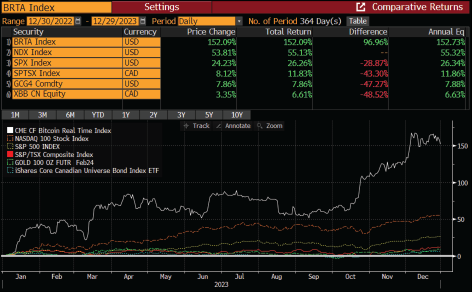
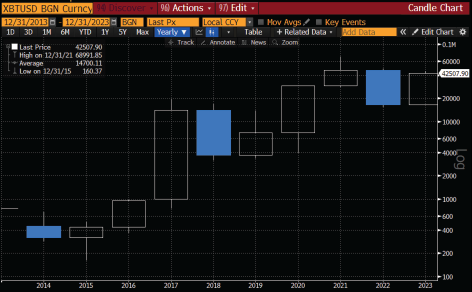
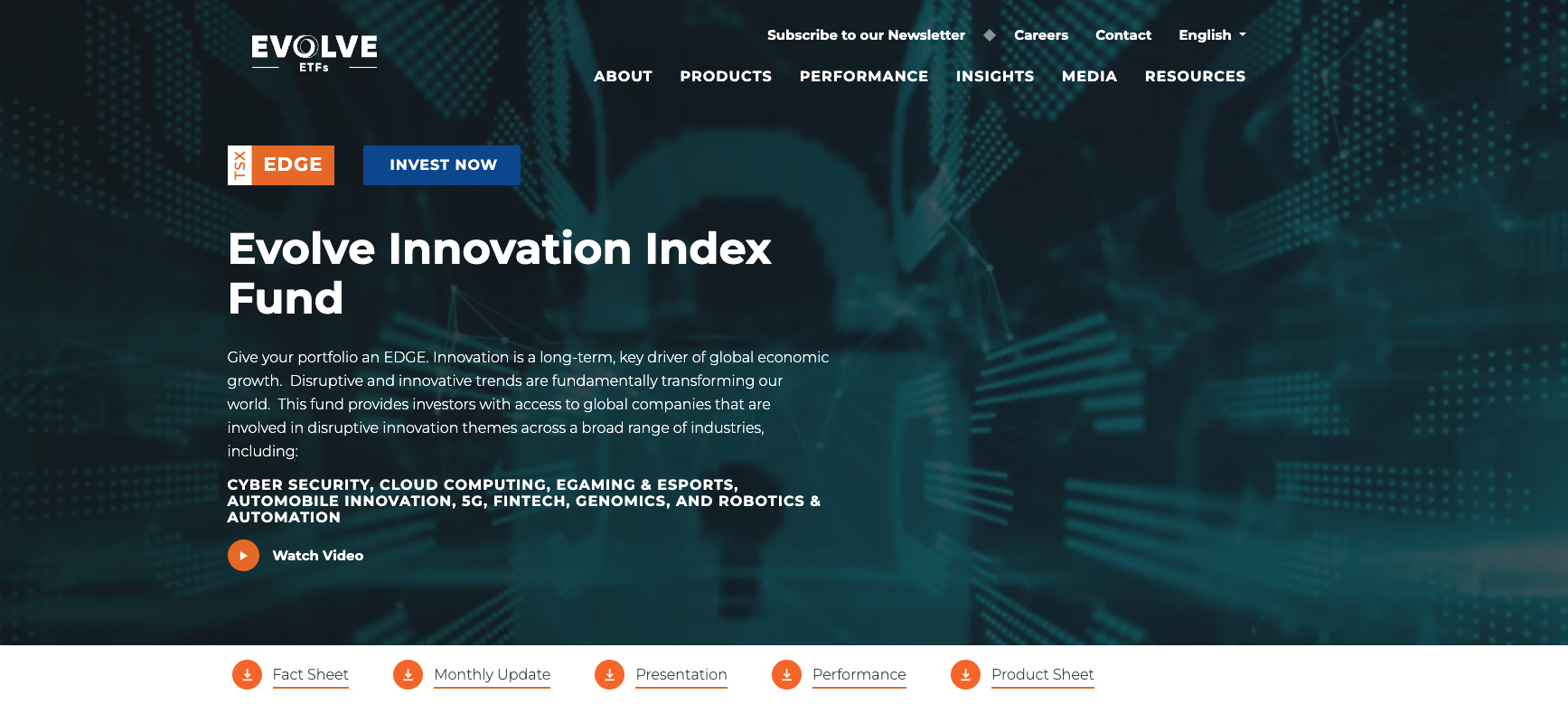
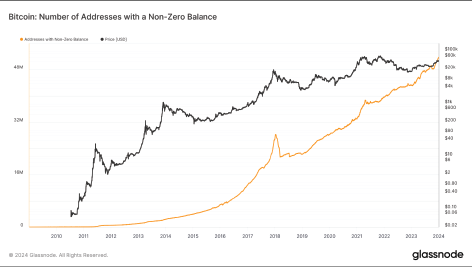
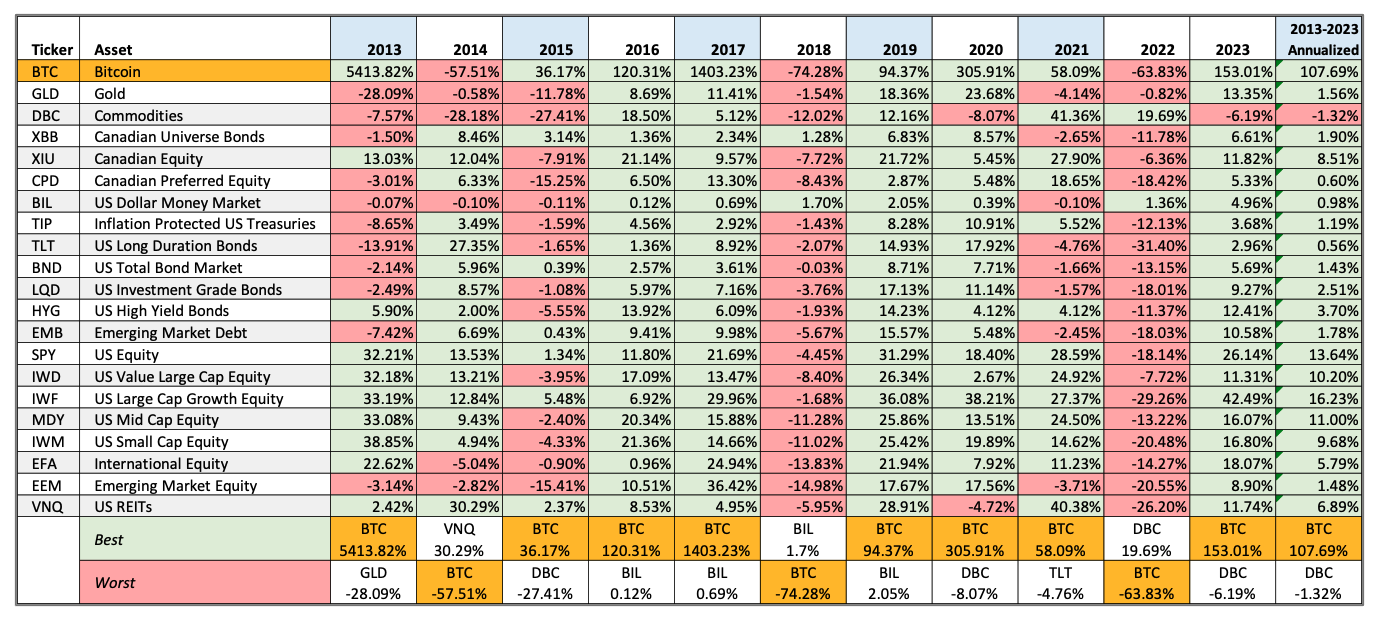

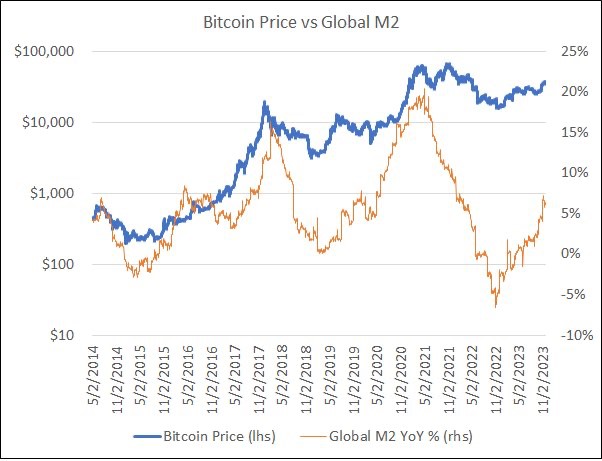






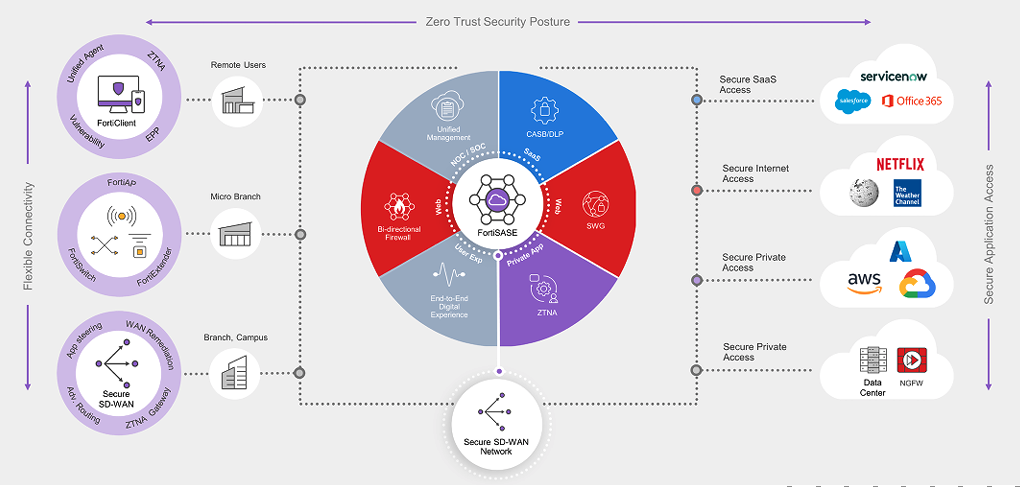
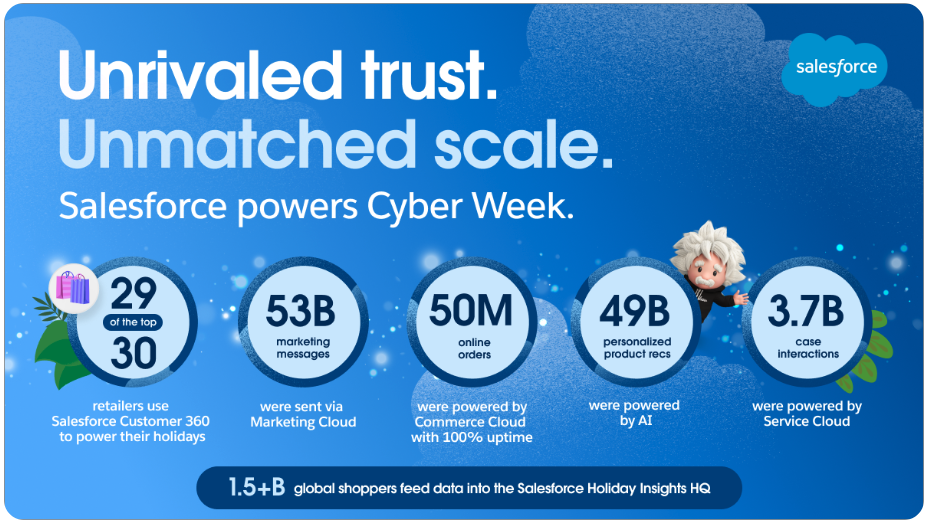









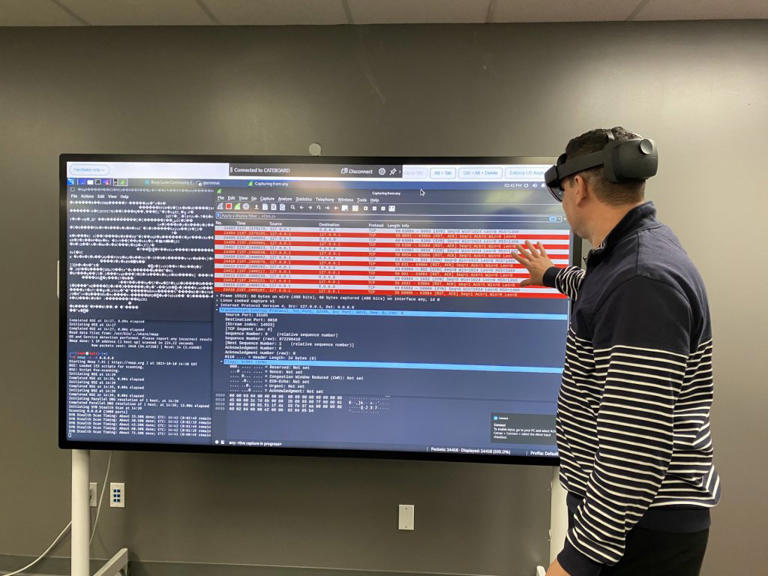



























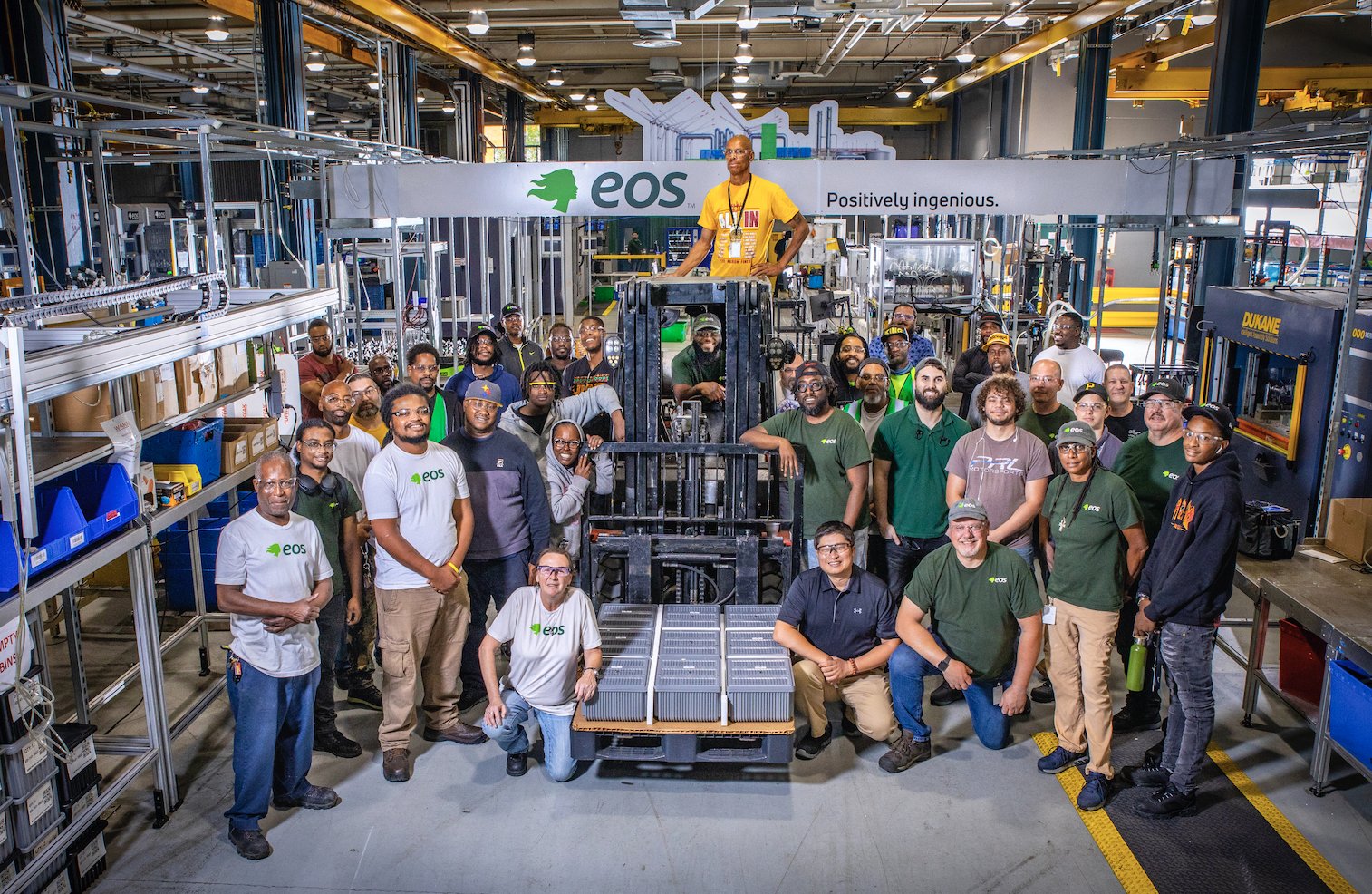






















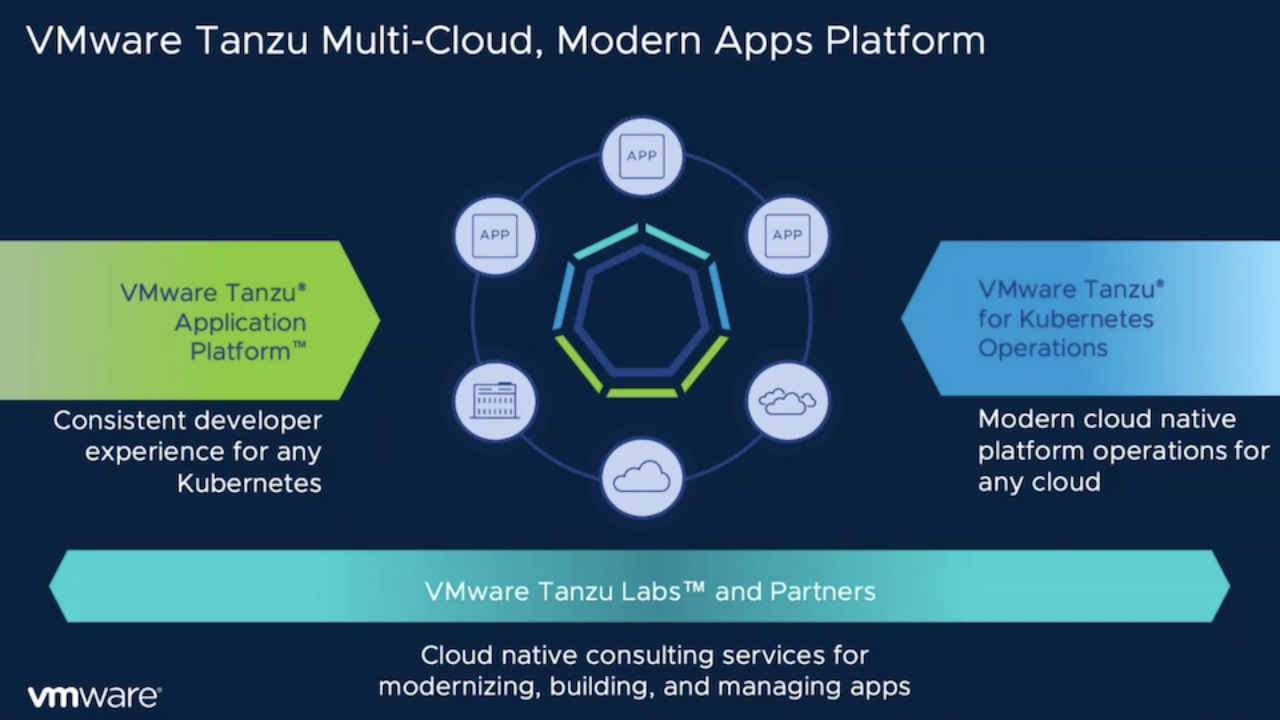

























































































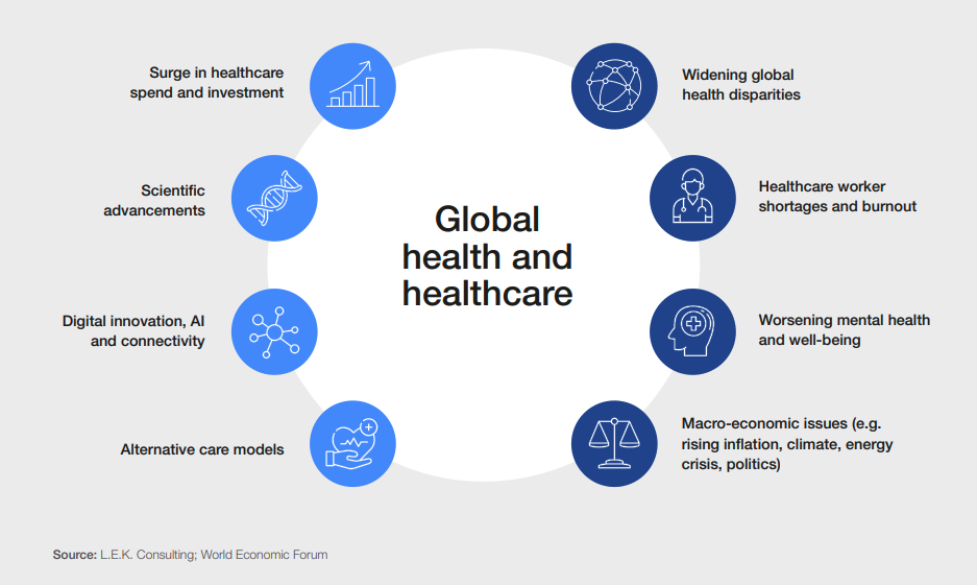






















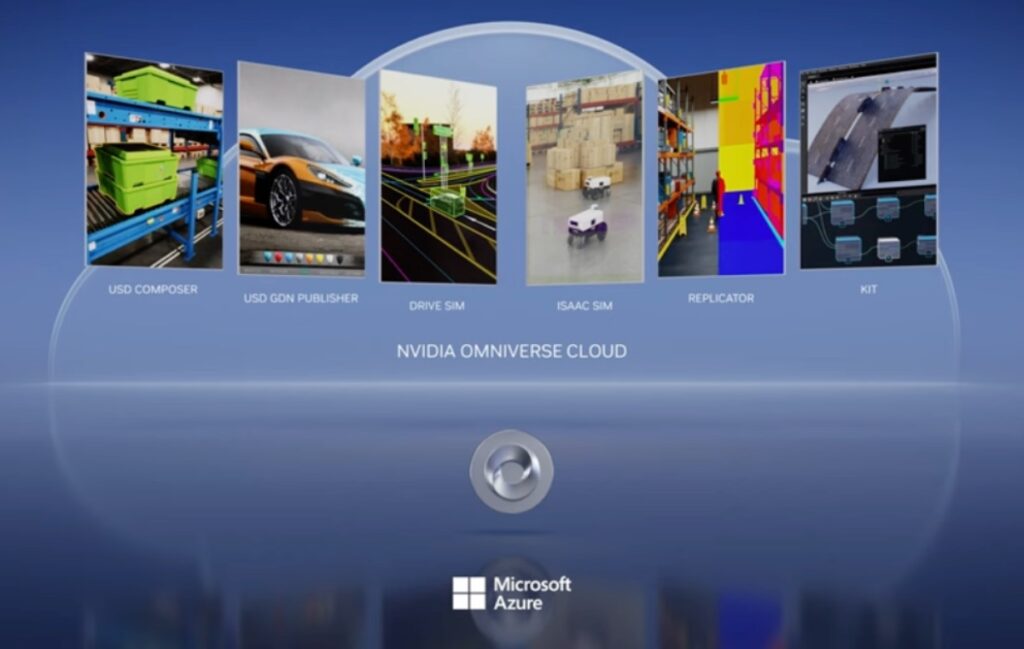















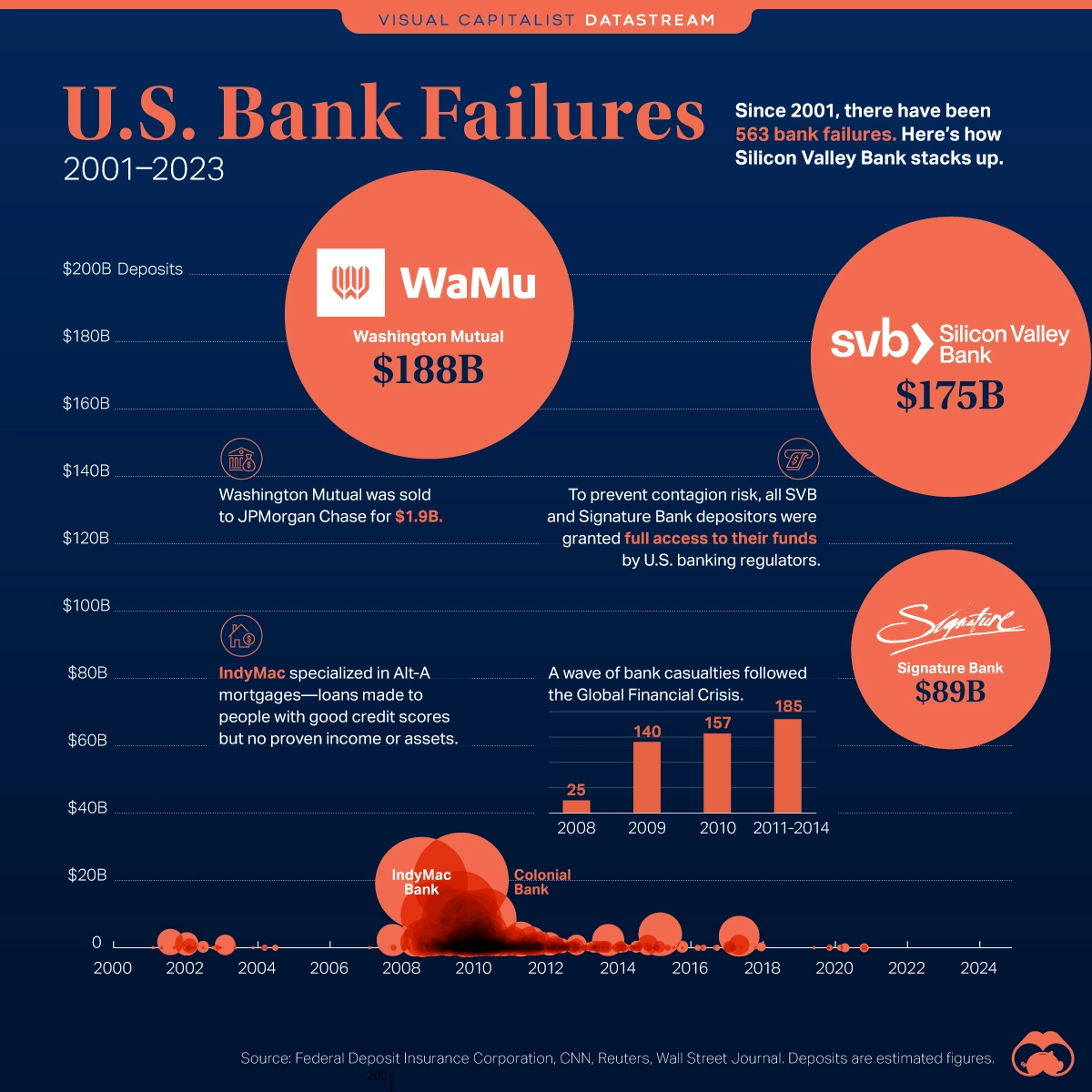
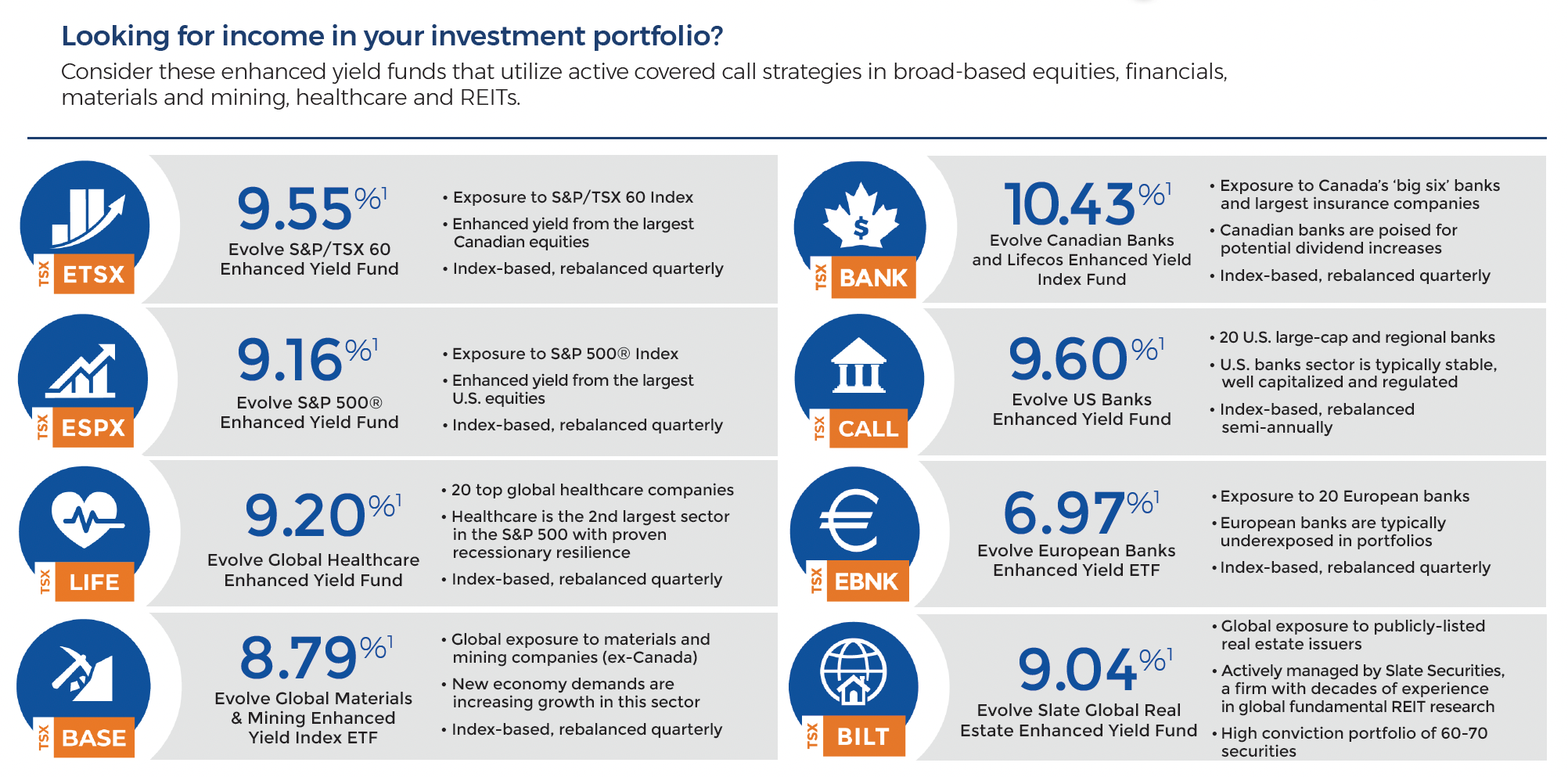 Source: Evolve ETFs.1As at February 28, 2023. Annualized Distribution yield for BANK, BASE (Hedged), LIFE (Hedged), CALL (Hedged), EBNK (Hedged), BILT, ETSX, ESPX (Hedged). Calculated as the most recent announced dividend amount, annualized and then divided by the current market price. Actual yield changes daily based on market conditions.